The Mediterranean & North Africa
November, 2024
Seven countries in 16 days.
When we got back from our Baja adventure we started talking with our cruise mates about finding something we could do together in the summer or fall. After looking at various regions of the world, we honed in on the Mediterranean. Although we had never been to the Mediterranean, our travel mates had cruised the Med before, but there were countries they hadn’t visited, and North Africa in particular was of interest to them, as it was to us as well. So with a little searching we selected an itinerary that hit a wide area from the outside end on the west side, all the way to Greece on the eastern side. We visited ports in Portugal, Spain, Morocco, Tunisia, Malta, Italy and Greece. All would be new countries for us, so we could add them to our total countries visited list. After this cruise we’d be up to 36 in total.
The embarkation port of Lisbon.
Starting In Portugal
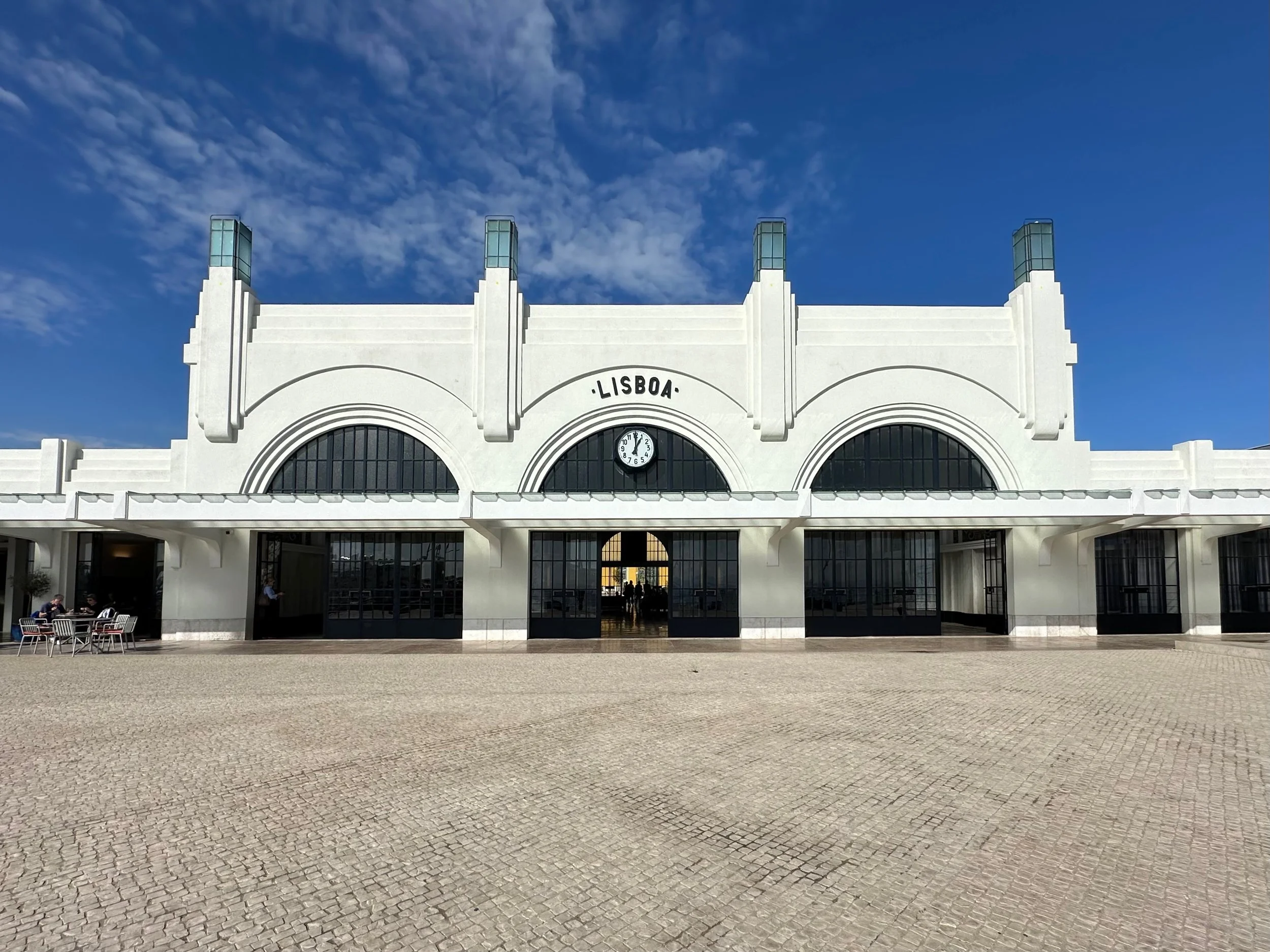
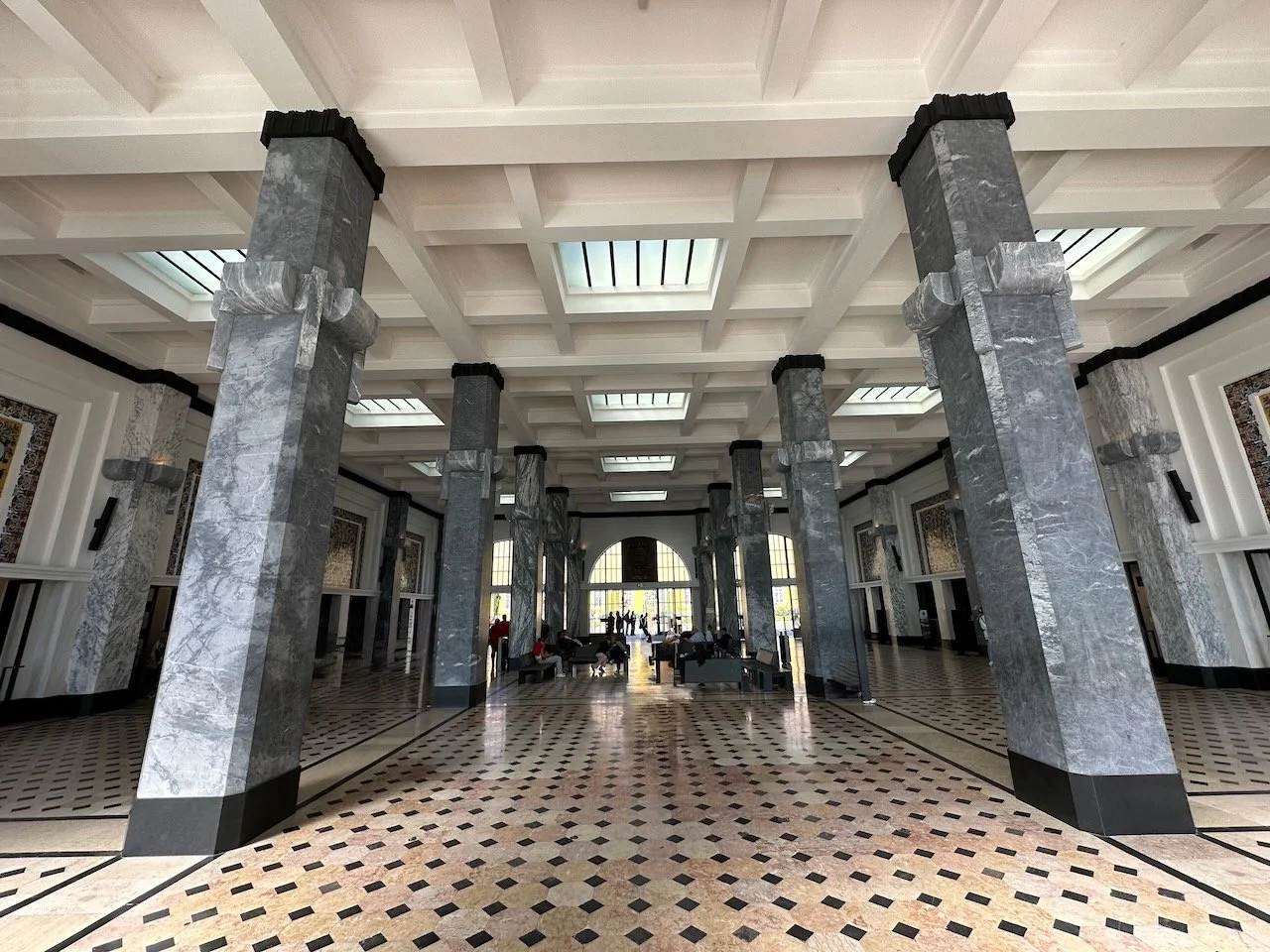
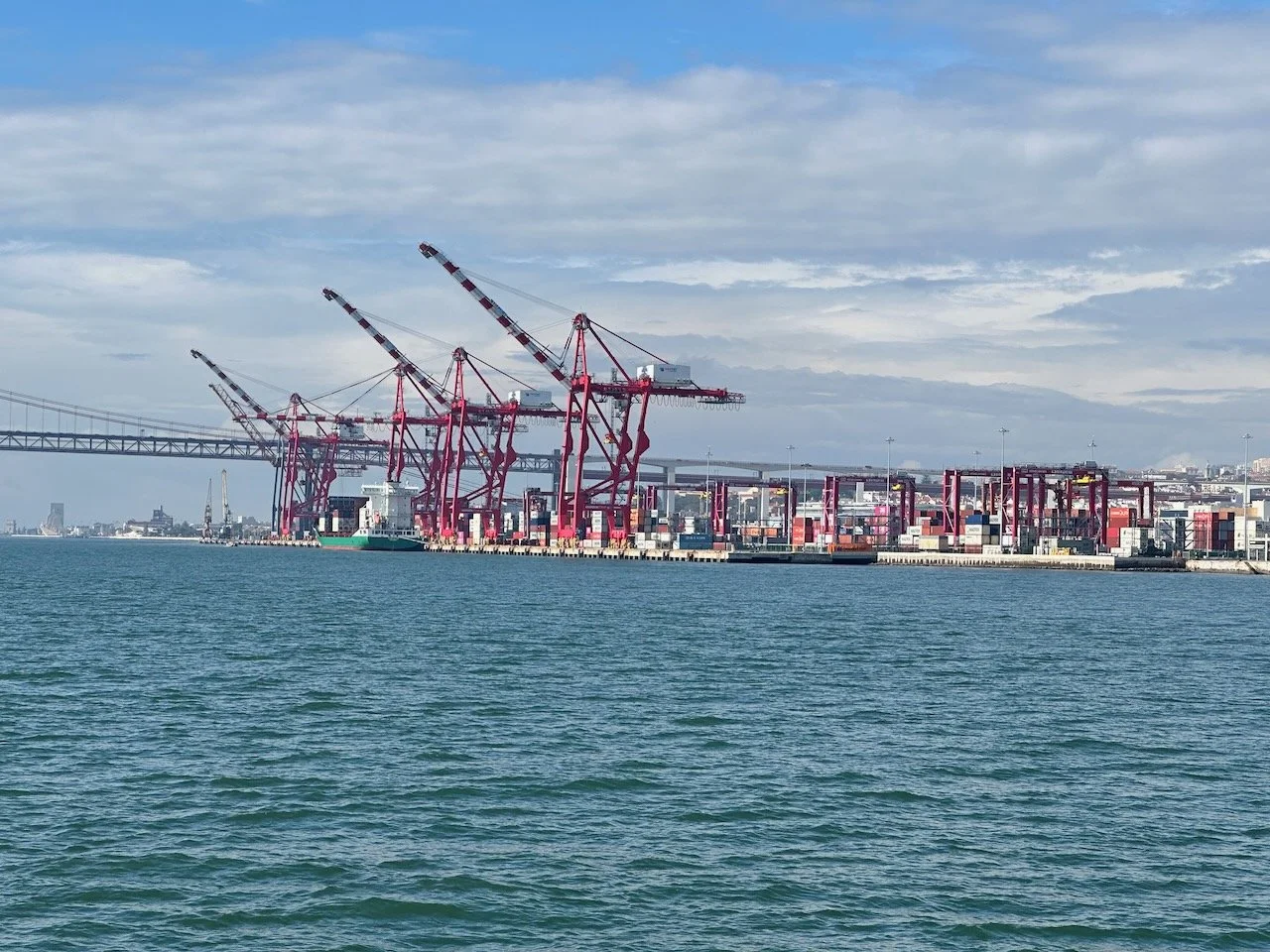
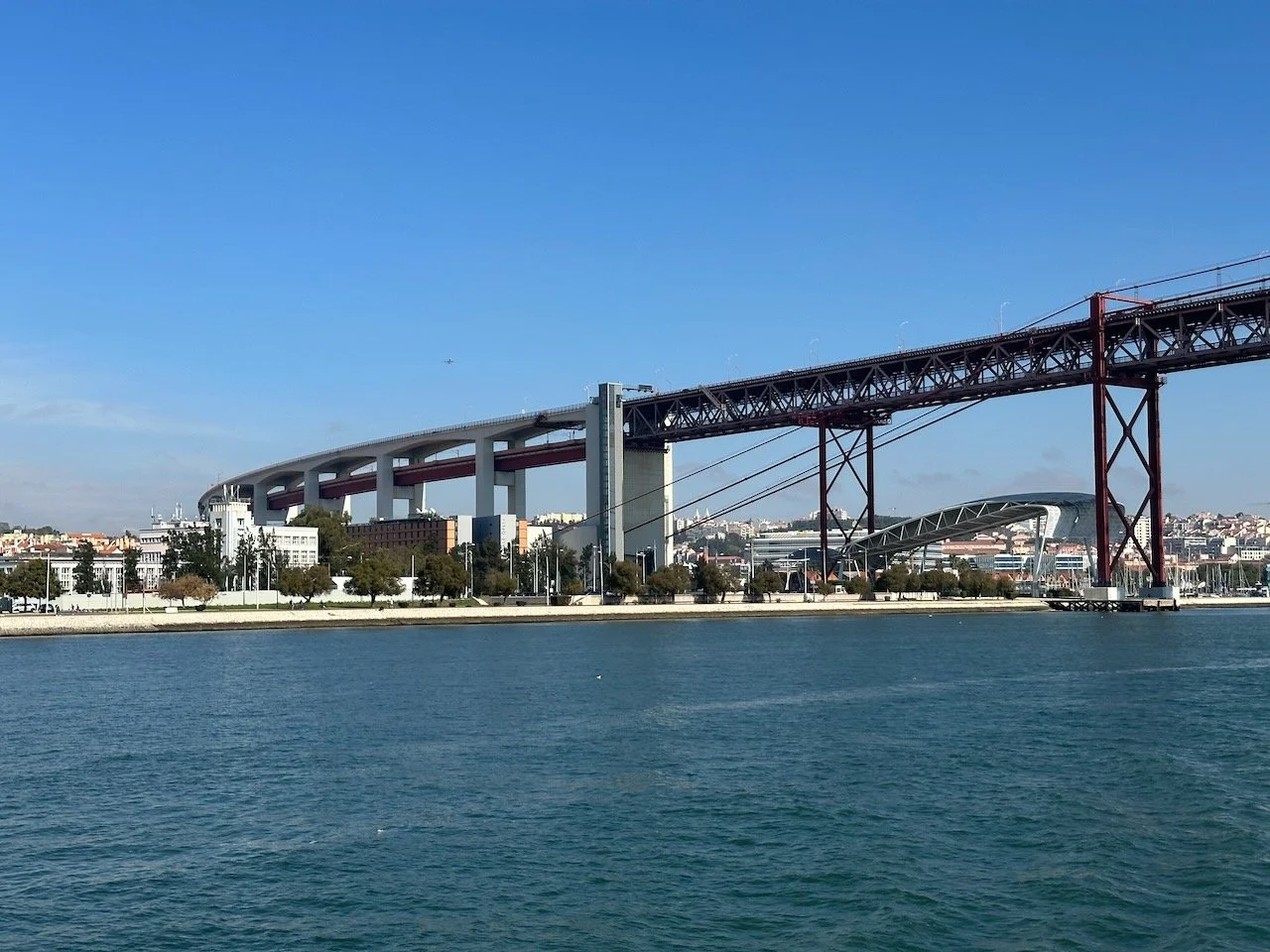
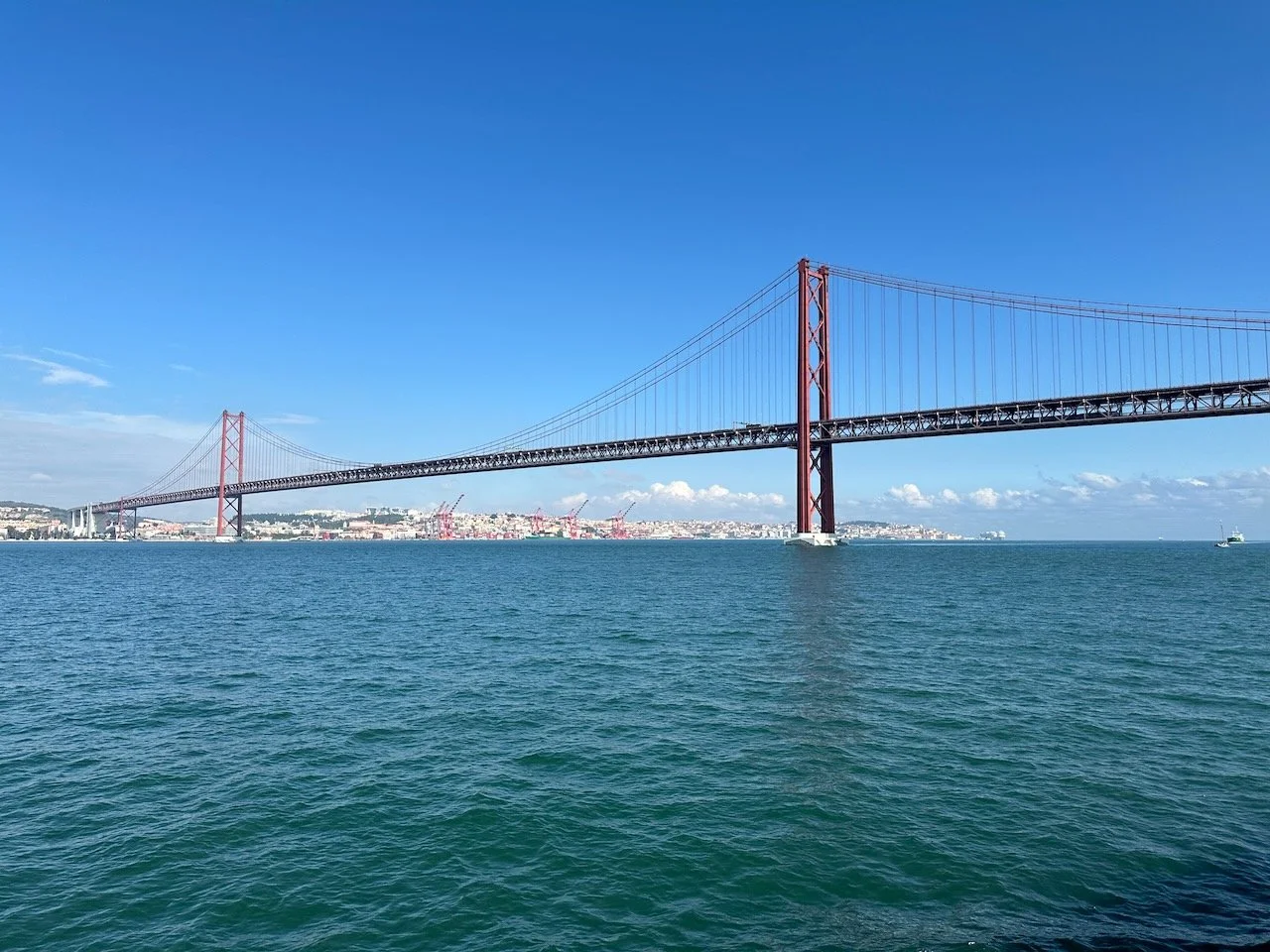
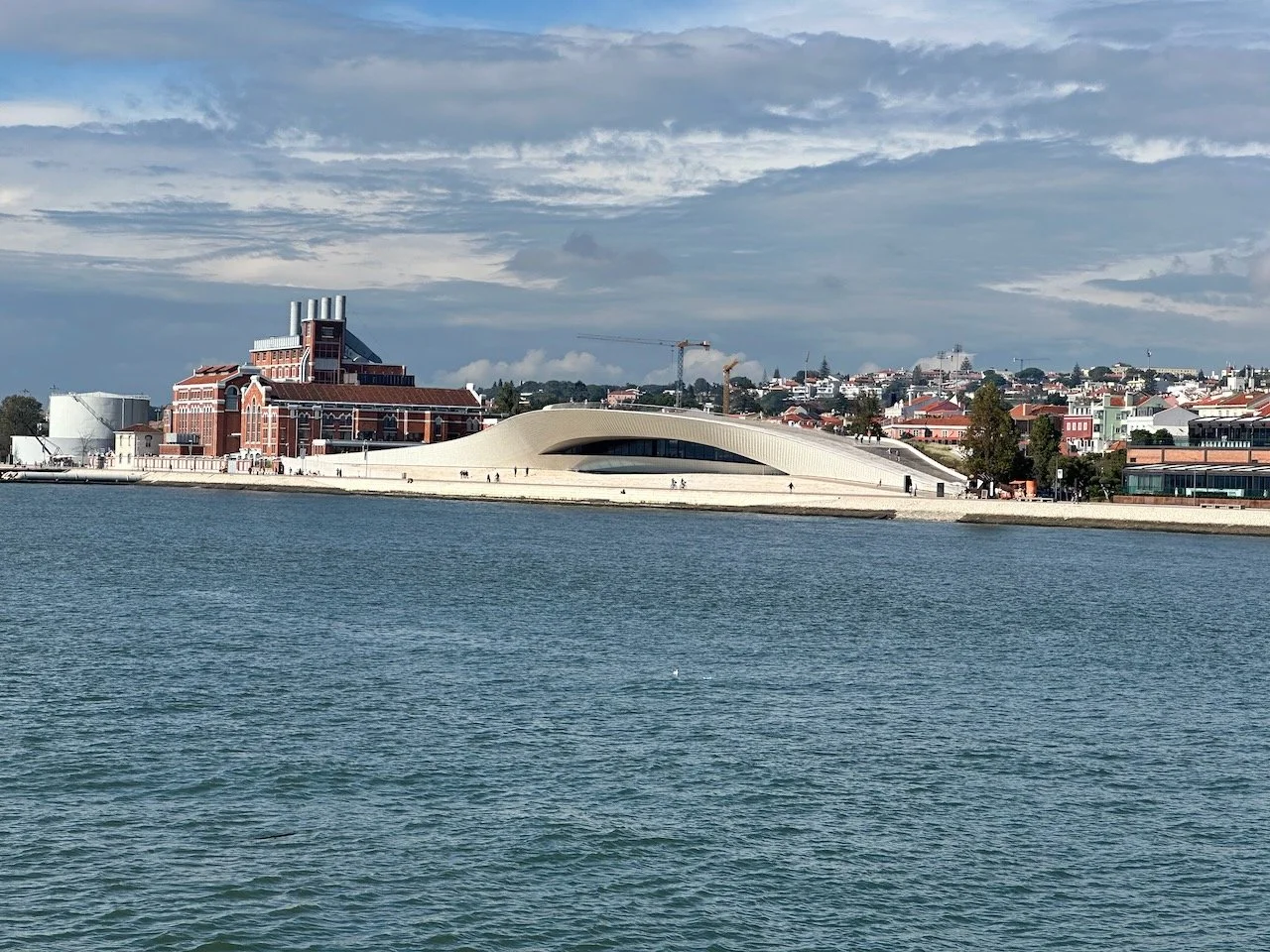
As with our previous cruise adventures we began this one with a few extra days ahead of time in the capital city of Lisbon, or Lisboa as the locals call it. Staying in a hotel chosen by the cruise company, which was right on the edge of the tourist district, we were in easy walking distance of all of the major attractions including the massive estuary of the Tagus River. Reaching all the way to Spain, the Tagus River has been of major importance to the region for trade and shipping going back centuries.
Flying direct into Lisbon…not a good idea. Huge lineups for passport clearance, very little air conditioning to keep one comfortable during the long wait. Better to fly through a large gateway city like Frankfurt or Amsterdam.
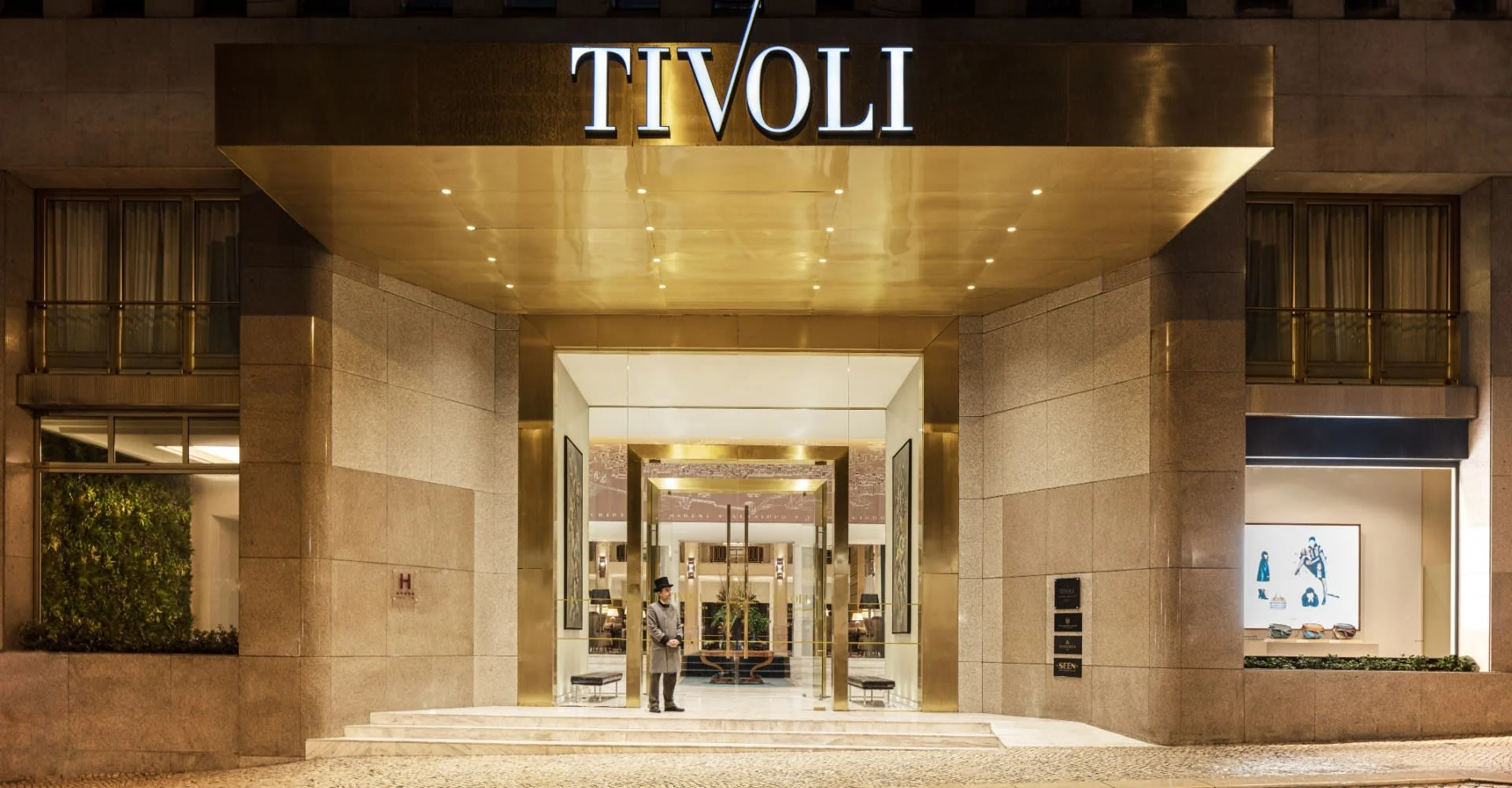
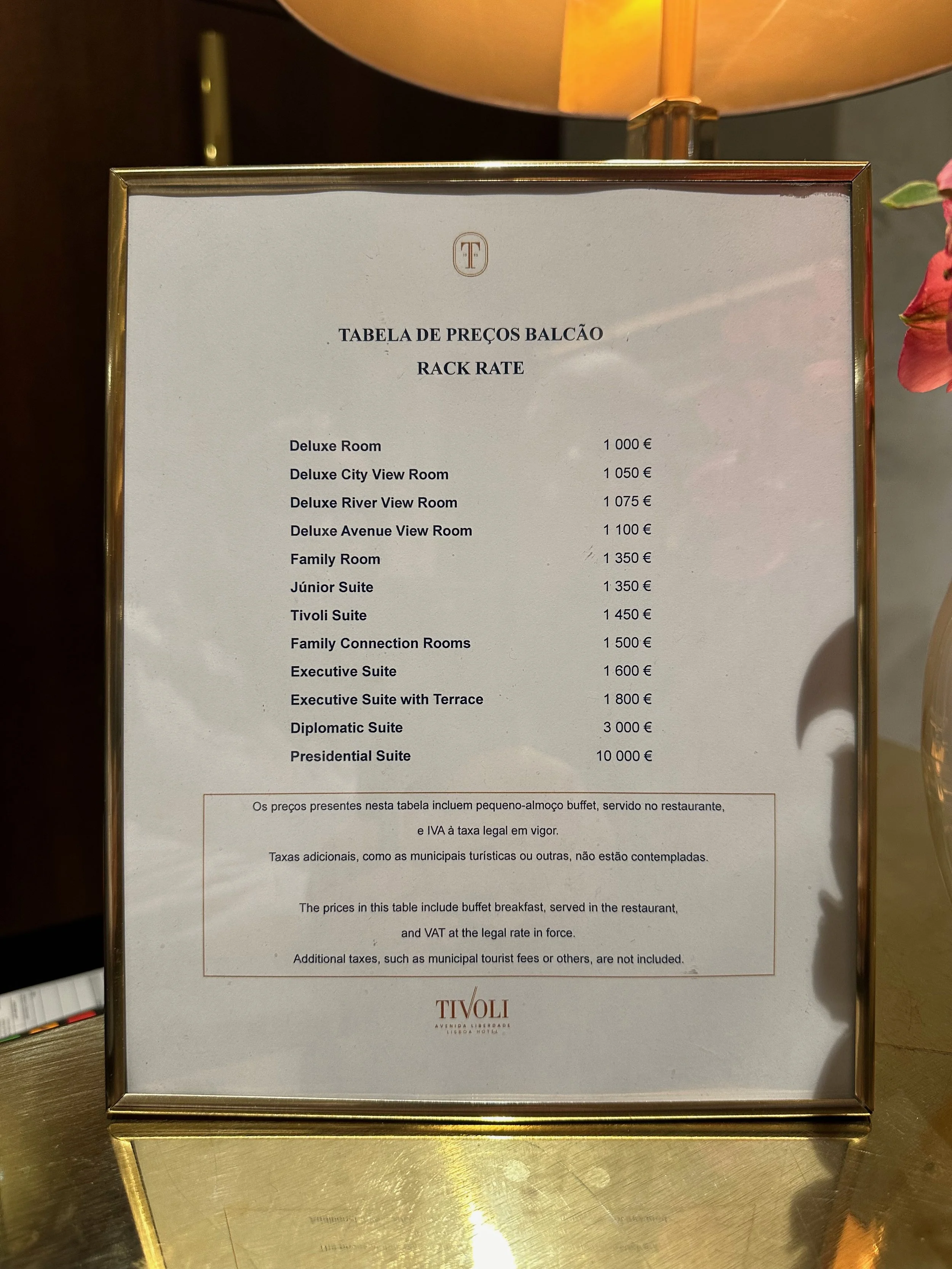
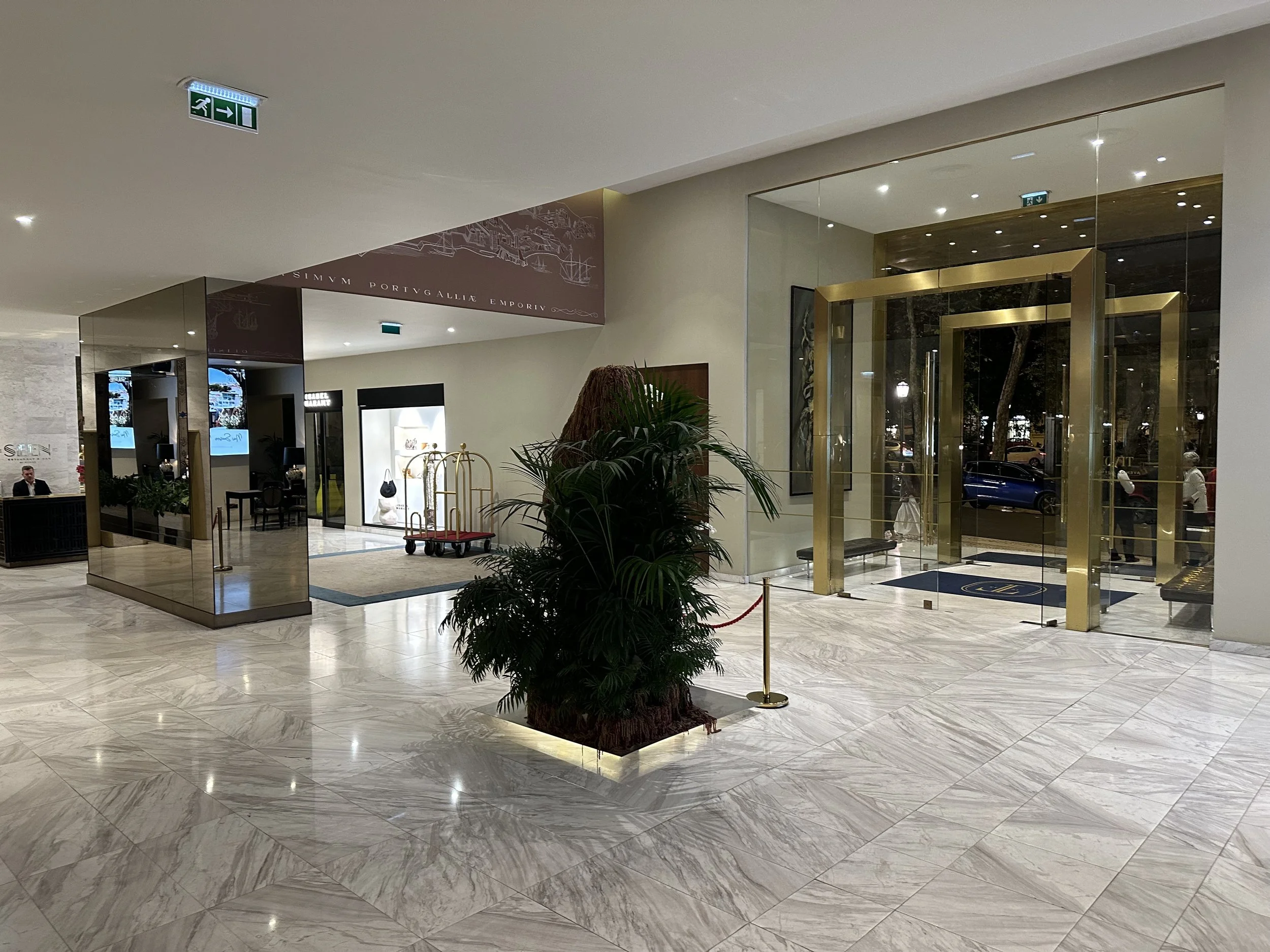
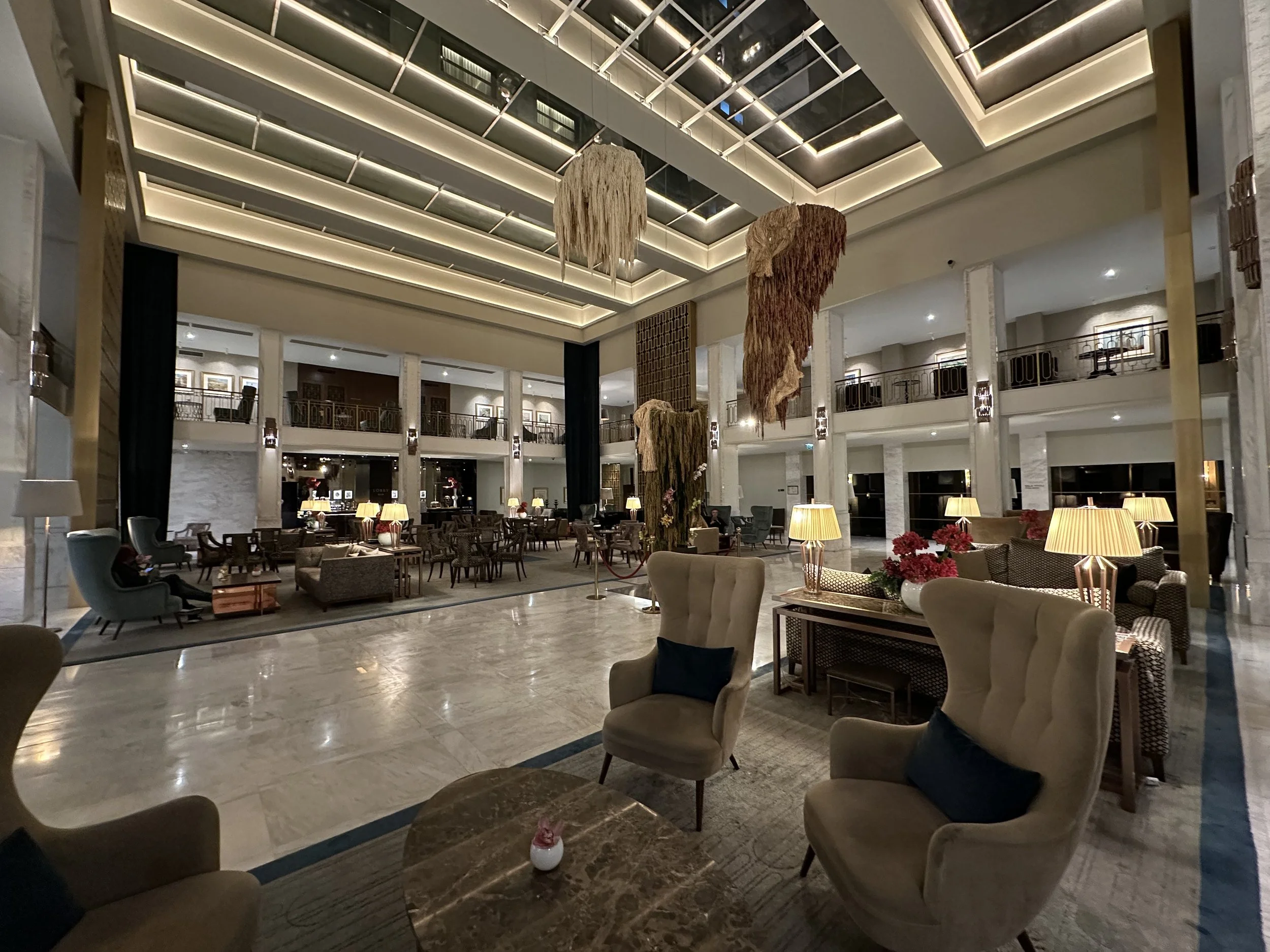
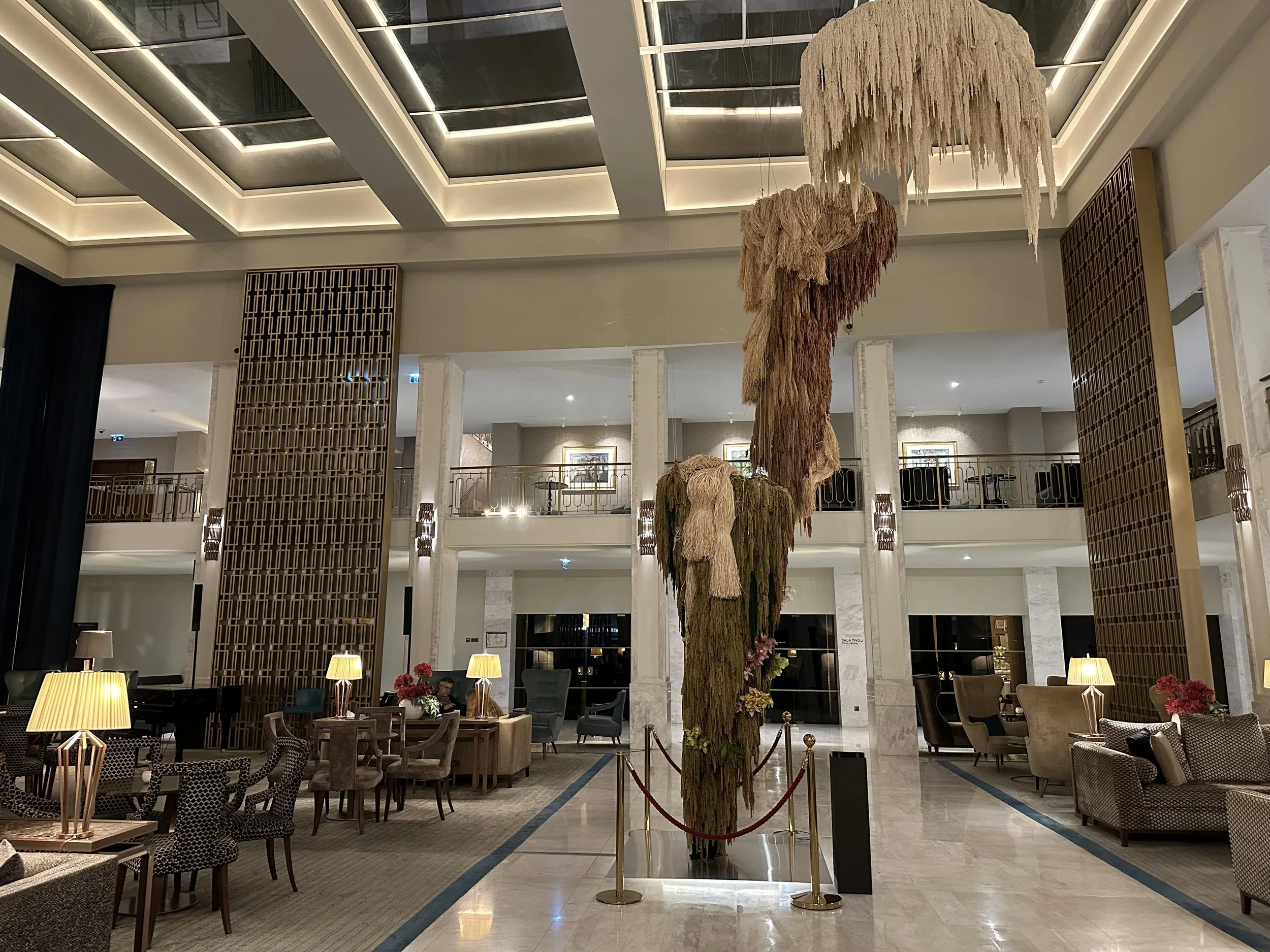
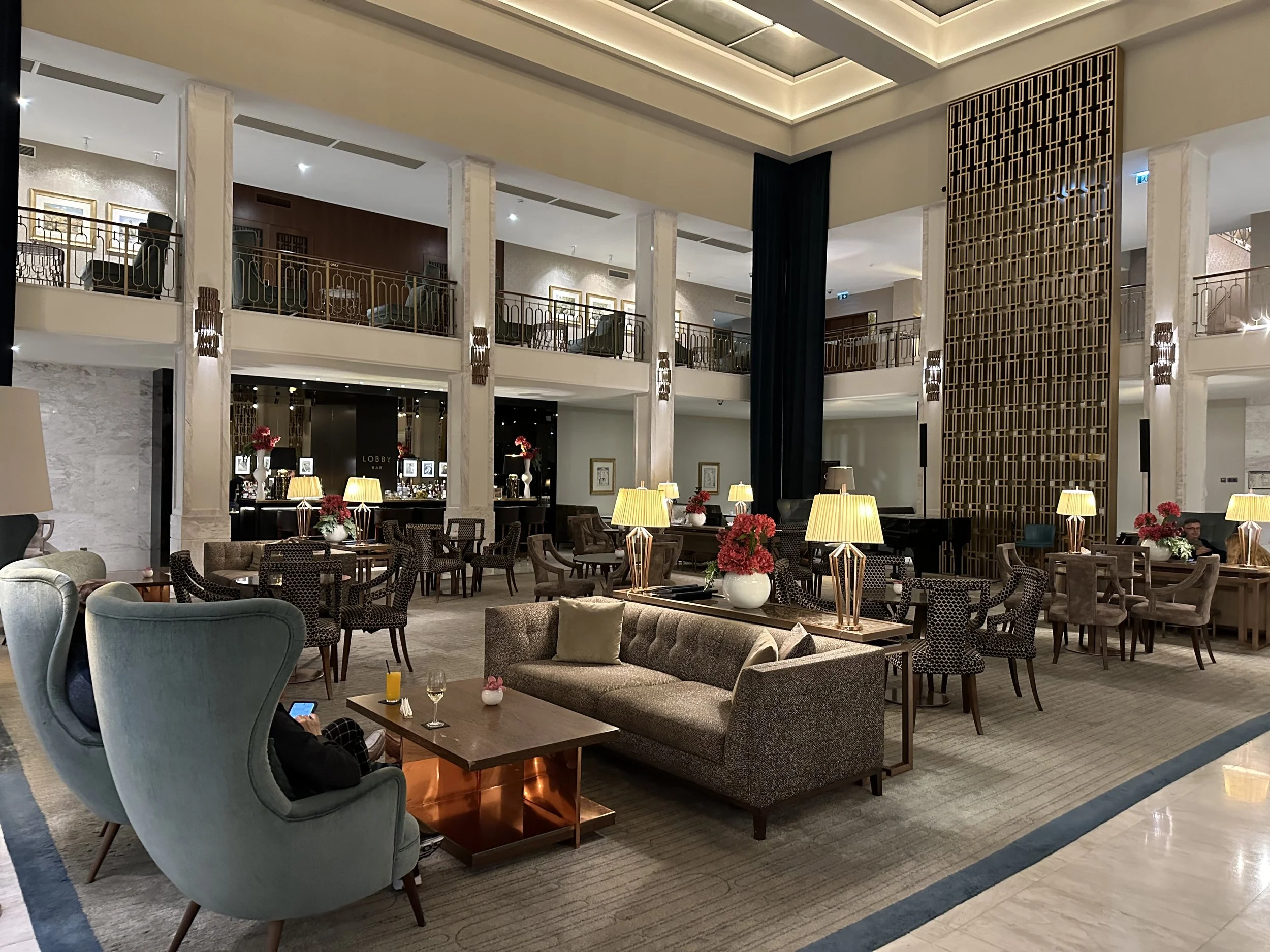
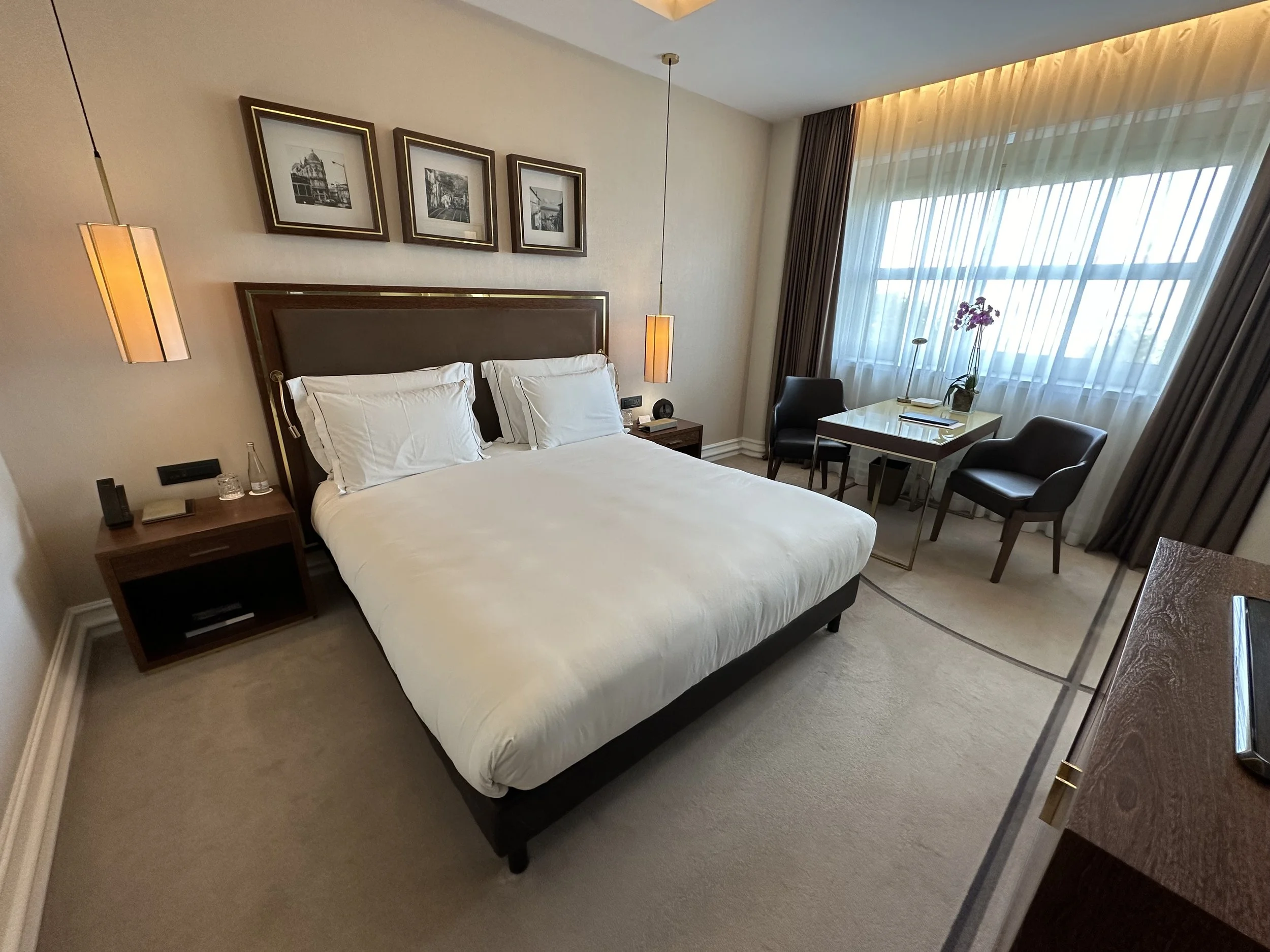
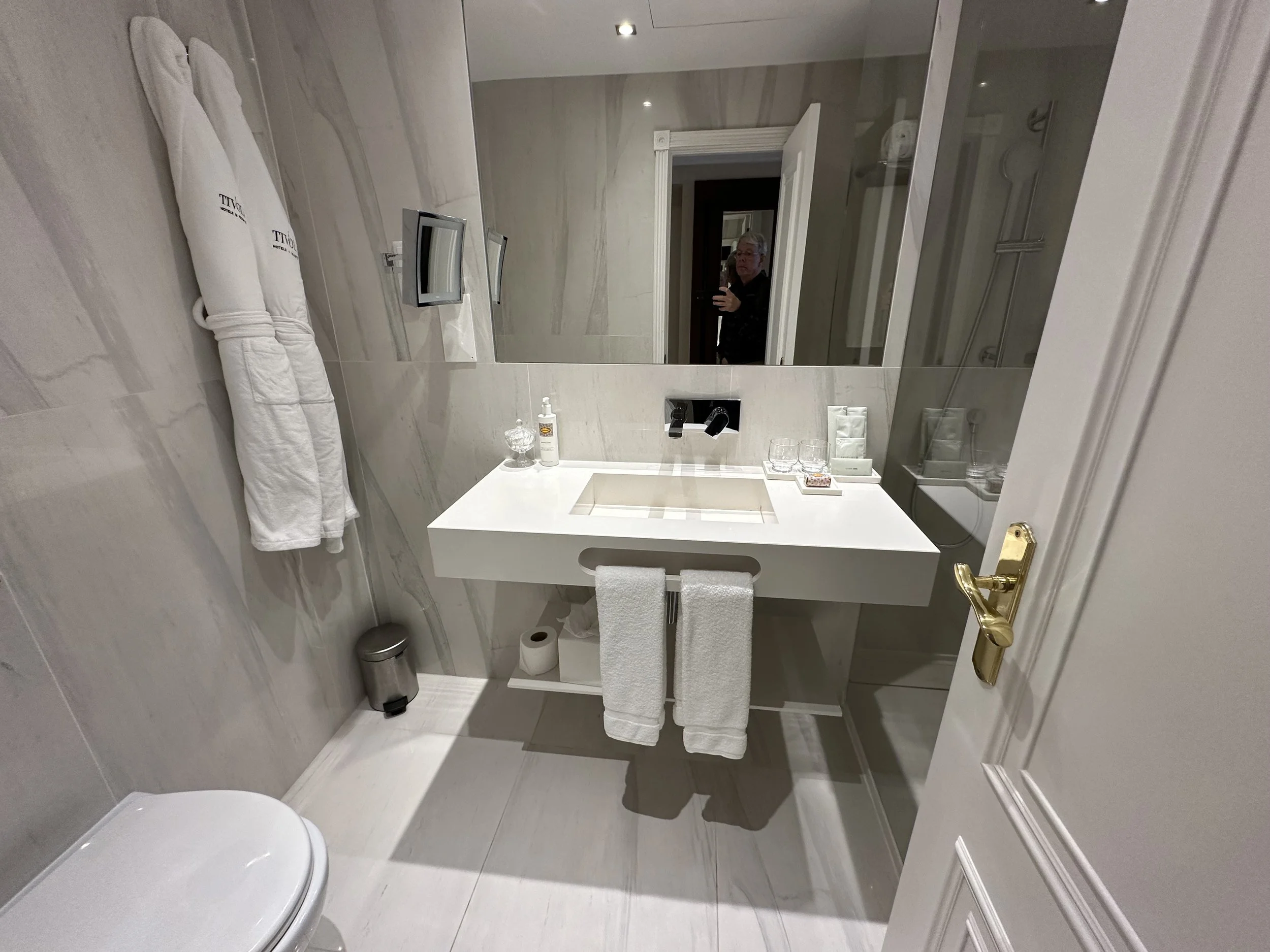
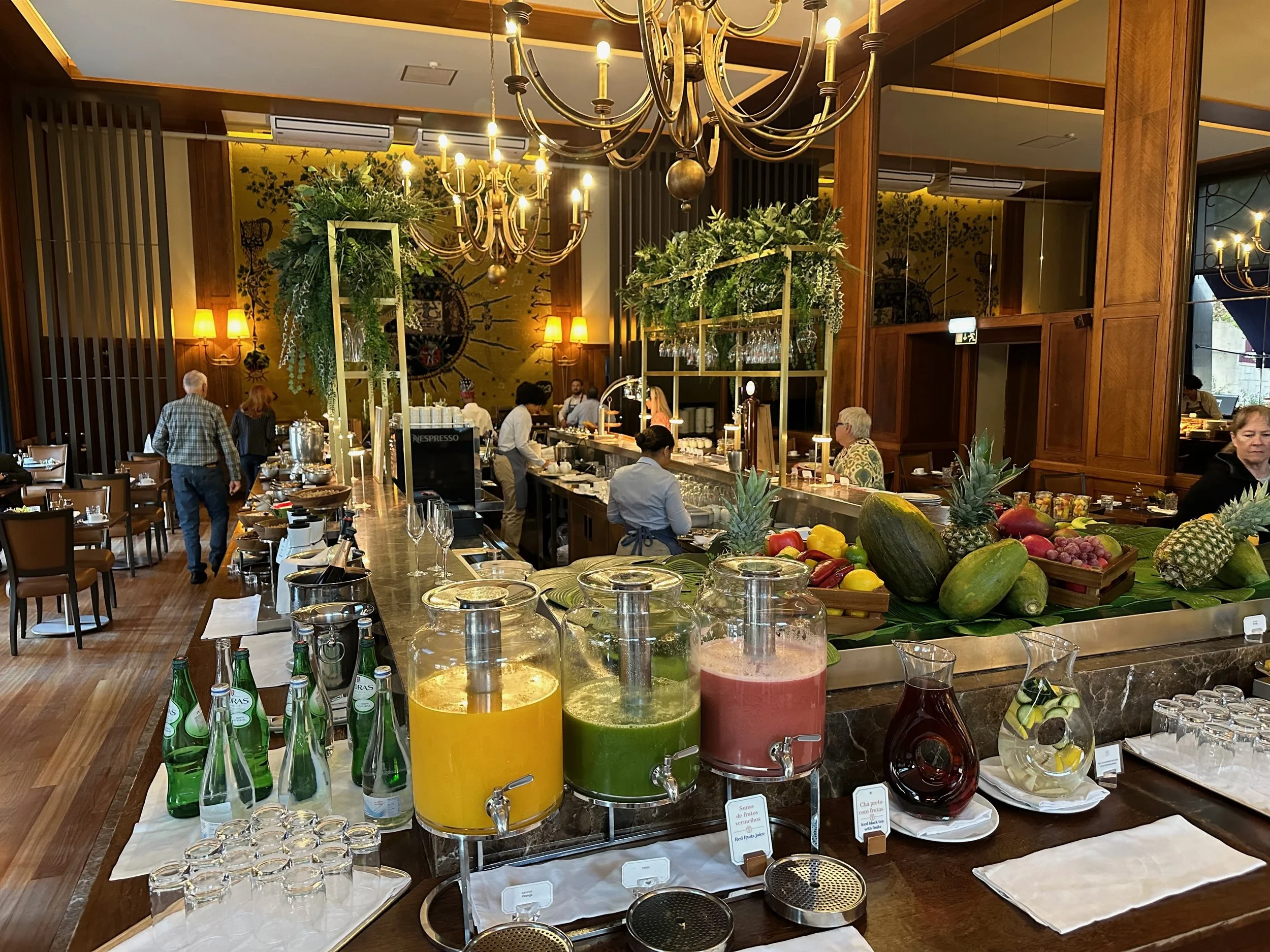
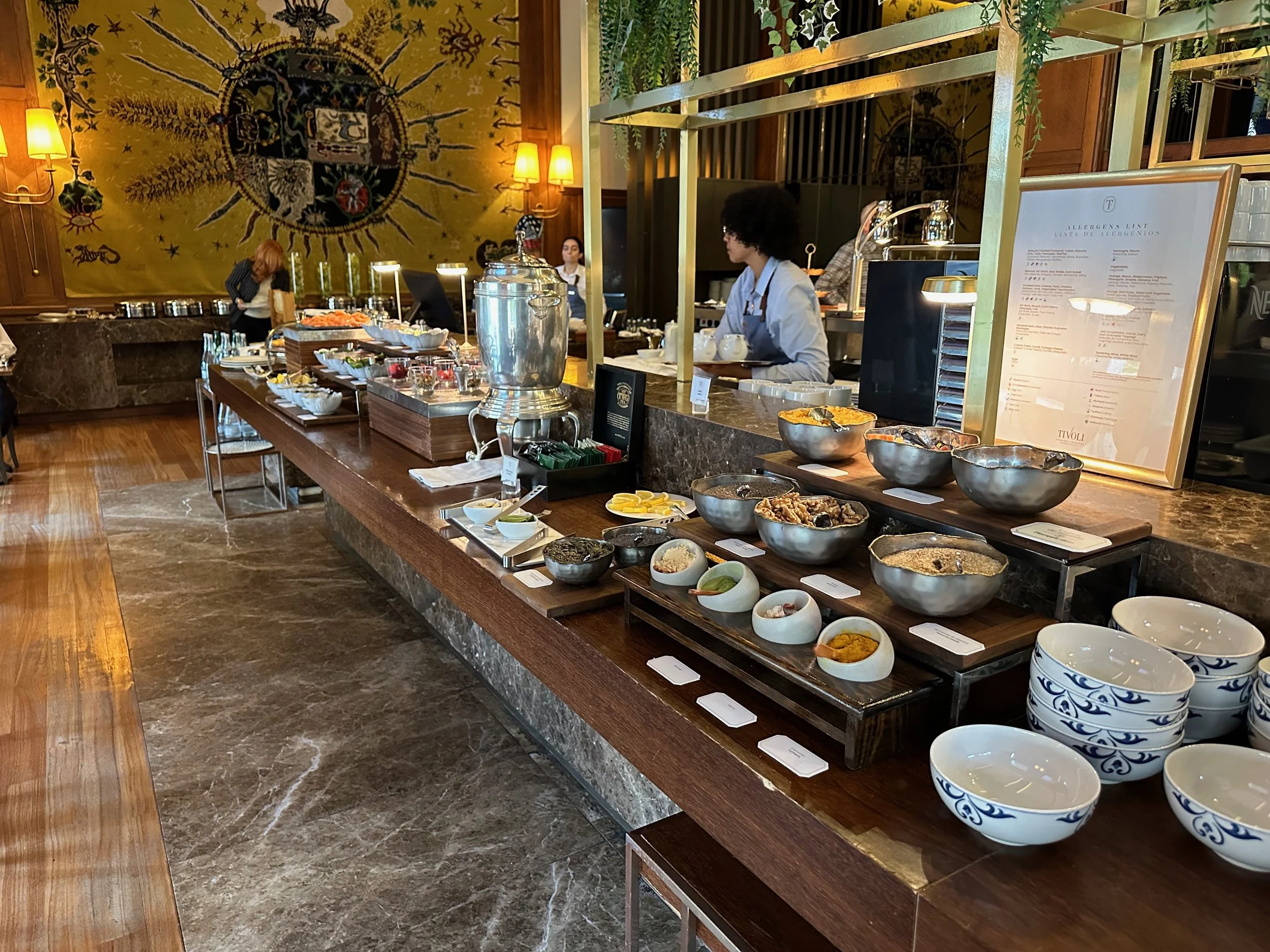
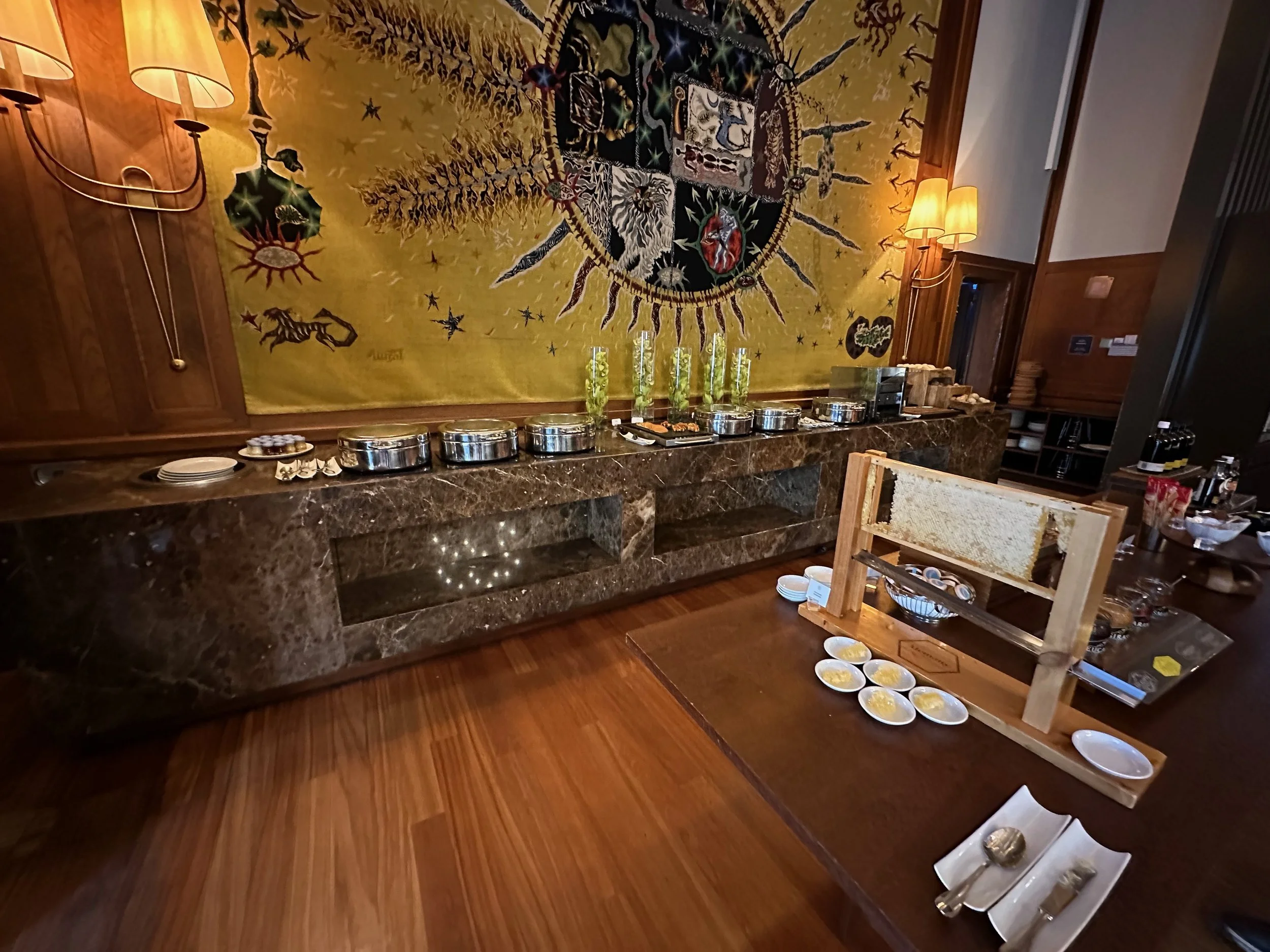
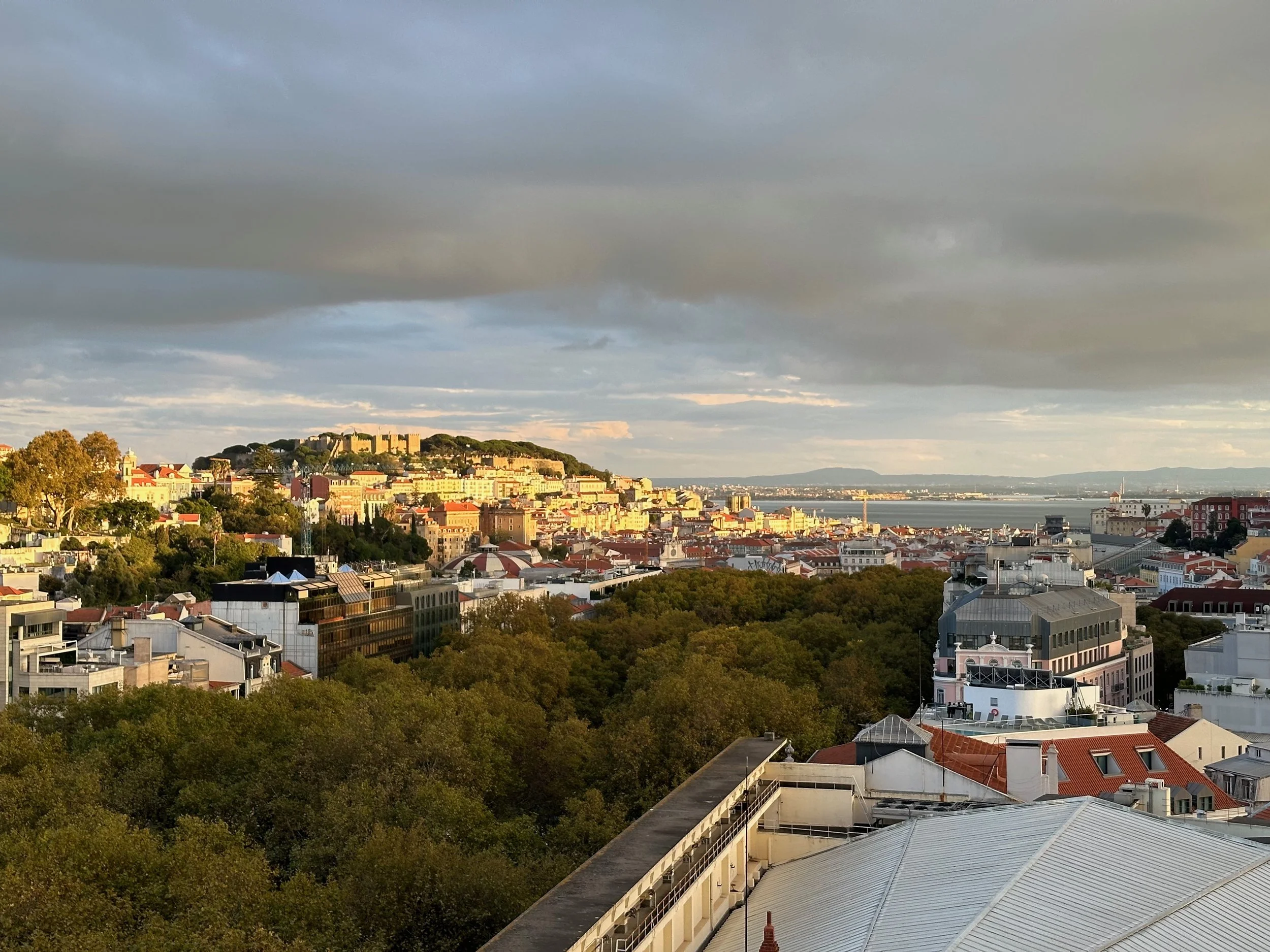
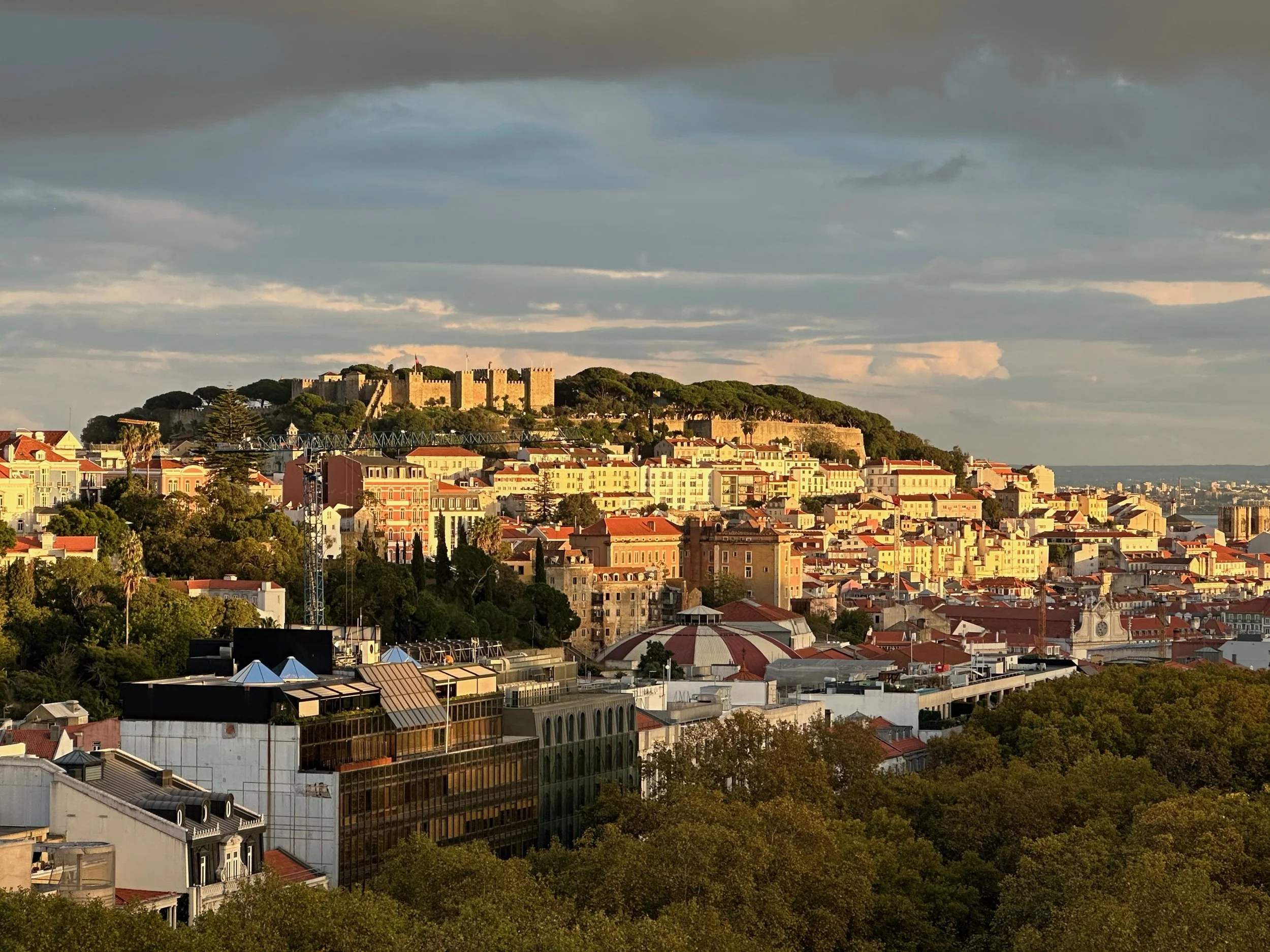
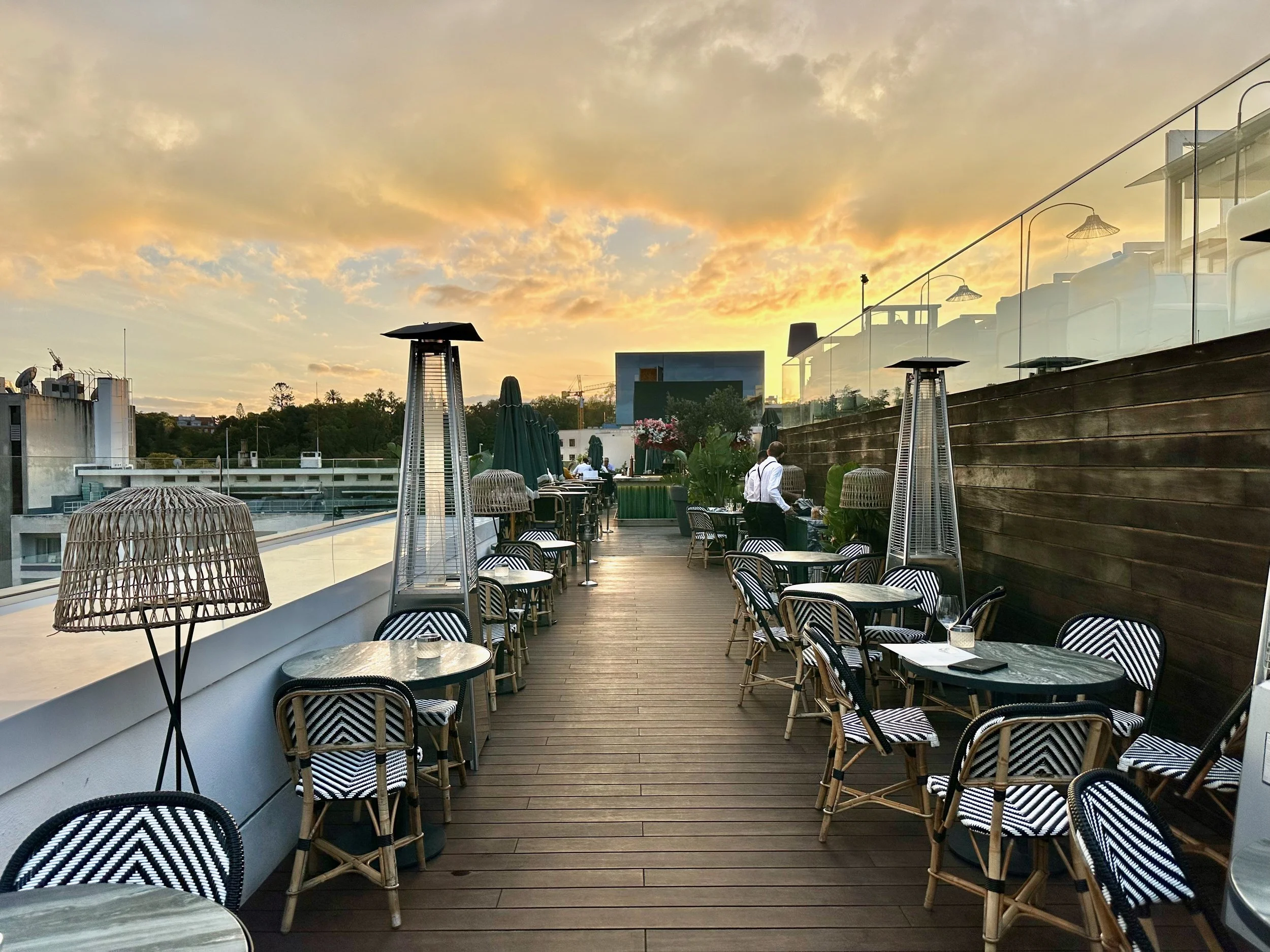
The cruise hotel
As mentioned above, the hotel was chosen by Silversea as their consolidation point for incoming passengers. Some came in the night before, but like us, a number came in a few days ahead so they too could appreciate what Lisbon has to offer.
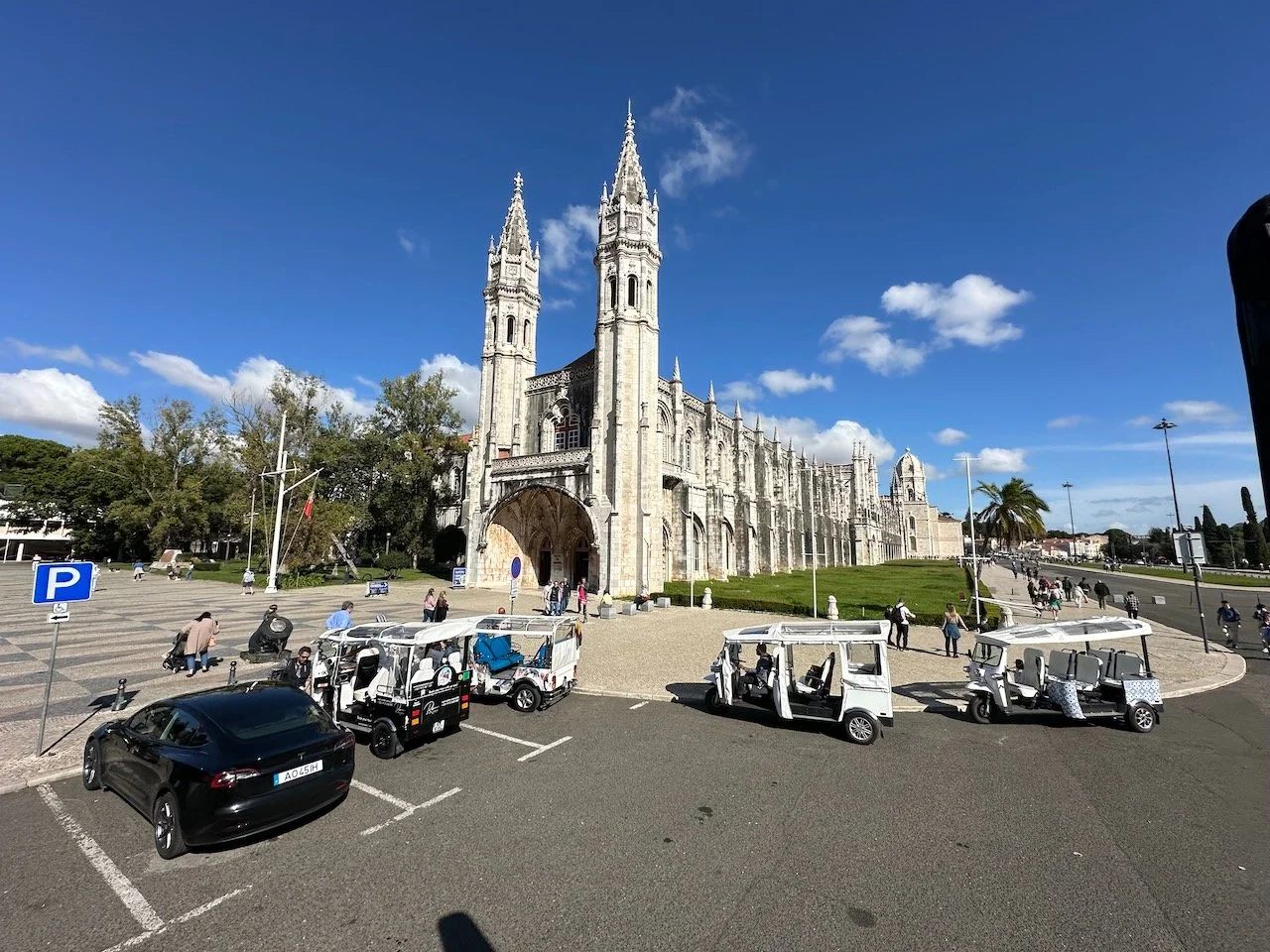
We just loved the look of this private tour tuk tuk, or auto rickshaw, along with the chap on the scooter. Both make a good statement.
Exploring Lisbon
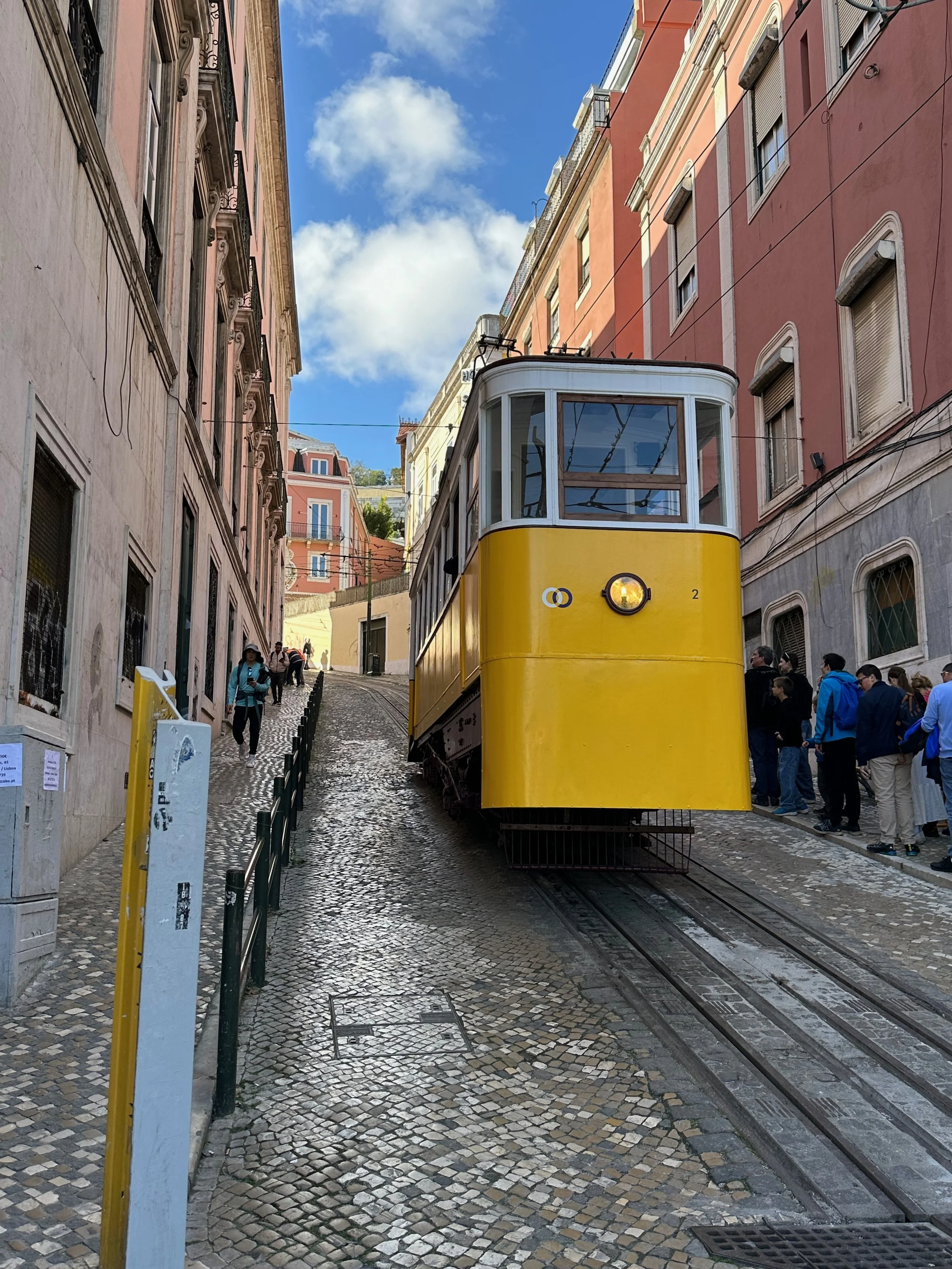
Since we had two days in Lisbon we started on the first day with a tour on the Hop-On-Hop-Off bus. Most cities have something similar, and it’s a way to get a general overview of the city and its highlights. Then one can go back afterward for a deep dive into any particular sight, or just get off the bus right there and carry on. We chose a bus and boat package only to find out the boat only ran on certain days and we’d be gone before the next day came up. Small detail left out by the ticket seller. So we had to buy another ticket from a different river boat tour operator in order to get out onto the water.
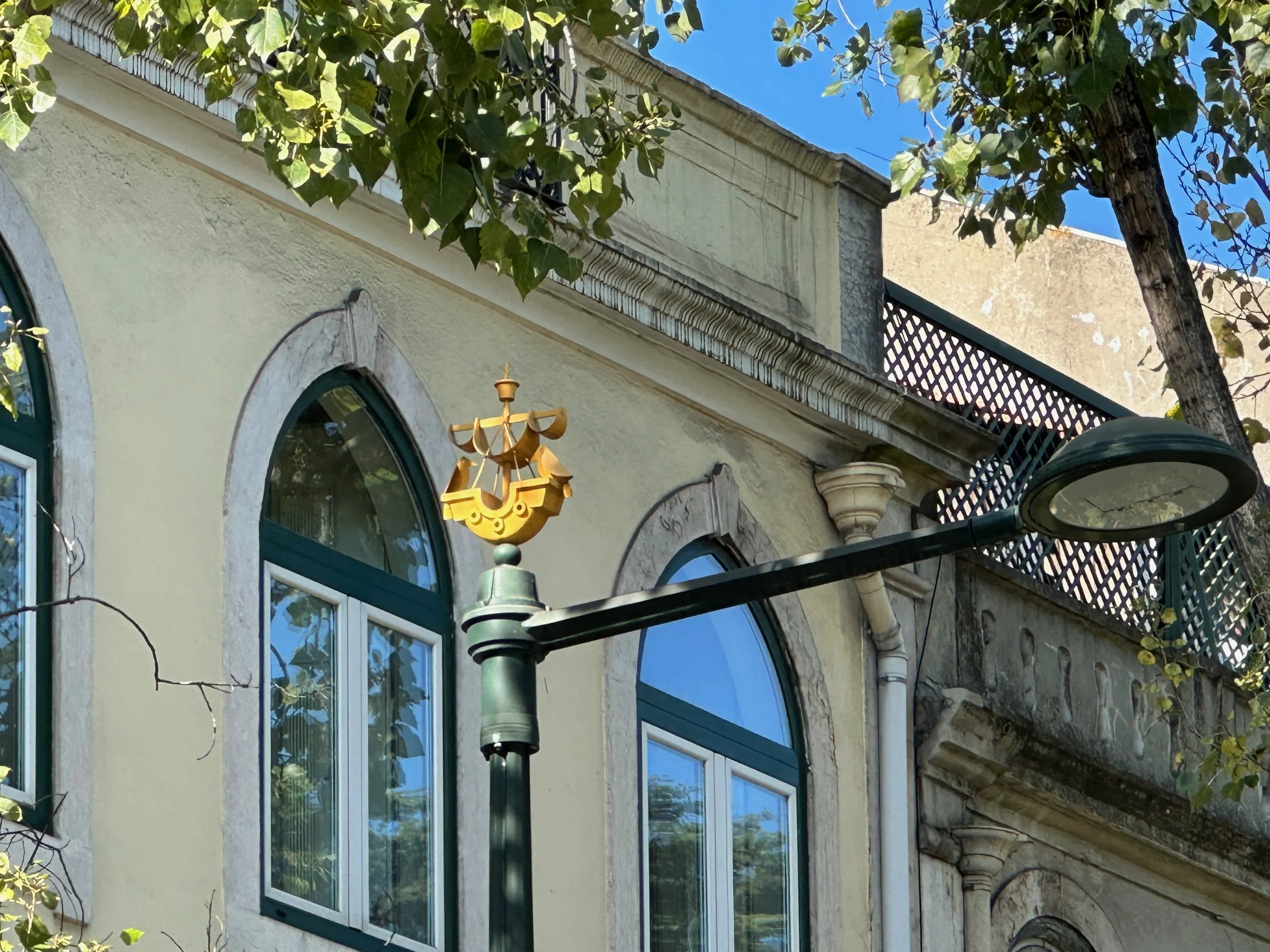
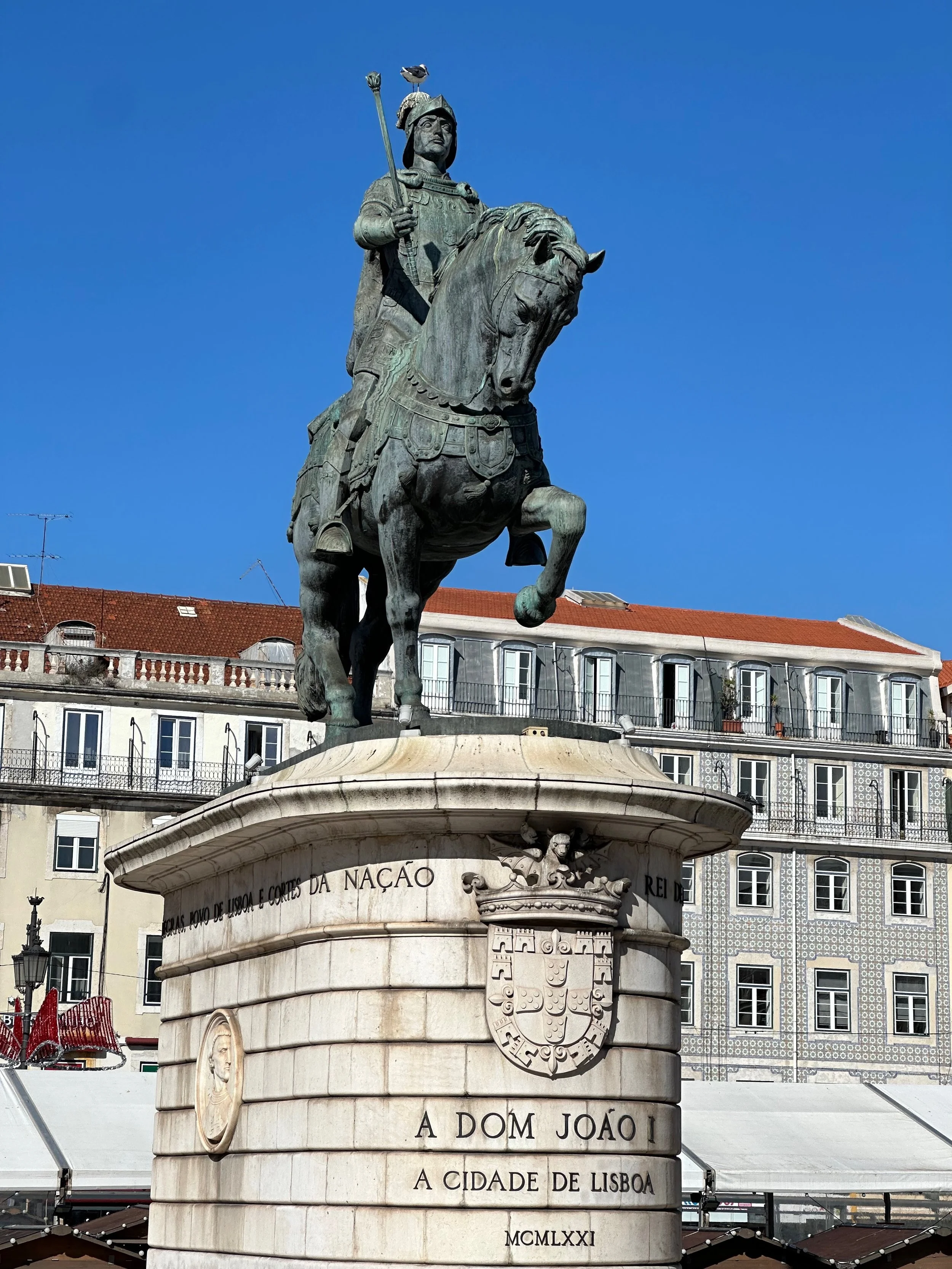
We also did a lot of sightseeing just by walking around. As mentioned, we were in the heart of the tourist area, so the bus overview lent us well for our visit the next day to that which we wanted a closer look at. Here are some of the highlights of the bus and walking tours.
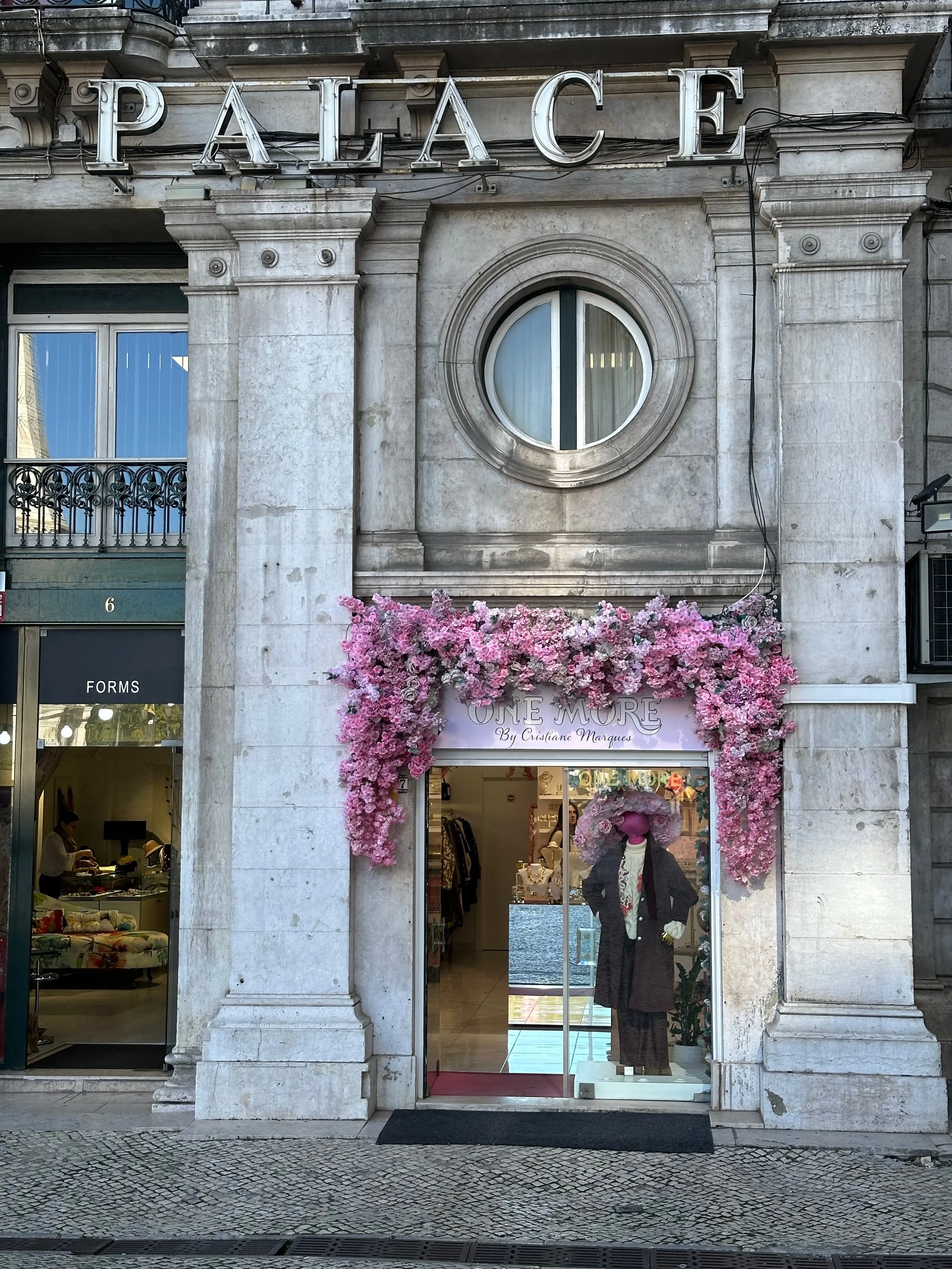
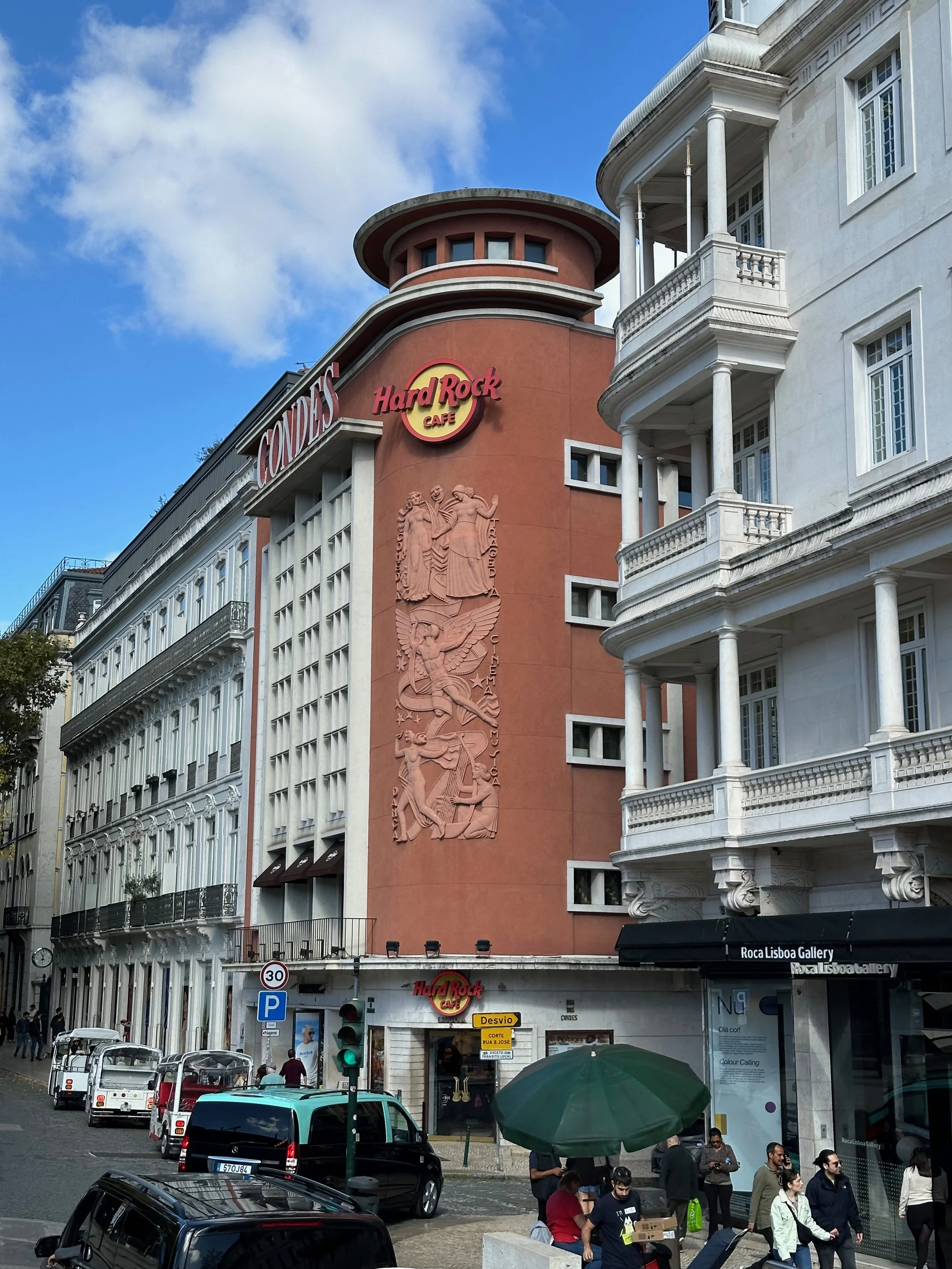
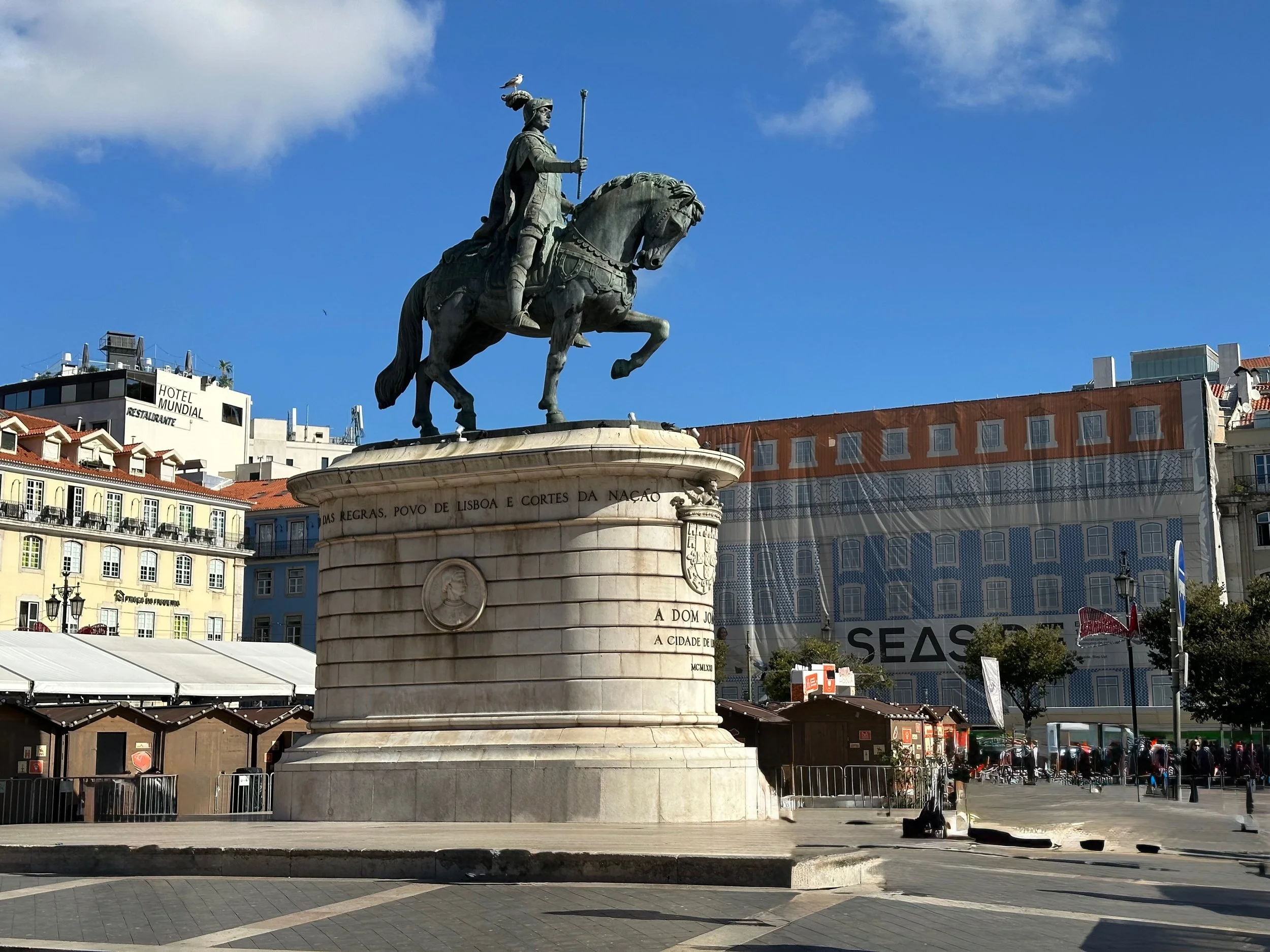
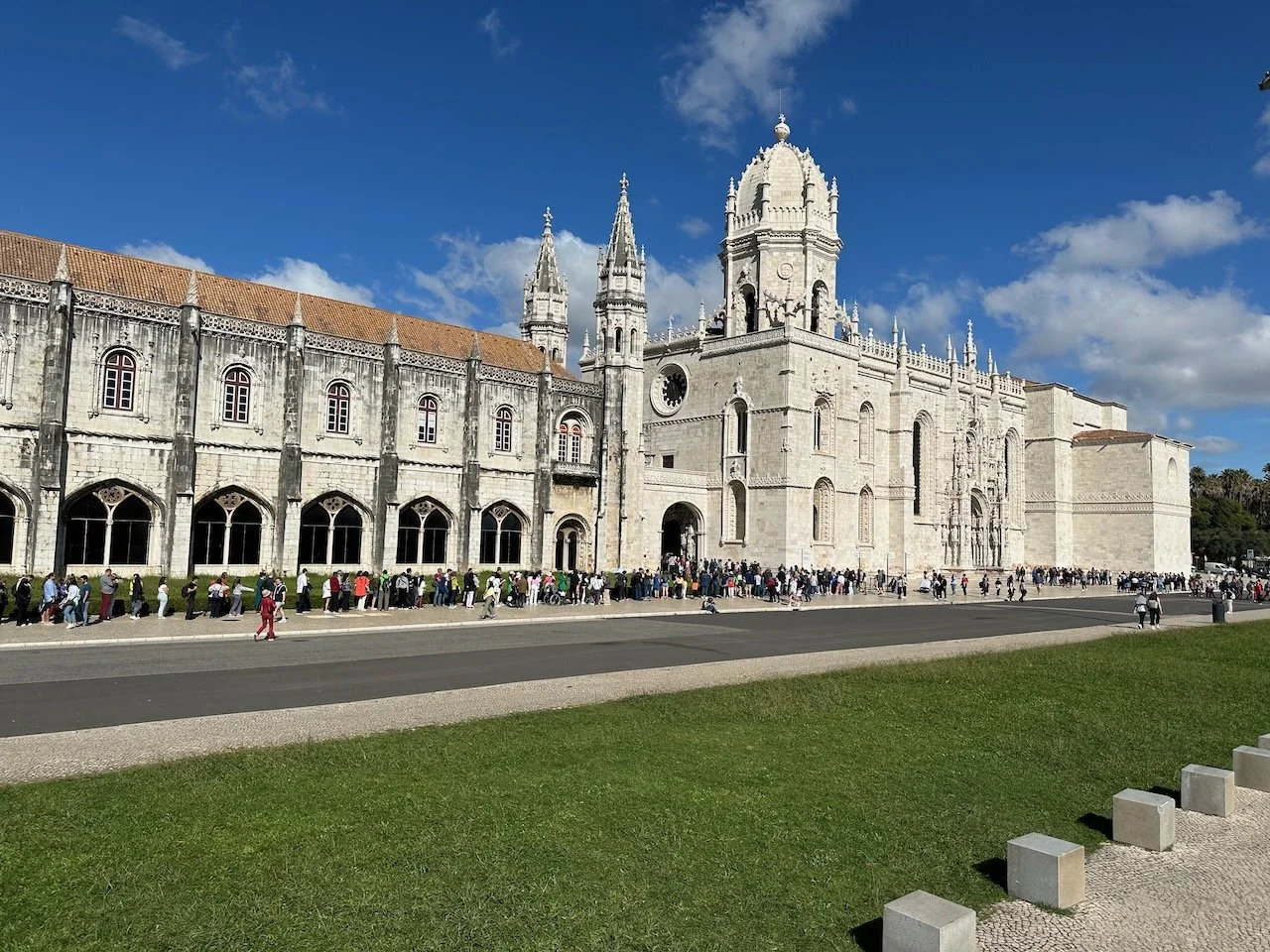
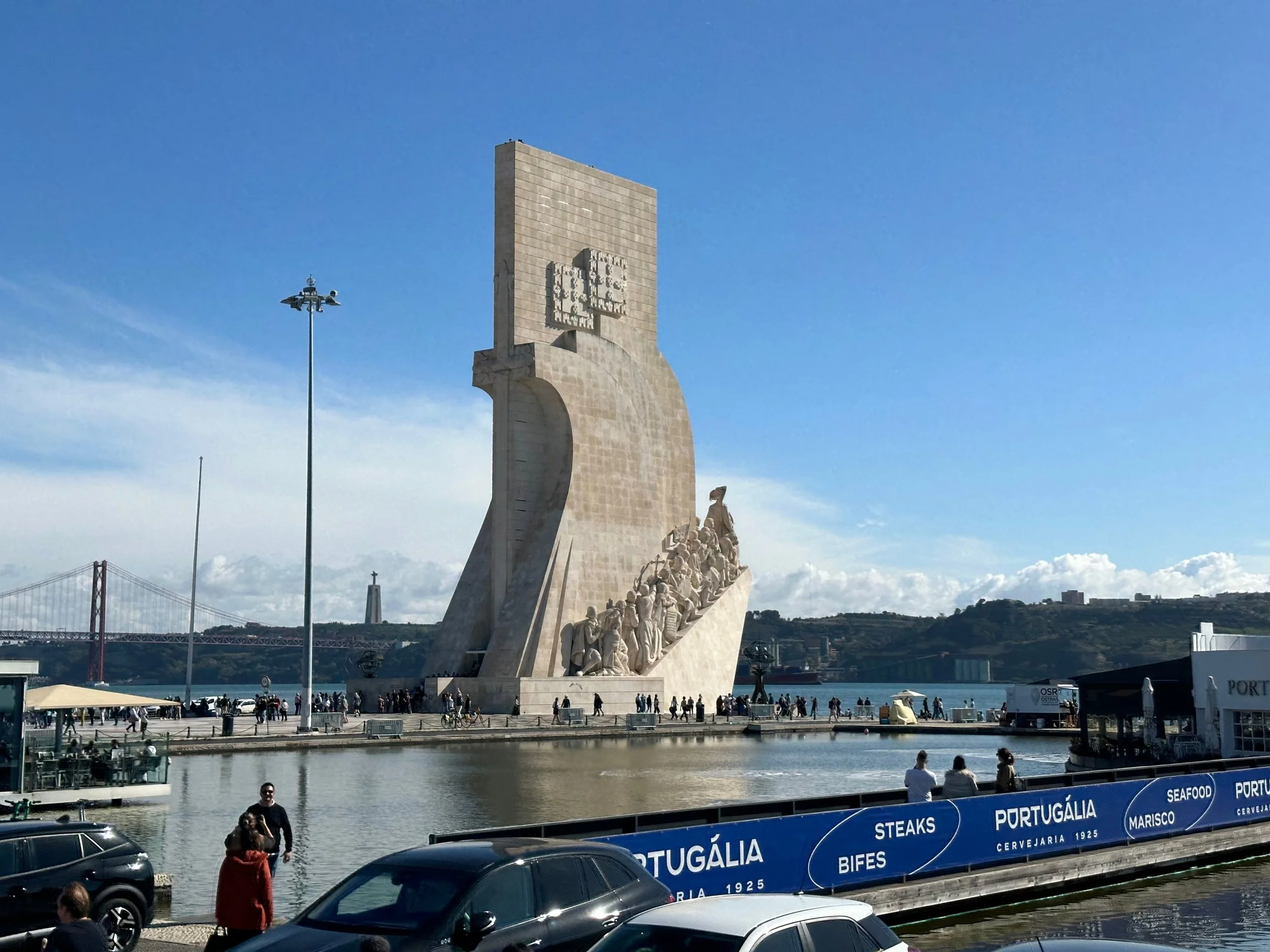
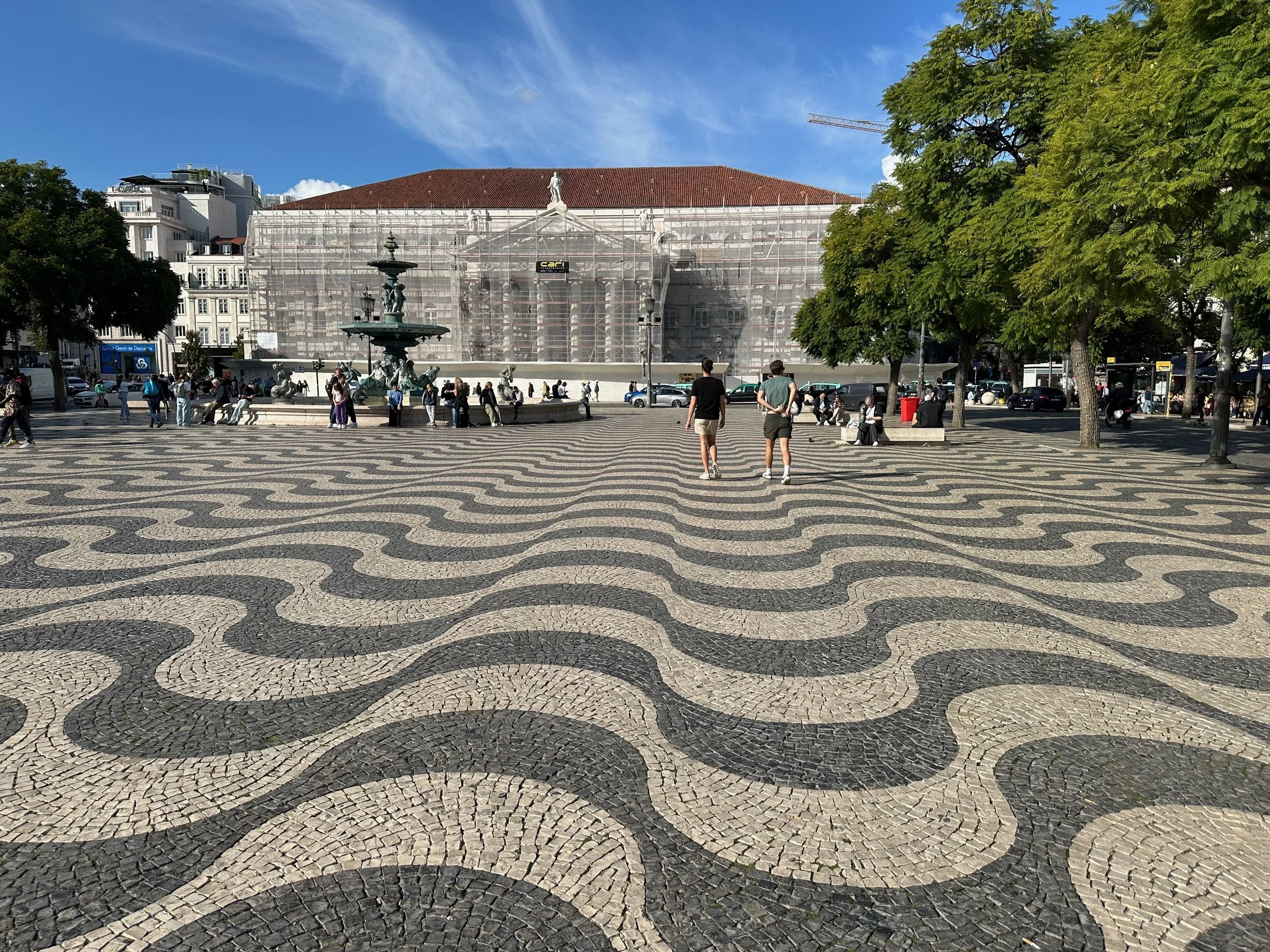
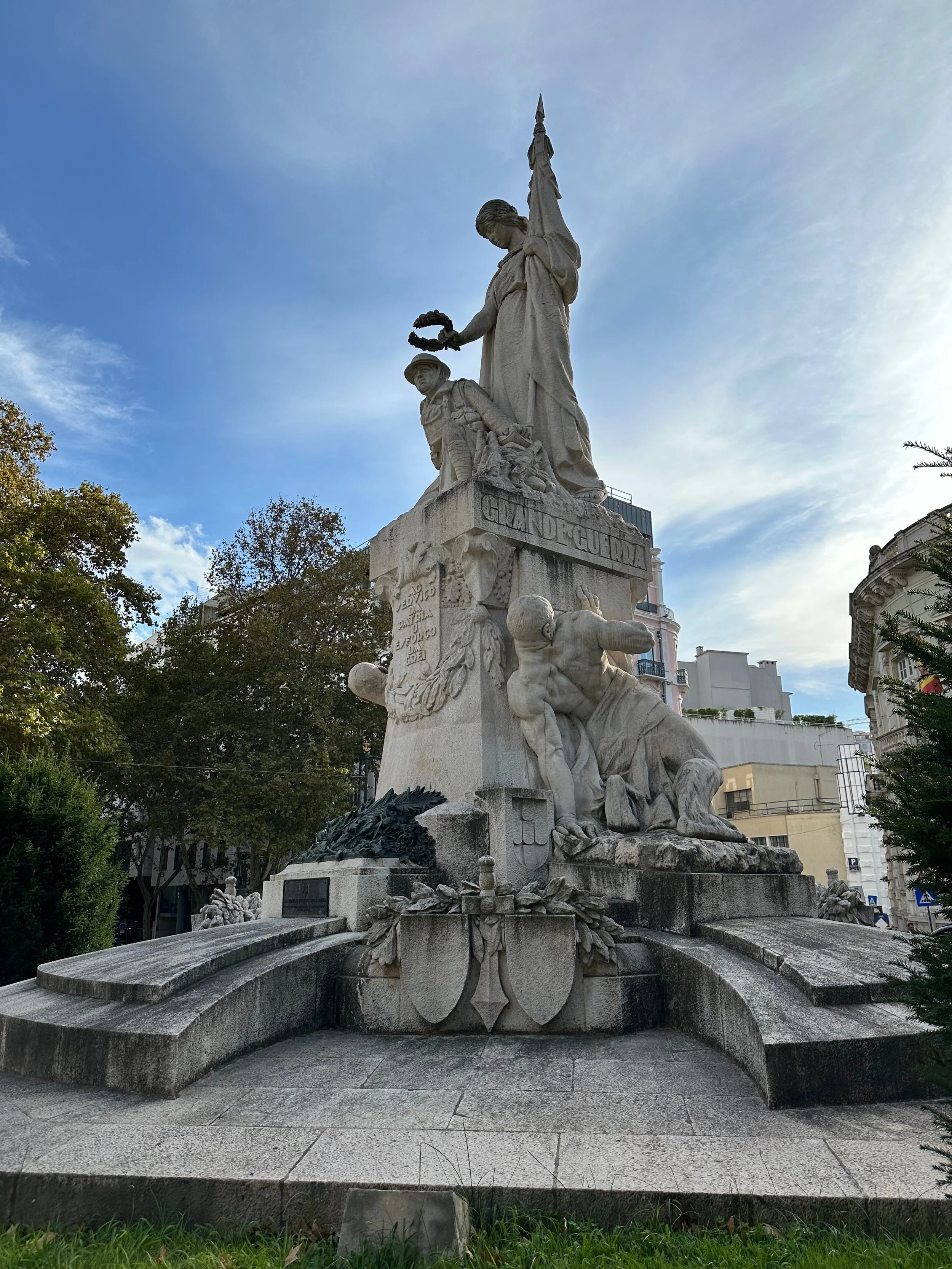
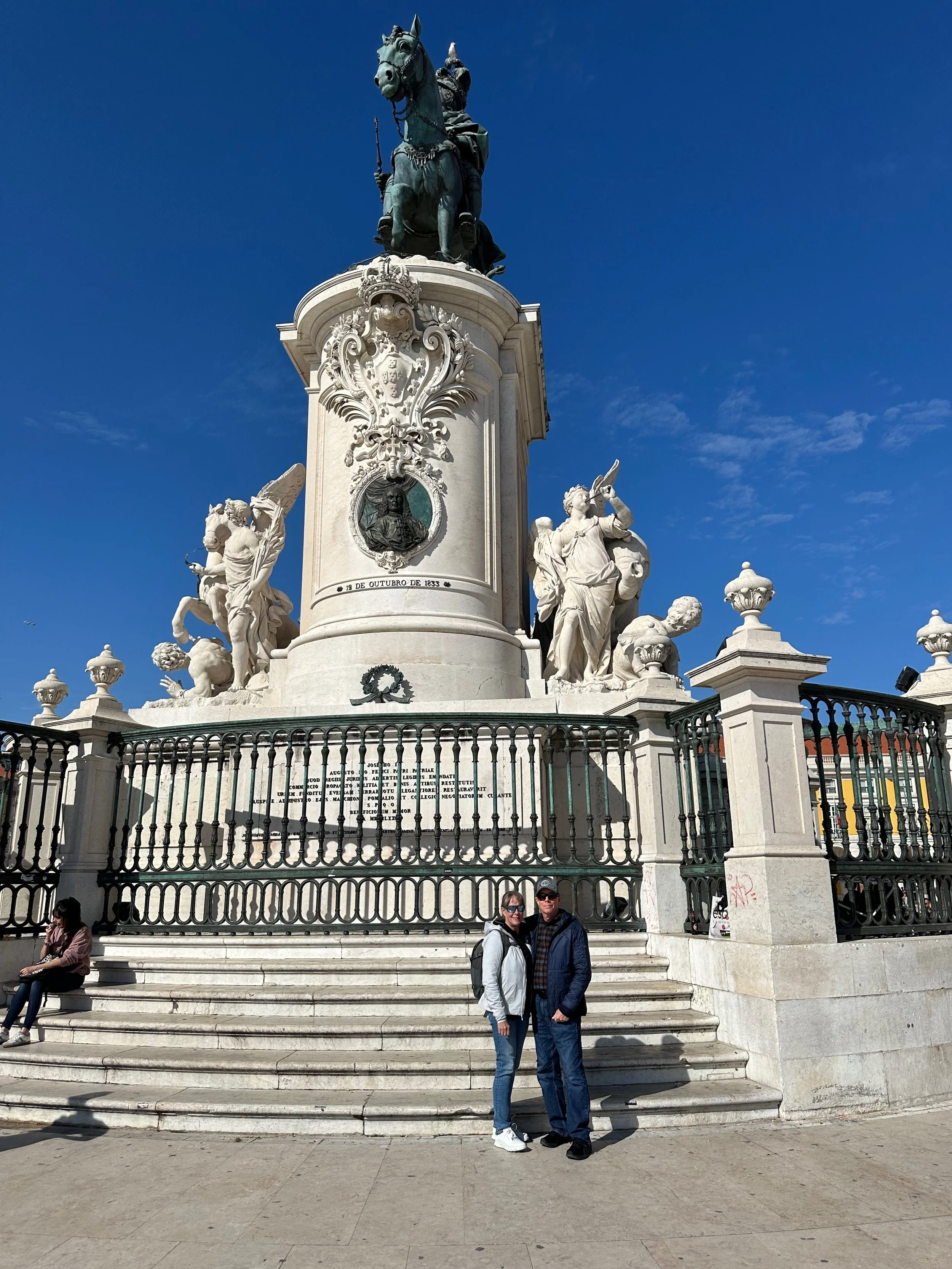
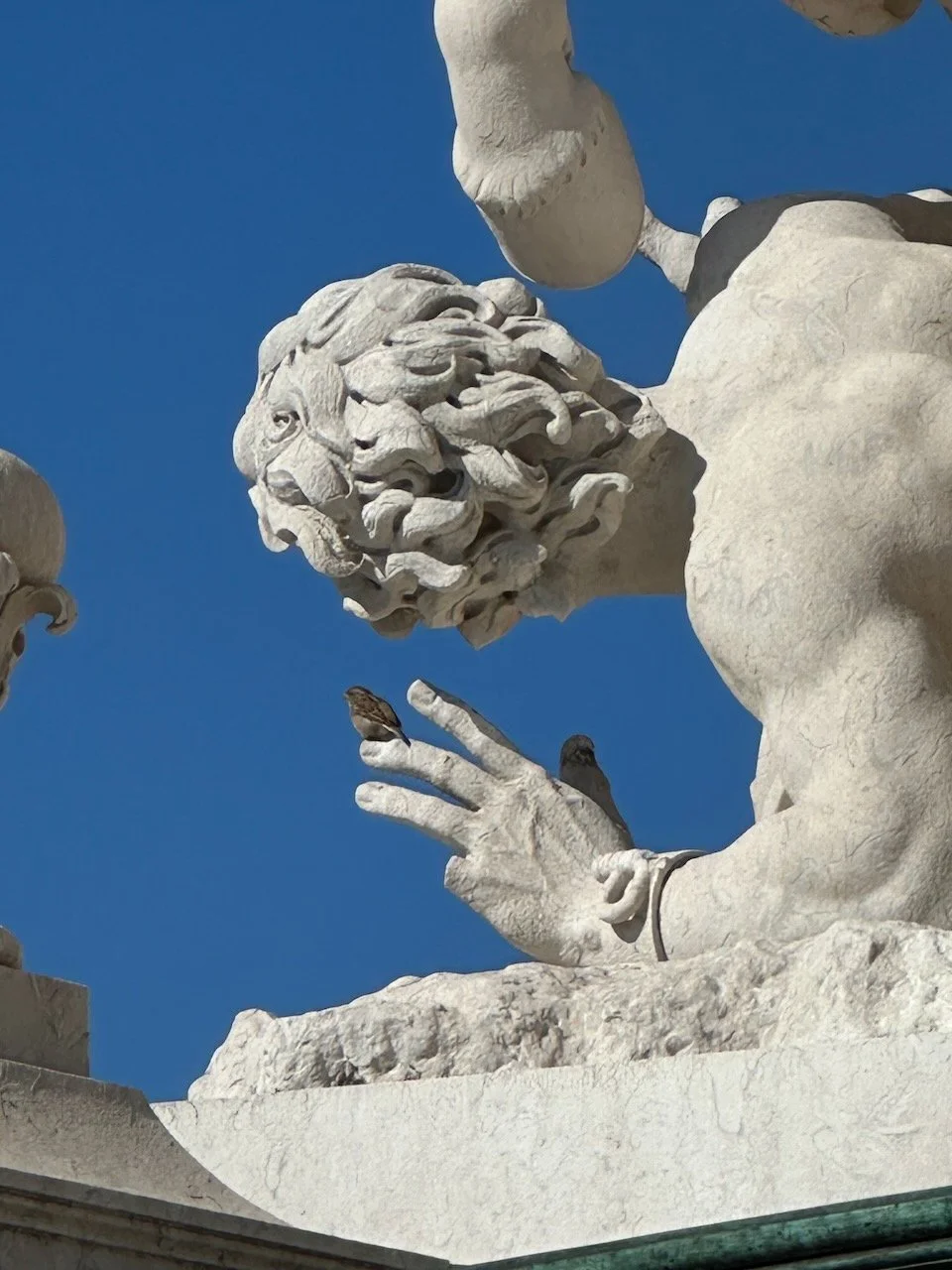
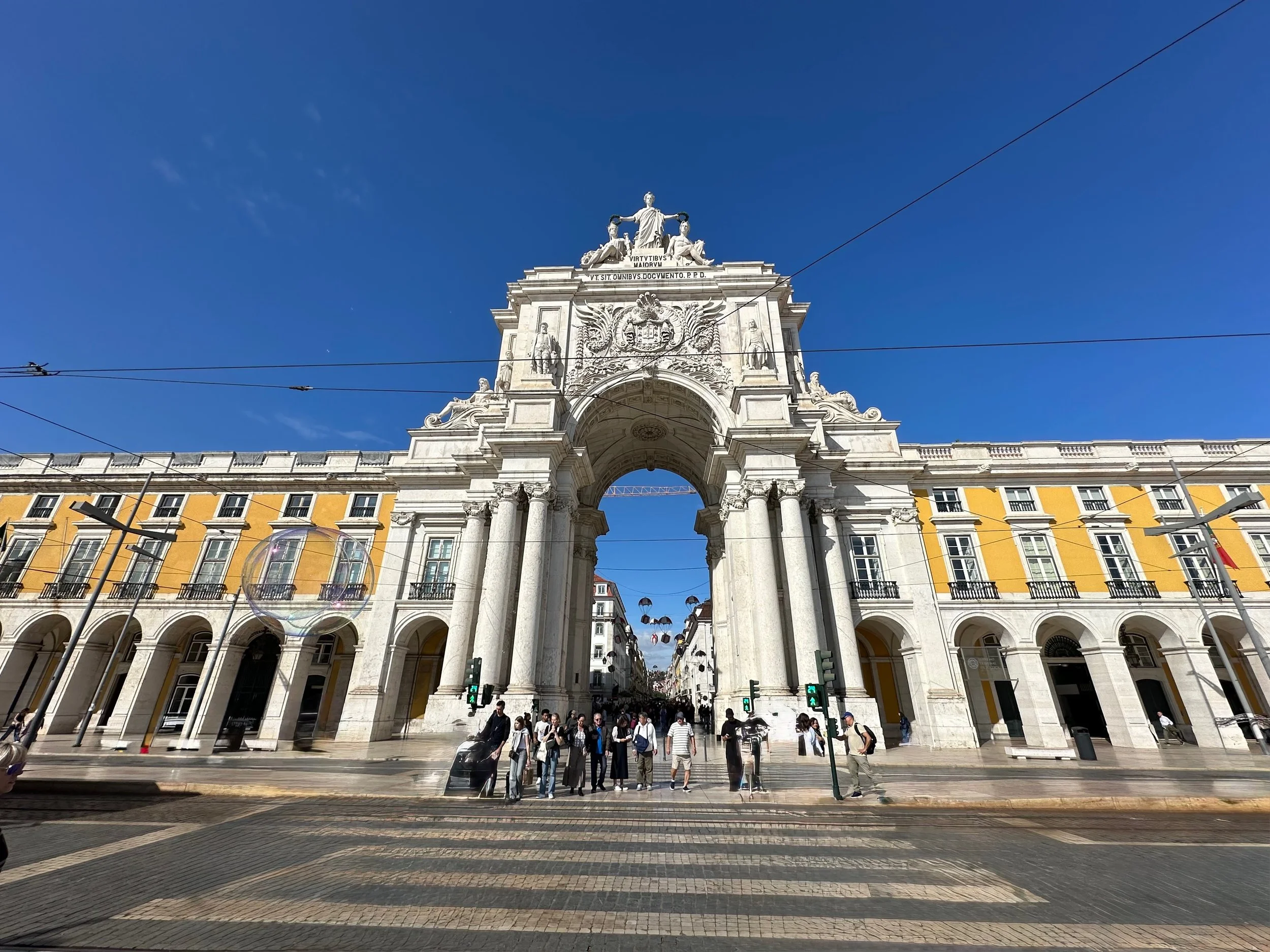
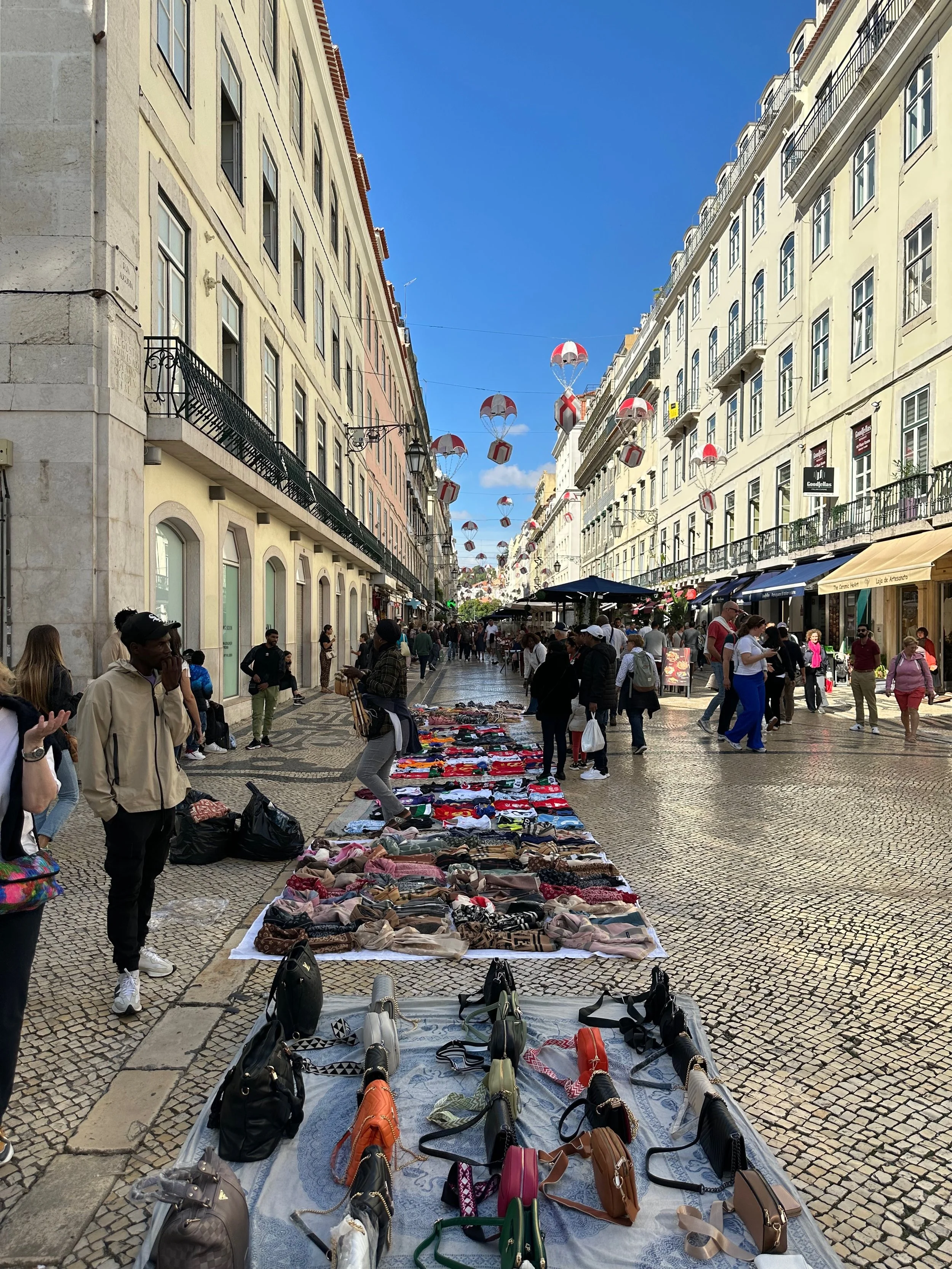
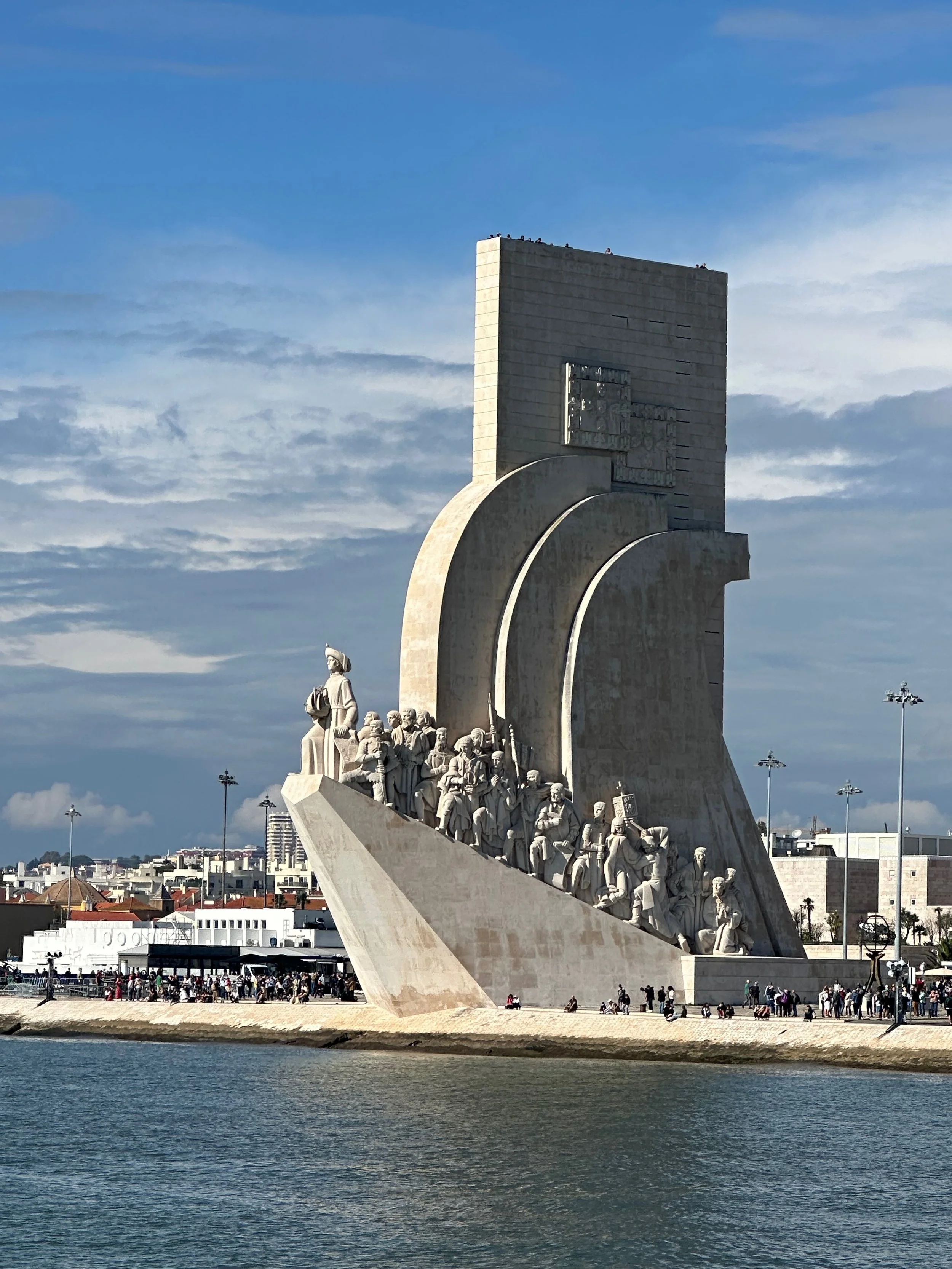
The monument celebrating all the naval explorers that brought wealth to Portugal.
Tagus River Tour by Boat
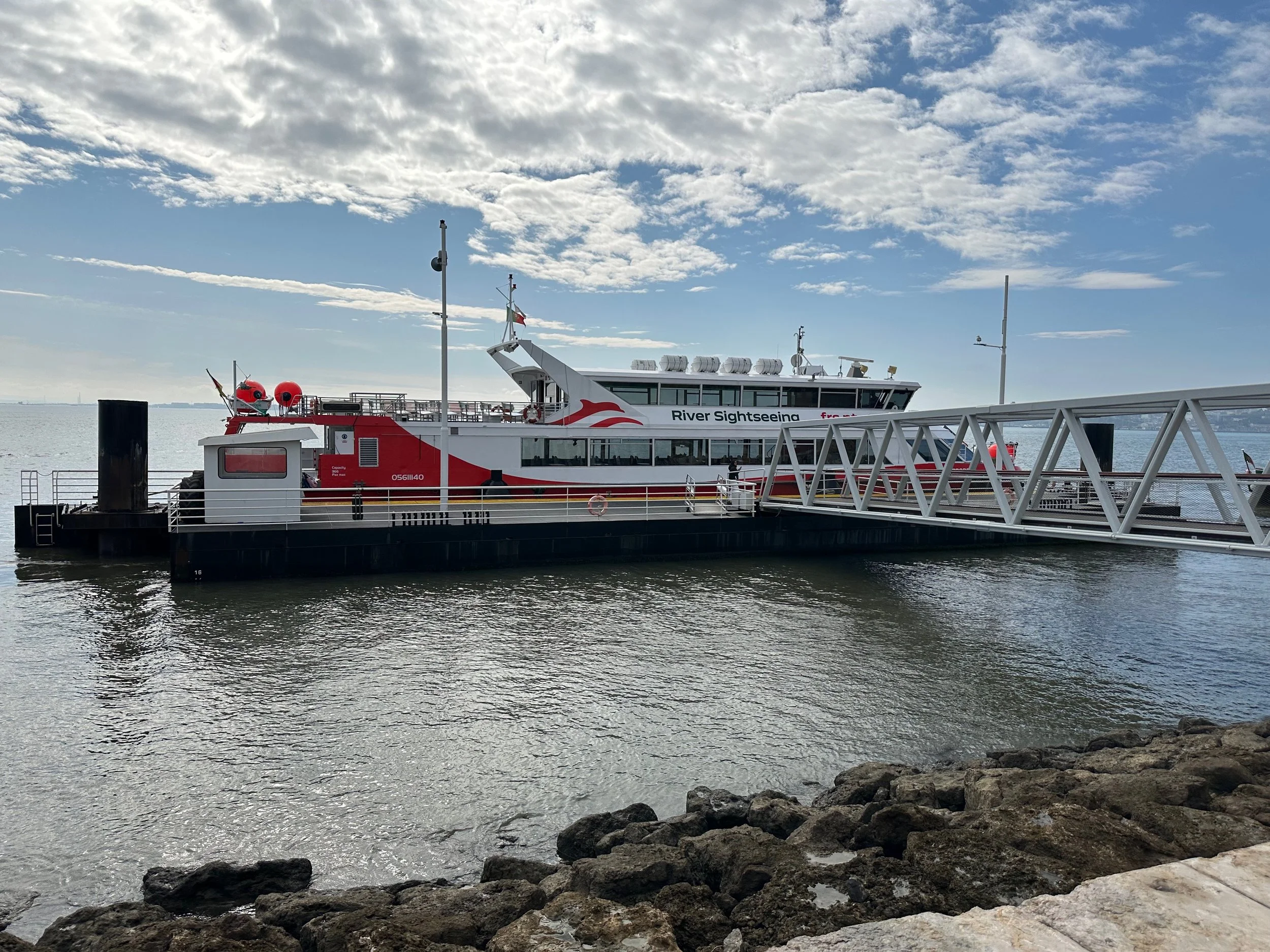
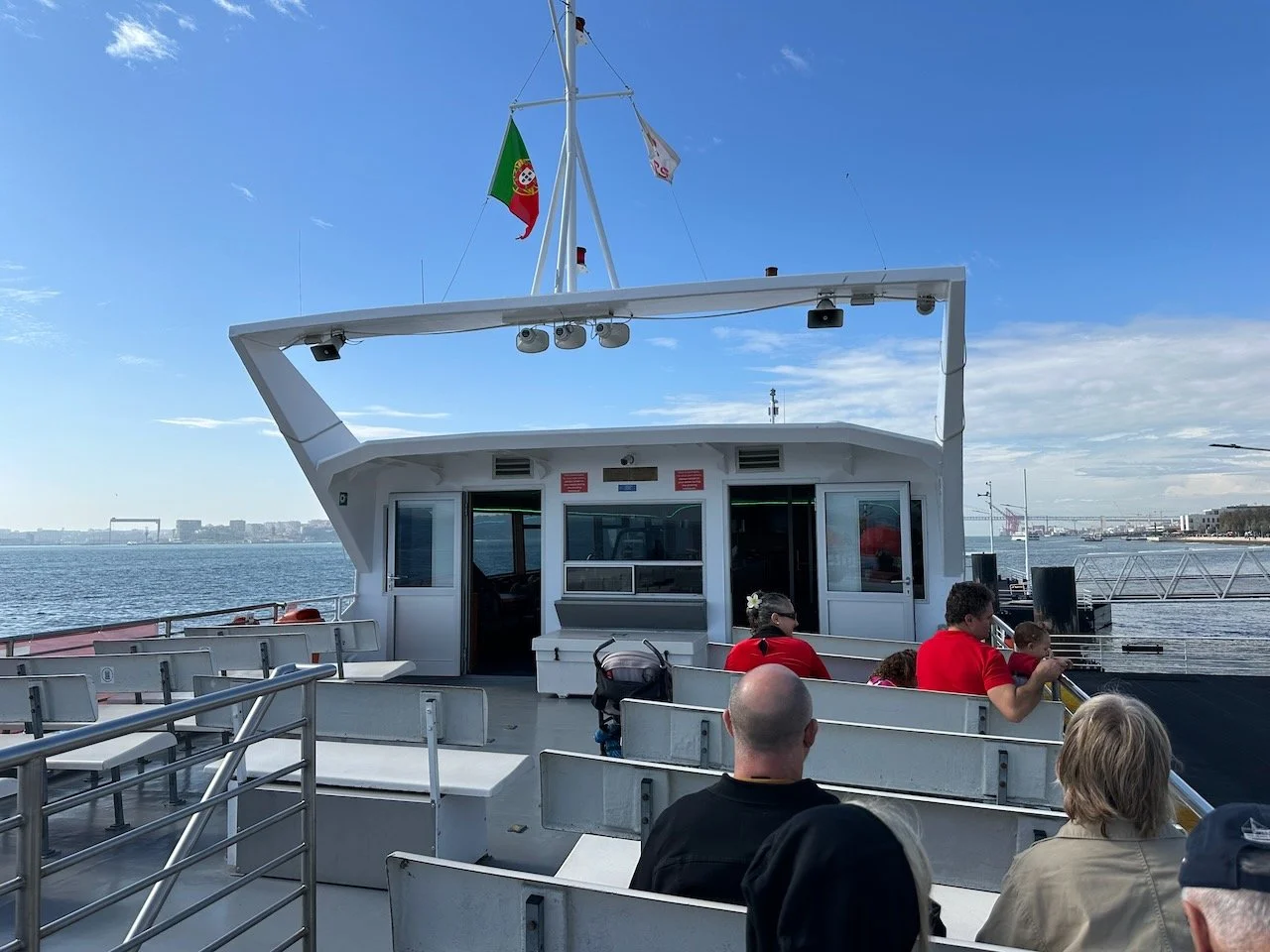
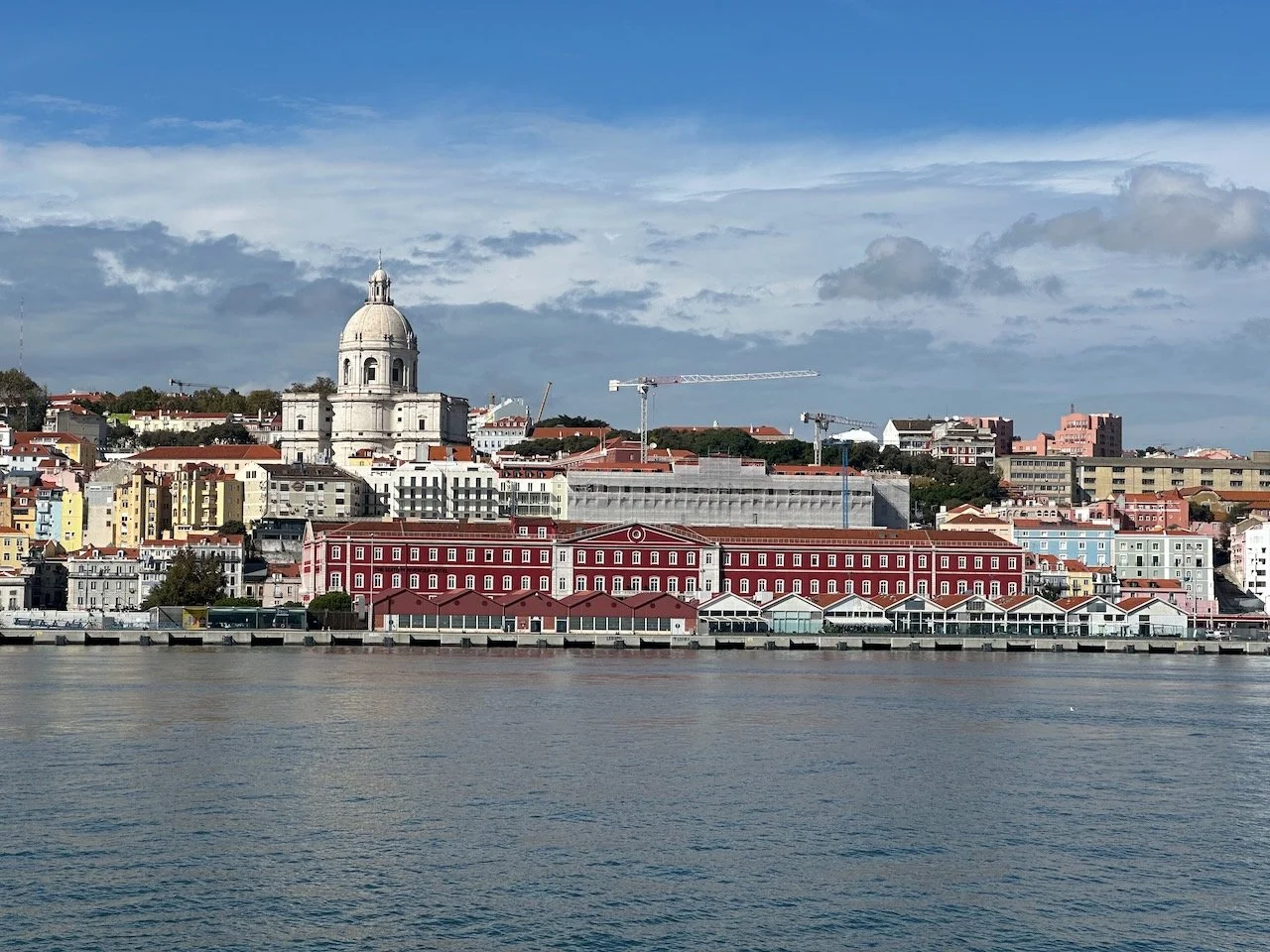
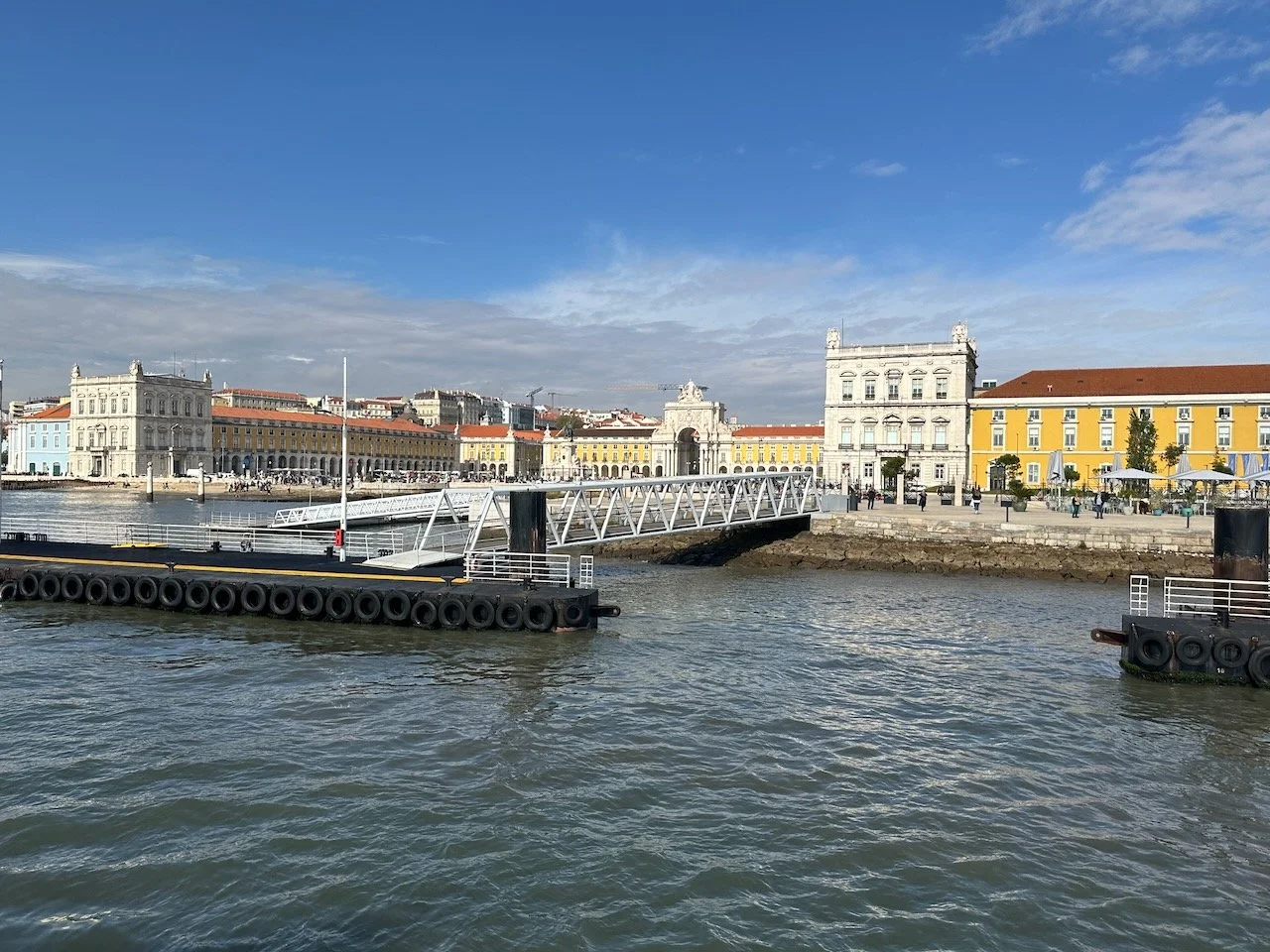
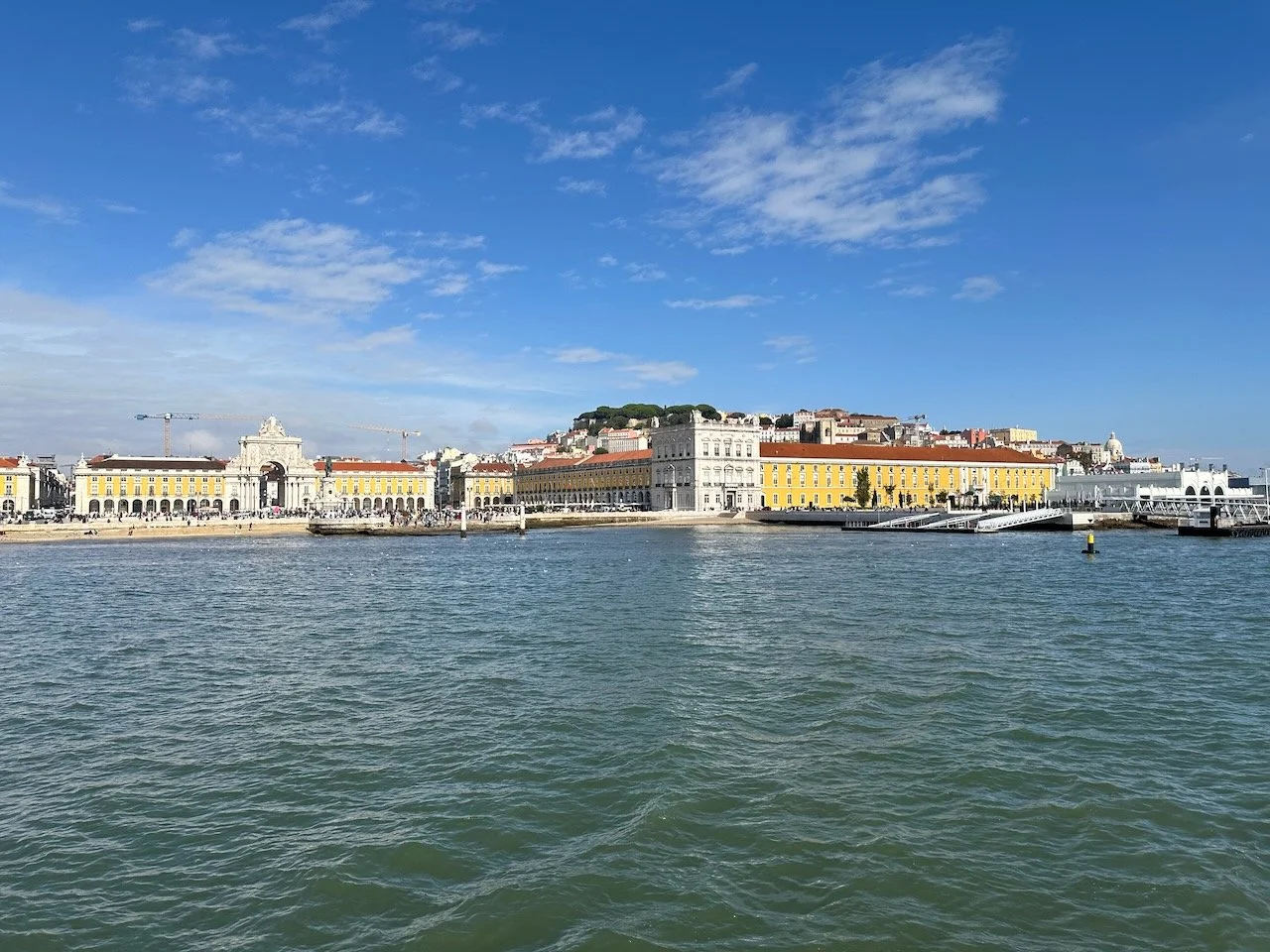
Since we had to buy a second set of tickets for the four of us to get out on the river, we took a taxi down to the harbour where we went inside and bought the tickets right from the tour company that own the boat. So we knew this tour would depart in a half hour or so. What was perhaps a silver lining was that this boat was virtually deserted. There had to be less than ten tourists on a boat that could how a few hundred. We were pleased about that.
First look at the Silver Dawn from the boarding gangway. Second cruise for us on this ship. First was cruising around the U.K..
Getting Underway
With our pre-cruise visit in Lisbon complete, the next day would start right after our last scrumptious breakfast in the hotel. Our luggage was collected the night before from inside our hotel room while we were having dinner, and then organized in the lobby. We had already placed luggage tags onto each suitcase so the ship’s crew would know to what room to deliver it. Then the luggage was loaded onto the buses waiting outside, as were we.
At the cruise terminal it was much like the TSA at an airport where we took our luggage, carry-on and us through a security check where everything was scanned. One complete we were checked onto the ship by the crew taking our passports and presenting each of us with a personalized identity card that we would use to enter our rooms, as well as used when leaving the ship and returning. It’s all very efficient, but does take some time as there are nearly 600 guests to check in.
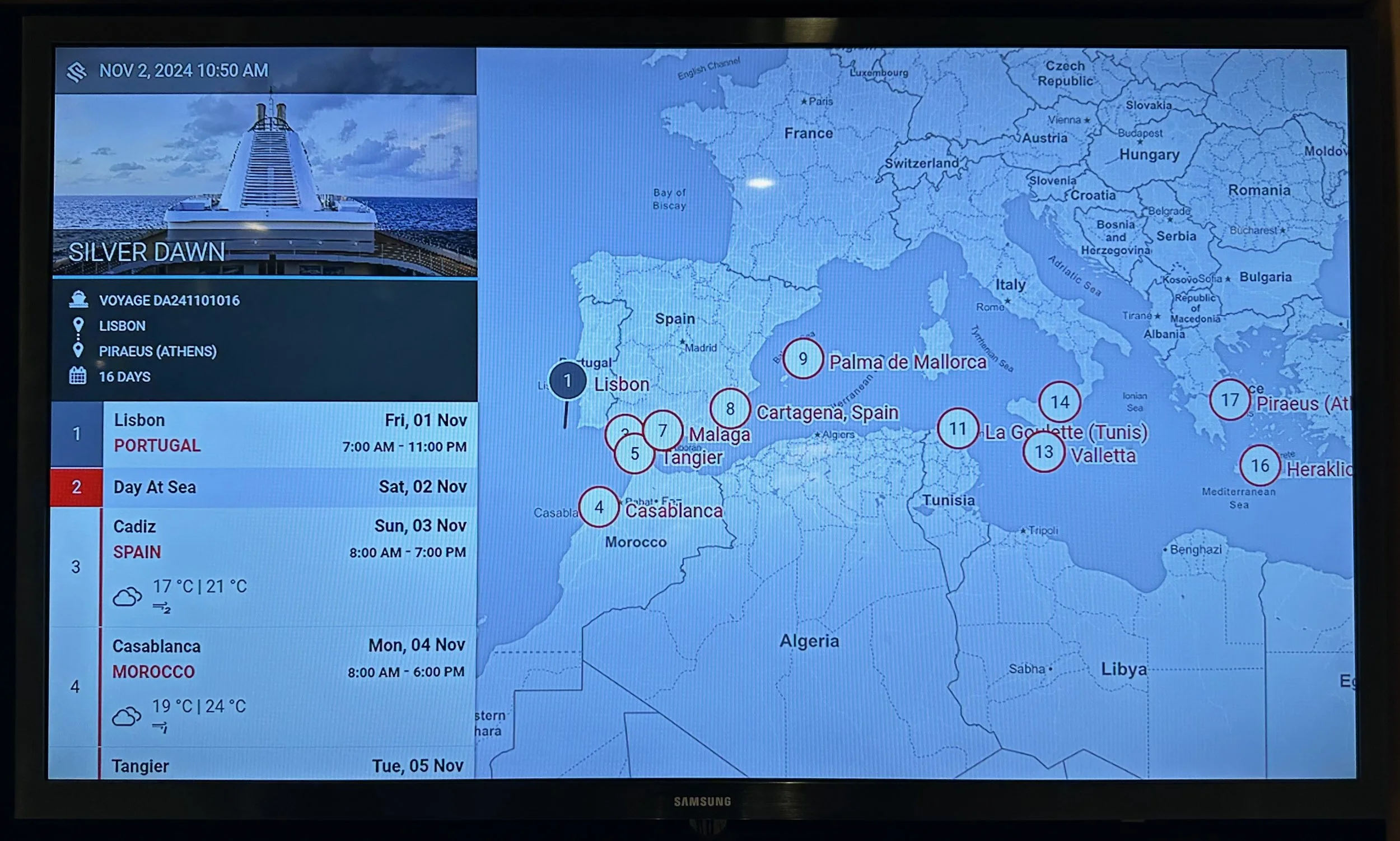
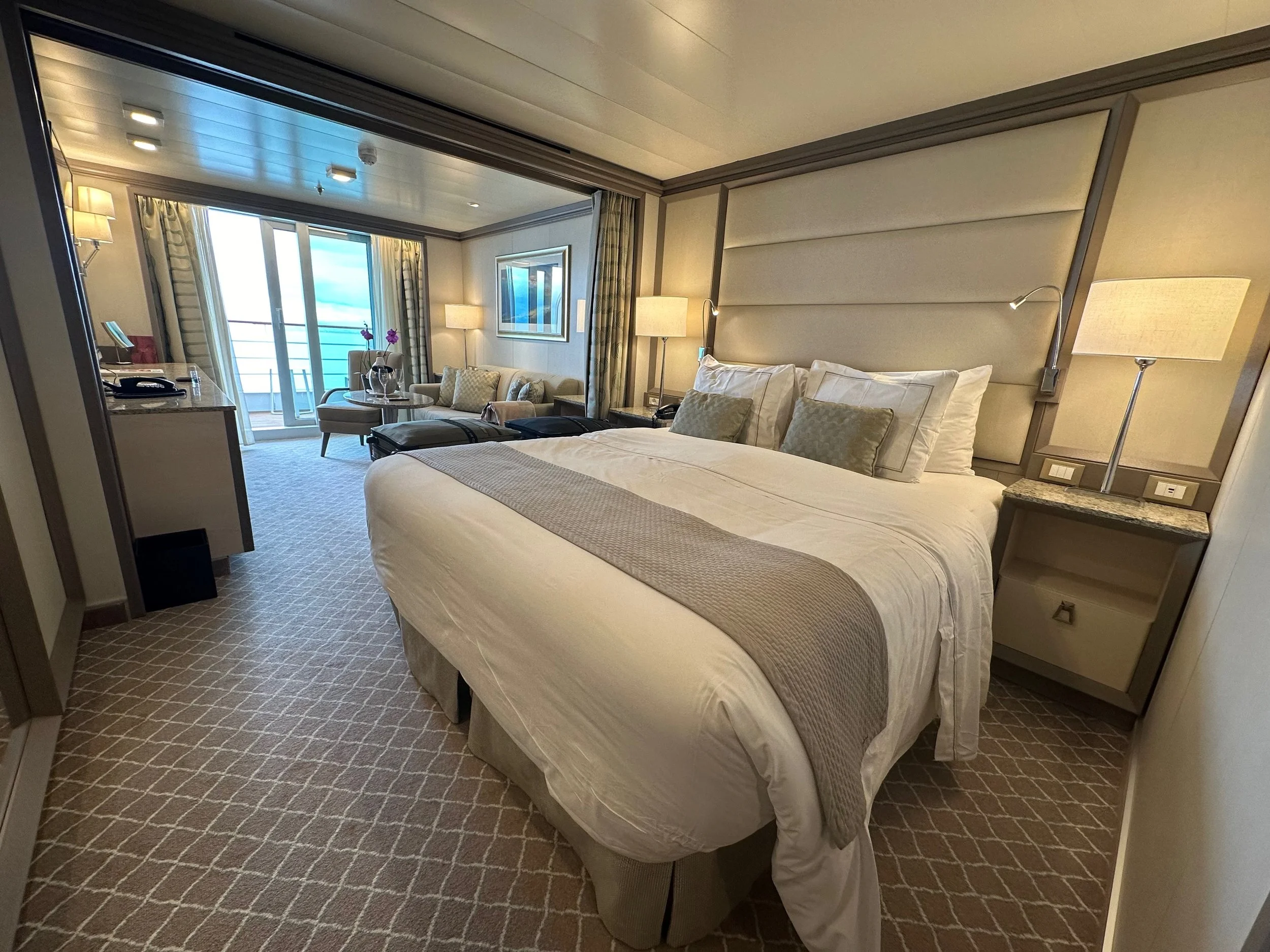
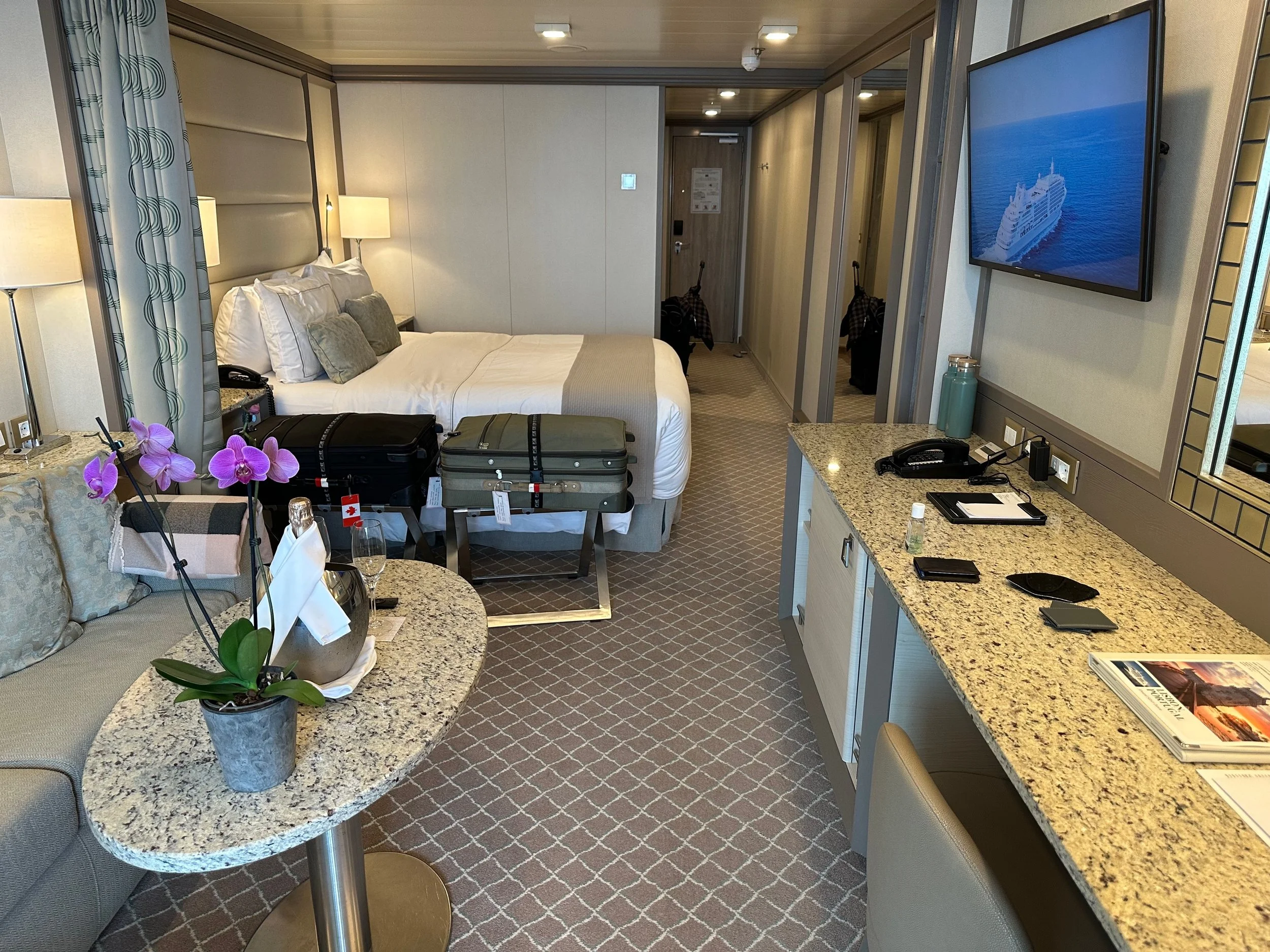
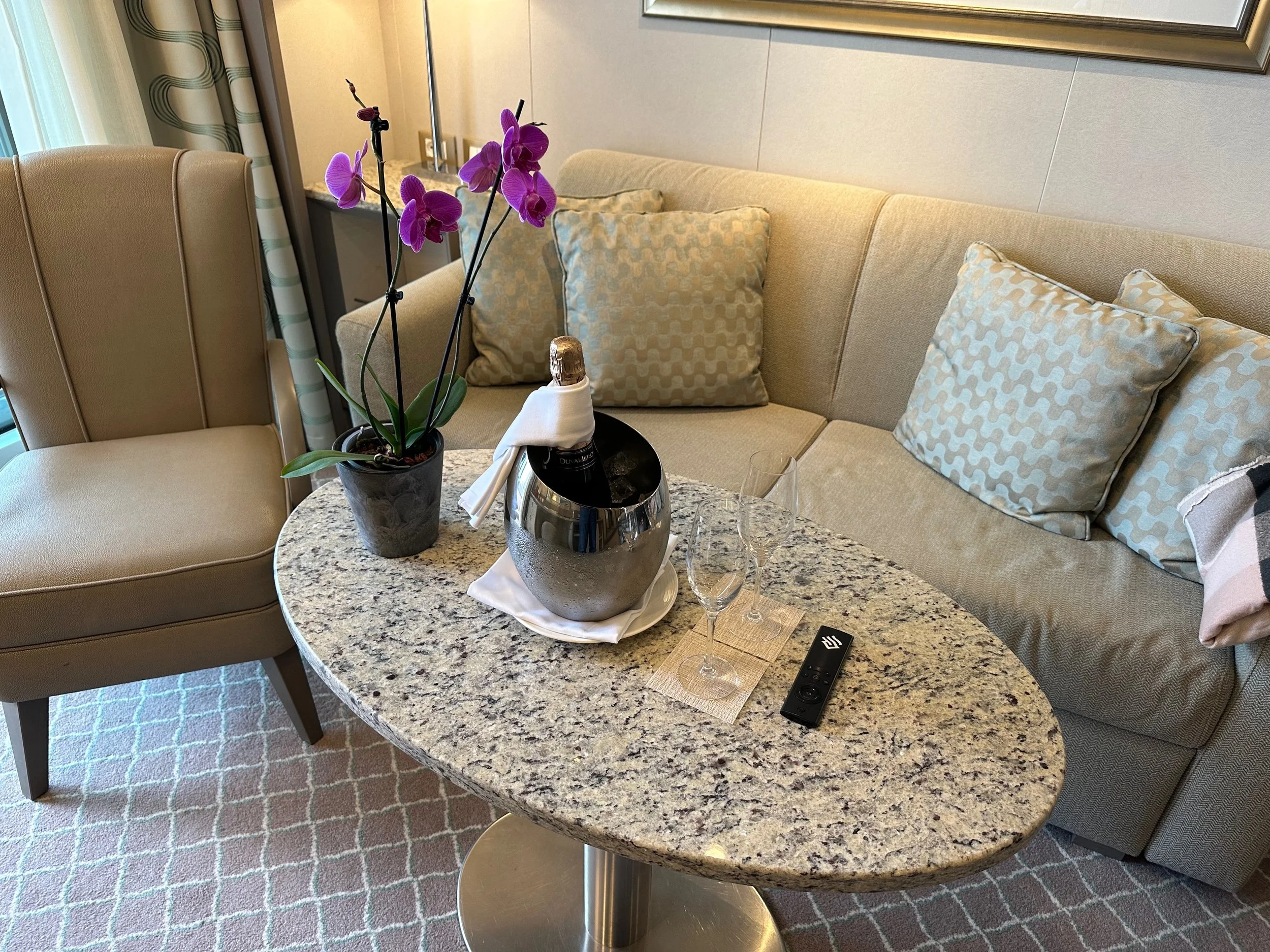
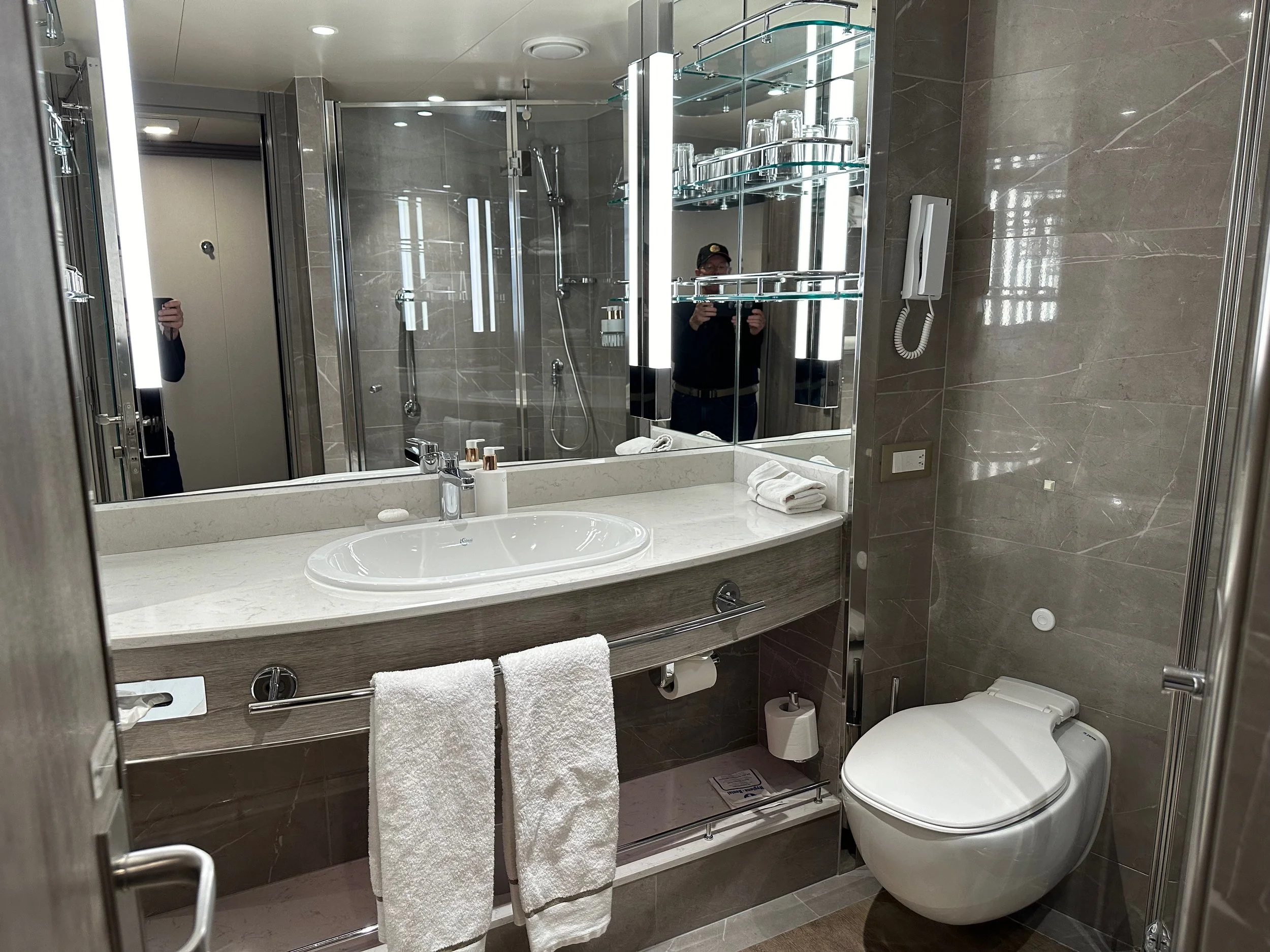
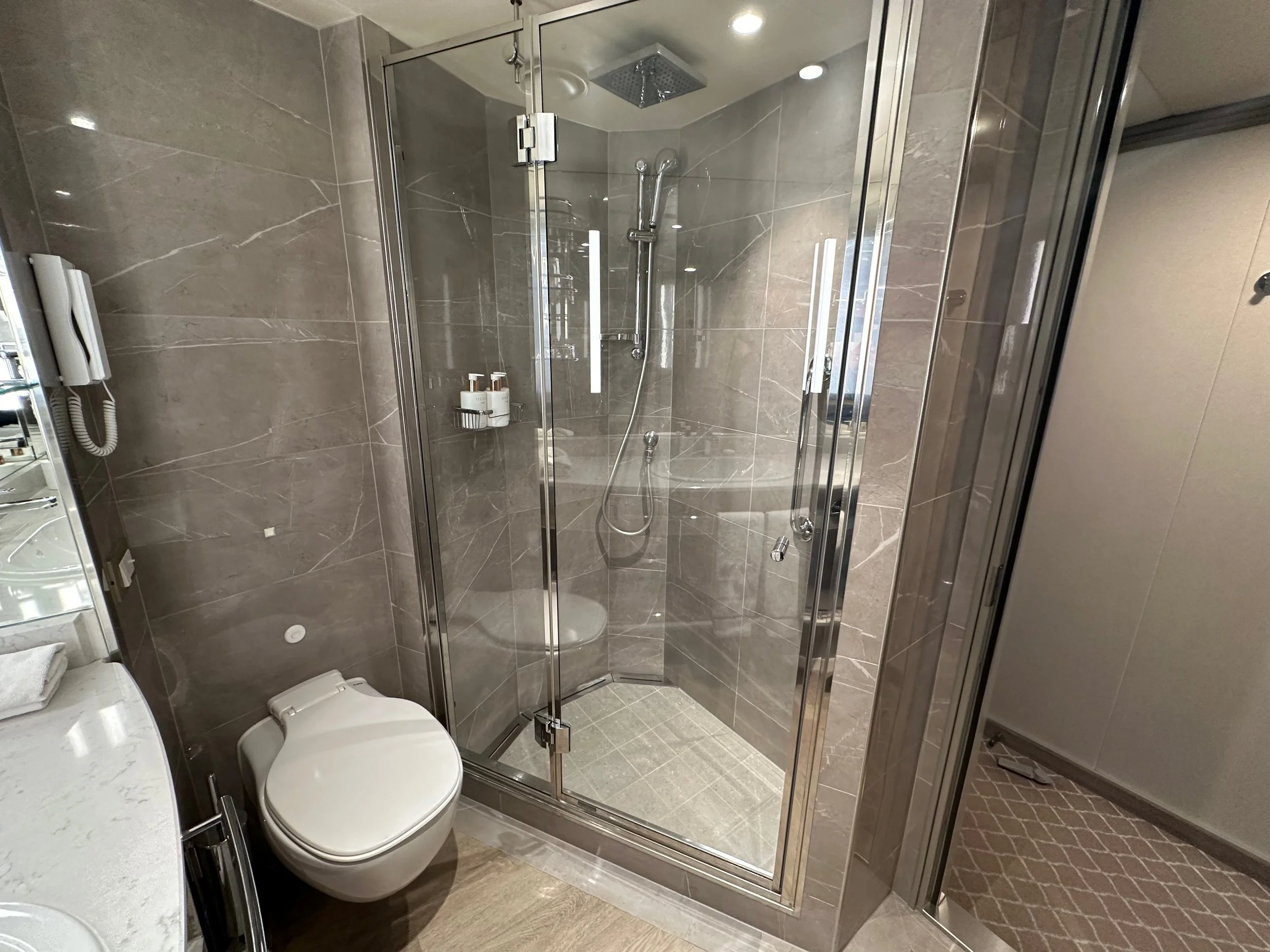
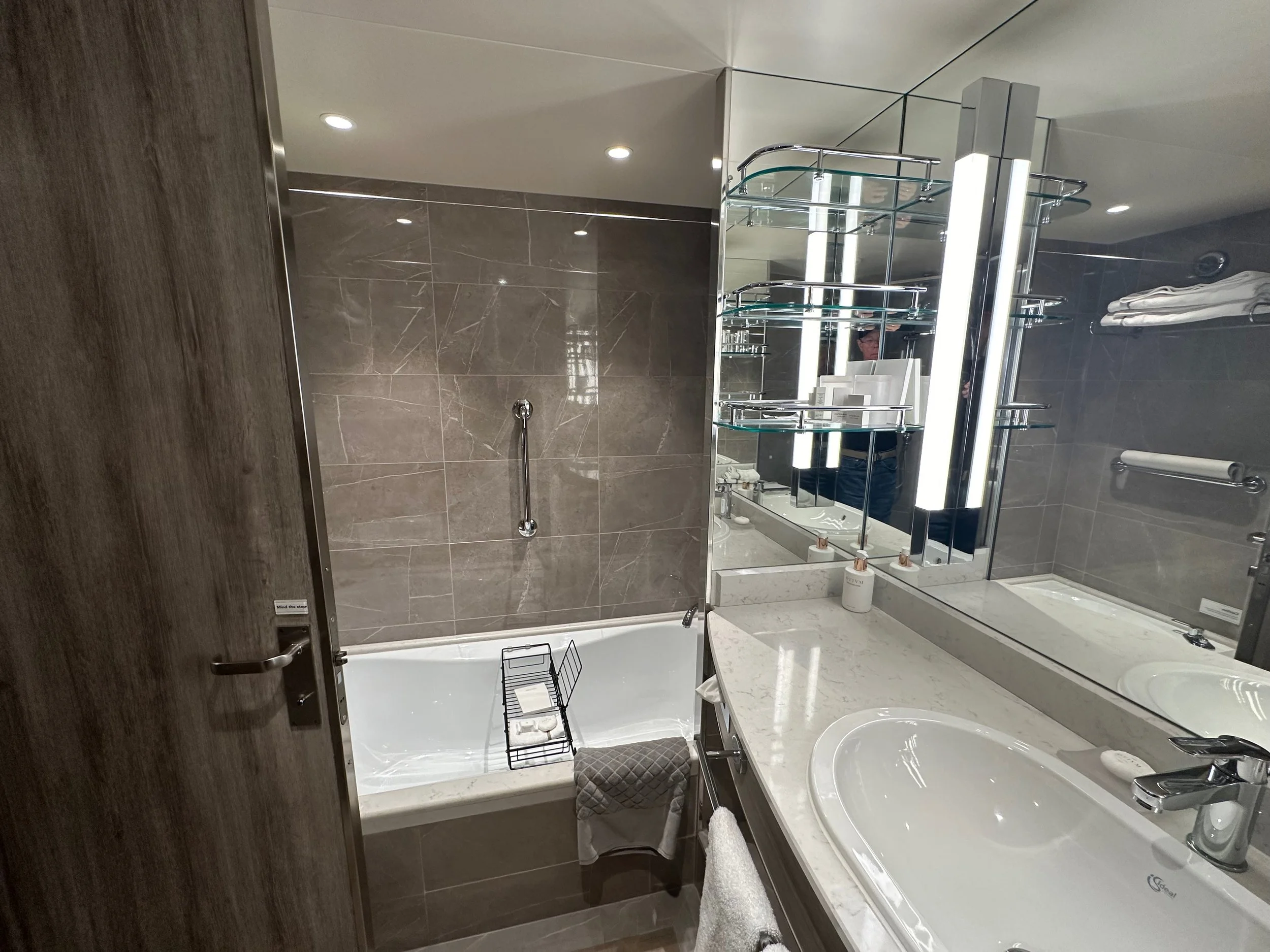
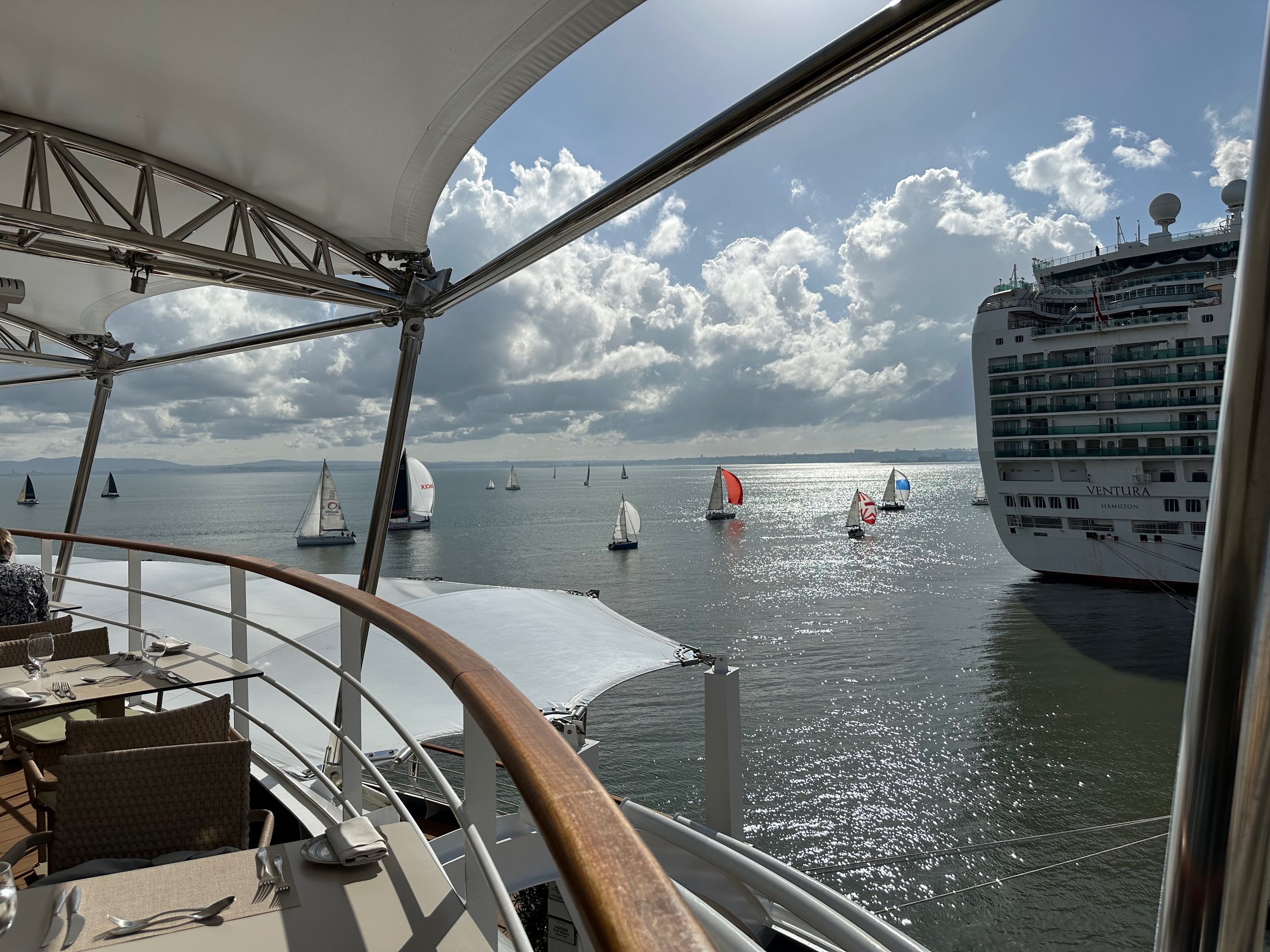
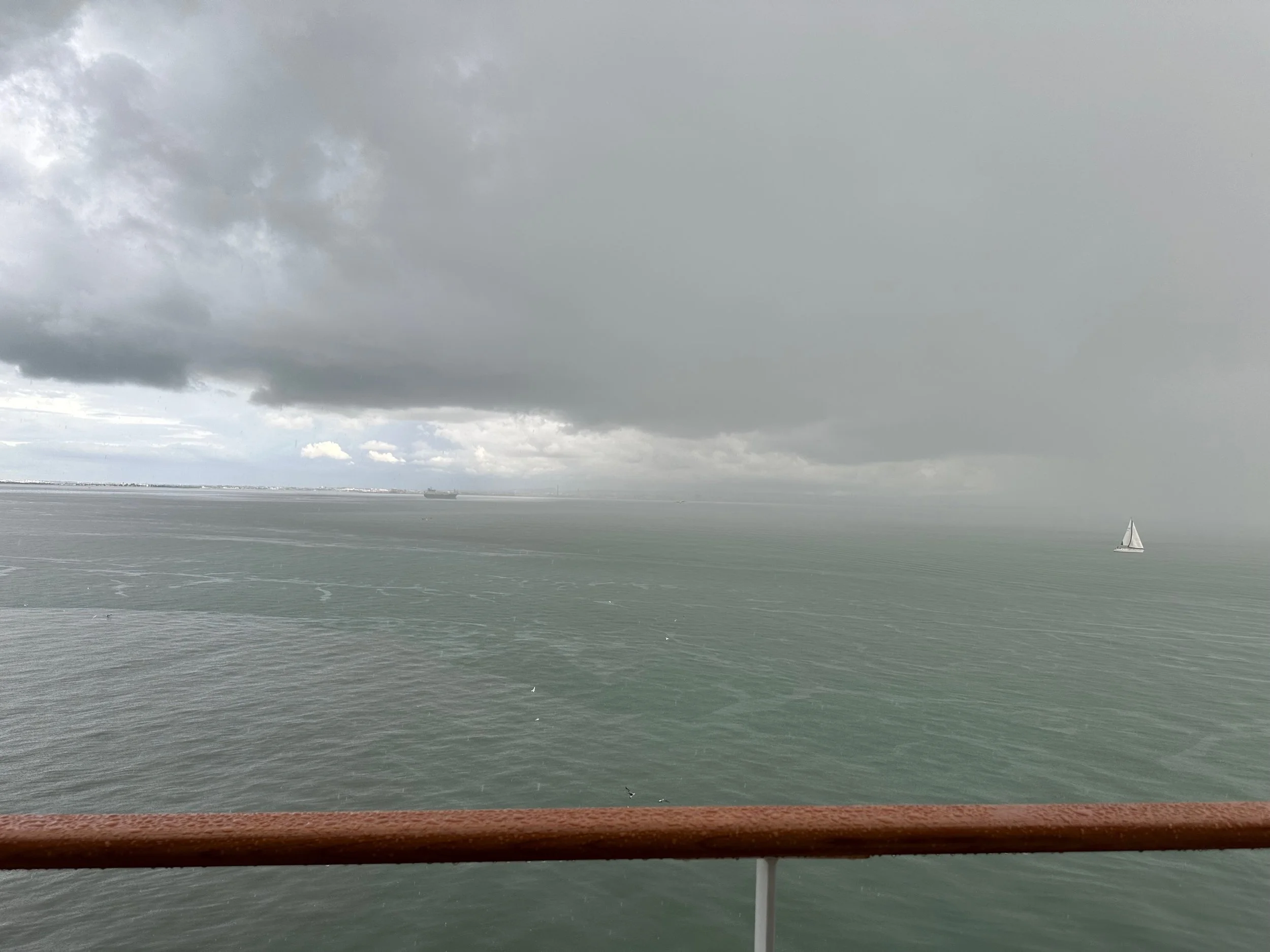
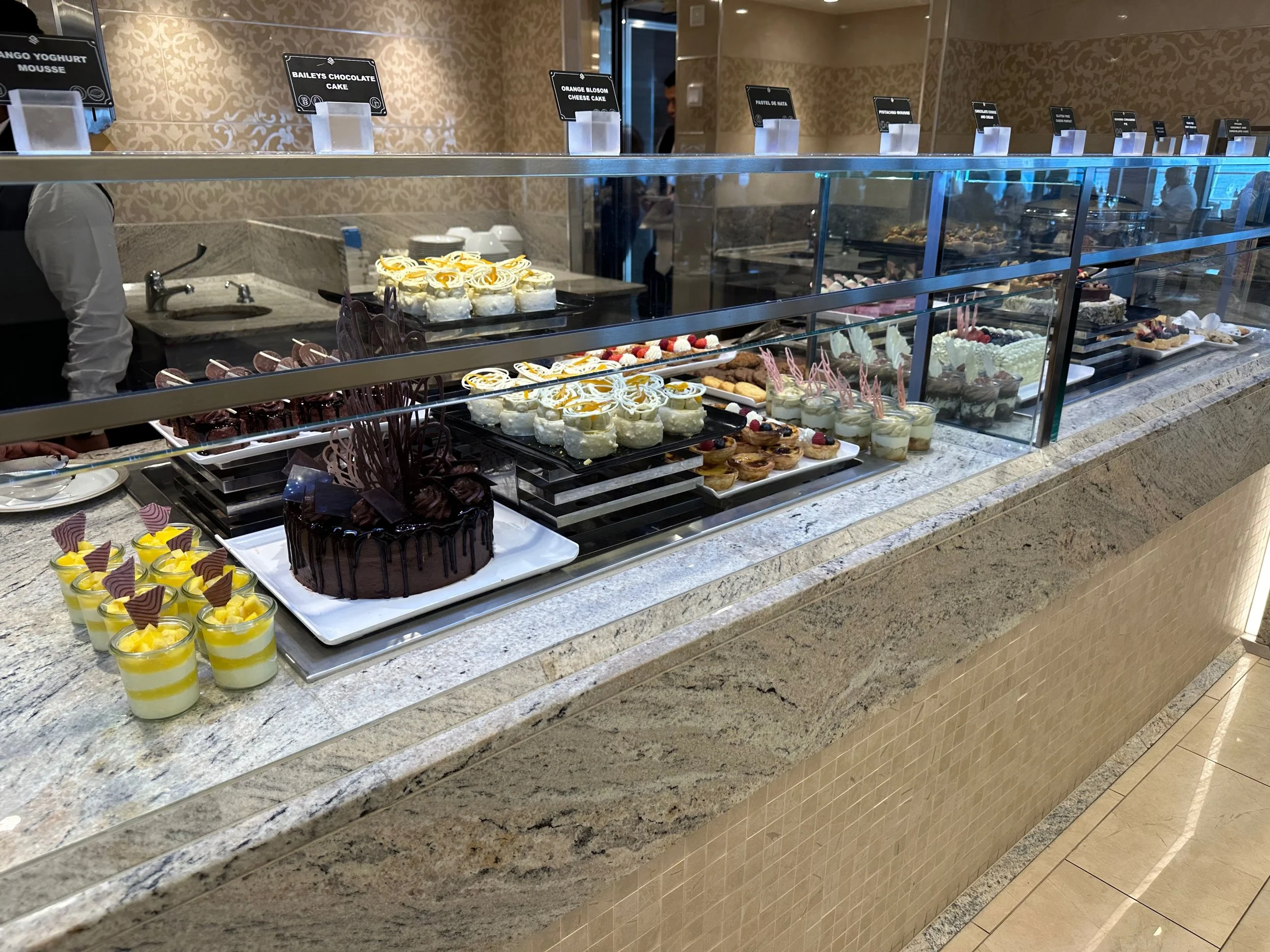
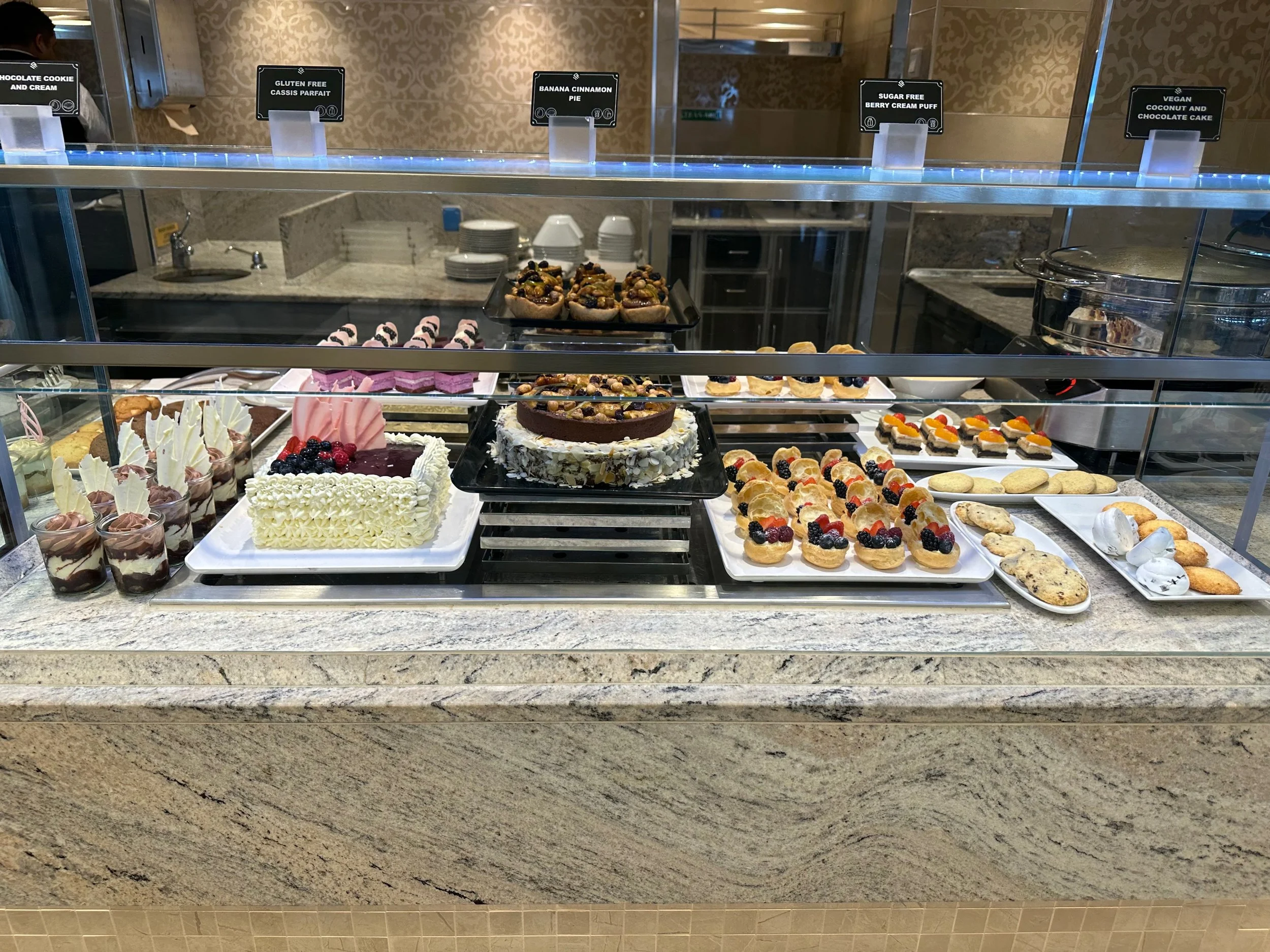
Our first stop of the cruise.
Cadiz and Seville, Spain
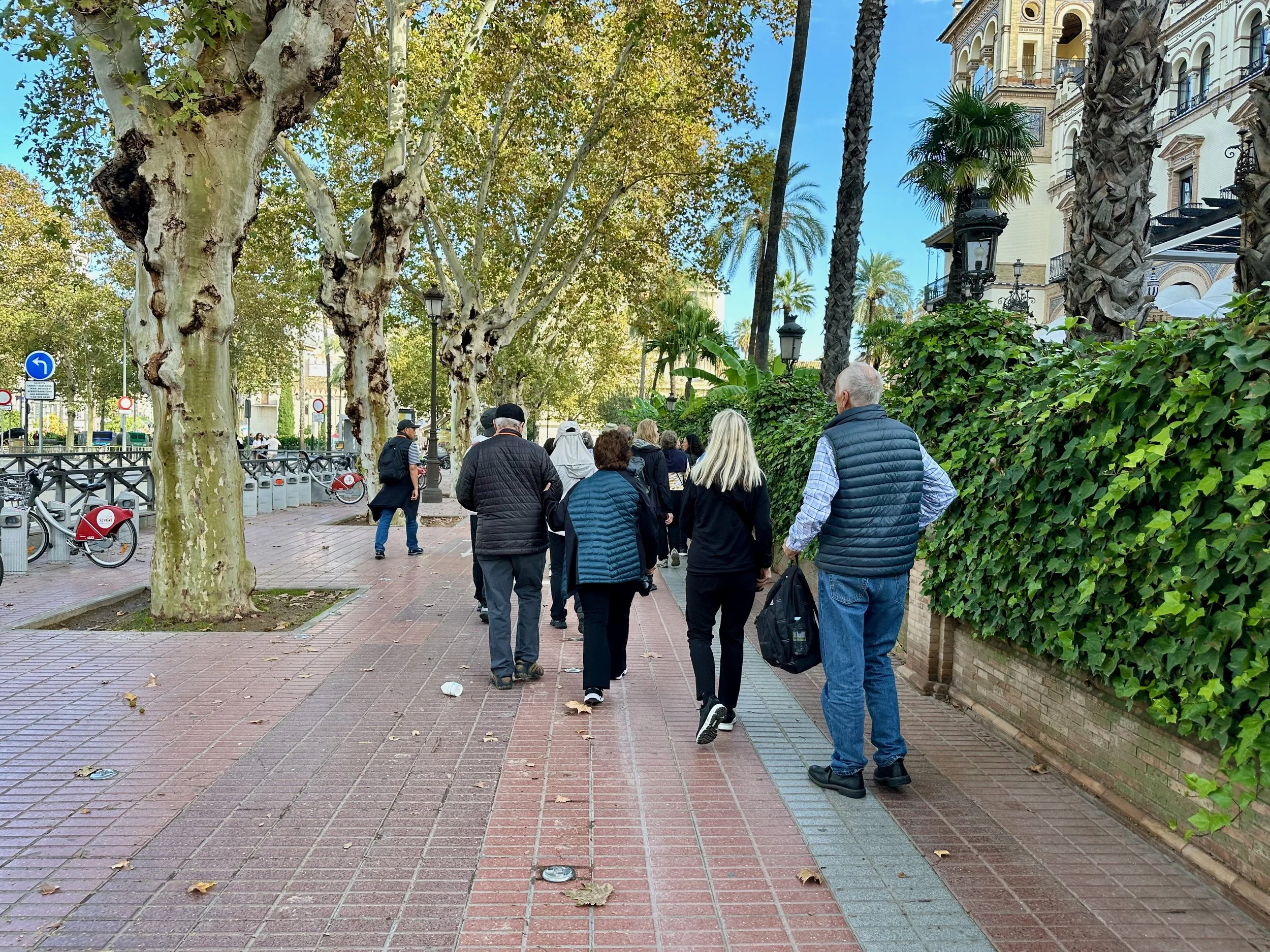
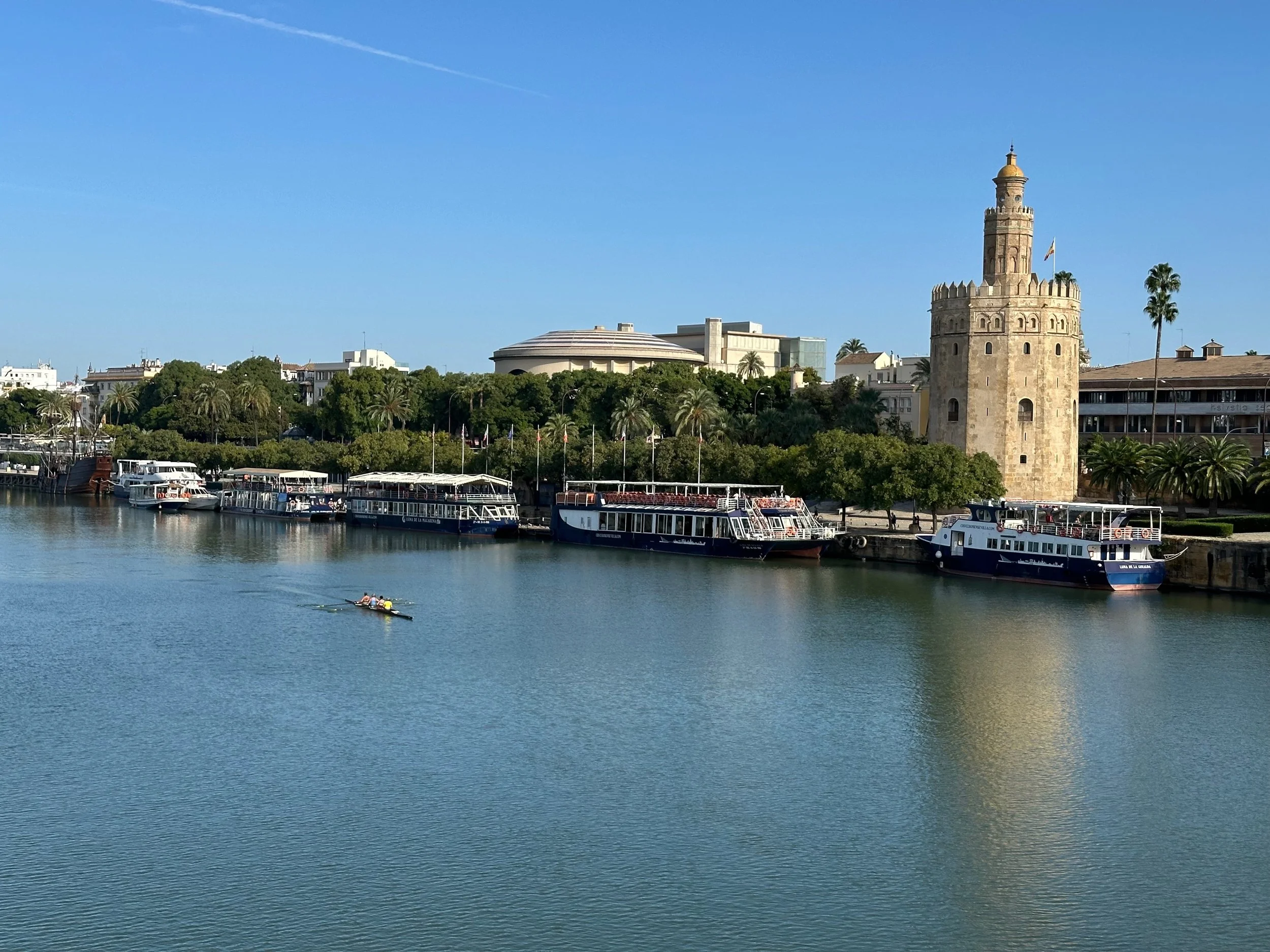
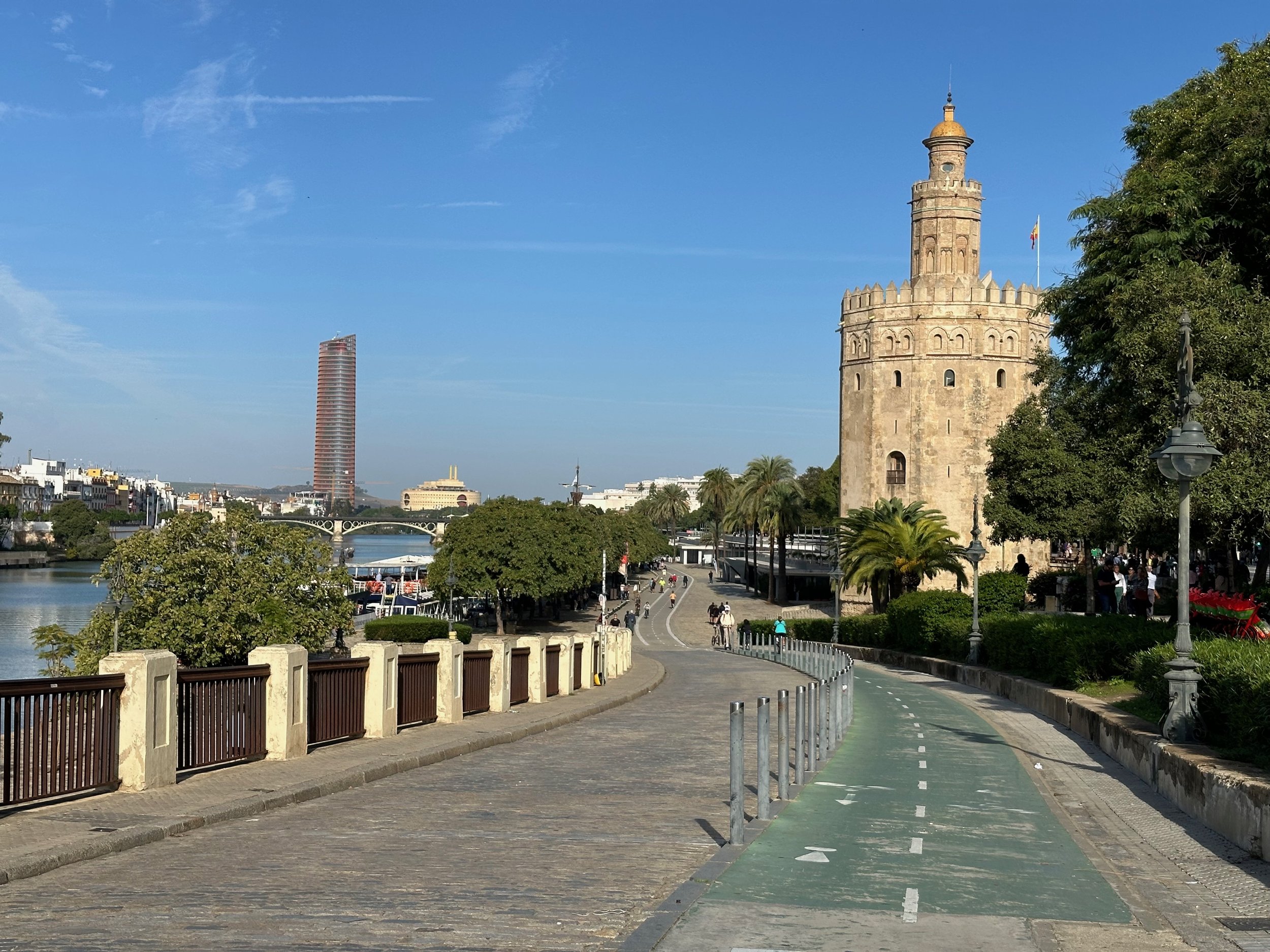
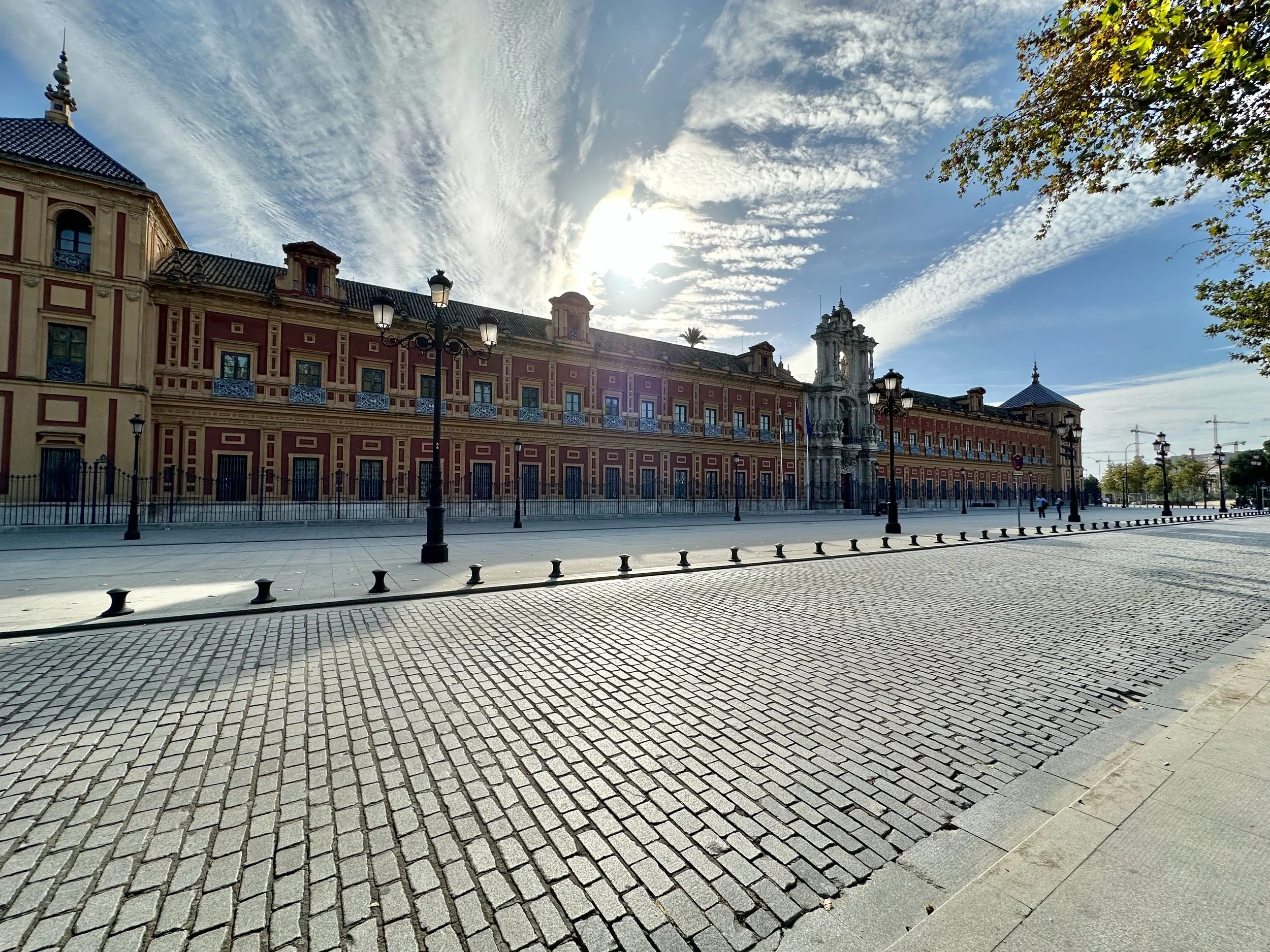
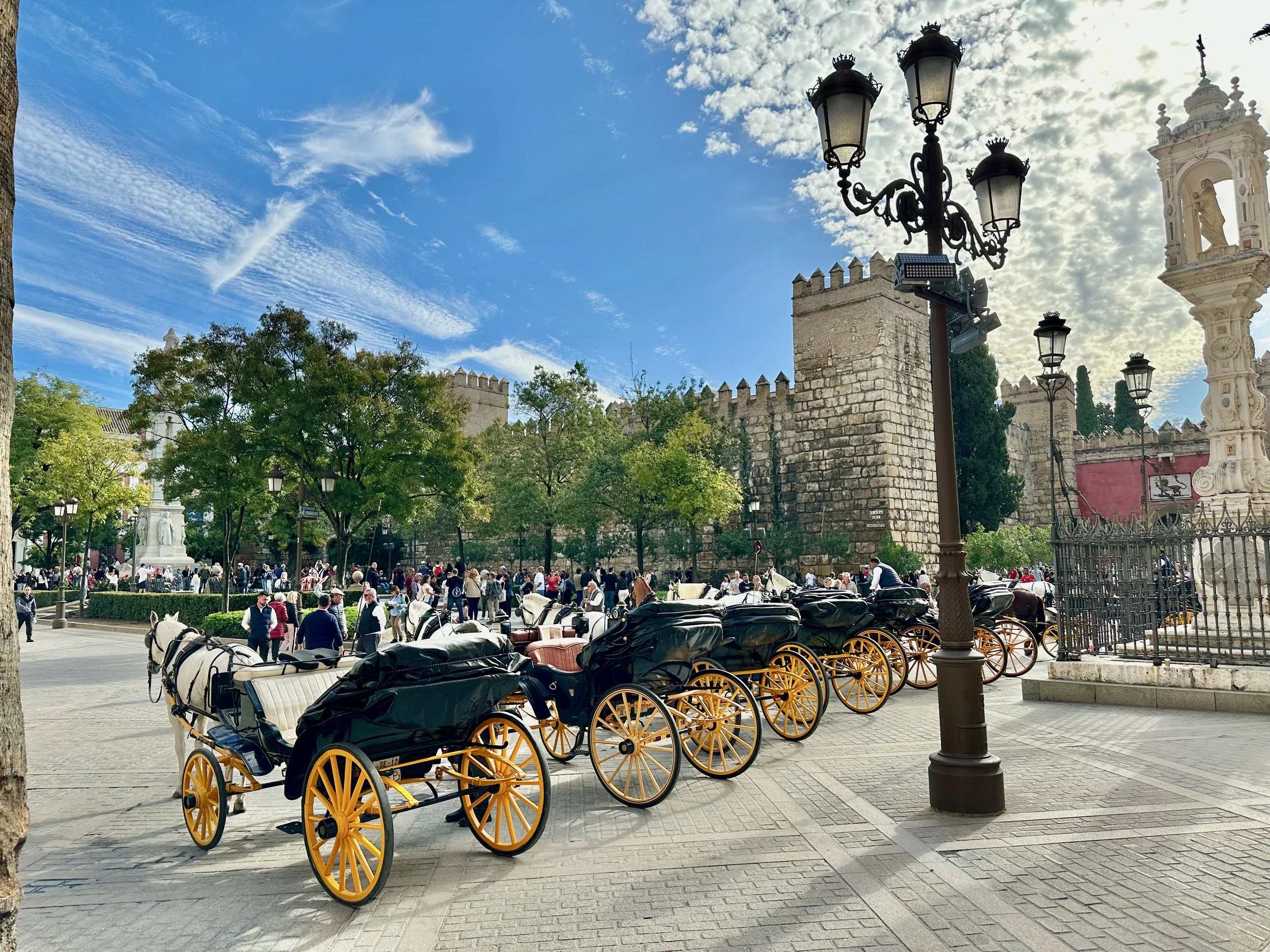
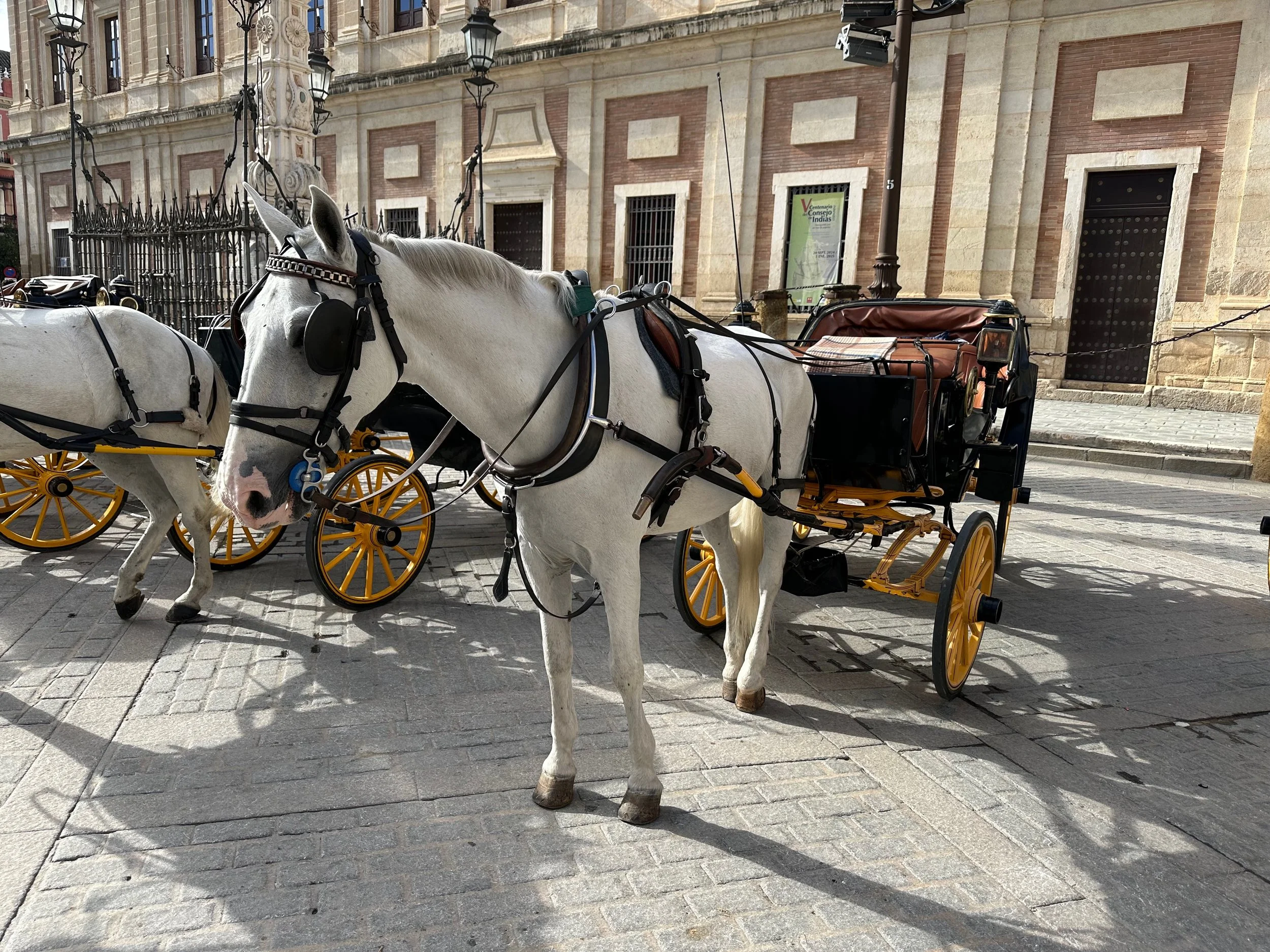
Our first port of call was Cadiz on the southwest corner of Spain. From there we travelled by bus to the major centre of Seville where we would visit some major landmarks in the city.
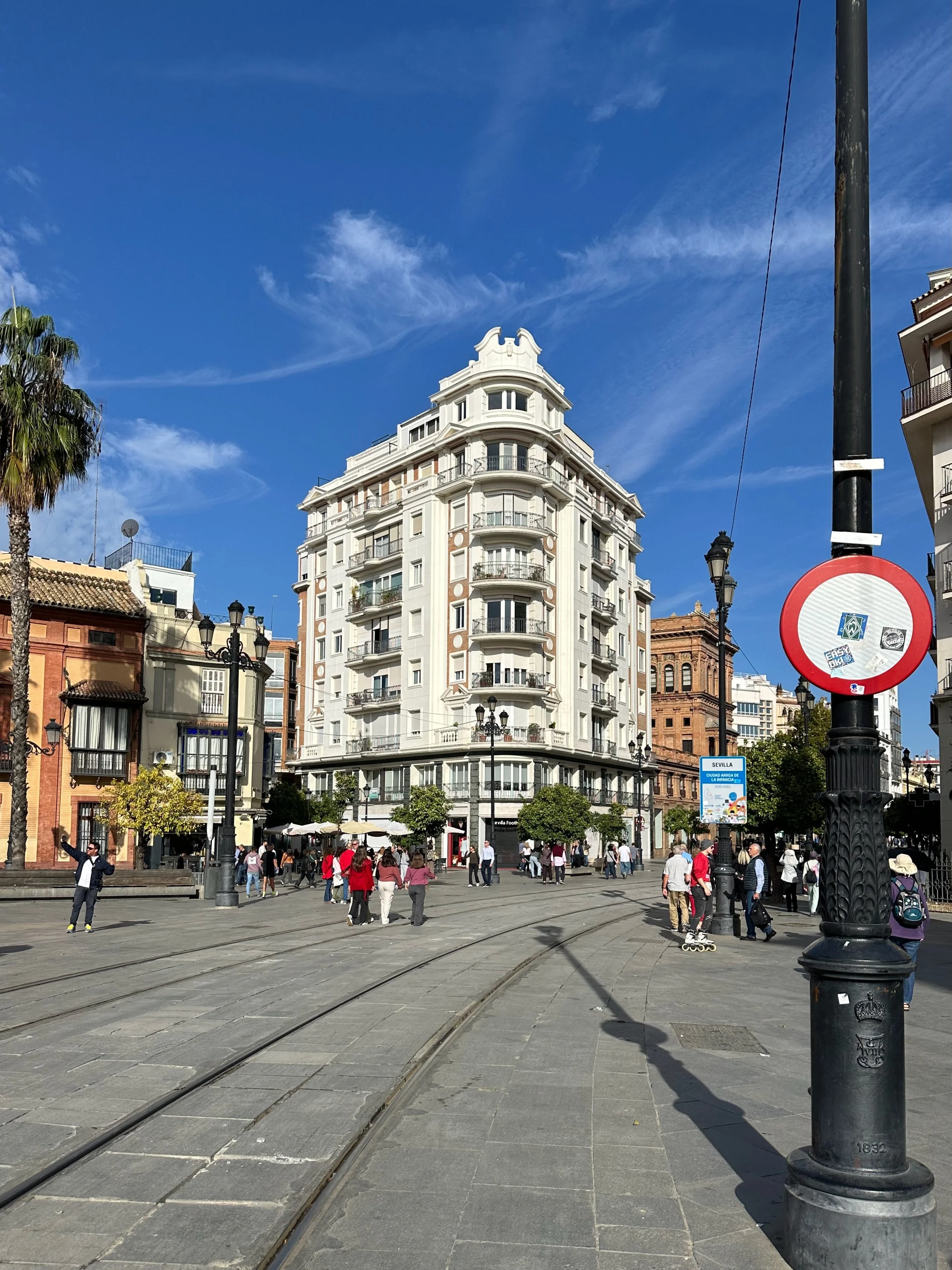
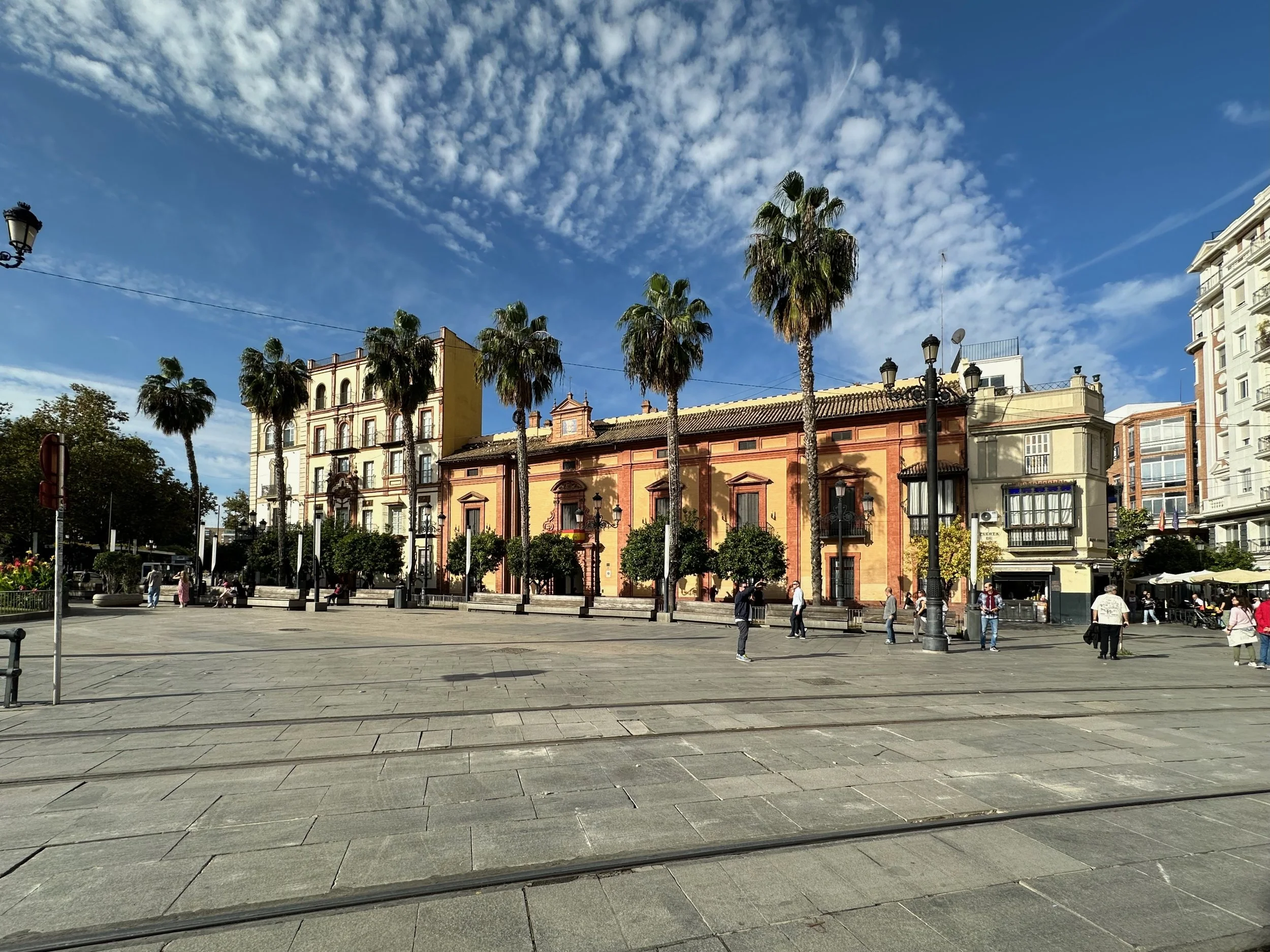
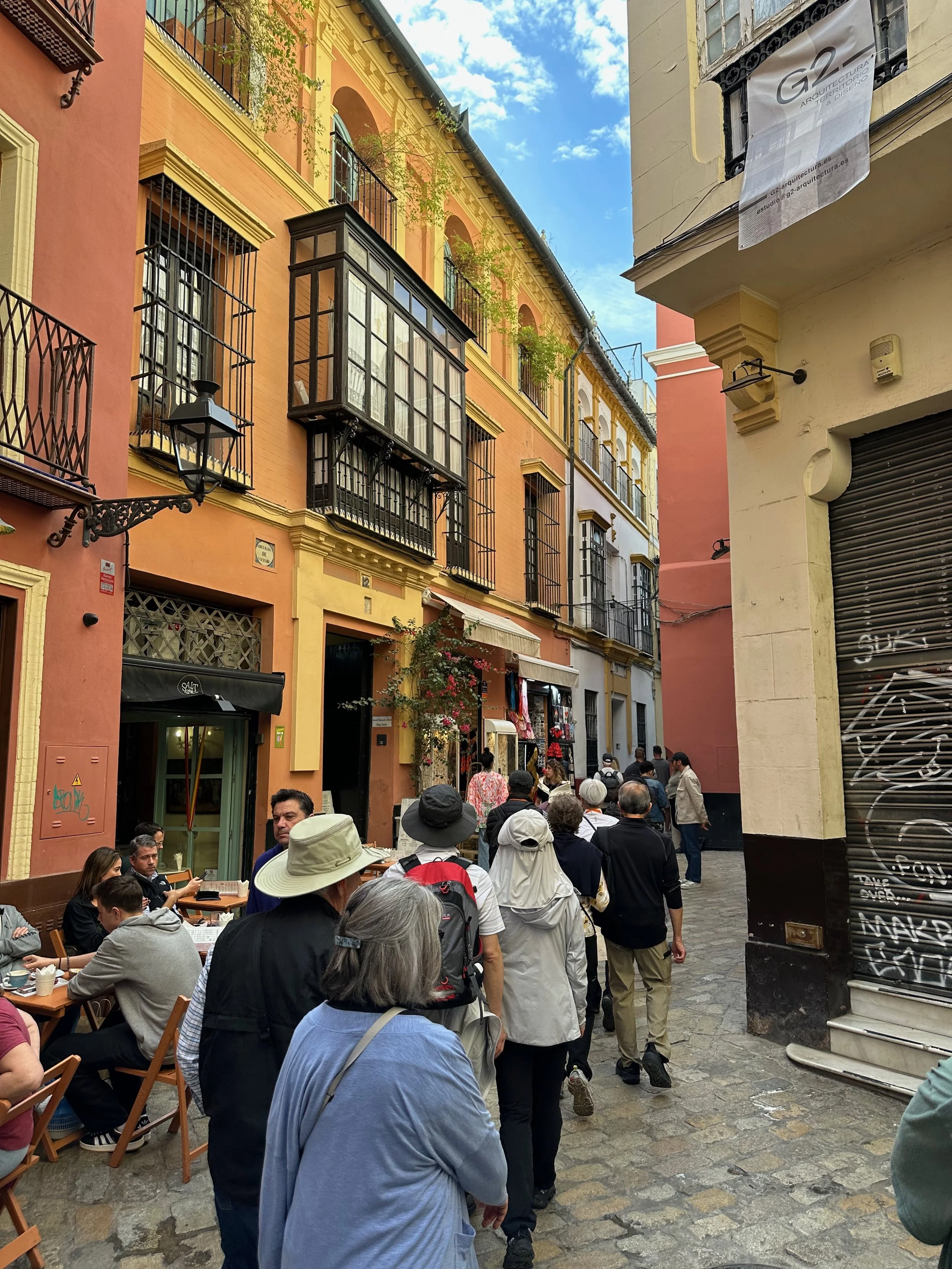
The short walk from where the bus dropped us off allowed us to see a number of different parks and buildings, the later of which appeared to be official buildings used for government or cultural activities. Some could even be residences of wealthy people in the city. Generational wealth can be seen on display throughout Europe.
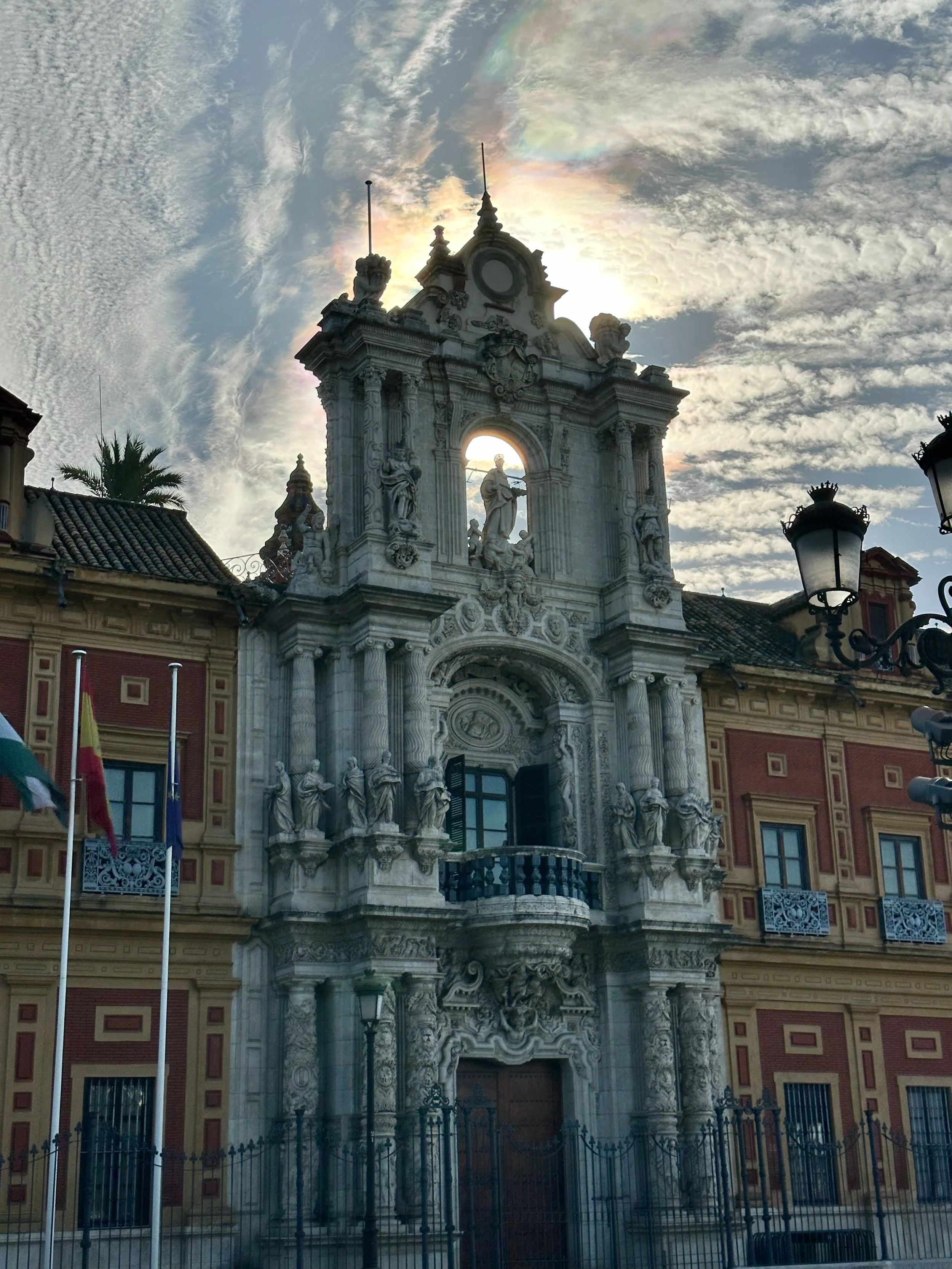
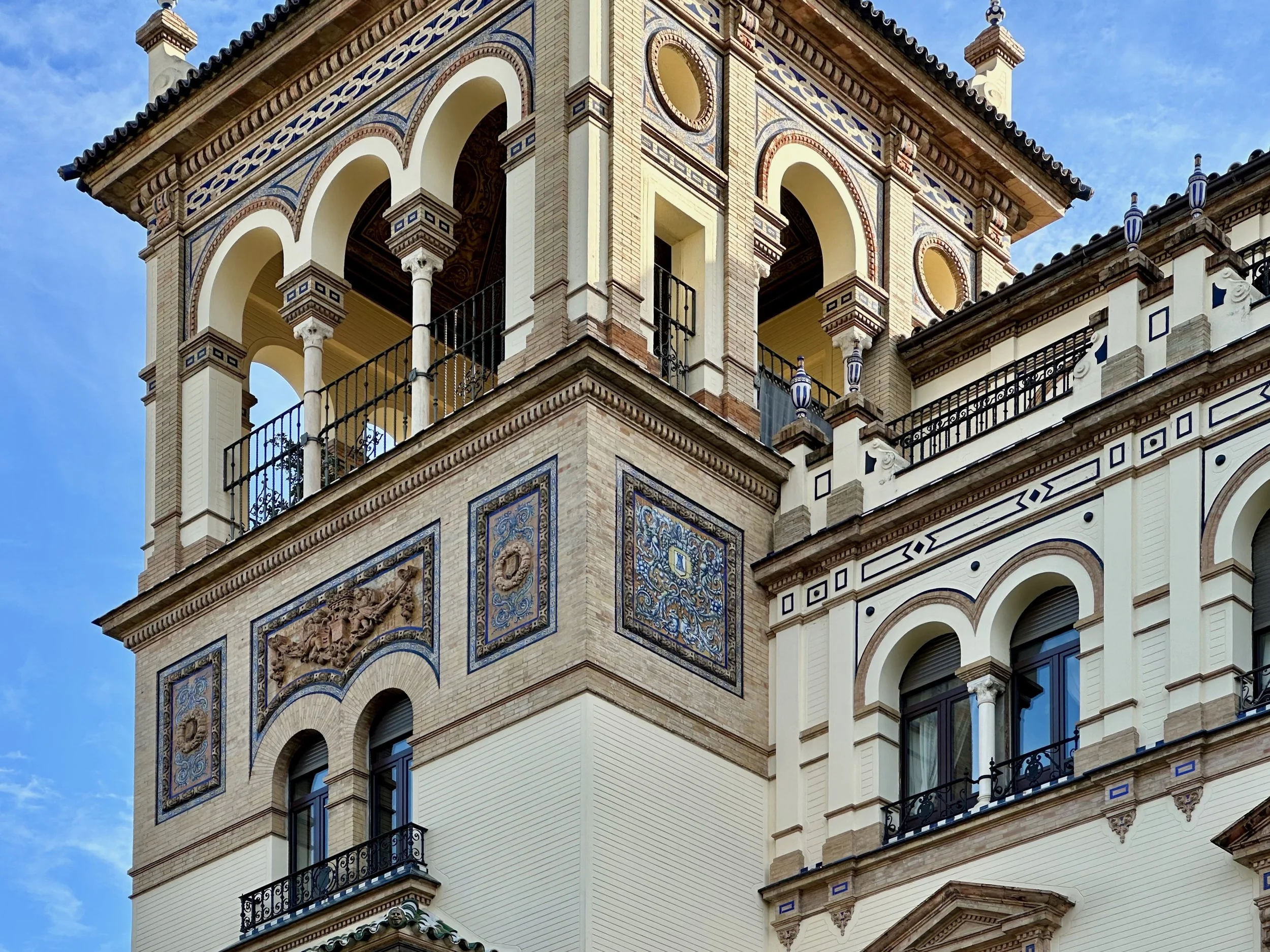
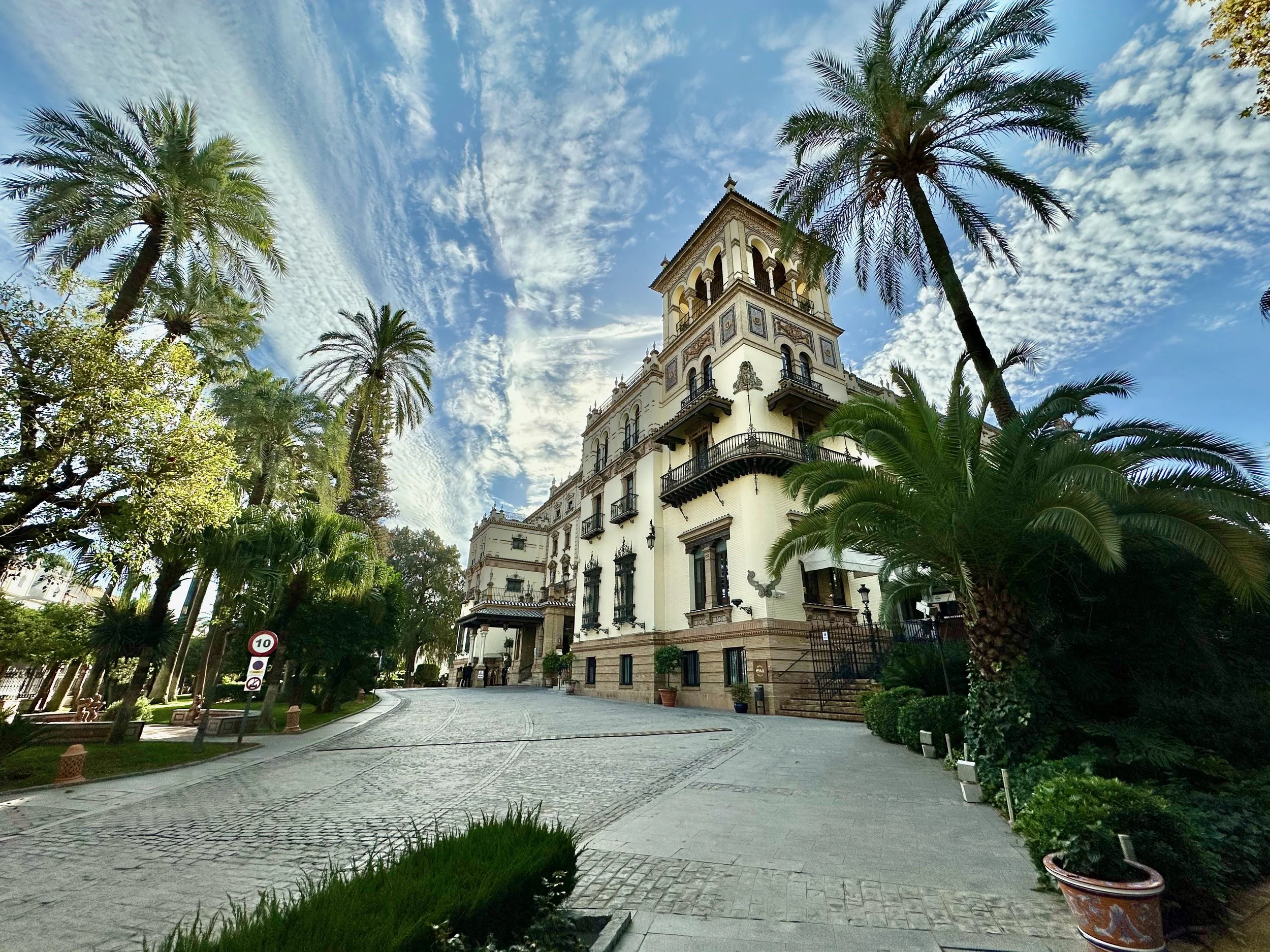
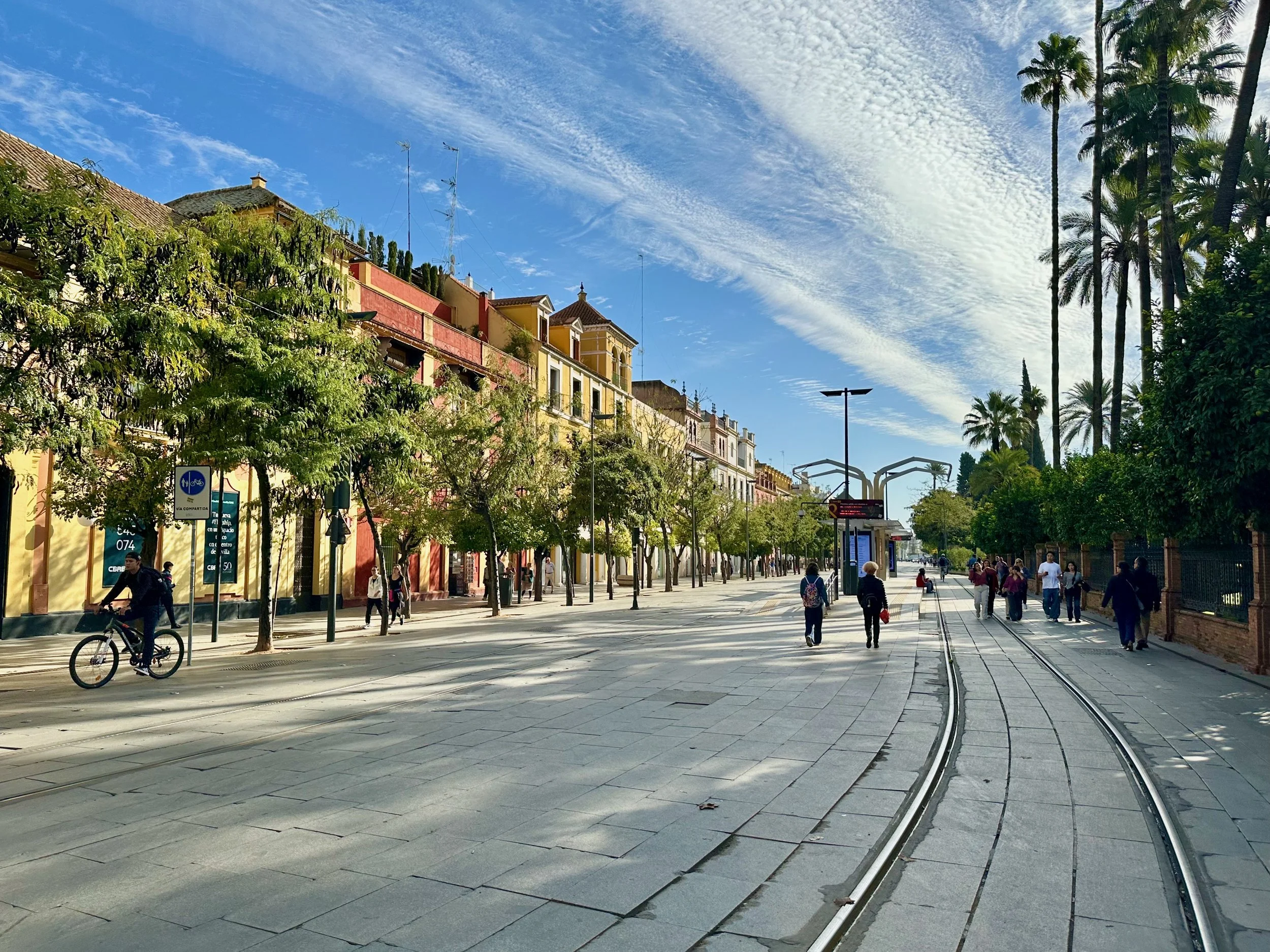
The centre water feature of the Real Alcazar.
Real Alcazar
The first landmark for us was the Real Alcazar. It’s the historic royal palace in Seville and one of the official residences of the Spanish royal family. The site was first established in the 10th century during the Islamic era and served as a citadel of the city. Rebuilt numerous times during subsequent dynasties, its storied history can be seen in the different architecture, art and finishing designs present throughout the vast structure. The details achieved by the centuries old artisans seen in the following photos are stunning.
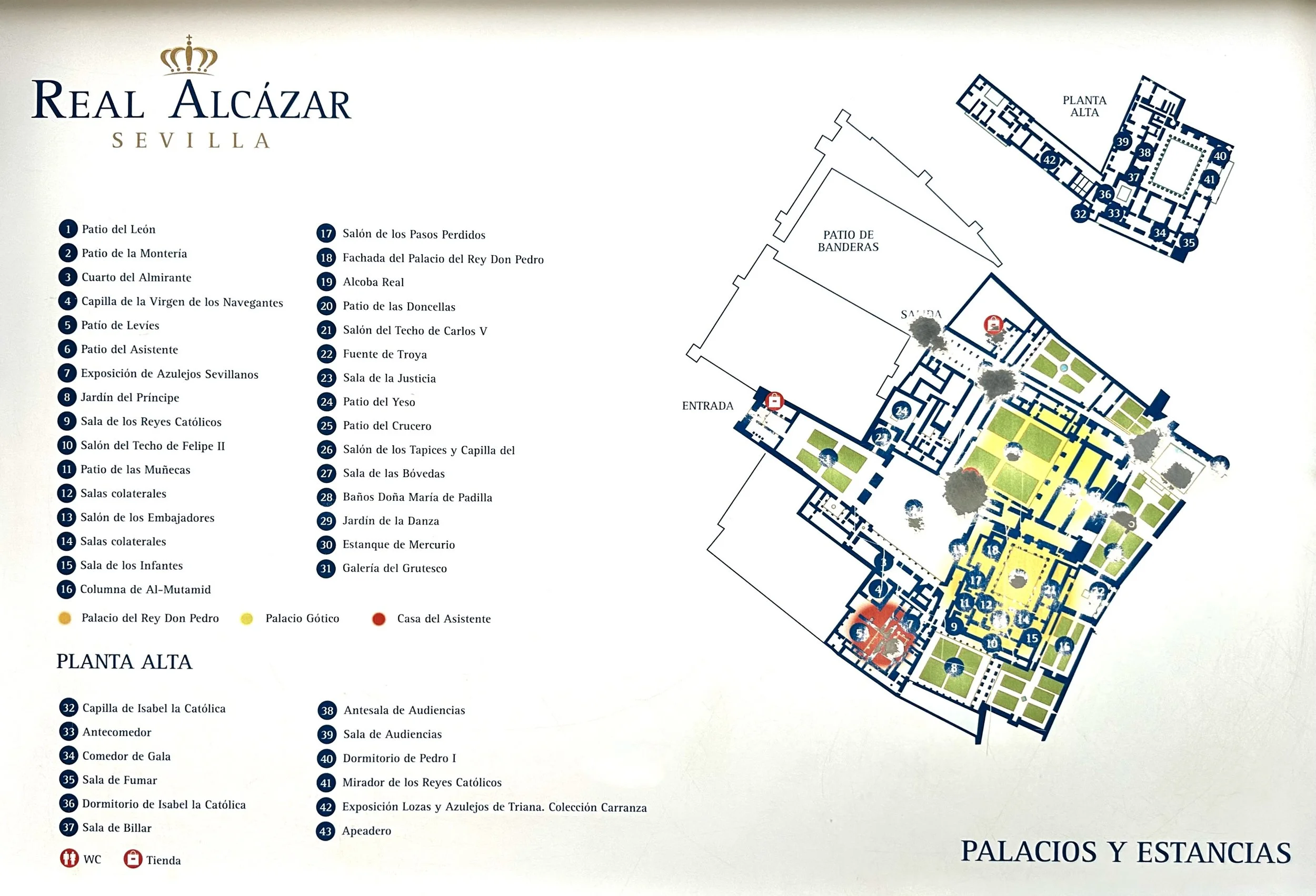
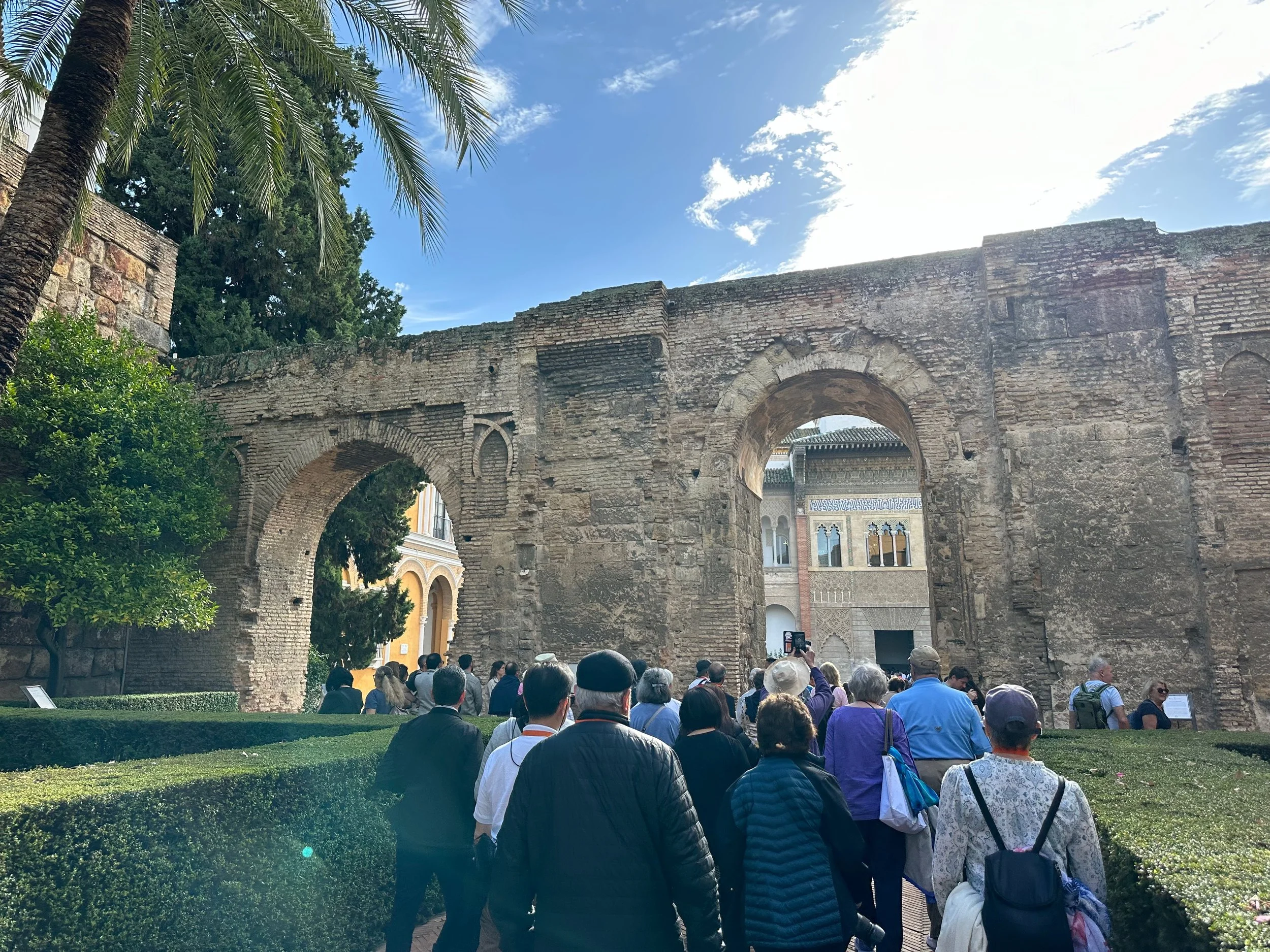
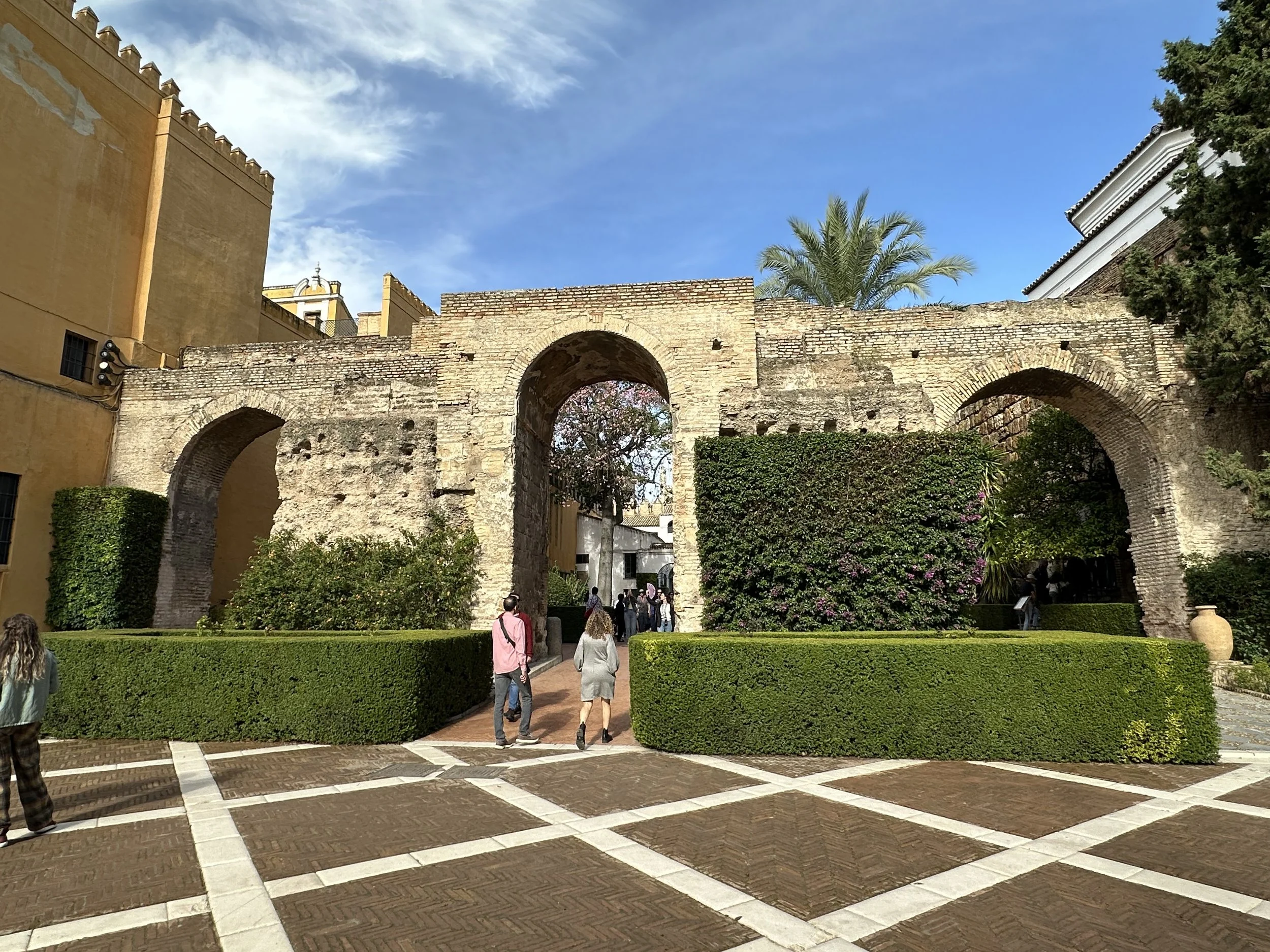
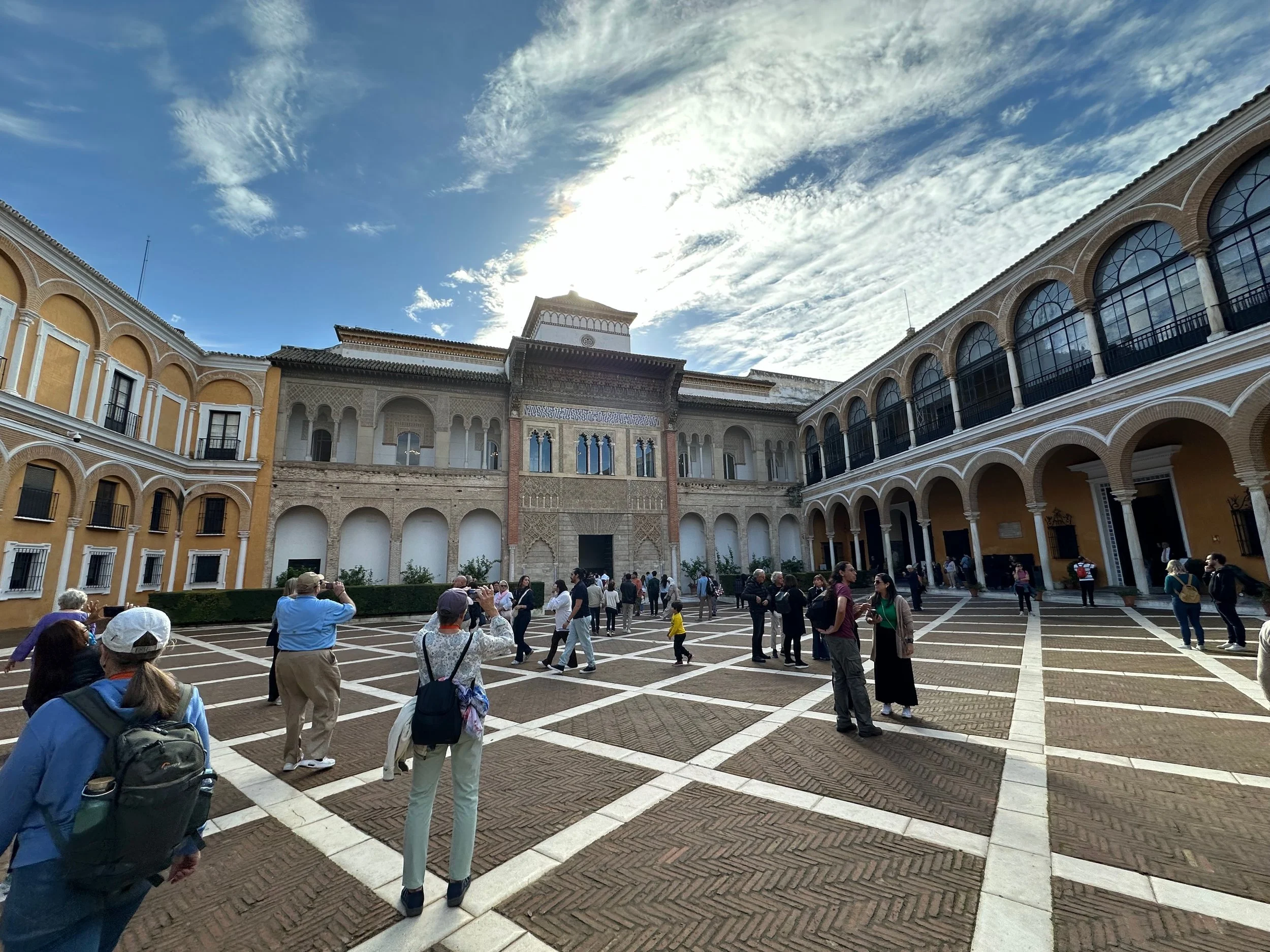
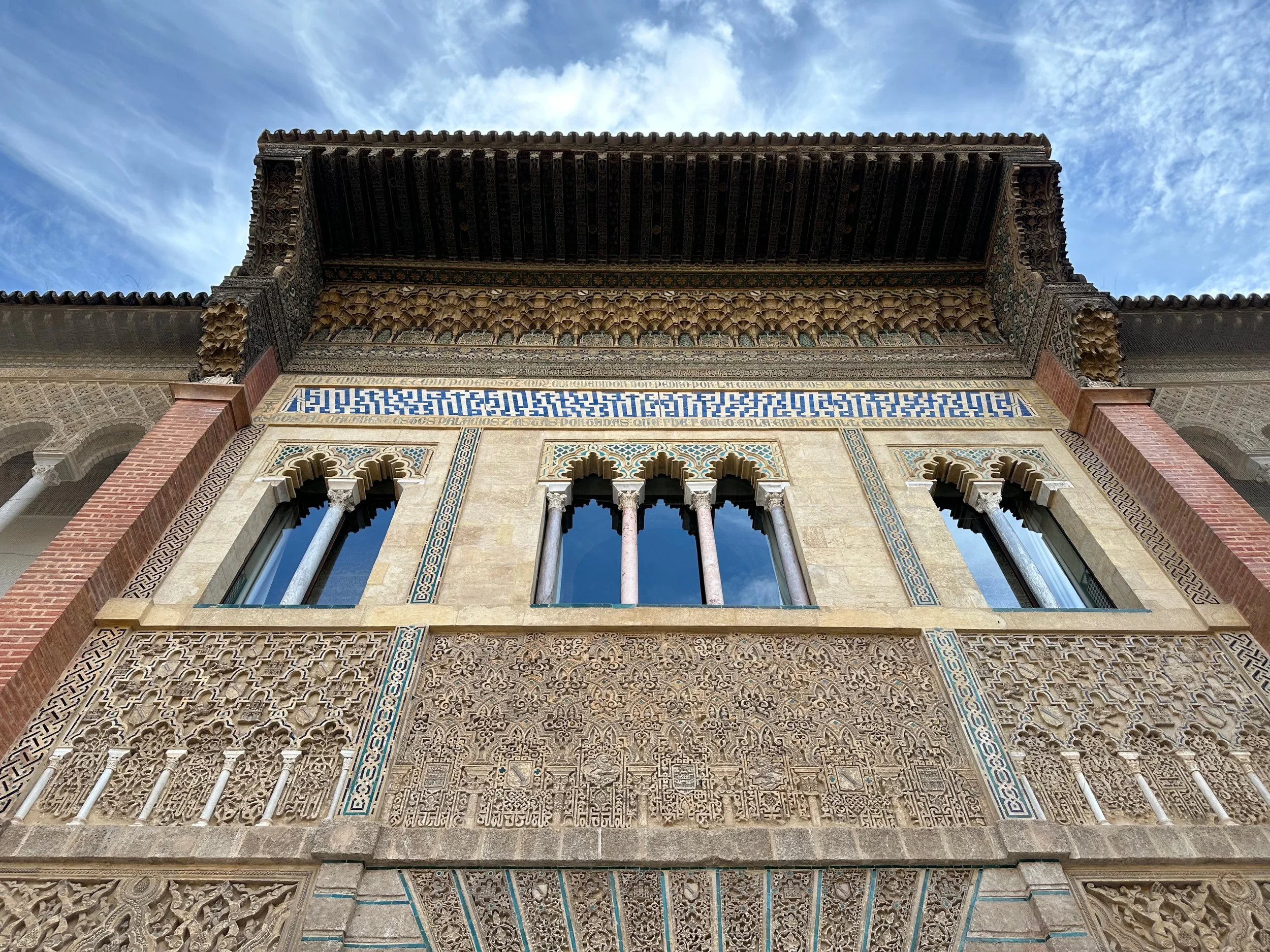
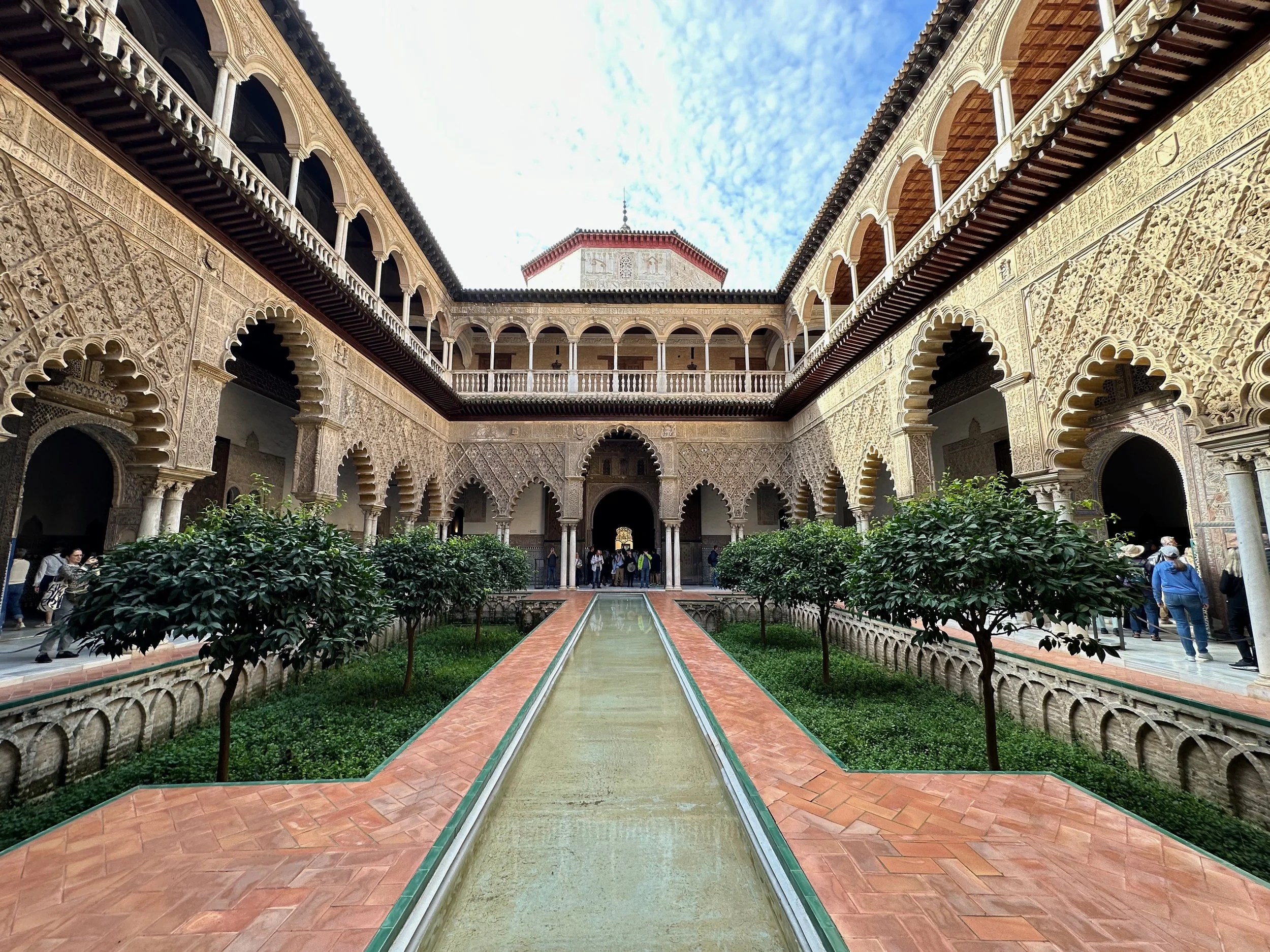
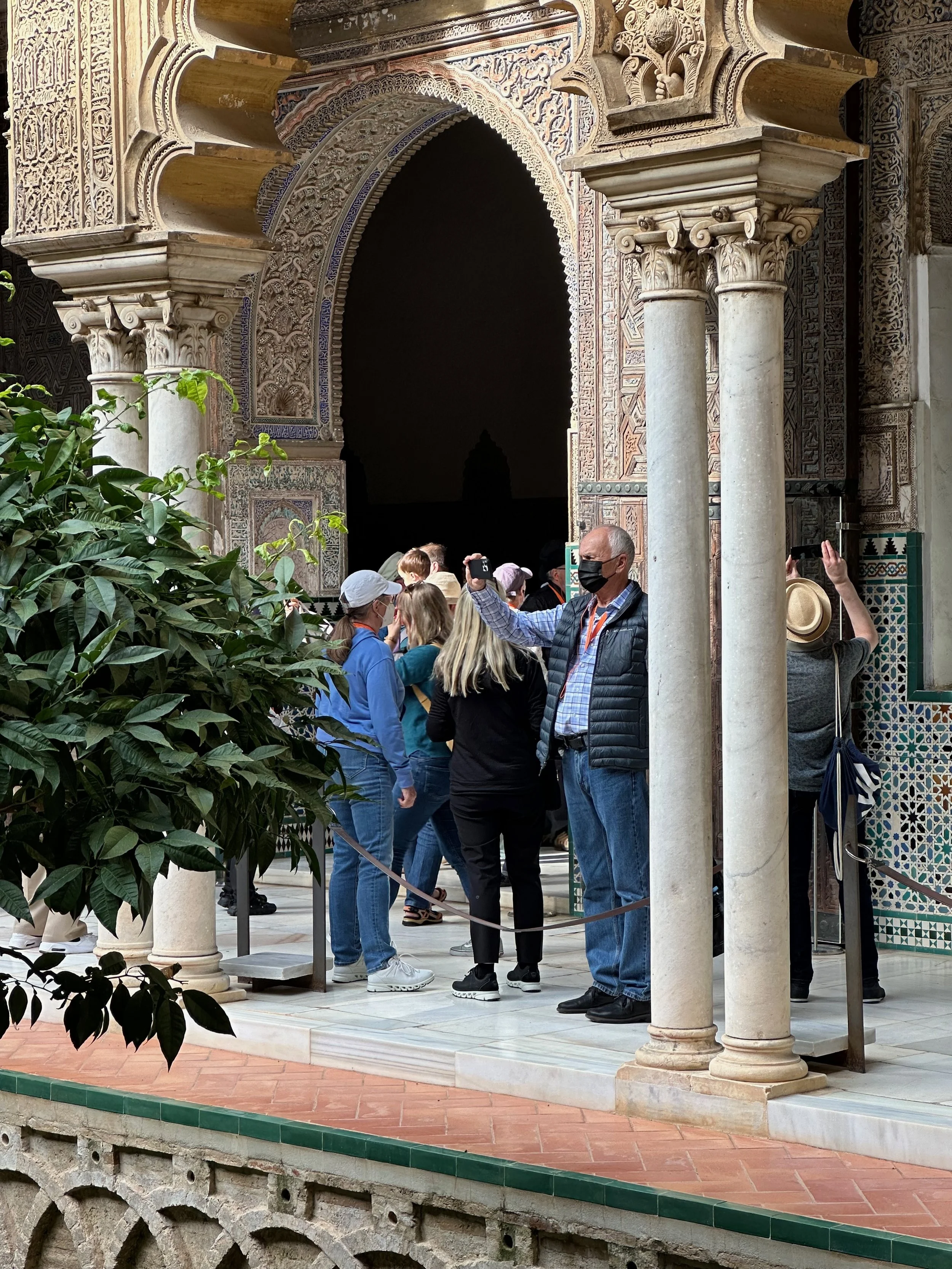
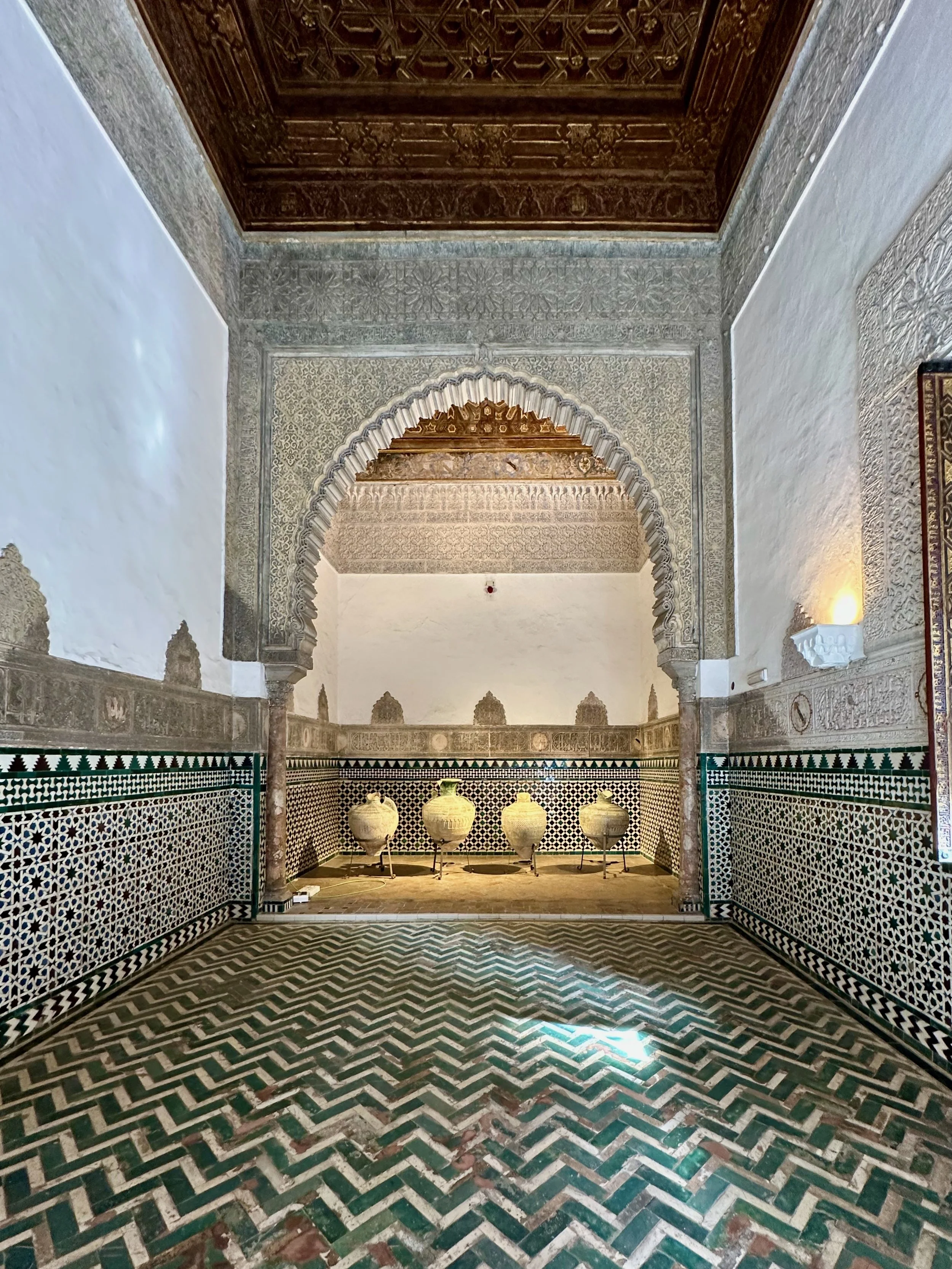
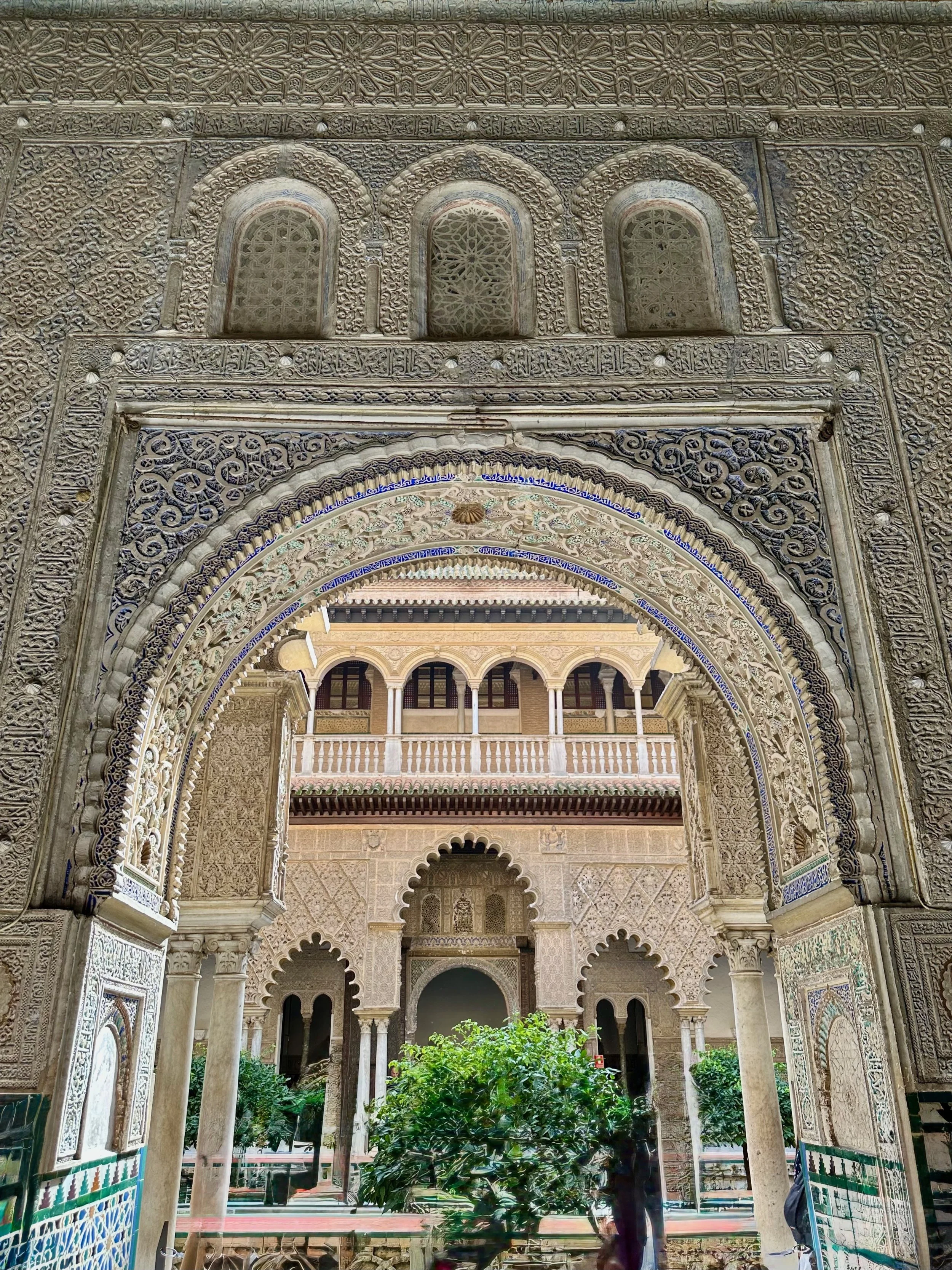
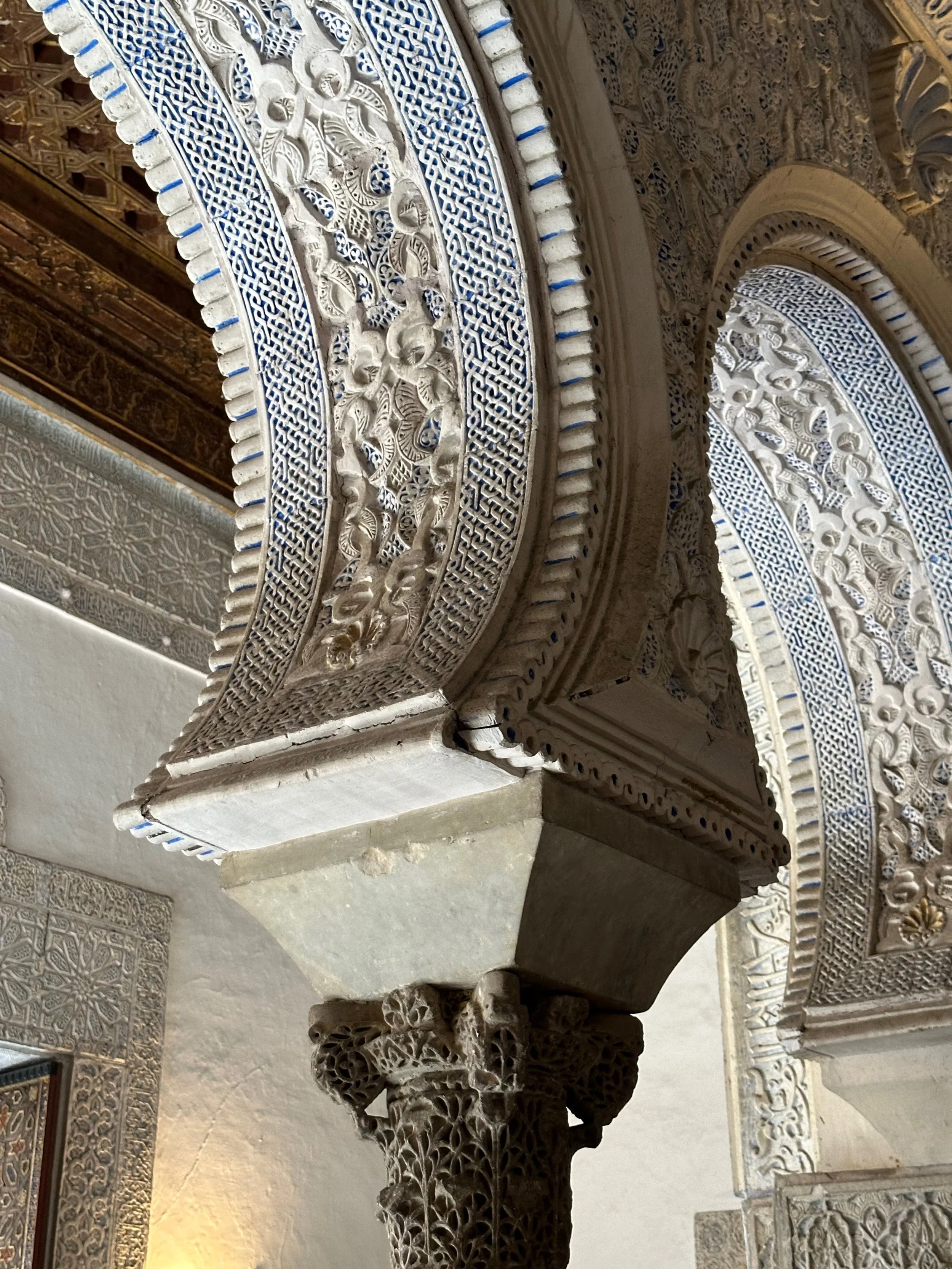
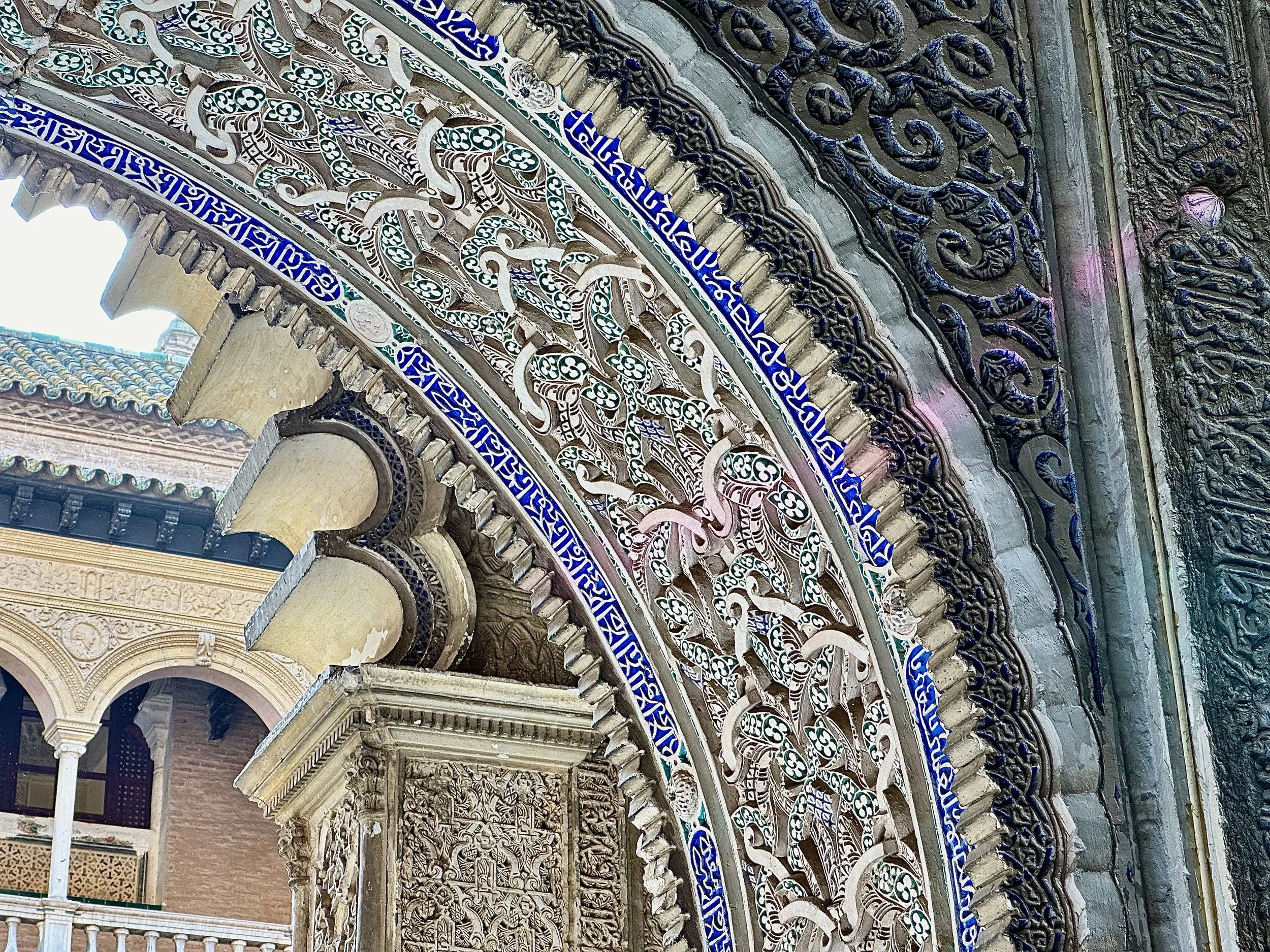
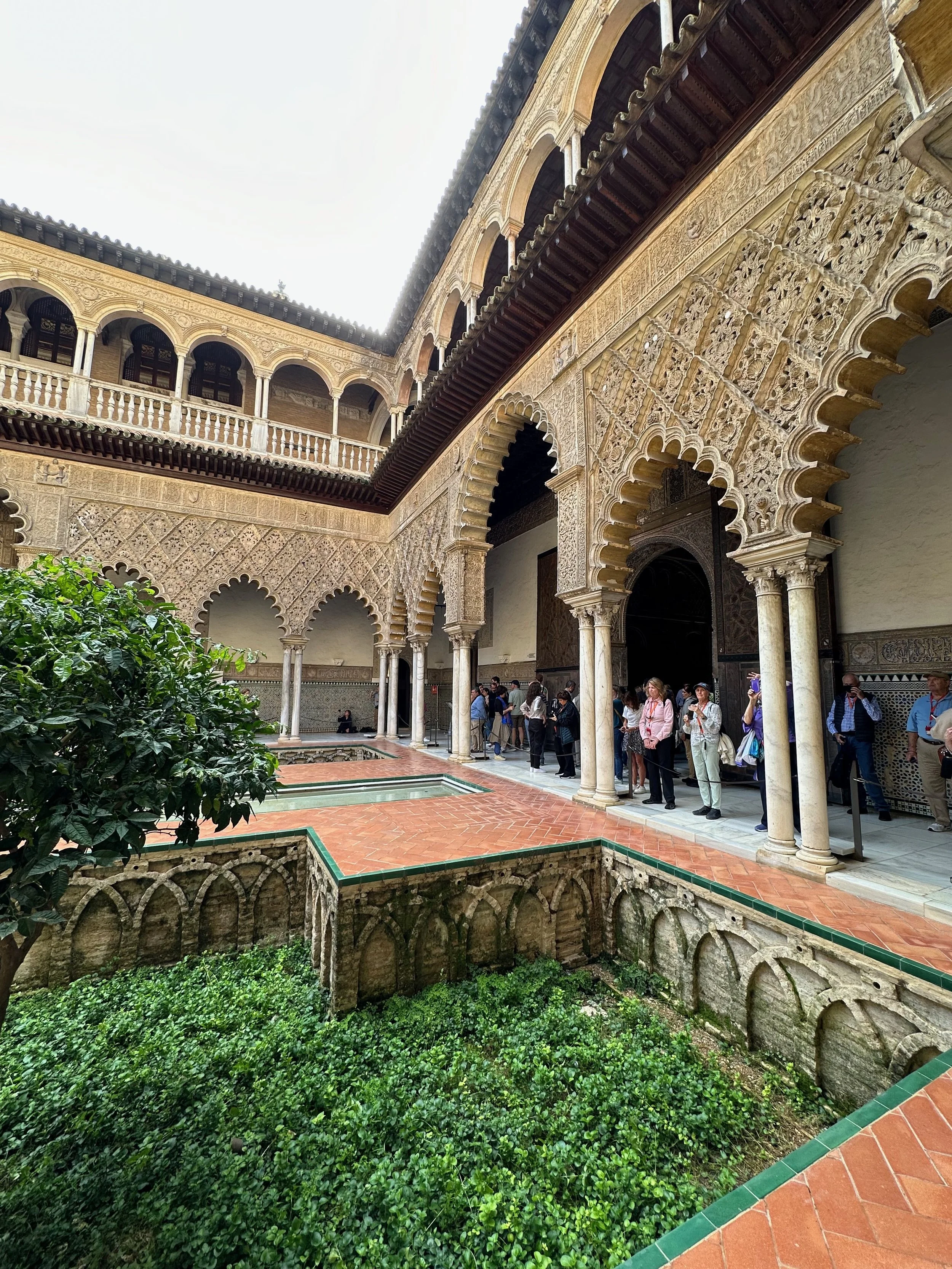
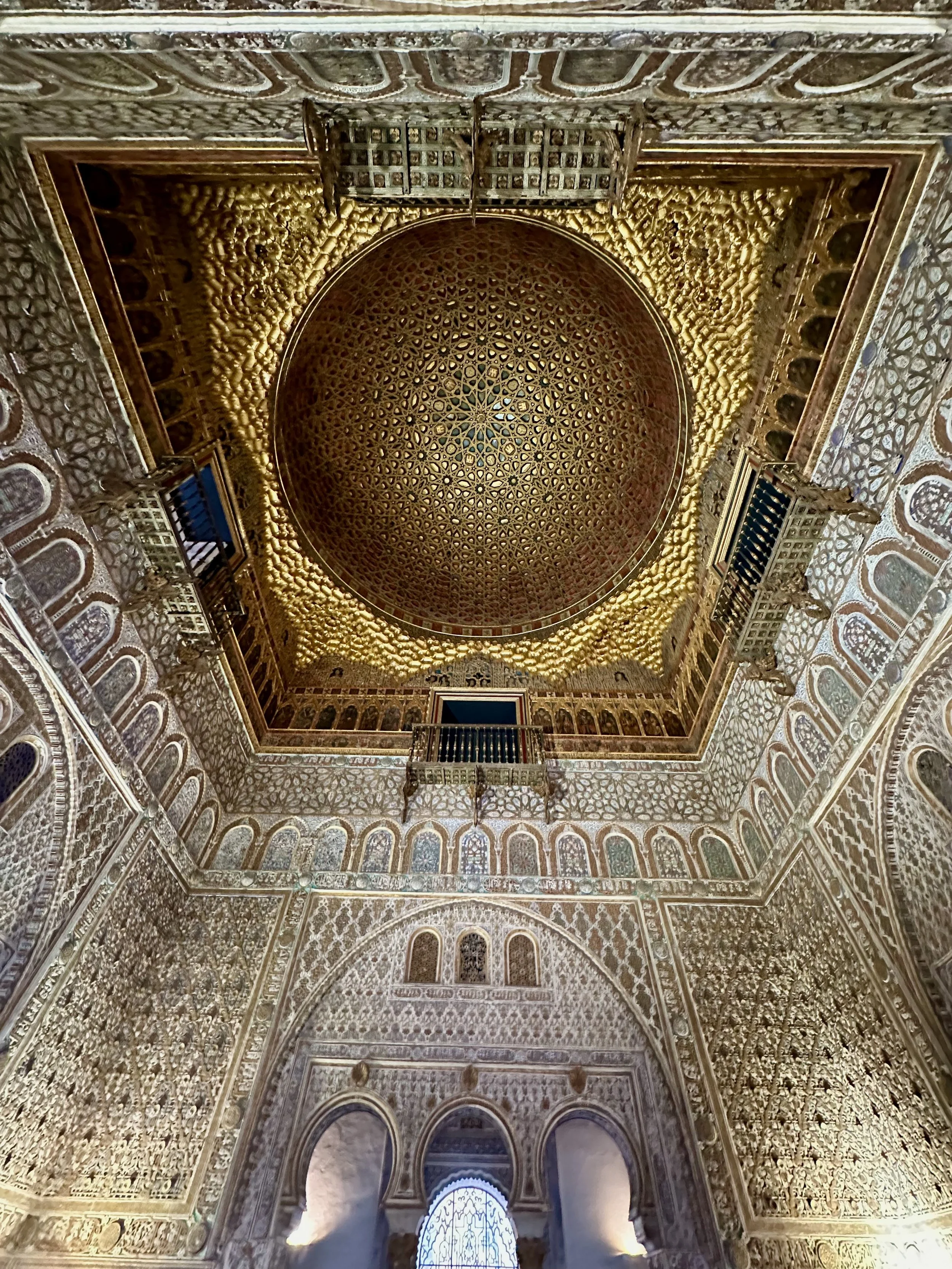
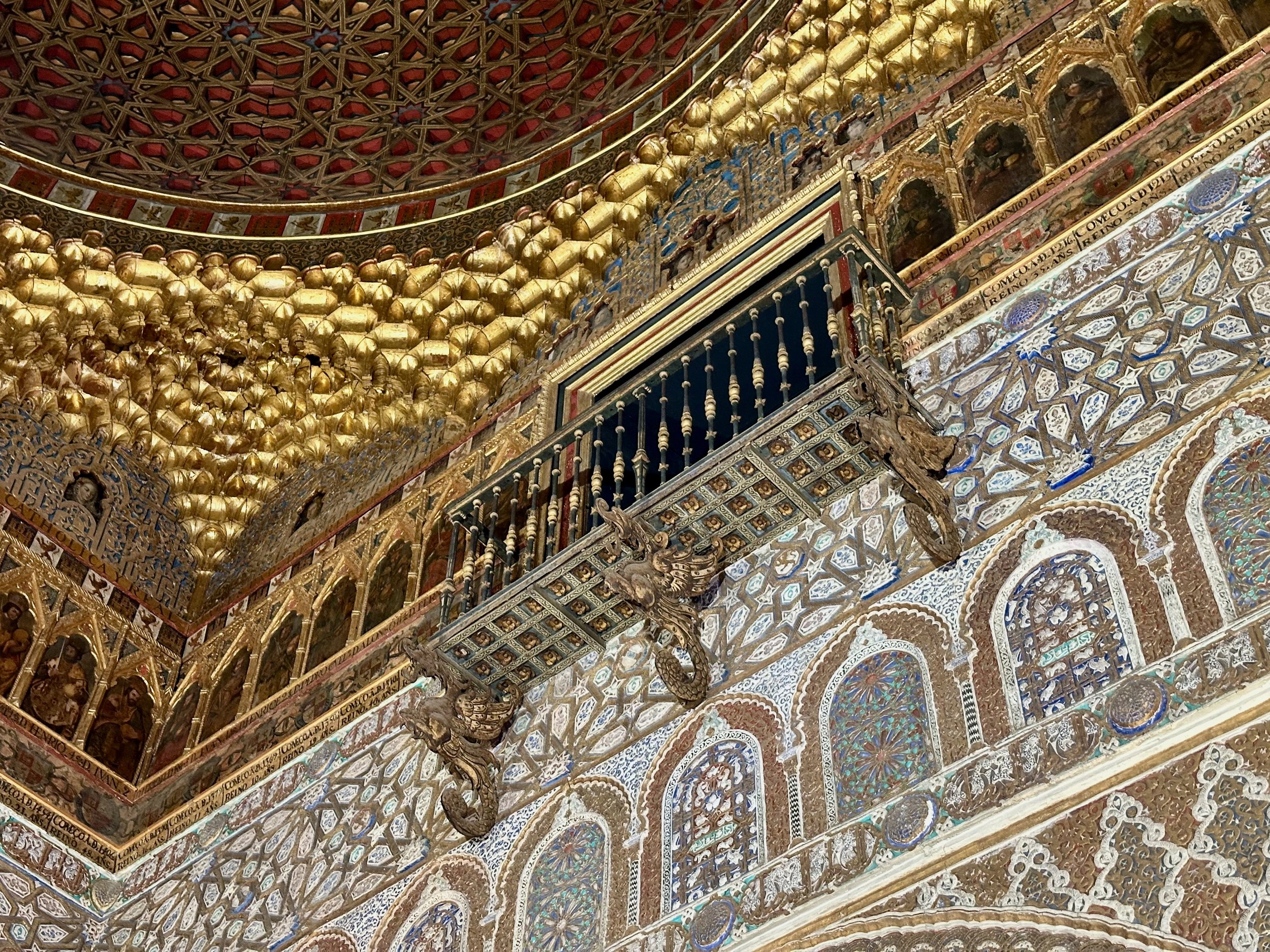
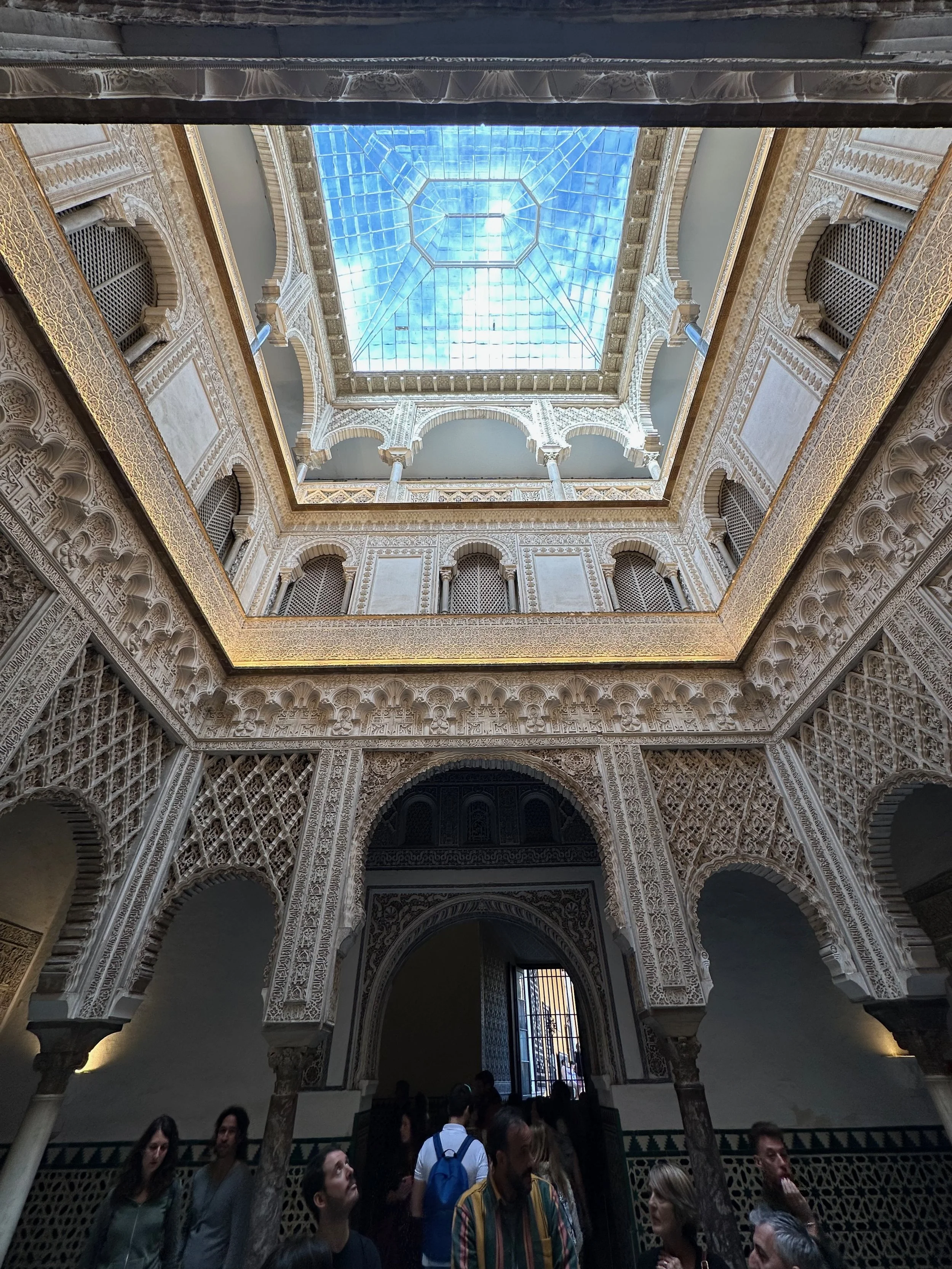
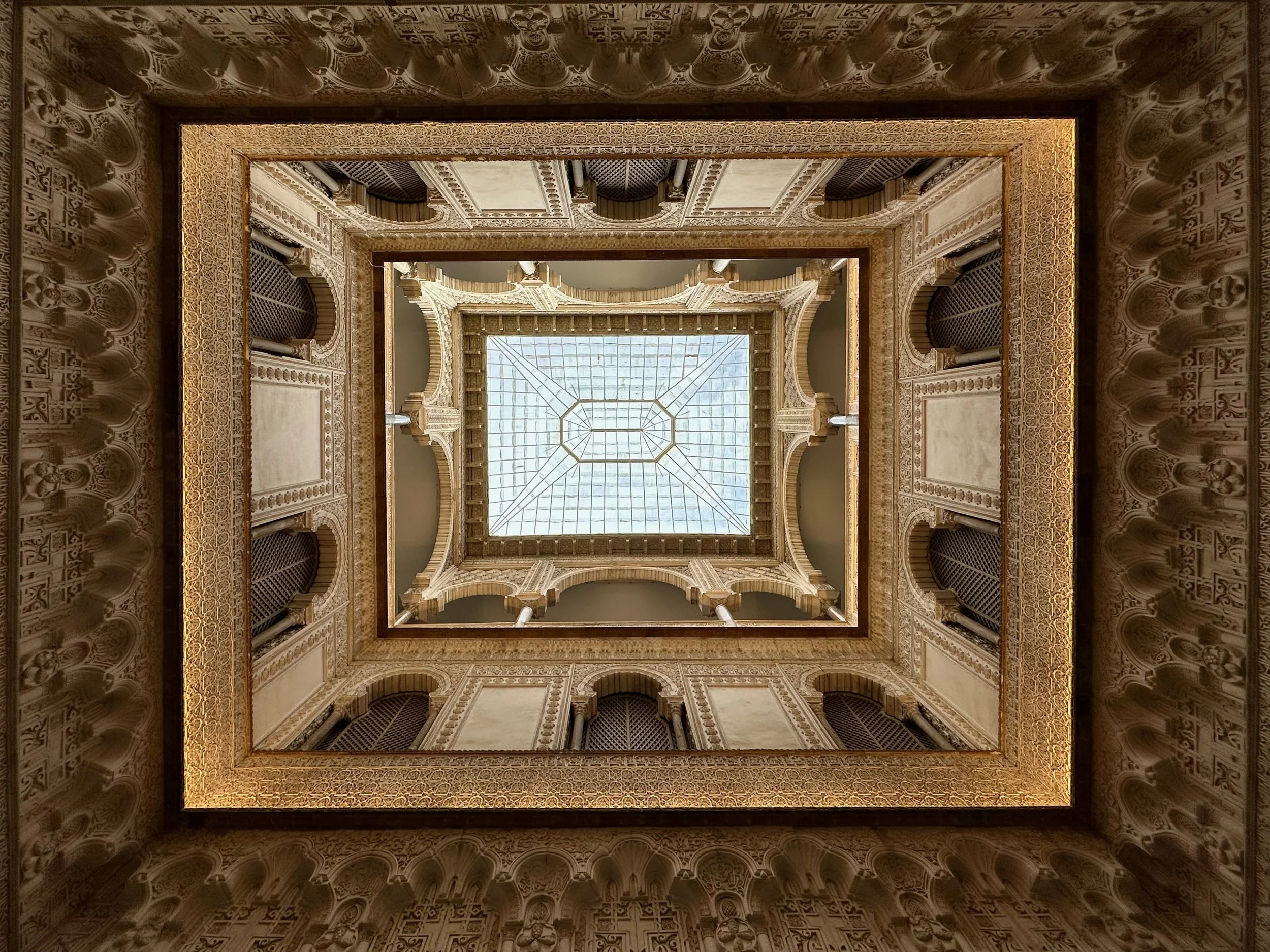
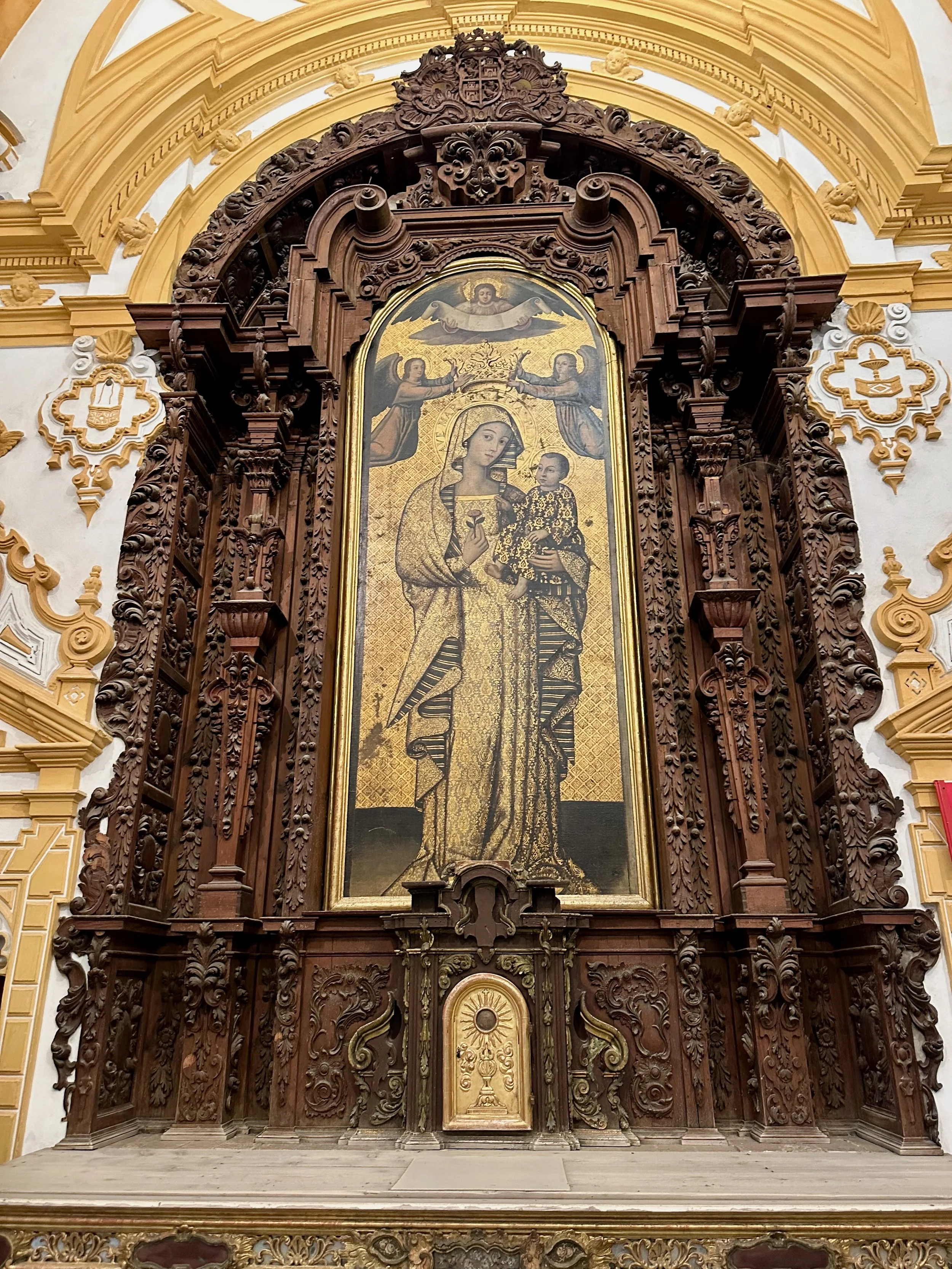
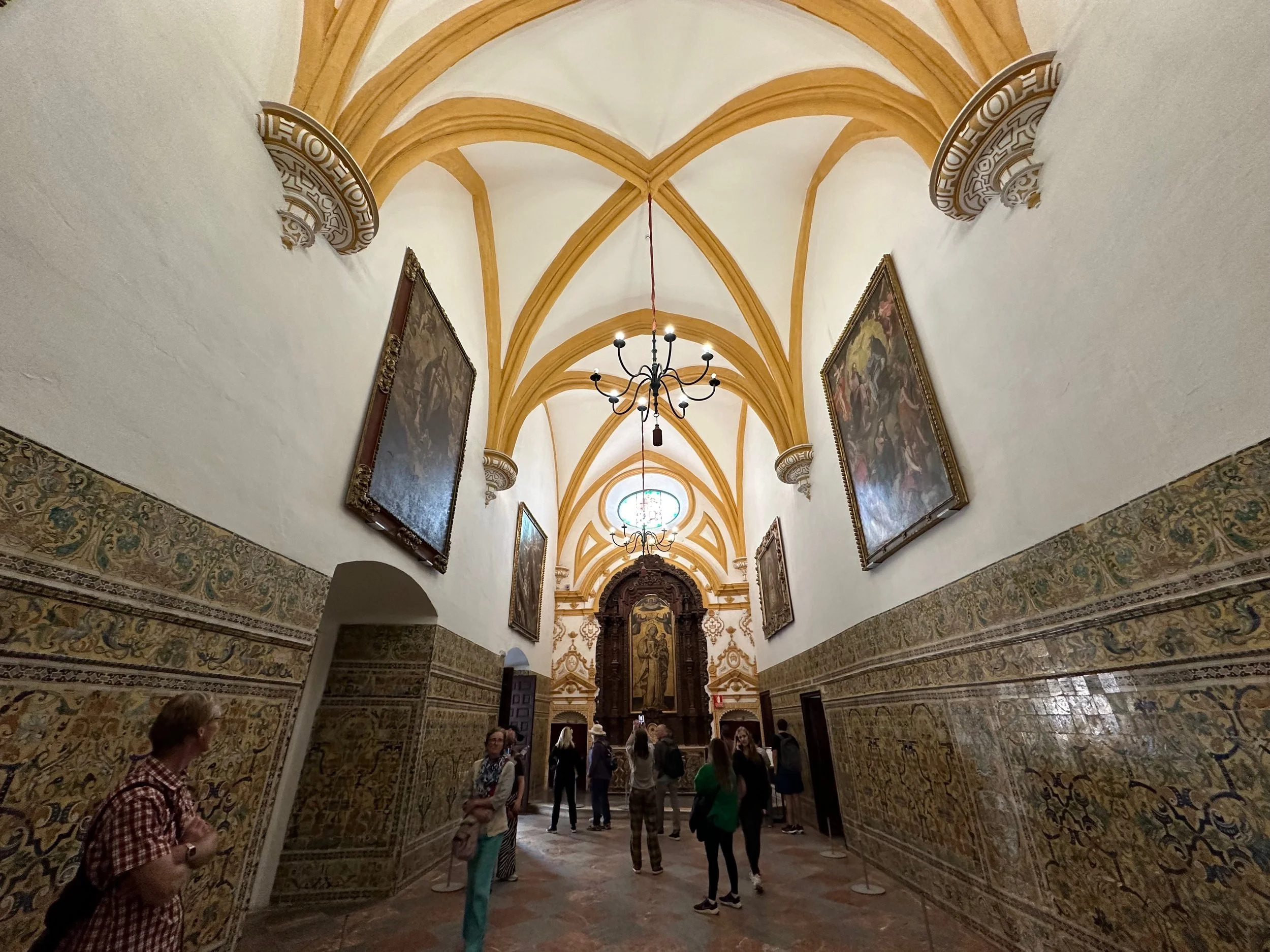
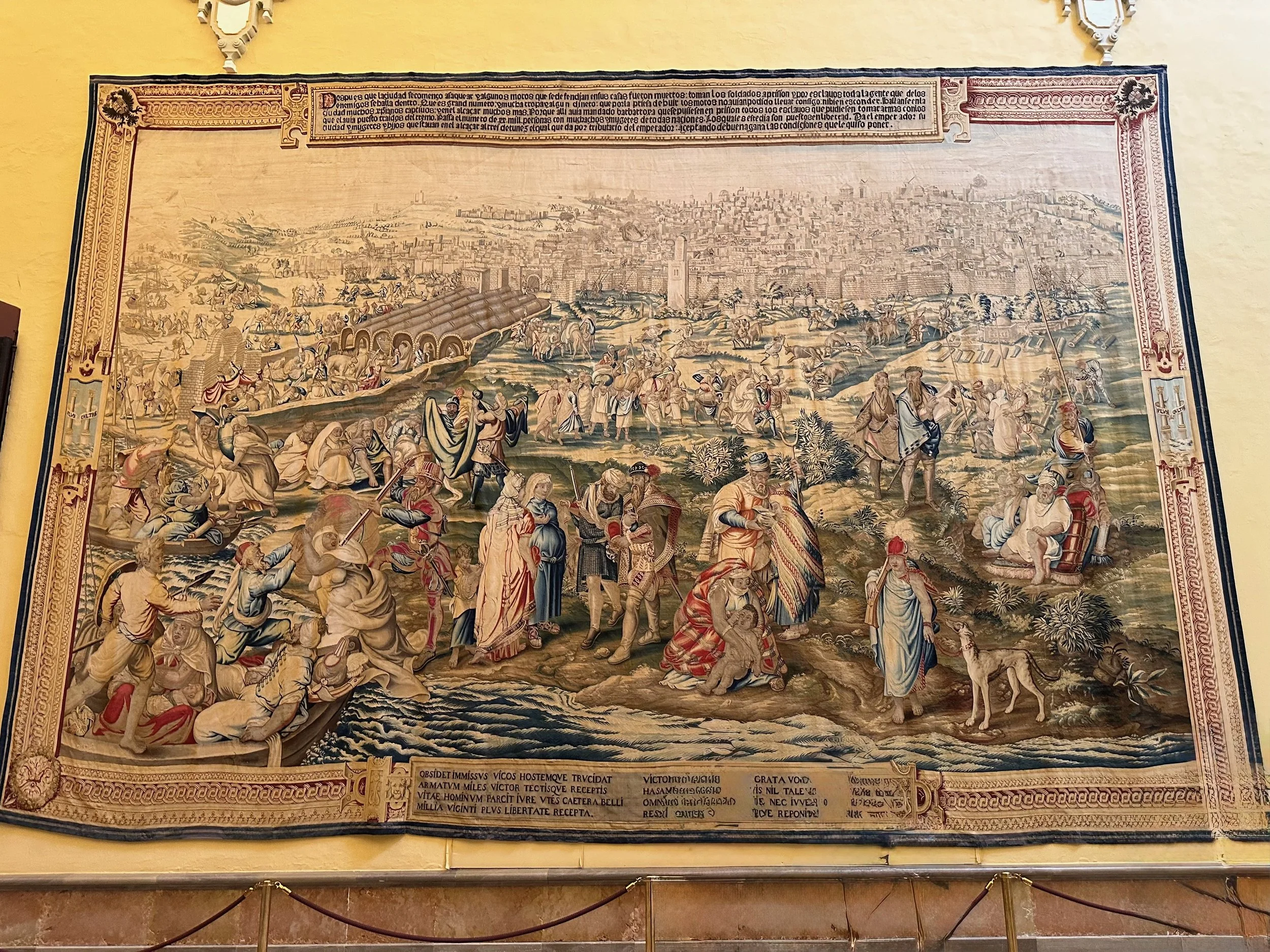
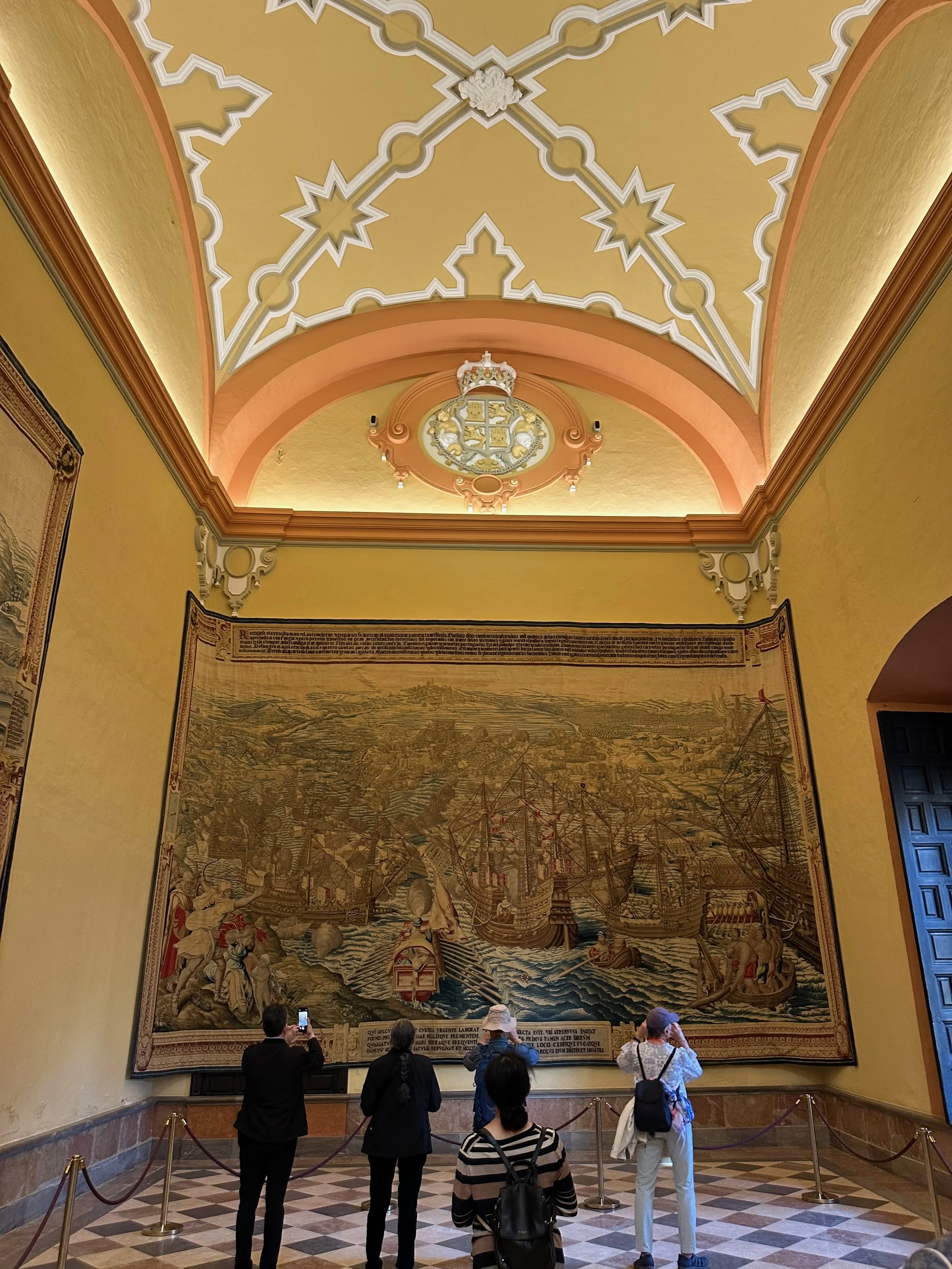
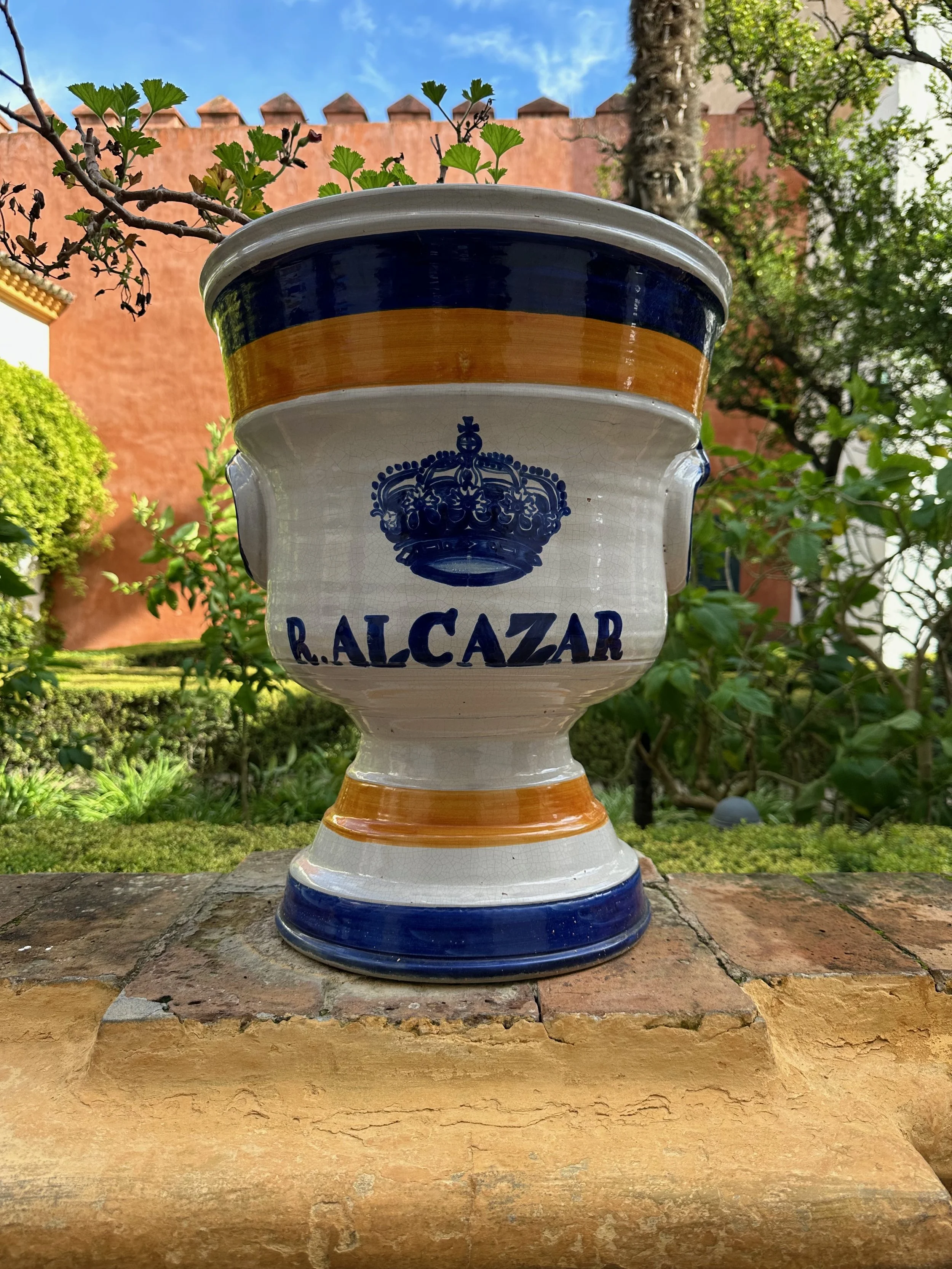
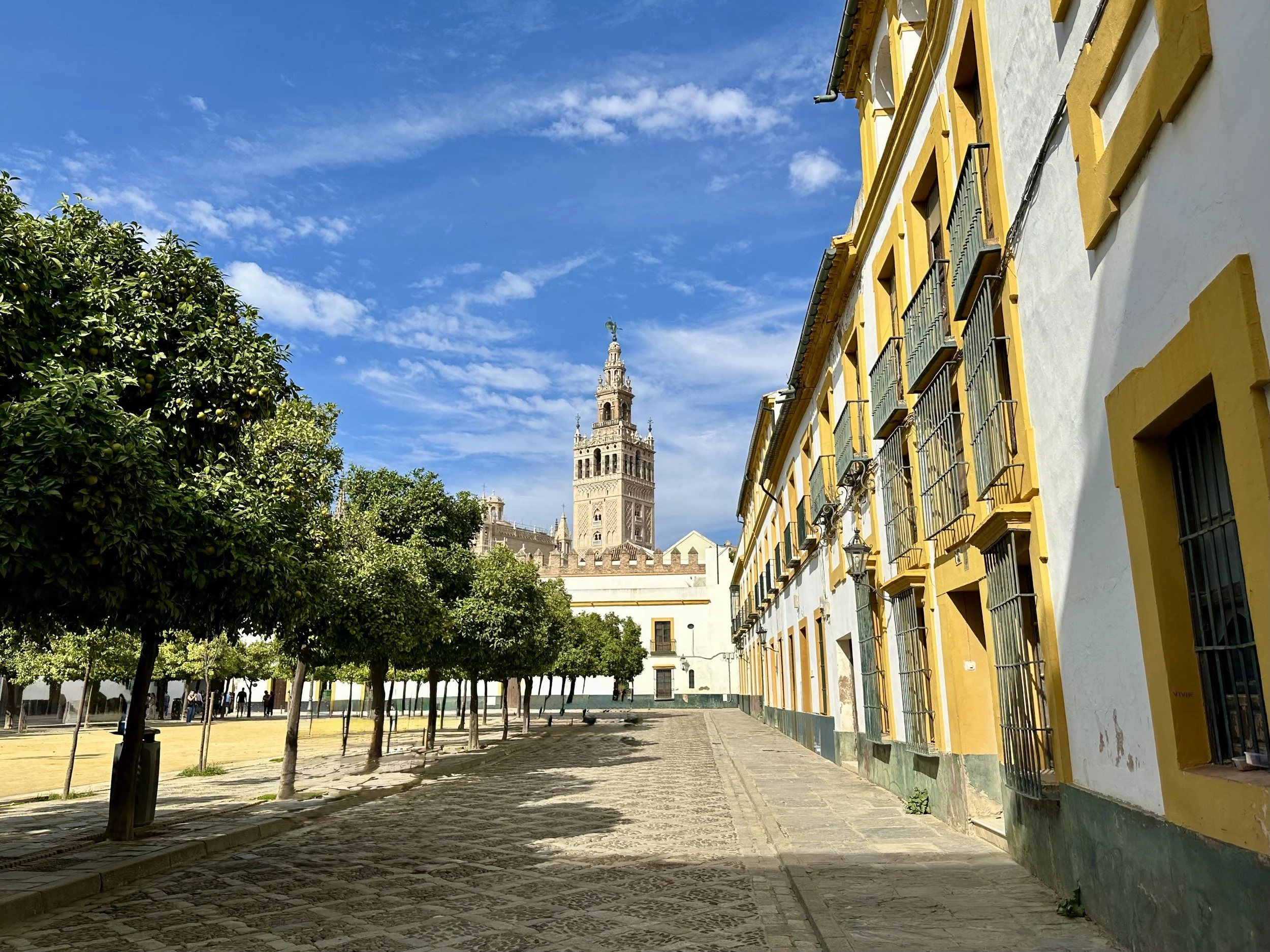
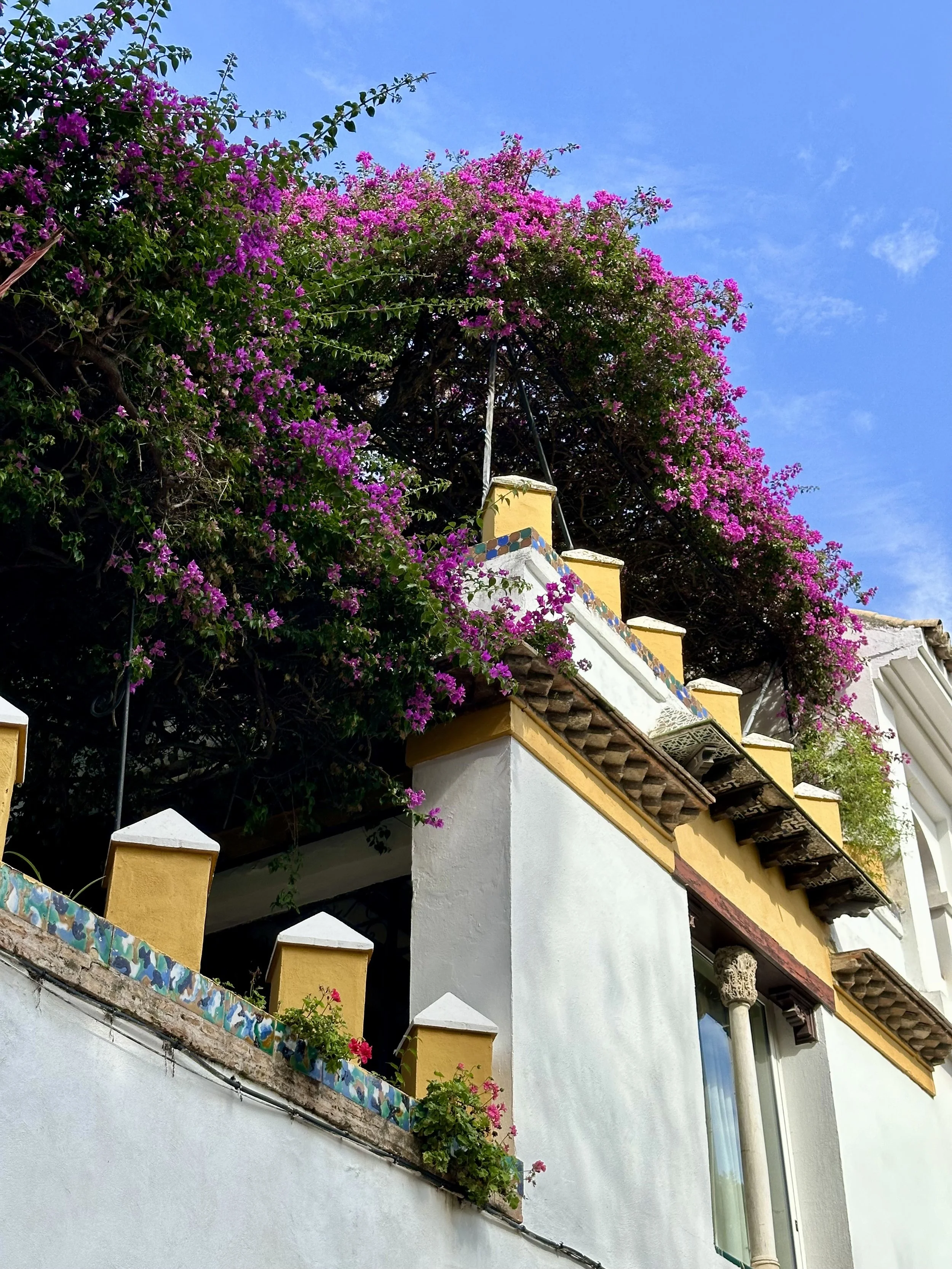
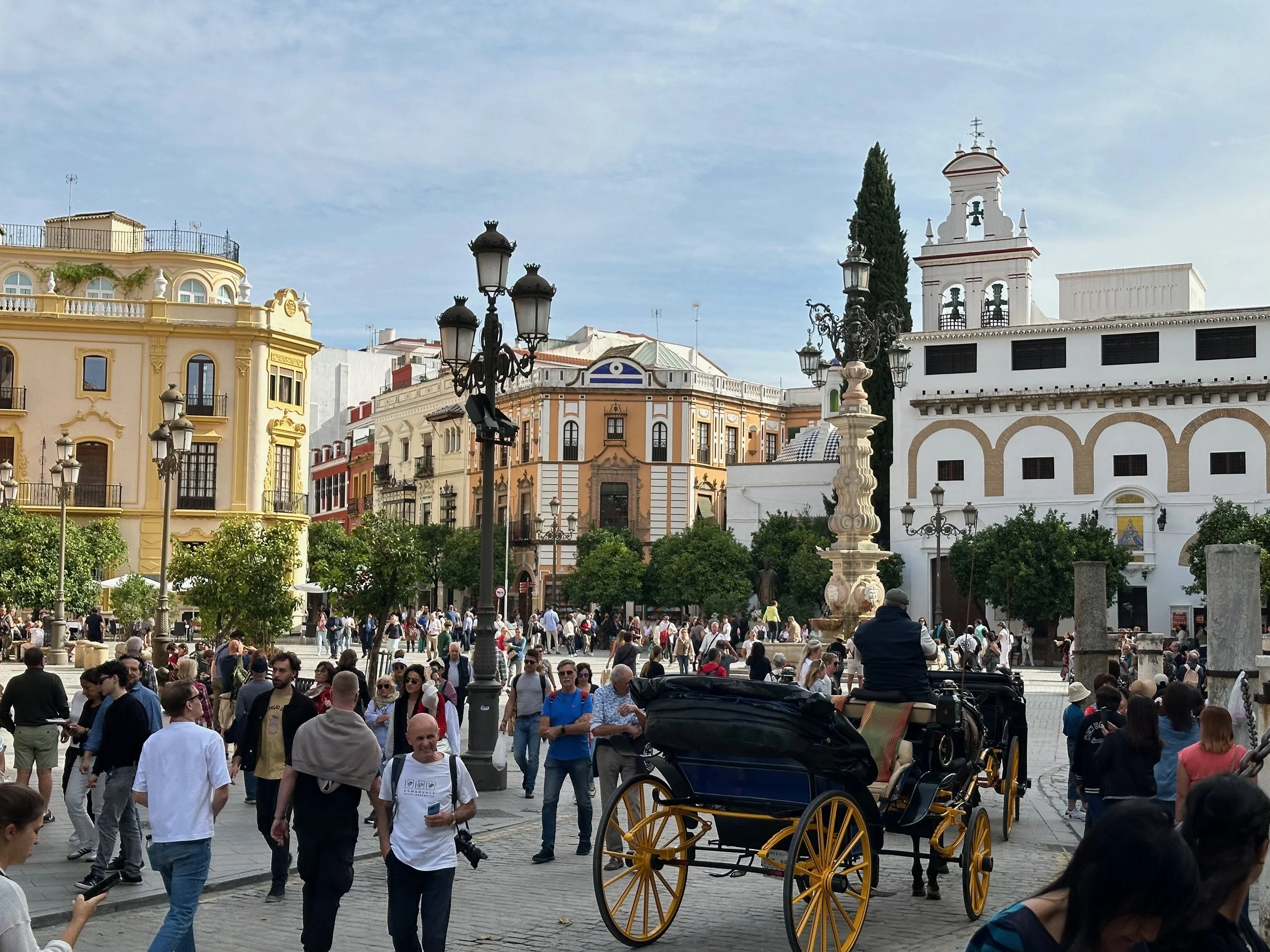
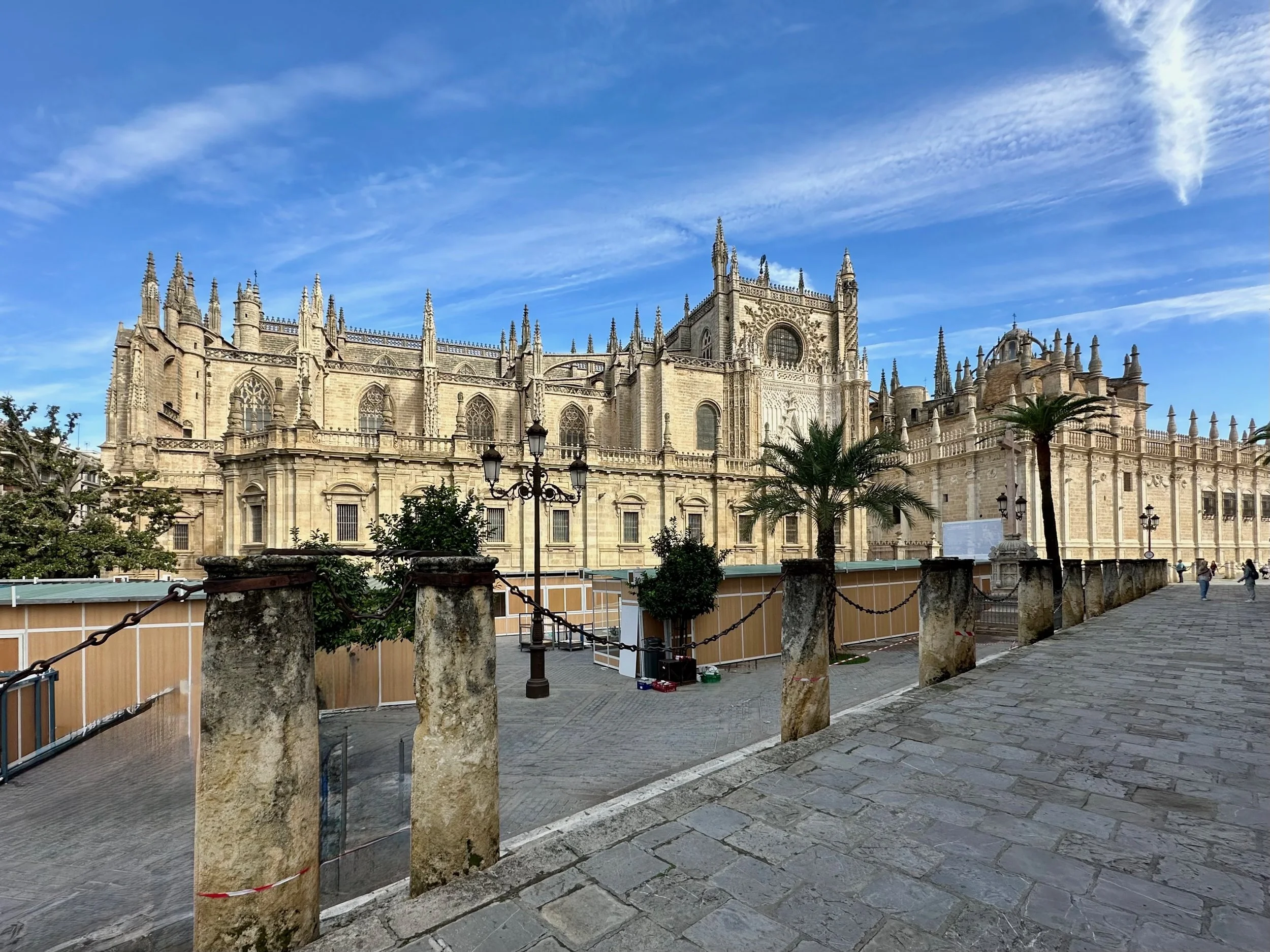
After what seemed like an eternity listening to the guide blather on about every single person that lived in this structure from the dawn of time, we finally escaped back out into the real world. The next site on our schedule, so we were told, was the cathedral. But it was closed until 2:30pm because of Sunday services.
Unfortunately the guide spent so much time in the Alcazar proving her knowledge, it left precious little time for us to browse around the shops, or even get something to eat at a local cafe. All of them were already packed with locals out to enjoy the sunny Sunday afternoon. We were all pretty upset about that, and it’s fortunate that we carry energy bars in the pack for just such a situation. Of course the local establishments never got any benefit from our tourist dollars, since we didn’t have the time to sit and wait for a table to come free.
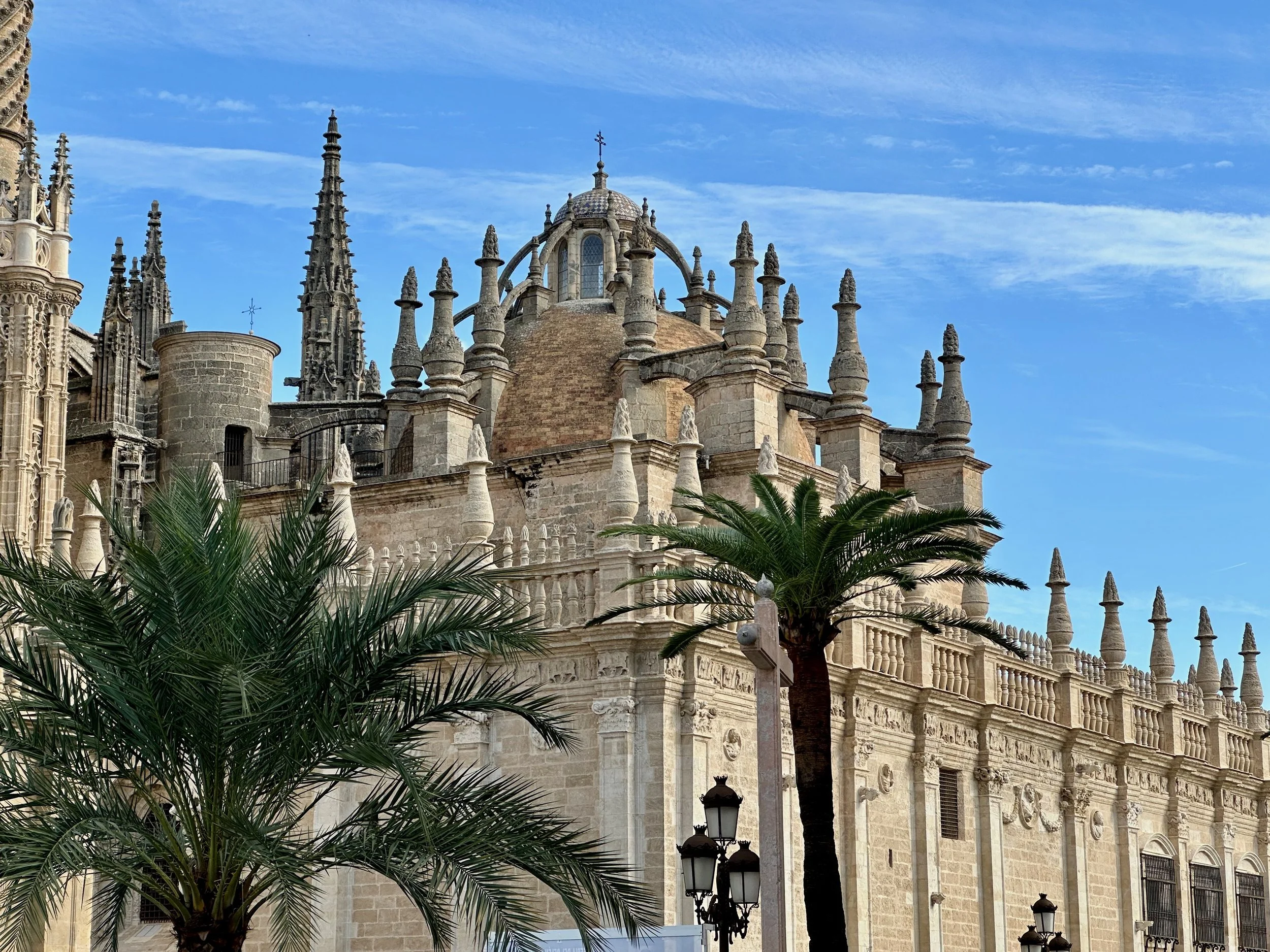
The back entrance of the cathedral.
Cathedral of Seville
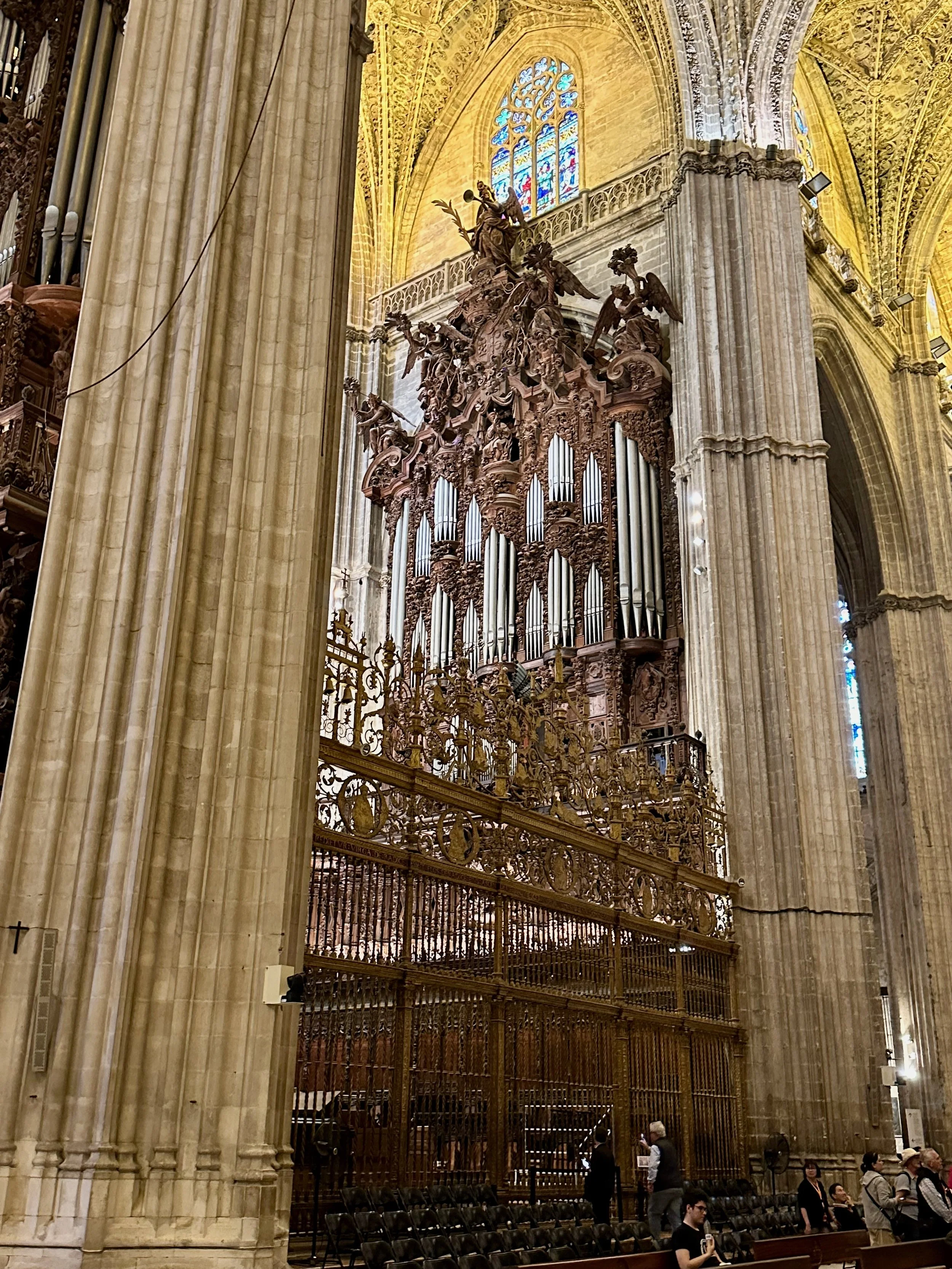
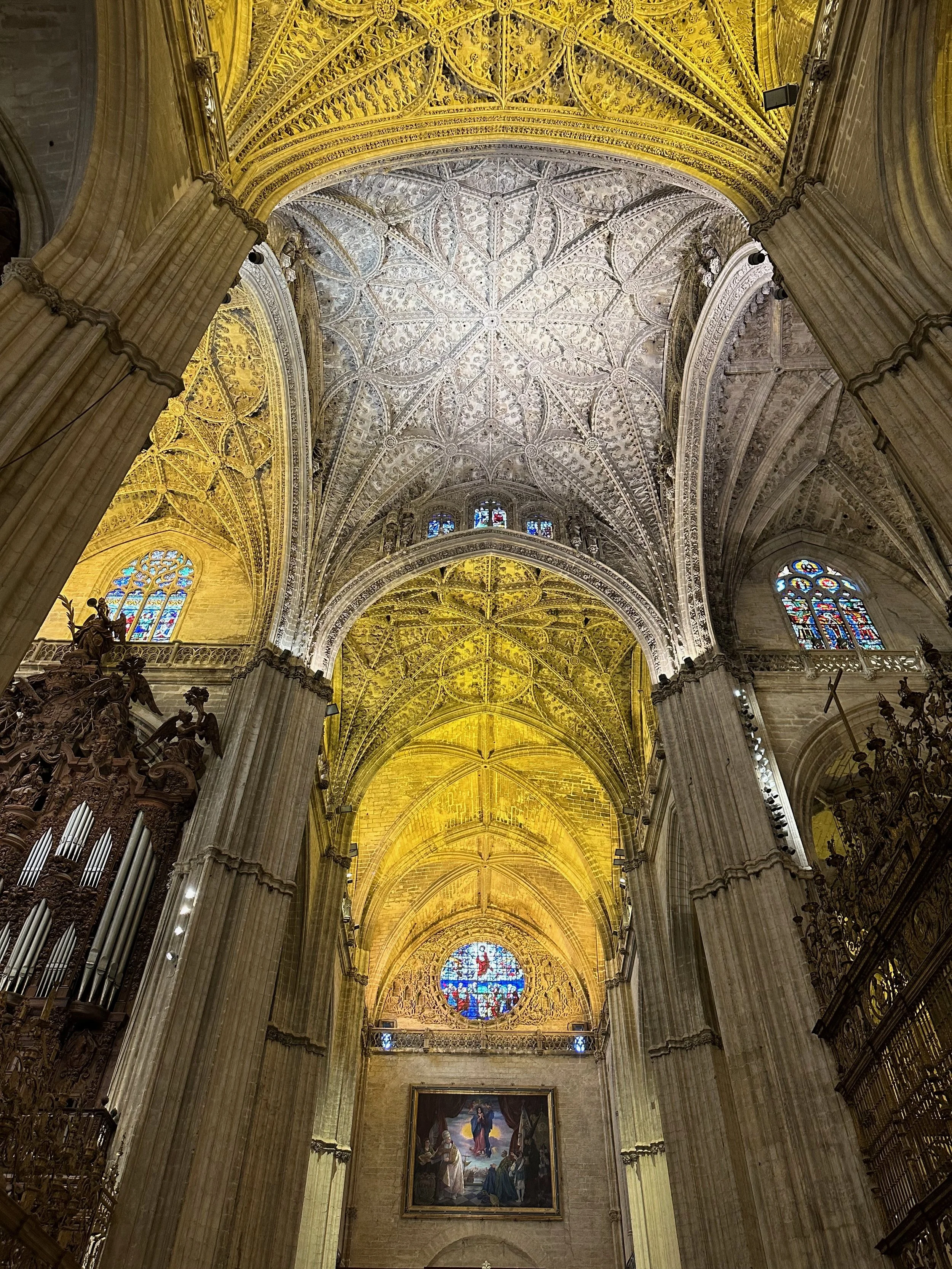
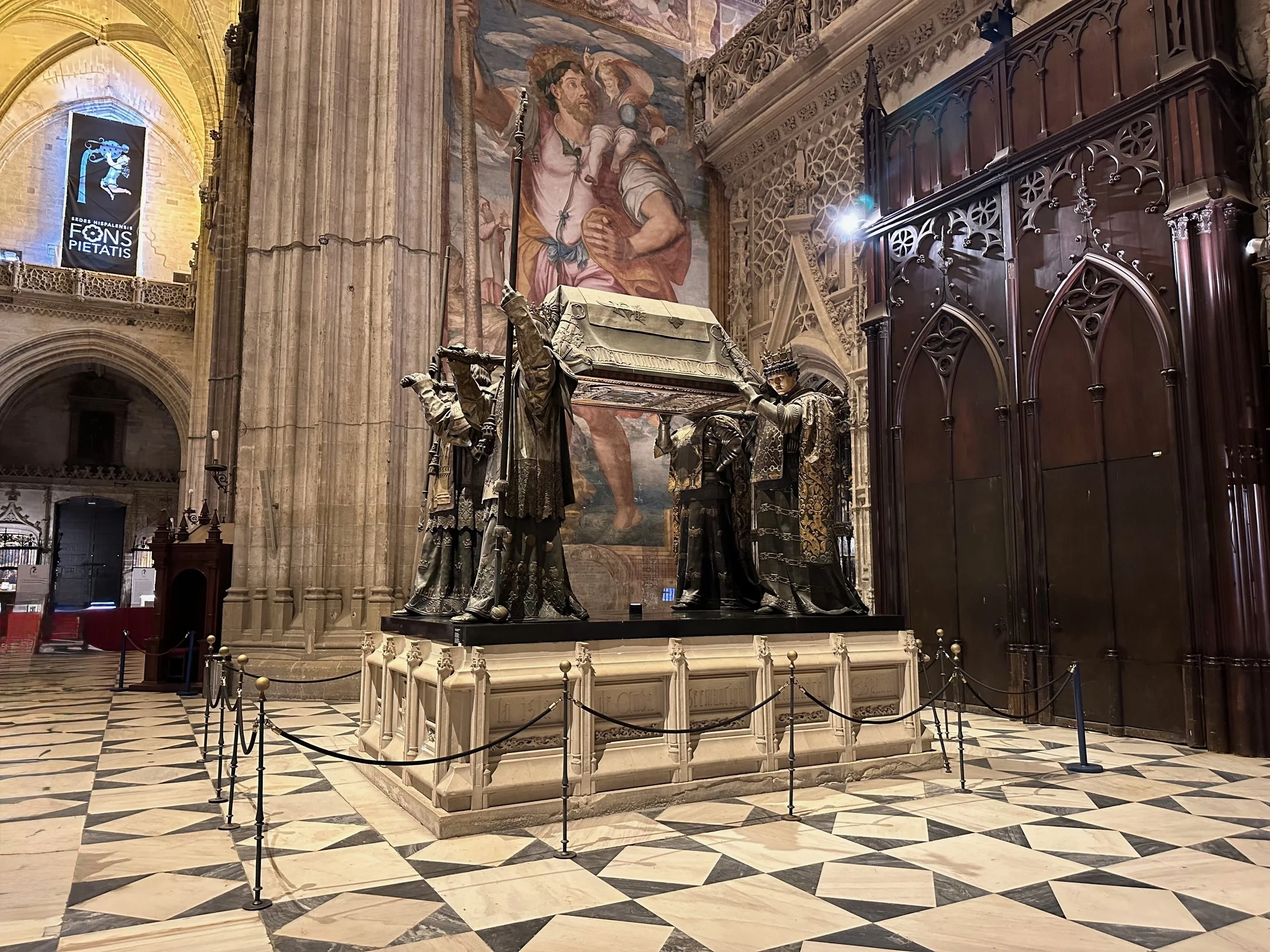
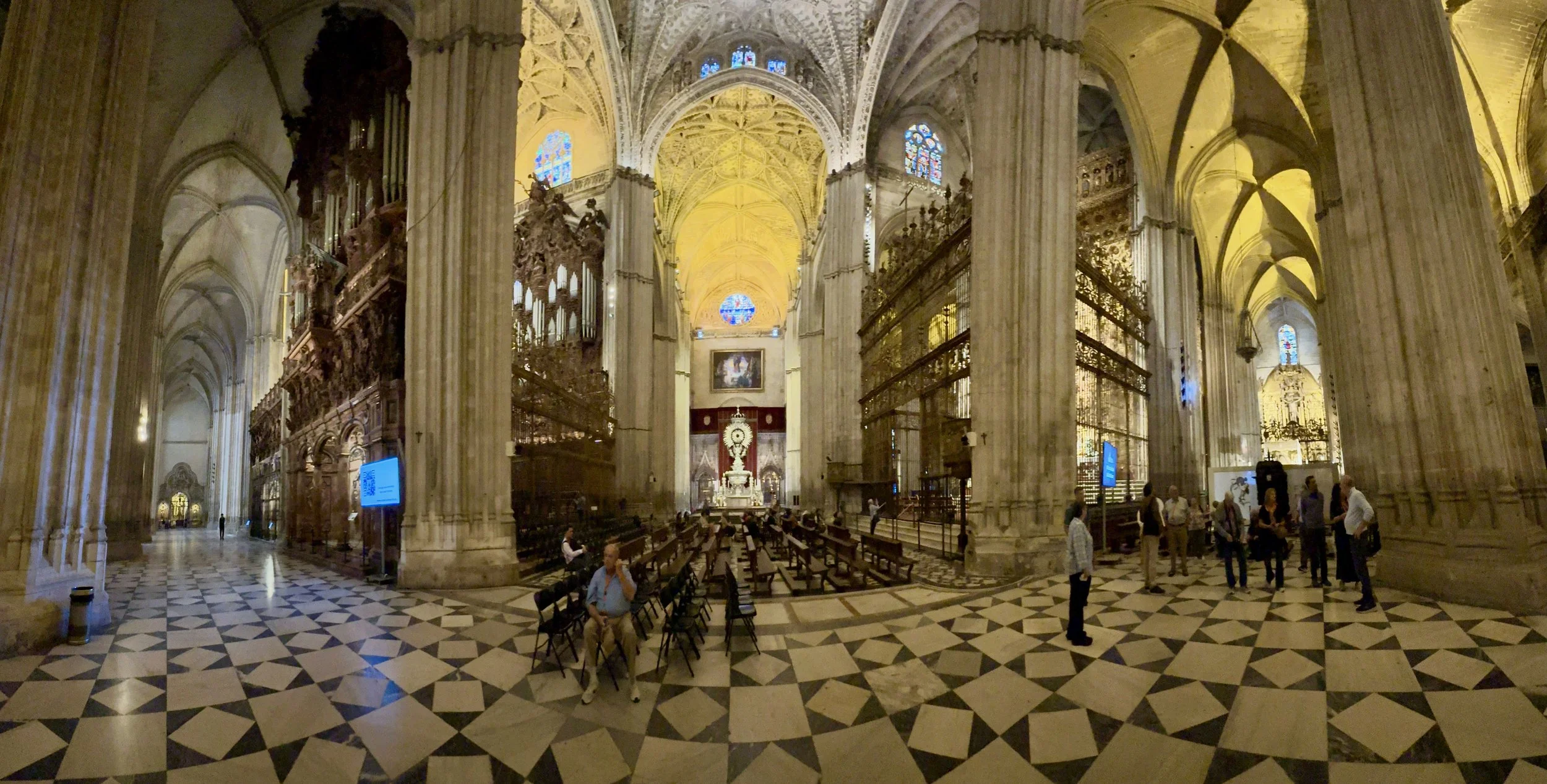
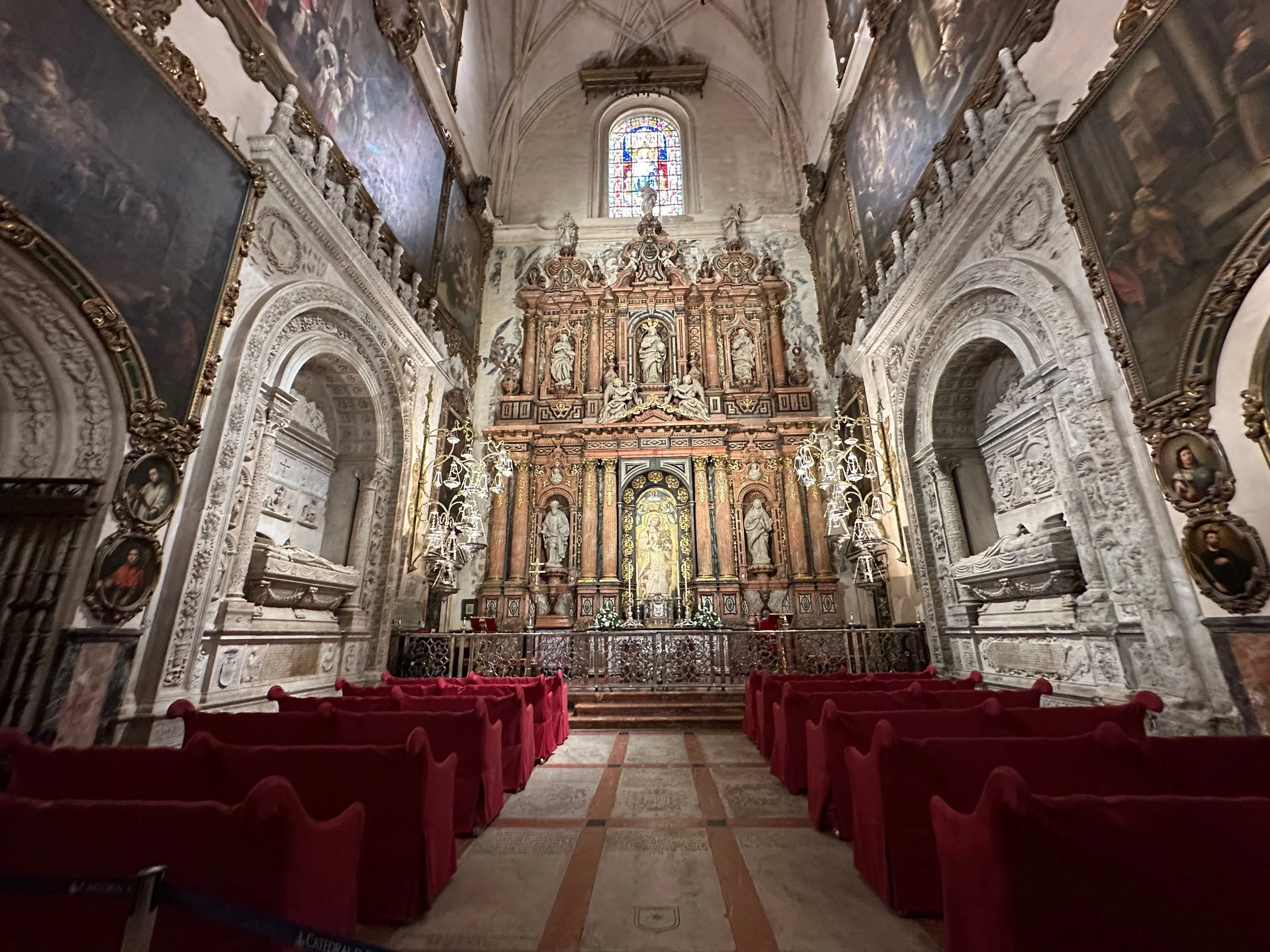
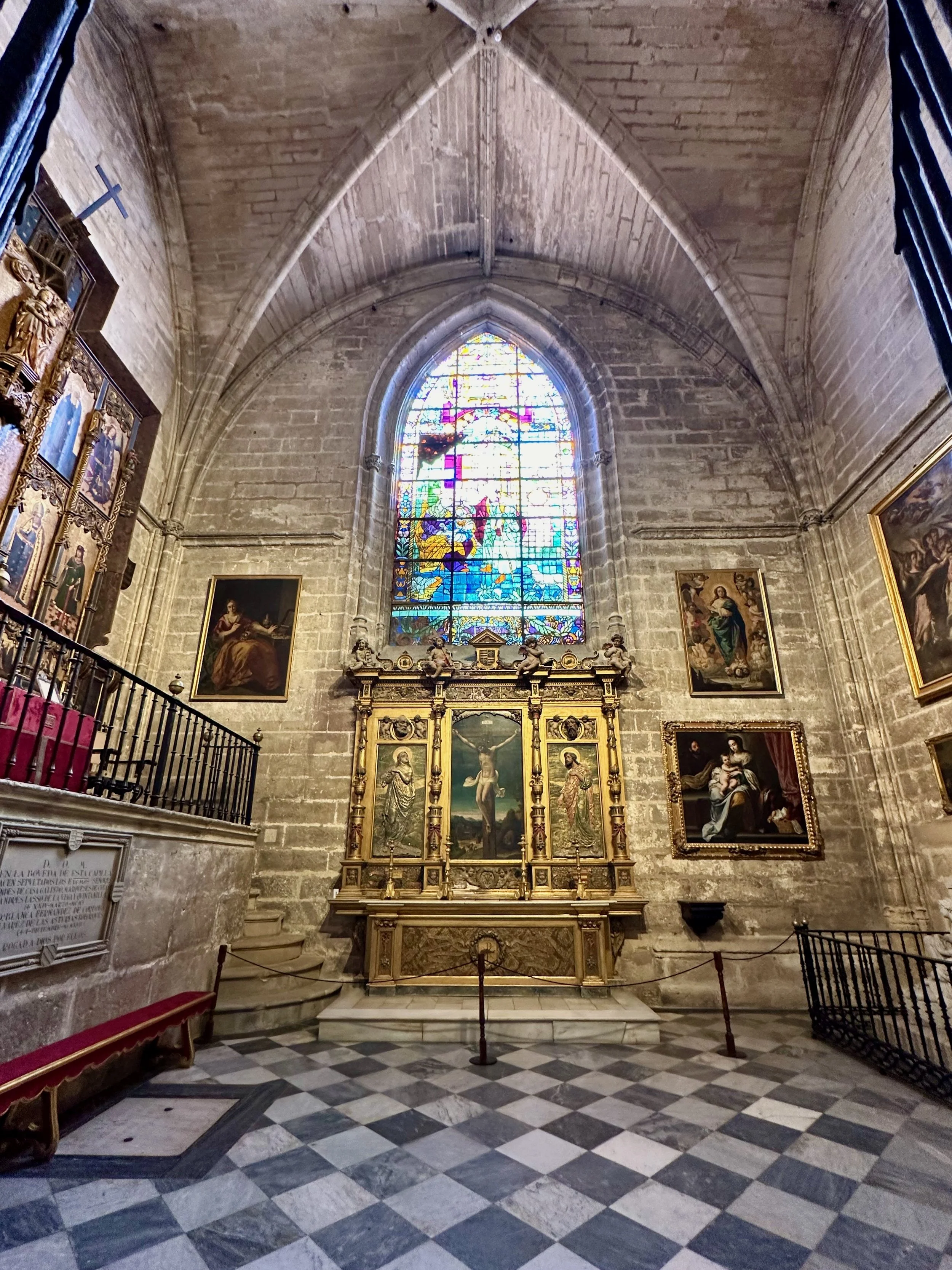
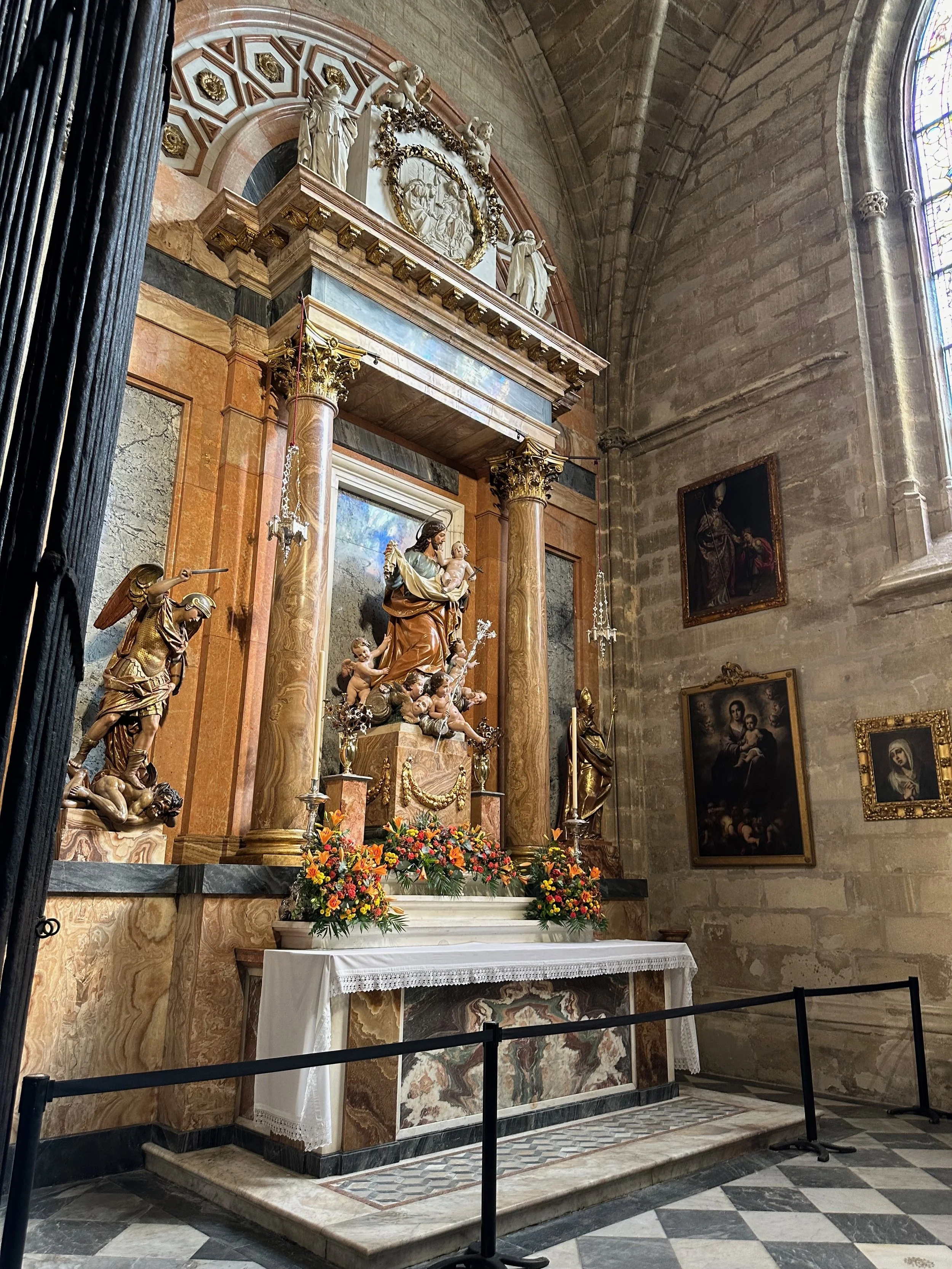
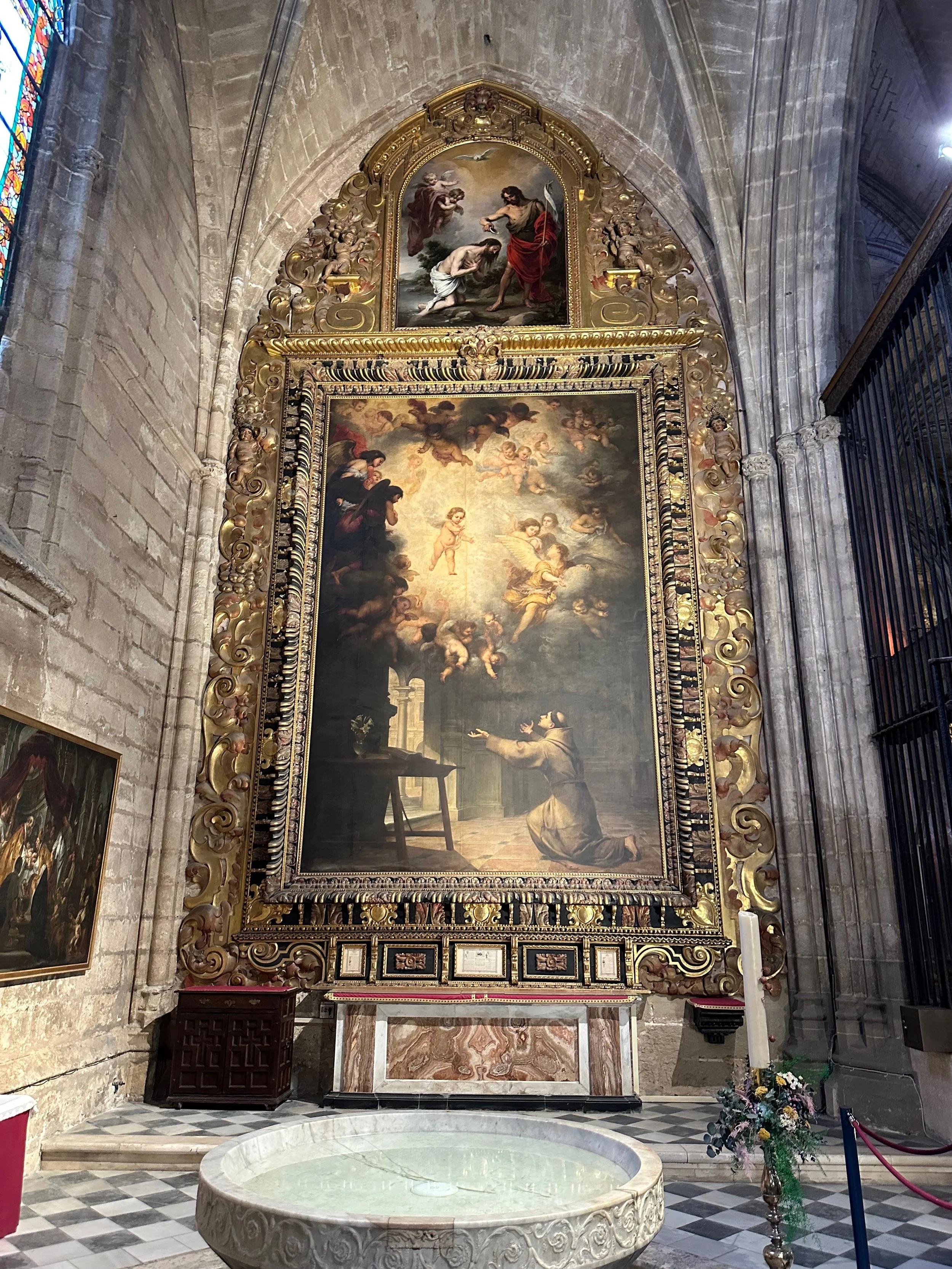
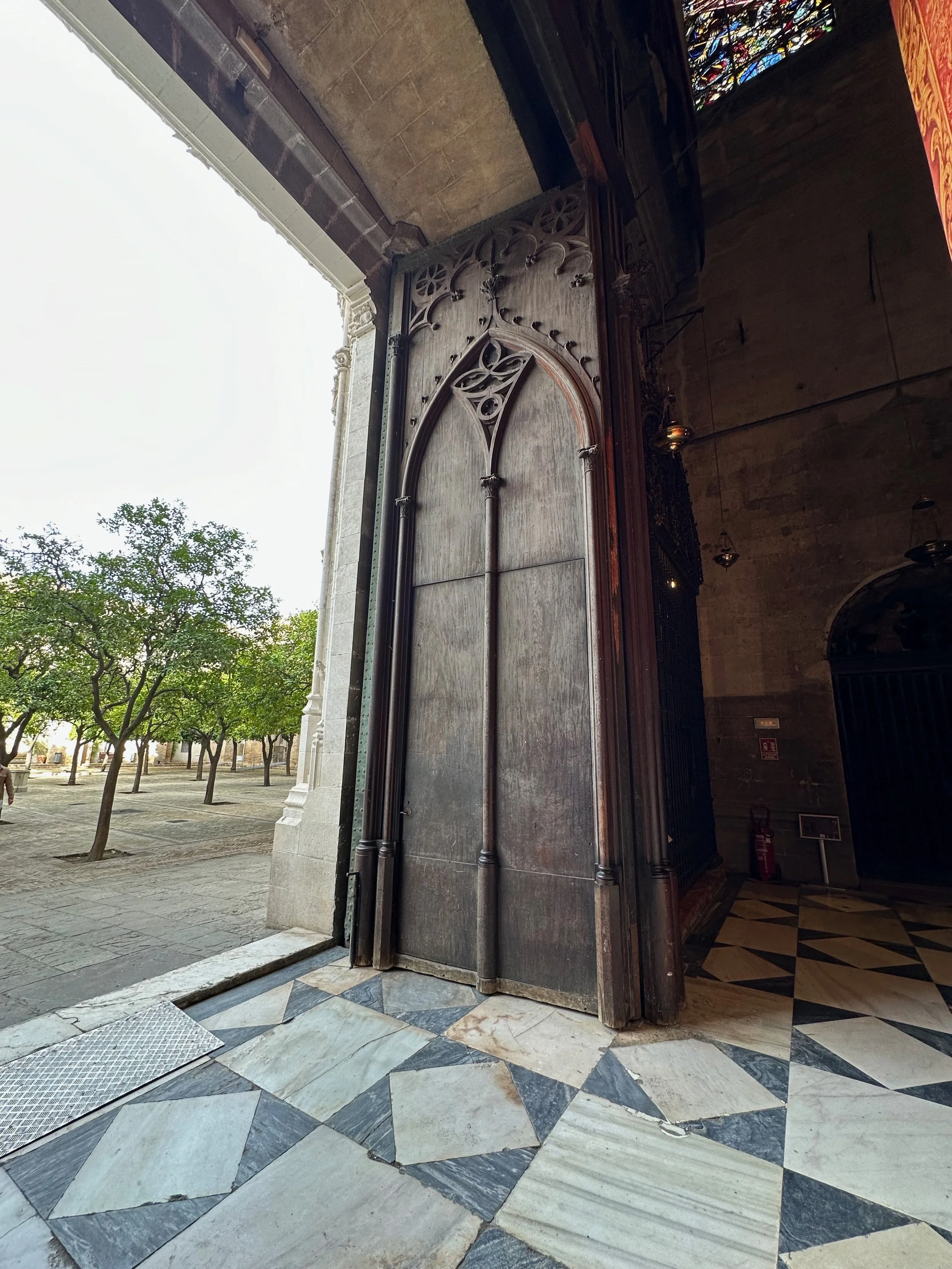
Once the back doors to the cathedral were opened, all of us that had been standing for an hour outside were finally able to file in. Yes, the wait was worth it for the unbelievable extravagance of wealth that had been spent inside the cathedral, money that we’re sure could have gone to better use in helping the poor living in the region. But no, the funds had to be spend for the glory of God. That, or the egos of those high up in the echelons of the religion. The following photos speak for themselves. All we can say is…wow!
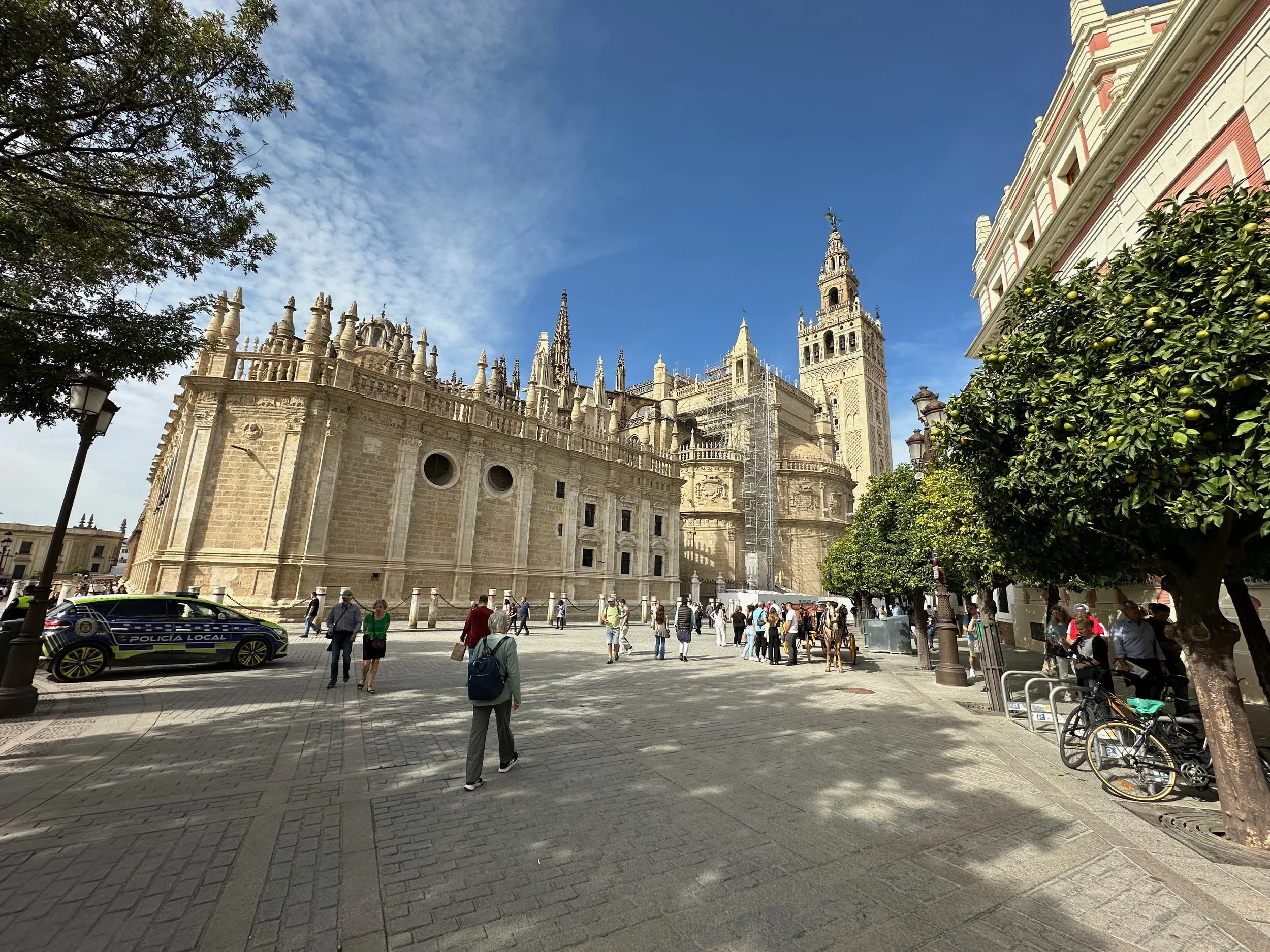
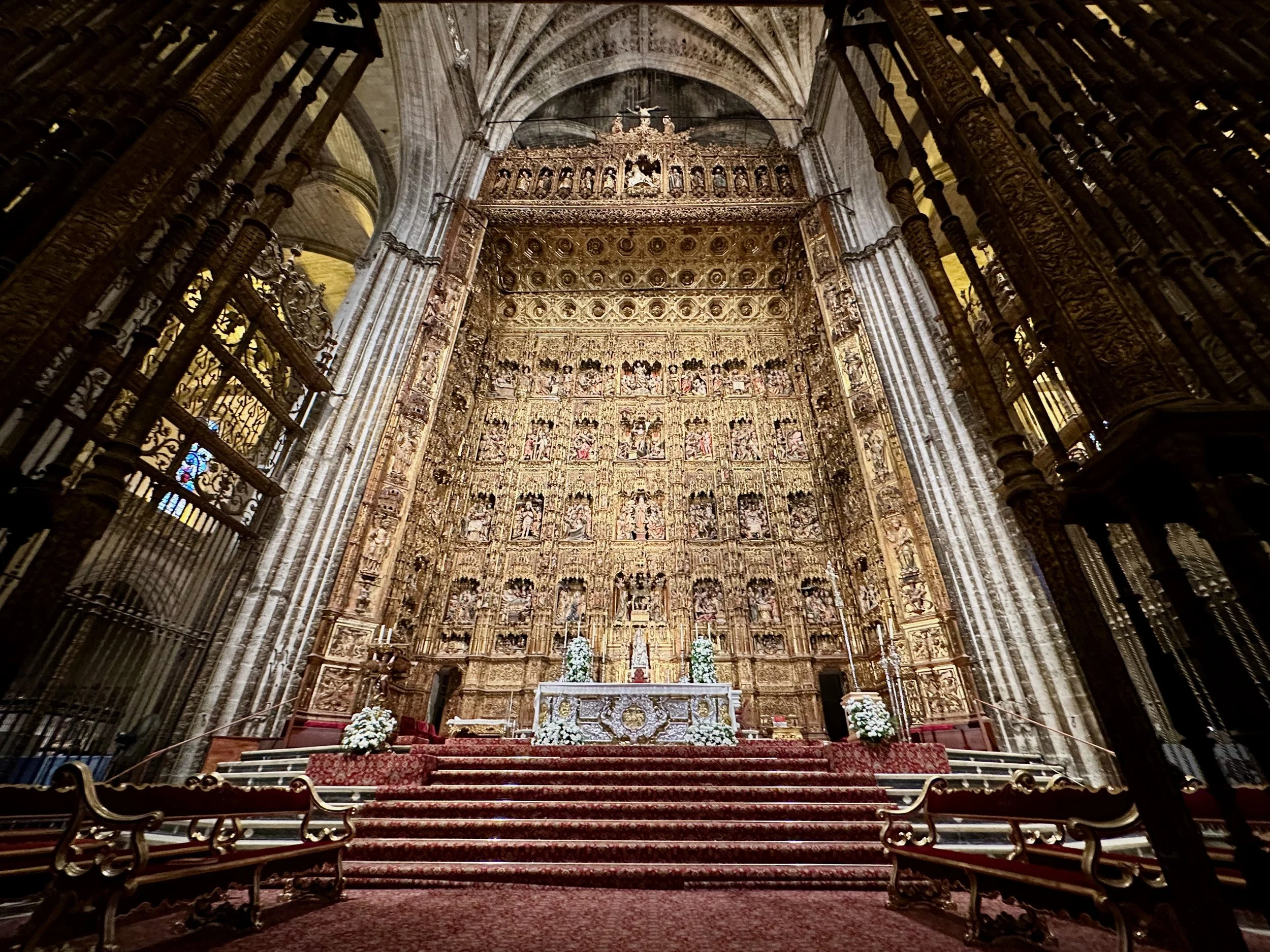
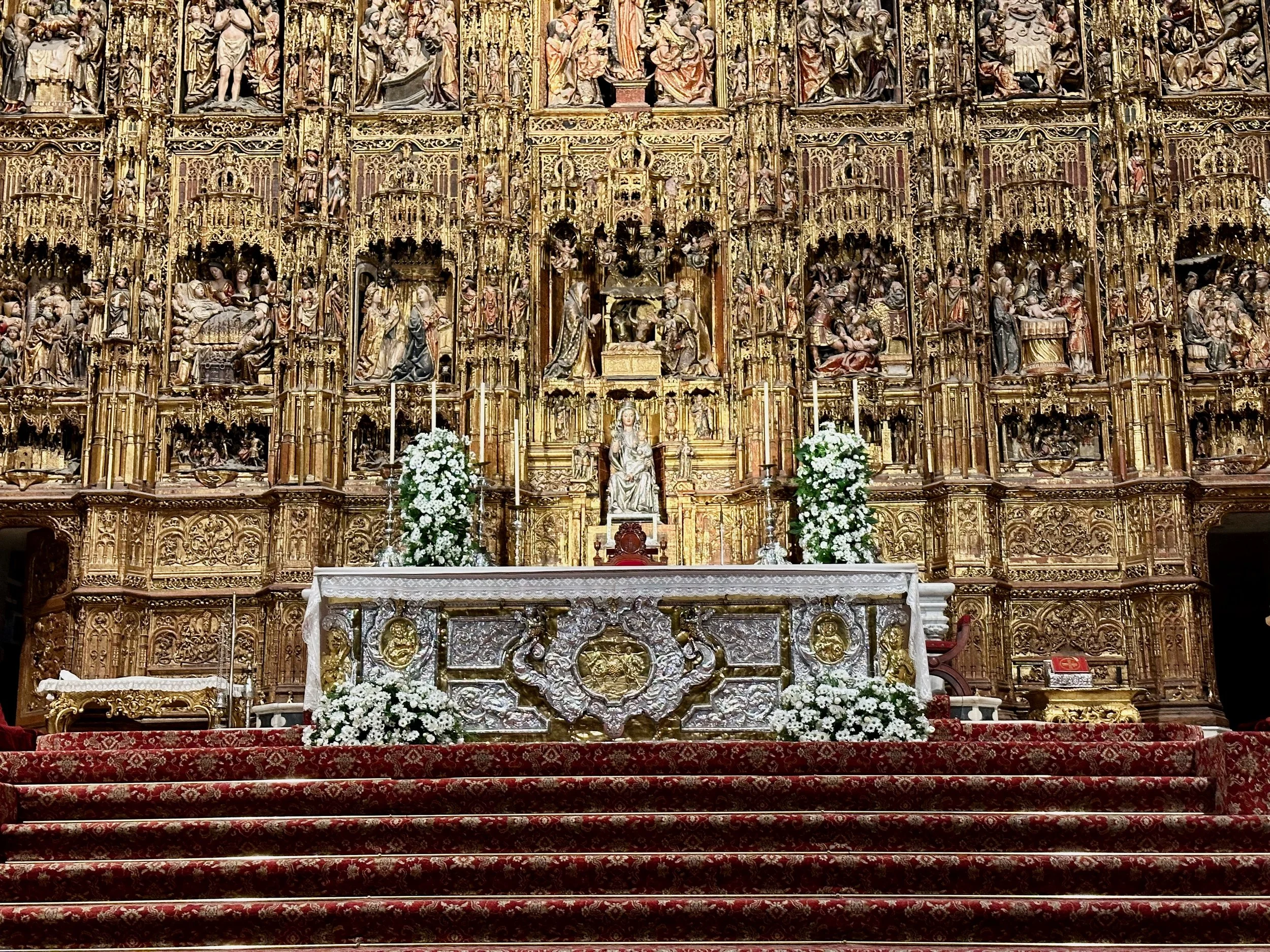
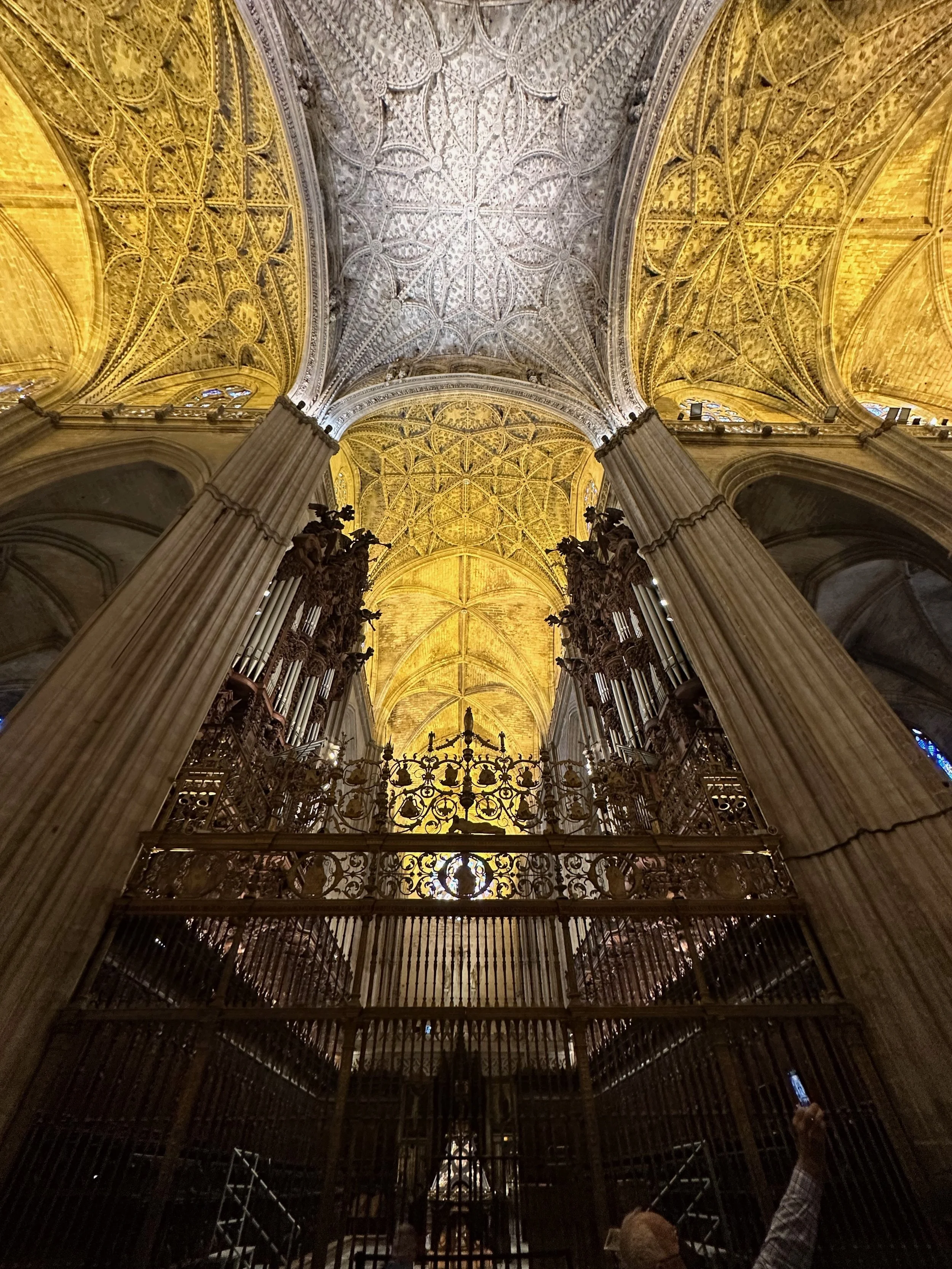
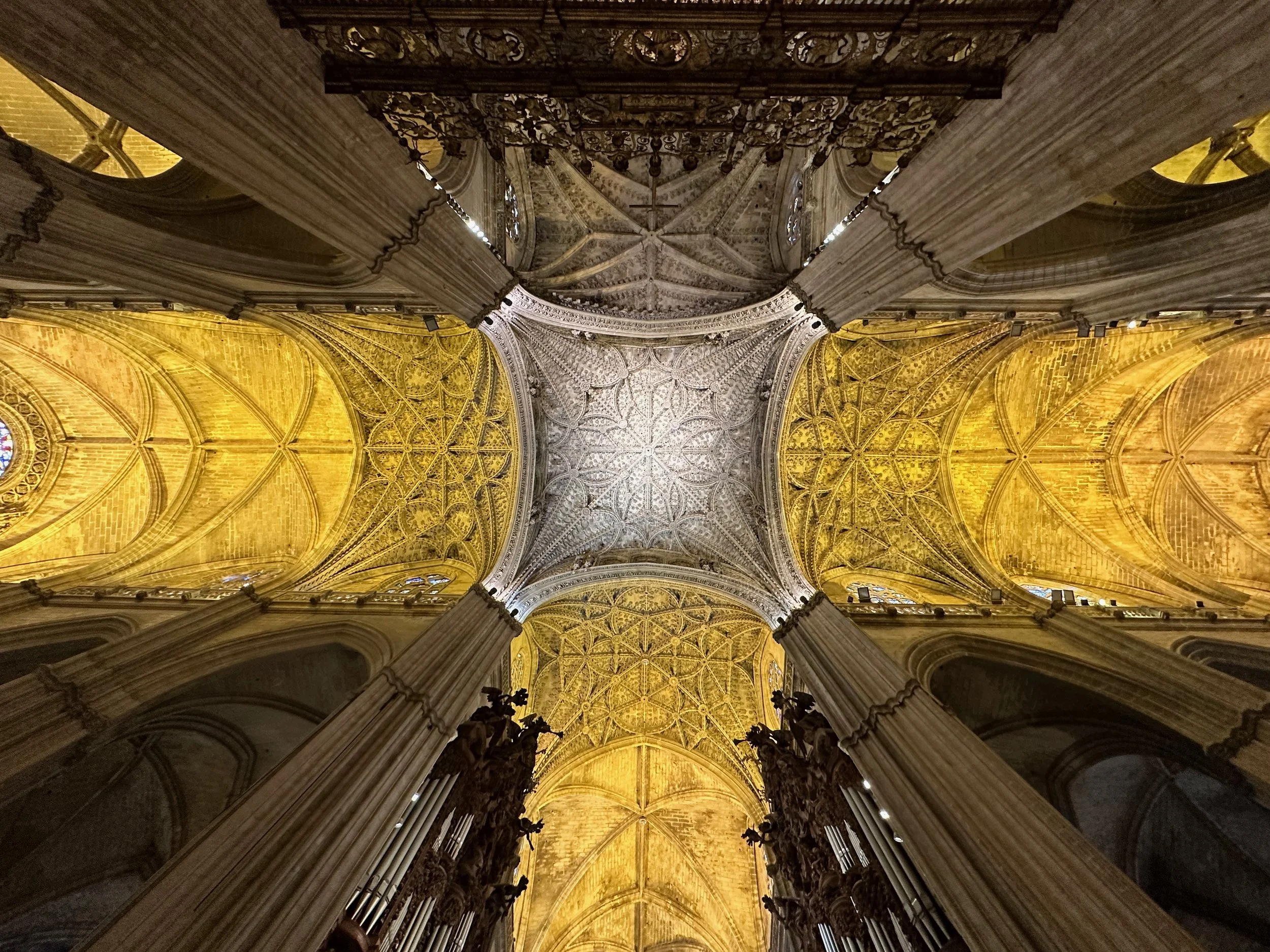
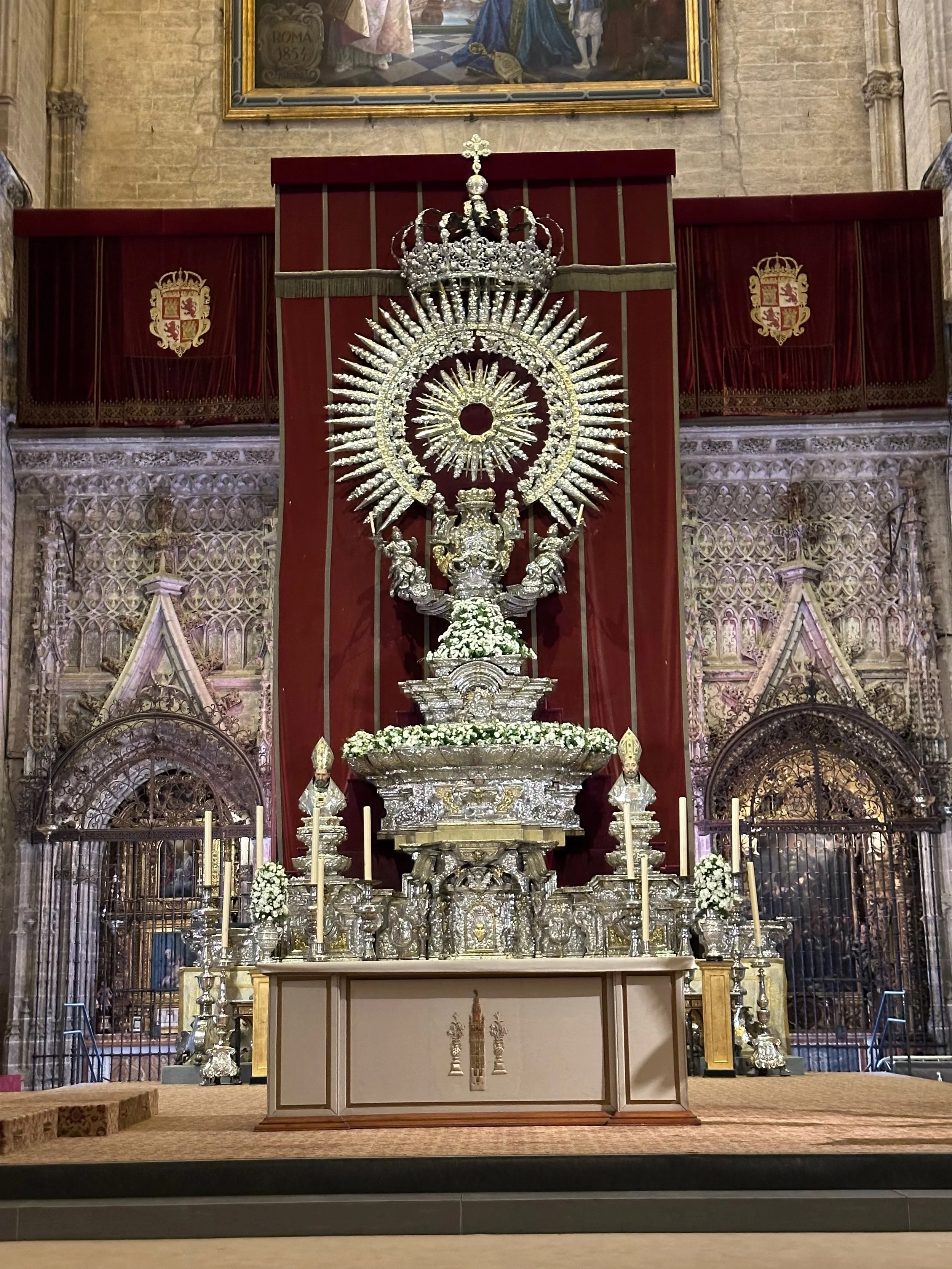
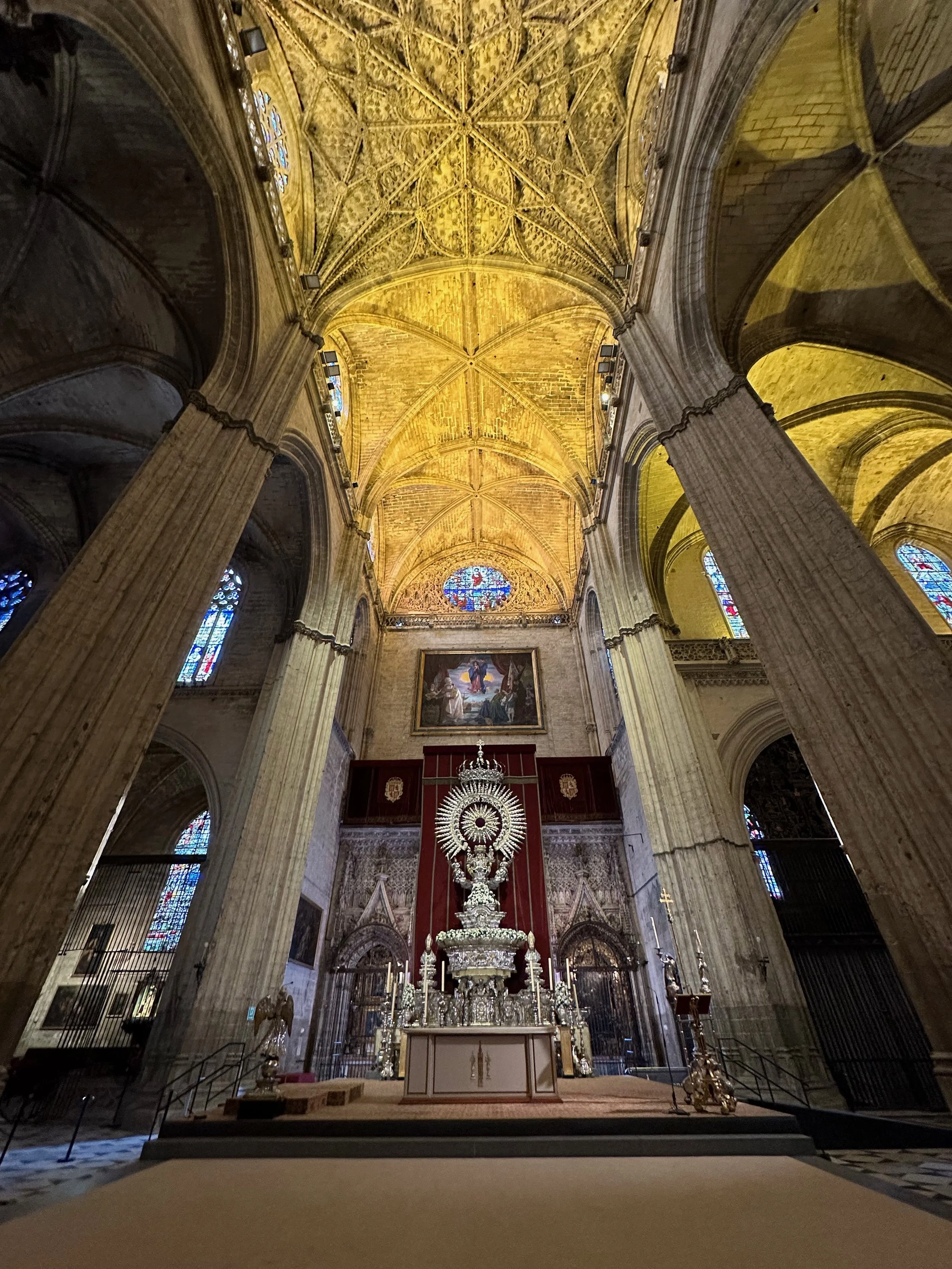
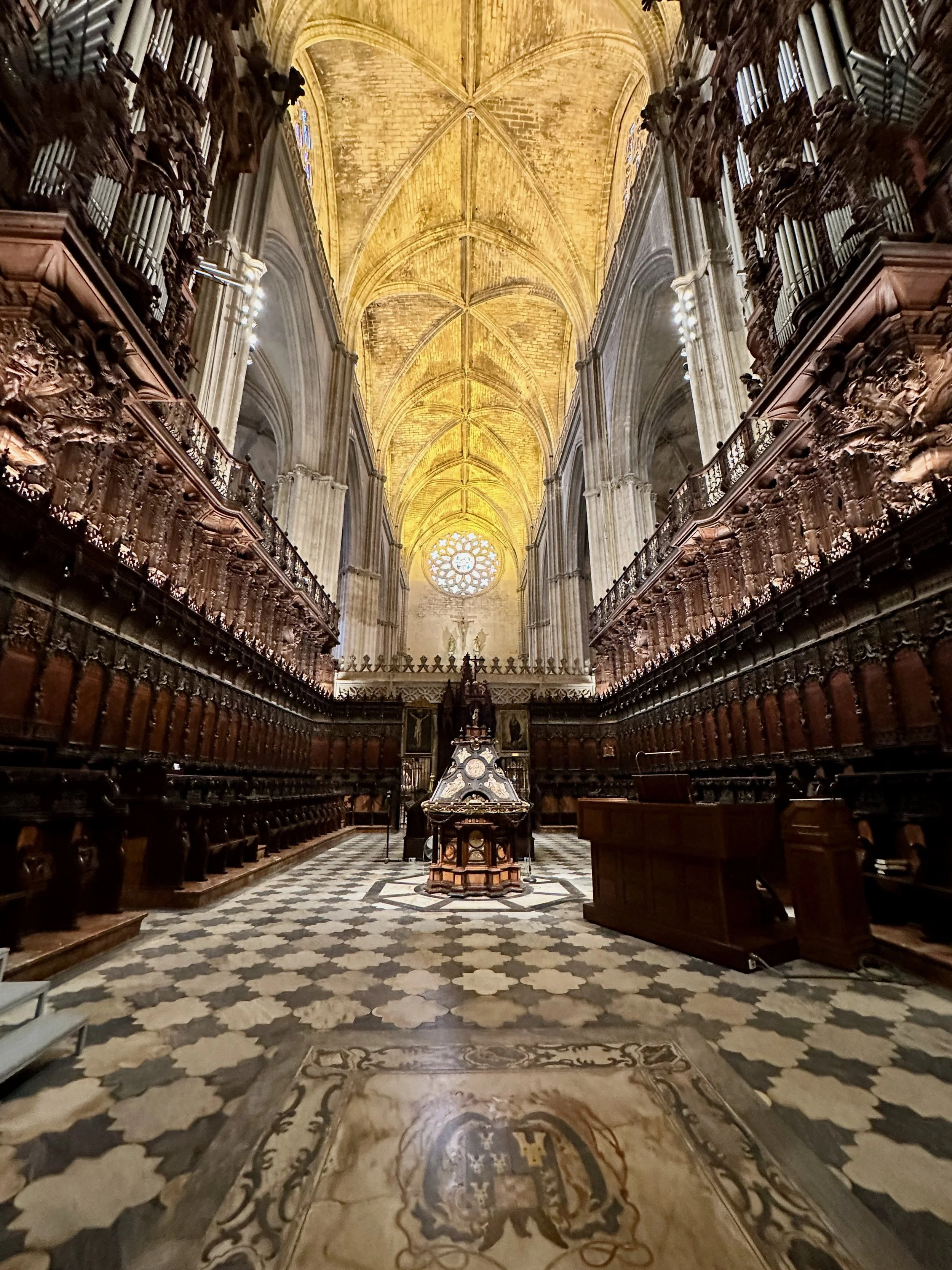
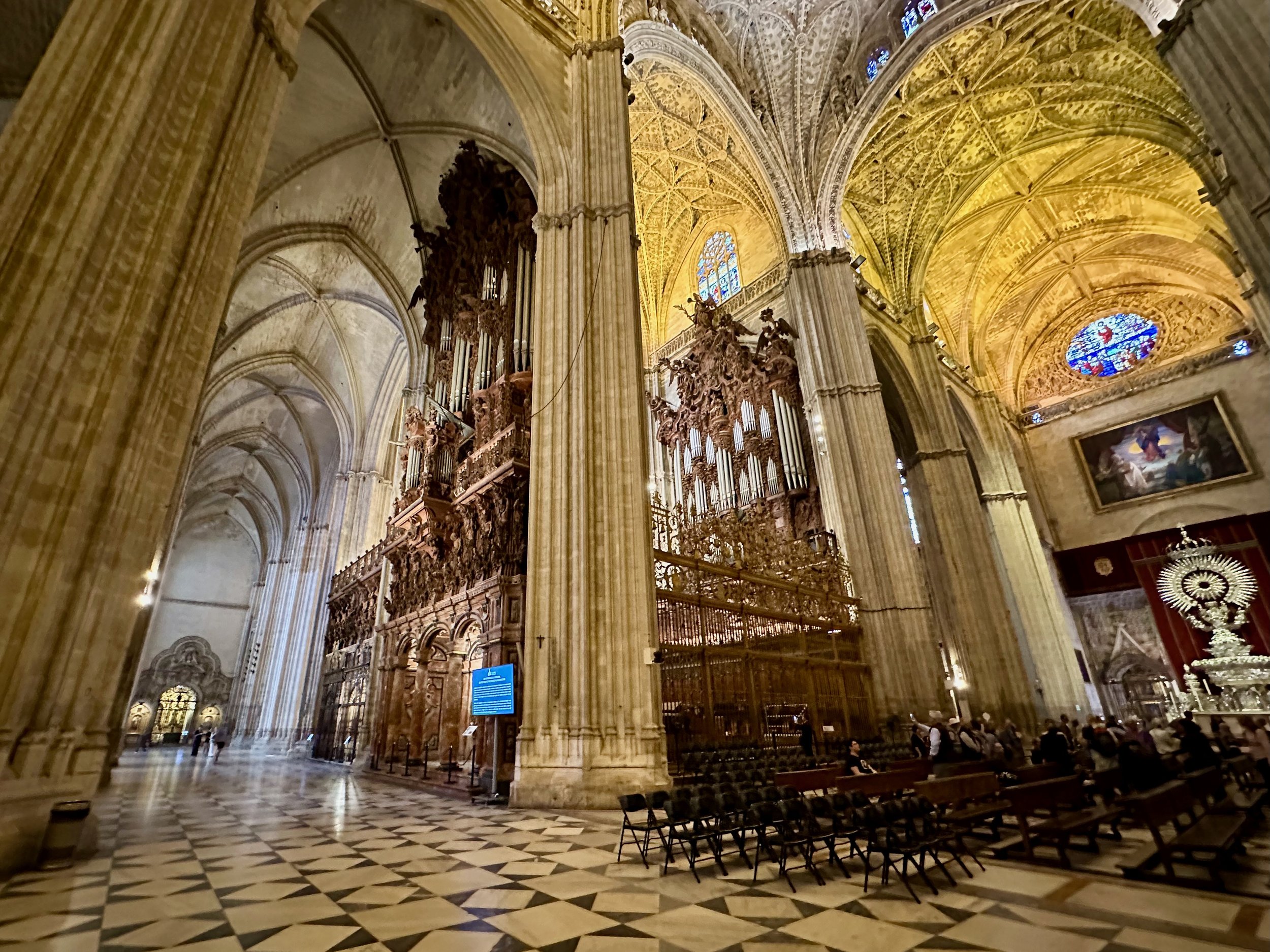
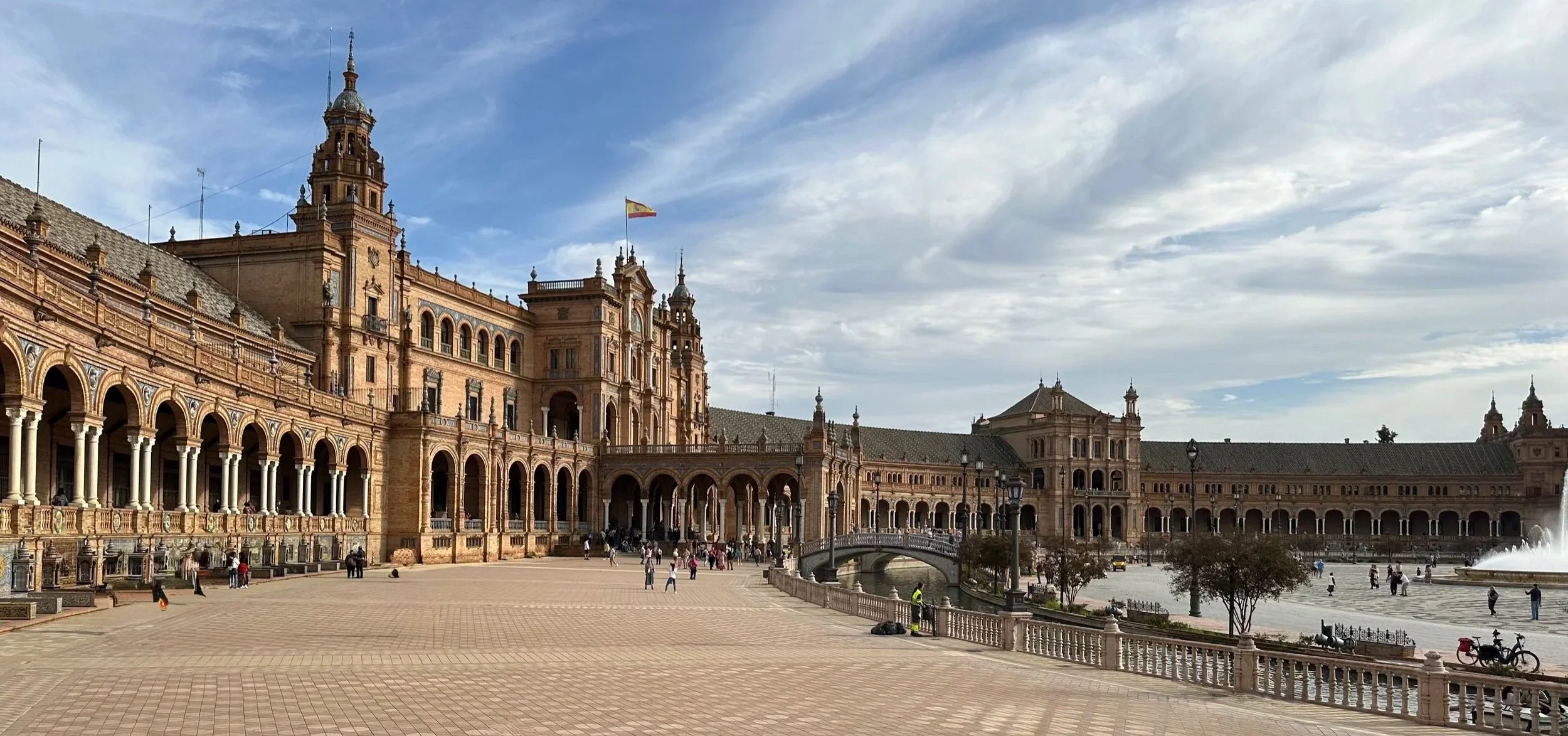
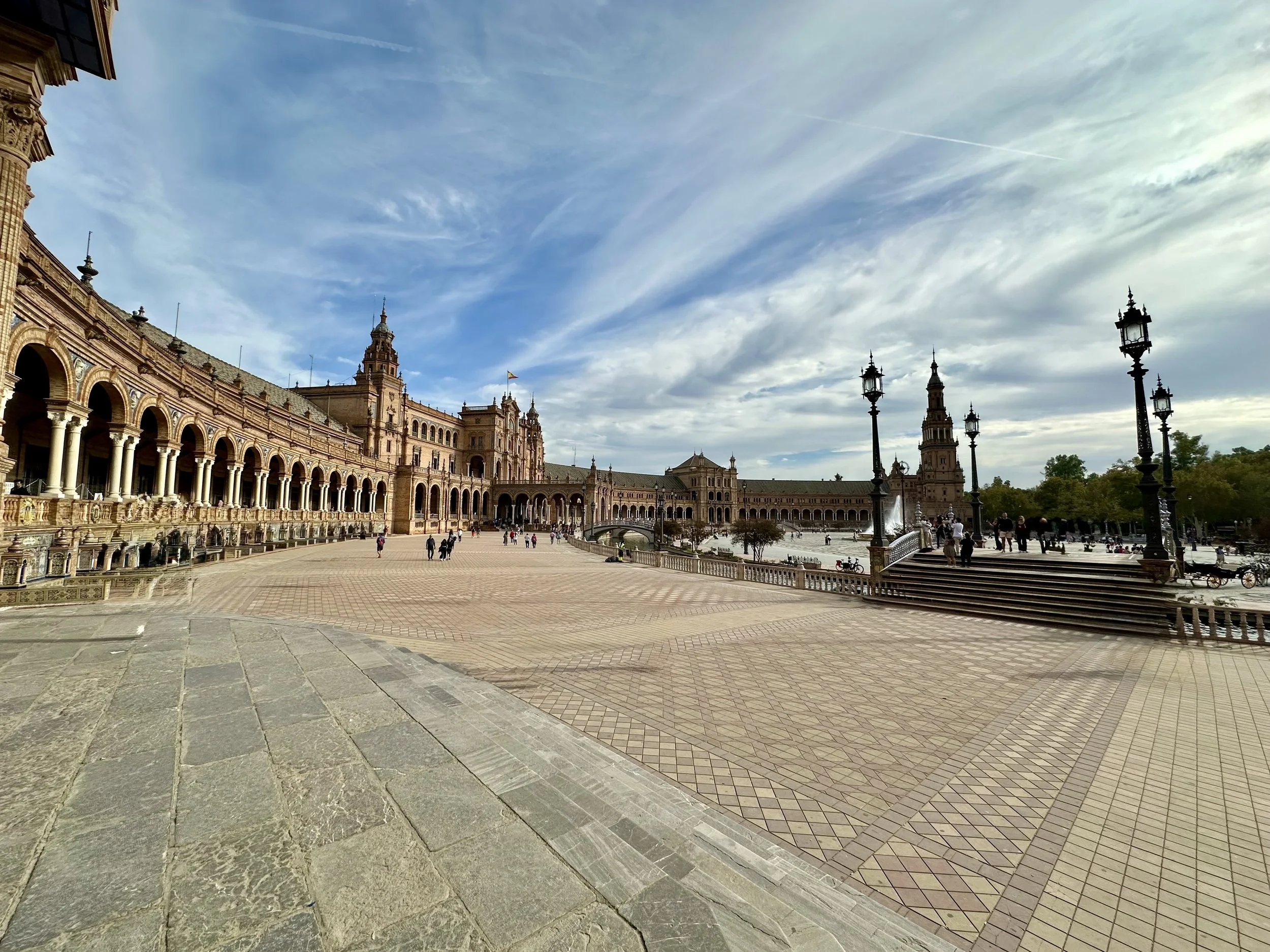
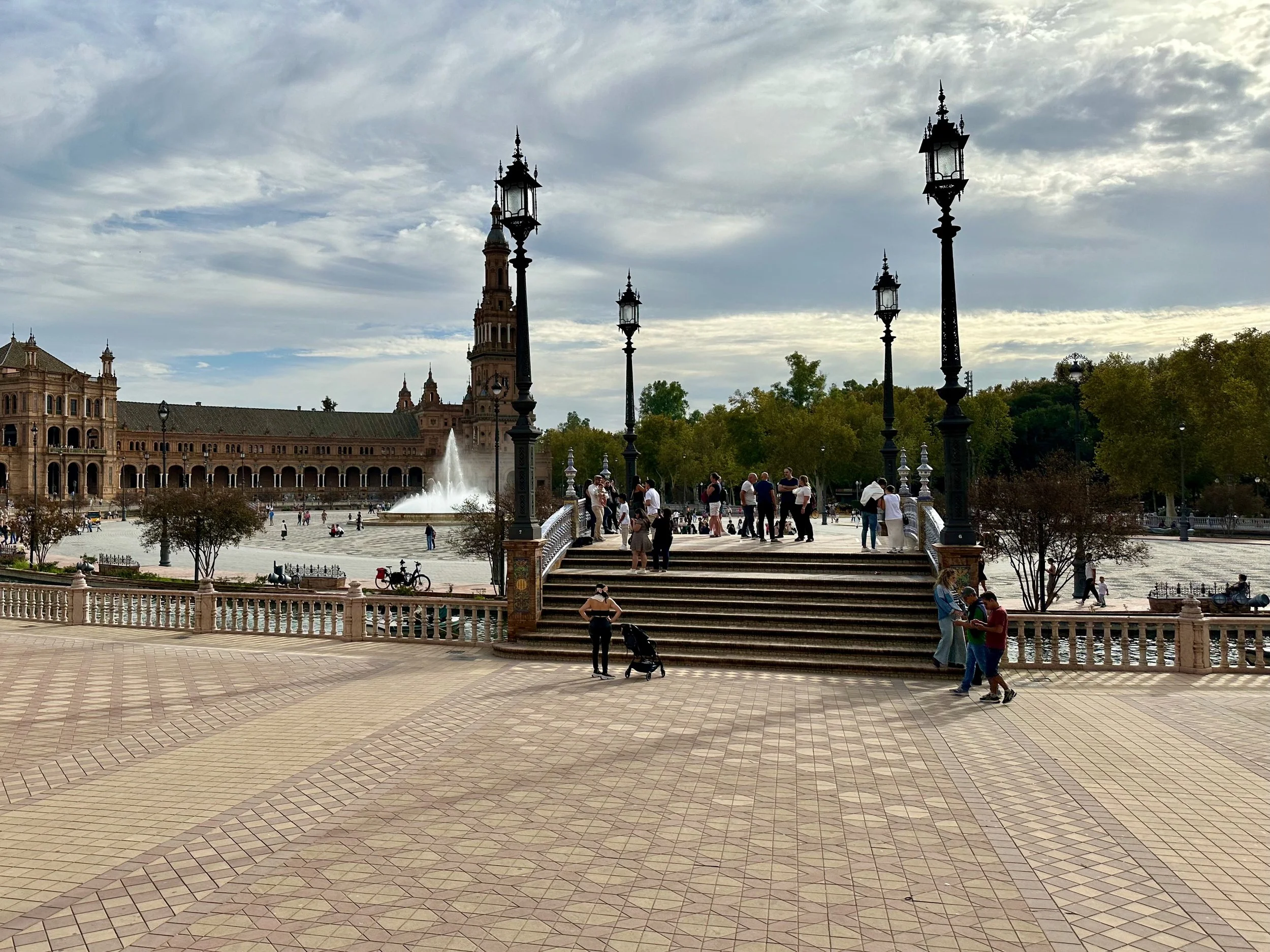
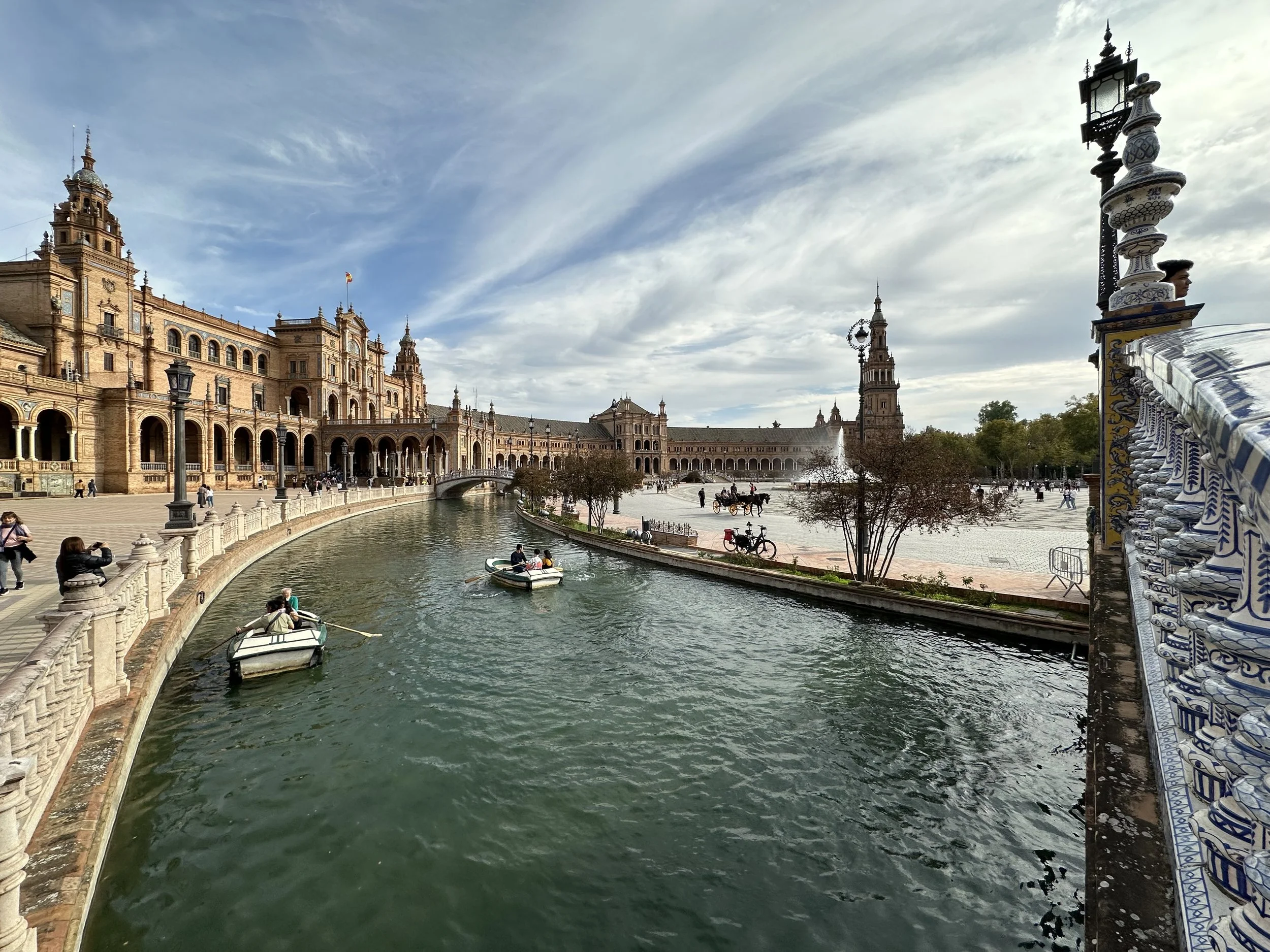
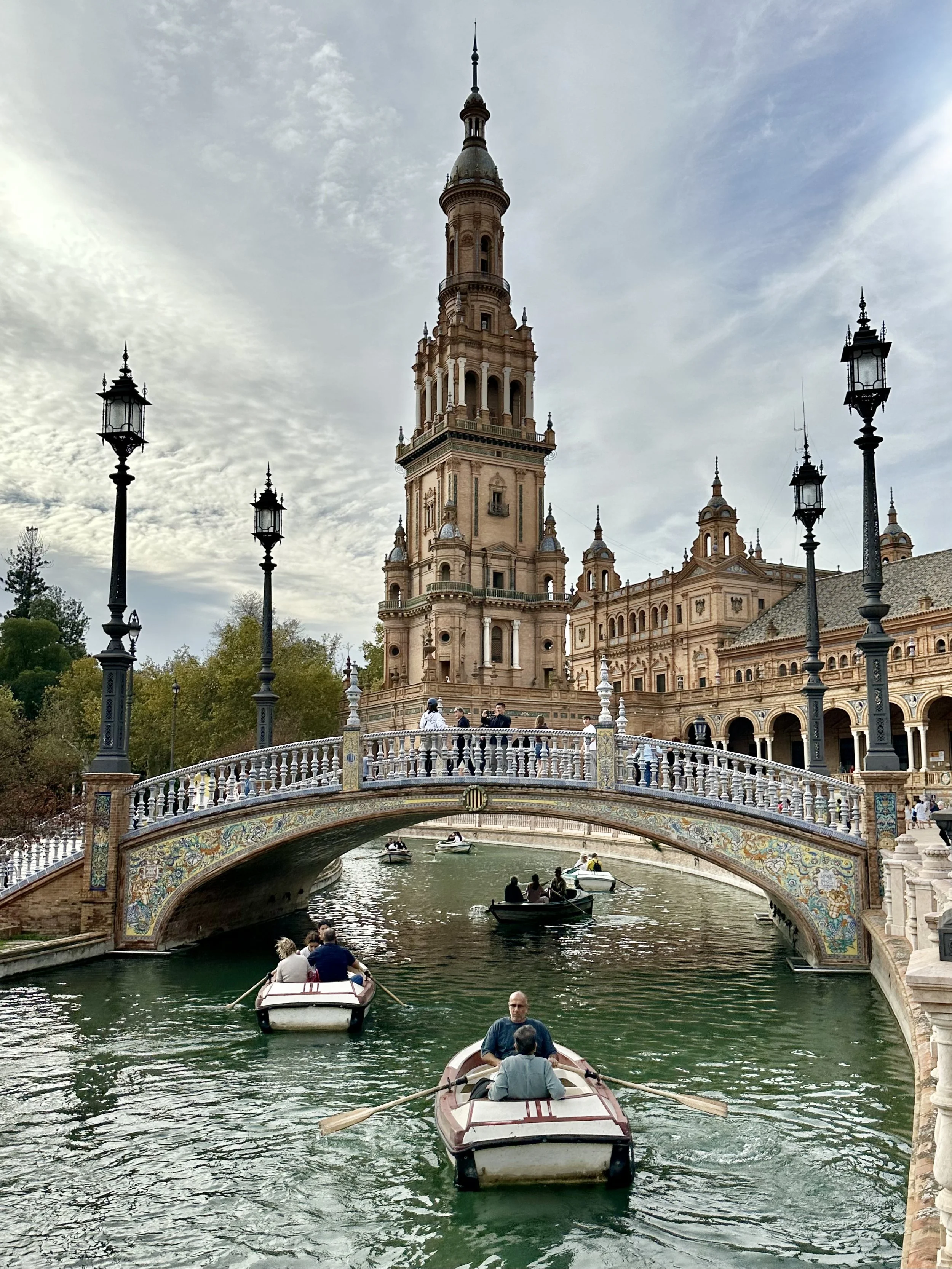
Plaza De España
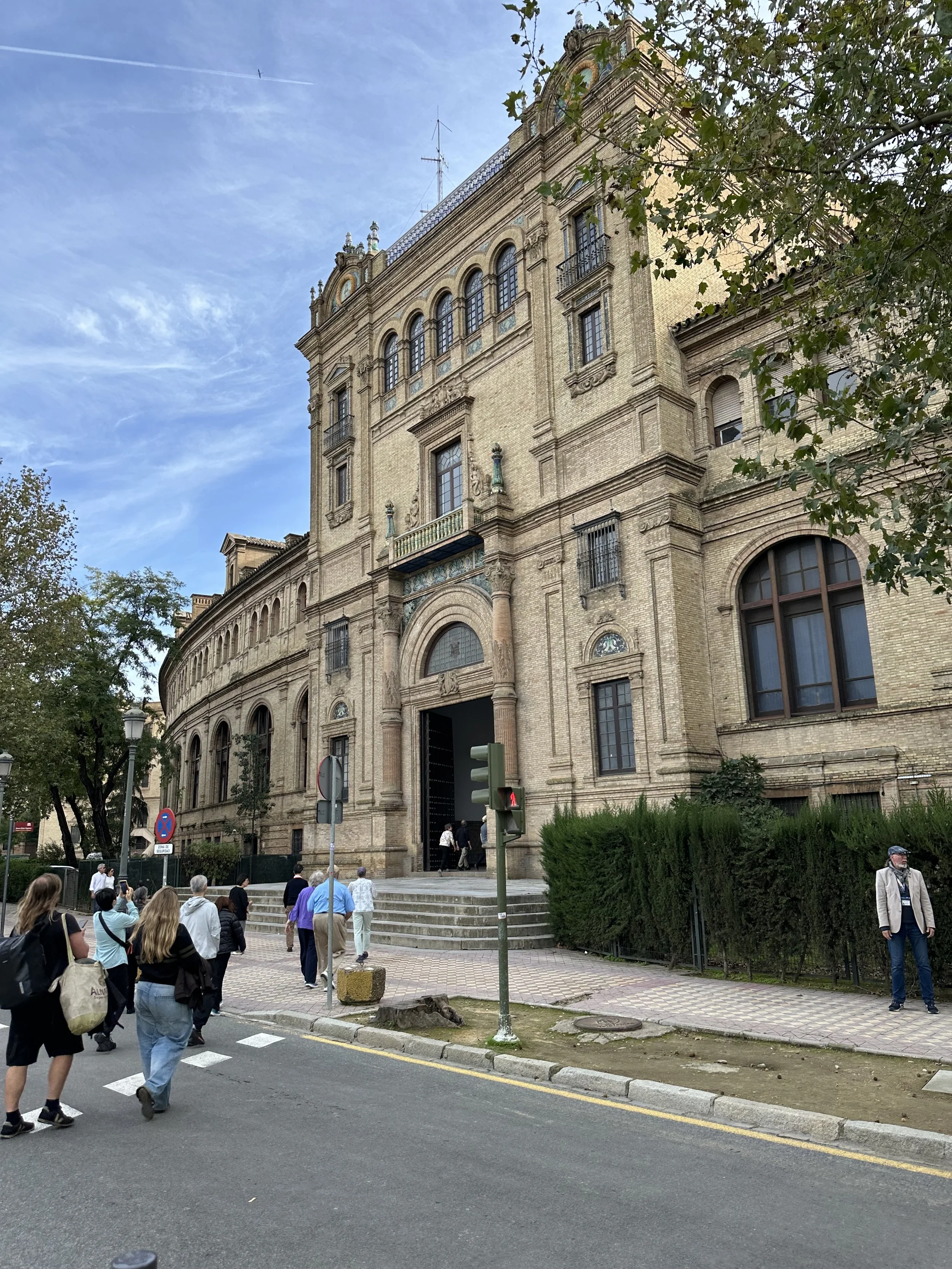
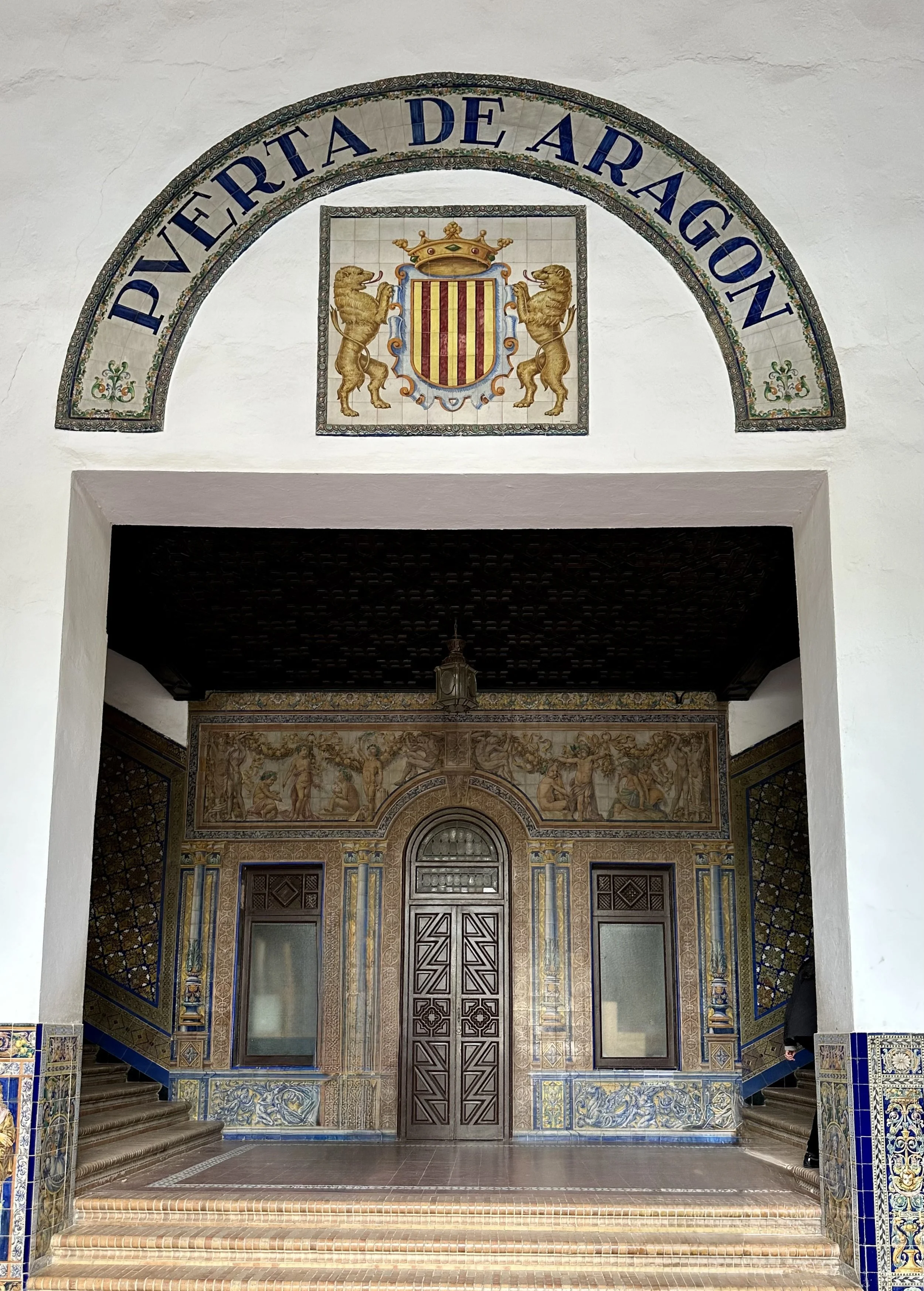
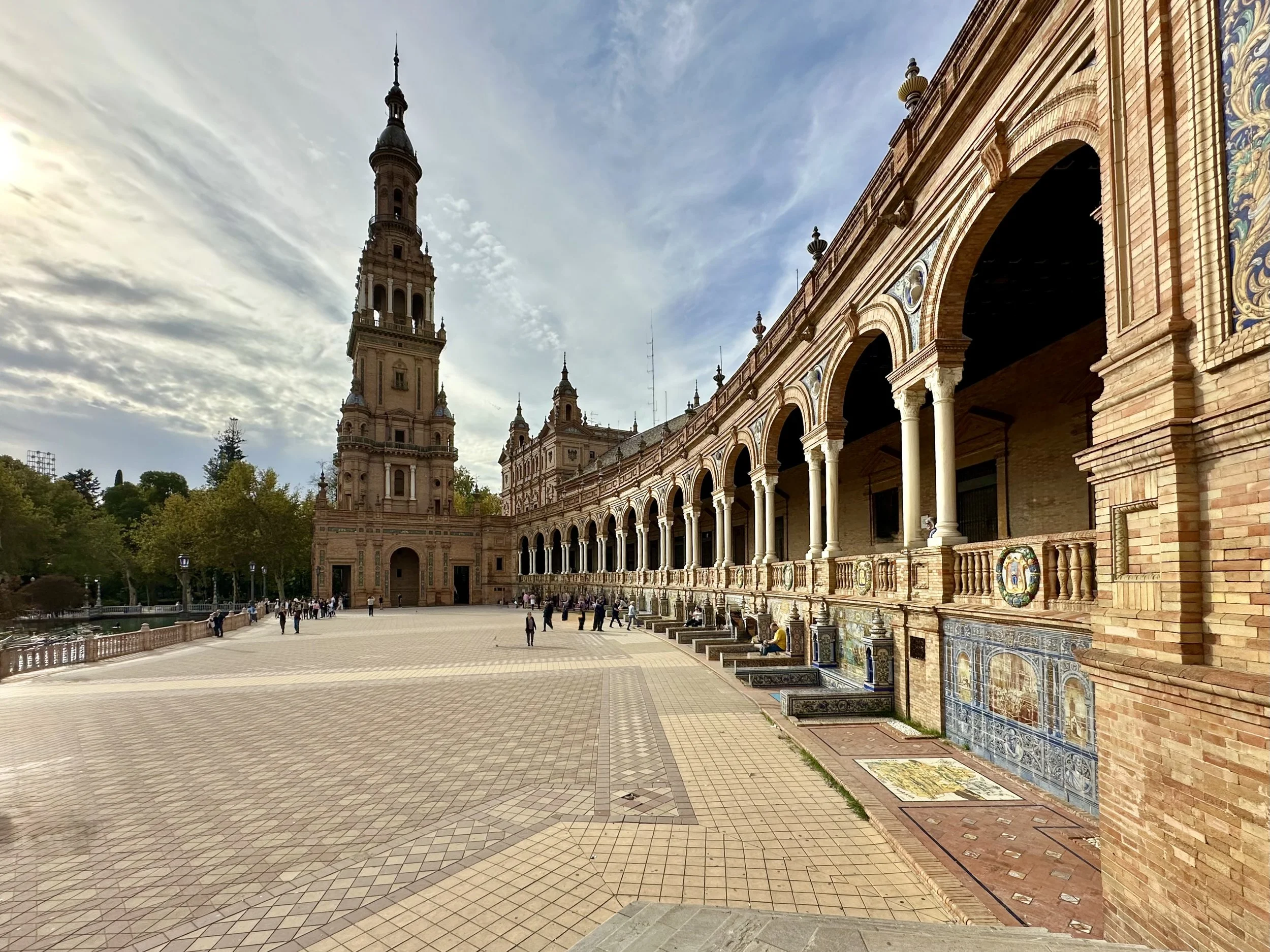
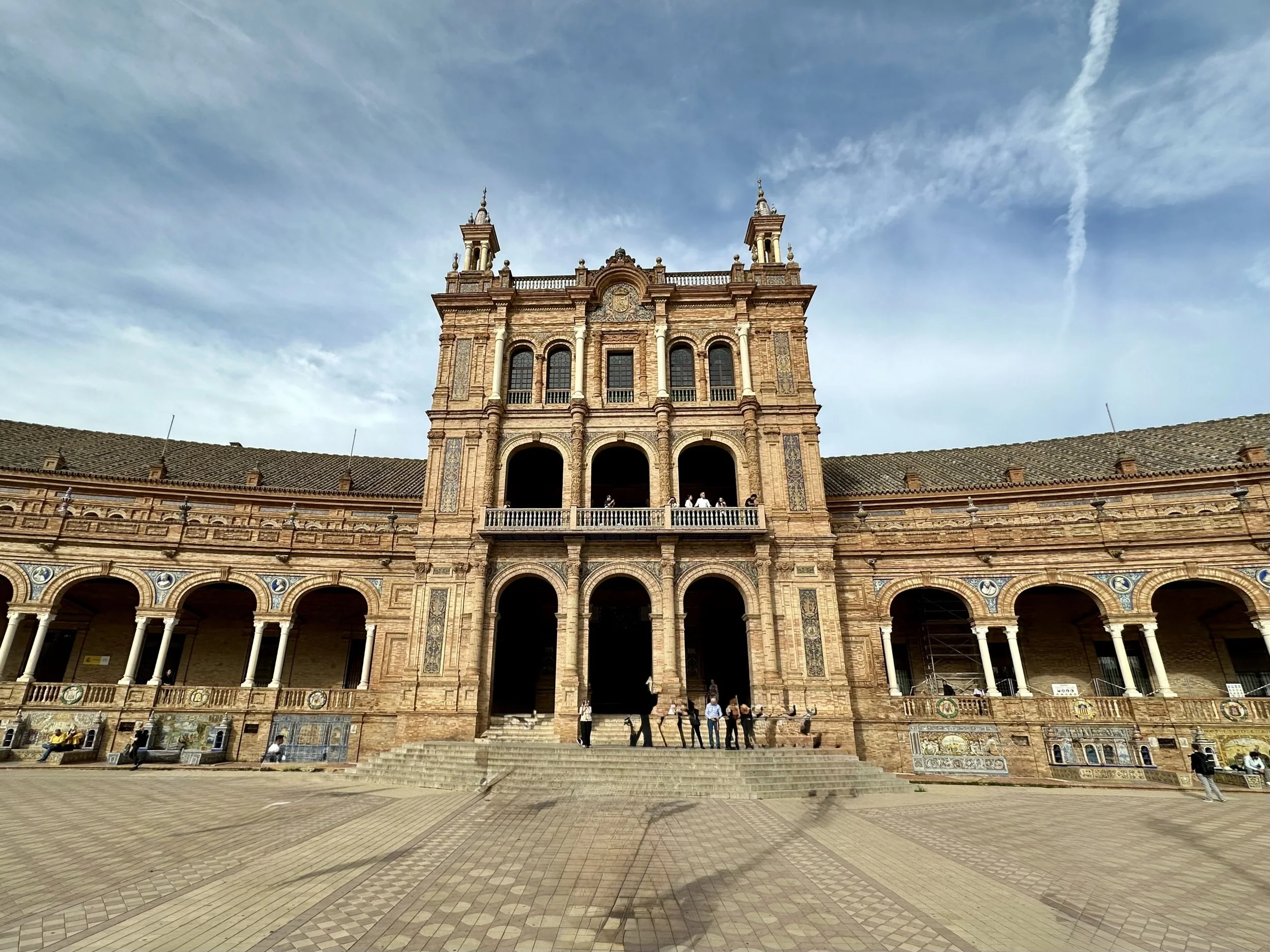
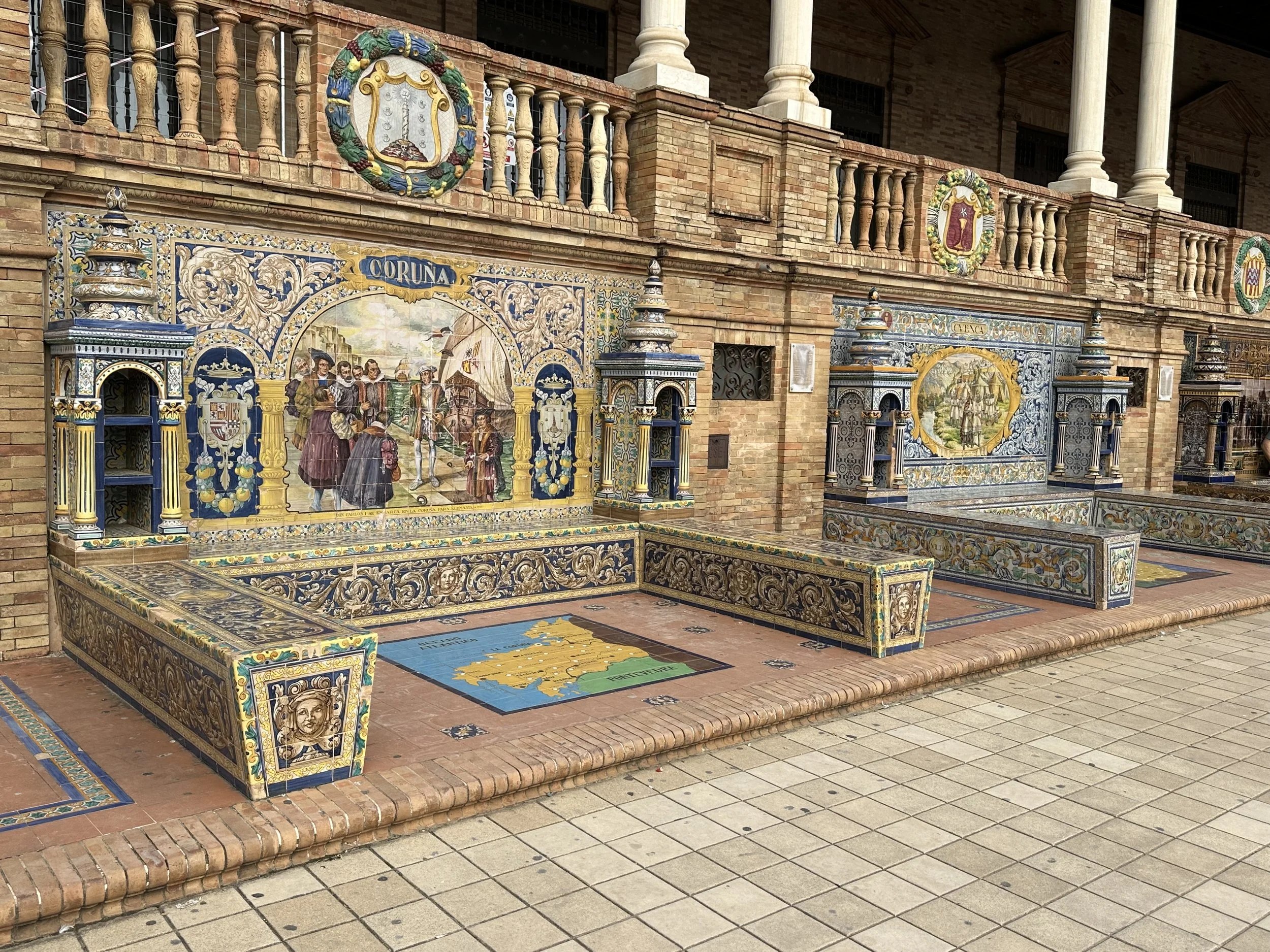
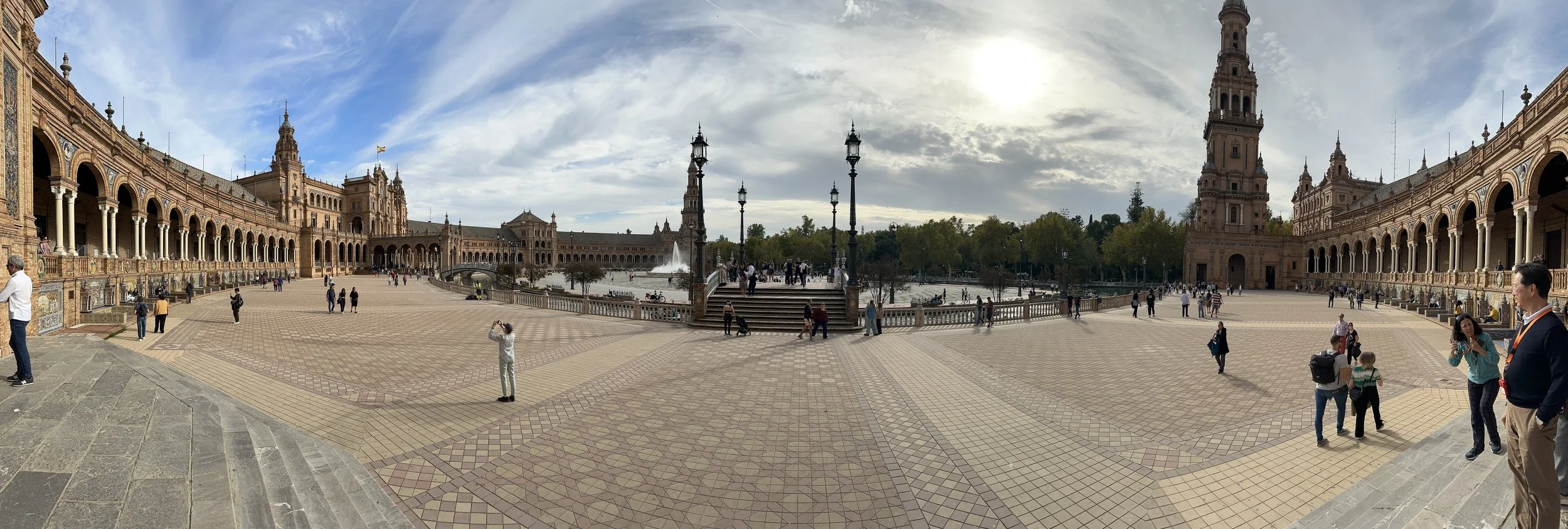
The last stop for the day was at the Plaza de España, a venue of several buildings designed and built in and around the Maria-Luisa Park for the Ibero-American exhibition of 1929. As with many European designs, the structures surround a giant courtyard which includes fountains and a waterway where you can actually rent a boat to paddle around the central courtyard island. This event would have been something like Vancouver’s Expo86.
A Club Med ship across the harbour from us.
Departing From Spain
It was nearly 4pm by the time we finished at the Plaza de España, so it was time for a hasty return to the ship and a dinner waiting to satisfy our ravenous need for food. Somehow a single protein bar at 1:30pm just didn’t quite satisfy the need for a midday meal. By the time the ship was ready to leave port at 7pm, it was already dark outside and we were sitting at our table for dinner. Following our departure from Cadiz we spent the next day at sea making our way down to Casablanca in Morocco. Our first time to Northern Africa.
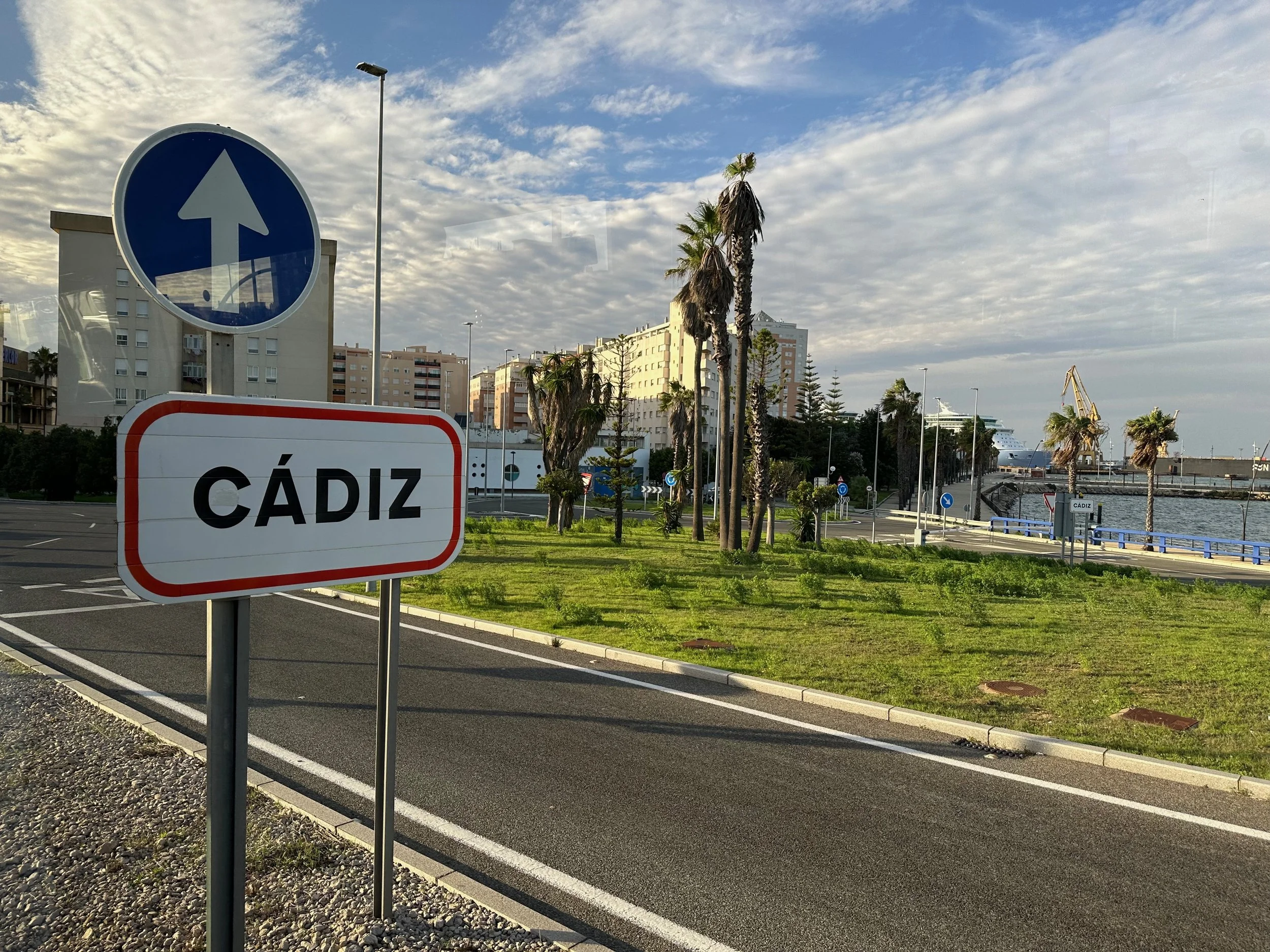
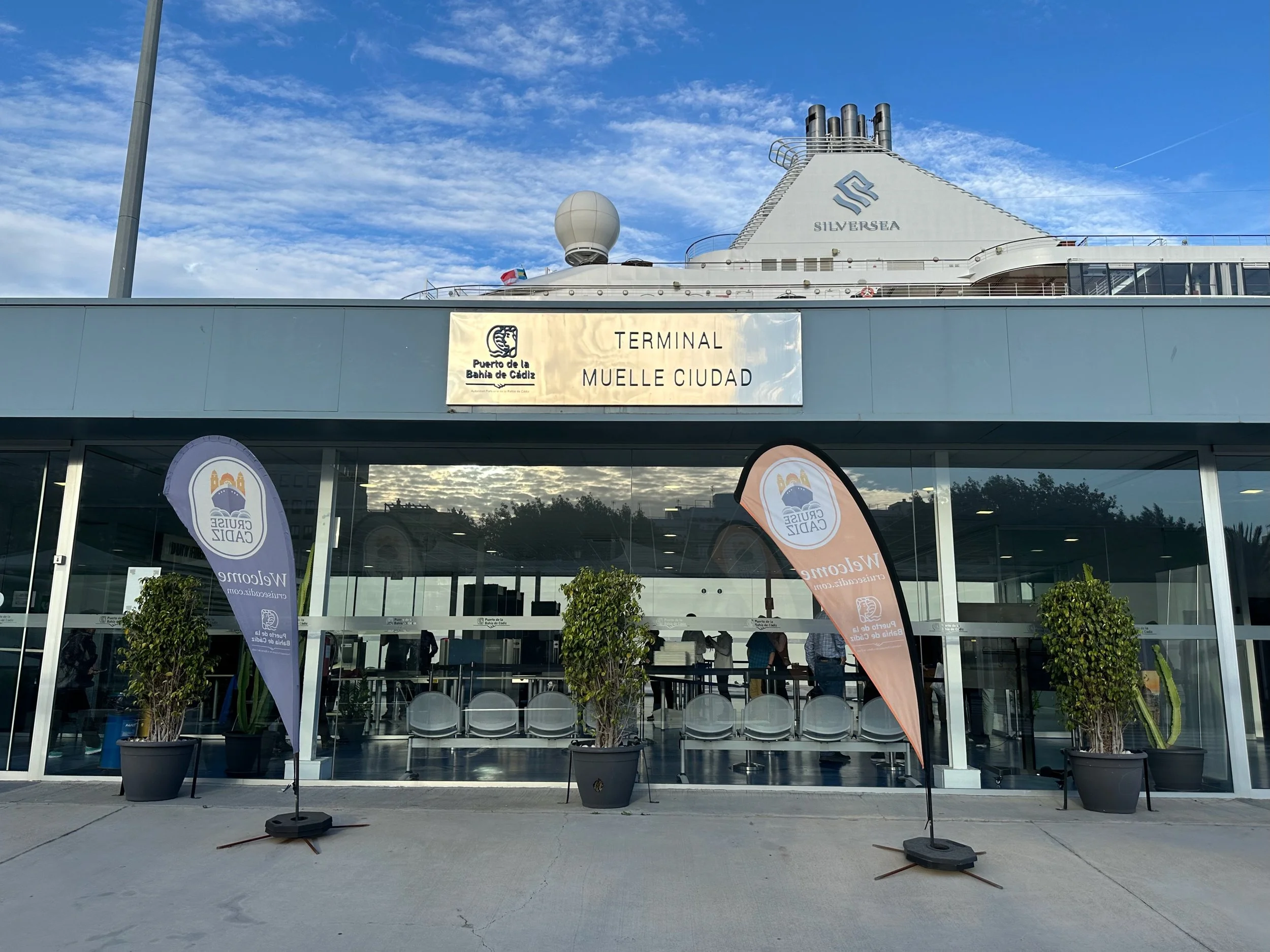
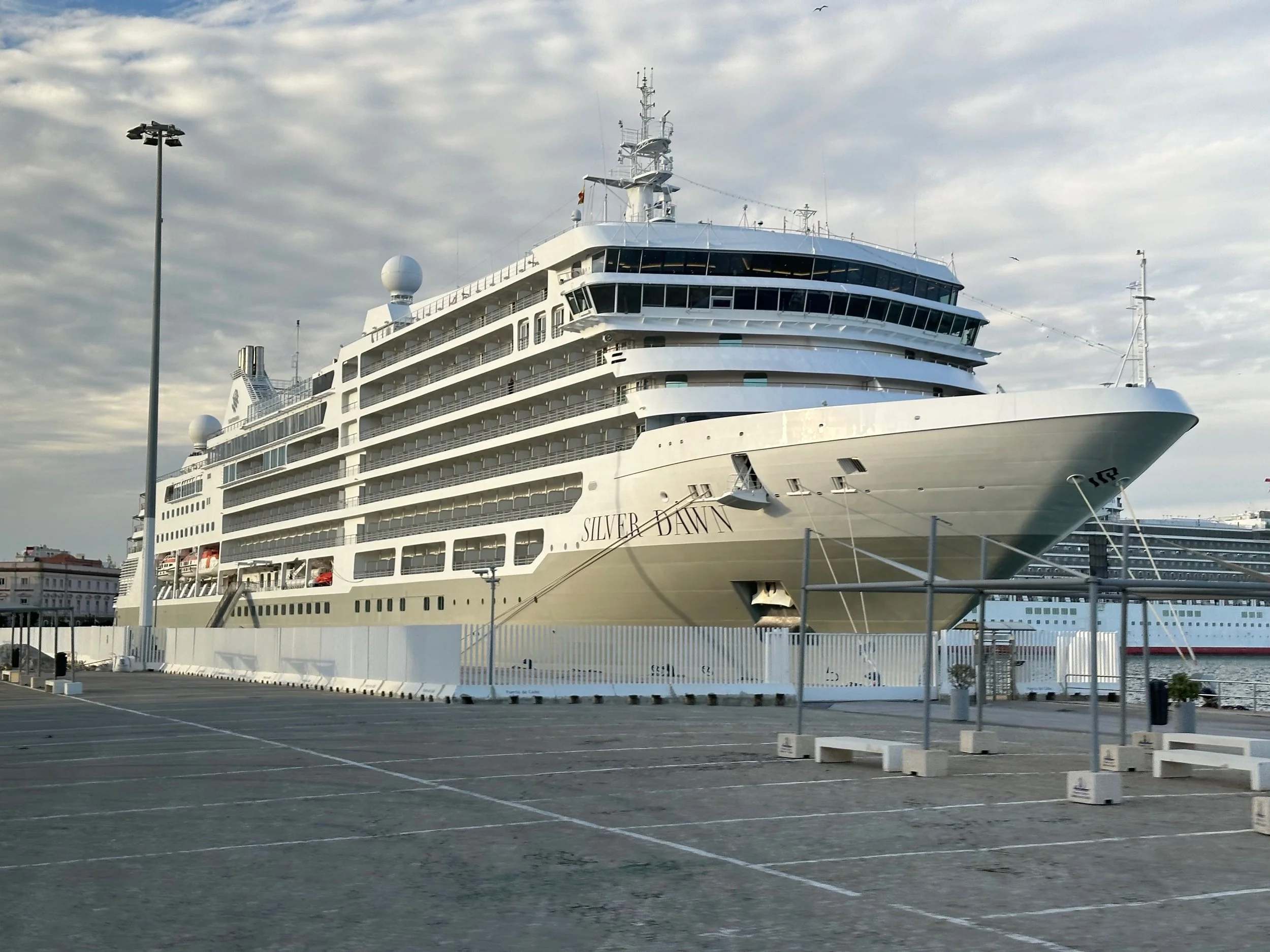
Stops two and three of the voyage.
The Kingdom of Morocco
We would see several cities in Morocco, starting with Casablanca and Rabat, and then finally in Tangiers up by the Straits of Gibraltar.
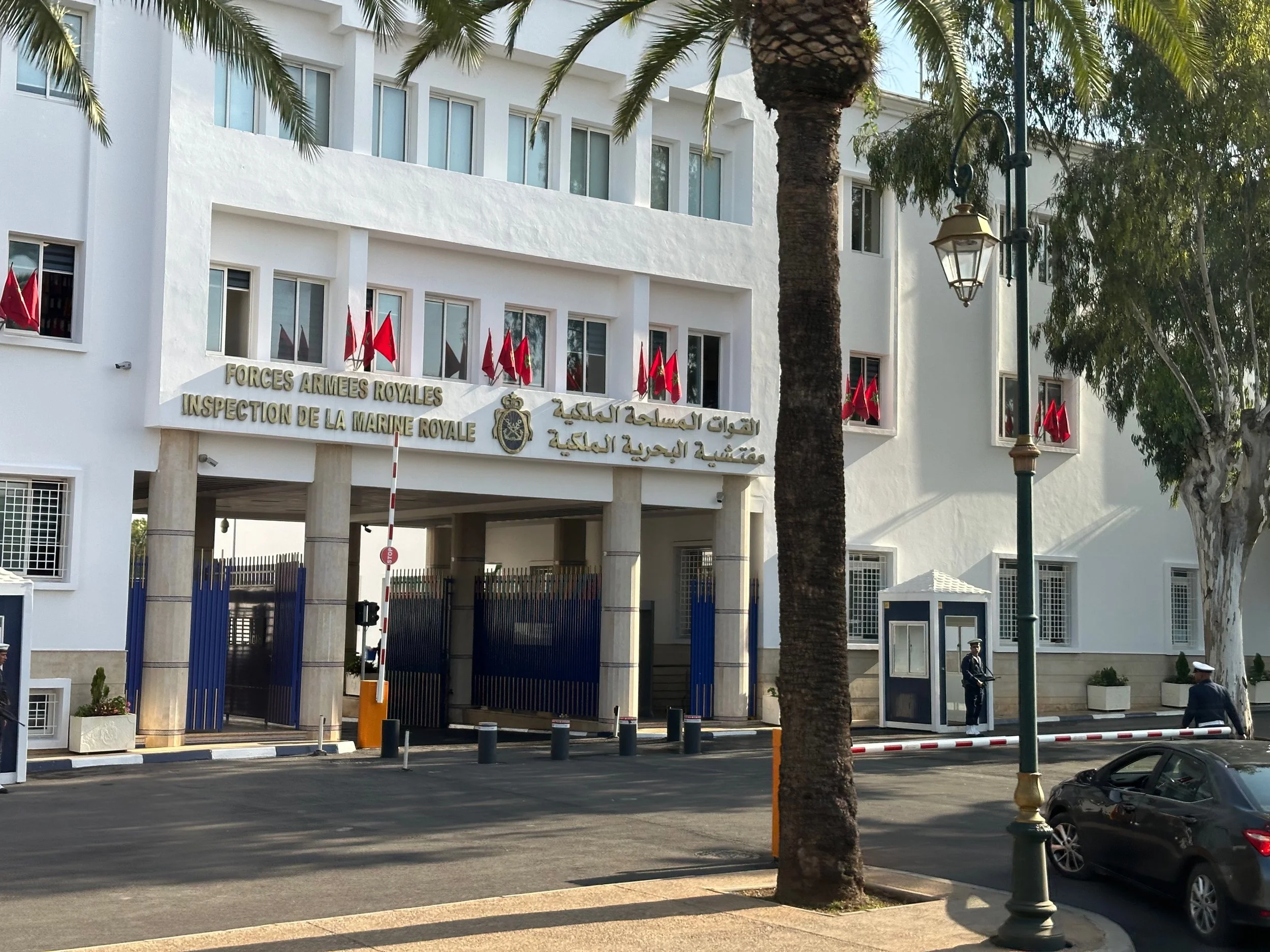
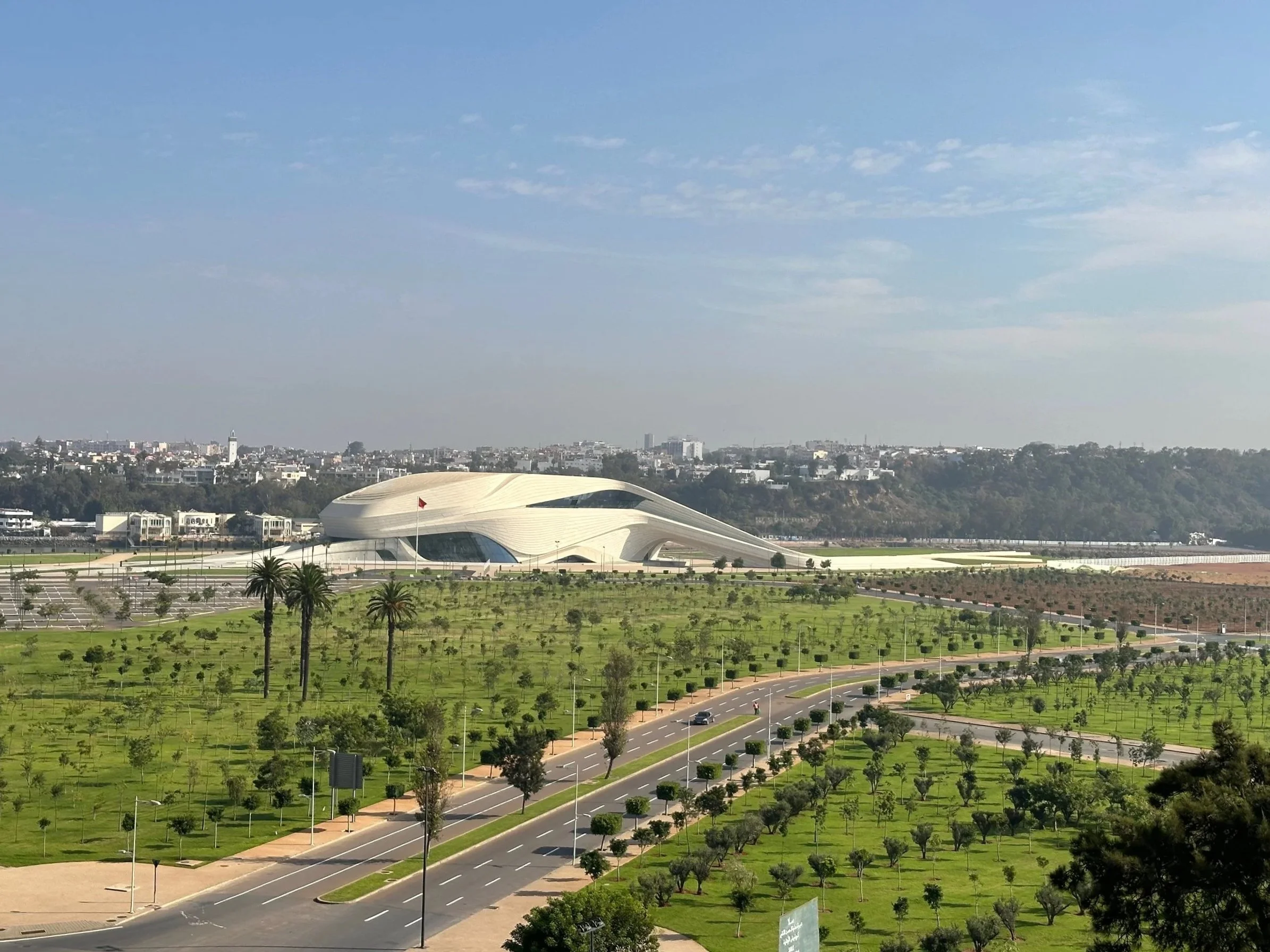
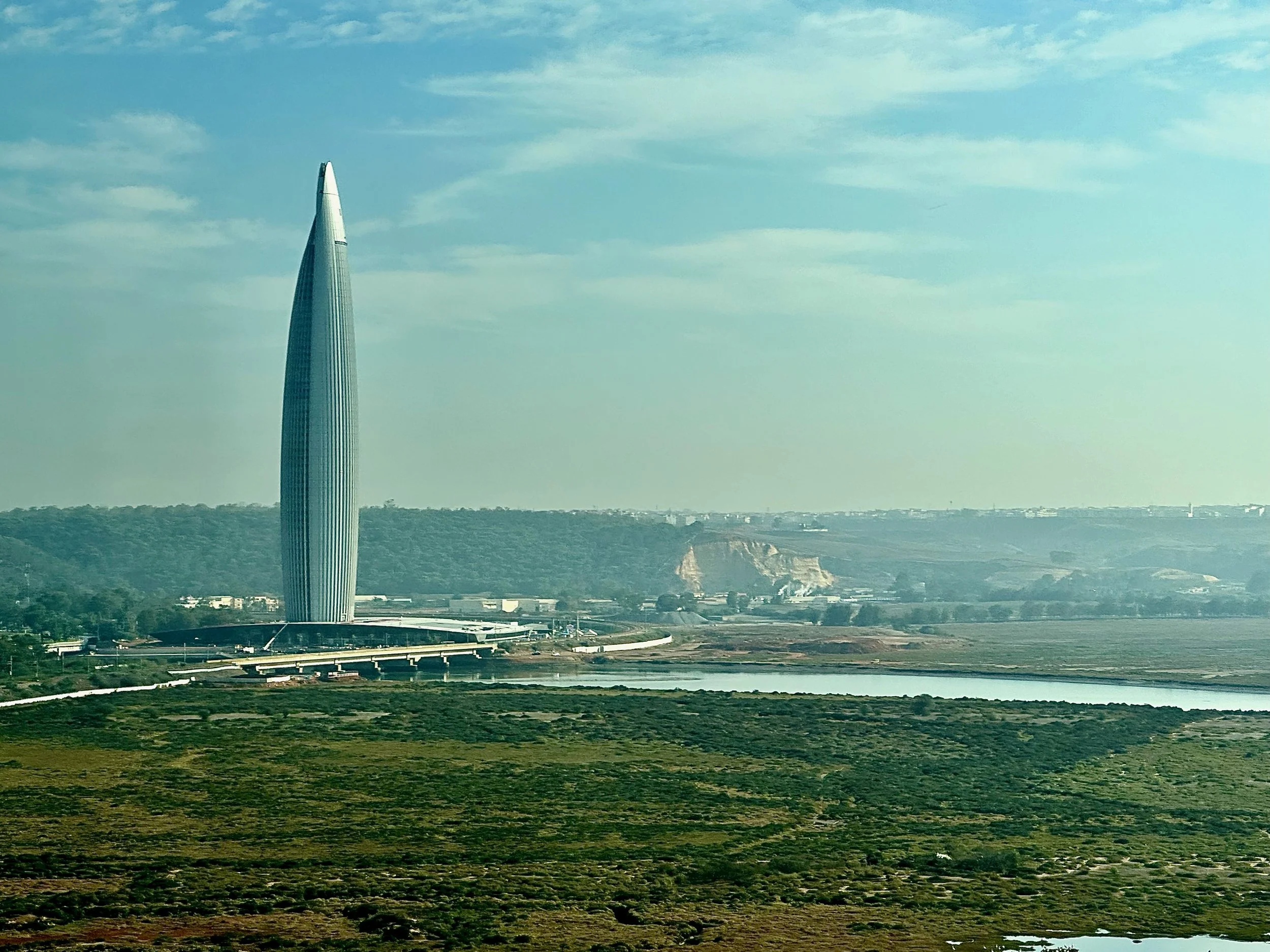
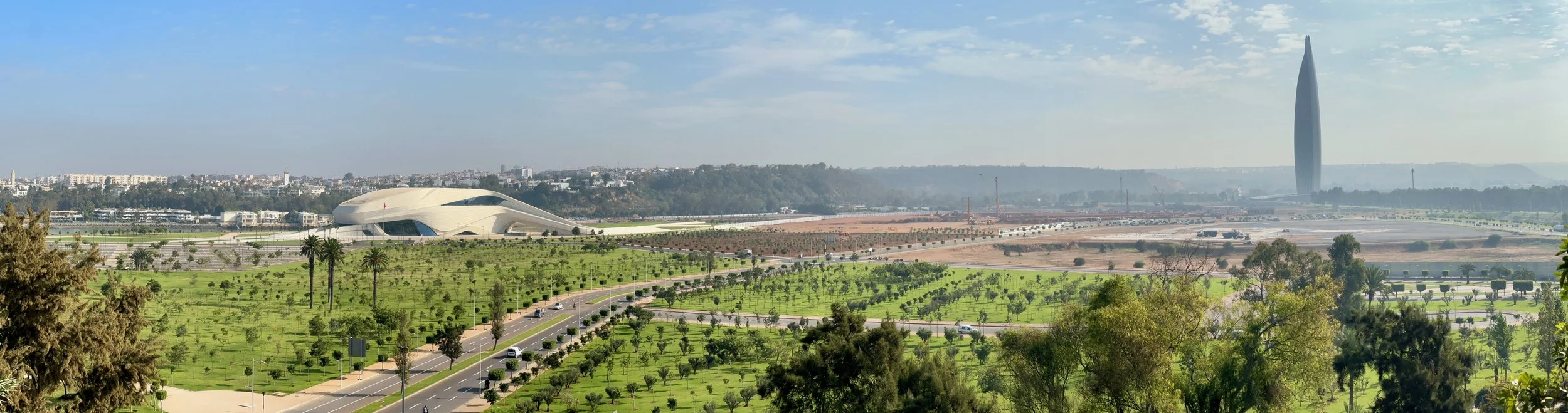
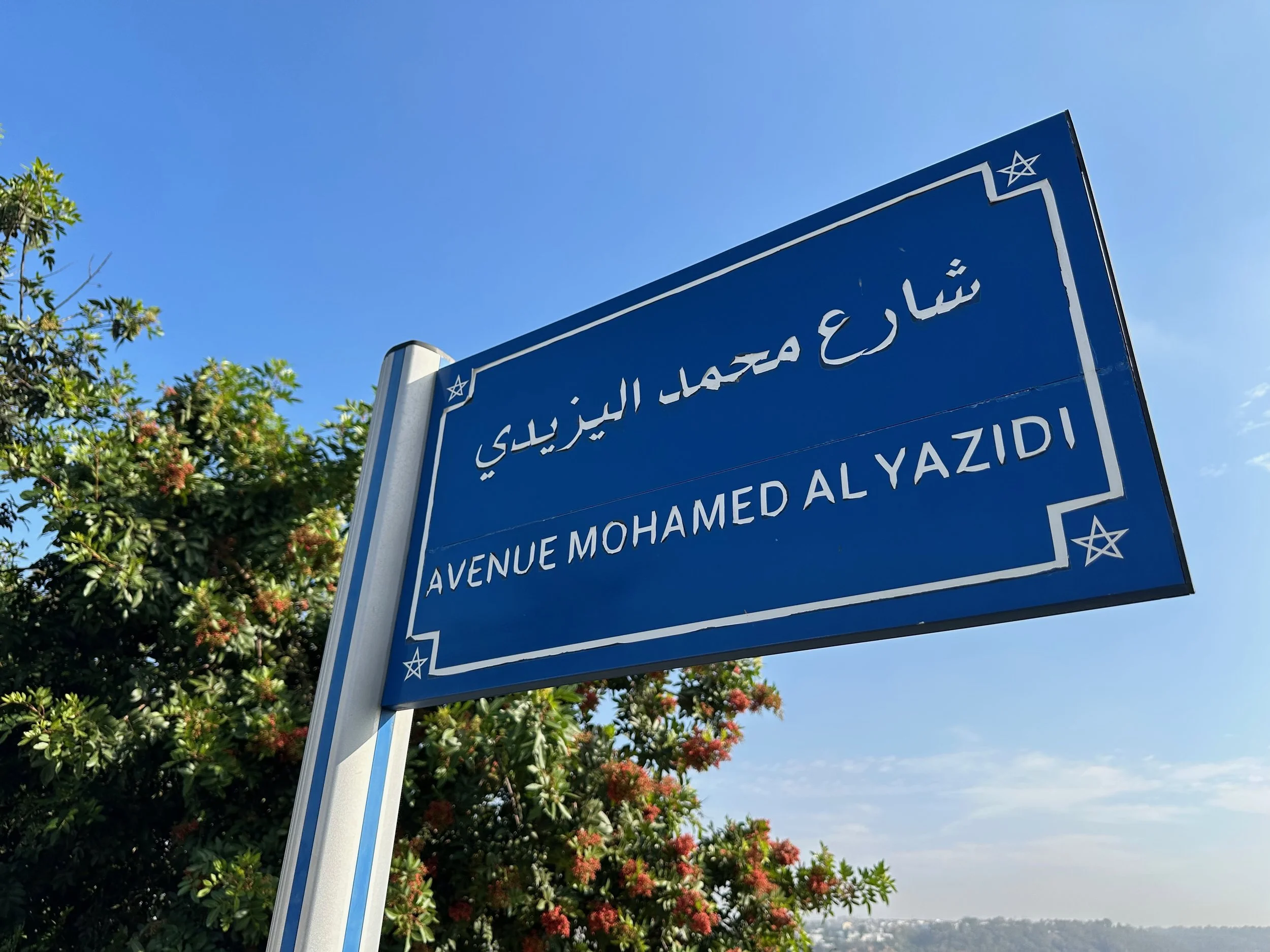
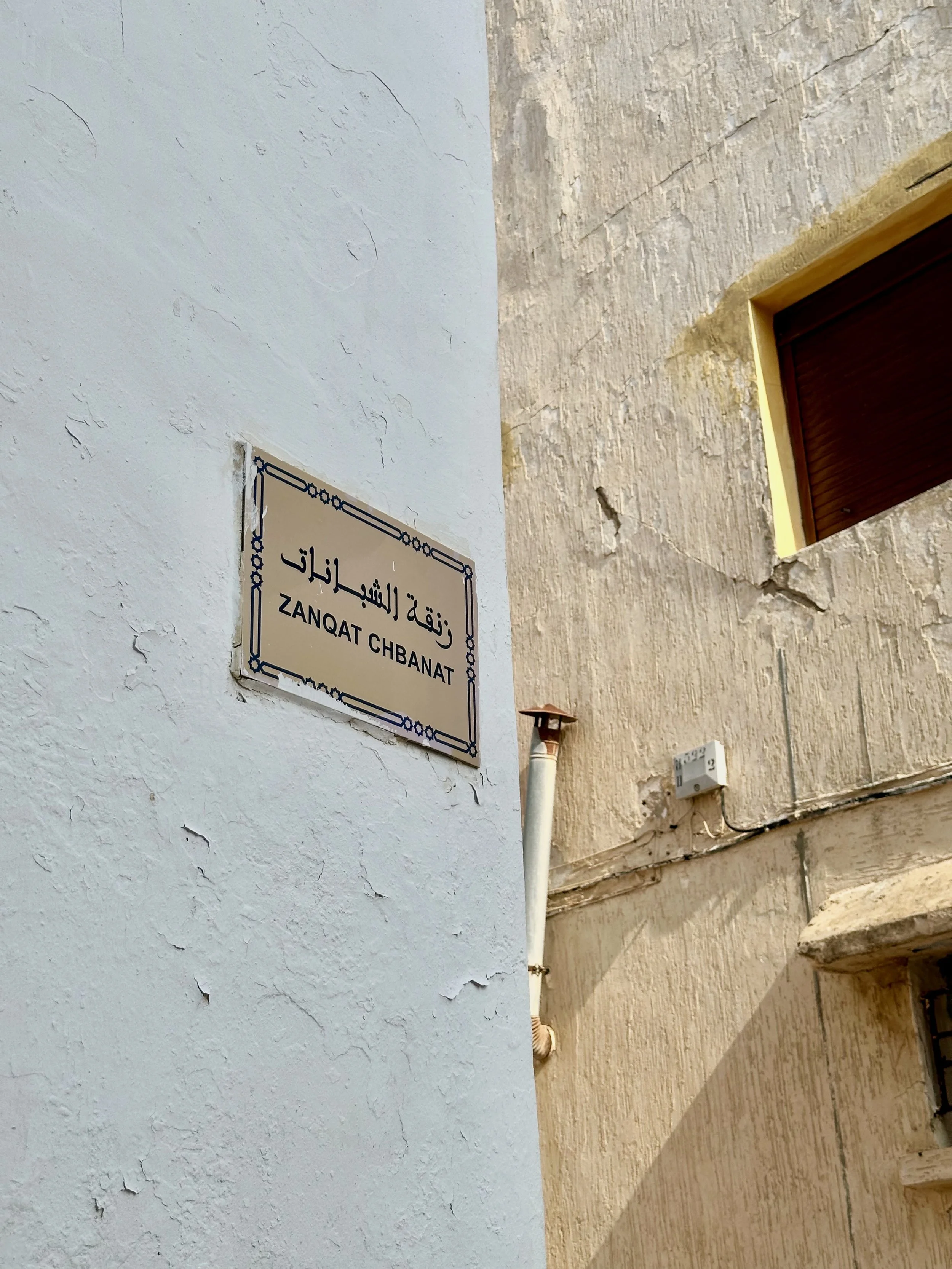
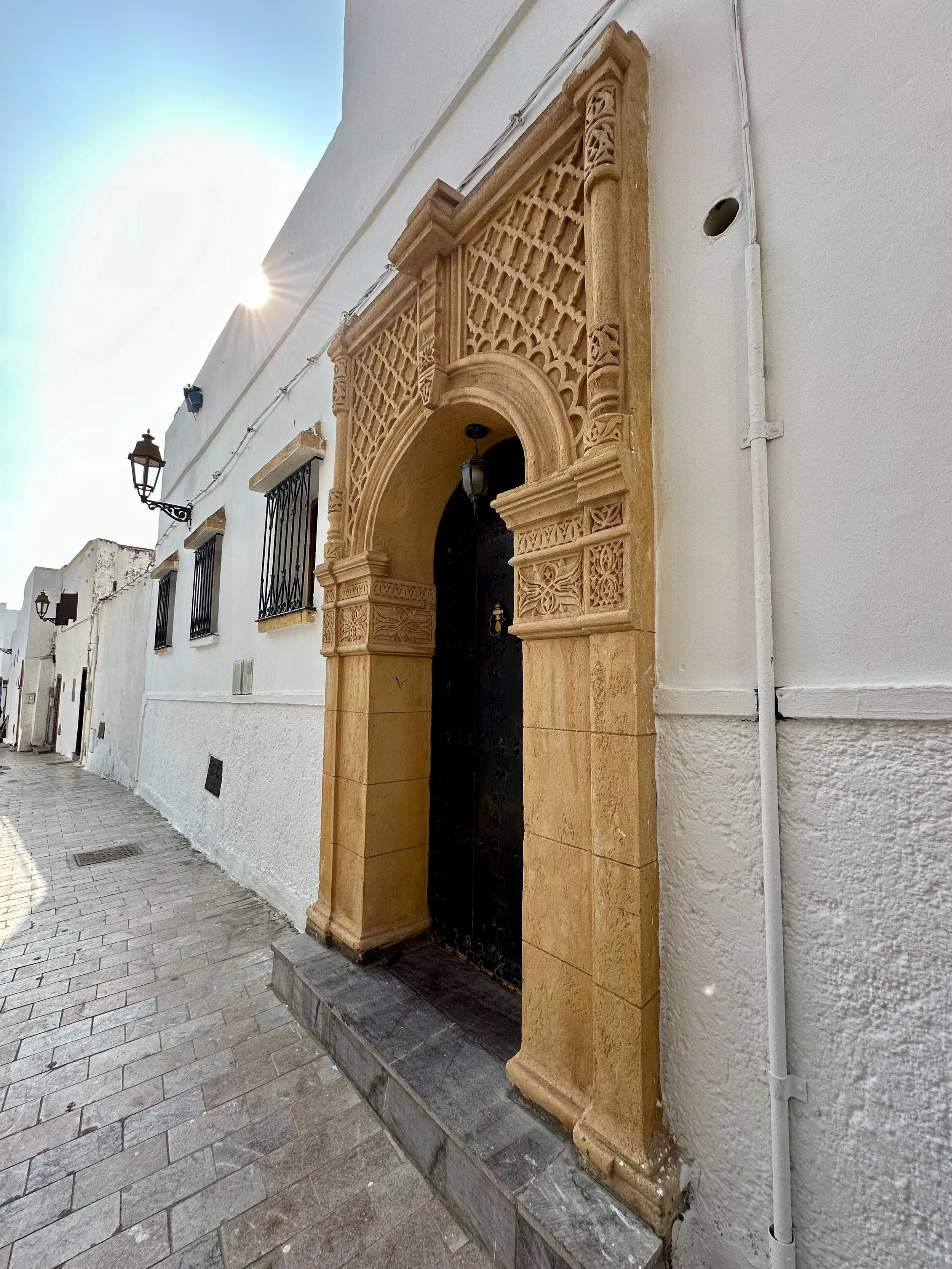
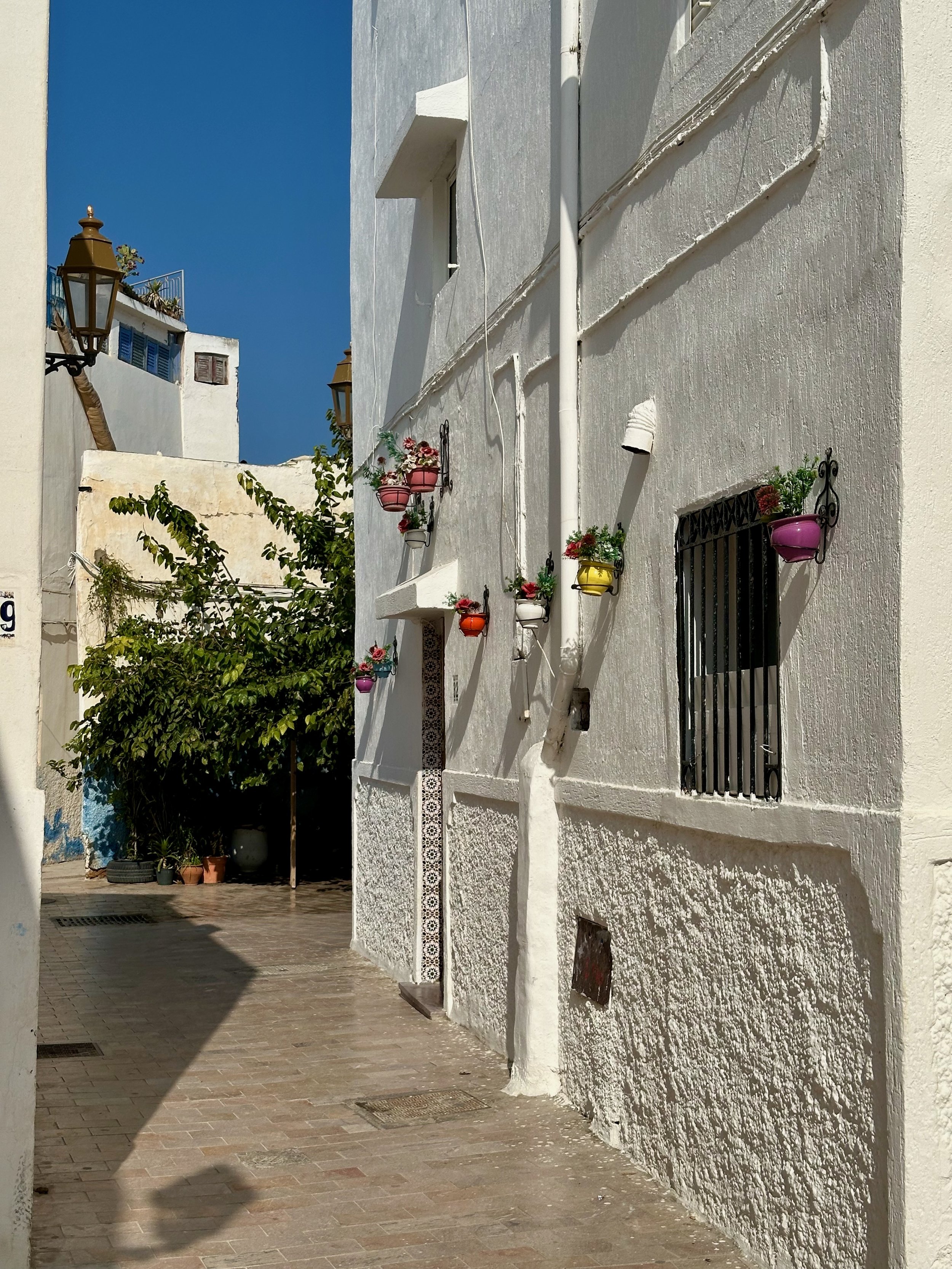
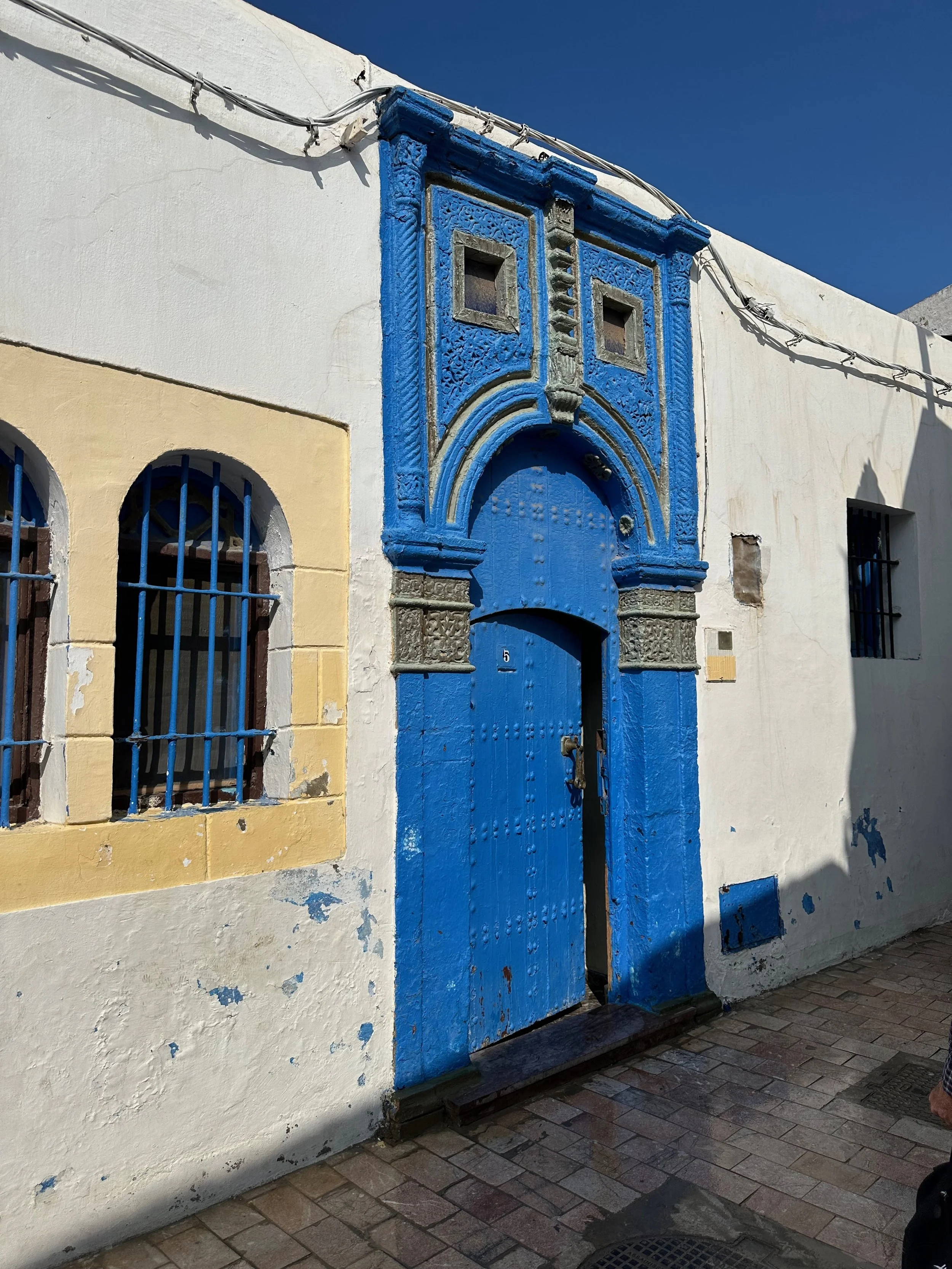
Although our port of entry was Casablanca, the city made famous by the Humphrey Bogart film of 1942, we didn’t actually spend much time there. Our excursion for the day would take us to the fortress city of Rabat, eighty-eight kilometres to the northeast, and the capital city of Morocco. Compared to Casablanca’s four million inhabitants, Rabat has a mere 515,000 people, although the surrounding metropolitan area raises it to over 2.1 million. Landmarks around Rabat speak to its Islamic and French-colonial heritage.
A lovely, understated fountain compared to what we would see everywhere in Europe.
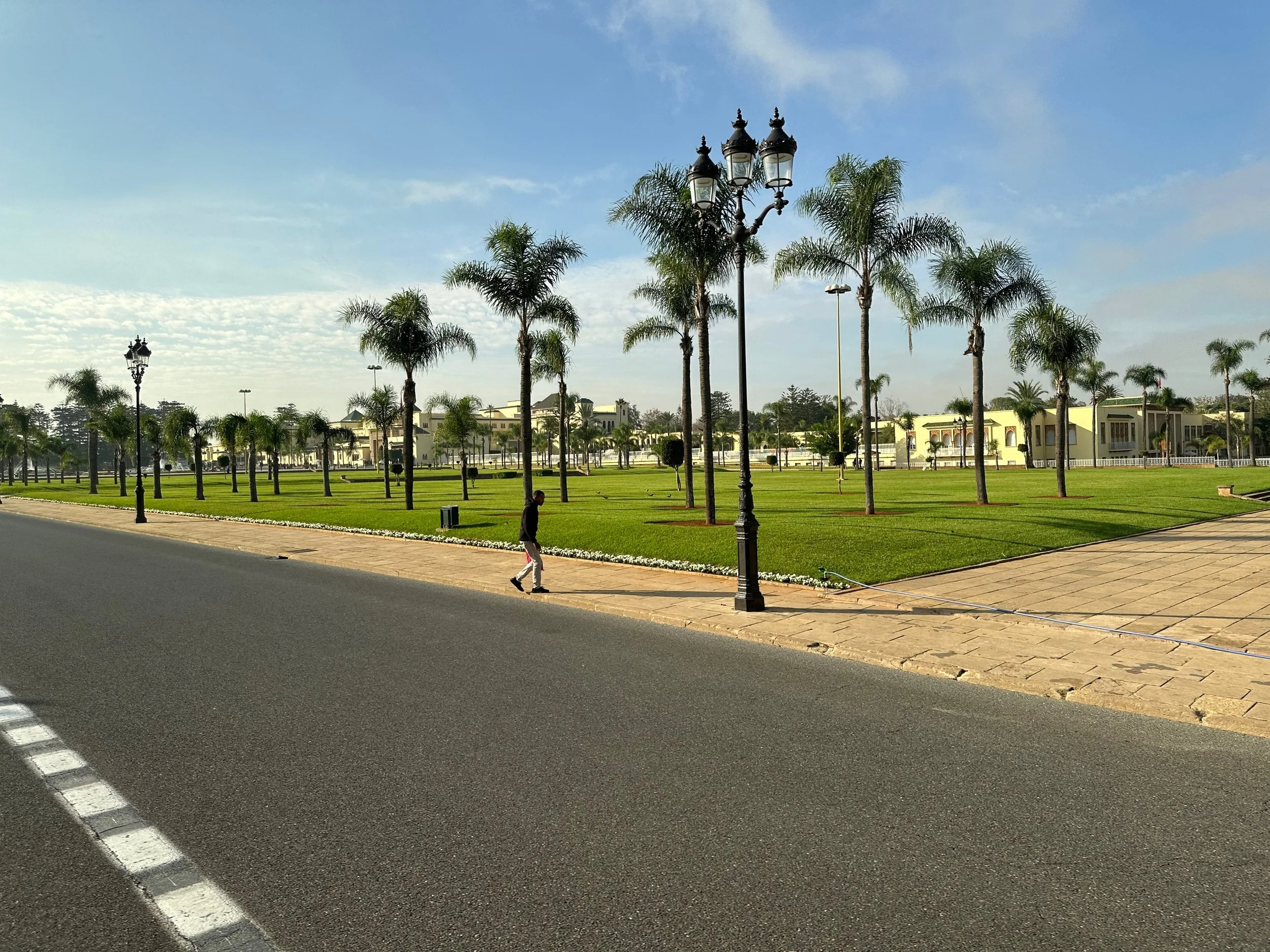
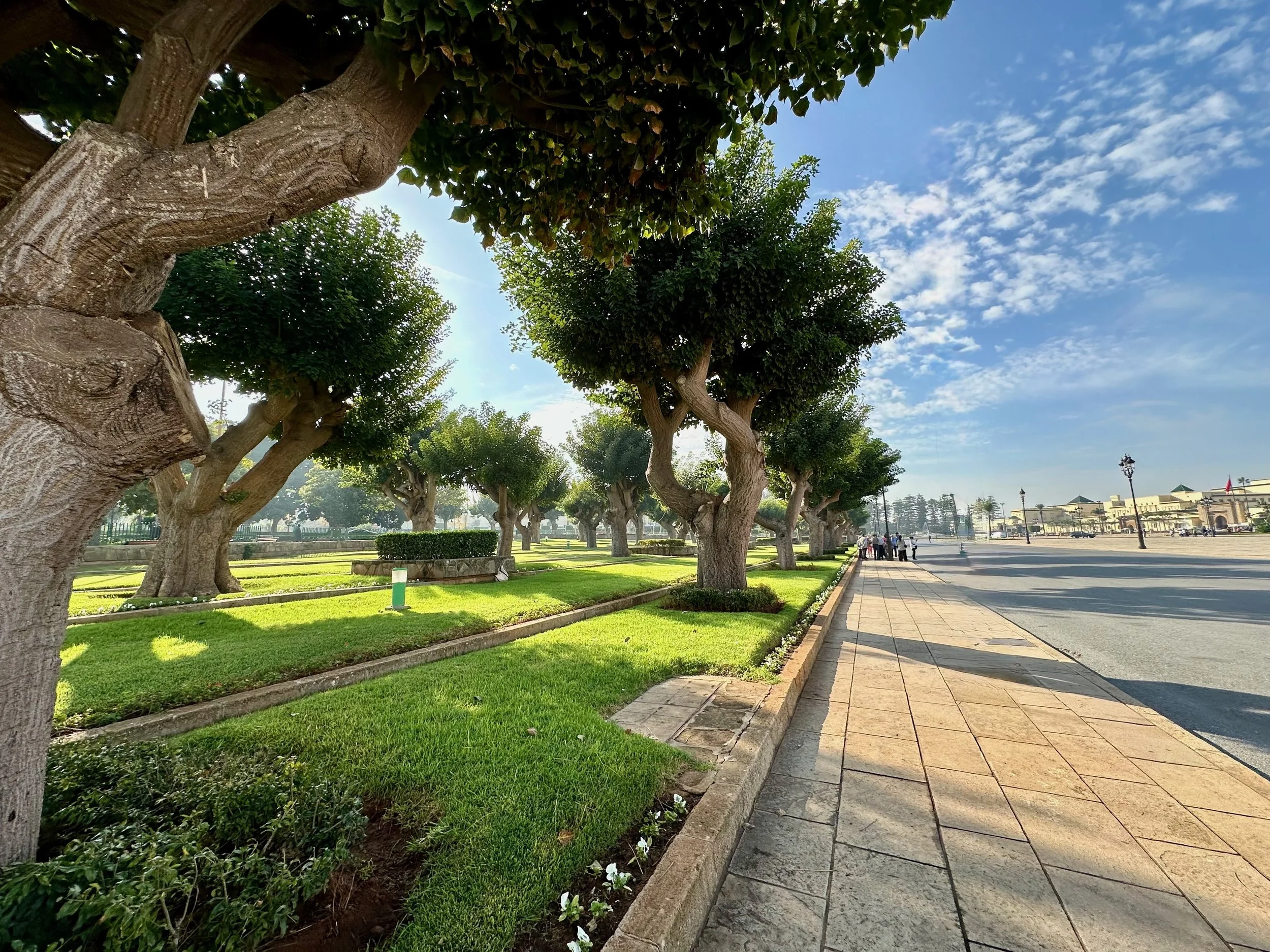
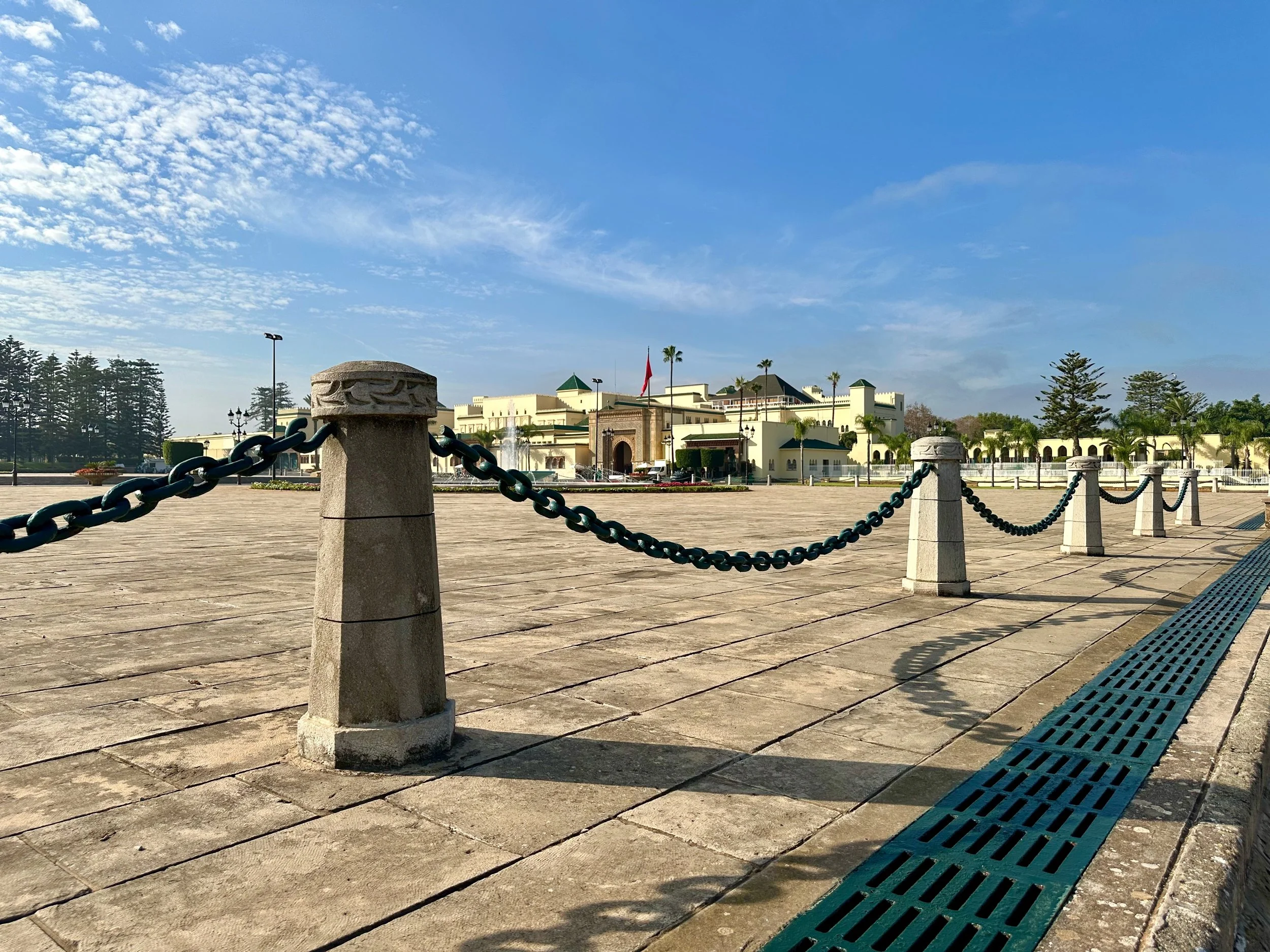
The Royal Palace in Rabat
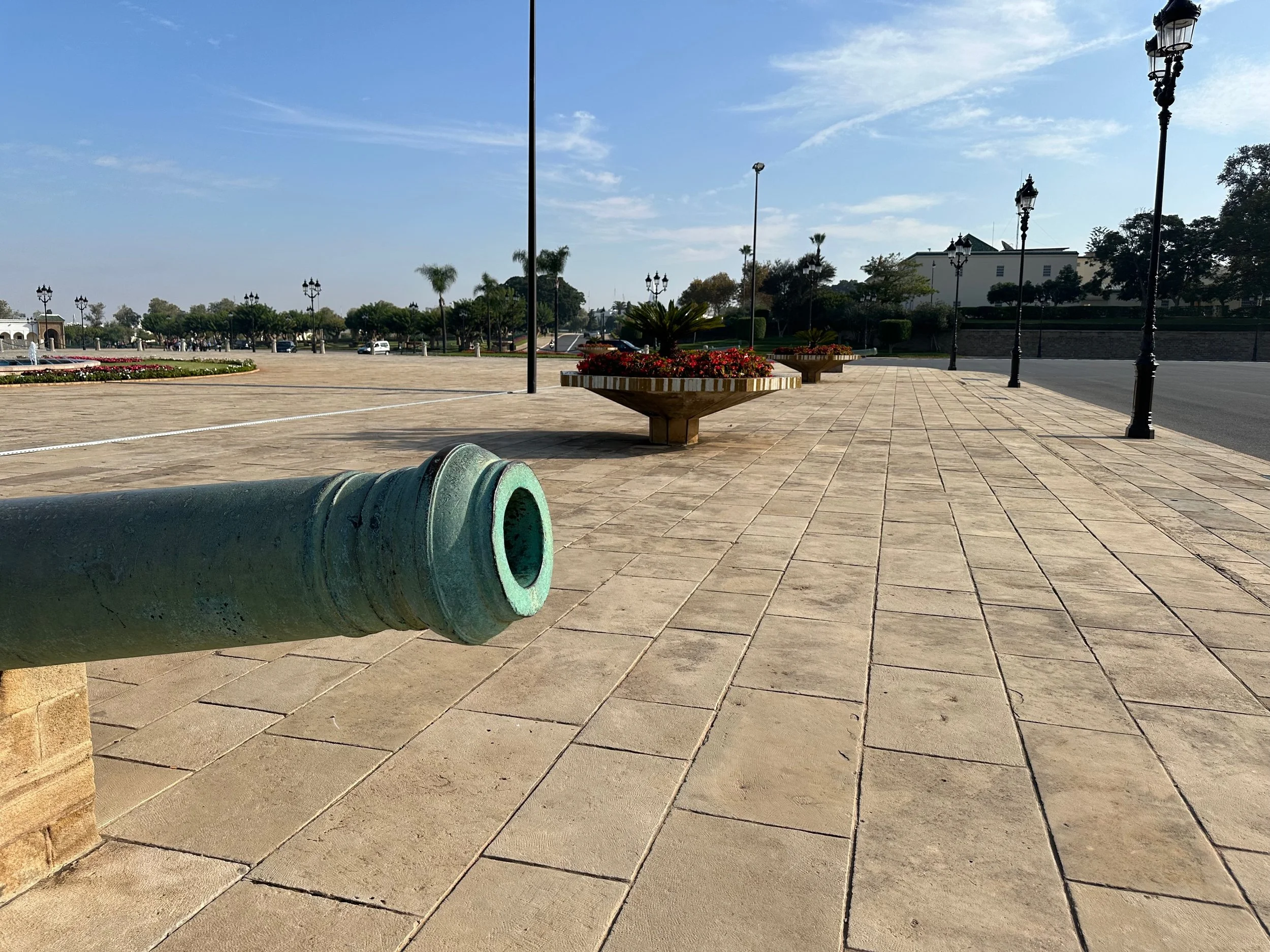
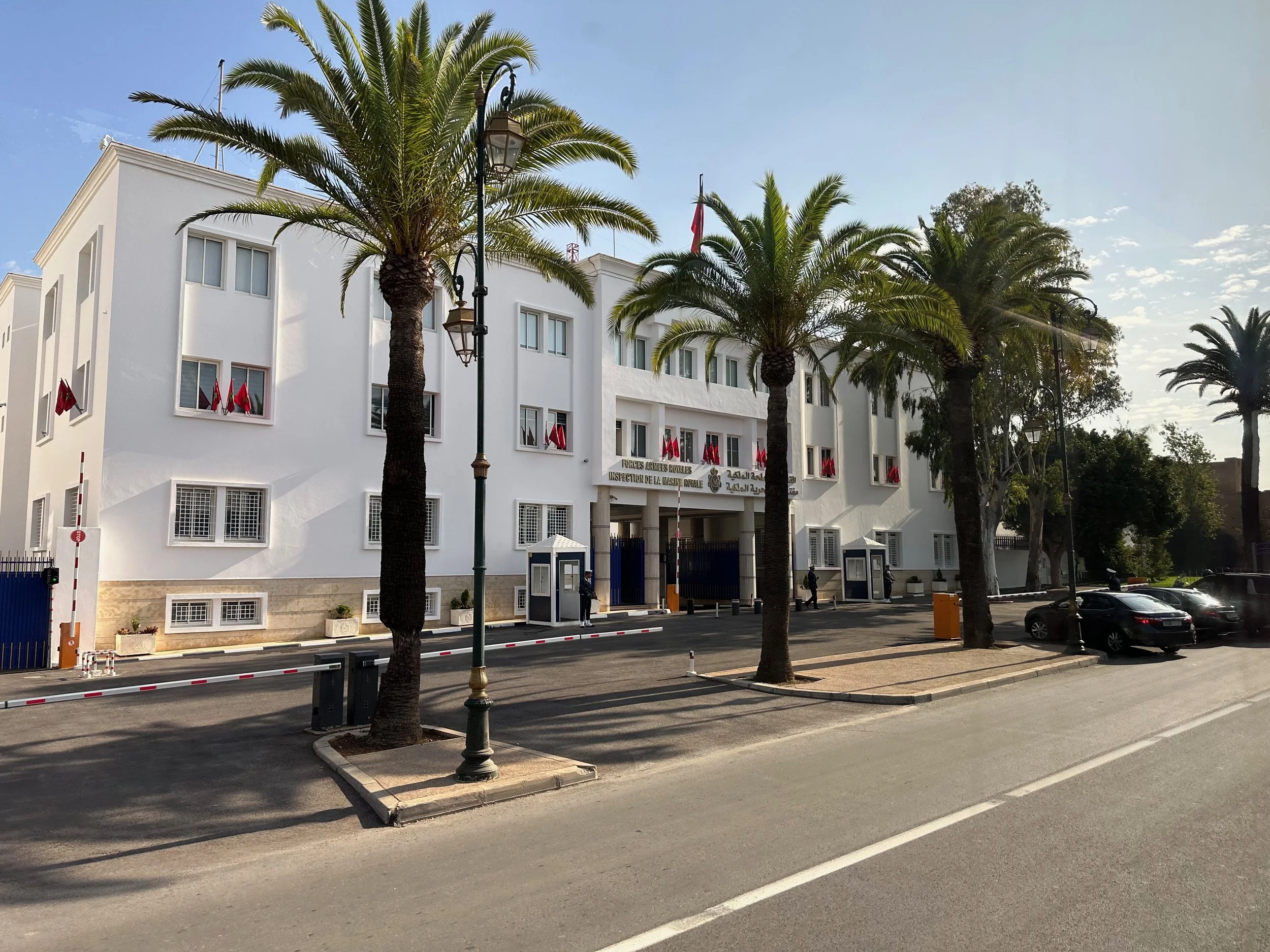
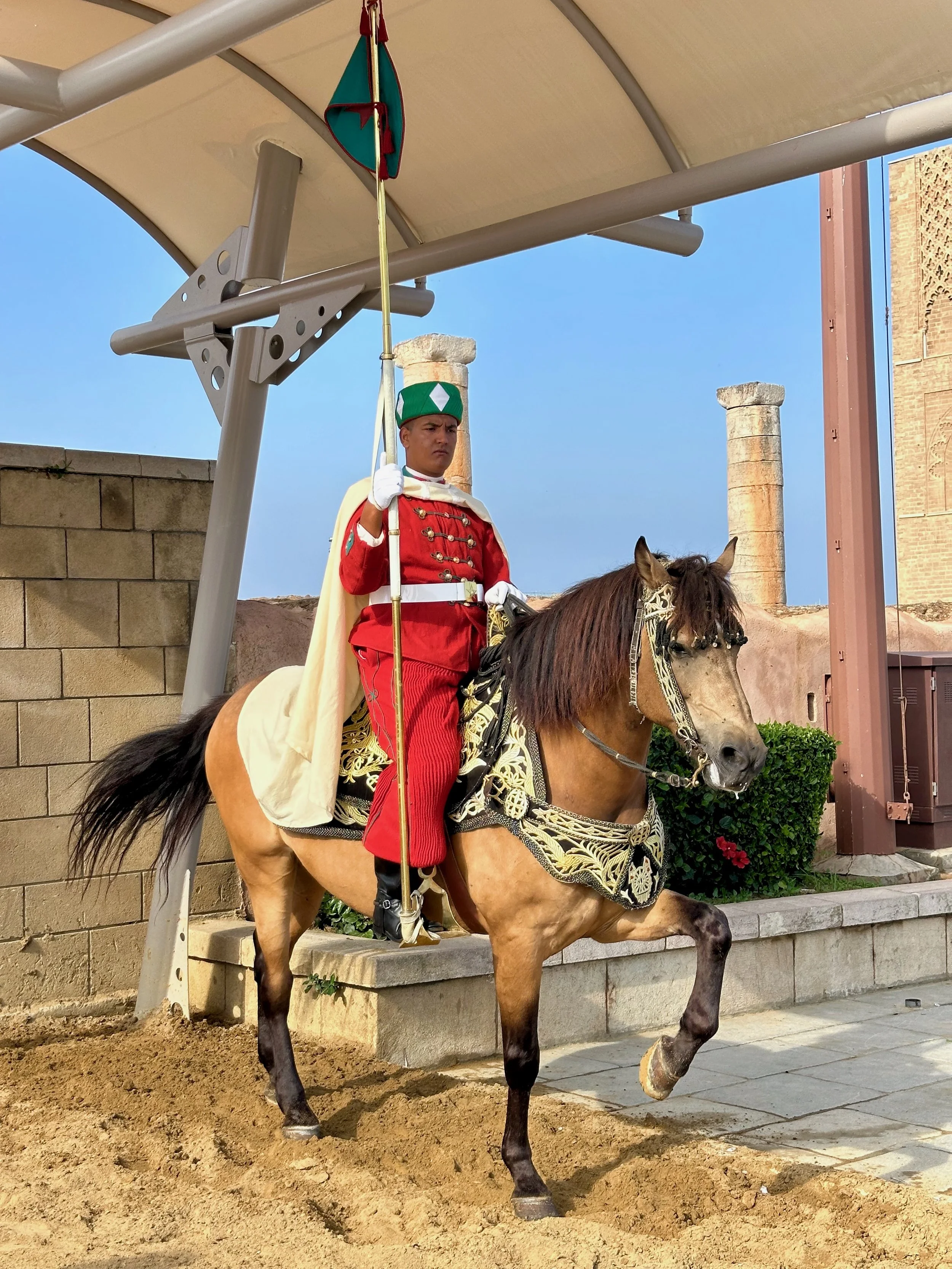
Our first stop of the day after the hour long drive up from Casablanca was the Royal Palace. This is the official residence of the King, and a landmark we would only see from the grounds outside. In fact, armed guards scattered around the grounds made it very plain when we had crossed the invisible line that kept us peasants at a safe distance from the palace.
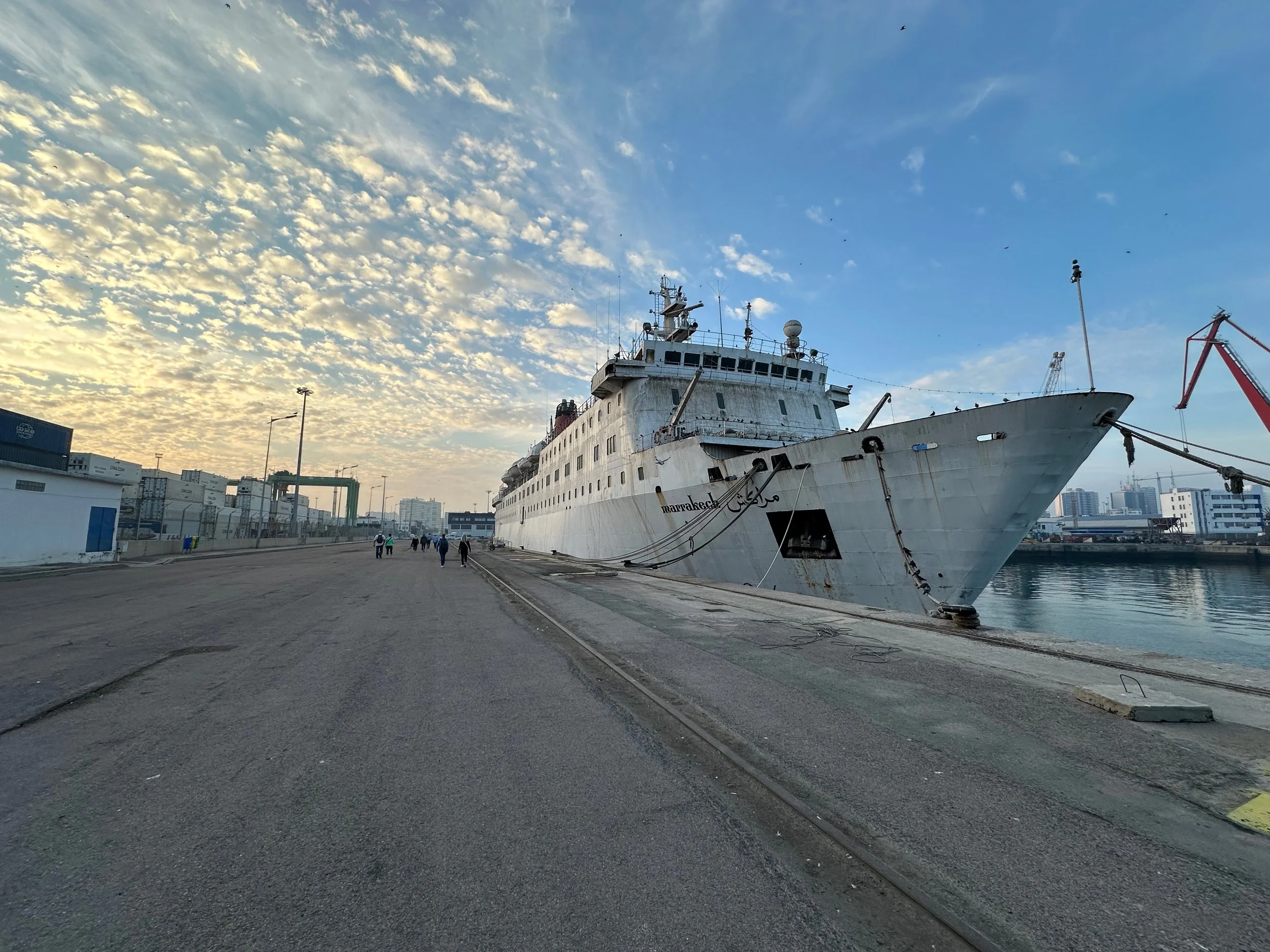

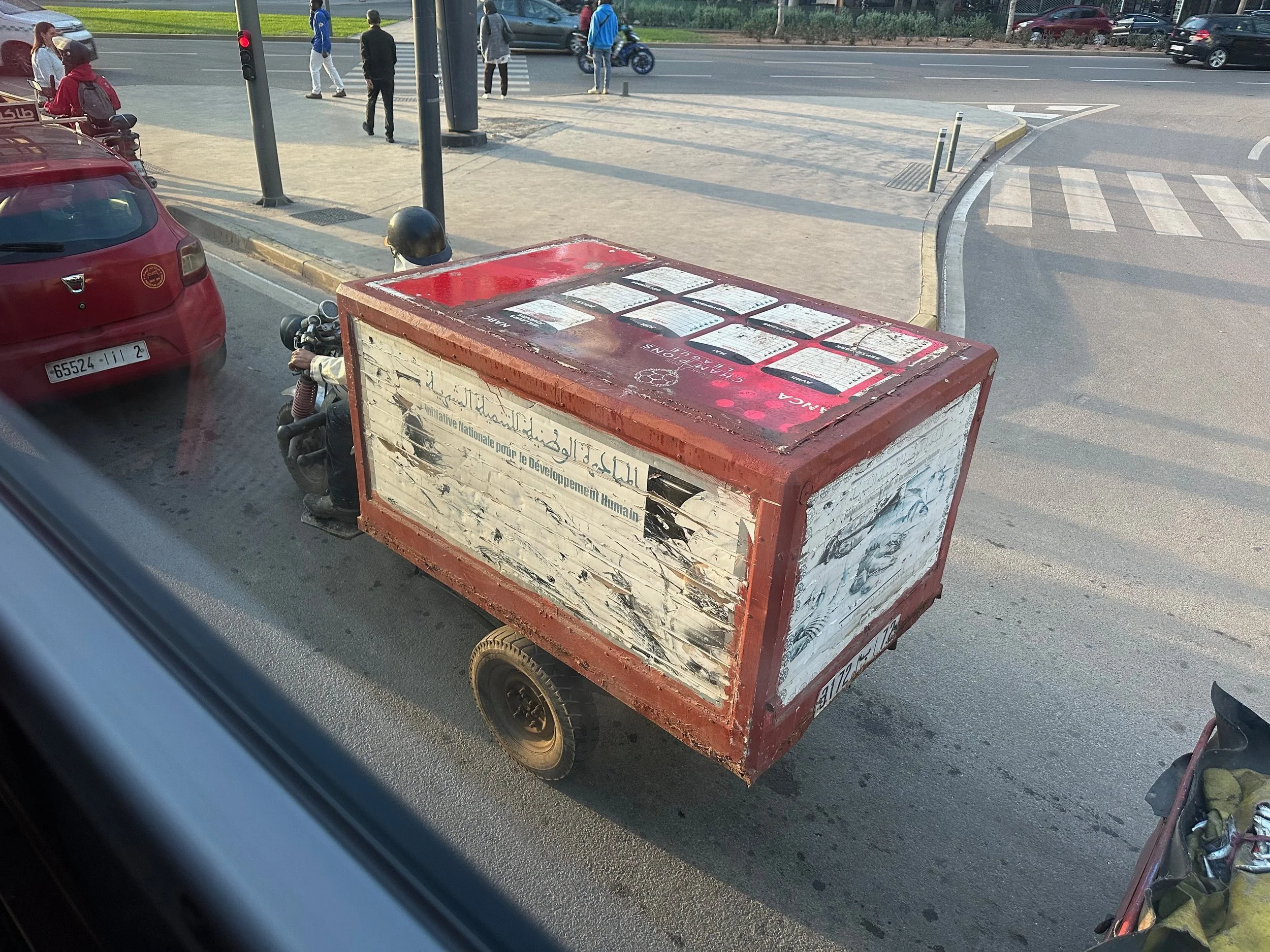
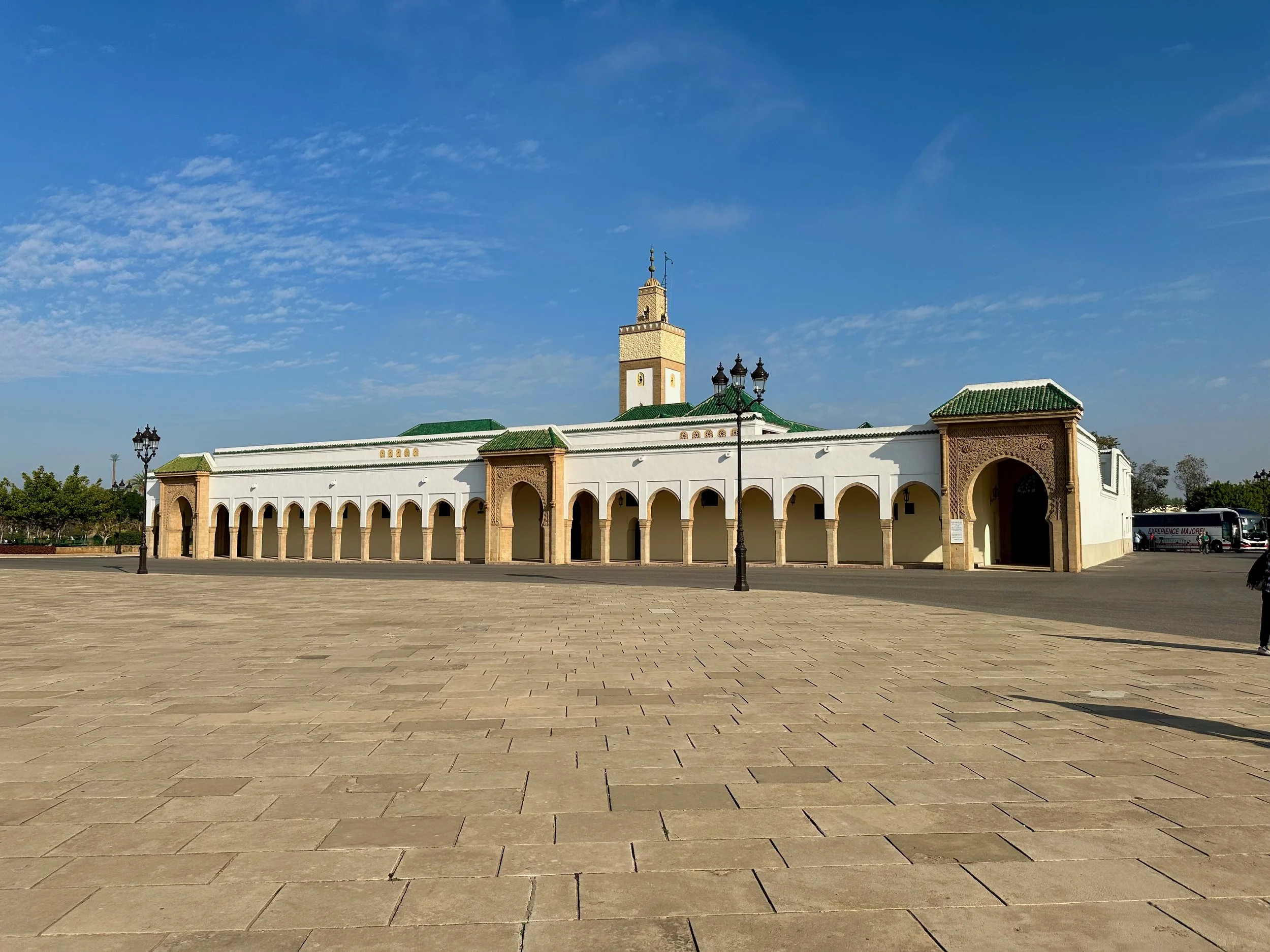
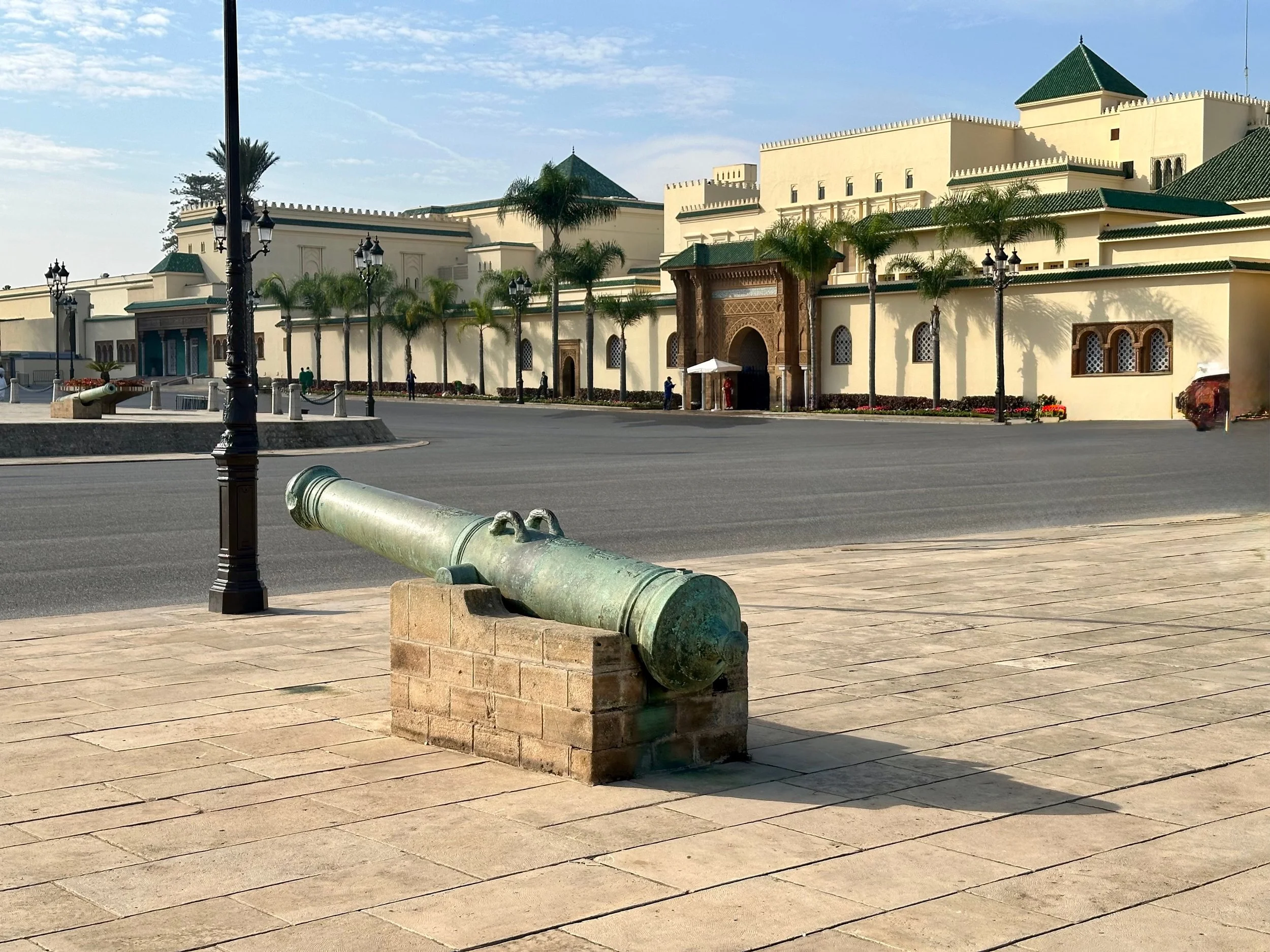
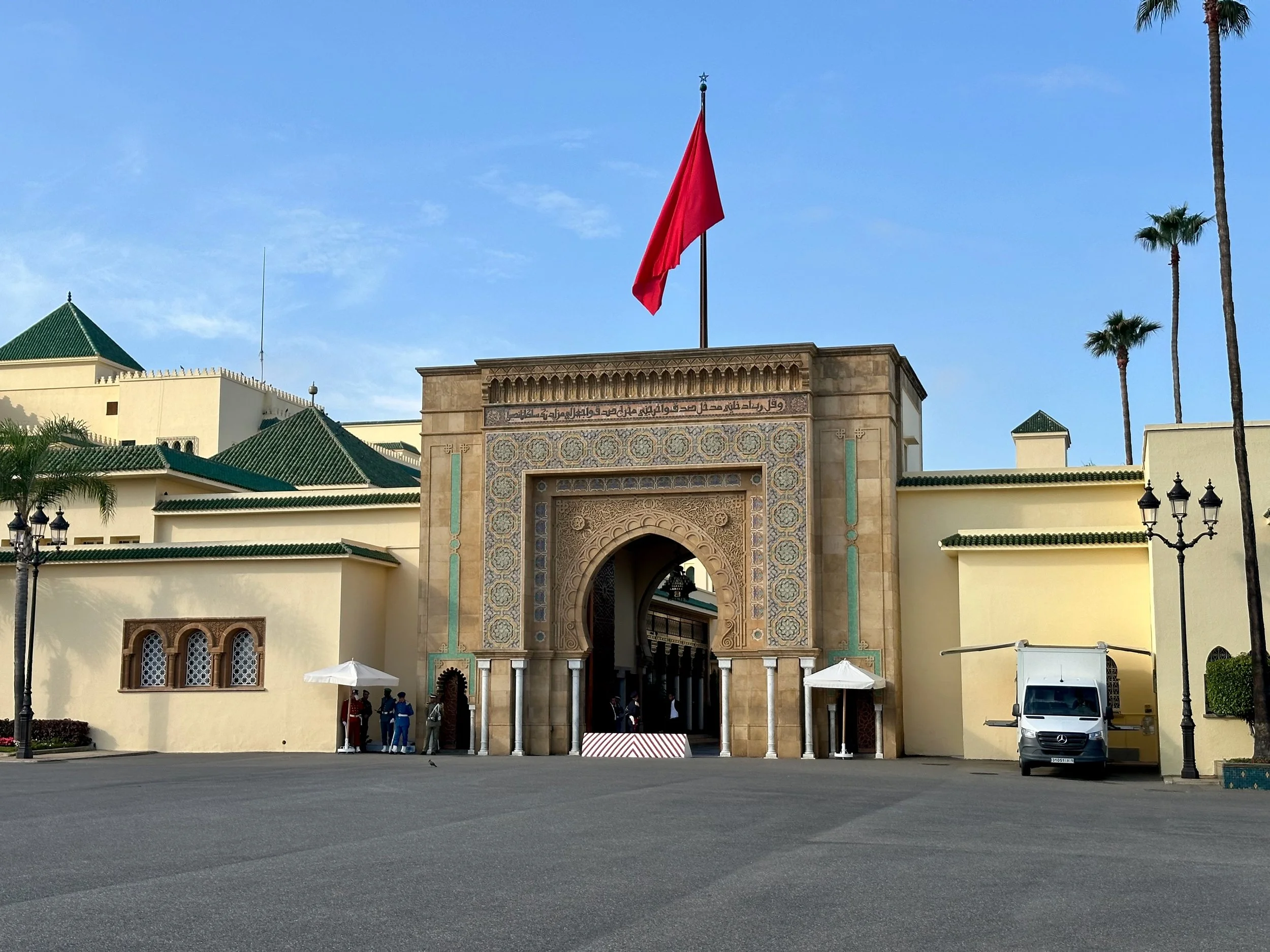
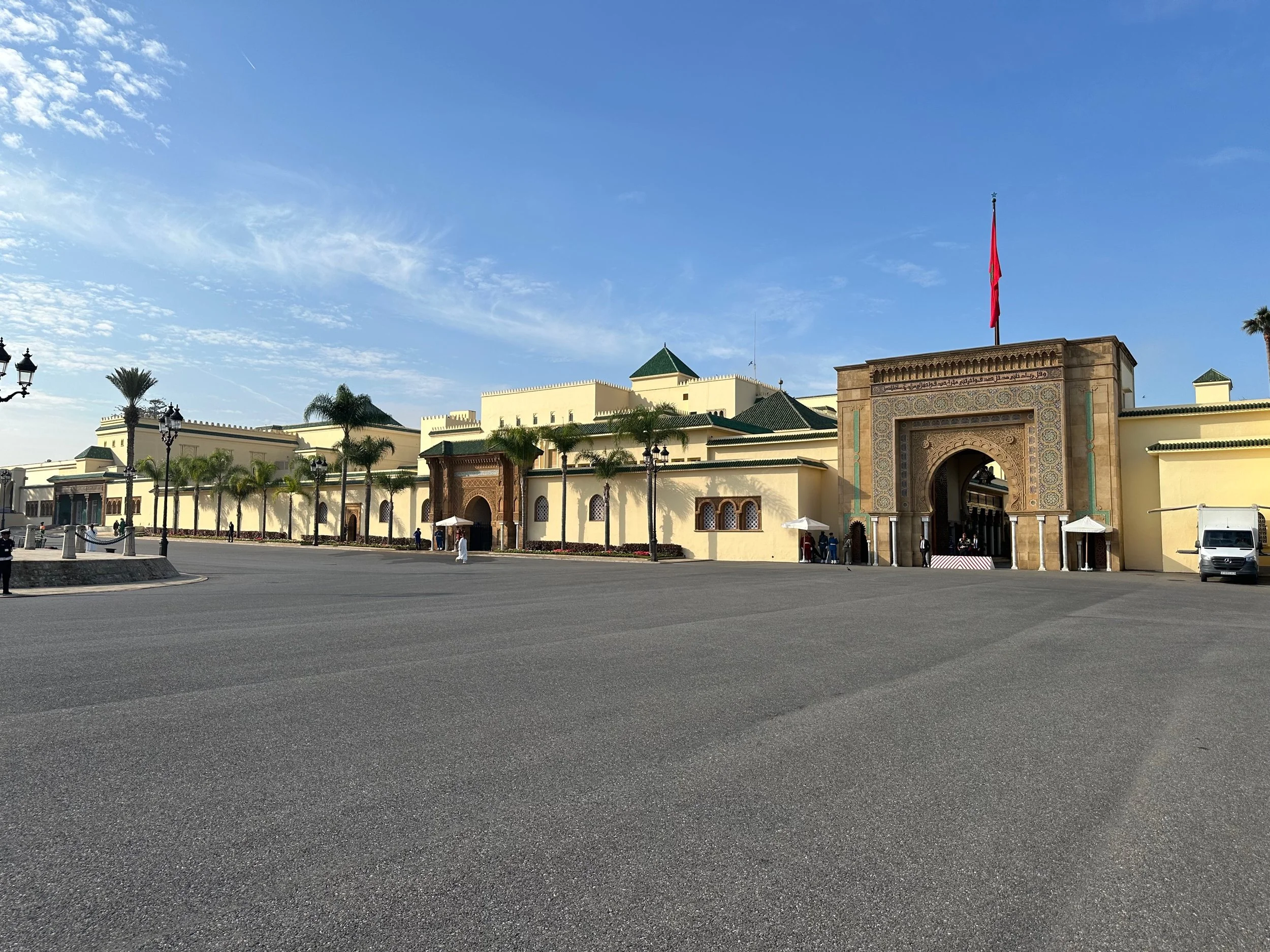
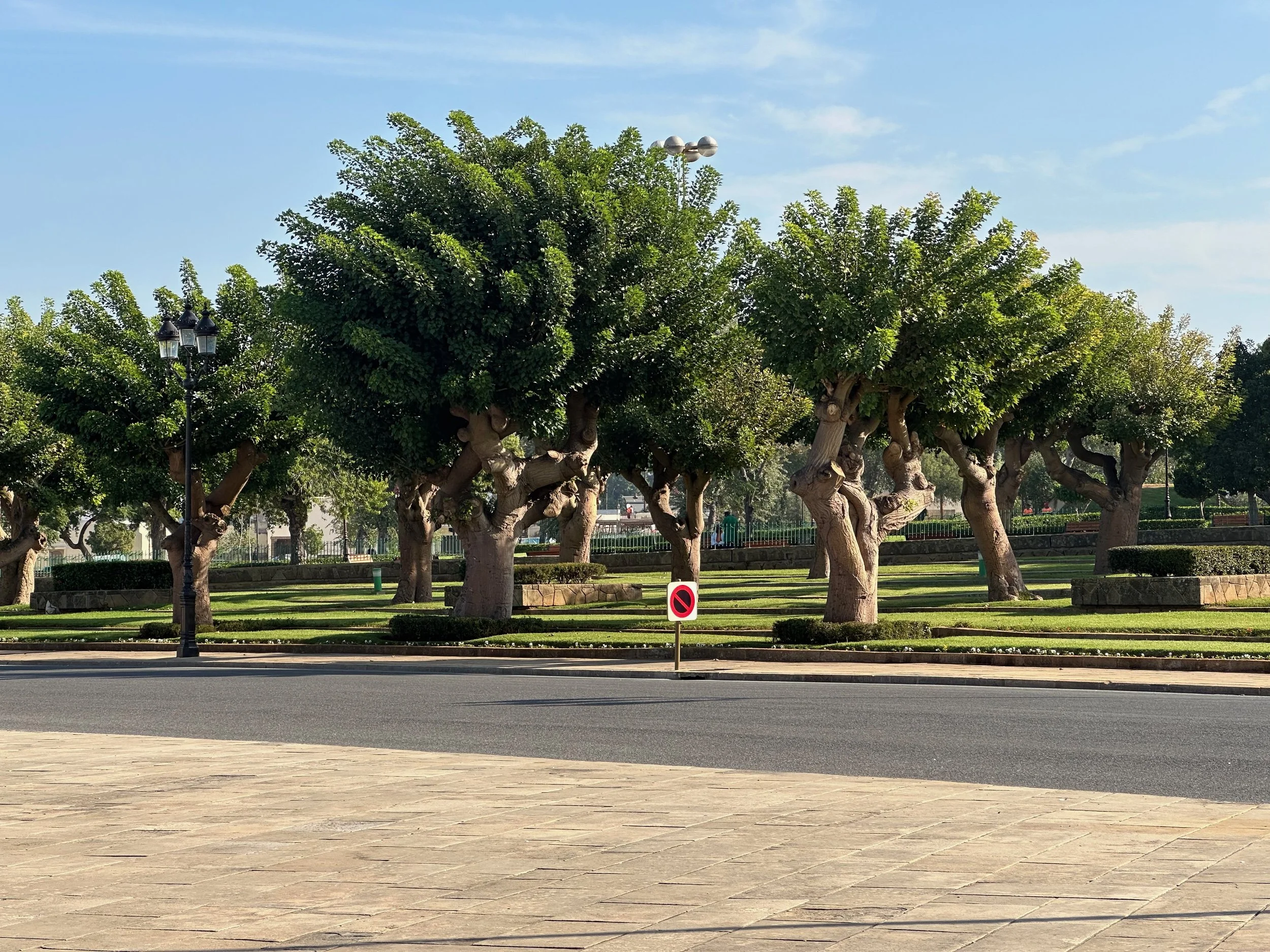
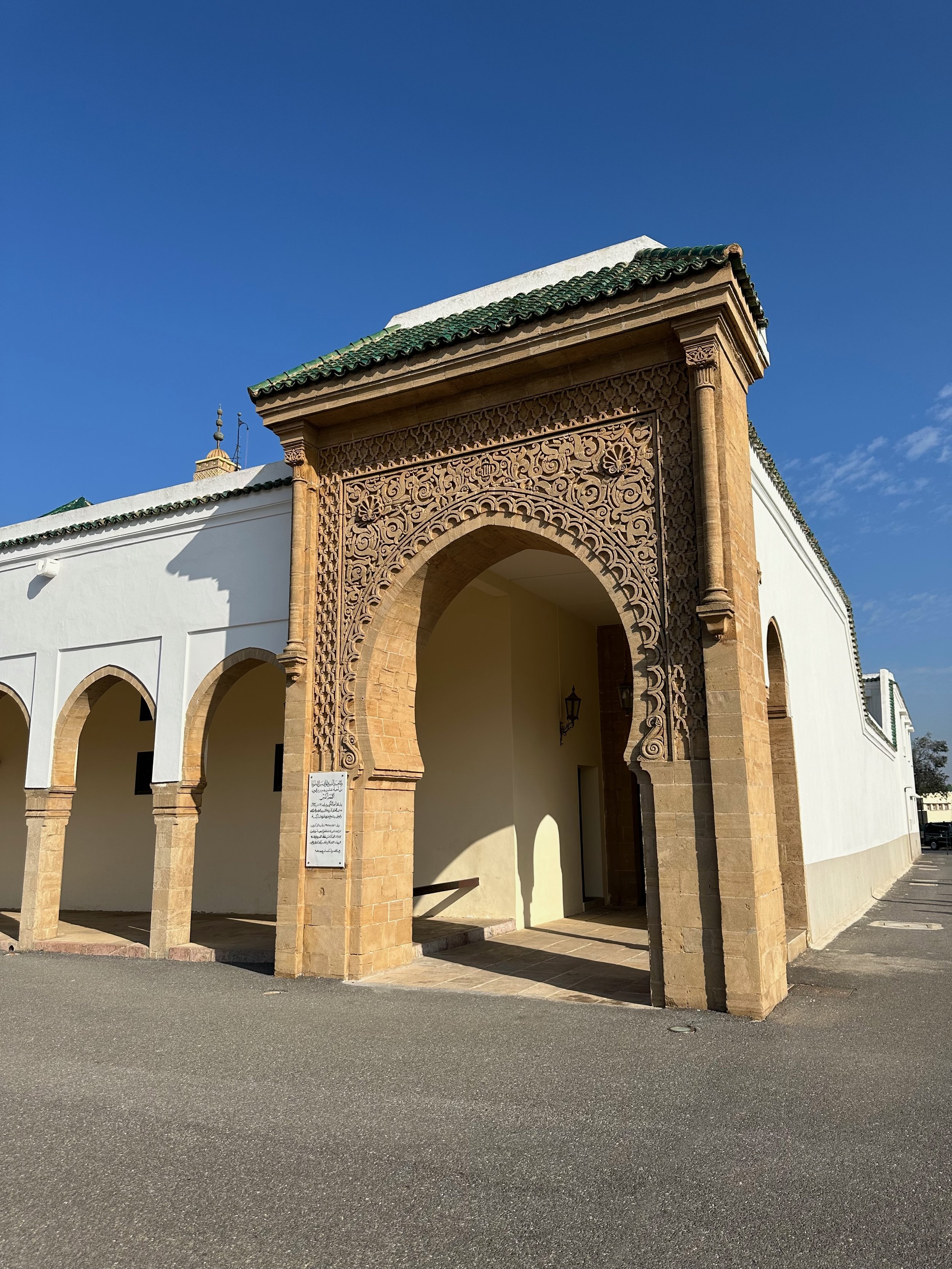
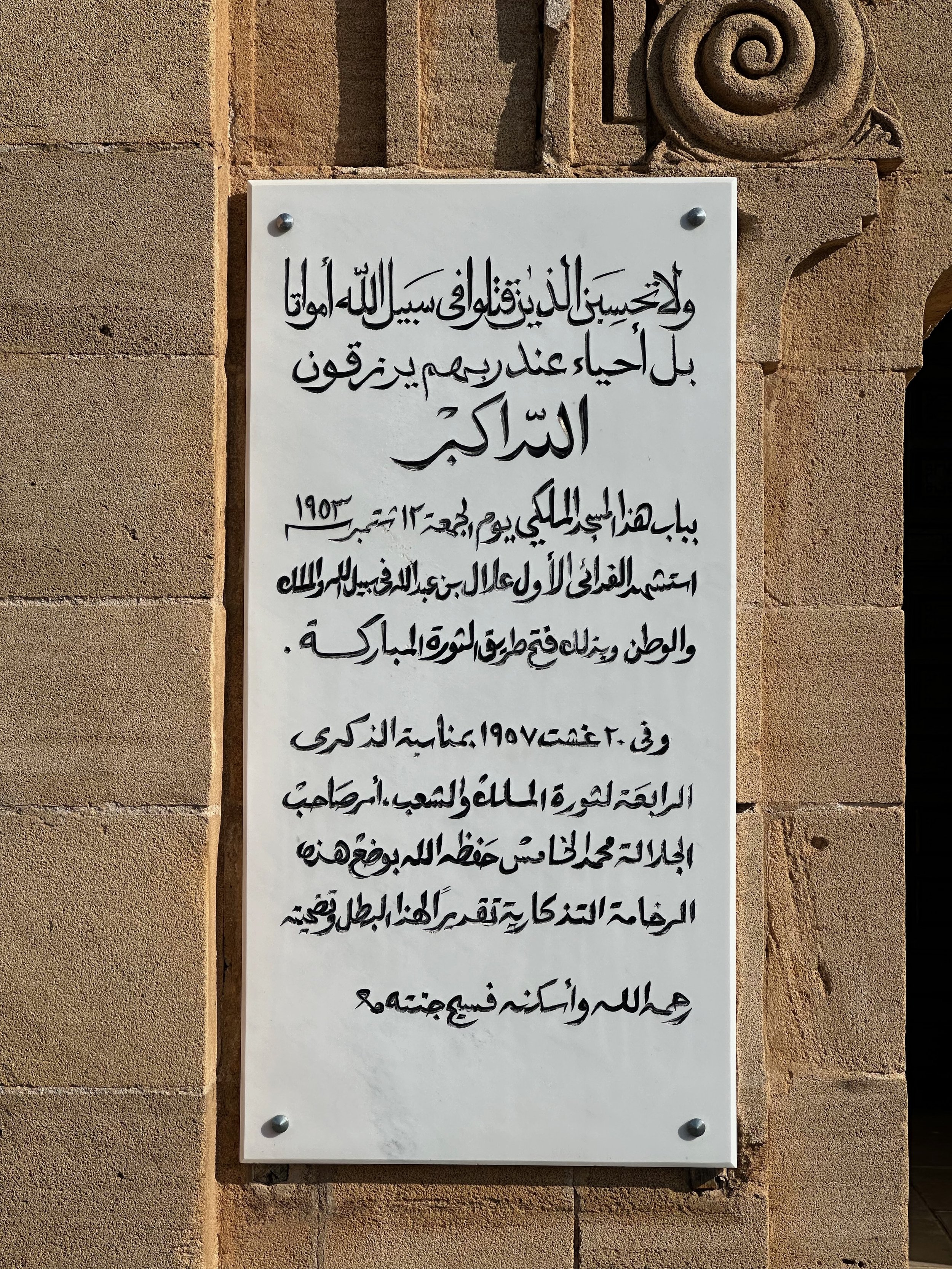
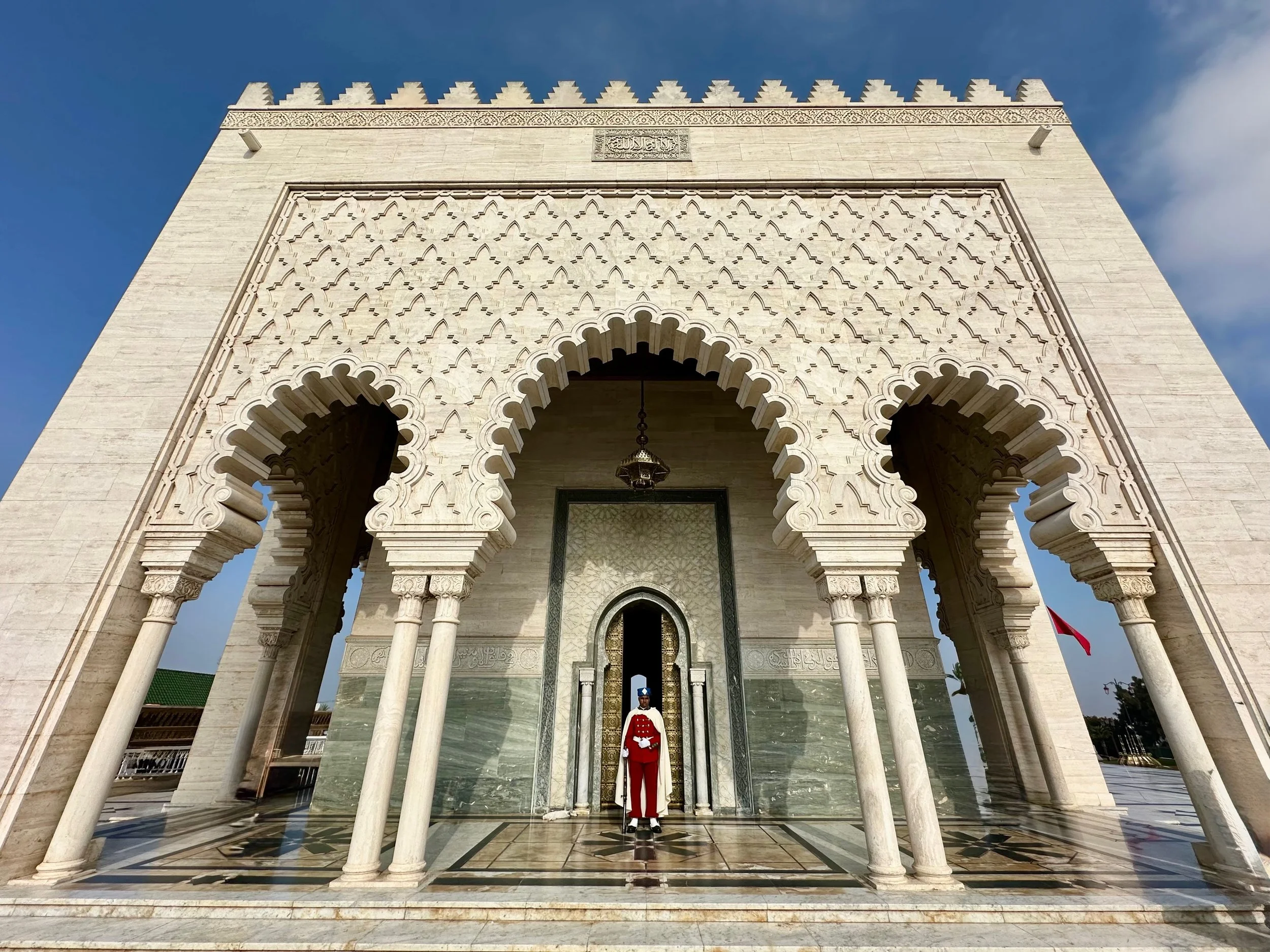
The impressive mausoleum for Mohammed V and his two sons.
The Mausoleum of Mohammed V
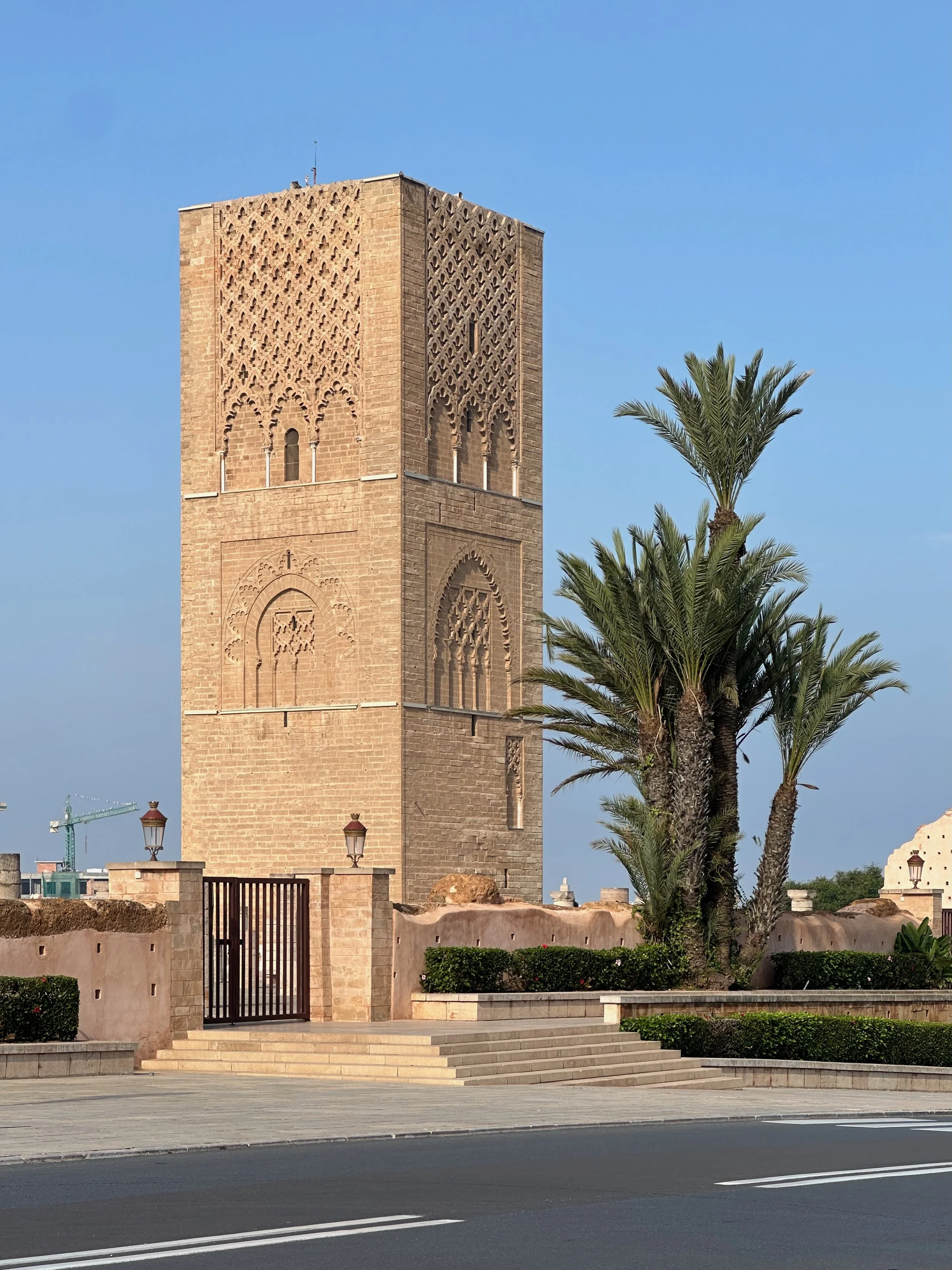
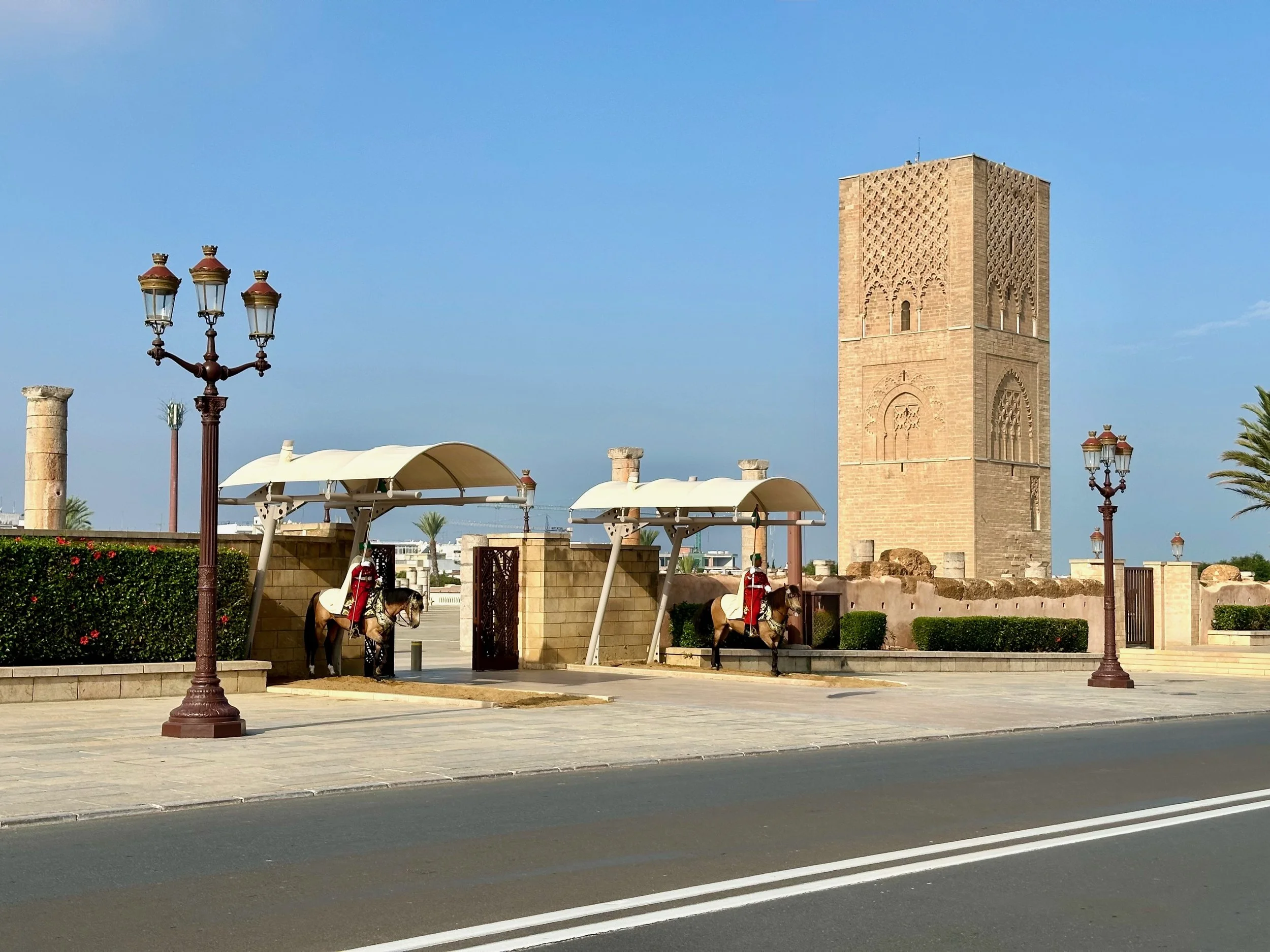
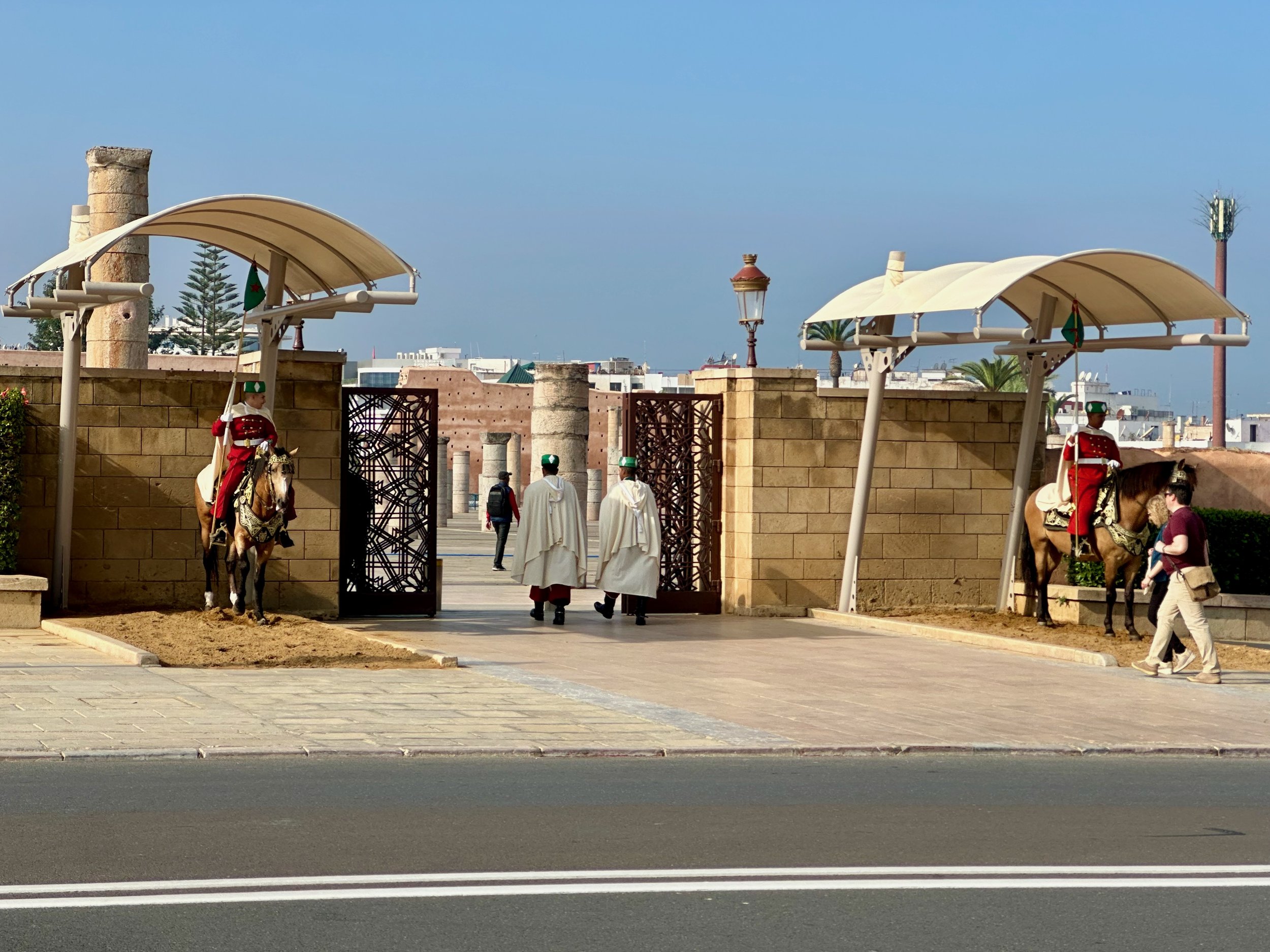
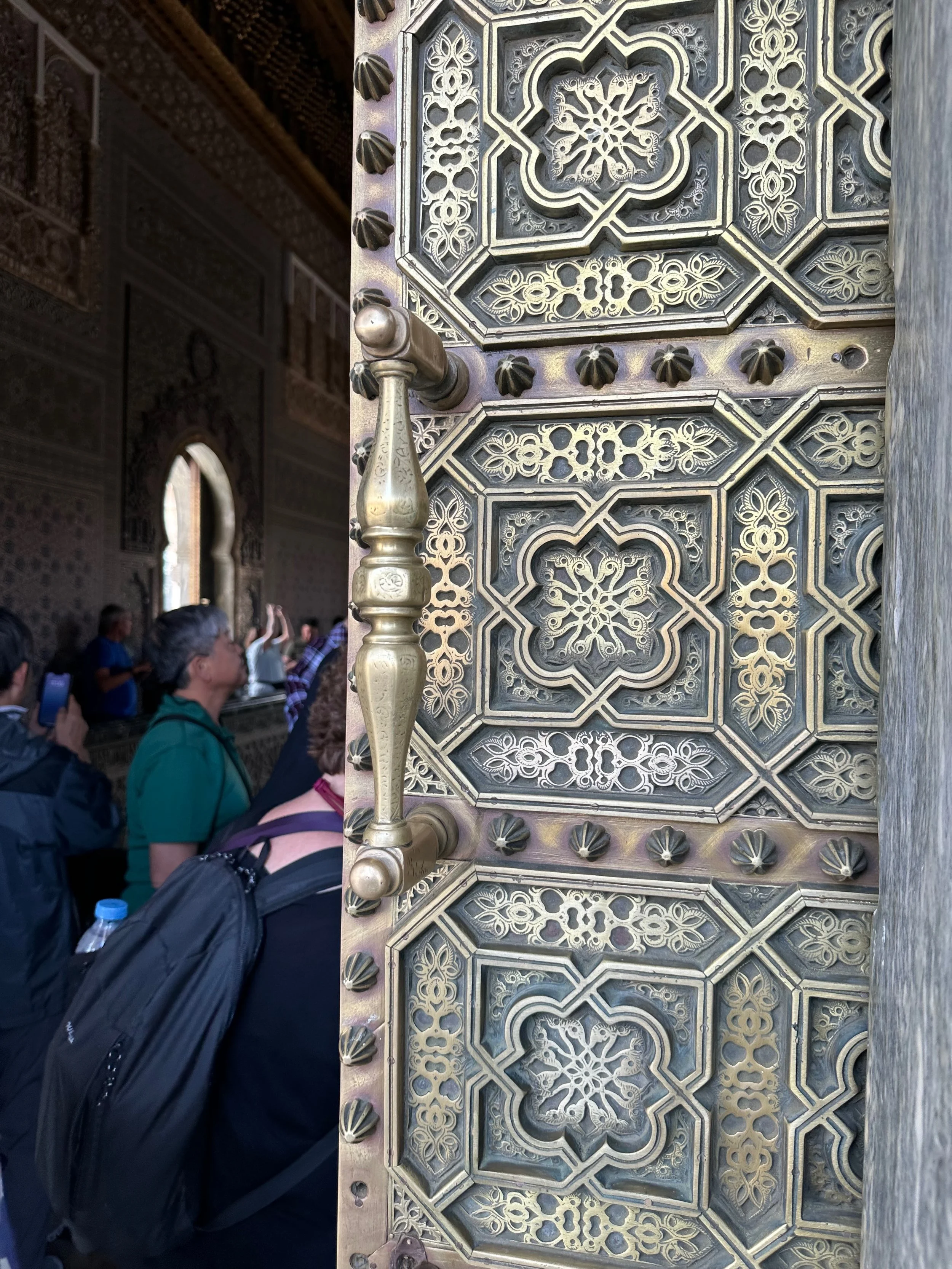
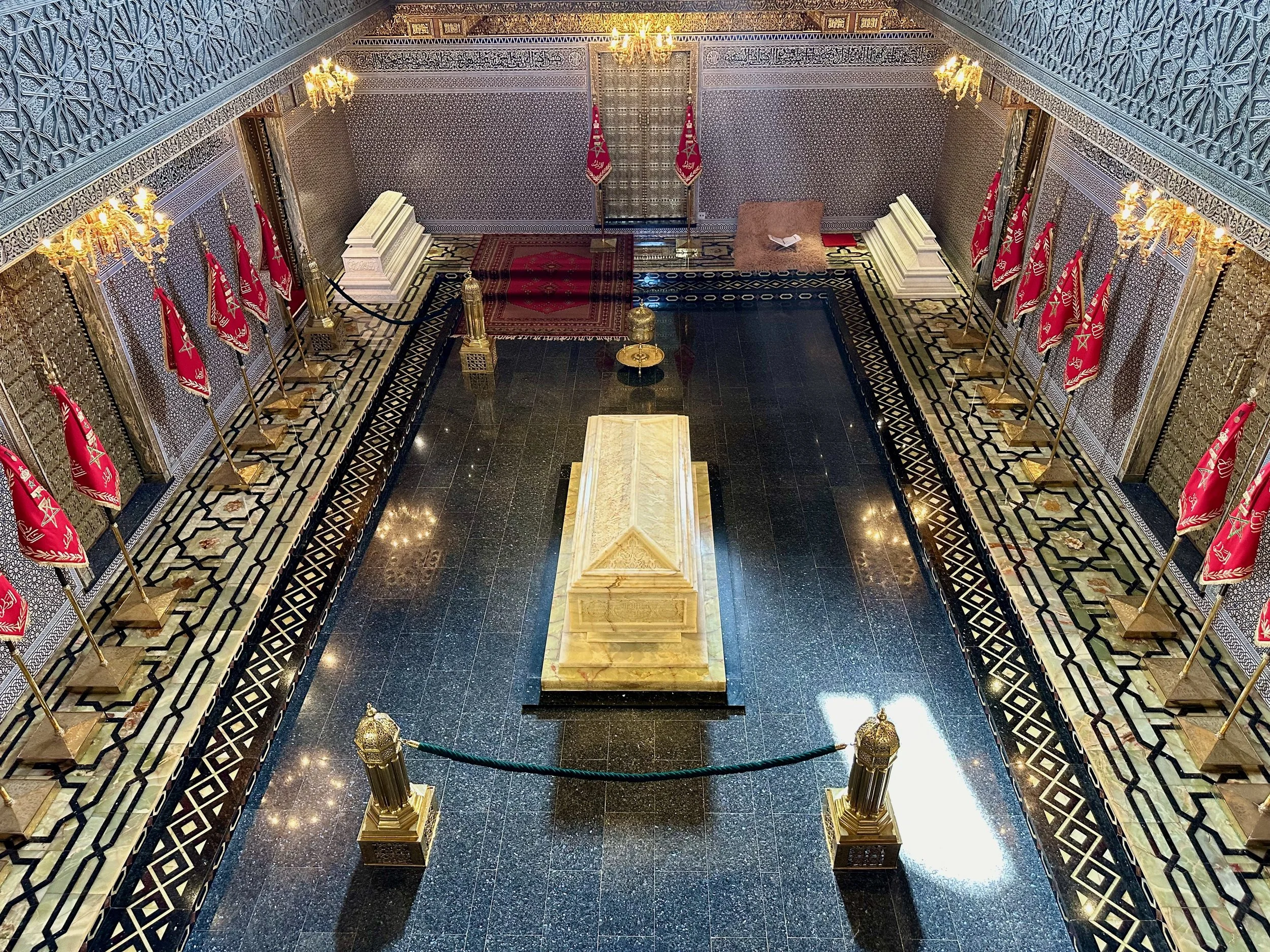
A mausoleum located across from the Hassan Tower in Rabat, Morocco, this structure contains the tombs of the Moroccan king Mohammed V and his two sons, King Hassan II and Prince Abdallah. The Hassan Tower is the minaret of a mosque that was commissioned by the third caliph of the Almohad Caliphate, near the end of the 12th century. The tower was intended to be the tallest minaret in the world, and the mosque if finished, was to be the largest in the western Muslim world. When the caliph died in 1199, construction on the mosque stopped.
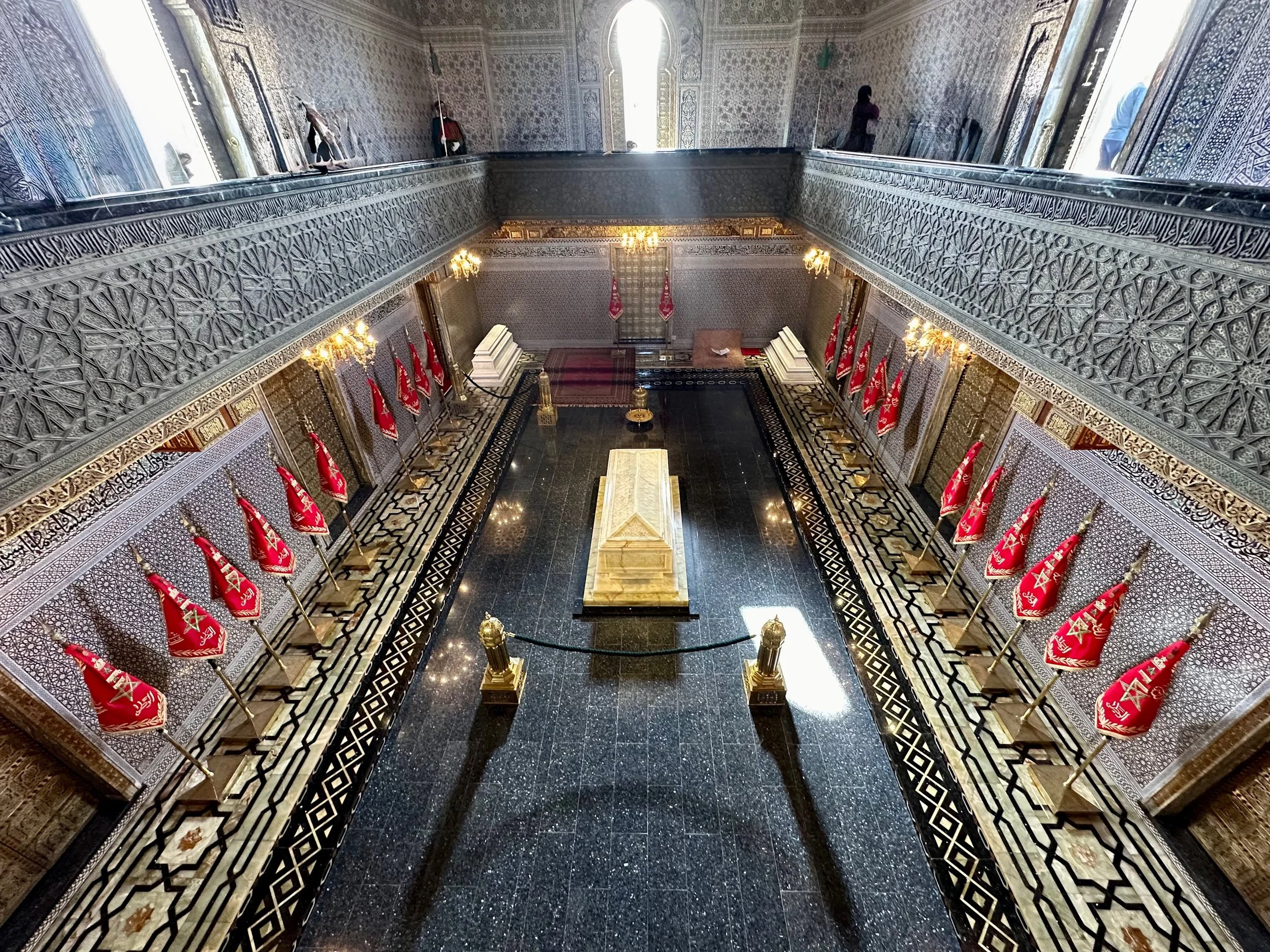
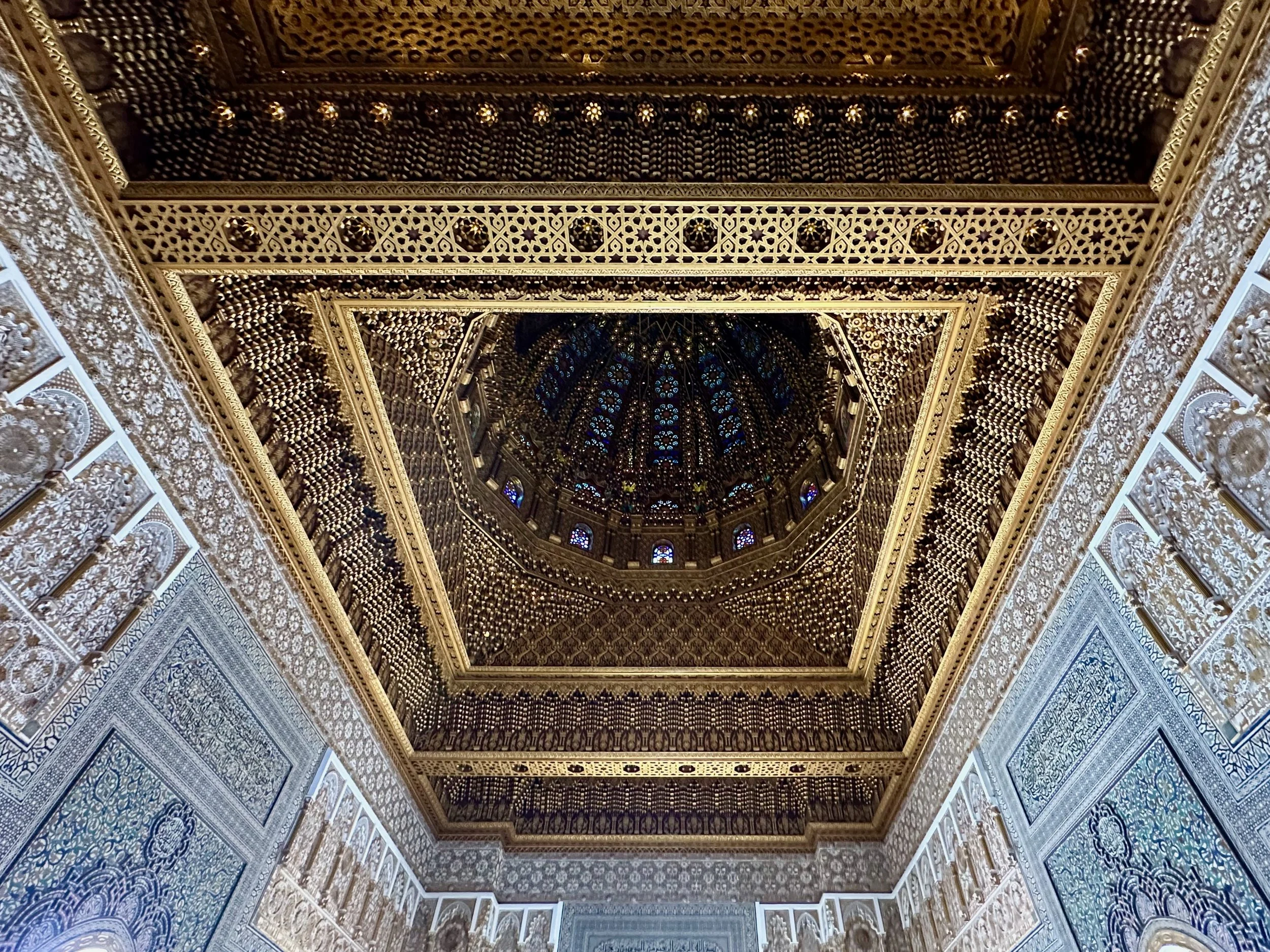
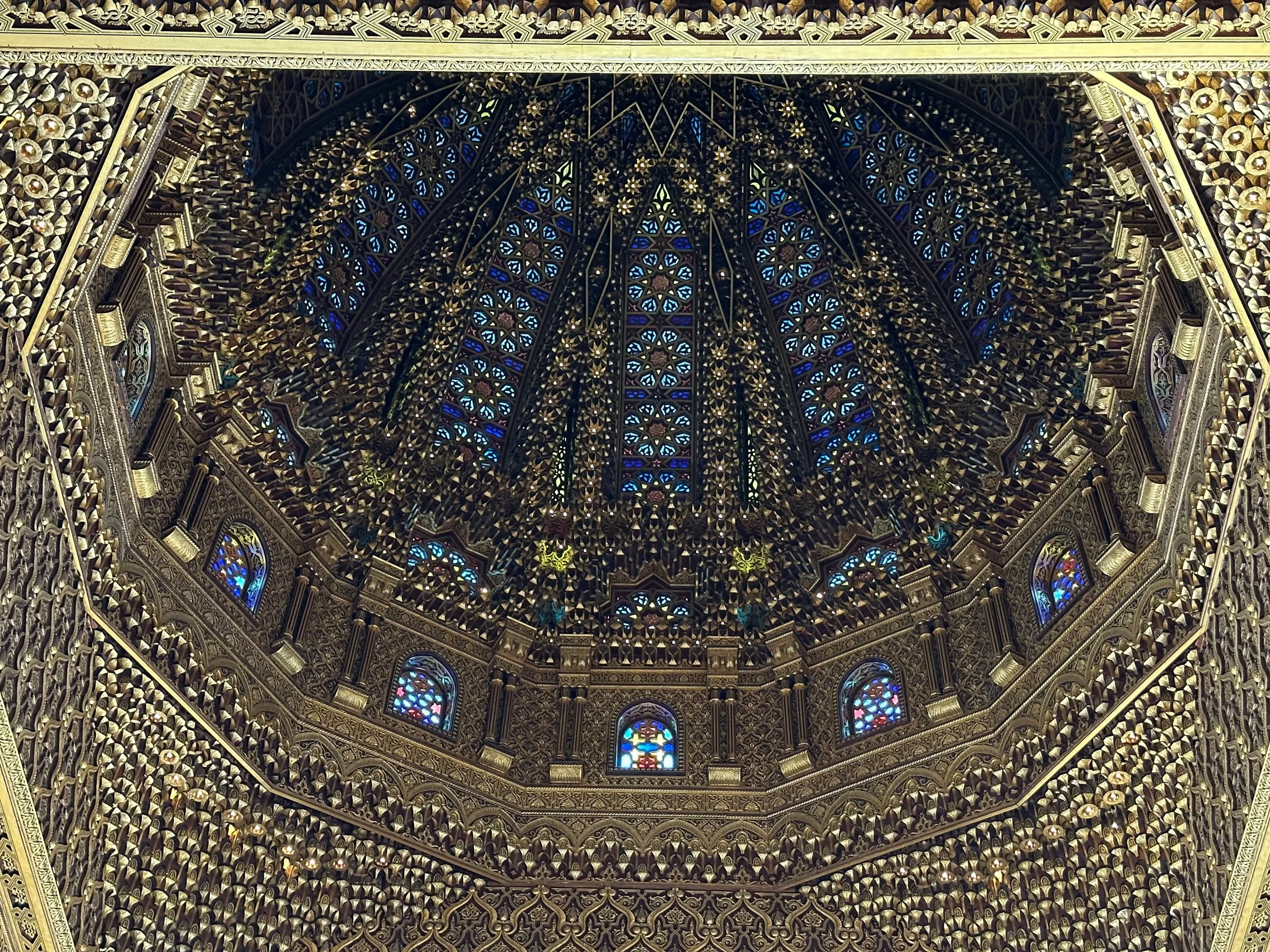
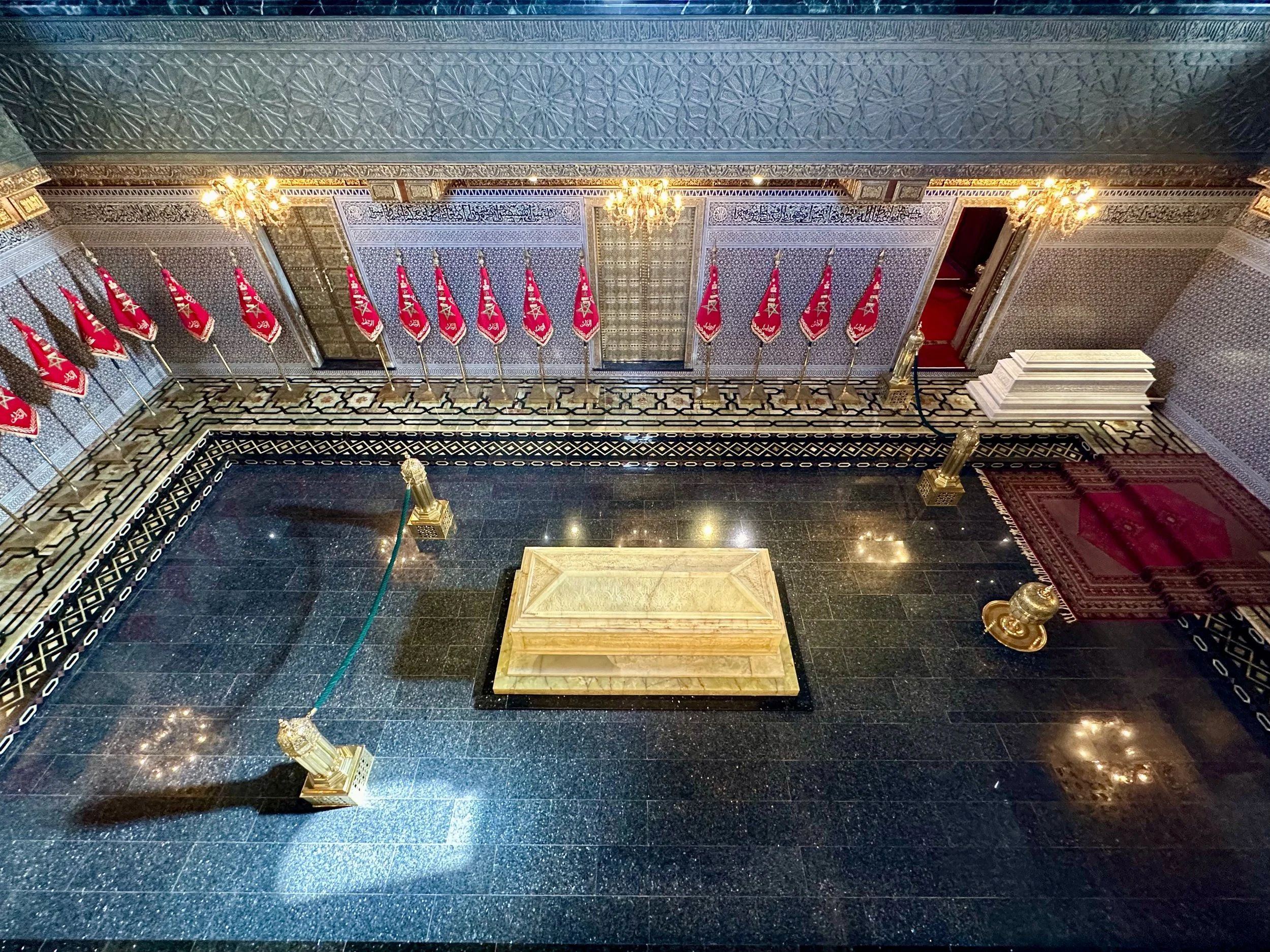
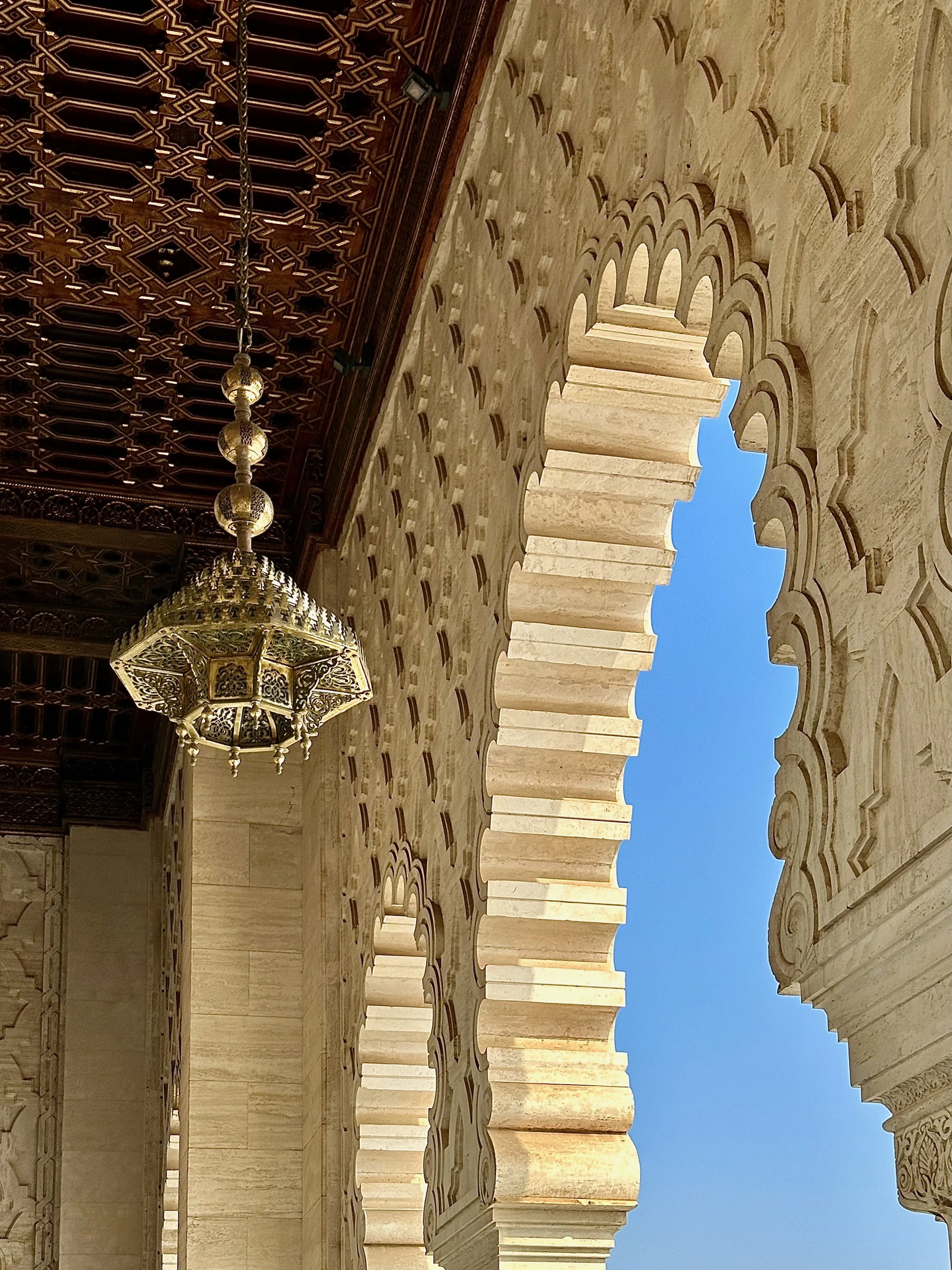
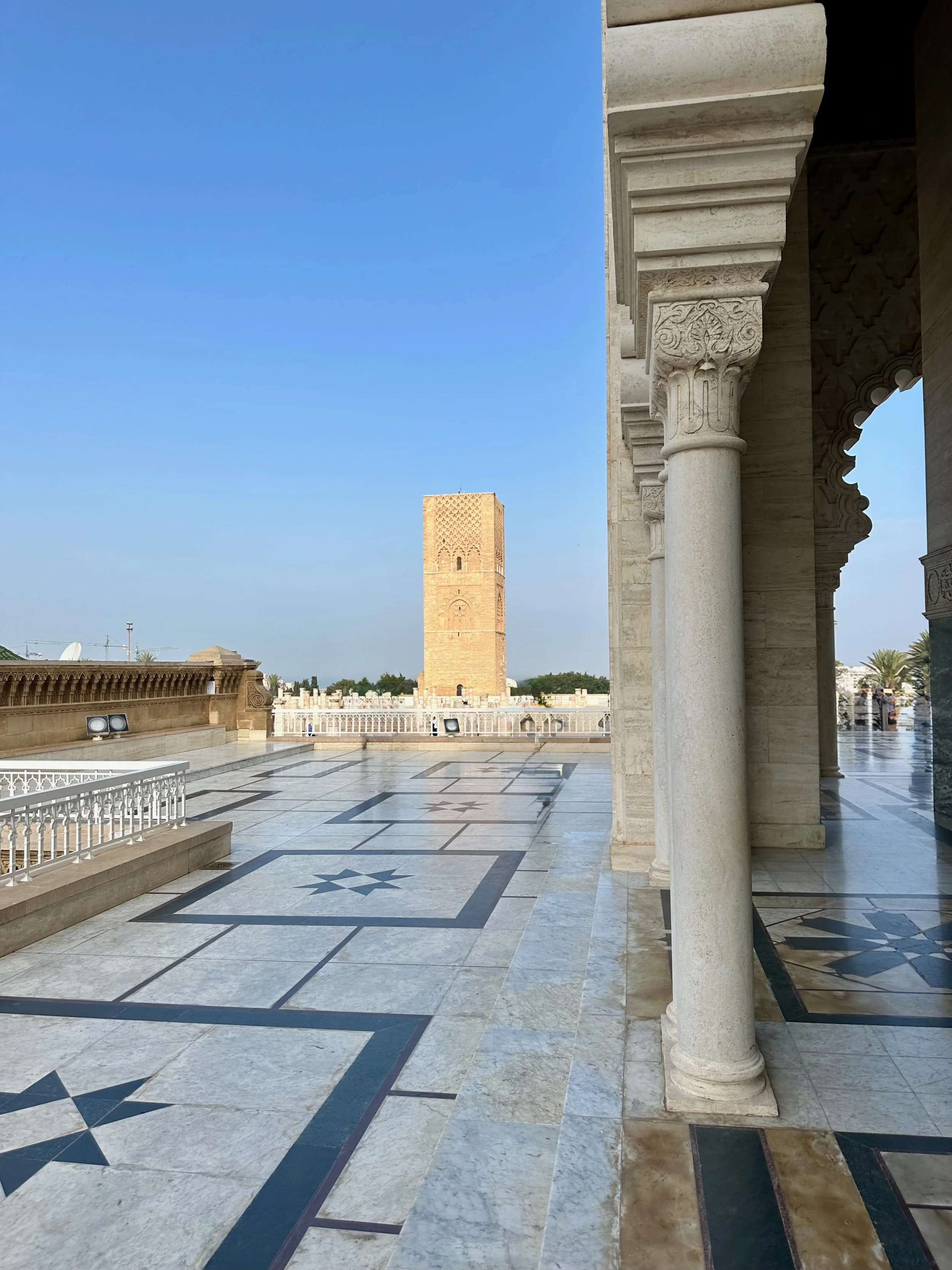
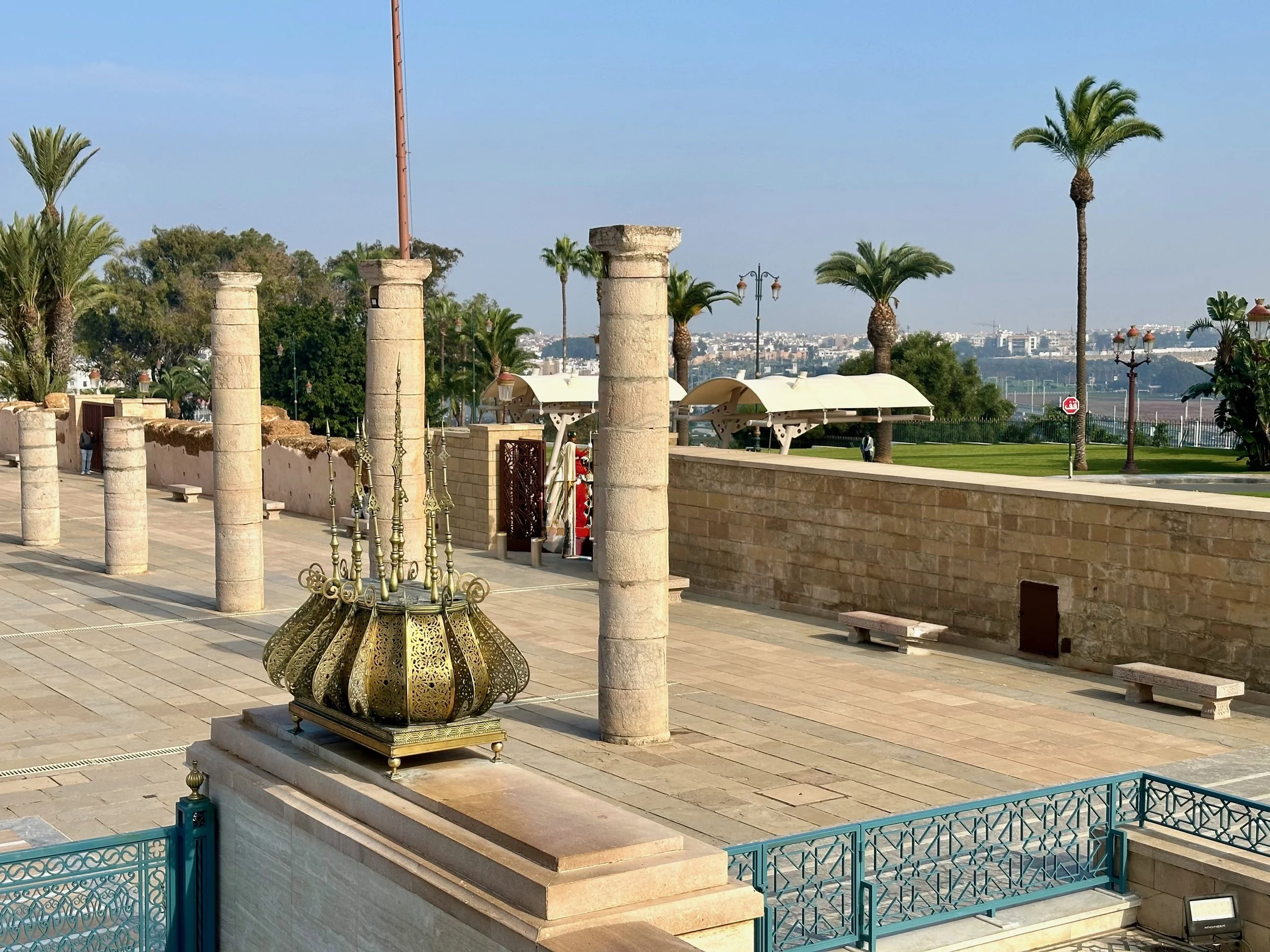
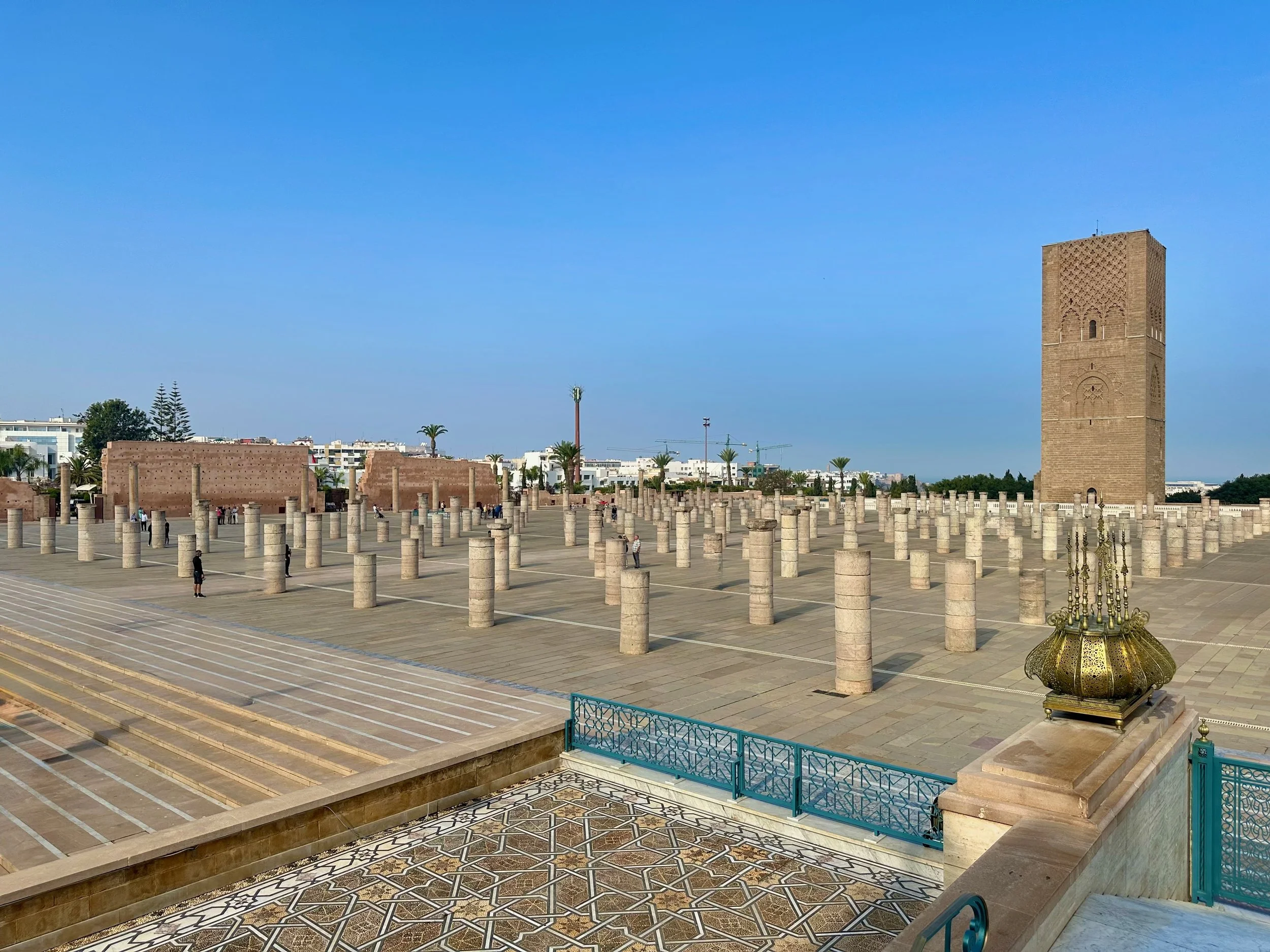
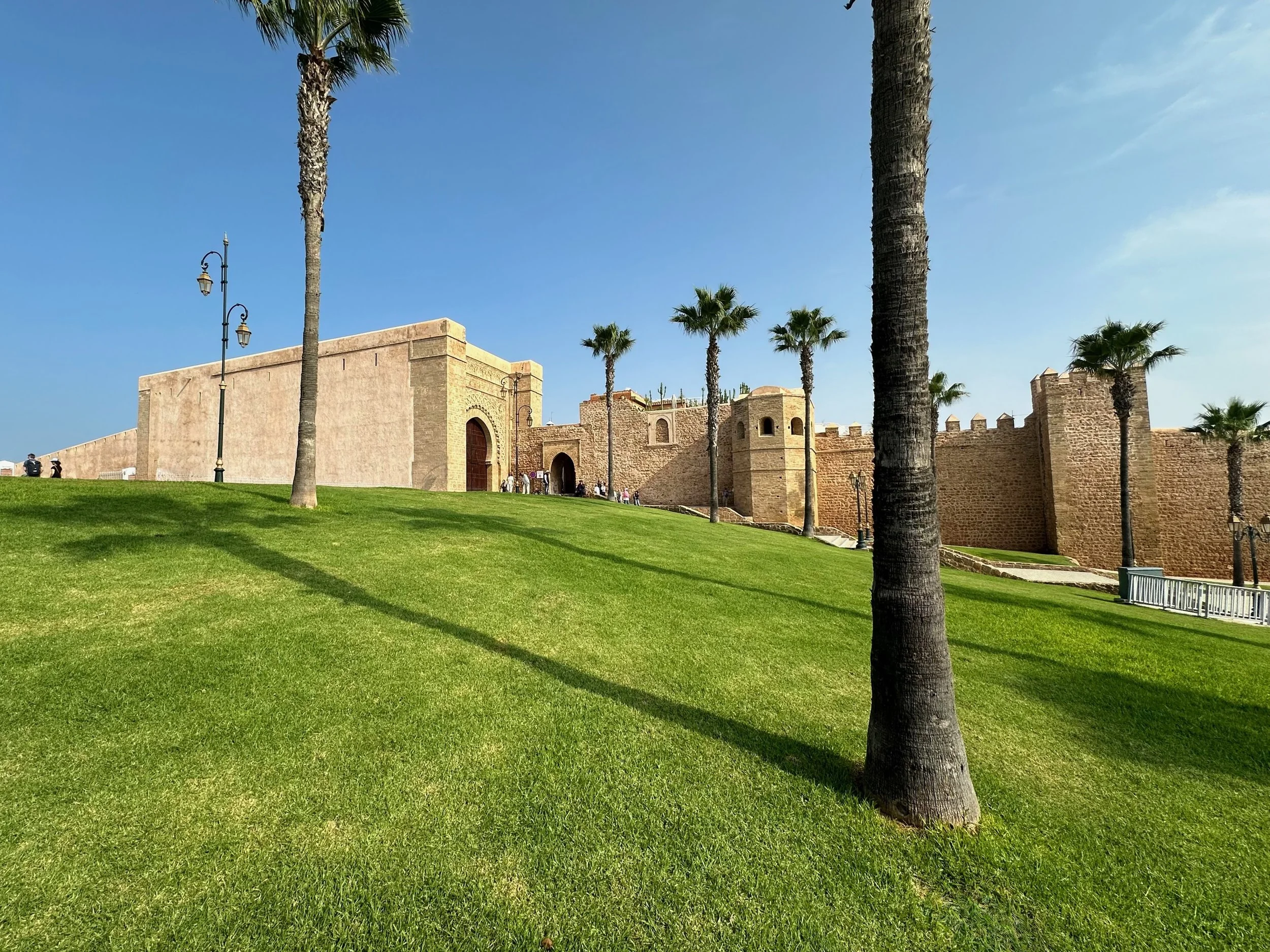
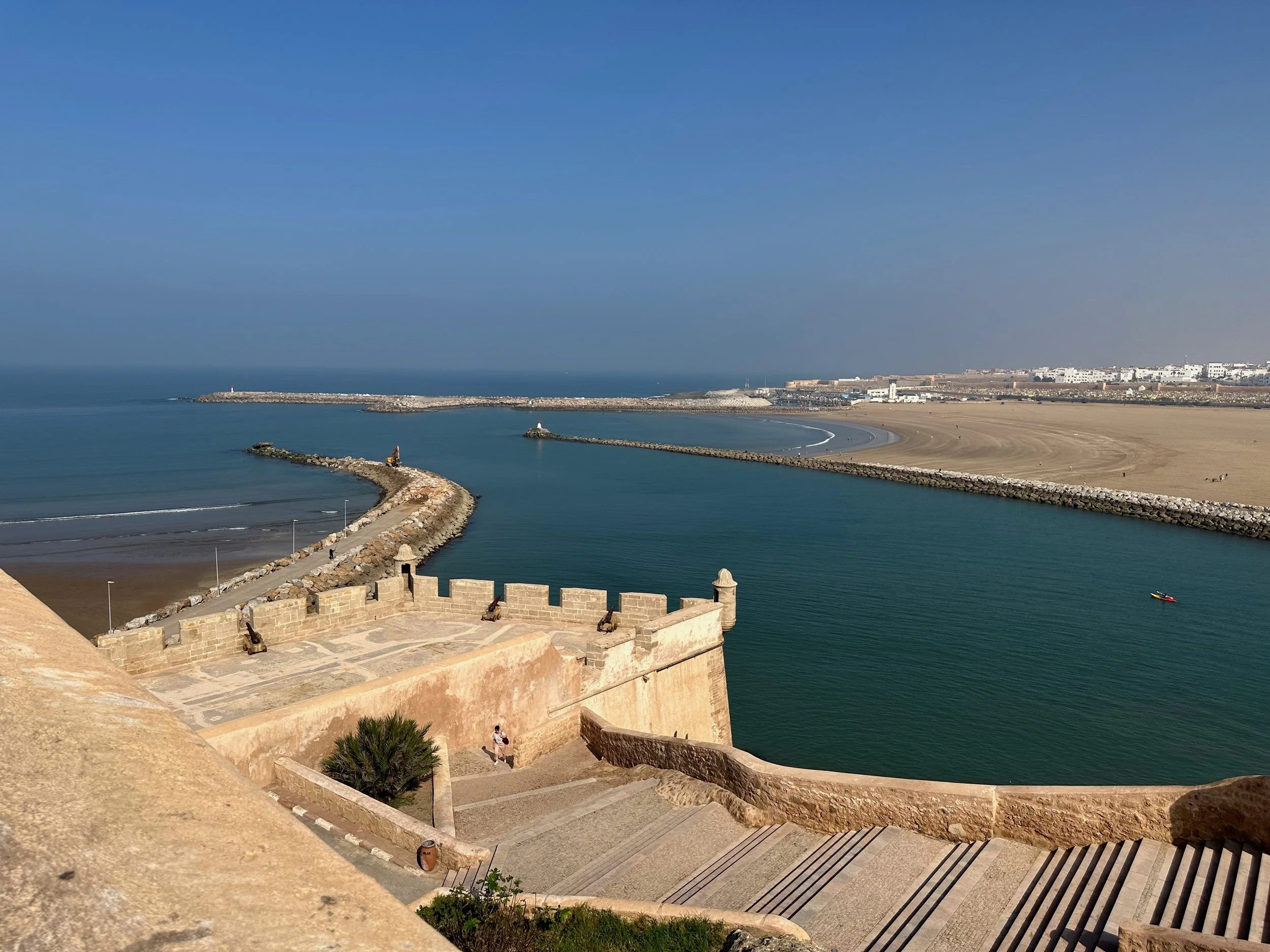
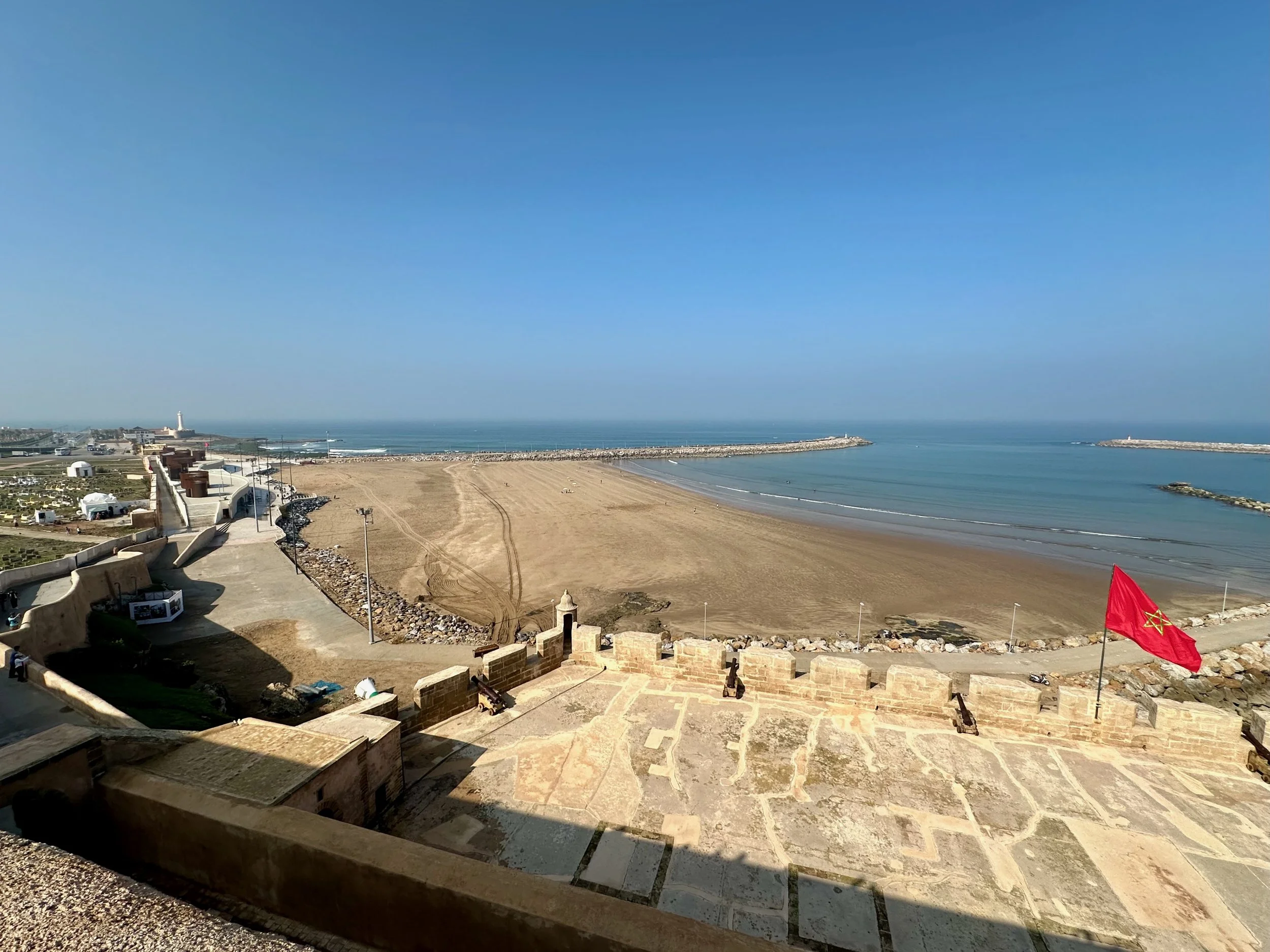
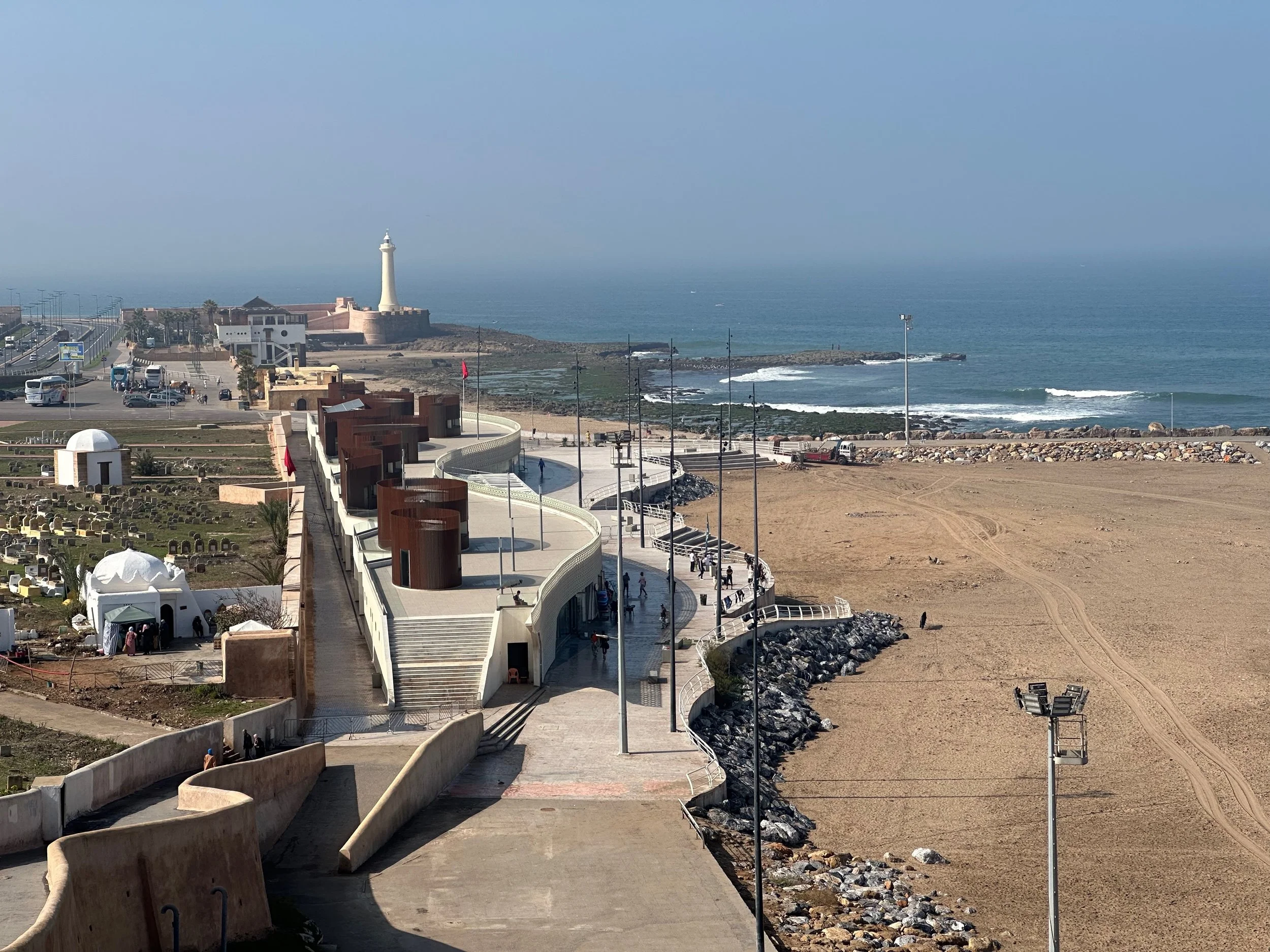
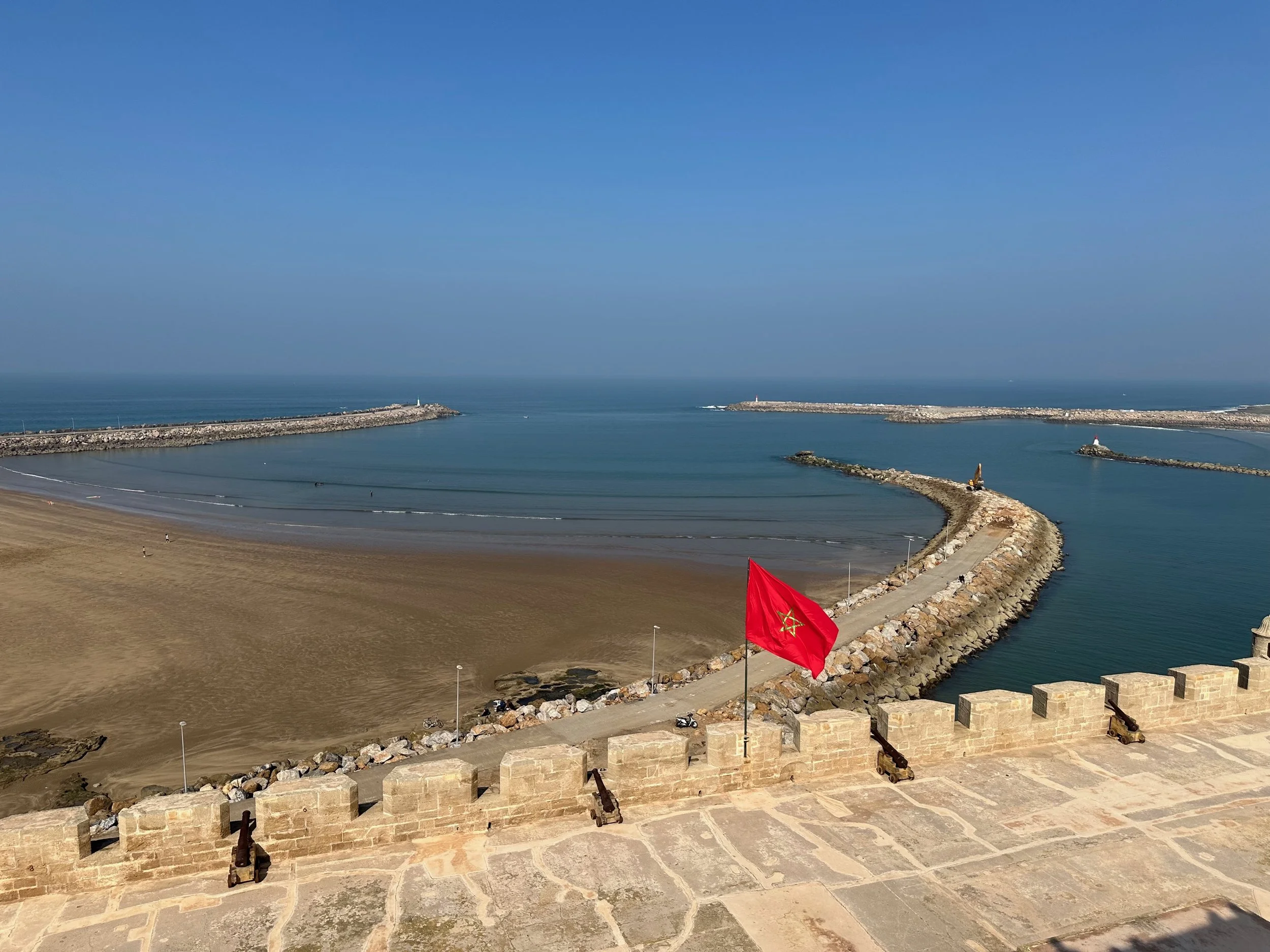
Our first view of the fortress walls of The Kasbah Of The Udayas.
The Kasbah of the Udayas
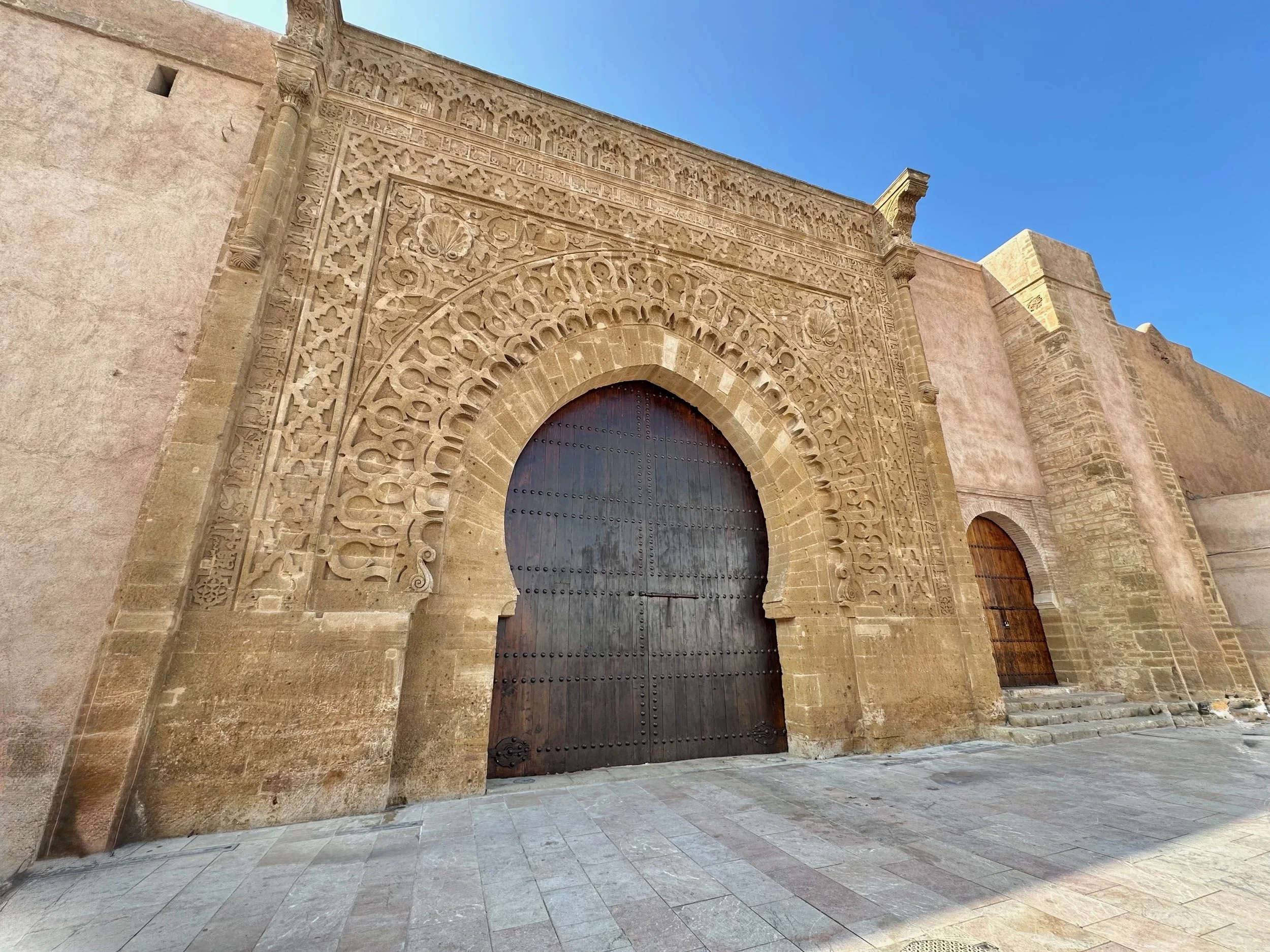
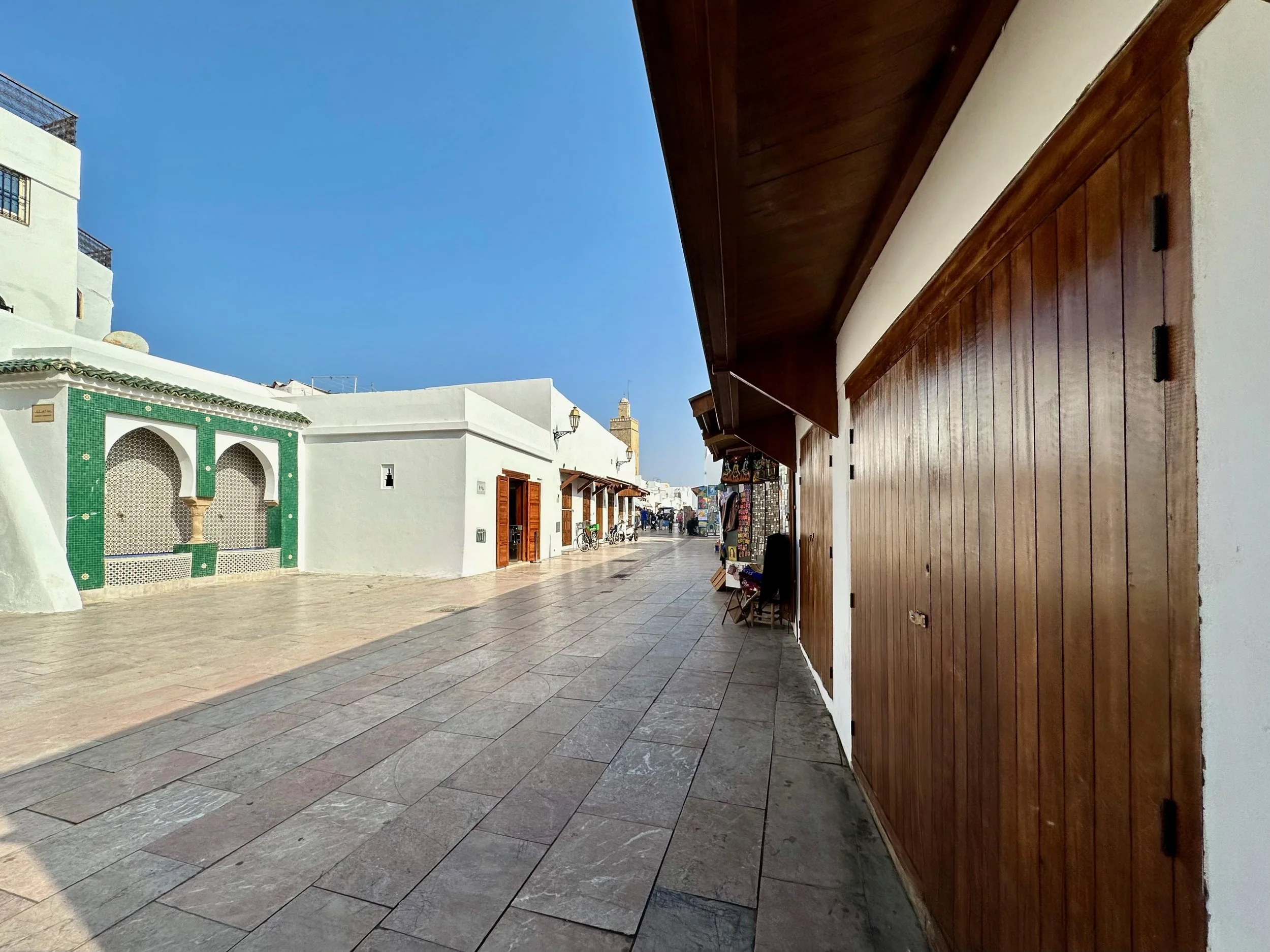
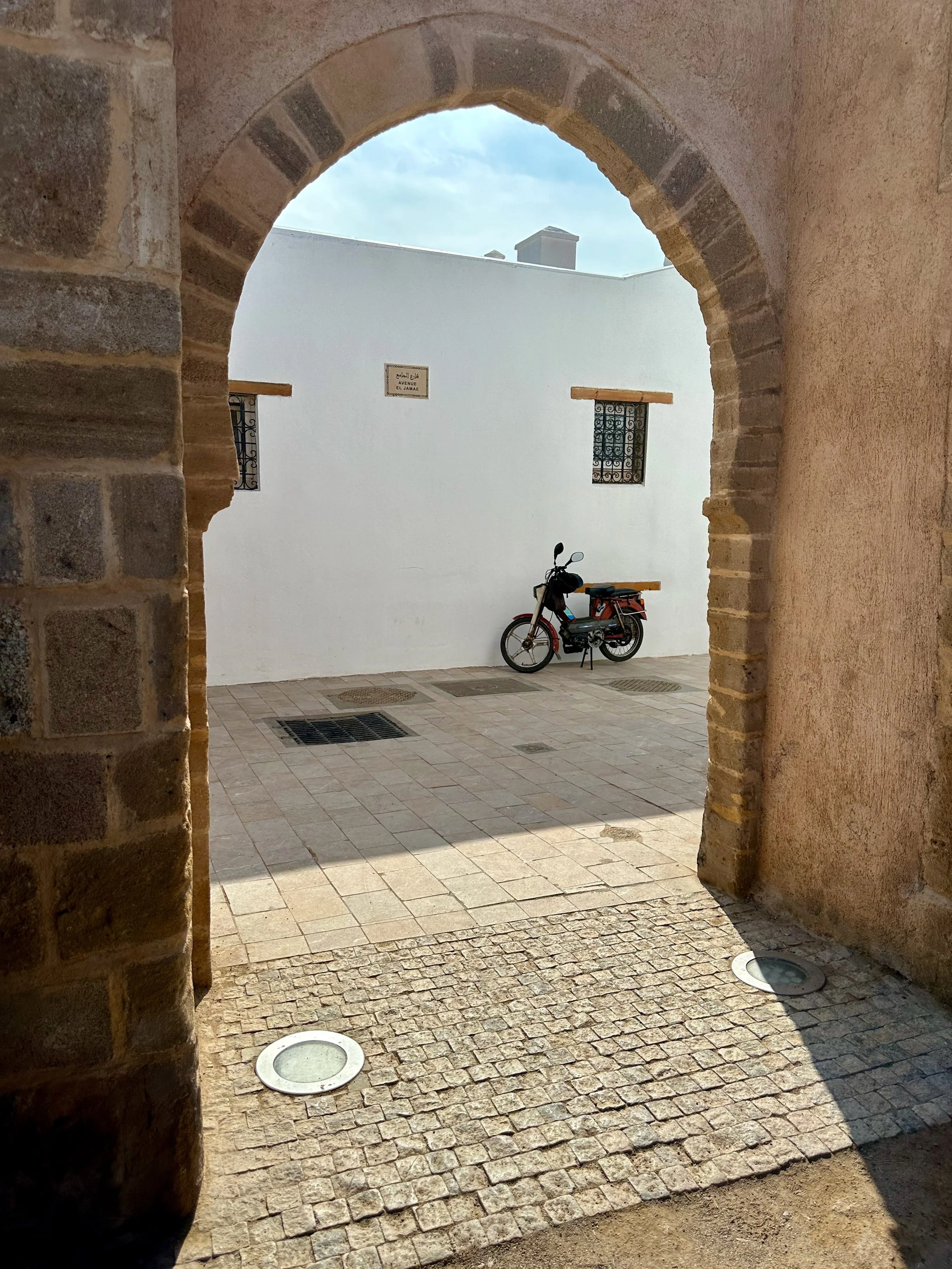
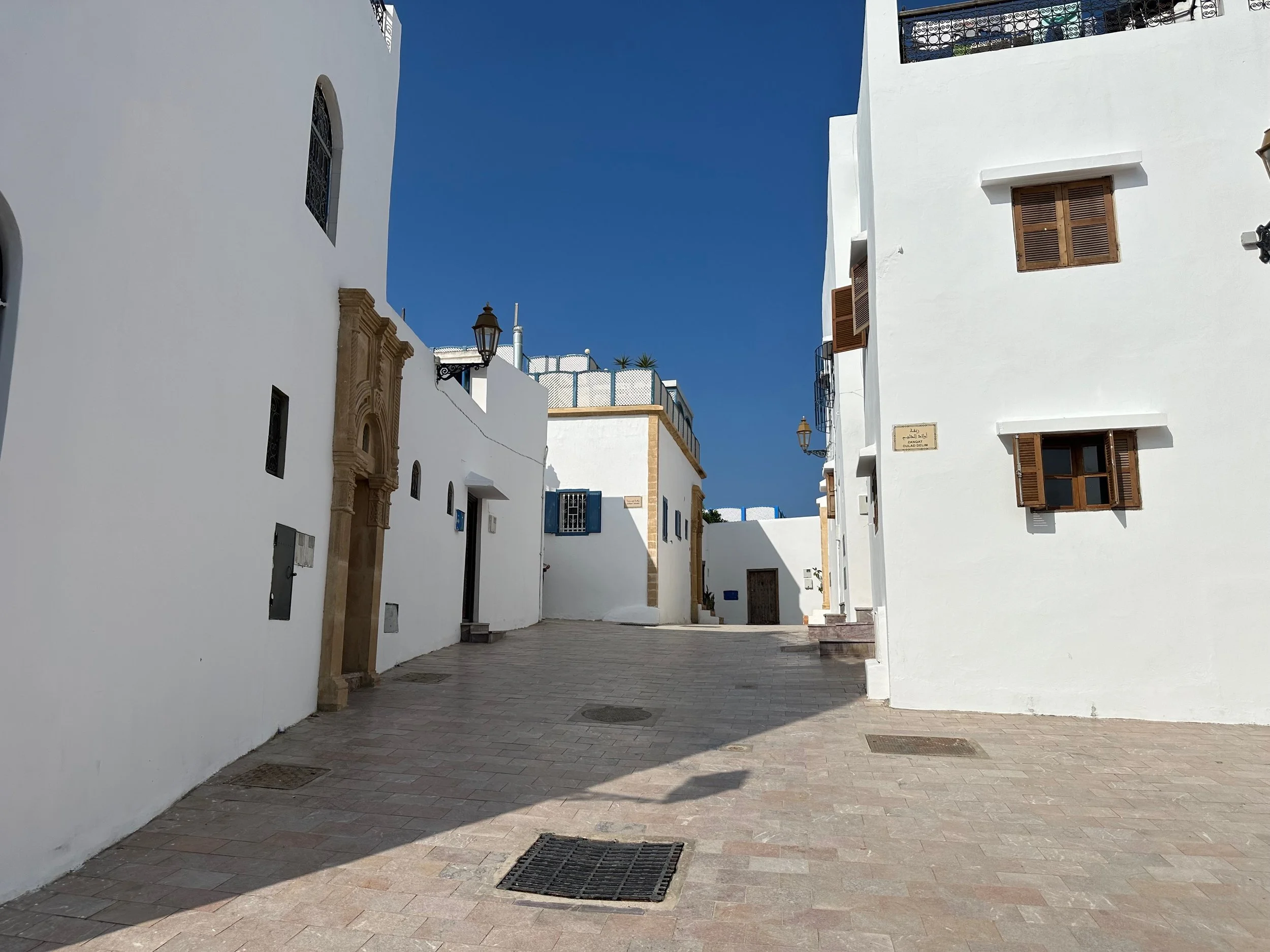
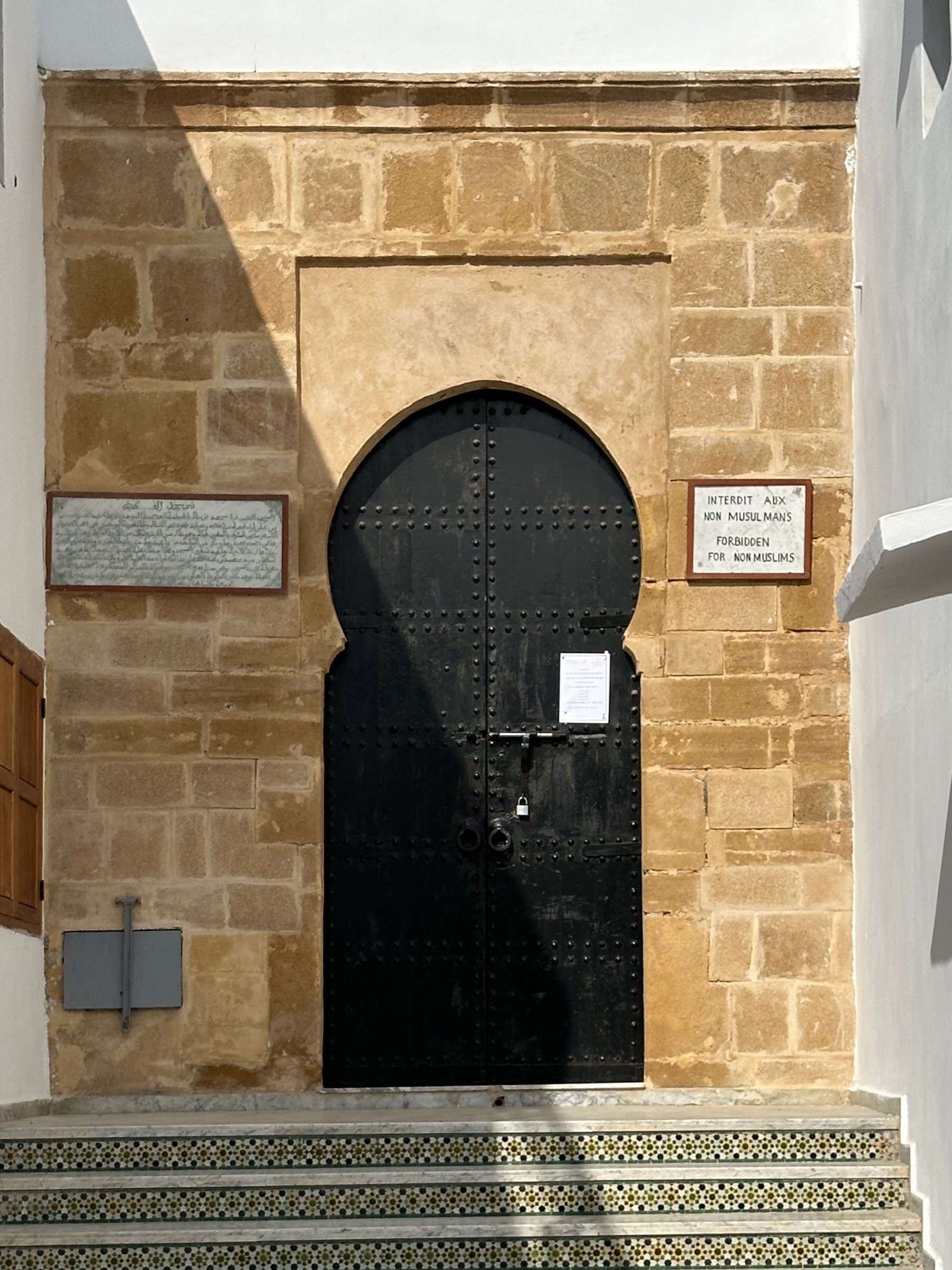
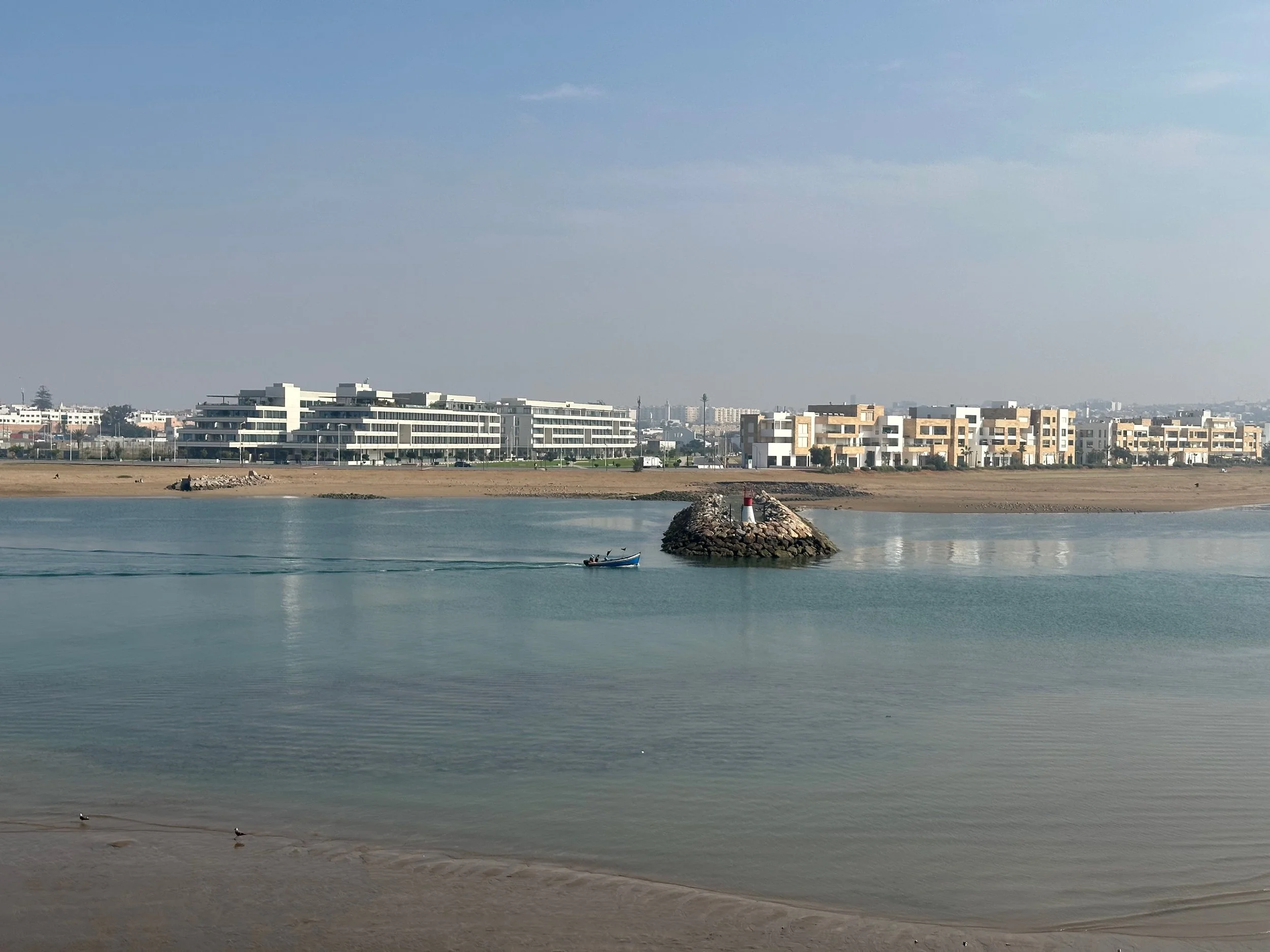
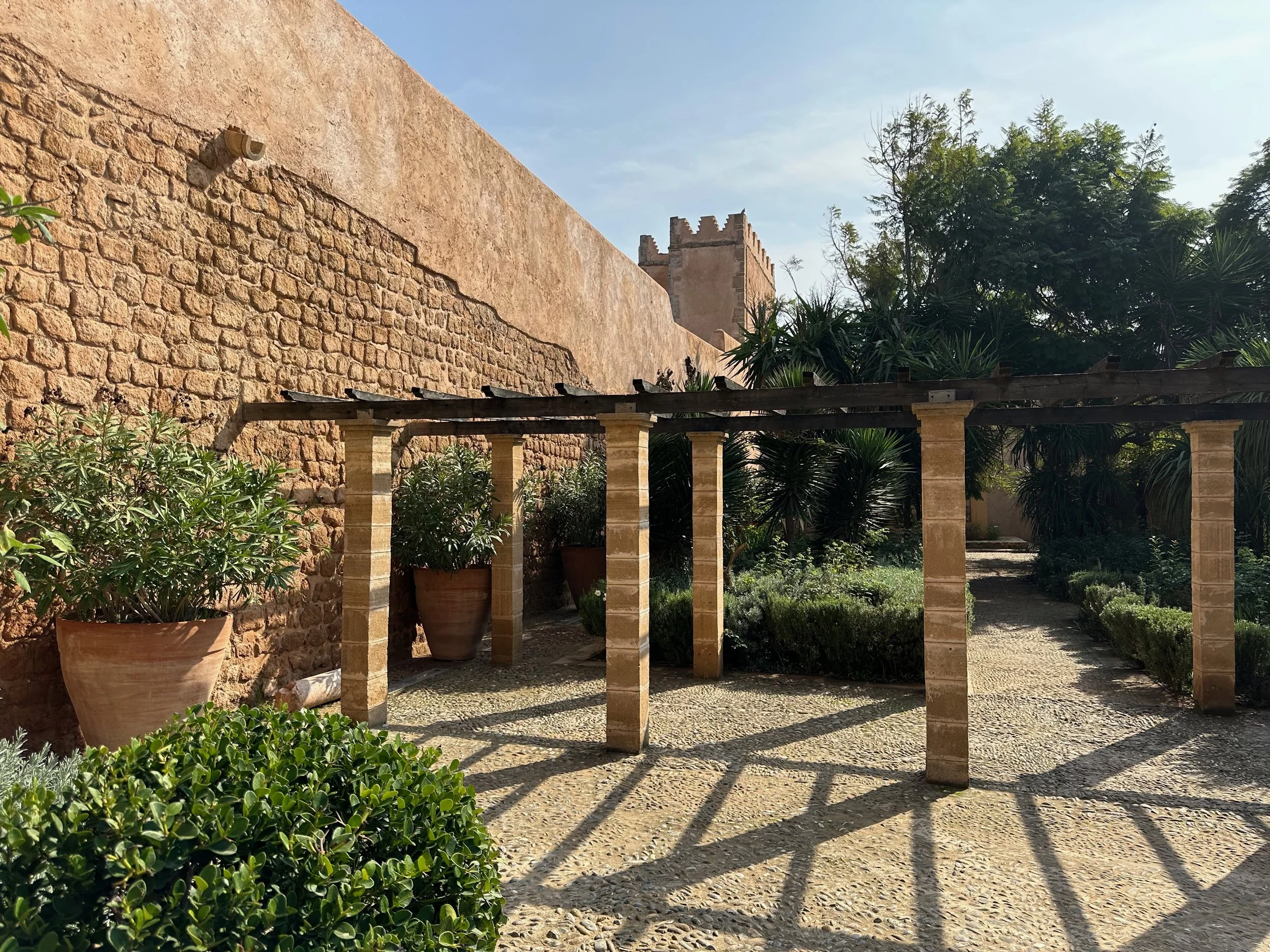
Situated in Rabat, Morocco, the Kasbah of the Udayas is located on a hill at the mouth of the Bou Regreg River opposite Salé. Adjacent to the Medina quarter of Rabat, it along with other sites in Rabat, are all listed as a UNESCO World Heritage Site. As our last stop of the tour, we wandered about at the rear of the bus group as they received information about the kasbah from the tour guide. Our exploration was a bit less formal, as we were more interested in the visual attributes of this ancient fortress rather than the historical ones.
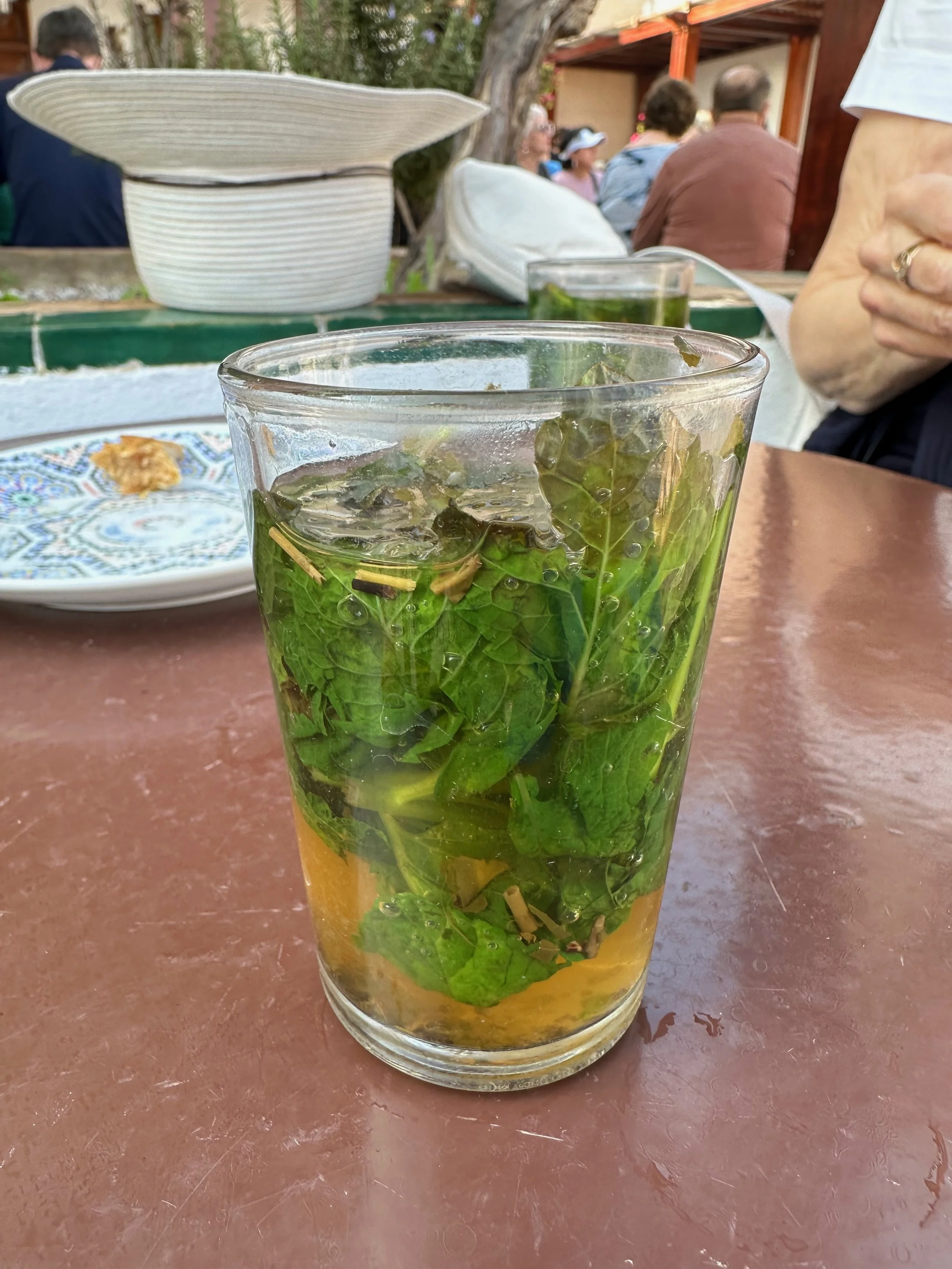
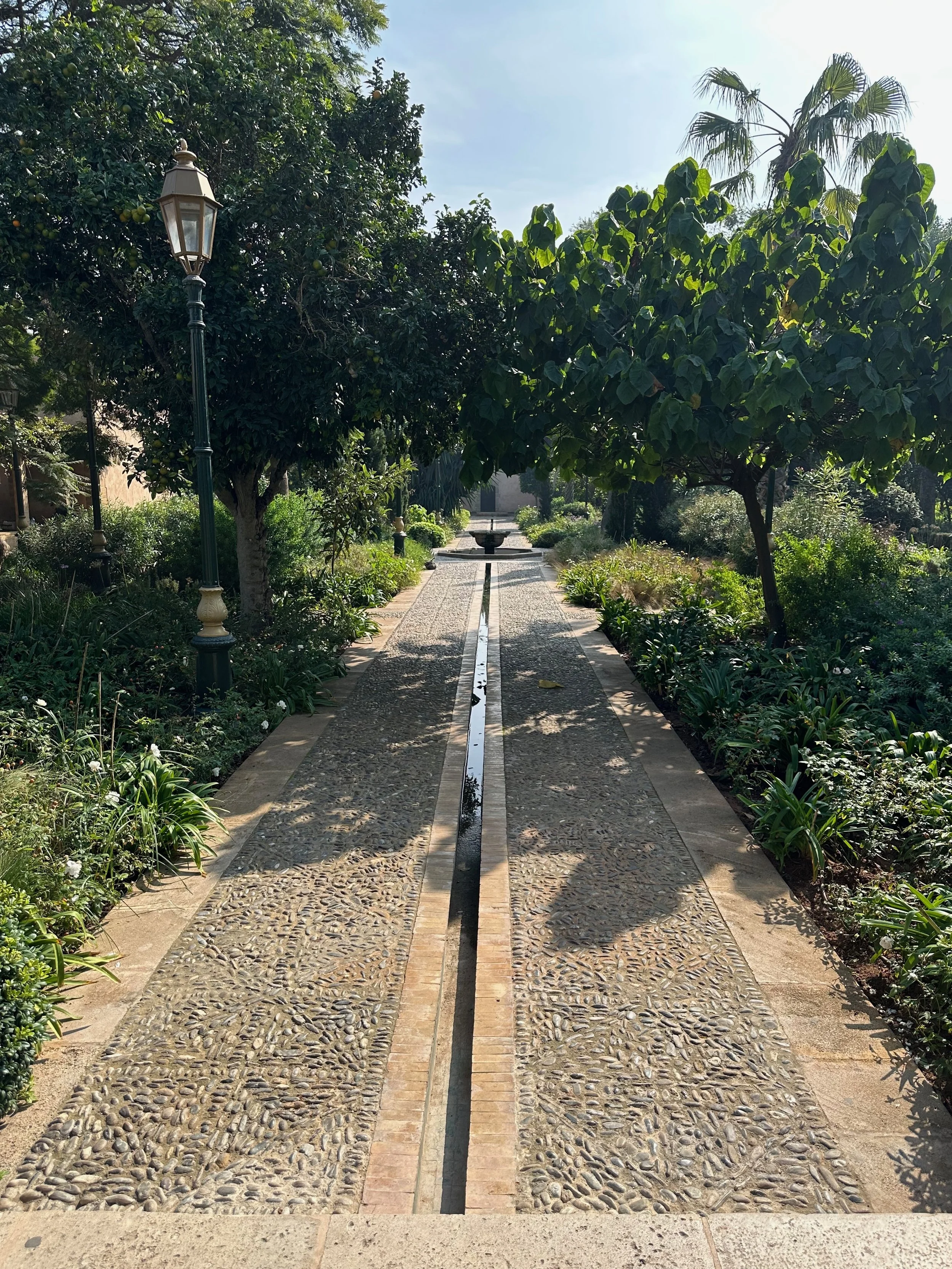
After the walking tour of the kasbah, we were treated to some mint tea and phylo pastry treats similar to what you see throughout the Mediterranean area. It was a welcome respite from a long day on tour. Also connected to this landmark is the Andalusian Gardens, which we got a short stroll through at the very end of the tour. After that it was back on the bus for the 90 minute drive back to the Casablanca.
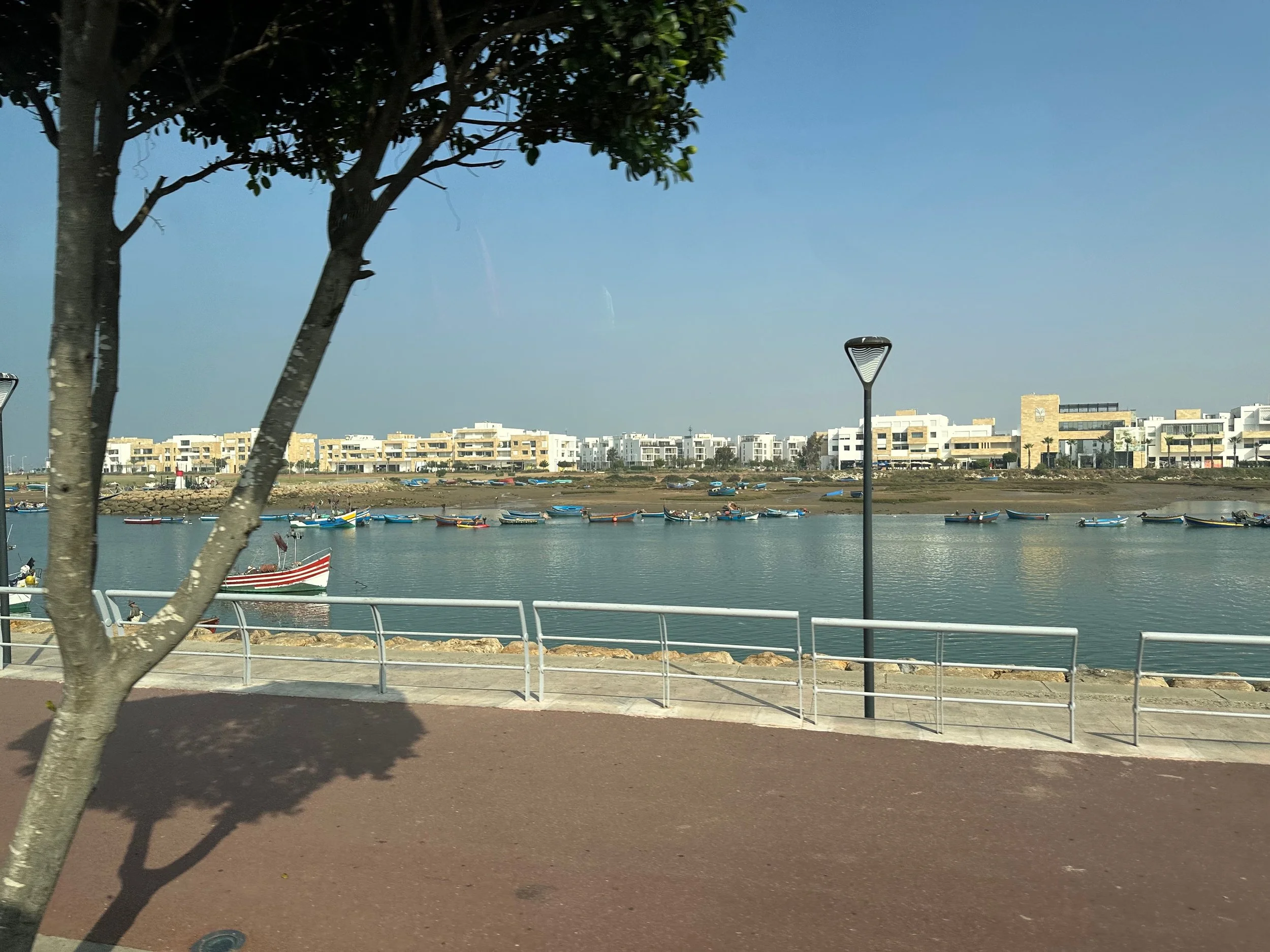
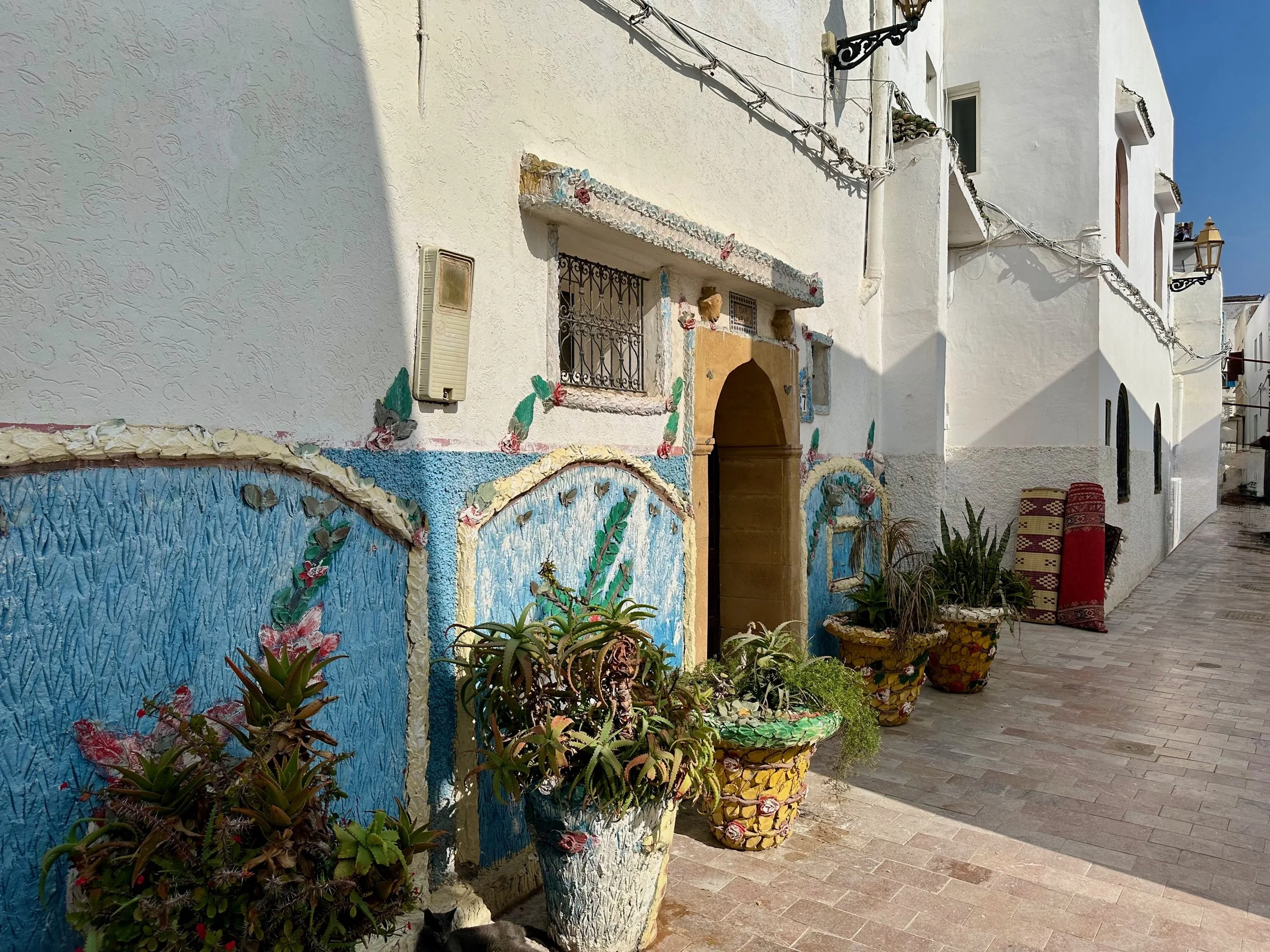
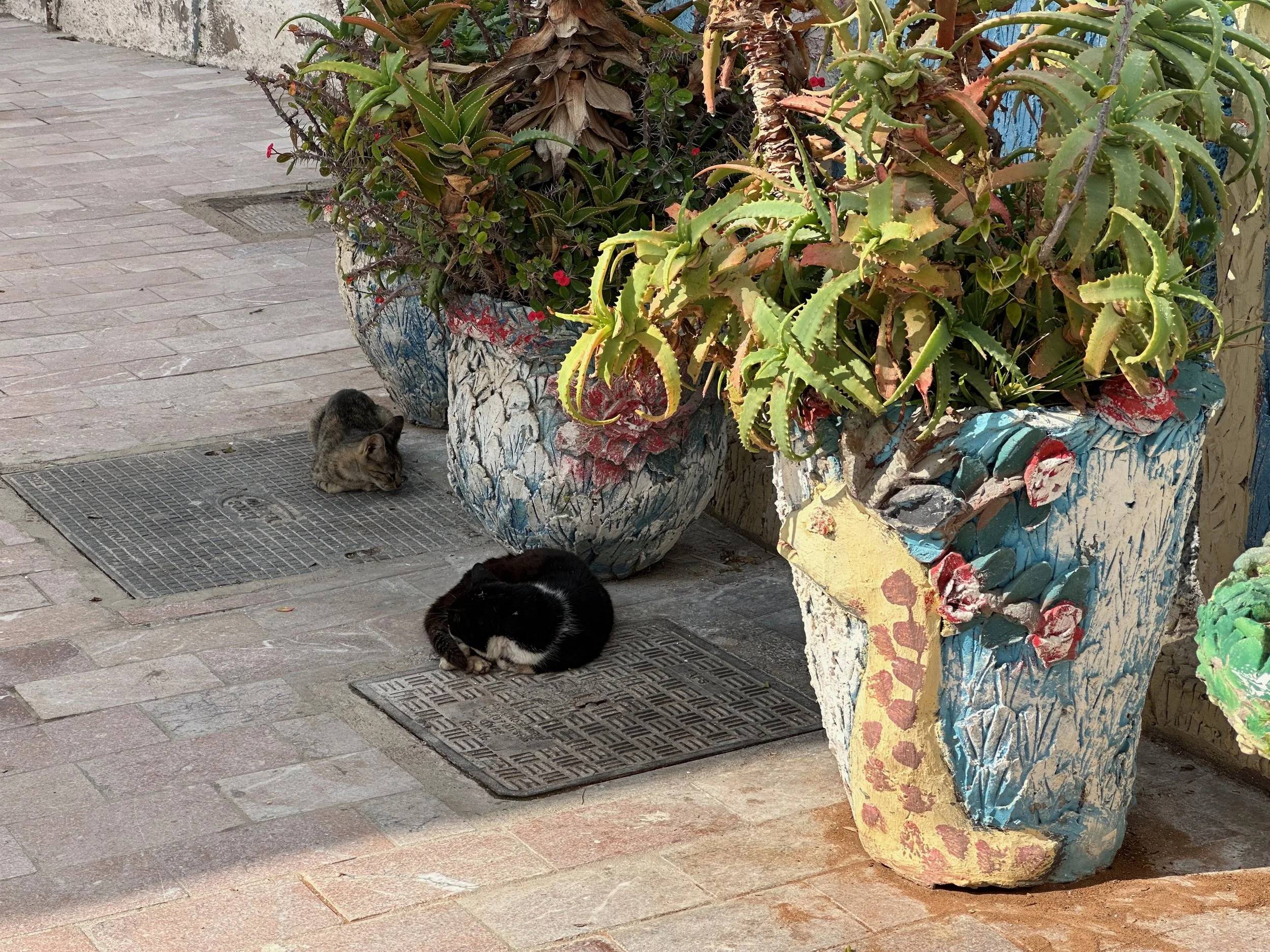
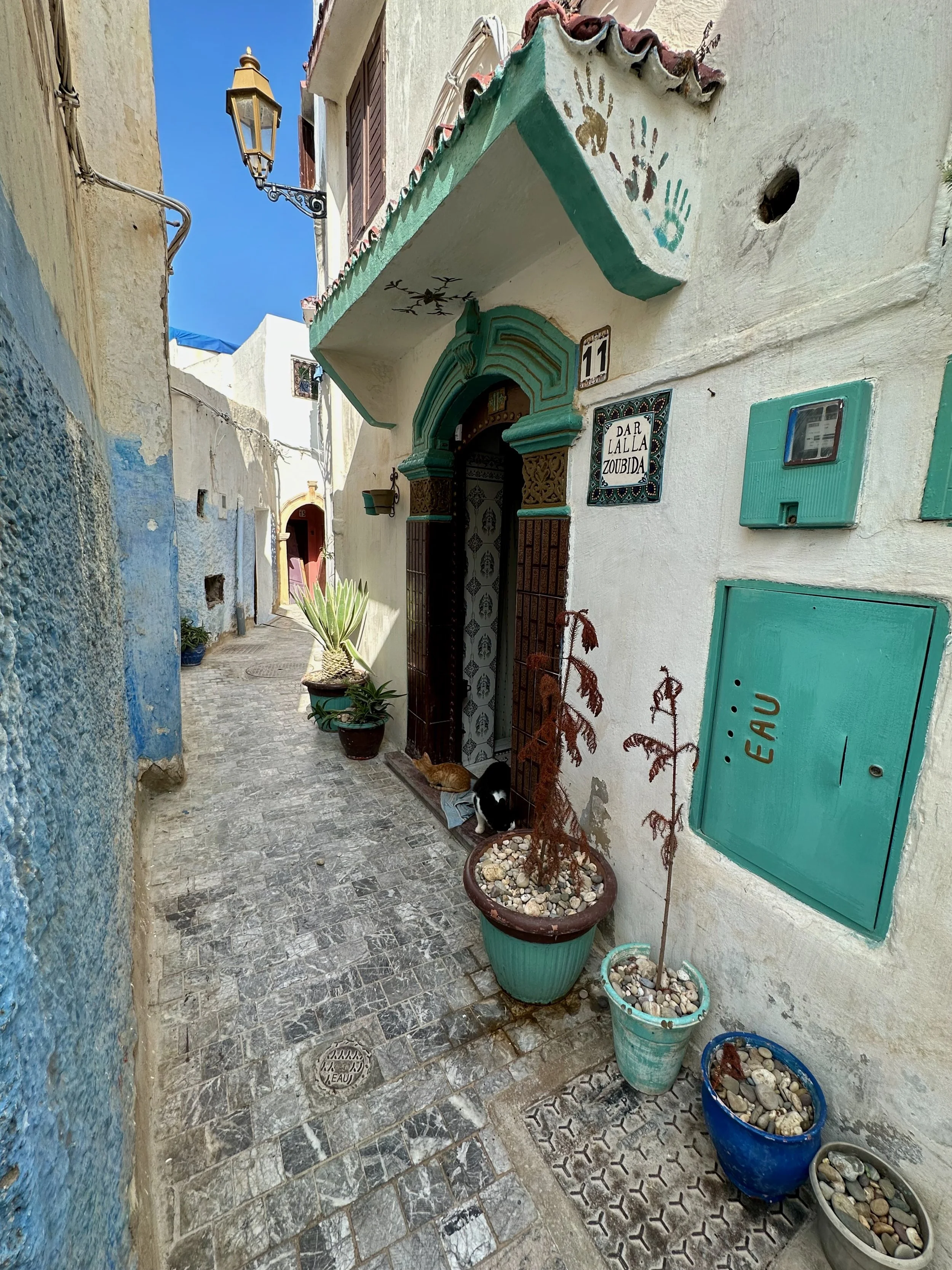
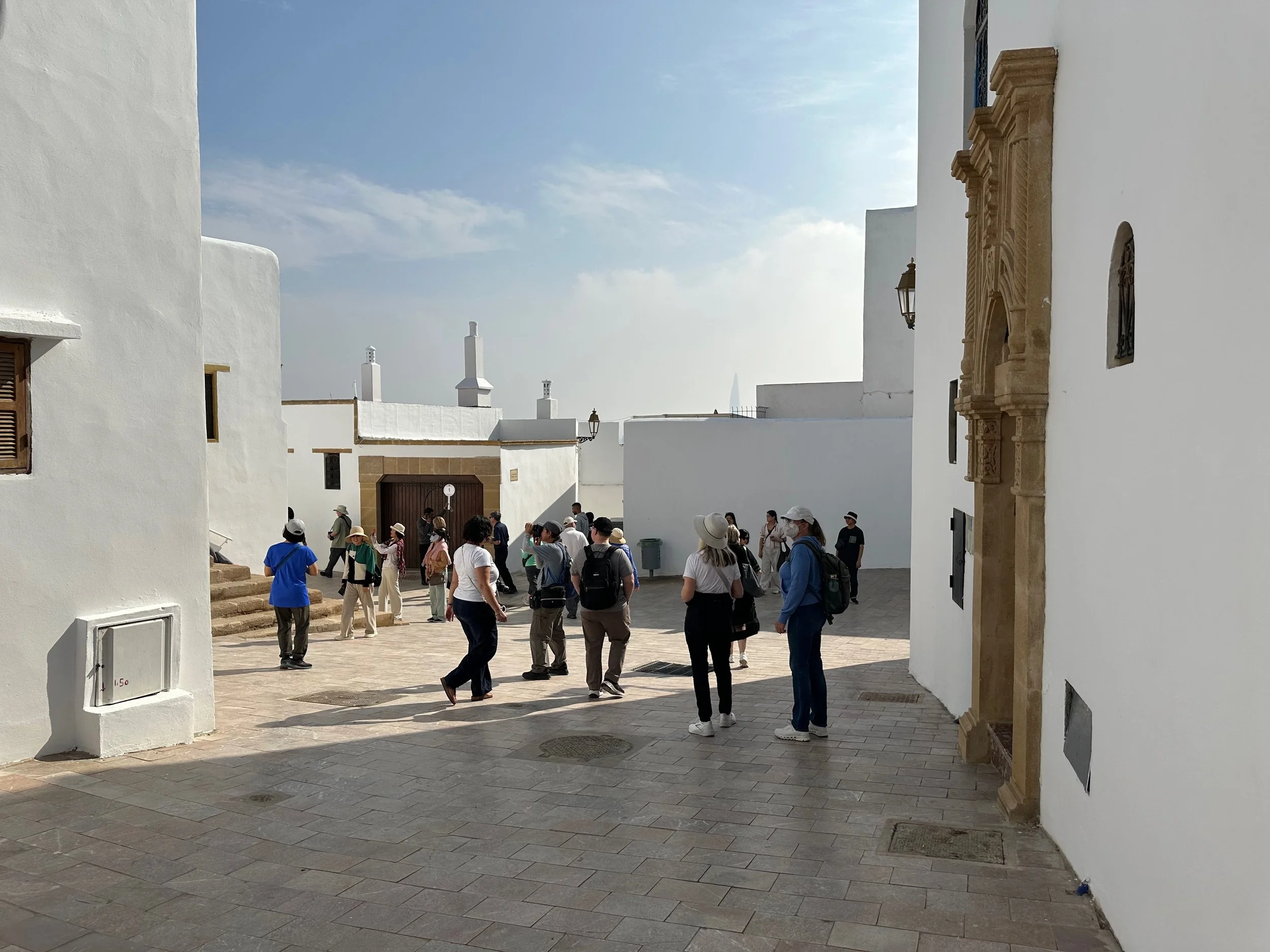
Departing Casablanca for Tangier at 18:30 hours.
Entering the Tangier harbour with the eight o’clock sunrise.
Tangier, Morocco
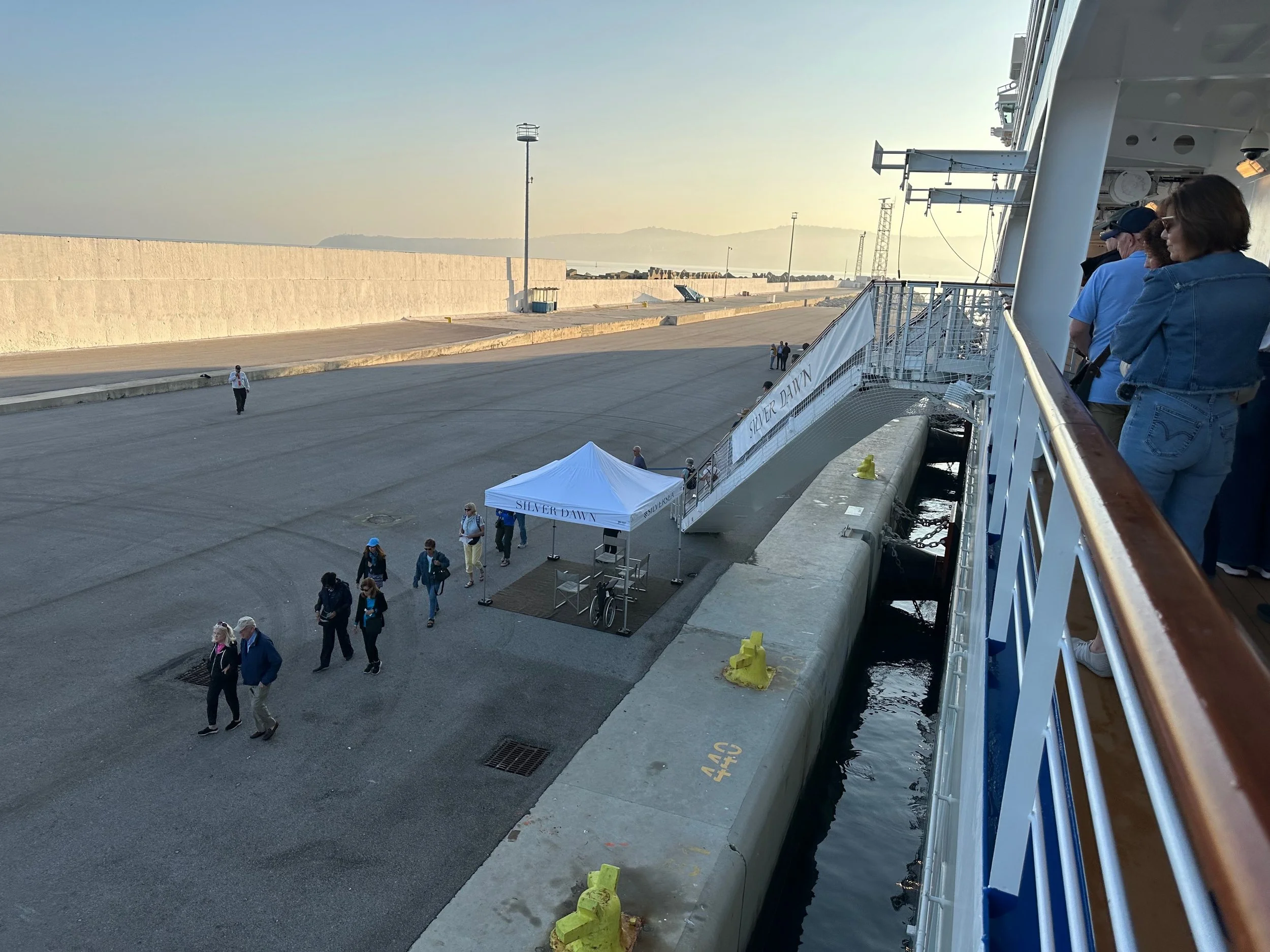
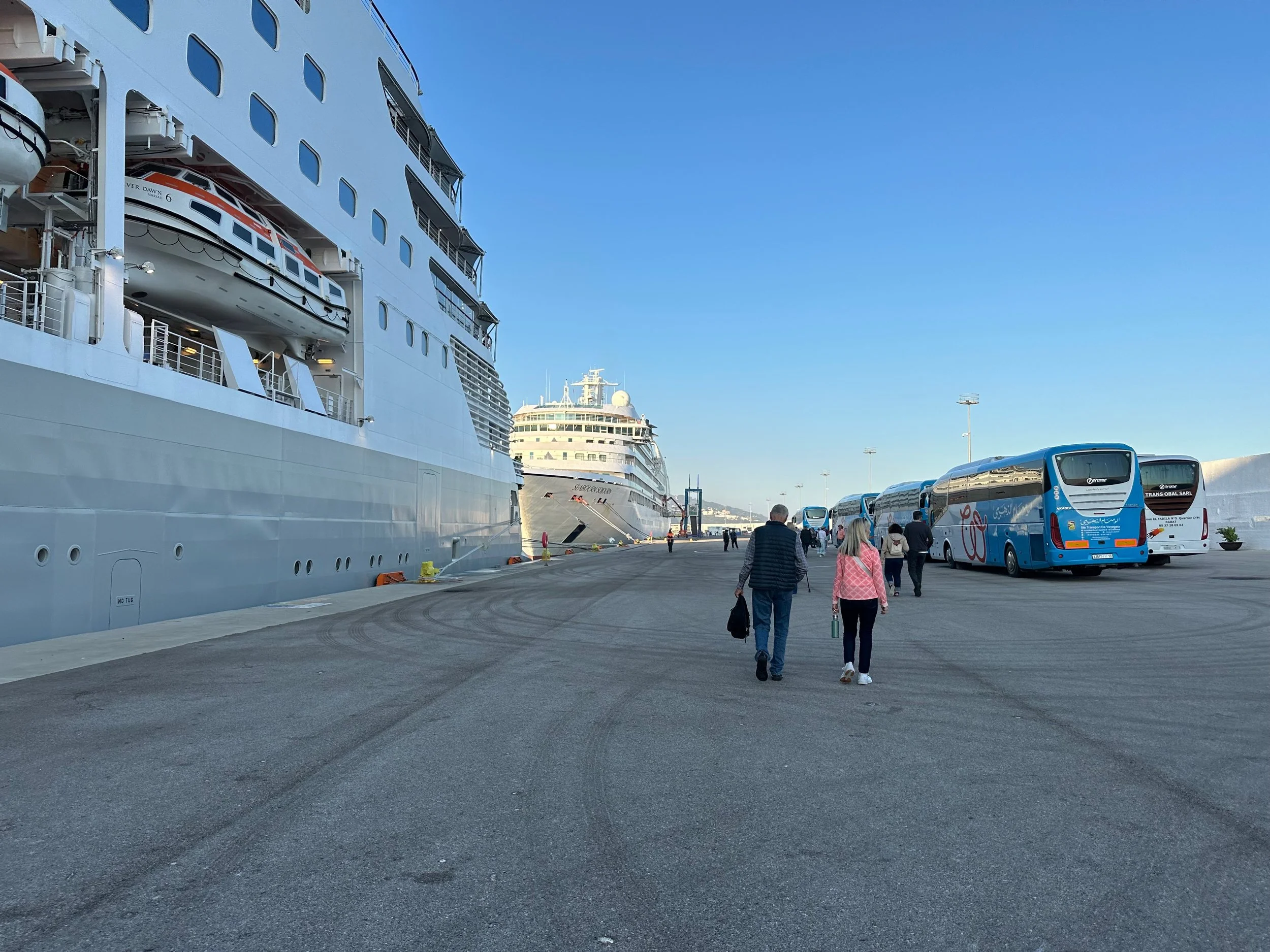
Strategically located at the western entrance to the Strait of Gibraltar, Tangier is a port city that has been an important gateway for both Europe and North Africa since the time of the Phoenicians. So it’s fitting that we should arrive by sea. We left Casablanca with a golden sky, and arrived in Tangier the same way.
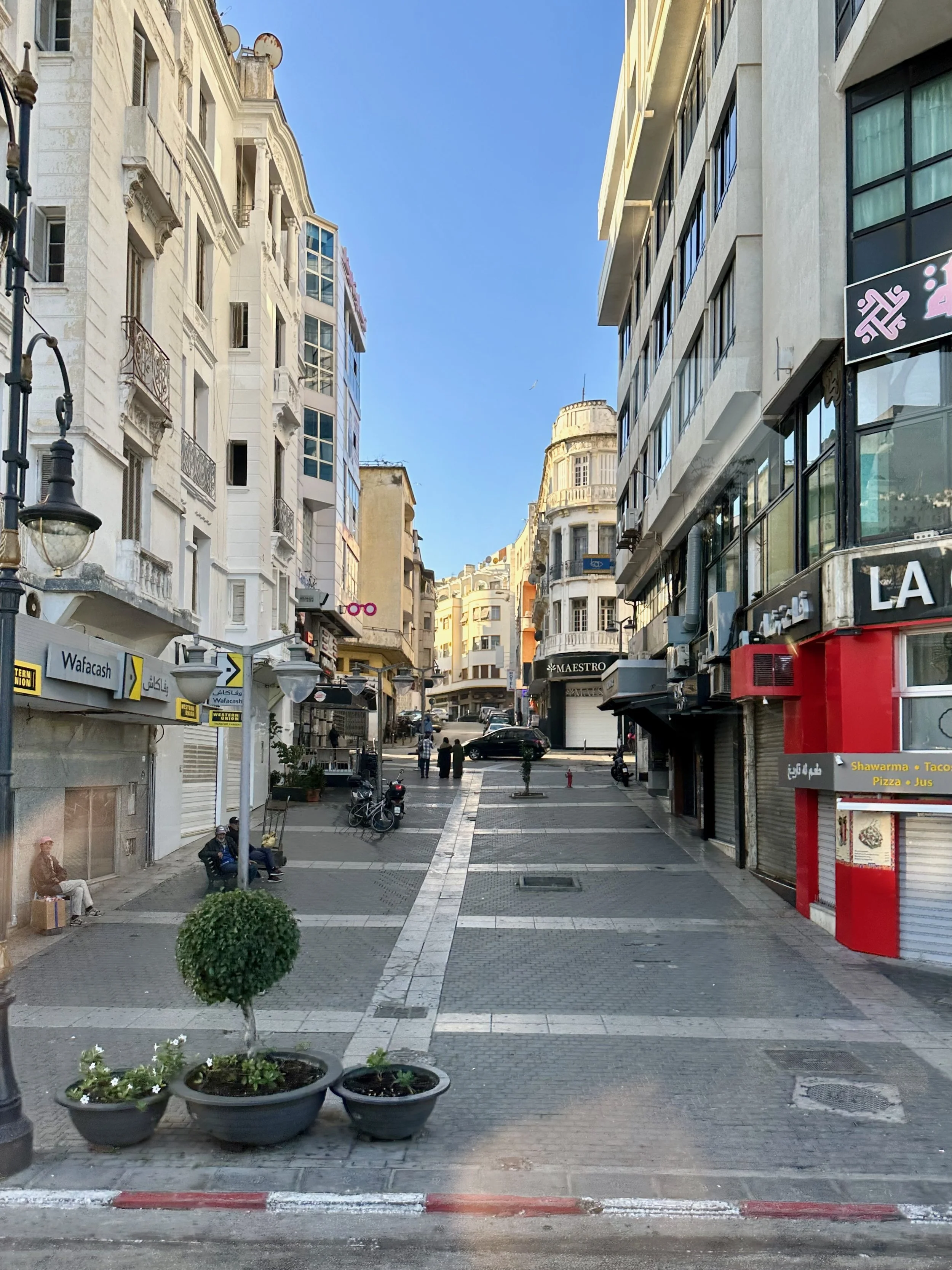
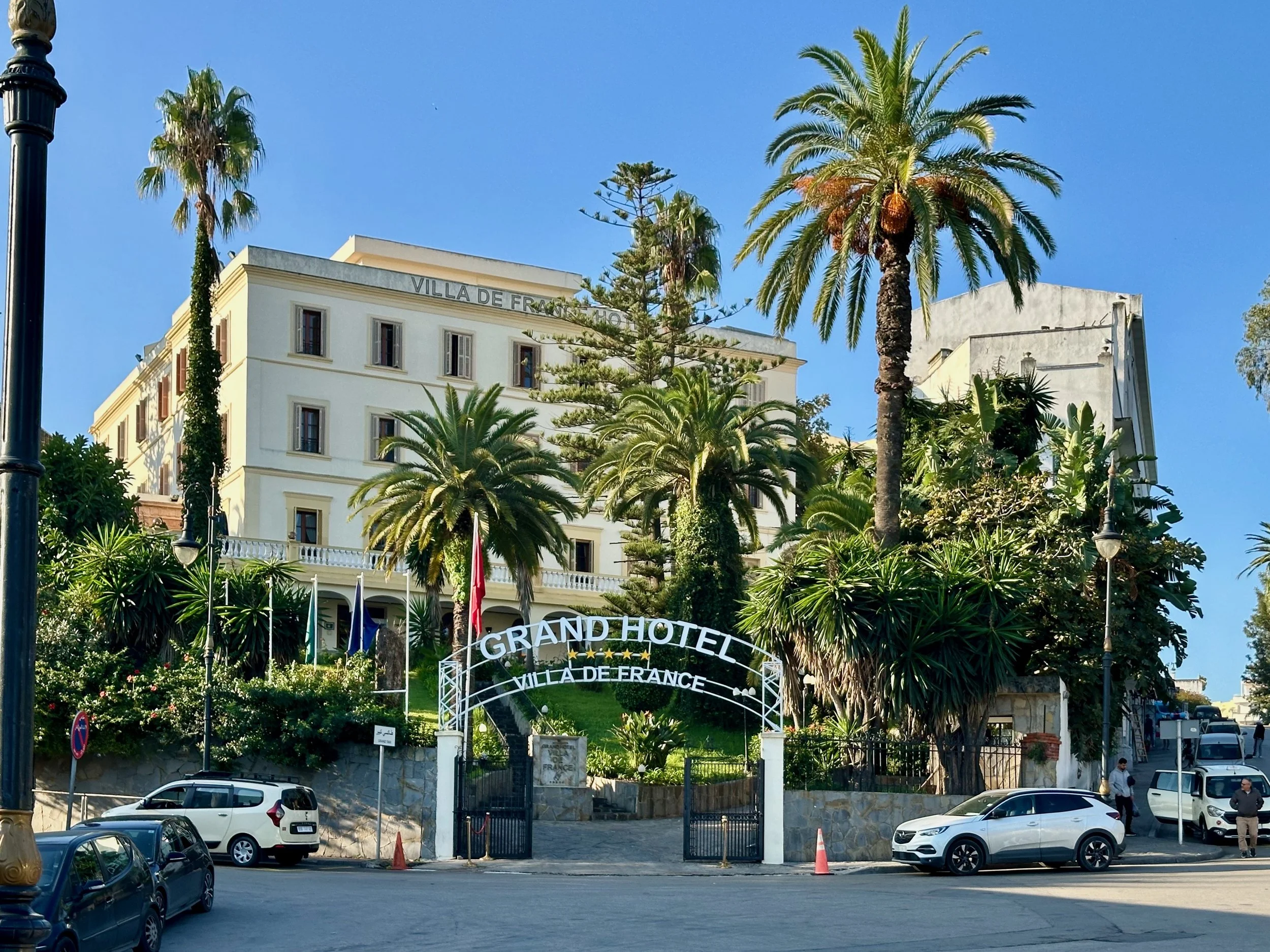
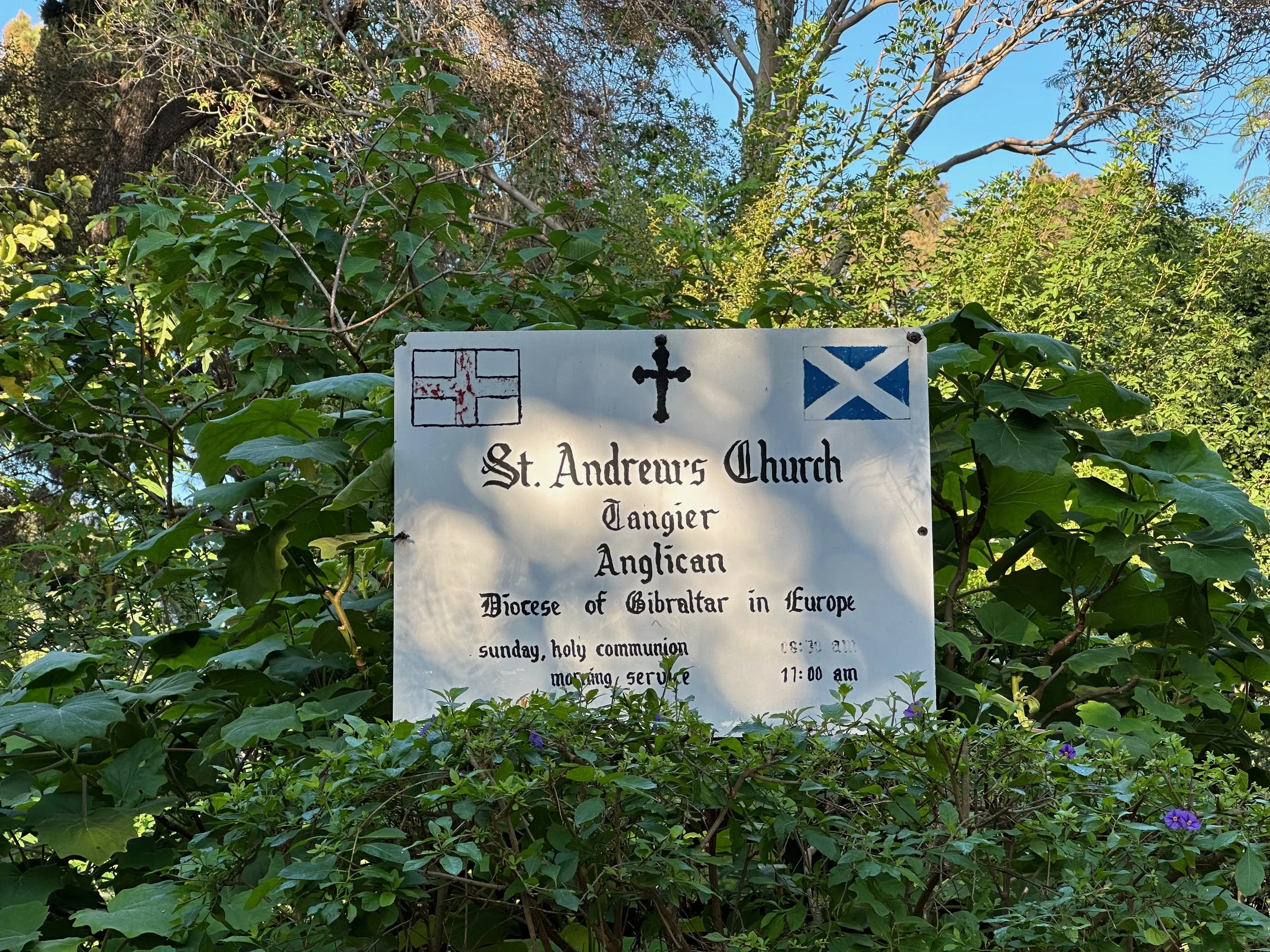
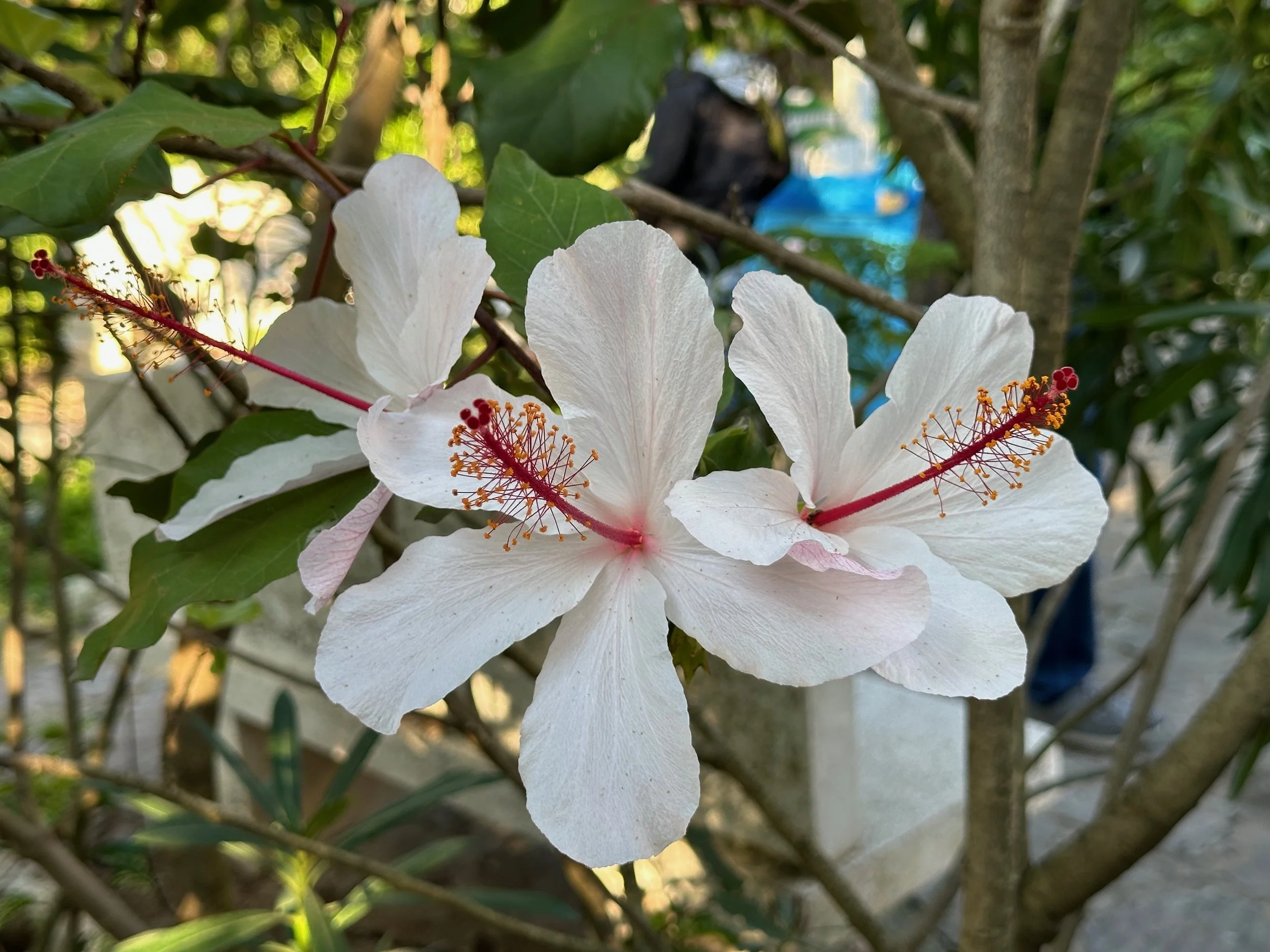
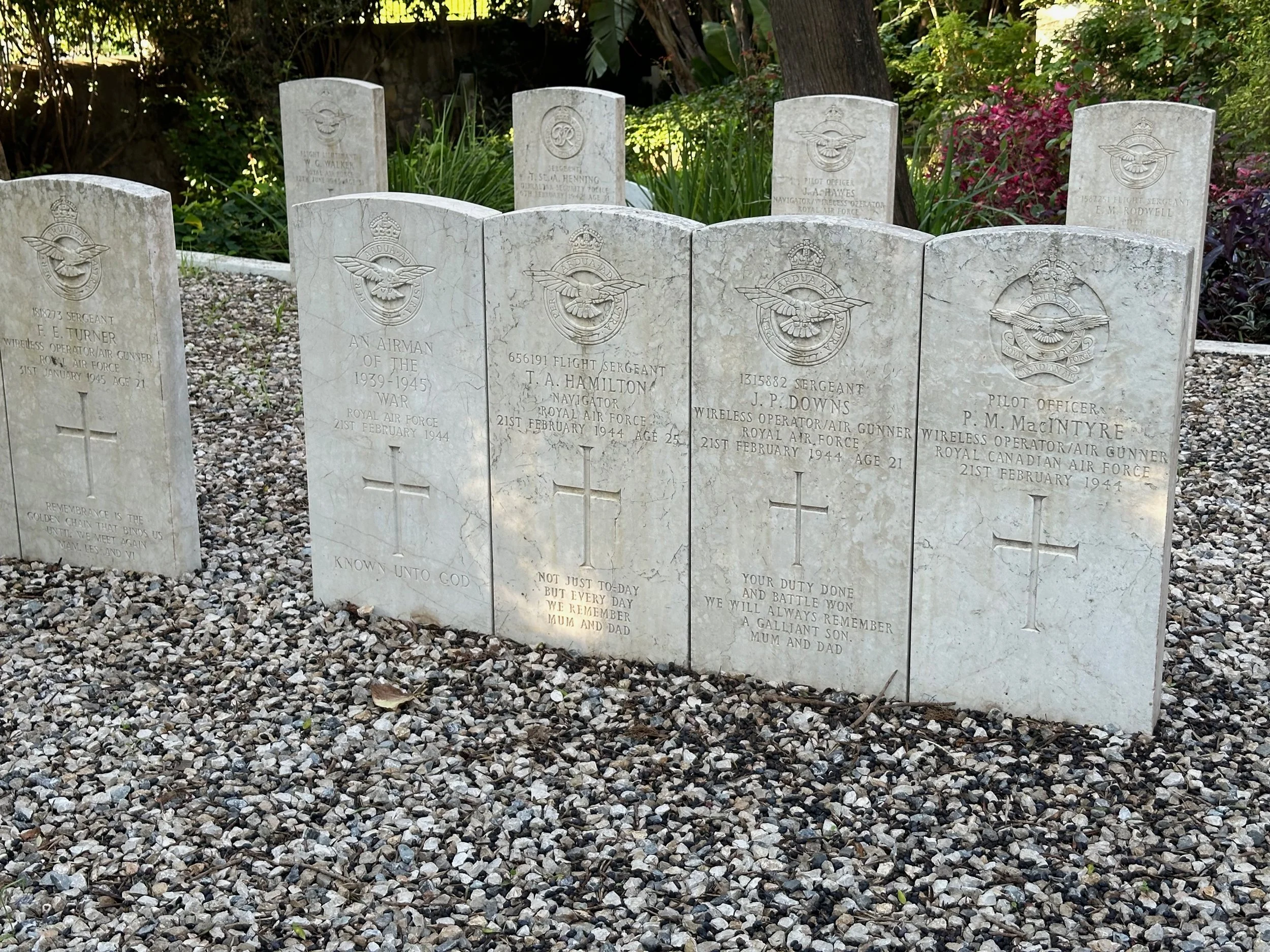
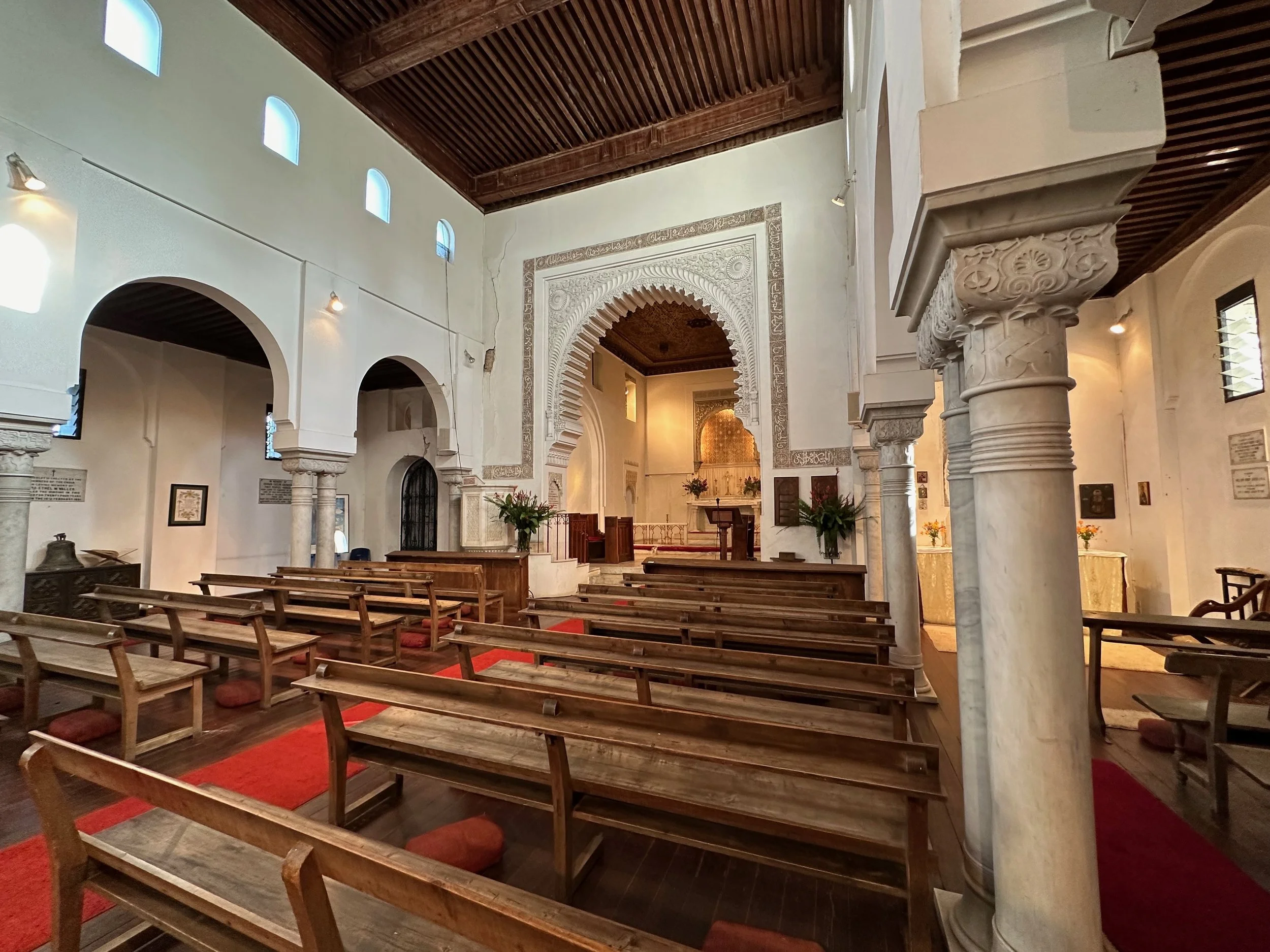
Like Casablanca, our day in Tangier would be a full one, but with a lot of walking between highlight locations. We were dropped off in a central plaza location and the walk began. First was an Anglican church, which unlike the decadent cathedral in Seville was a humble building where the attention was obviously directed toward the worship of the spirit. From there we visited the grounds of the “Historical Memory Space of the Resistance and Liberation of Tangier” located on the edge of Mendoubia Garden. Our visit here was fortuitous. Just after we were given the five cent explanation, a large group of school children showed up to celebrate a yearly event. It was very formal with singing, banners and marching.
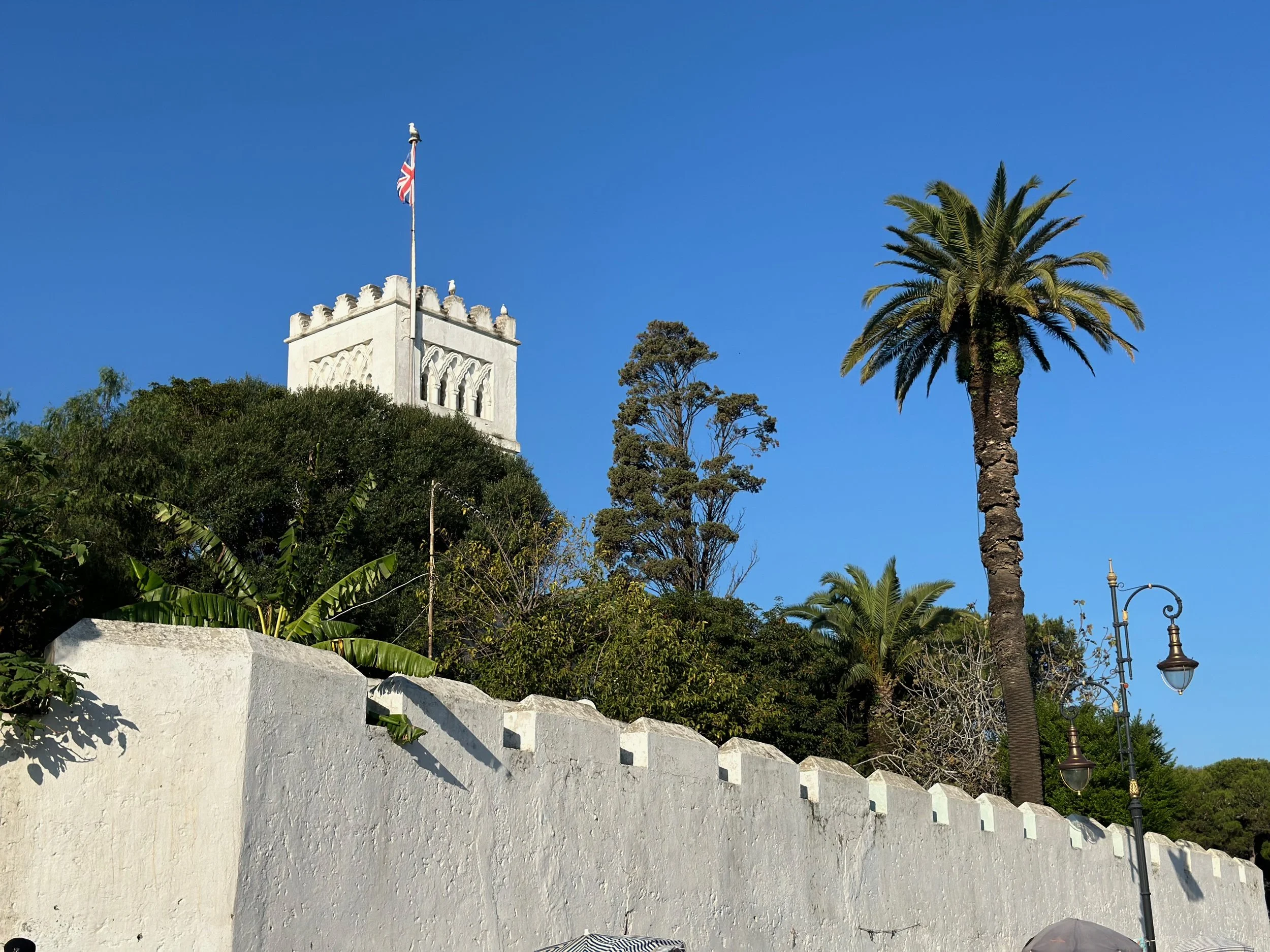
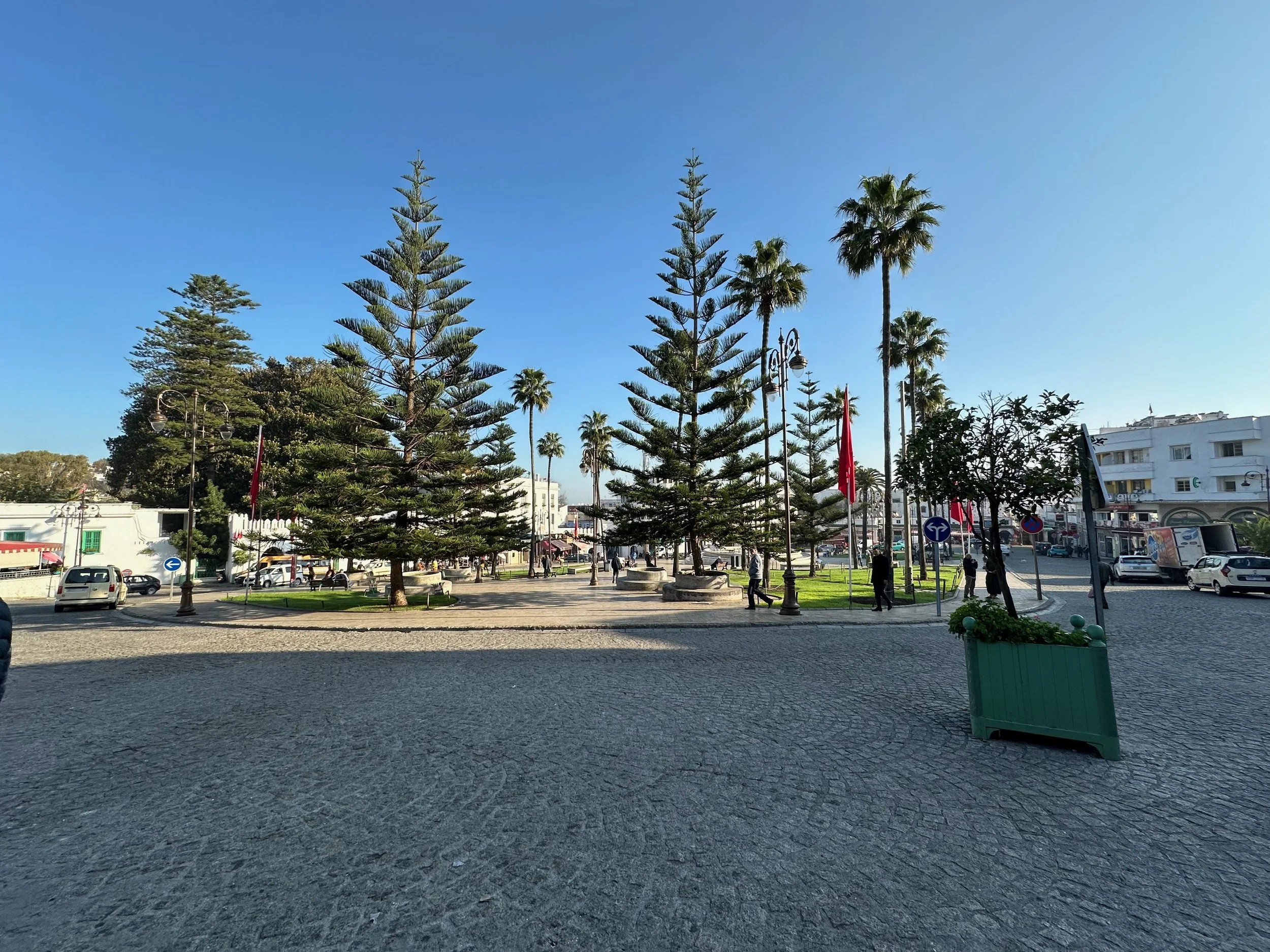
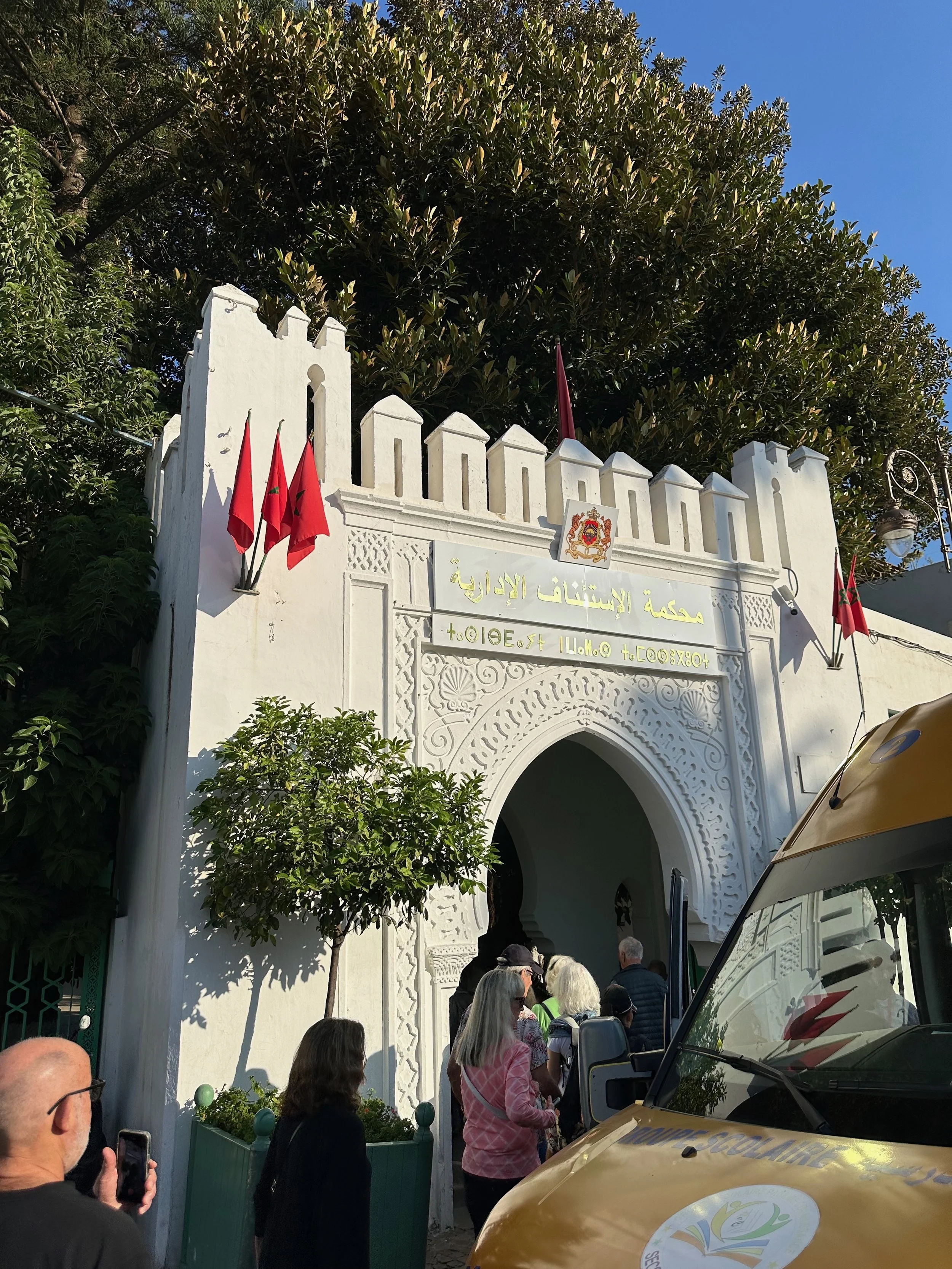
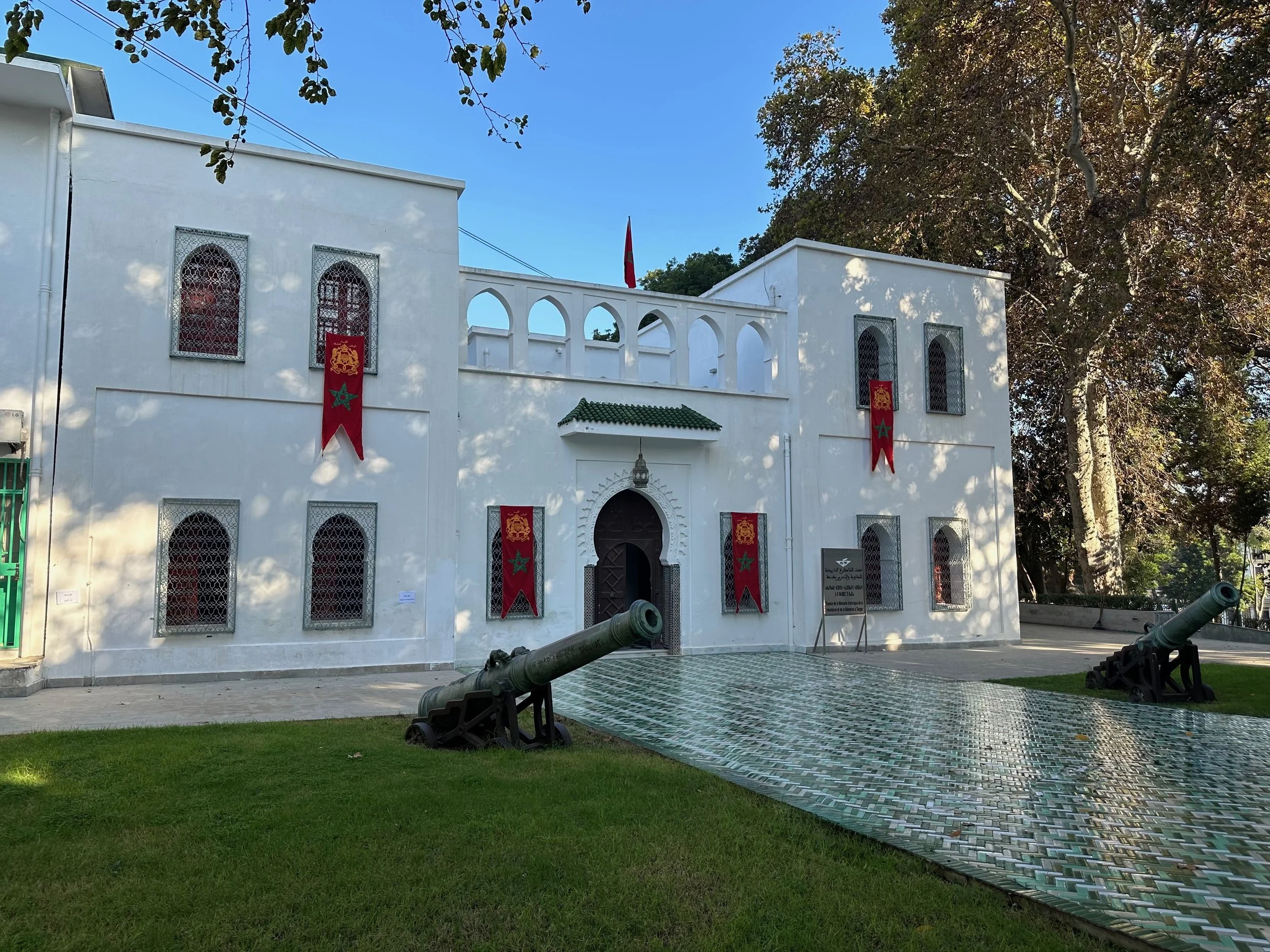
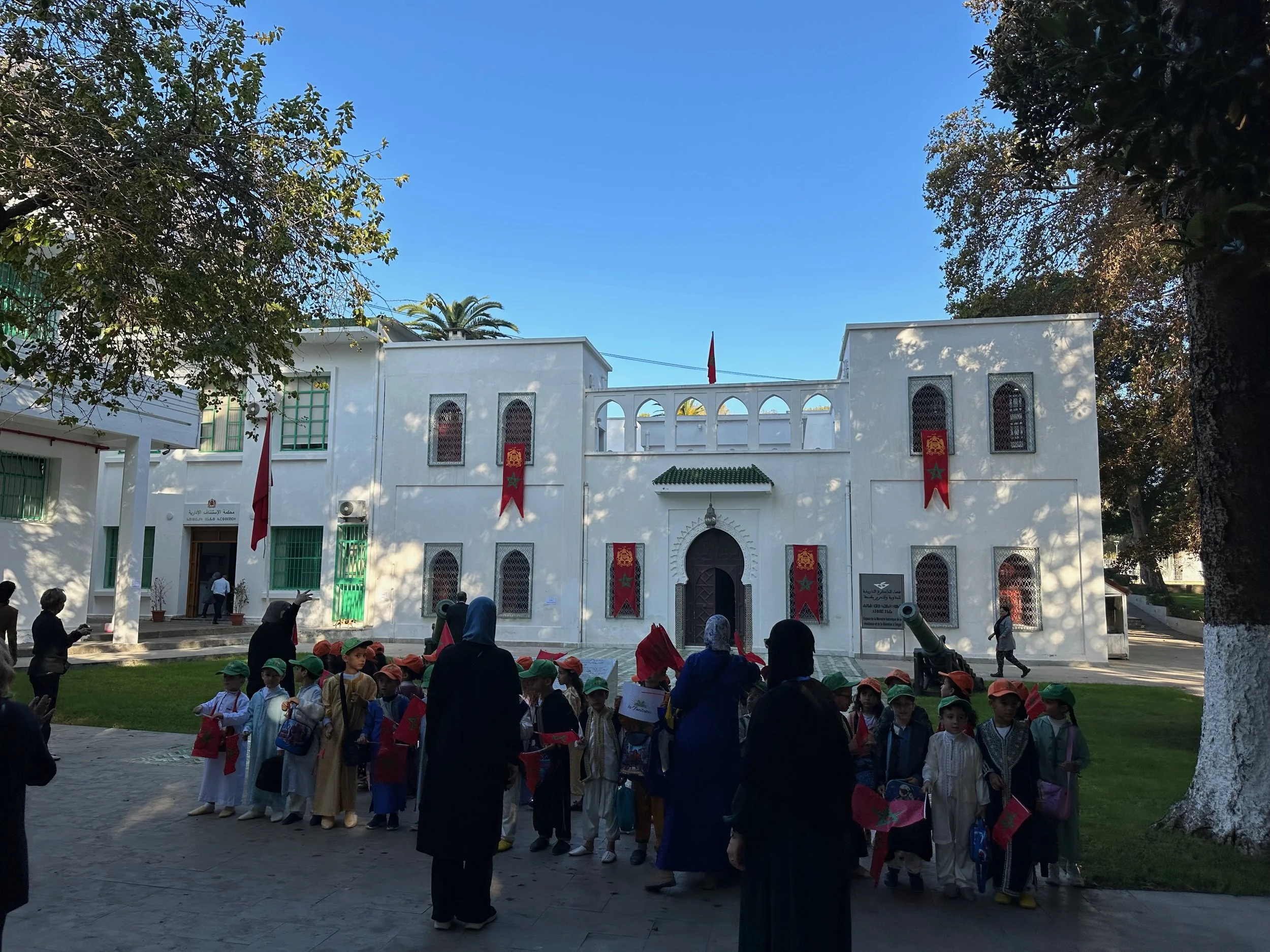
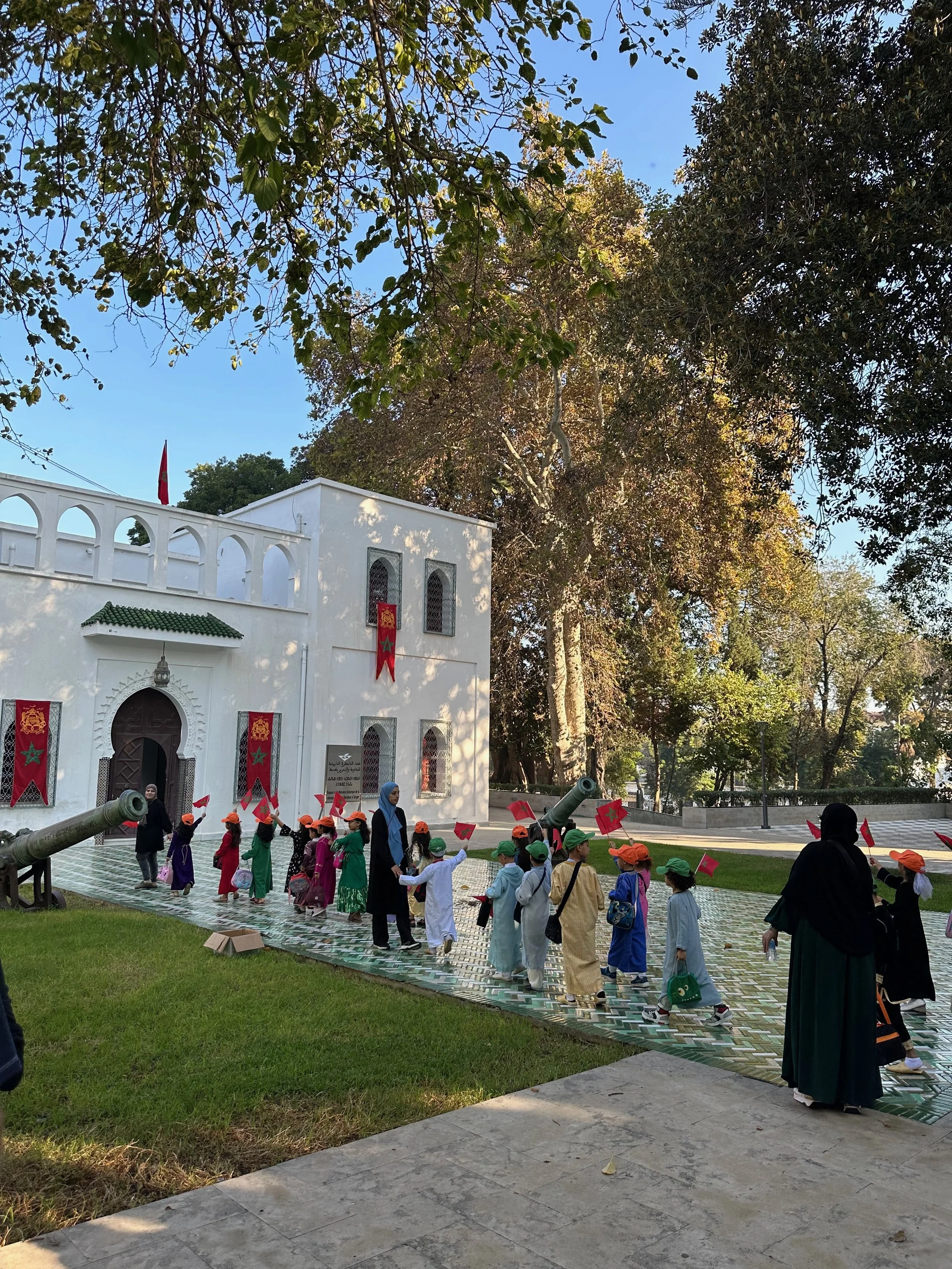
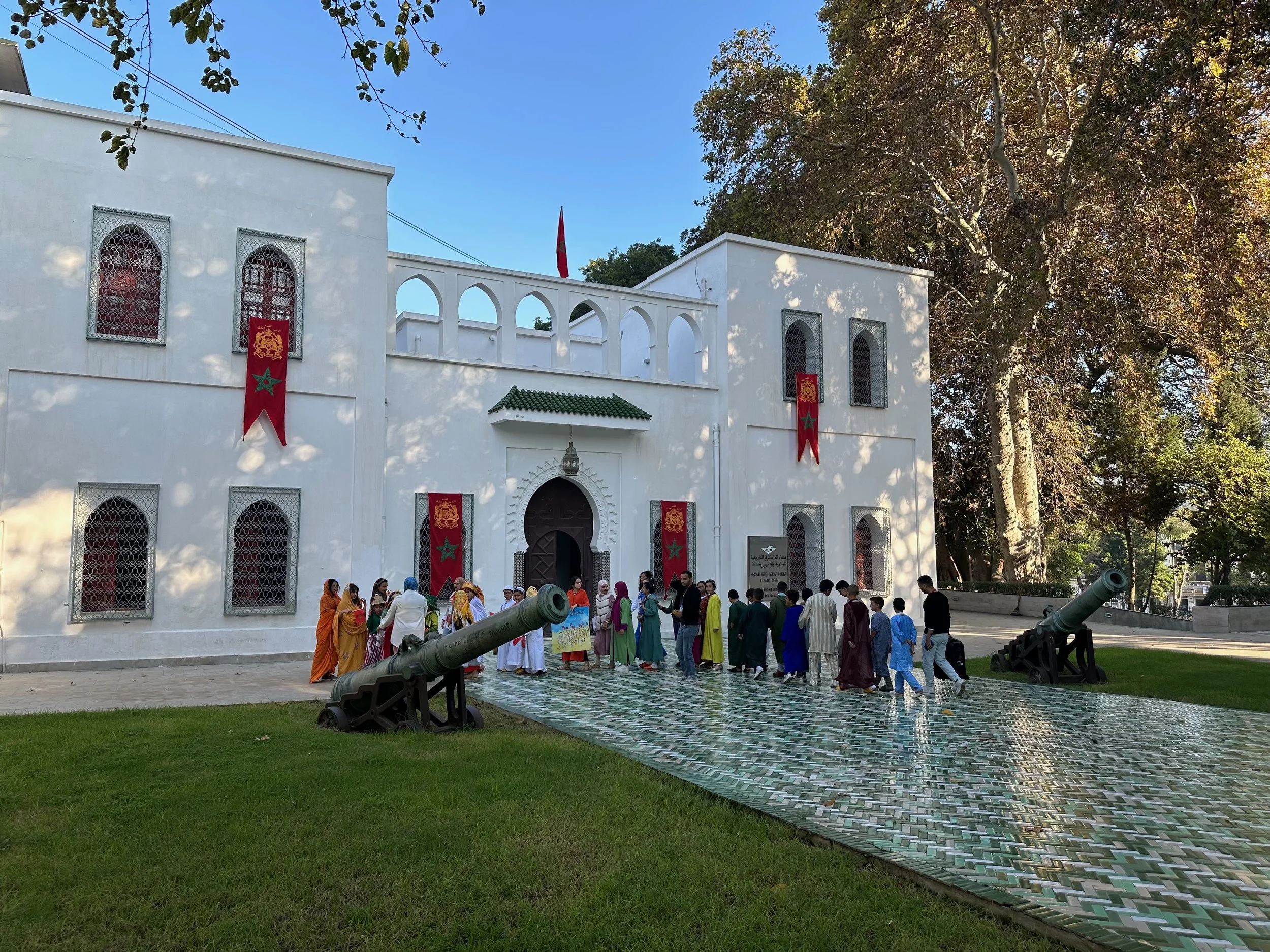
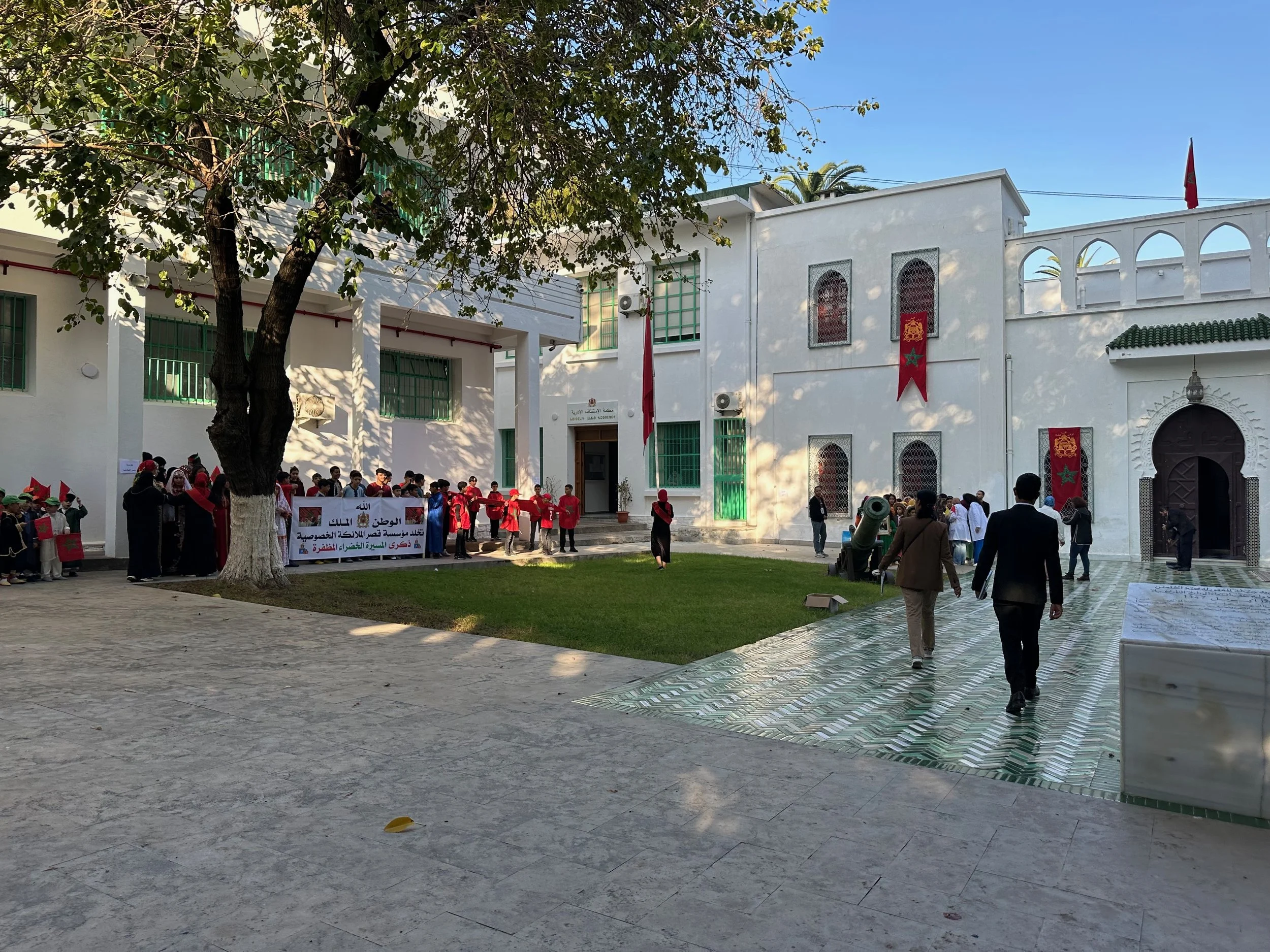
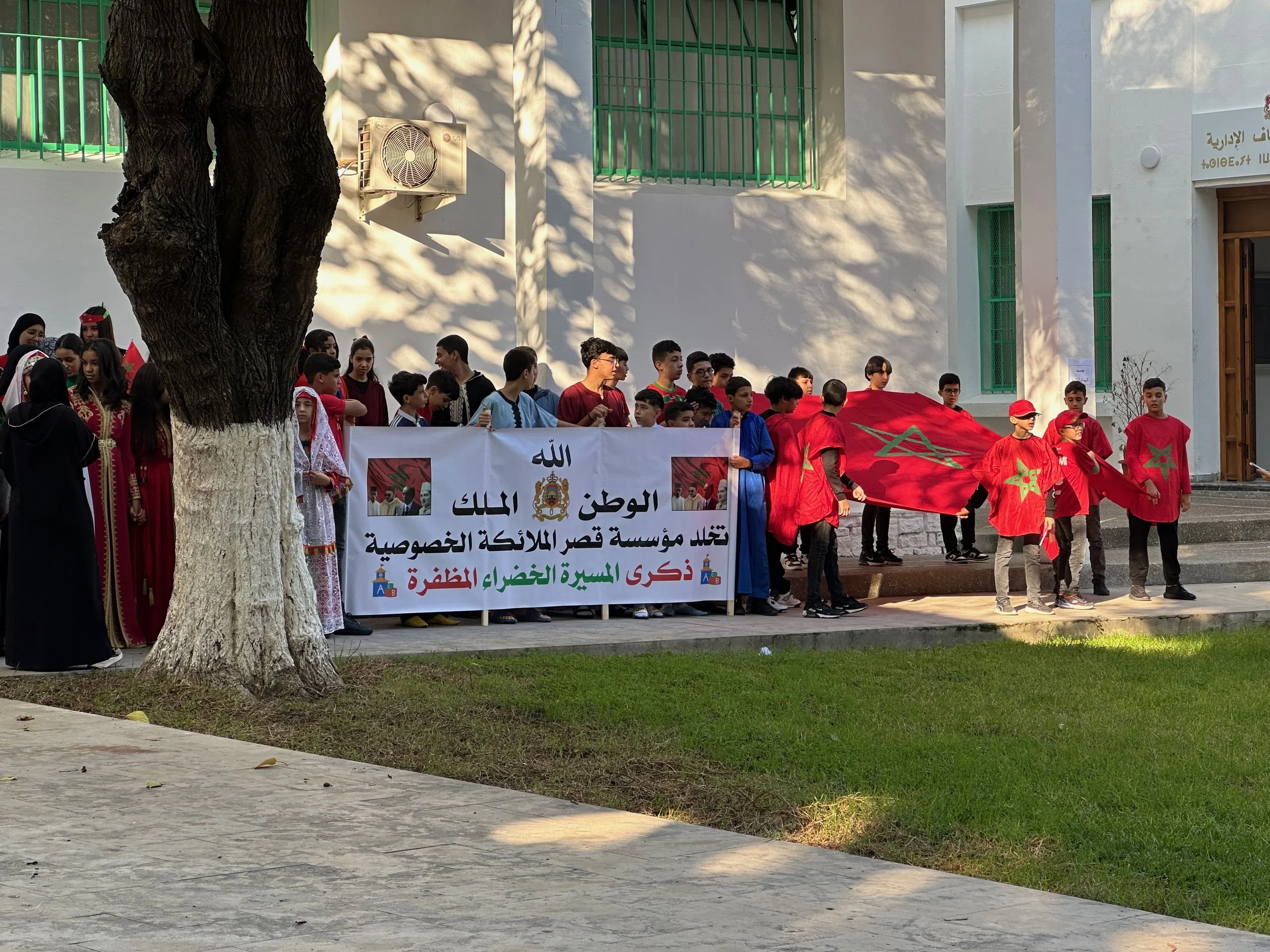
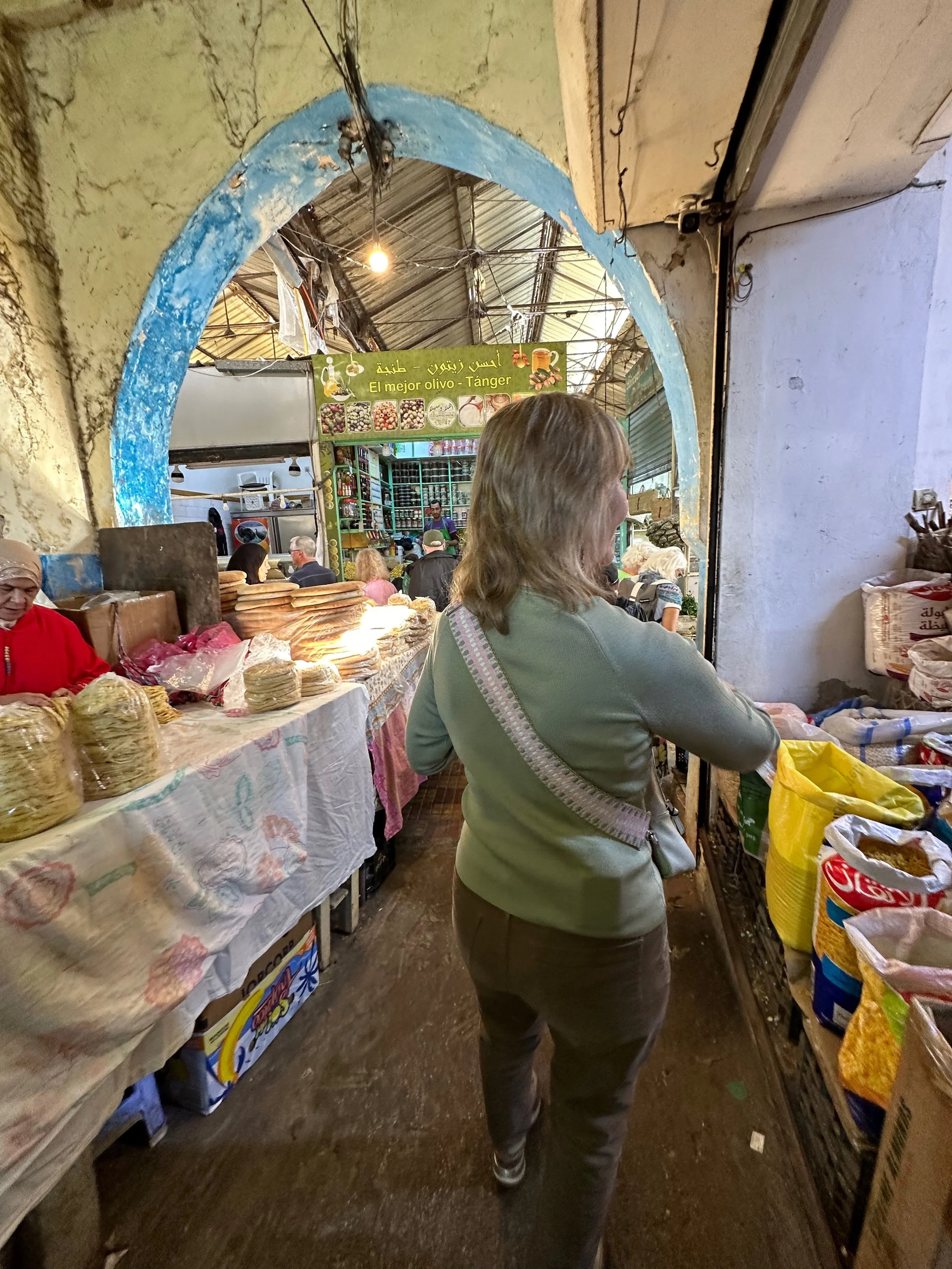
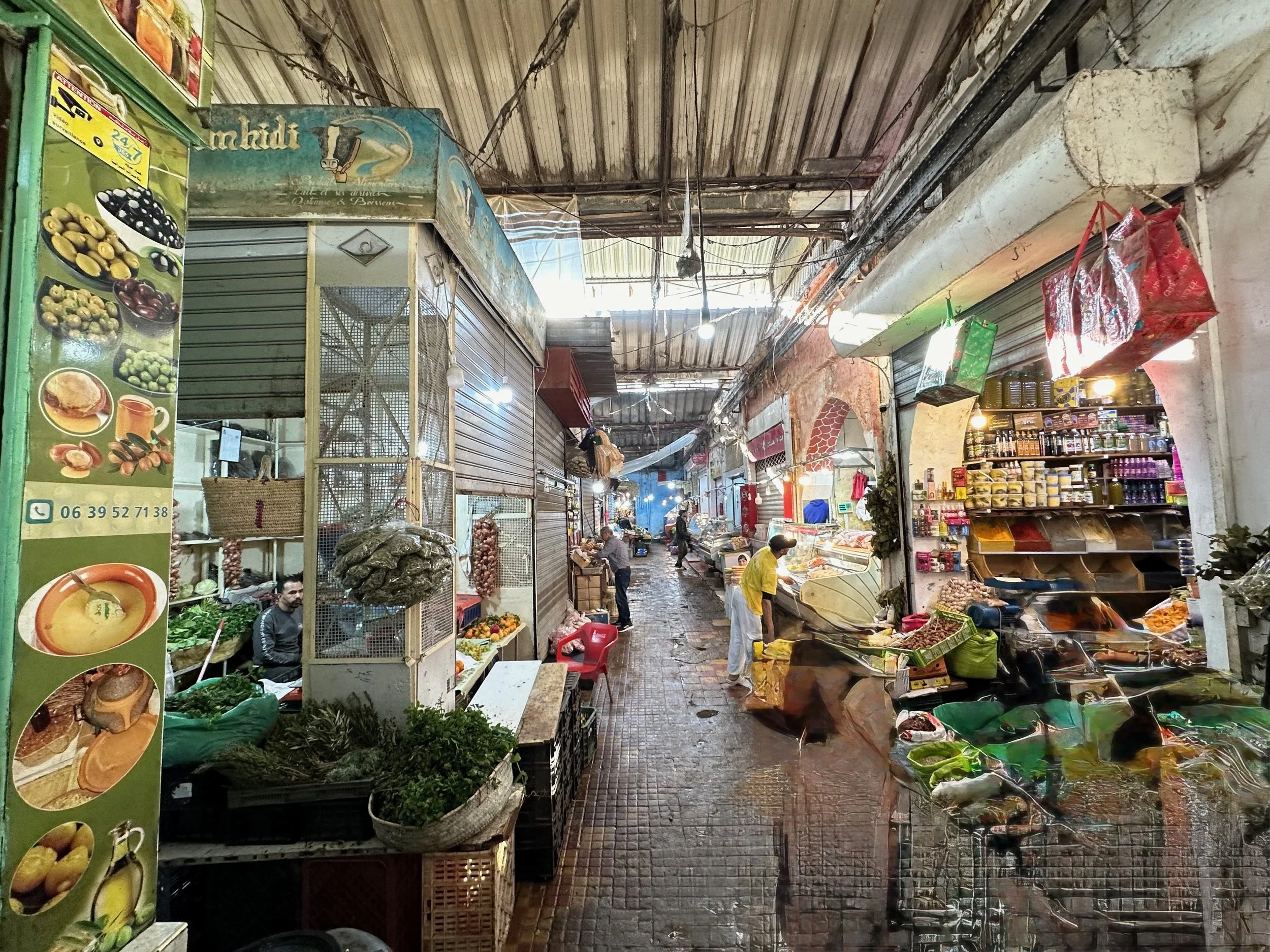
One of the many stalls overflowing with fresh product.
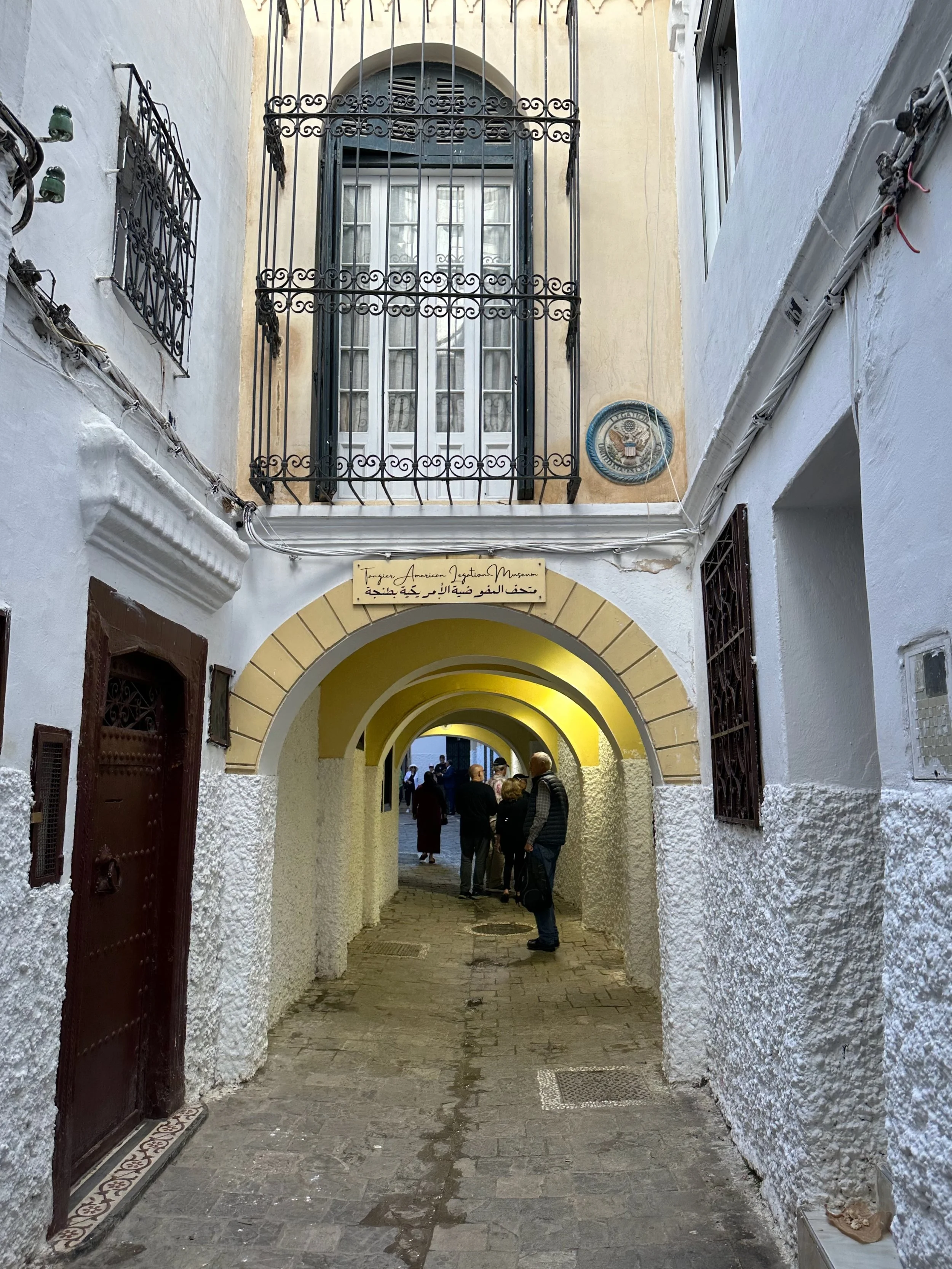
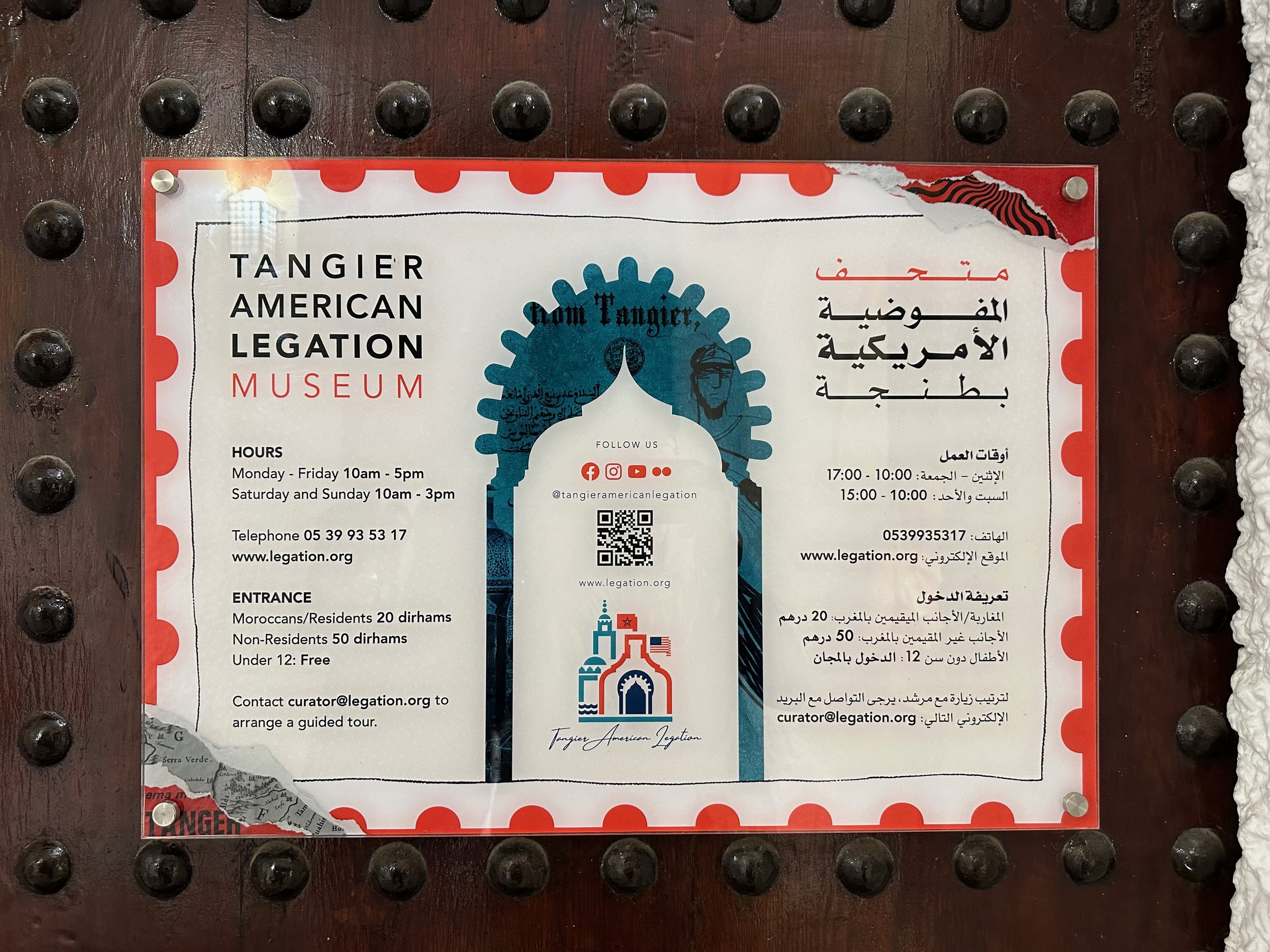
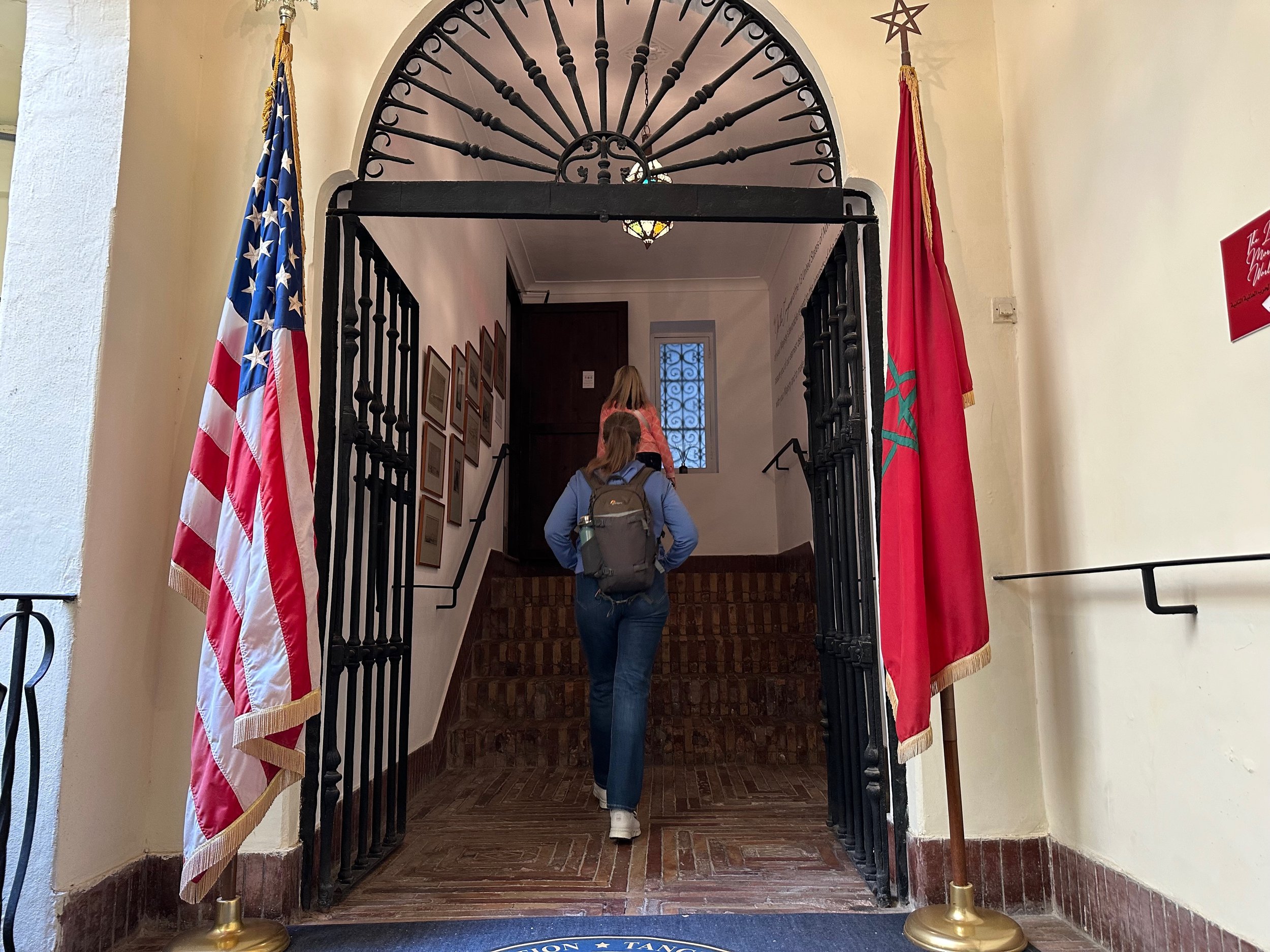
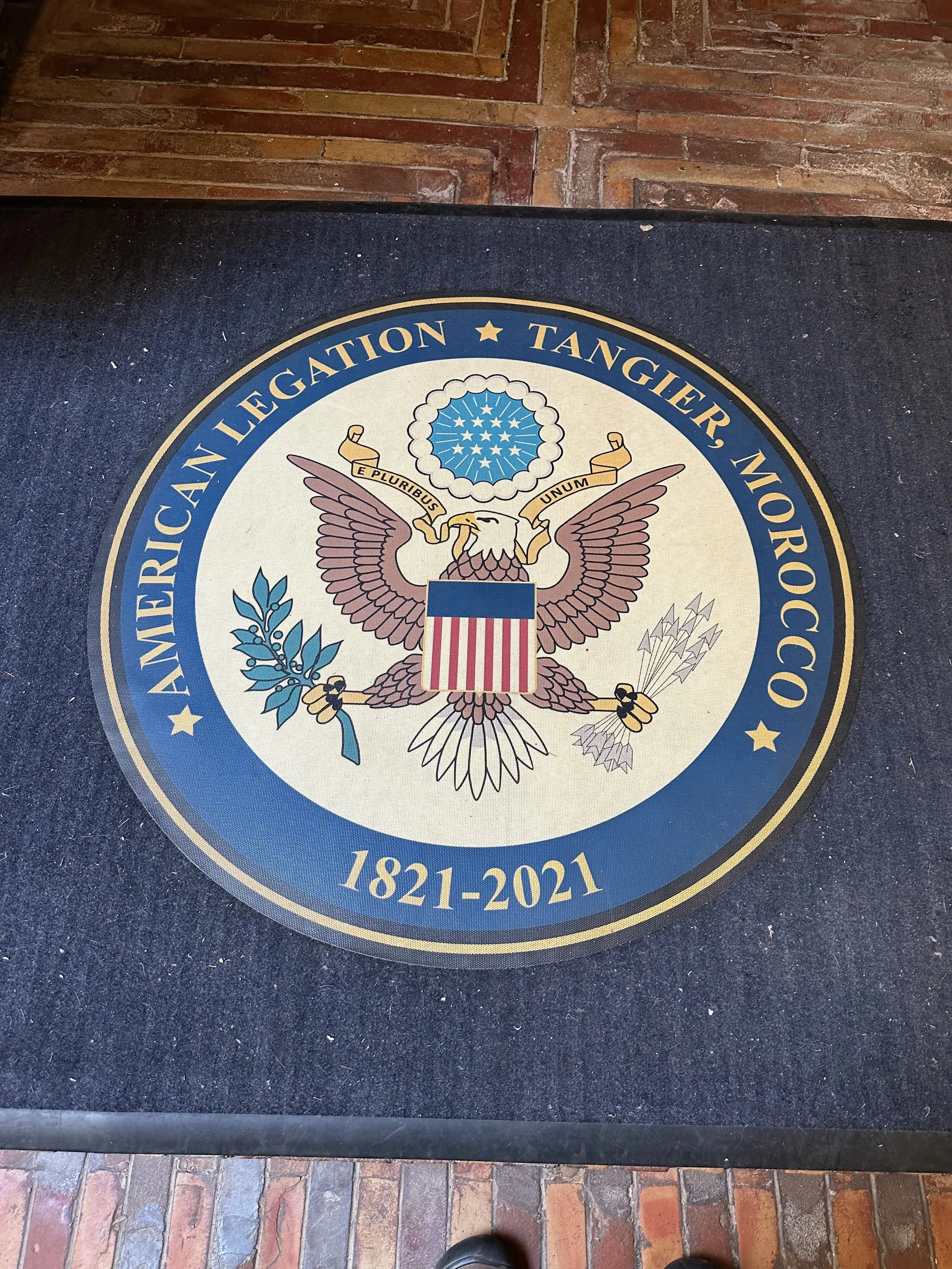
From the liberation museum we walked a short distance to the marketplace. It was interesting indeed to walk through and see the shops and stalls that the local population frequents on a regular basis. After that, more walking through the narrow streets brought us to the American Legation, a sort of junior embassy that was established in 1821, and ceased operation in 2021 with the establishment of a formal embassy.
One of the stops towards the end of the walk was a break to get a cup of mint tea and bisquit at a local second floor cafe. Once done it was back onto the street and a few more blocks brought us to the beach only a short distance from our ship. Despite the short walking distance to the ship, the bus was there to pick us up and drive us down the beach road just to see the beach and the apartments across the street from it. The two most interesting features were the glass elevators that came up to ground level from underground parking beneath the beach, and the fact that there were camels sitting on the beach catching rays. They looked very chill.
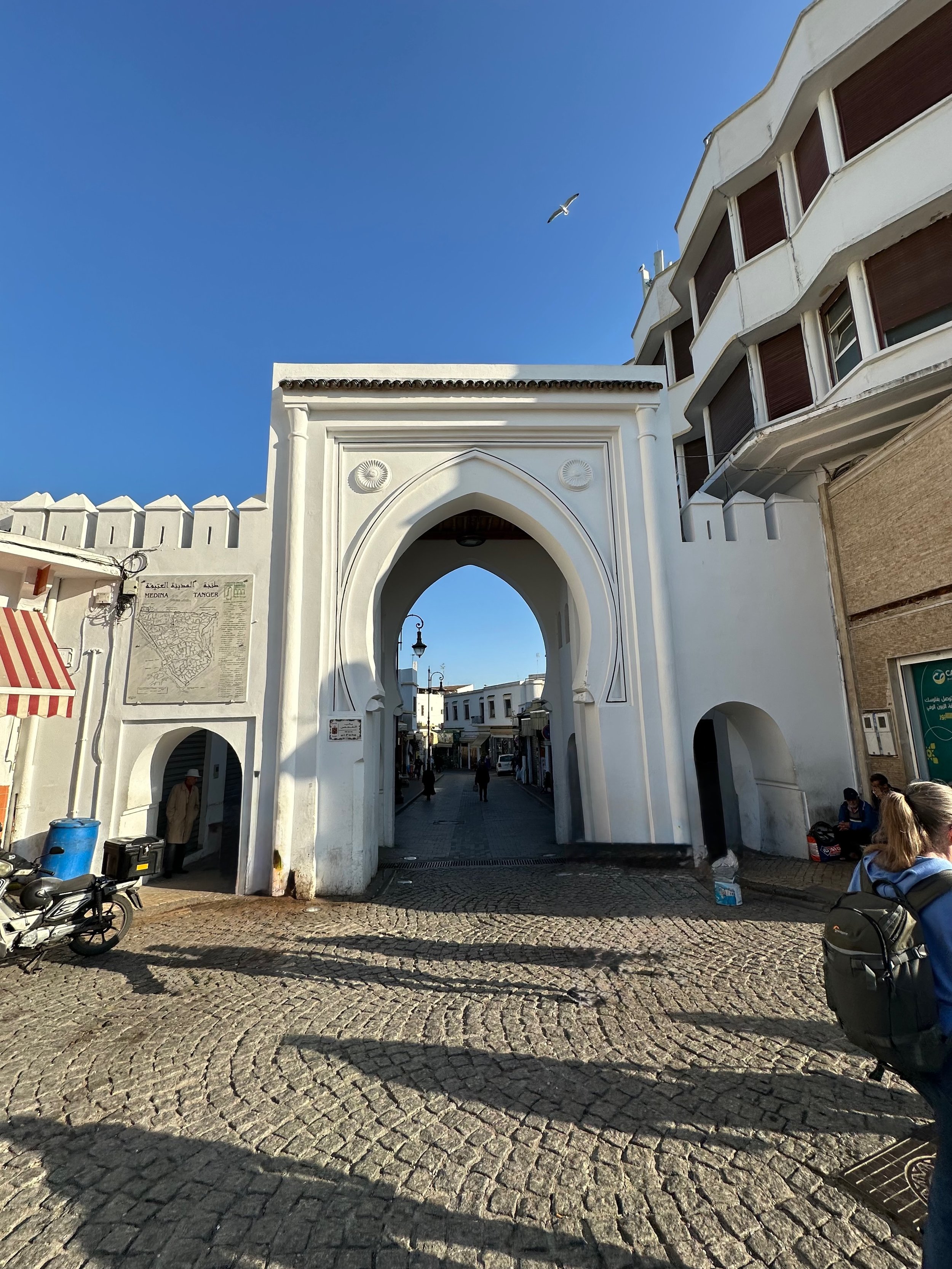
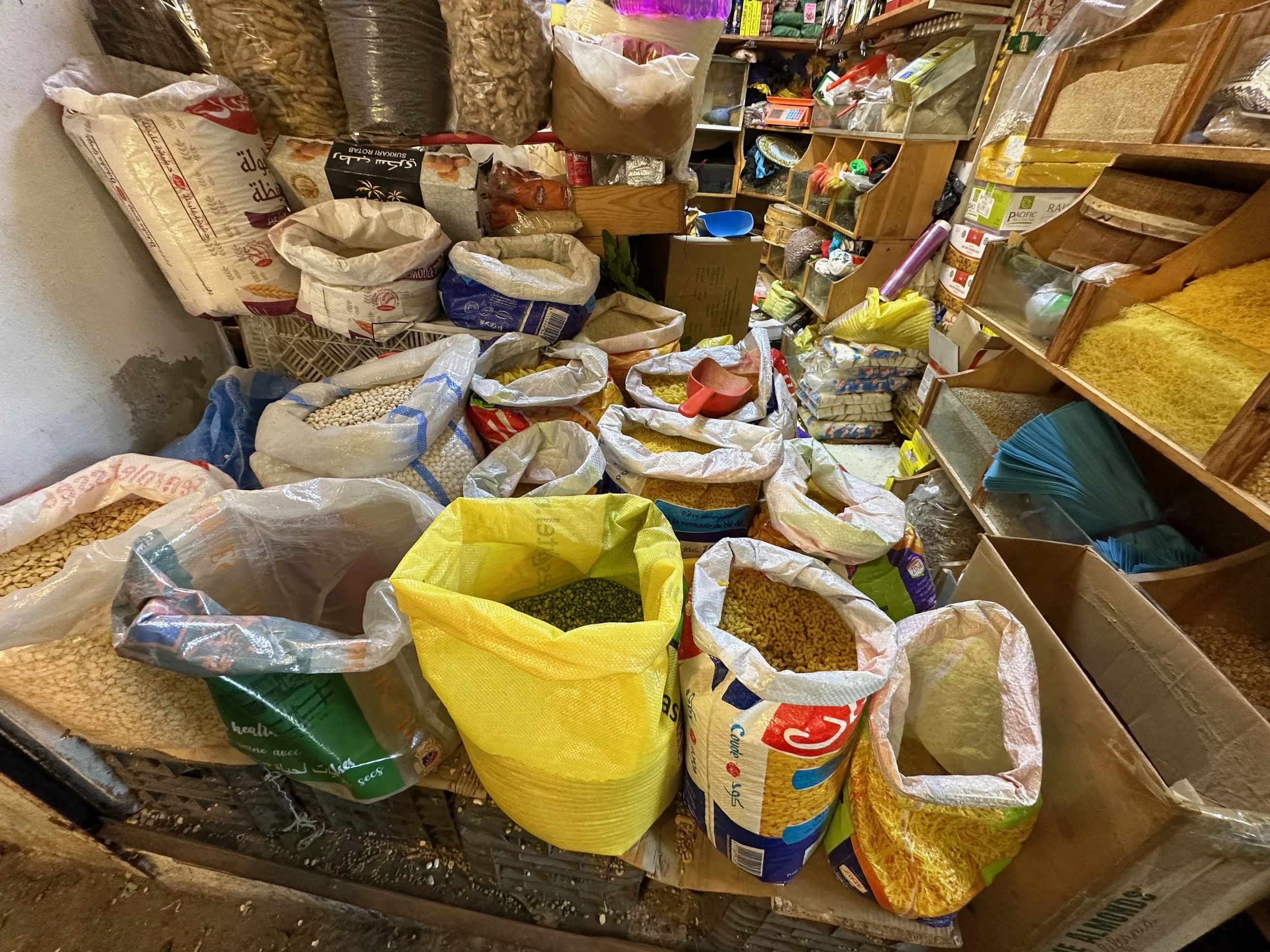
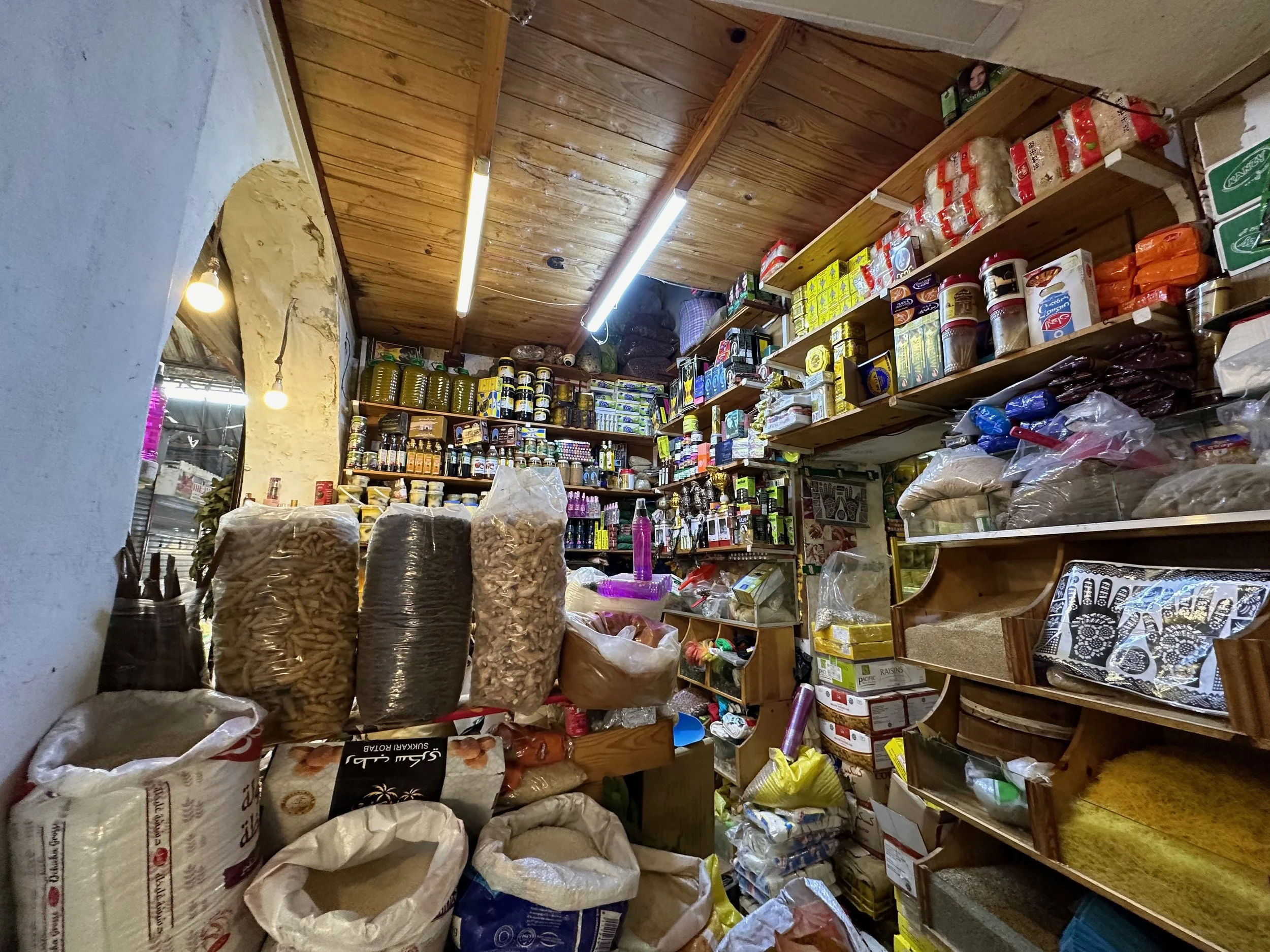
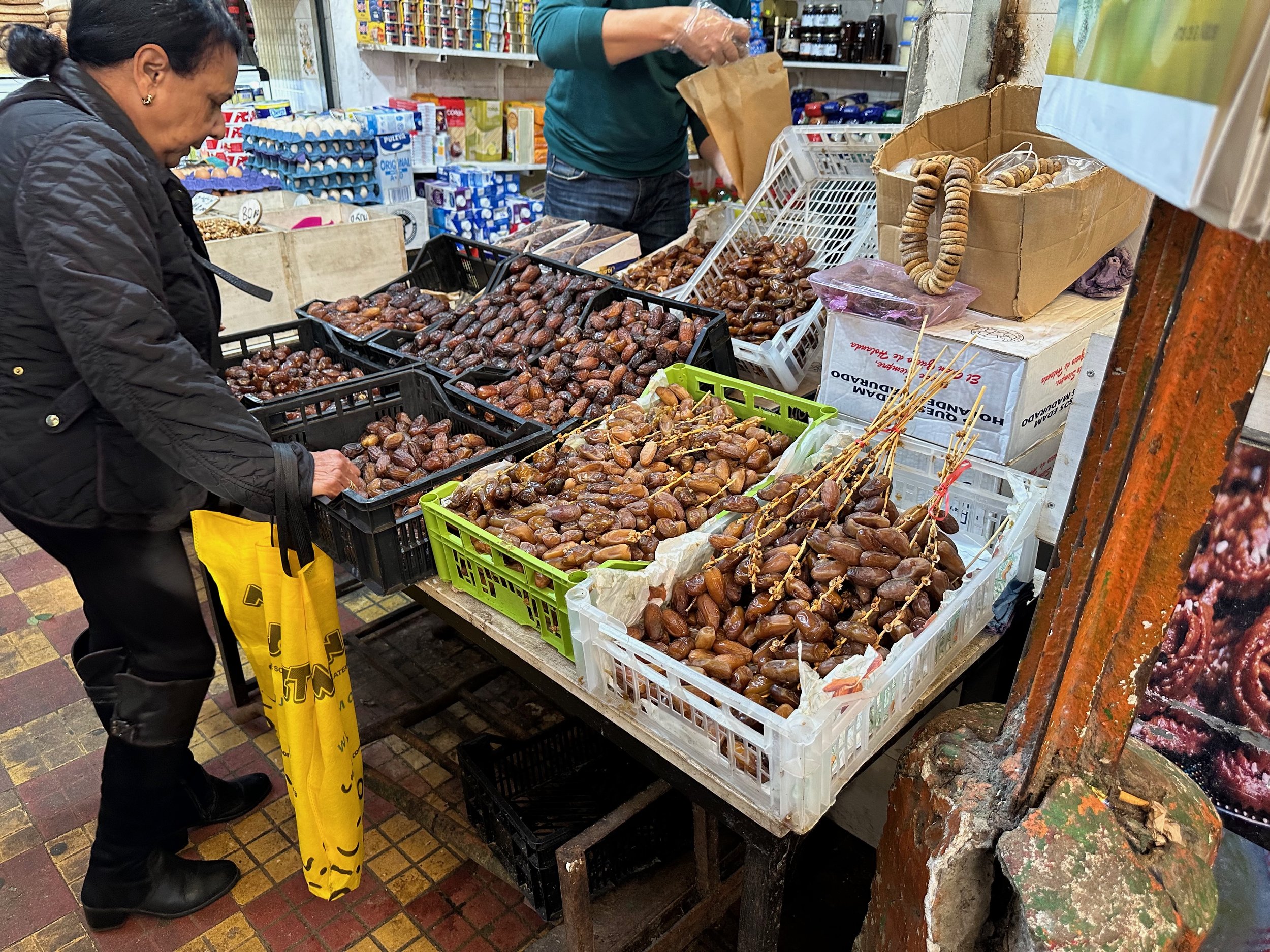
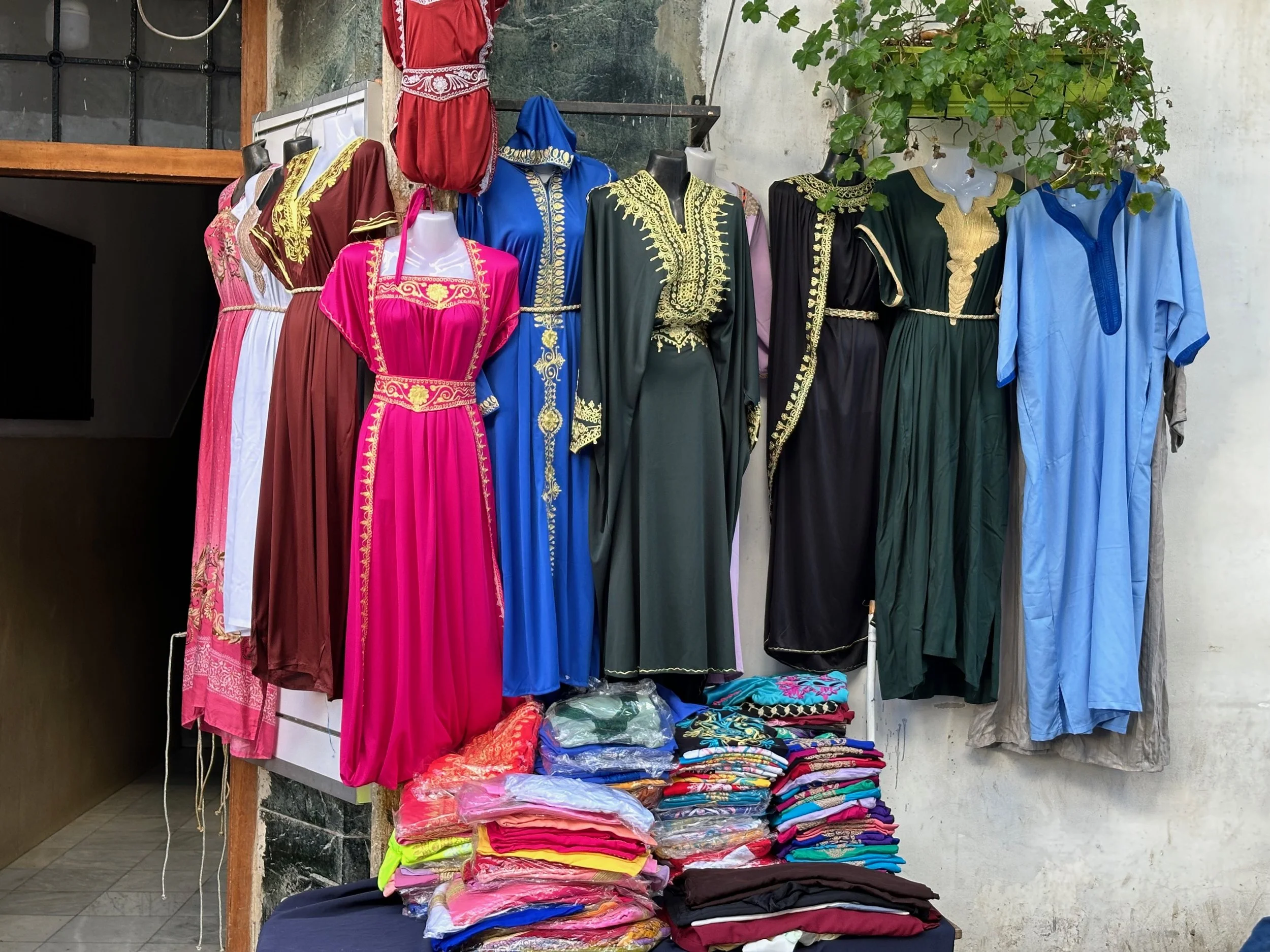
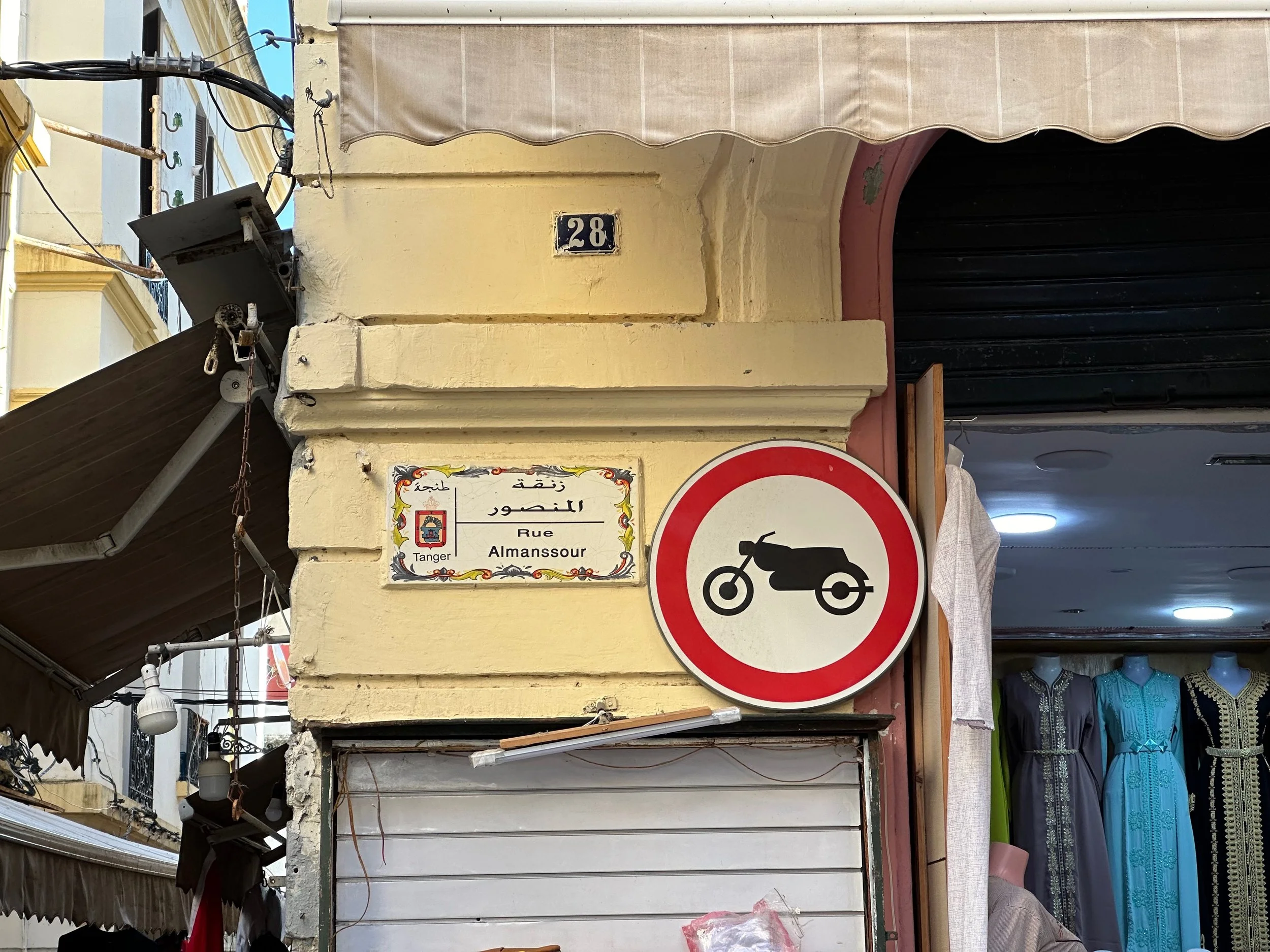
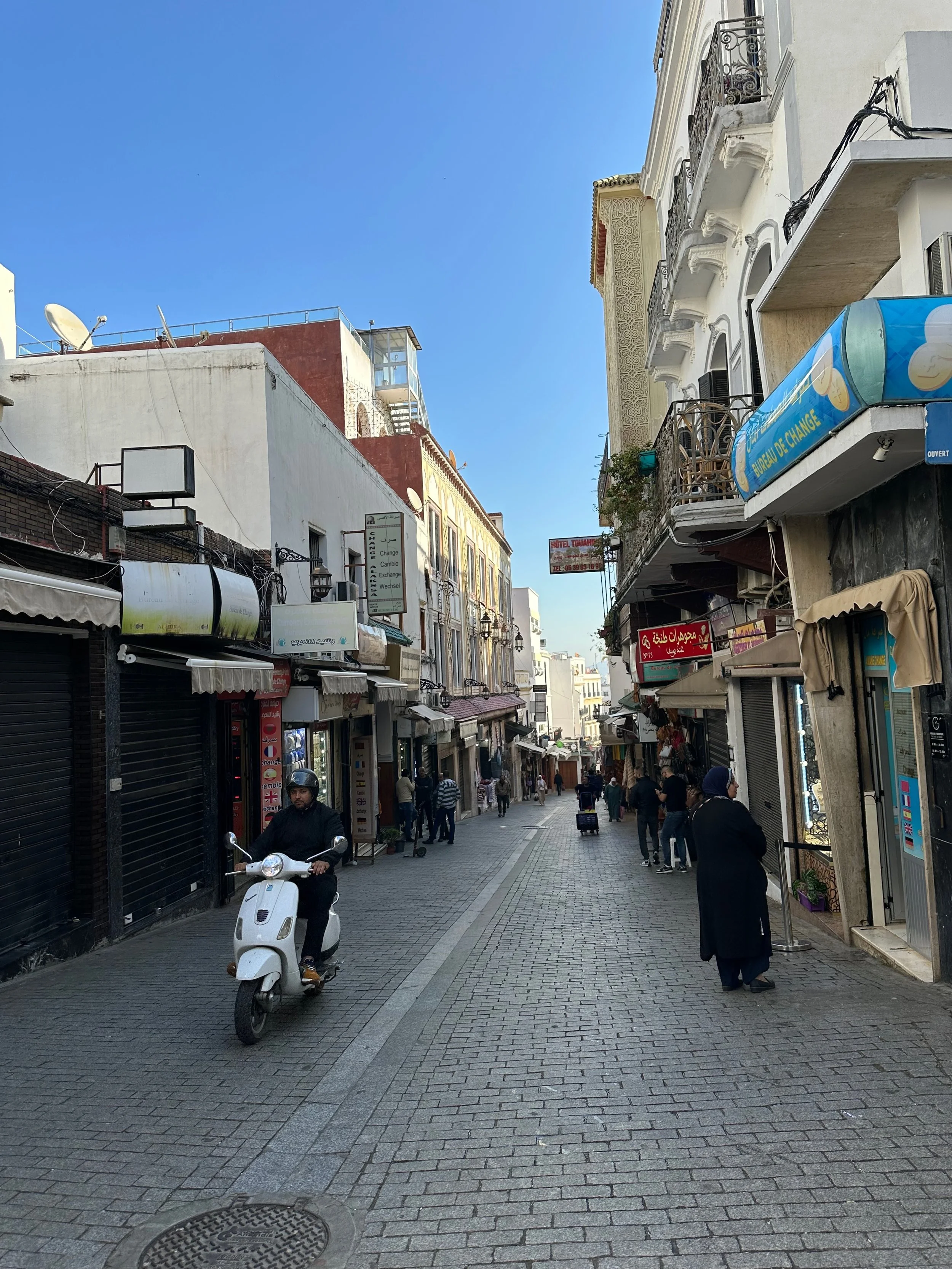
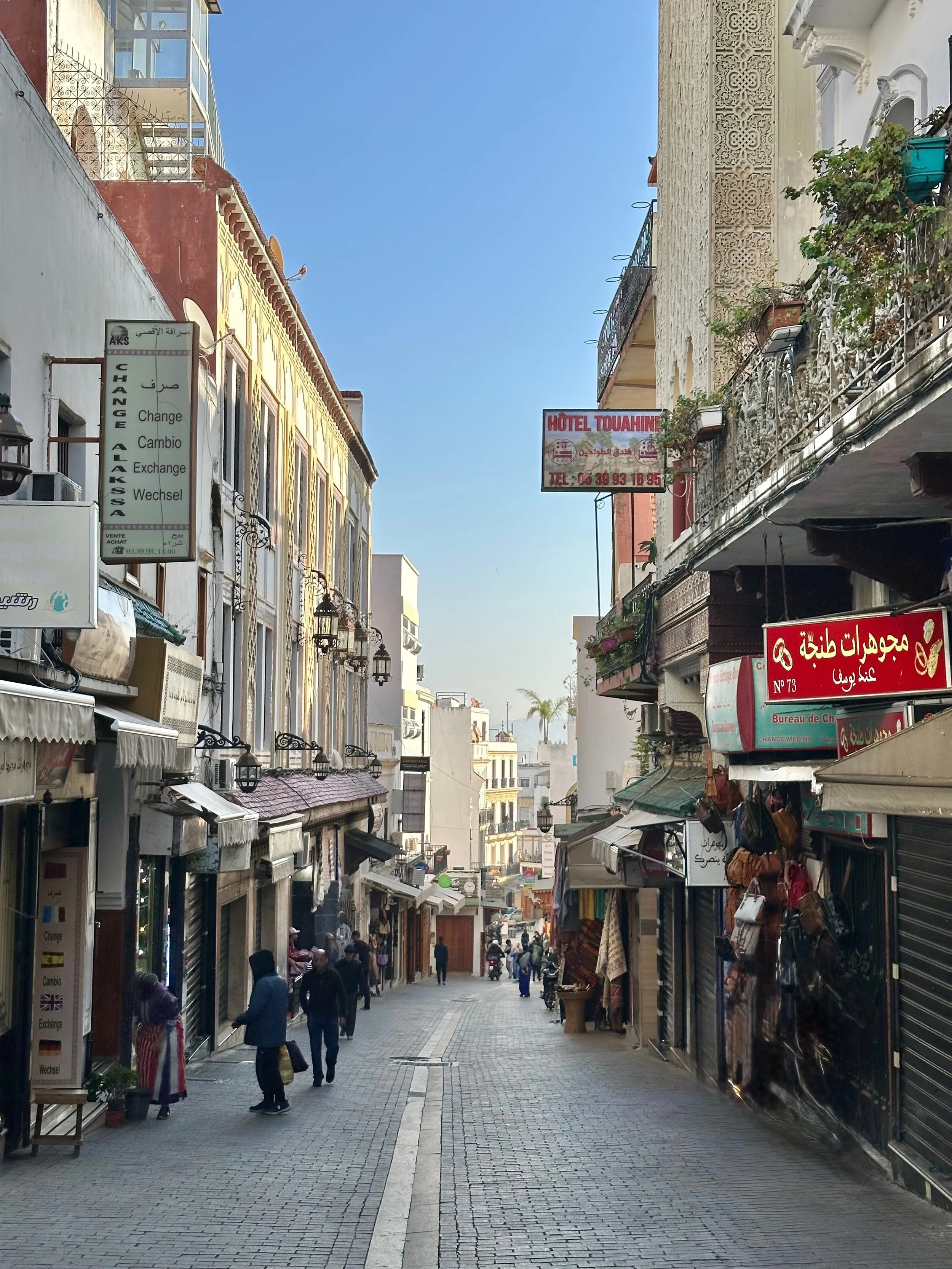
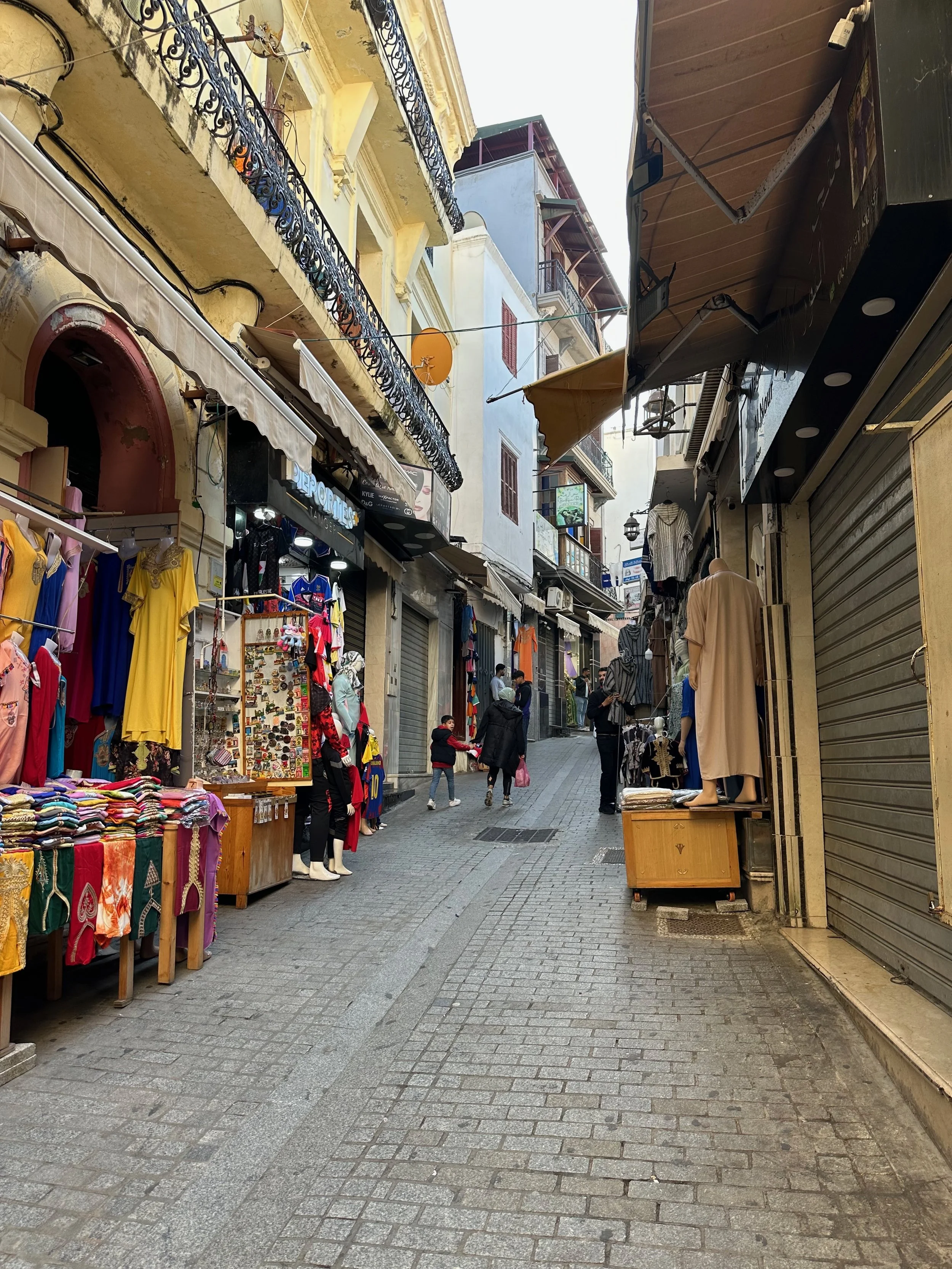
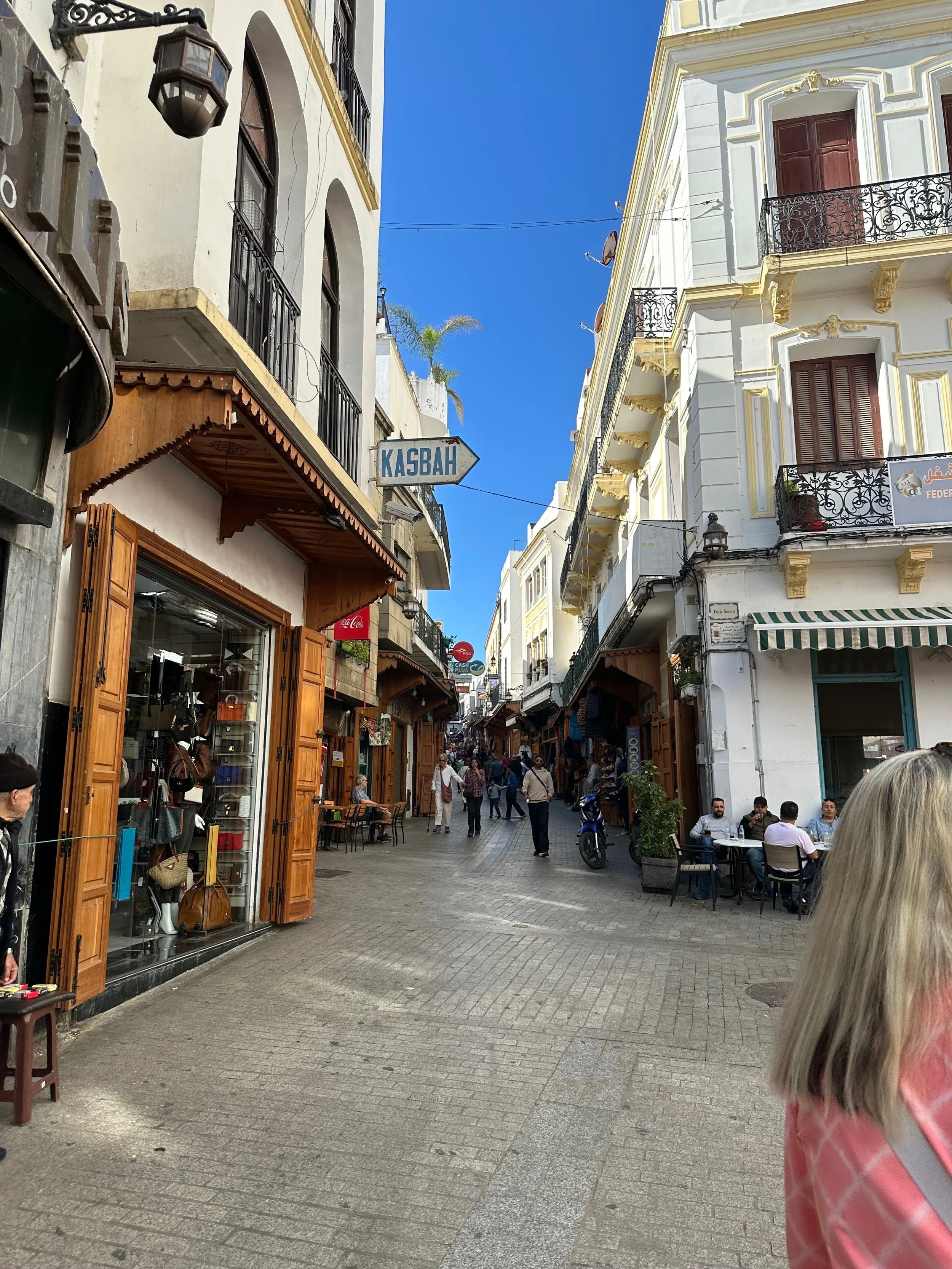
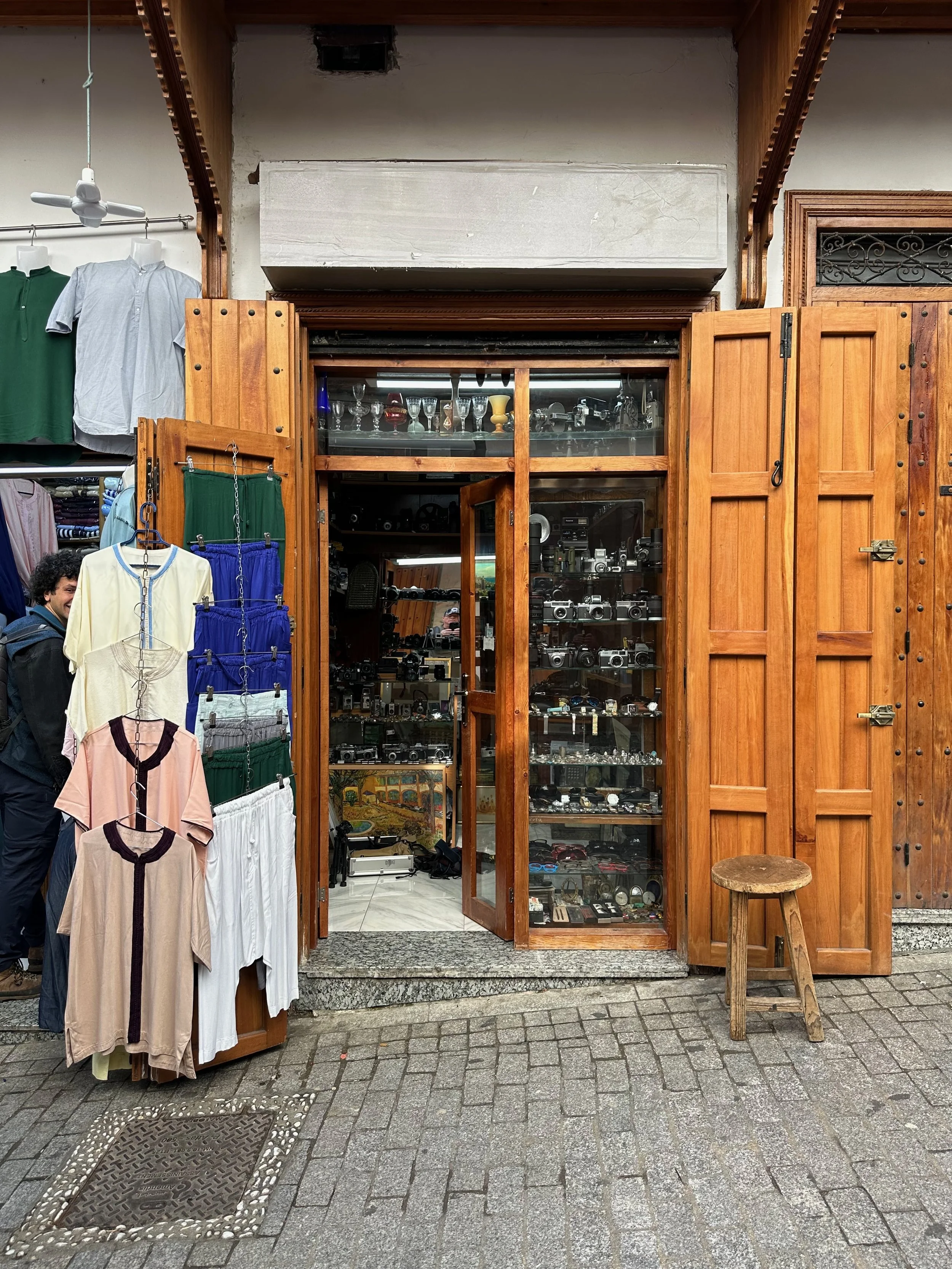
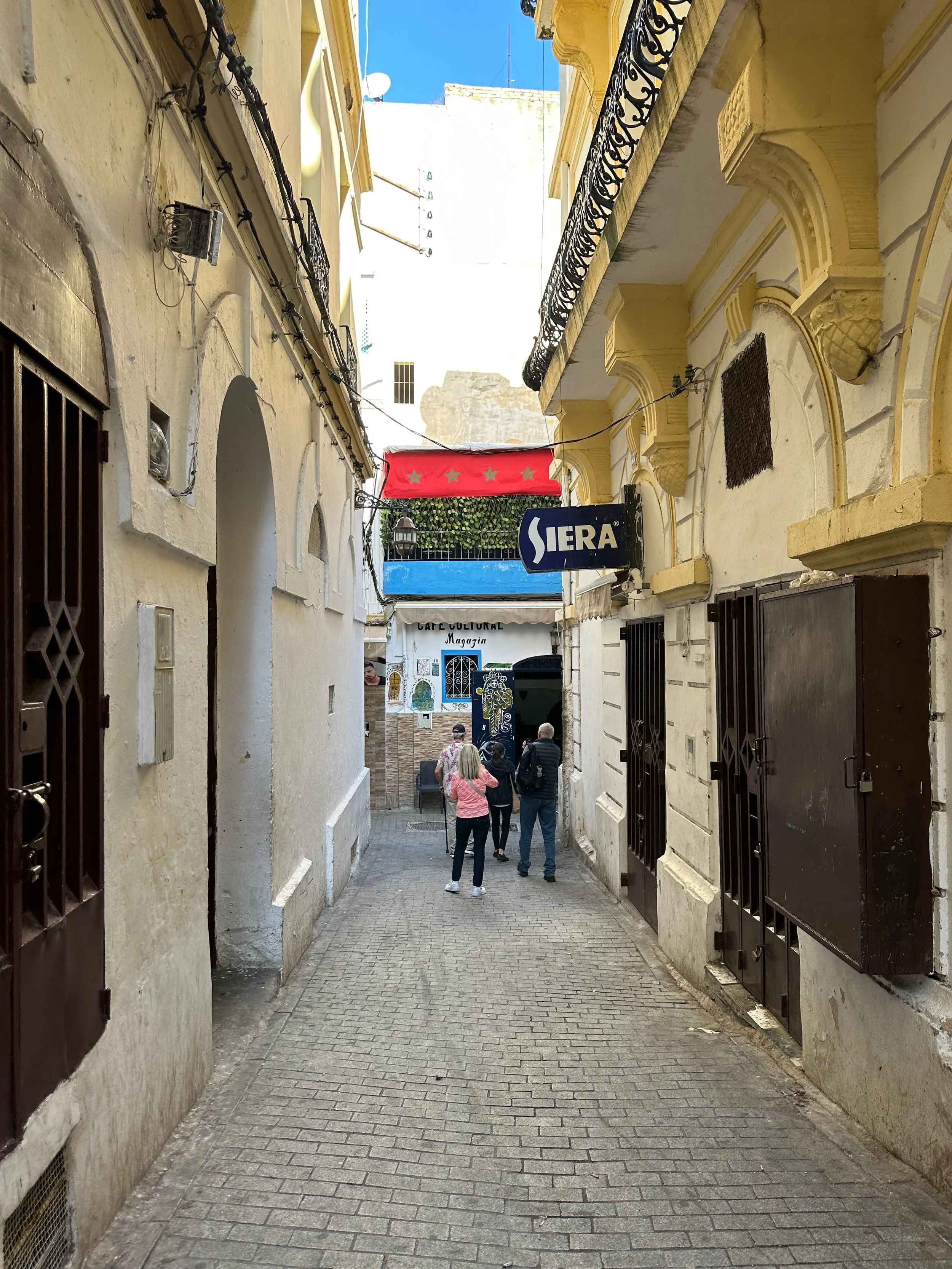
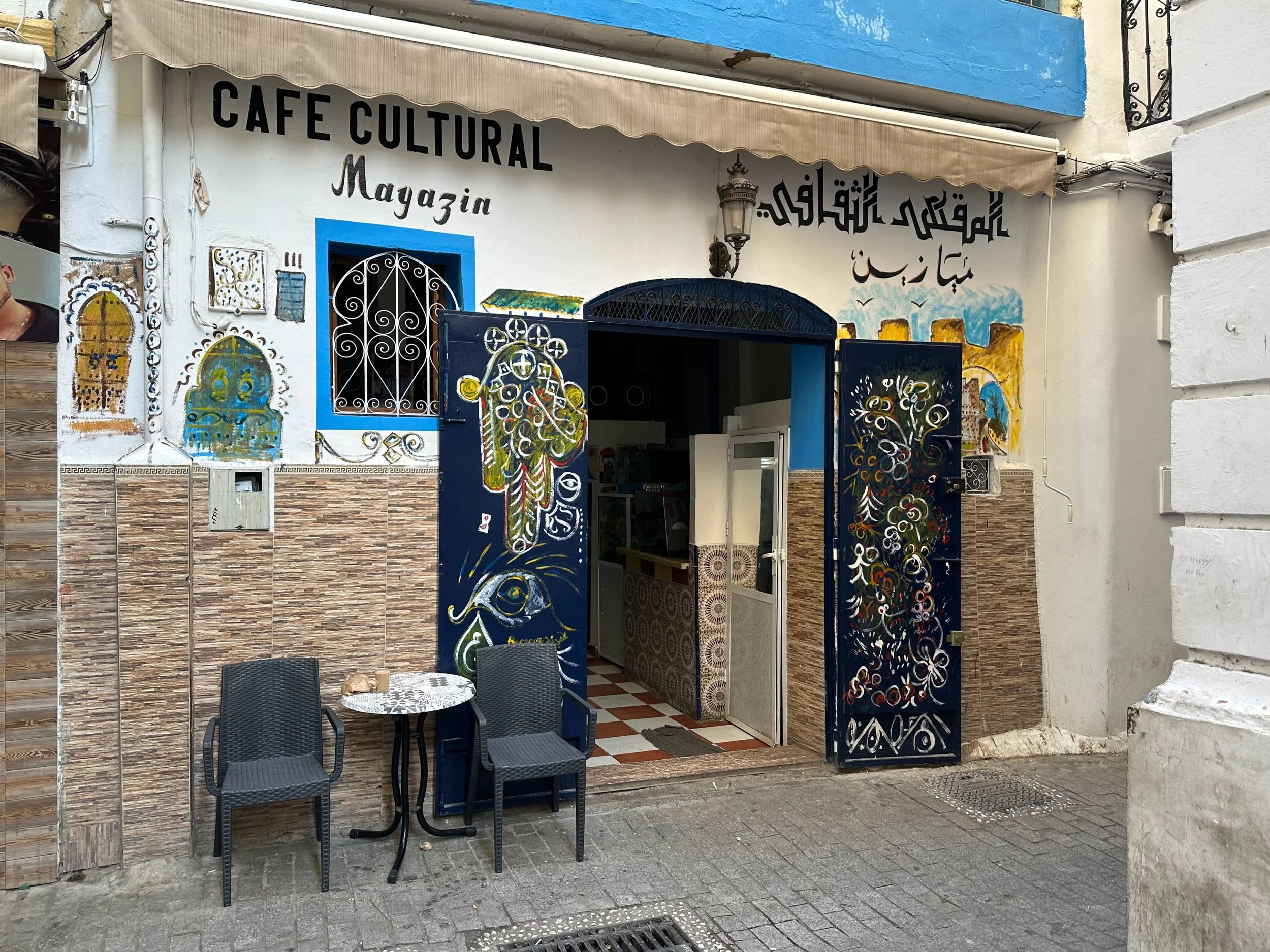
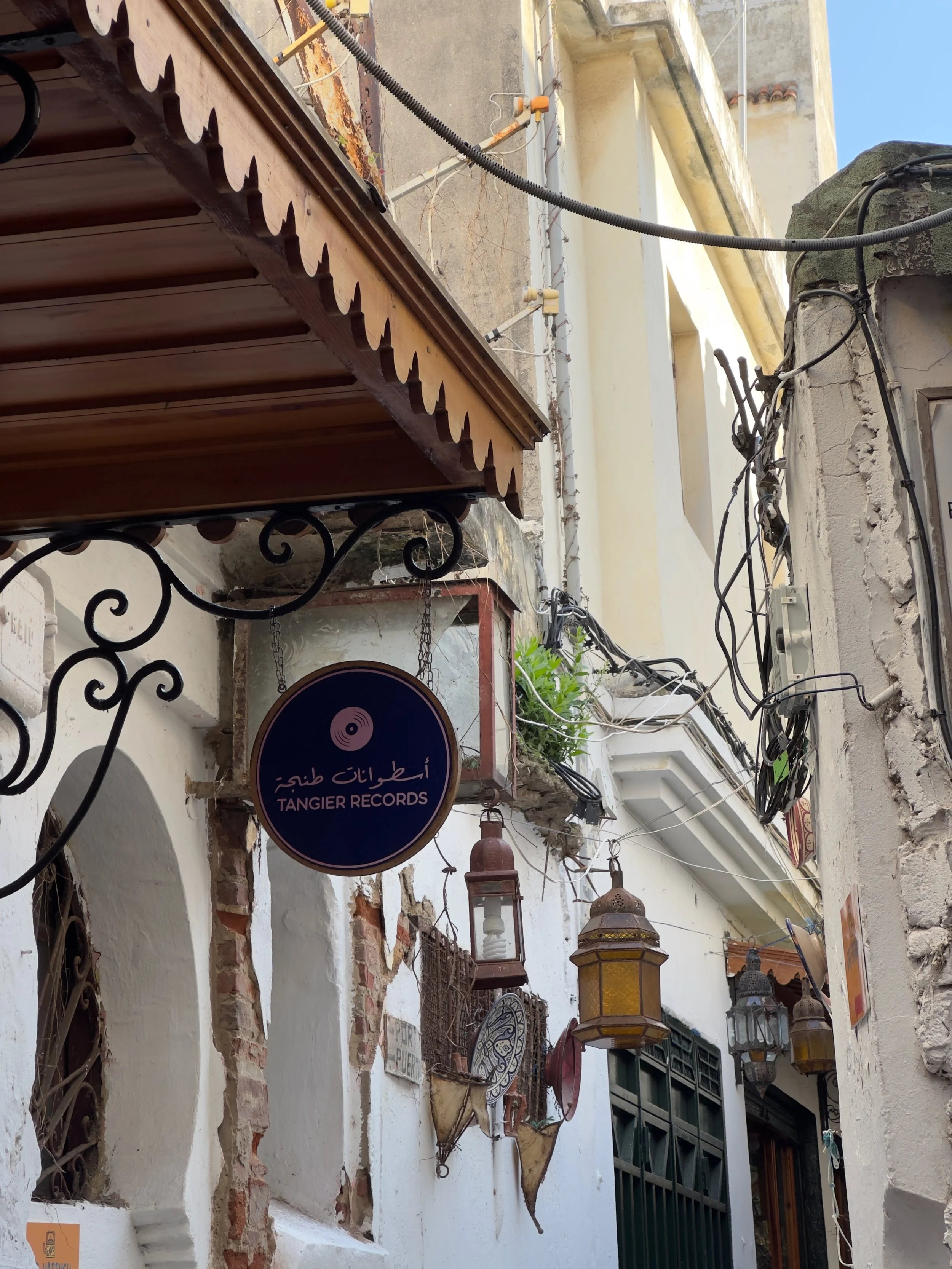
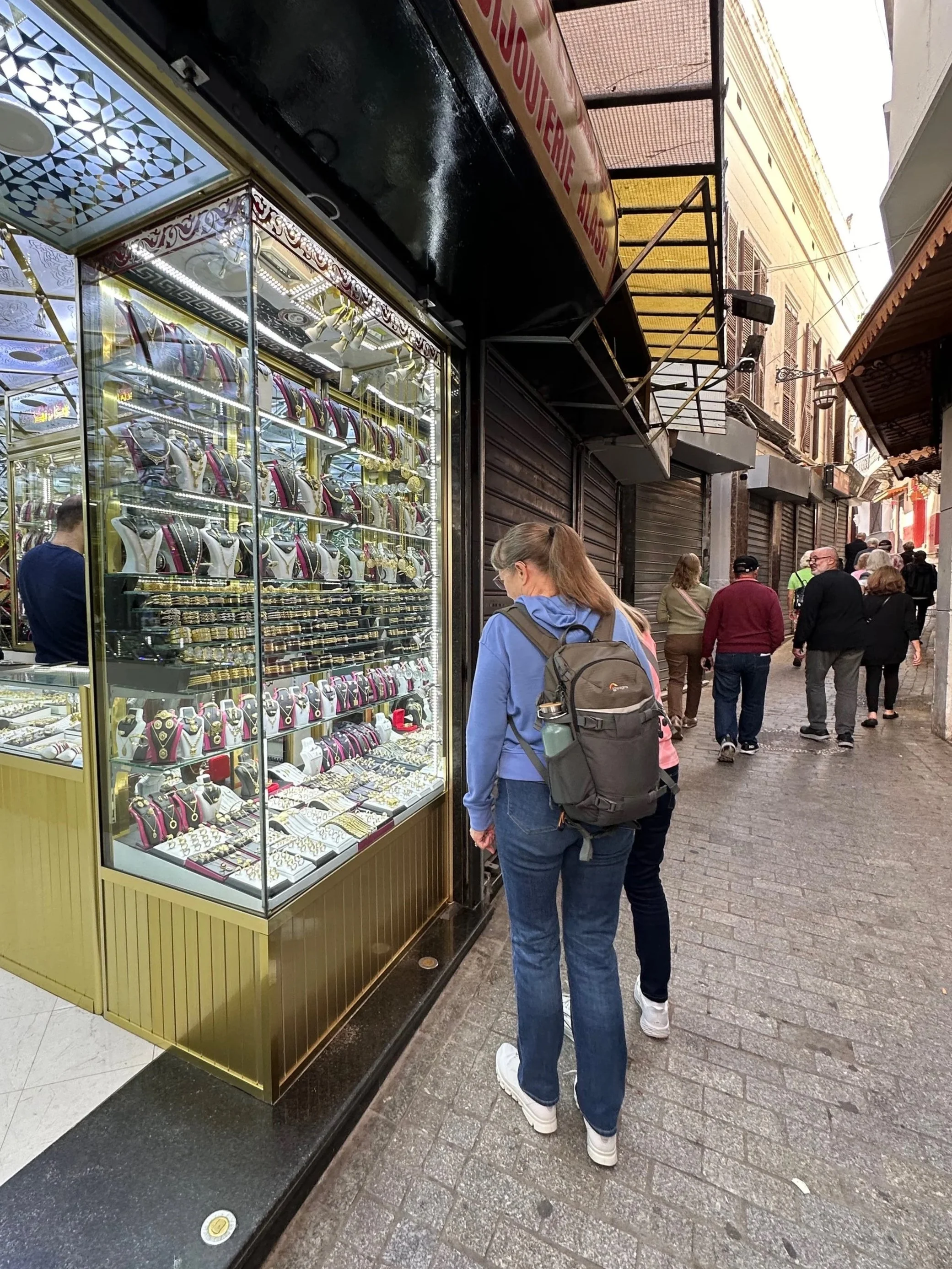
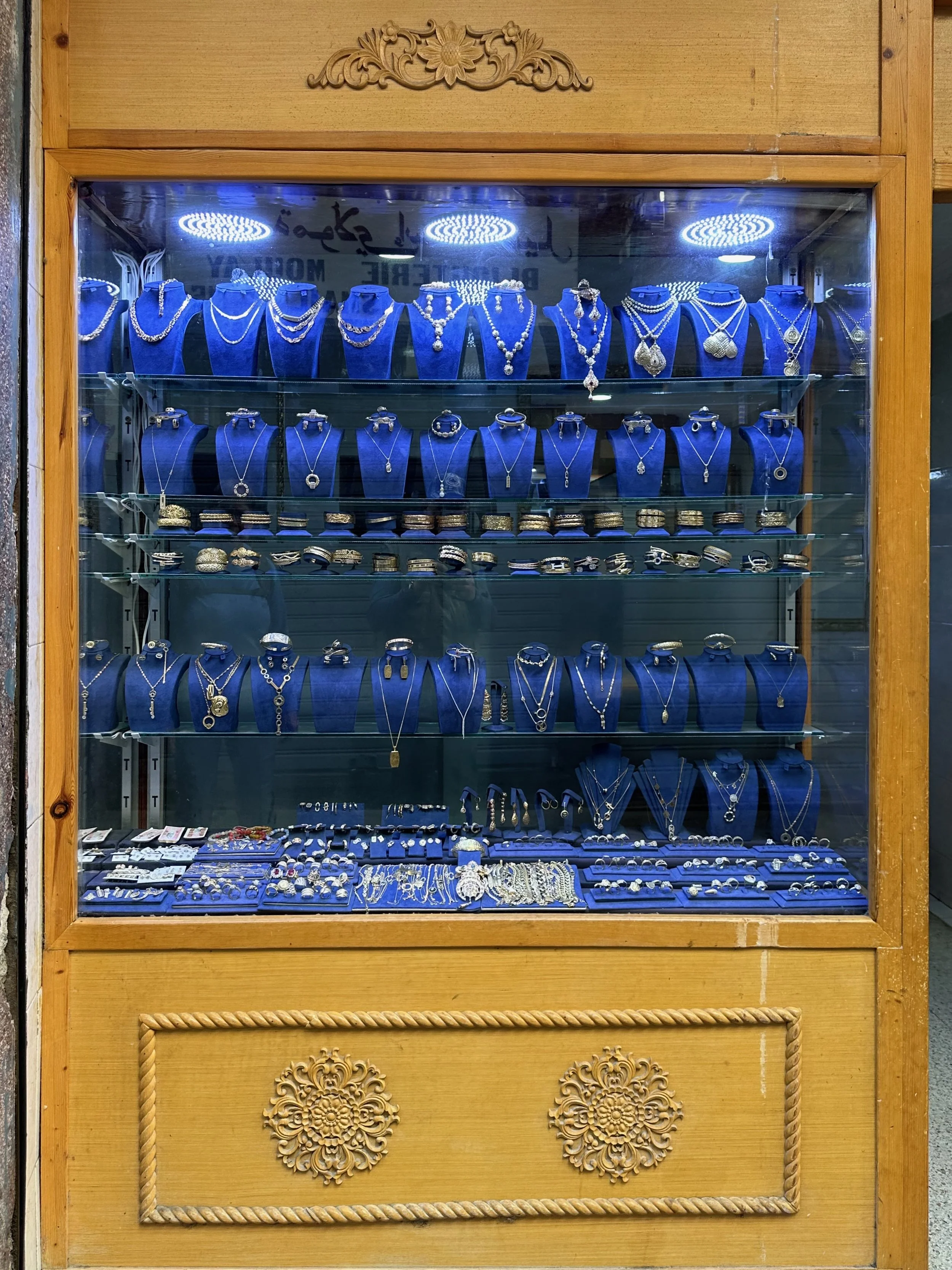
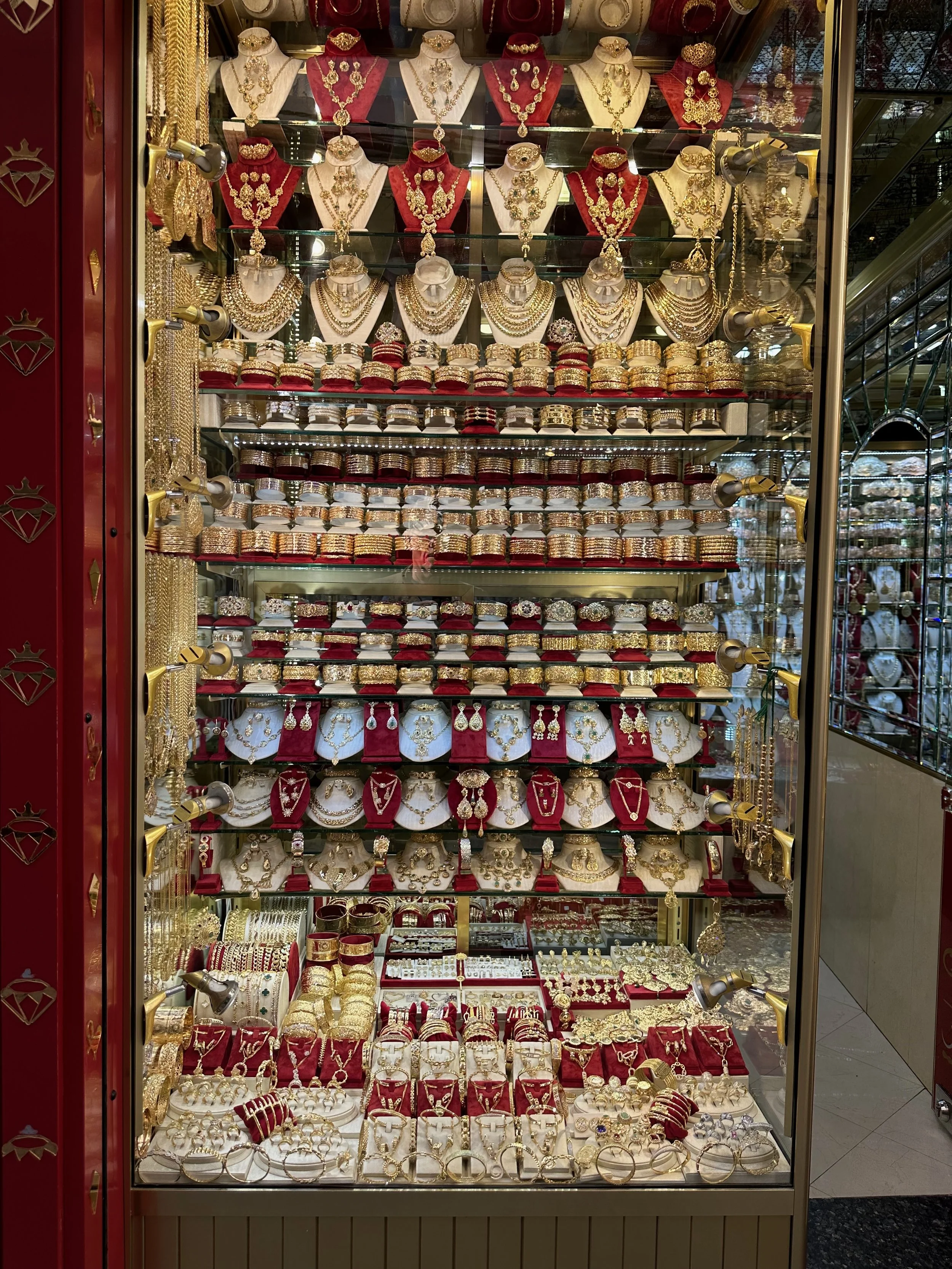
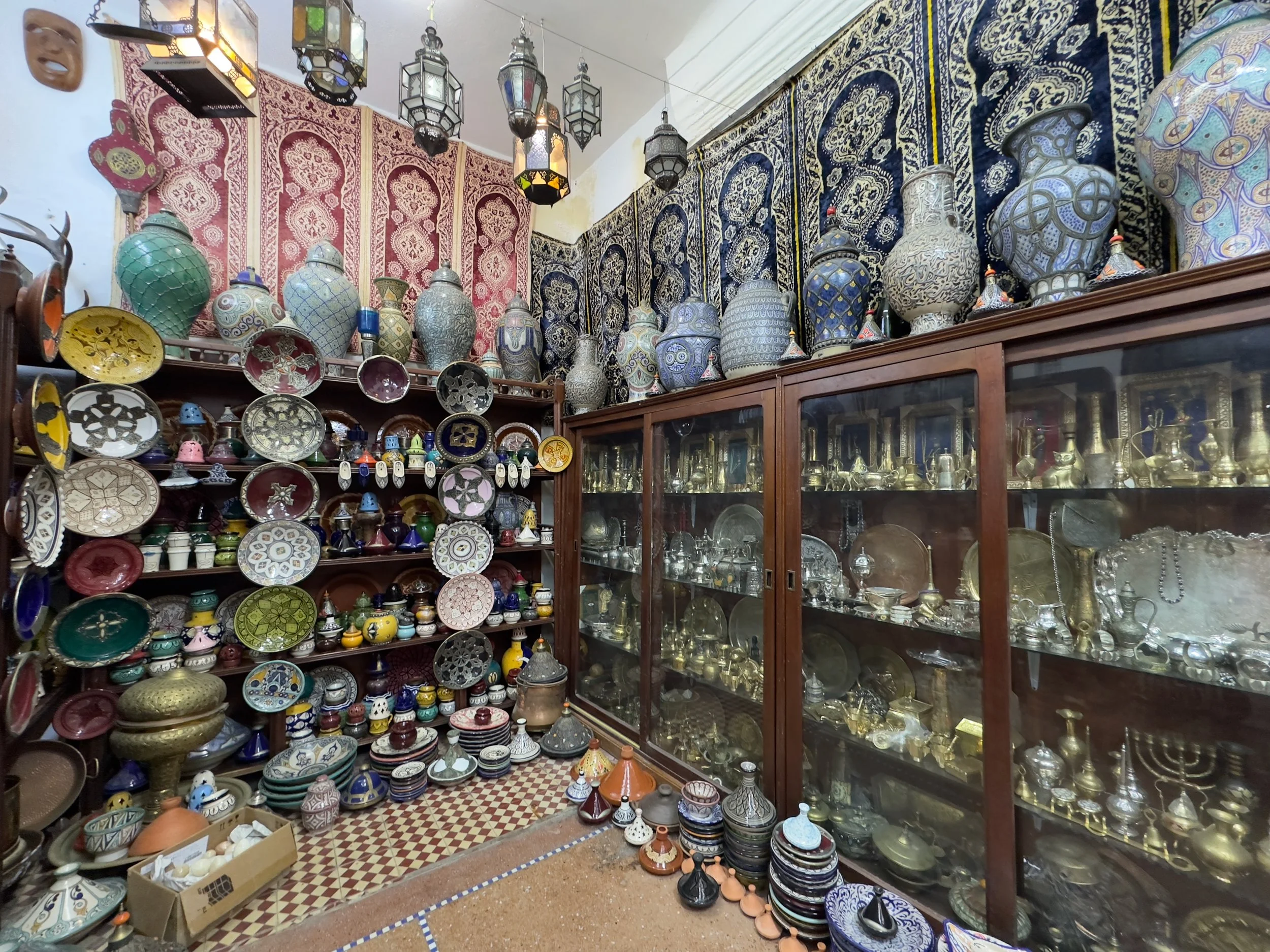
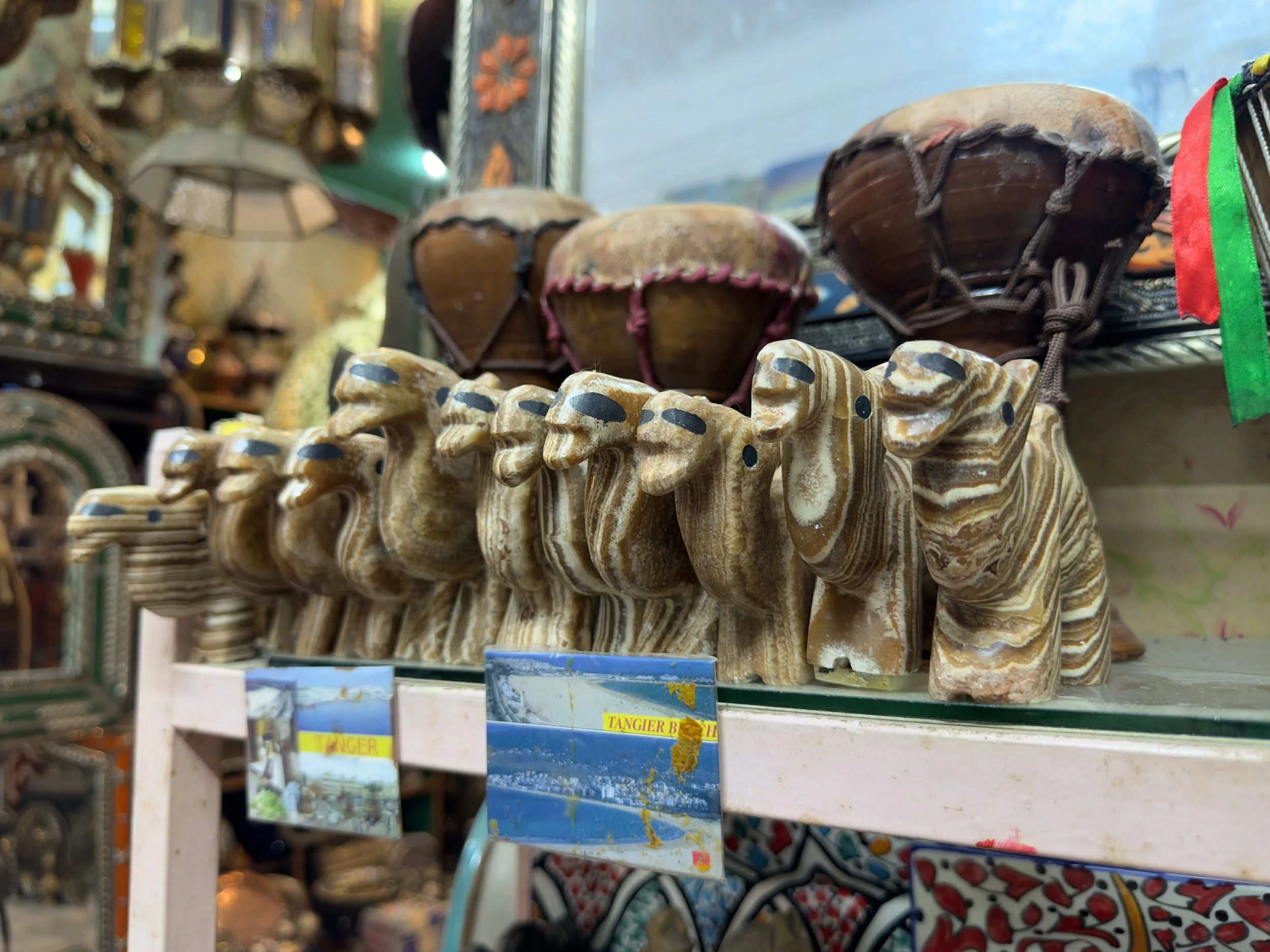
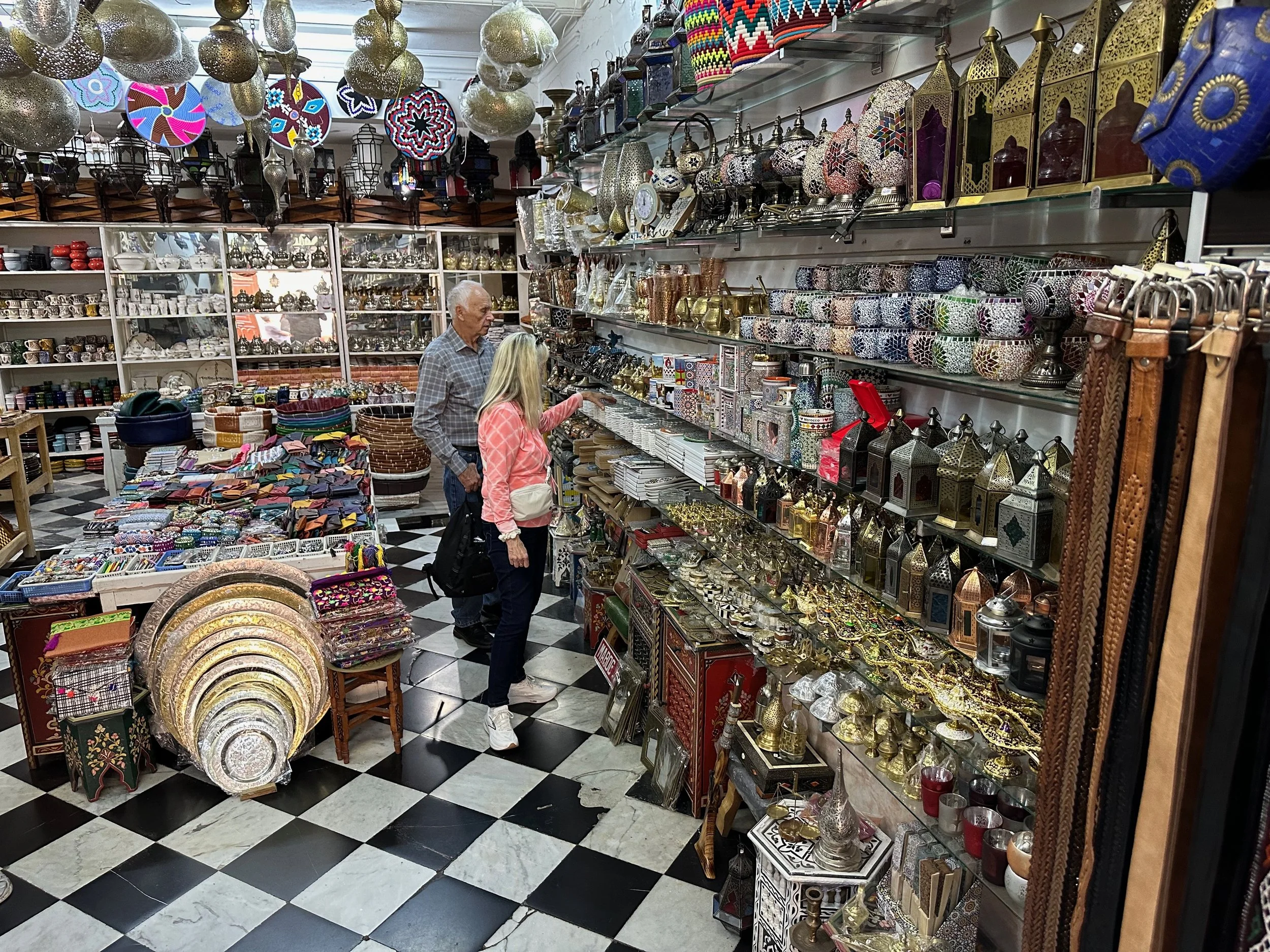
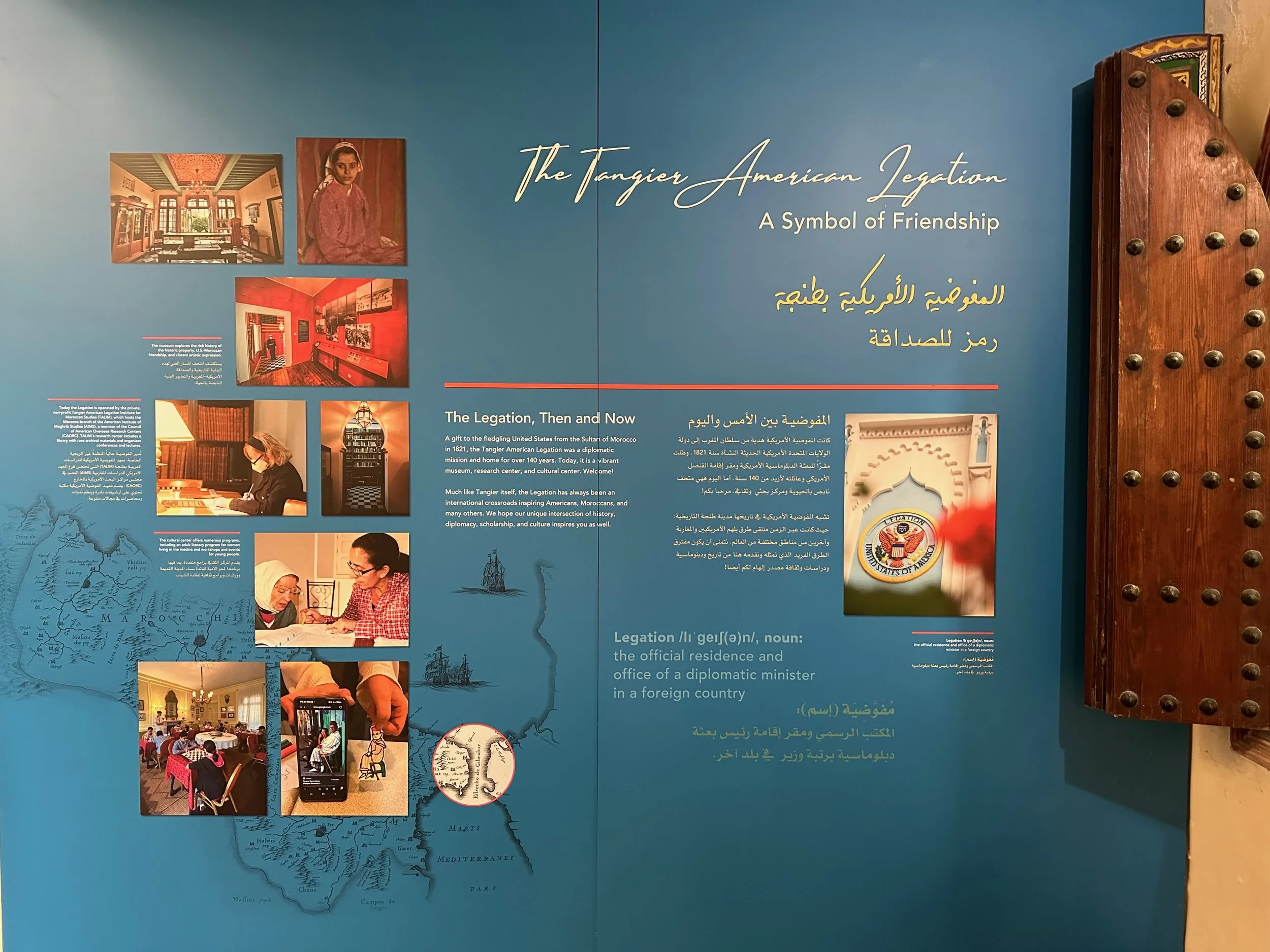
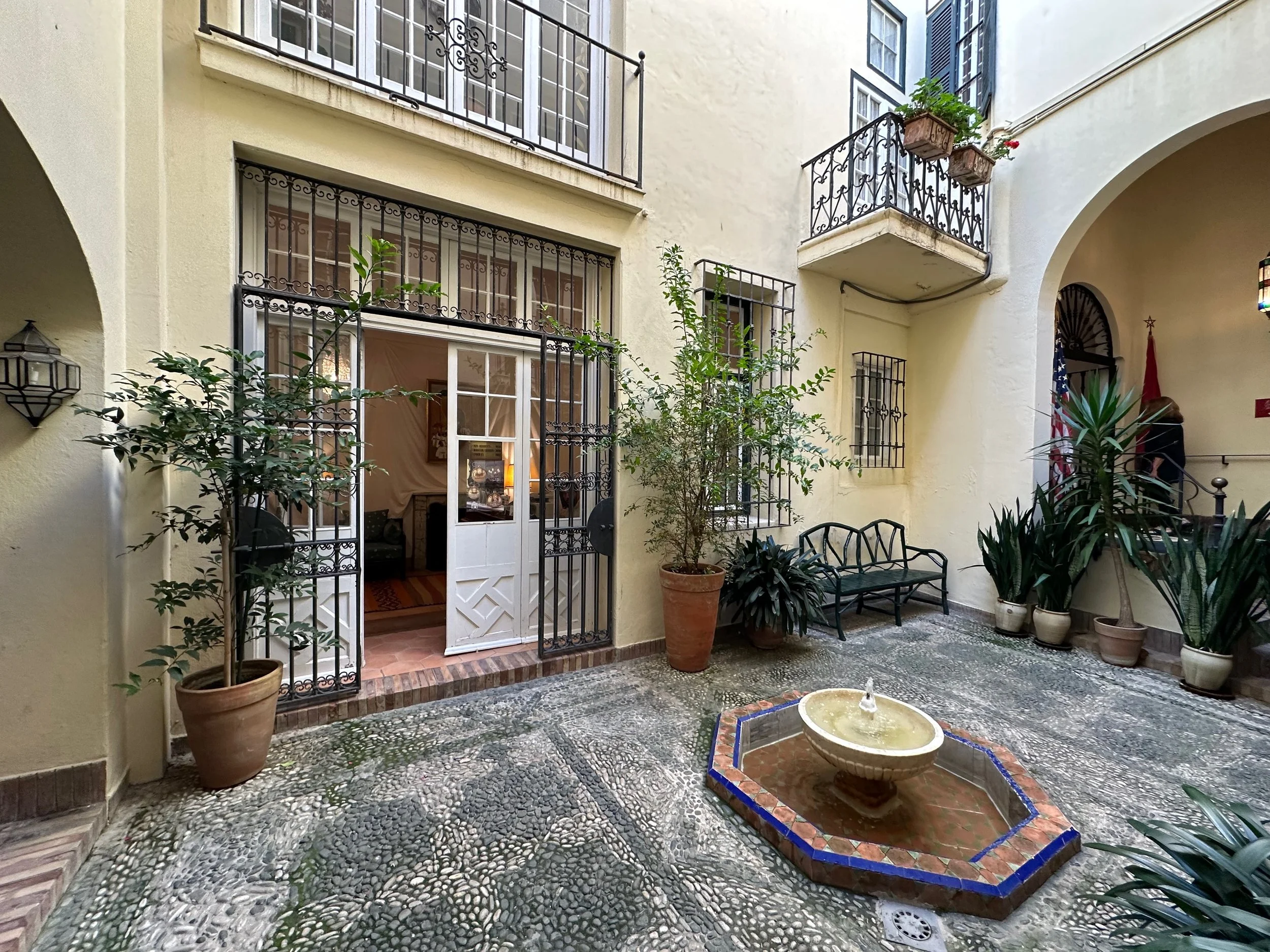
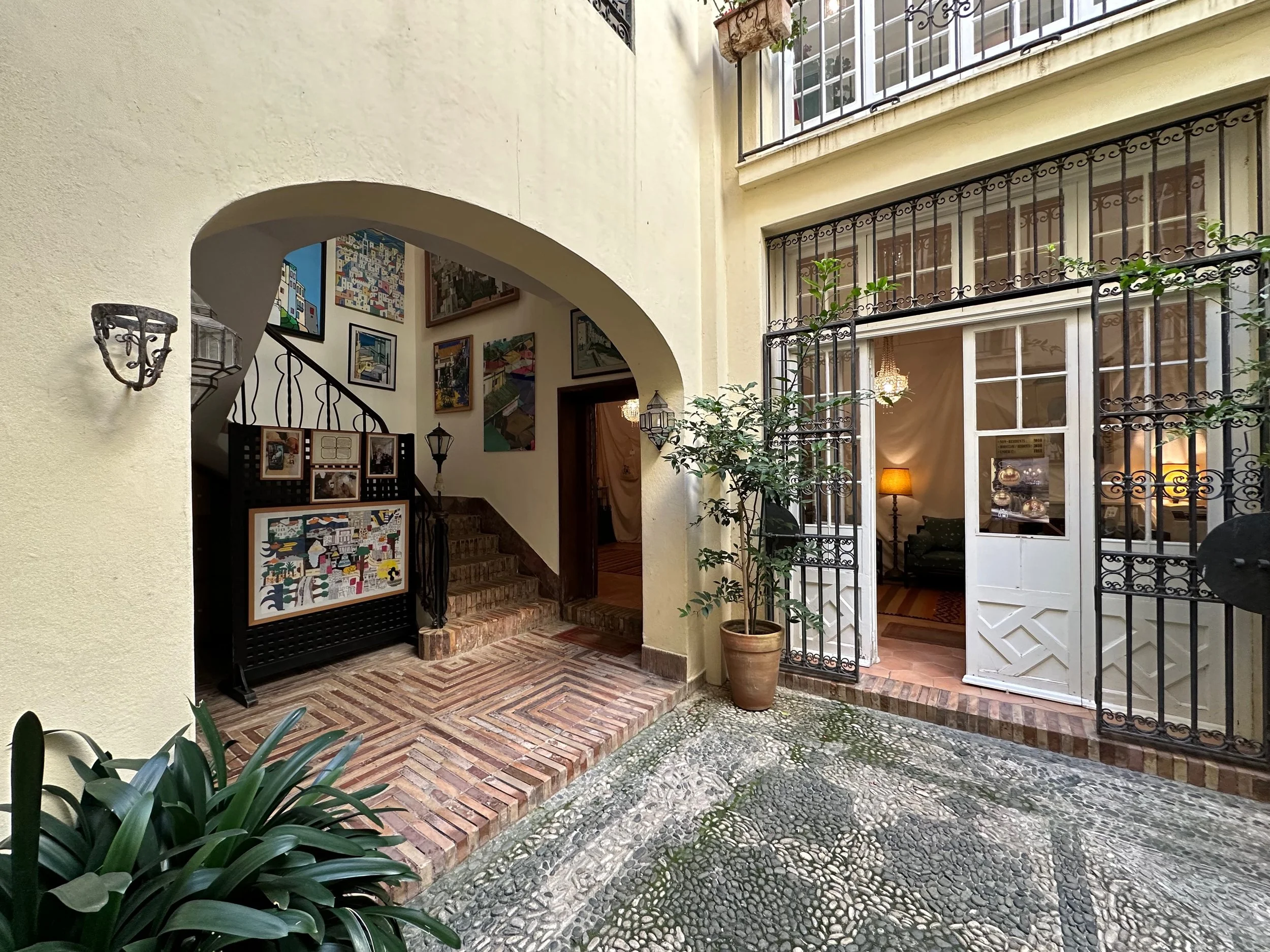
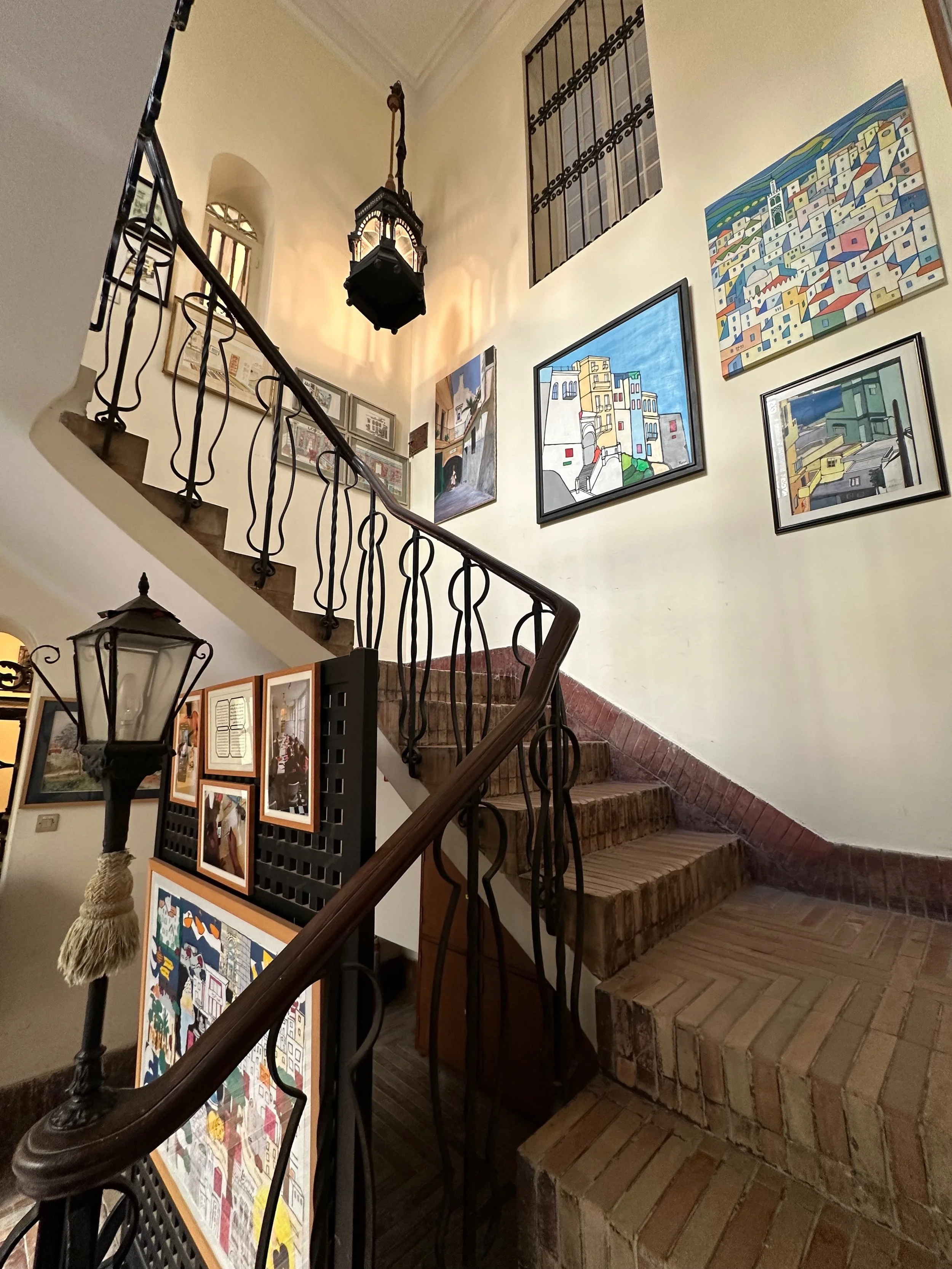
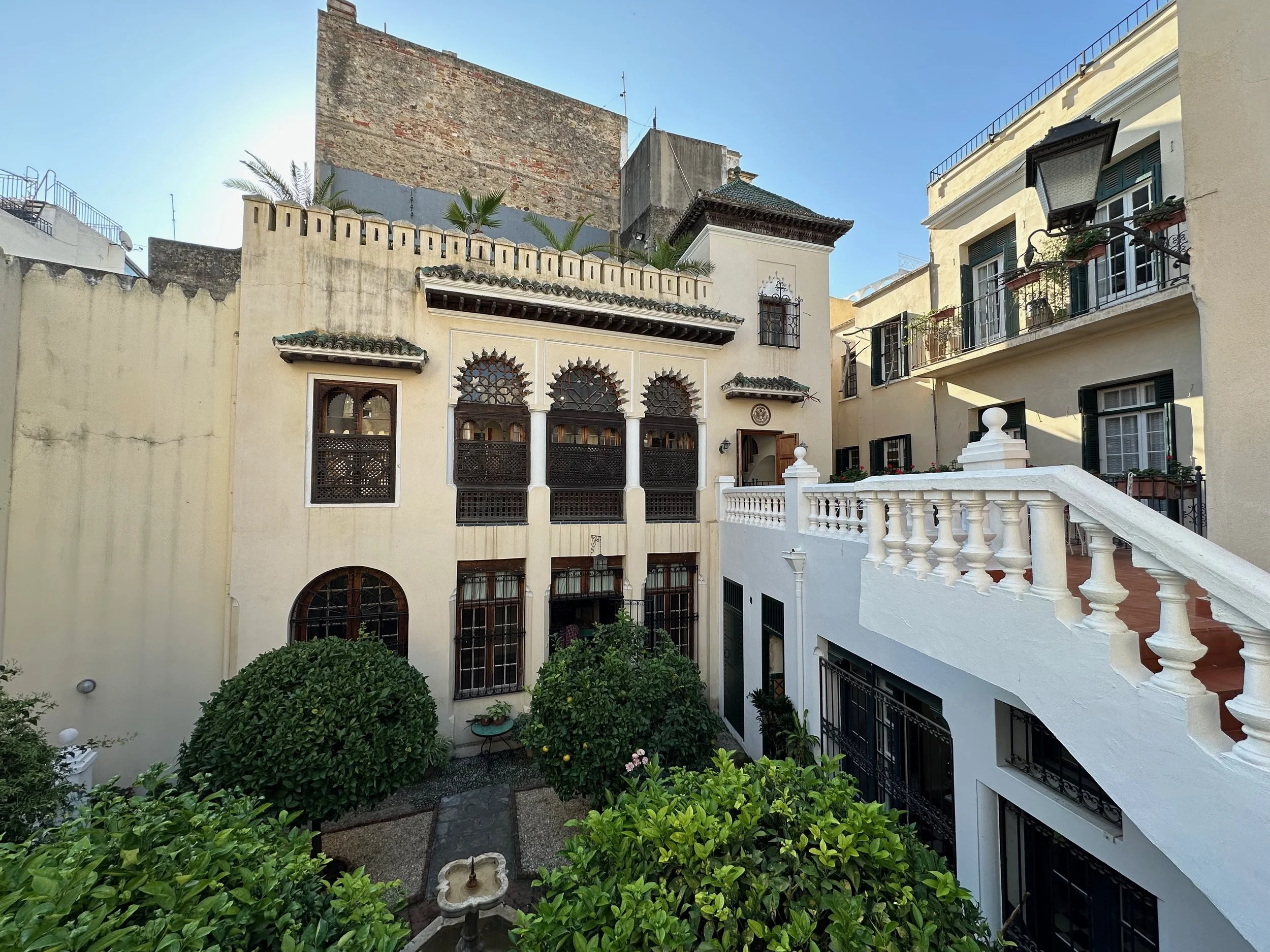
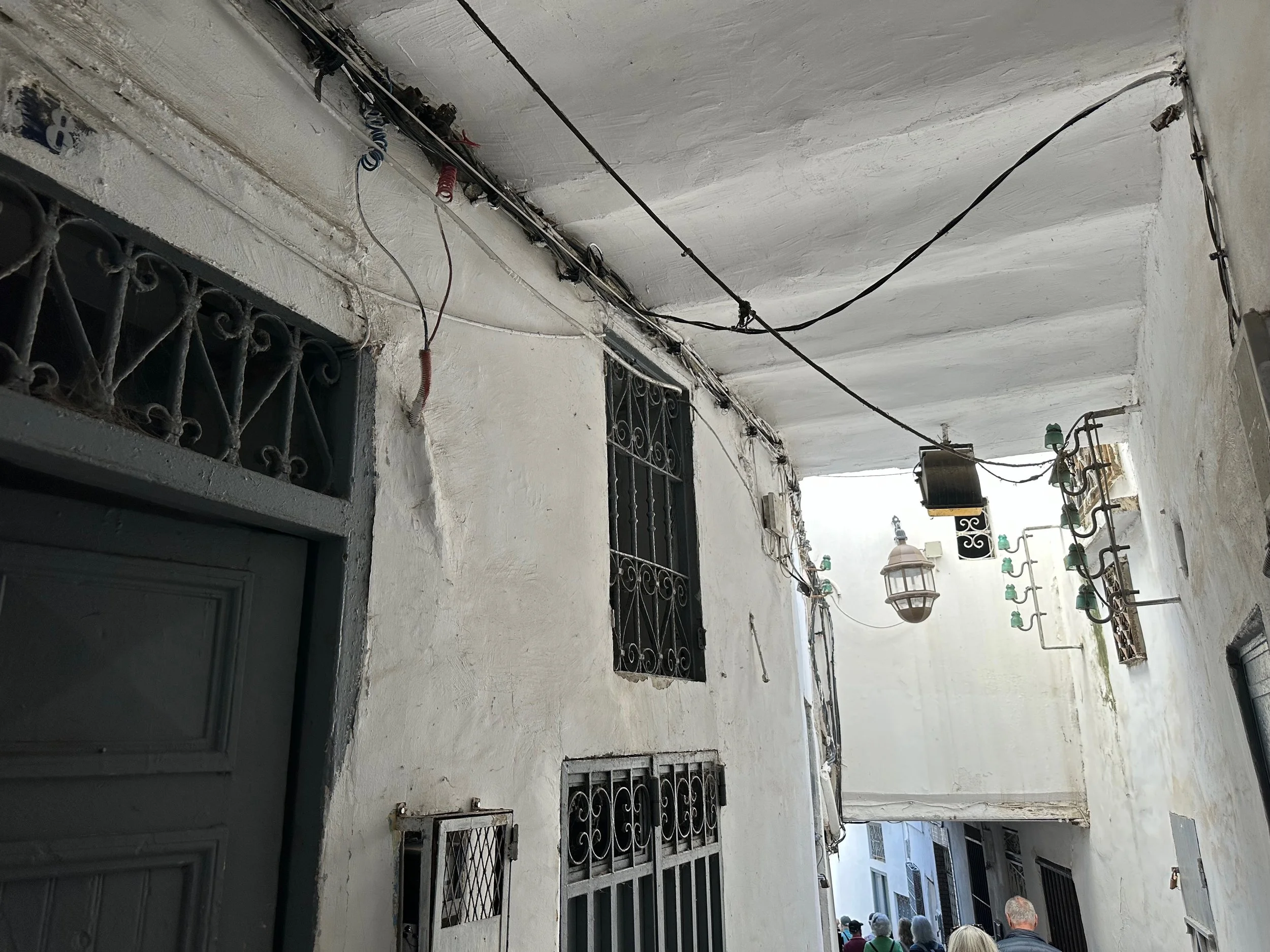
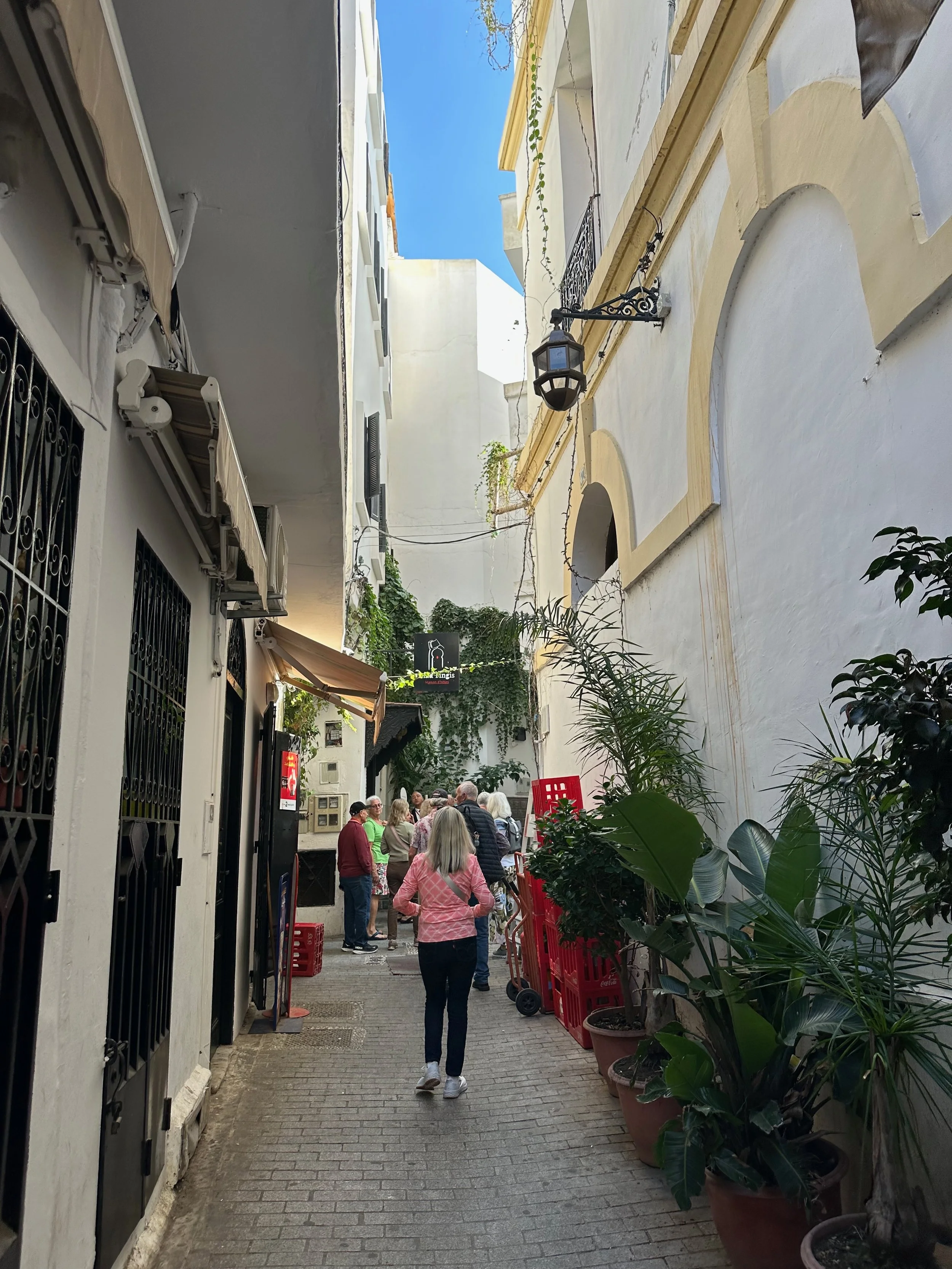
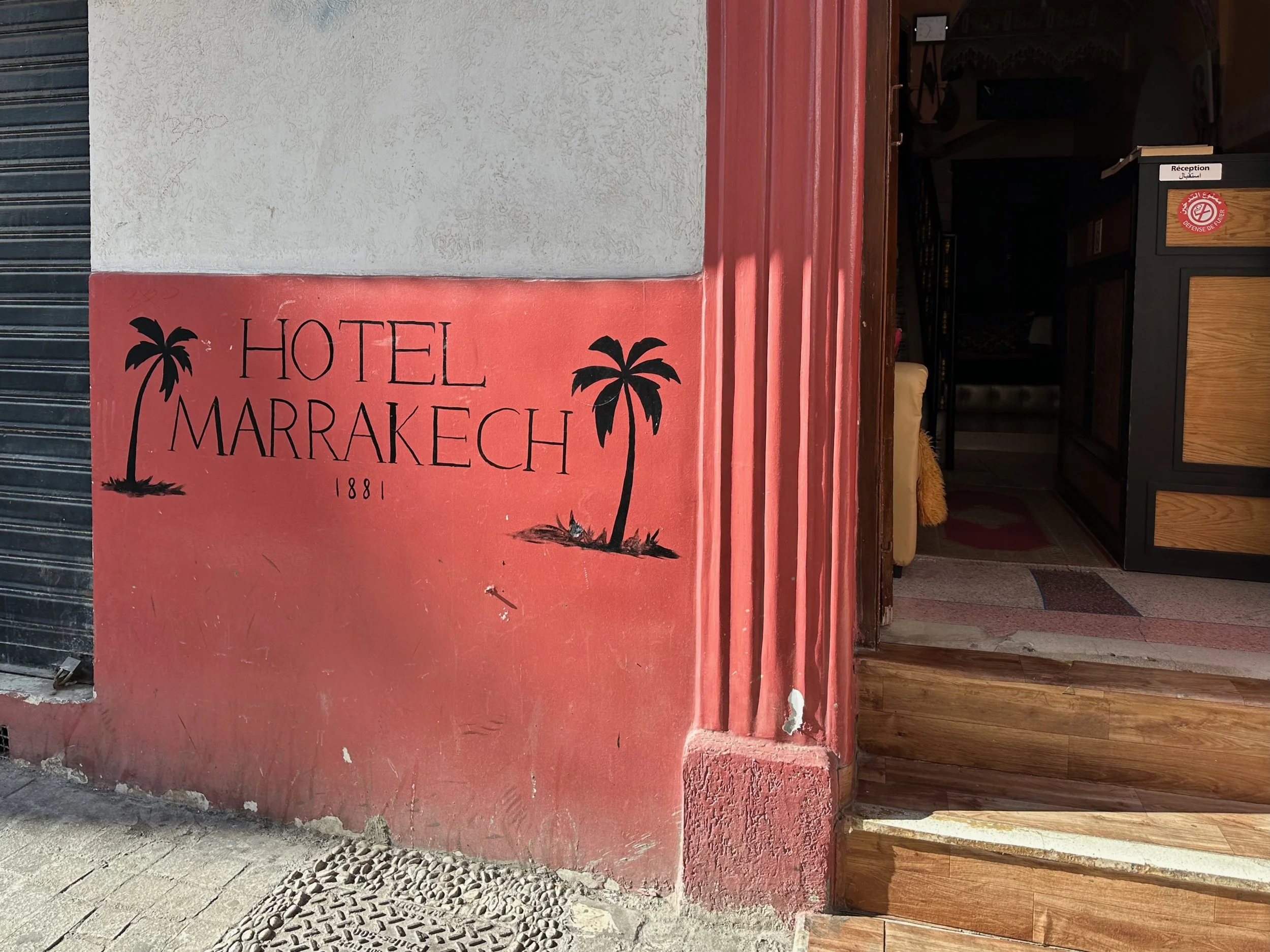
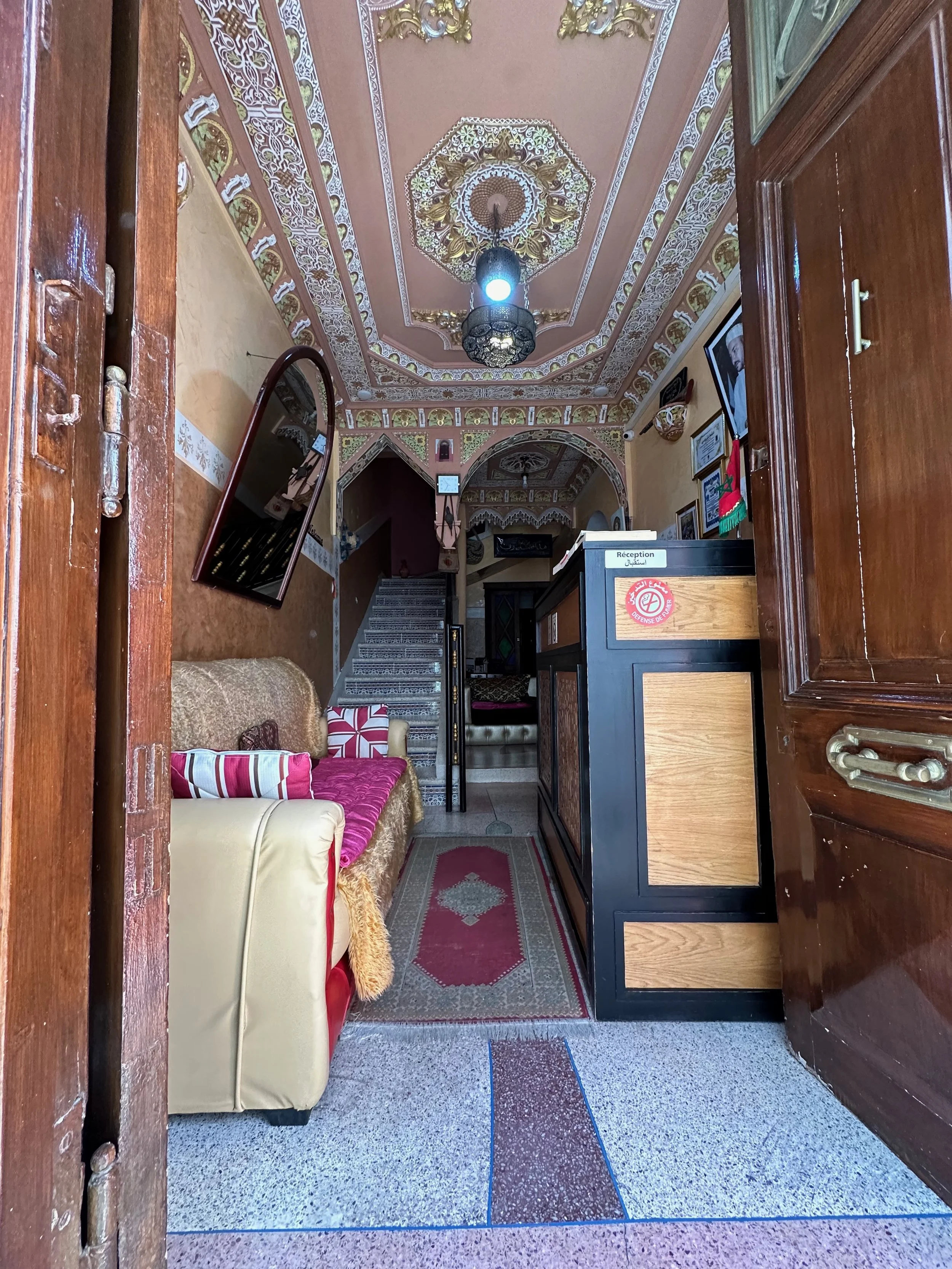
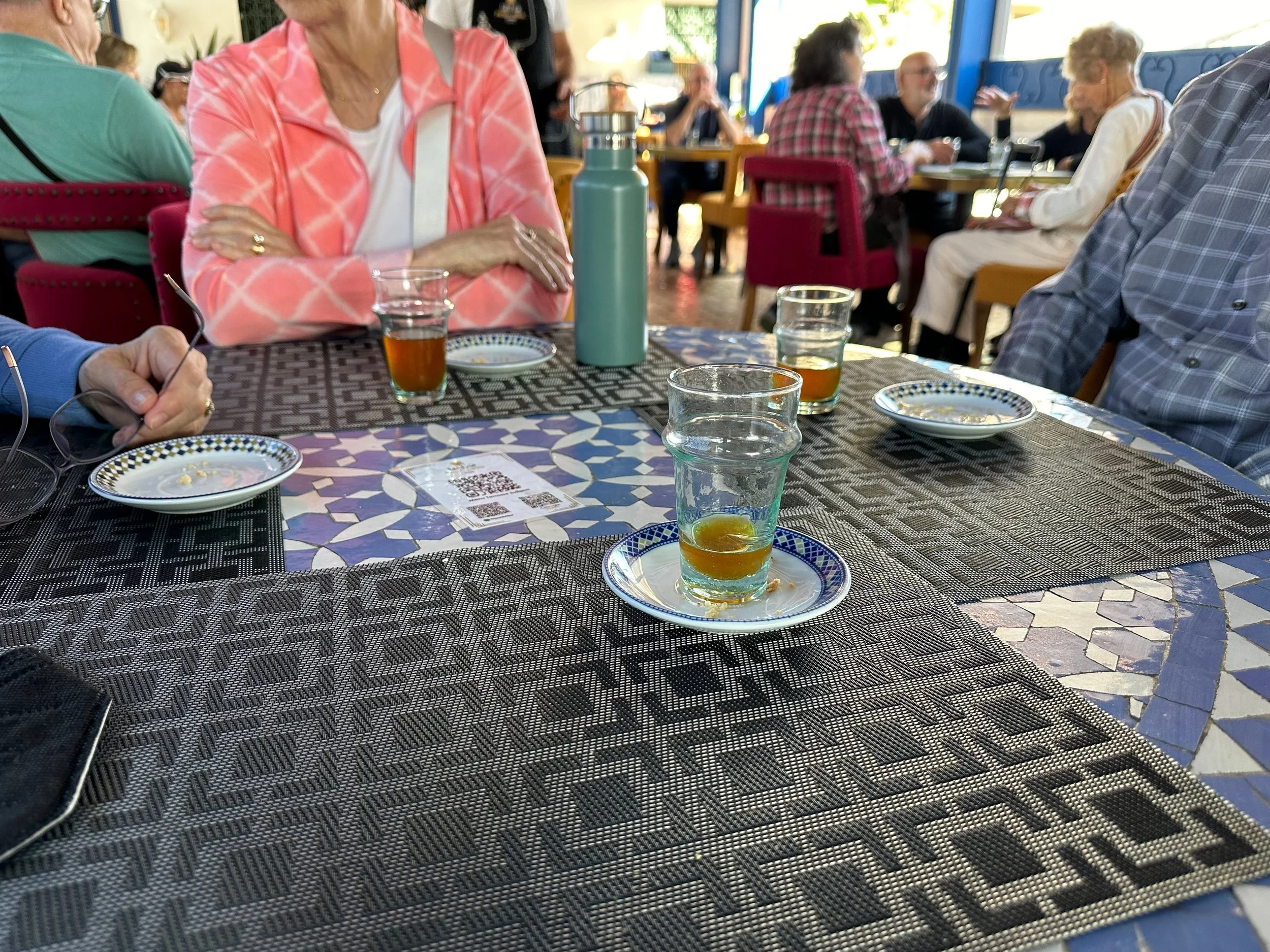
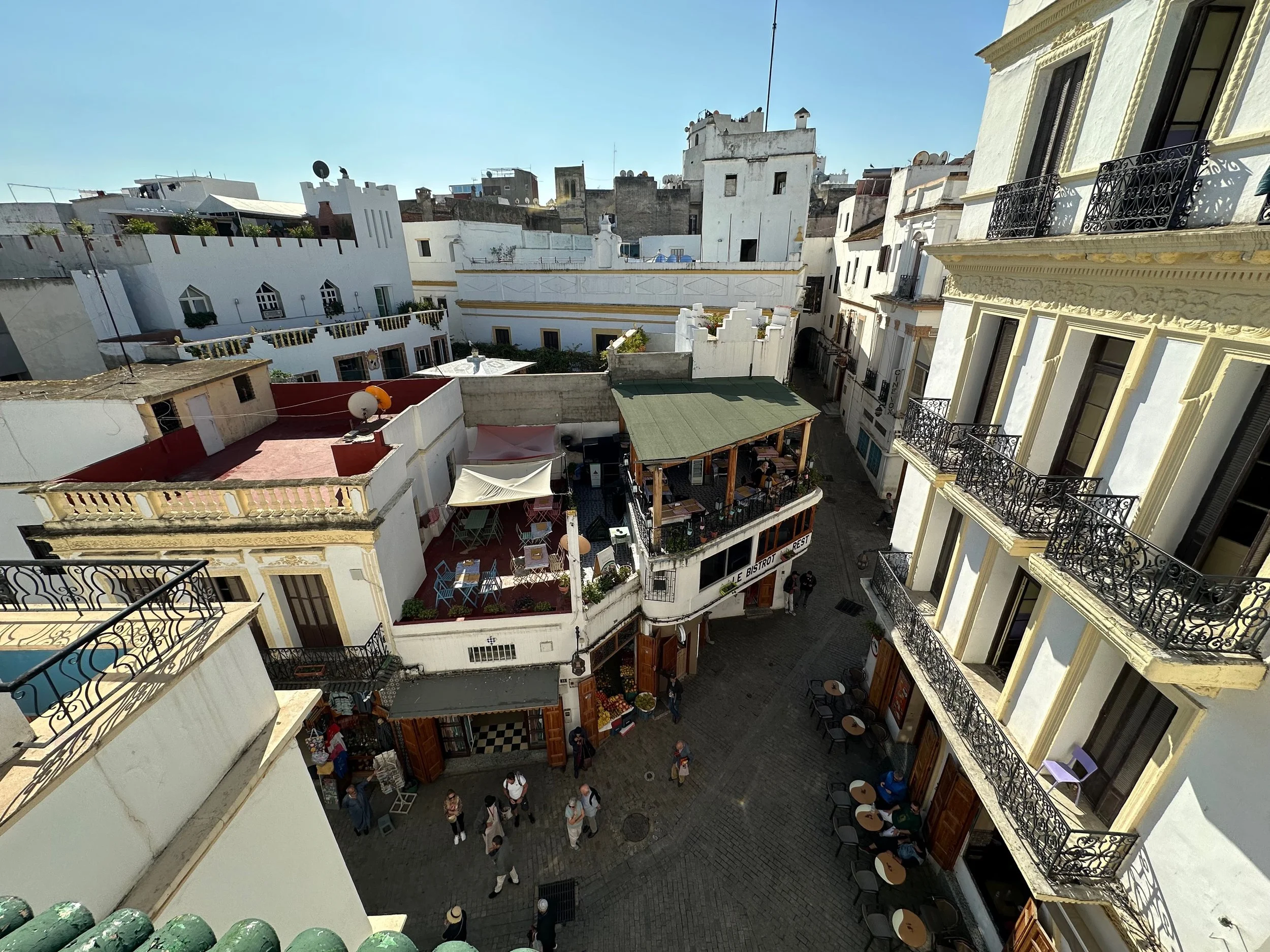
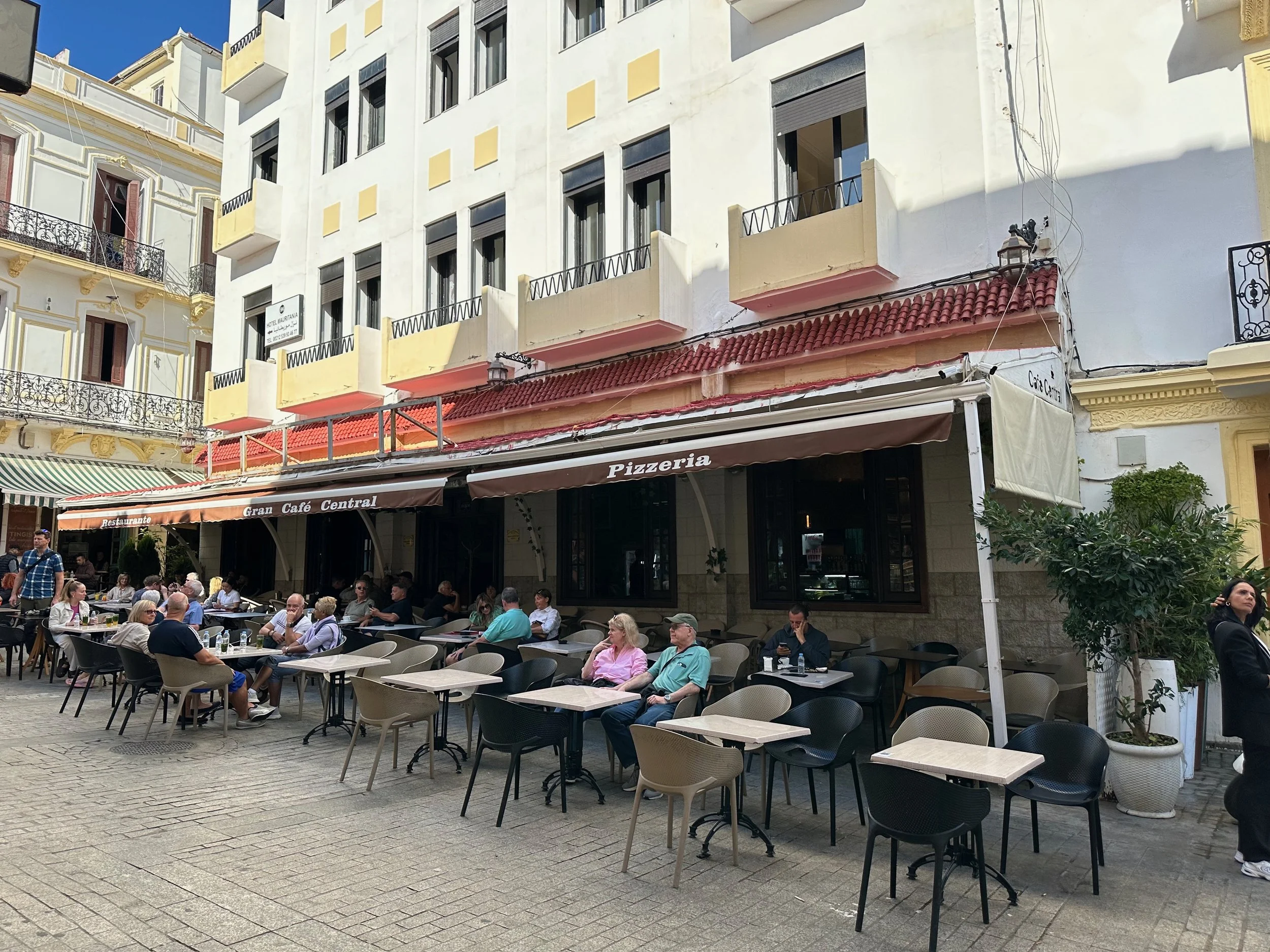
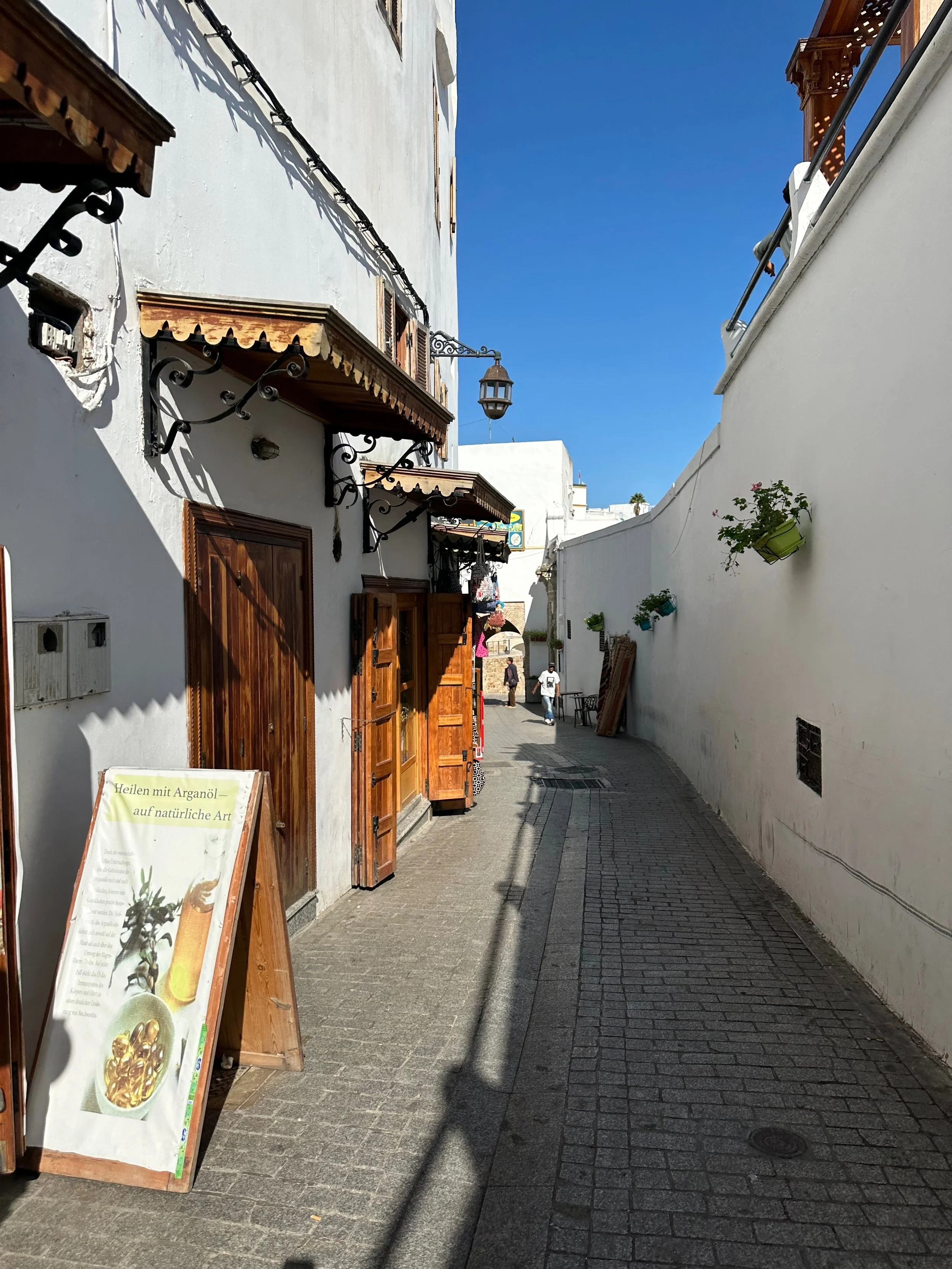
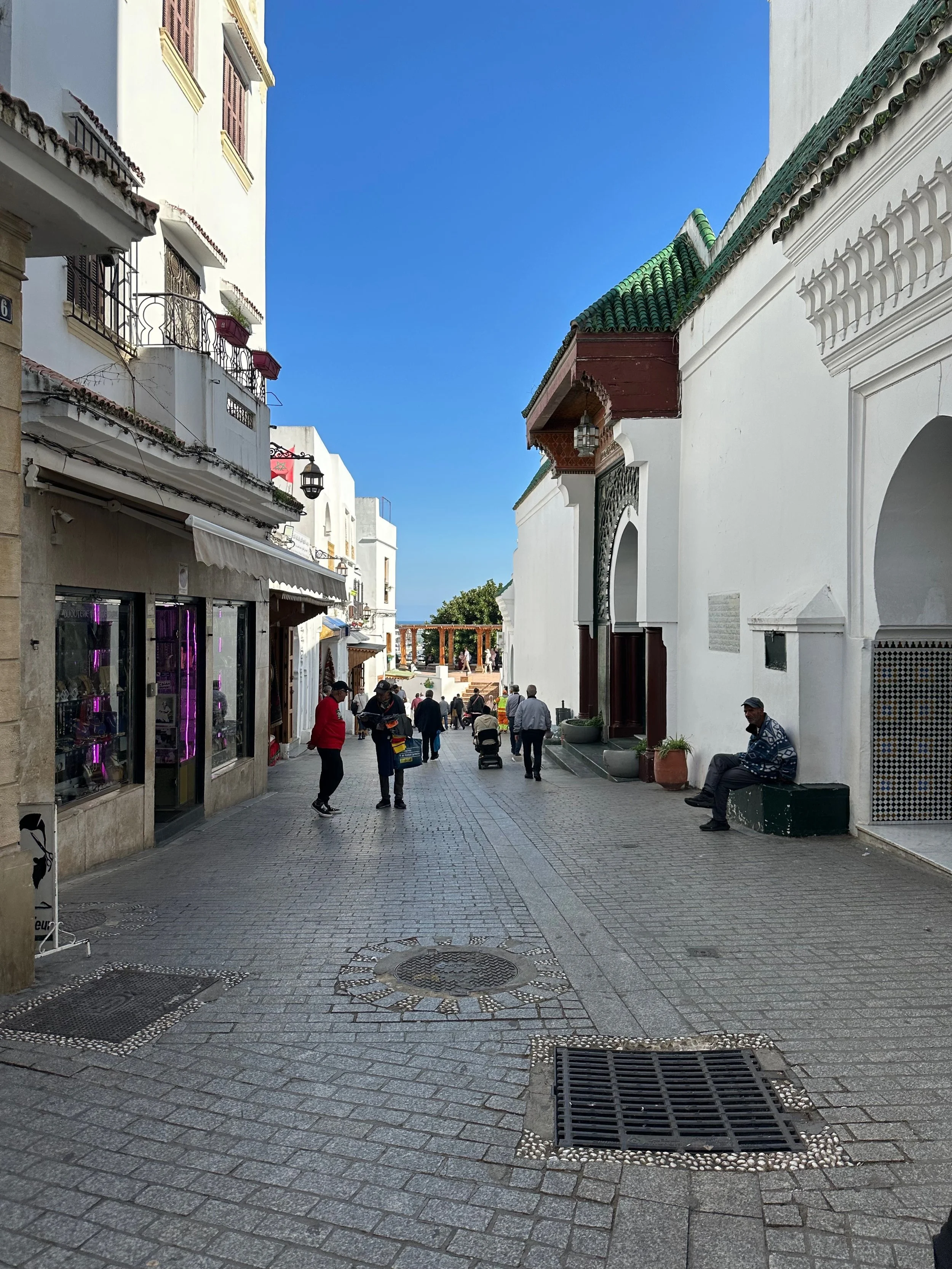
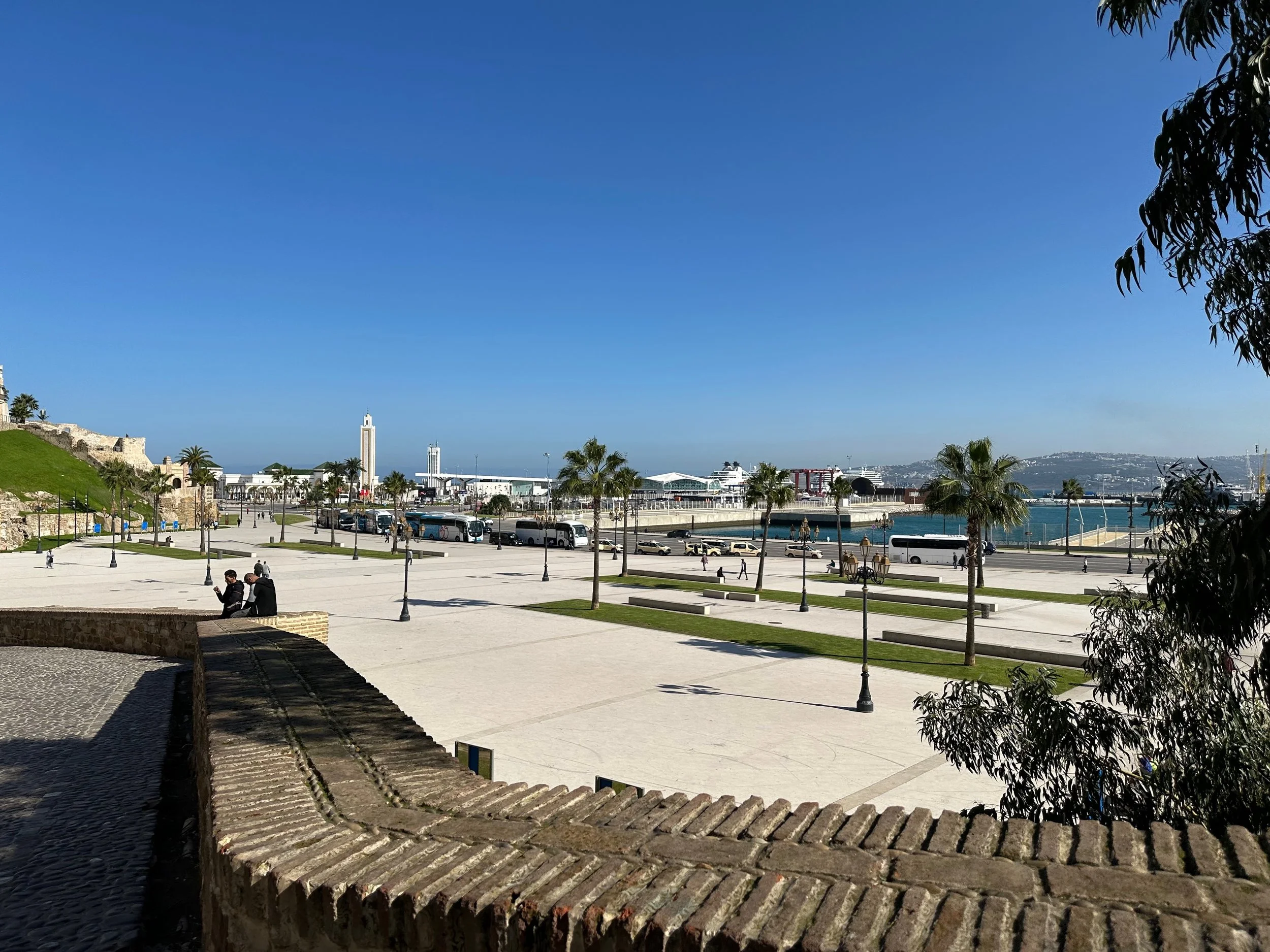
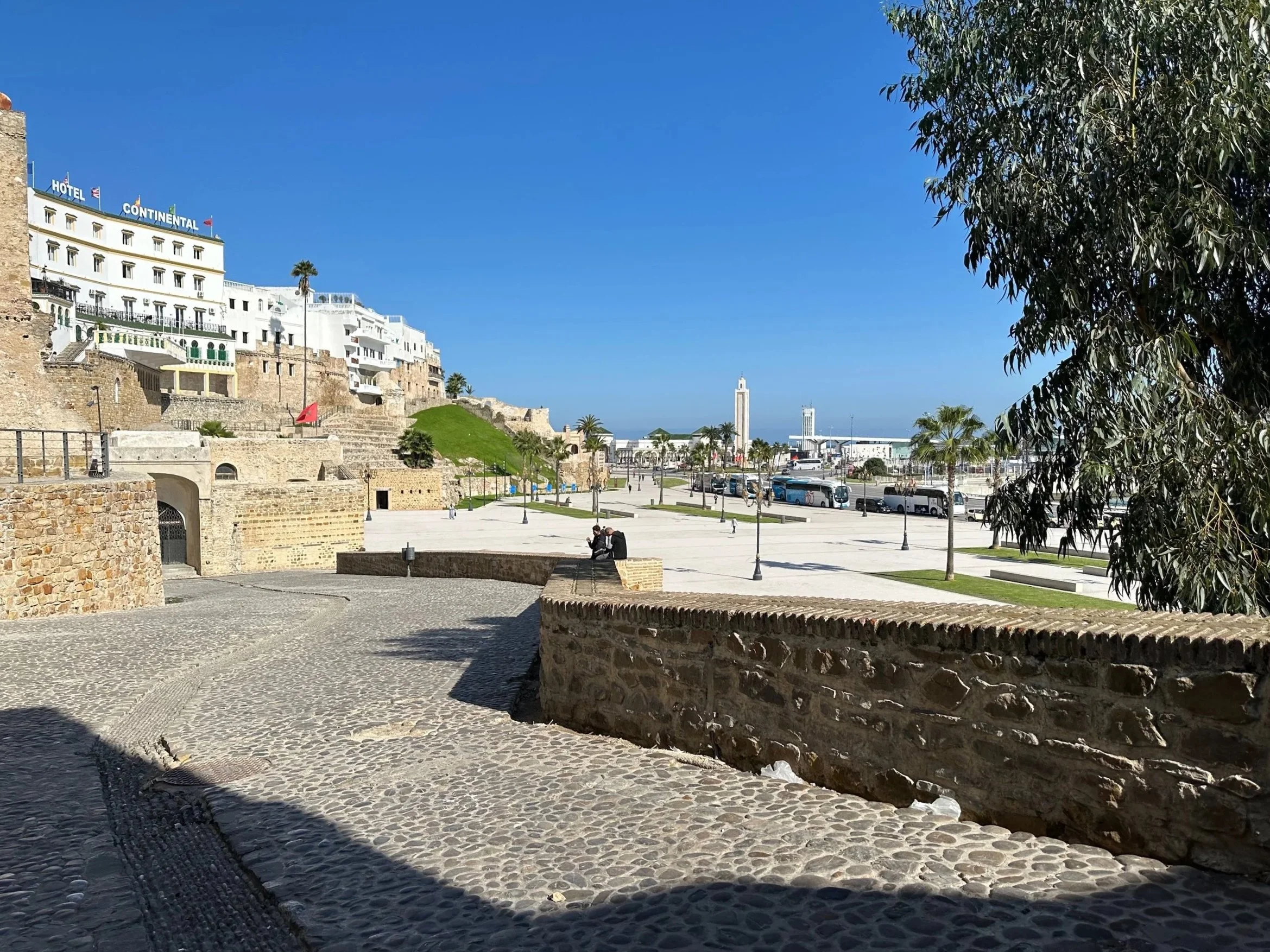
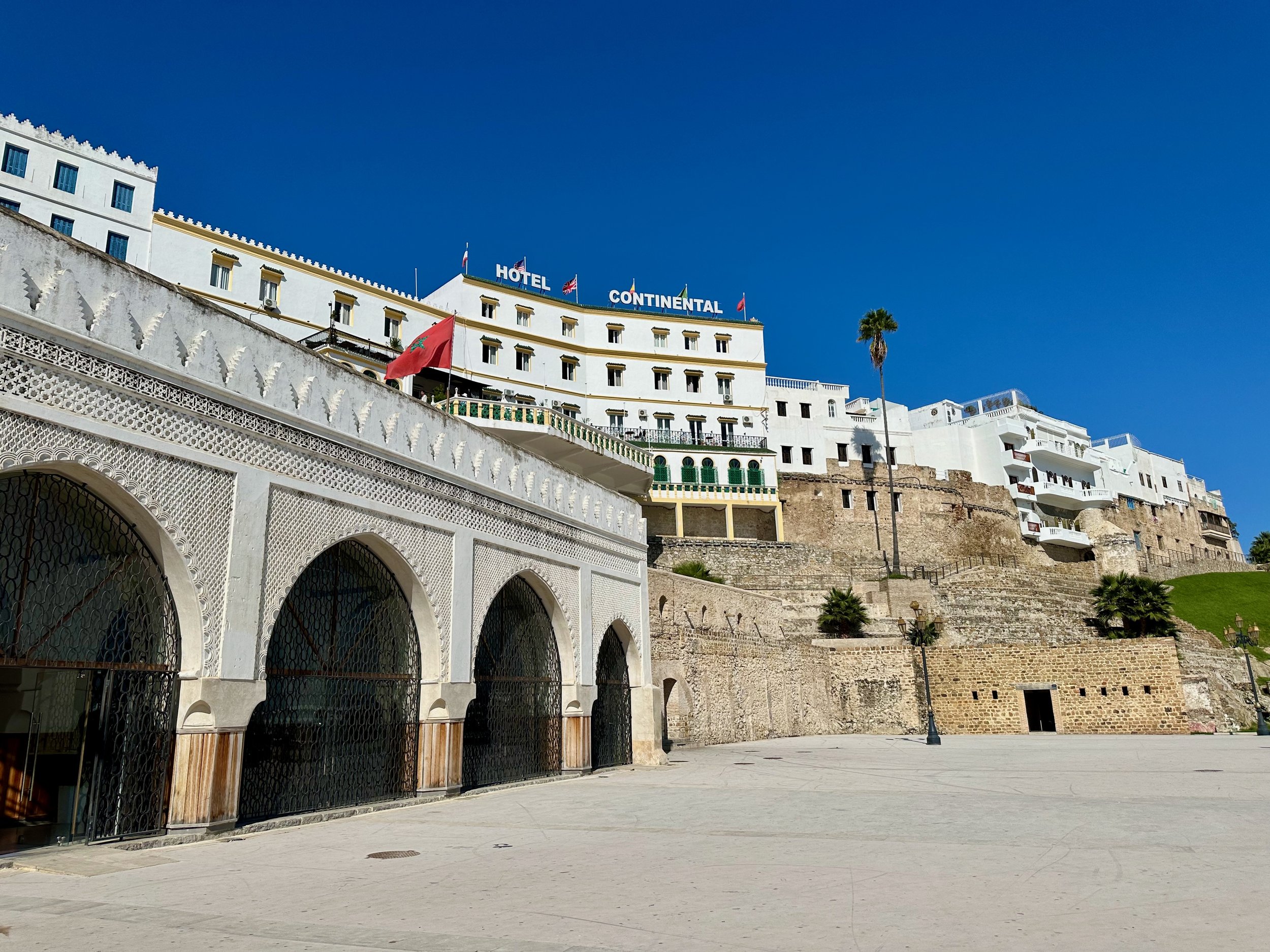
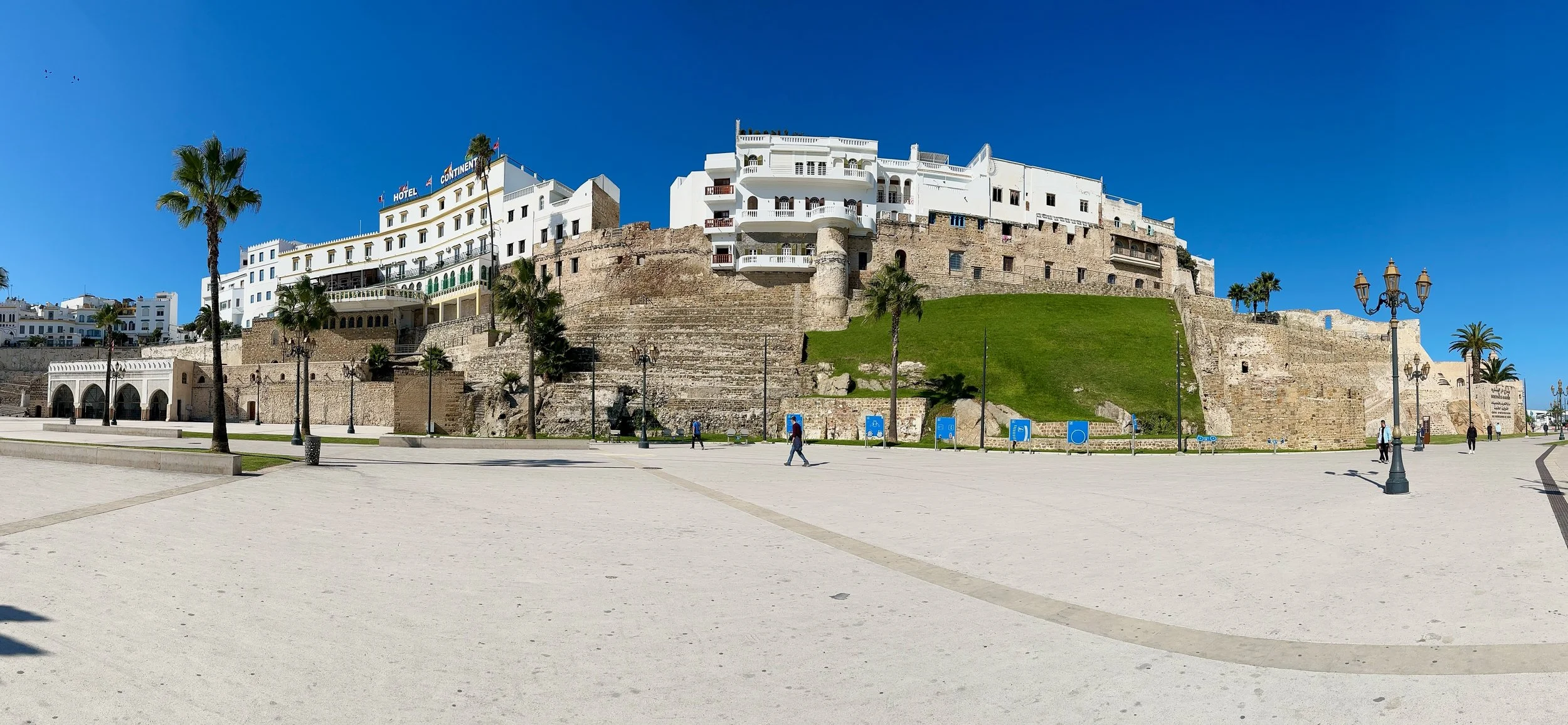
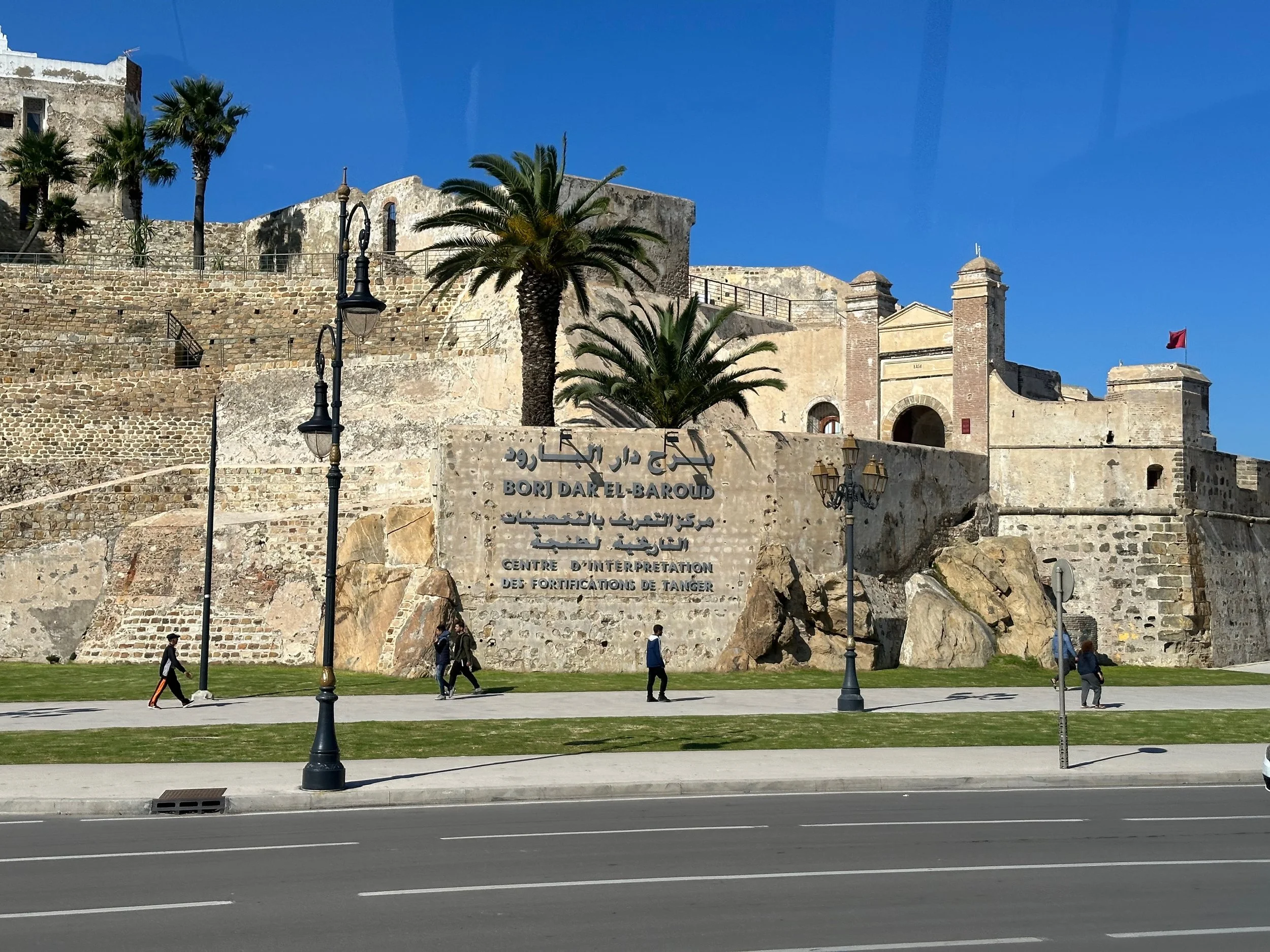
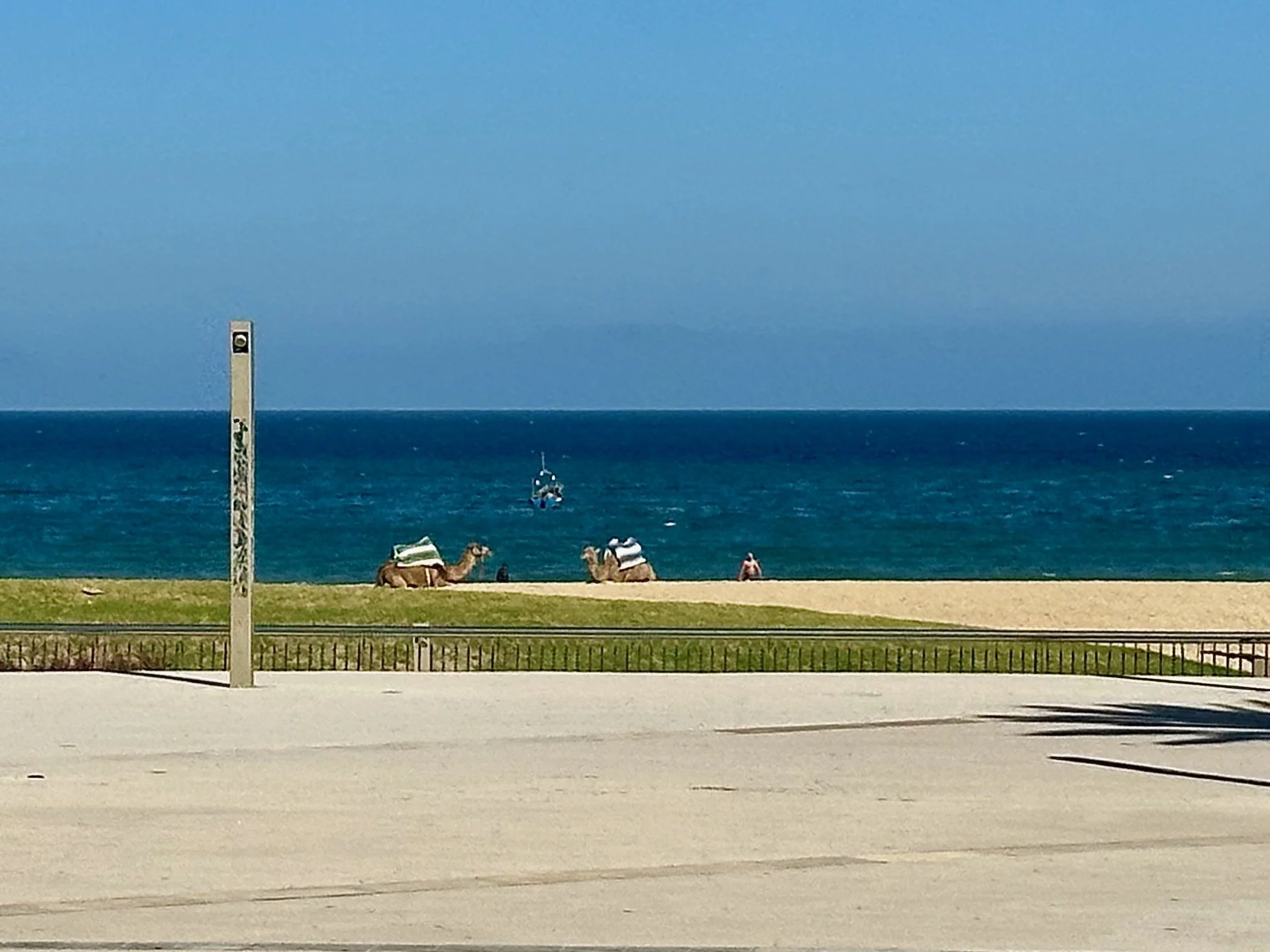
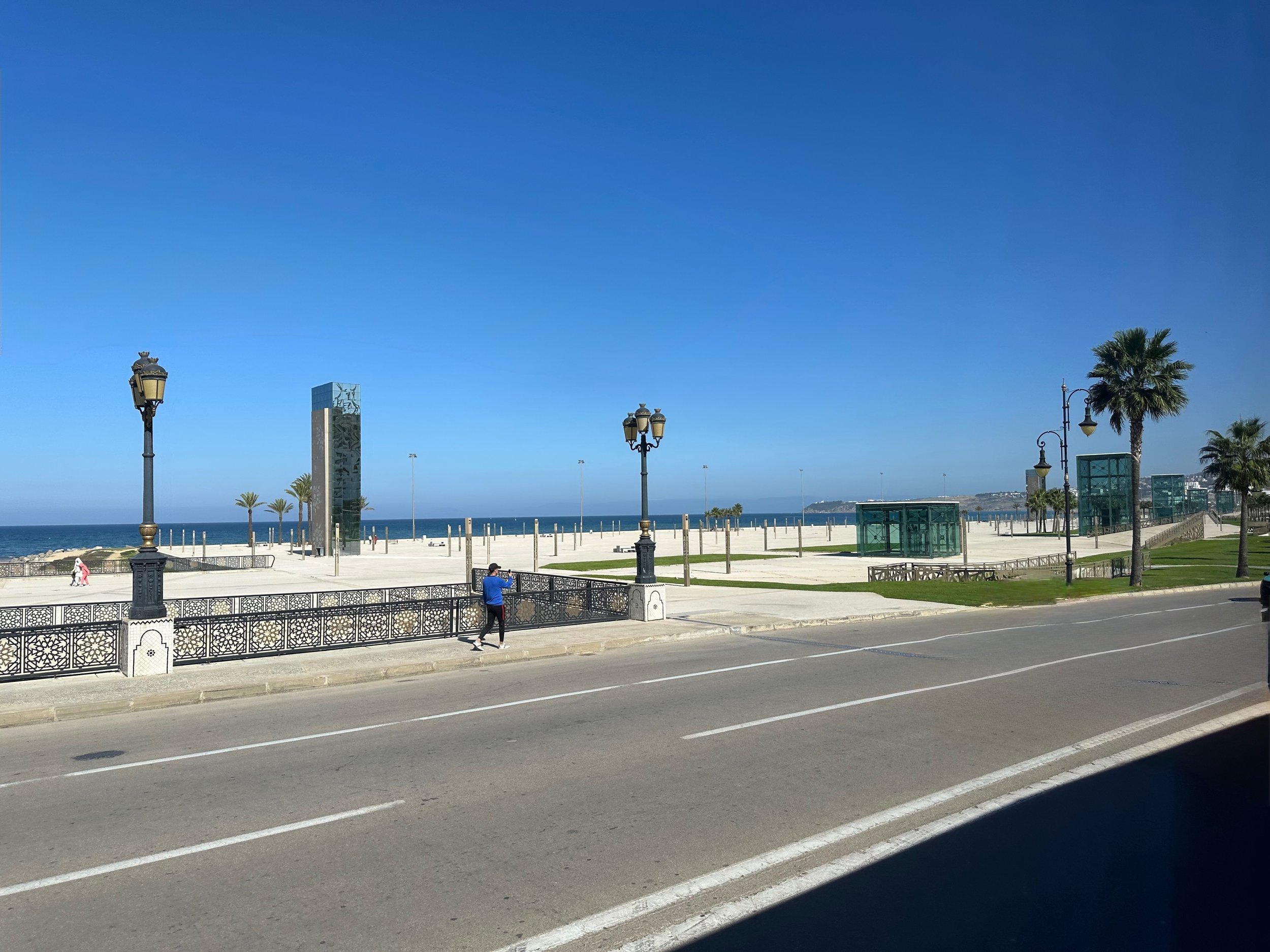
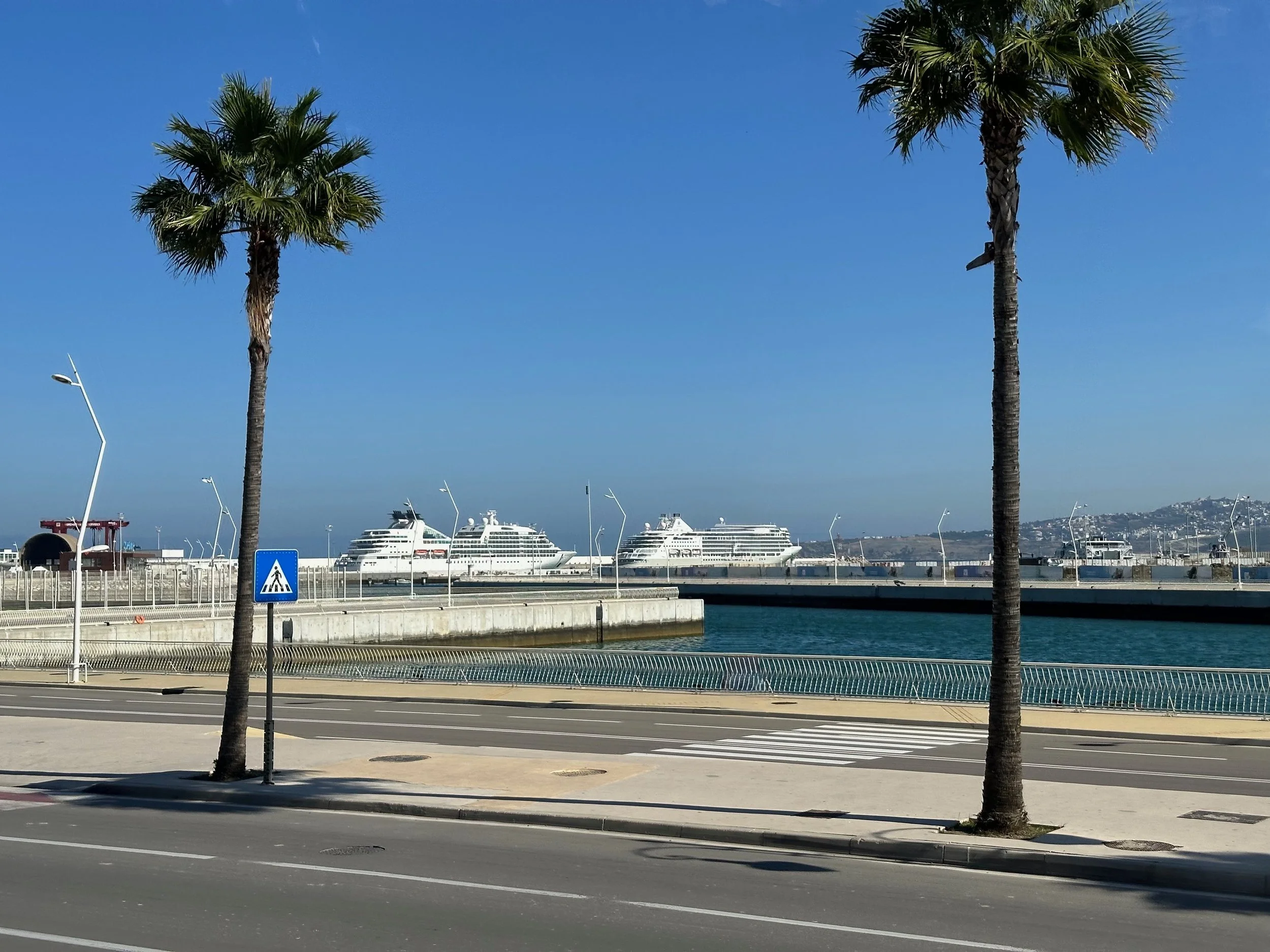
Departure from Tangier happened precisely at 6pm just as the sun was starting to set. By the time we were at dinner it was dark, and the ship was already well into the mouth of the Strait of Gibraltar. Next stop, Malaga in southern Spain.
Málaga one day, Mijas the next.
Back in Spain
After passing through the Strait of Gibraltar and crossing back to the northern shore of the Mediterranean Sea, we awoke in the port city of Málaga. We spent two days in this port, one to check out Málaga, and the other to drive about 45 minutes west to the small hillside town of Mijas.
Although we had signed up for an excursion here, the high level activity from the last three days had caught up with me, and we elected to forego the structured activity. Instead we let our companions go on their own and we stayed back to slowly wander the town close to the harbour.
In the main park we saw this guy showing the horse something on his phone. The horse thought it was pretty funny.
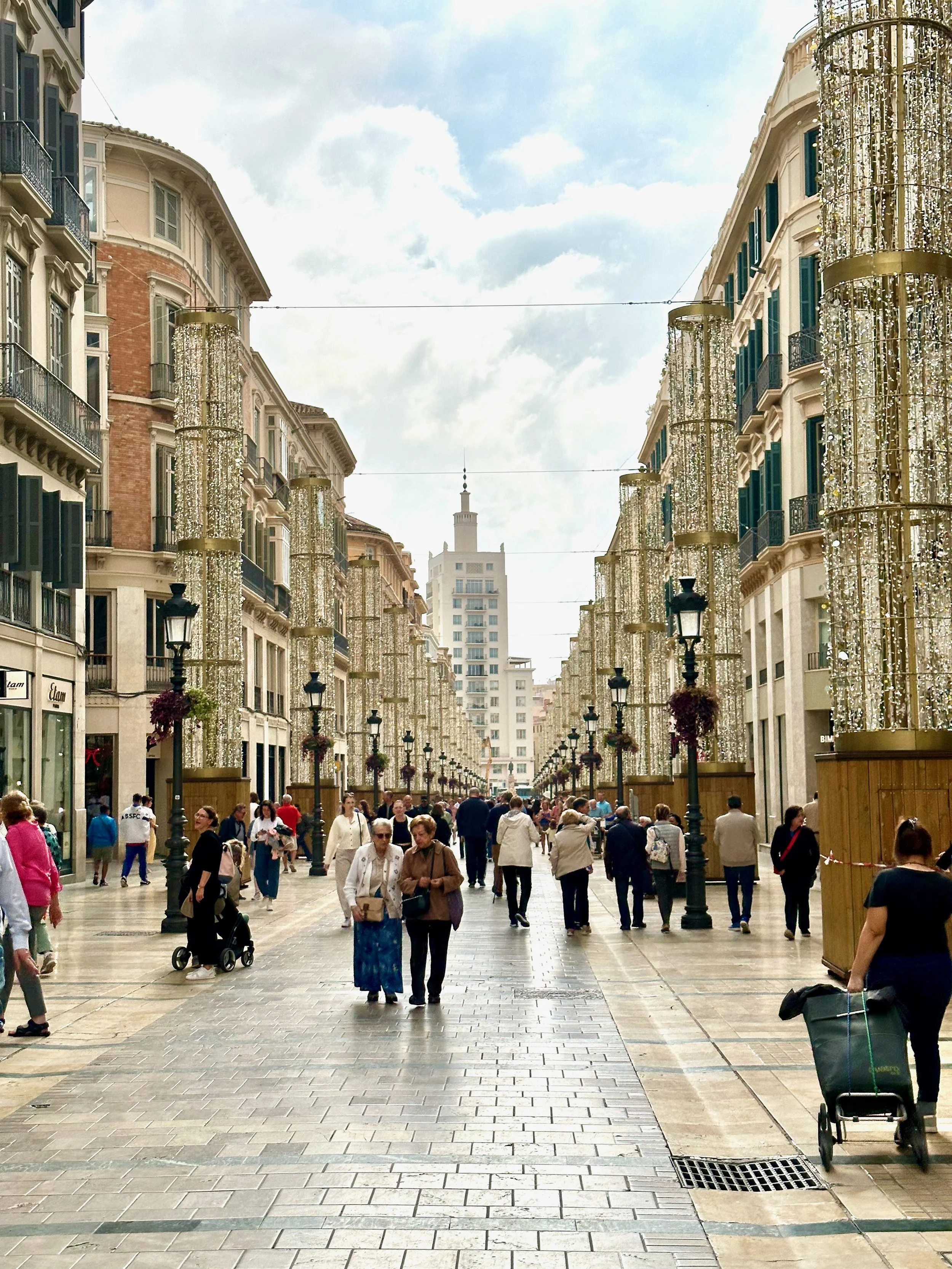
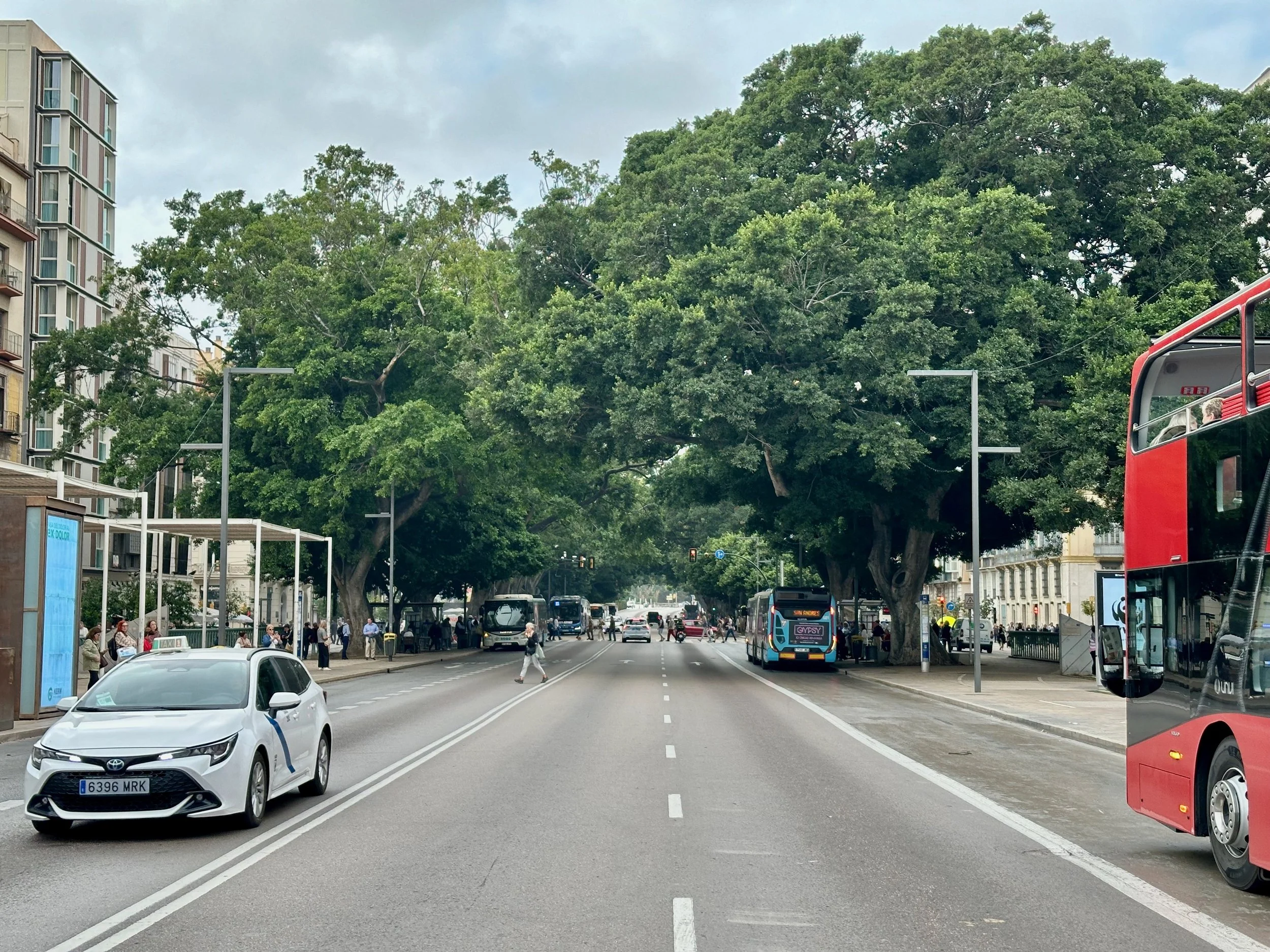
MÁlaga City Centre
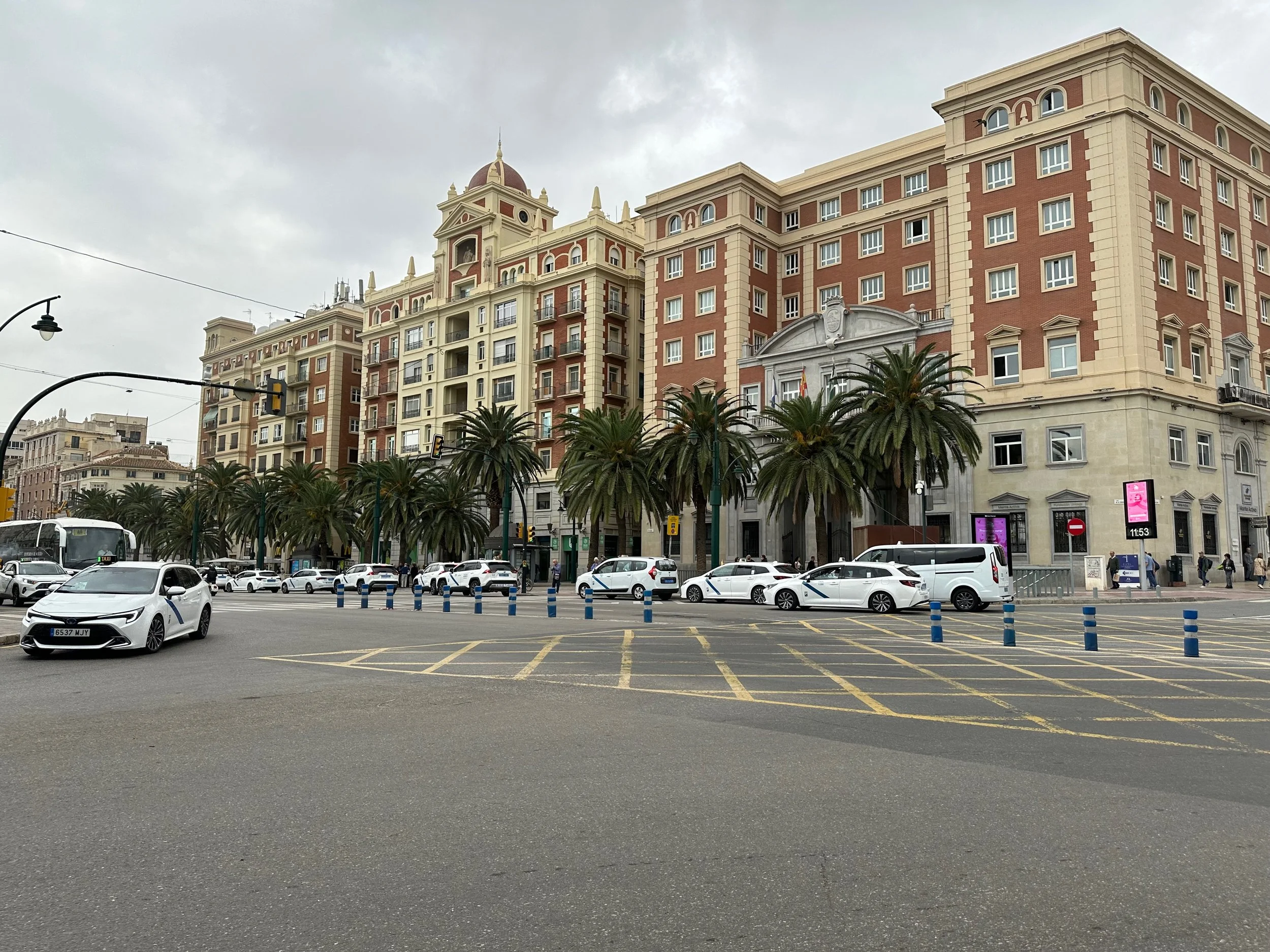
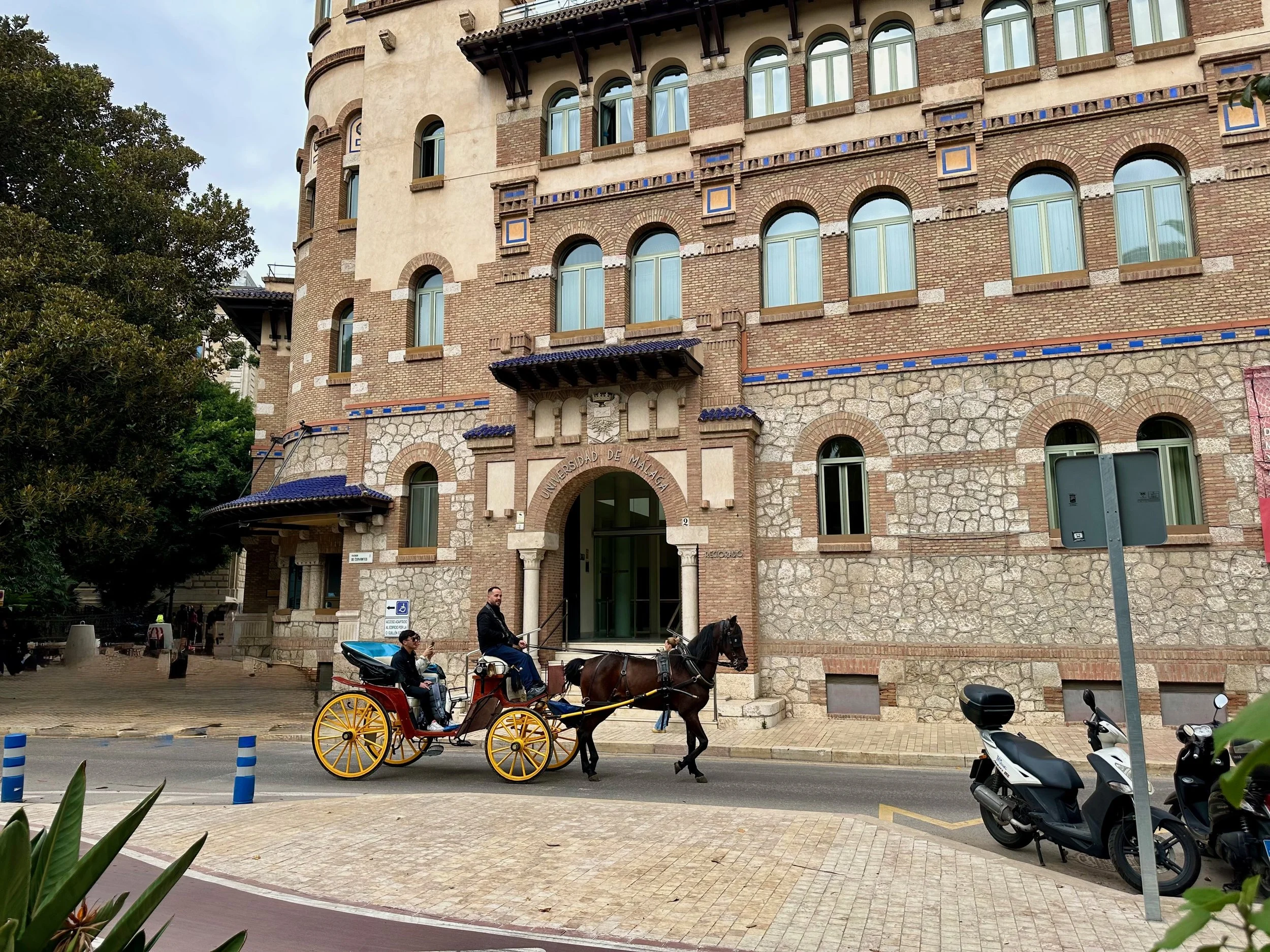
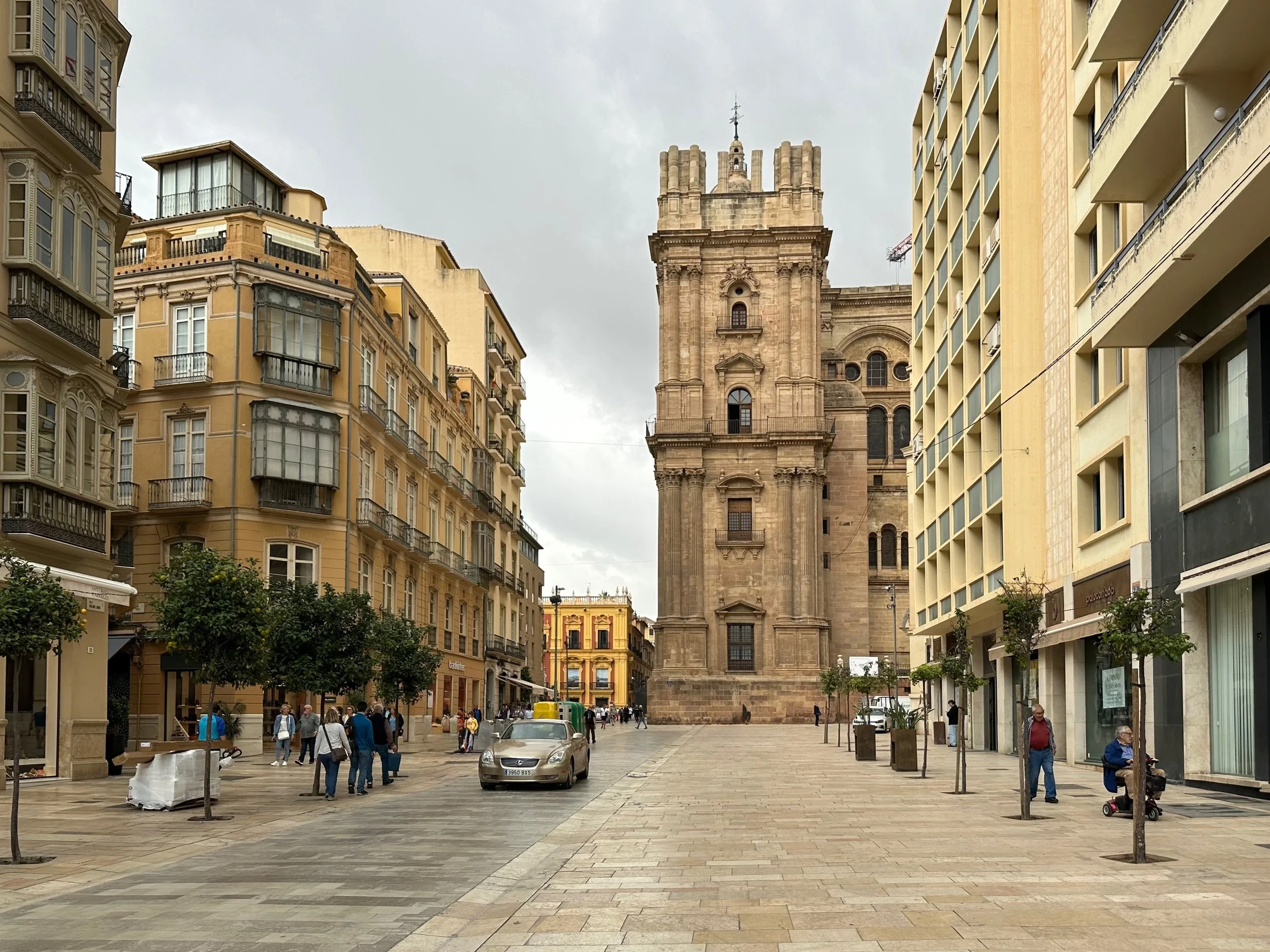
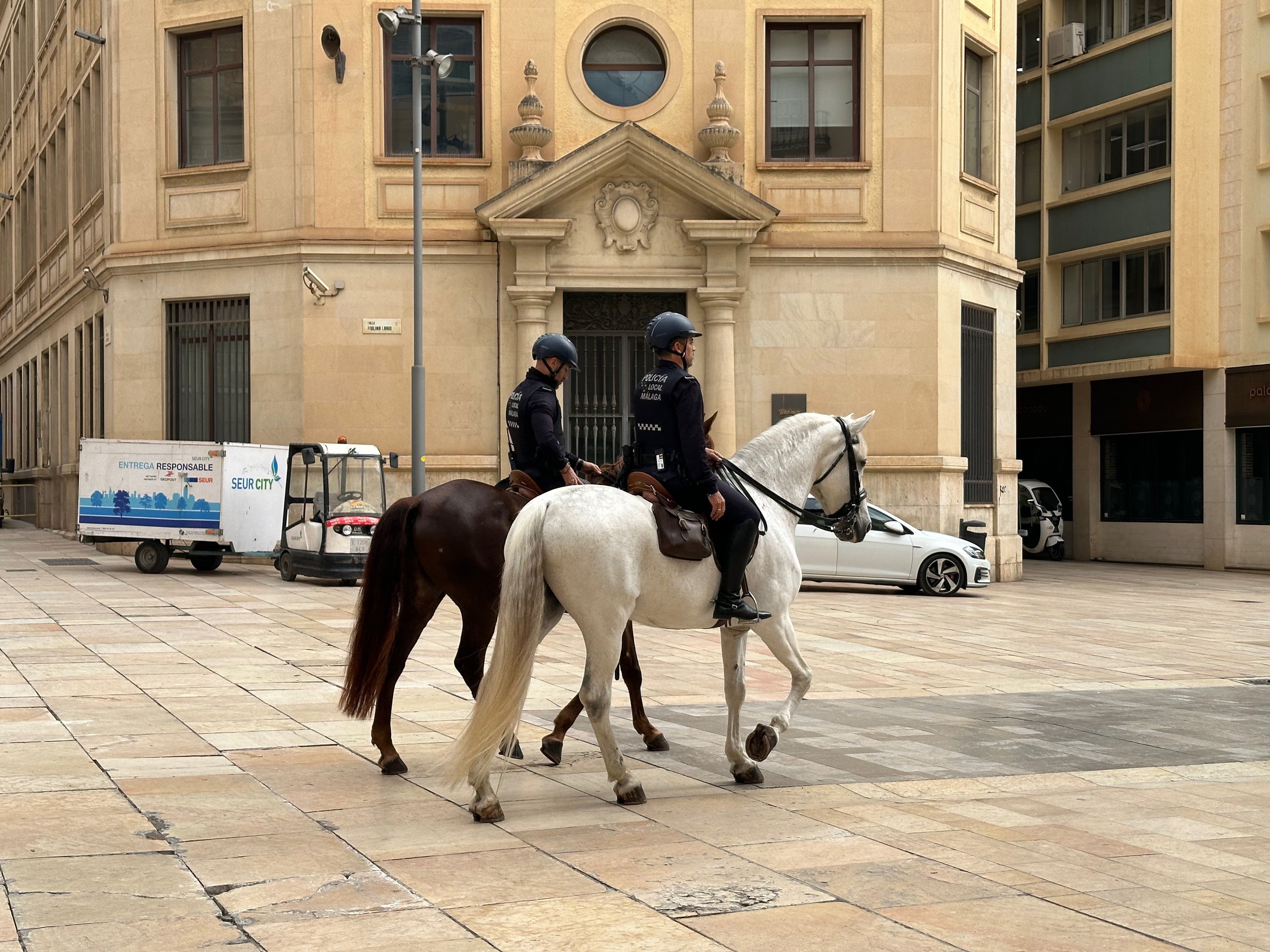
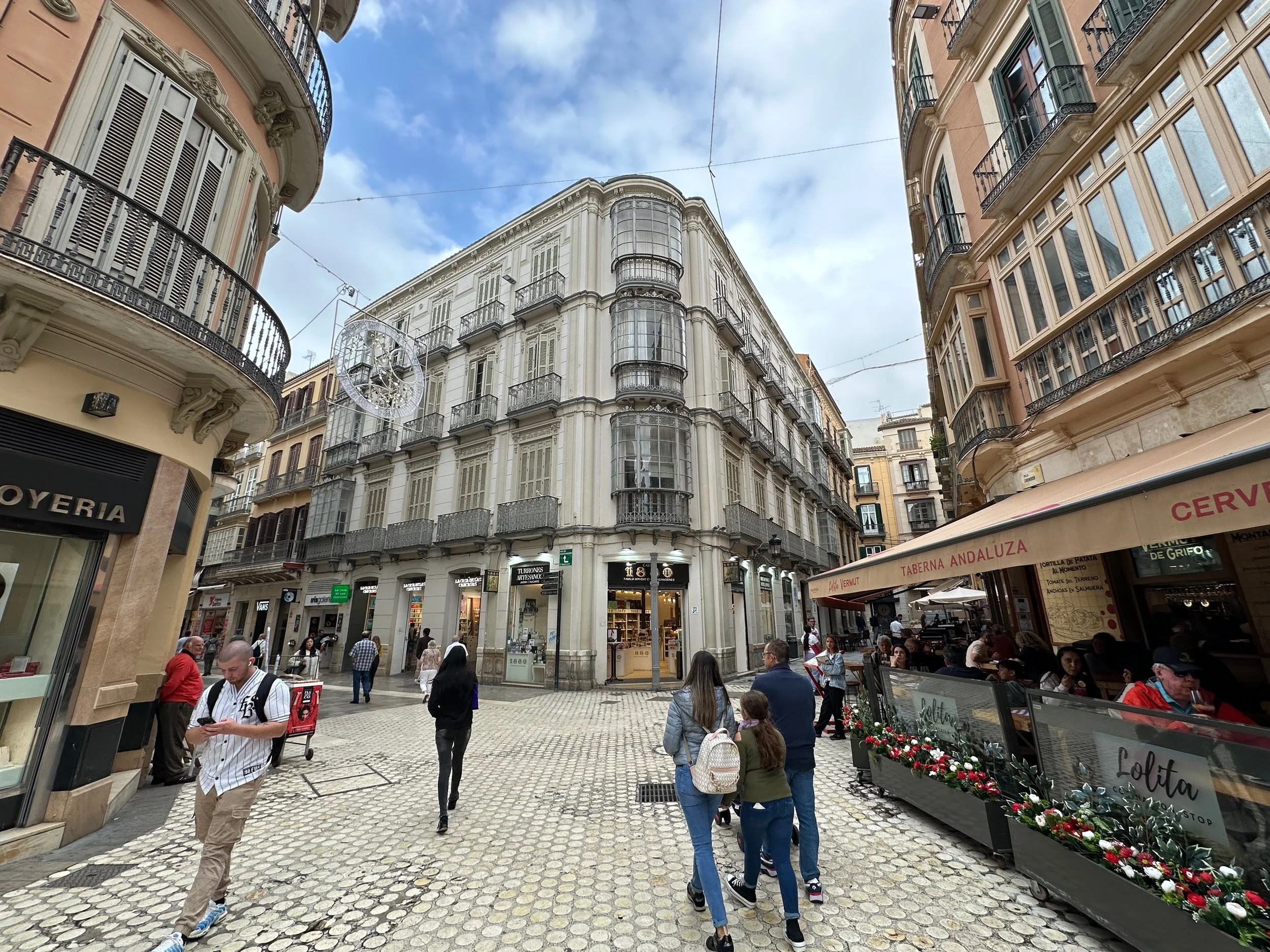
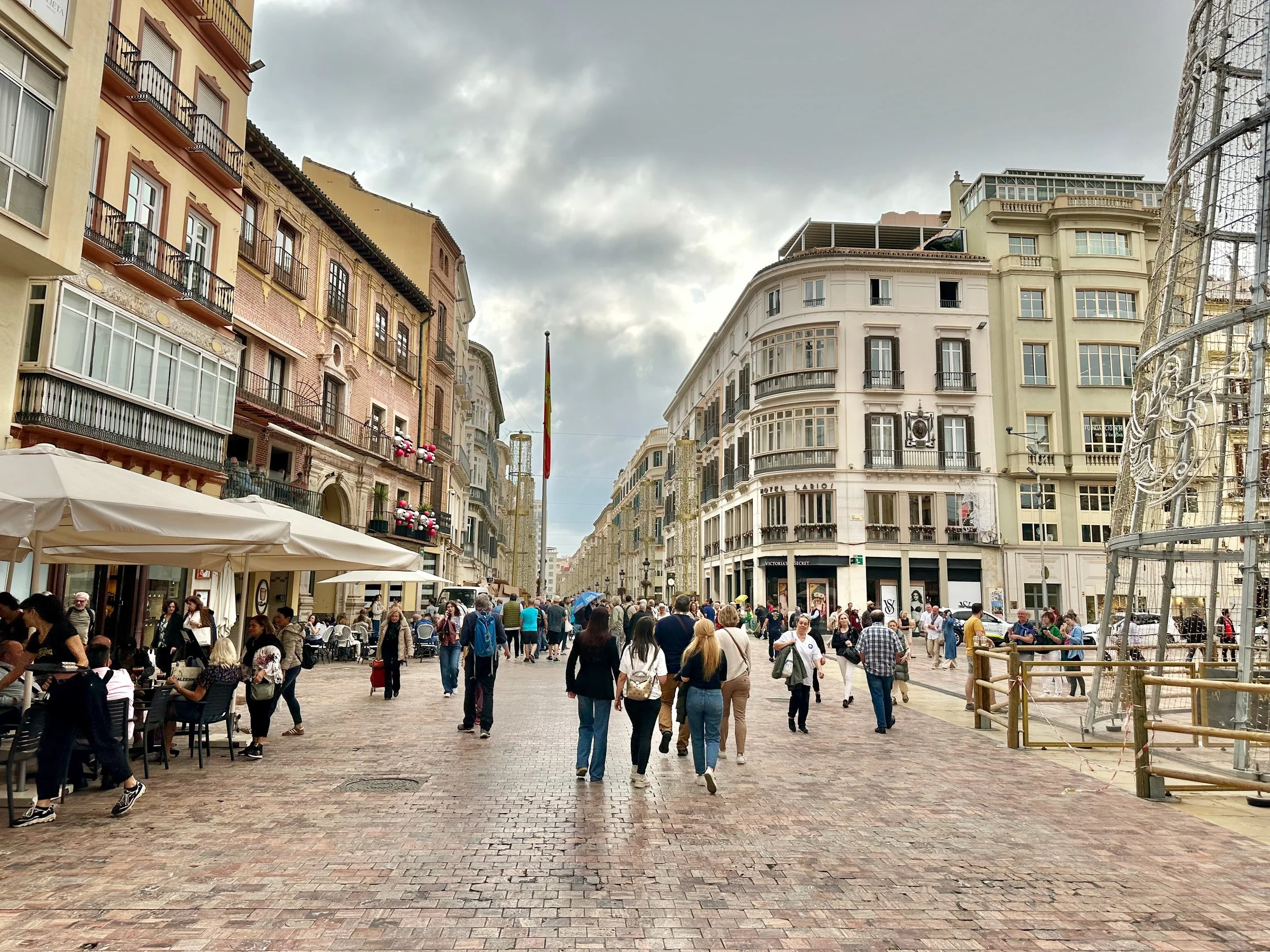
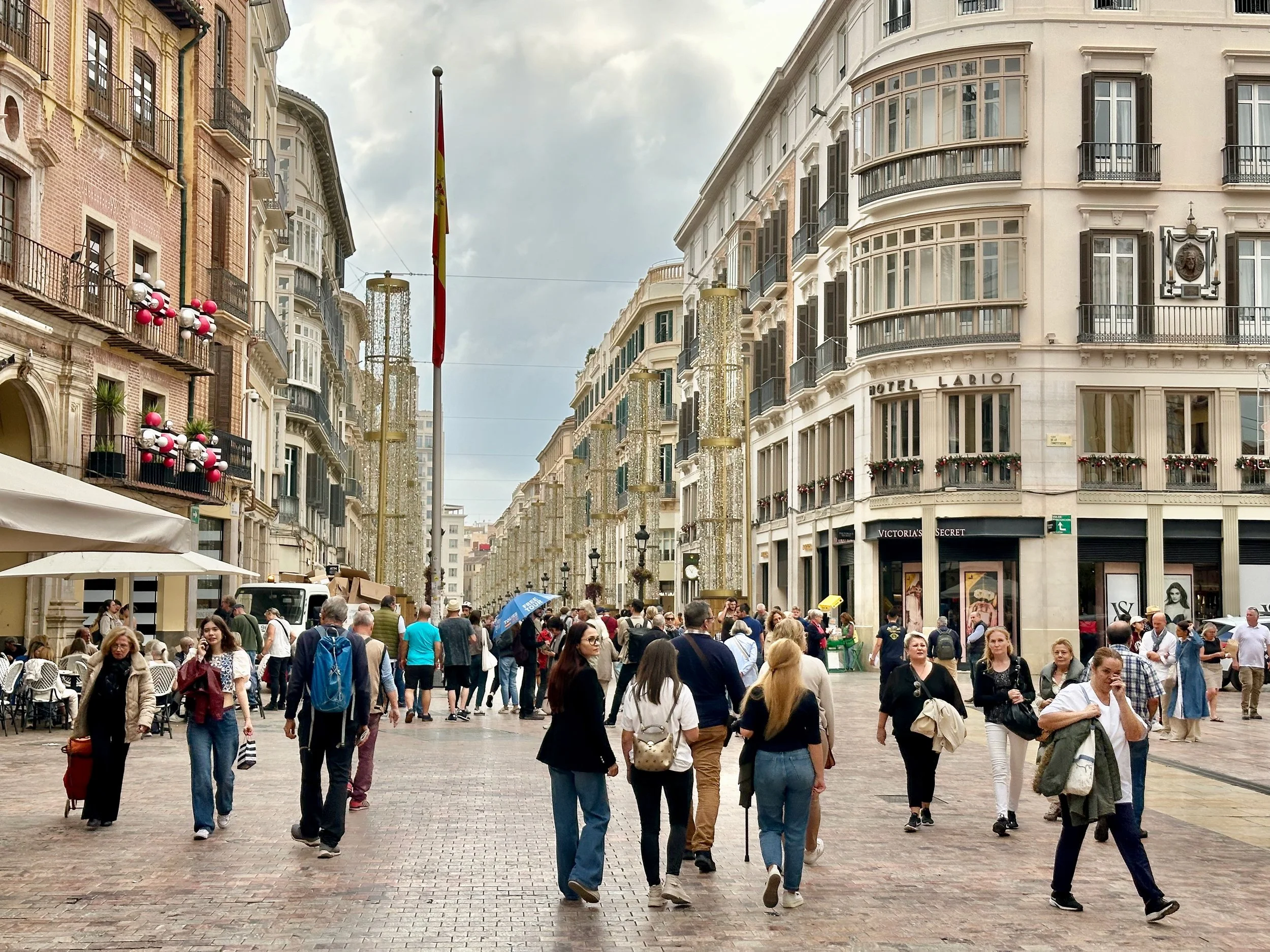
For us, staying behind was the right call. After catching the shuttle bus from the ship to the centre of town, we got to see quite a lot by just ambling about the streets.
Our first discovery was the very large park located just by the drop off area. So we started by wandering down the sidewalk of the main street which led us right into the heart of the park.
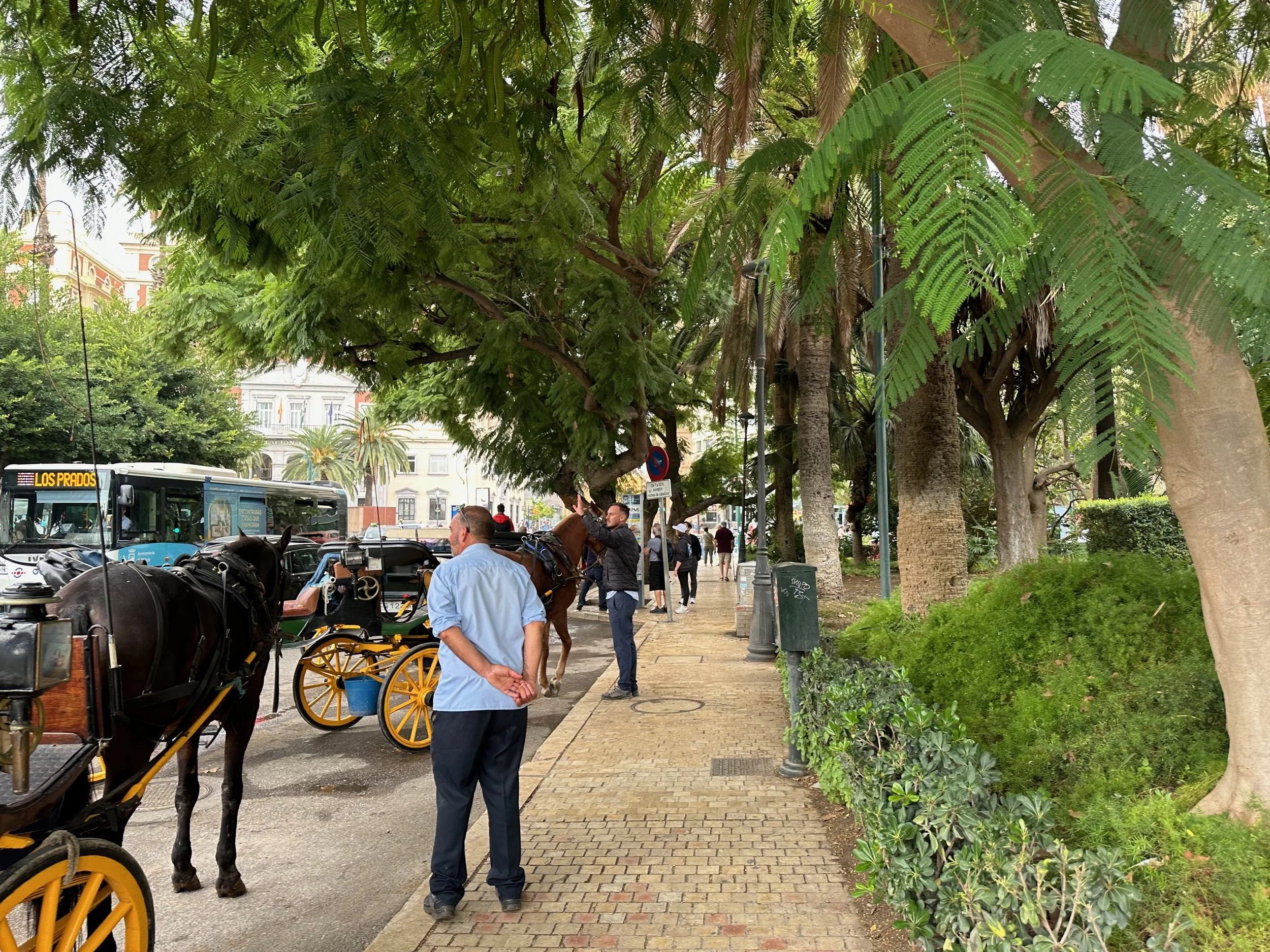
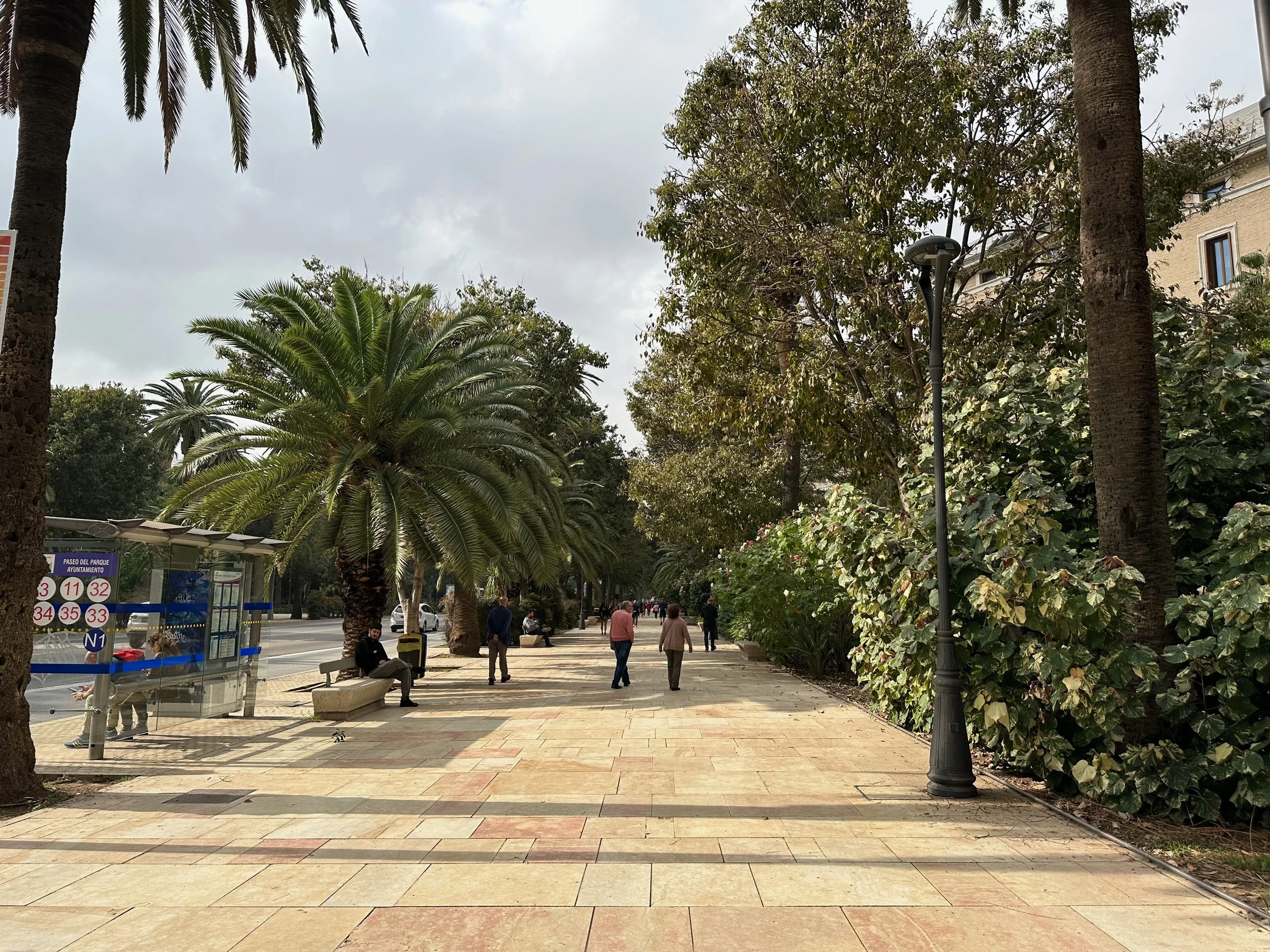
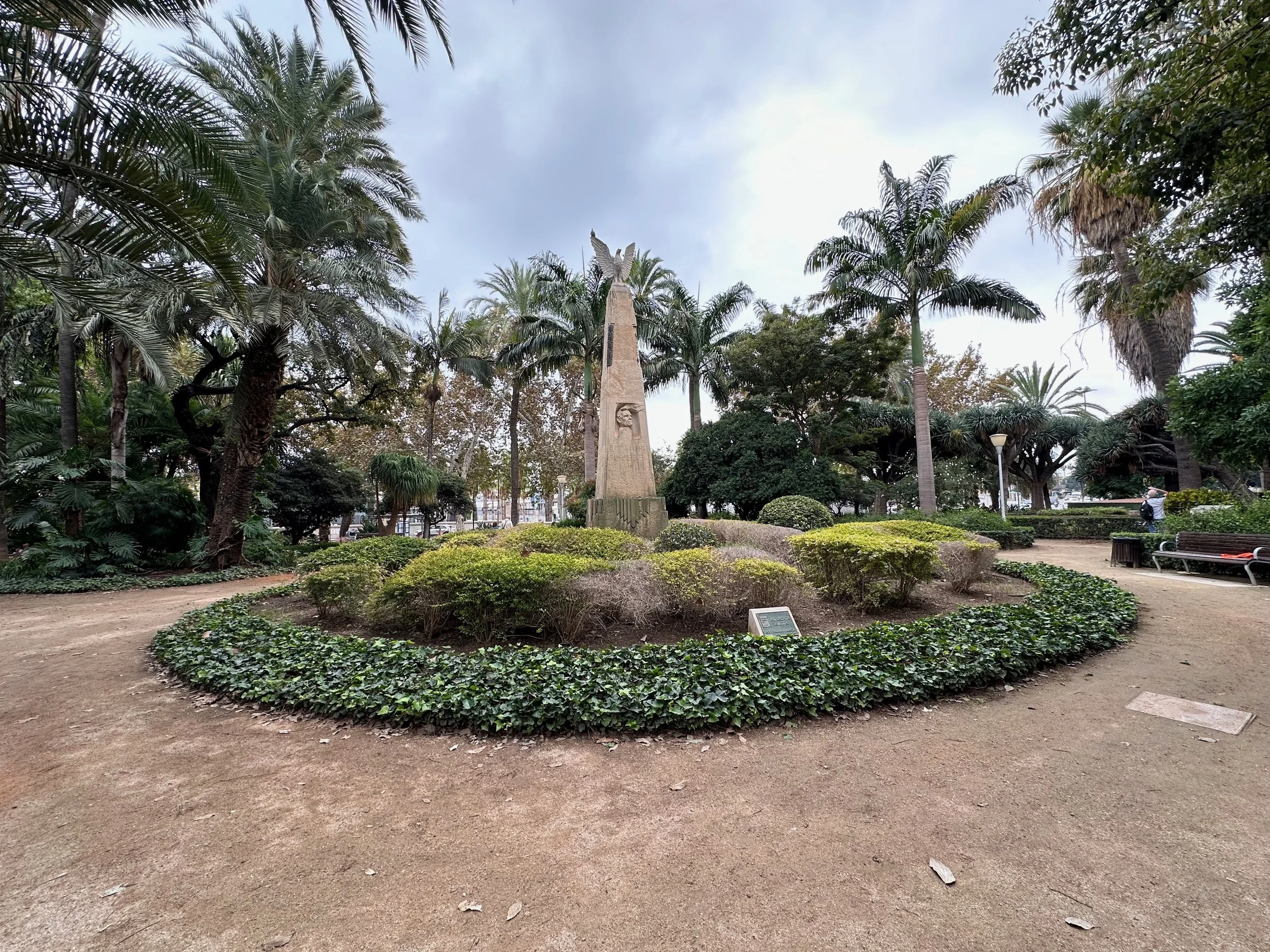
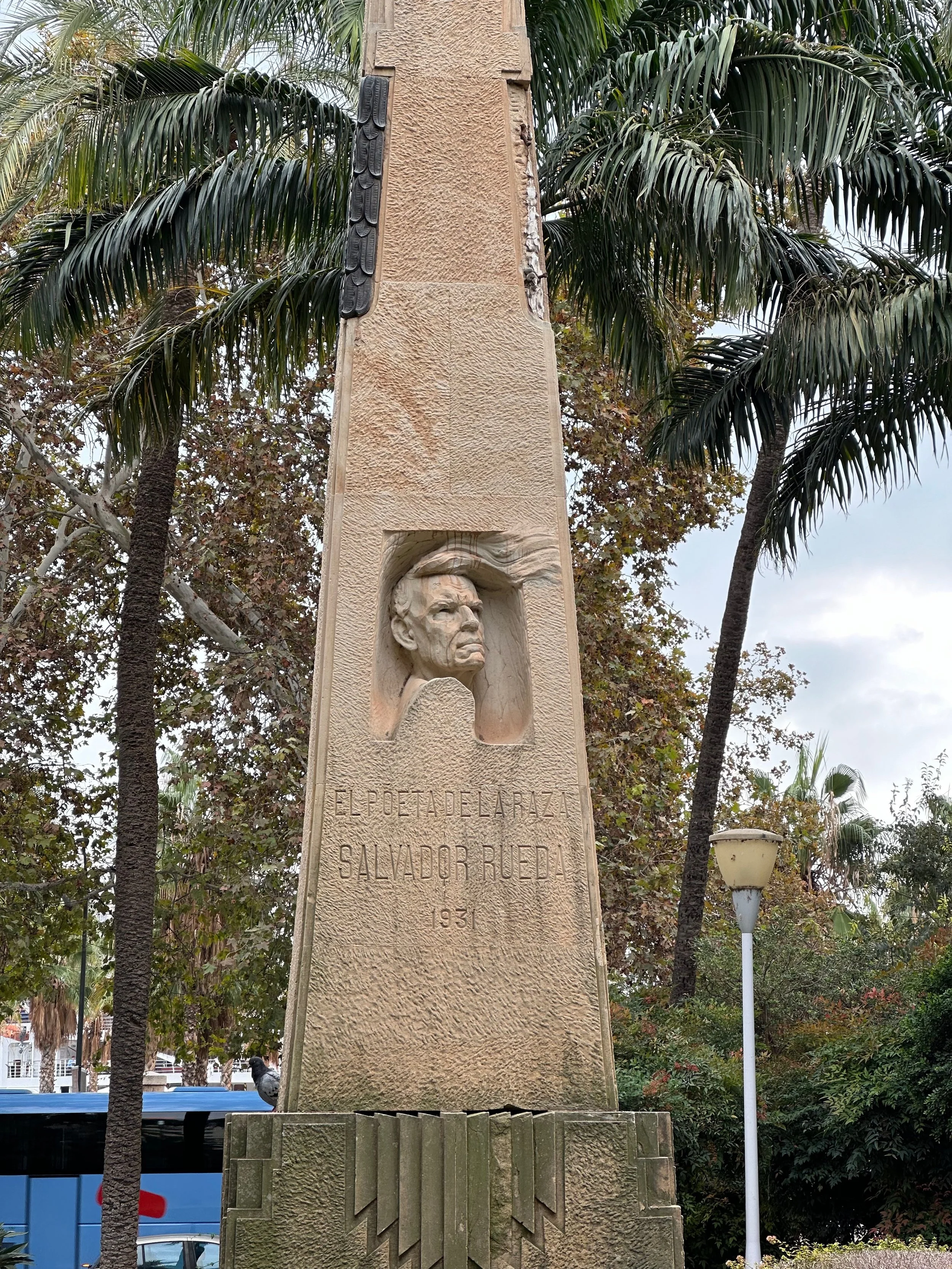
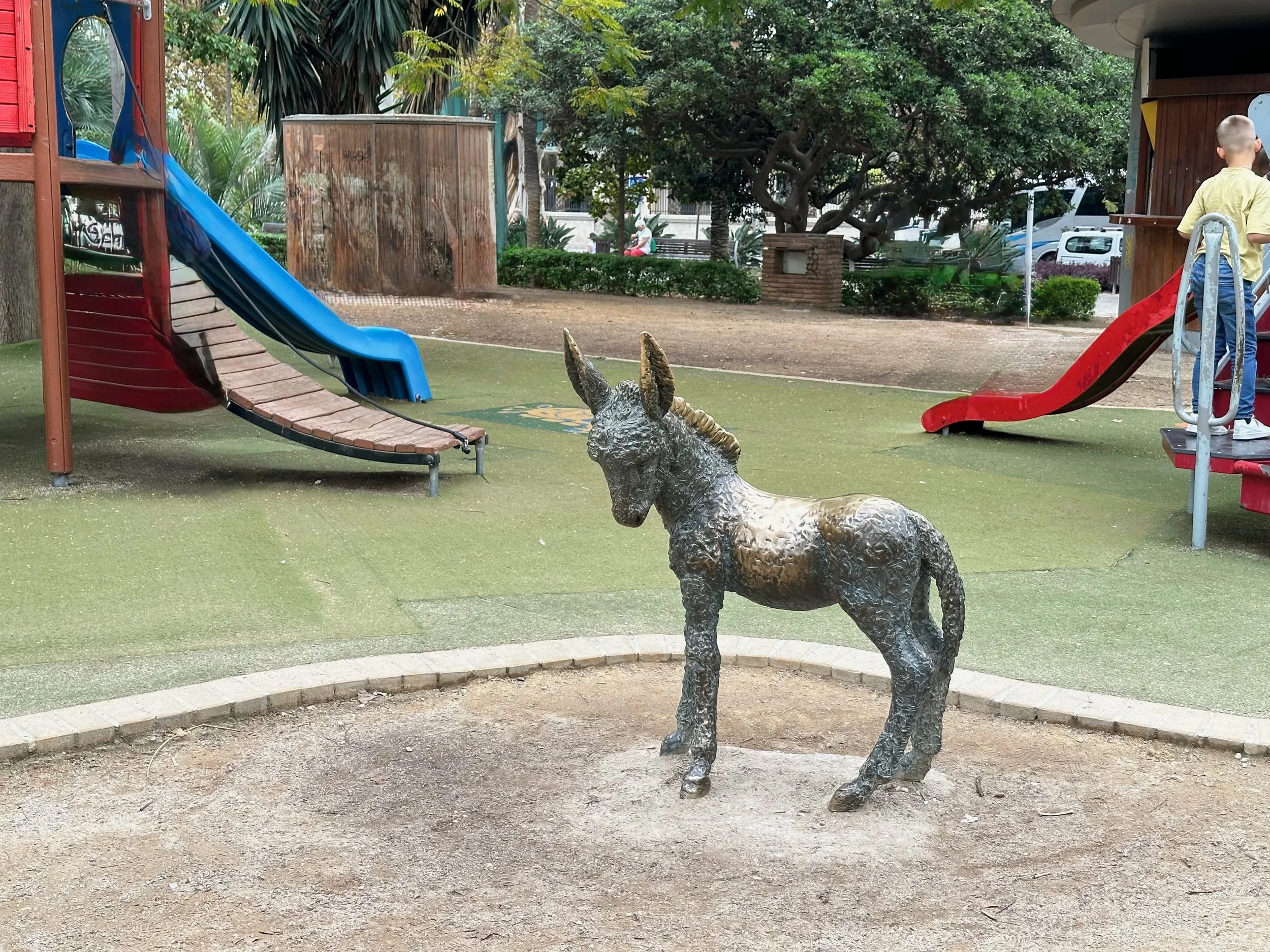
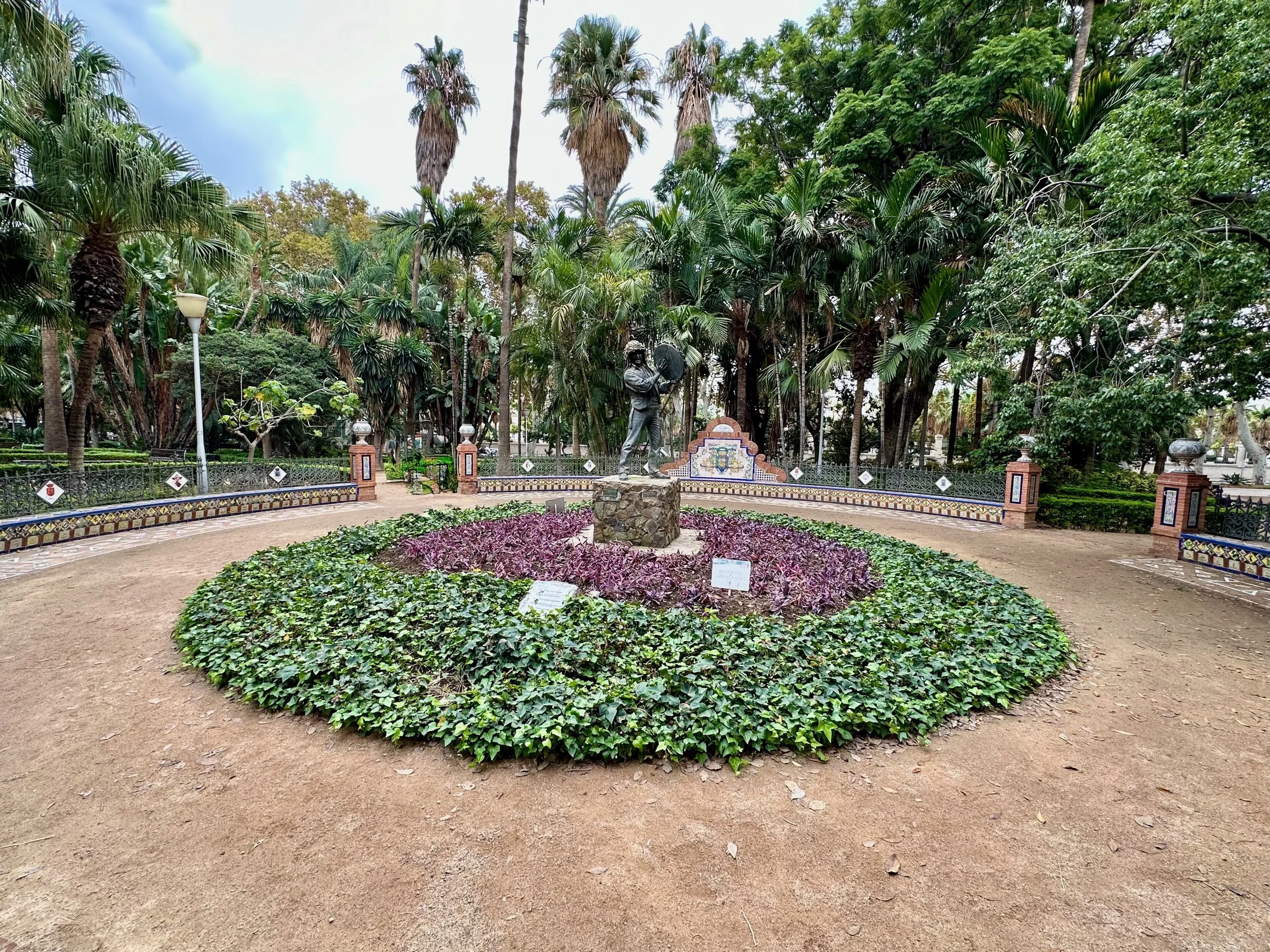
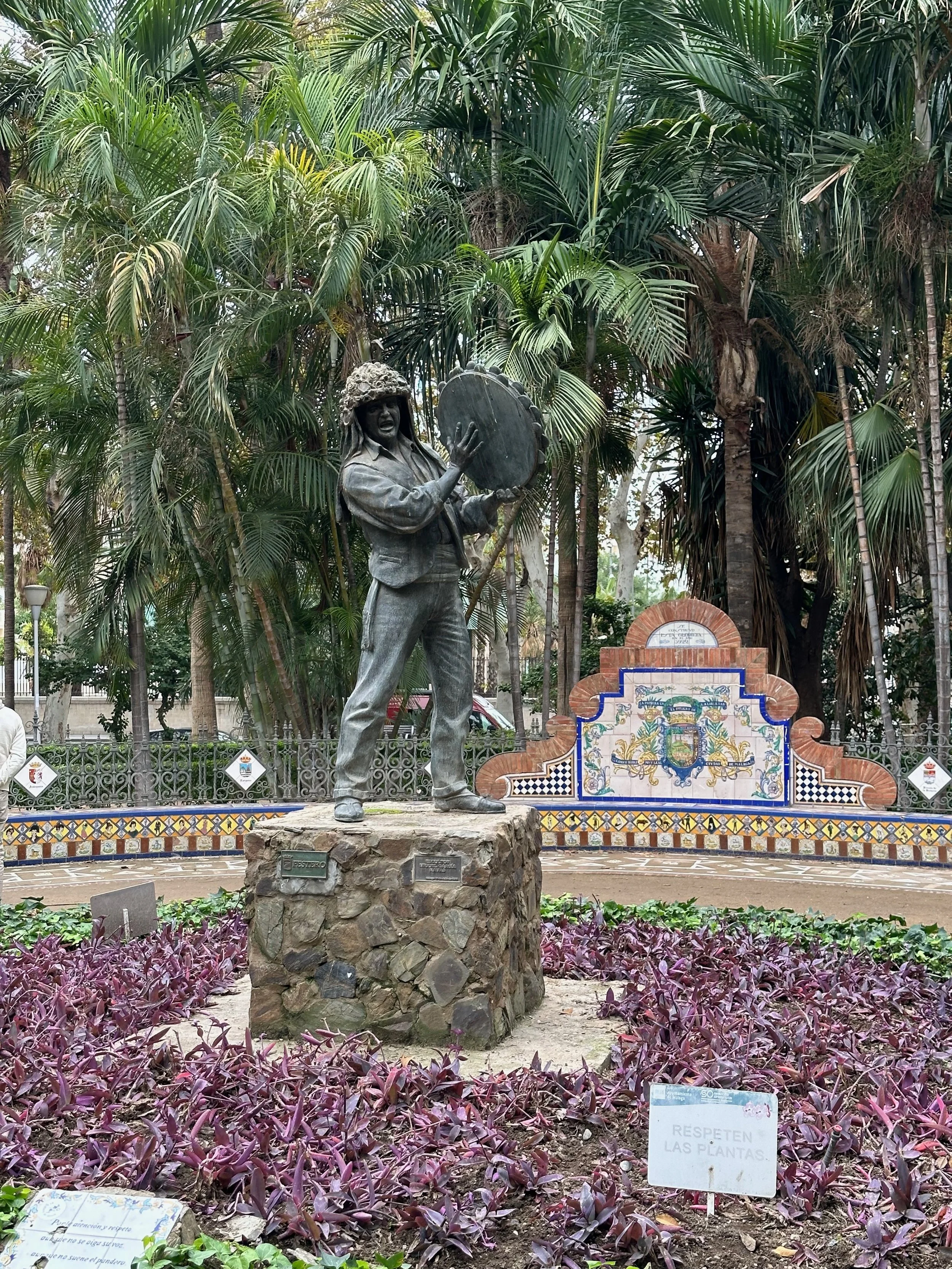
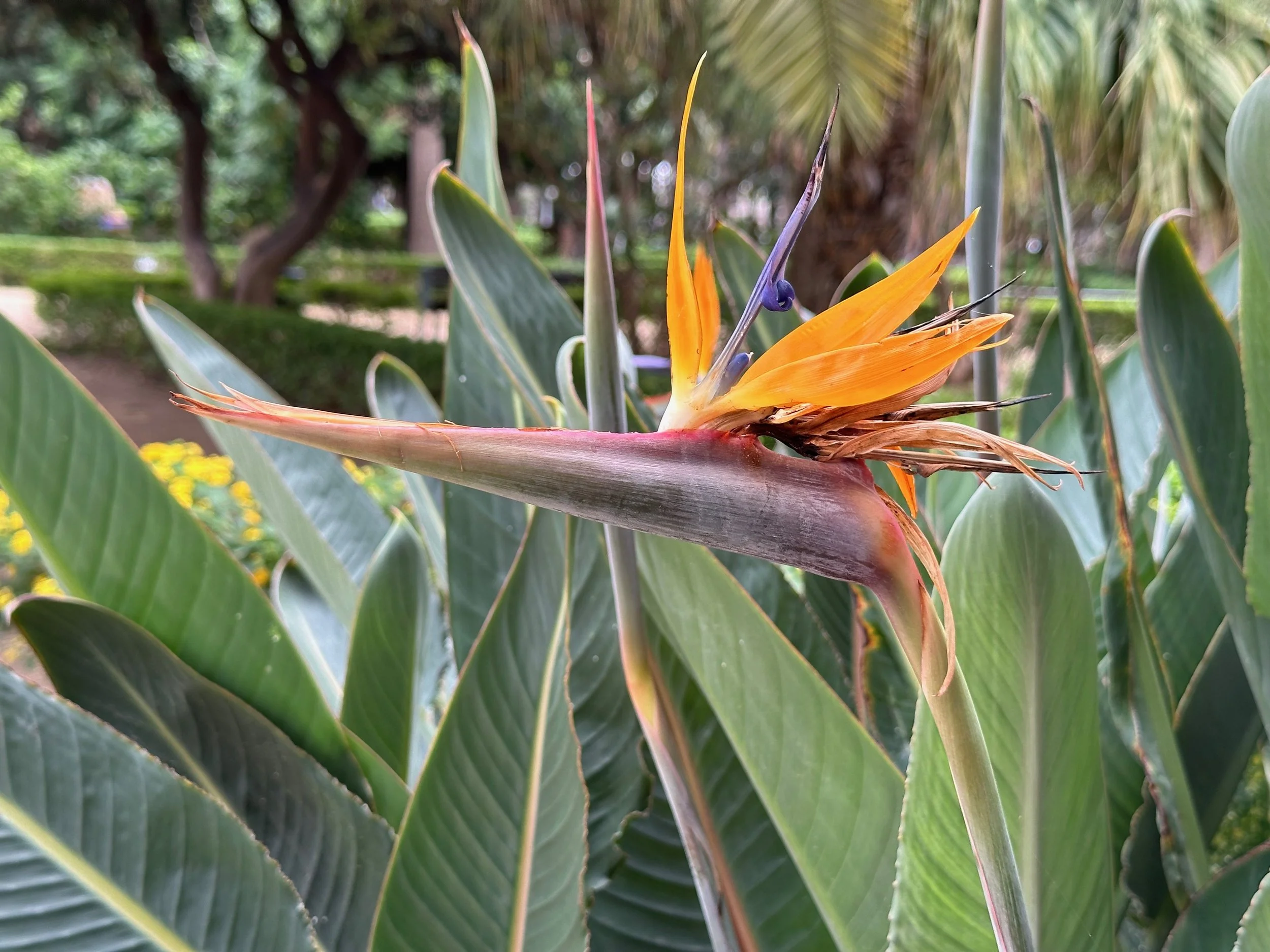
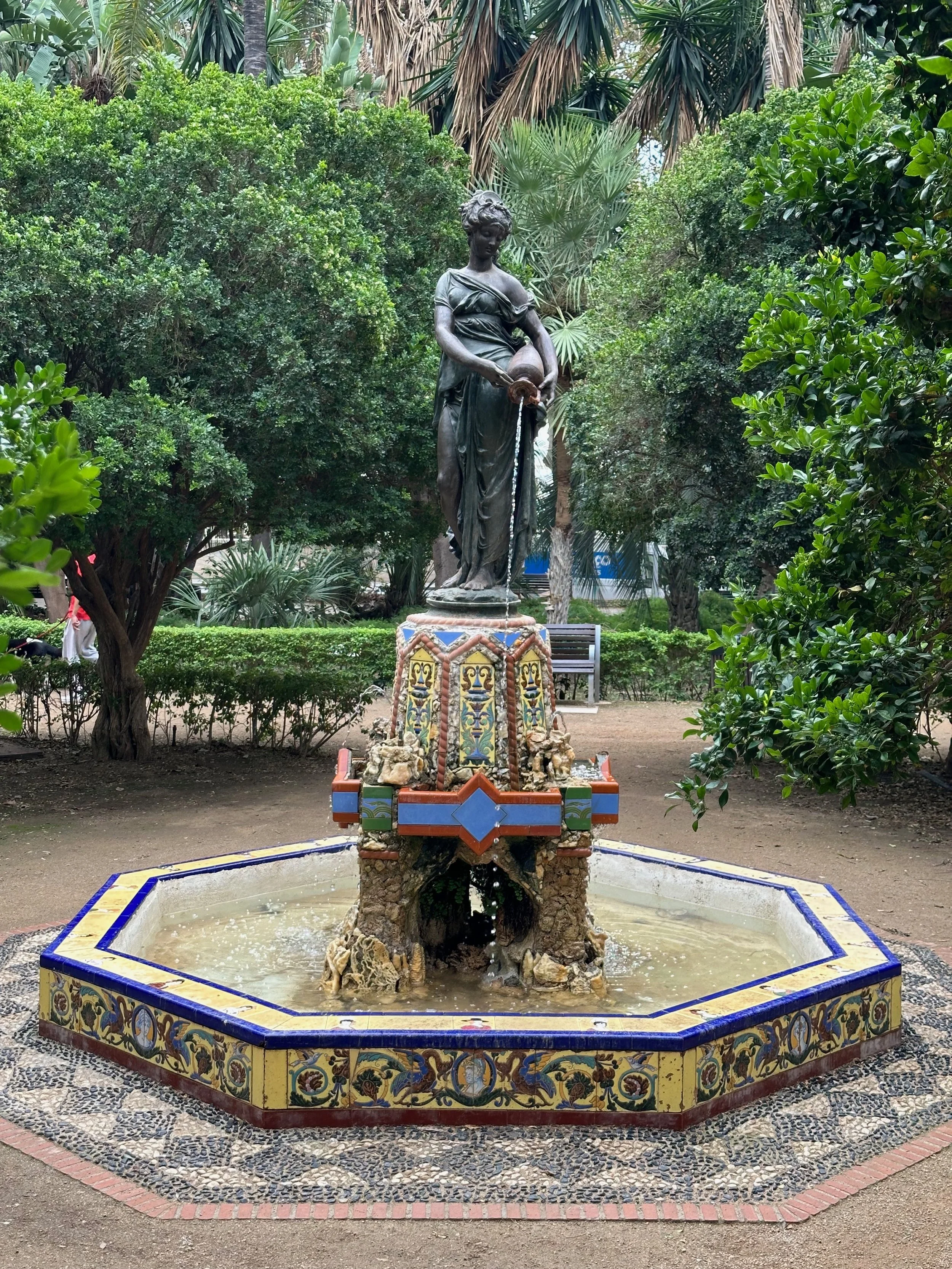
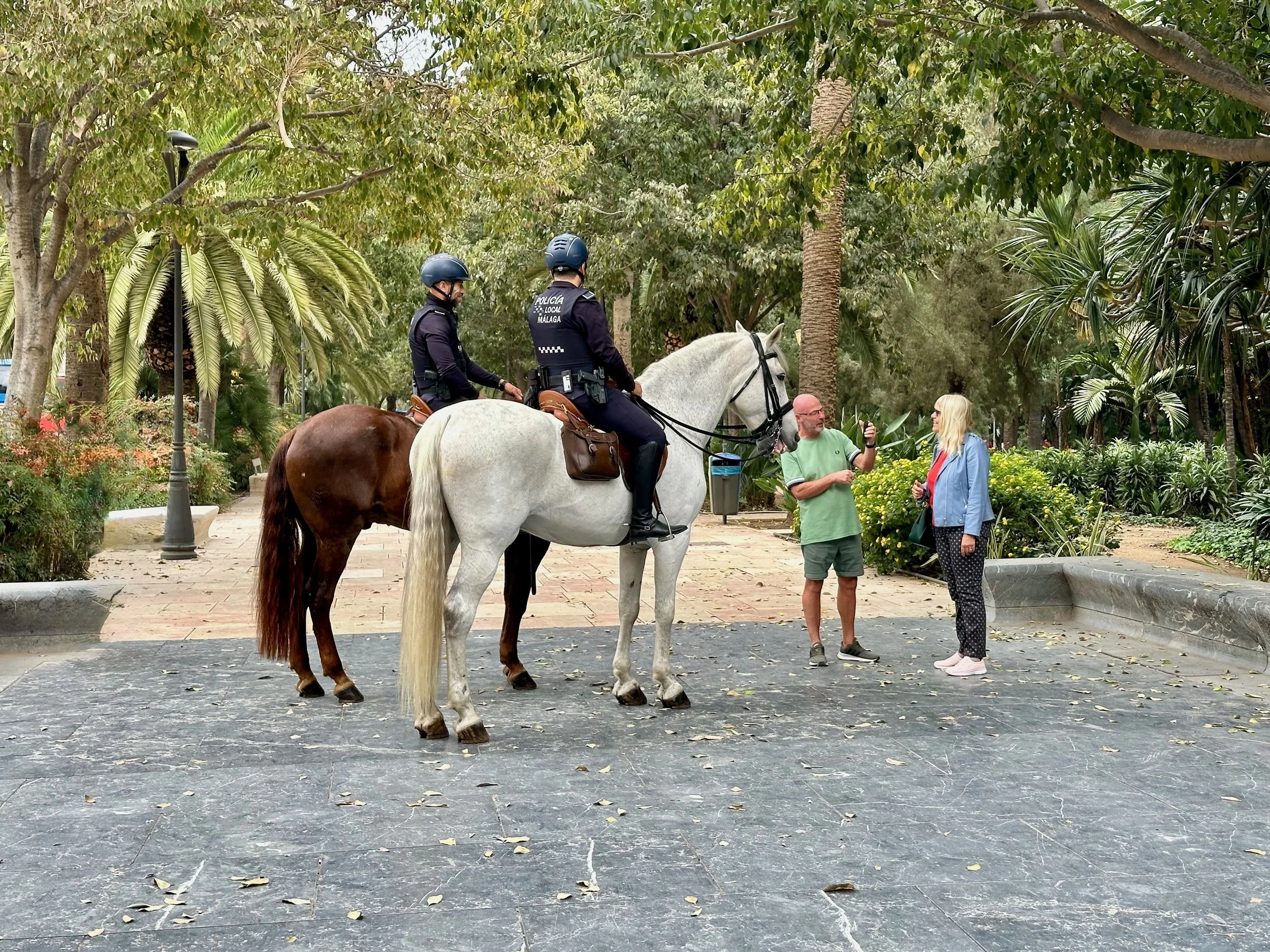
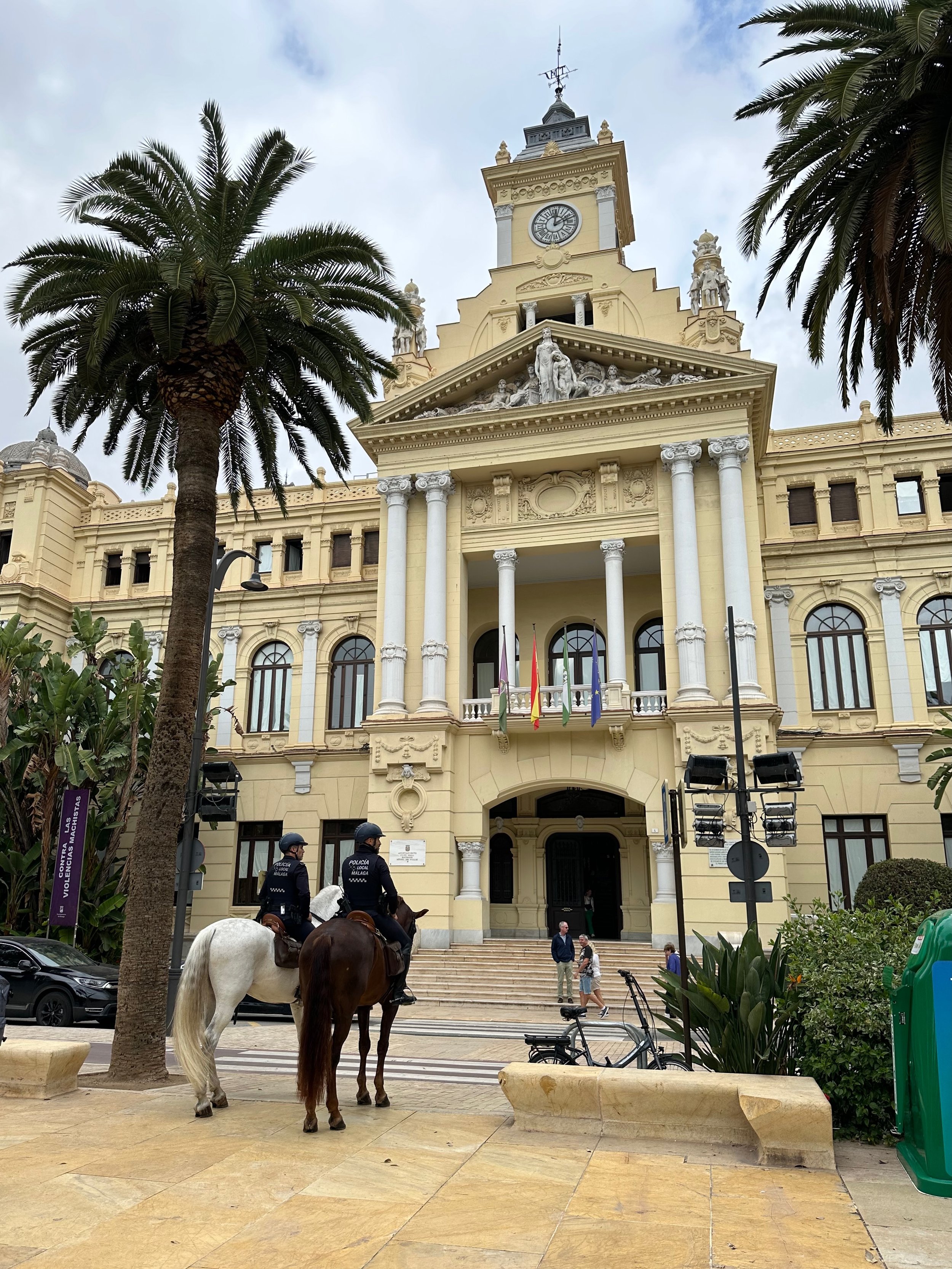
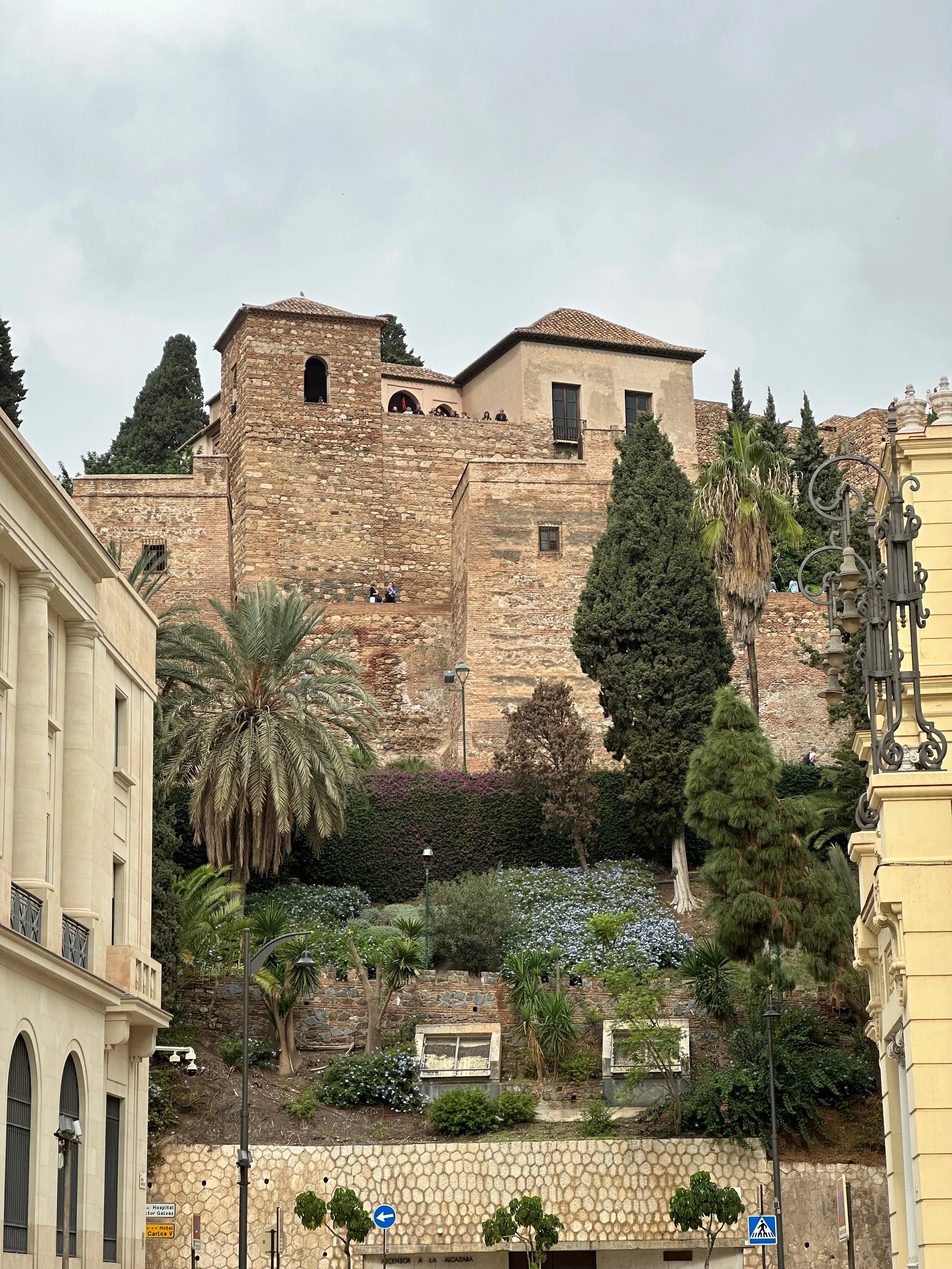
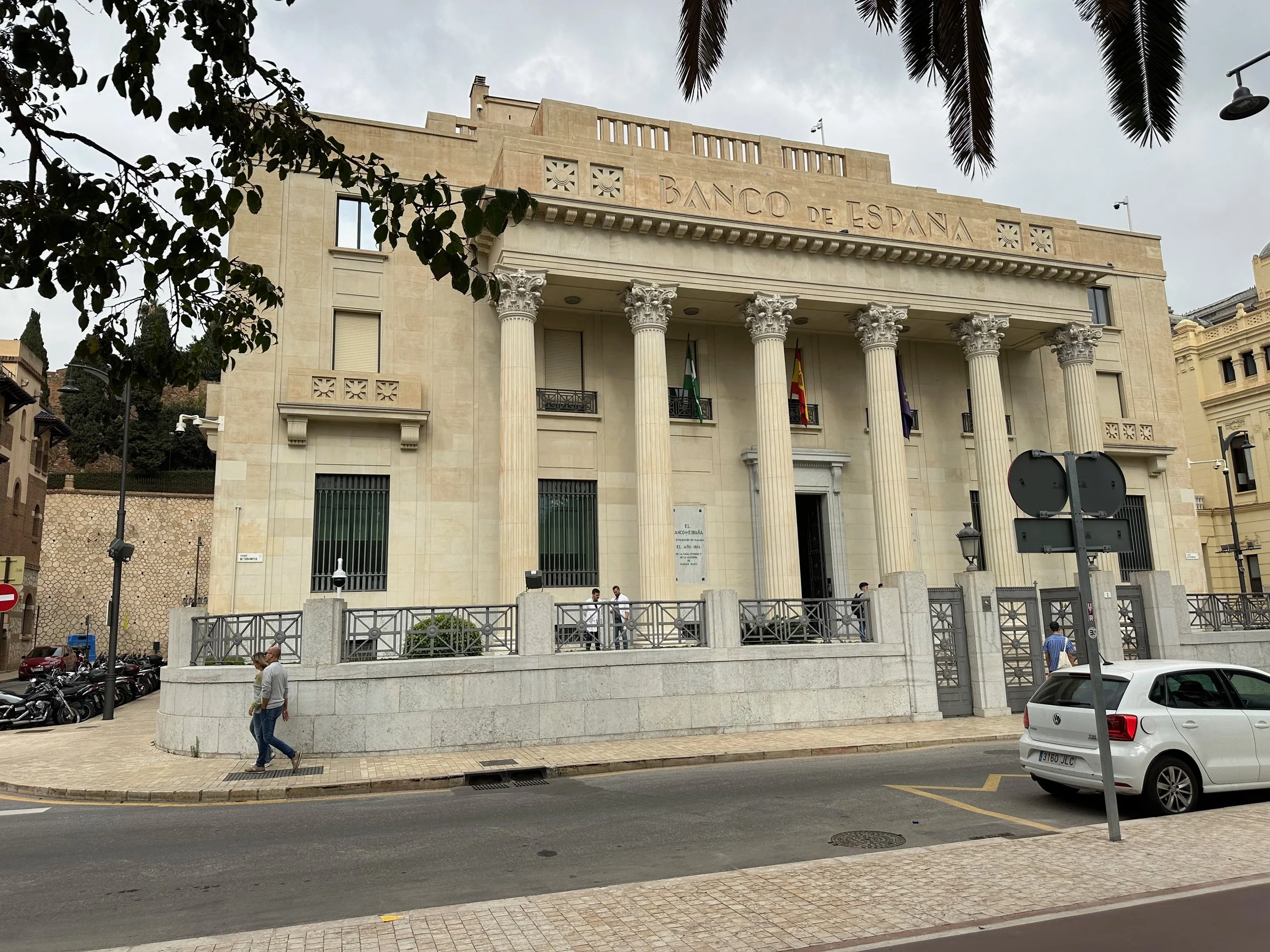
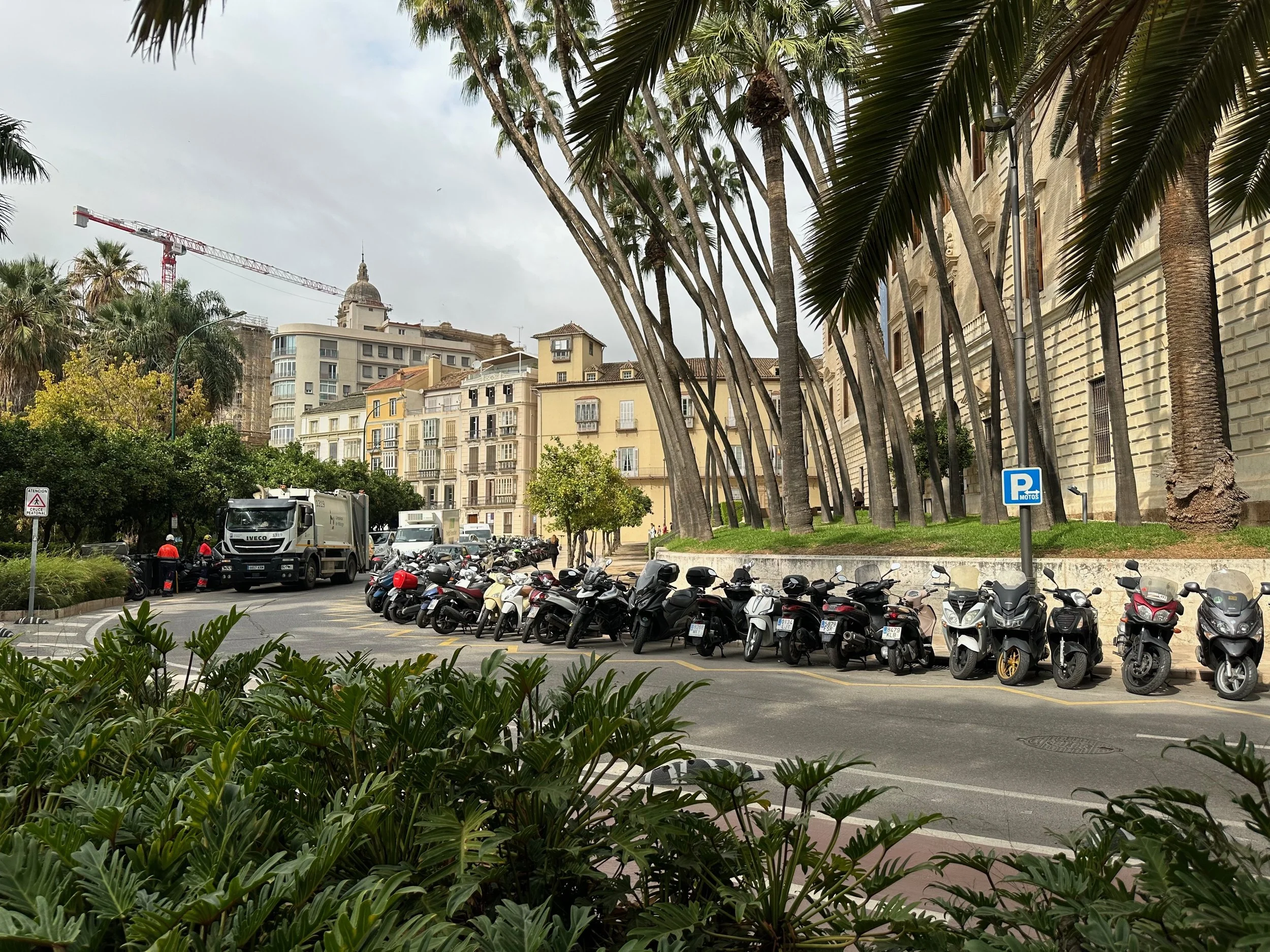
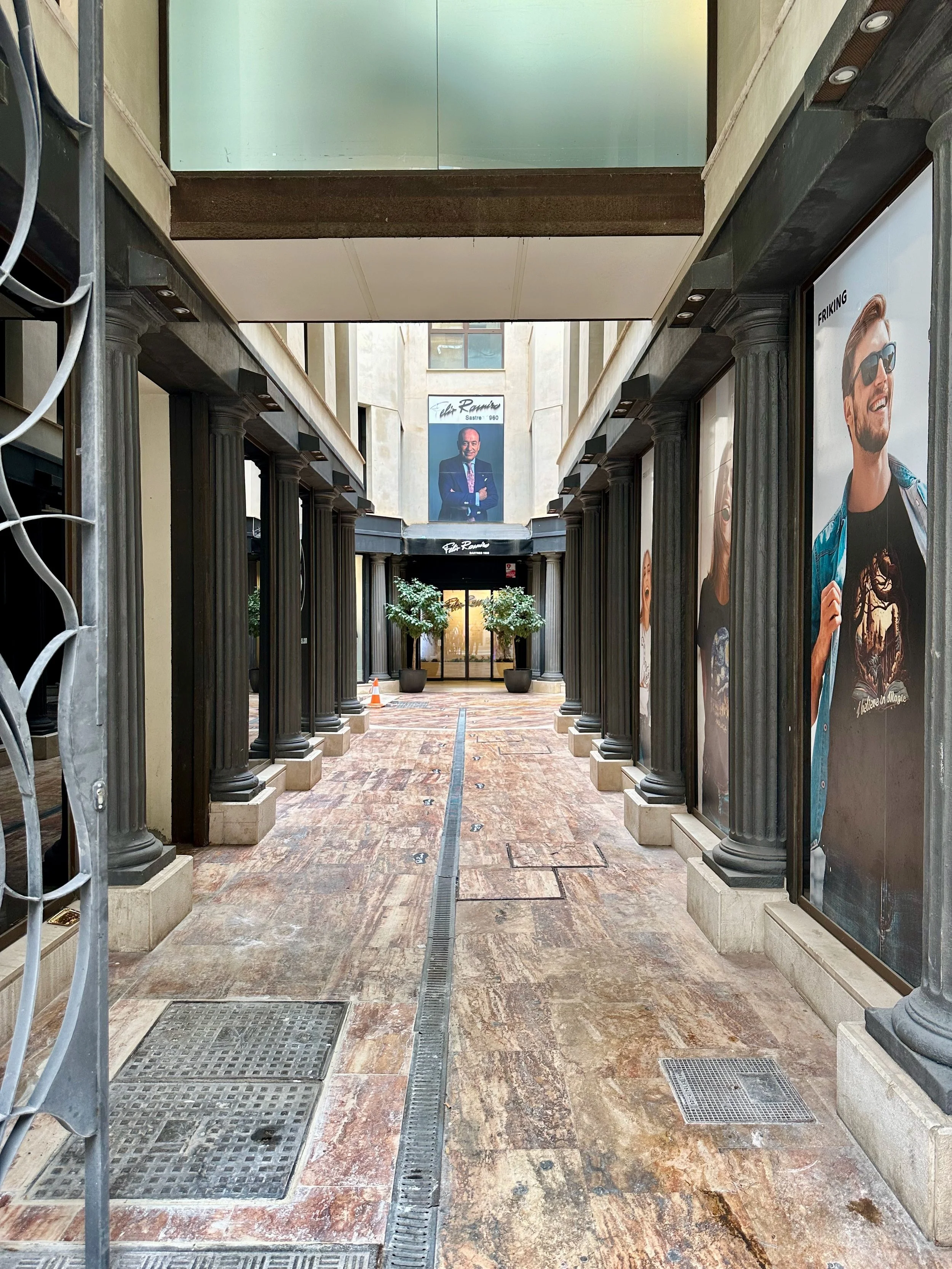
We crossed the main street to the inland side and that brought us onto the streets that made up the downtown core shopping area. We walked quite a bit covering numerous streets and despite many temptations, came away with very little in the way of purchases. Twisting and turning throughout the area, our phone gps brought us back to the parking lot by the harbour where we caught the shuttle bus back to the ship.
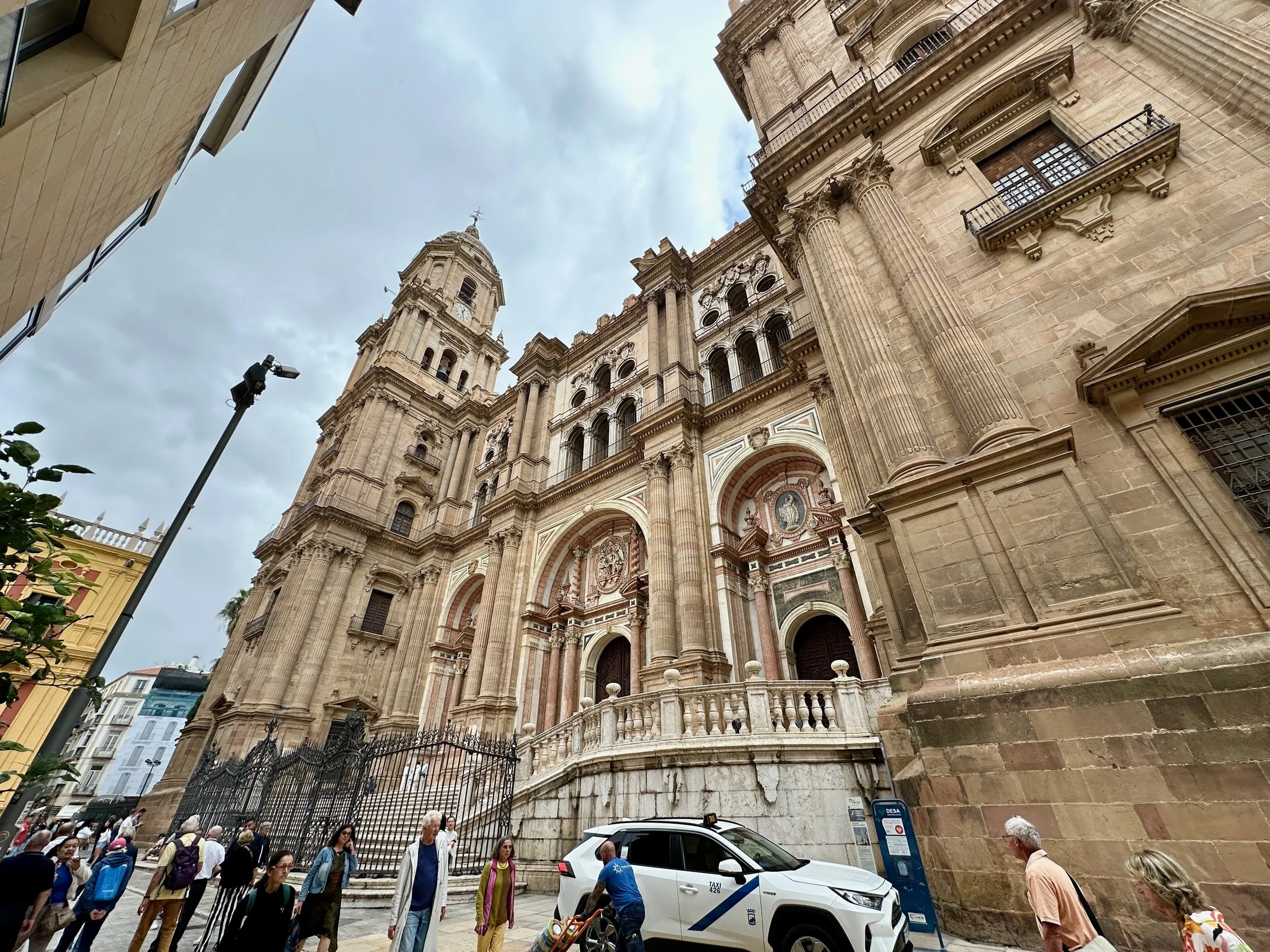
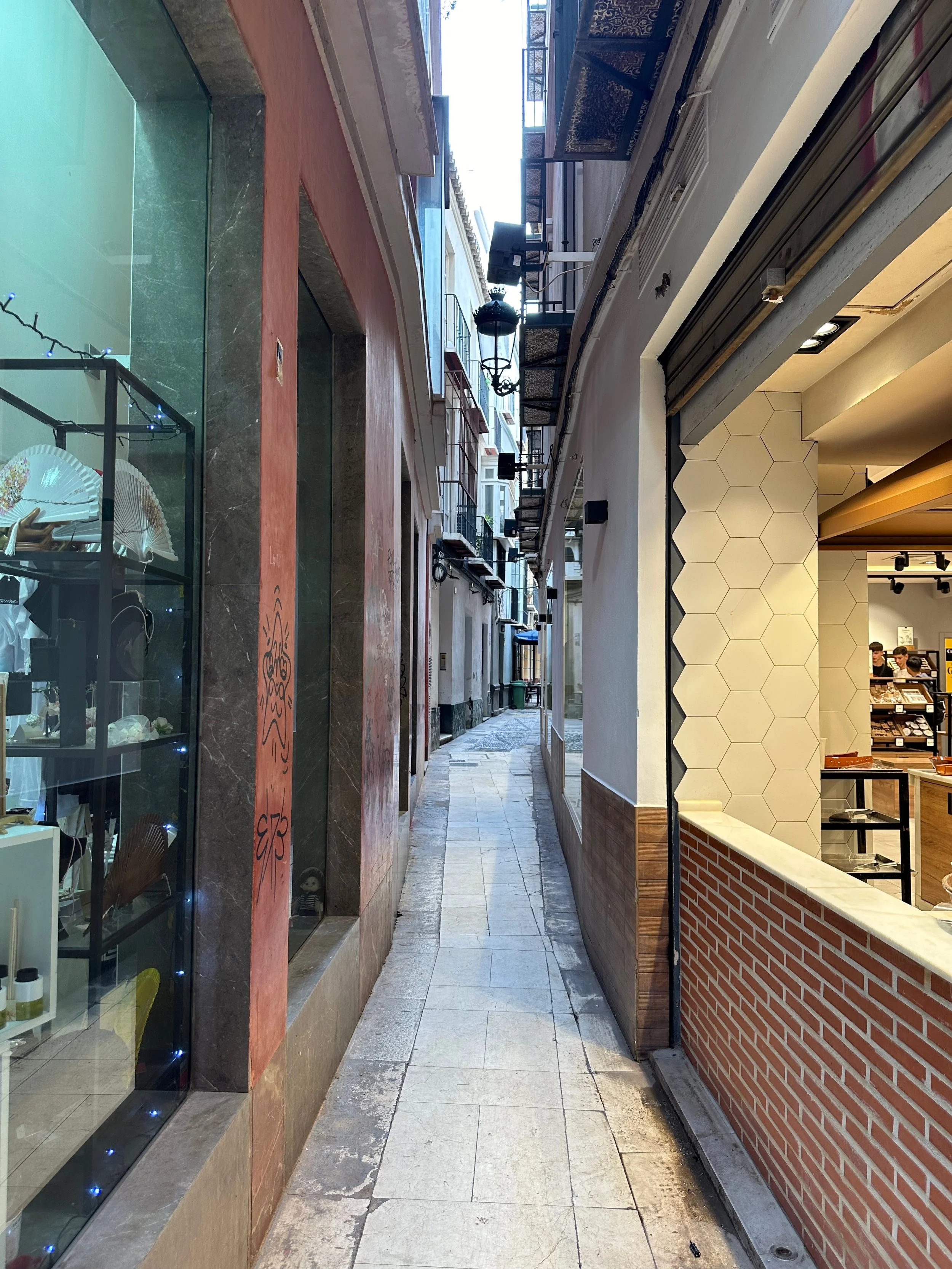
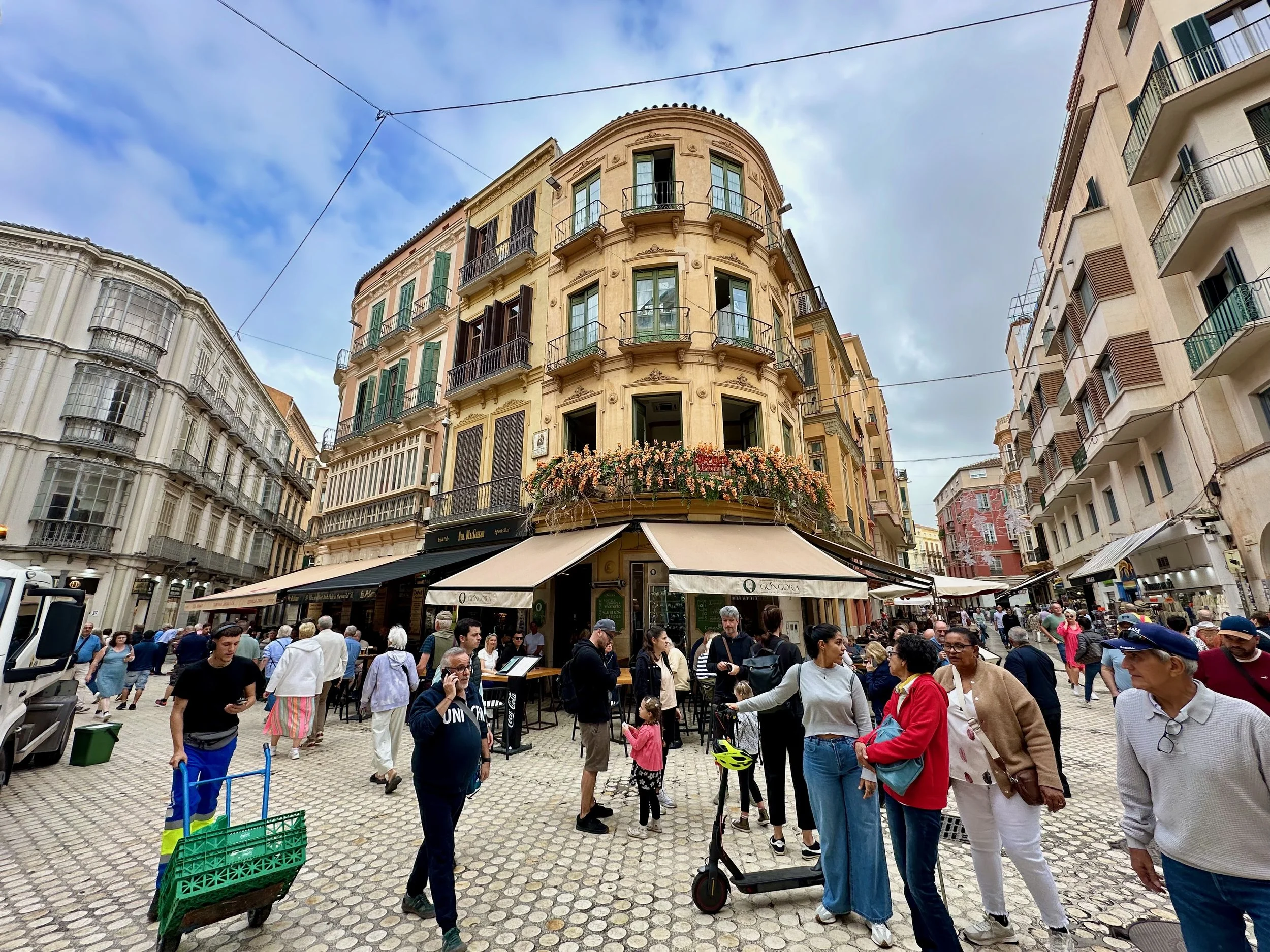
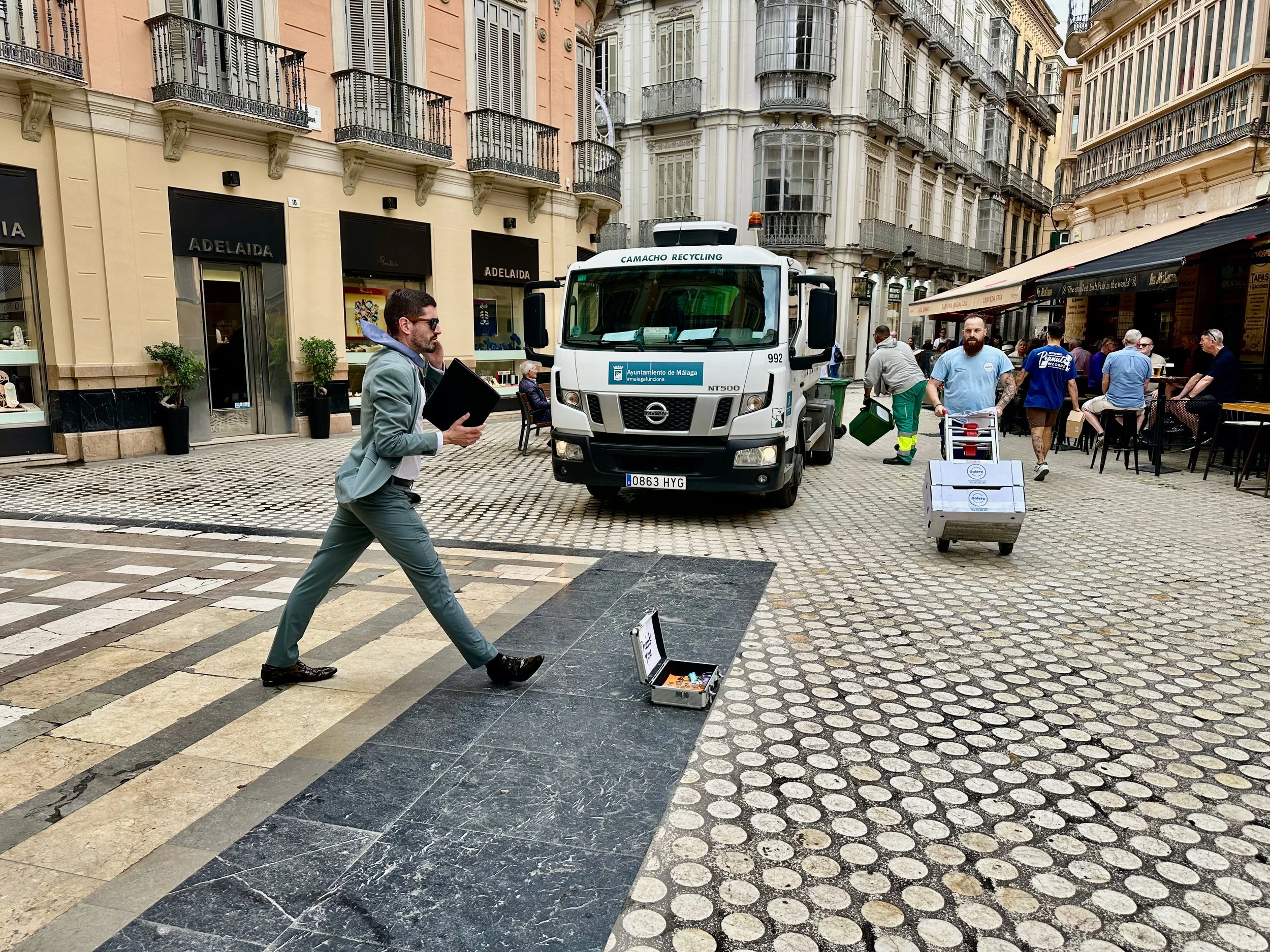
Homenaje Al Burro De Mijas, a well sat on donkey in the centre of Mijaz.
The Hillside Town of Mijas
Forty-five minutes west of Malaga is the quaint hillside town of Mijas. Painted in the typical Andalusian white wash, the buildings surrounded narrow streets that can barely fit cars down them. A throw back to the earlier days when donkey carts made up most of the transport of the day.
Mijas dates back into pre-history, but the Romans occupied the area up to the early 7th century when it was then overtaken by the Visigoths and then the Moors after them. At one point, the conquering party rounded up the entire population of the town and sold them into slavery. So some pretty unhappy history here. But it subsequently changed hands several times again and eventually was granted “Very Loyal” status by the Spanish government around 1500.
Below is a collection of photos taken while walking around Mijas.
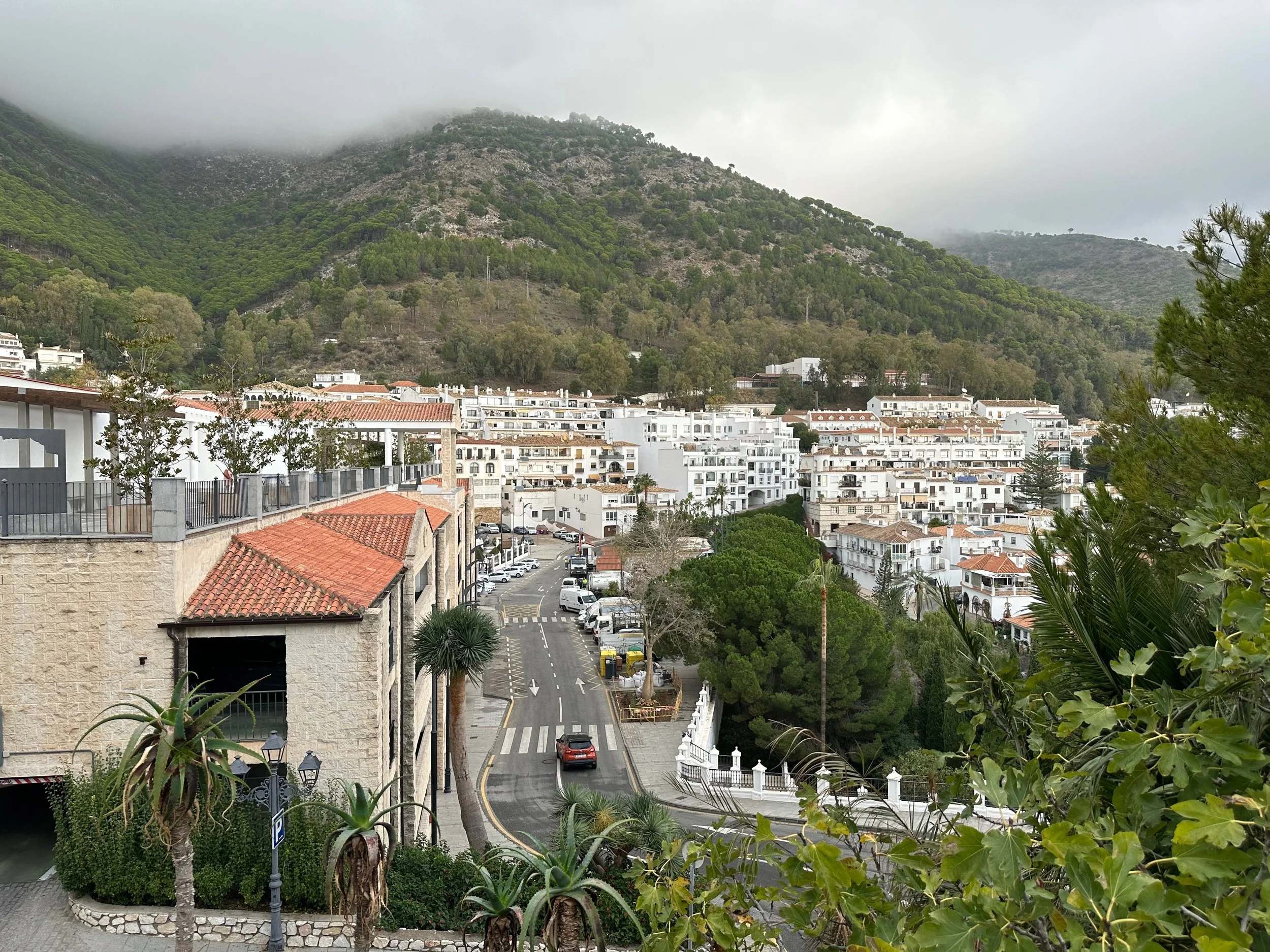
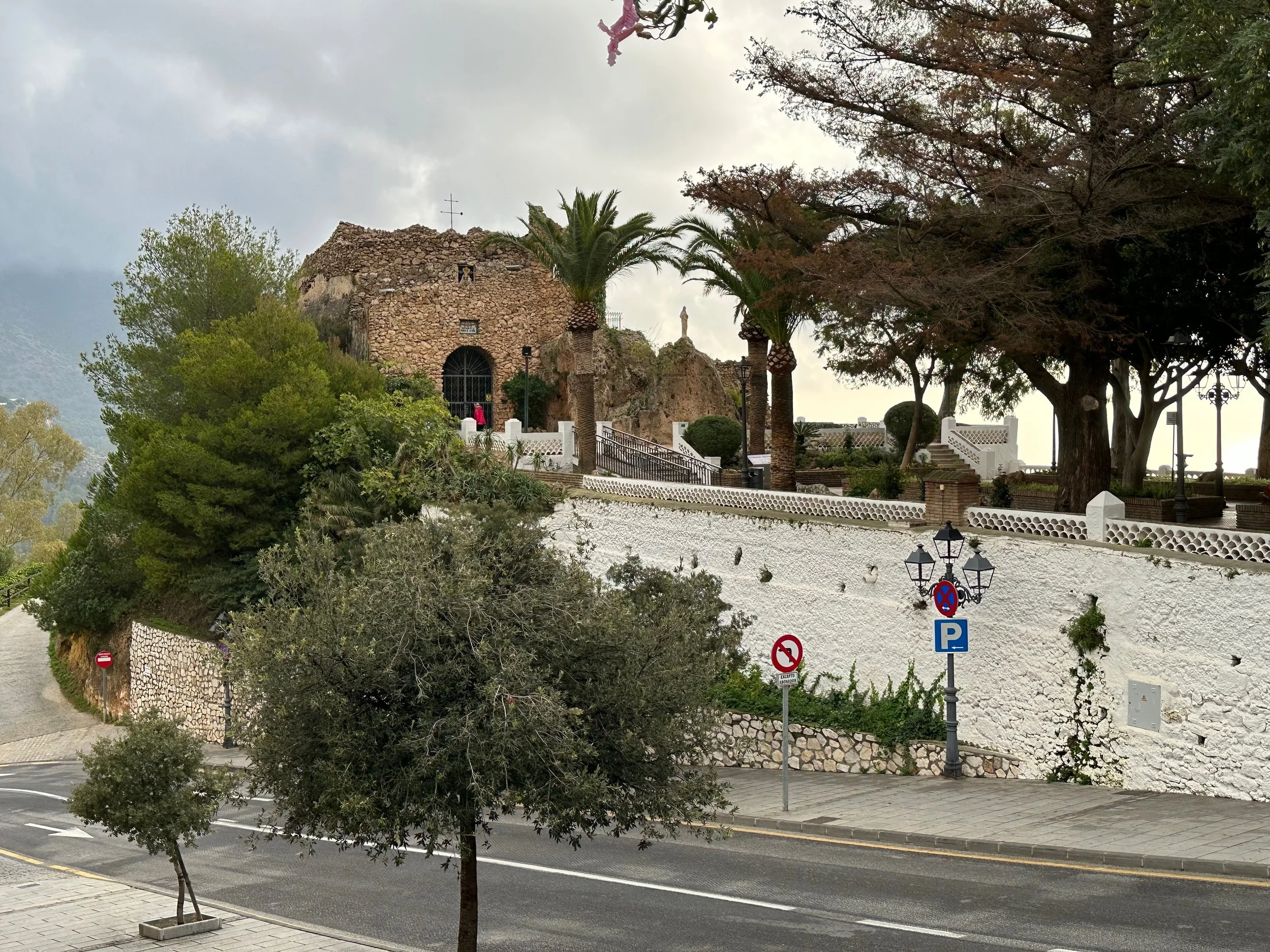
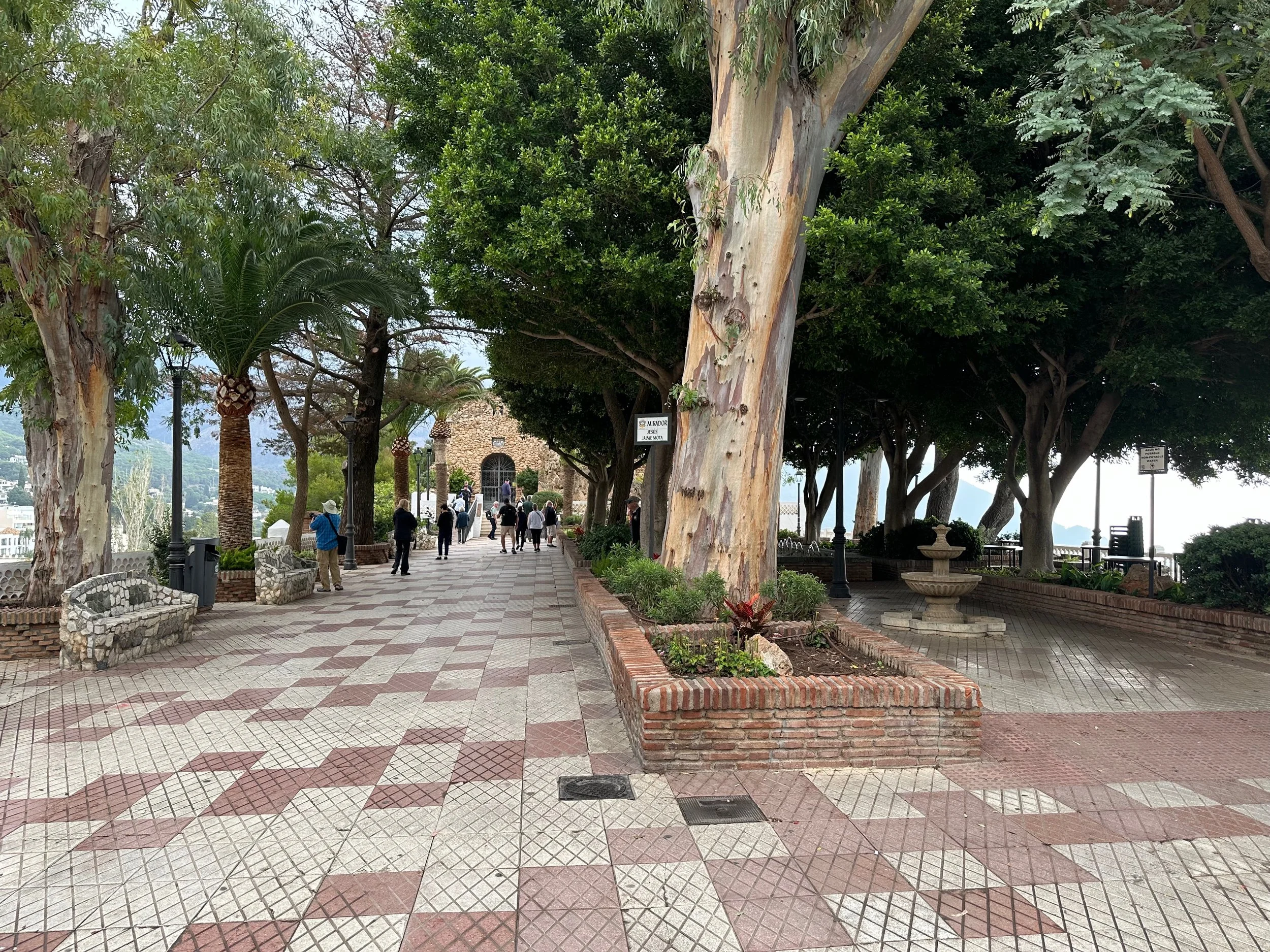
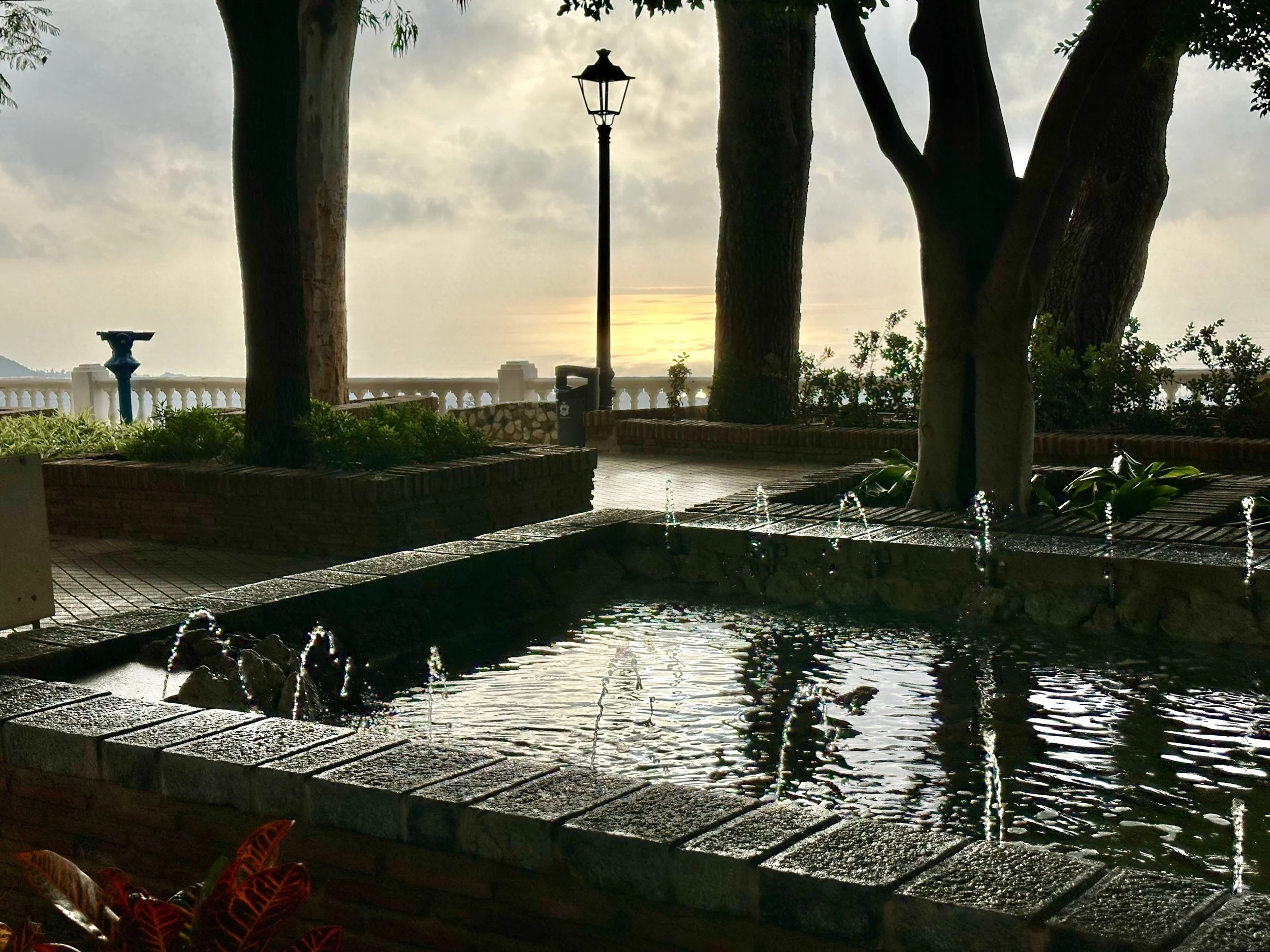
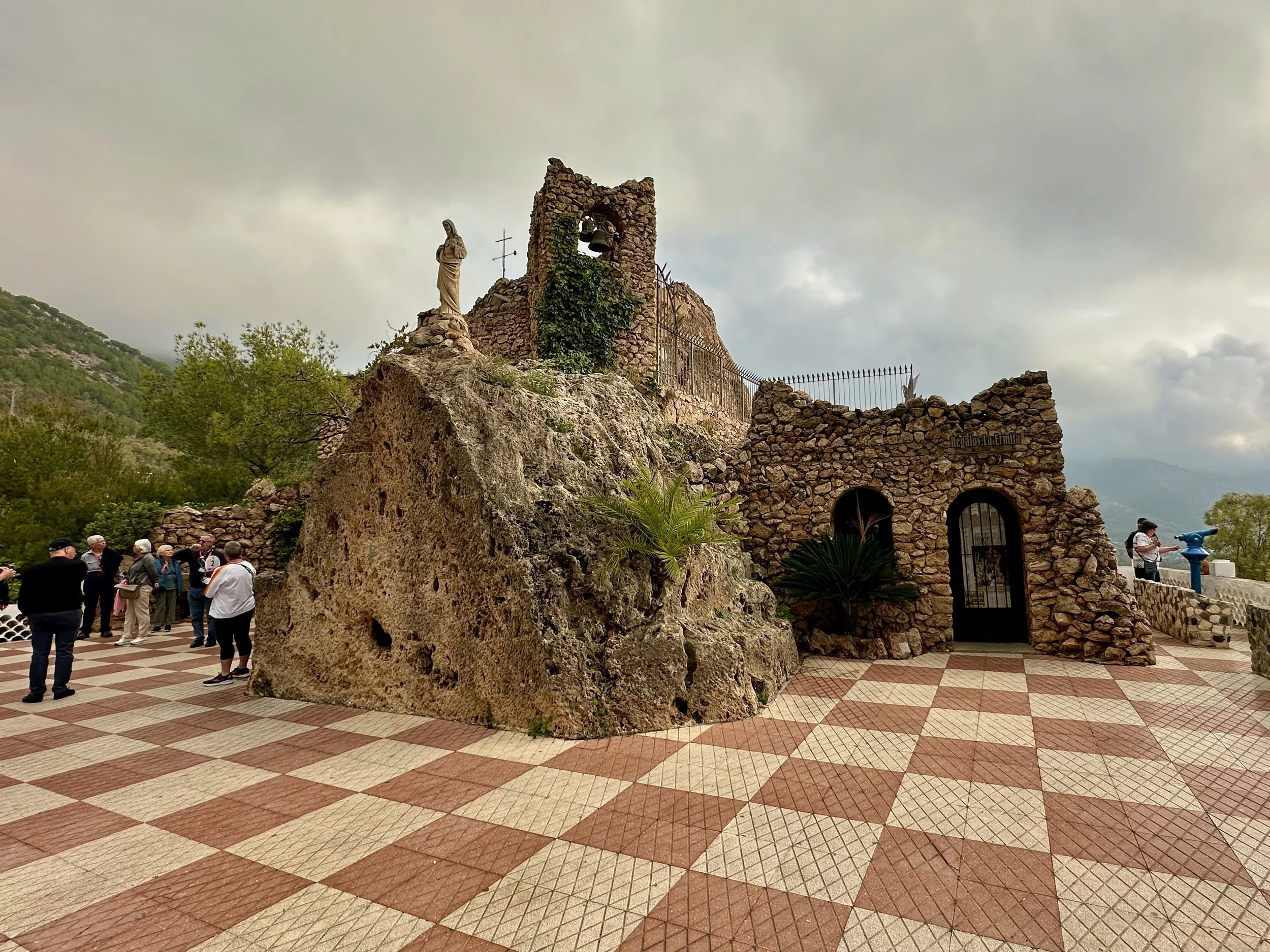
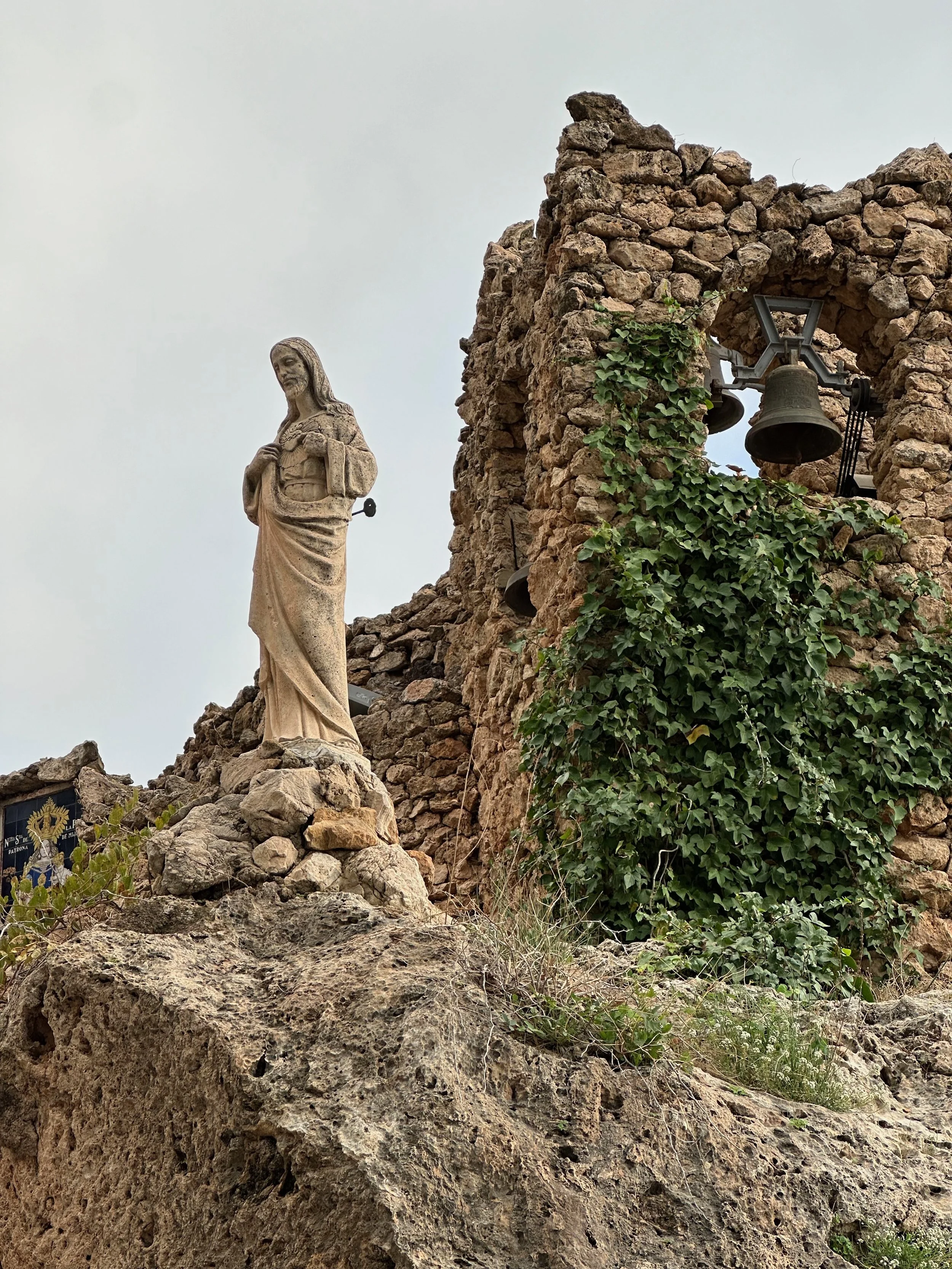
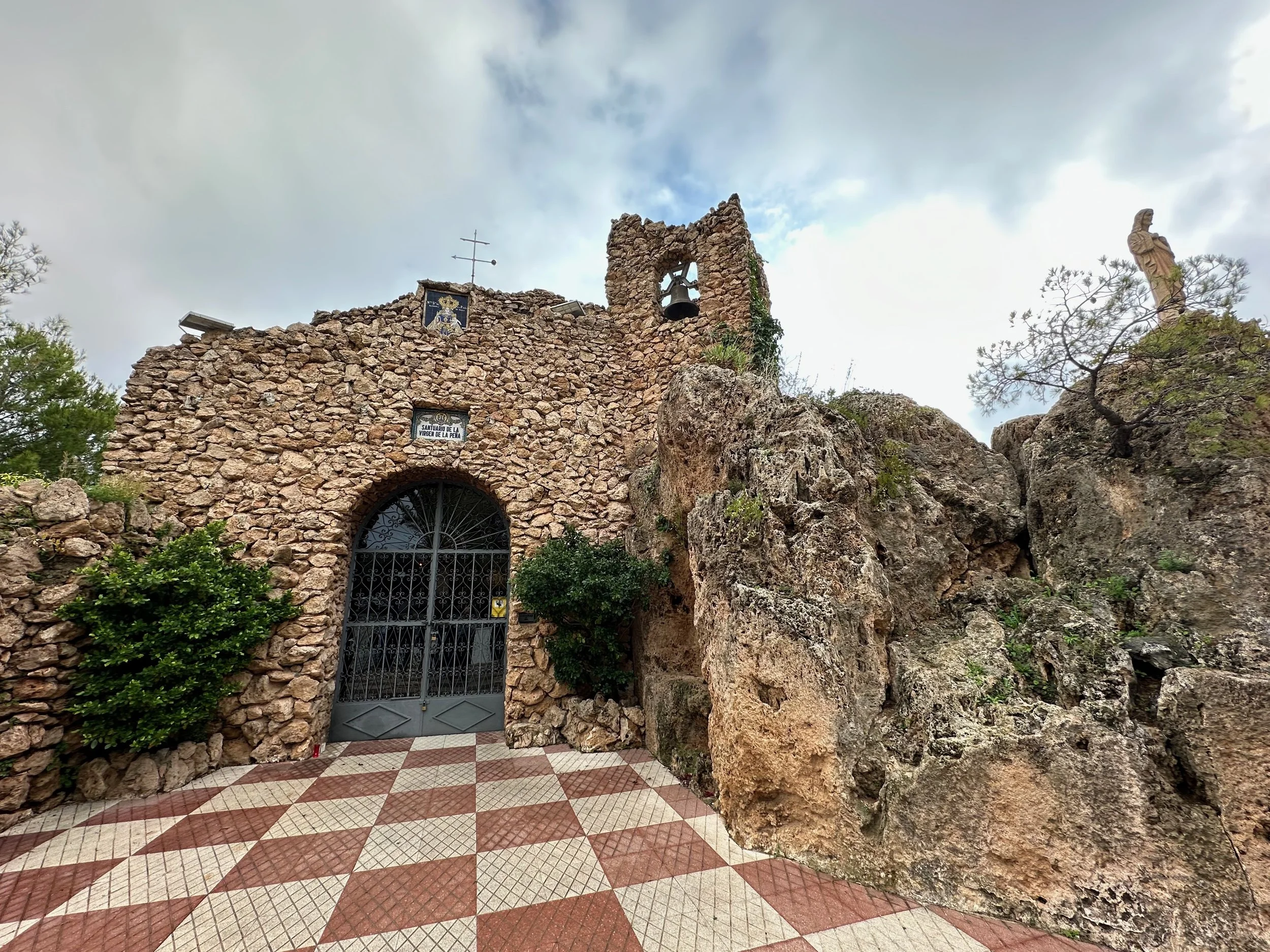
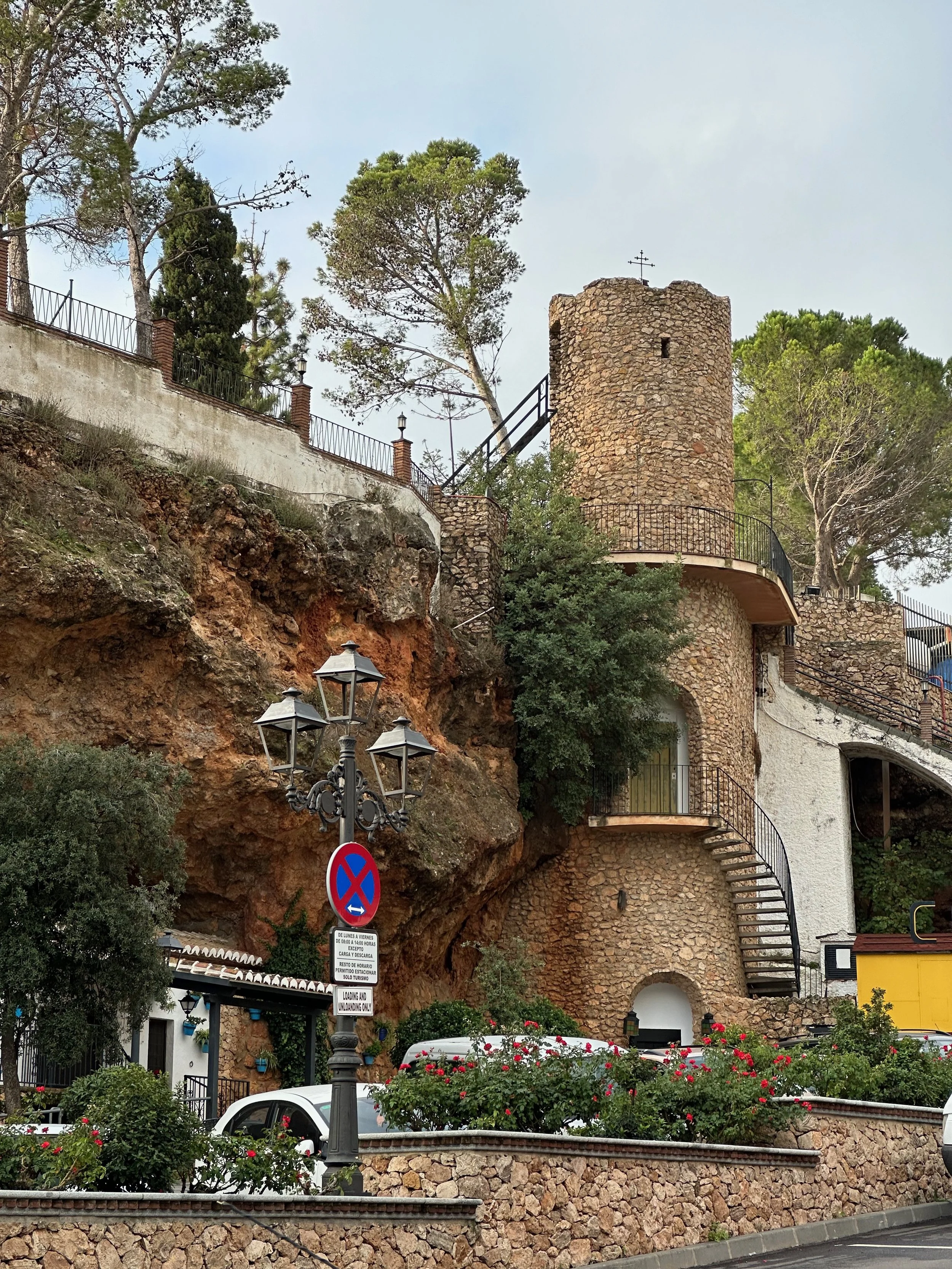
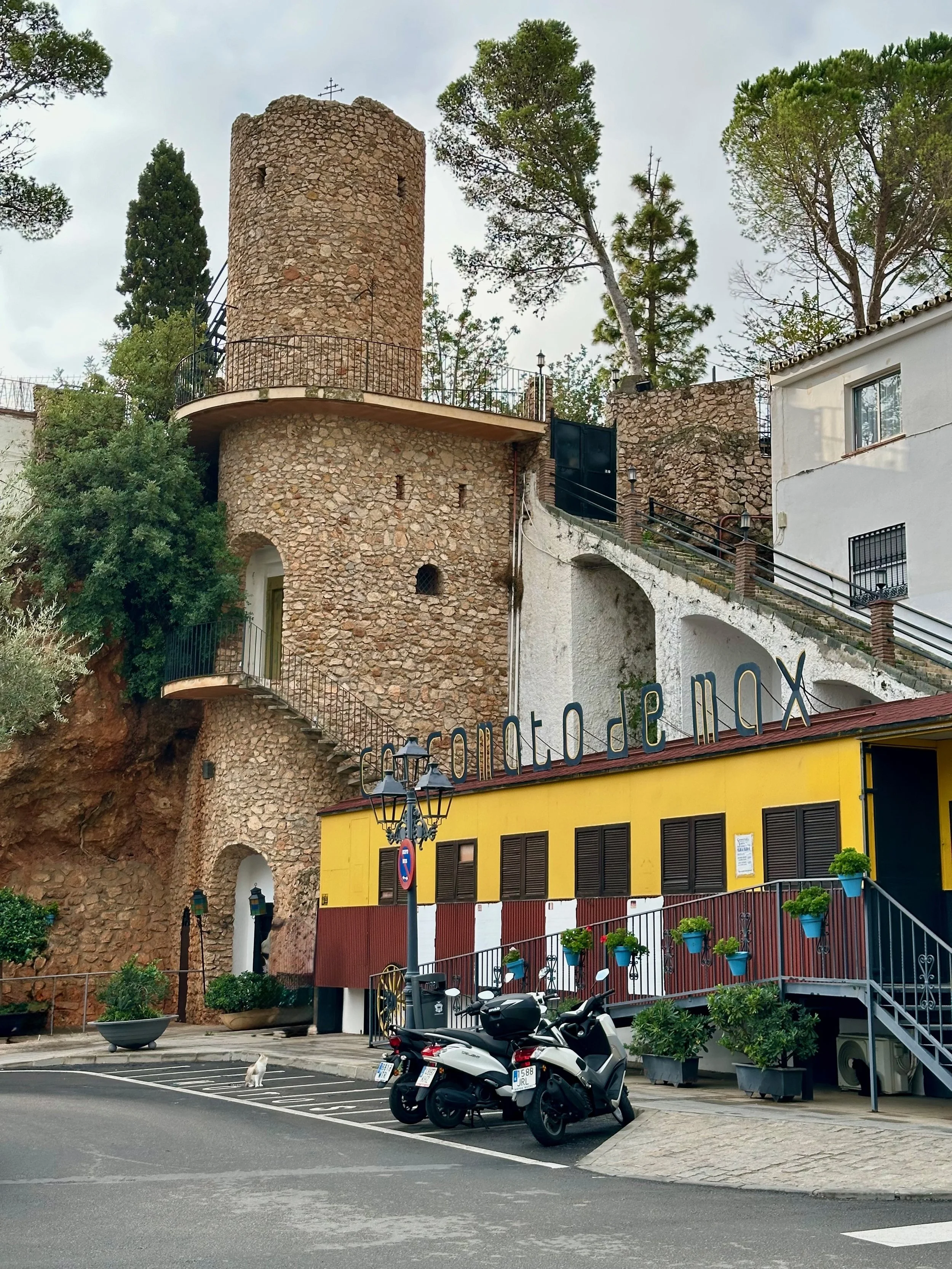
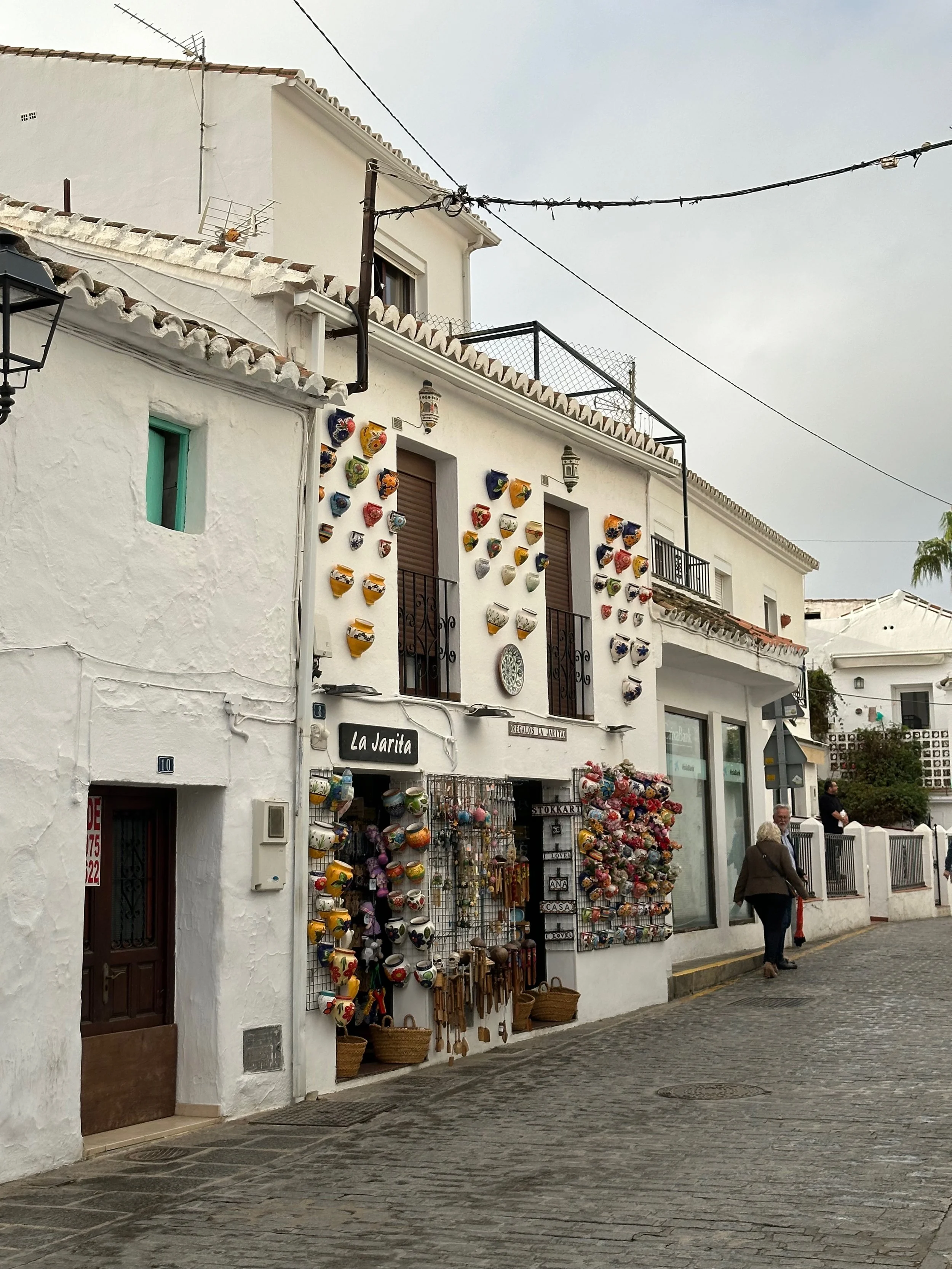
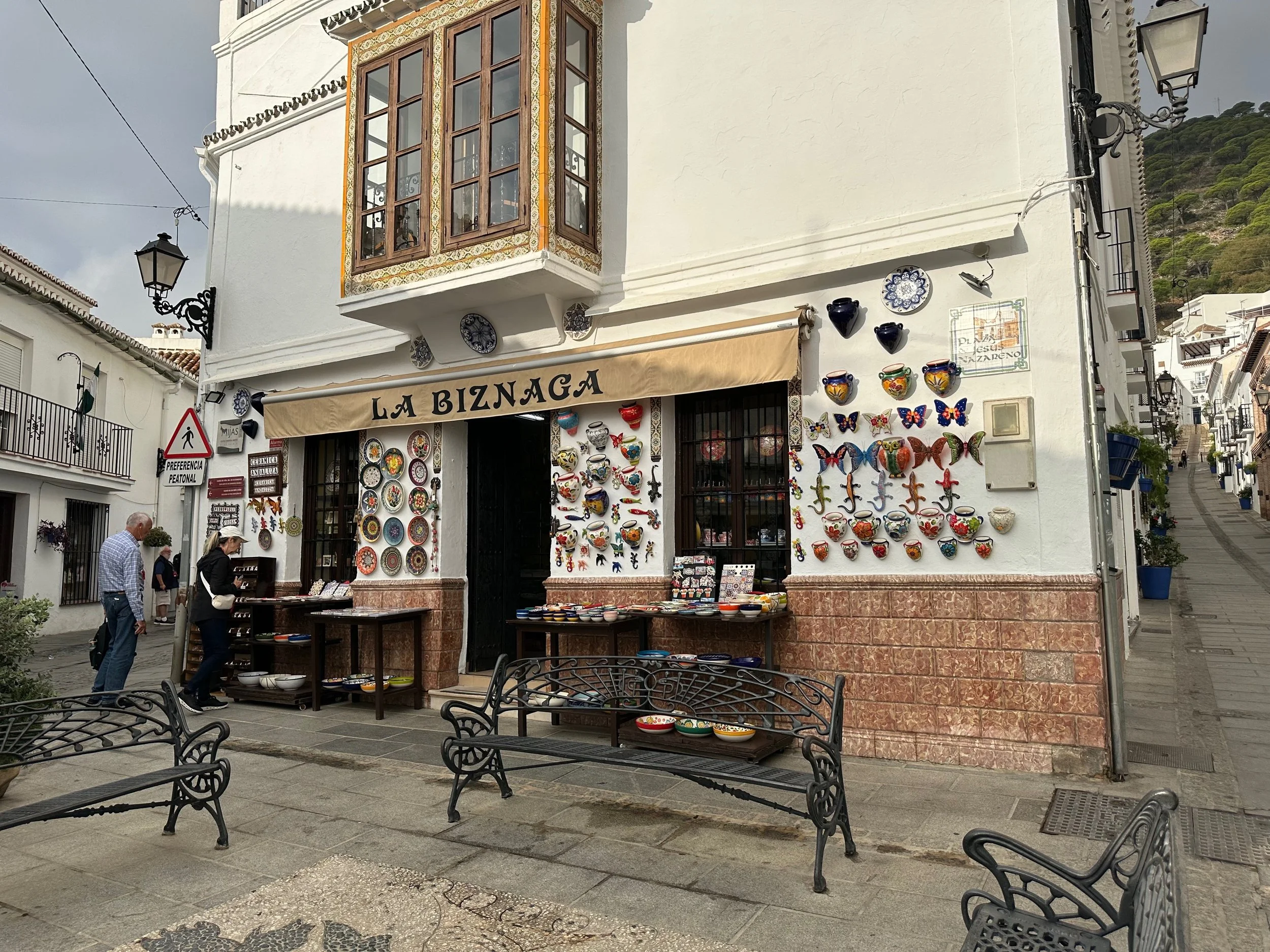
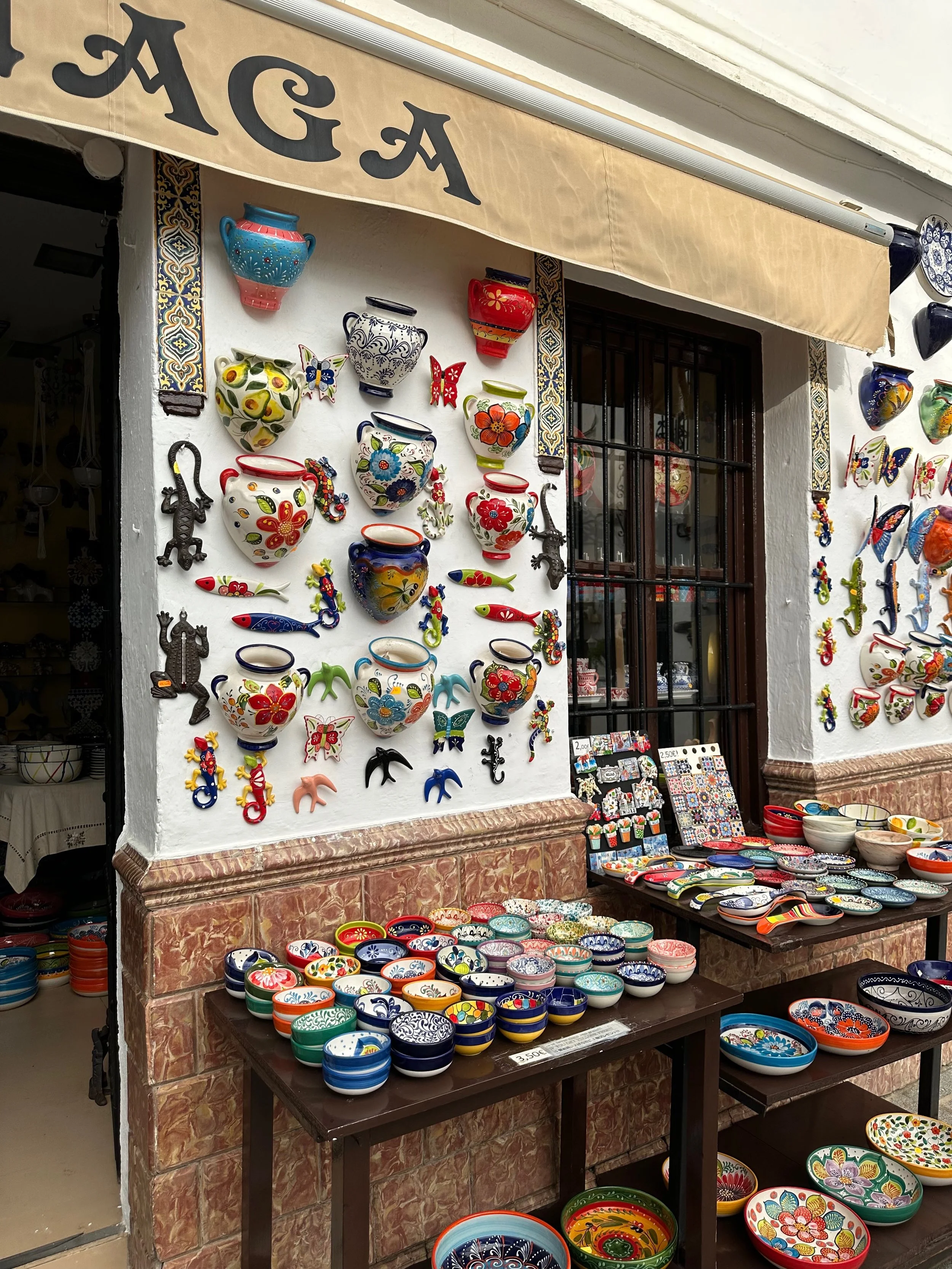
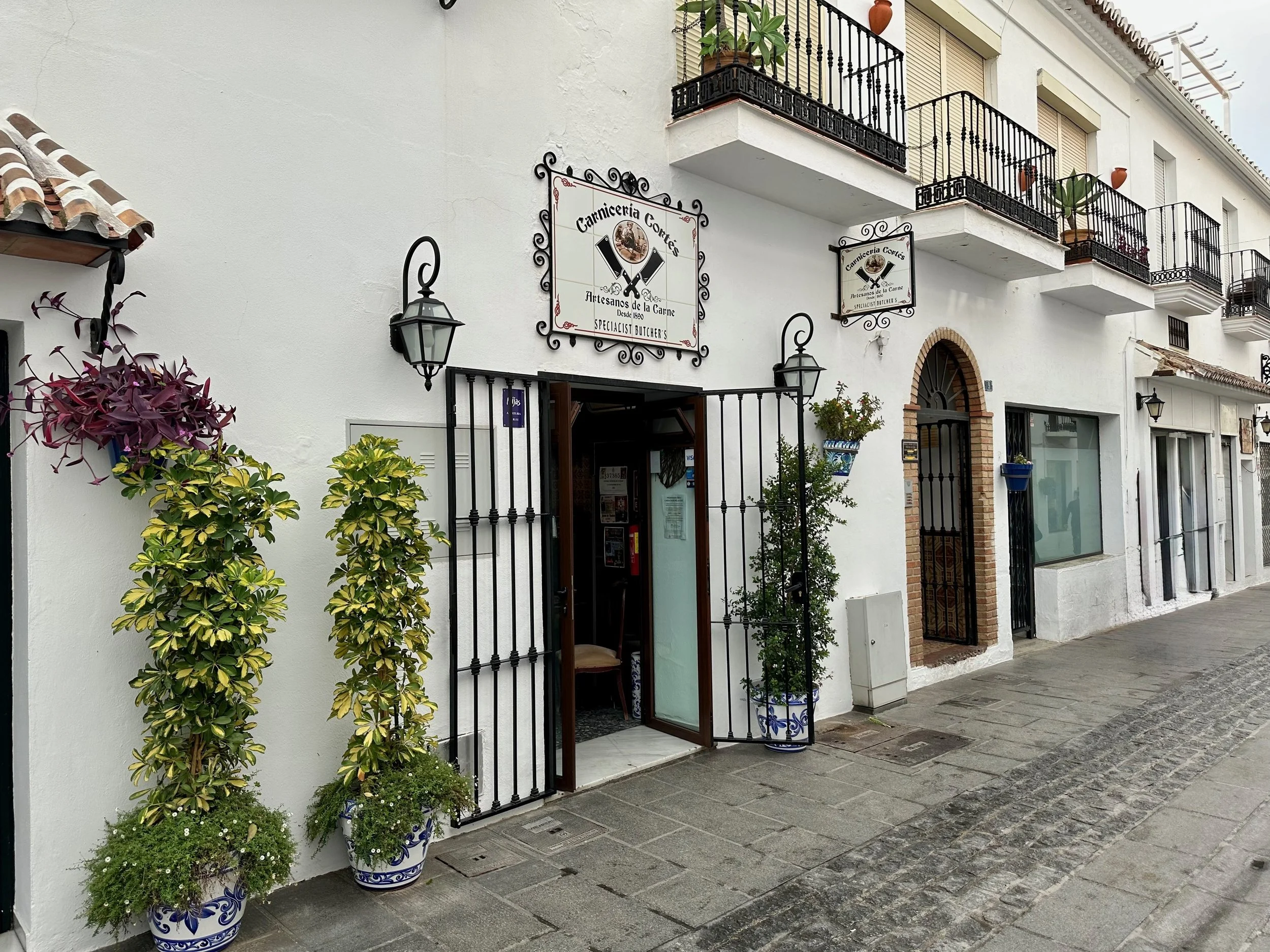
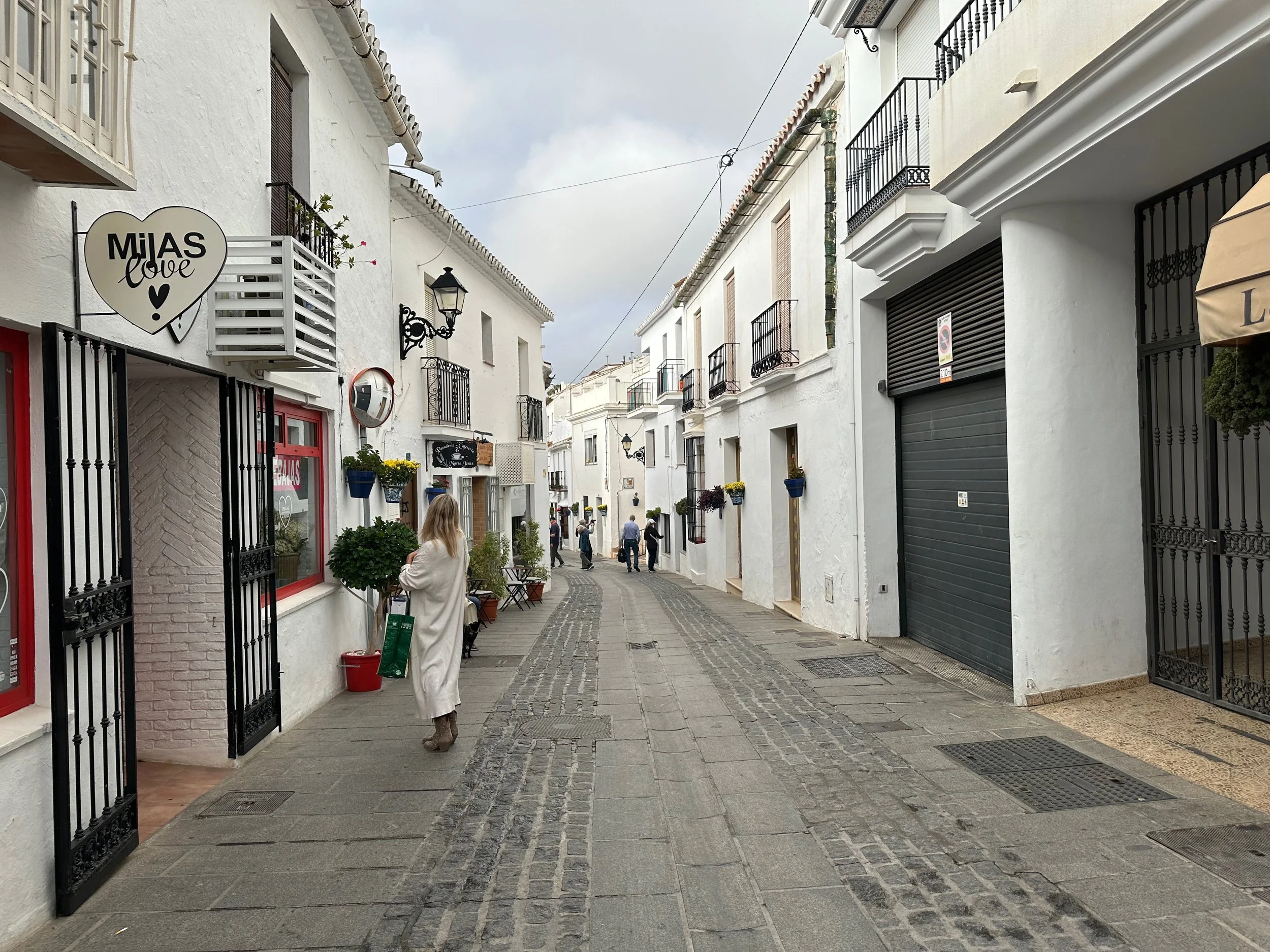
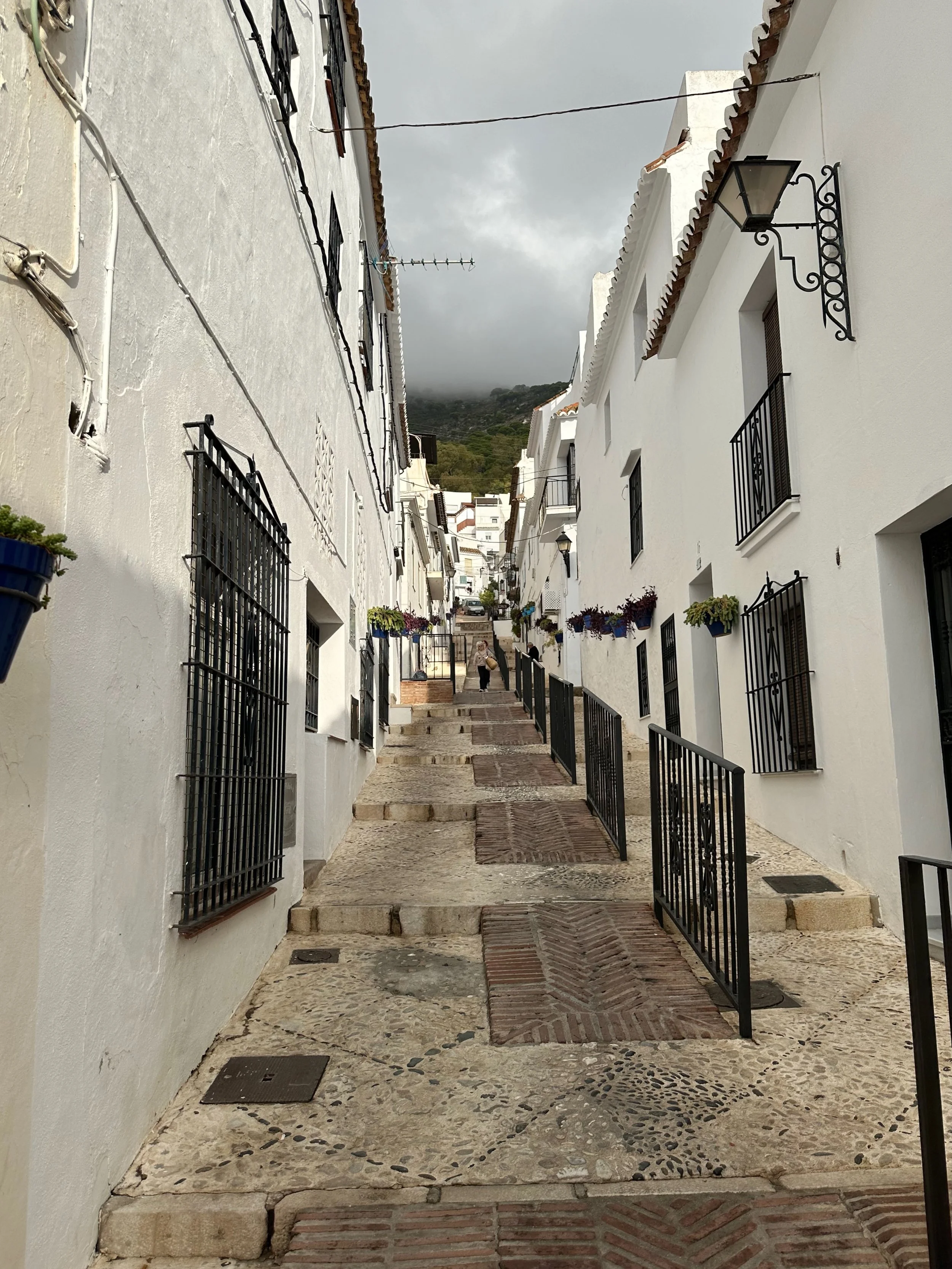
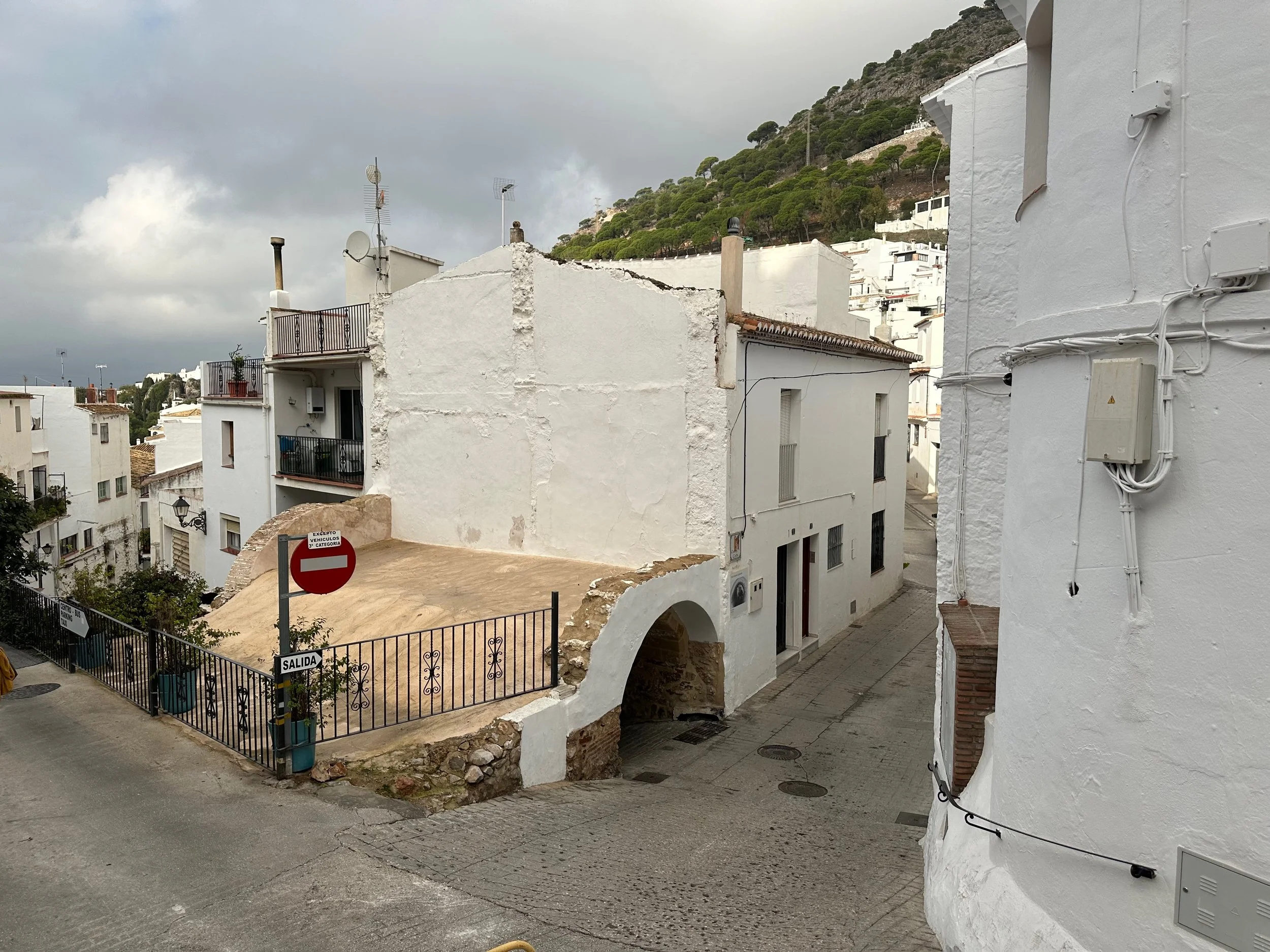
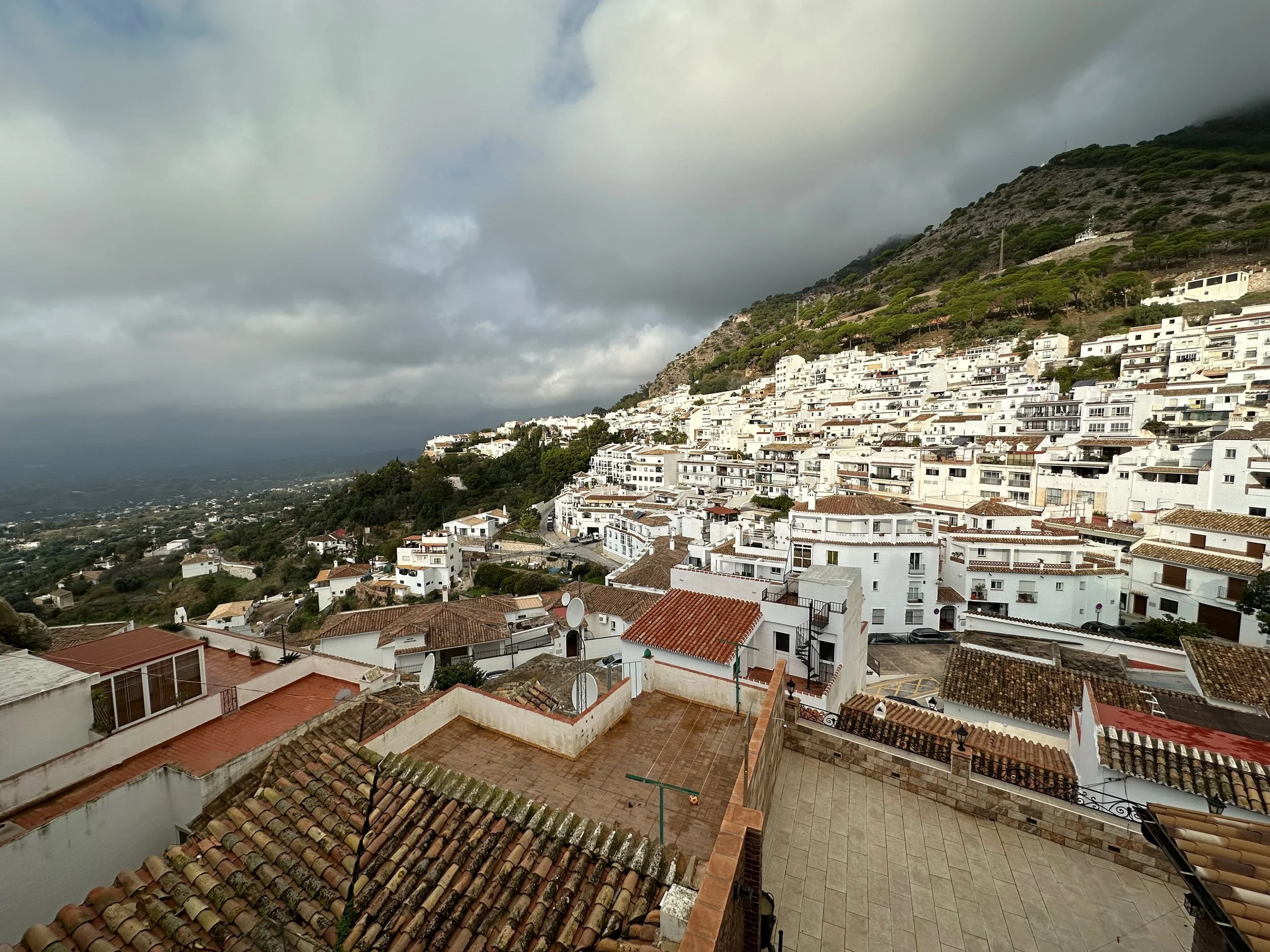
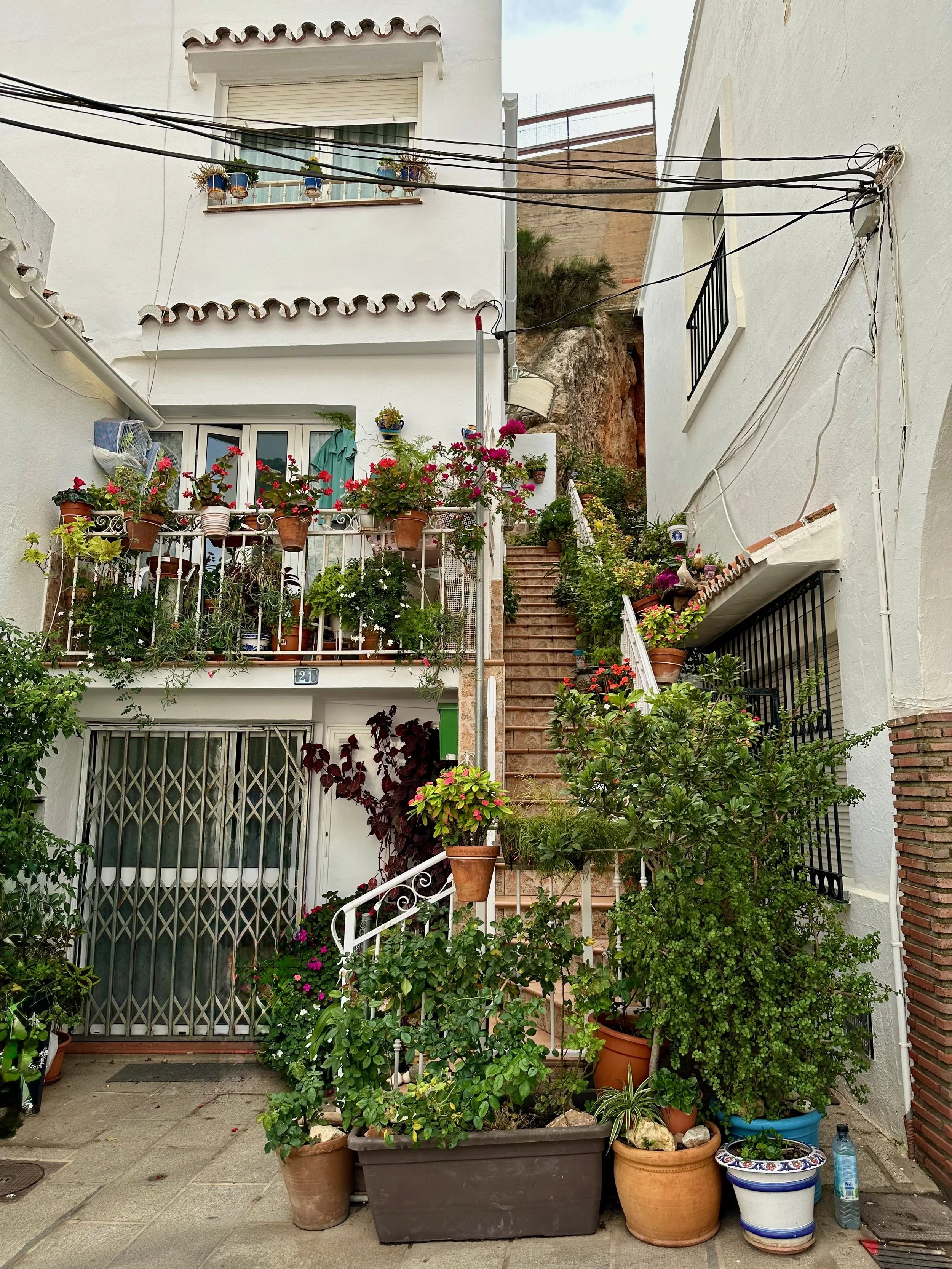
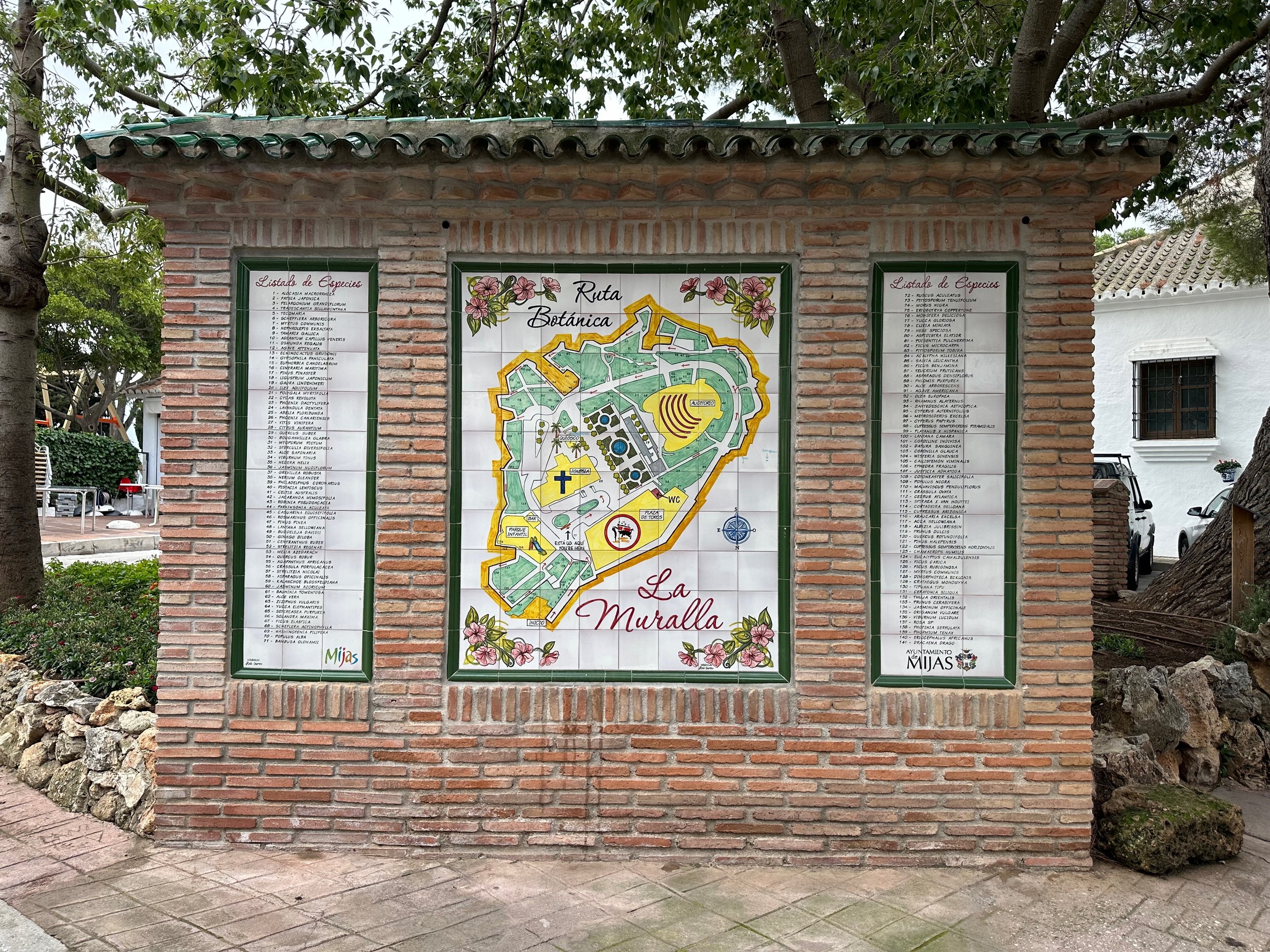
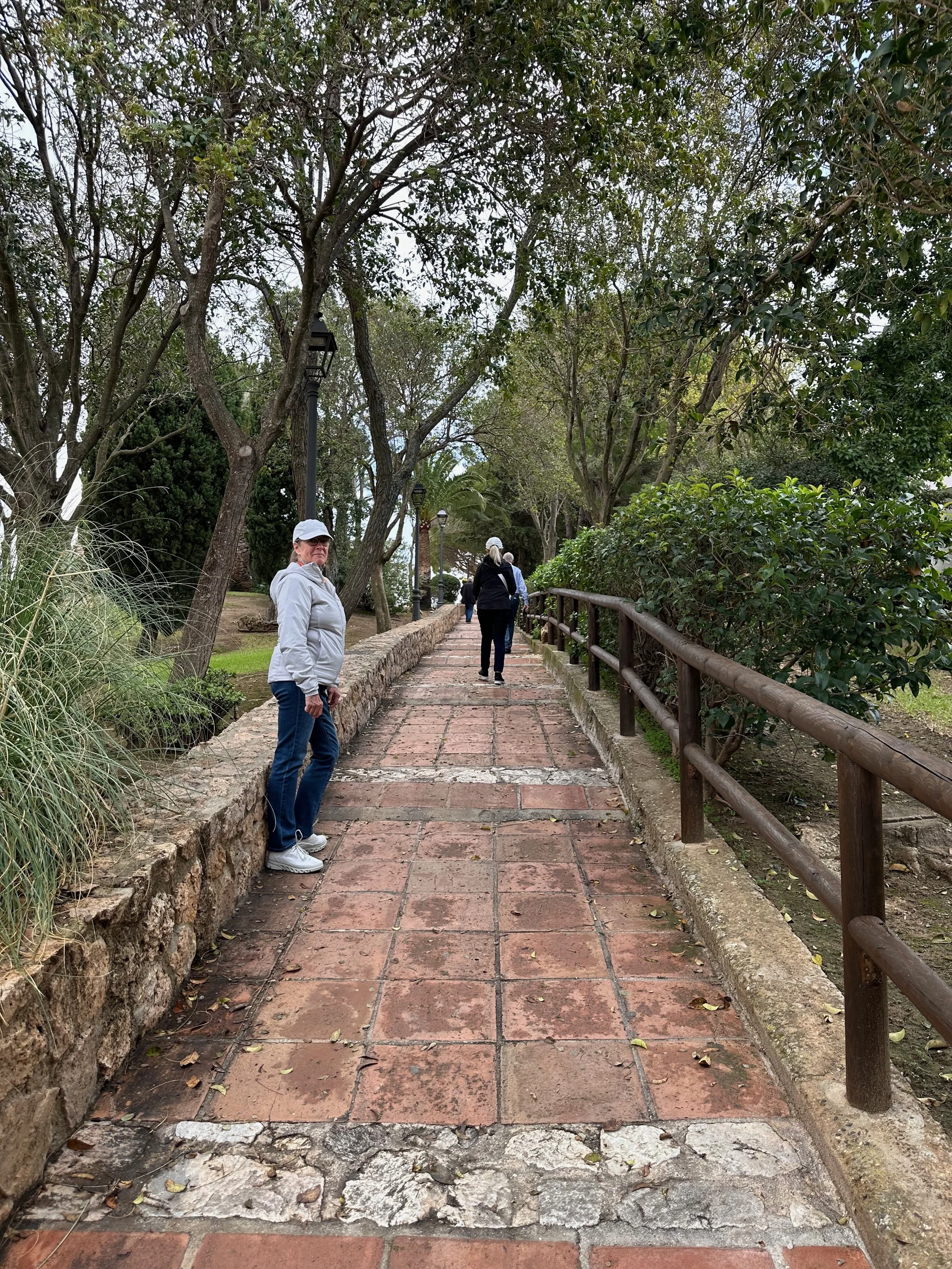
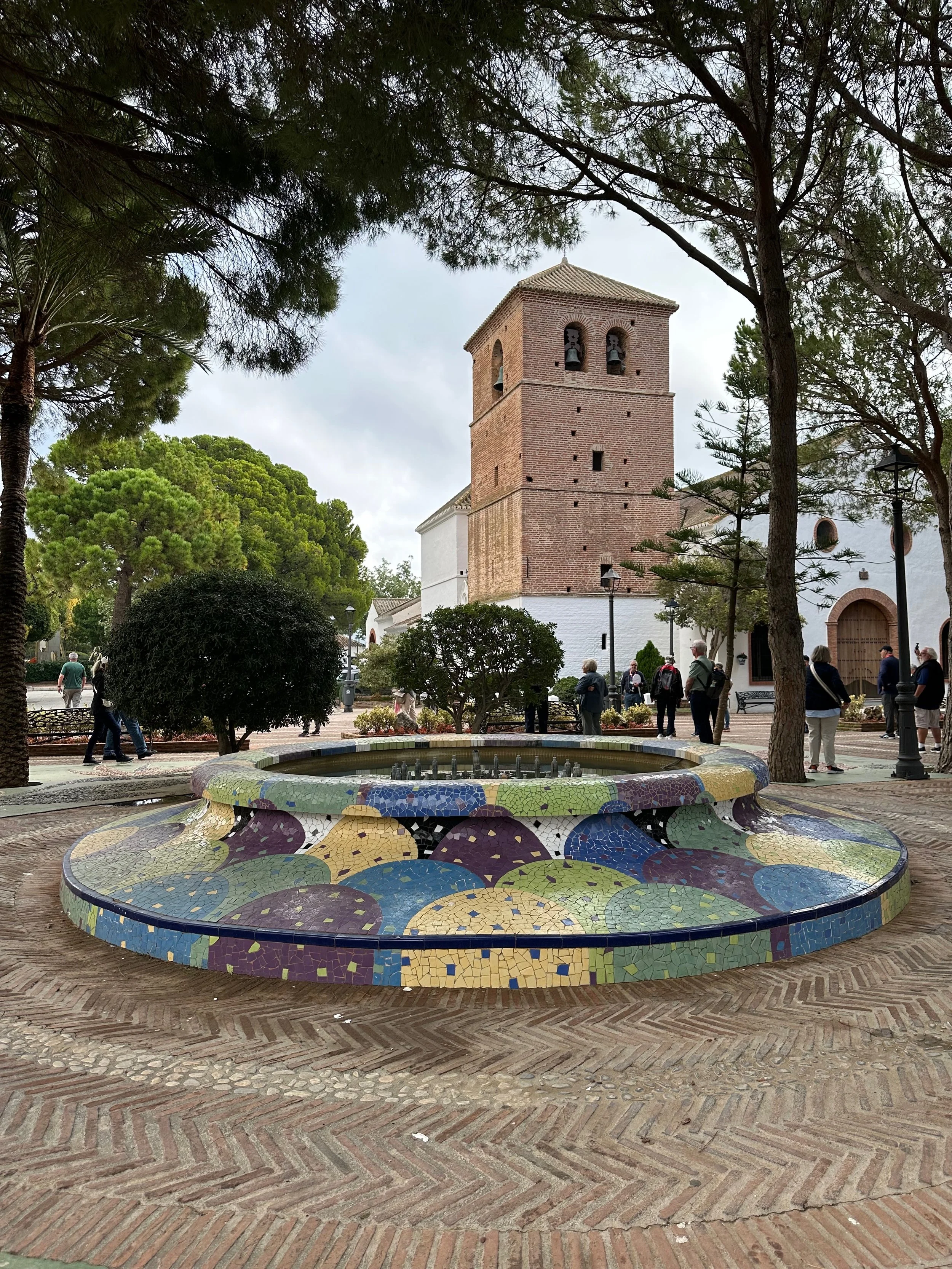
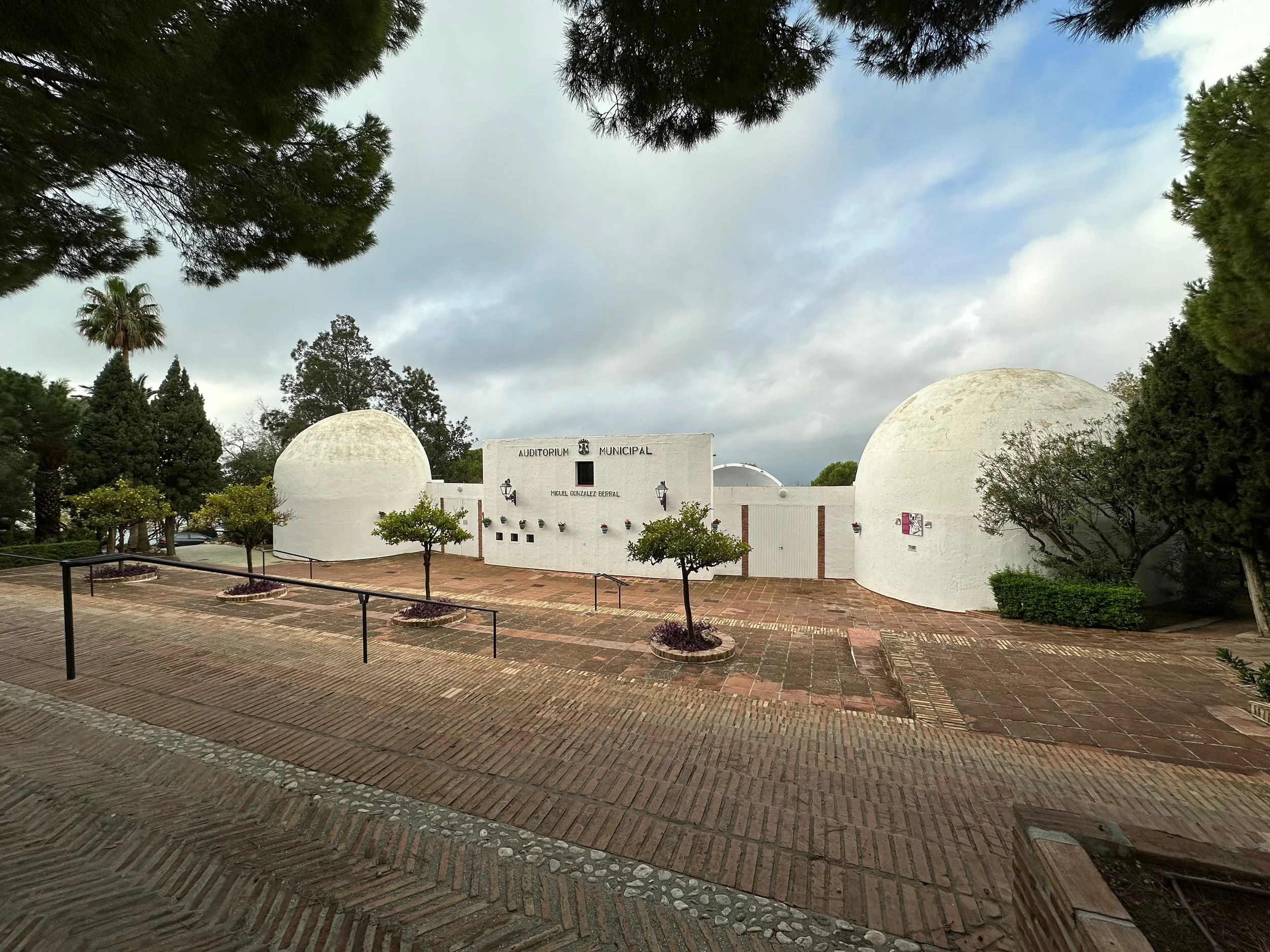
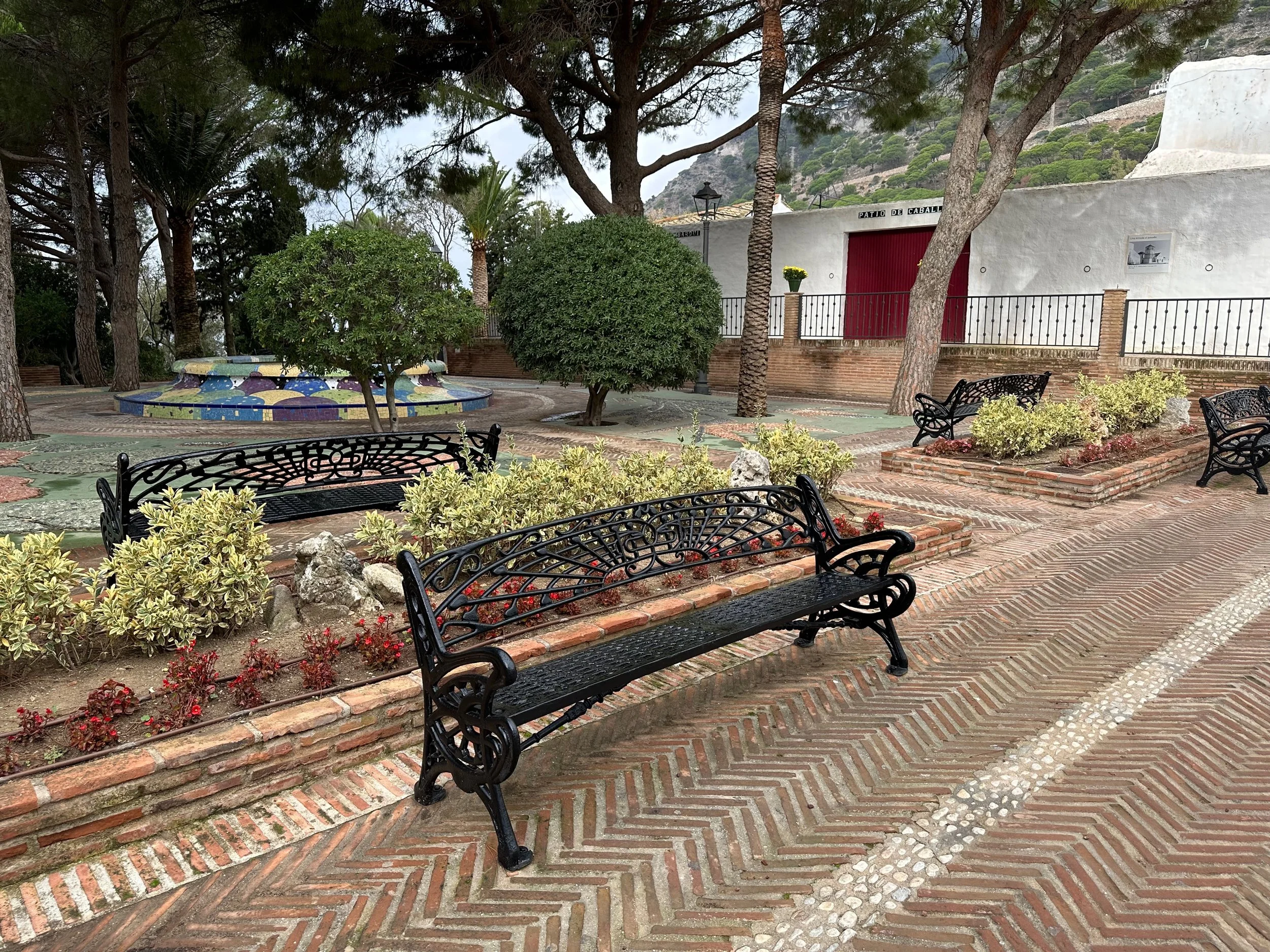
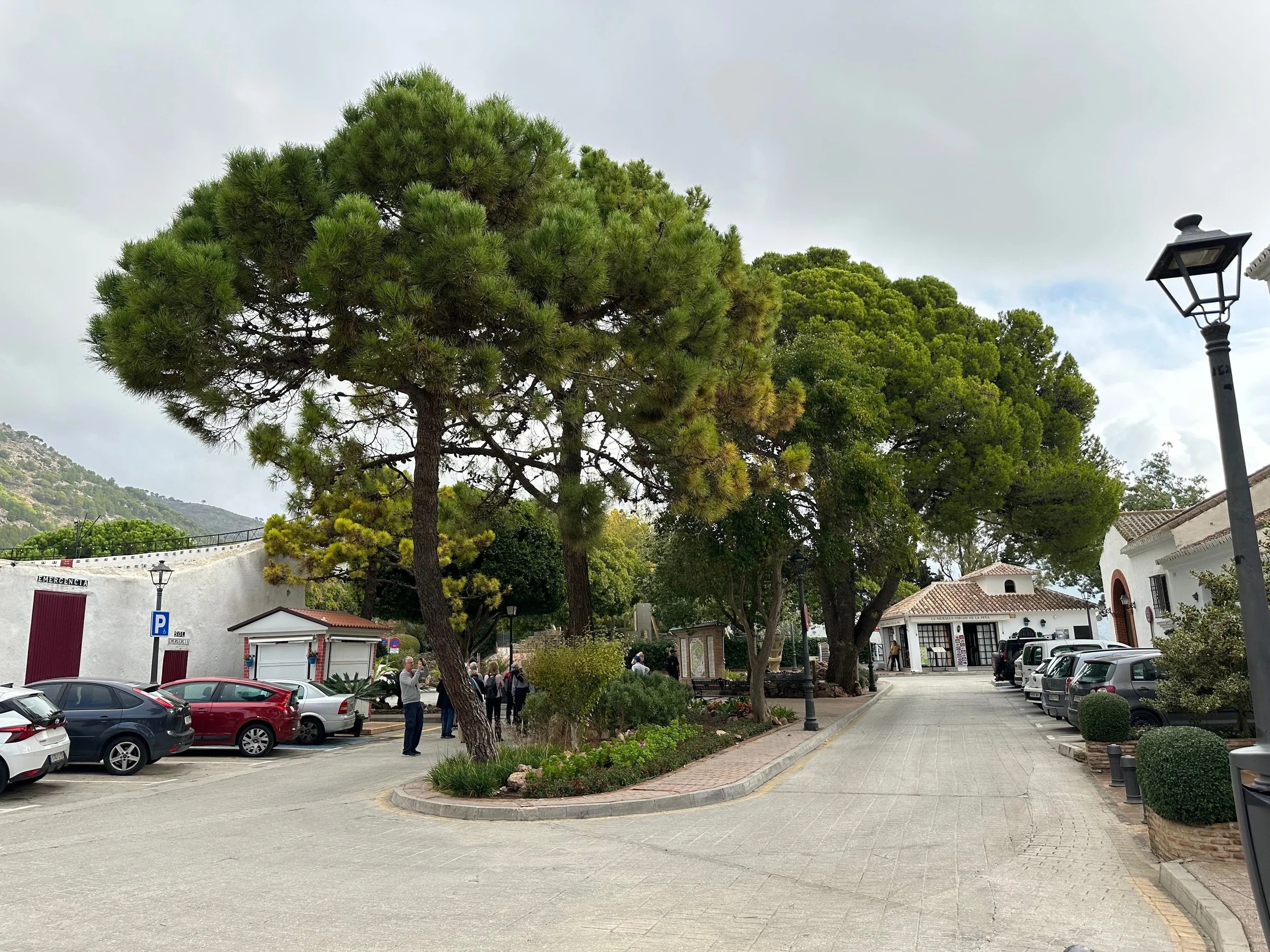
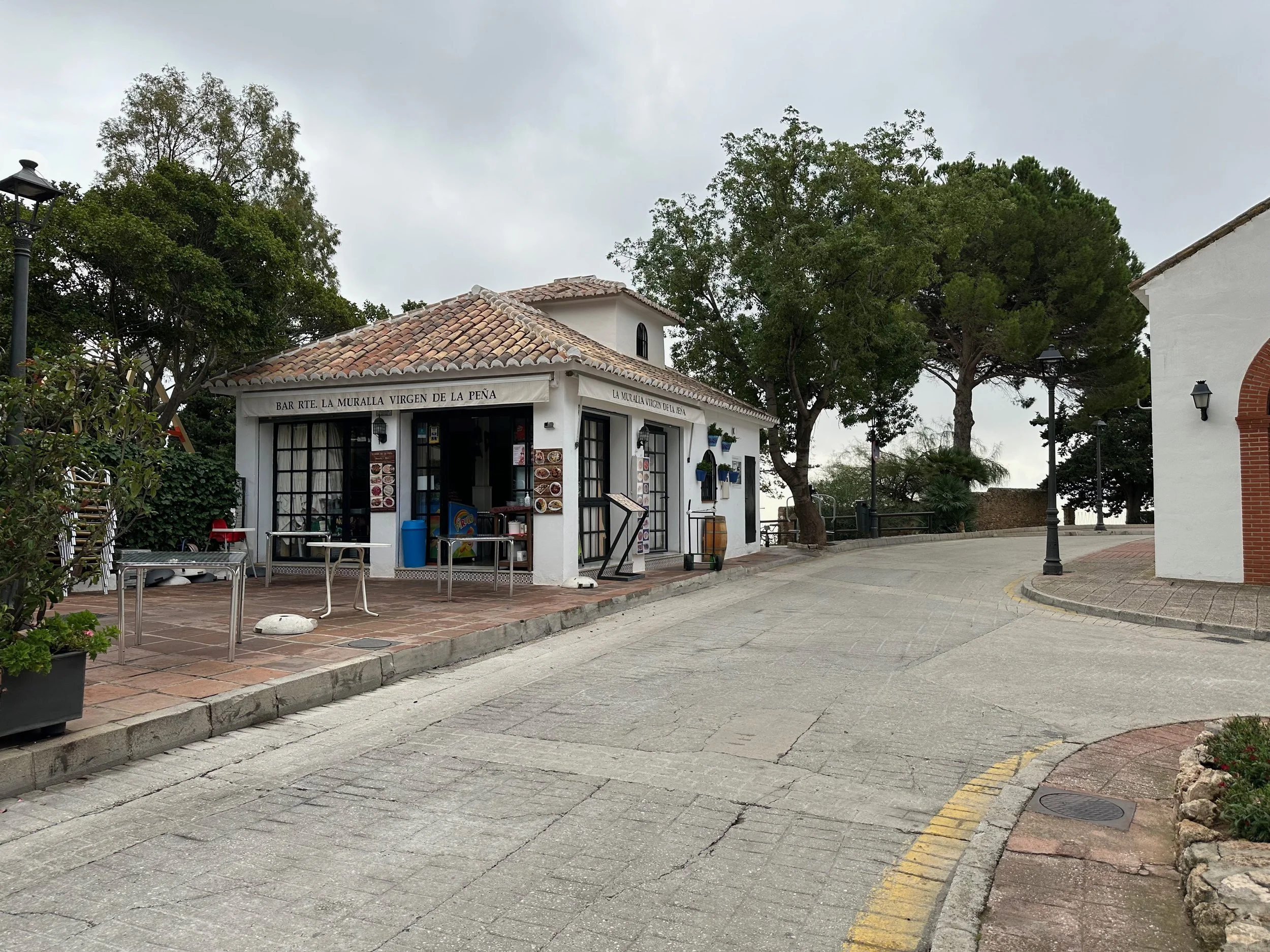
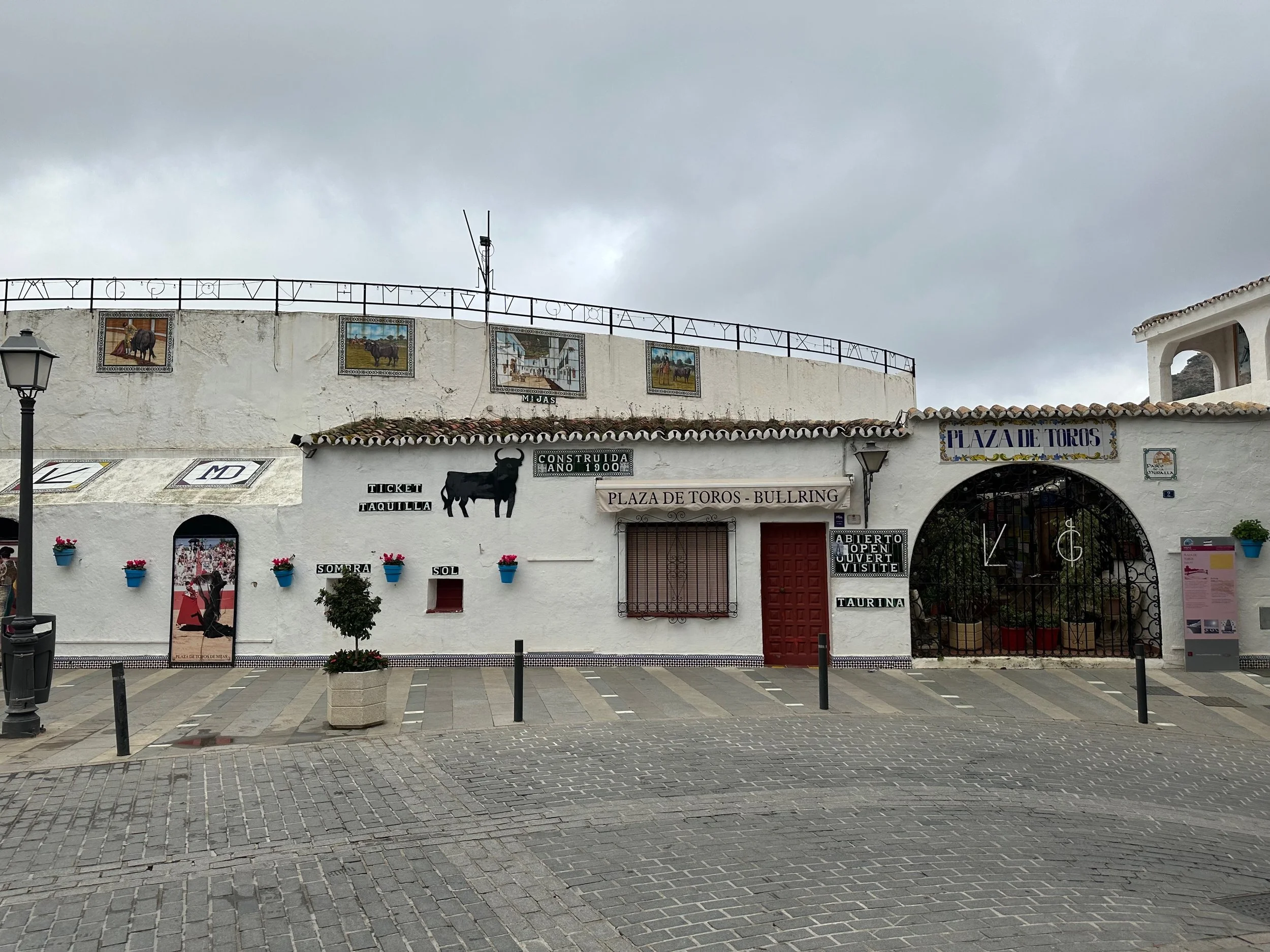
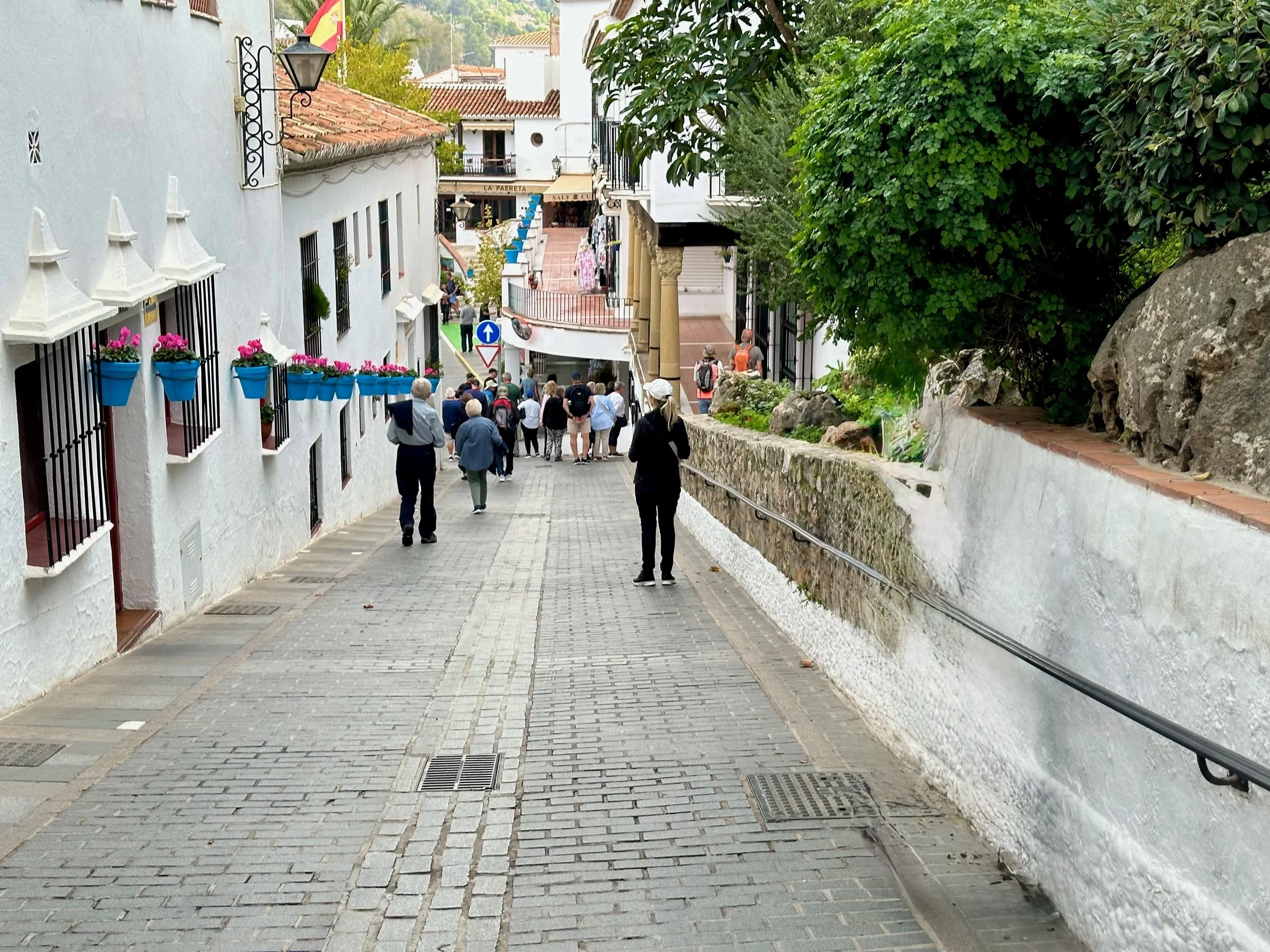
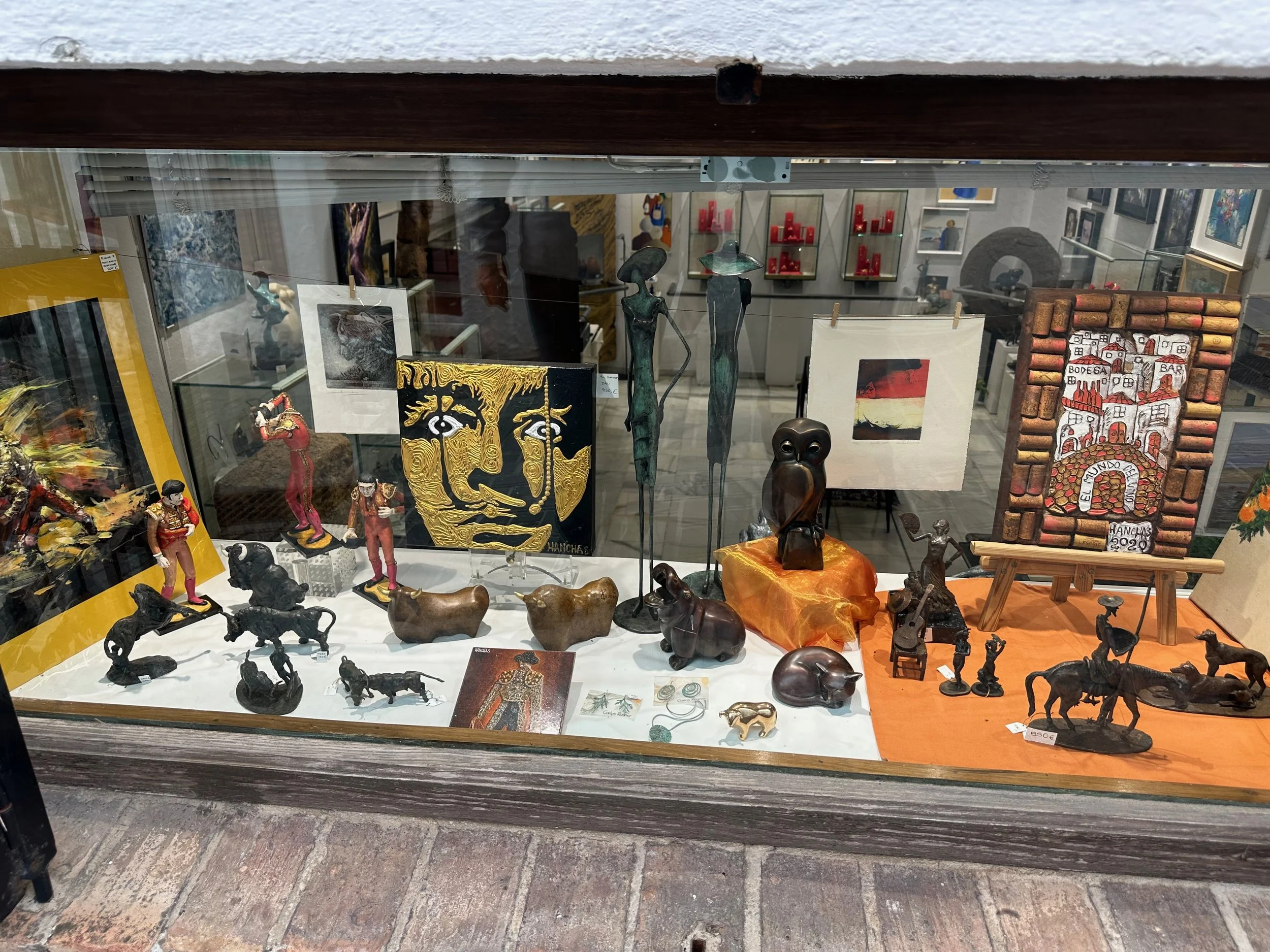
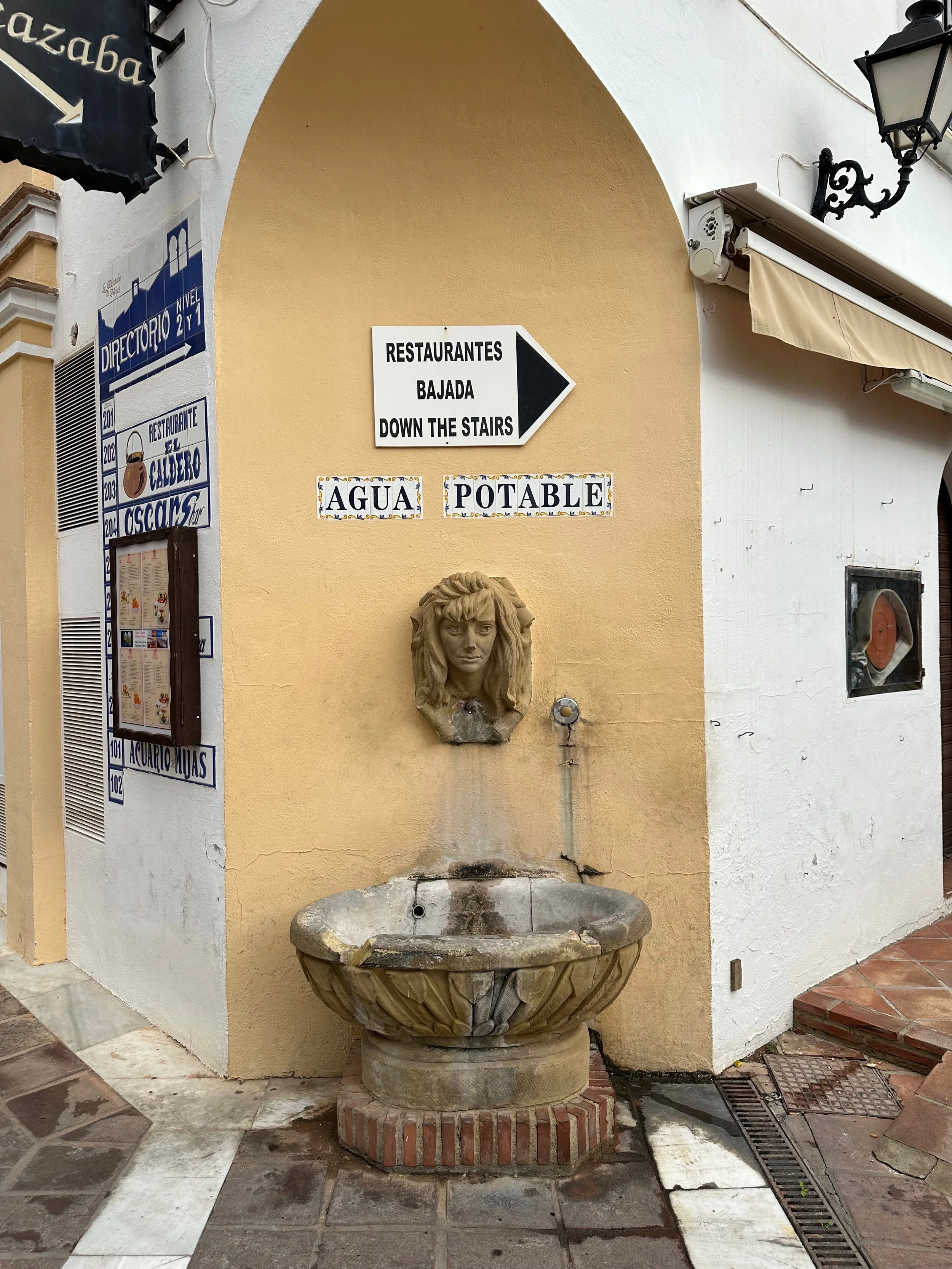
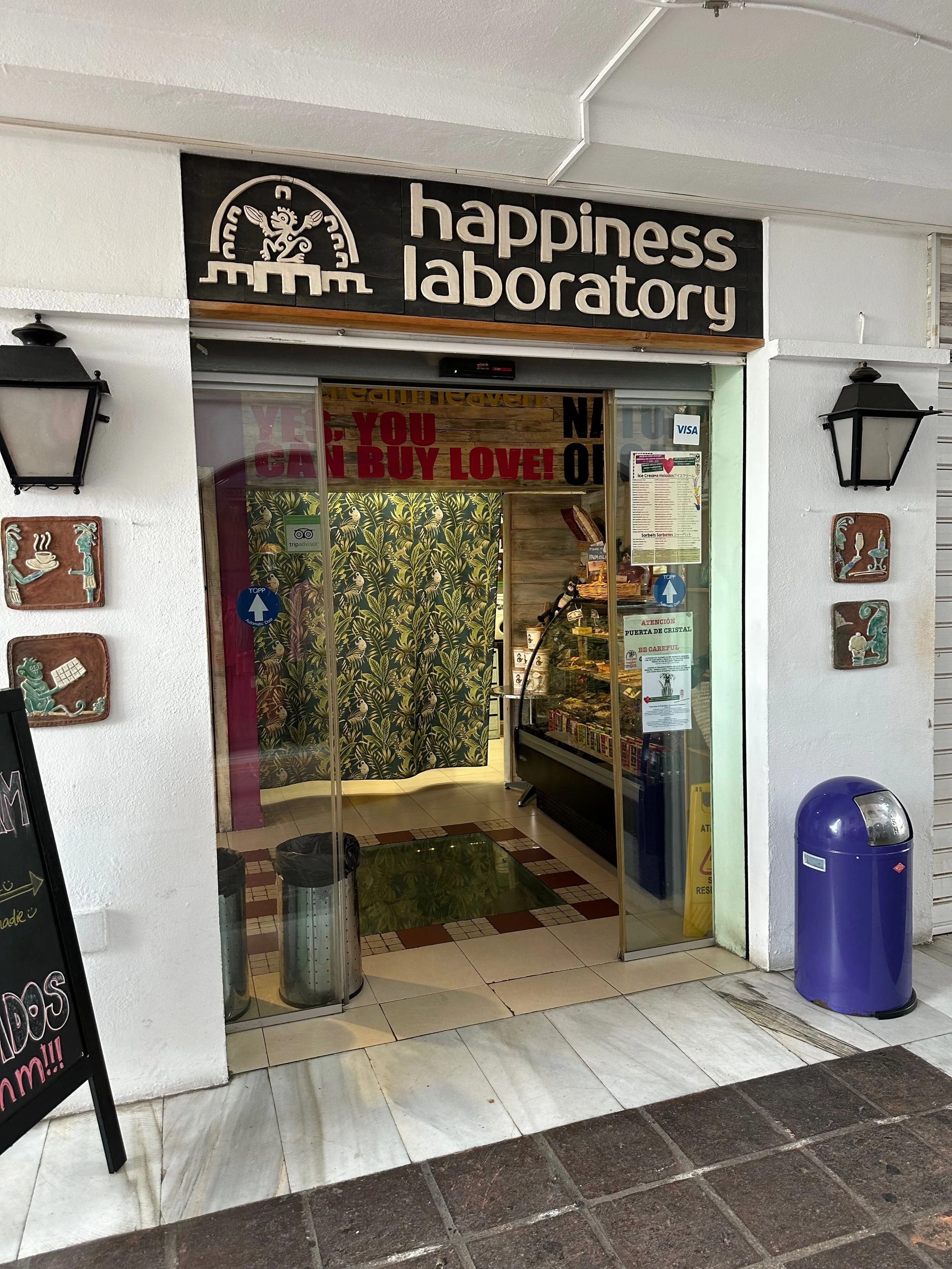
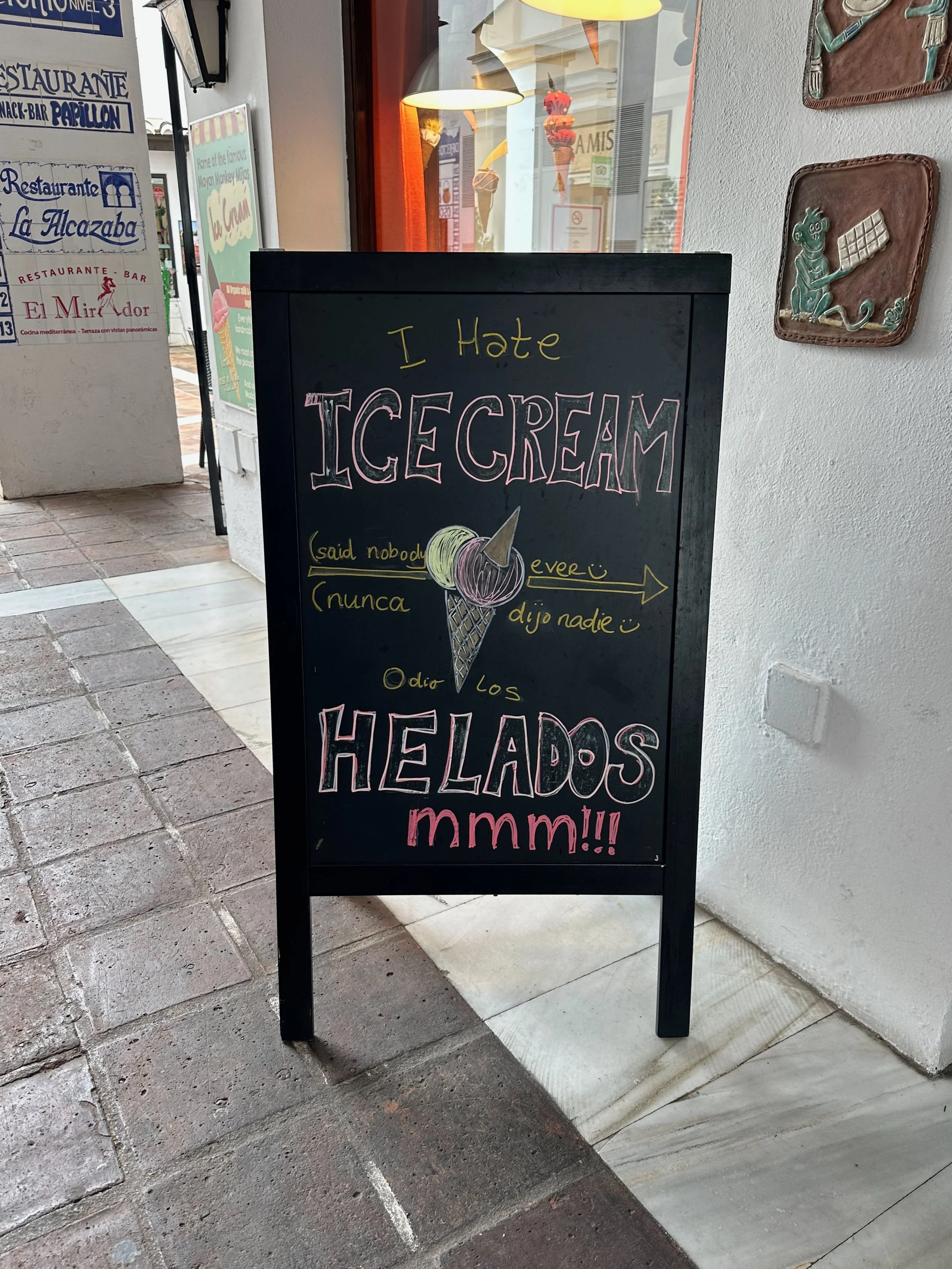
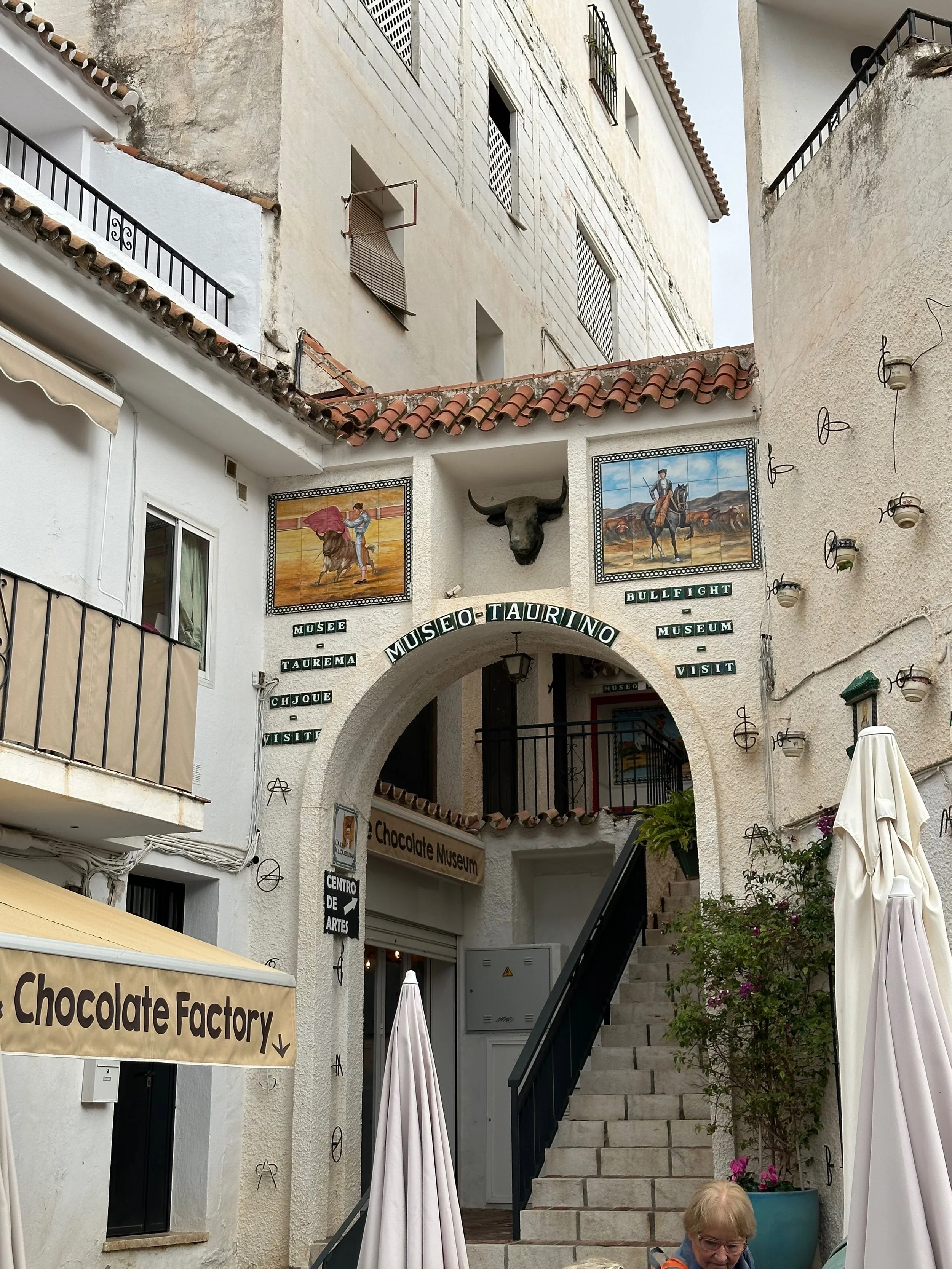
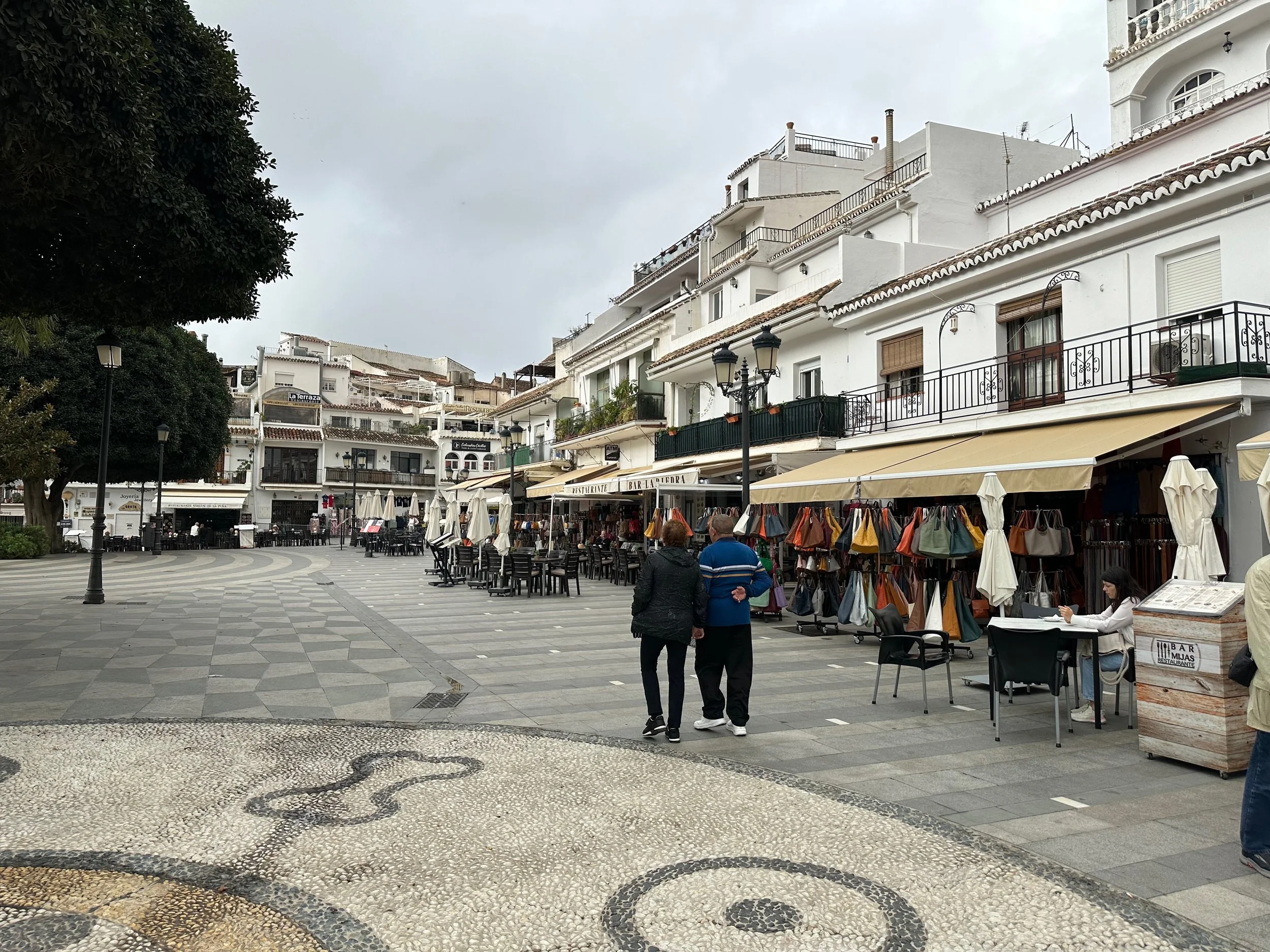
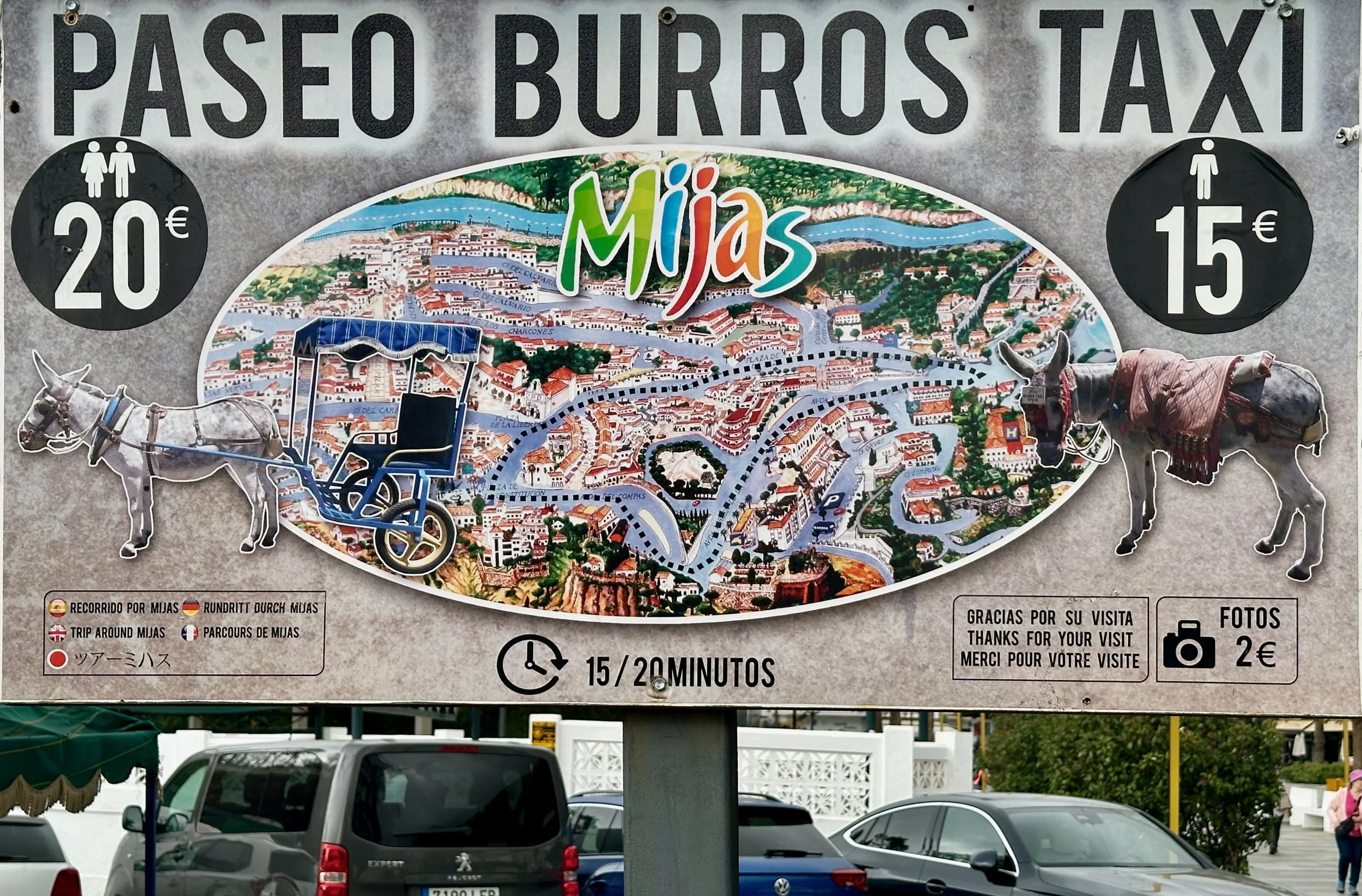
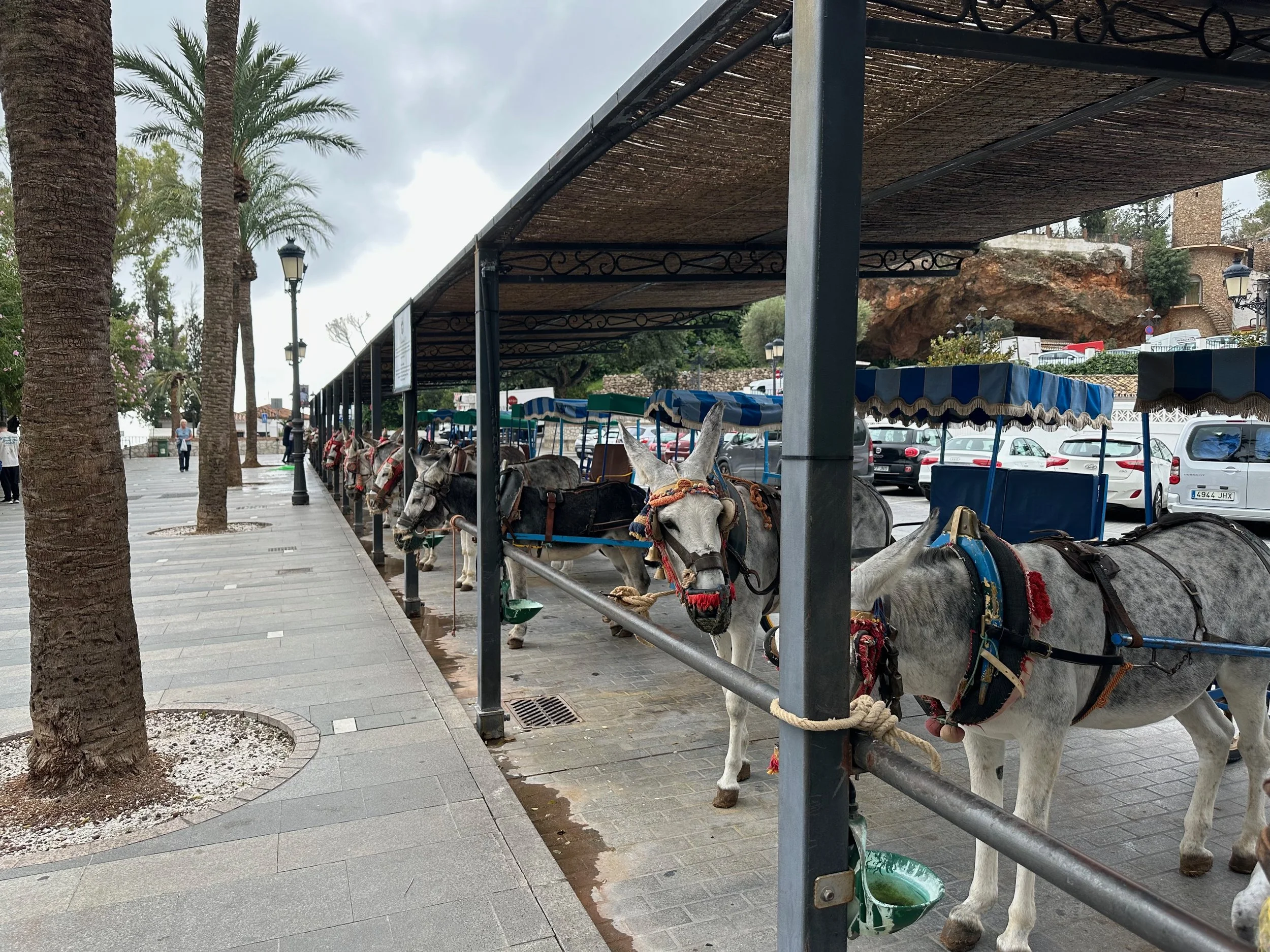
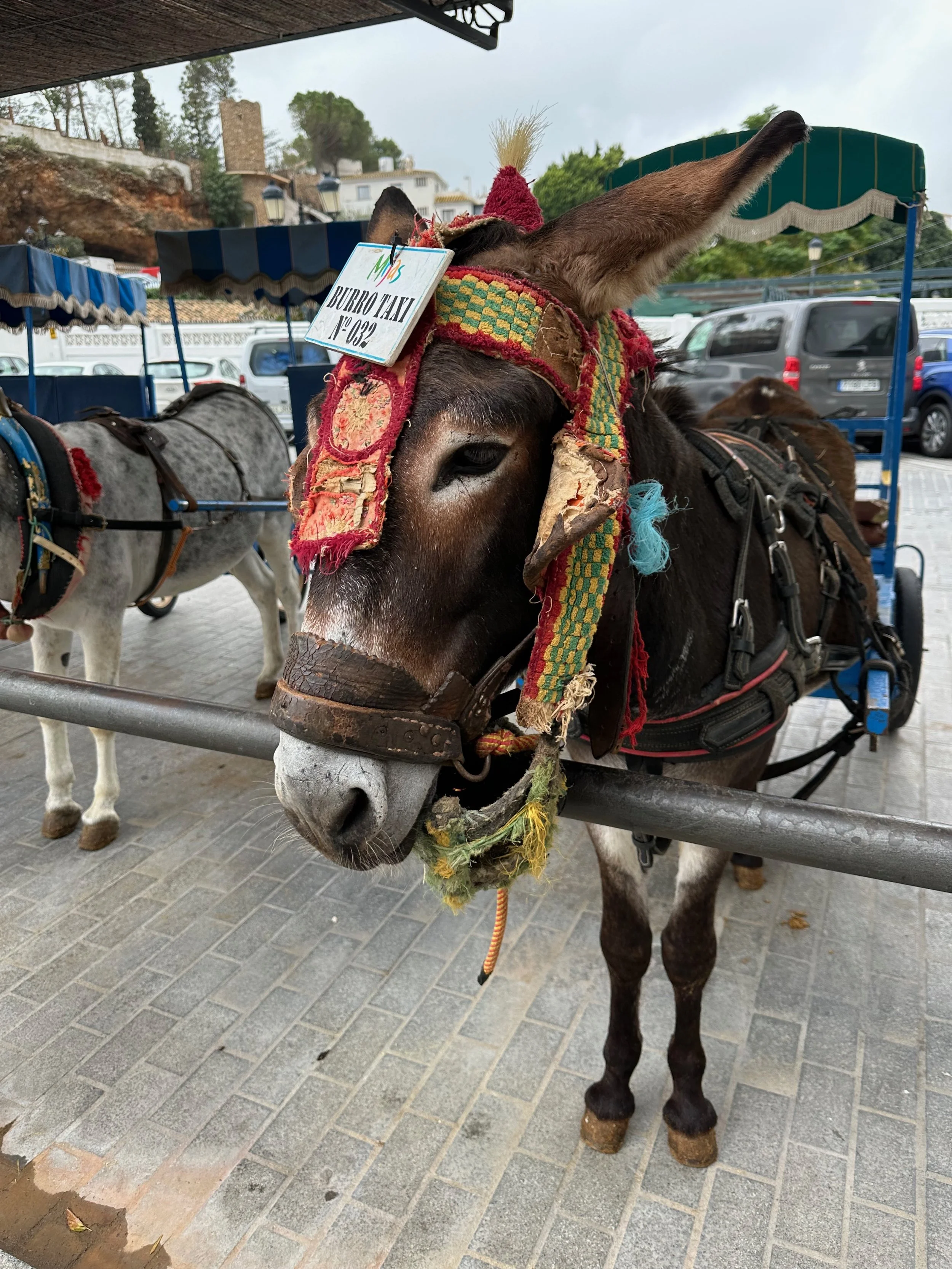
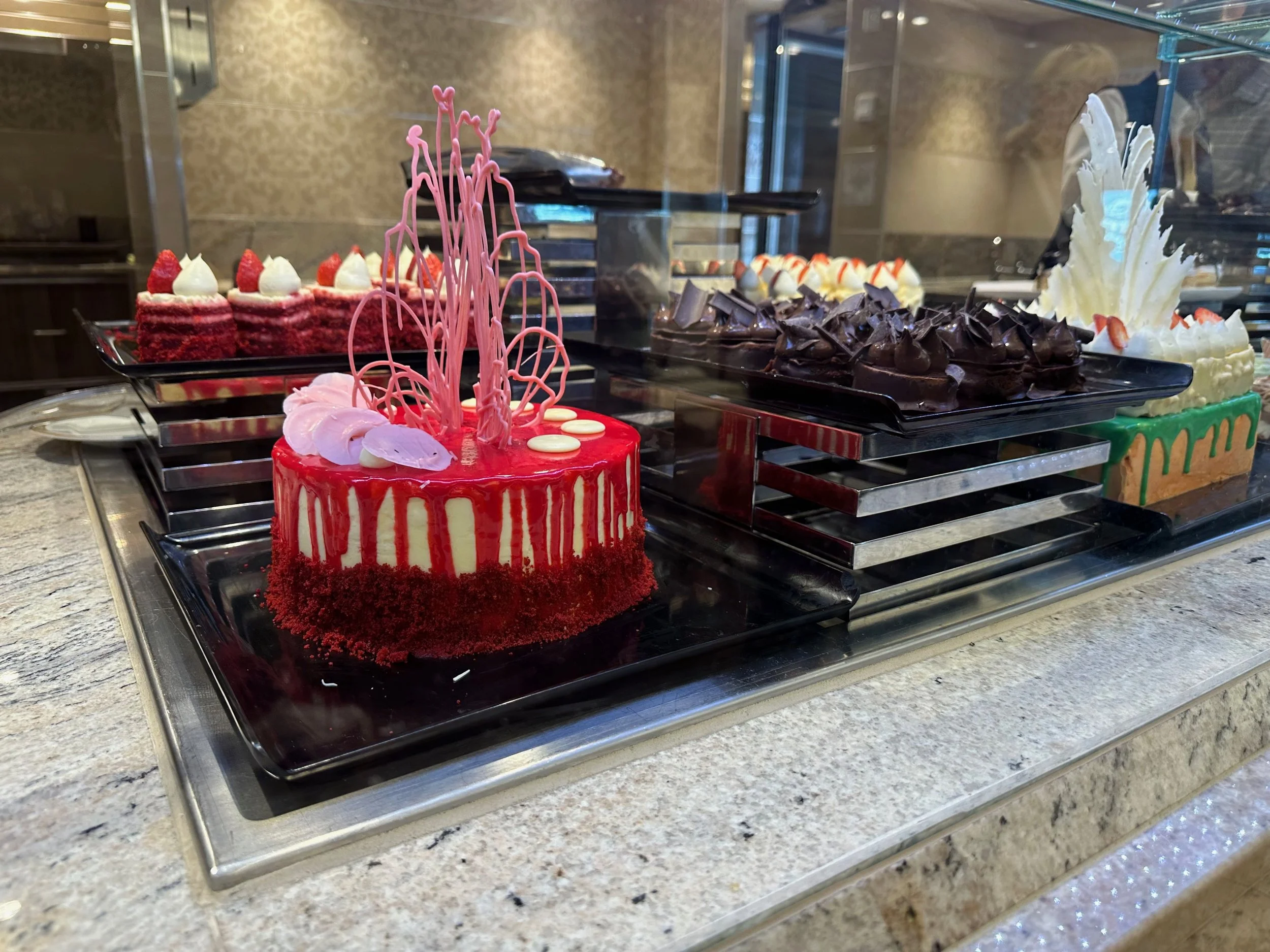
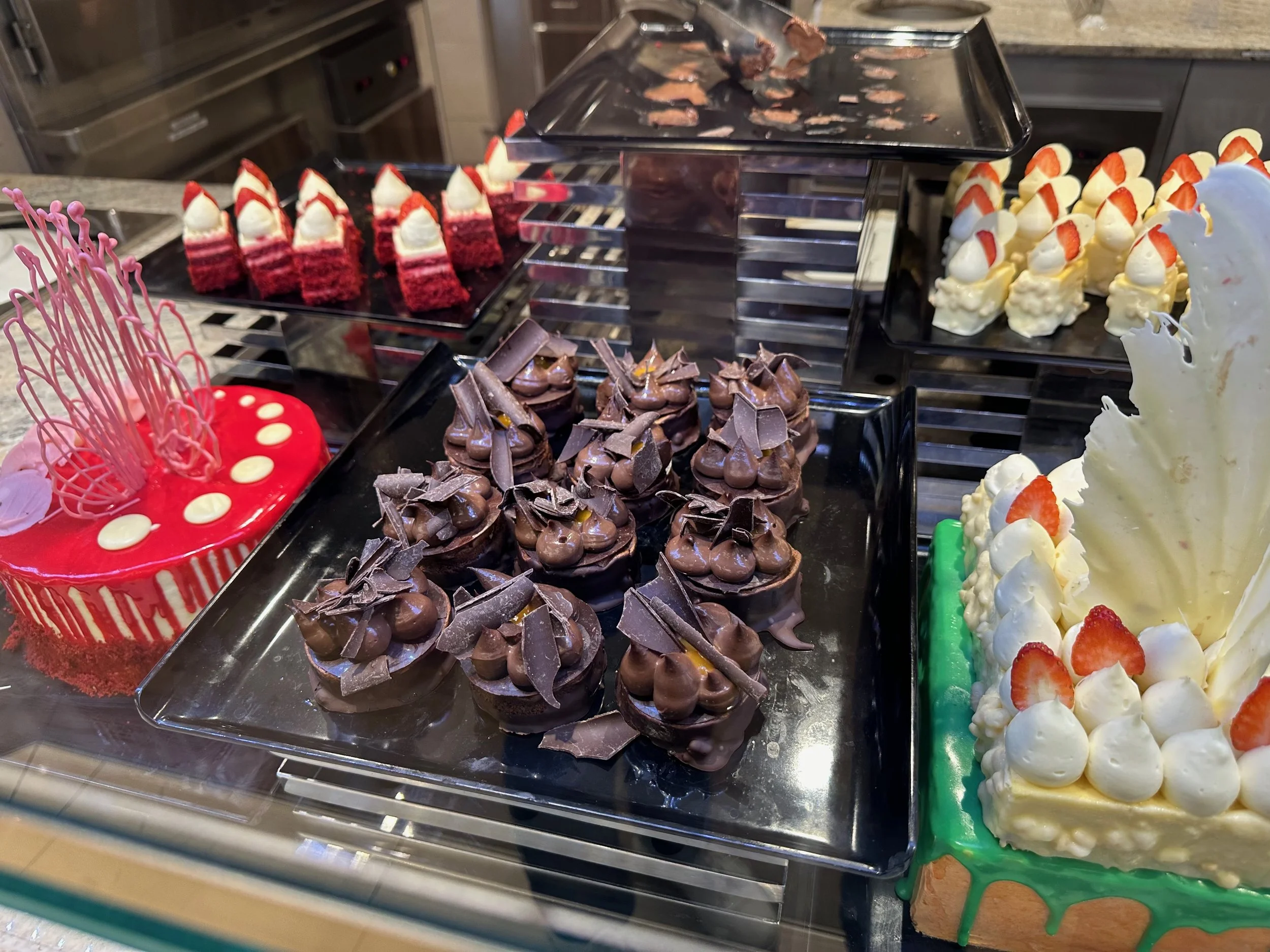
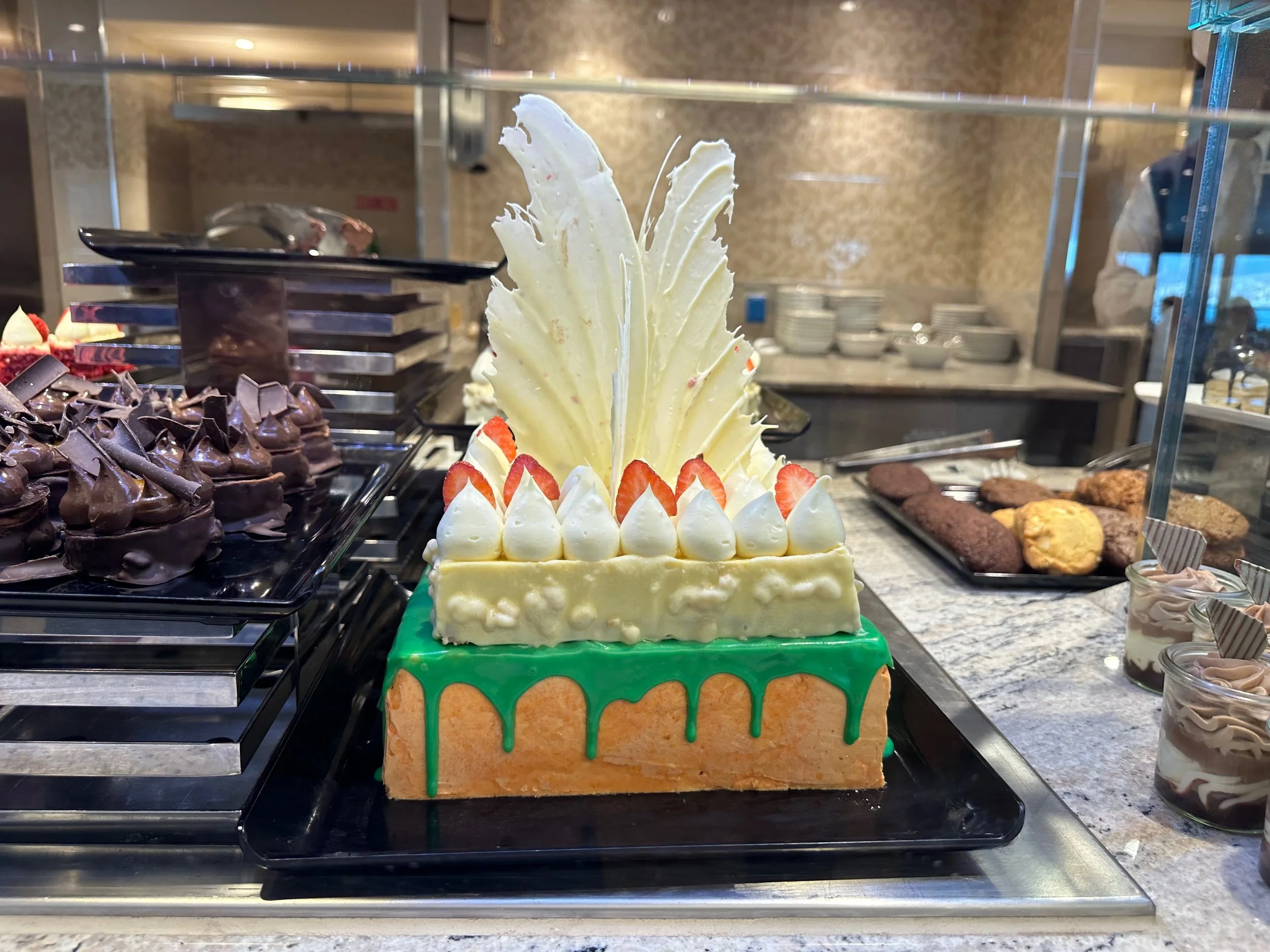
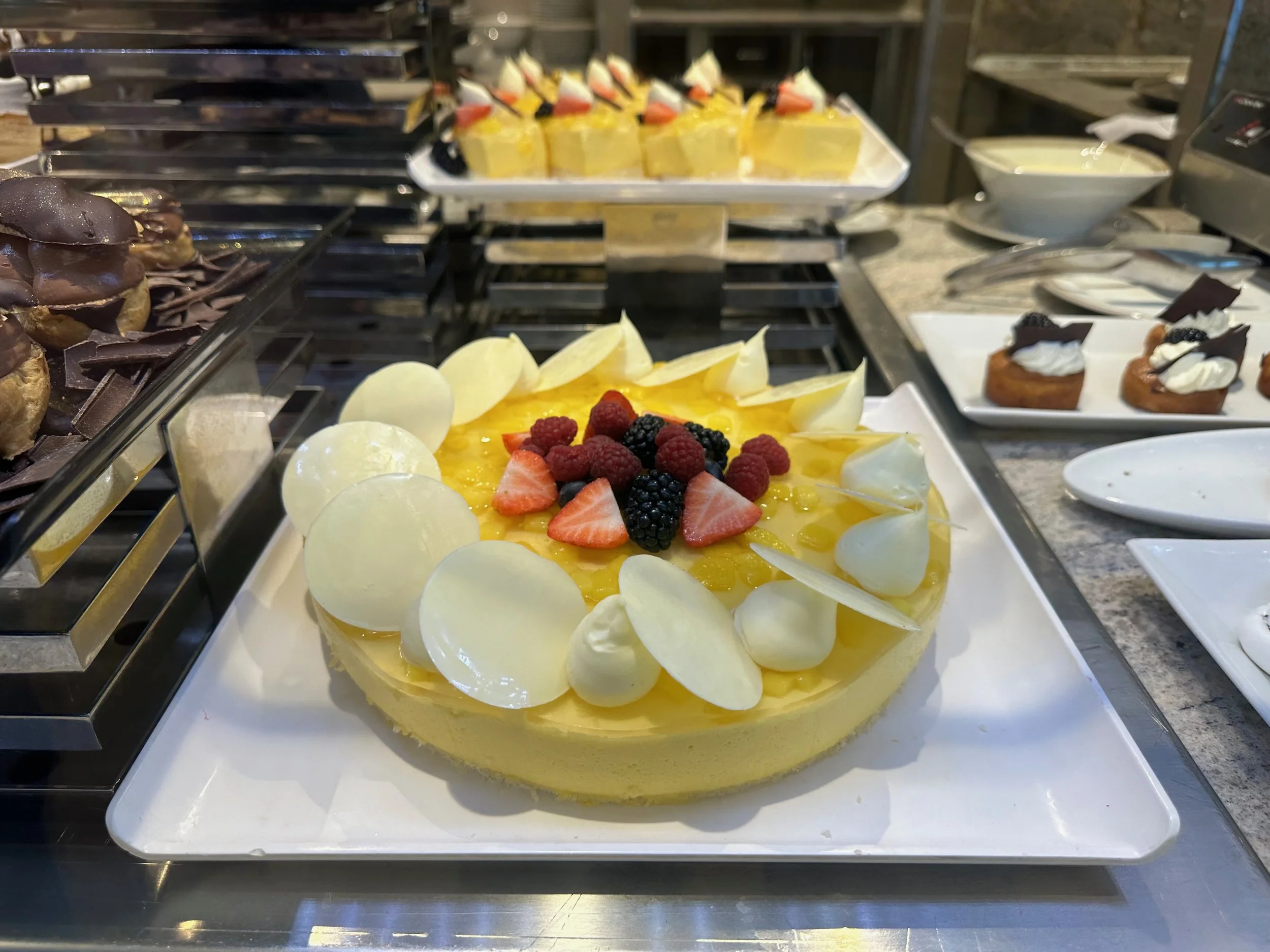
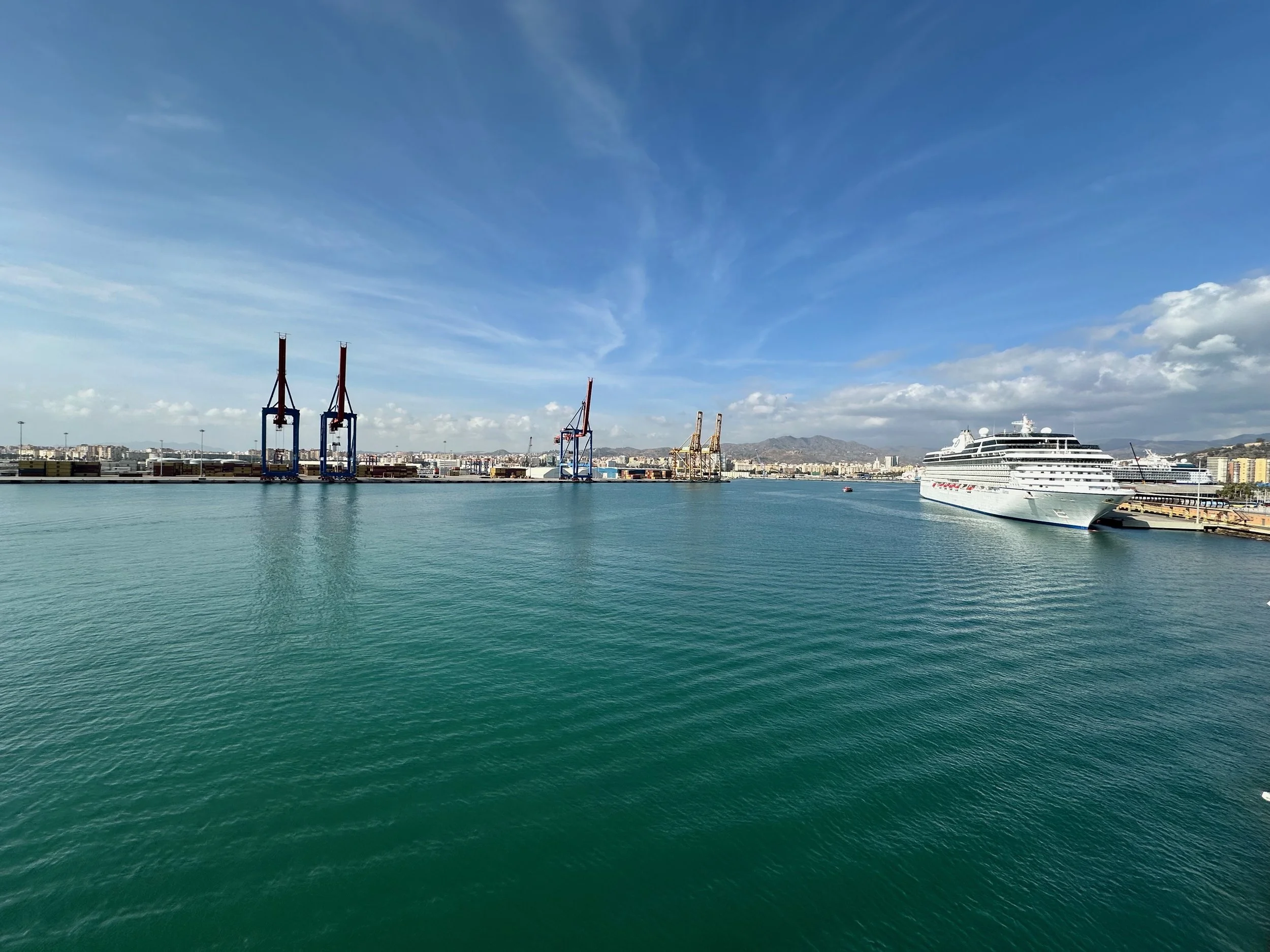
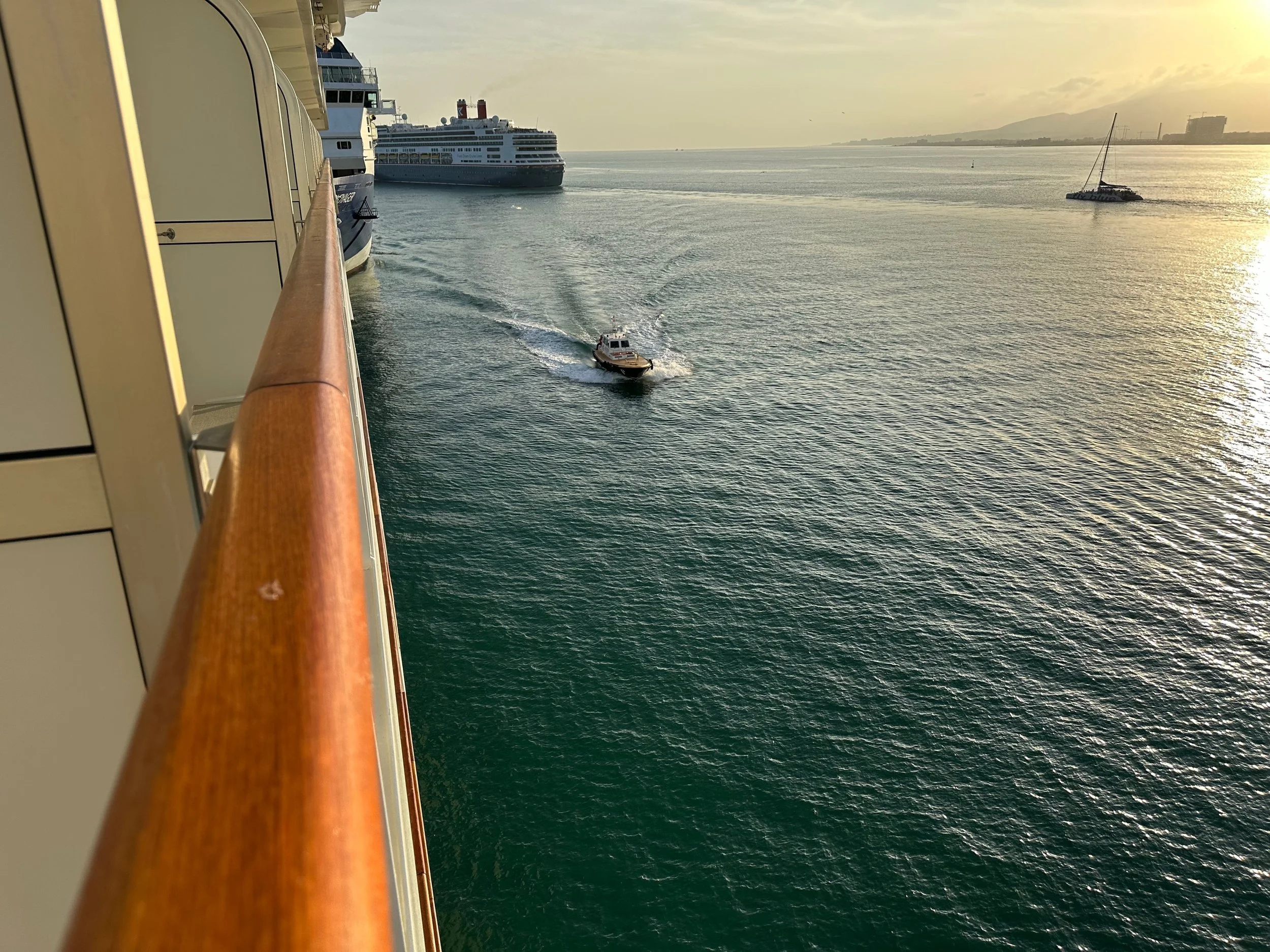
After a bit of shopping in the interesting Mijas shops, we made a tactful retreat back to the ship for lunch at 1pm. Of course we had to reward our restraint in the village shops with some delectable treats after lunch. The ship departed Málaga for Cartagena promptly at 6pm.
Cartagena, Spain
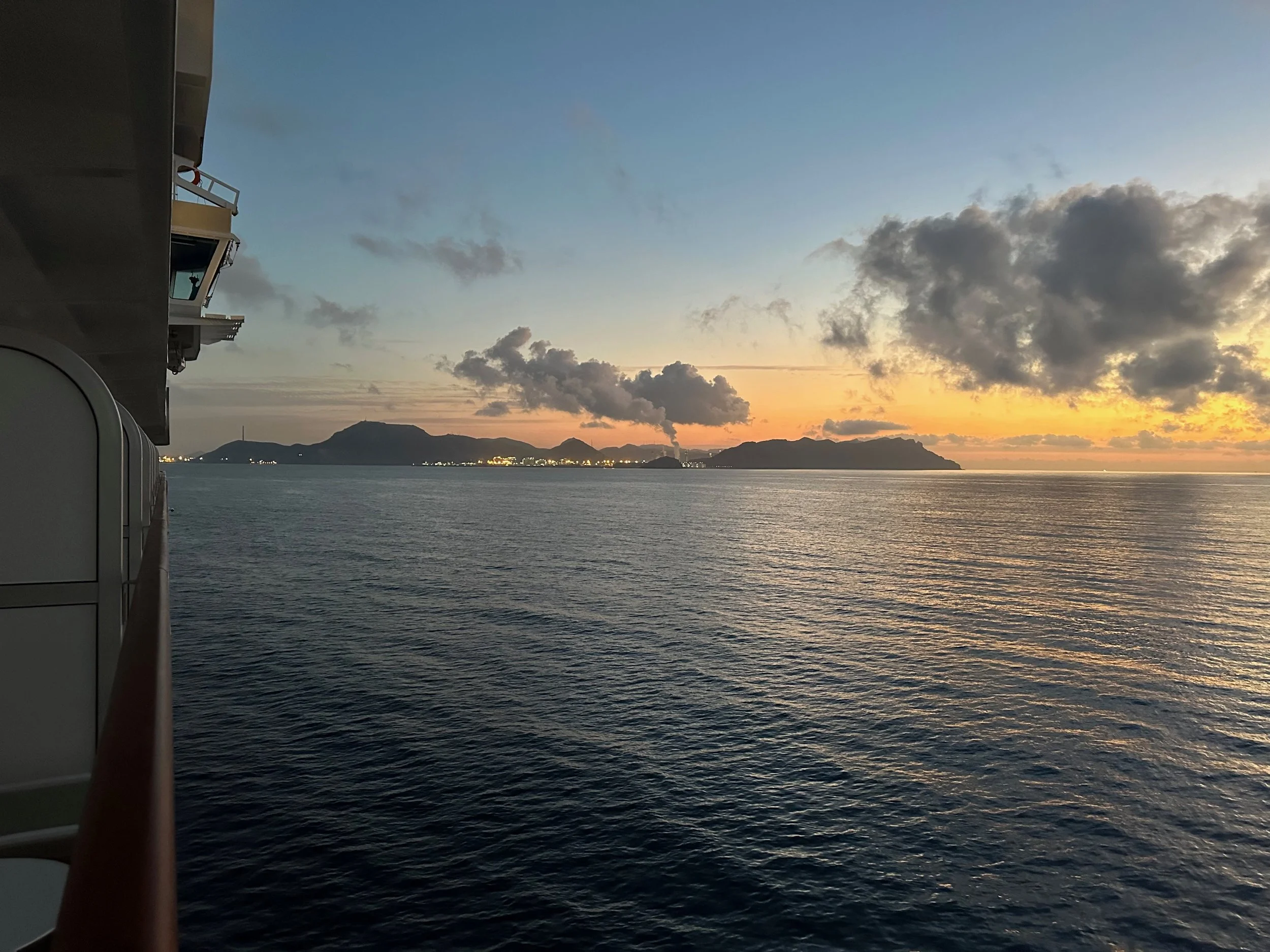
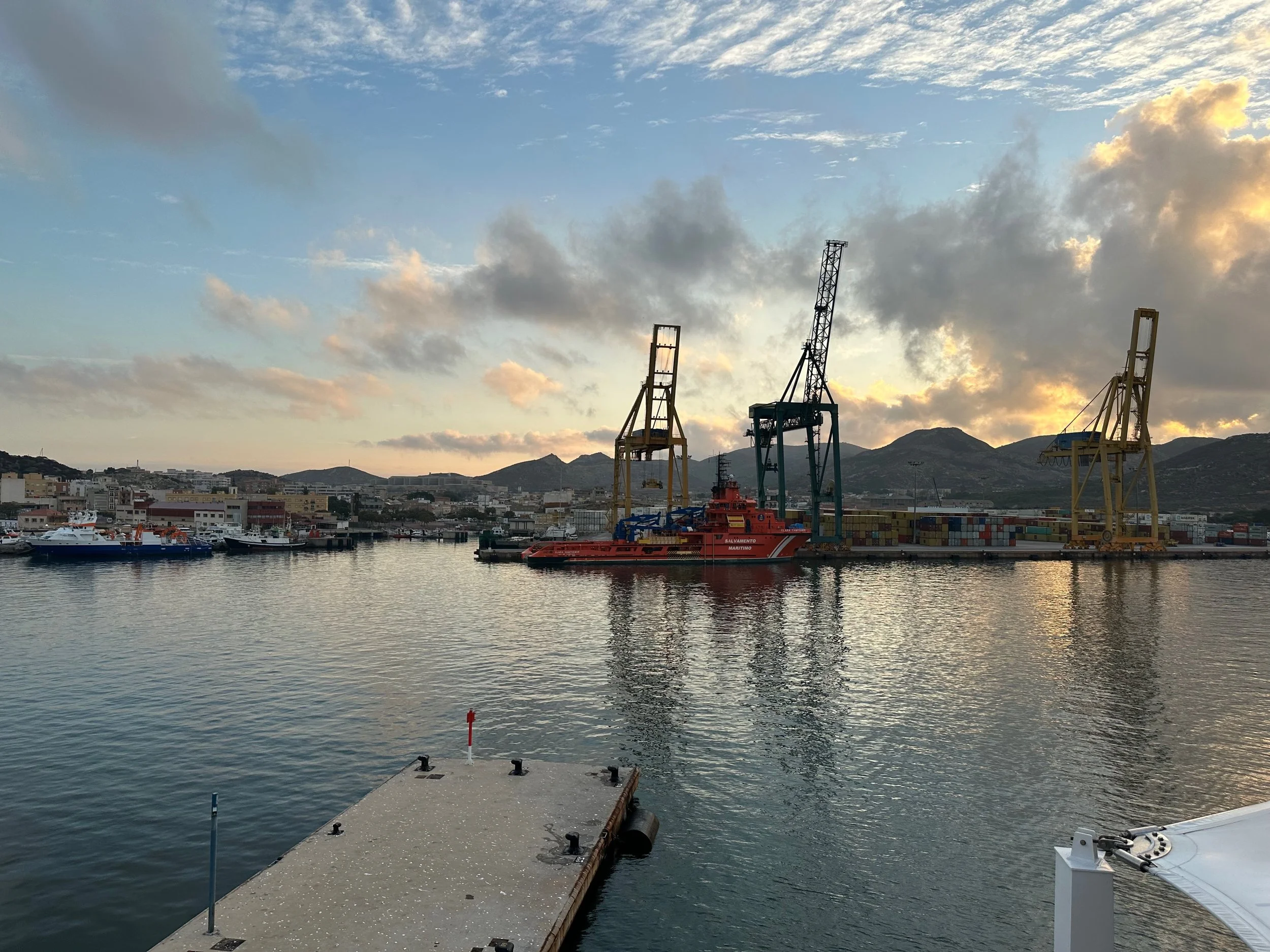
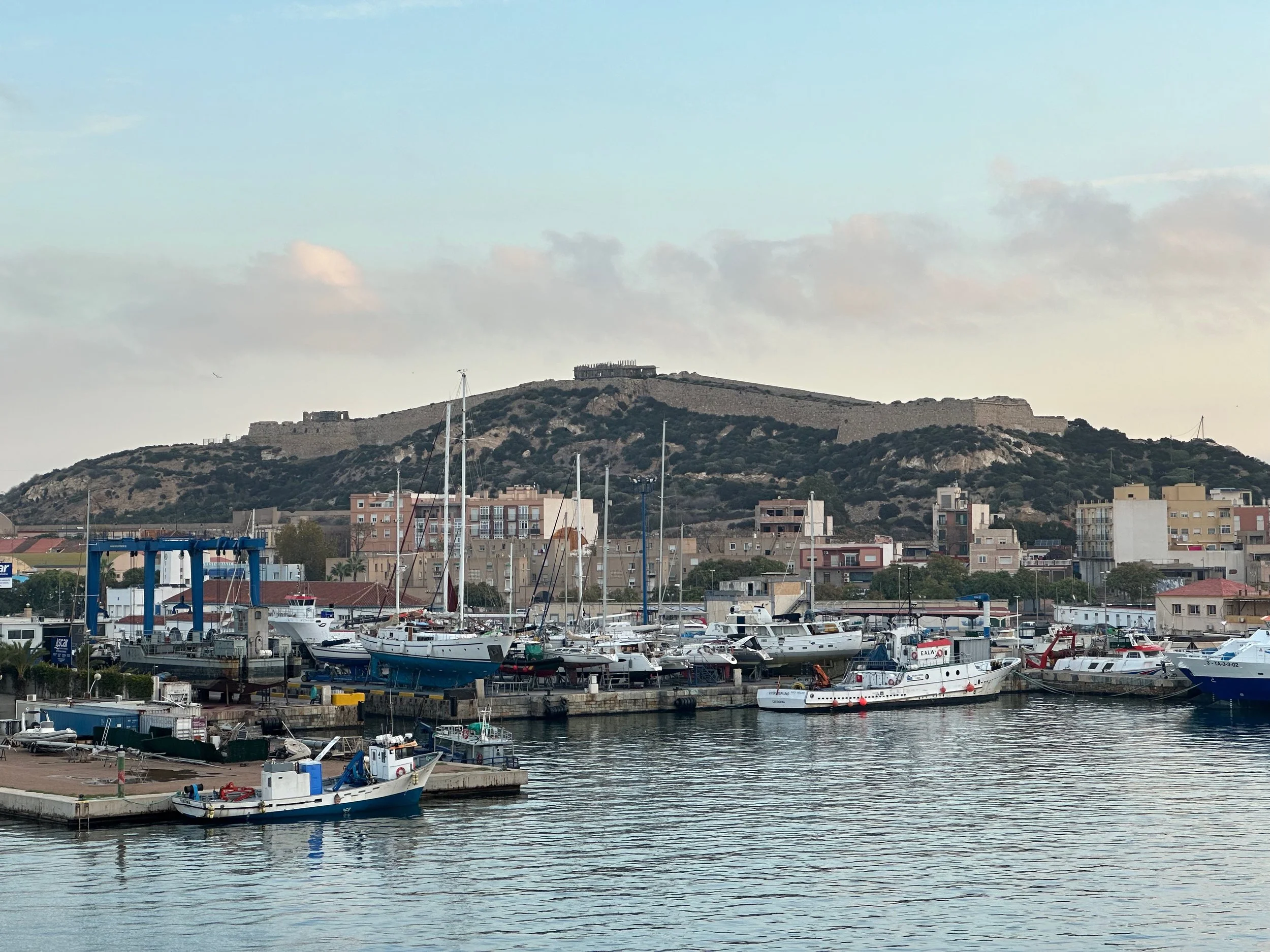
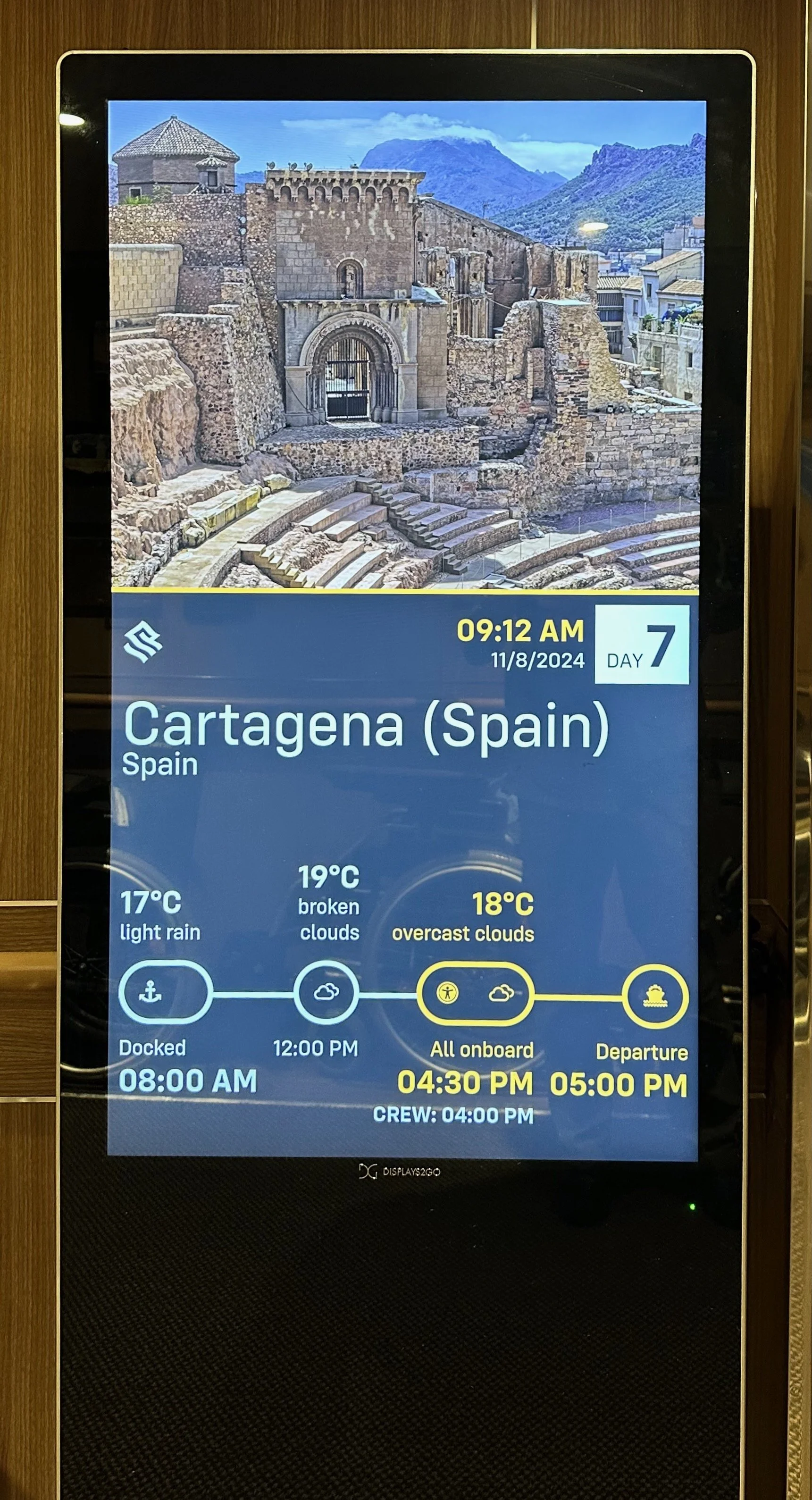
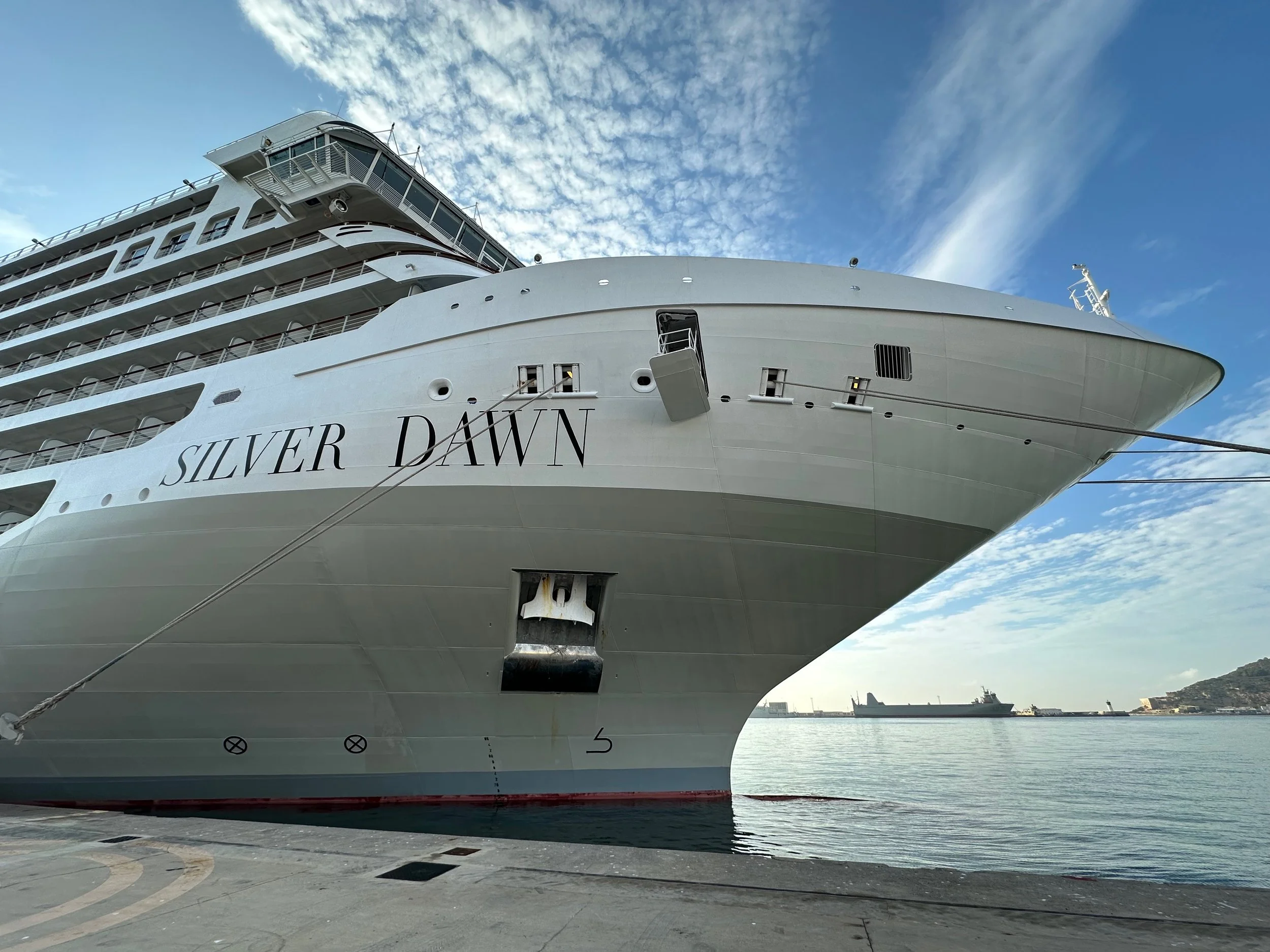
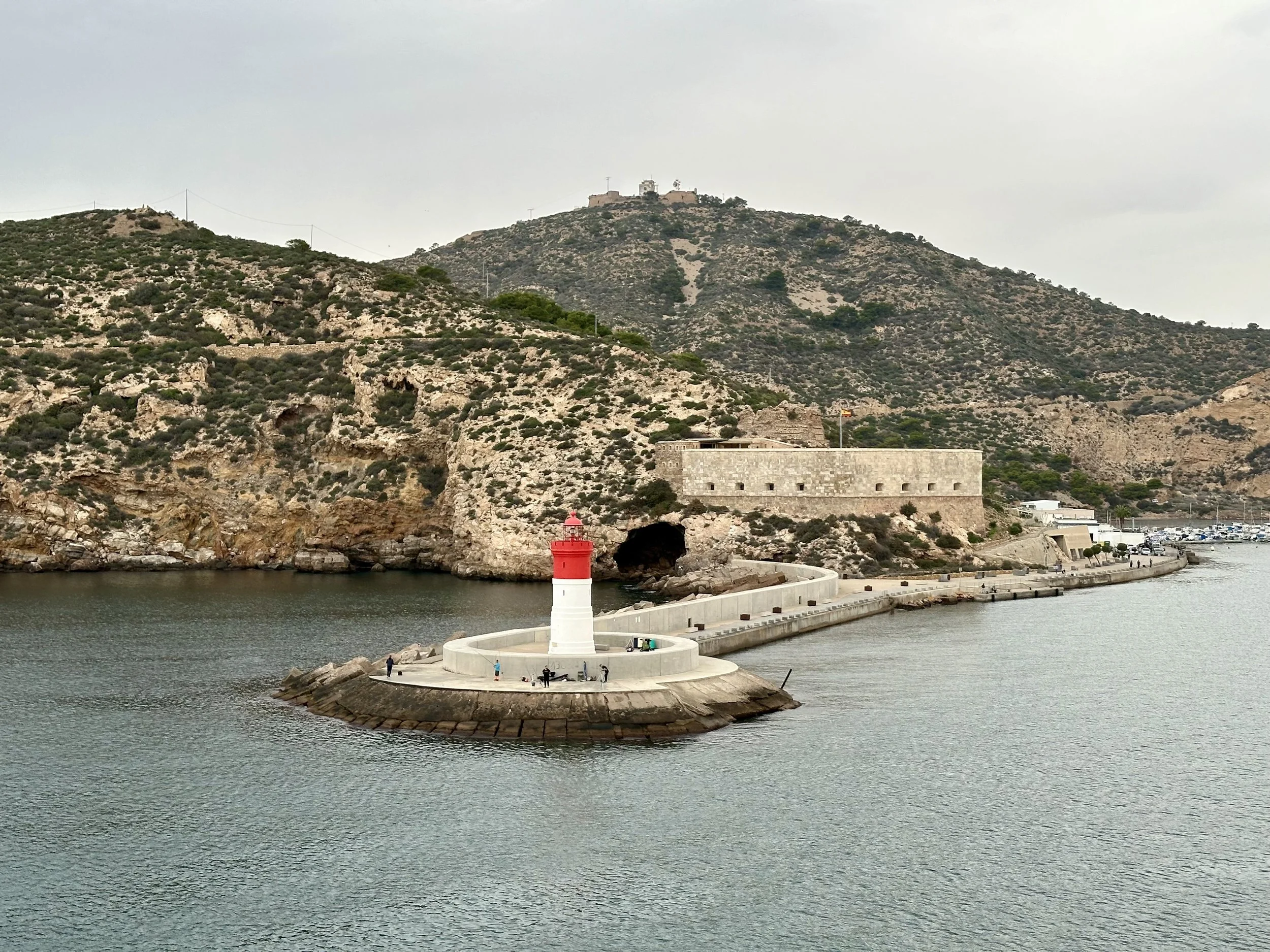
After an overnight sail from Malaga, we arrived in Cartagena just as dawn was breaking around 7am. Cartagena is a city that stretches back over 2000 years to when it was established in 227 BC. Situated in a natural harbour that’s easily defended, it has been in constant service since those early days. Although it has traded hands numerous times over the millennia, it experienced its greatest development under the rule of the Romans.
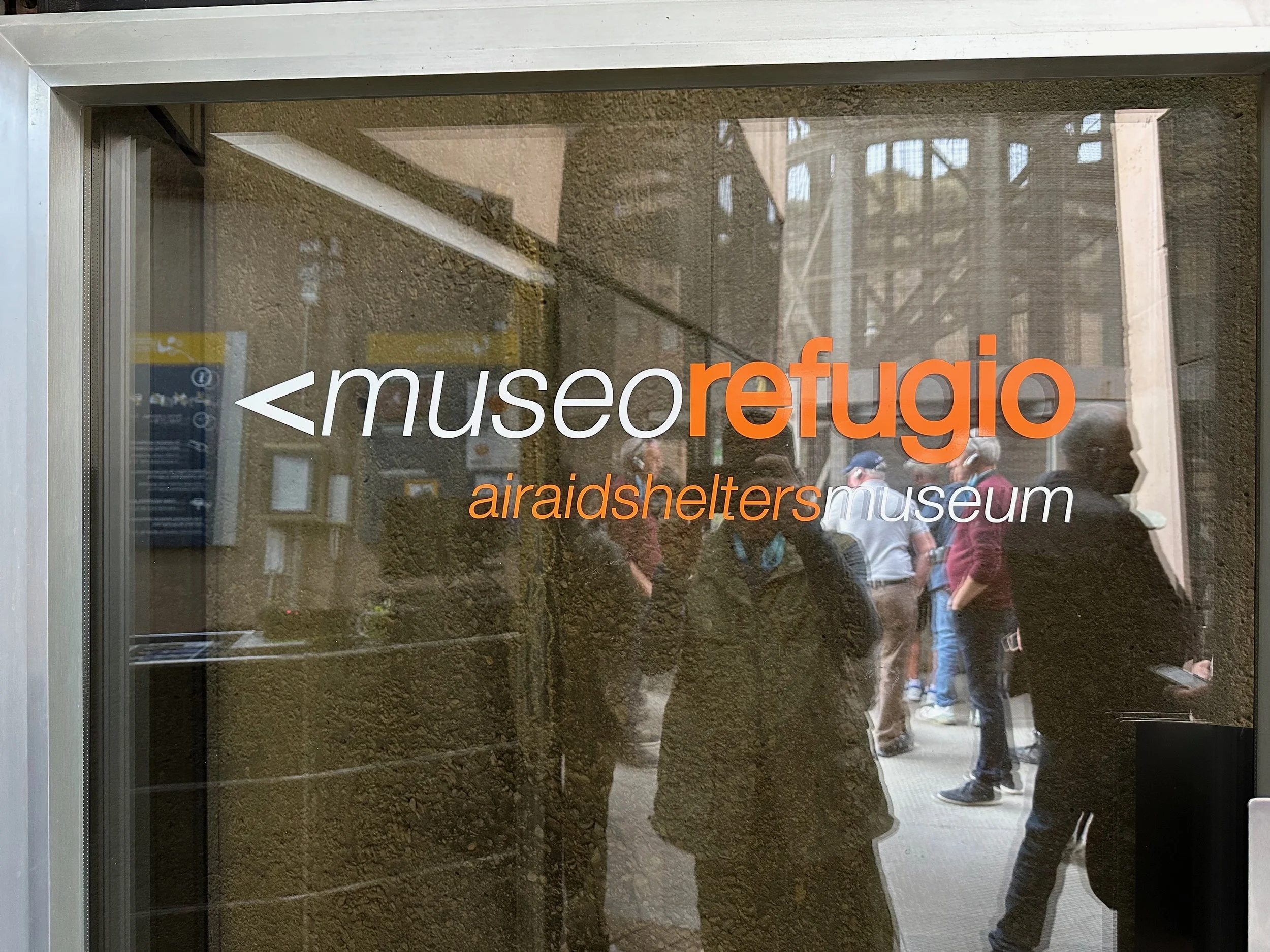
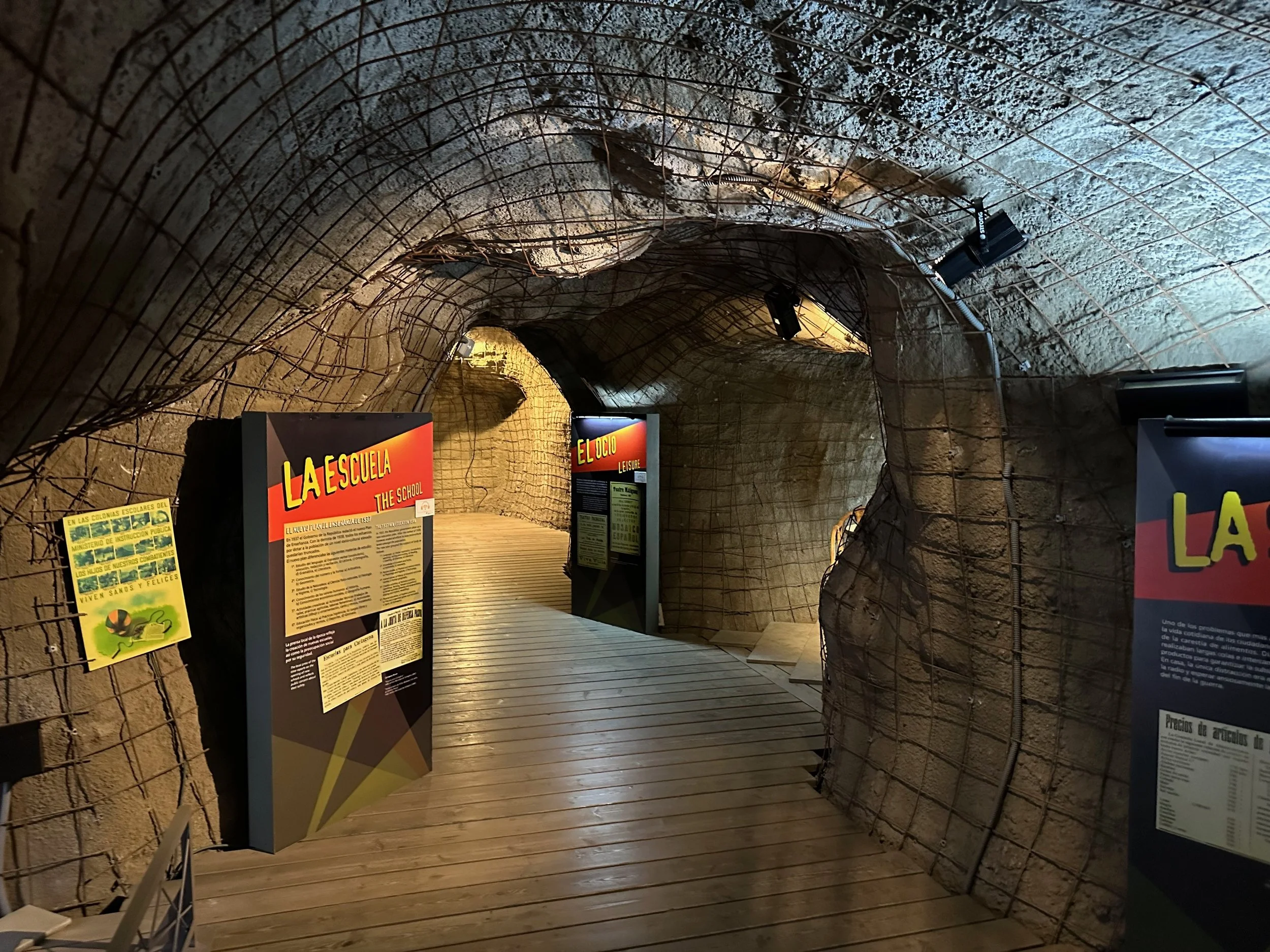
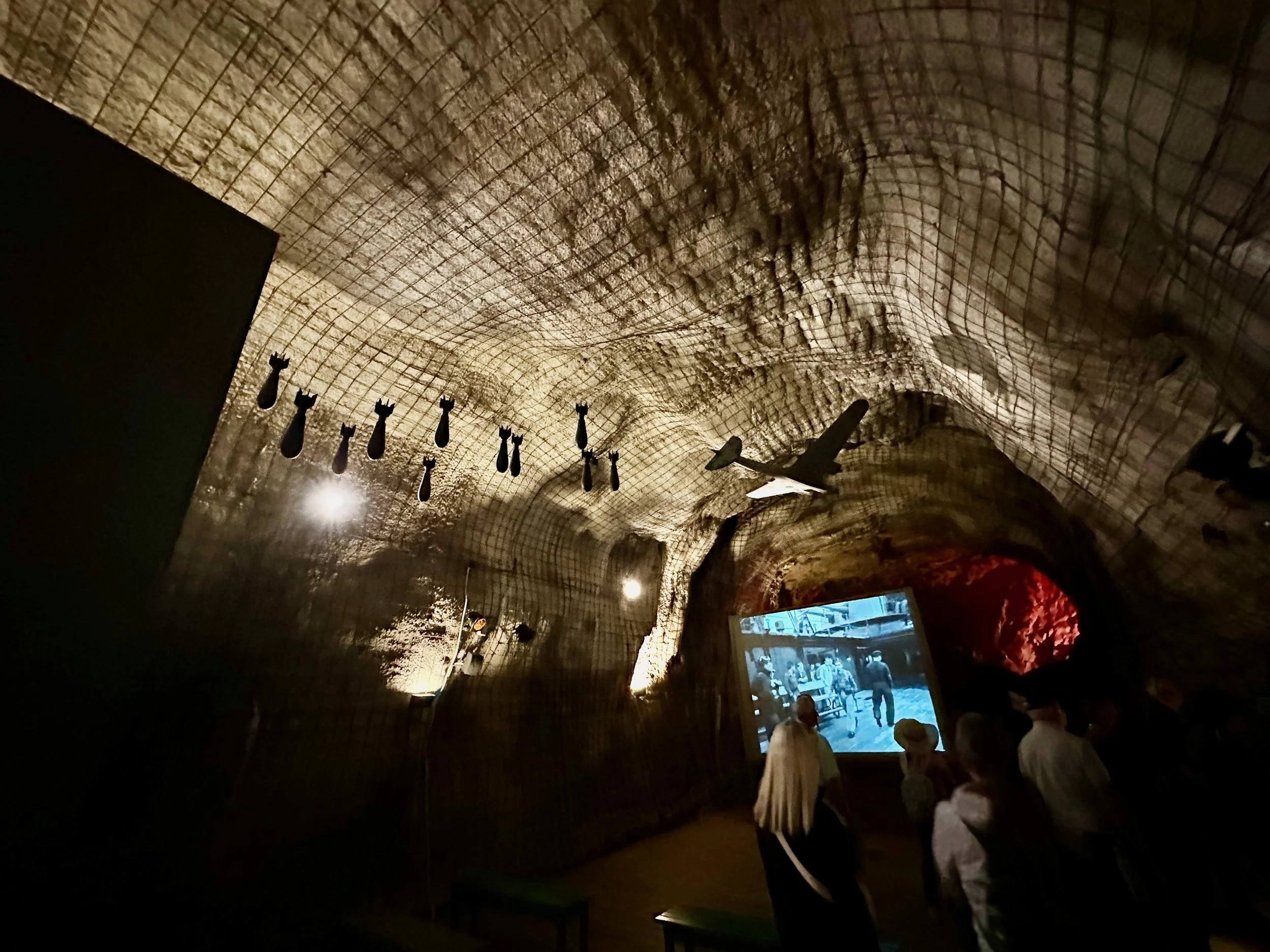
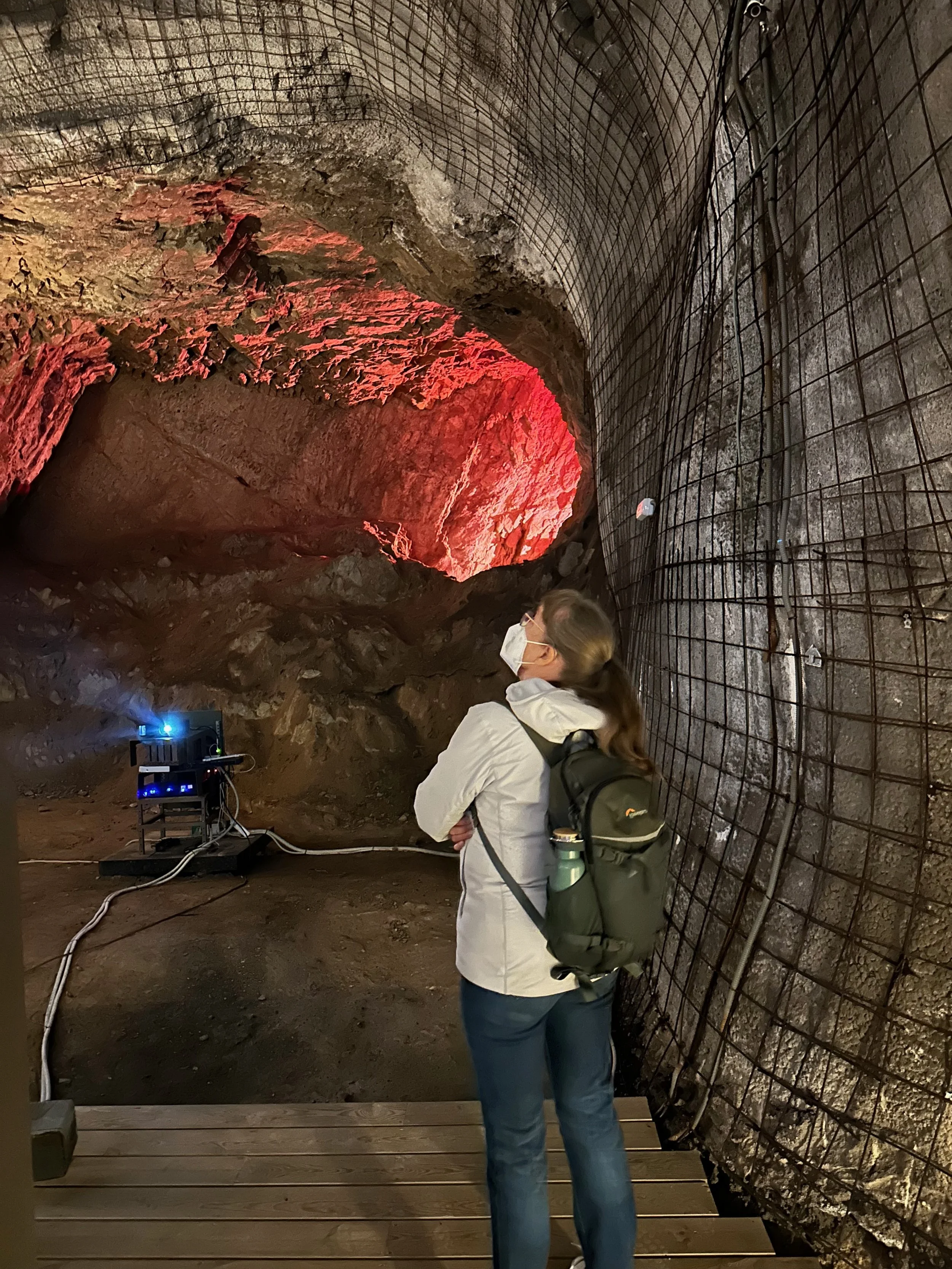
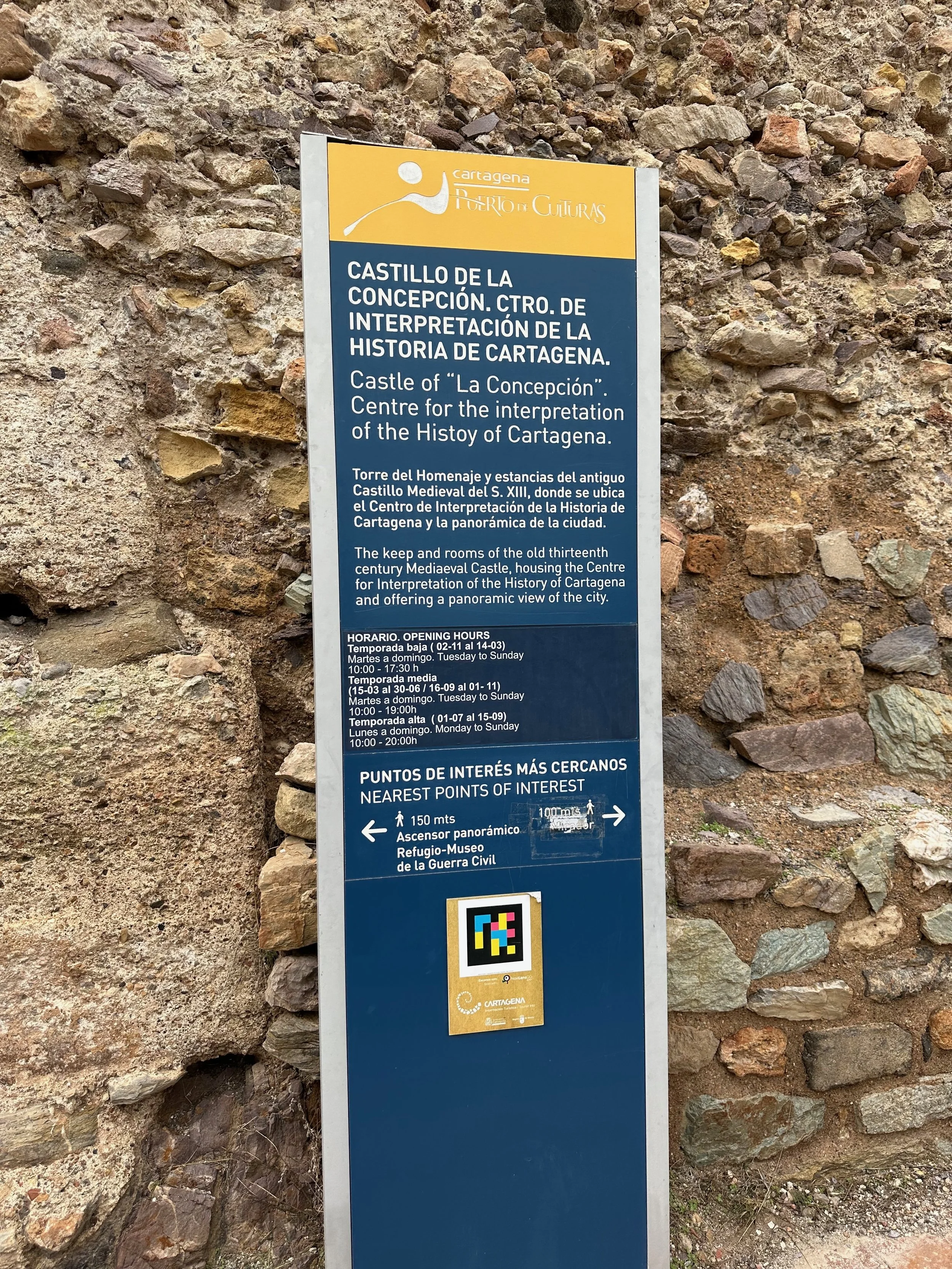
The excursion we signed up for today would take us to three locations. The first was an air raid shelter that was created during the early stages of the second world war. Excavated into a mountainside, this shelter was now a museum dedicated to all the shelters created in Spain. After walking through the facility, I’m glad we weren’t the ones having to spend large amounts of time housed there. It was dark and cramped, and when filled with a lot of people the air would have gotten stale pretty quick.
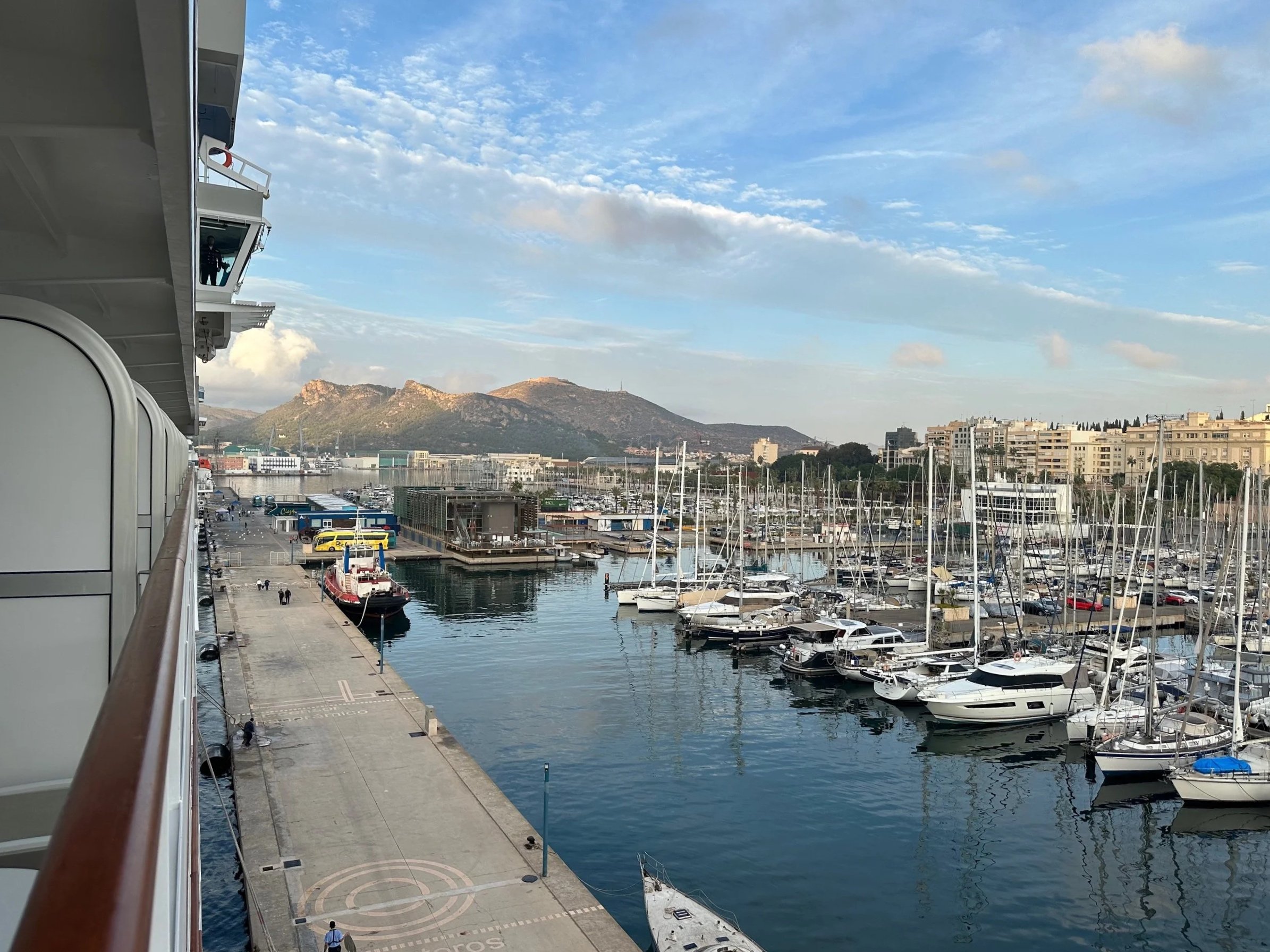
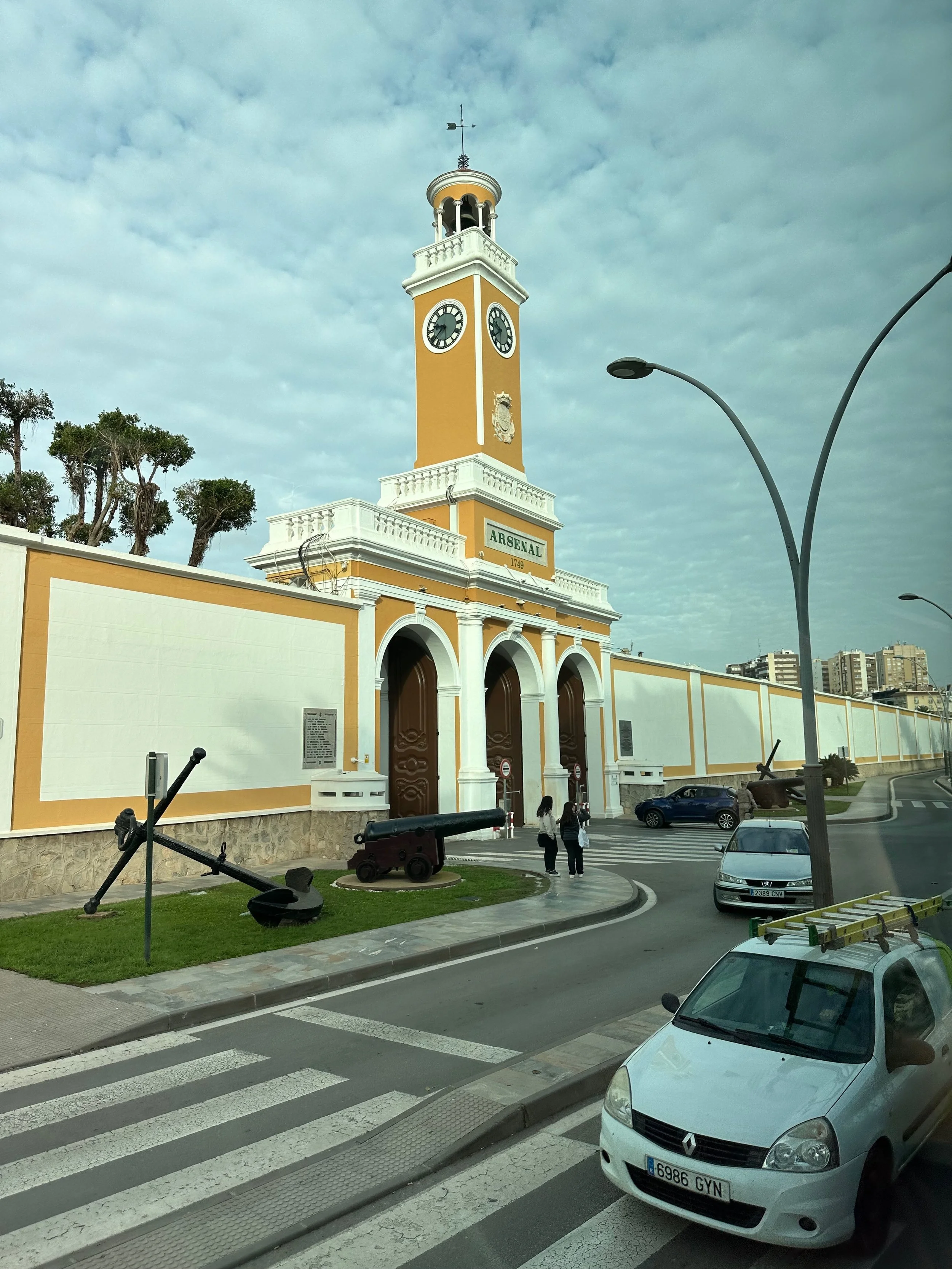
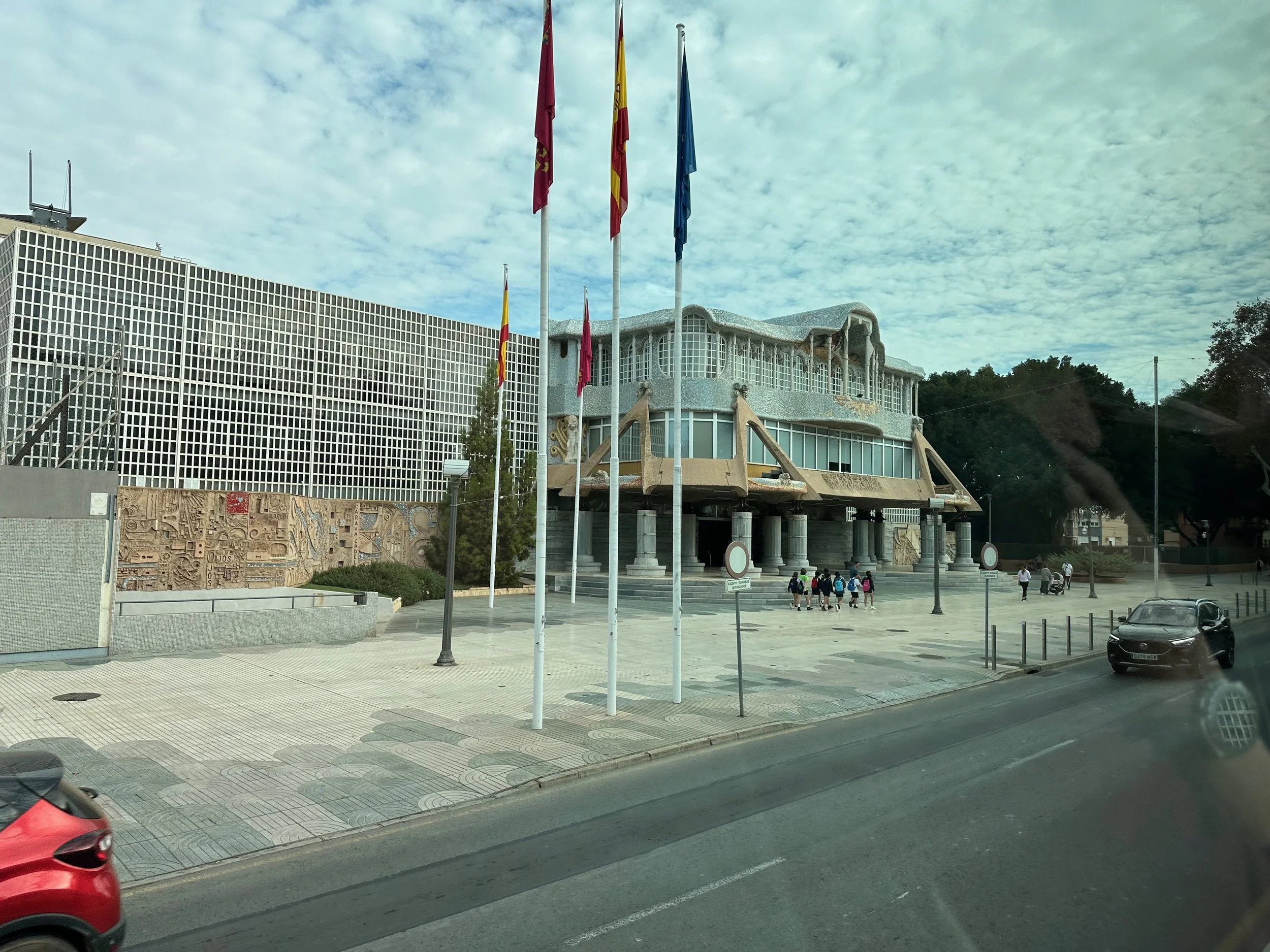
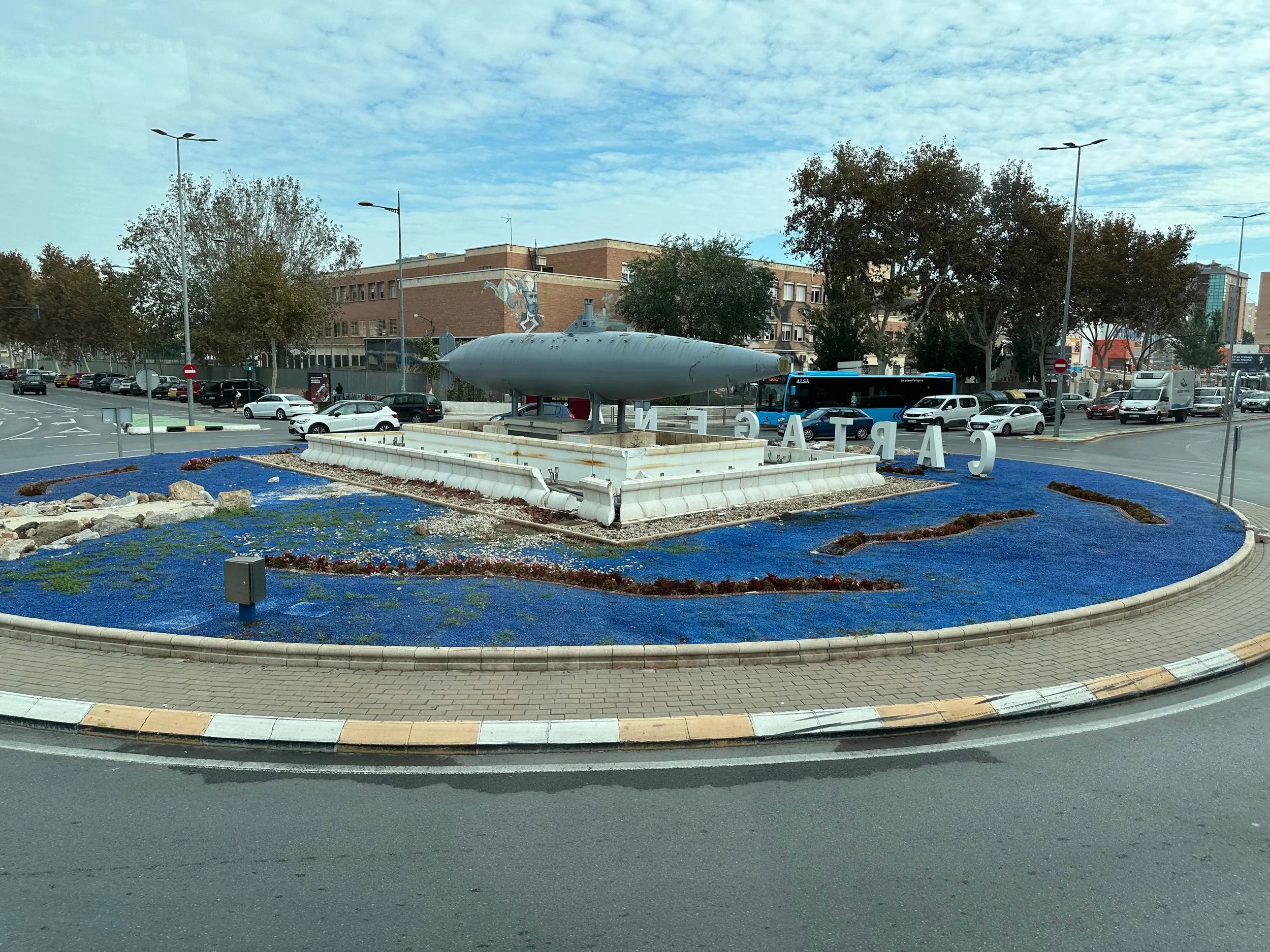
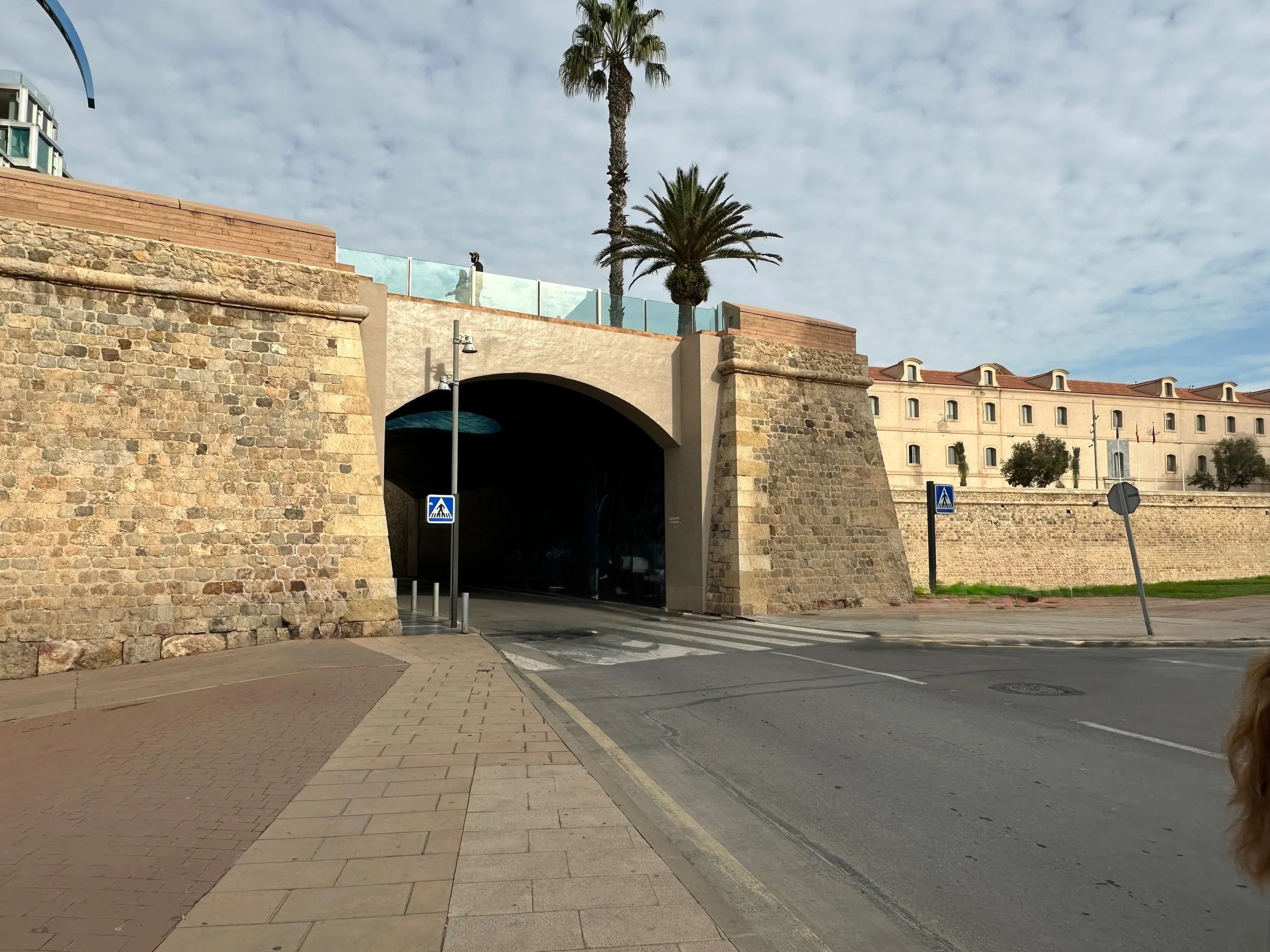
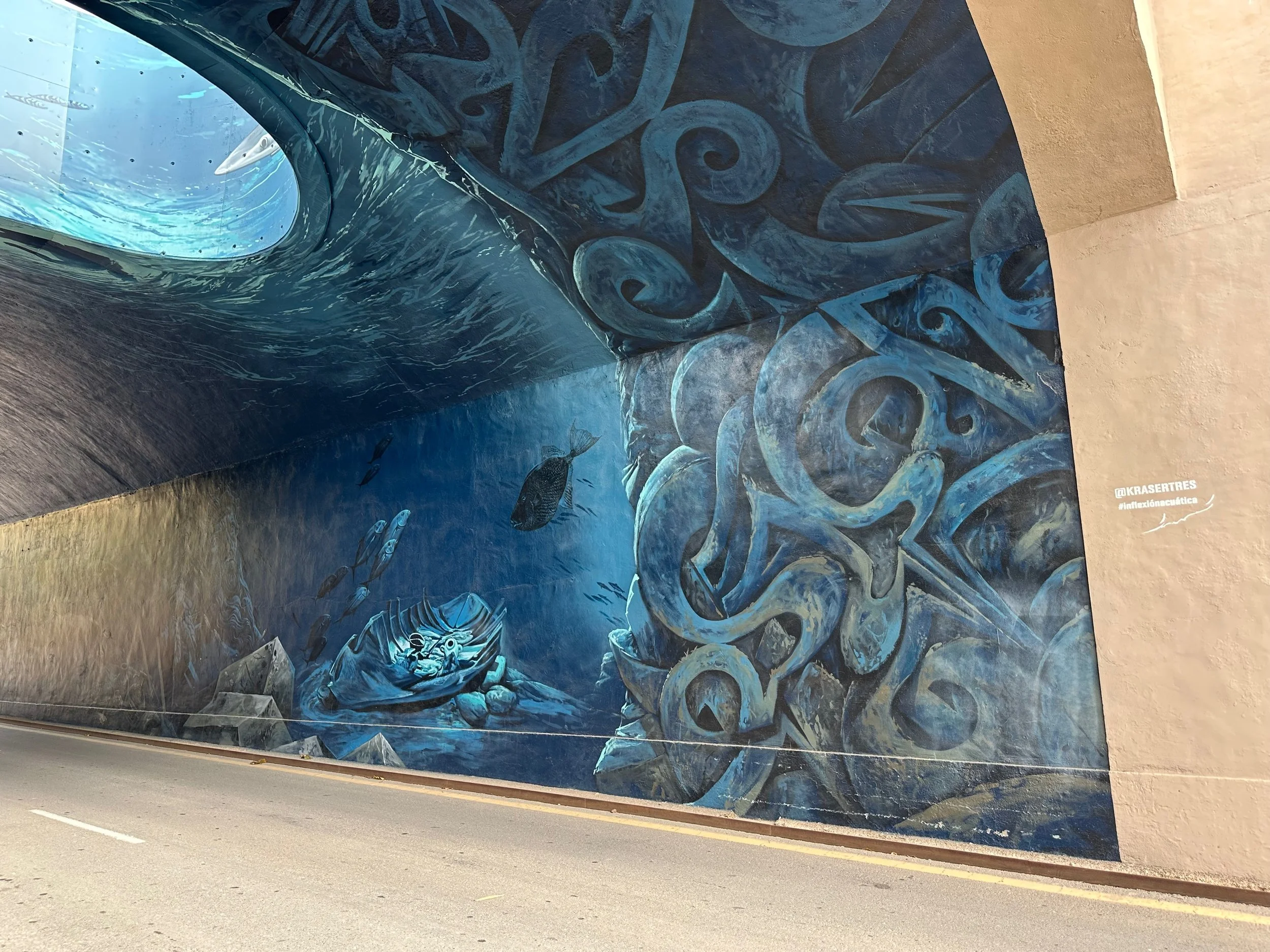
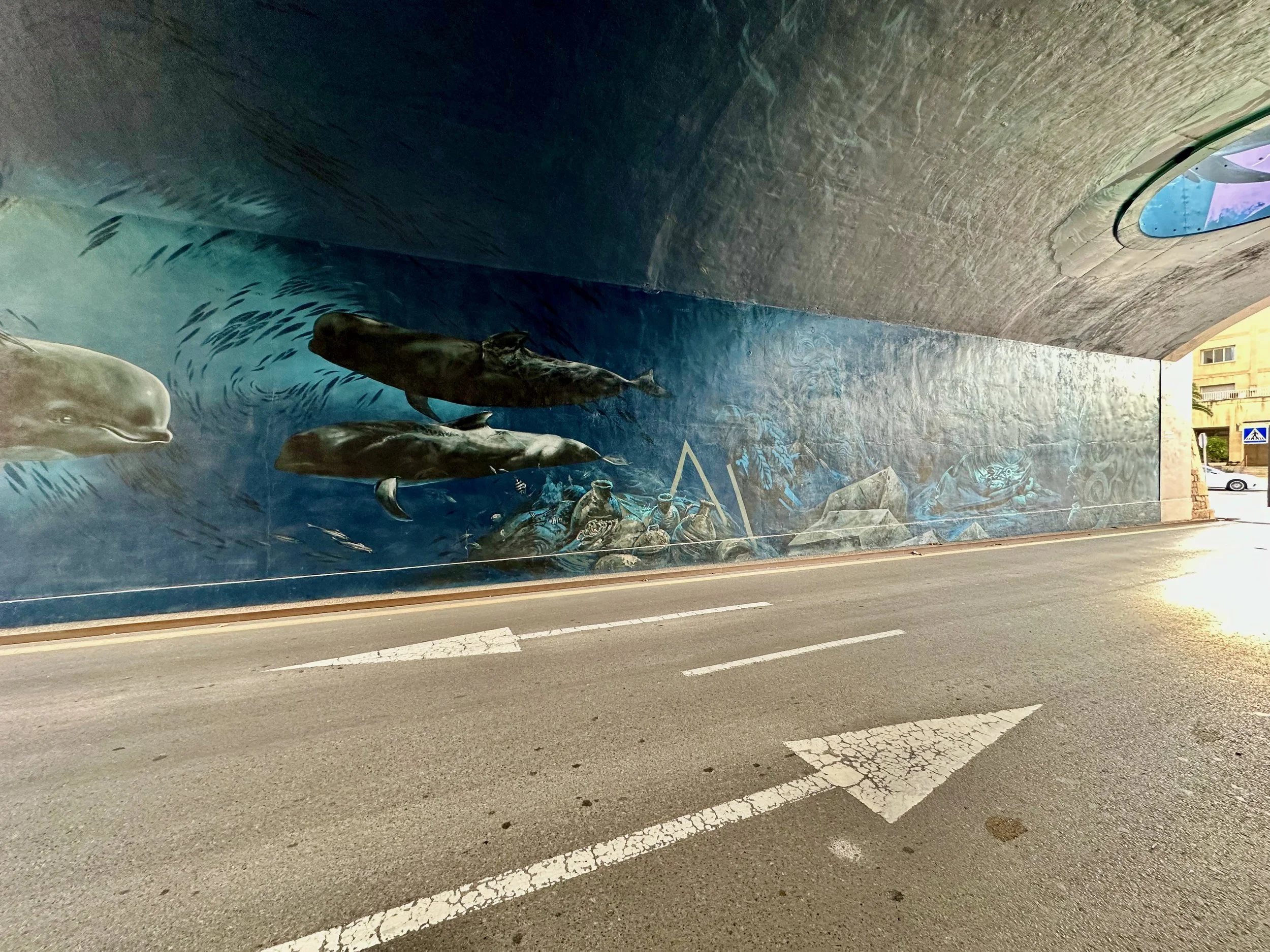
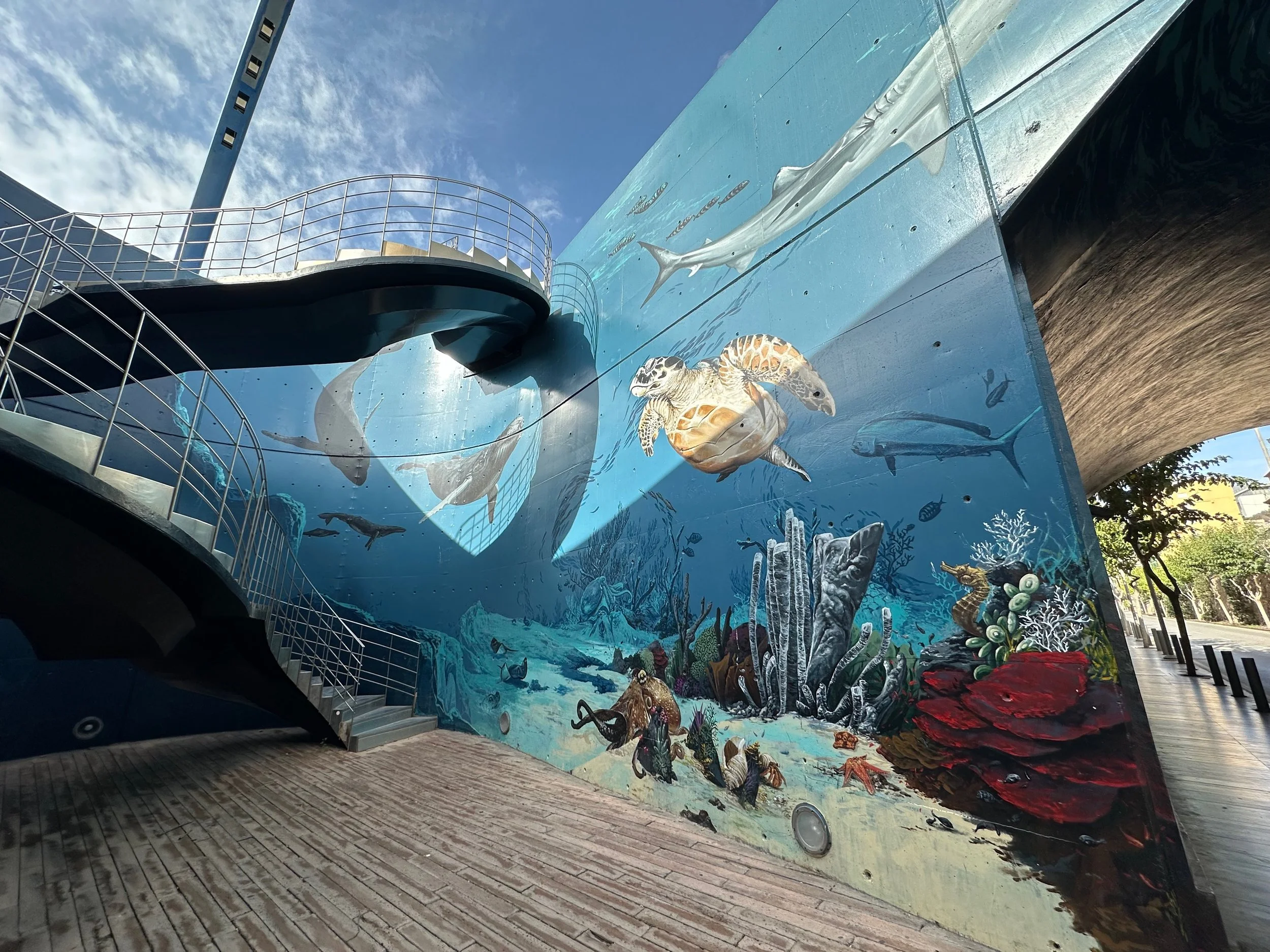
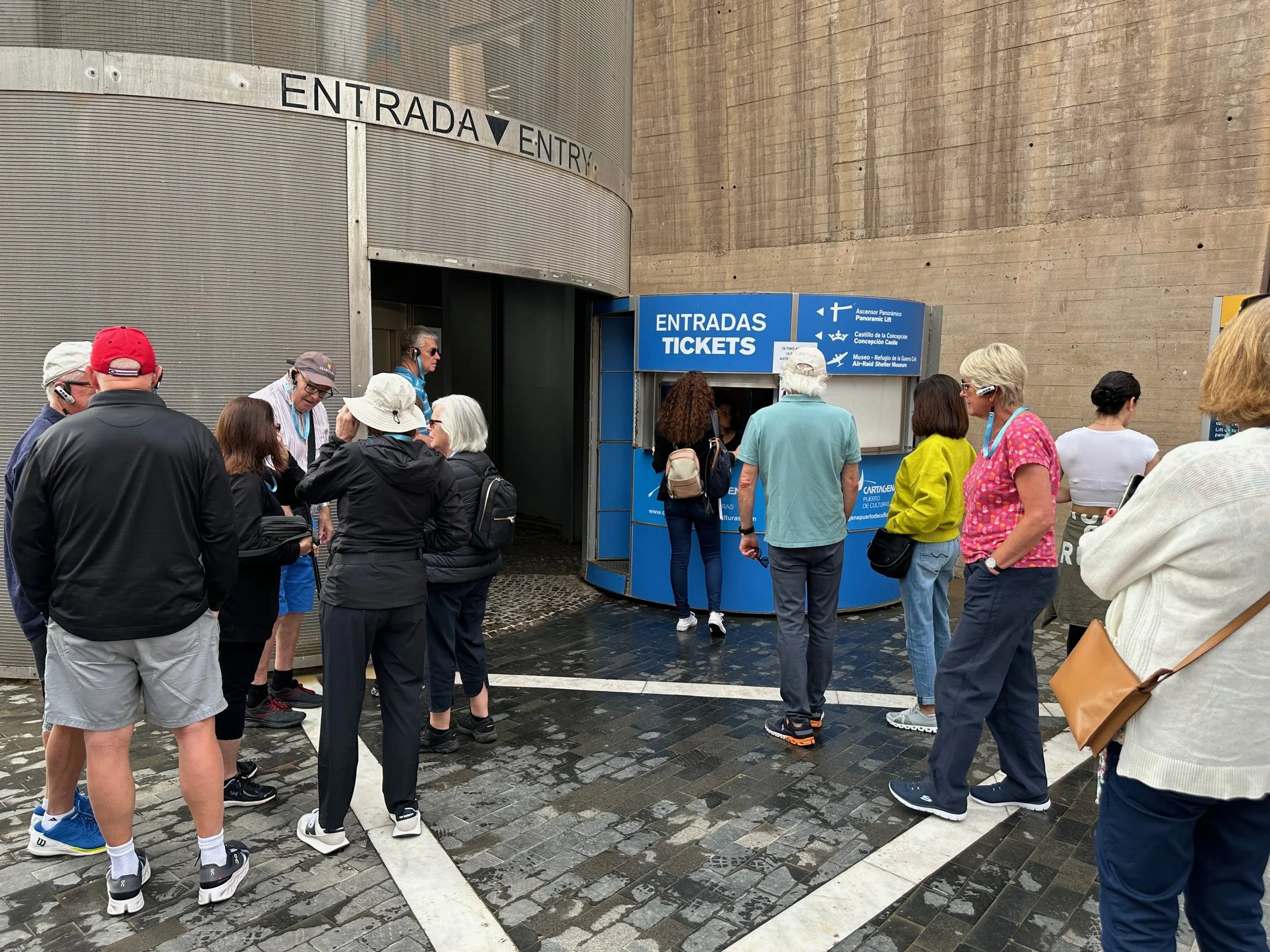
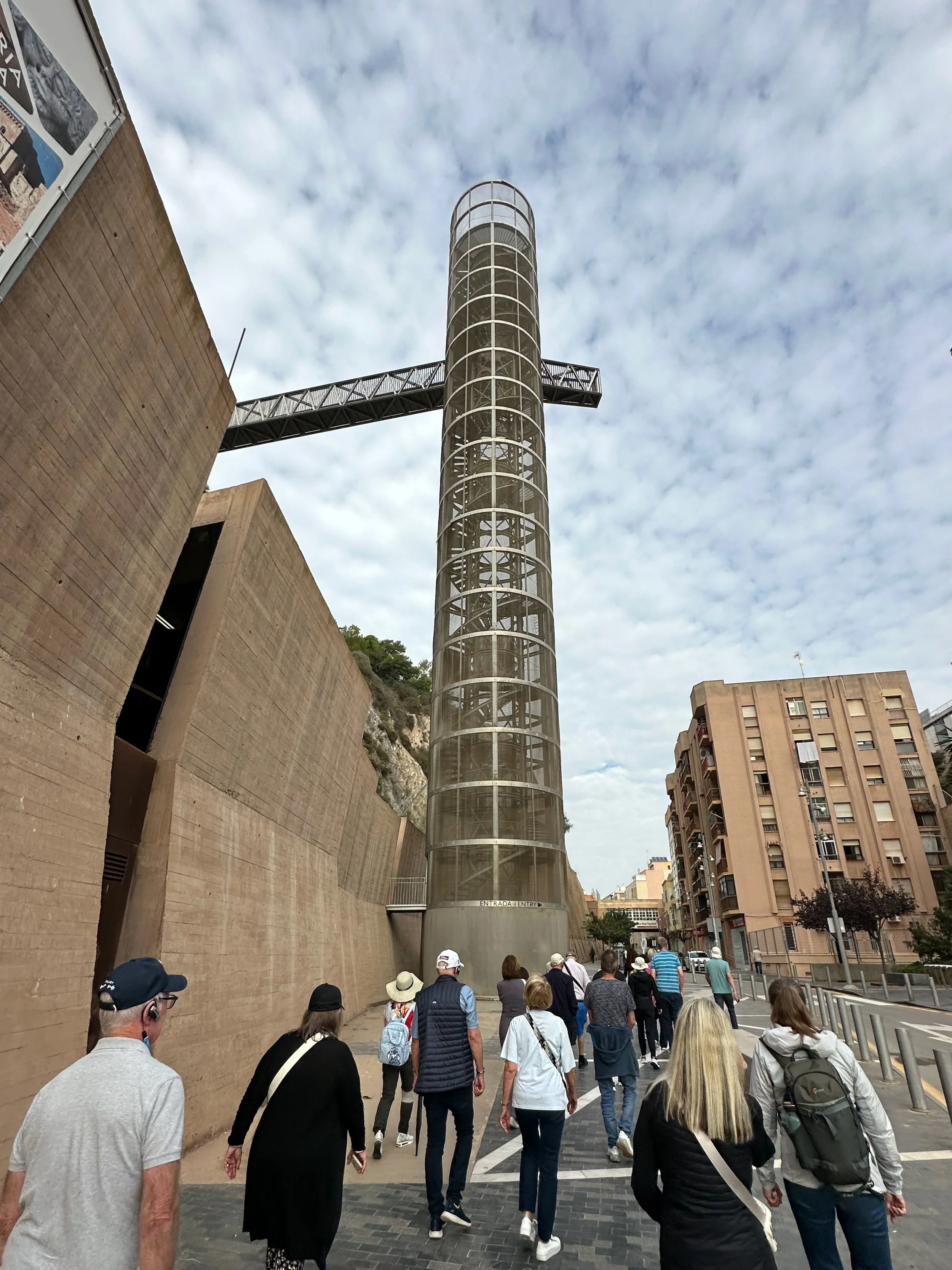
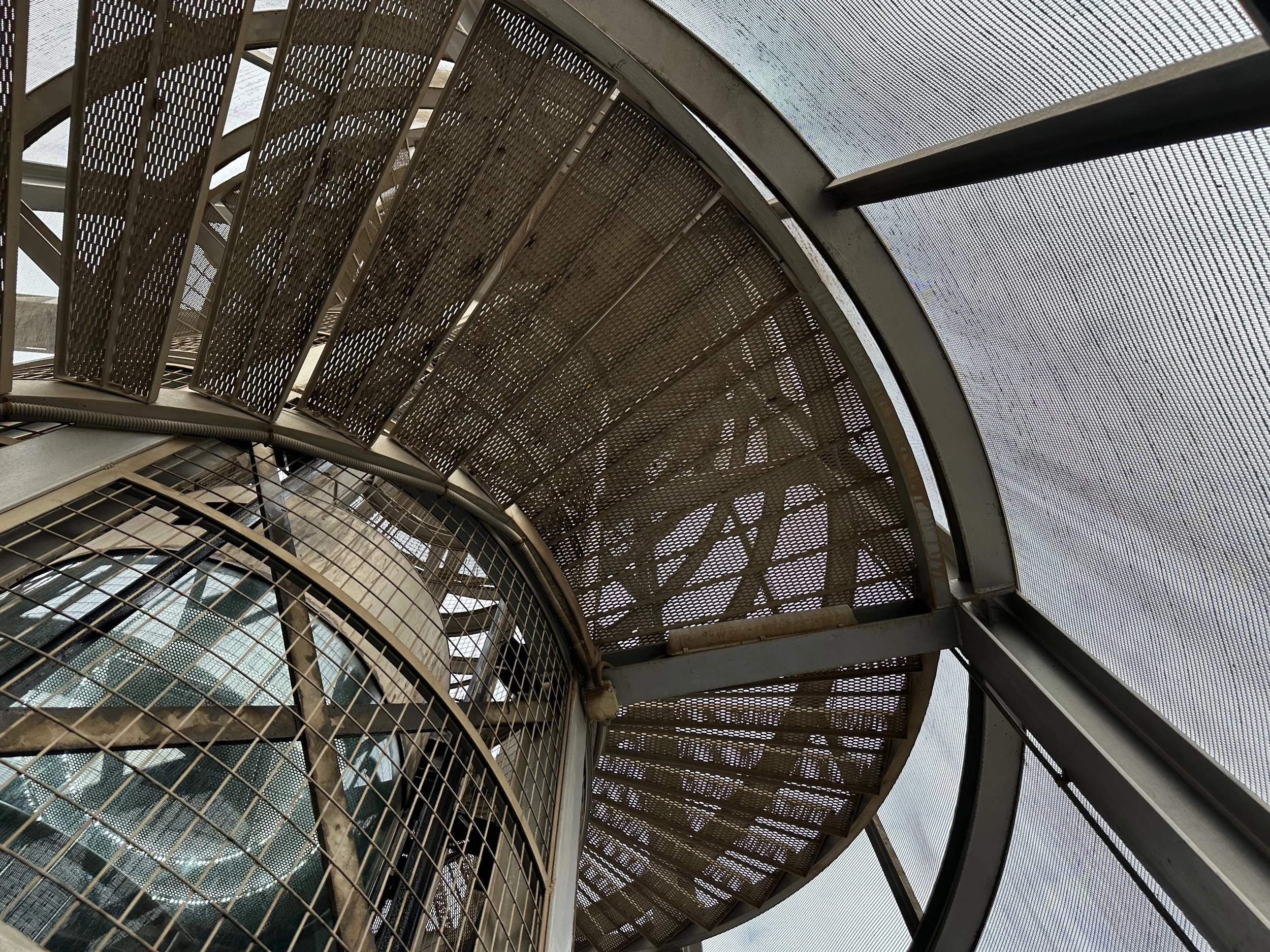
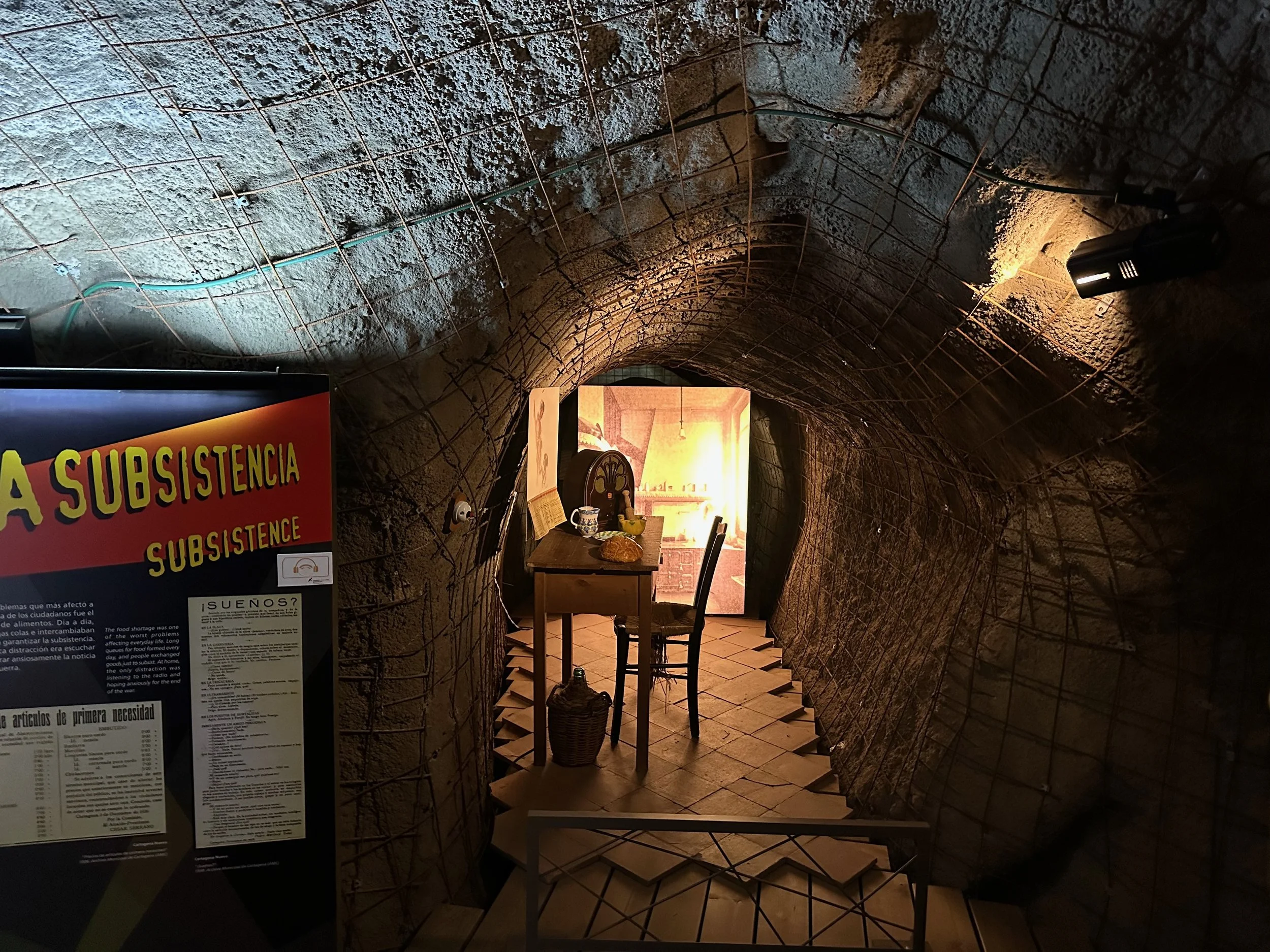
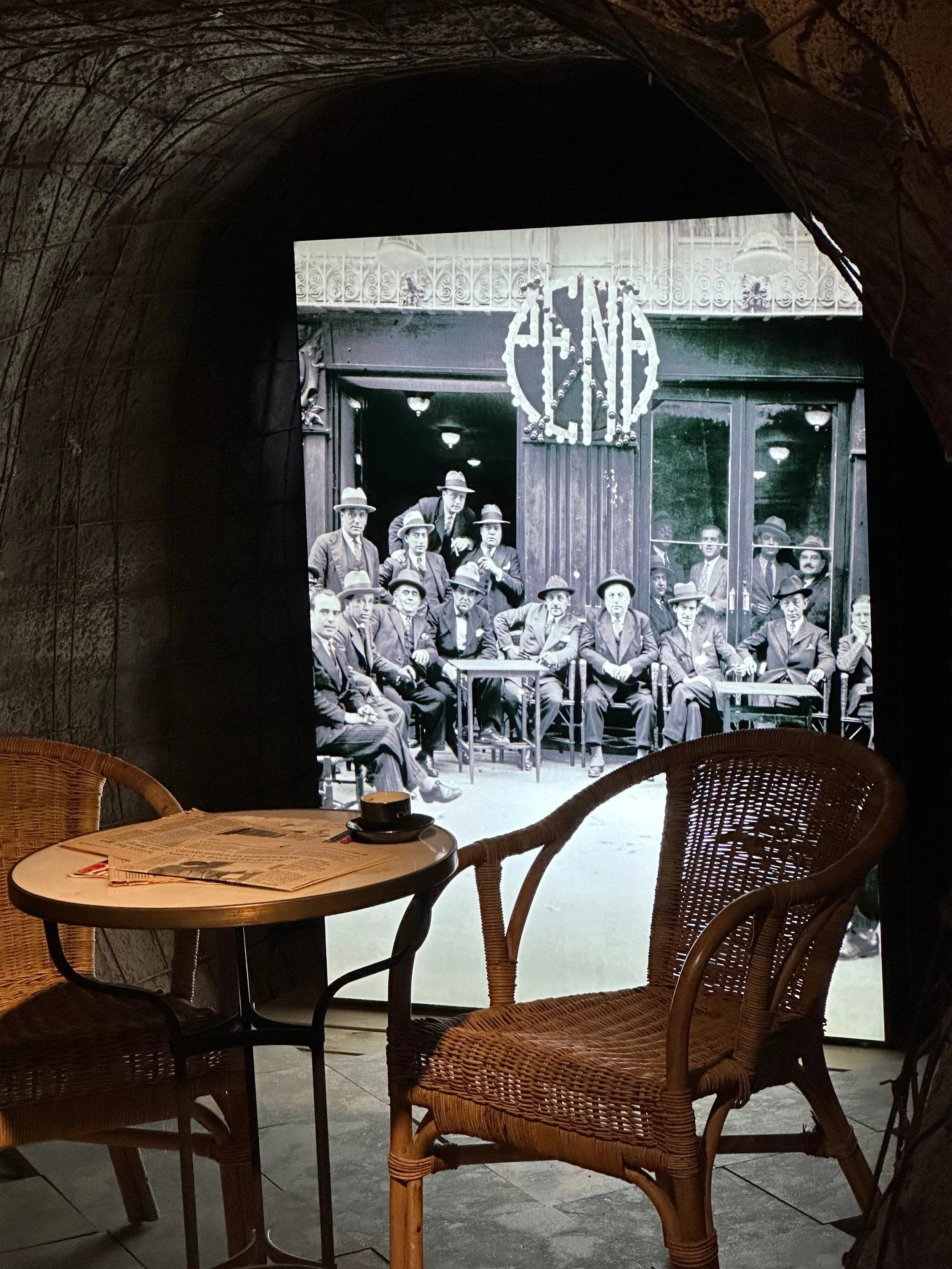
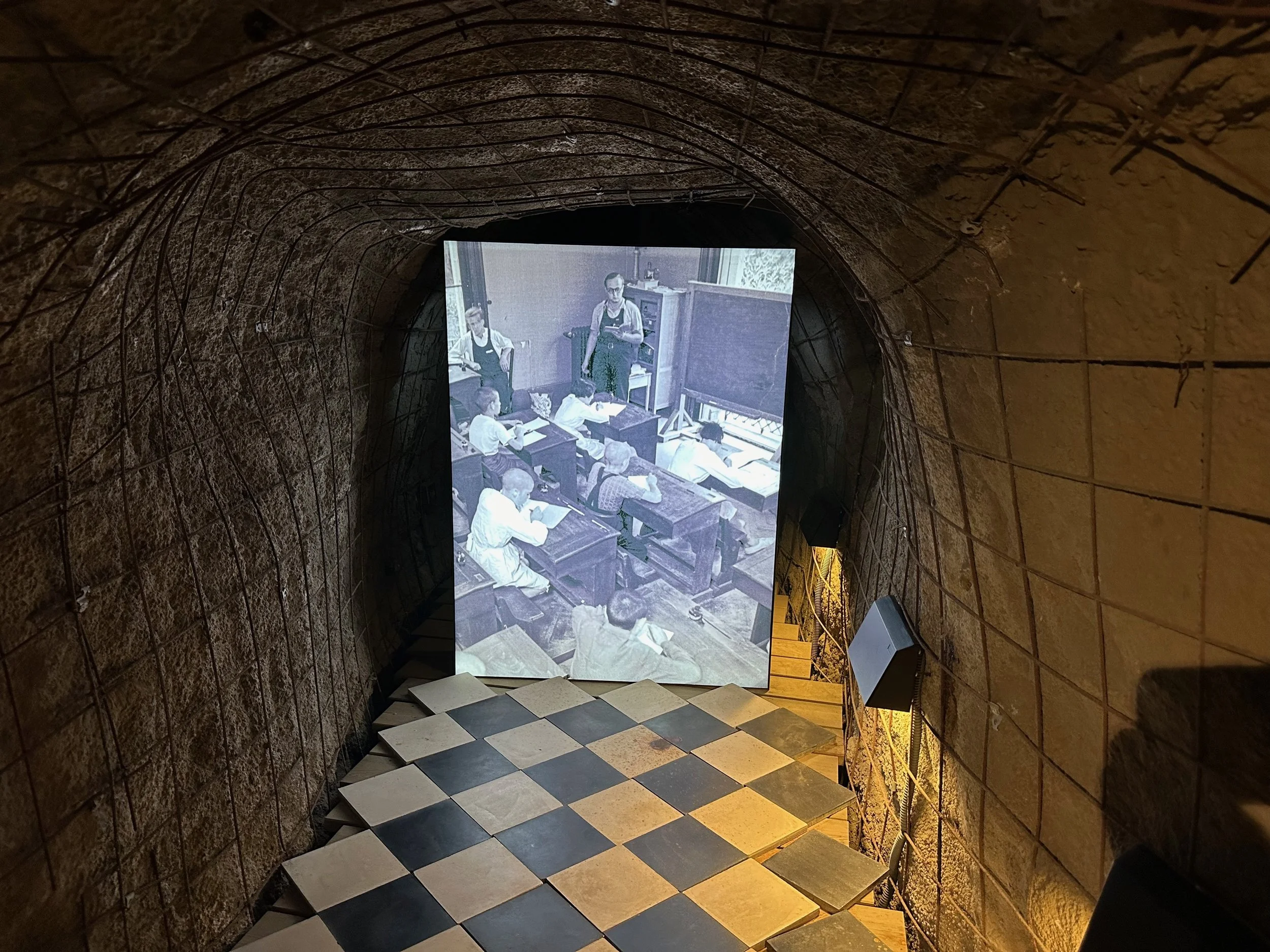
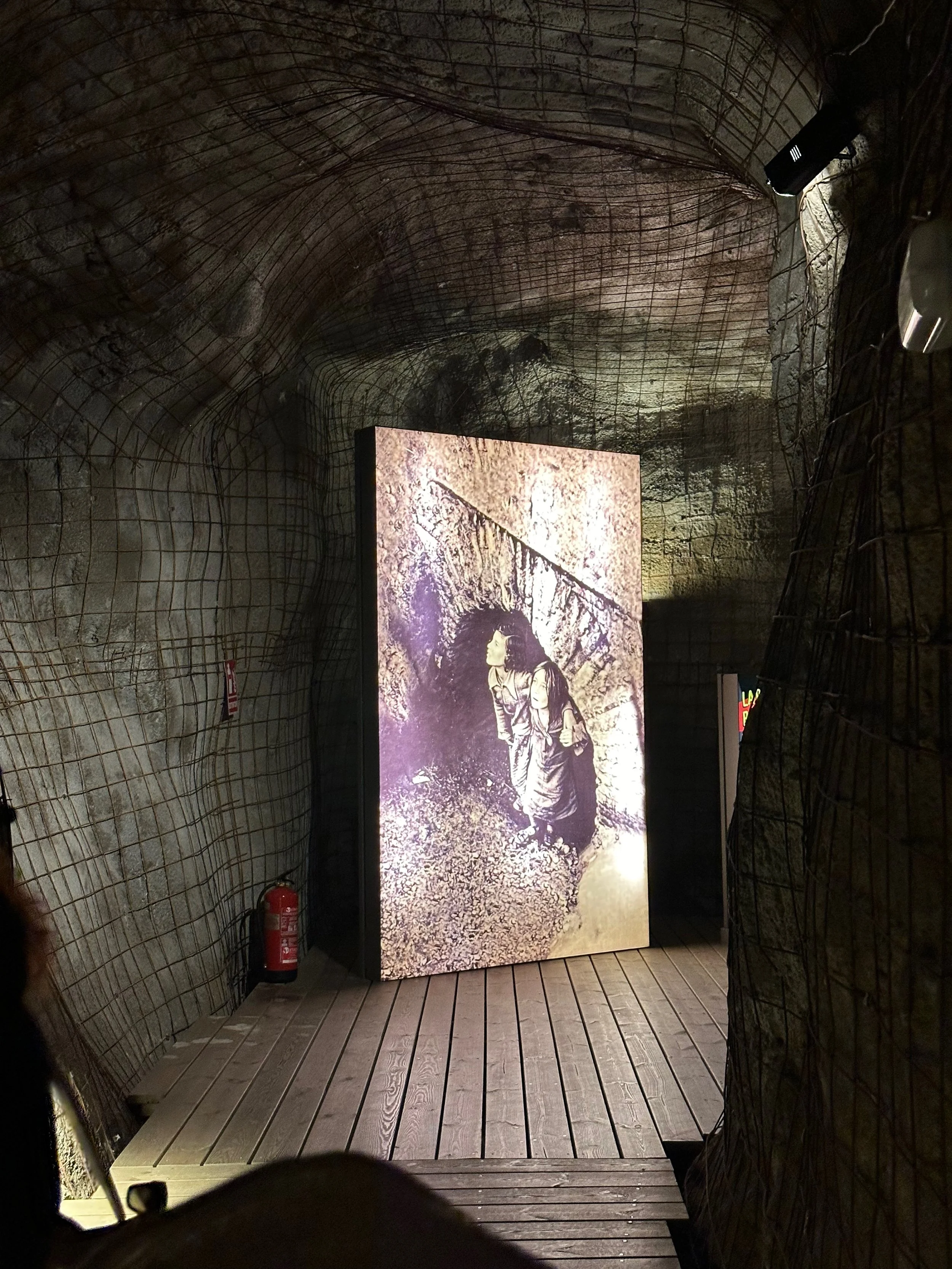
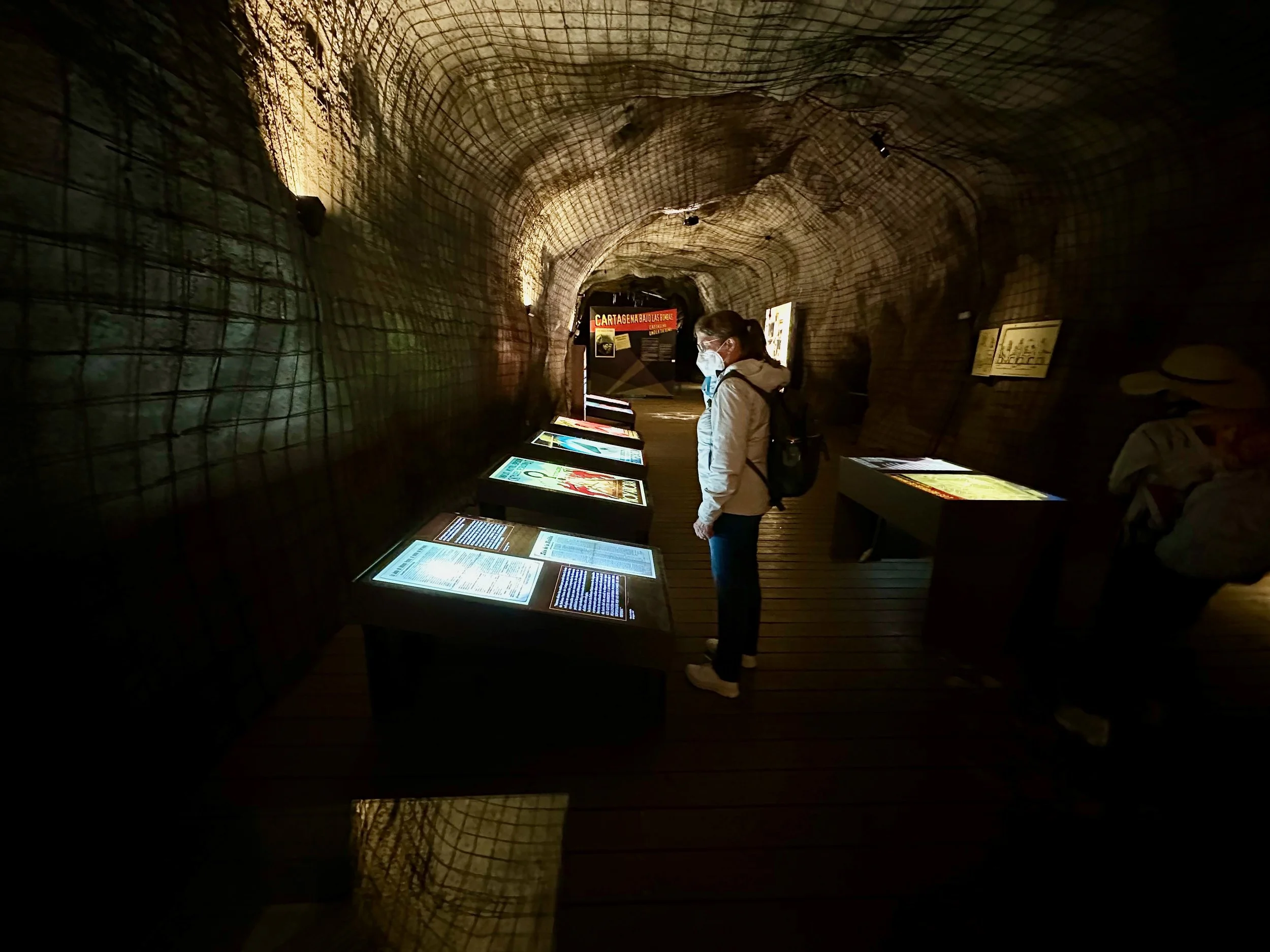
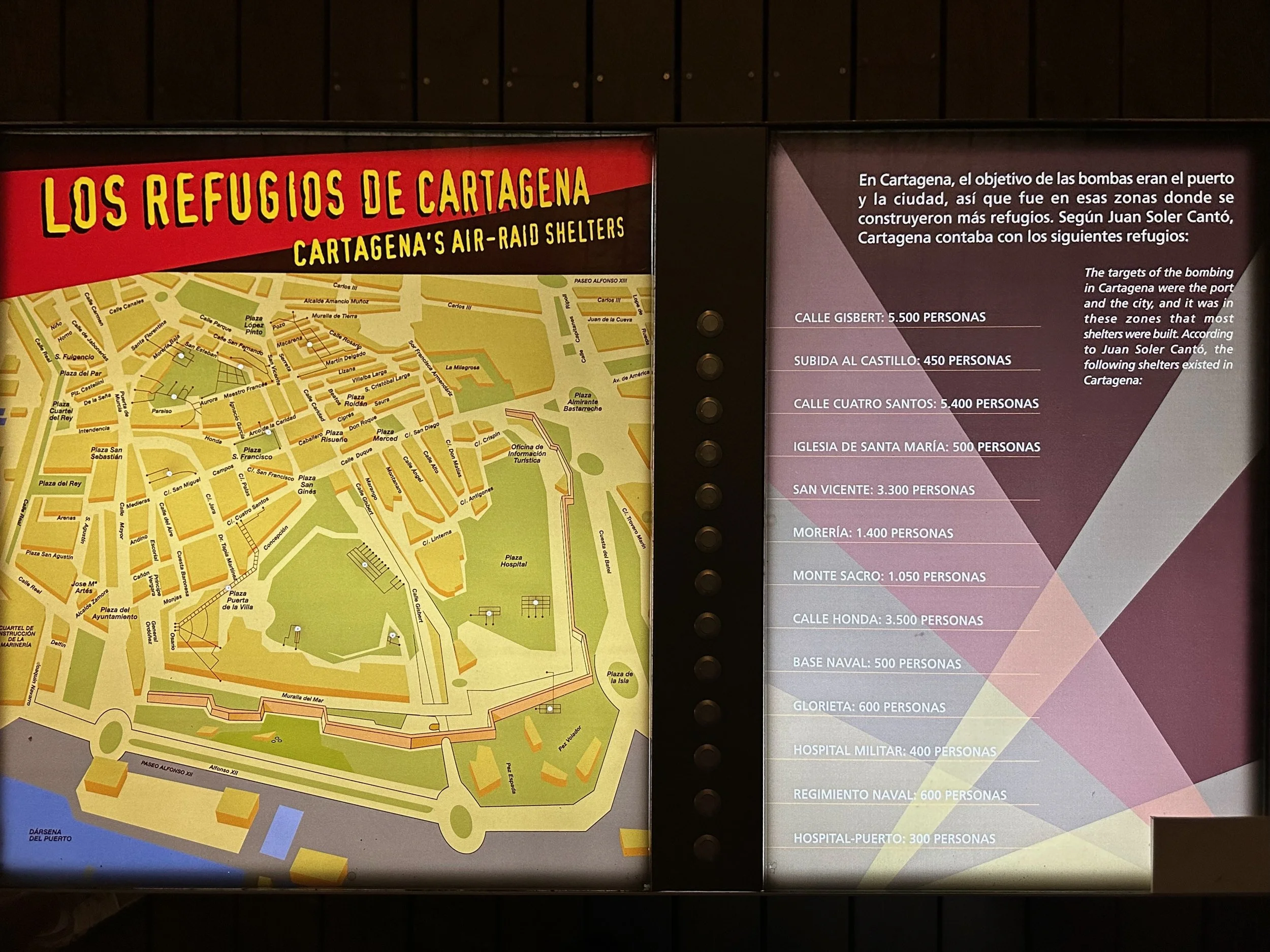
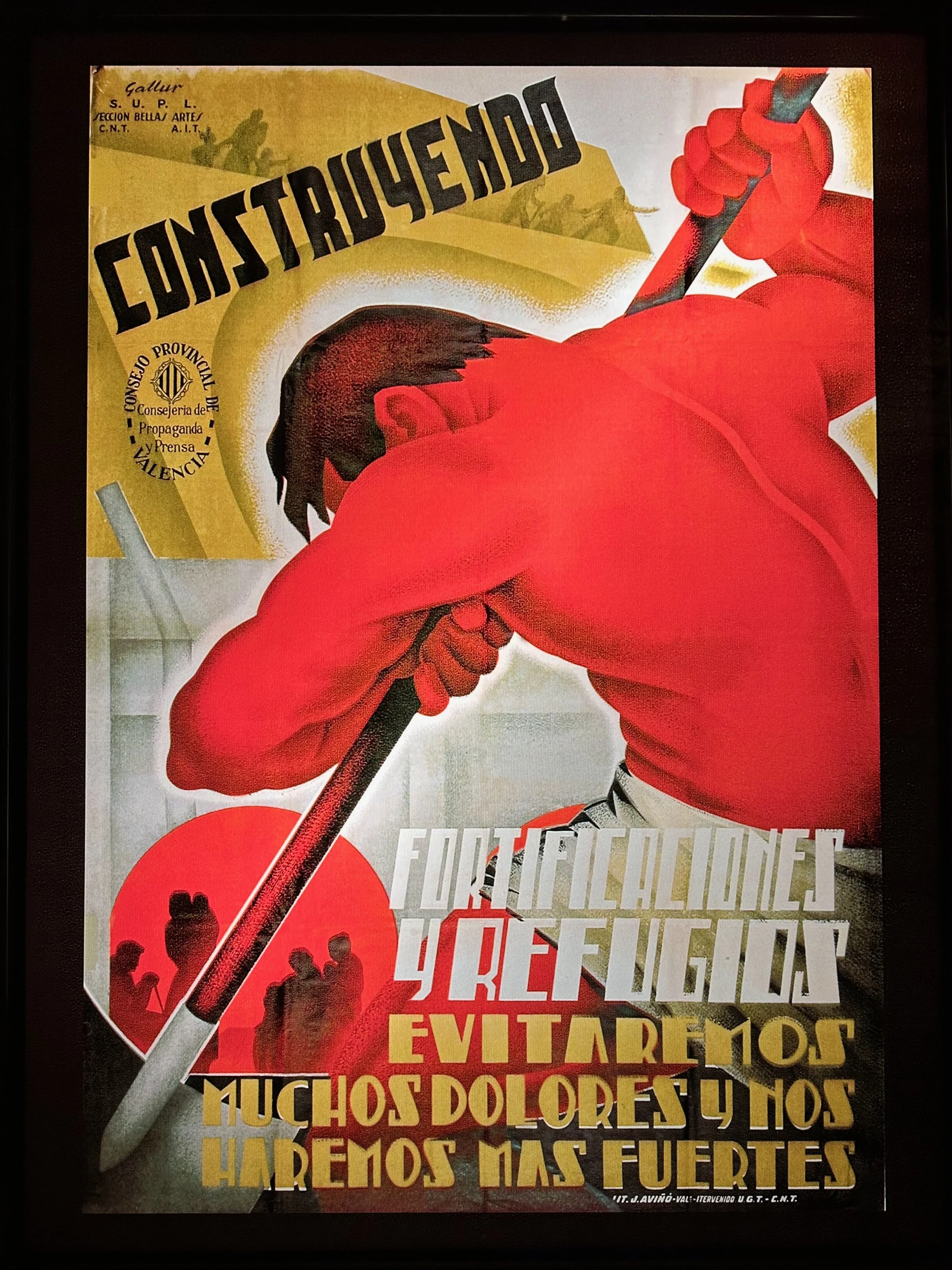
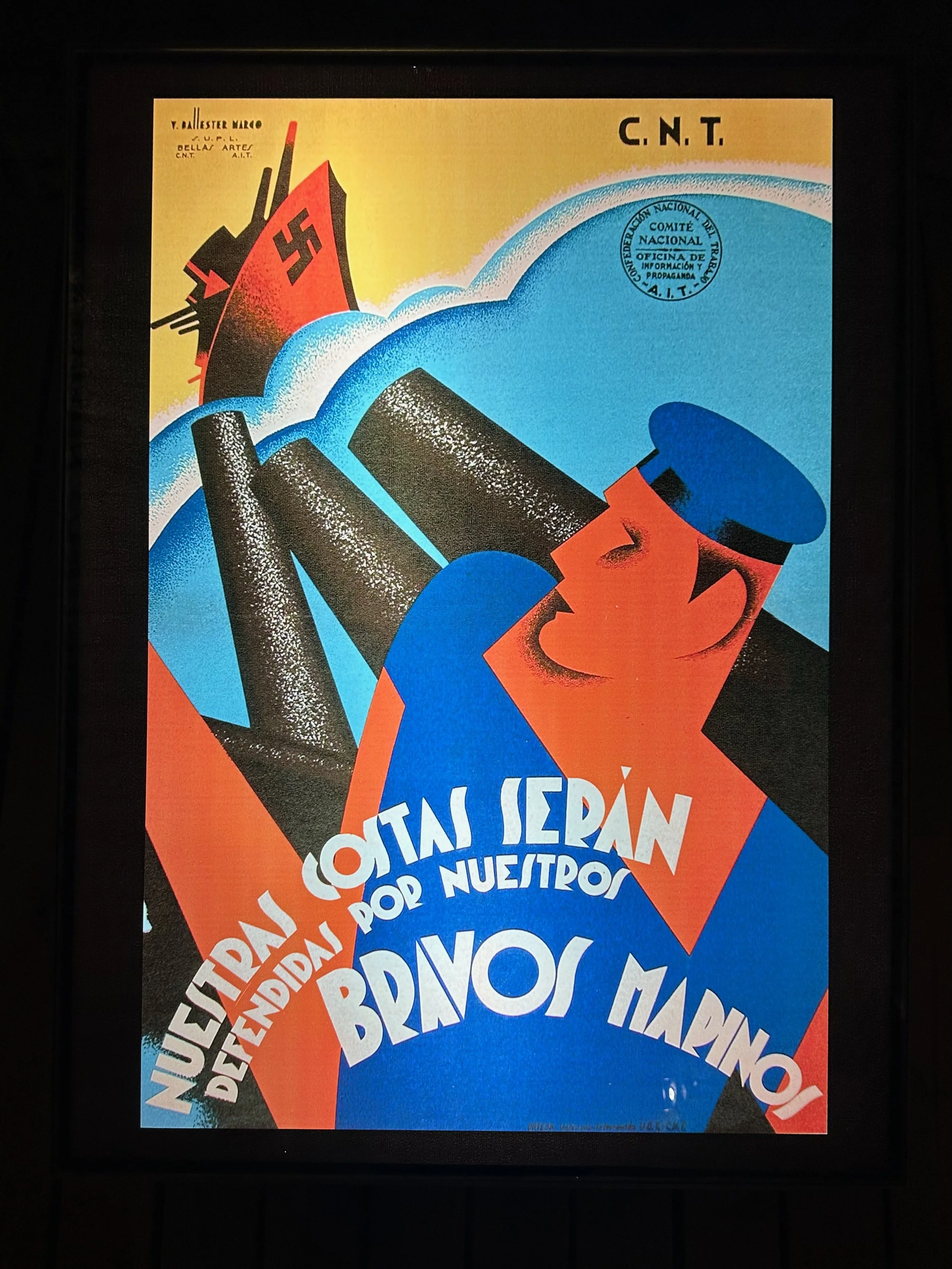
The elevator that we took up to the mountain battlement museum.
Coming back out of the shelter museum we waited in turn to enter the lift that would take us up onto the top of the mountain where our next stop in the excursion took place. Since the elevator was a tall freestanding, transparent cylinder, the top of which being connected to the hillside via a steel gantry, it would not be a place for those bothered by heights.
Once on top of the mountain there were roads we could follow to climb up to the top floor of the battlement. Up there we had 360º views of the entire city and harbour. The latter being the particular focus of this keep. From here the locals could defend the harbour all the way out into the open waters of the Mediterranean.
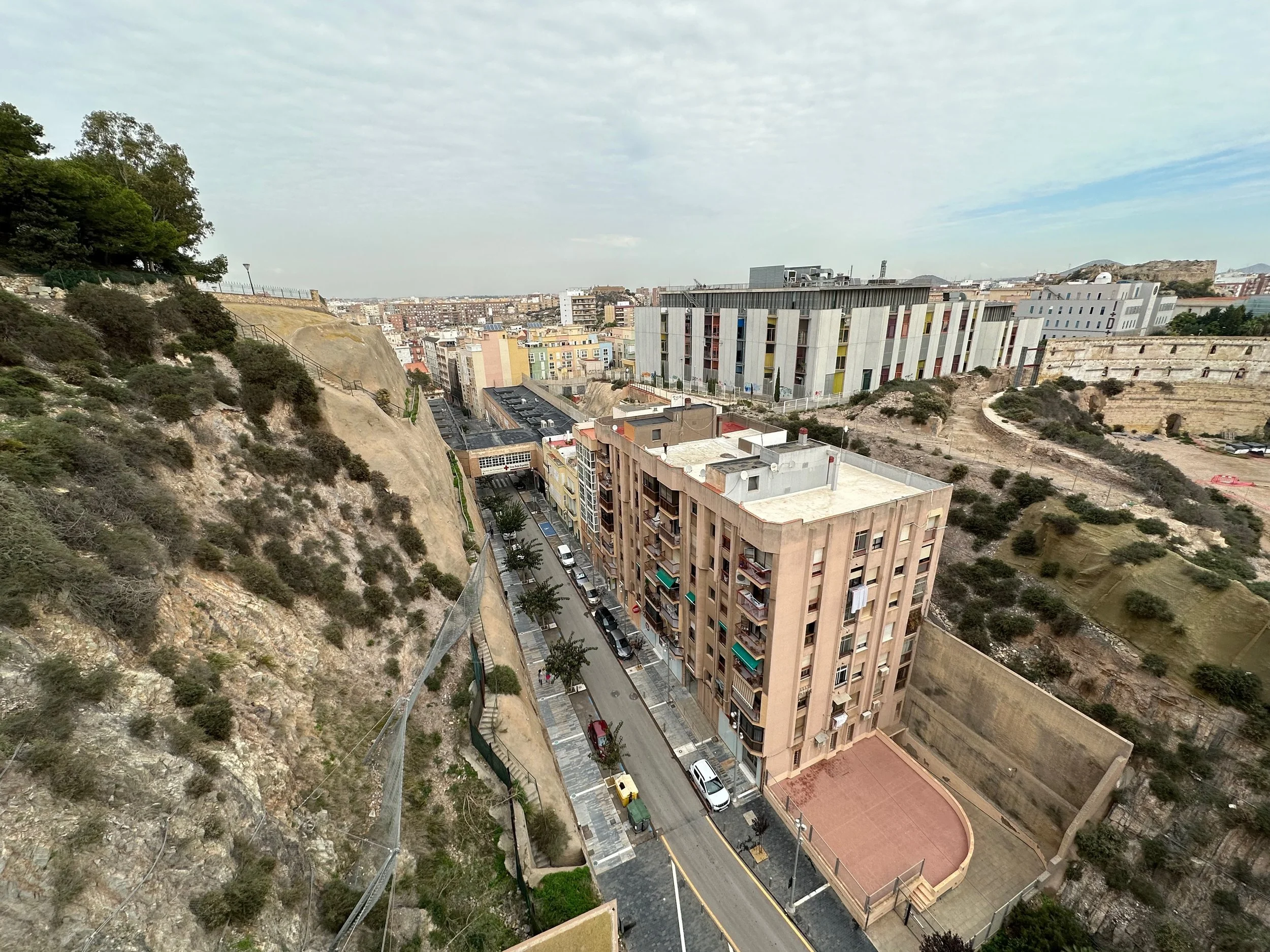
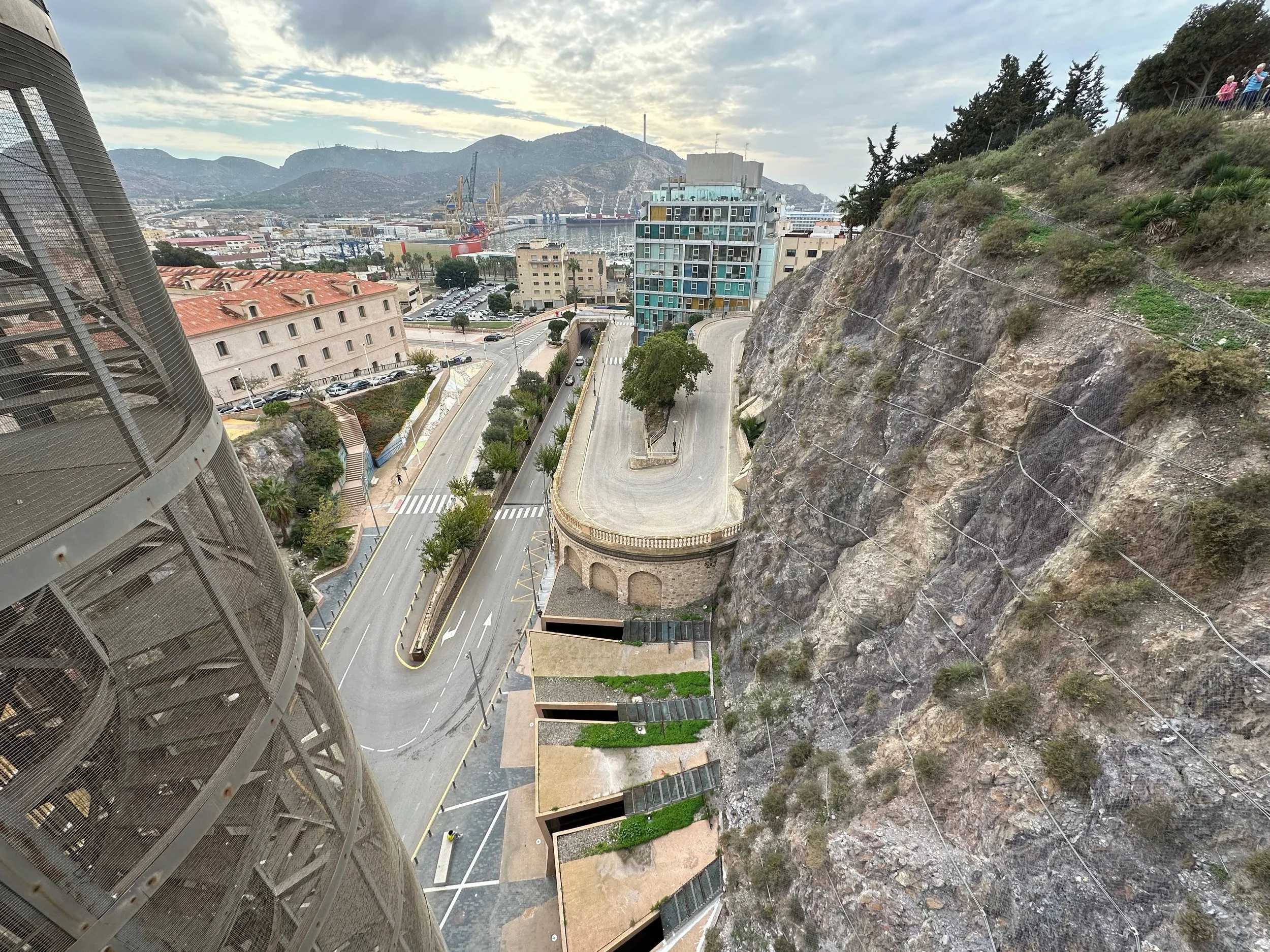
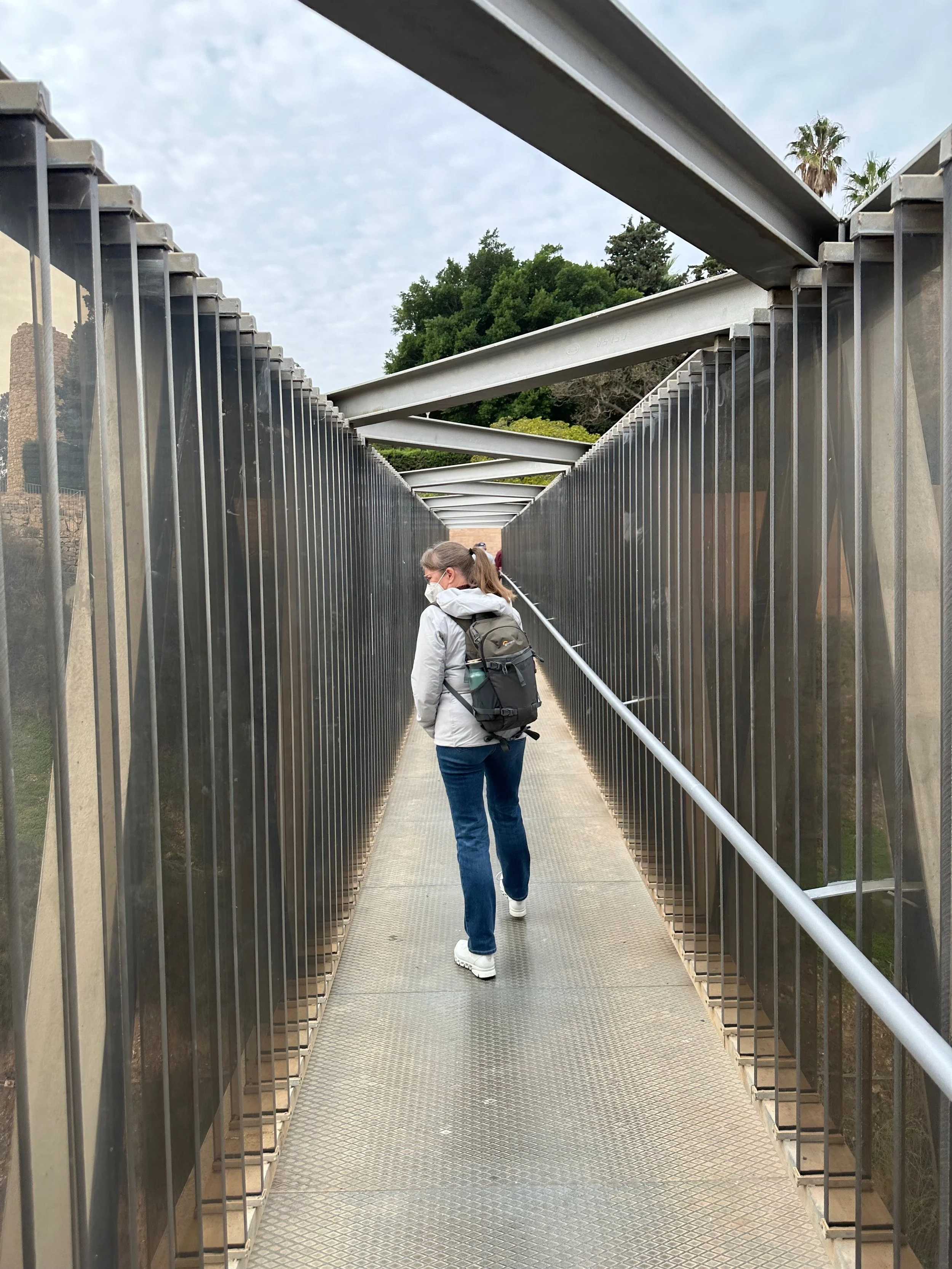
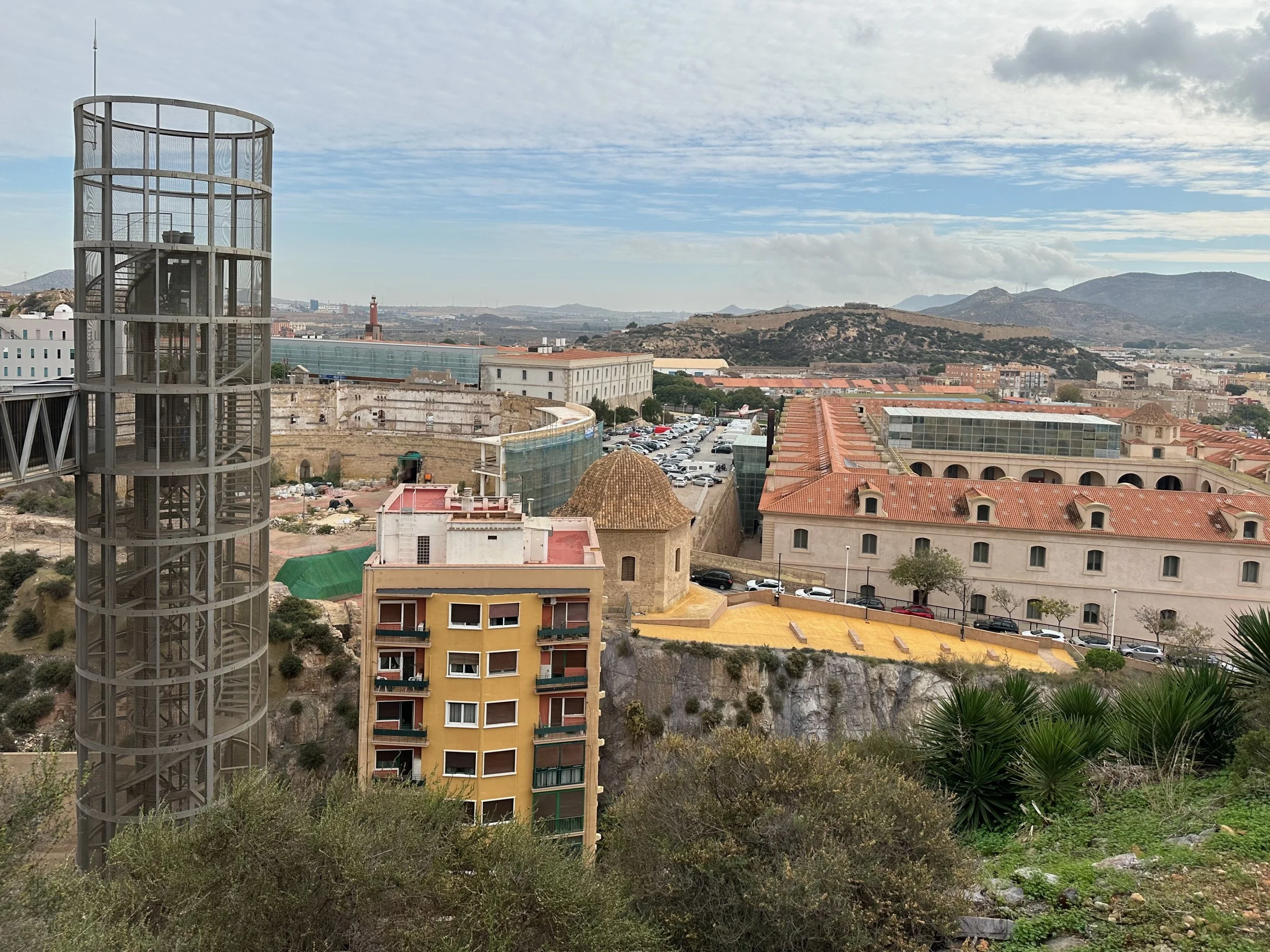
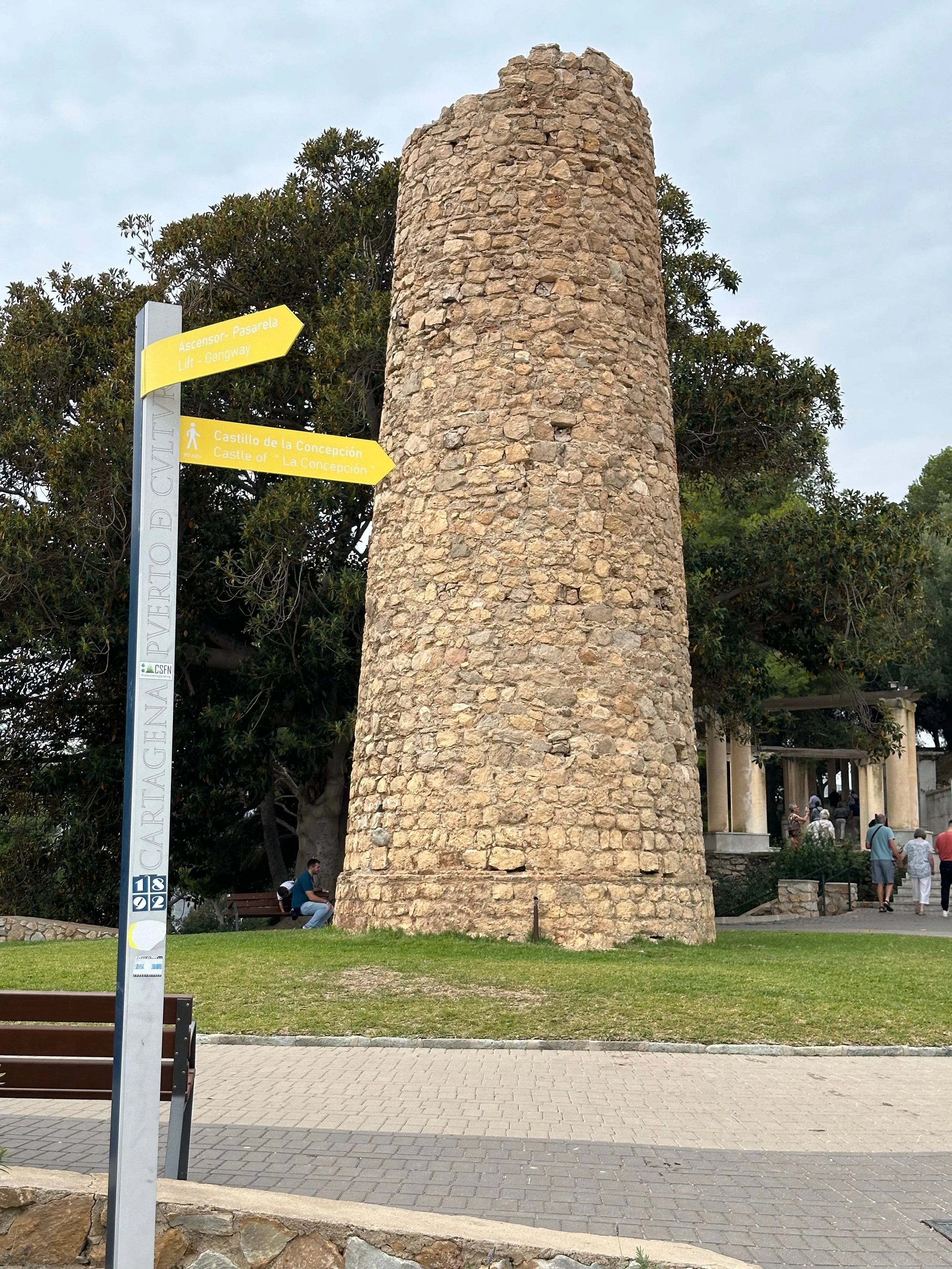
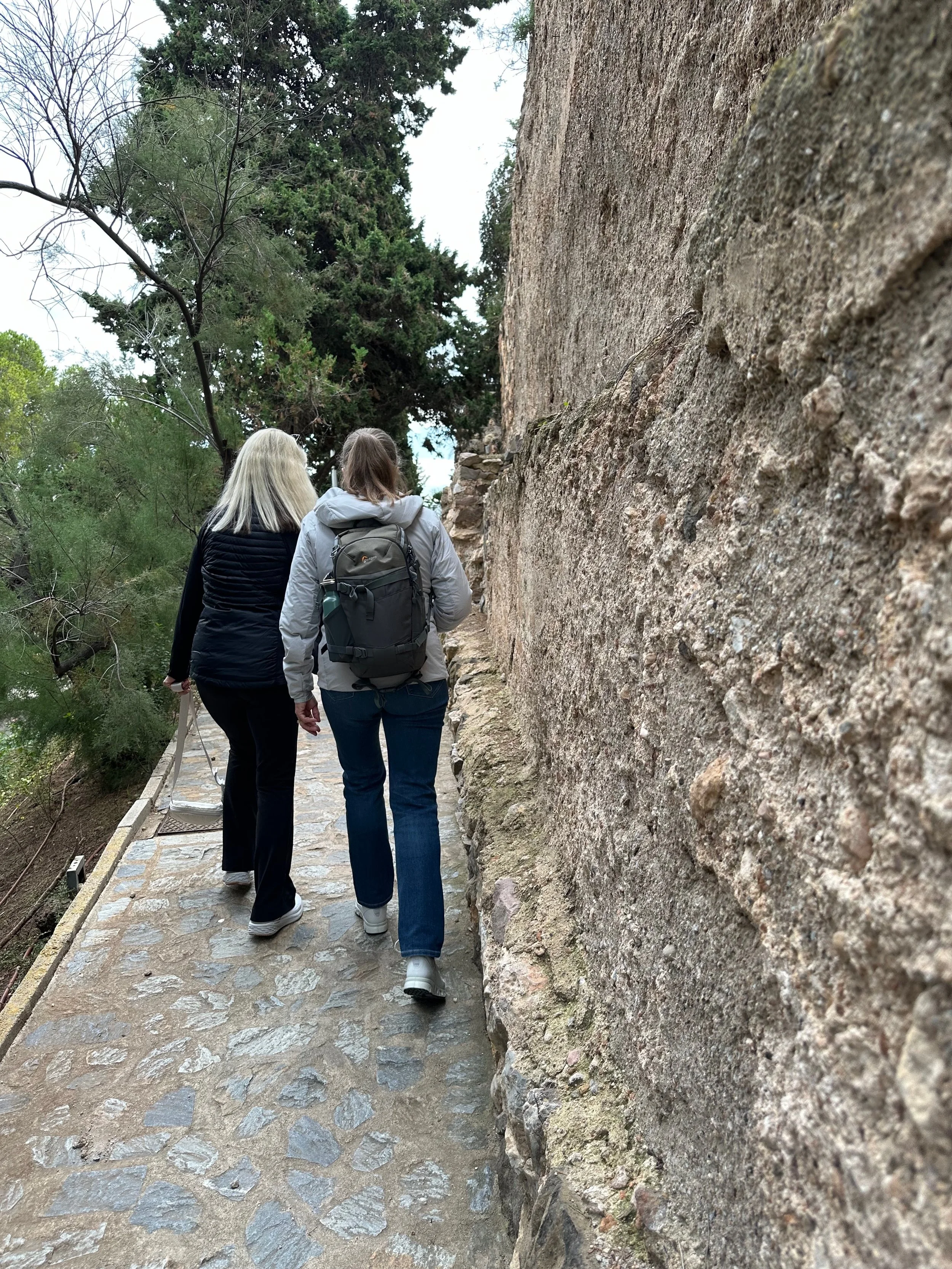
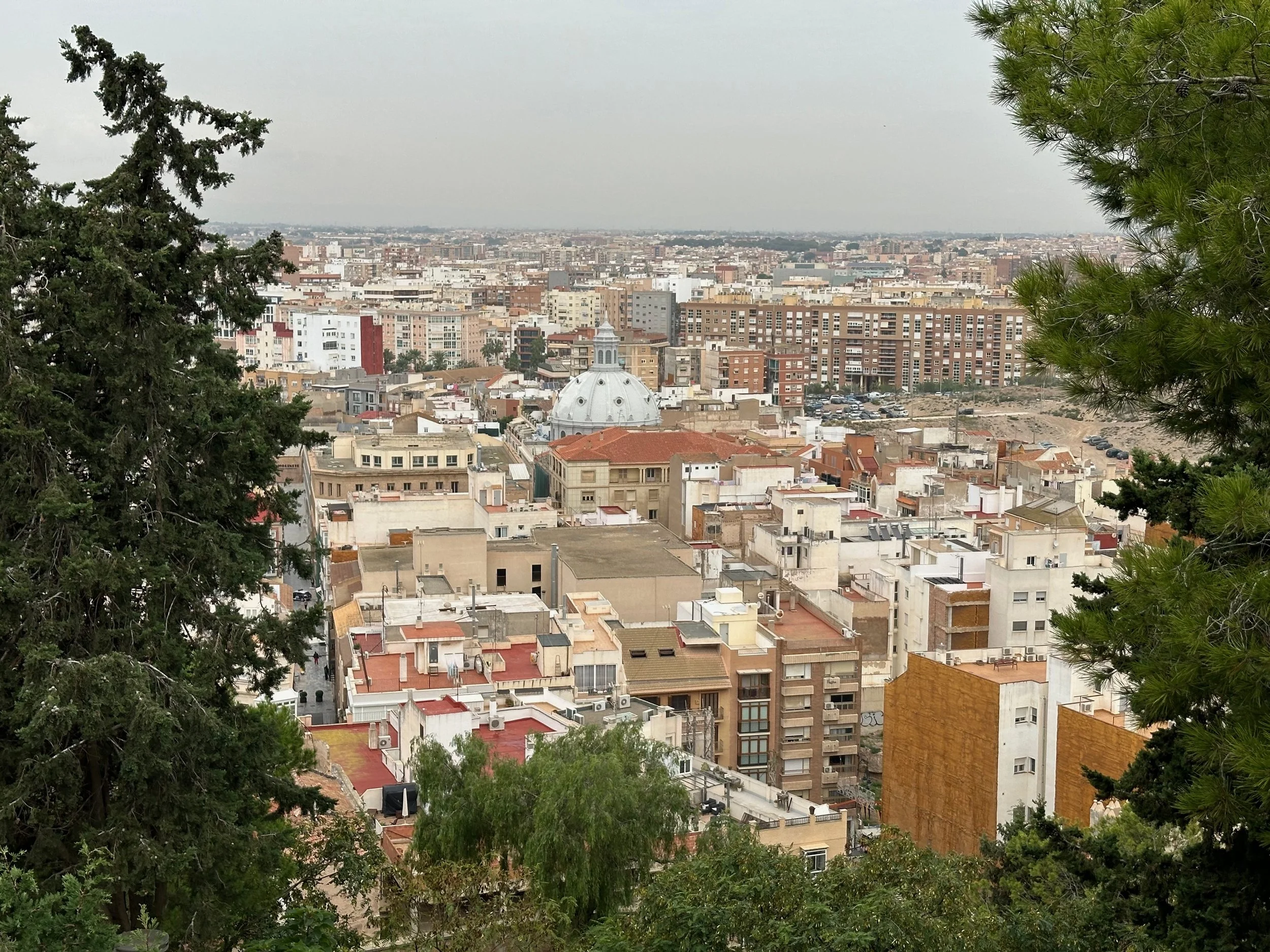
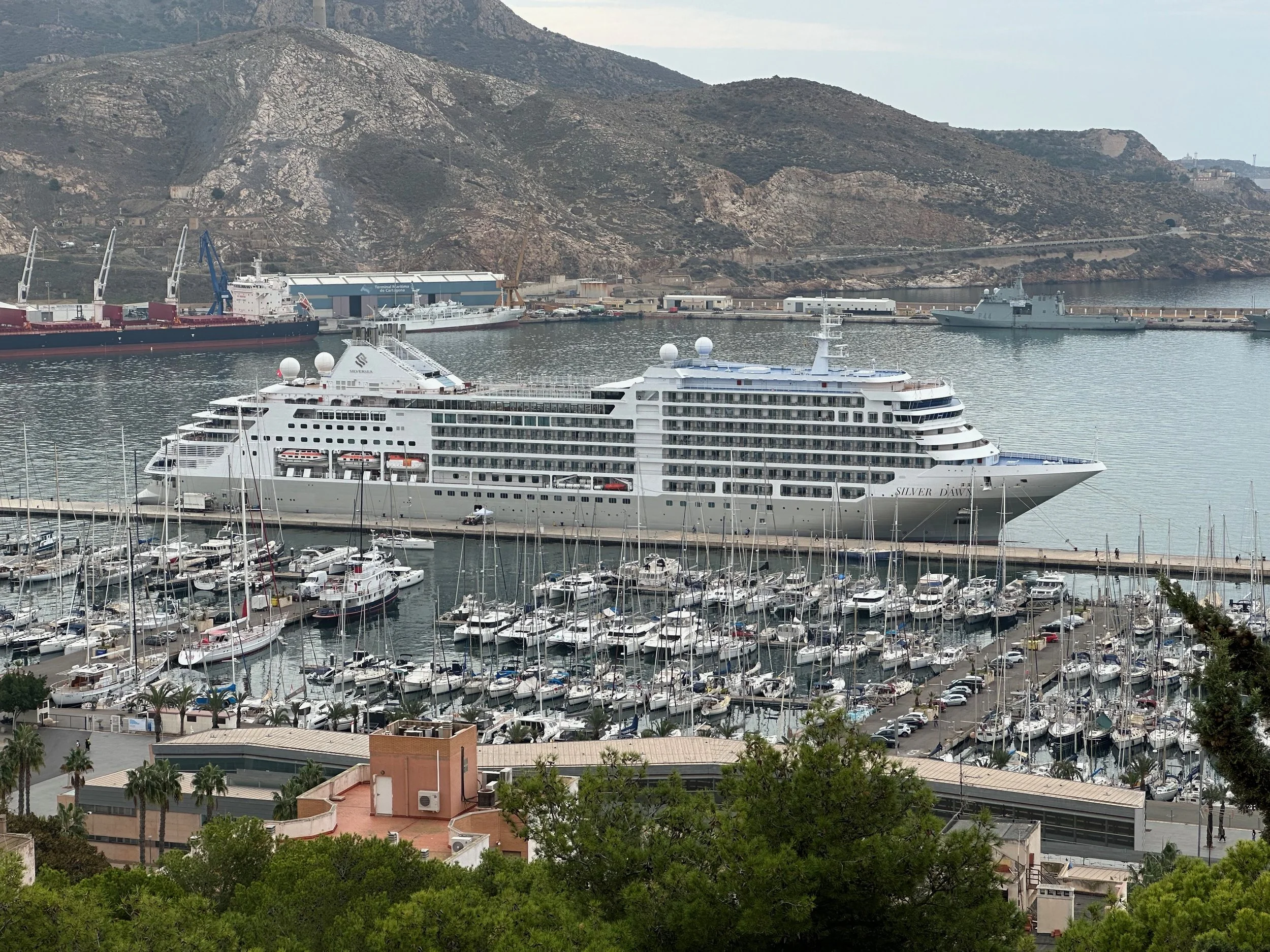
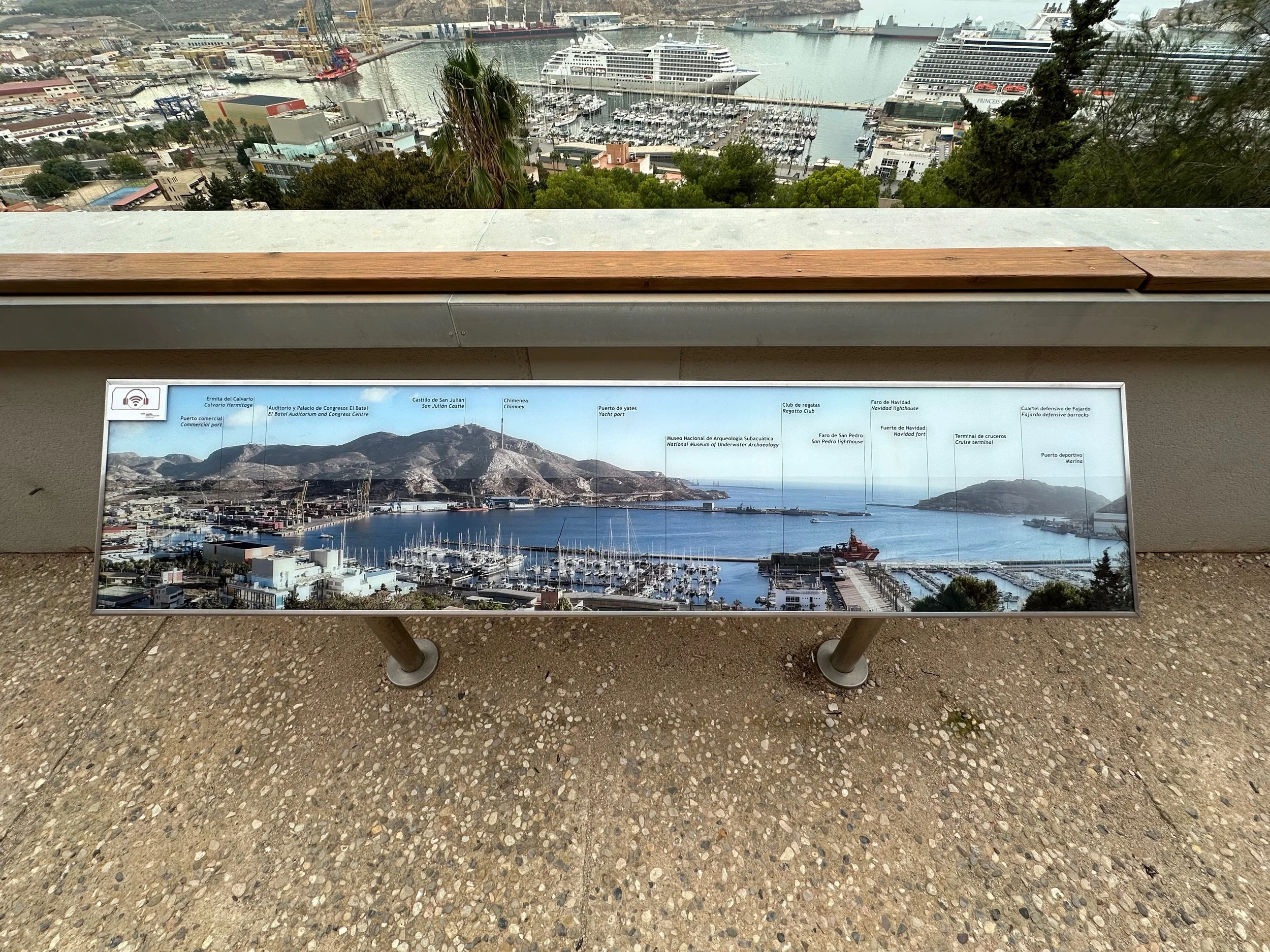
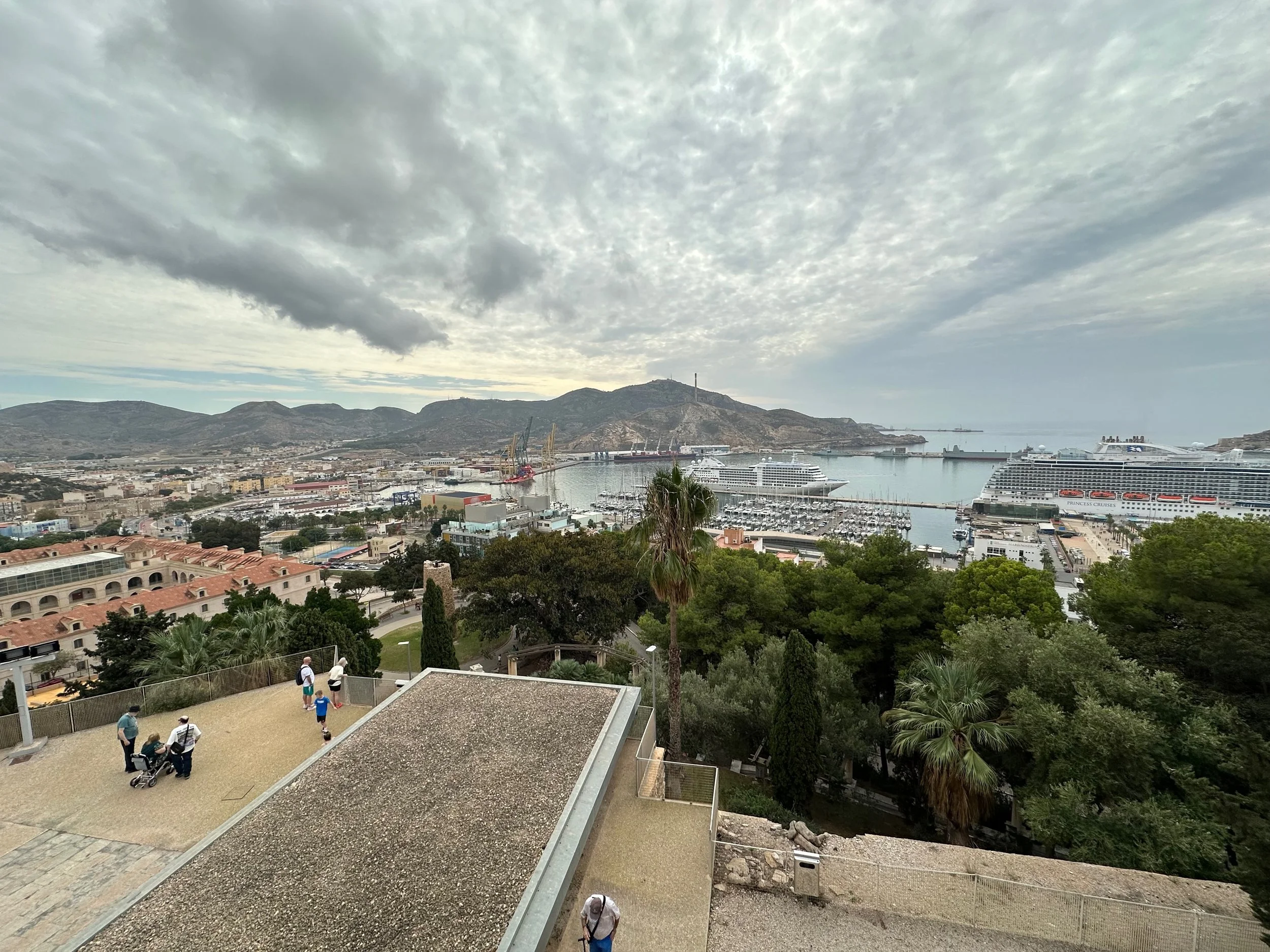
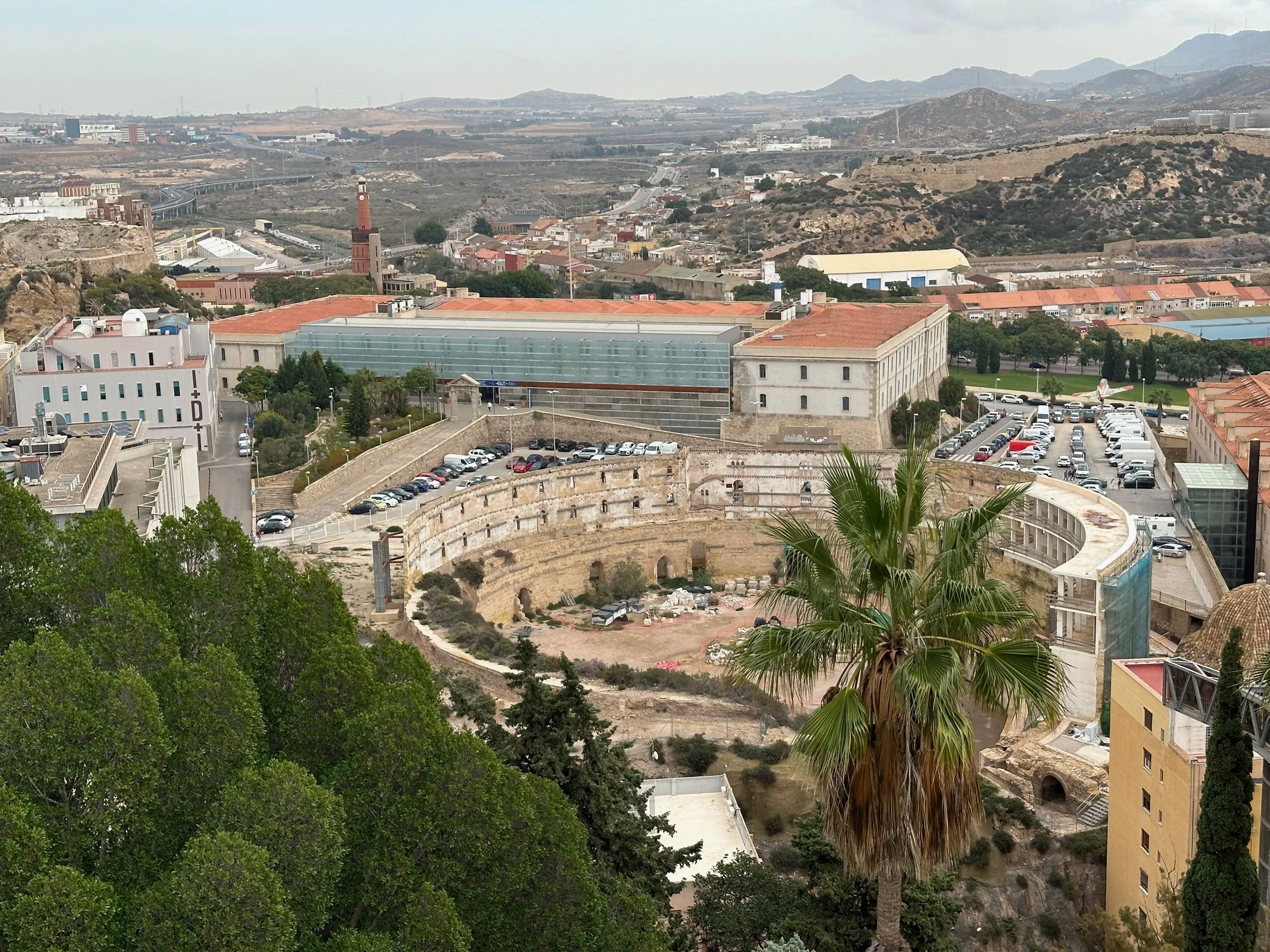
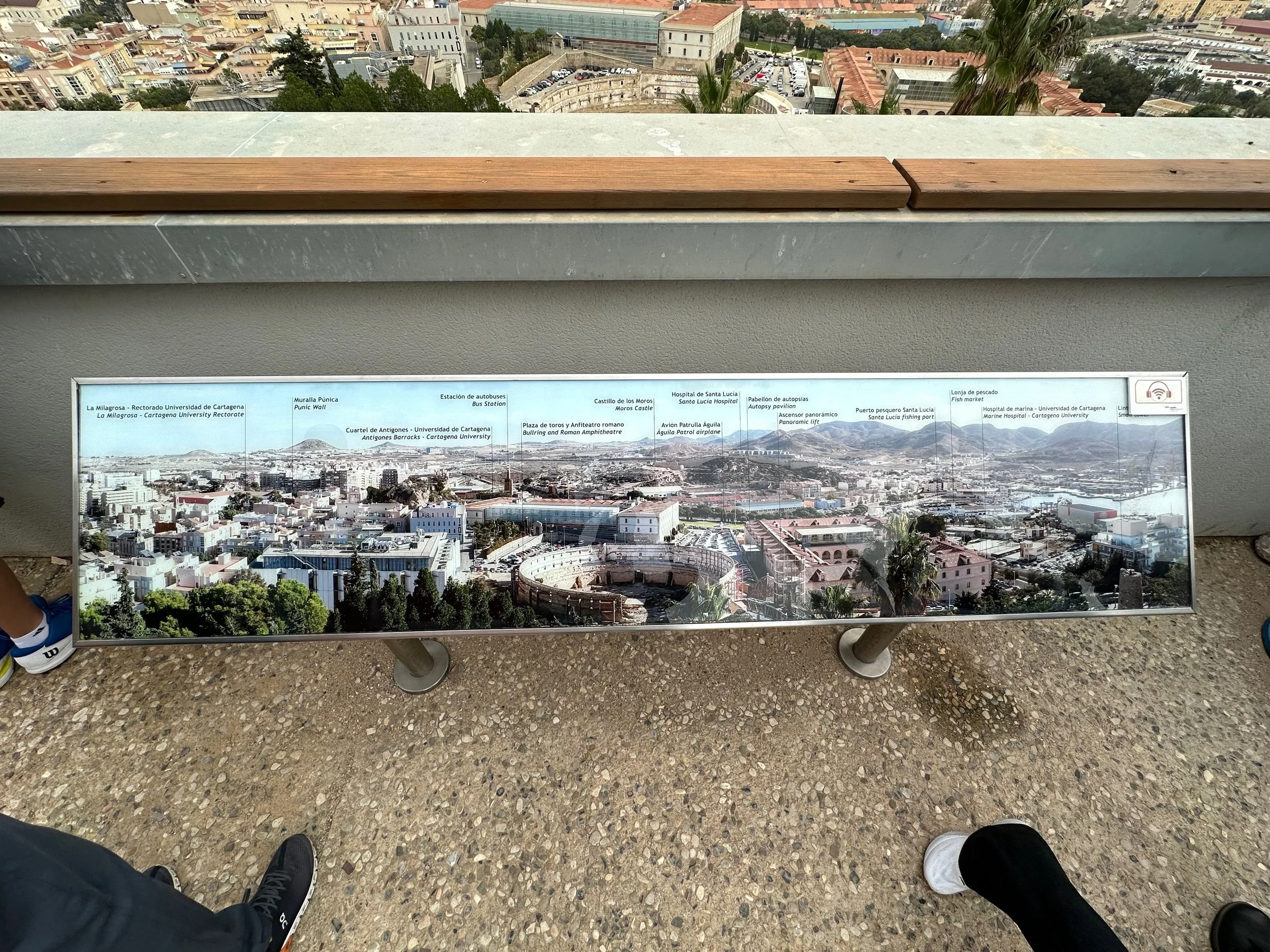
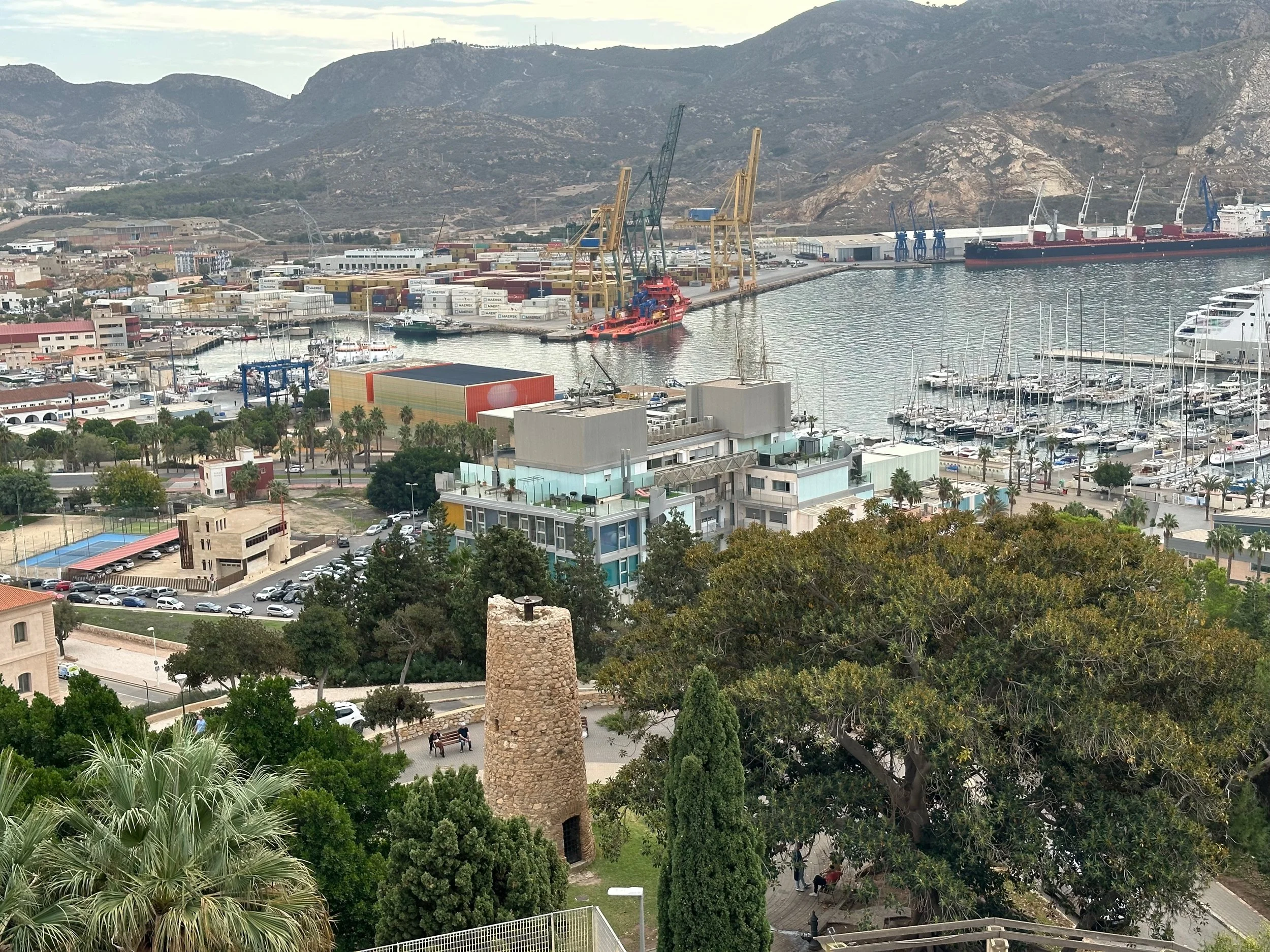
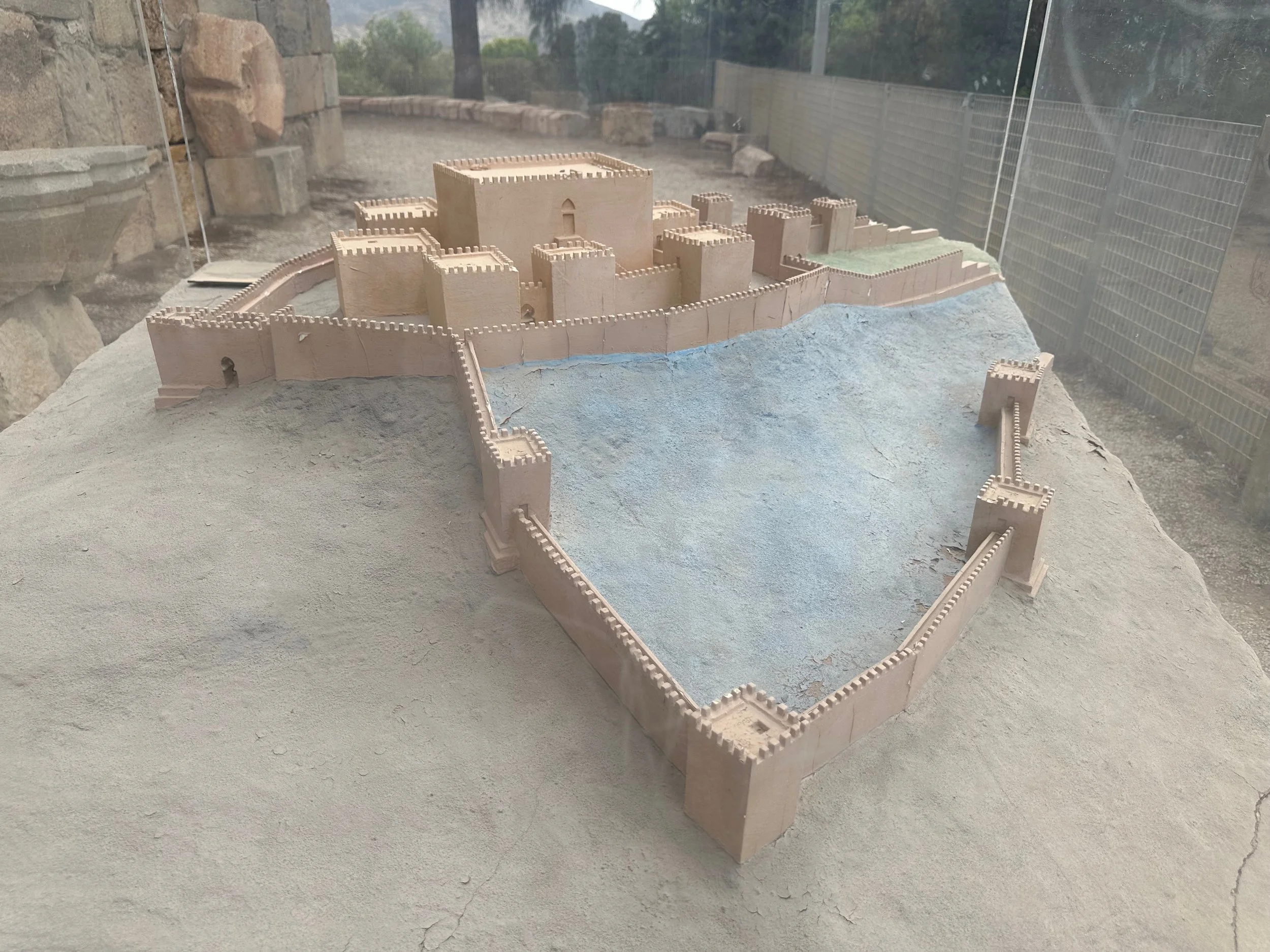
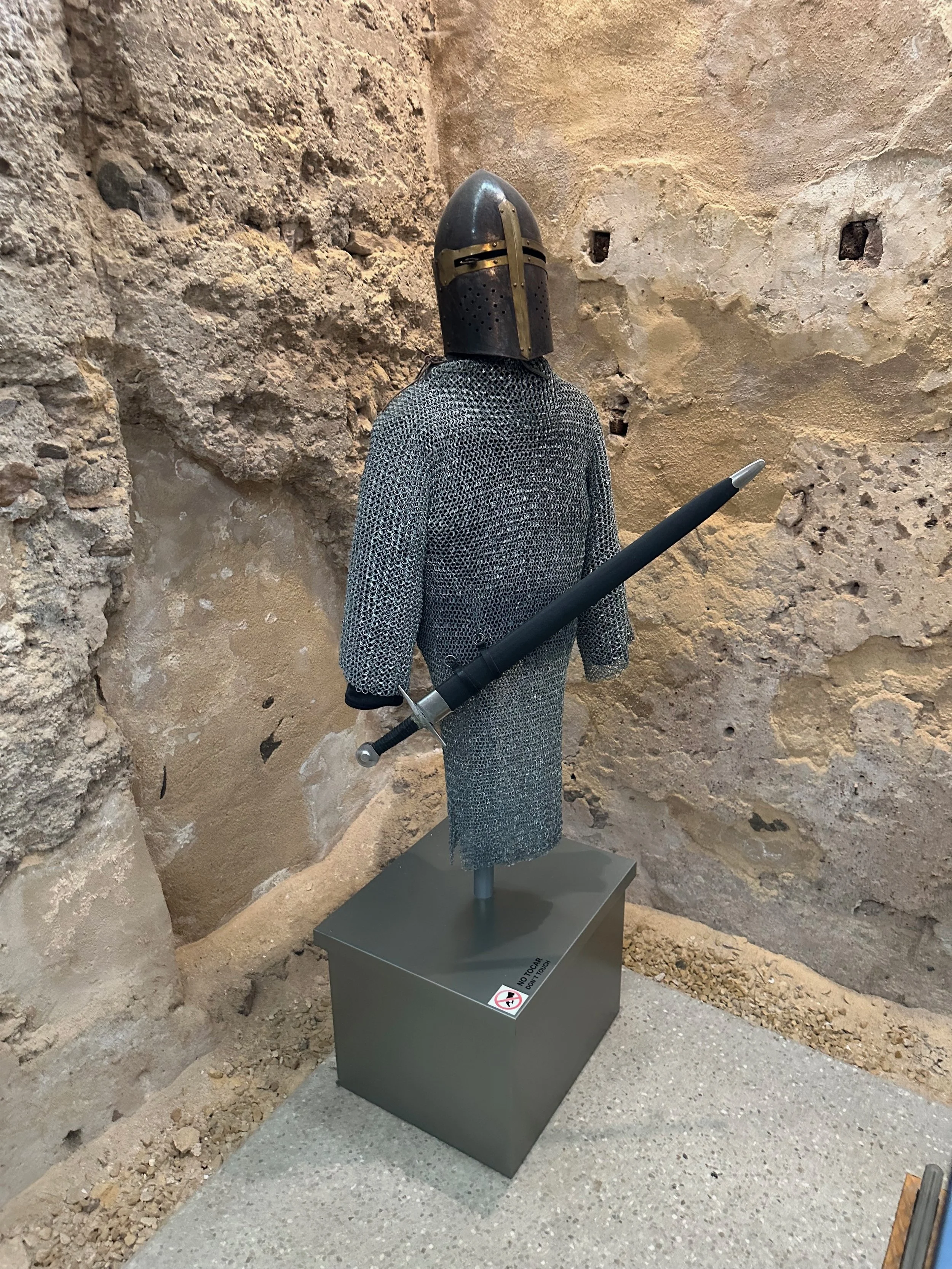
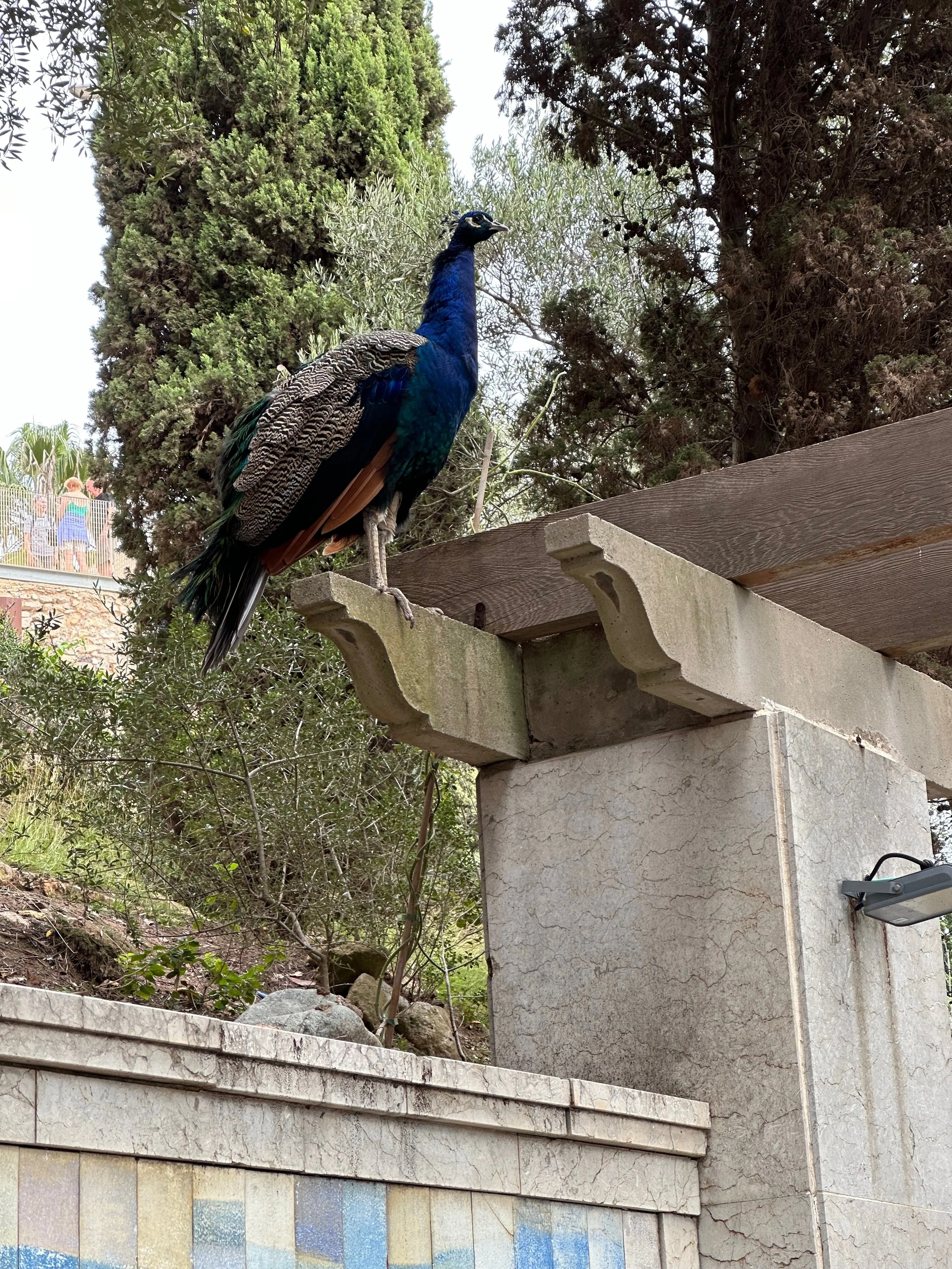
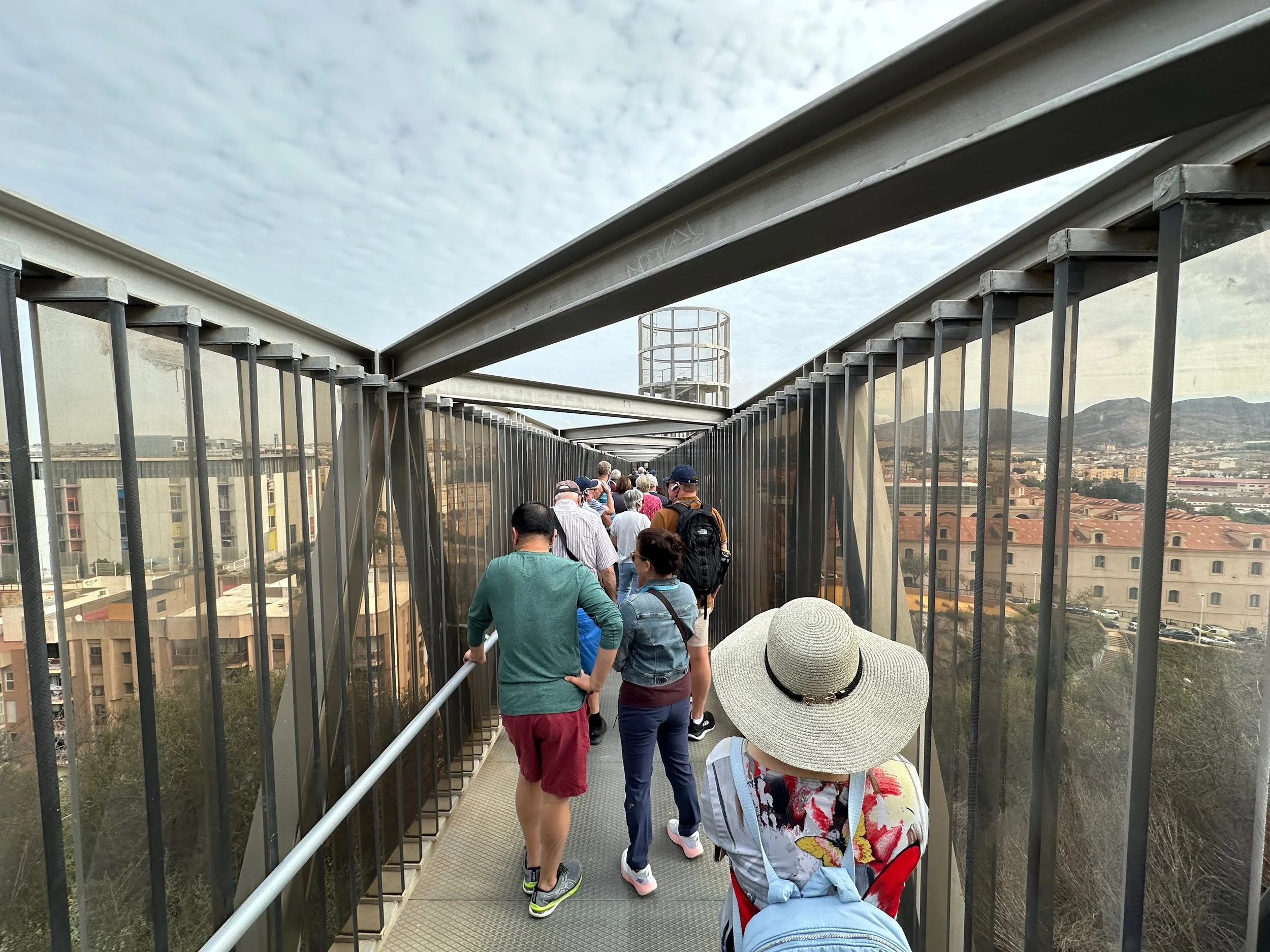
With our investigation of the castle top complete, we made our way back to the cylindrical elevator for our return to ground level and the waiting bus. Unfortunately there was no several busloads of people all trying to do the same thing, and we had to wait for what felt like an hour to all of us down, eight people at a time. We would have been faster had we just walked down the road that allowed cars up onto the mountain. Once down and on the bus we were taken to the centre of town for the last stop which was a museum and ruin of an ancient amphitheatre. The first of two we’d see on this trip.
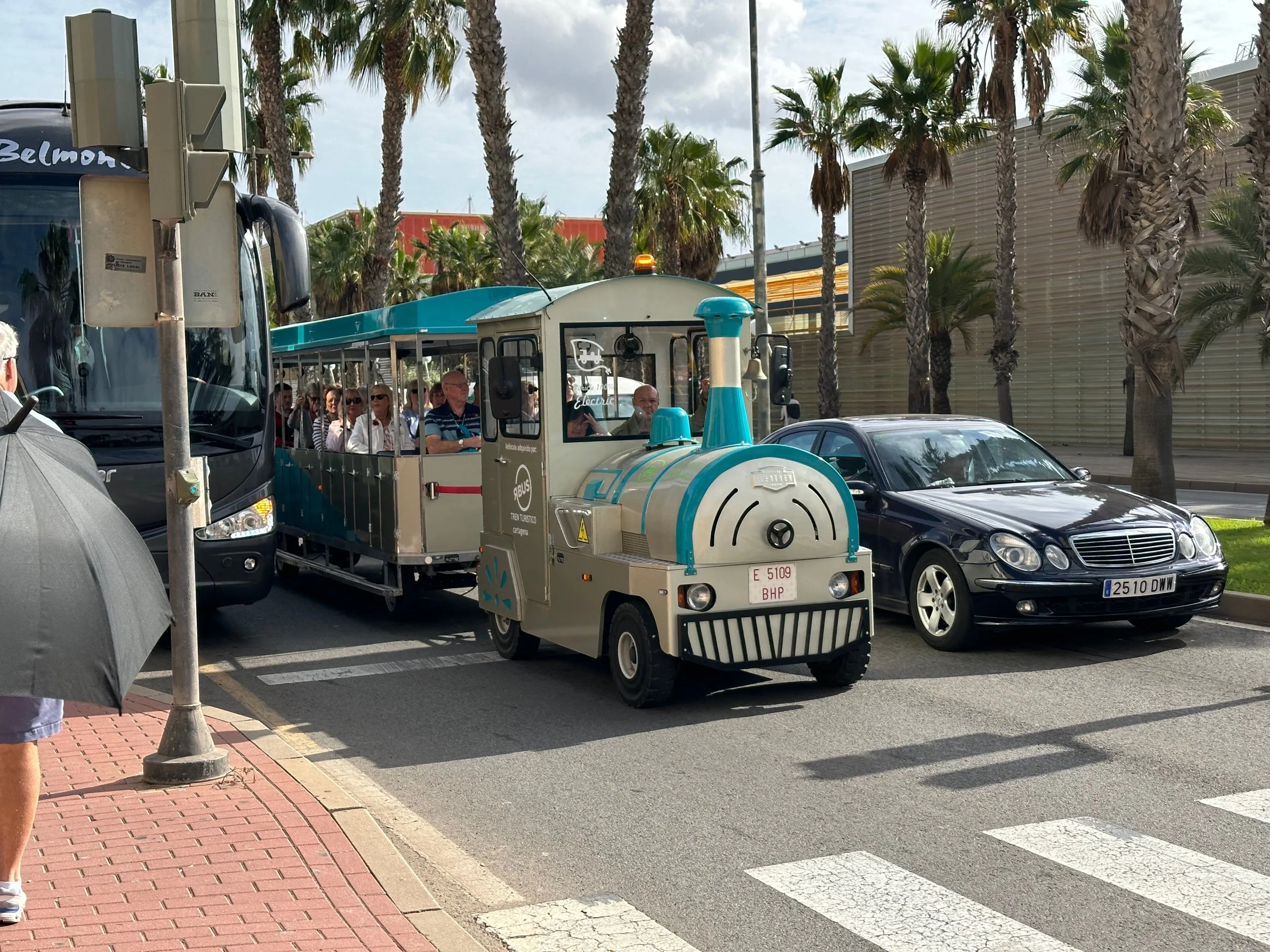
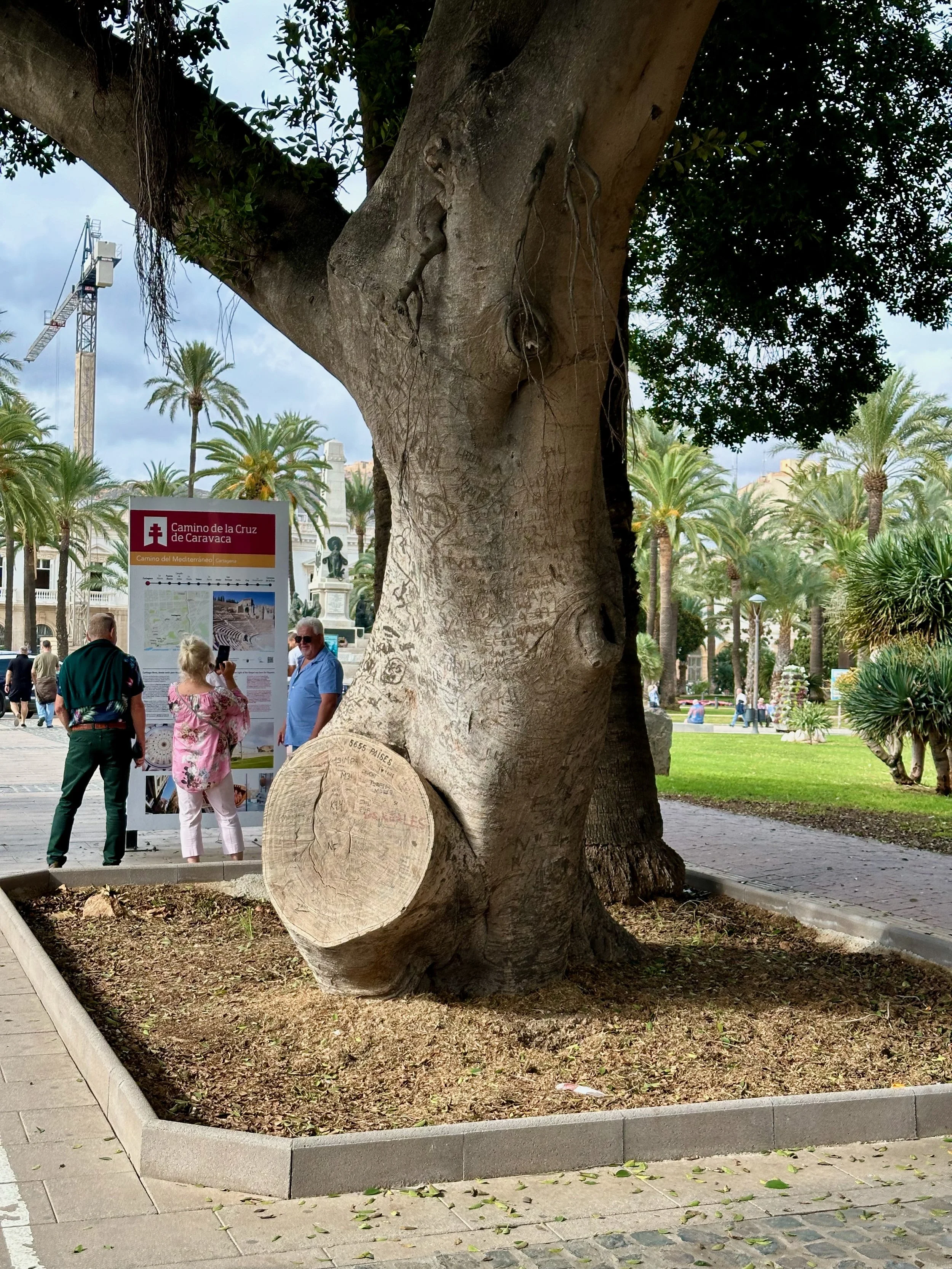
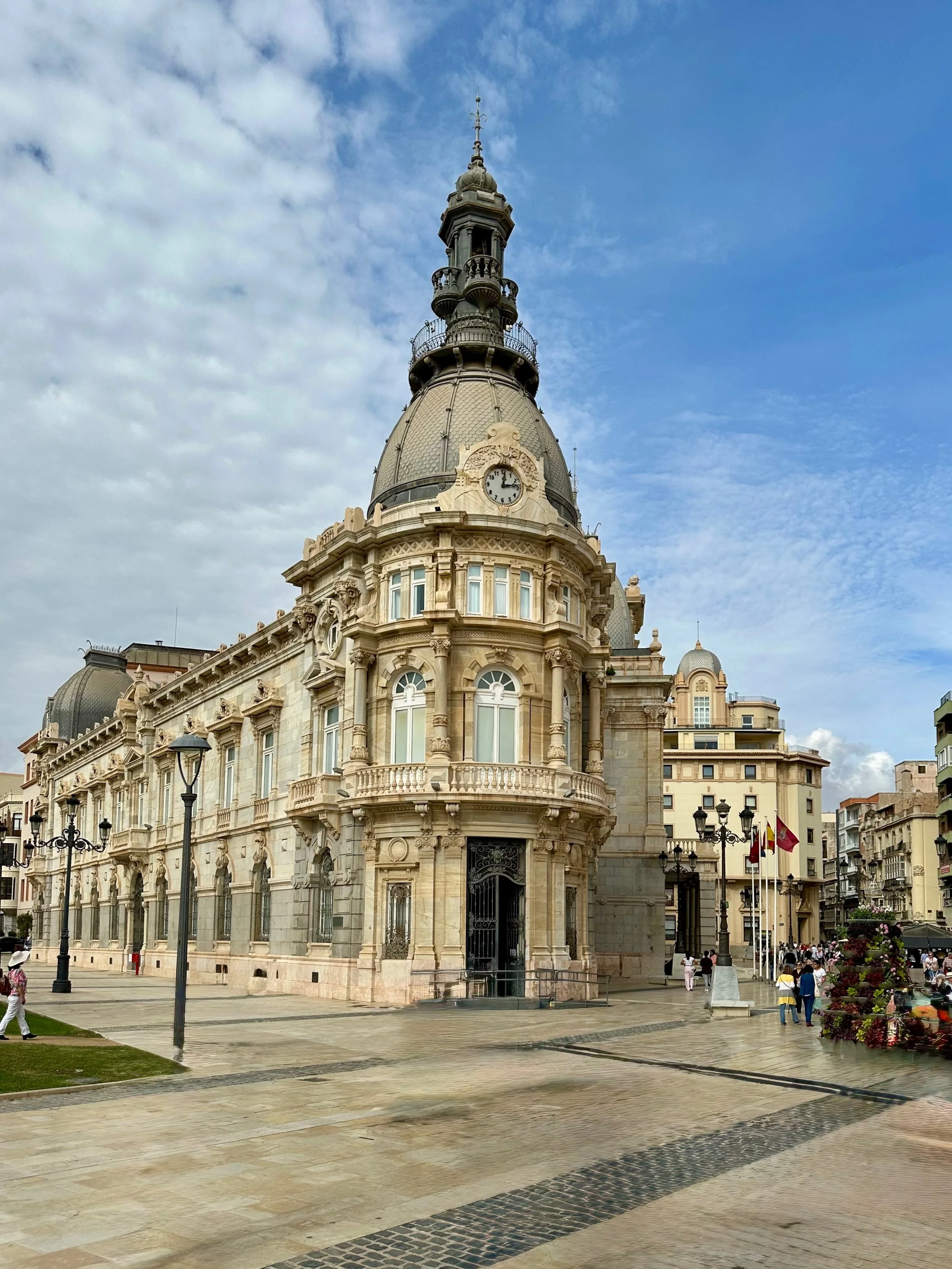
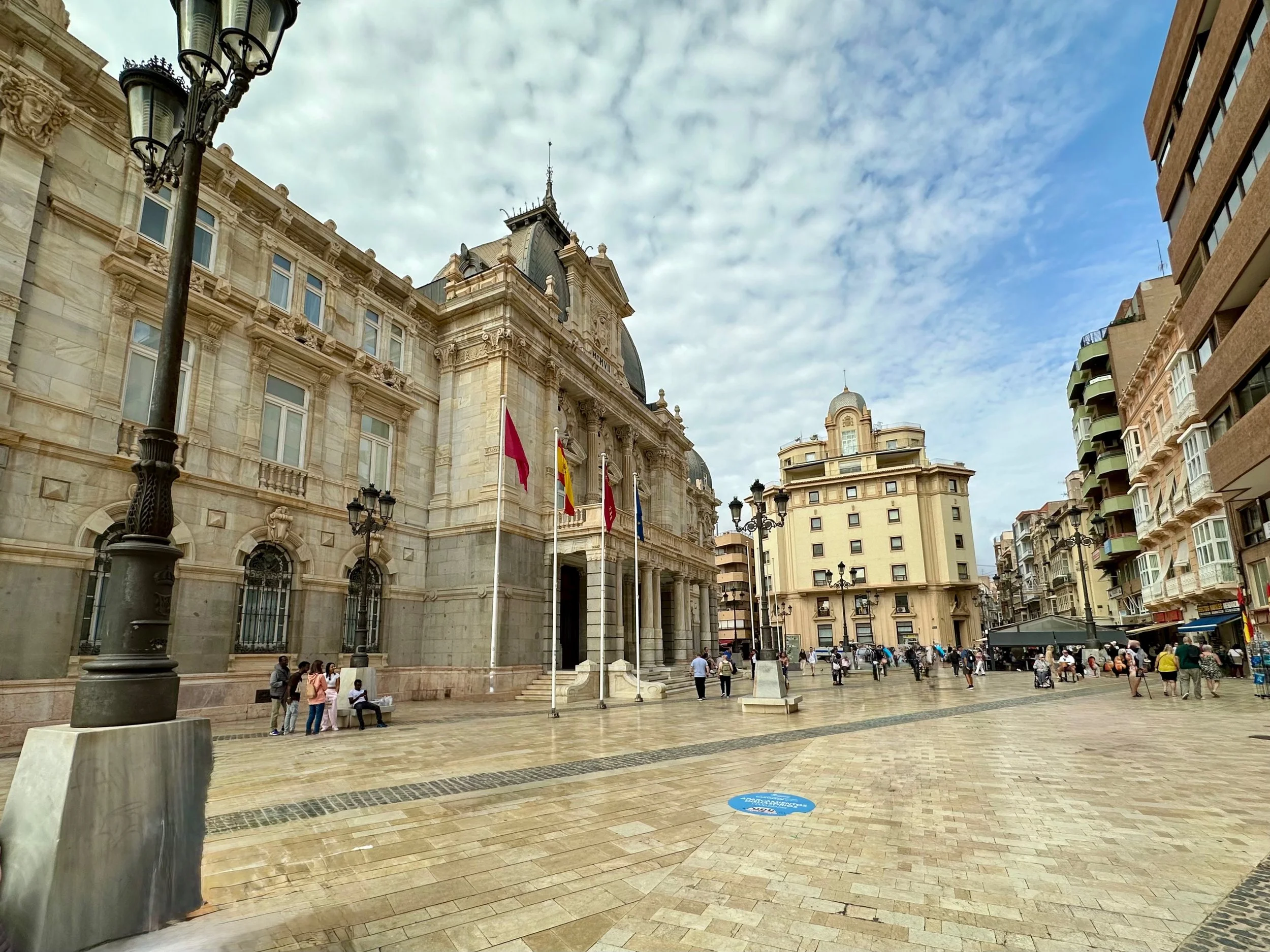
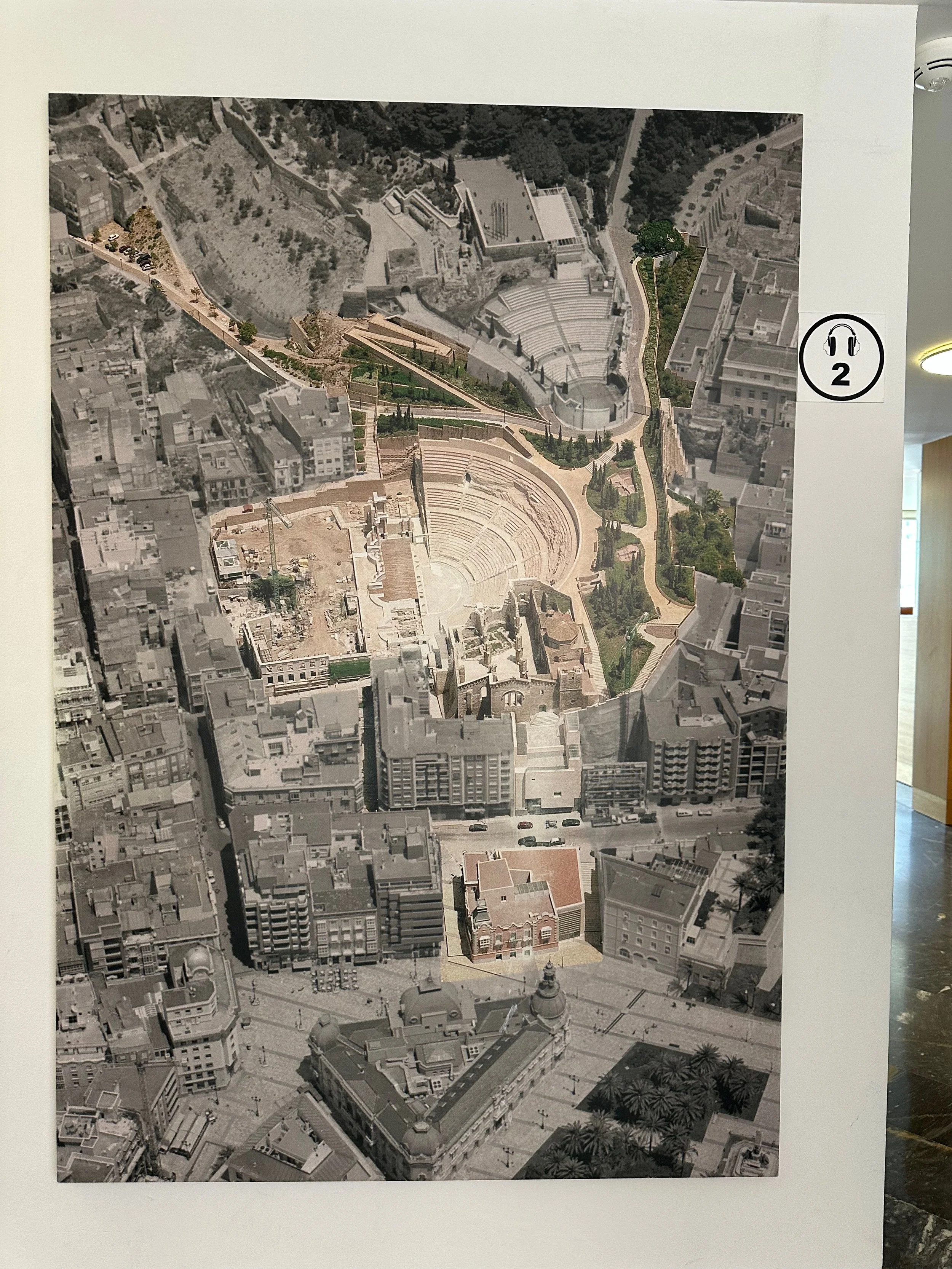
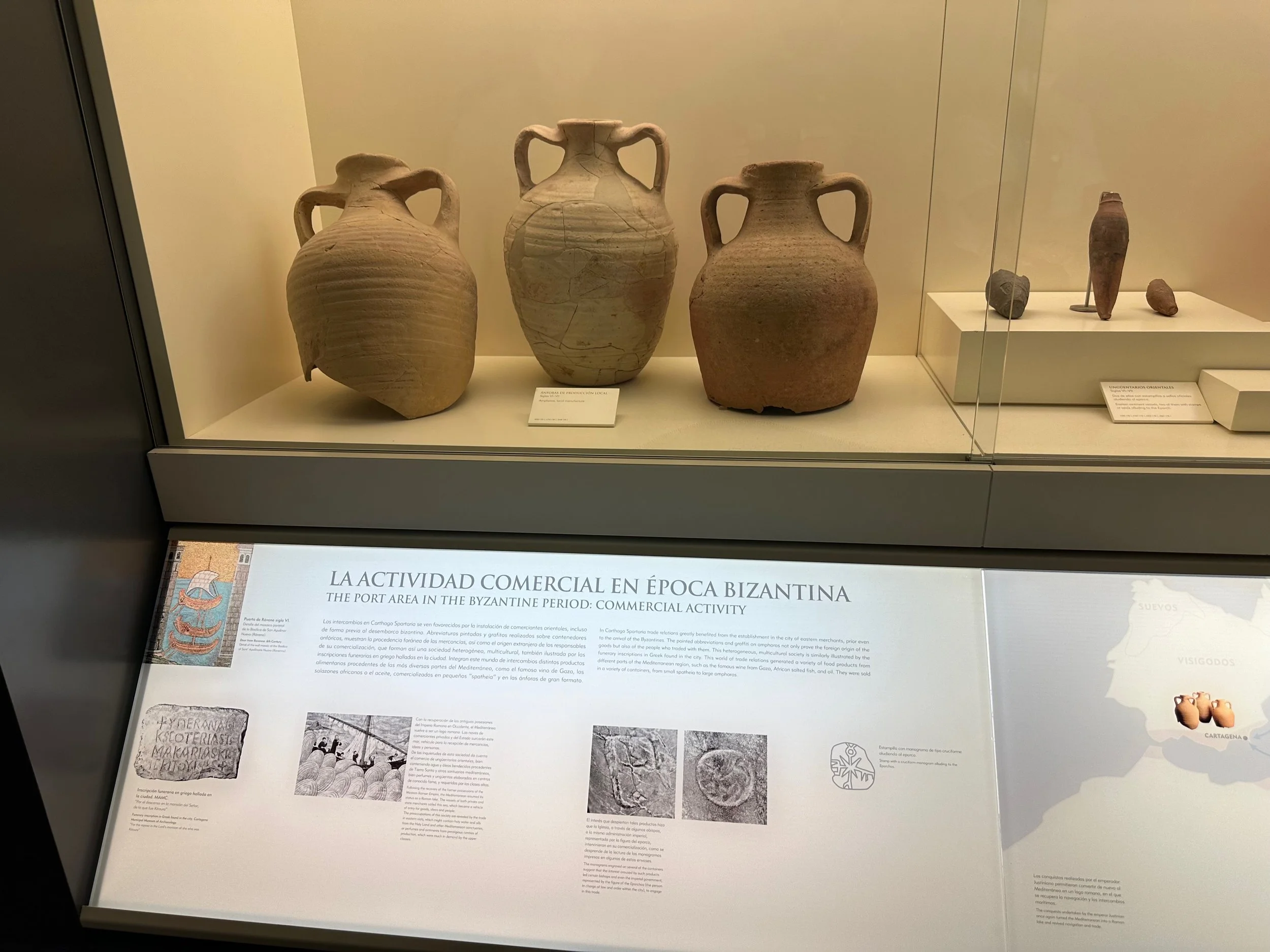
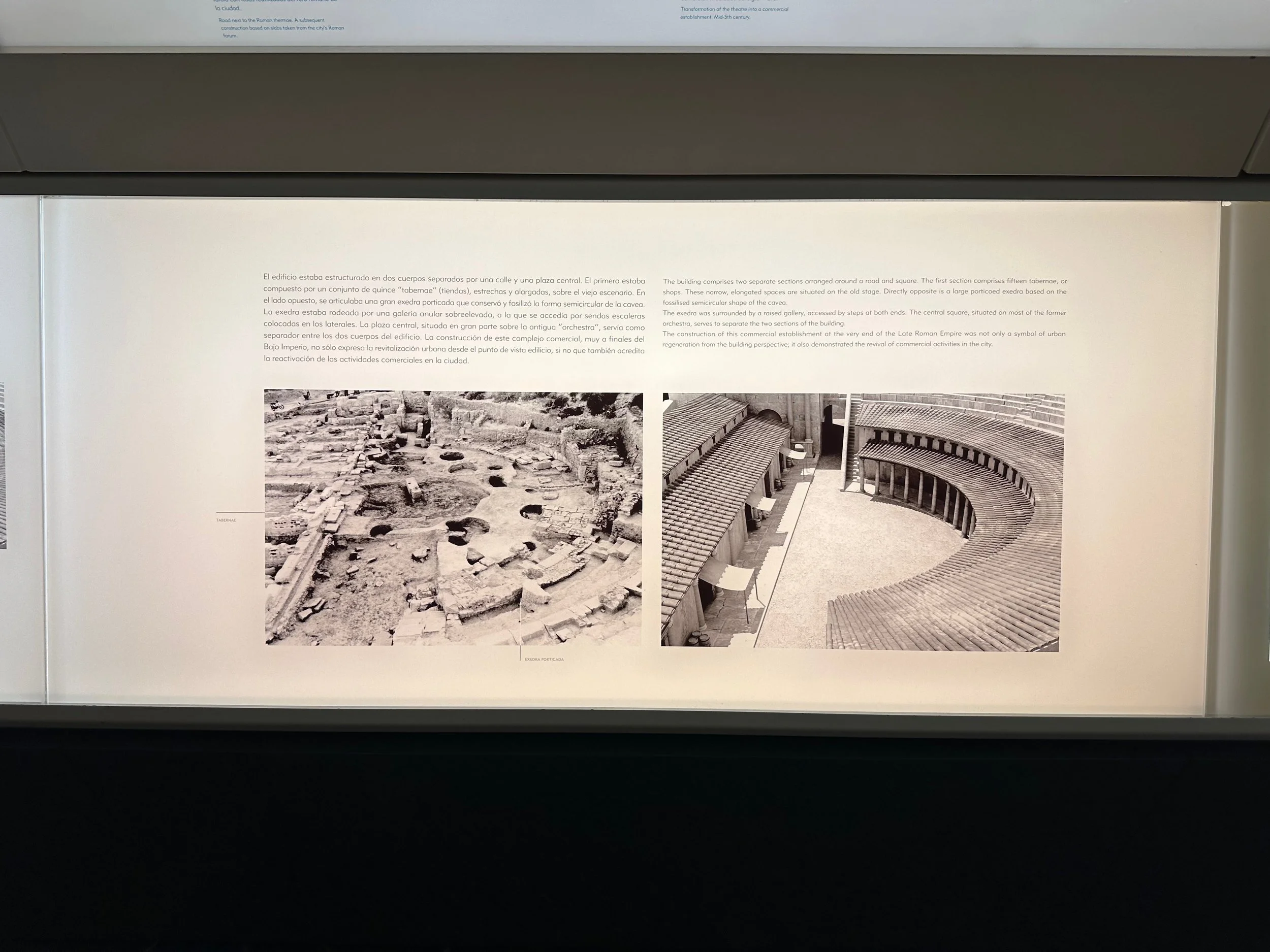
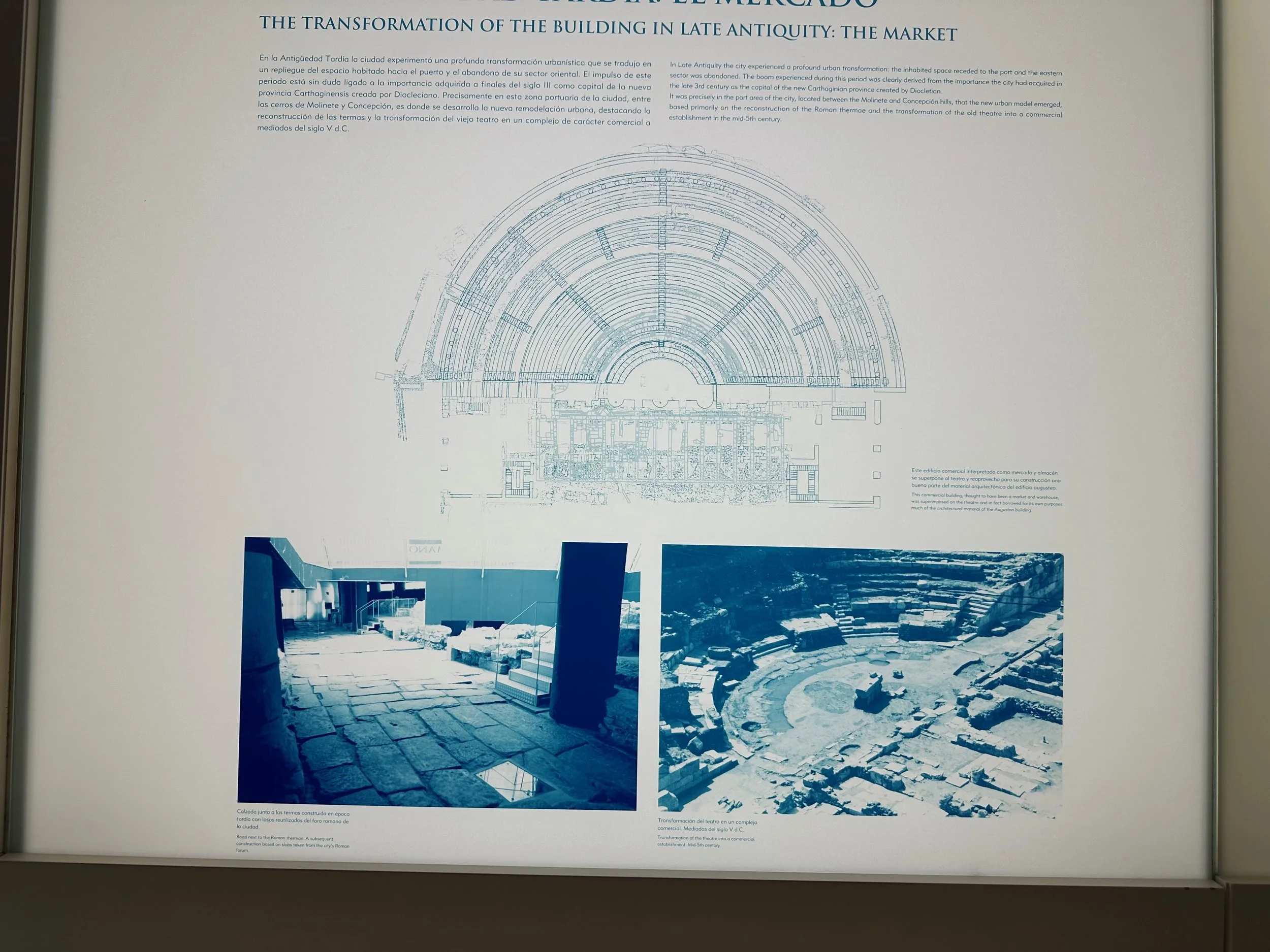
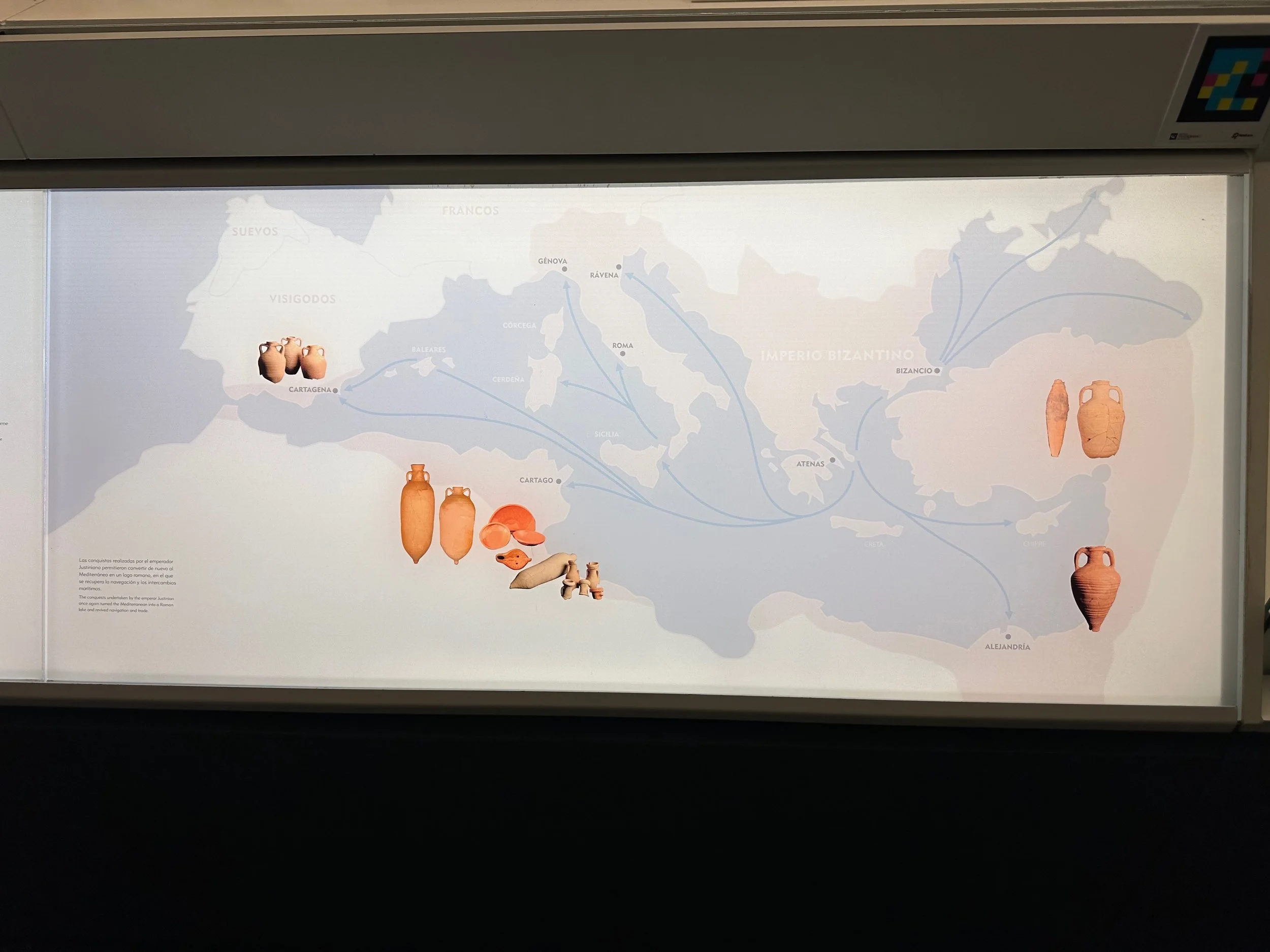
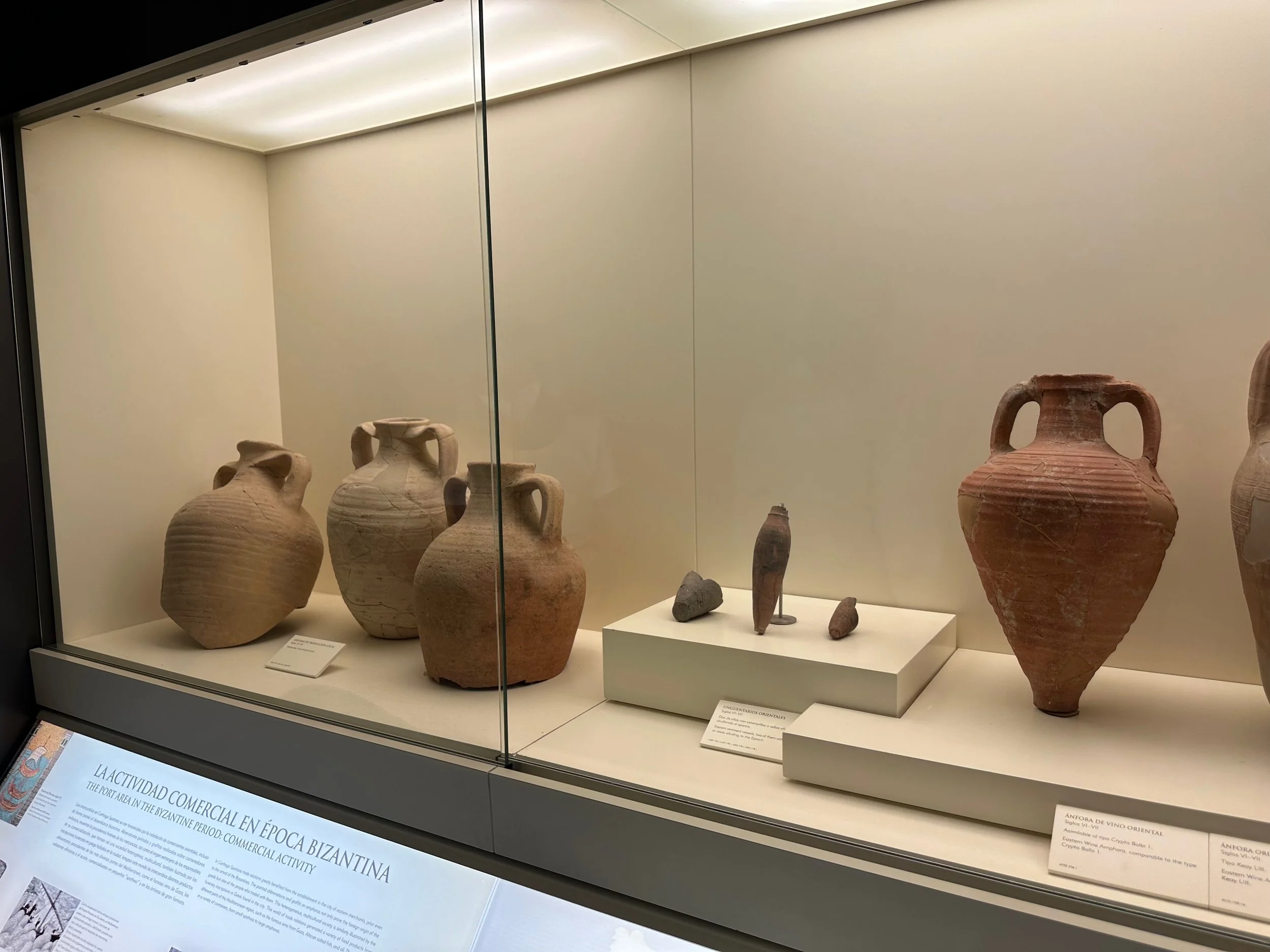
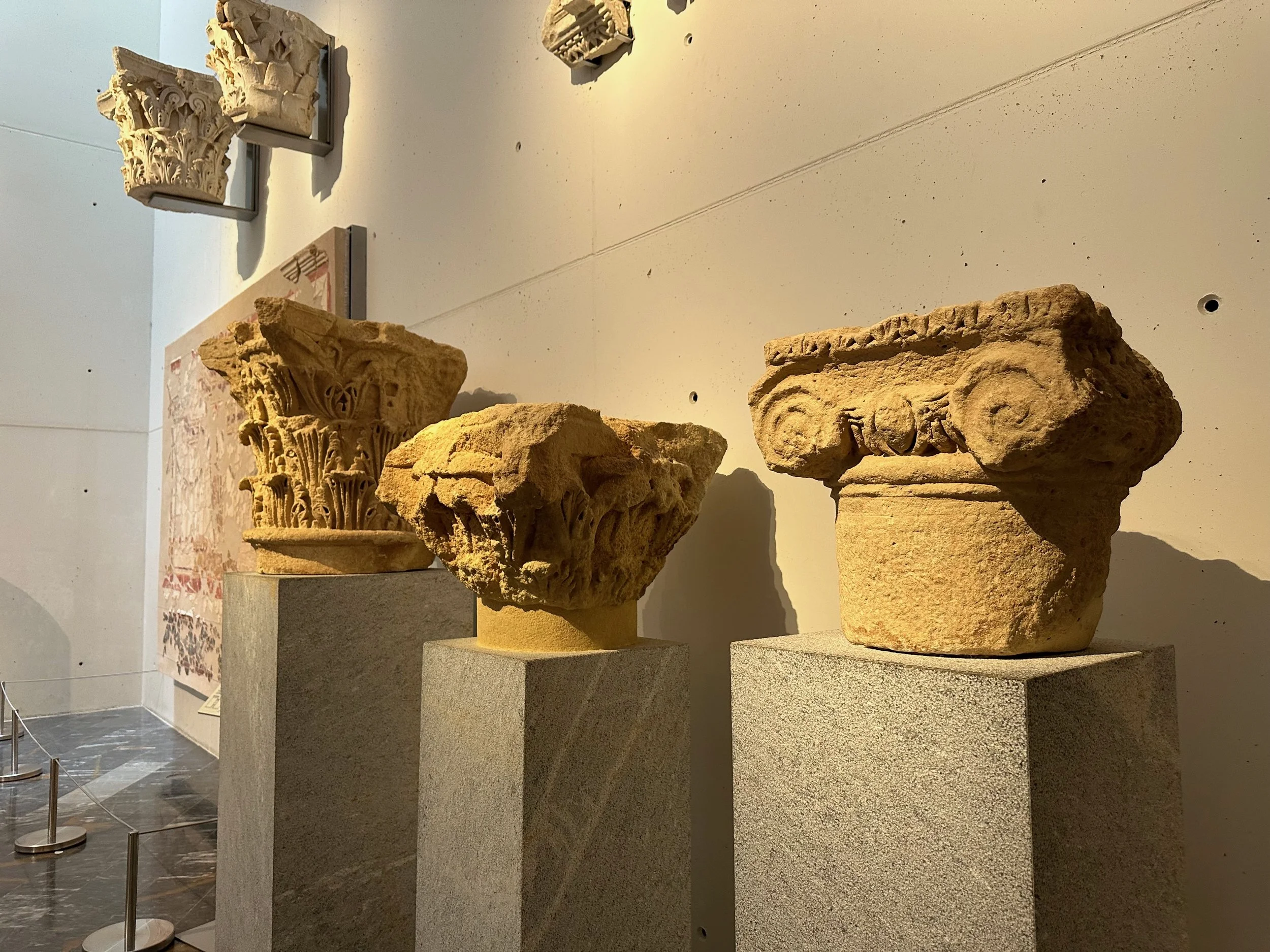
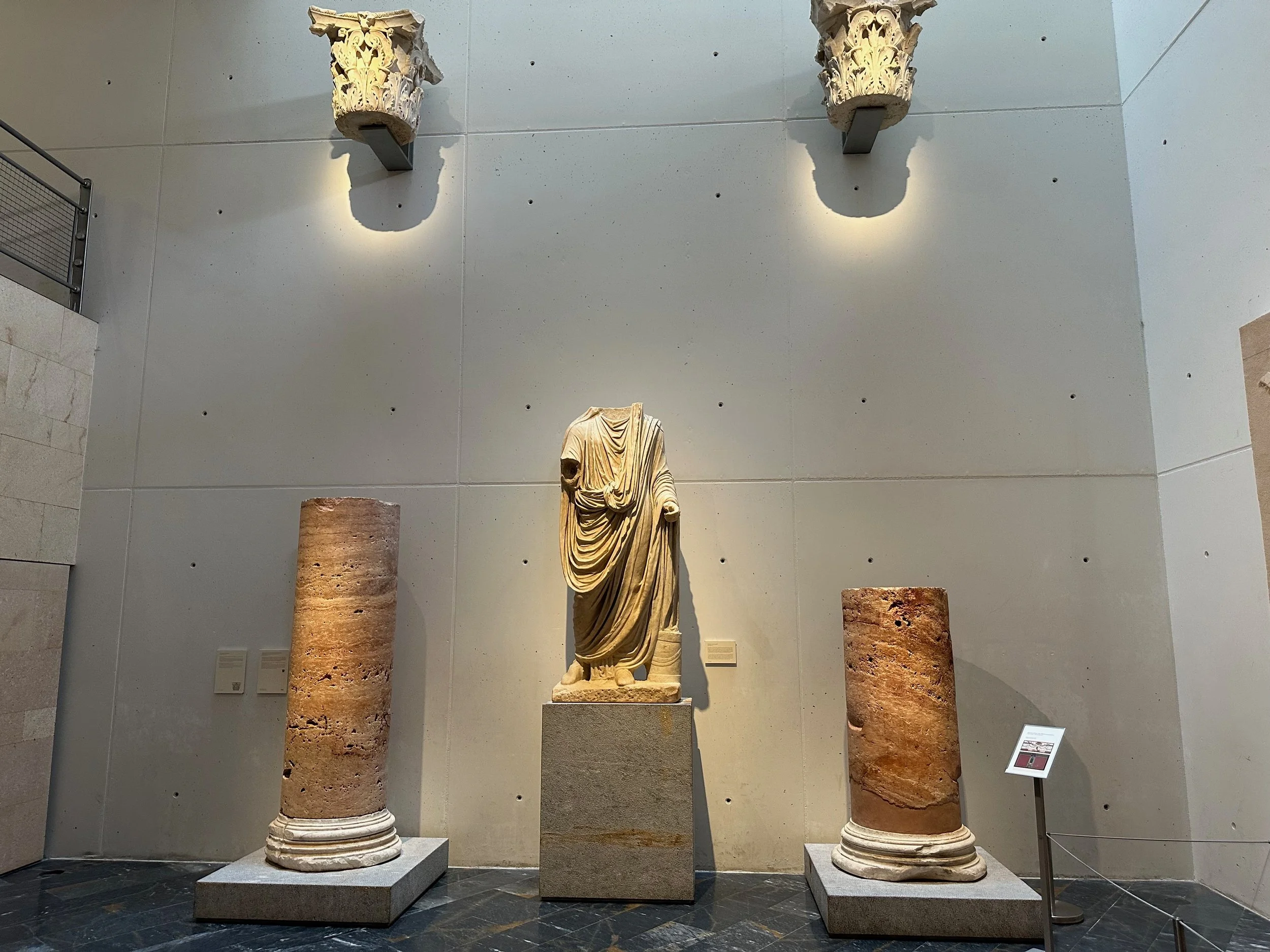
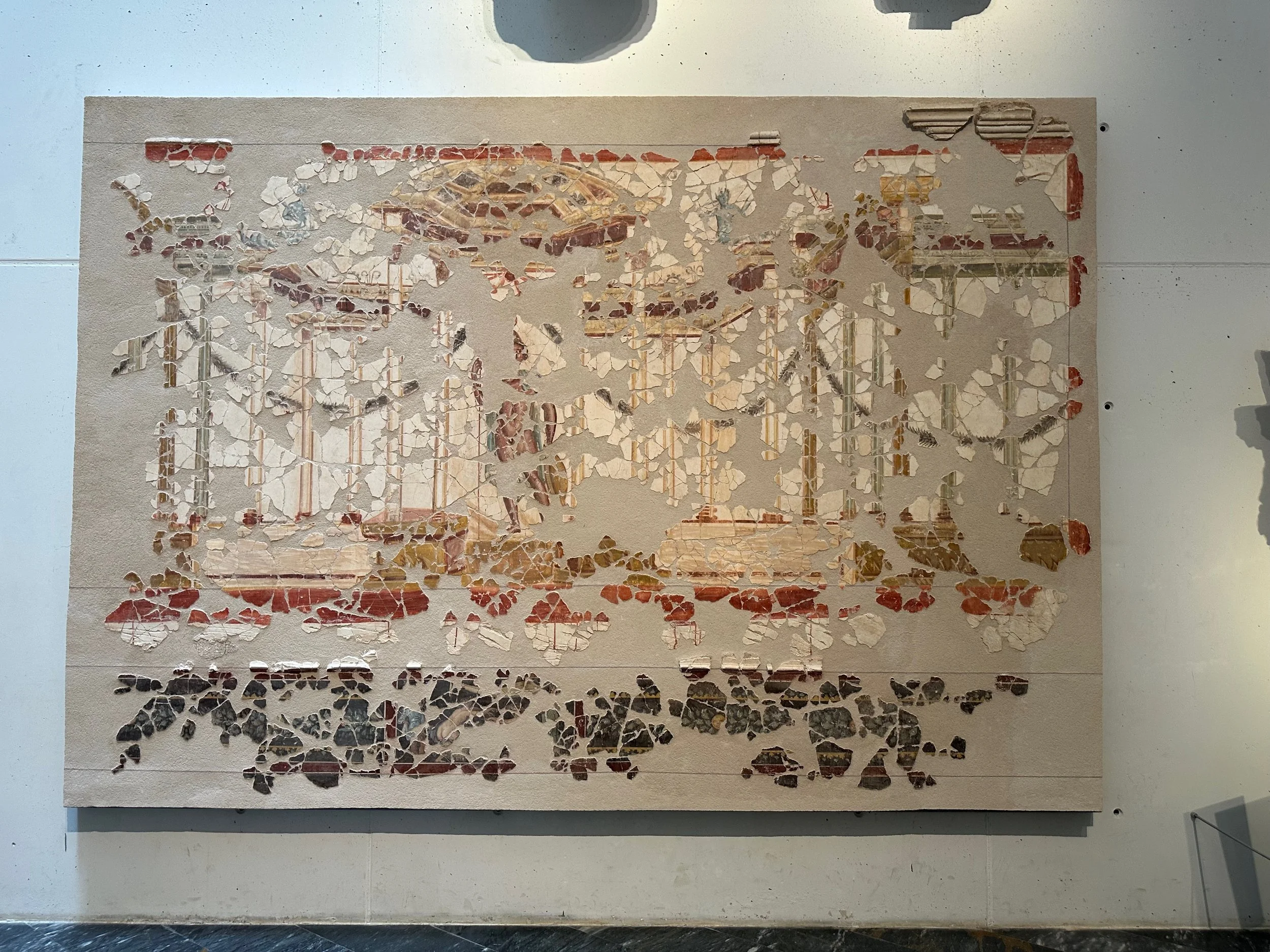
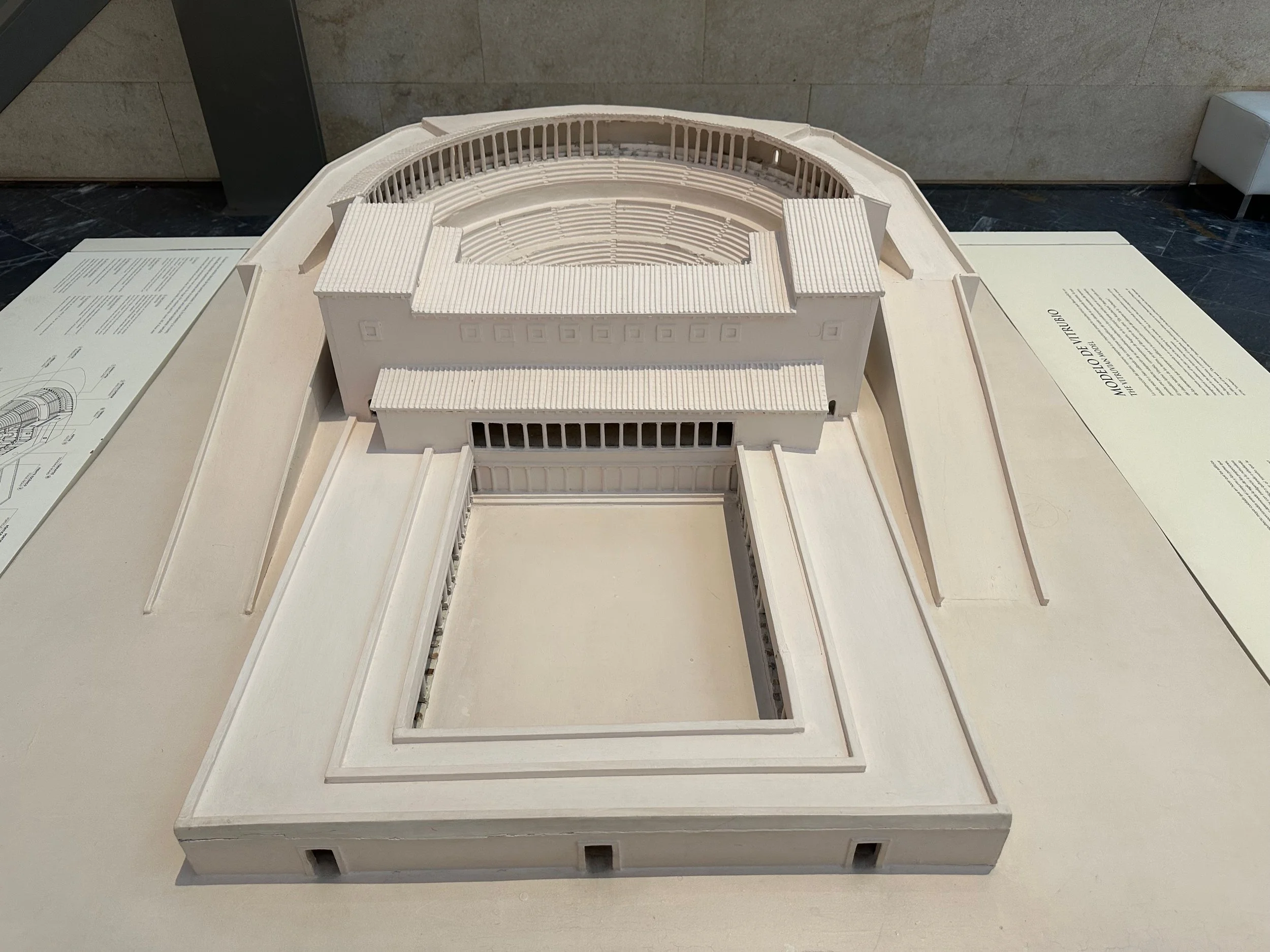
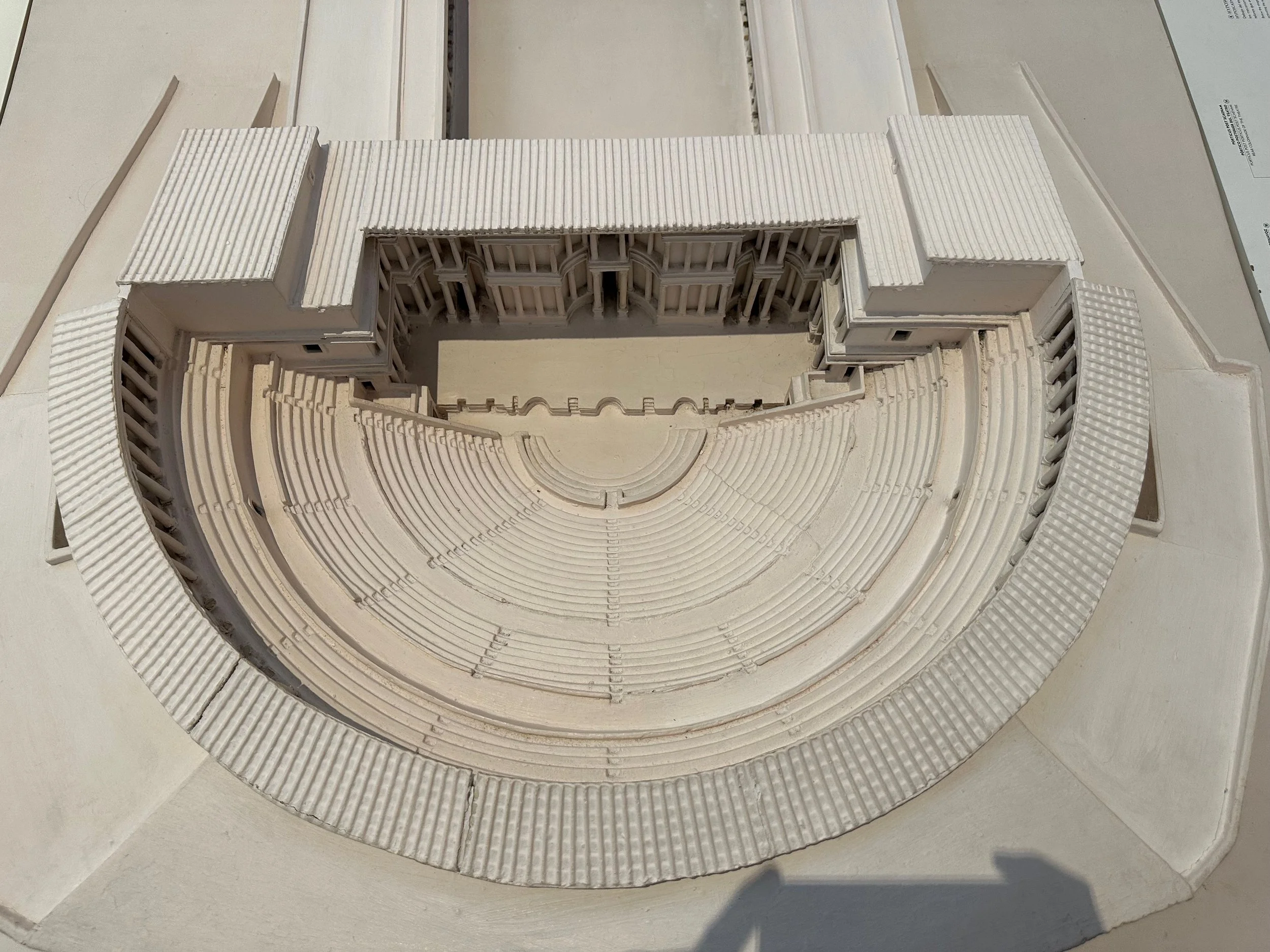
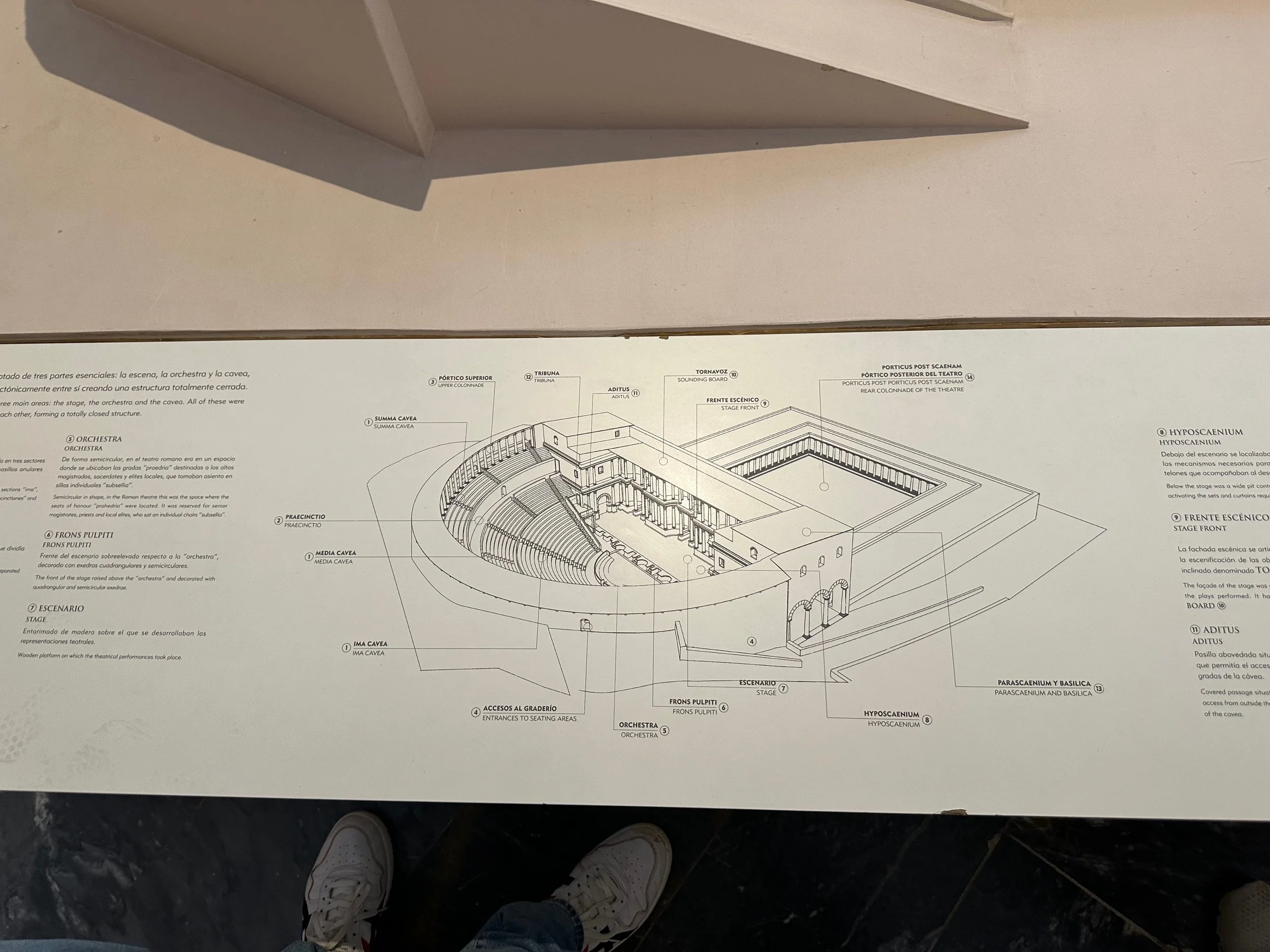
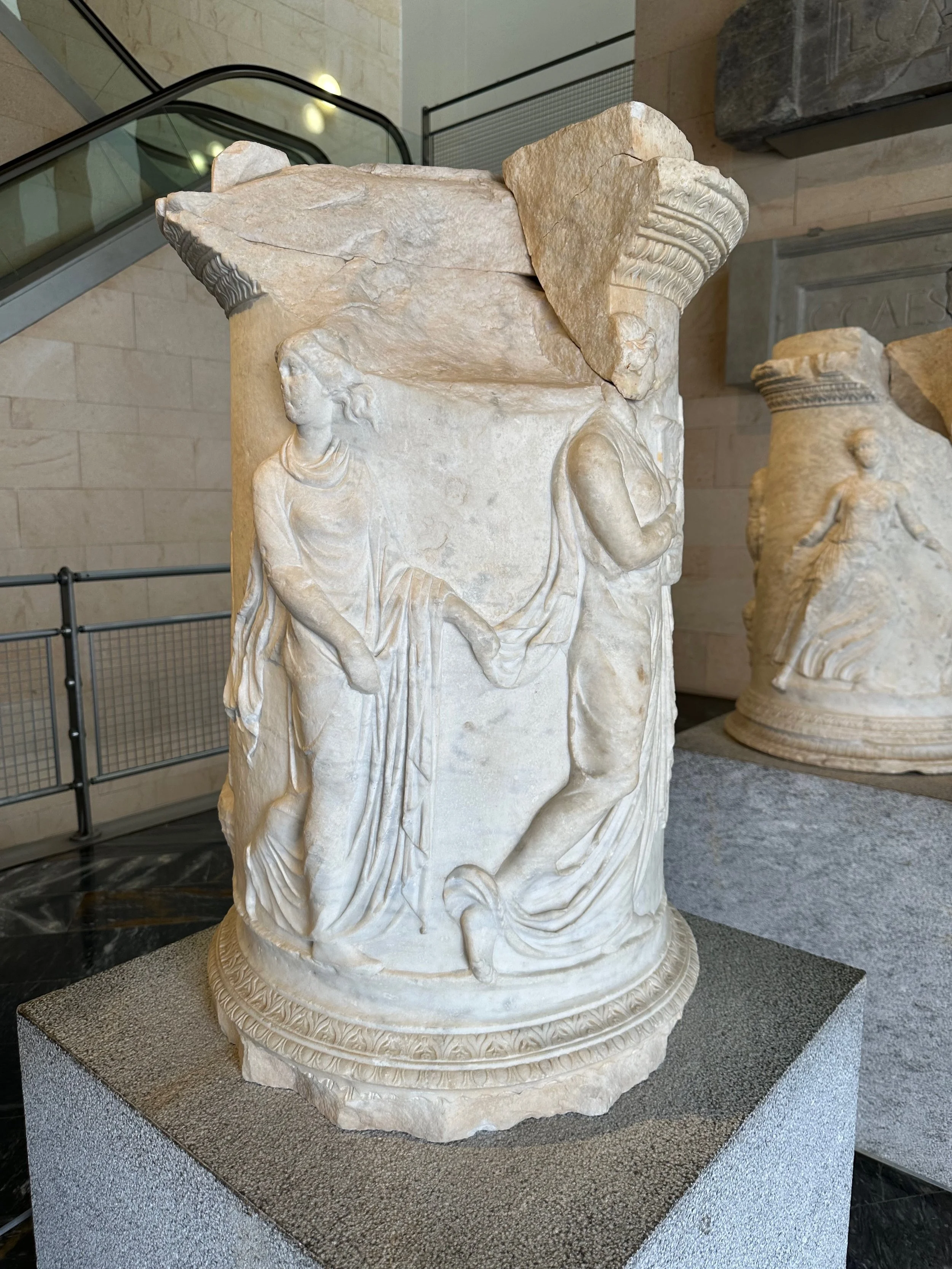
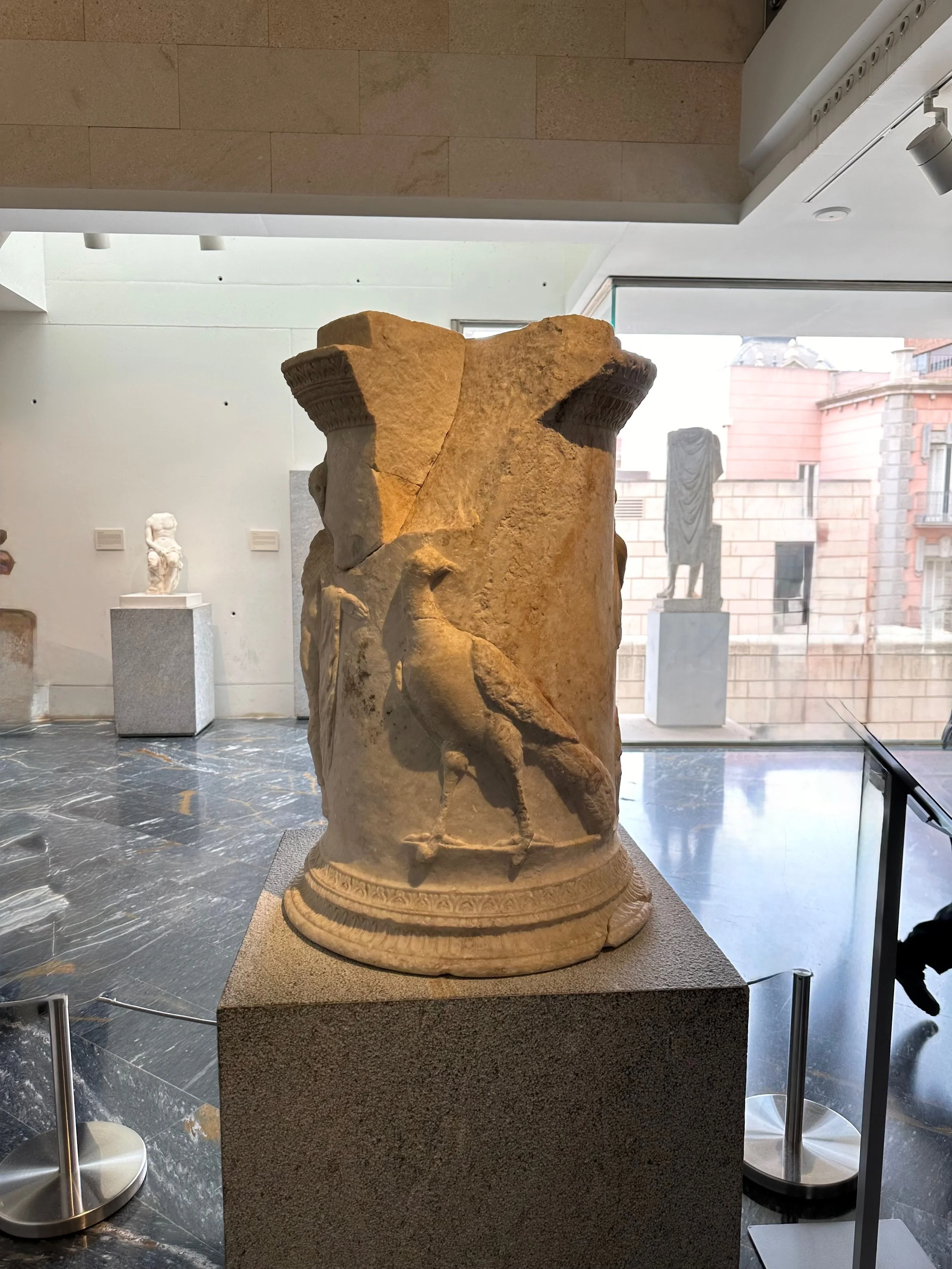
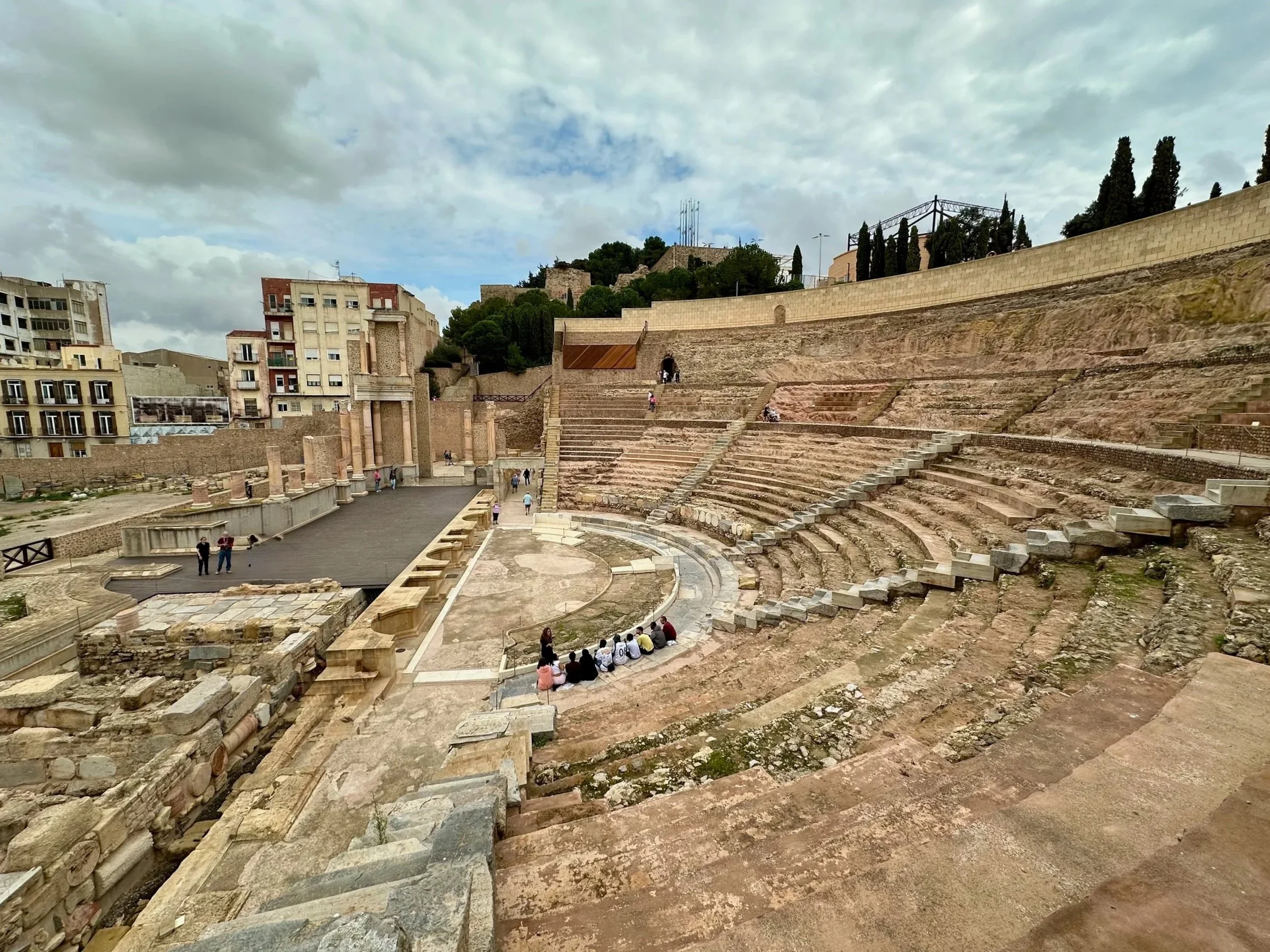
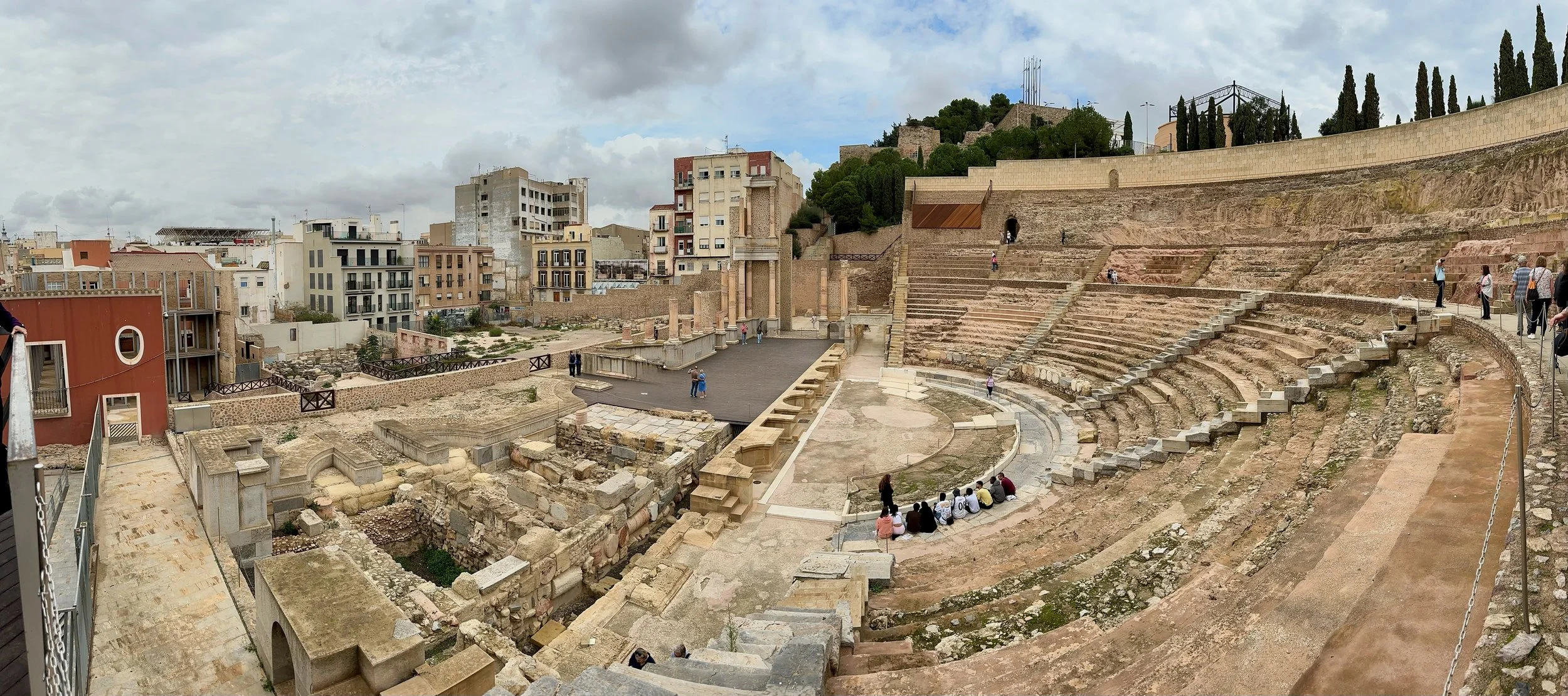
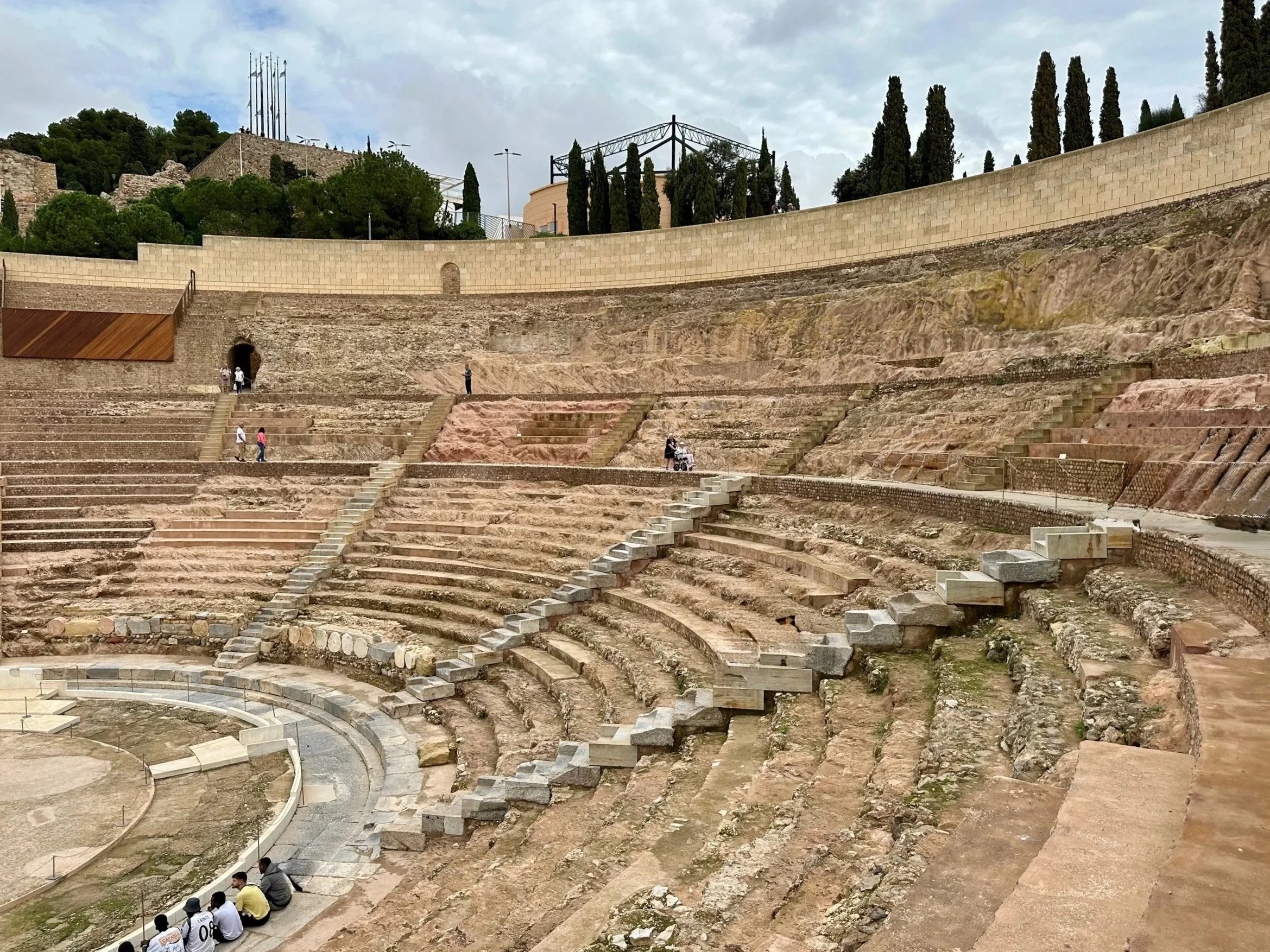
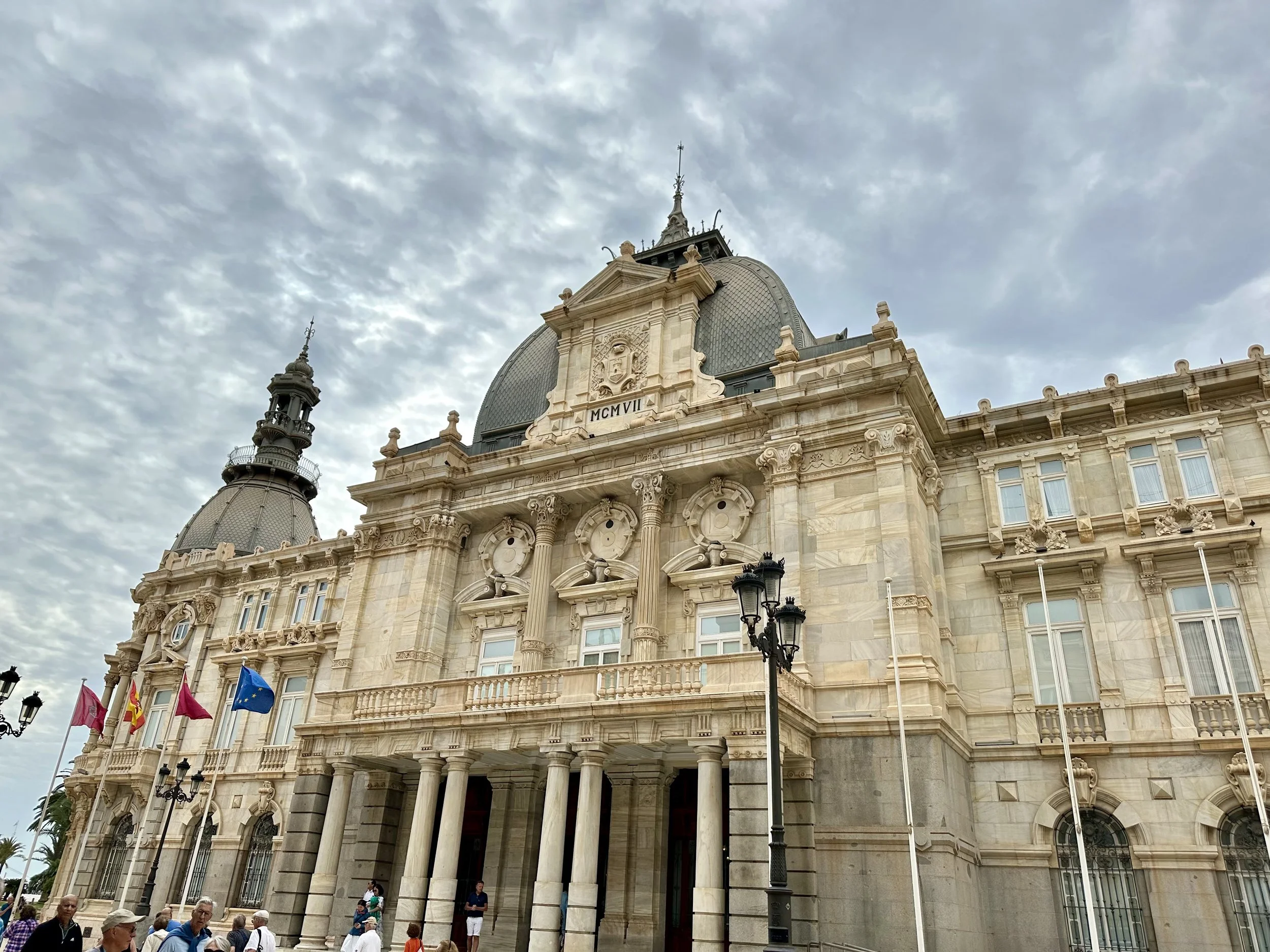
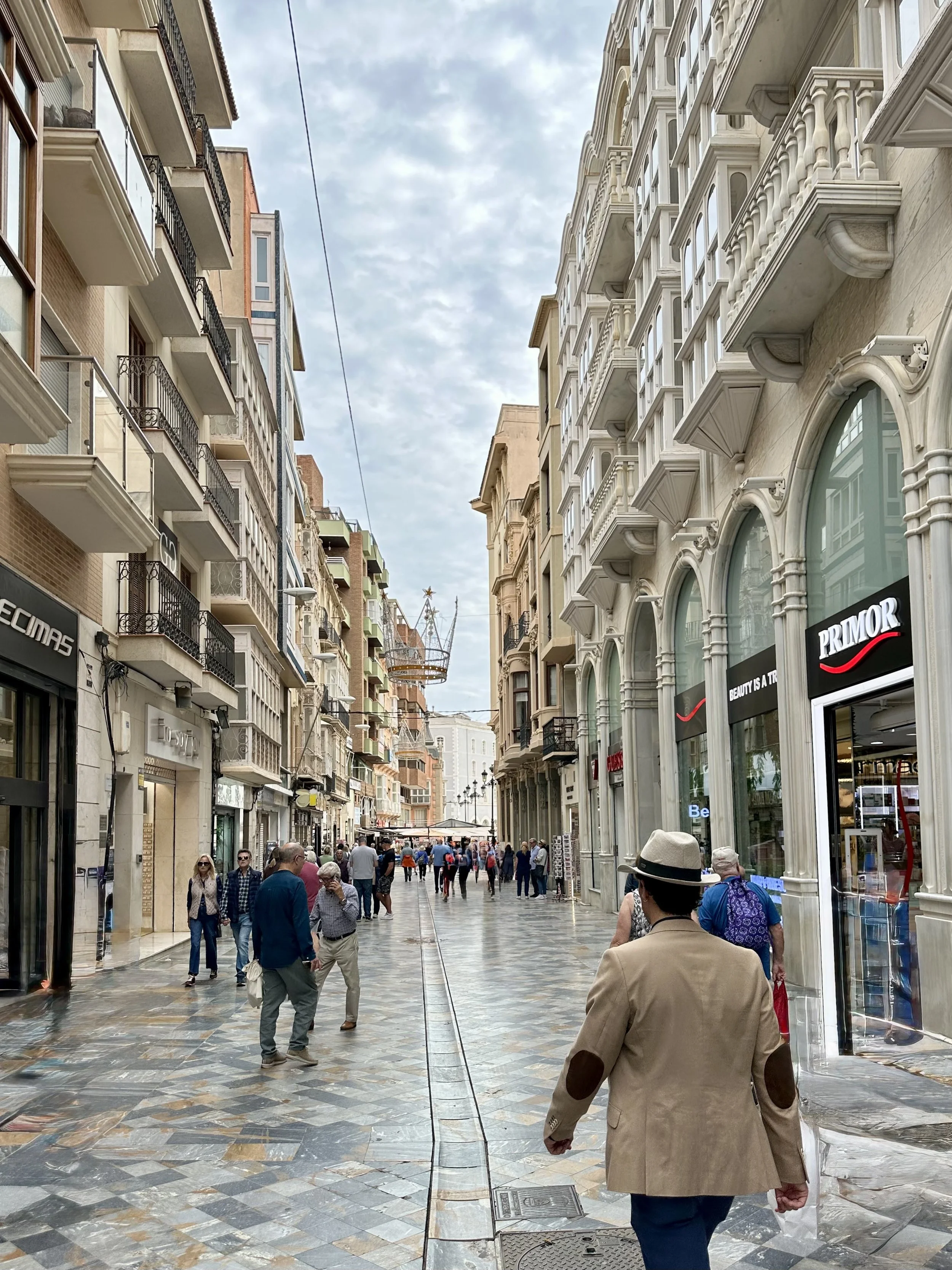
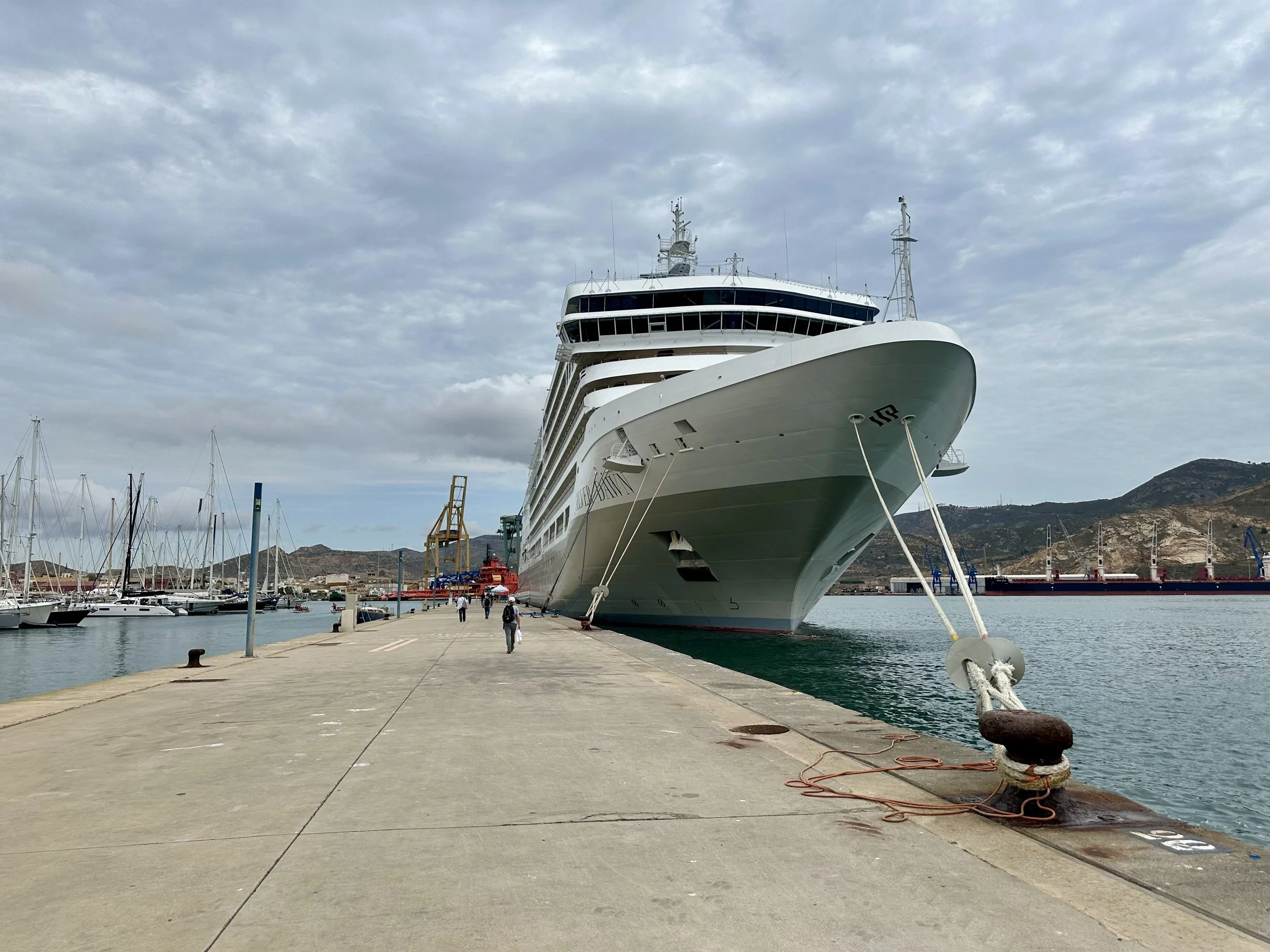
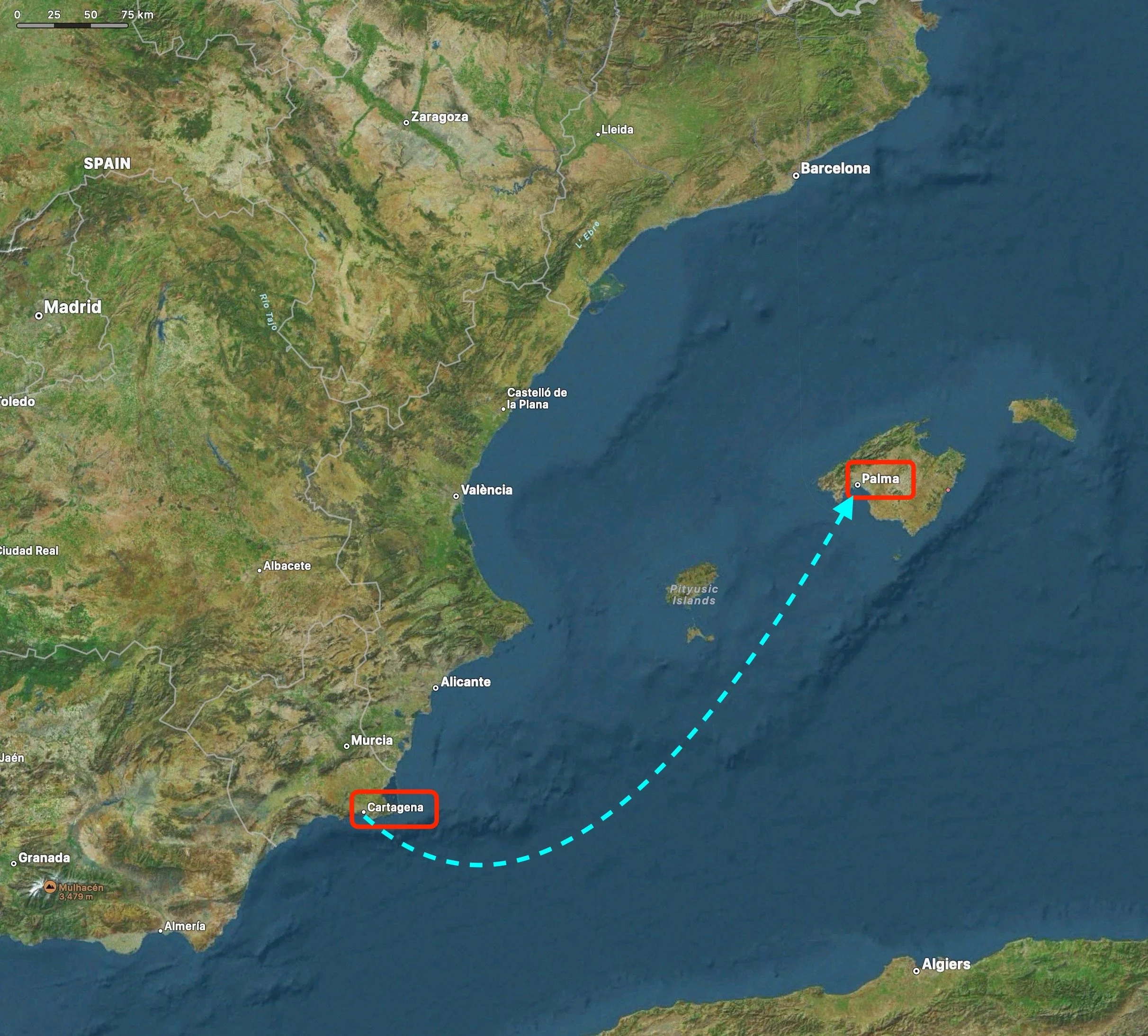
With our completion of the visit to the amphitheatre we didn’t want to go back to the ship right away, but rather wanted to stay behind and wander the streets of the town. Maybe even do some shopping to support the local economy. So we informed our tour guide of this in order for her to cross us off her passenger list, and we went our own way. All the shops were concentrated in this downtown core, so we didn’t have to wear off too much shoe leather looking about. It was also only a few blocks to get back to the harbour and where our ship was docked. So an easy walk back in time for lunch. The ship departed Cartagena for Mallorca promptly at 5pm.
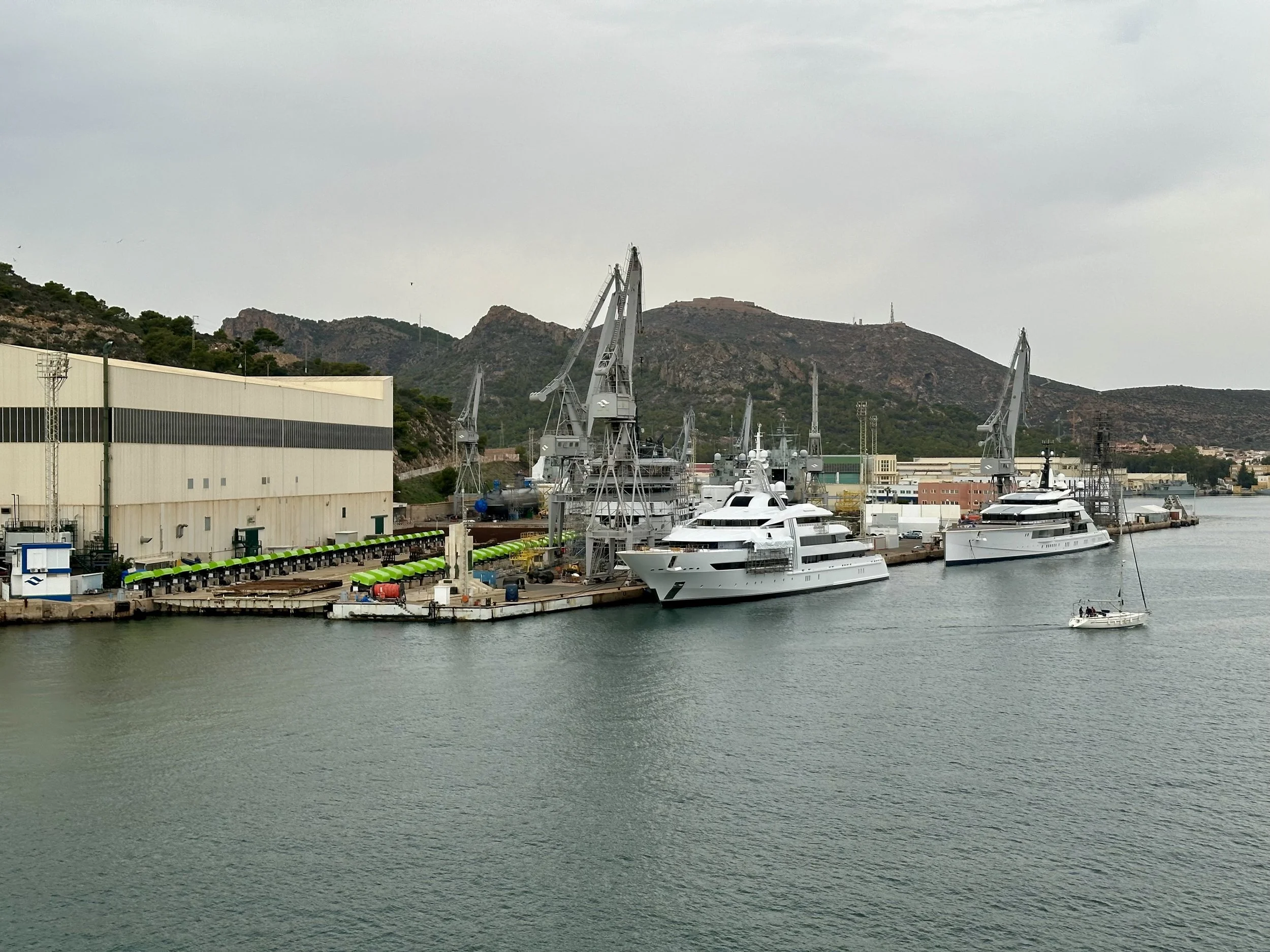
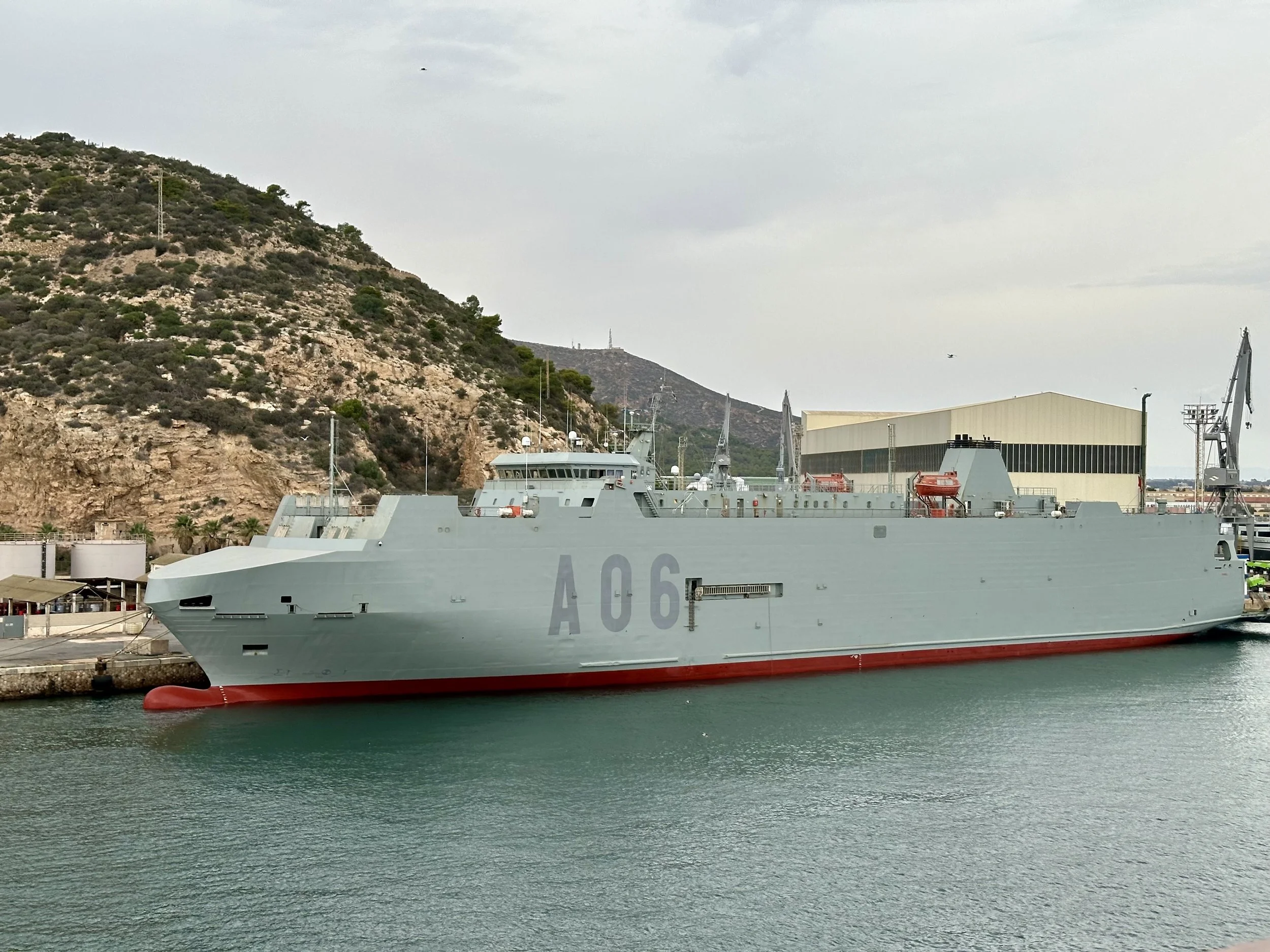
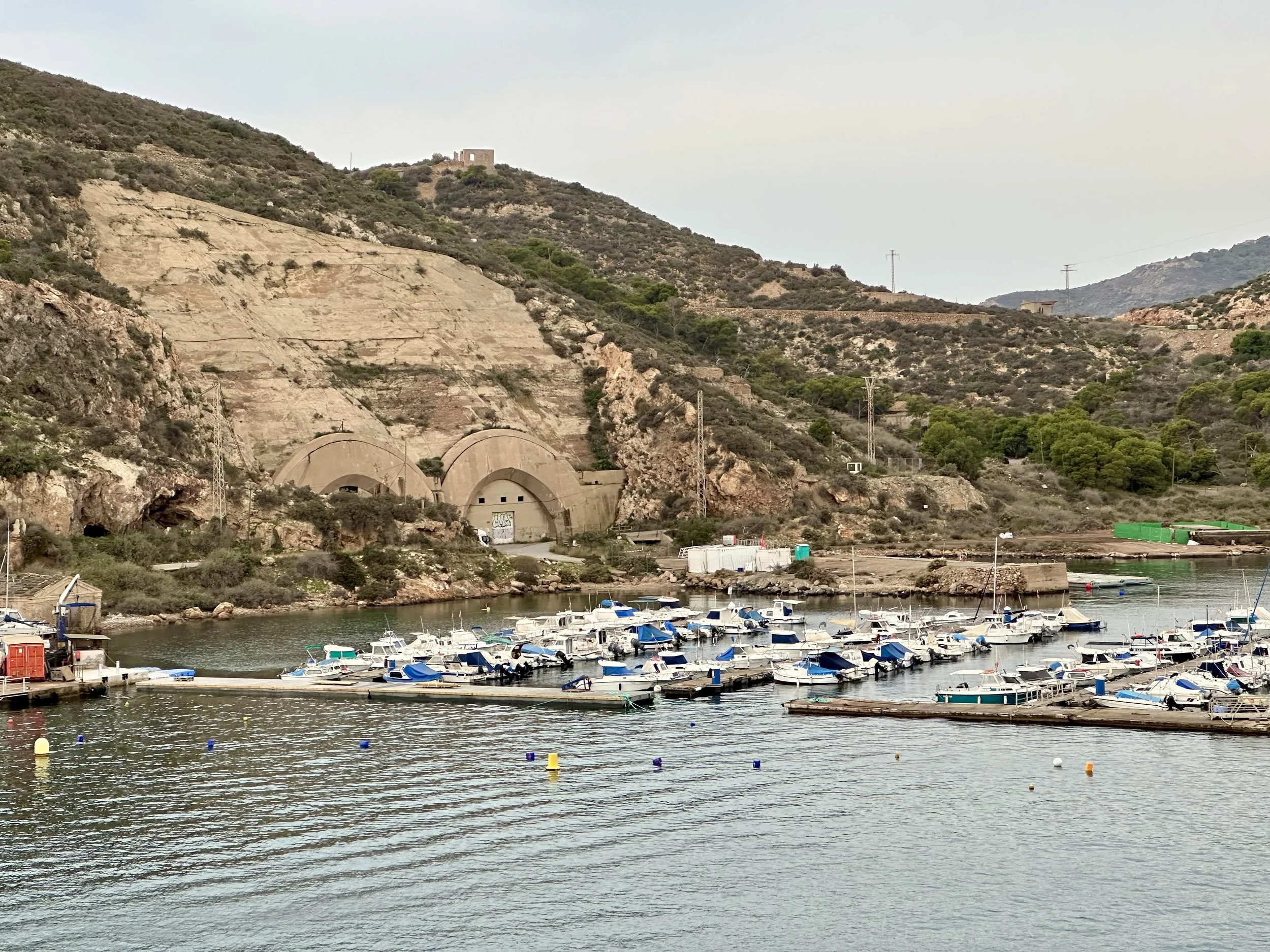
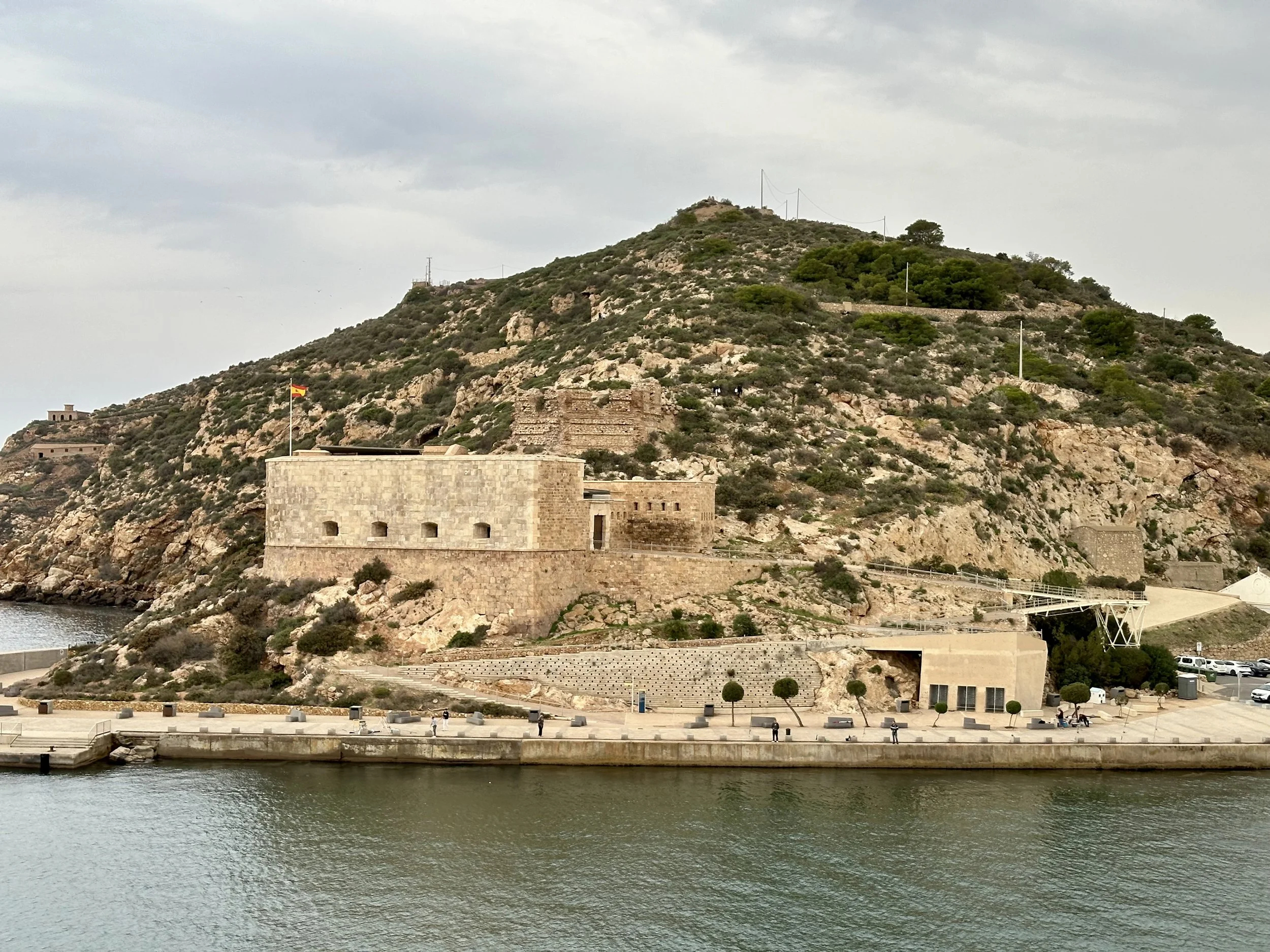
Palma de Mallorca, Spain
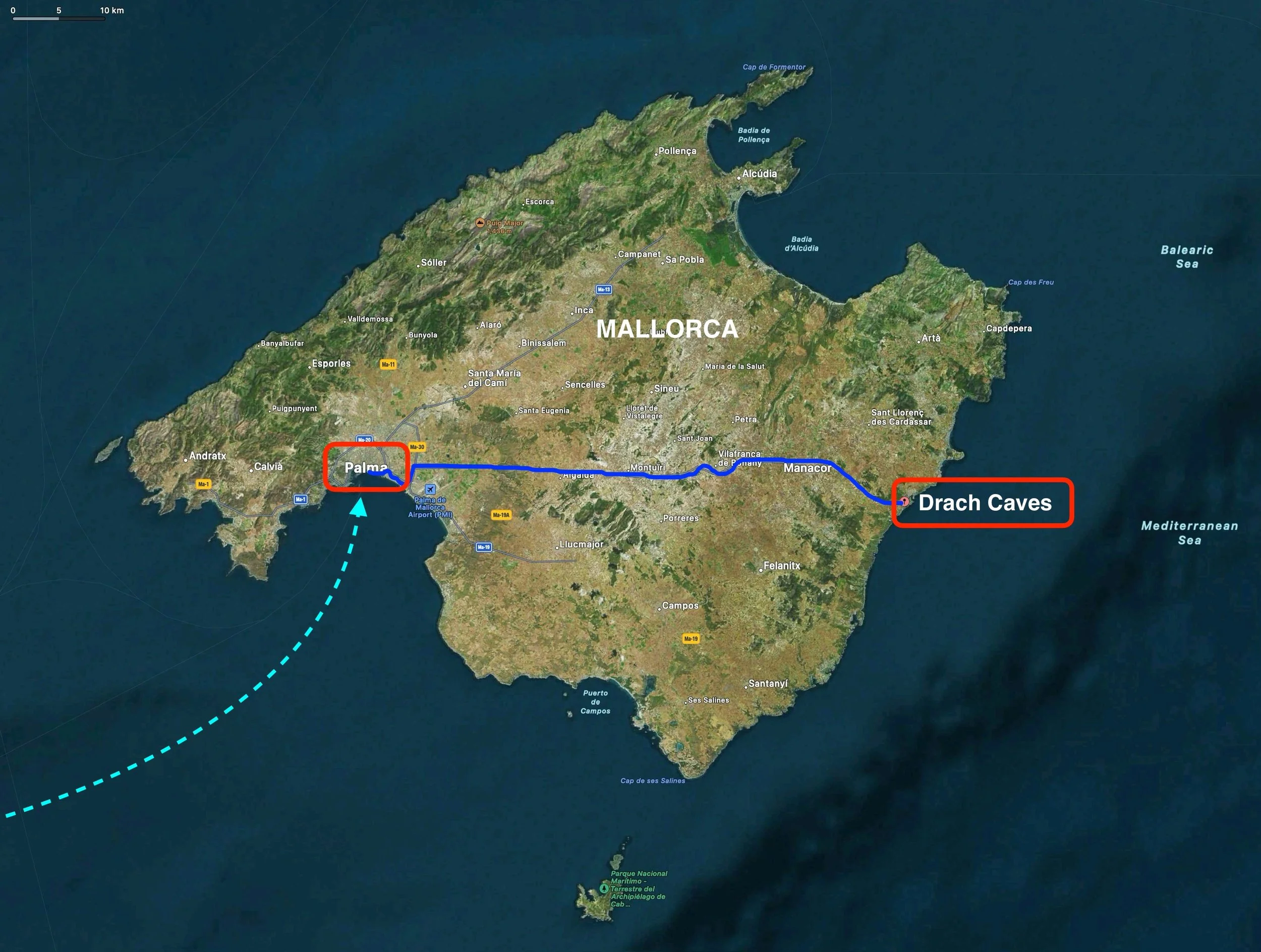
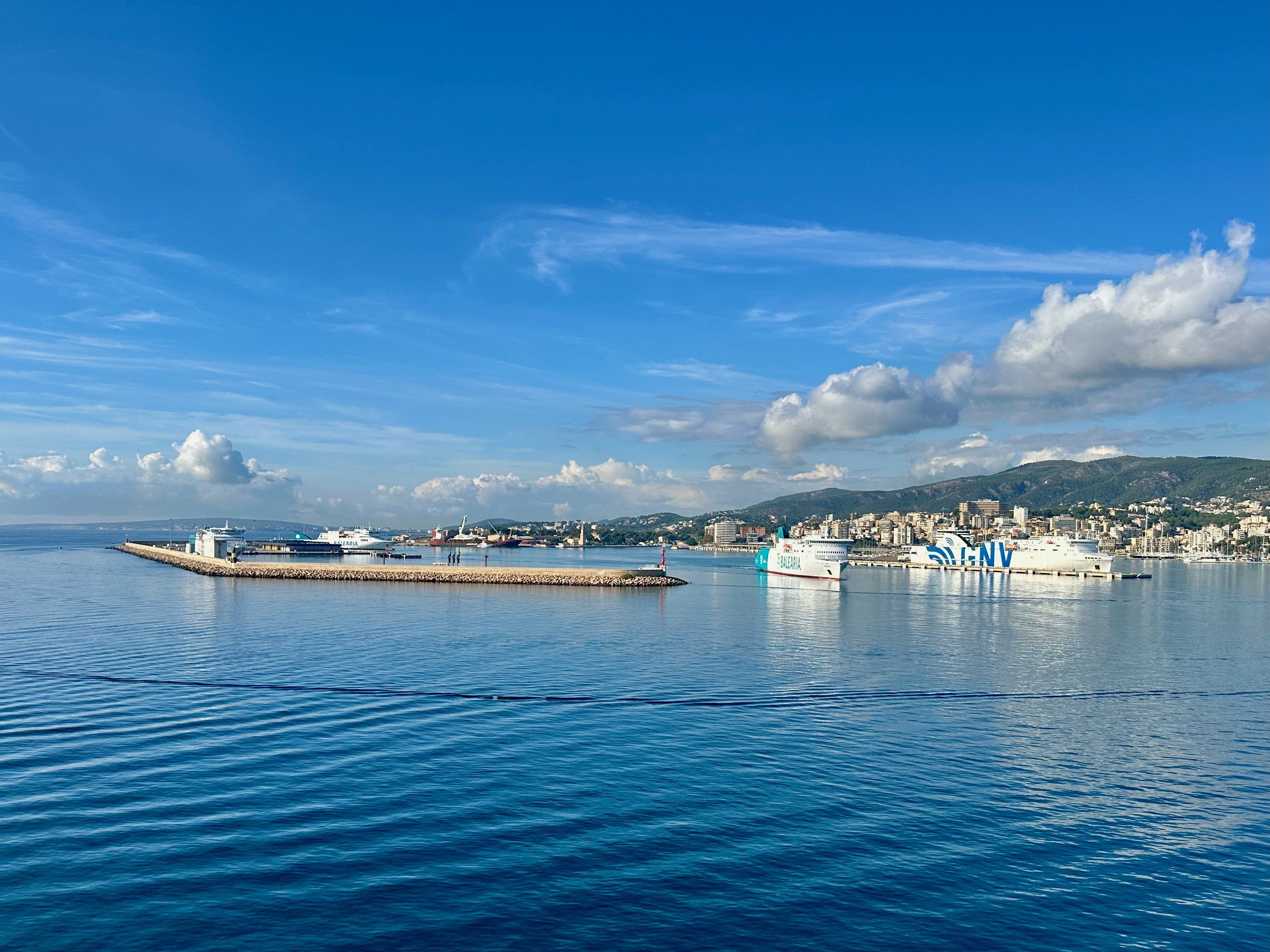
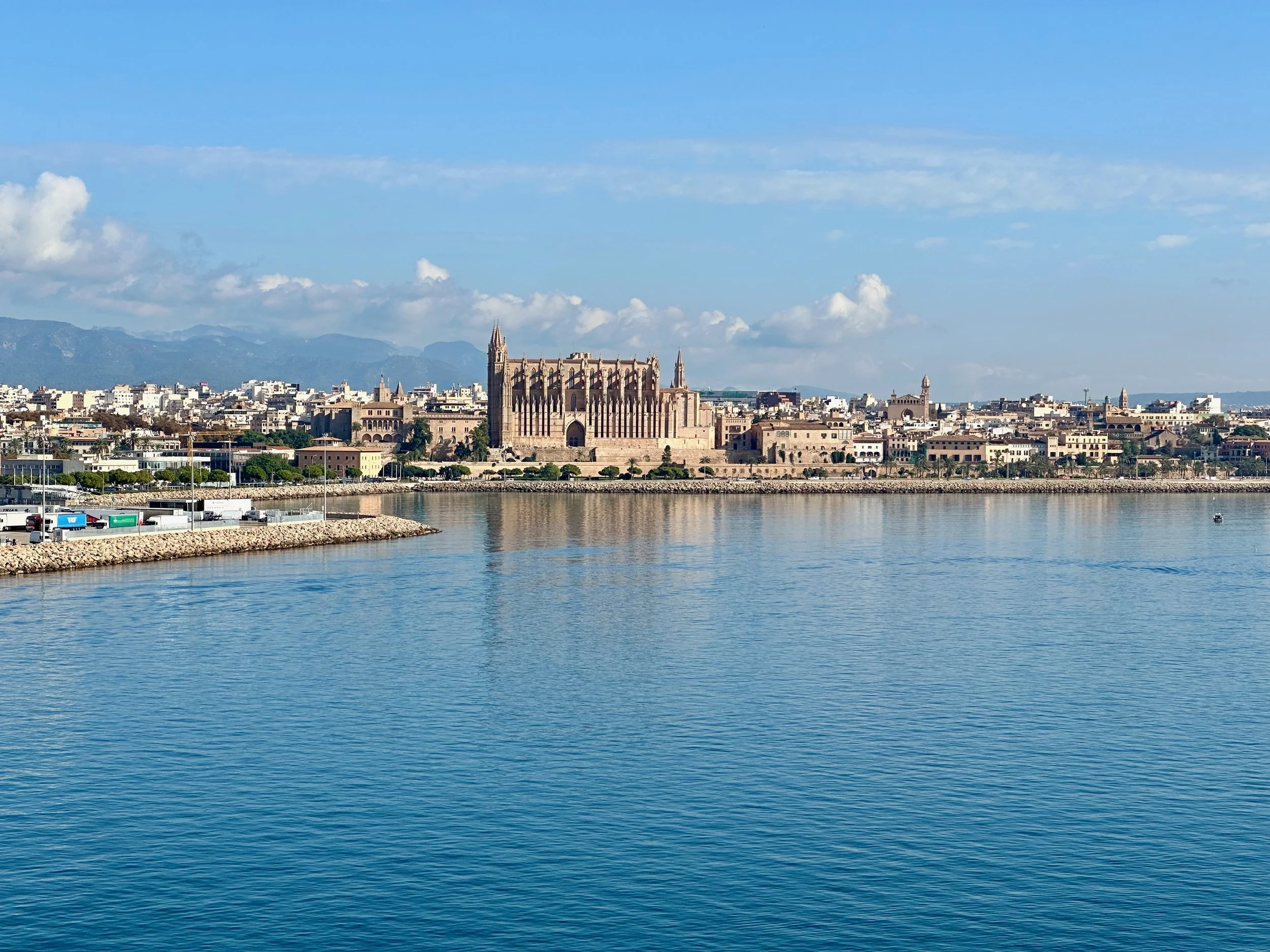
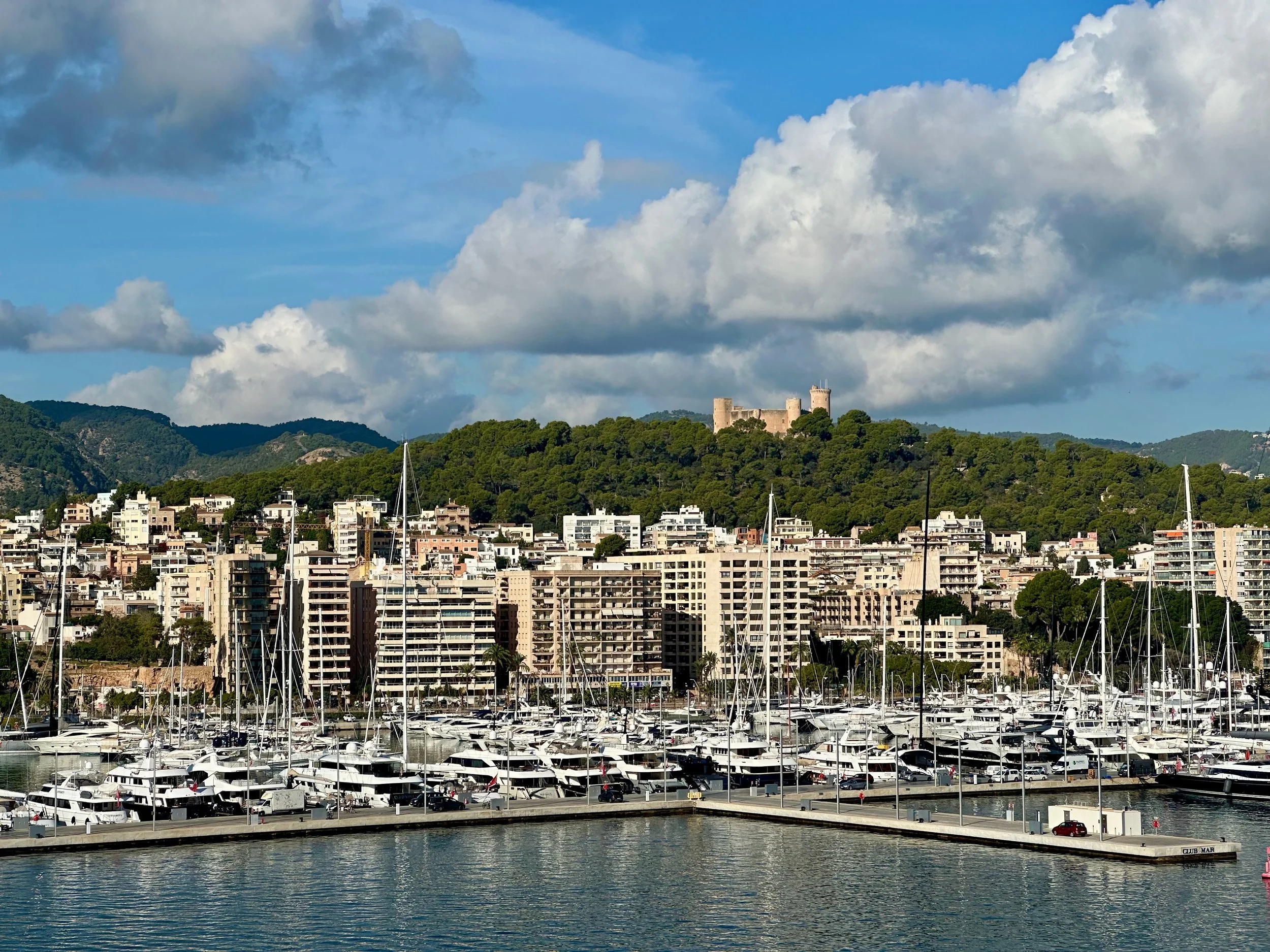
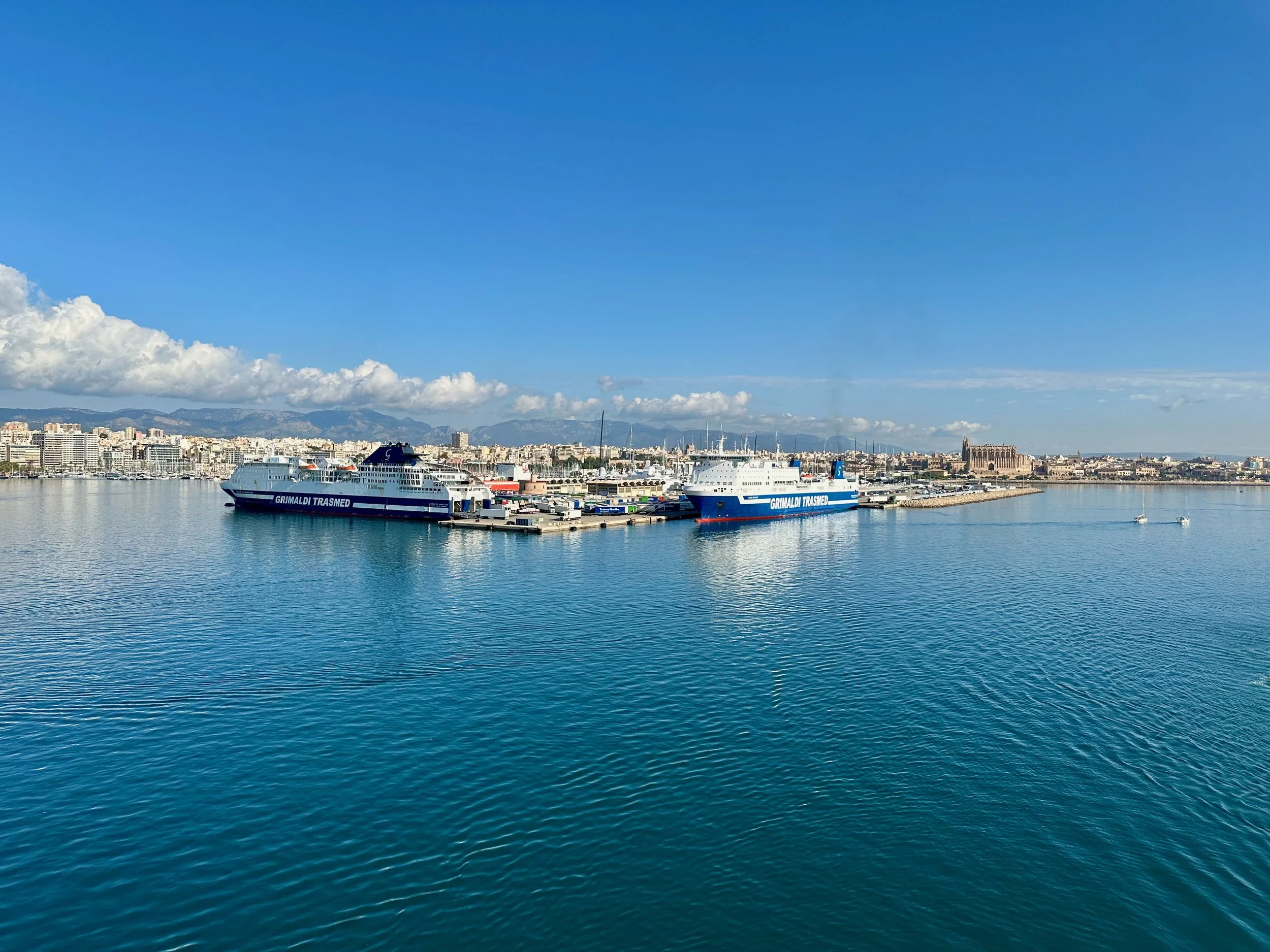
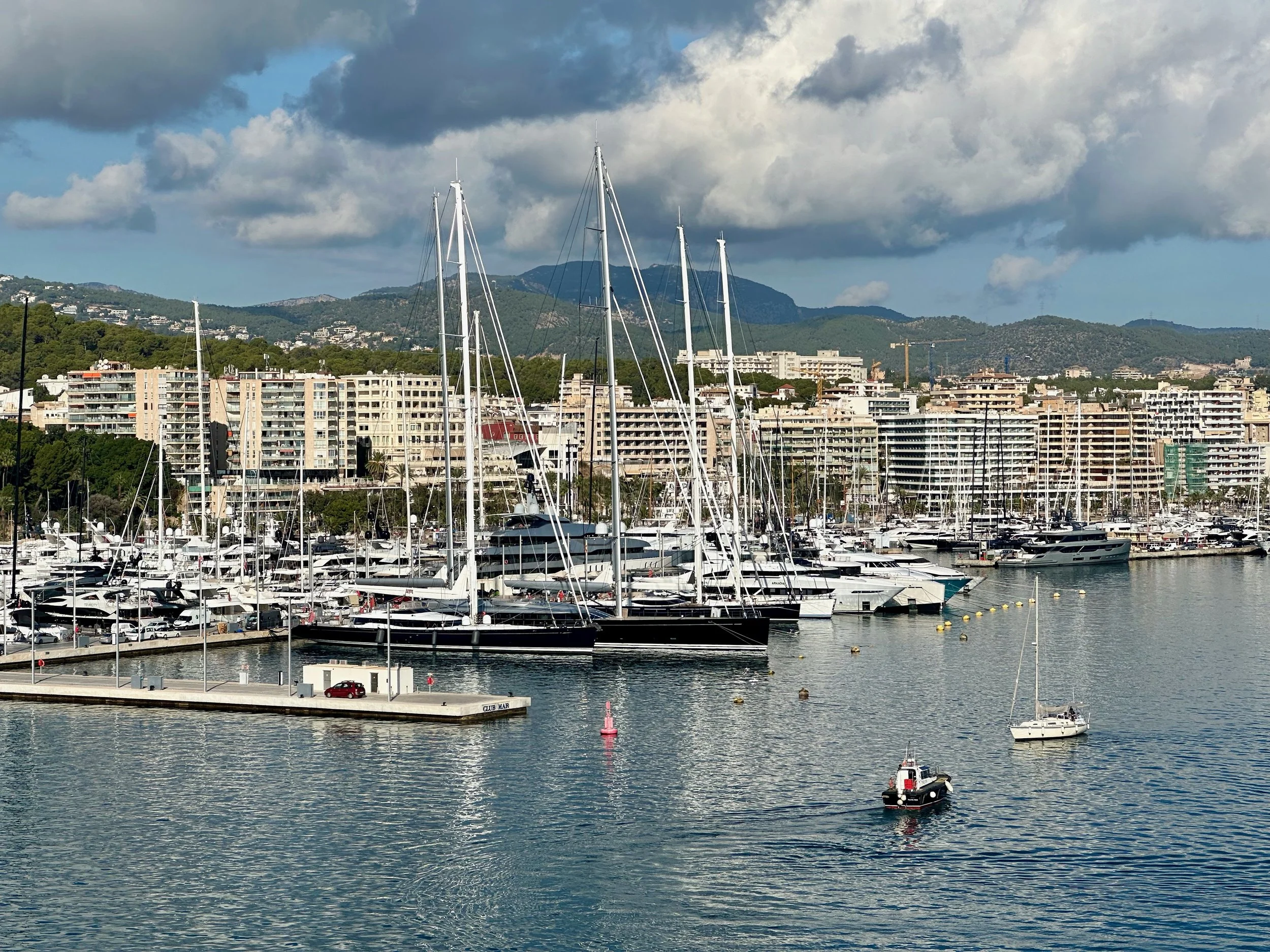
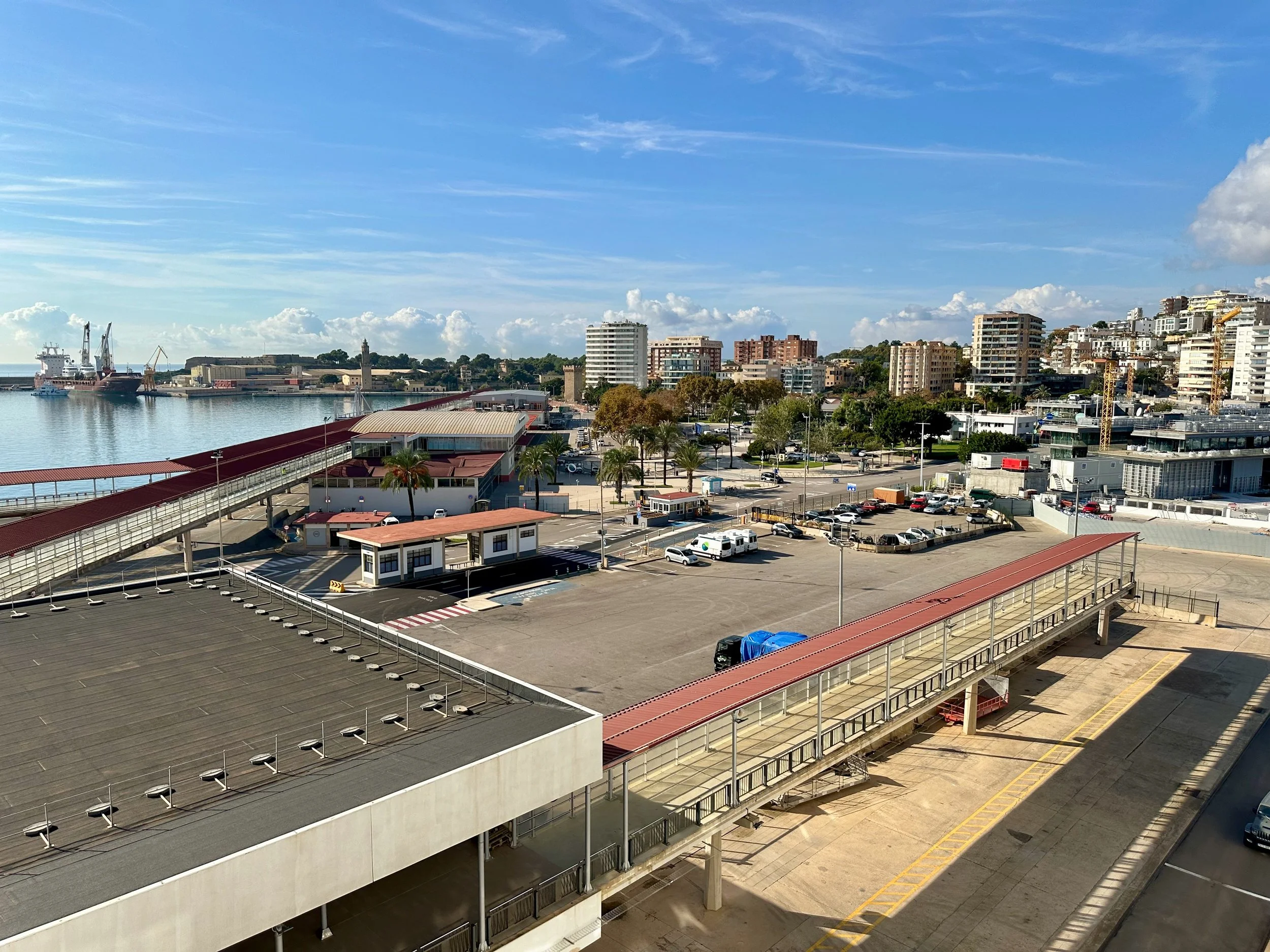
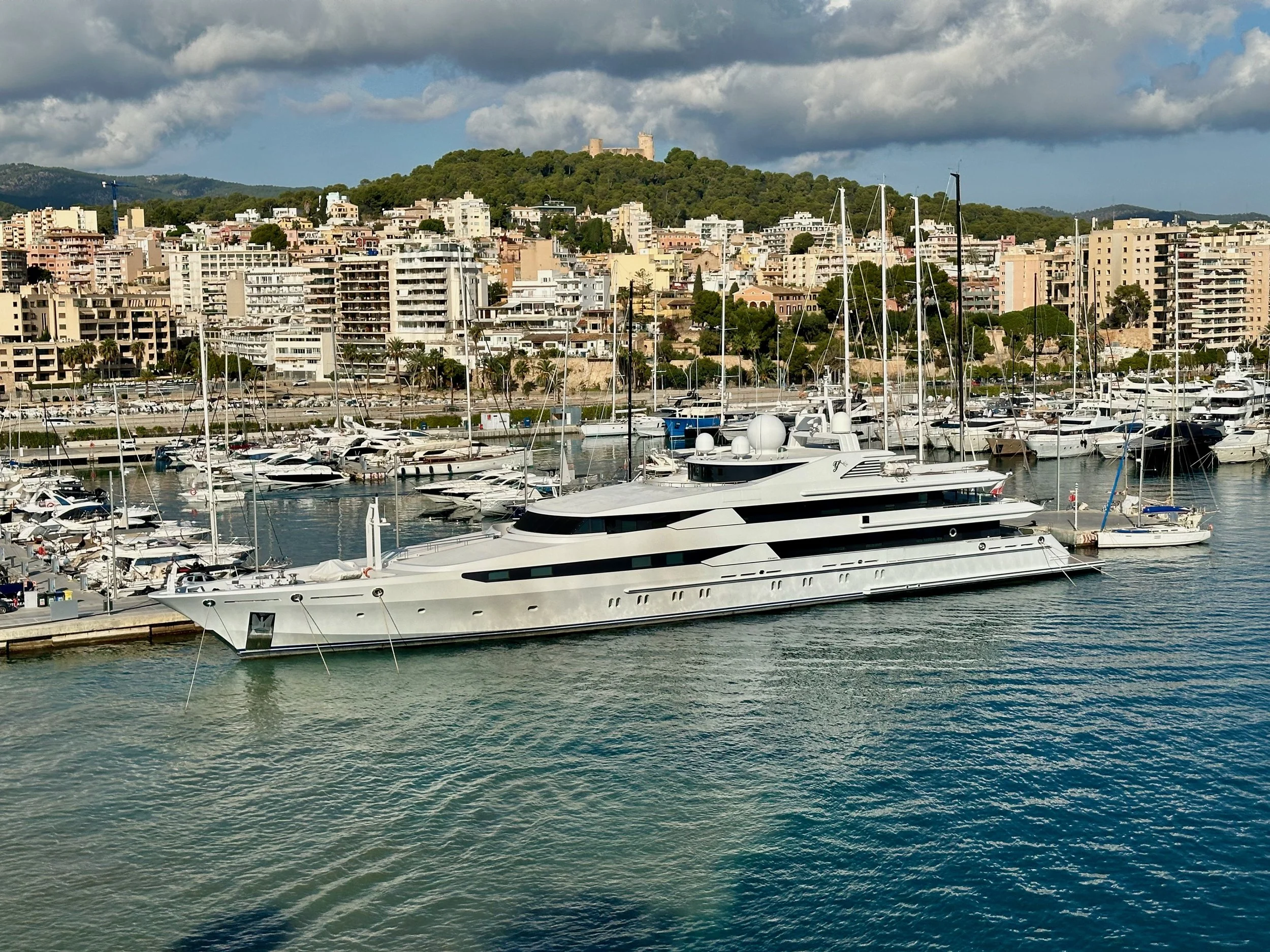
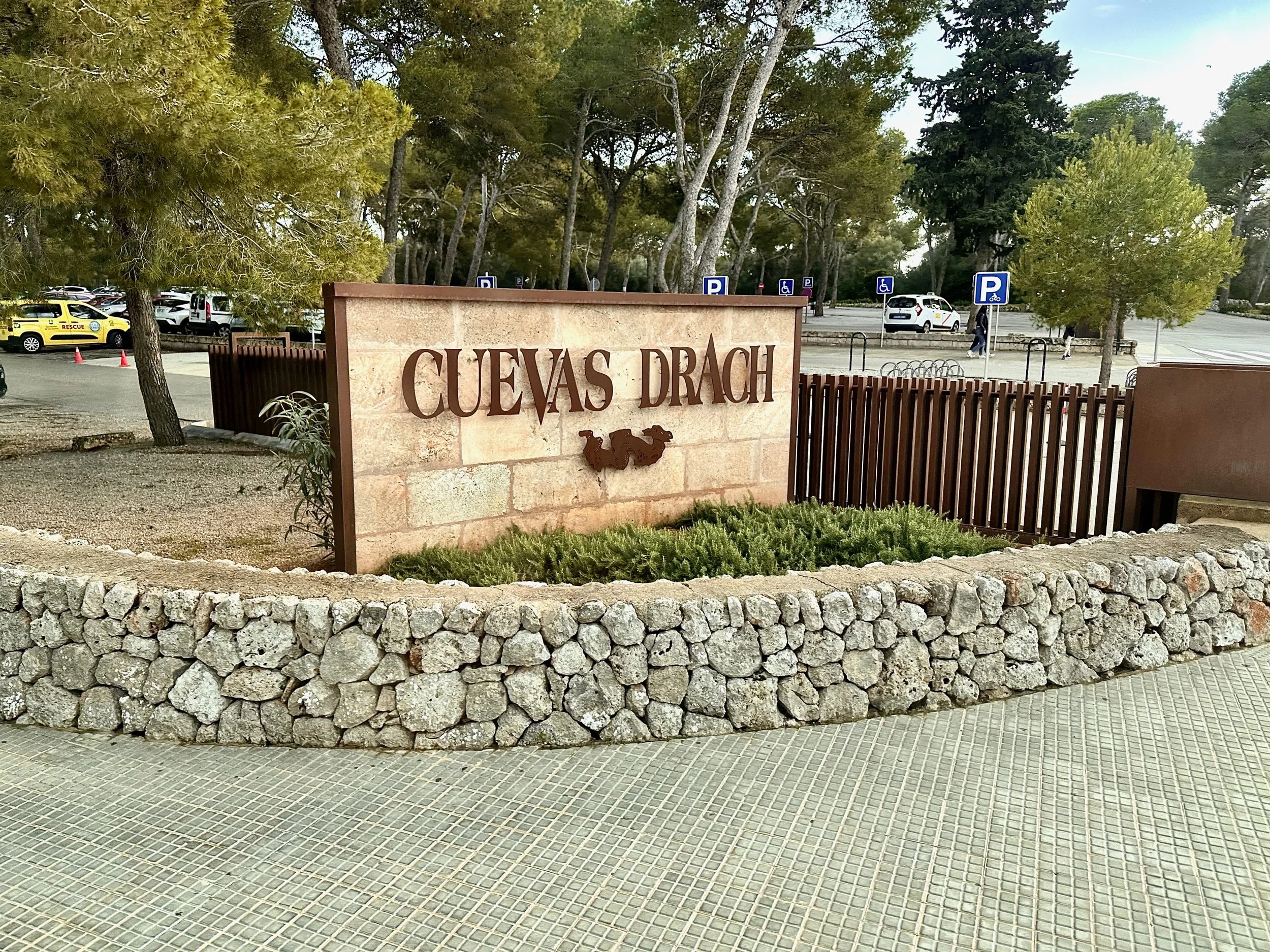
Our last experience in Spain for this trip was on the Island of Mallorca. Palma is the capital of the Balearic Islands in Spain, and the largest city therein. Situated on the southwest coast of Mallorca, it has a population of about 450,000 and is the 8th largest city in Spain. Although we docked in the huge port of Palma, our focus on the island was actually at the opposite end of the island.
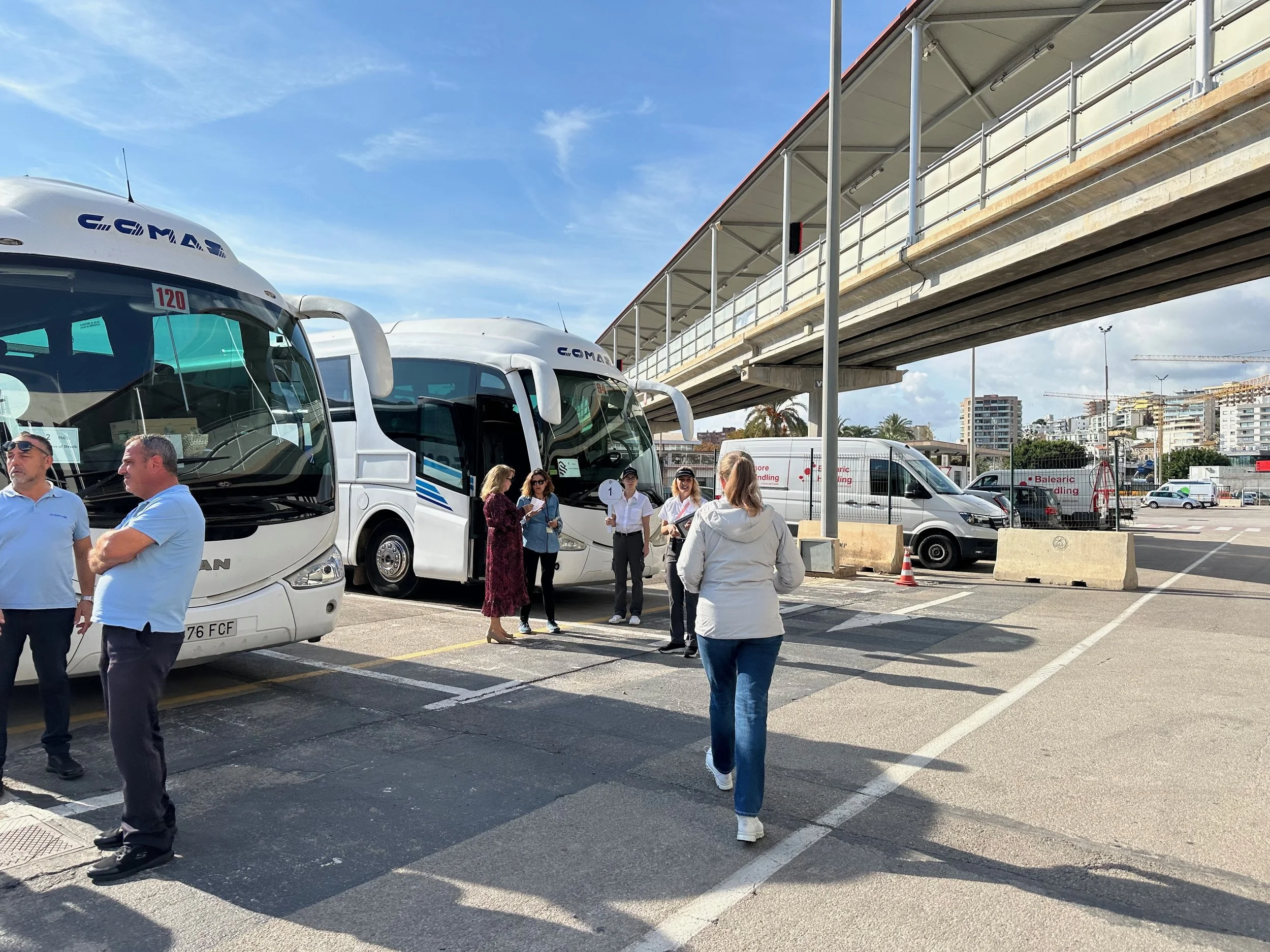
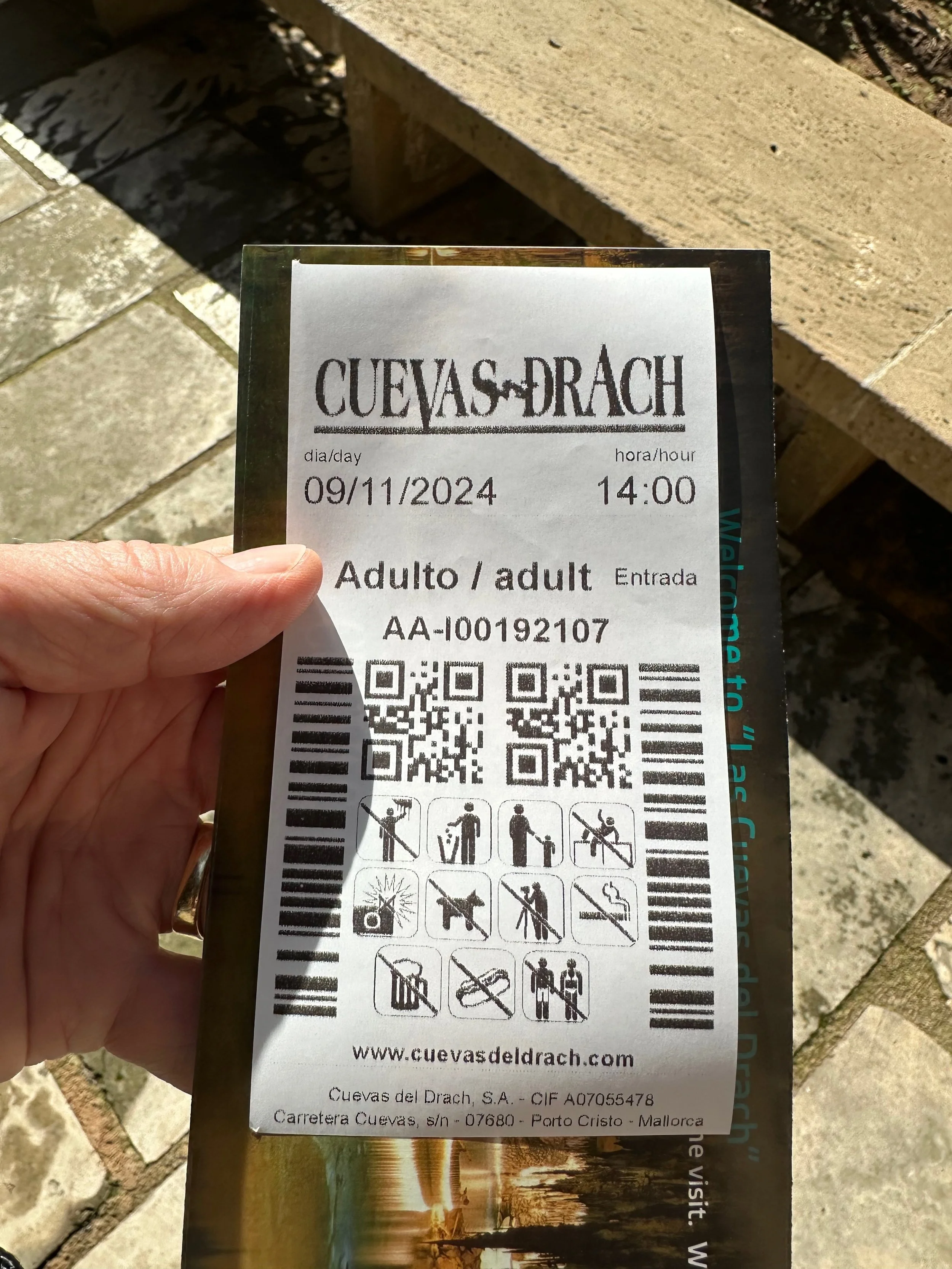
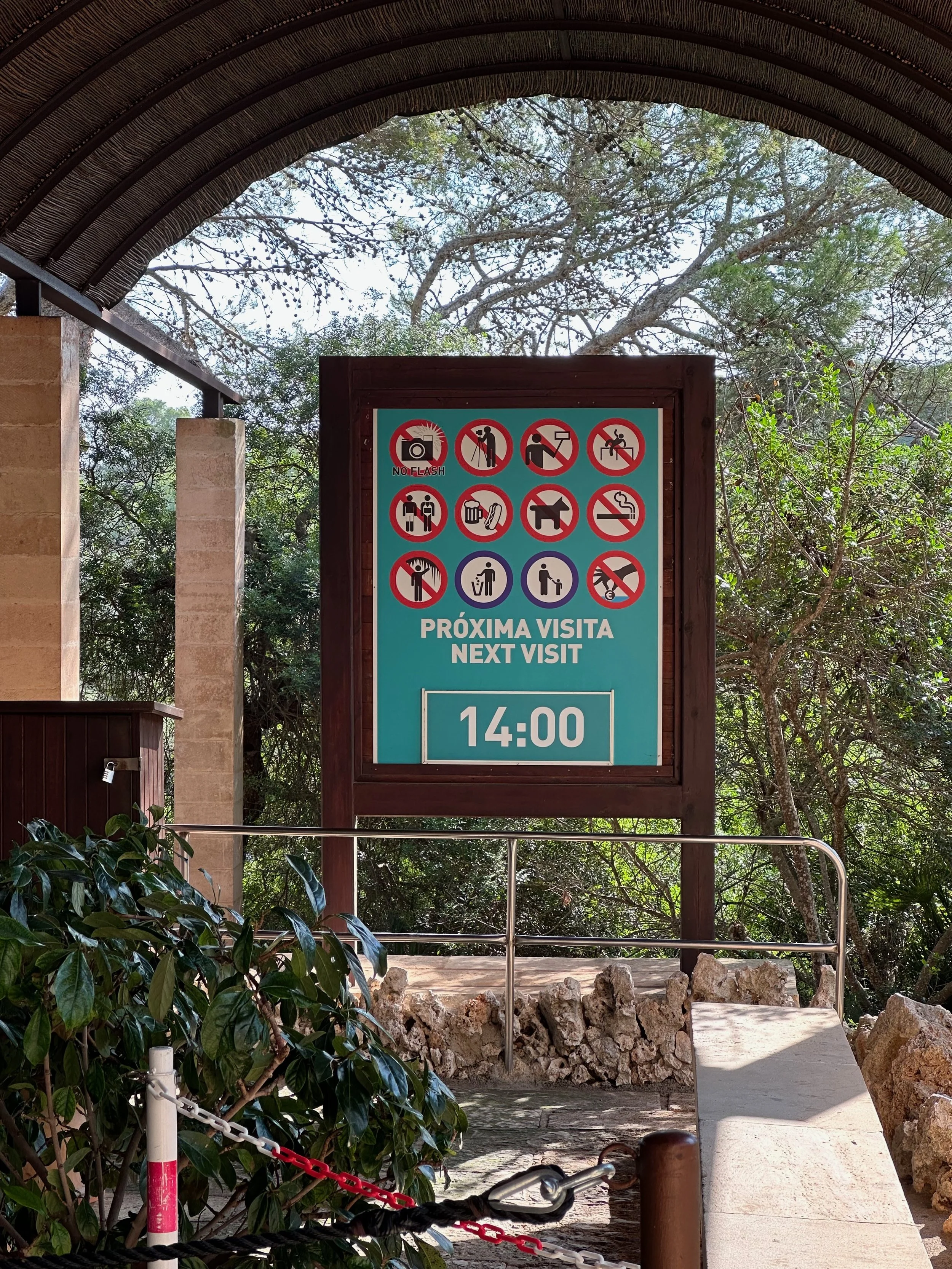
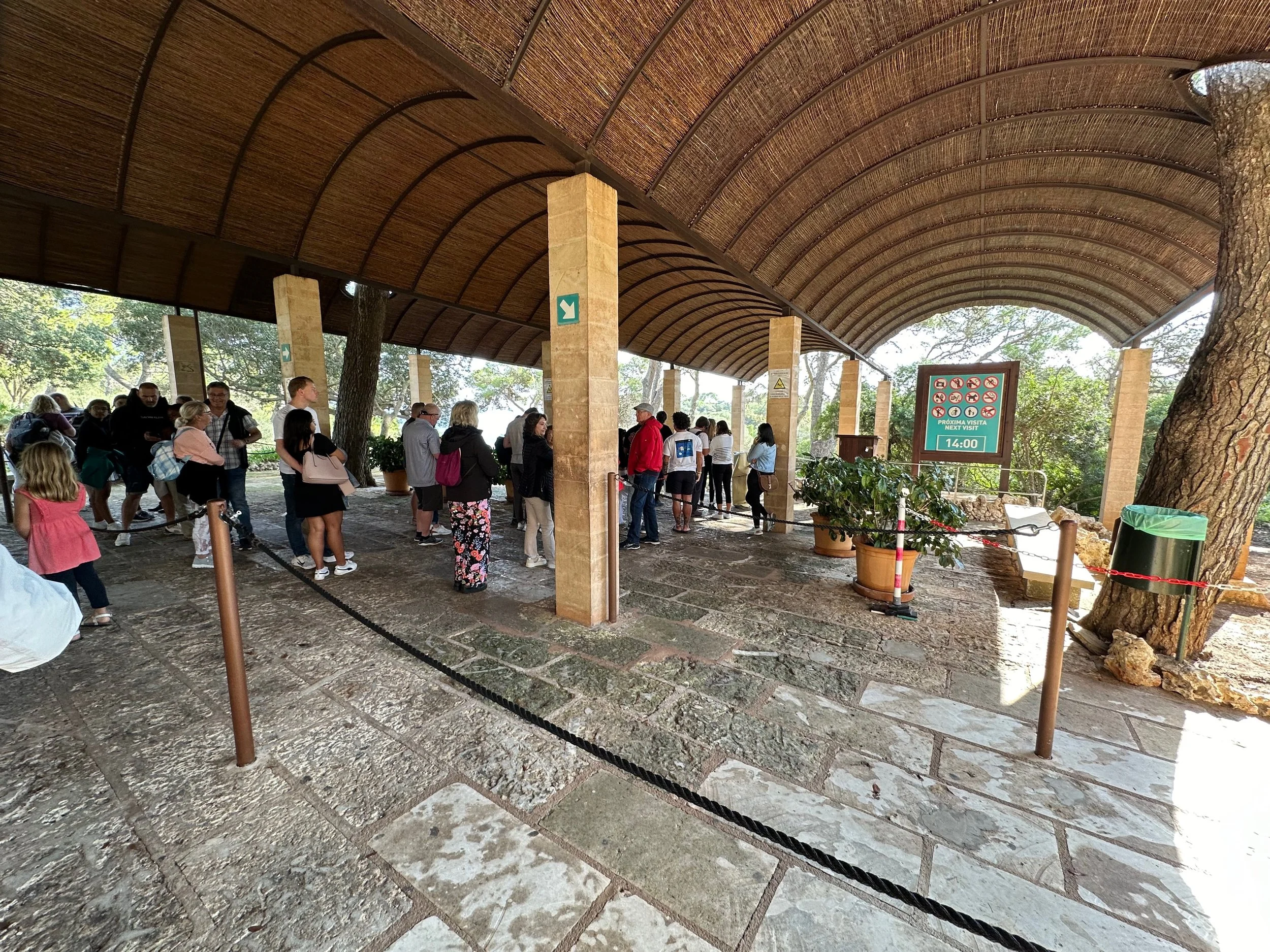
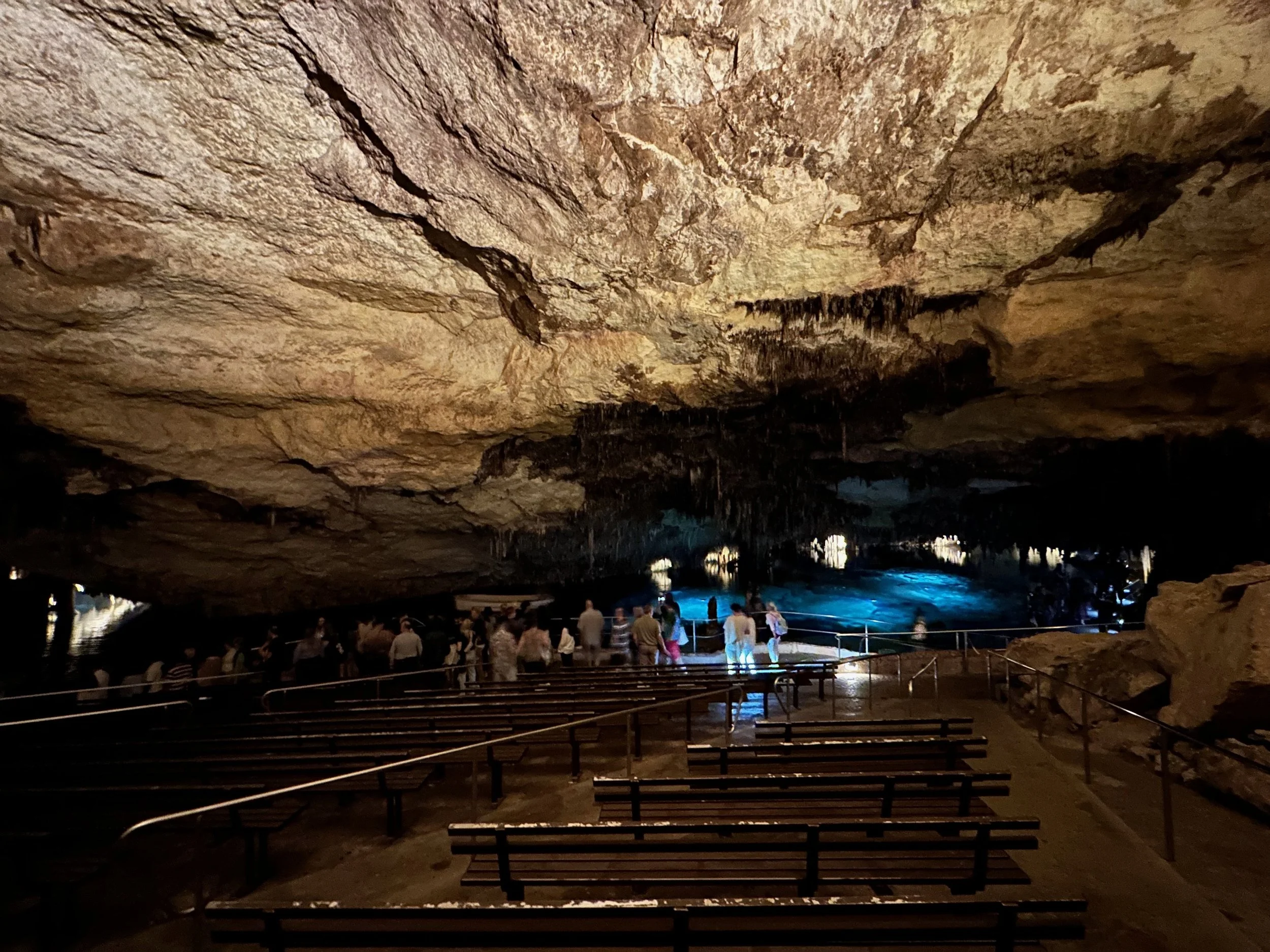
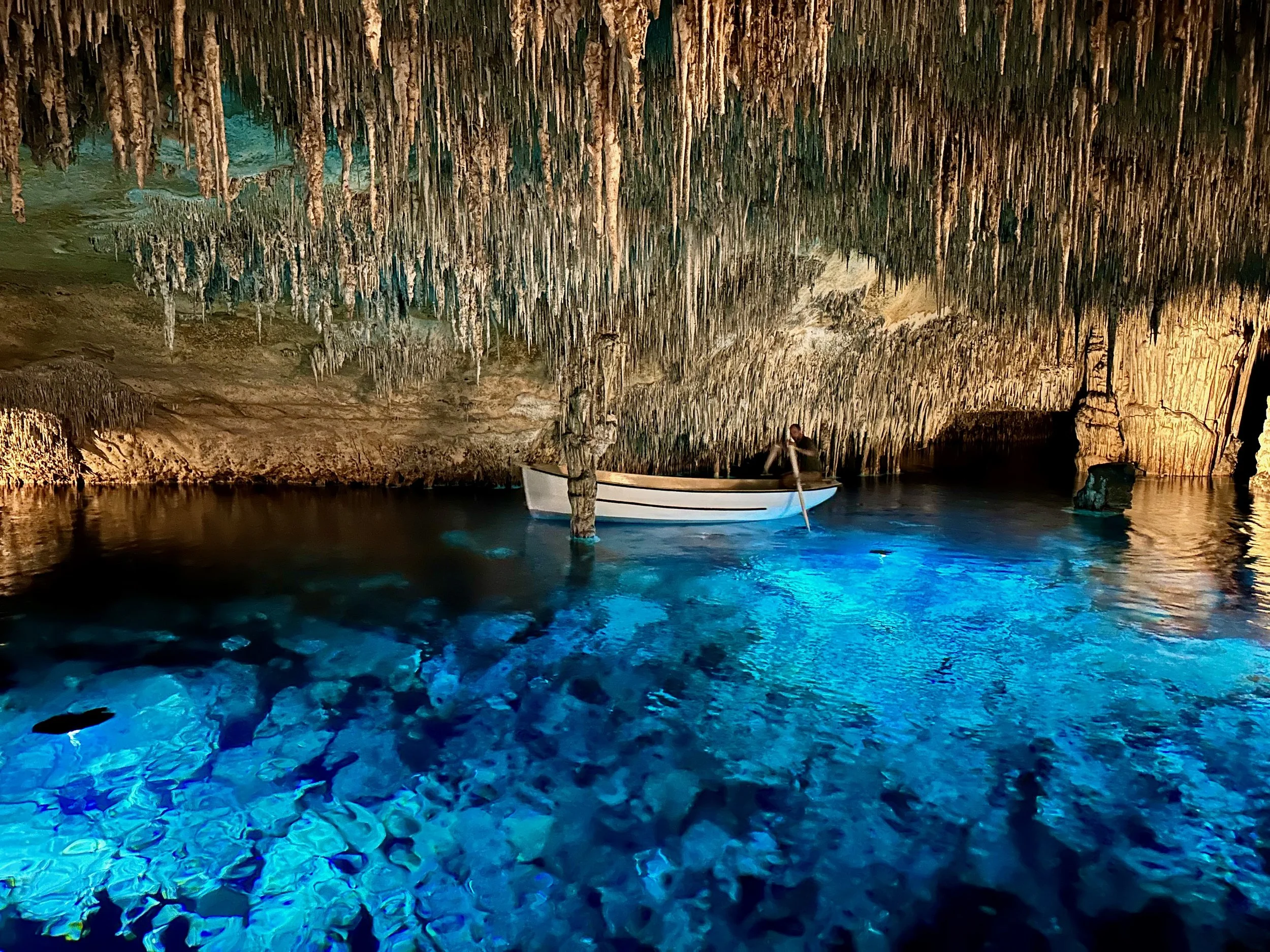
We arrived from Cartagena around 10:30, and by the time the ship was docked and we were ready to board the bus, it was 12:30pm. The trip cross island was accomplished using the main highway, but even at that, took almost two hours. At the other end we went directly to the caves. They only accept a certain number of visitors each day, and they are broken into groups that enter the caves at specific times. This was to control the wear and tear on the underground infrastructure, but there was another reason for it. At the very bottom of the cave network there was a beautiful underground lake, and that lake had an area beside it set up with seating like a theatre. Each group entering the cave met the seating capacity for the guests, the purpose of which was to enjoy an underground music recital, the musicians for which floated by in several rowboats. The acoustics of the cave enhanced the music to an extraordinary degree.
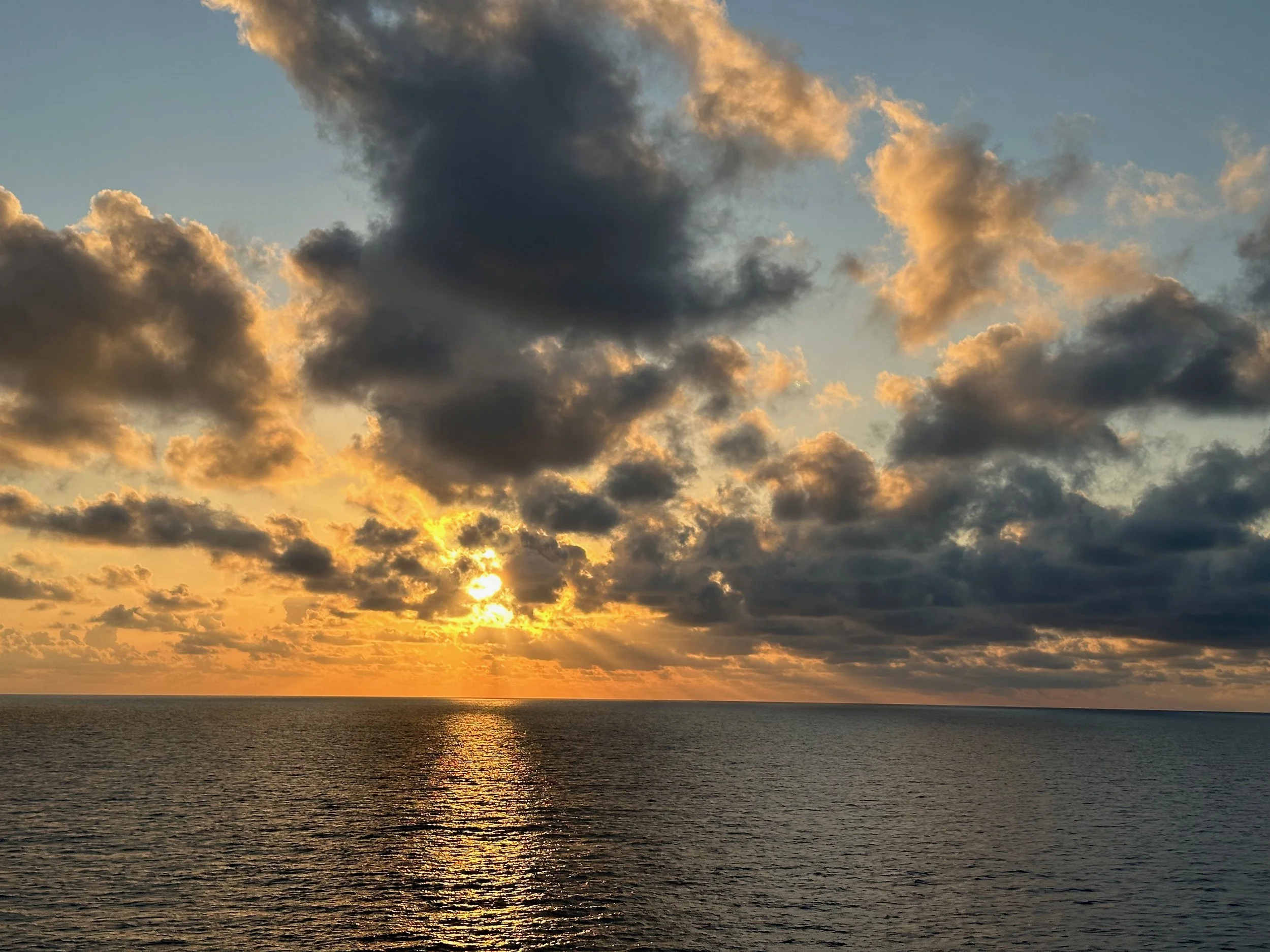
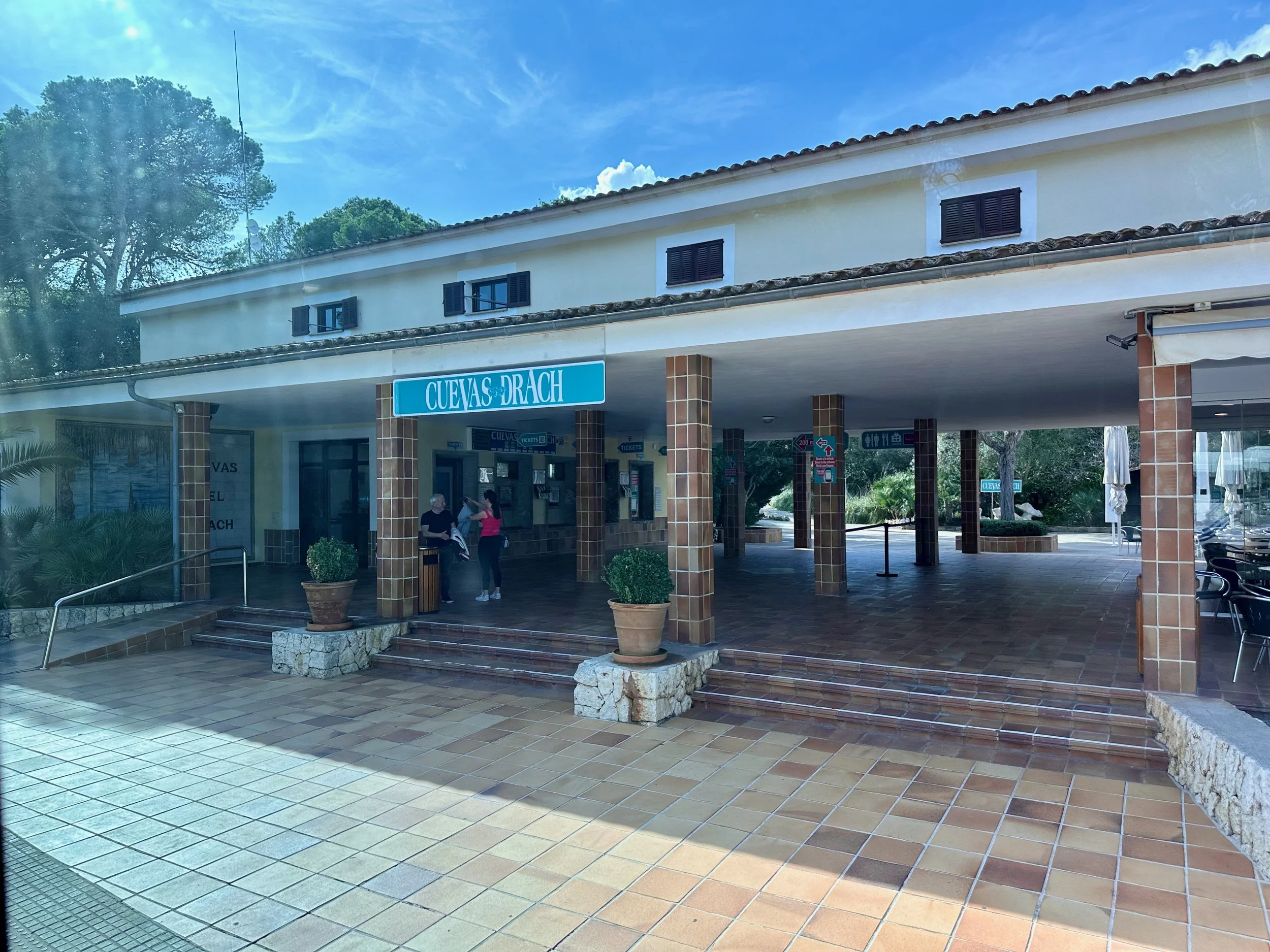
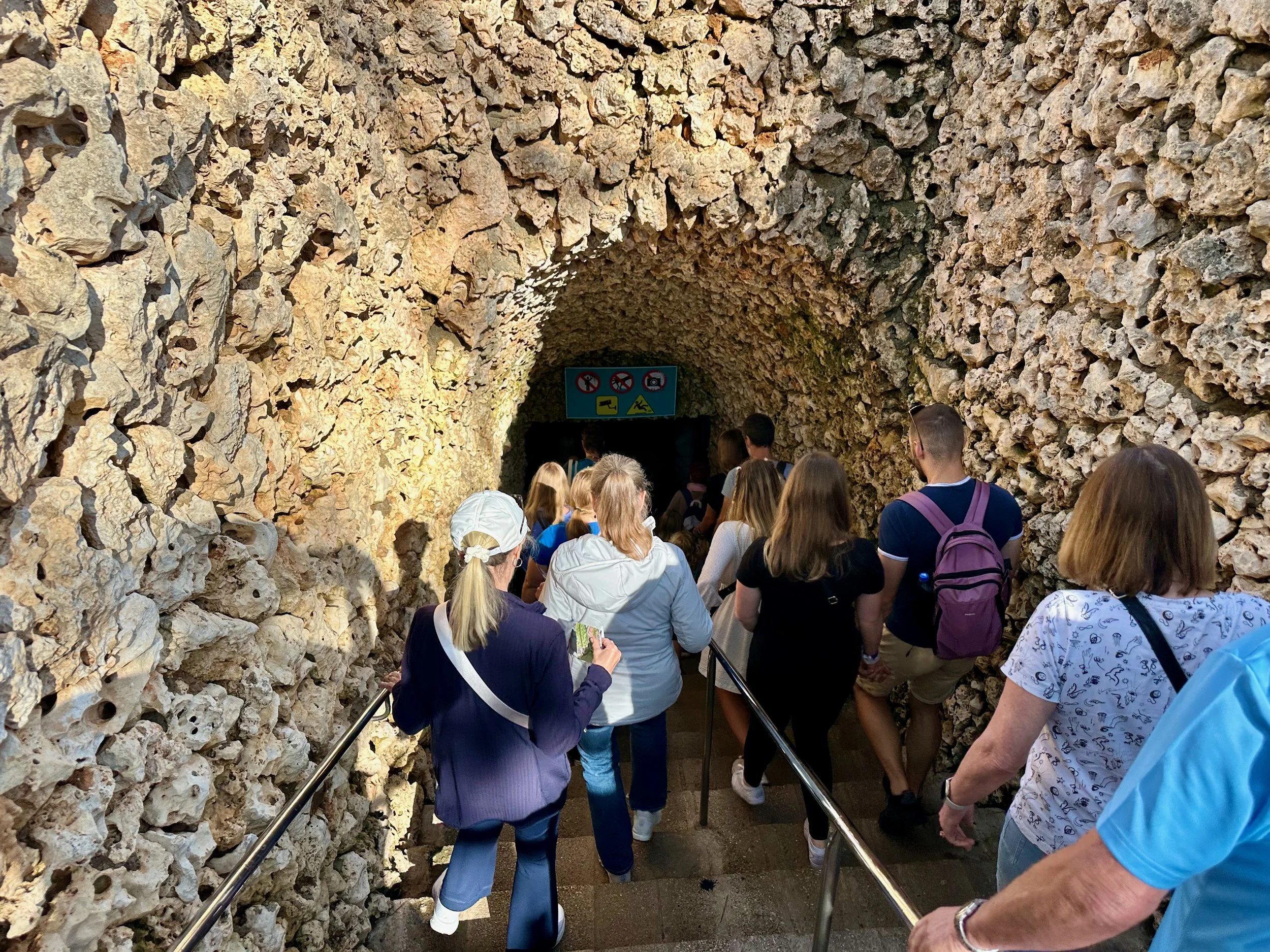
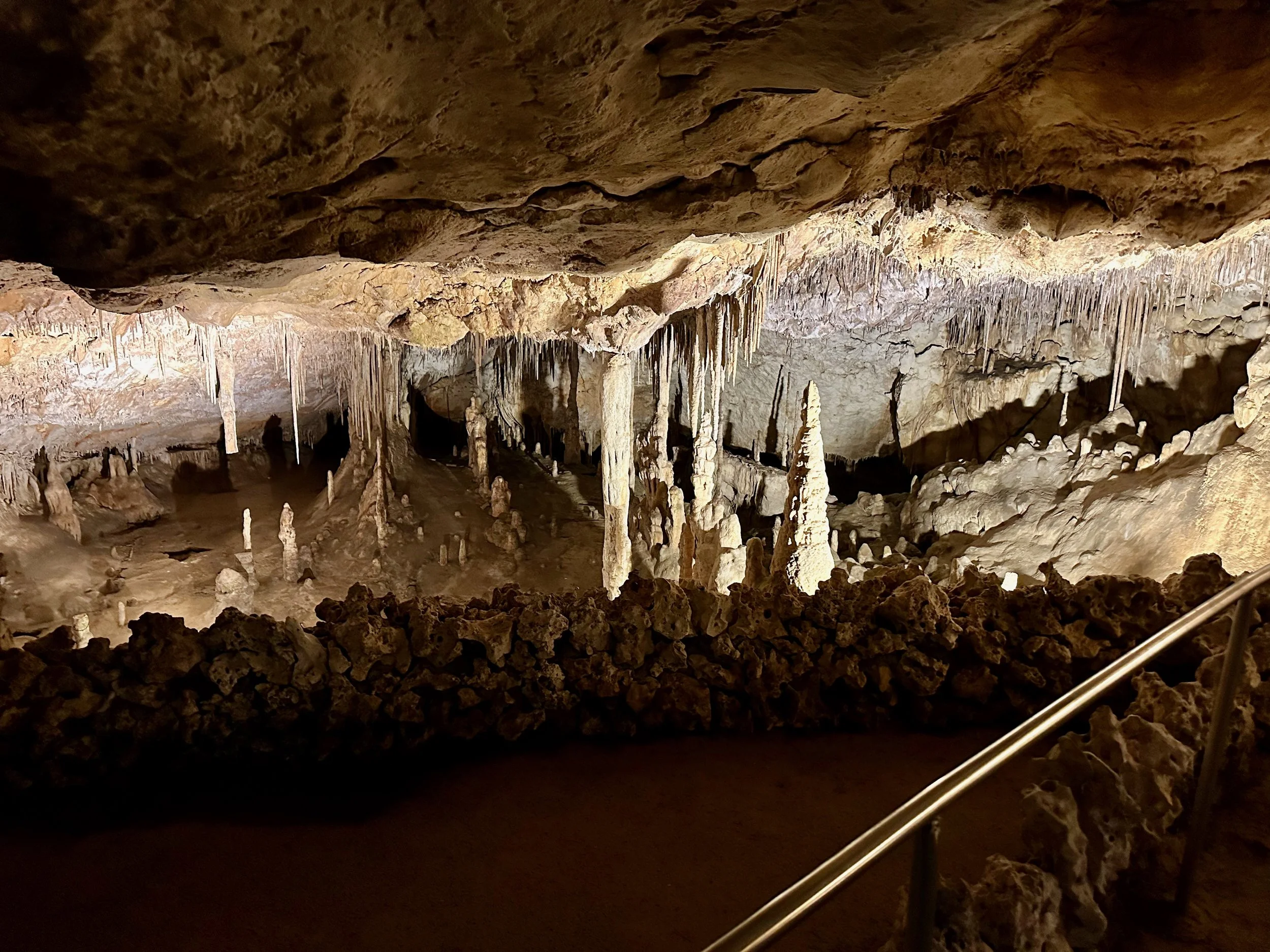
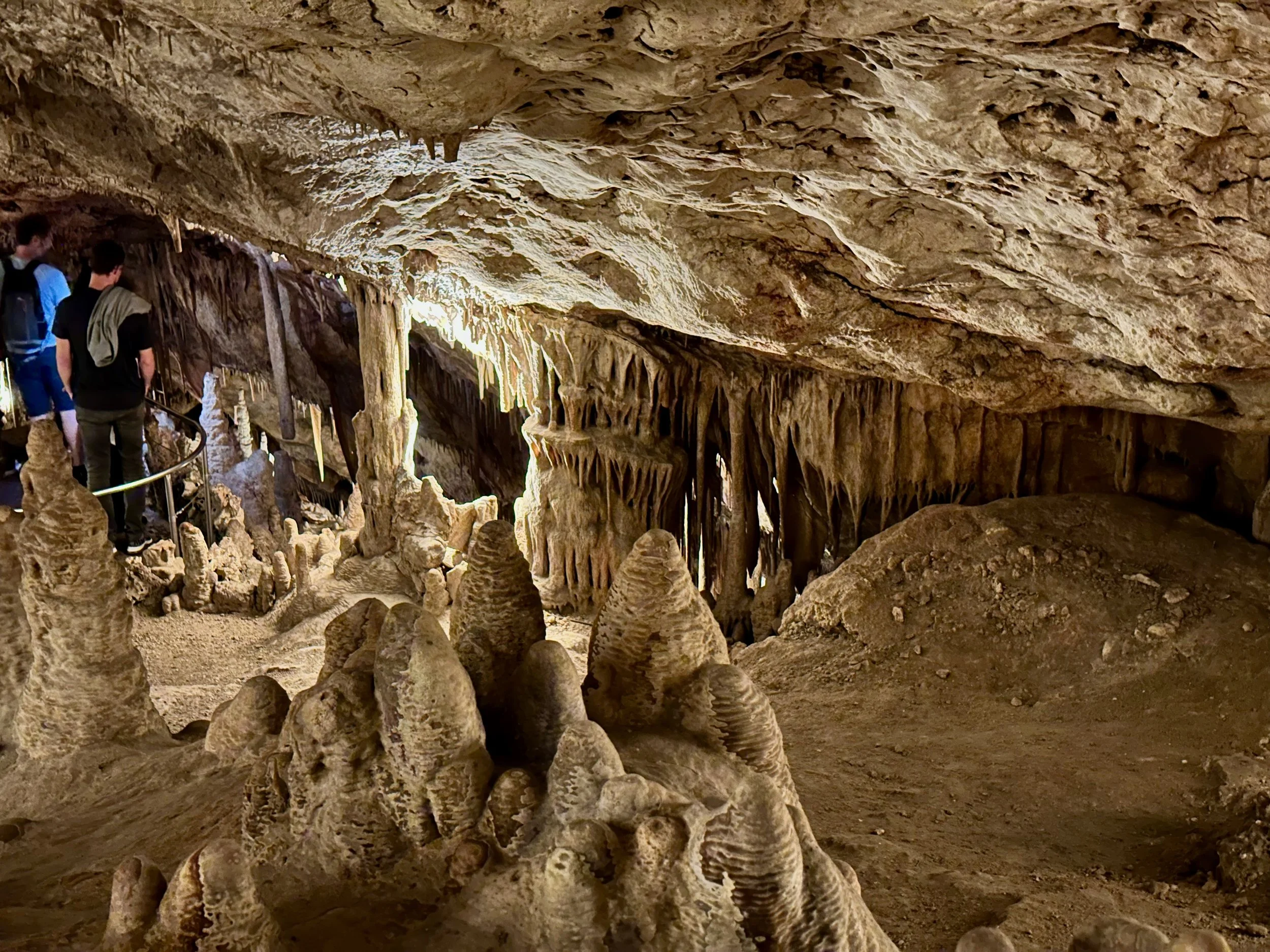
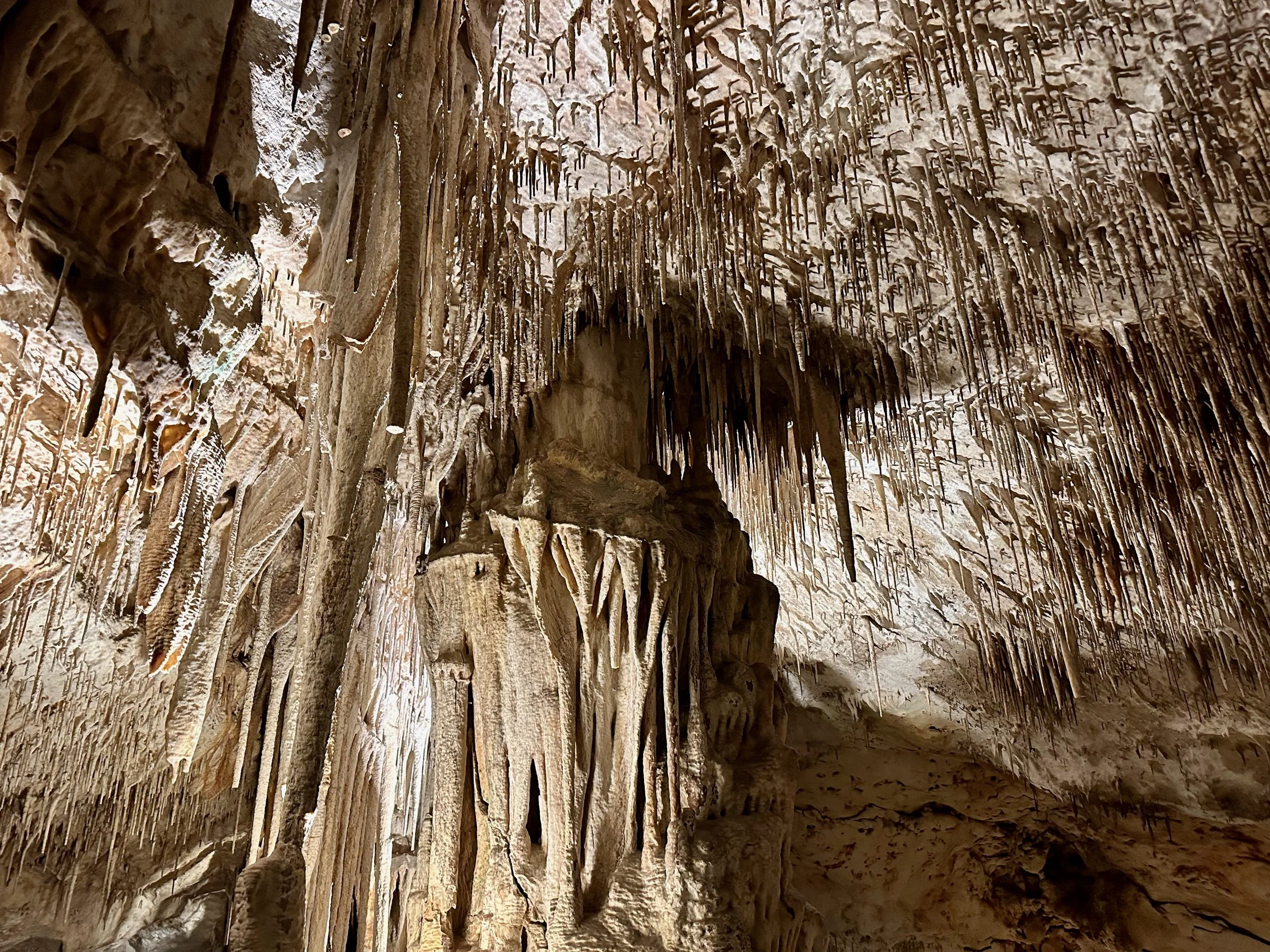
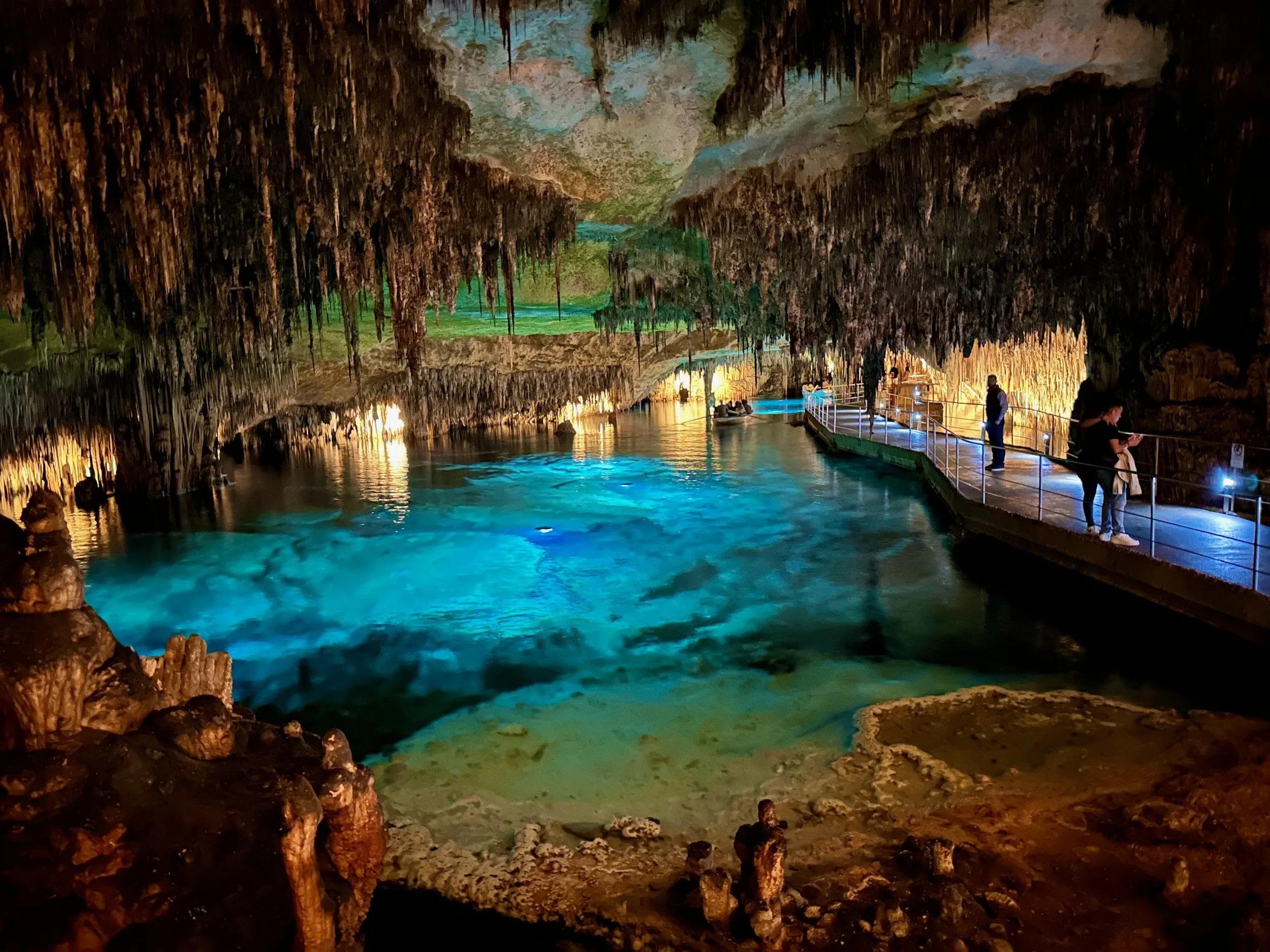
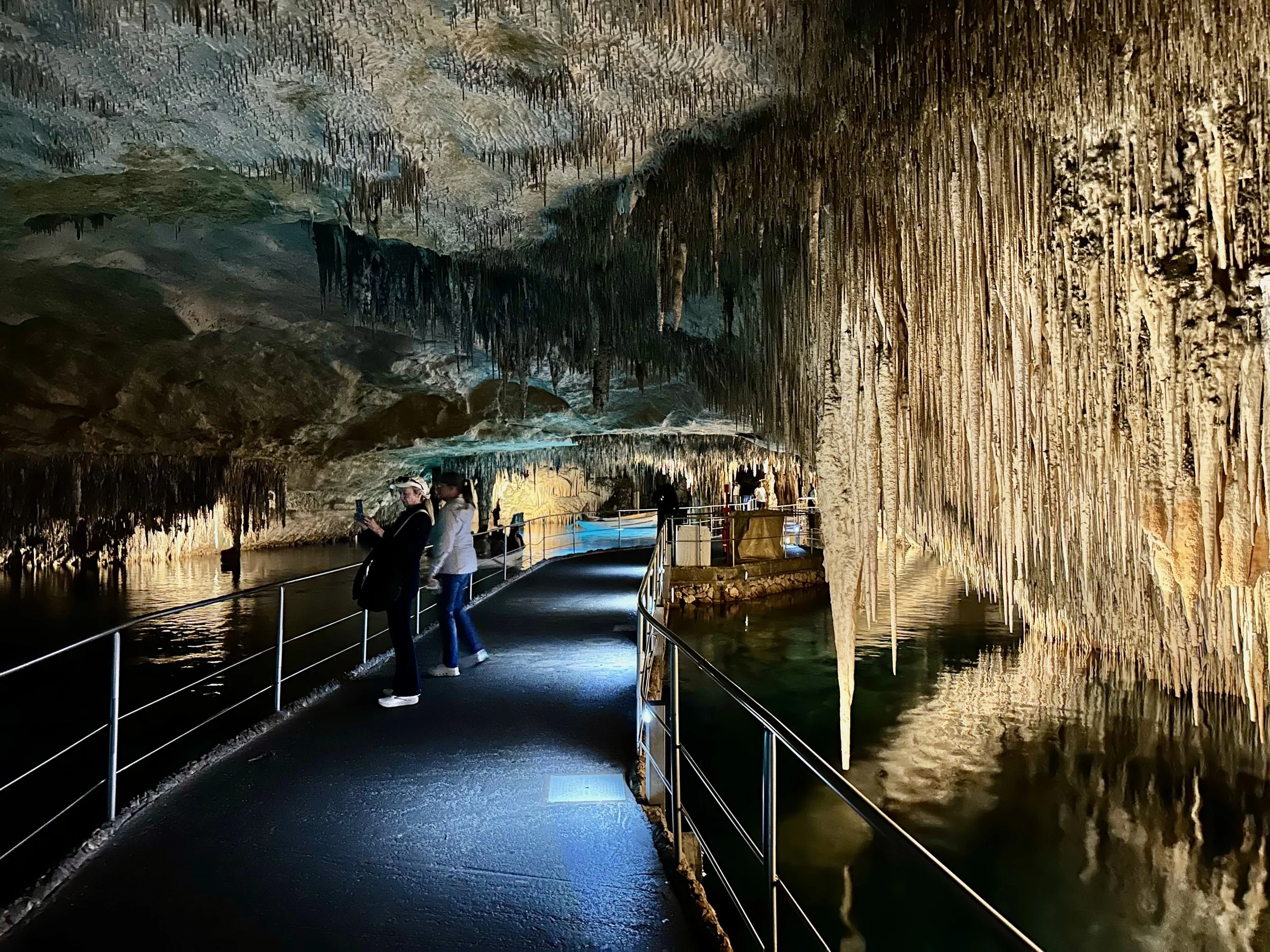
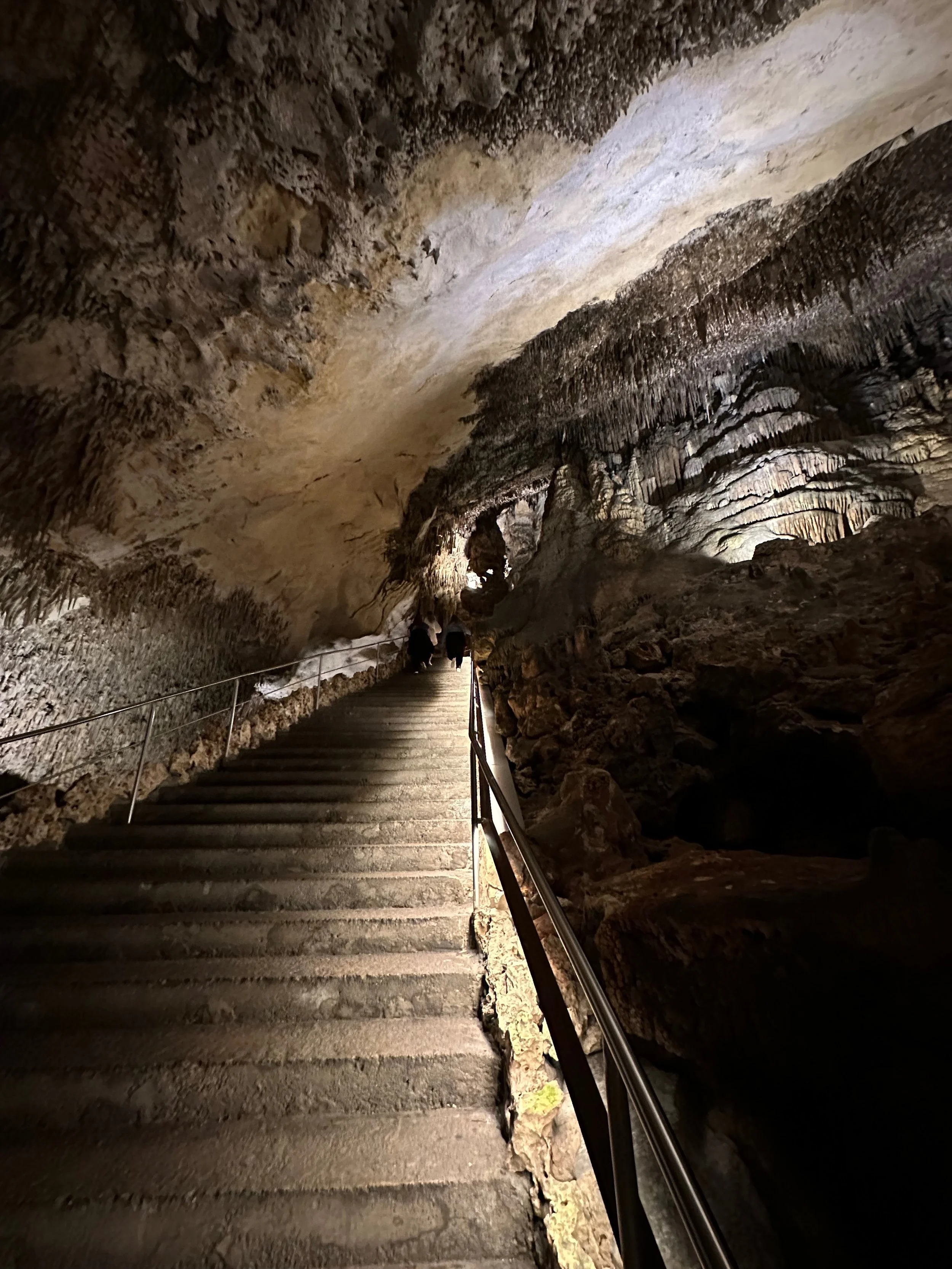
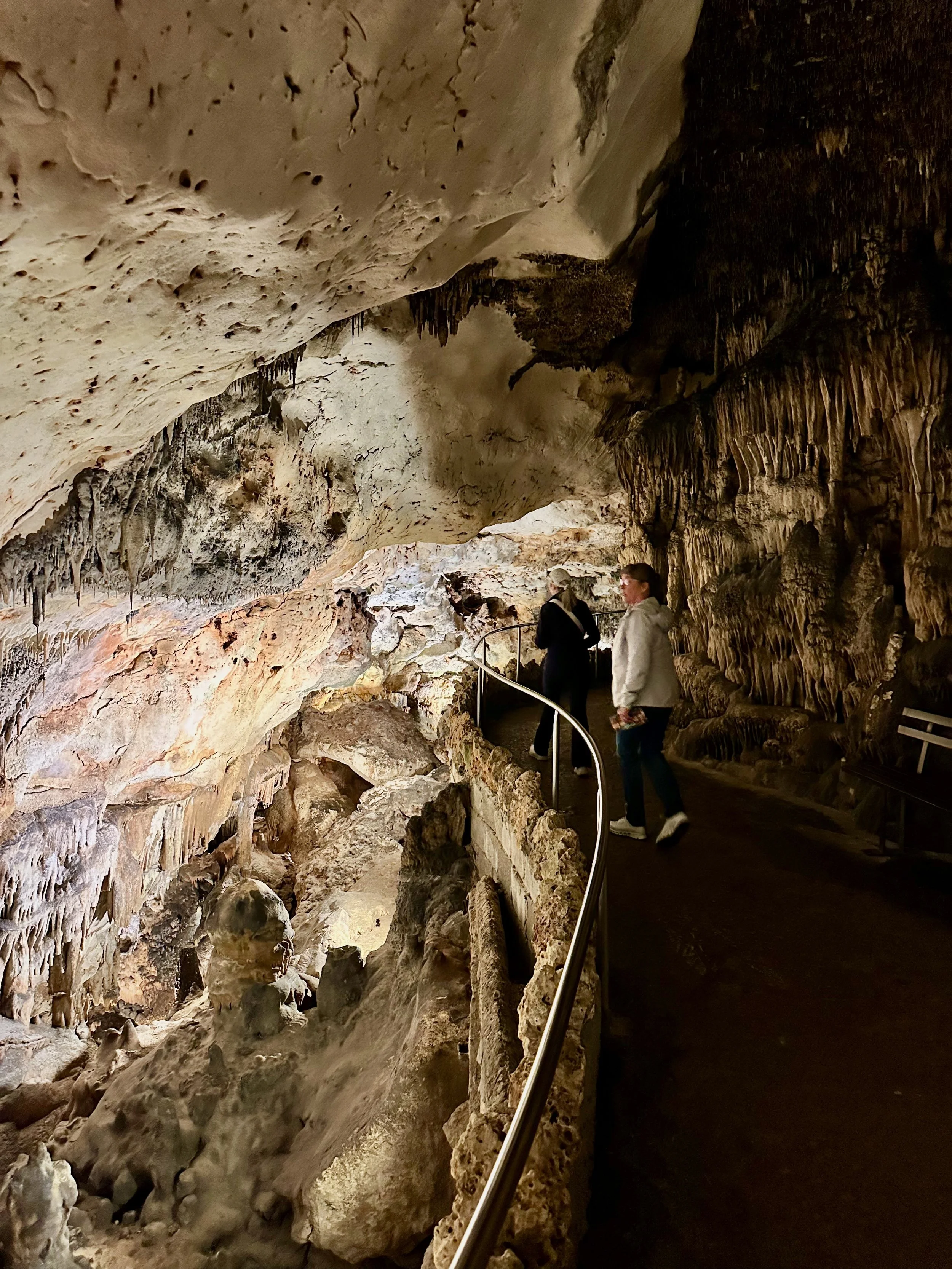
Entering the caves happened when the required number of quests were assembled in the holding area. Then we all advanced into the caves to work our way down the many flights of stairs fashioned into the rock either by carving or the forming of concrete. We fell to the back of the group so we could view the outstanding formations without the clutter of all the other people. Sure we missed the technical discussion from the guide, but we were more interested just in the pure beauty before us. With close ties to several geologists, we hardly needed to learn from the guide. Besides, this wasn’t our first cave experience. We’ve been in caves in Japan and America. Below are images from inside the cave.
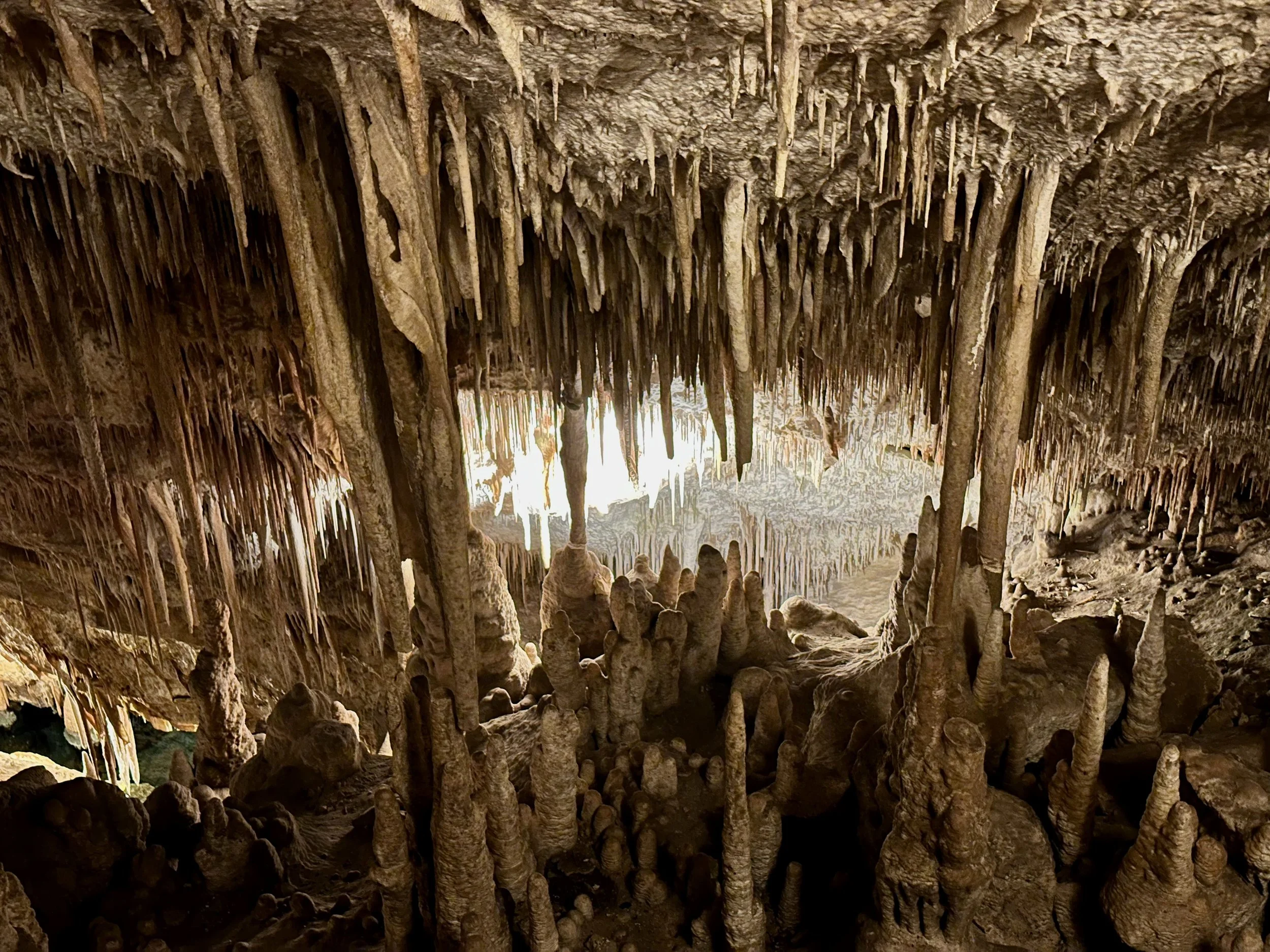
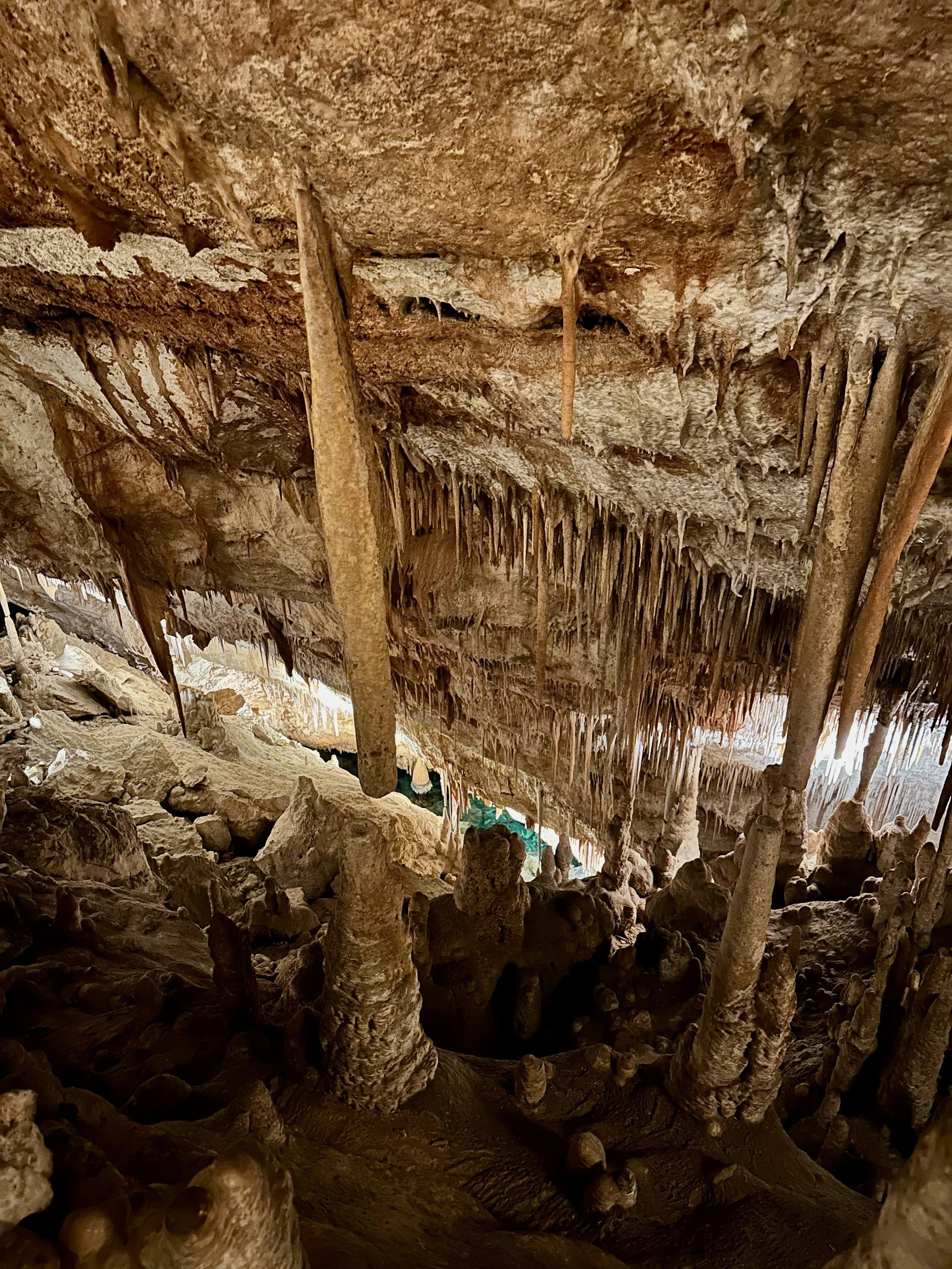
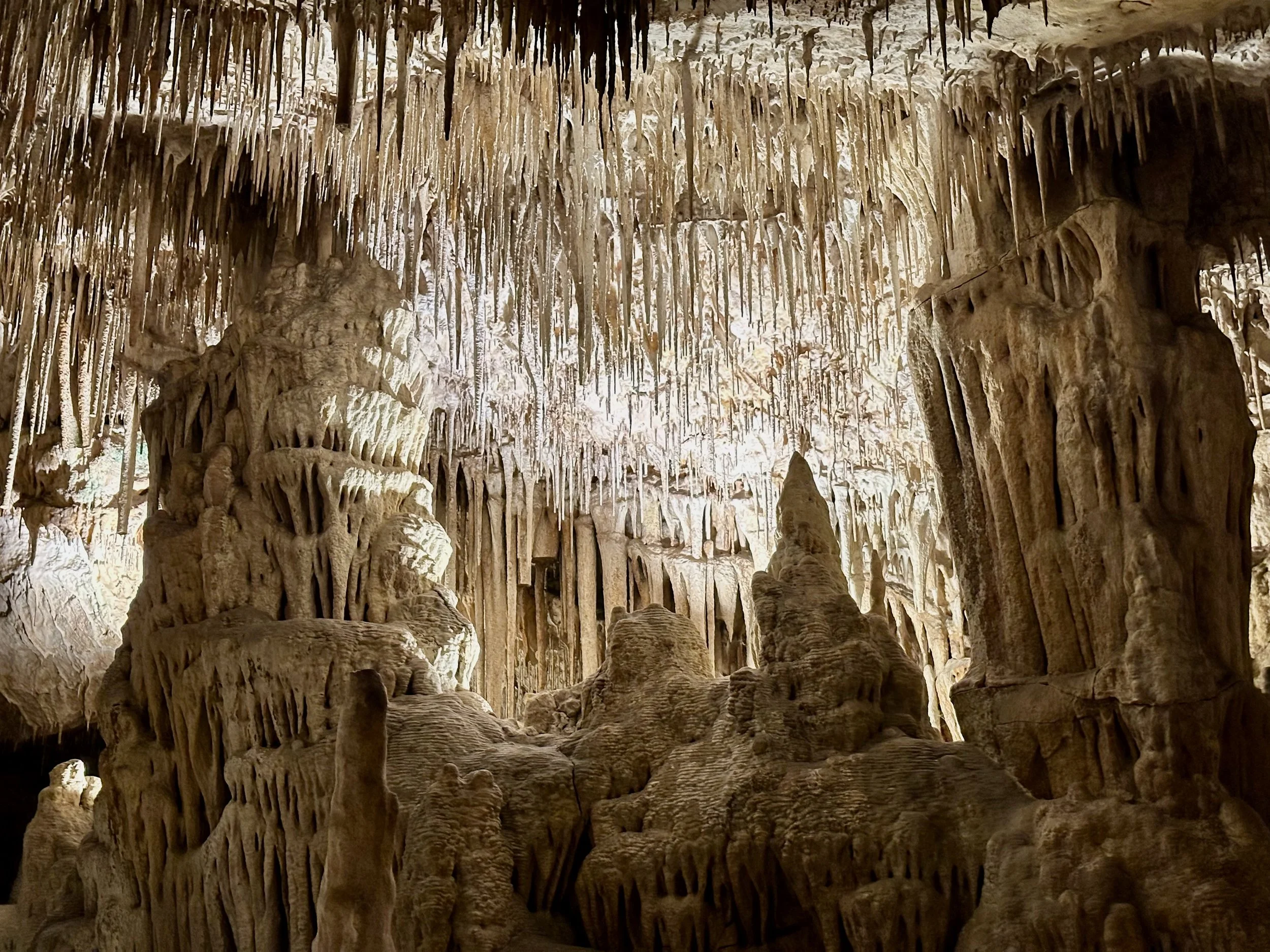
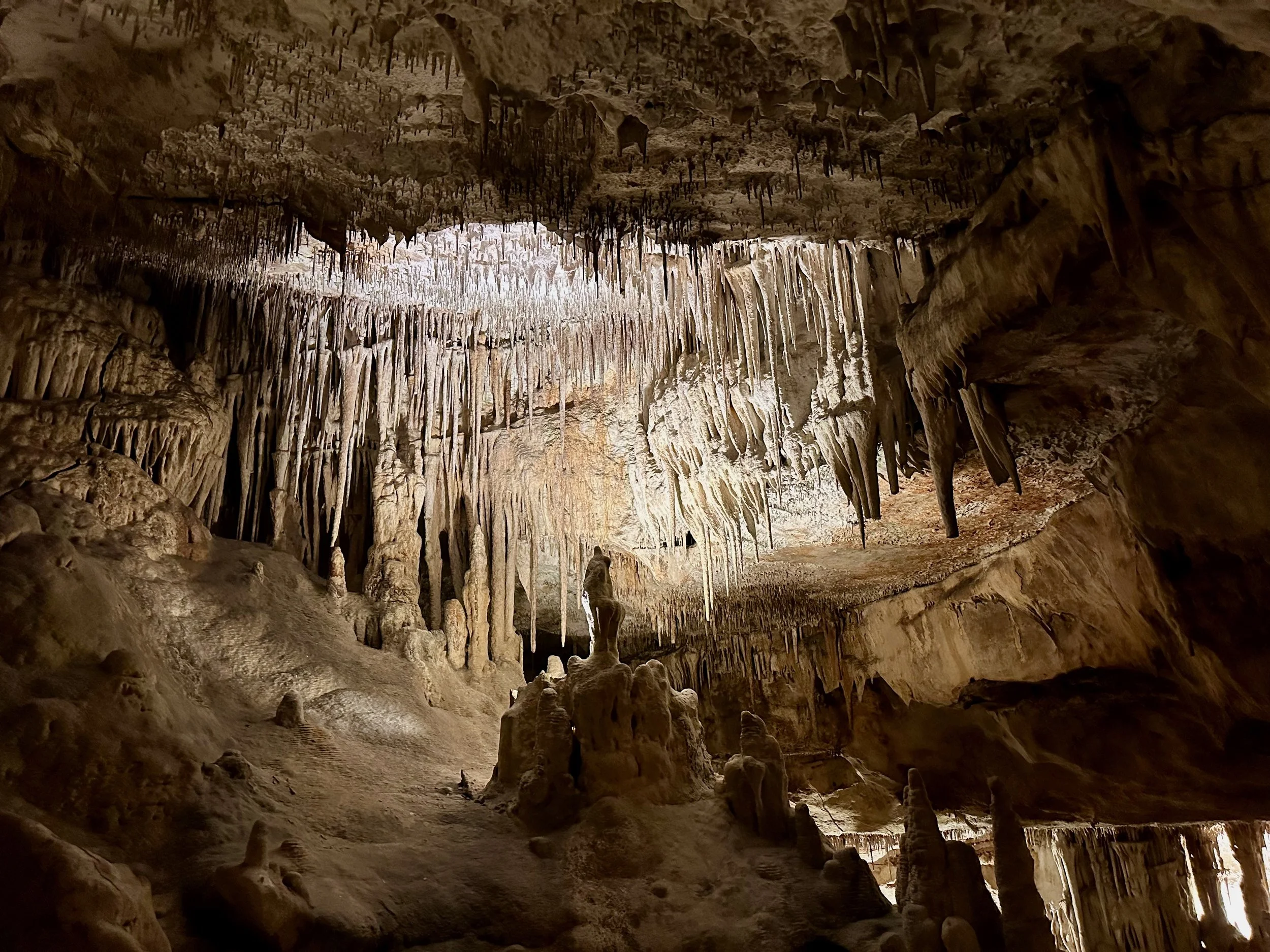
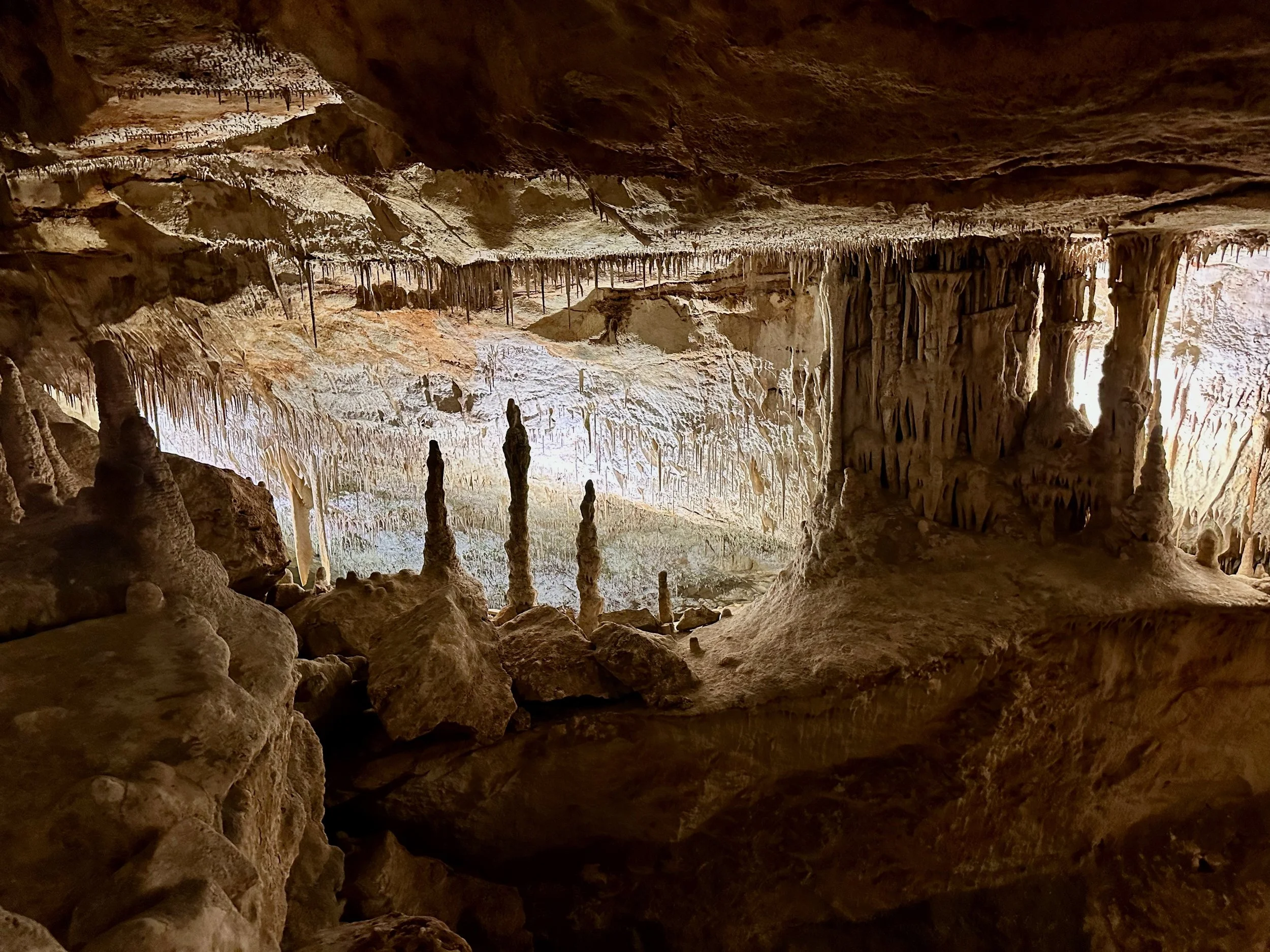
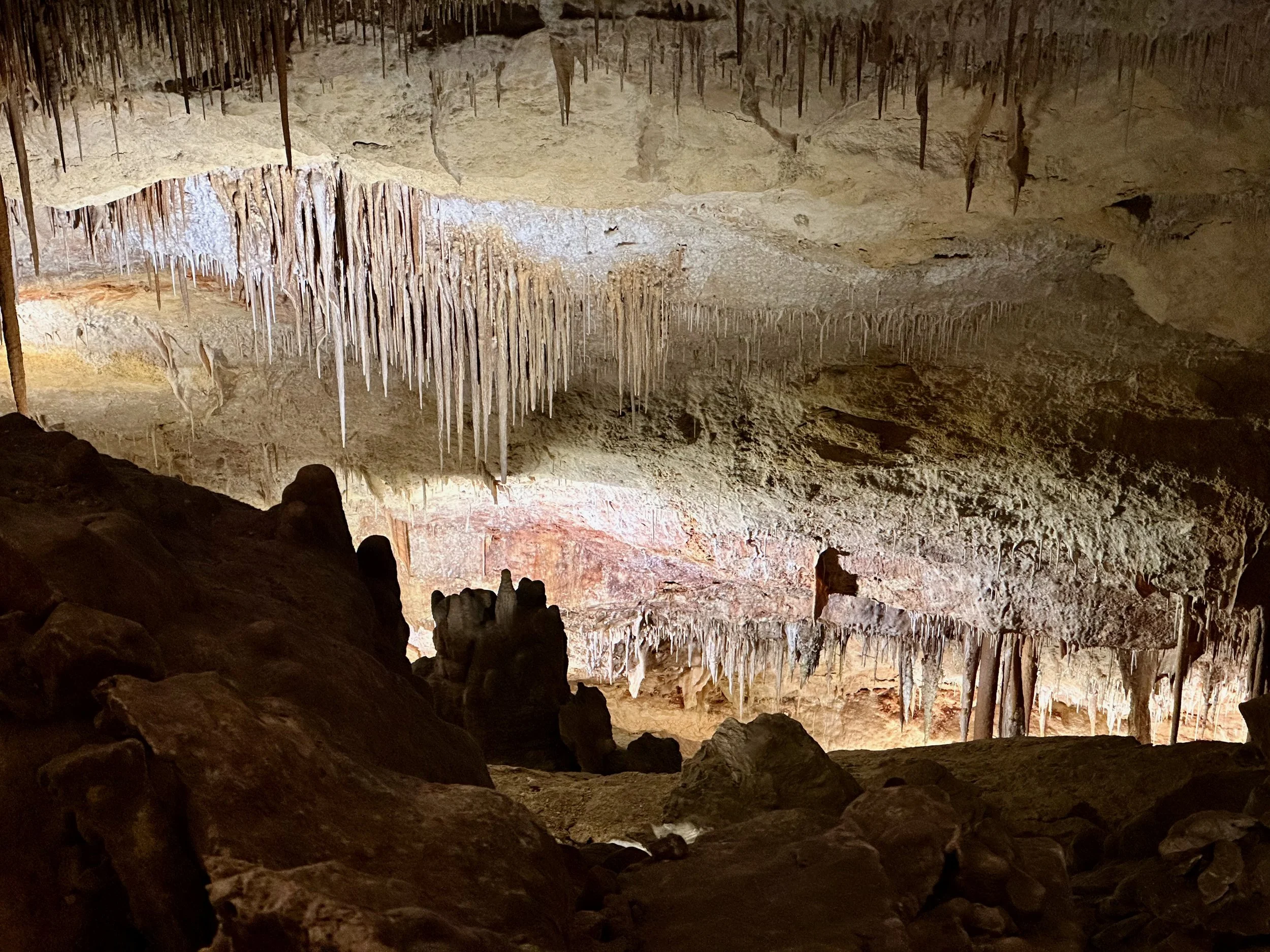
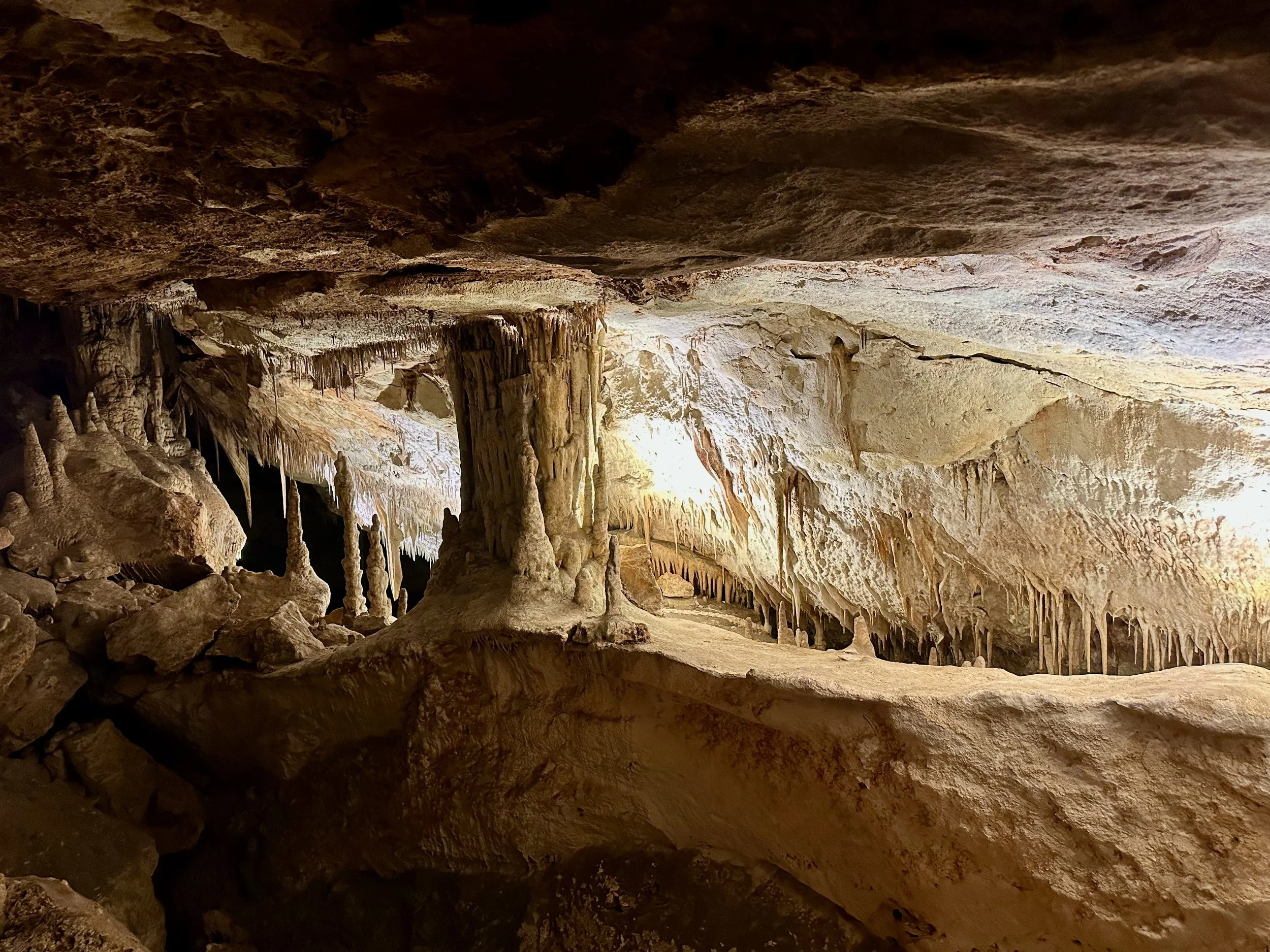
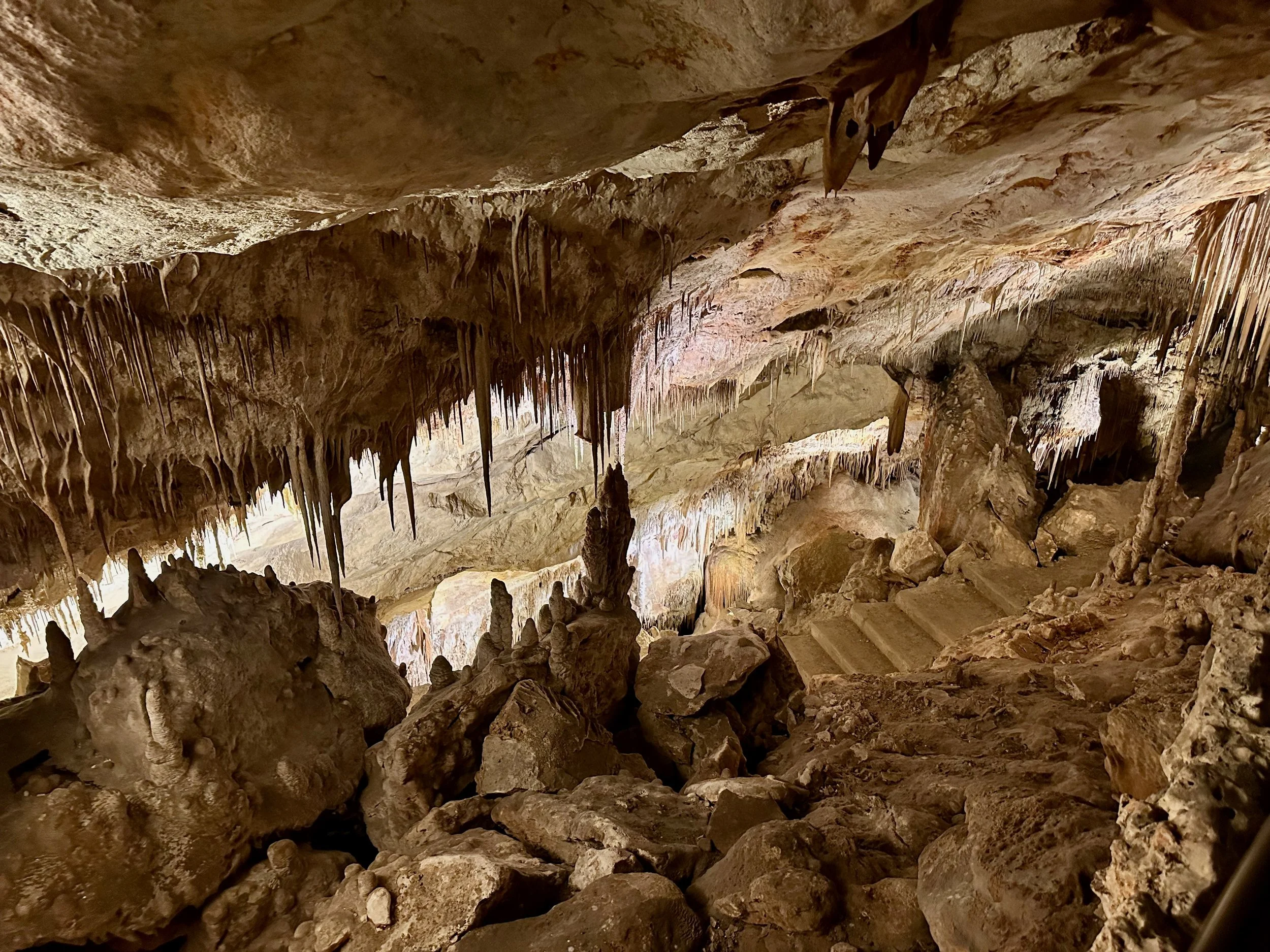
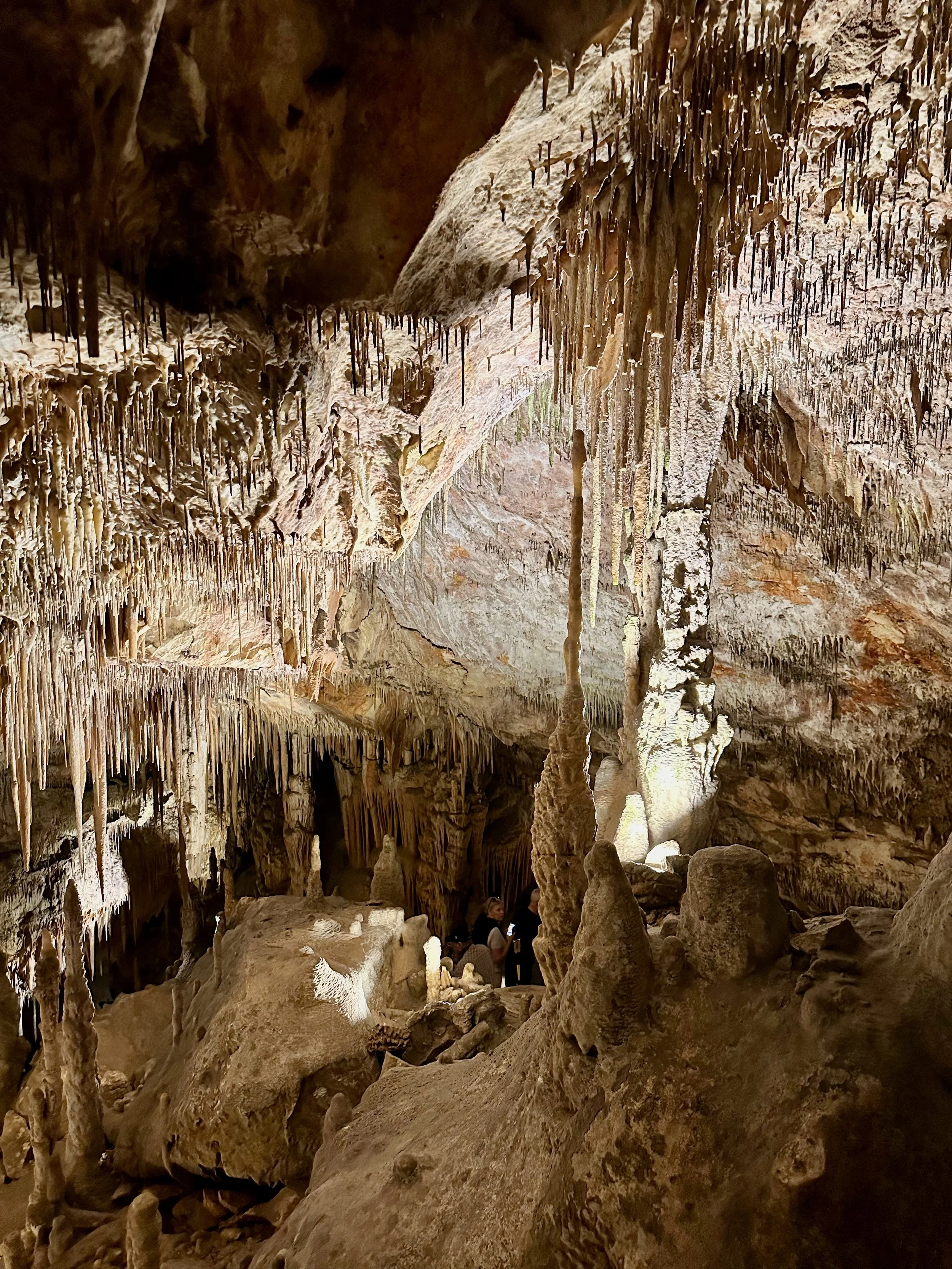
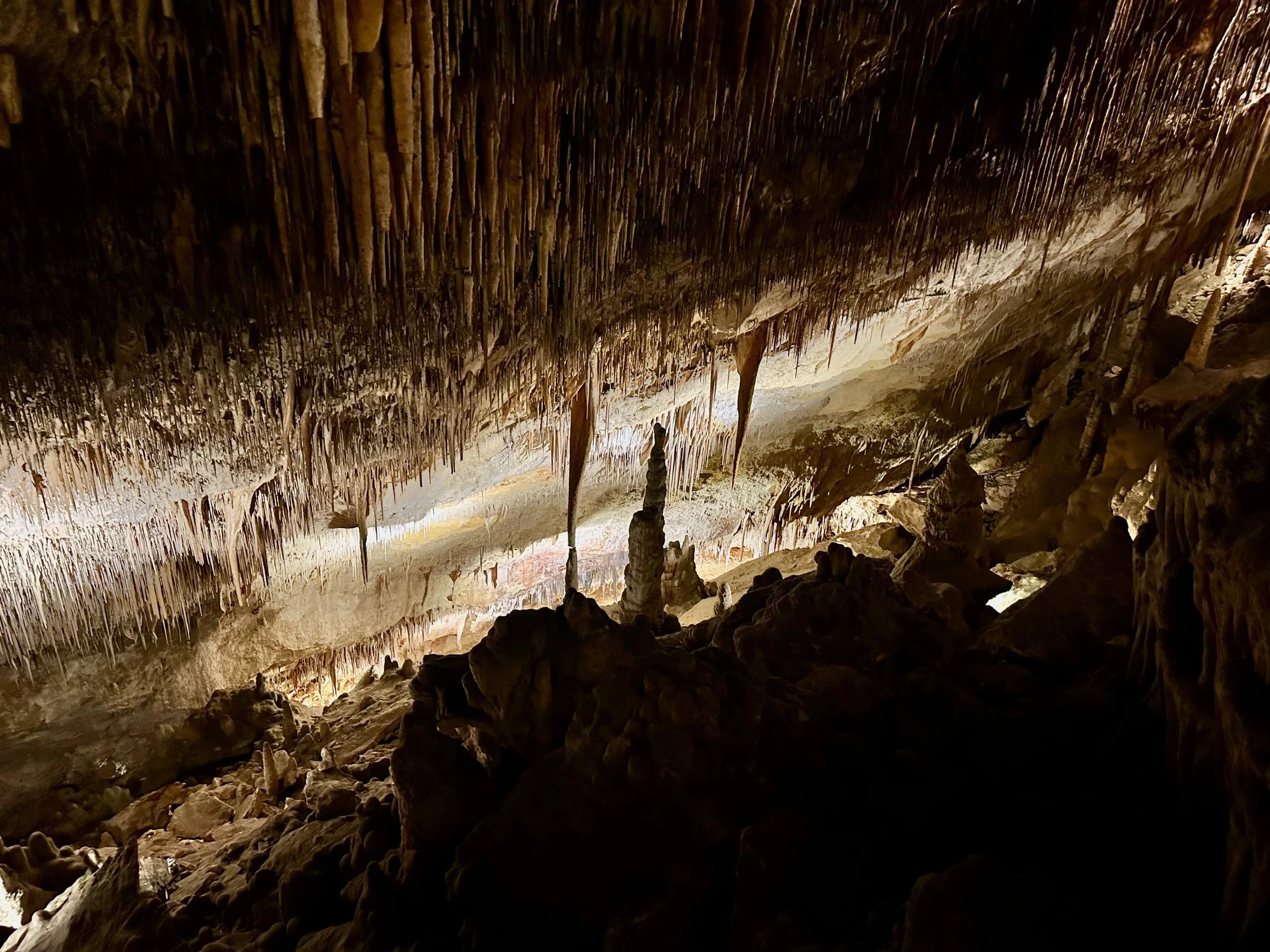
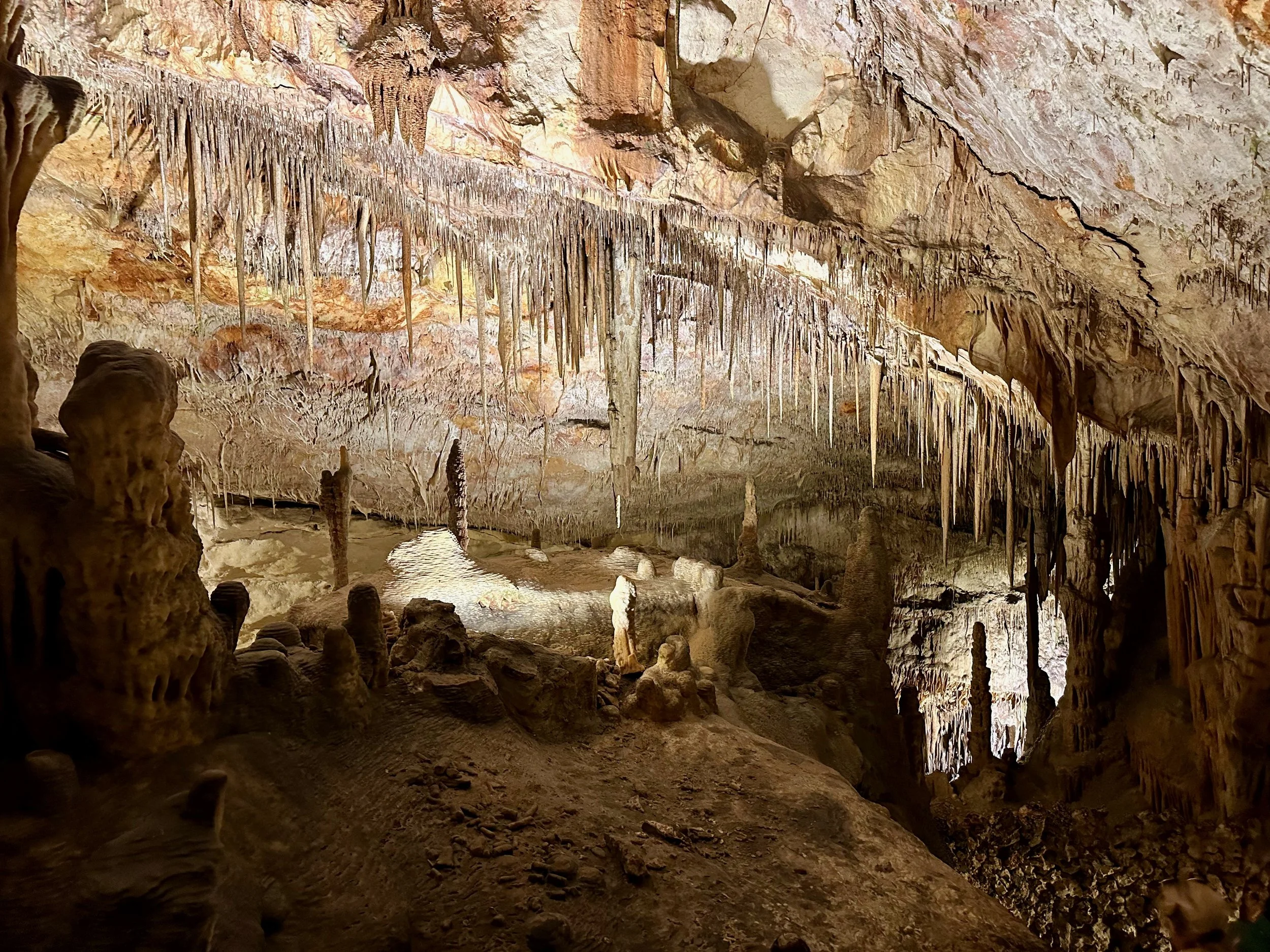
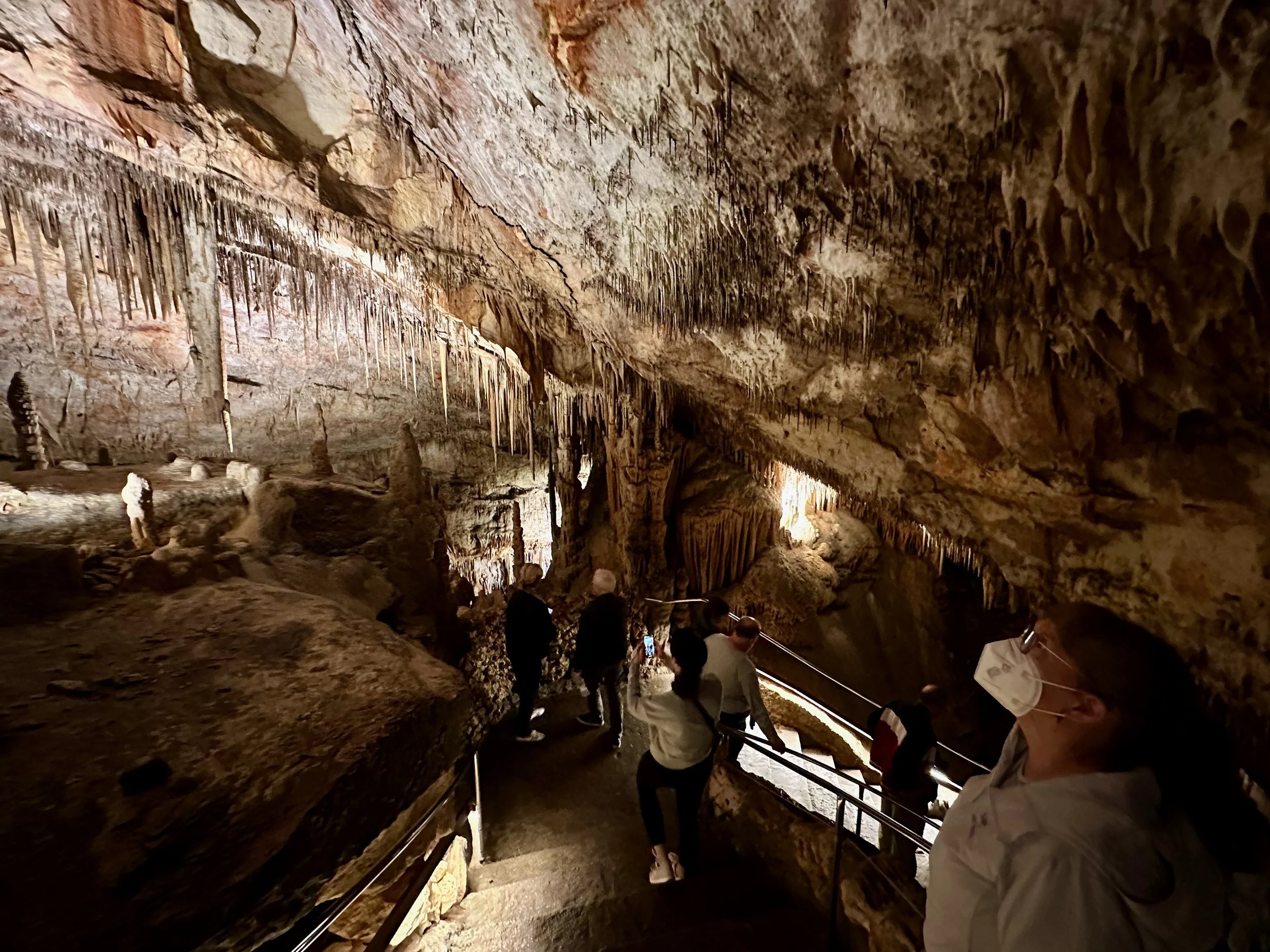
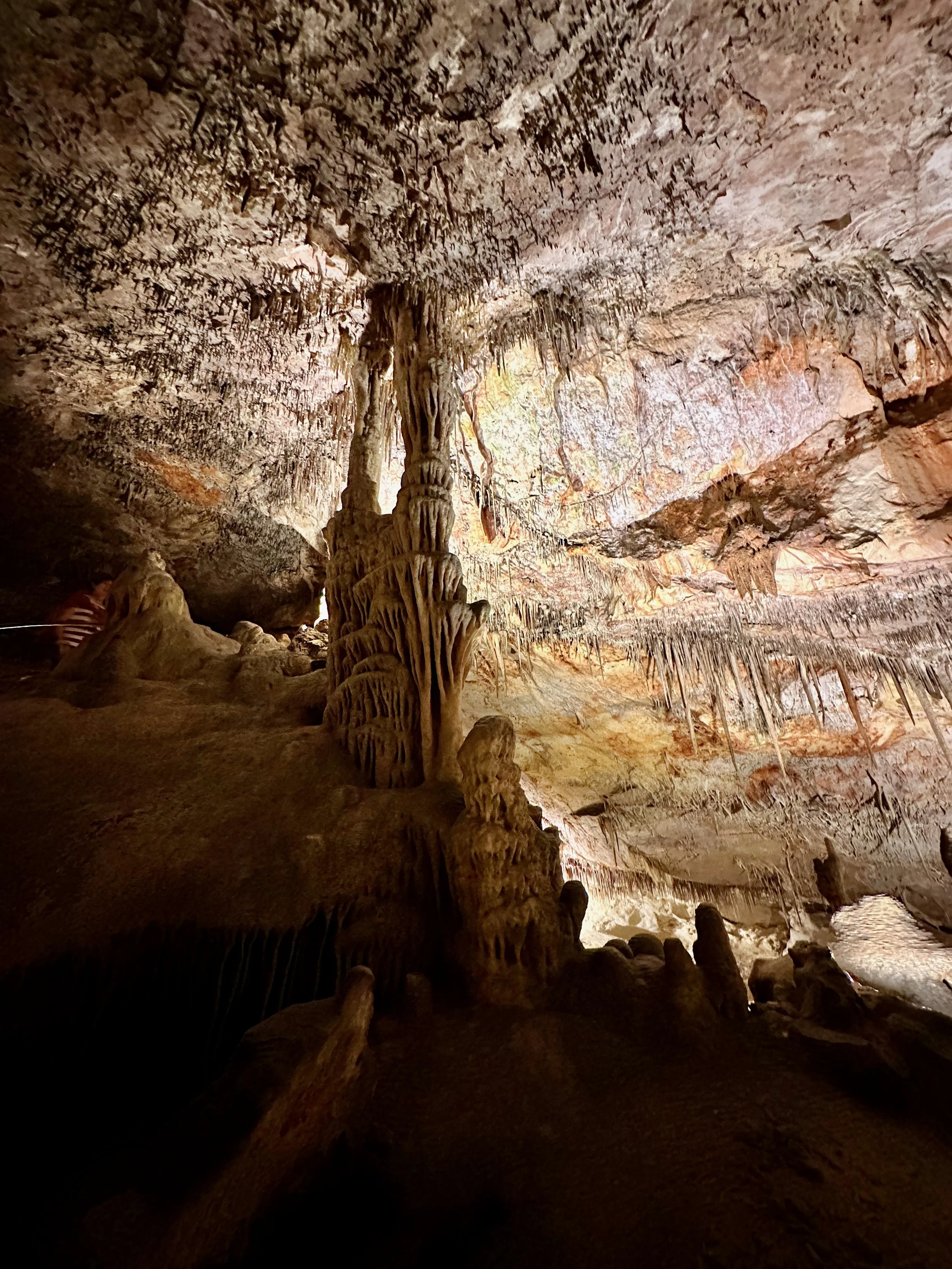
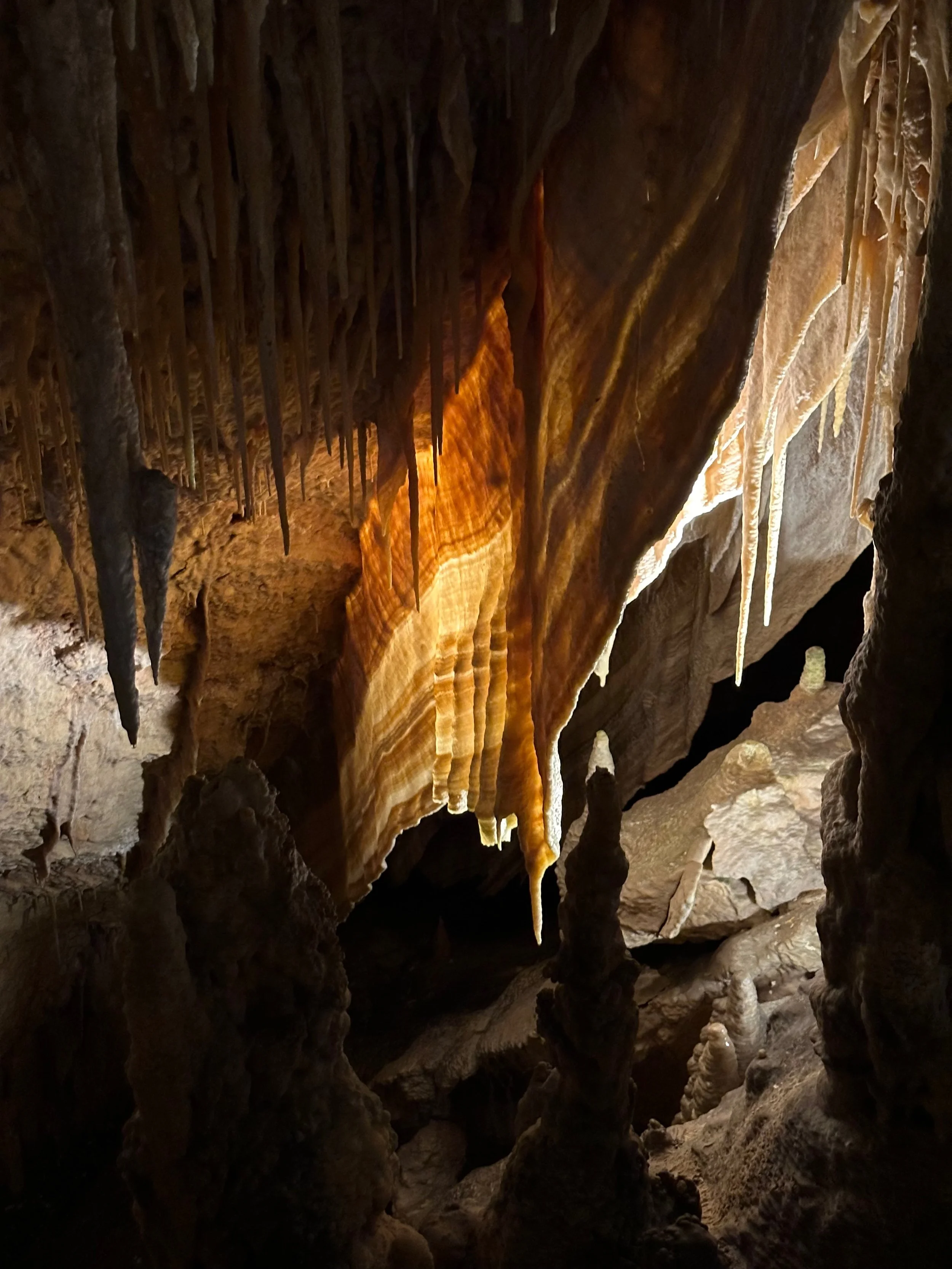
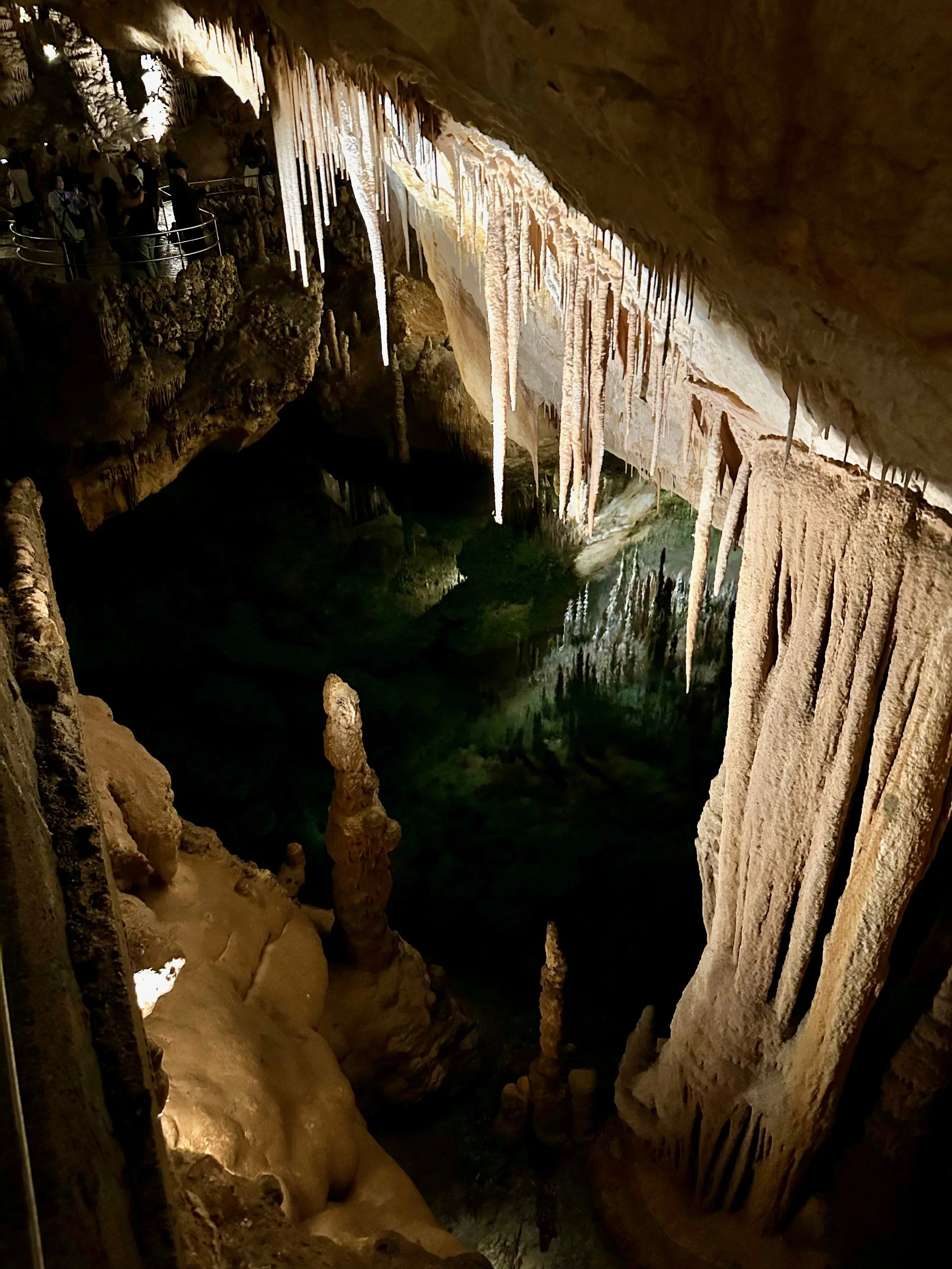
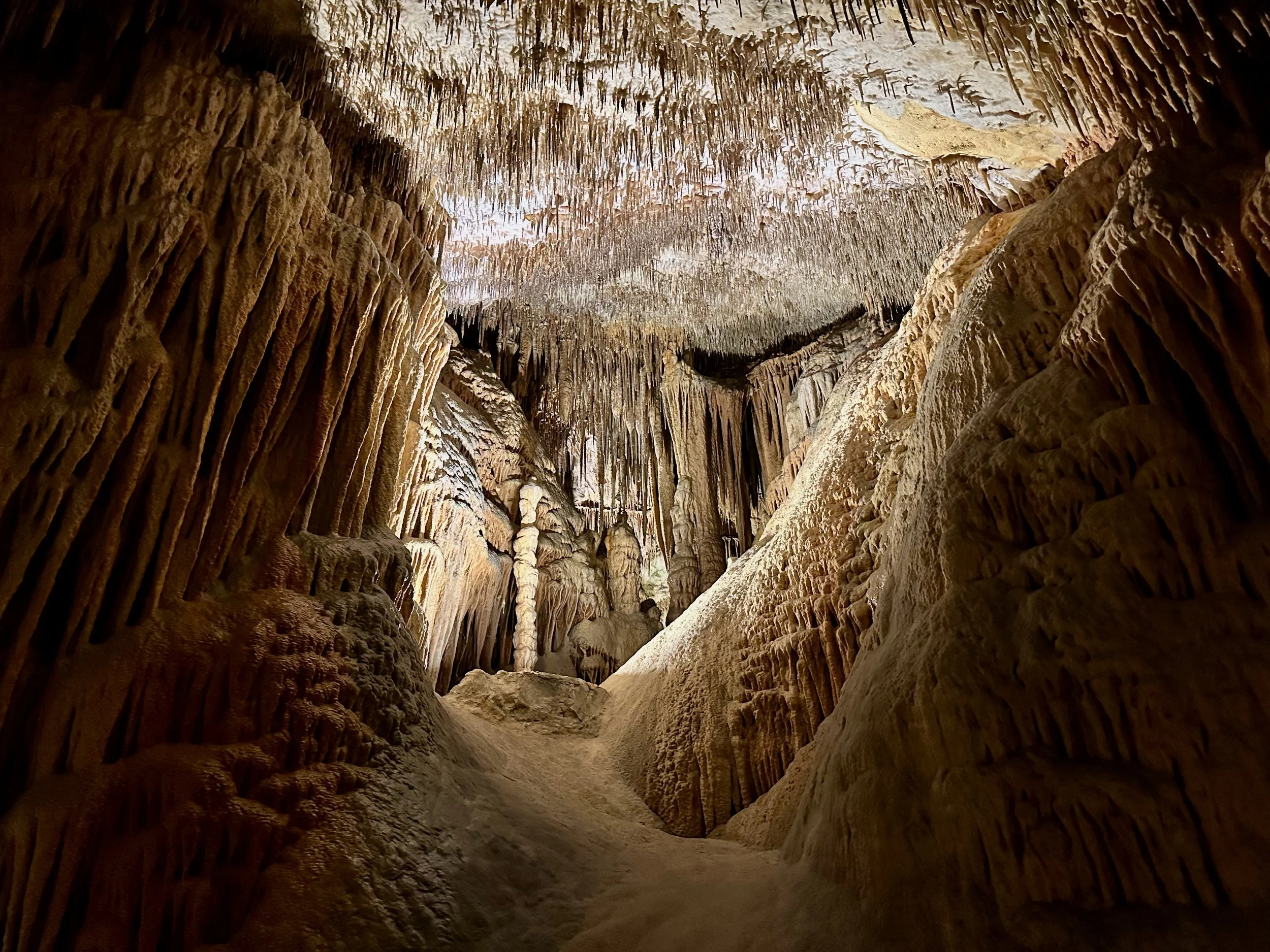
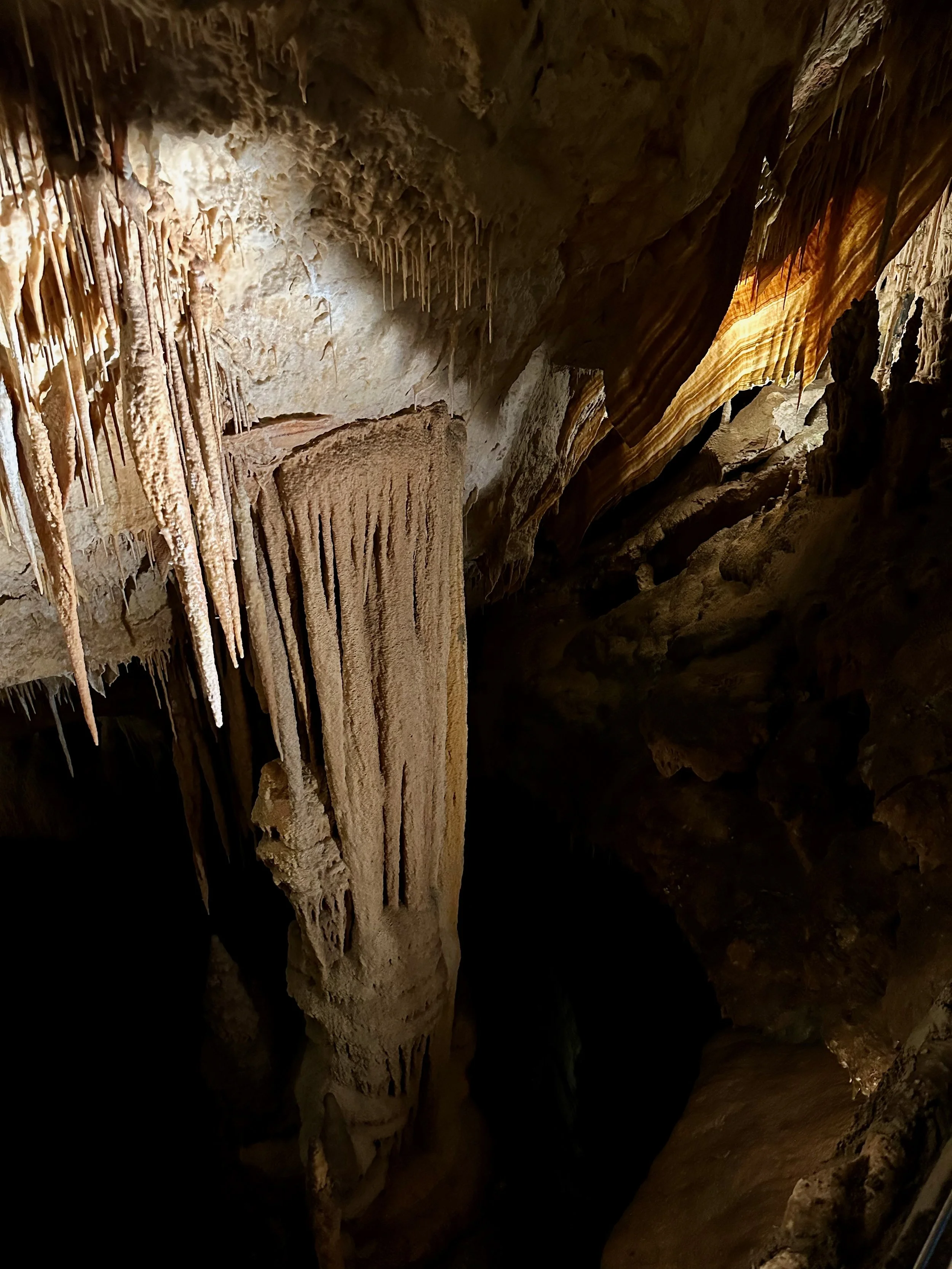
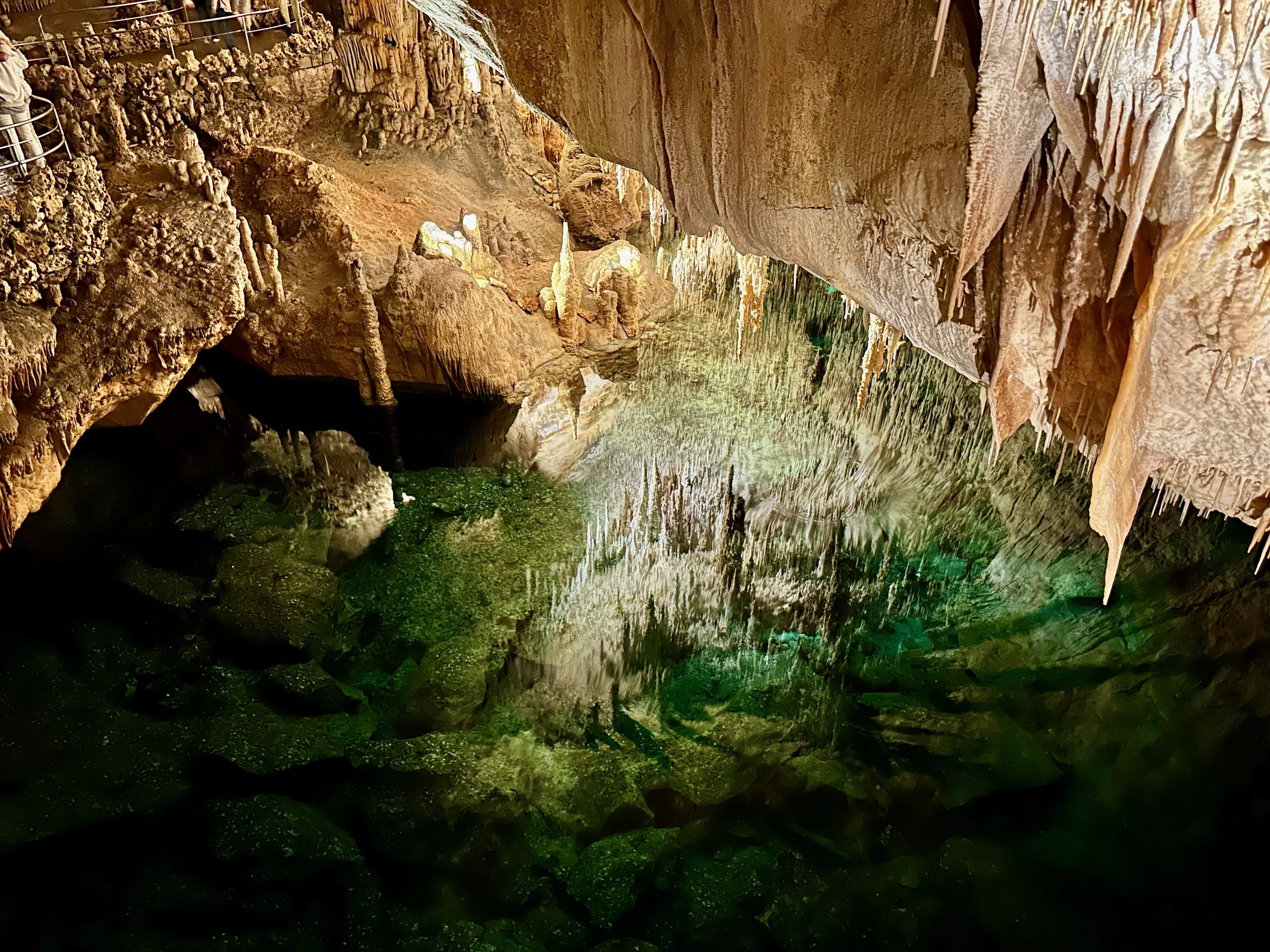
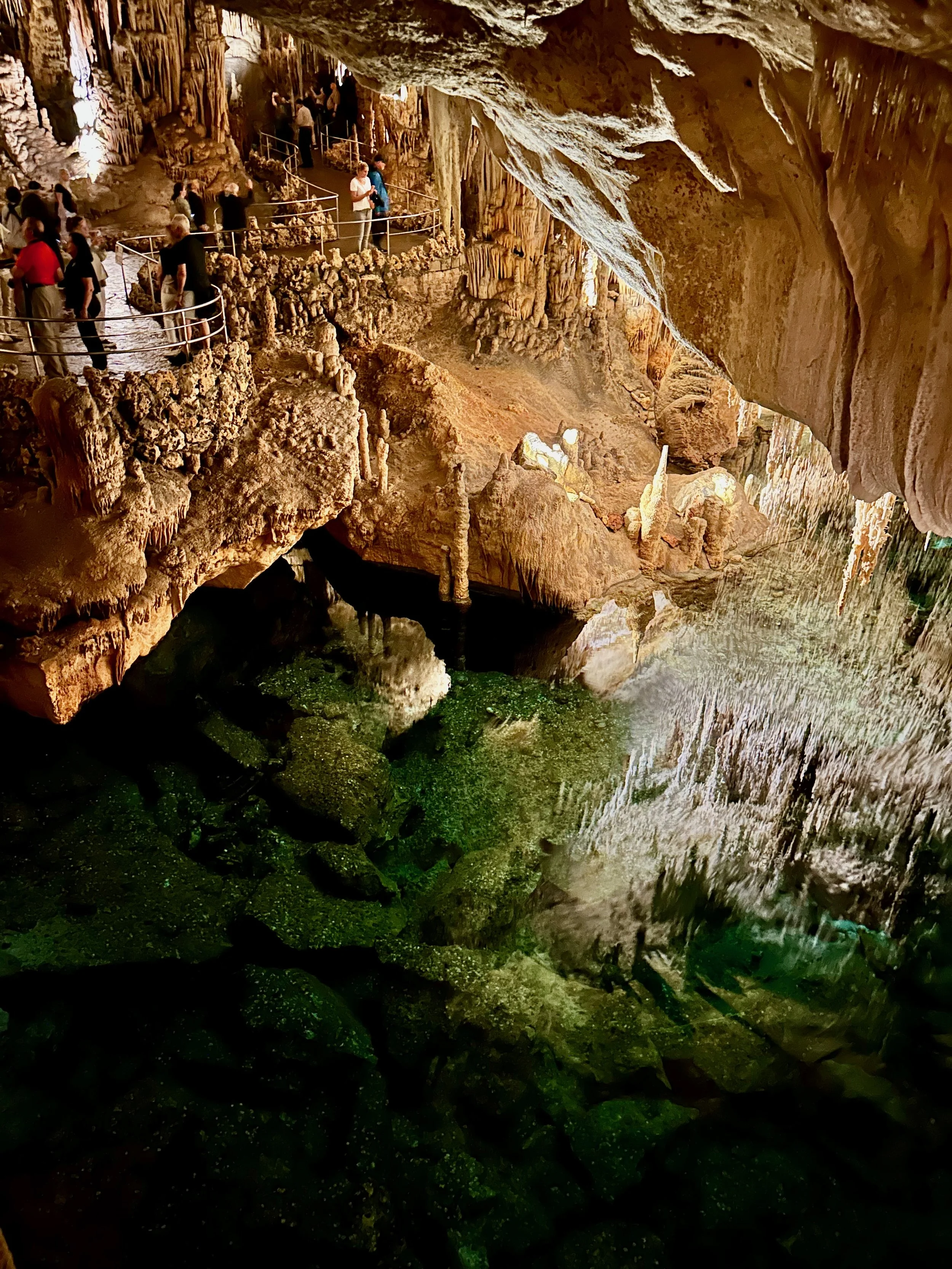
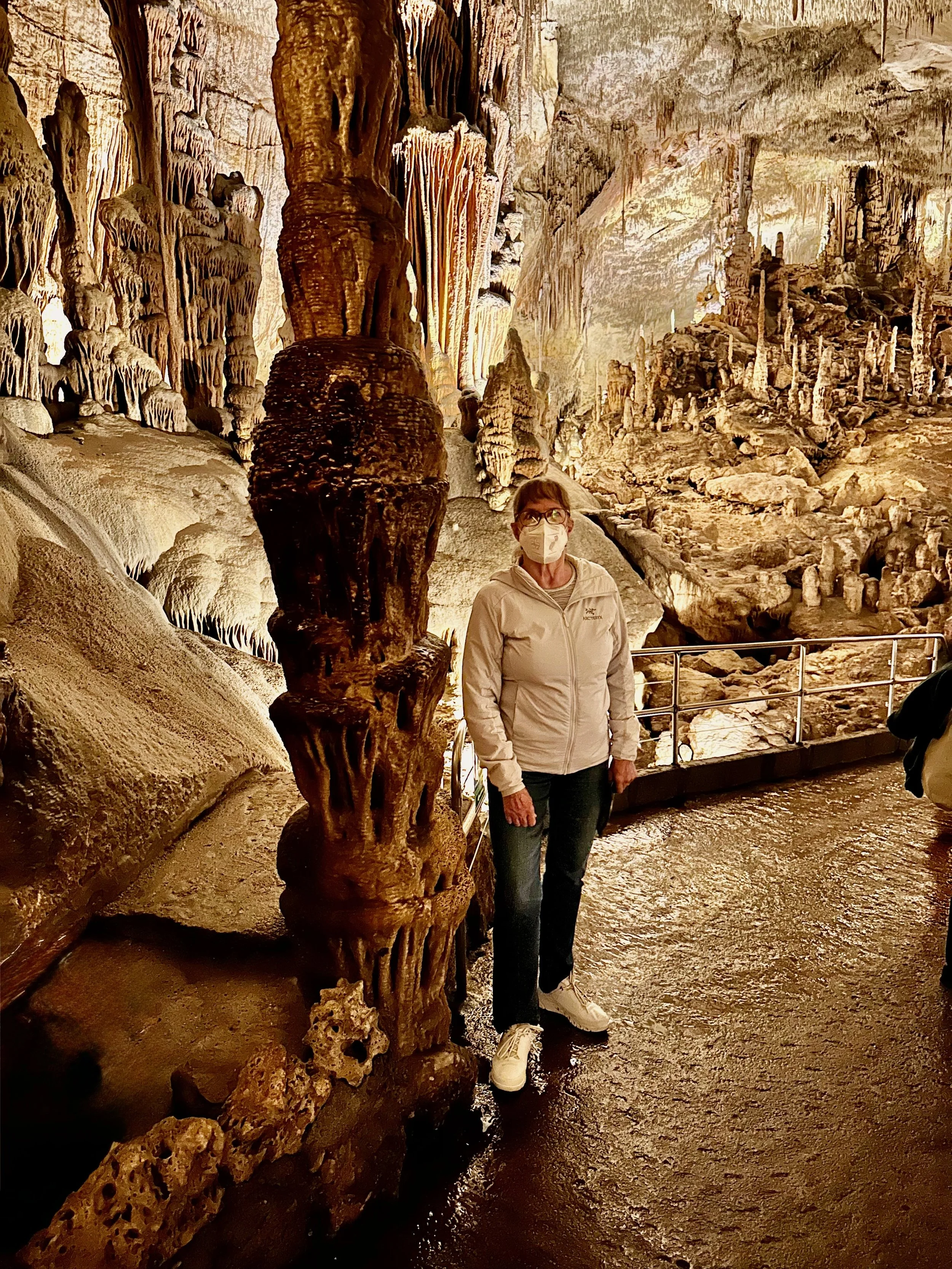
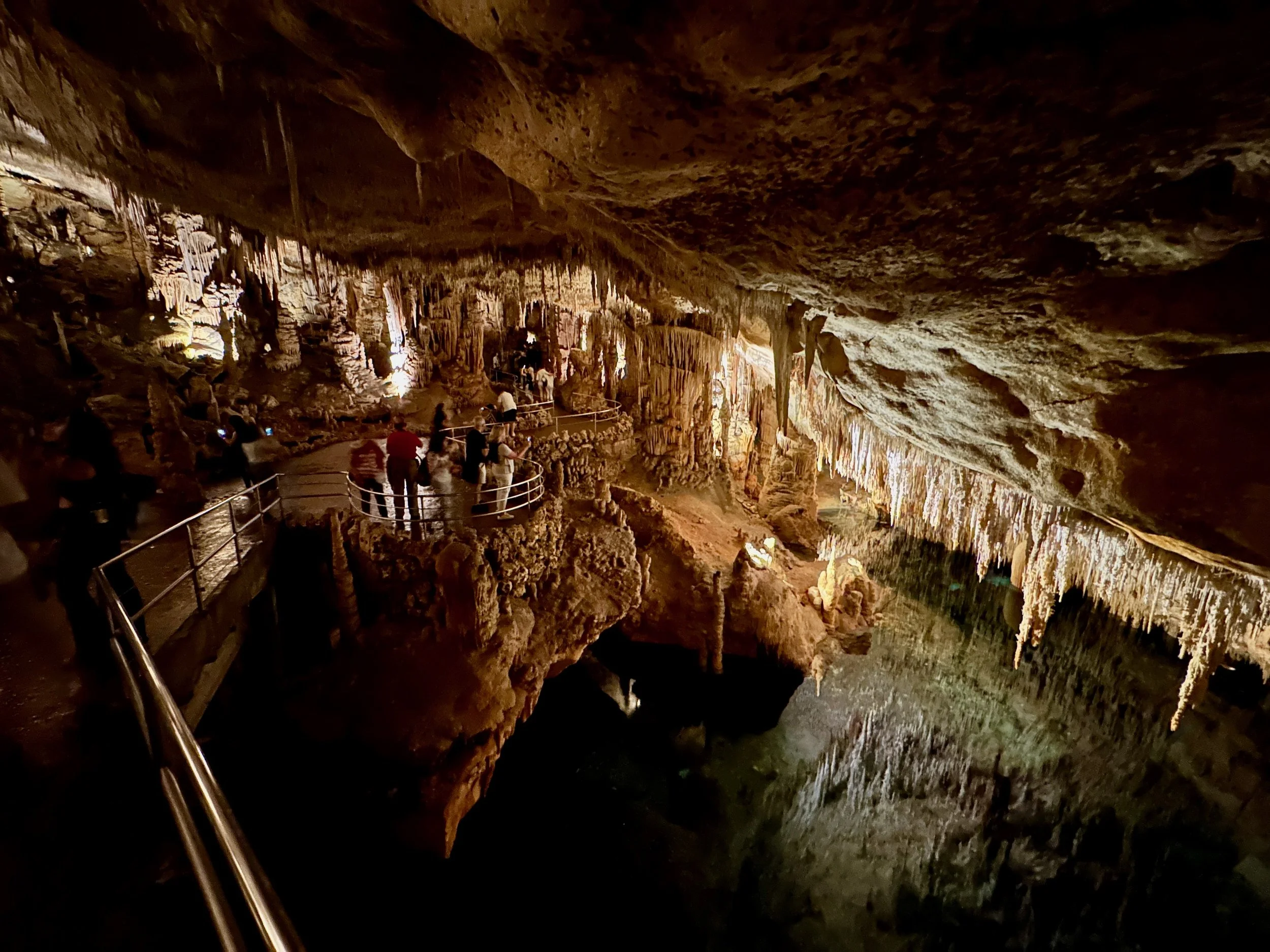
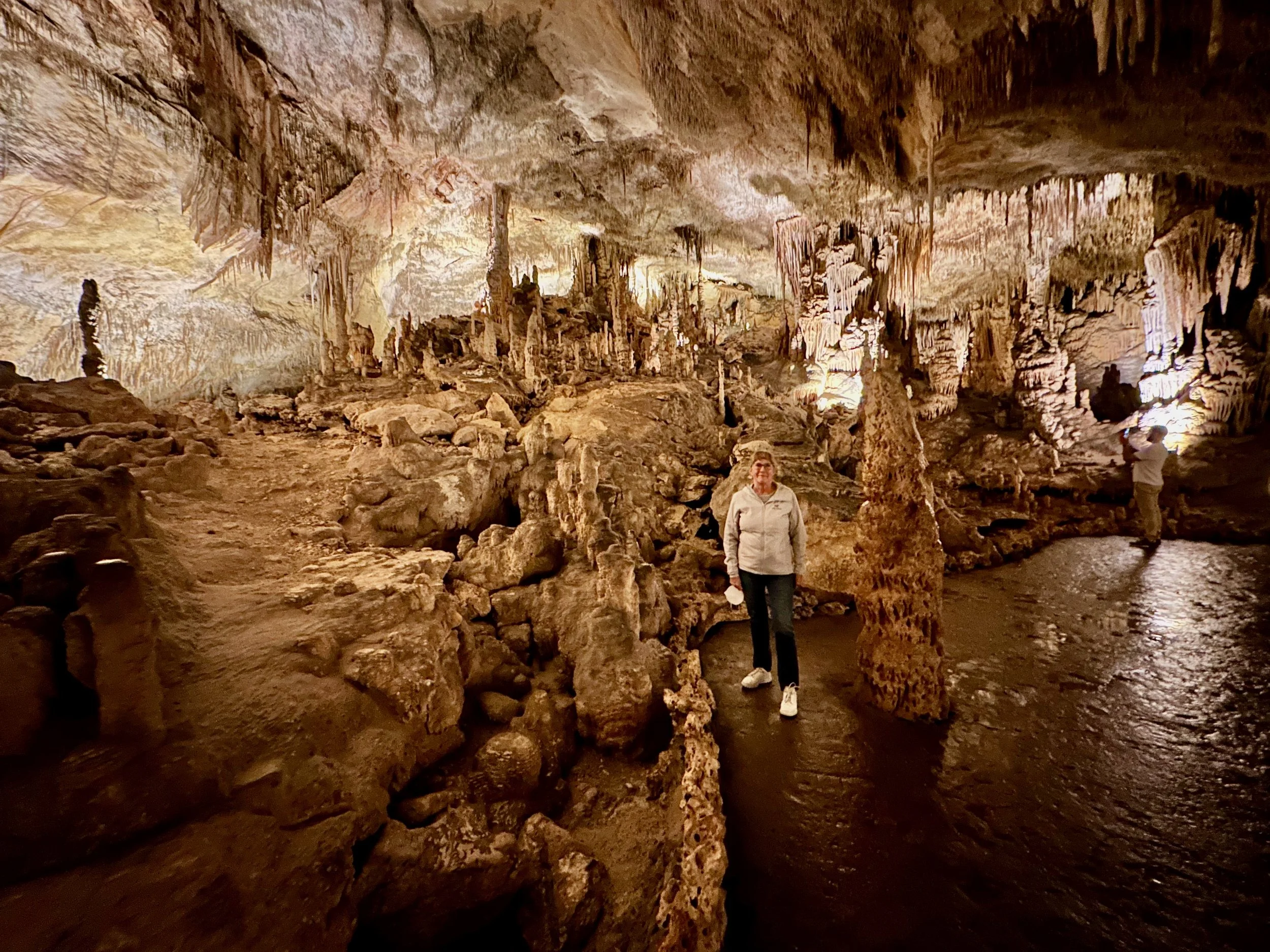
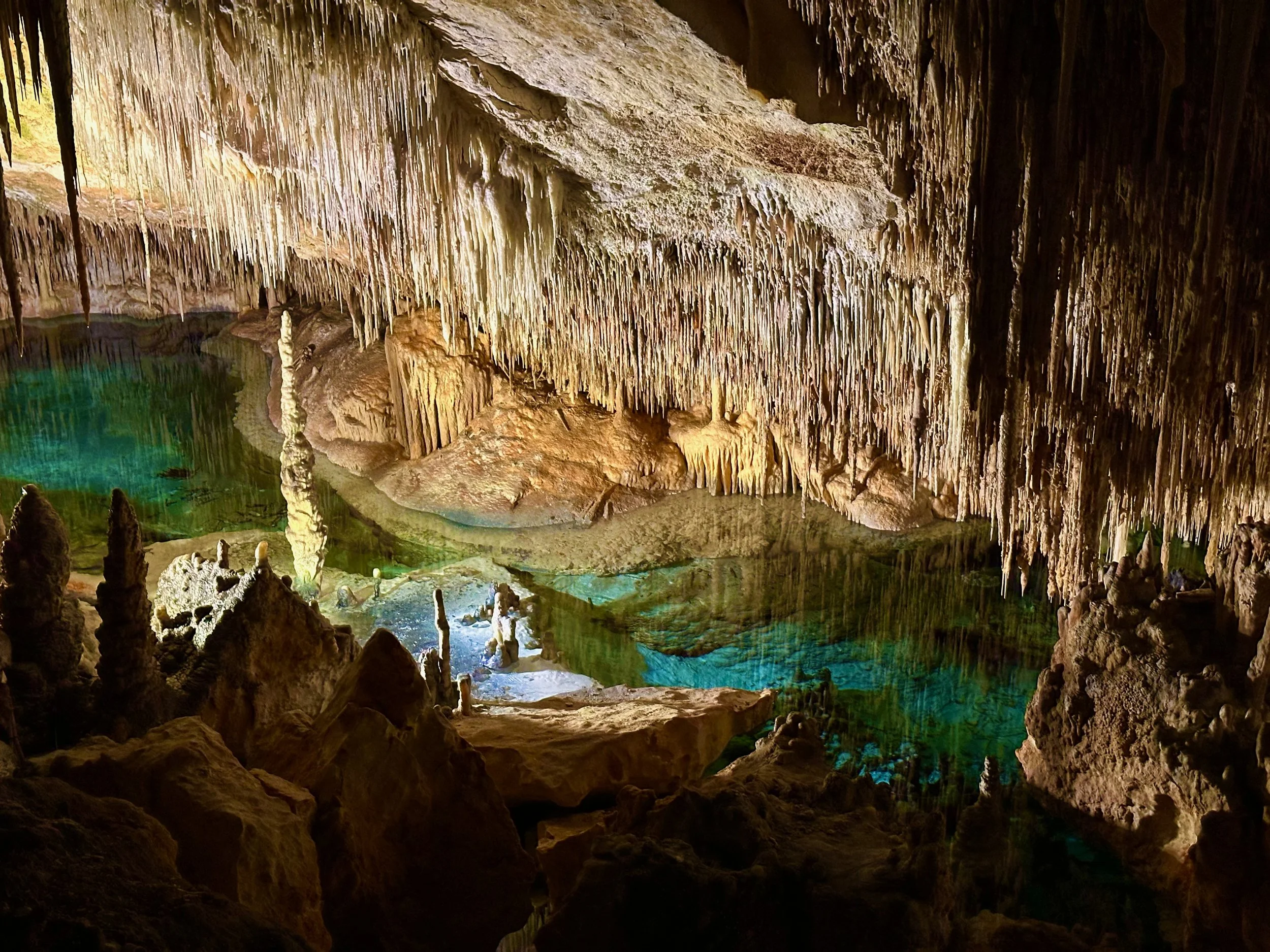
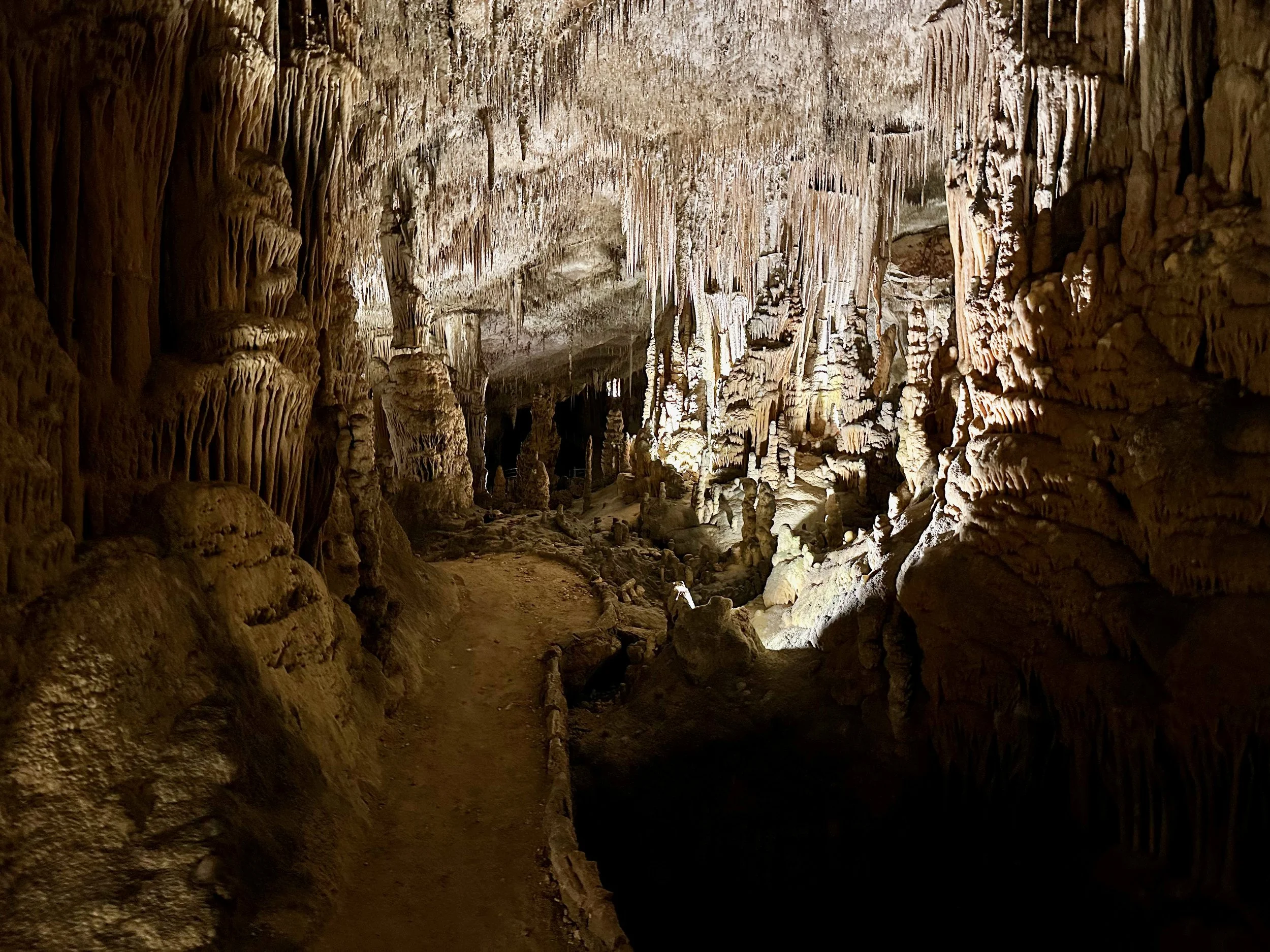
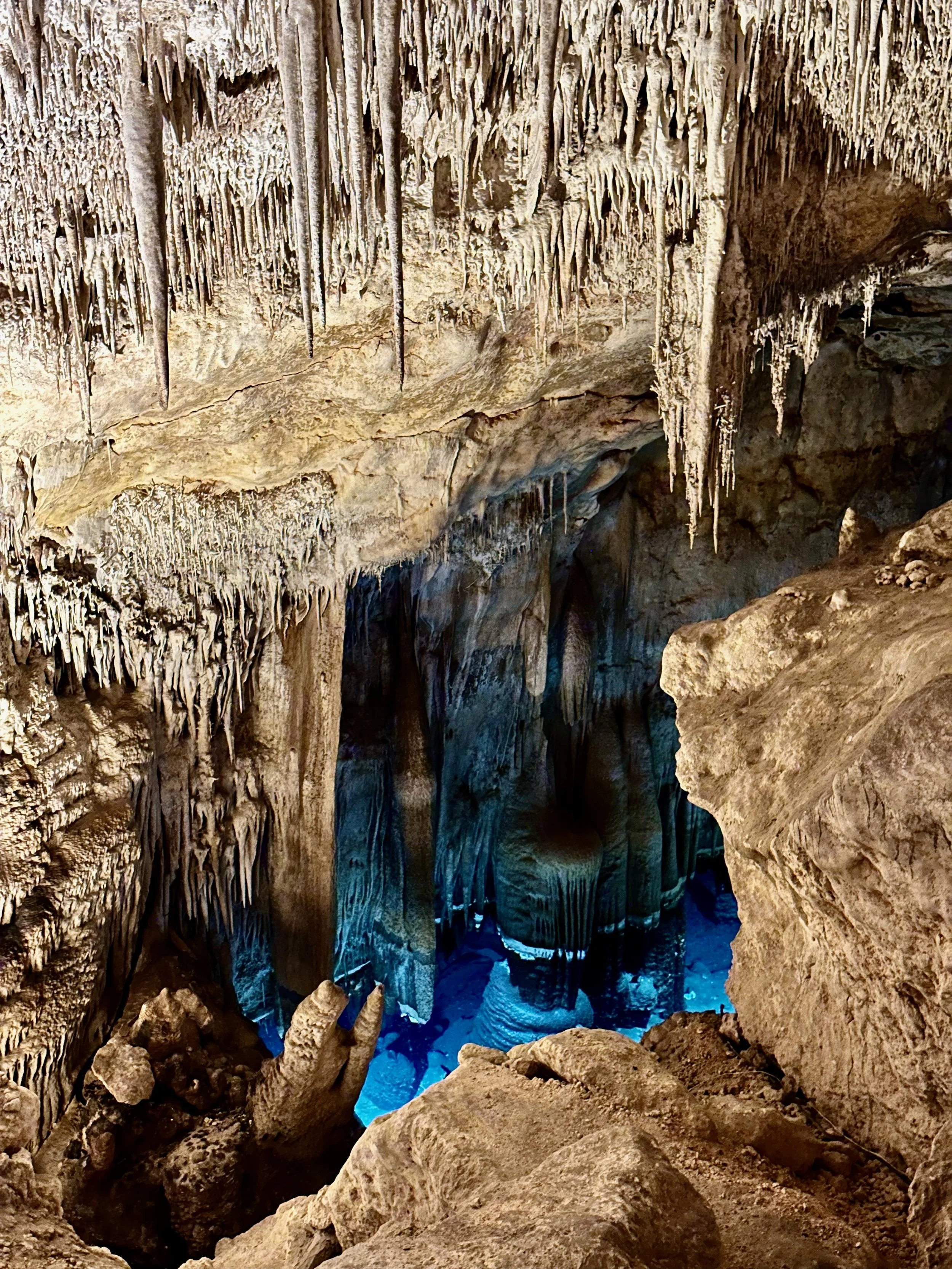
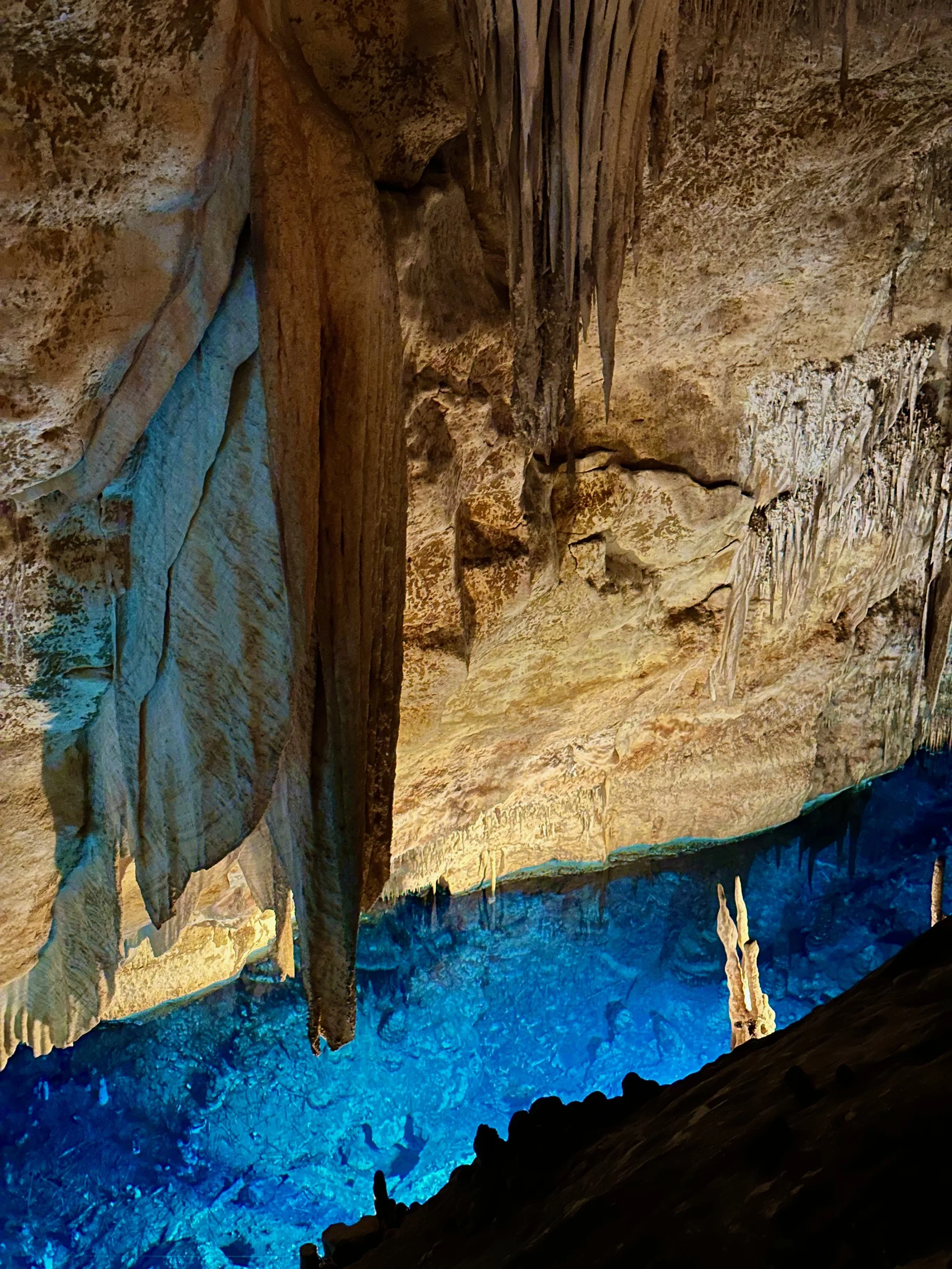
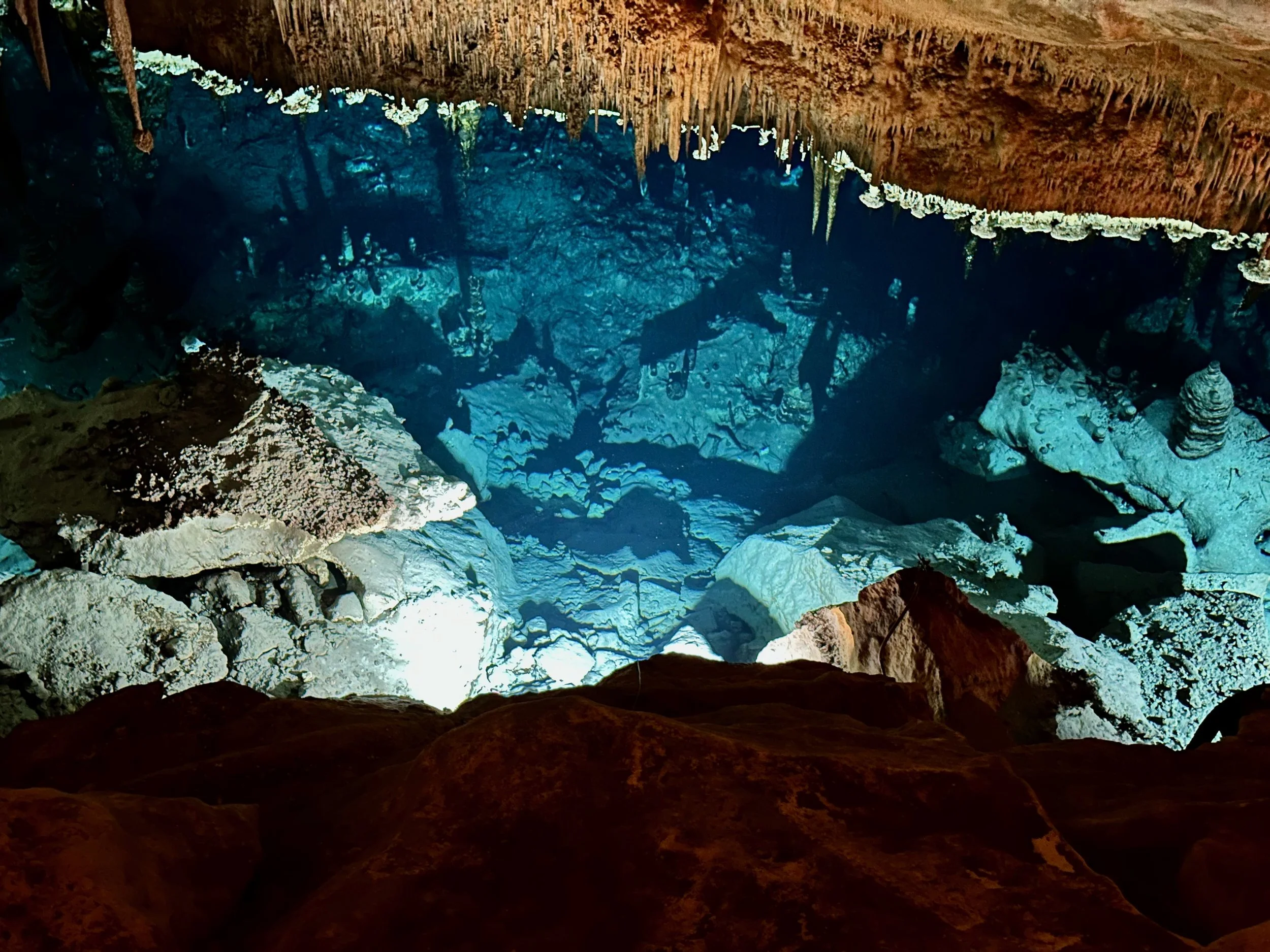
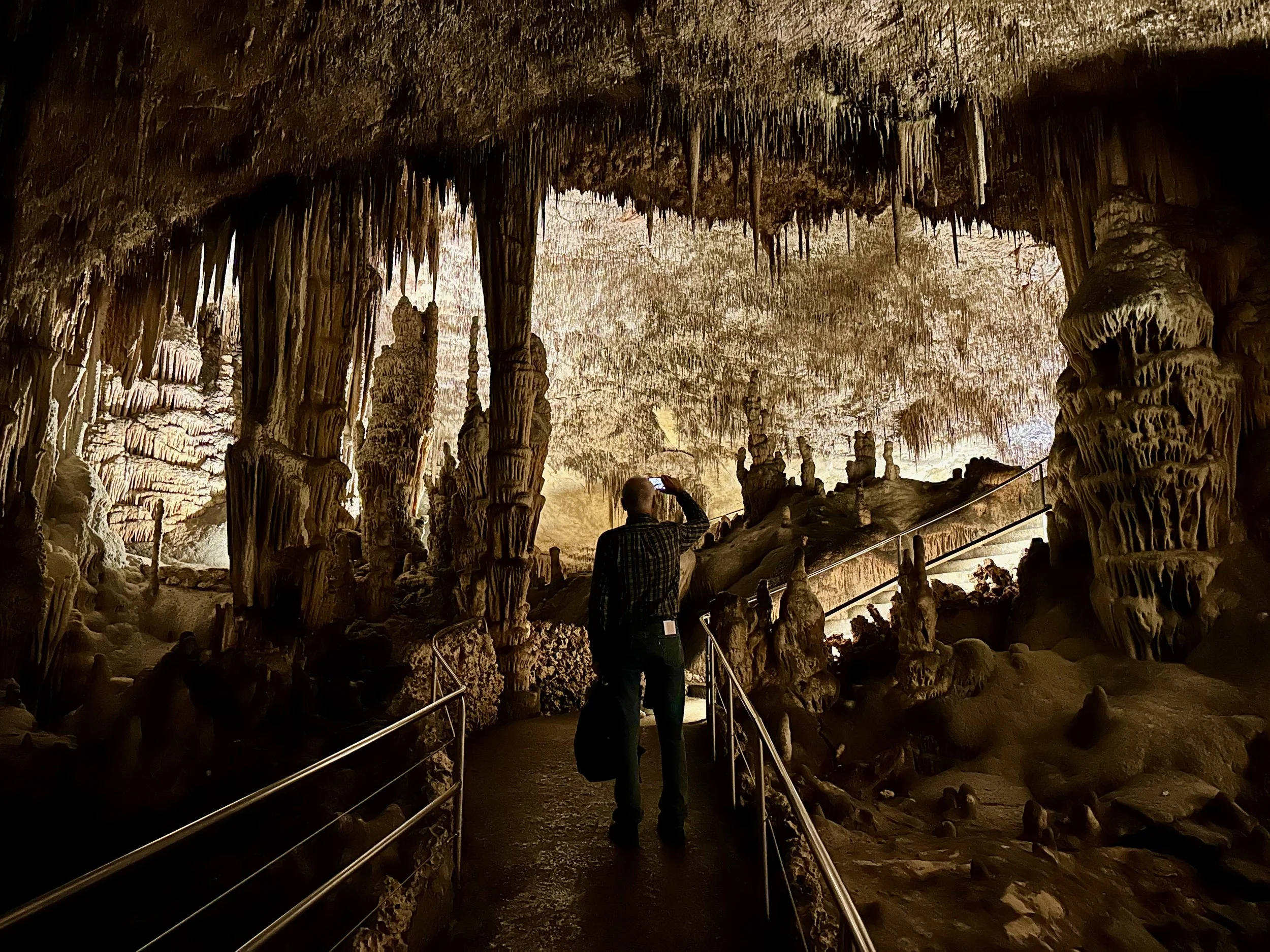
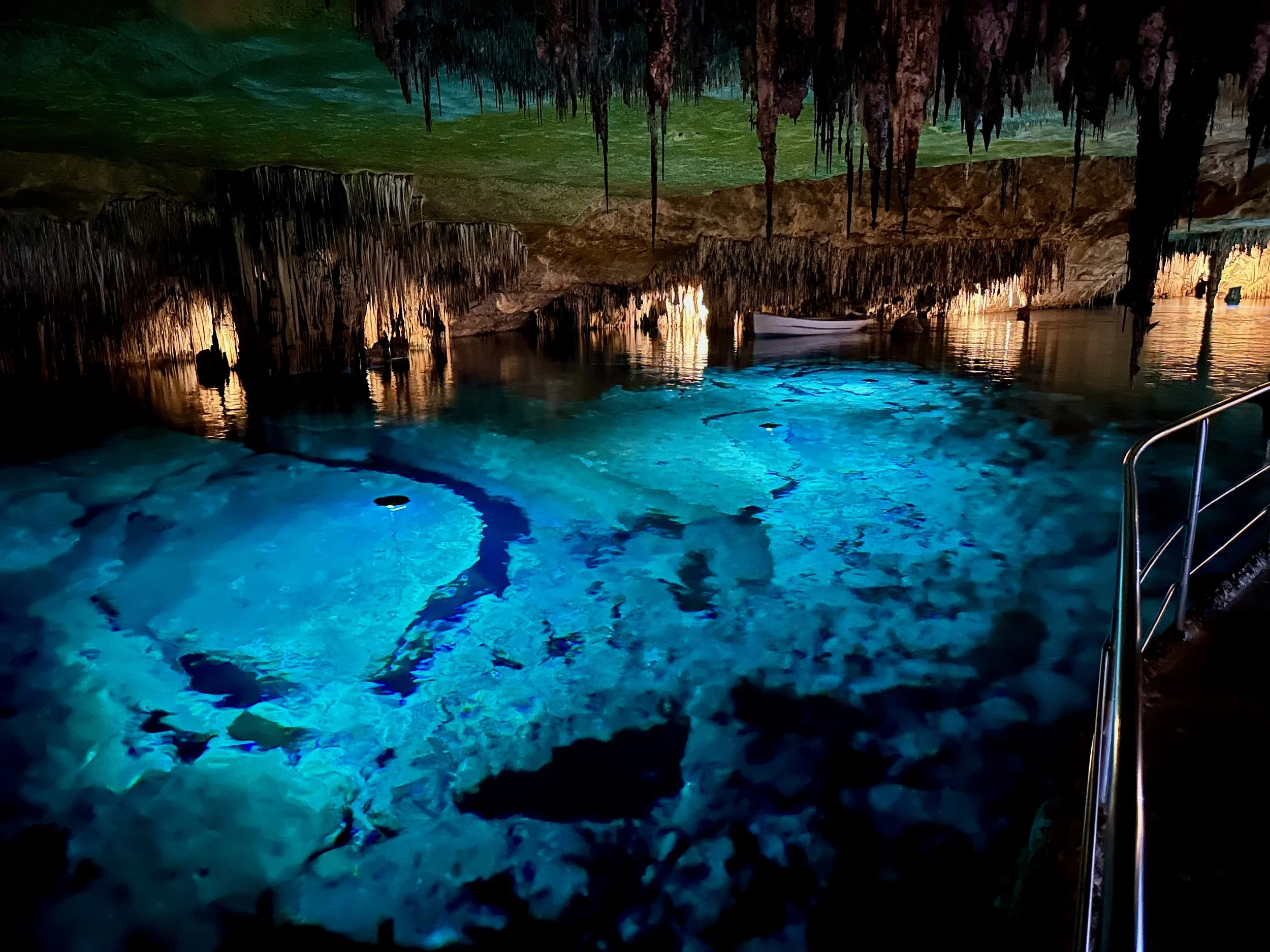
Incredible blue colours from the lake bottom.
The lake at the bottom of the cave network was extraordinary. Lit by submerged lights, it glowed with beautiful blue and turquoise colours in a mottled appearance, the likes of which we have never experienced before. Add to that the lovely music played by actual musicians and it made for a remarkable experience. Basic bleacher seating was provided for the concert
Catedral-Basílica de Santa María de Mallorca
With the cave tour complete we stopped for a short time at a nearby shop that specialized in selling Mallorca grown pearls. With our wallets significantly lighter we boarded the bus for the cross island trek back to the ship, arriving just after 5pm. While enjoying dinner, the ship slacked its lines around 7pm and we slipped quietly back into the Mediterranean bound for Tunisia. Our crossing south once again would take a full day at sea to reach port in Tunis.
A day and a half at sea to reach Tunisia.
Tunis & Carthage, Tunisia
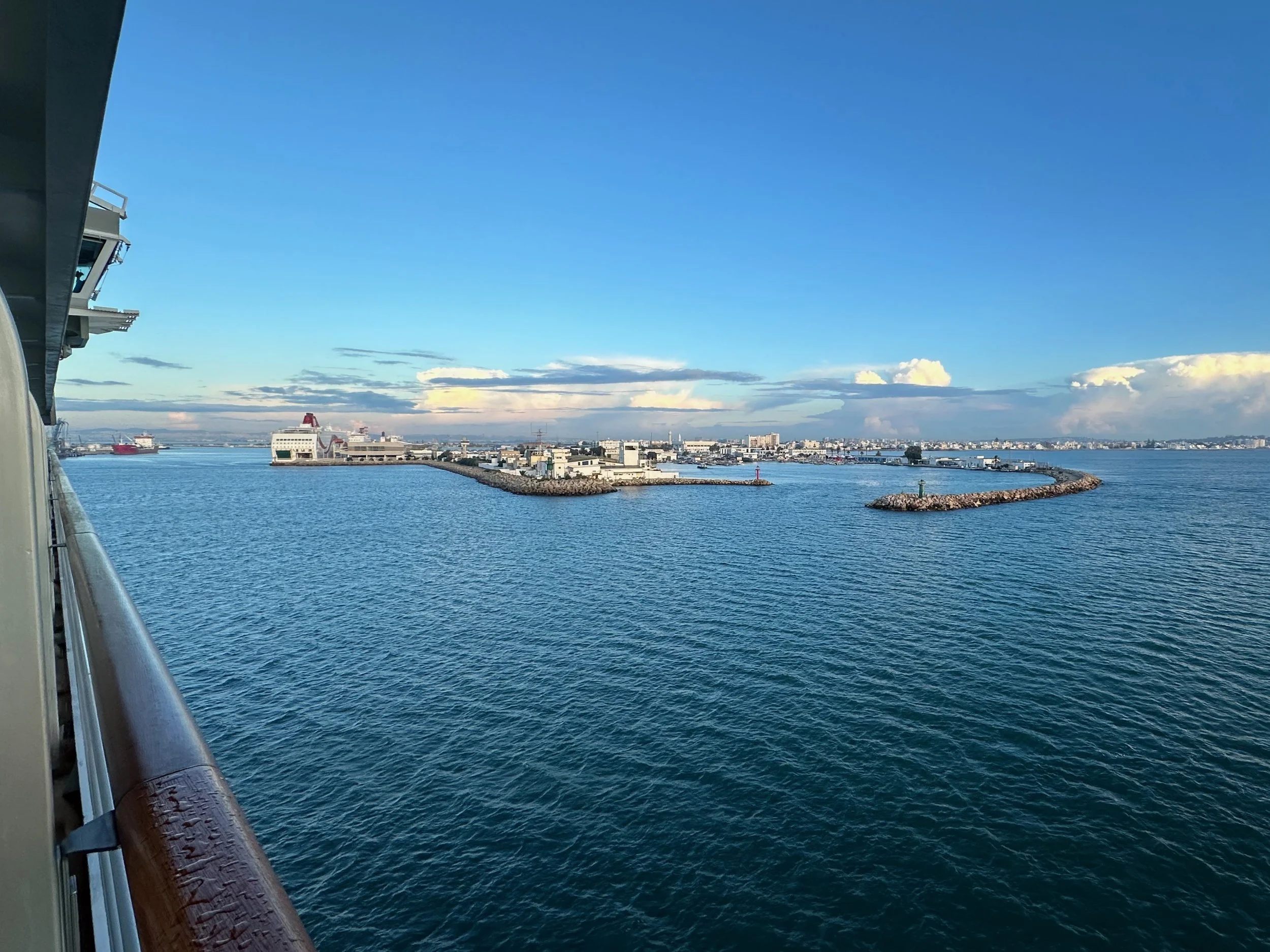
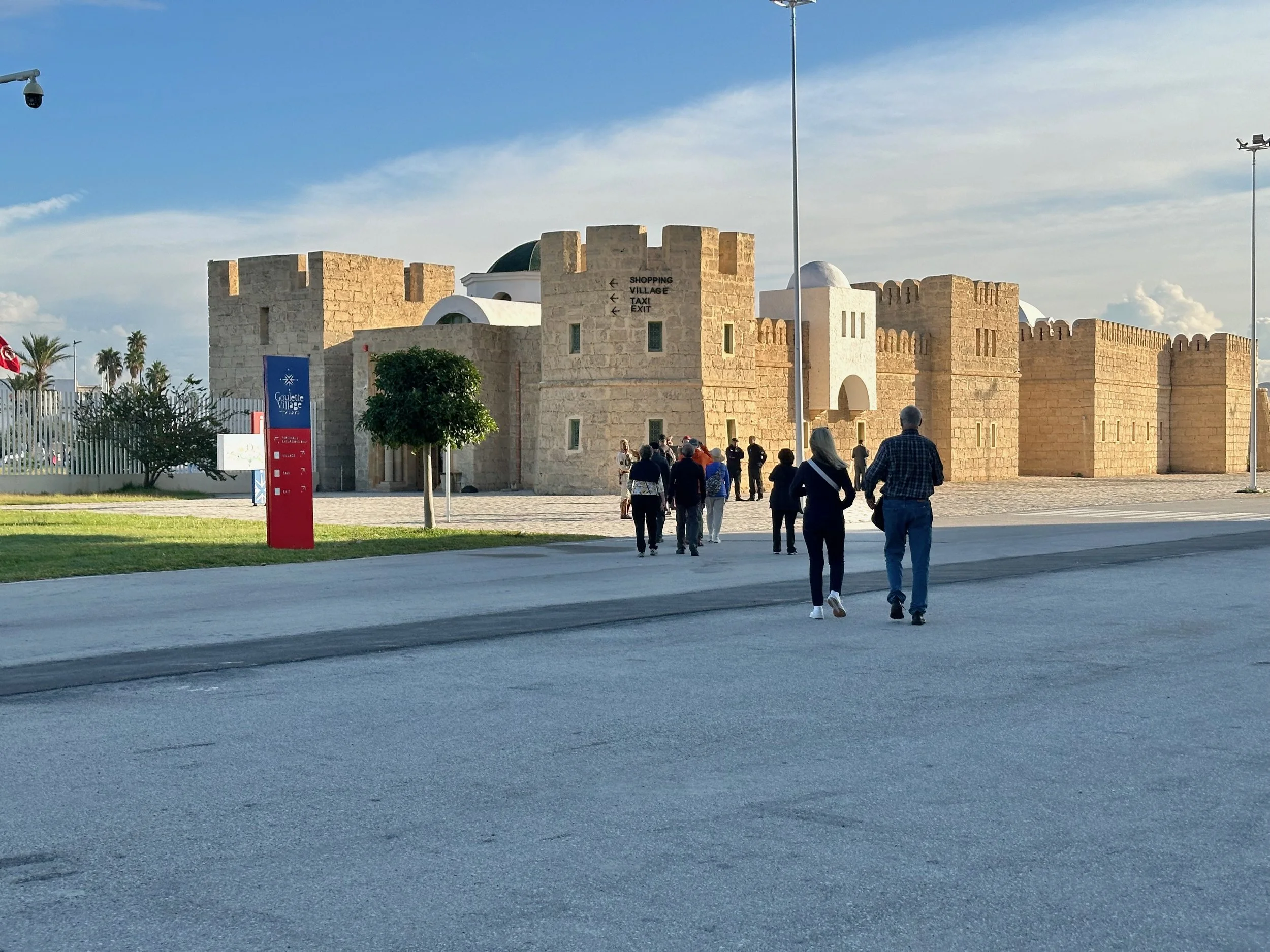
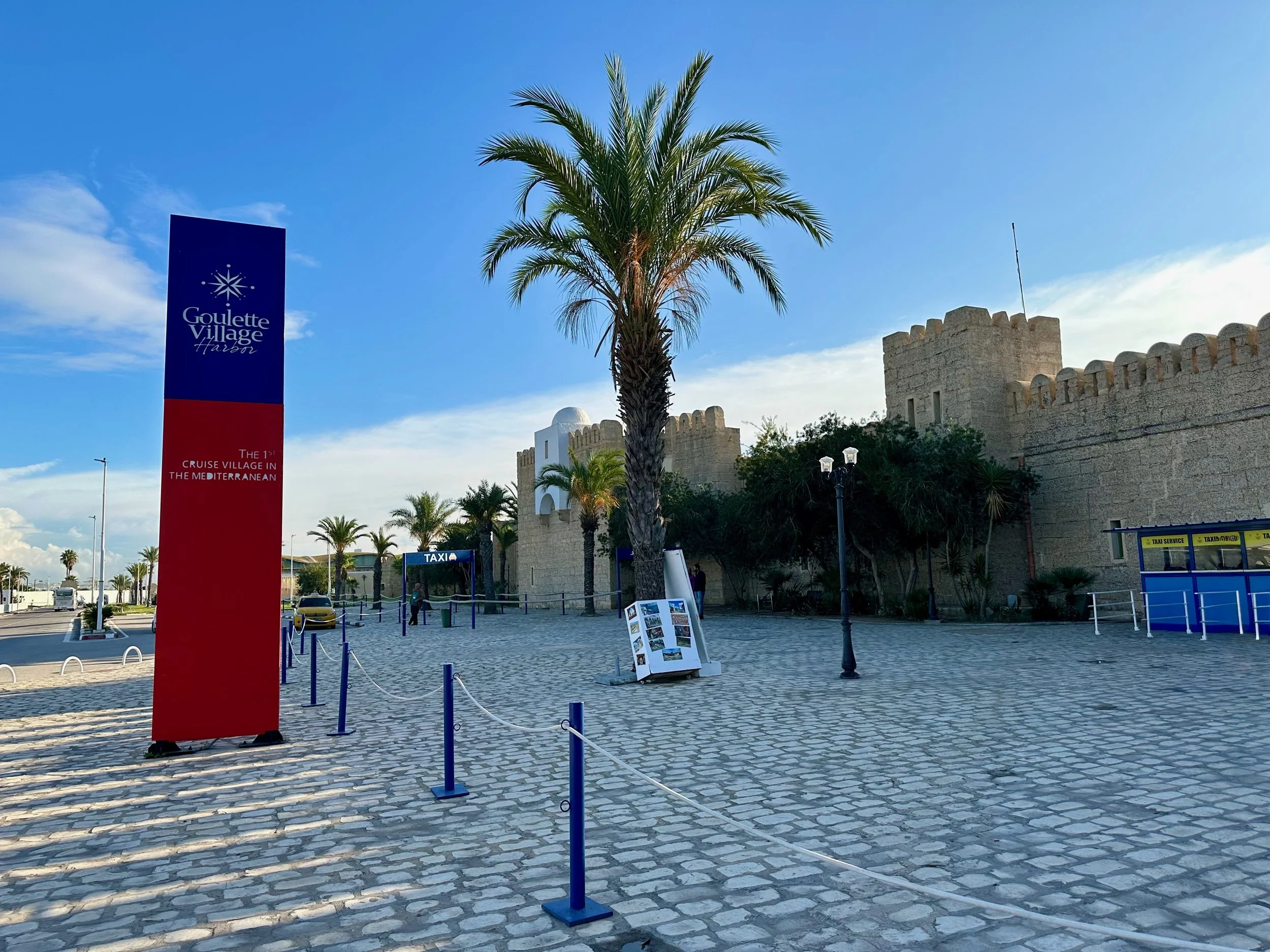
After a day and a half at sea we arrived at the capital port of Tunis, in Tunisia. This was our last stop in North Africa, and would increase the total number of African countries we’ve visited to six.
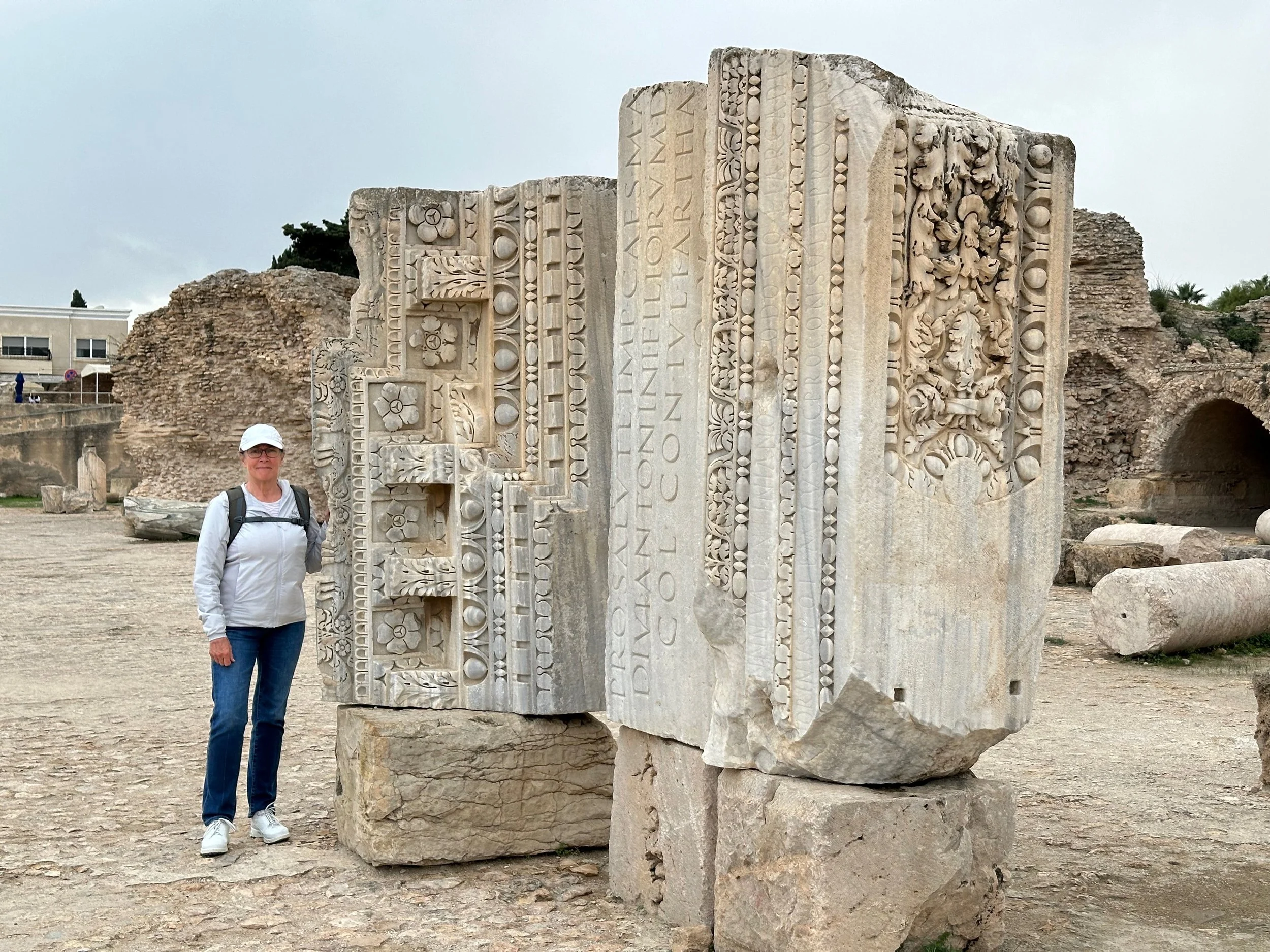
Tunis, or more accurately, Carthage, was the main focus of our excursion ashore. The history of Carthage is very old, but unfortunately is poorly documented because of the number of wars directed towards Carthage by multiple adversaries over the centuries. Each winning assailant of course destroyed records of the conquered. The various historians over the millennia also competed with each other to try any outshine their rivals, so much can be attributed to exaggeration by the various parties.
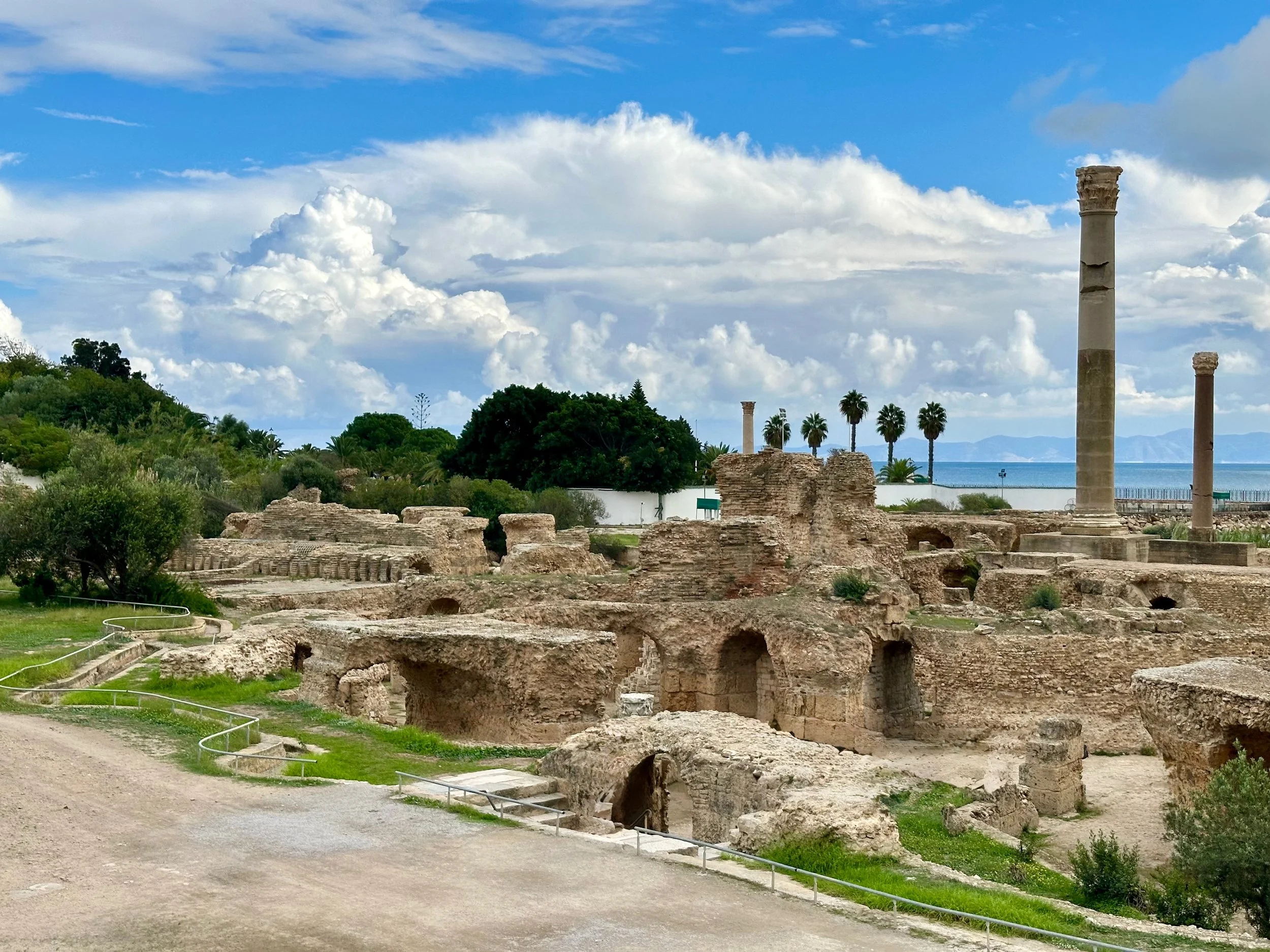
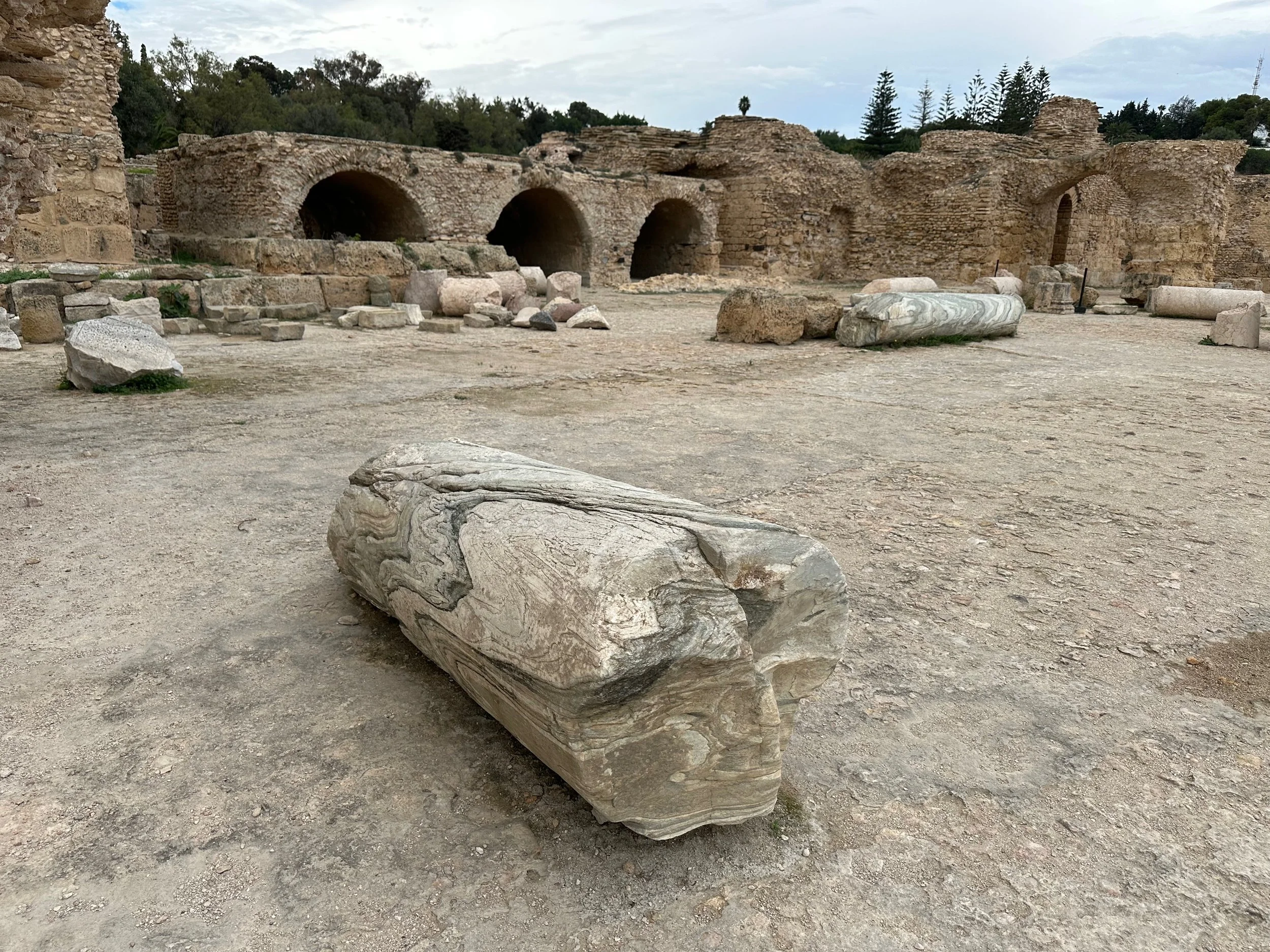
Our first glimpse of the Antonin Bath ruins.
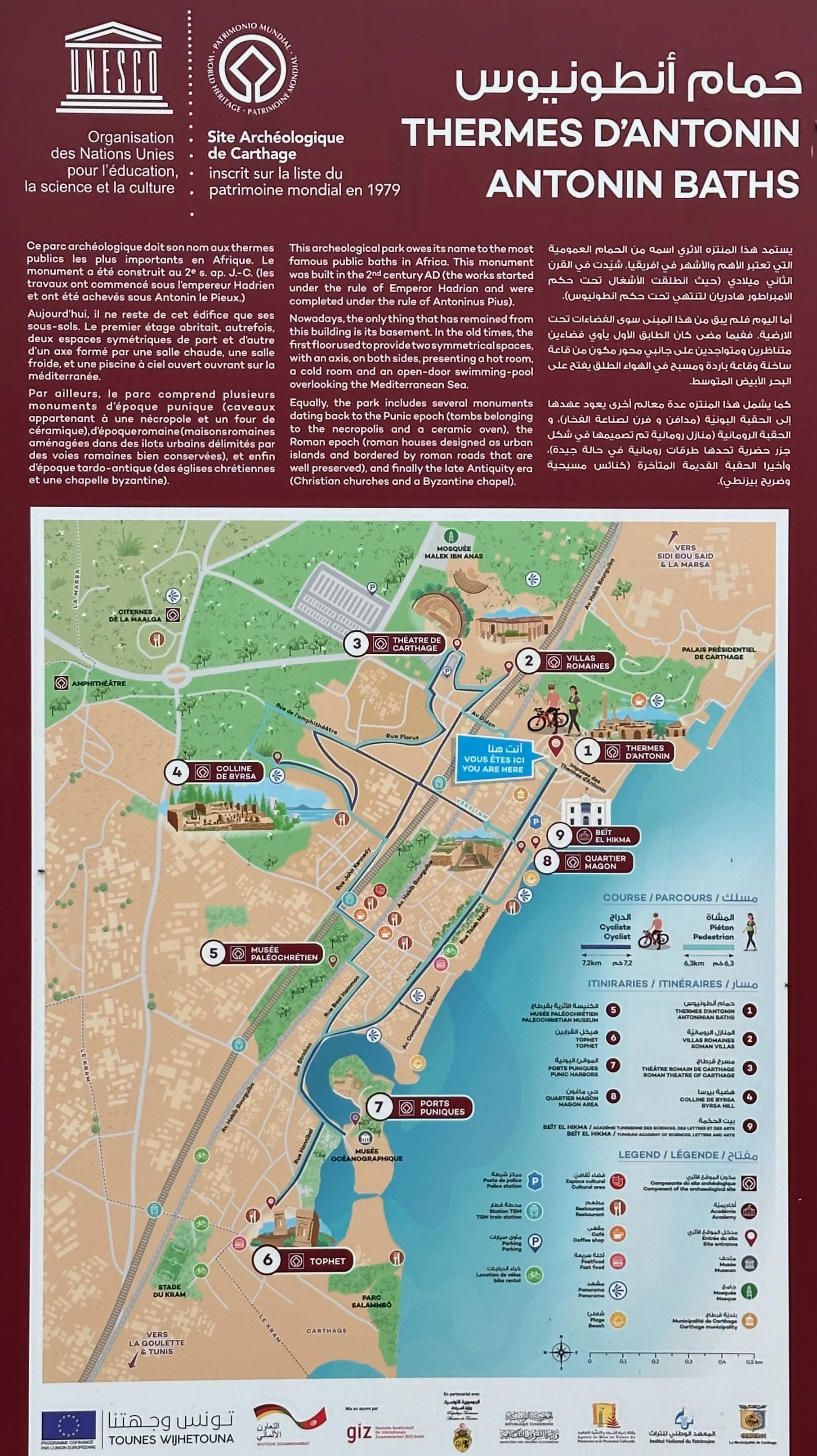
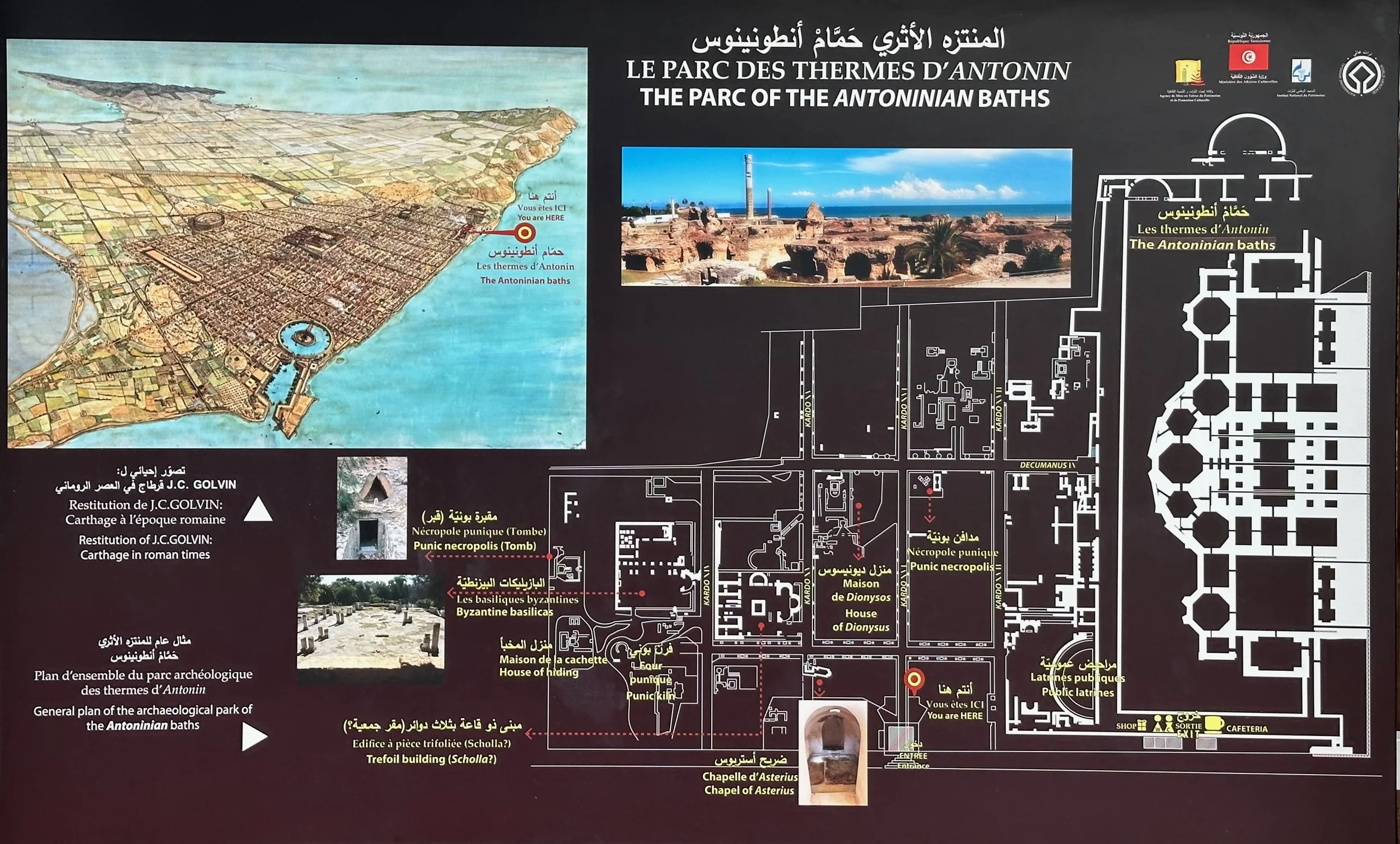
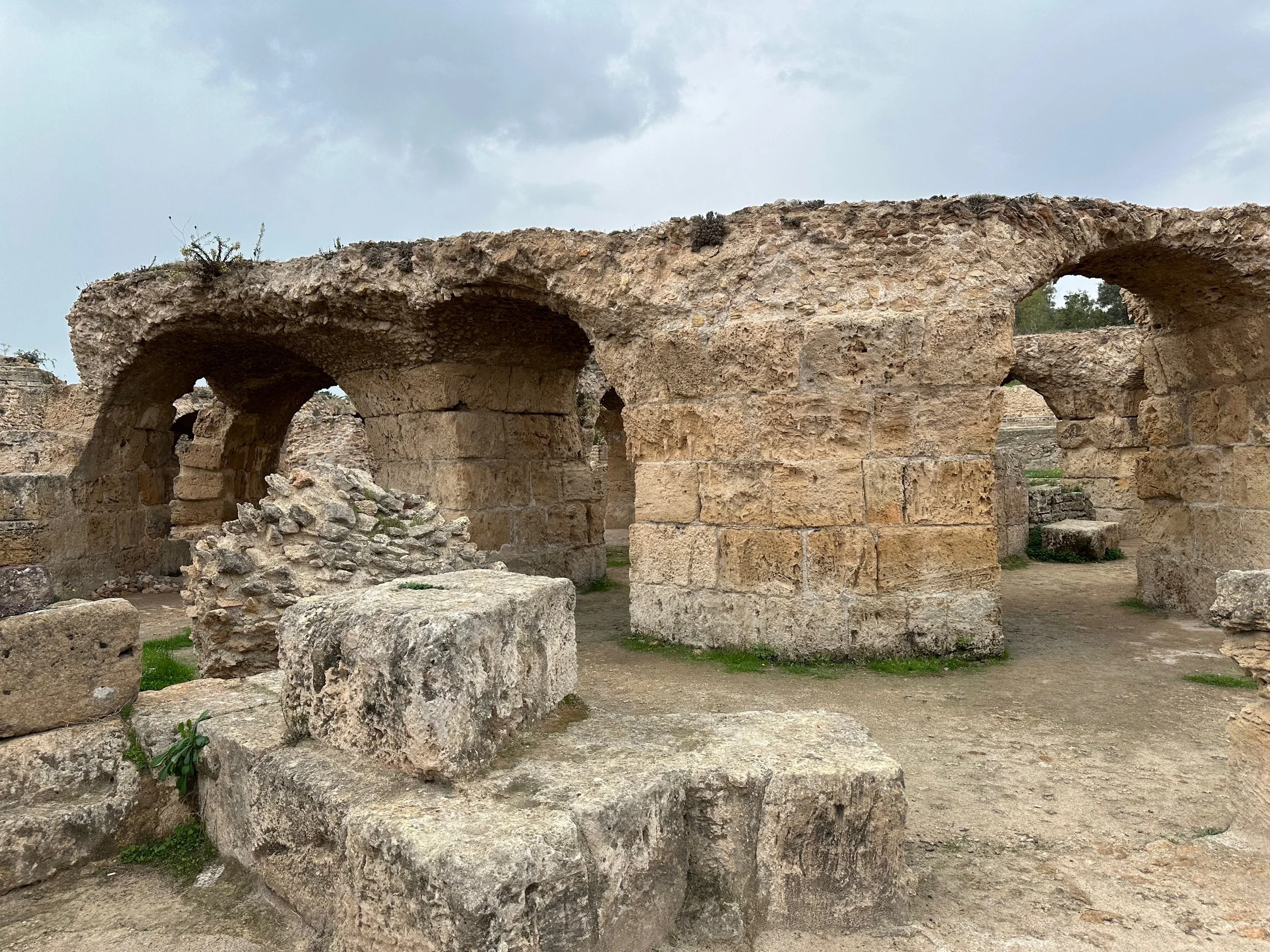
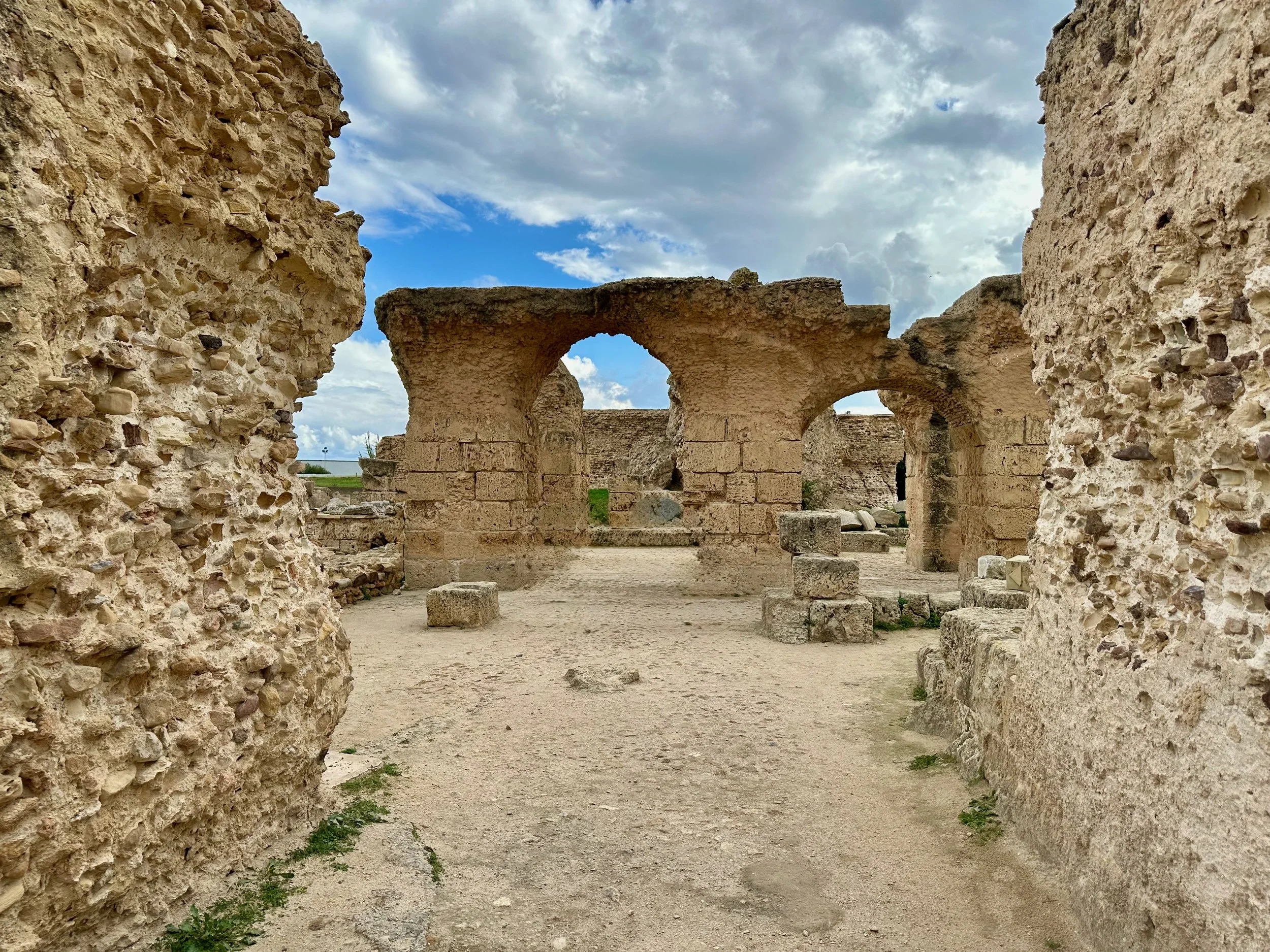
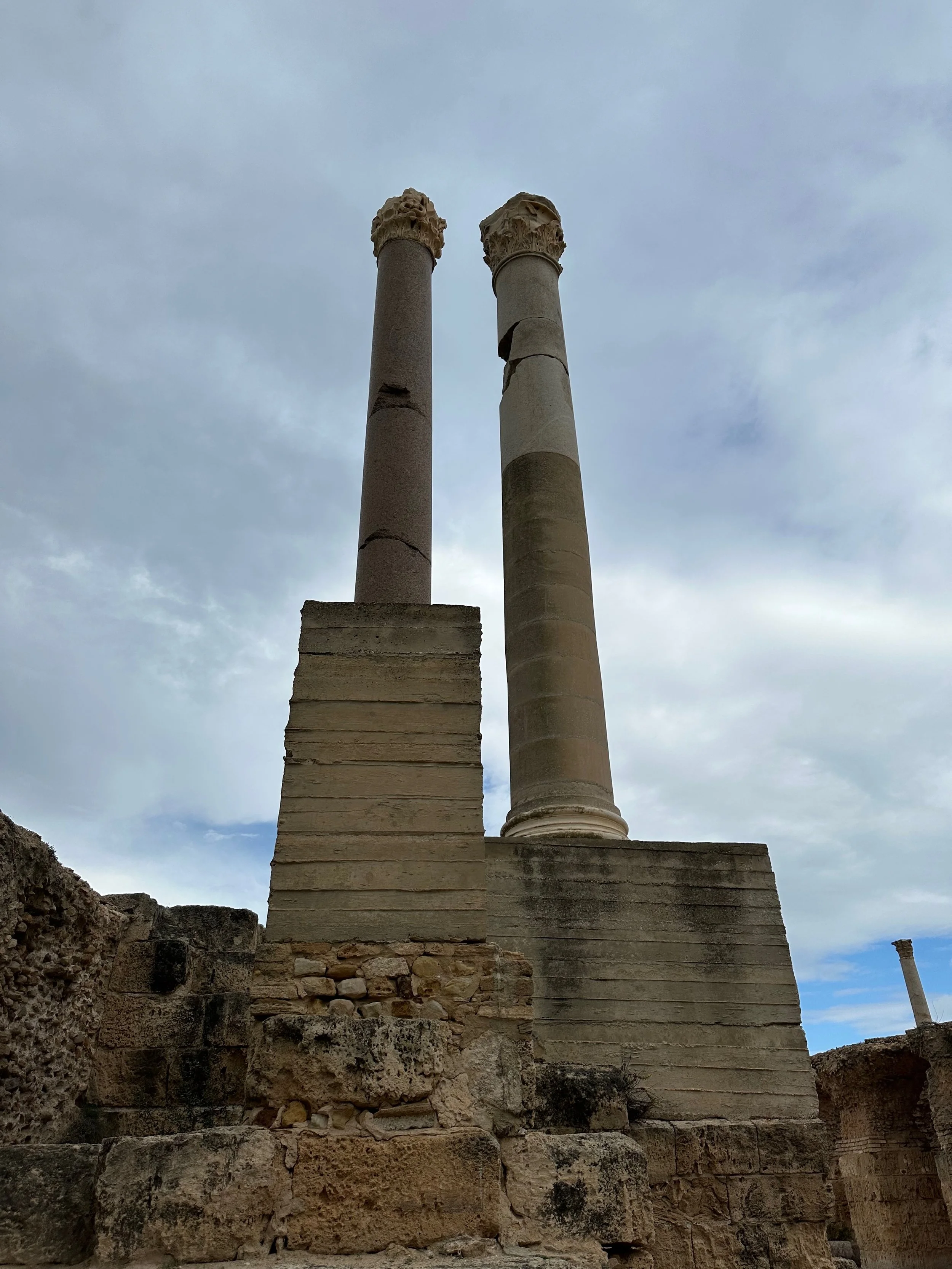
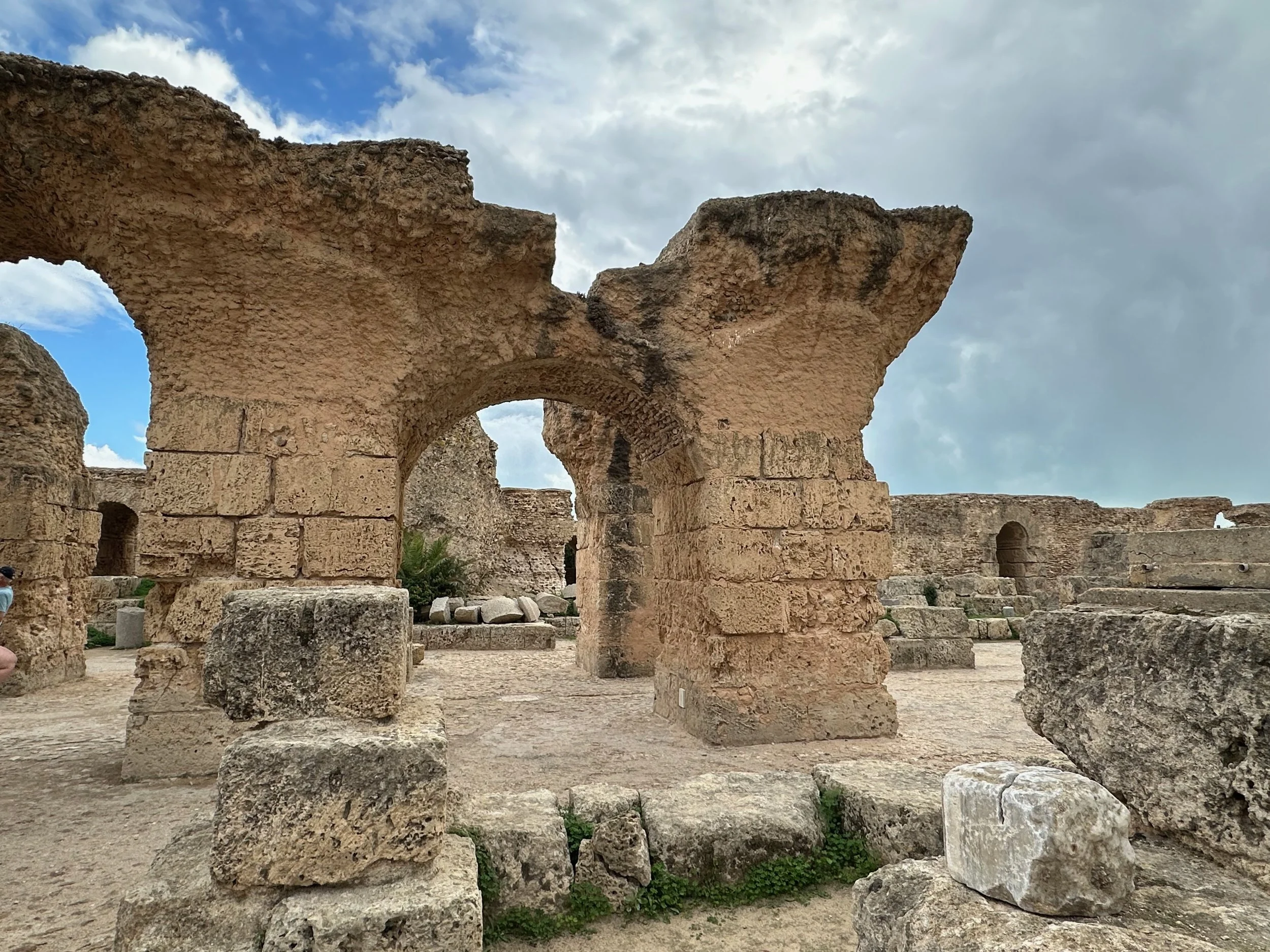
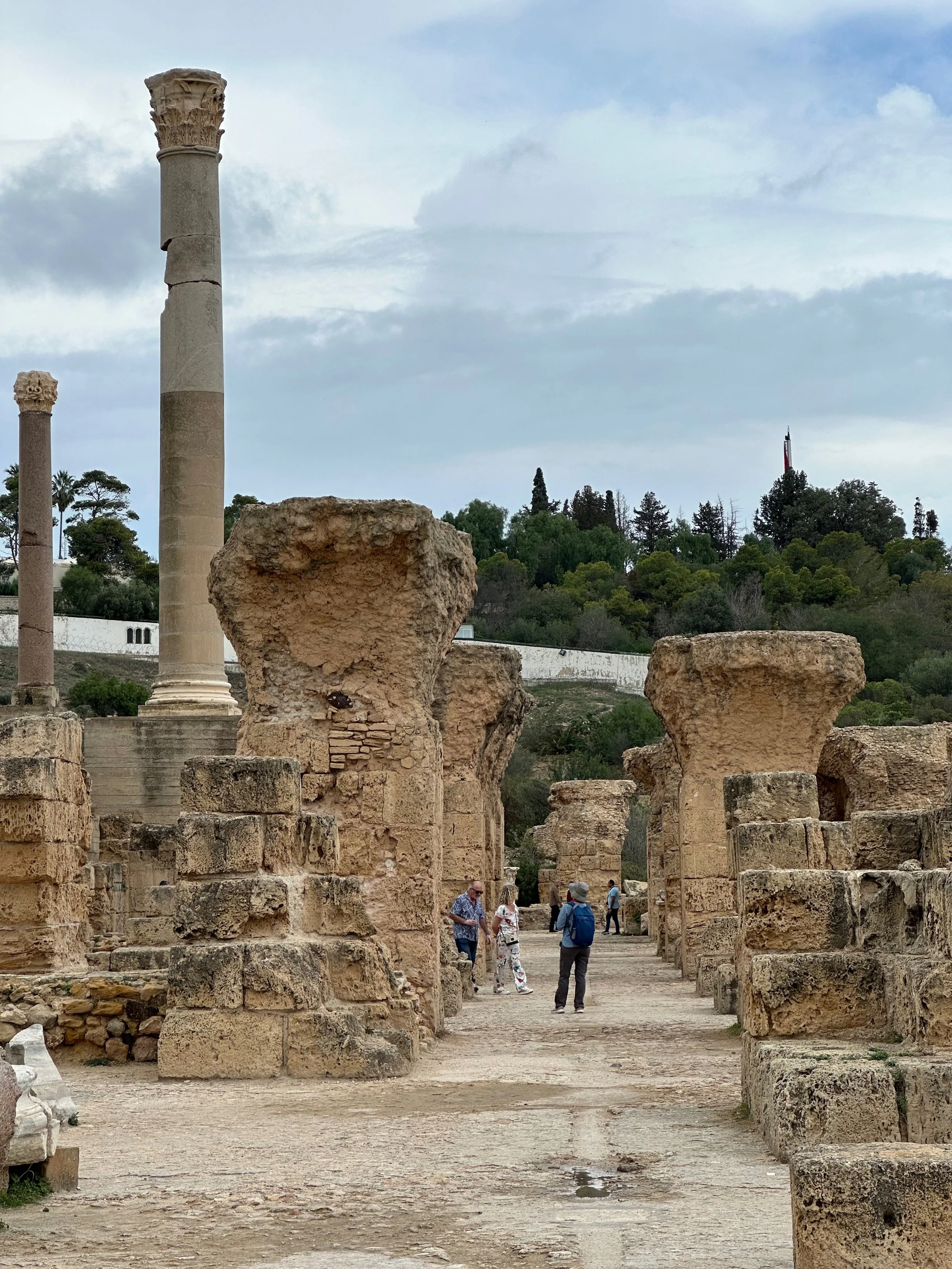
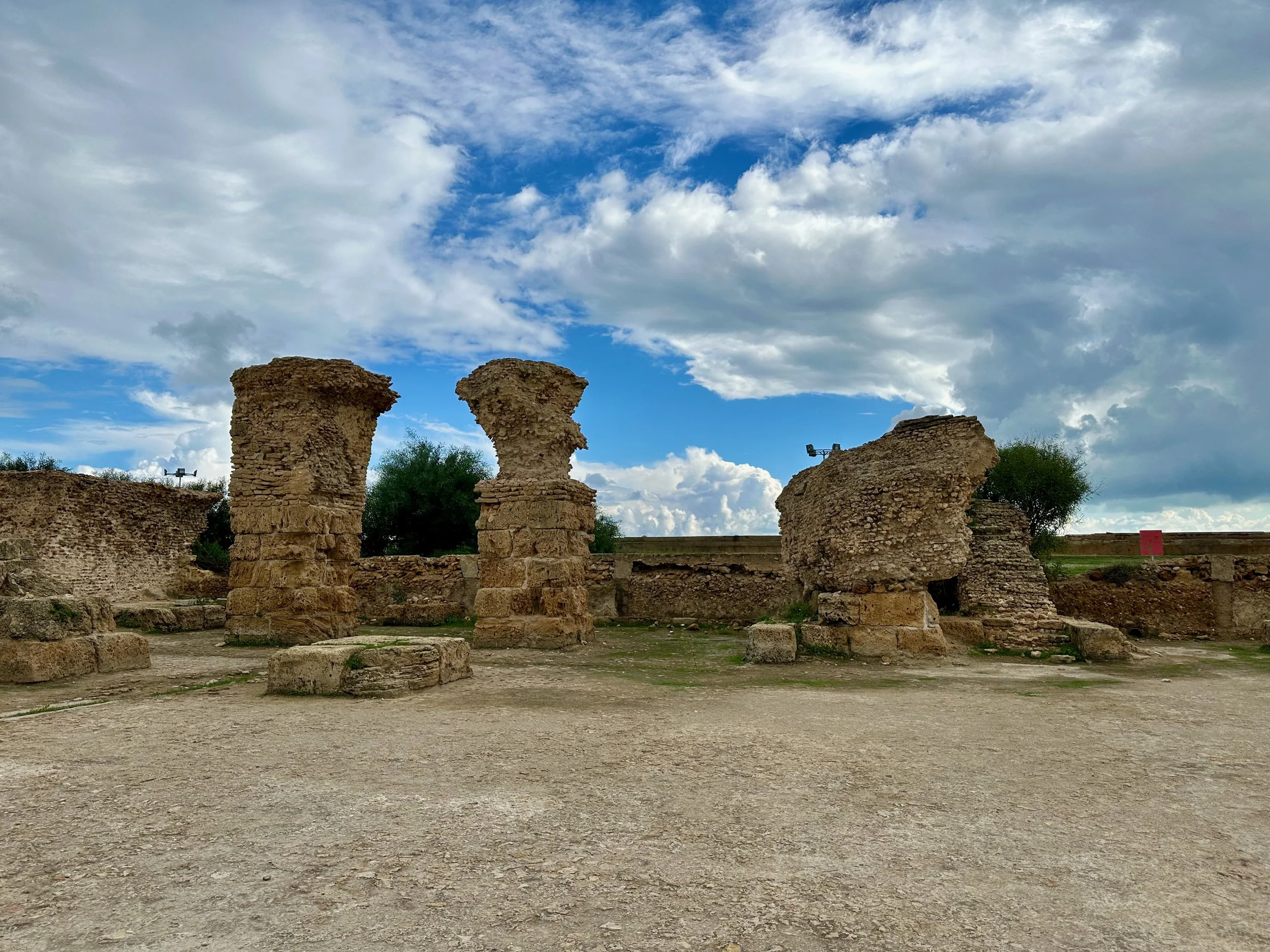
Our visit would expose us to some ancient relics, infrastructure and most importantly, the ancient Roman Baths of Antonin. It’s one of the three largest such baths in the Roman Empire, and part of the Archaeological site of Carthage, a Unesco World Heritage Site. What sets this bath apart from all the other Roman baths is how it had to be constructed. Because of the soft Mediterranean soil, the usual basement infrastructures of other baths could not be built here. Instead they had to build everything above ground on massive foundations, which makes the Baths of Antonin the tallest Roman bath structures in the world.
Multiple layers of the same geometrical shape make for an interesting photo.
Warm up Stops on Tour
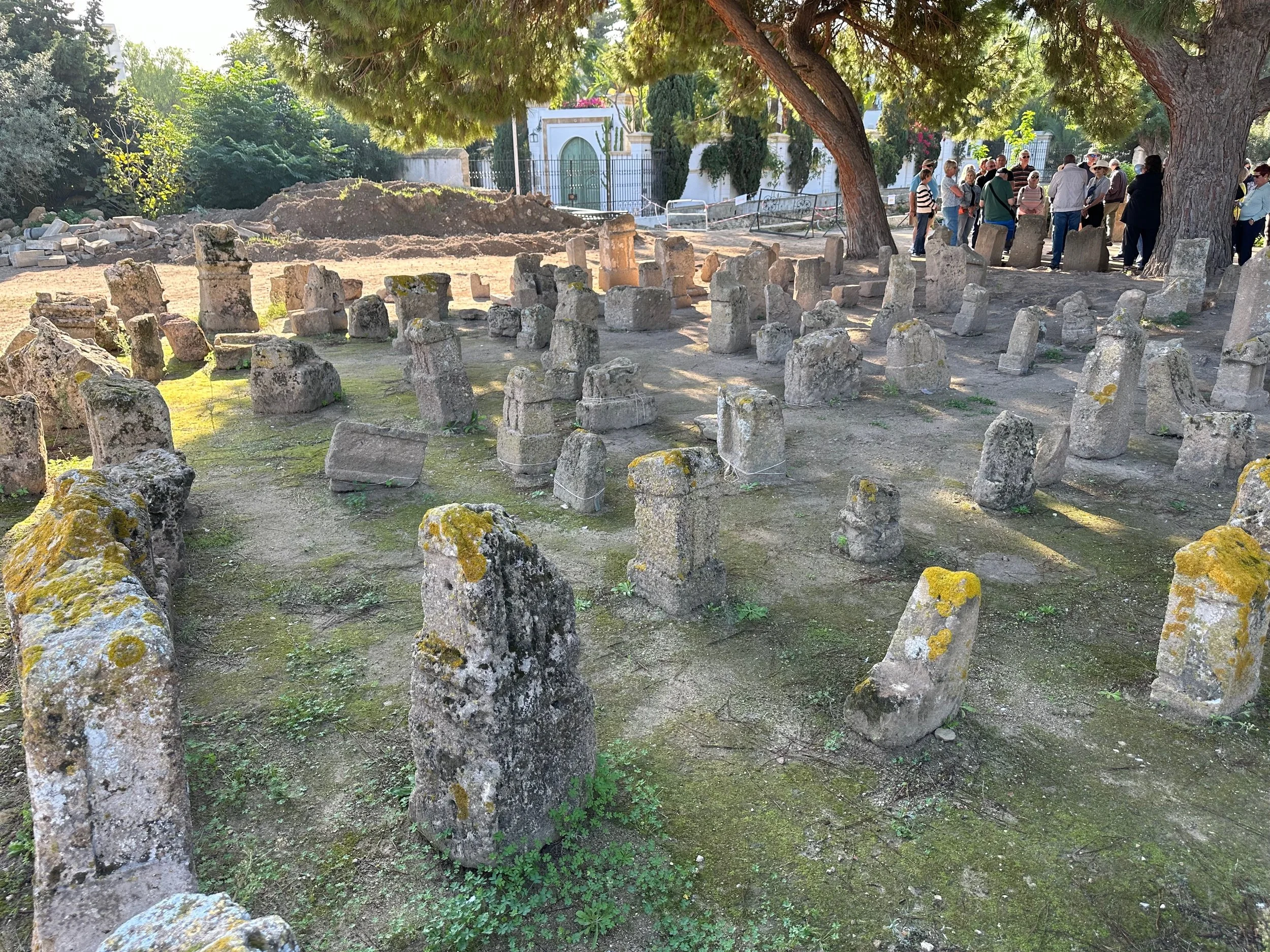
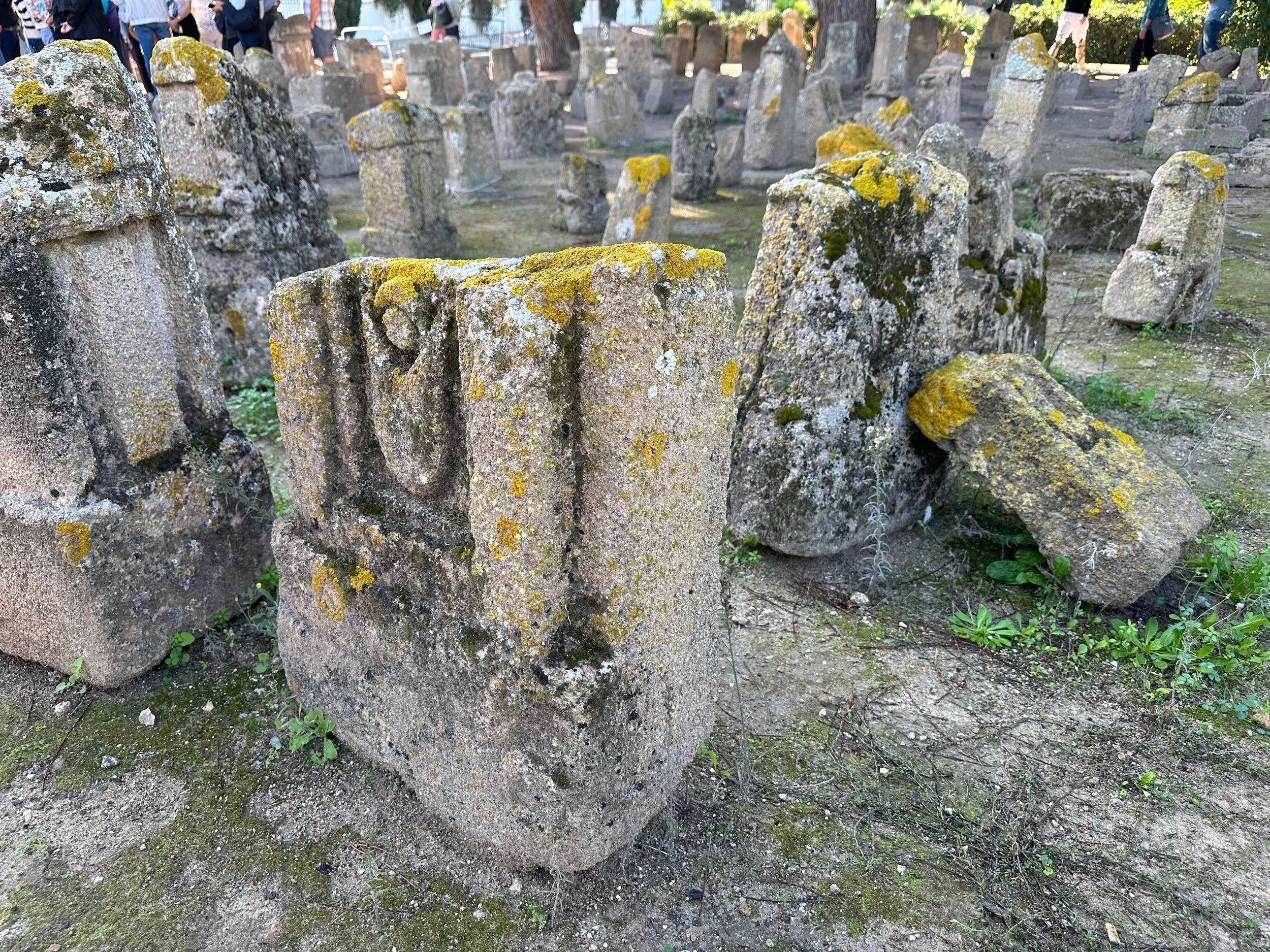
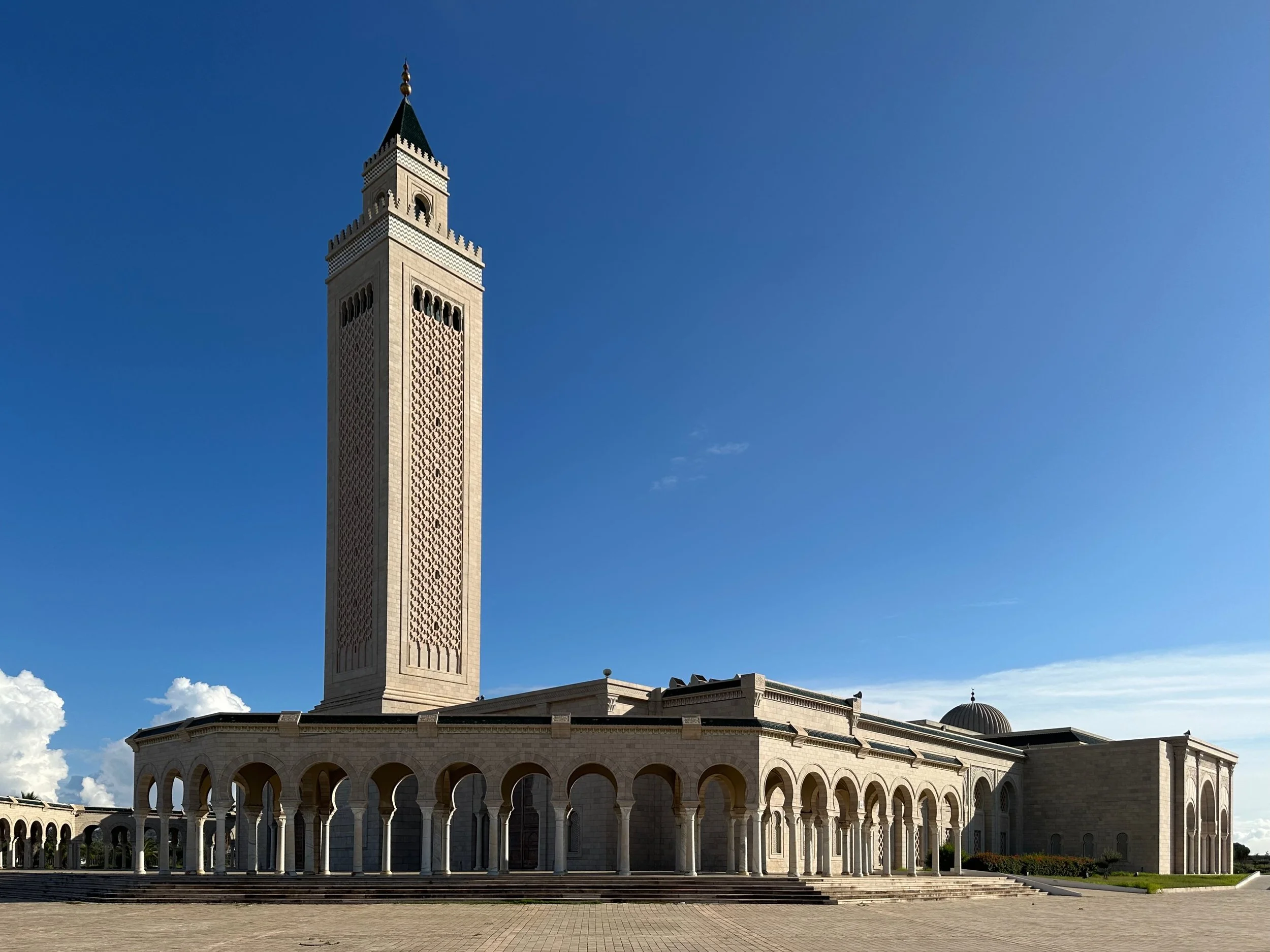
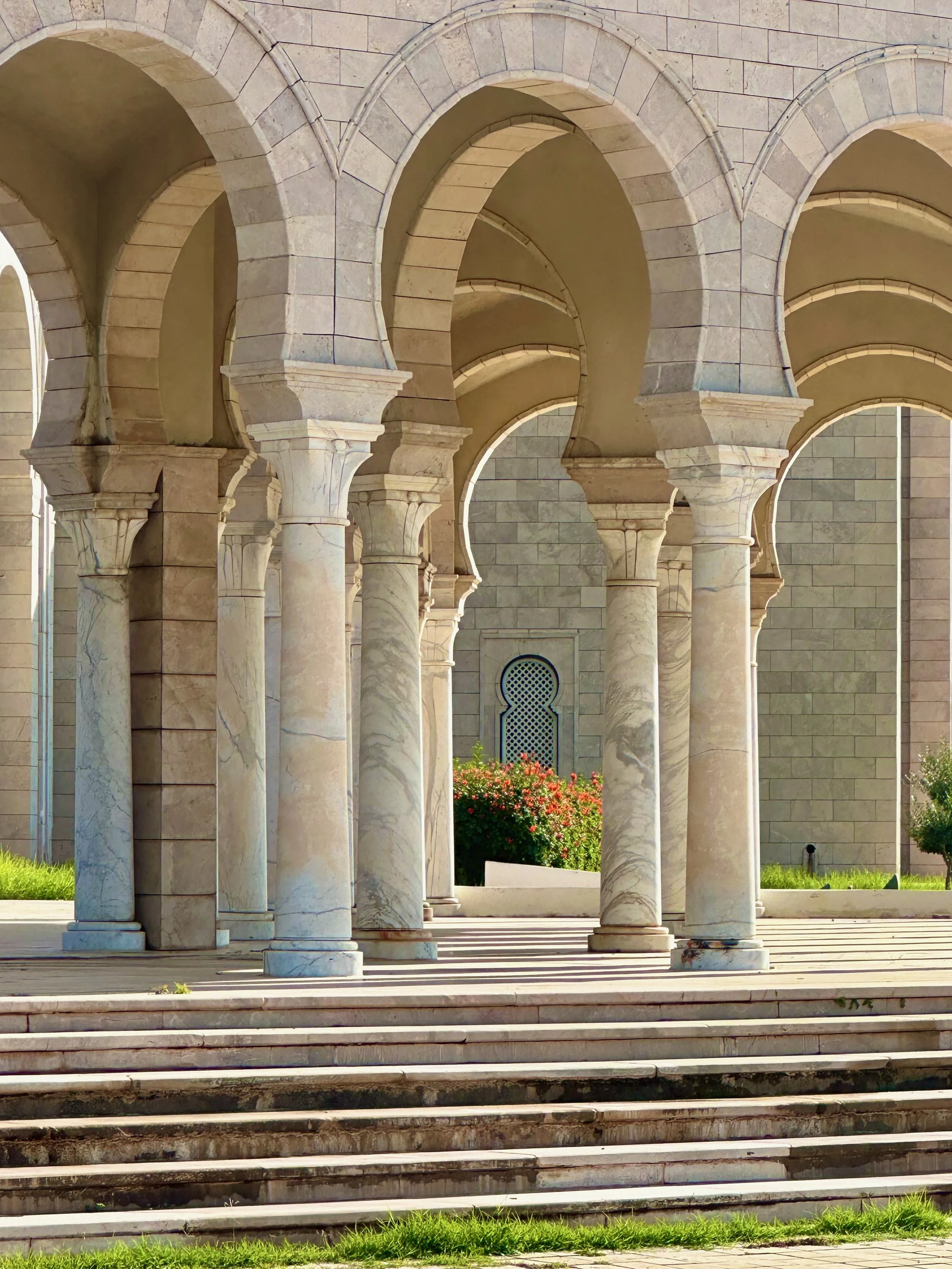
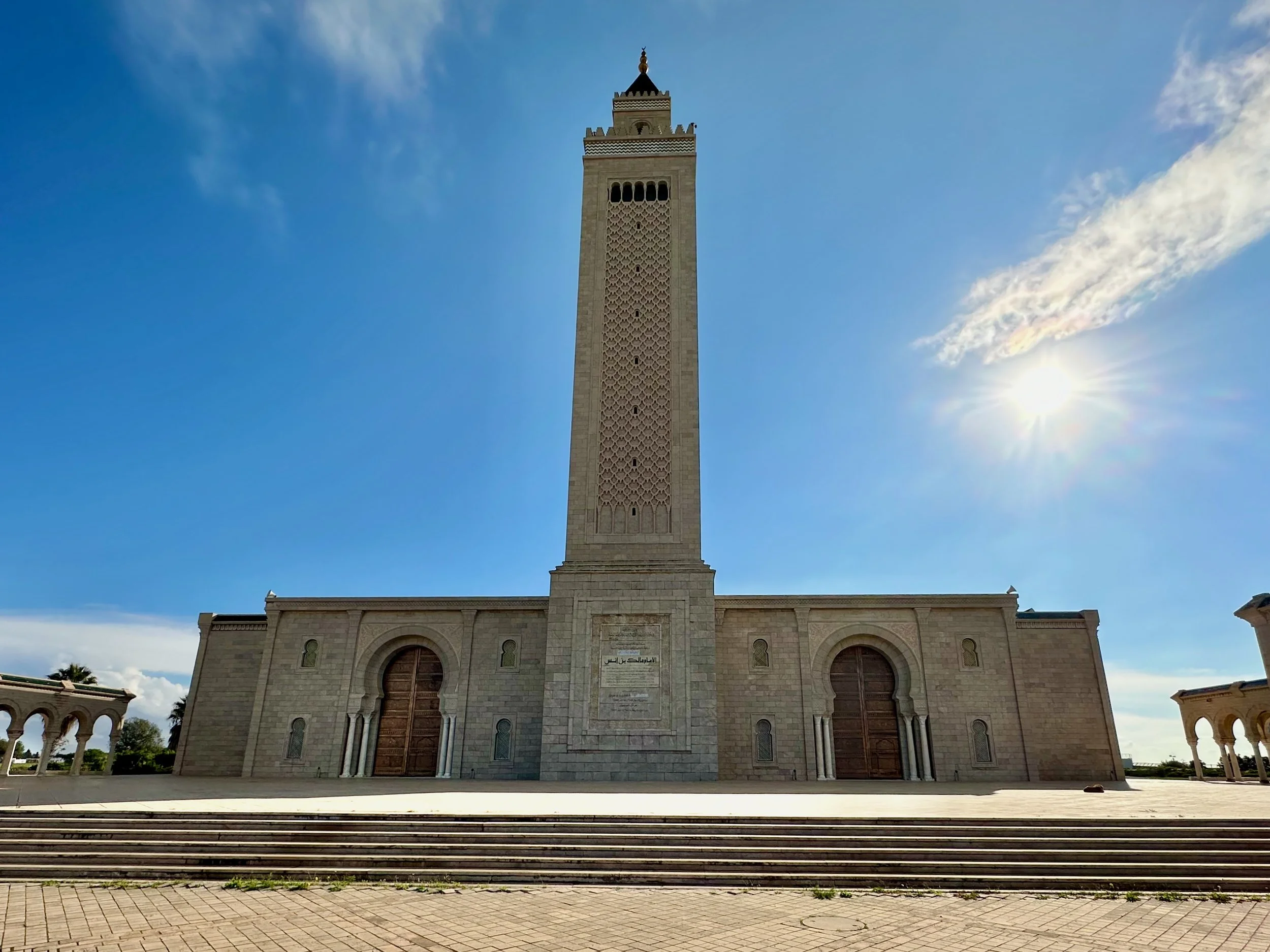
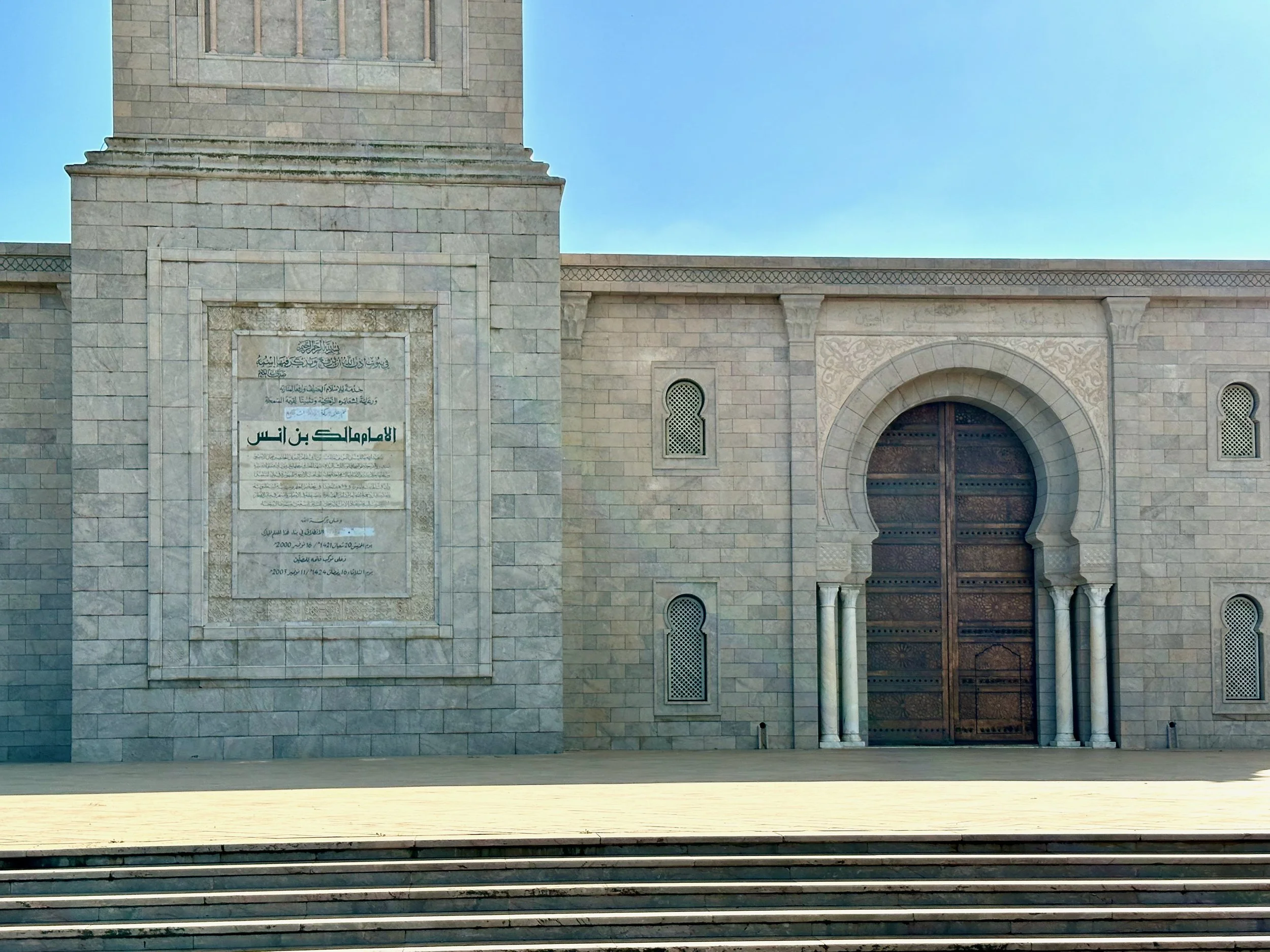
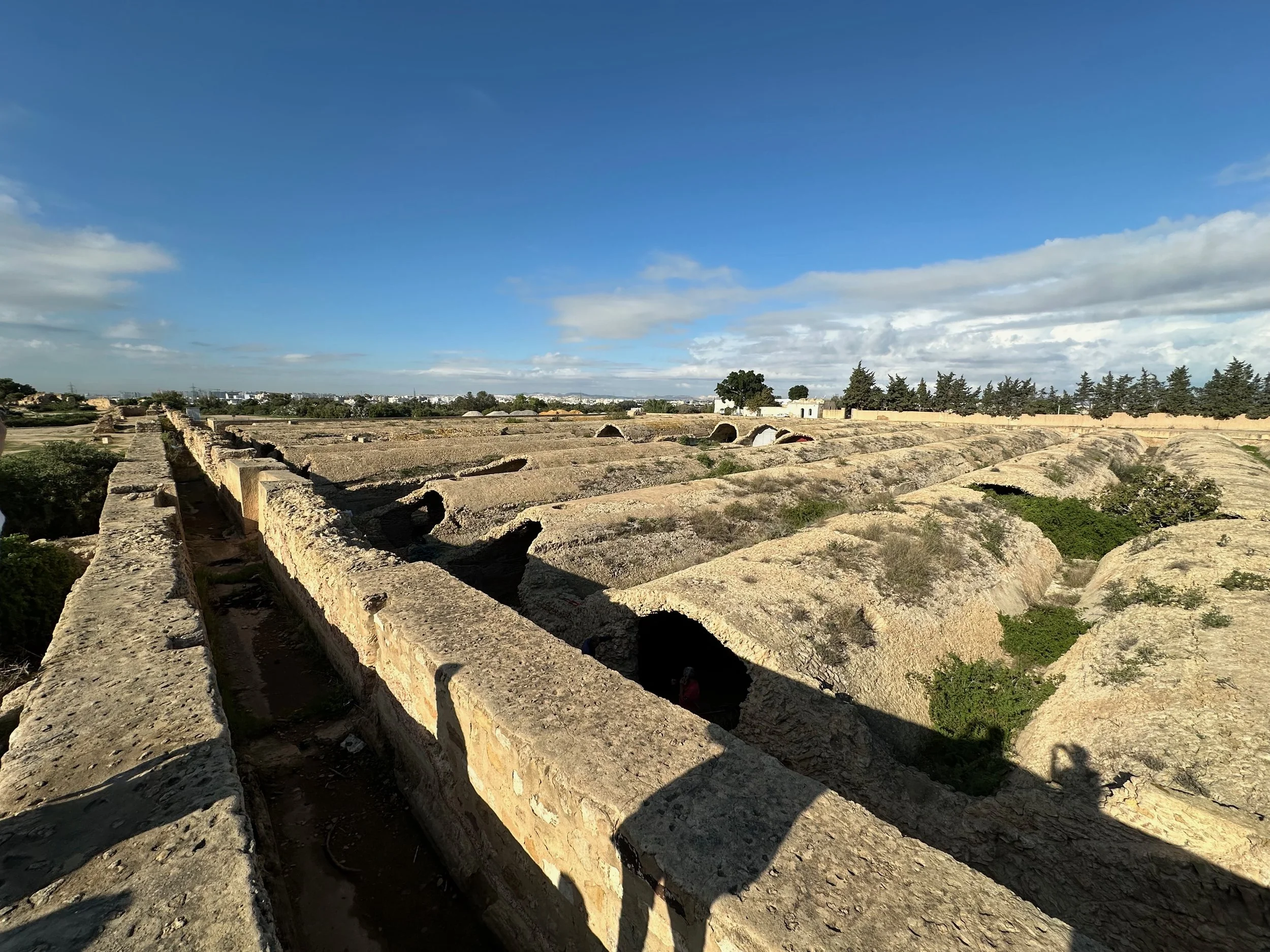
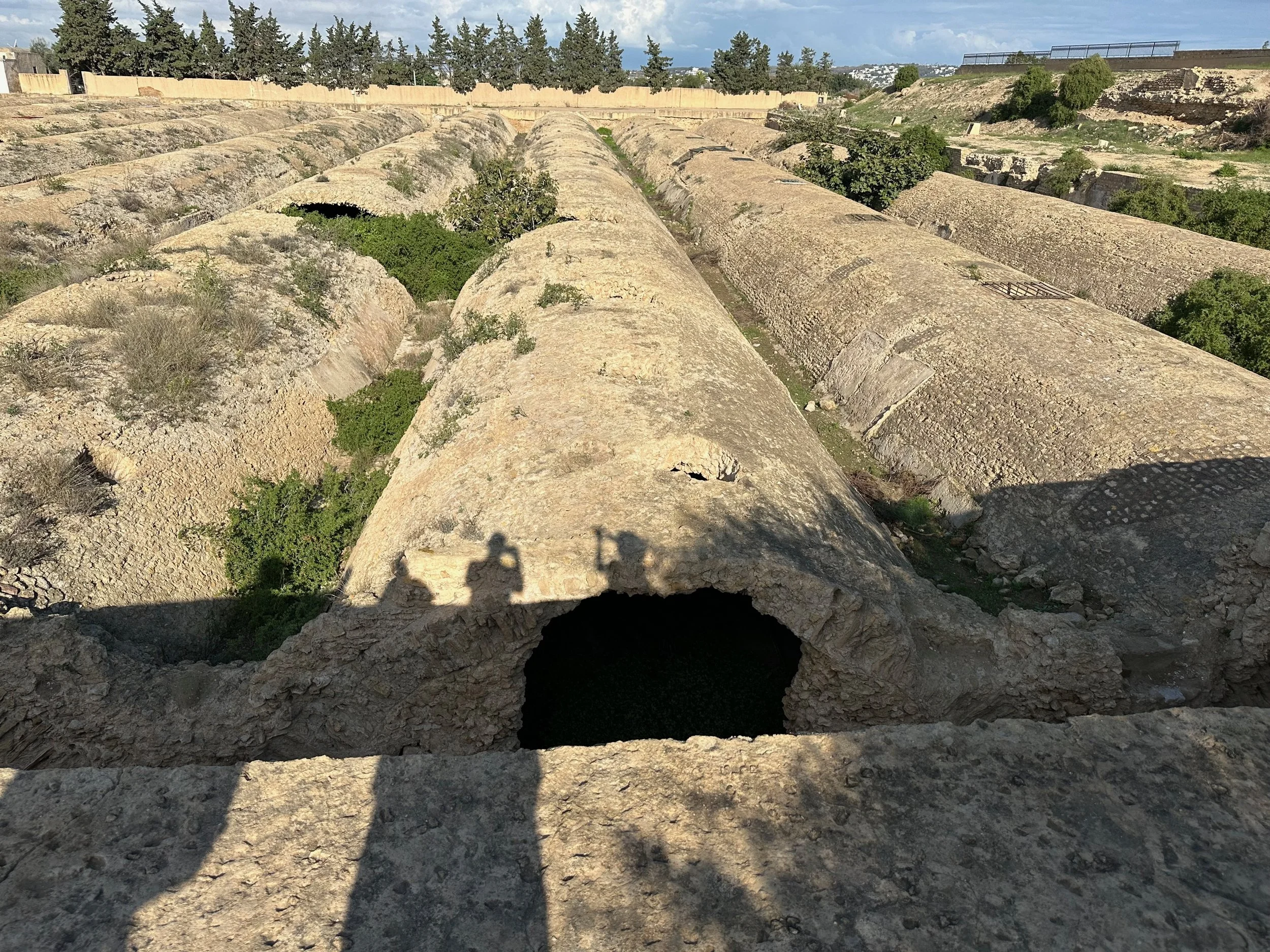
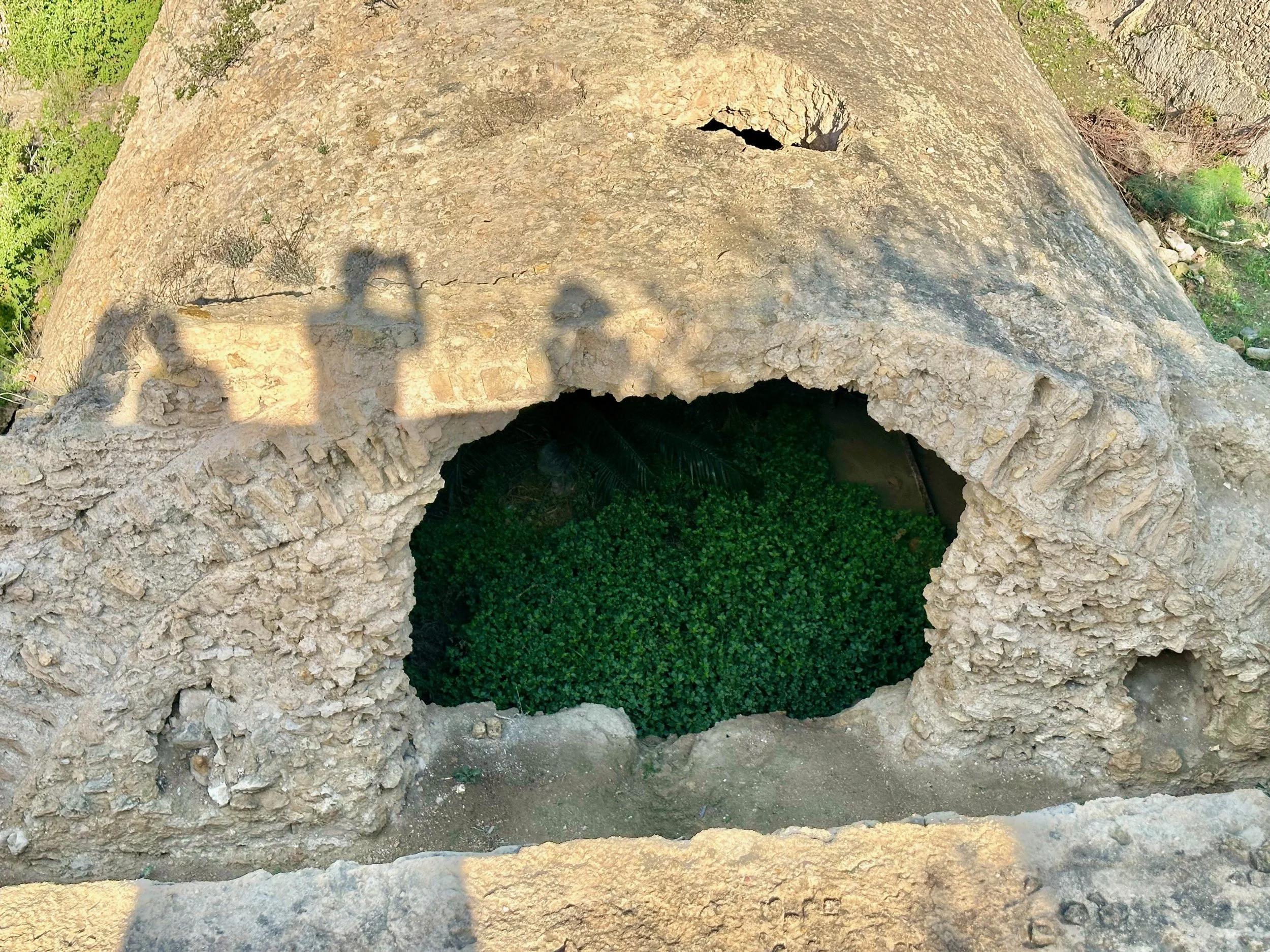
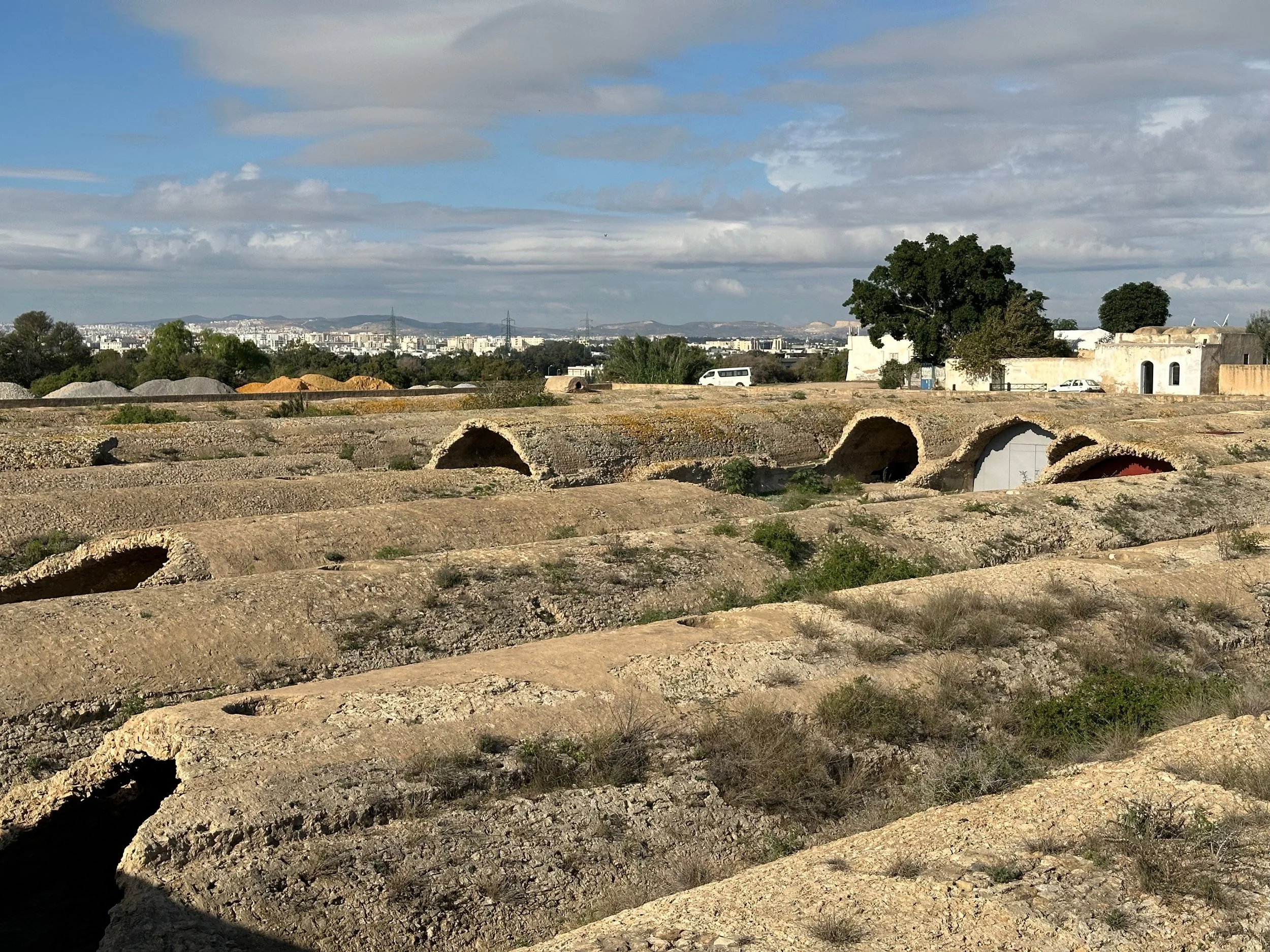
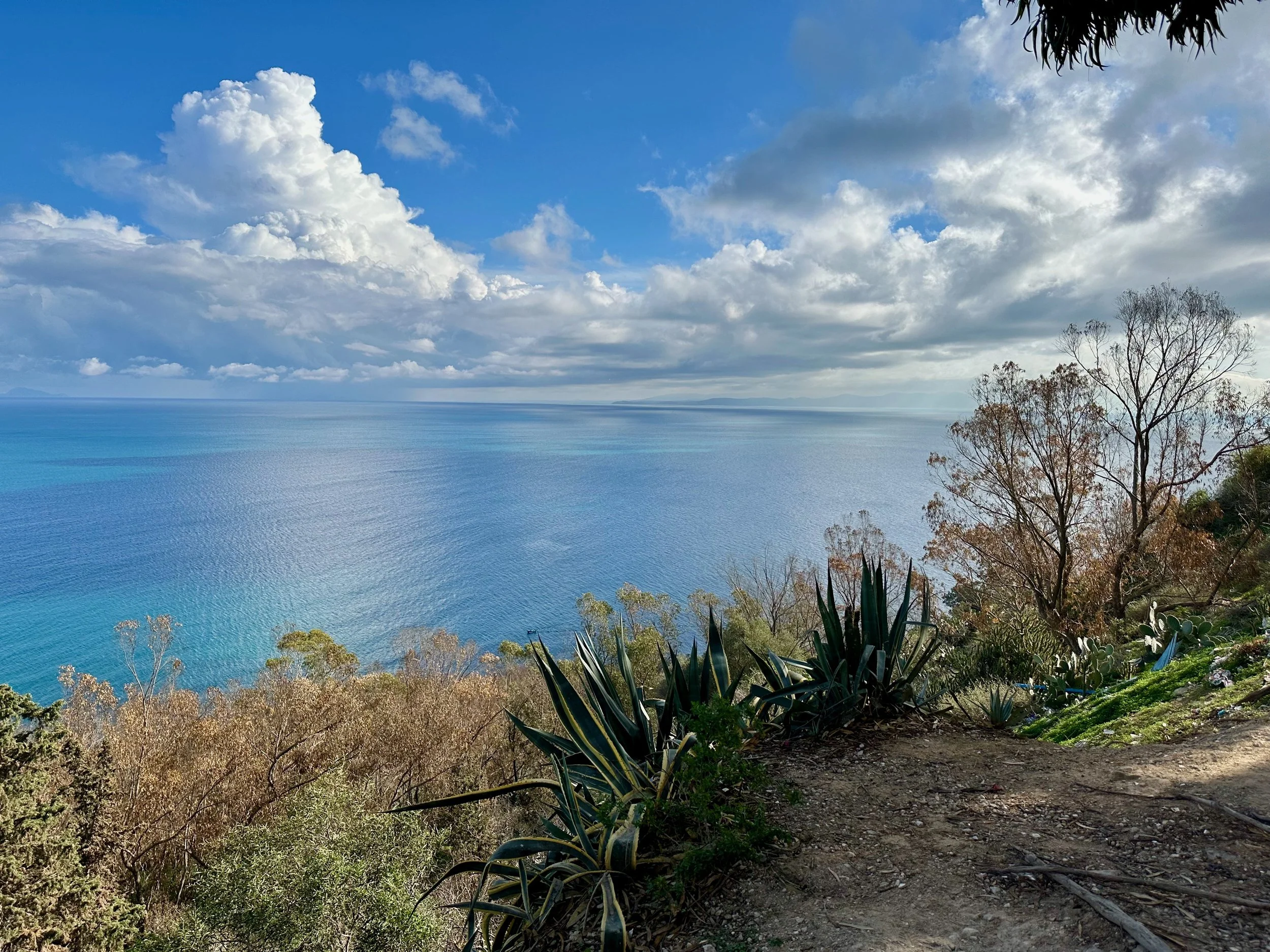
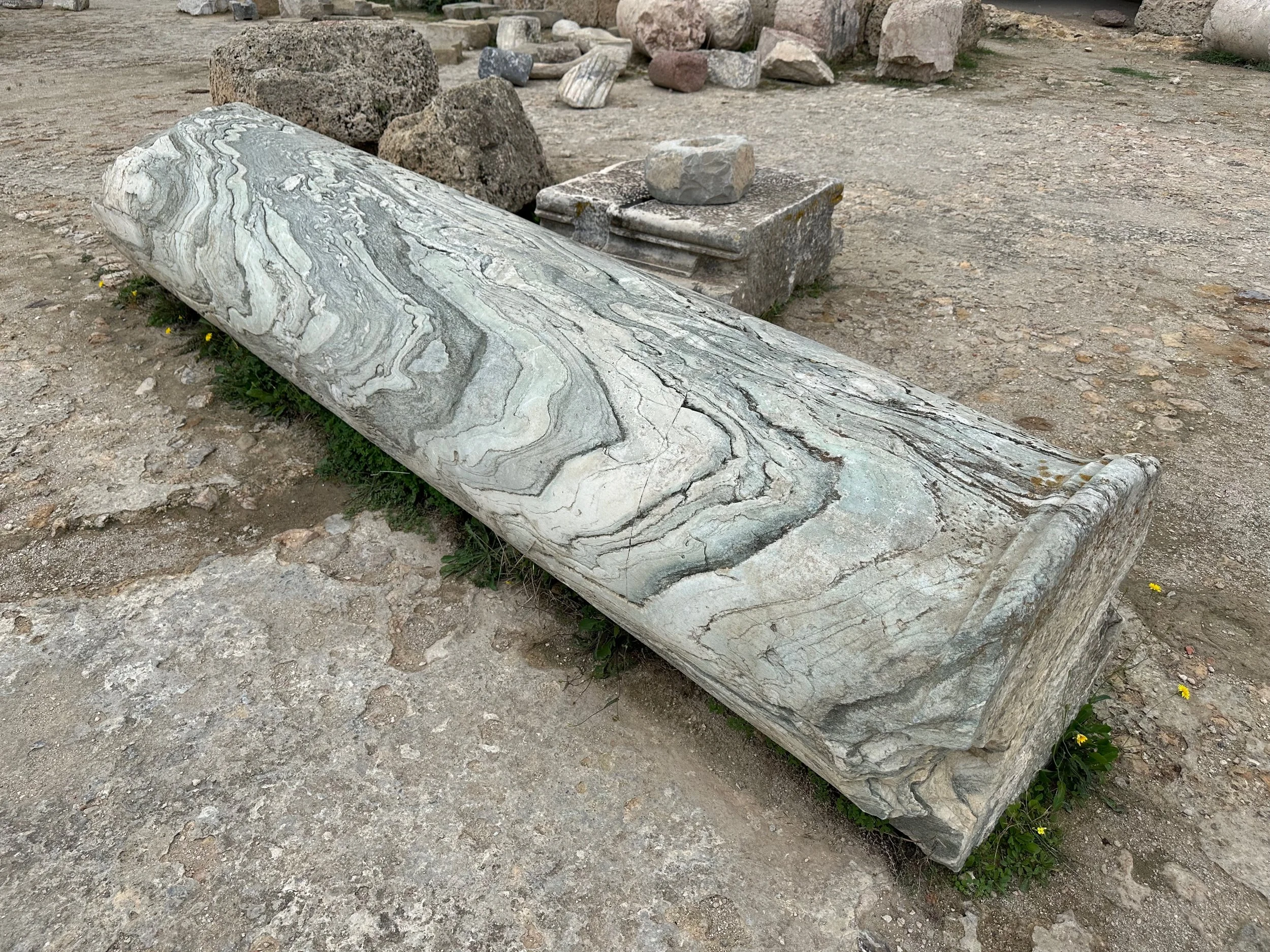
The day started by warming up with stops of some archeological and religious interest such as a field depository of ancient carved wall stones, the Mosquée Malik ibn Anas Carthage, and the Cisterns of La Malga, an ancient facility for storing and routing water for the early Carthaginians. From there we went to a hillside town for shopping, carefully orchestrated by the guide so we ended up in his buddy’s store claiming all the items were “government guaranteed”, and finally to a hilltop for views of the Mediterranean before backtracking to the Baths of Antonin.
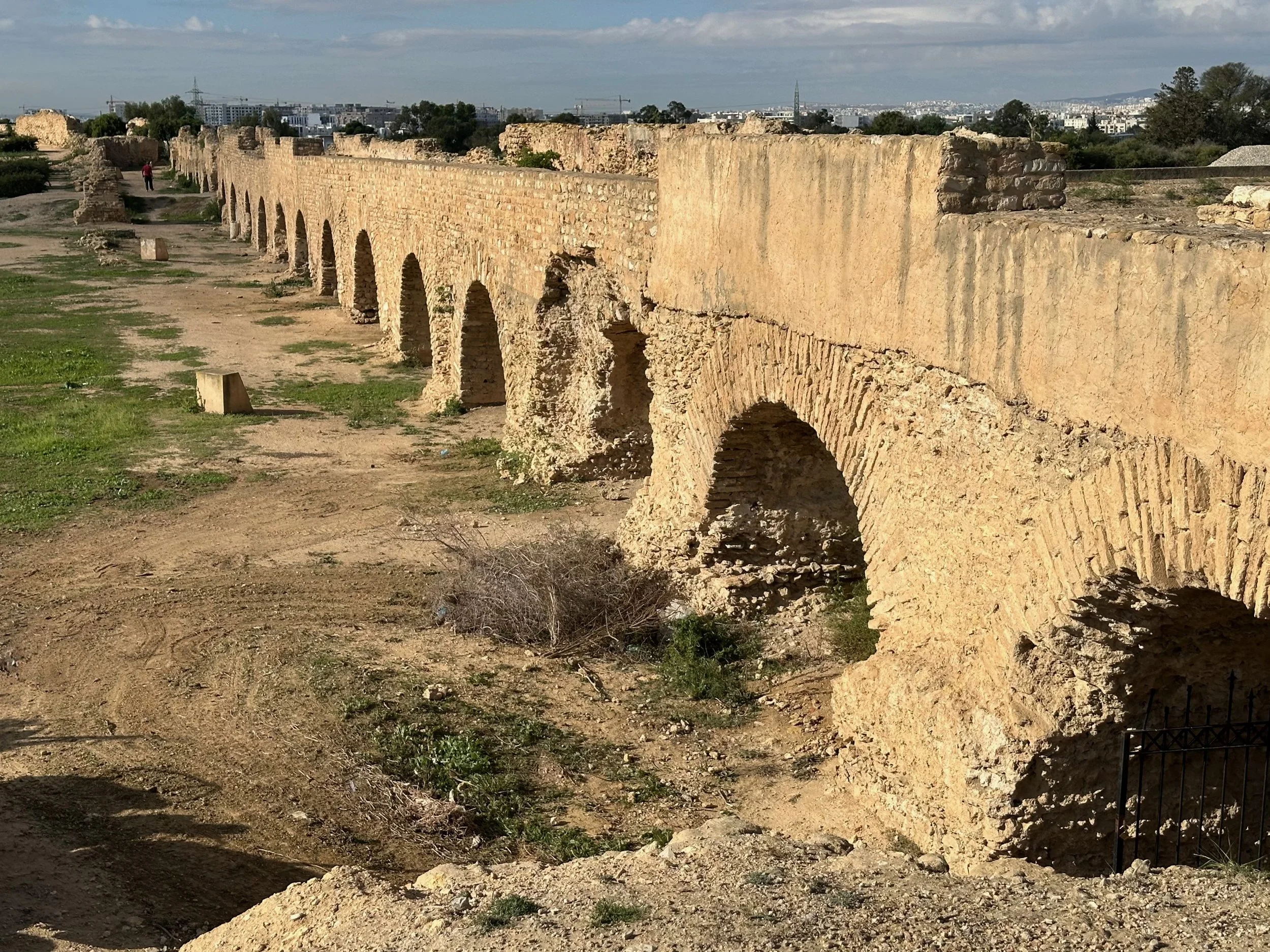
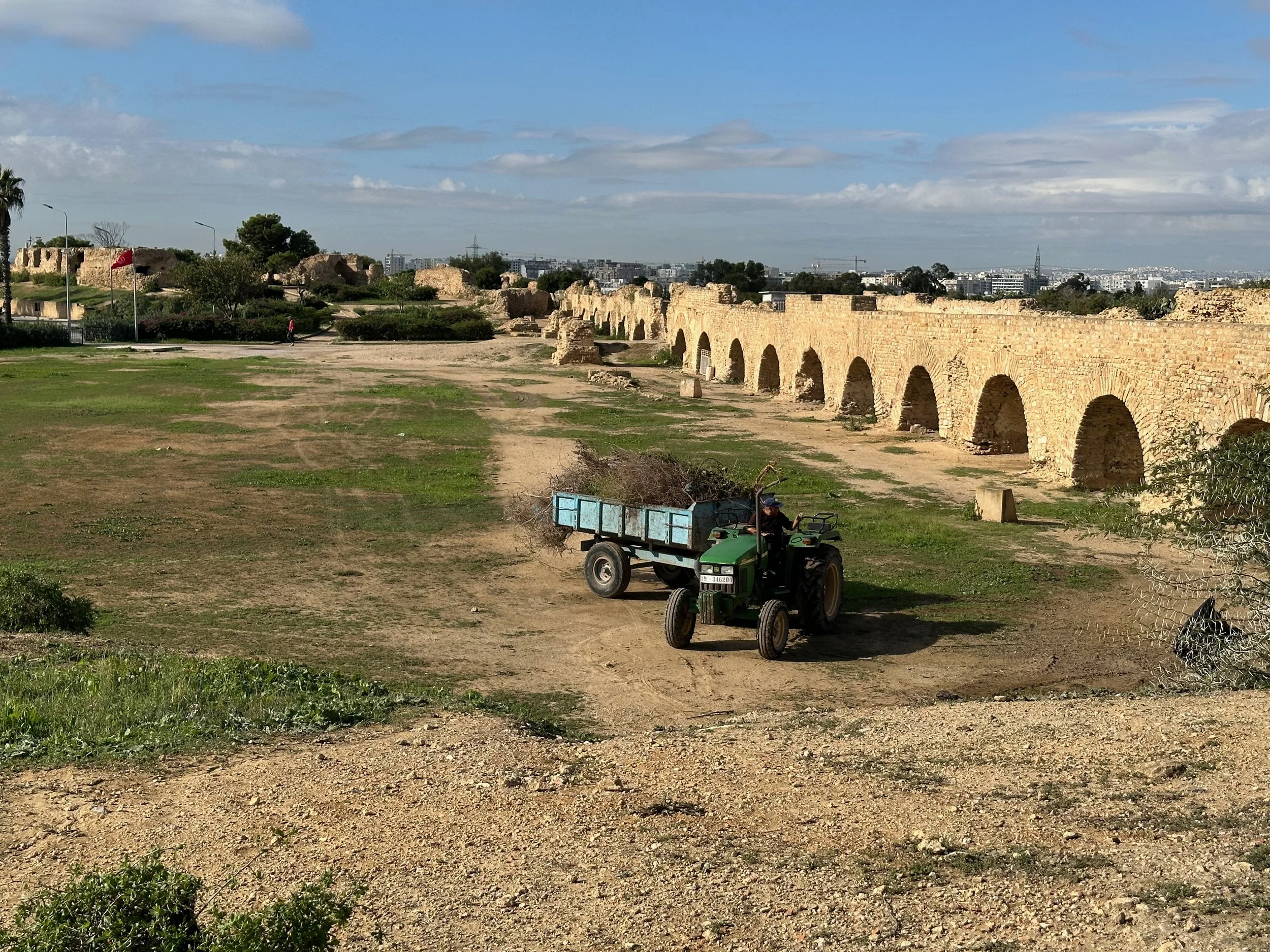
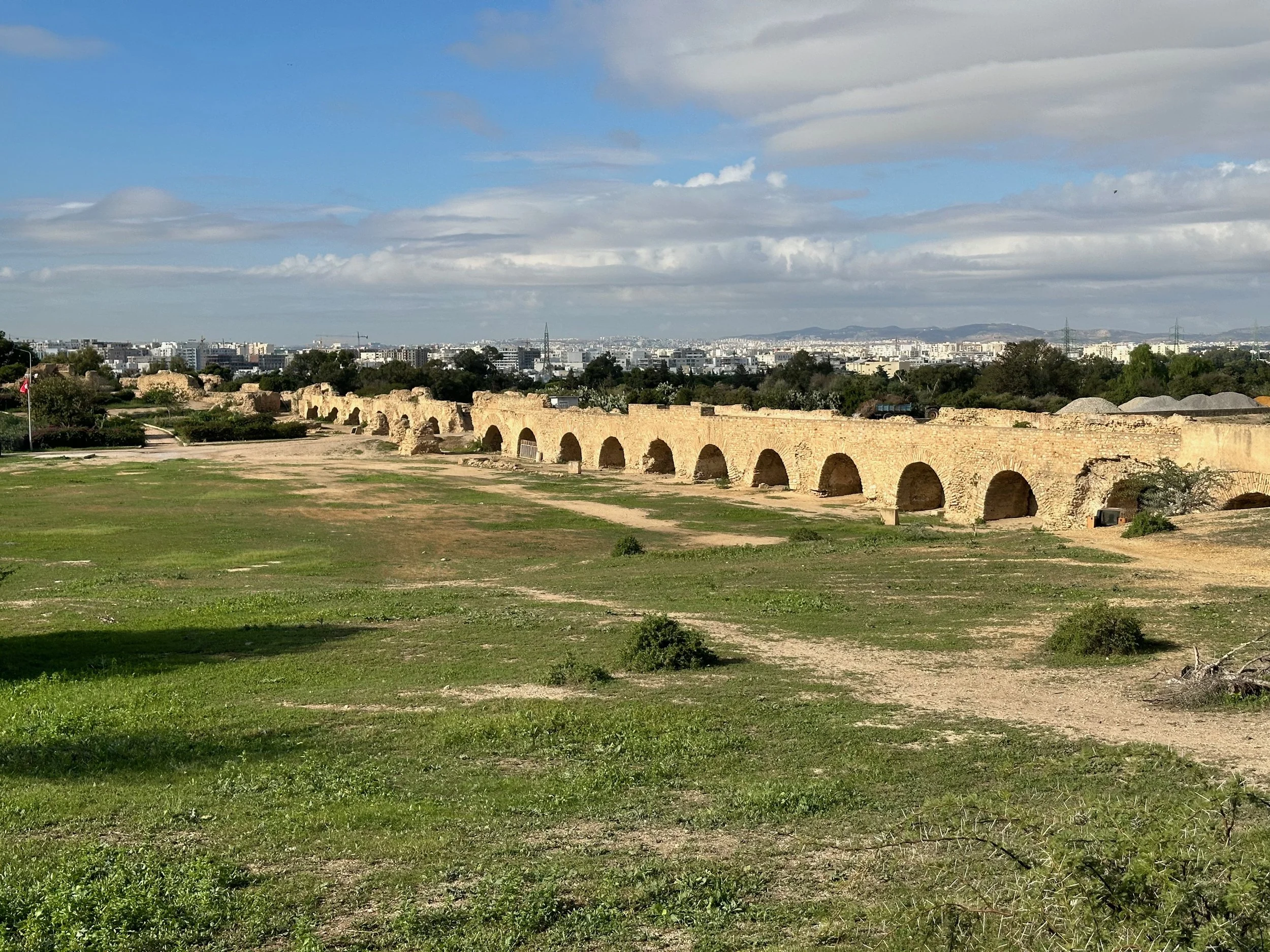
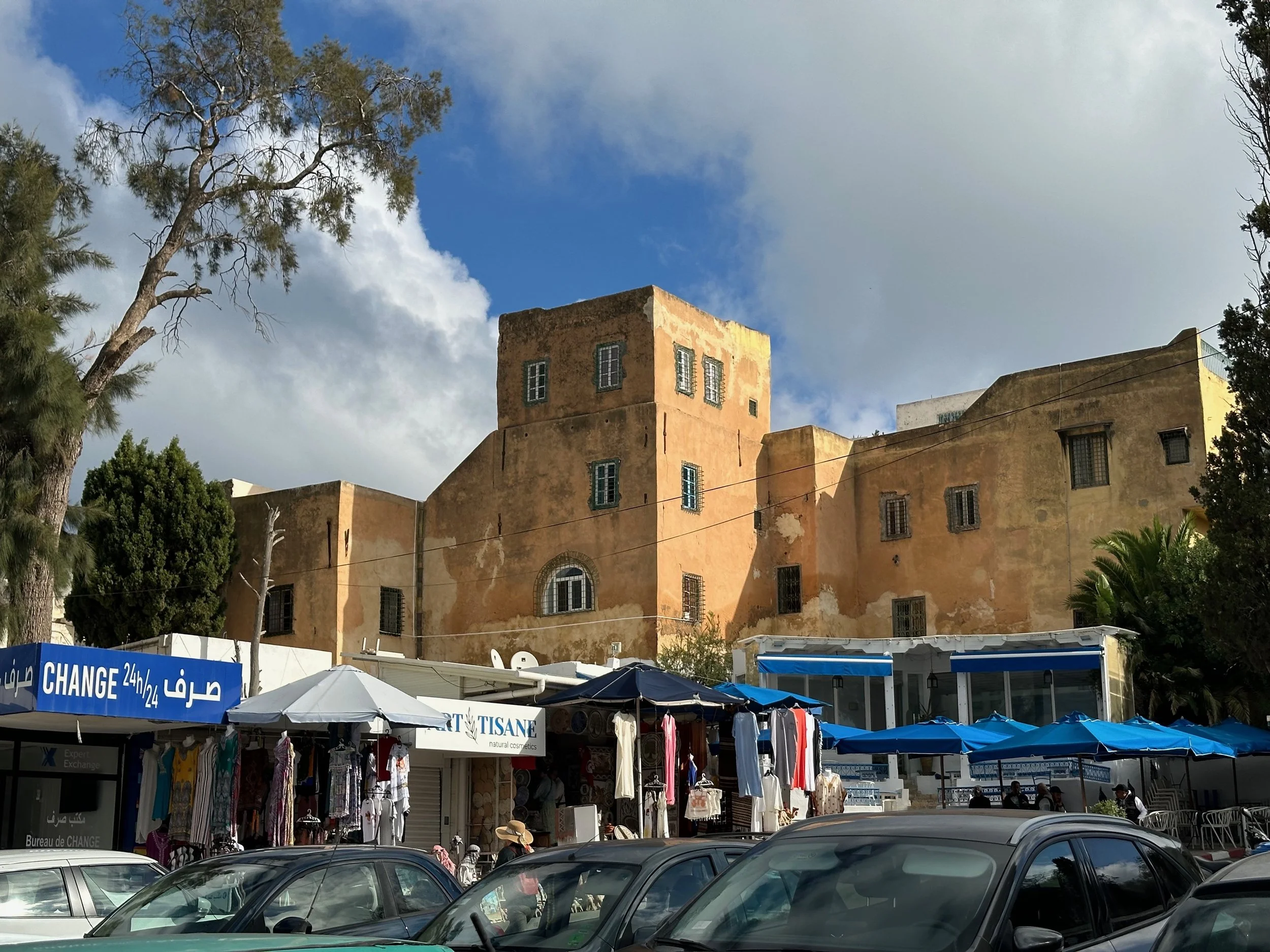
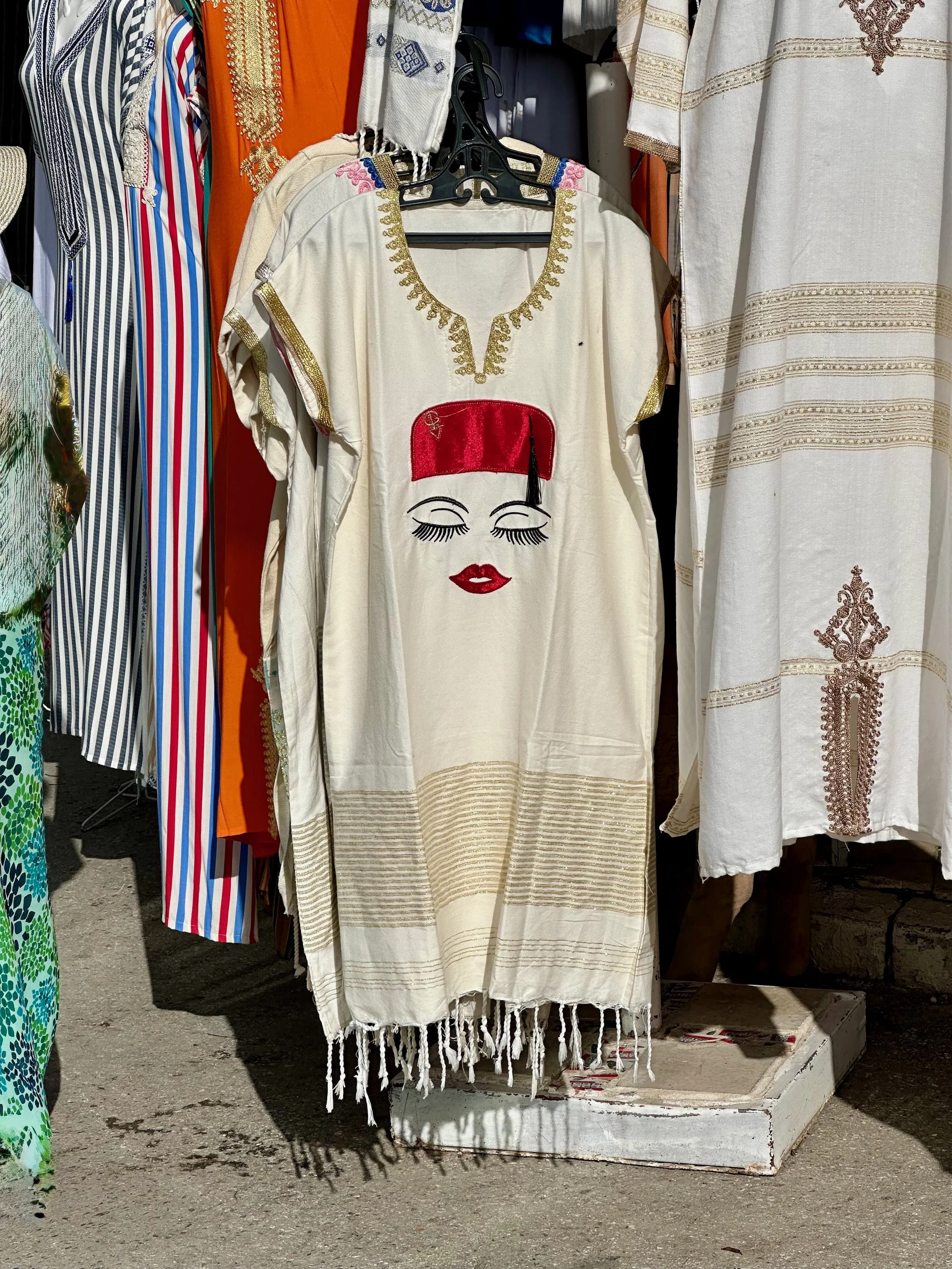
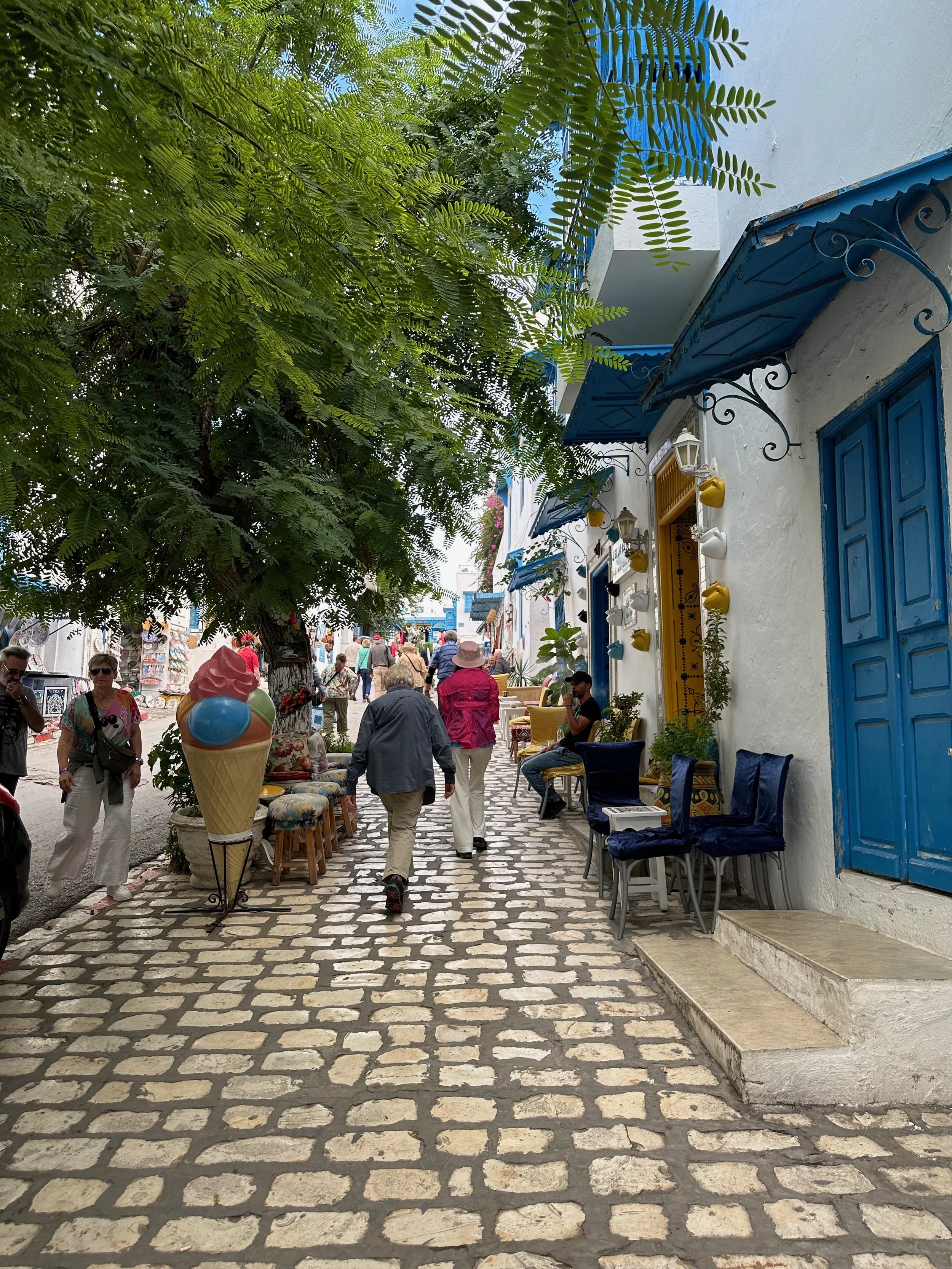
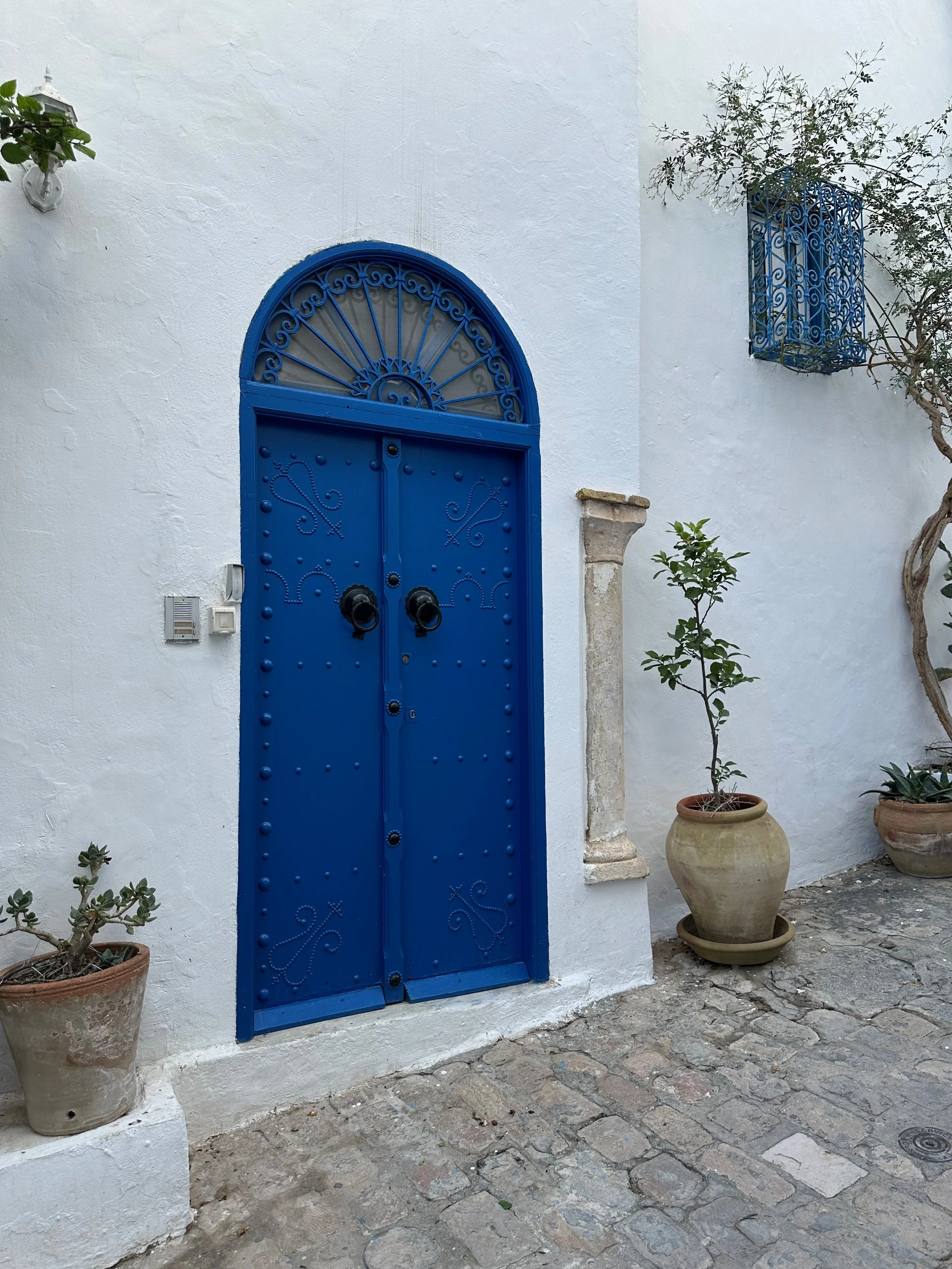
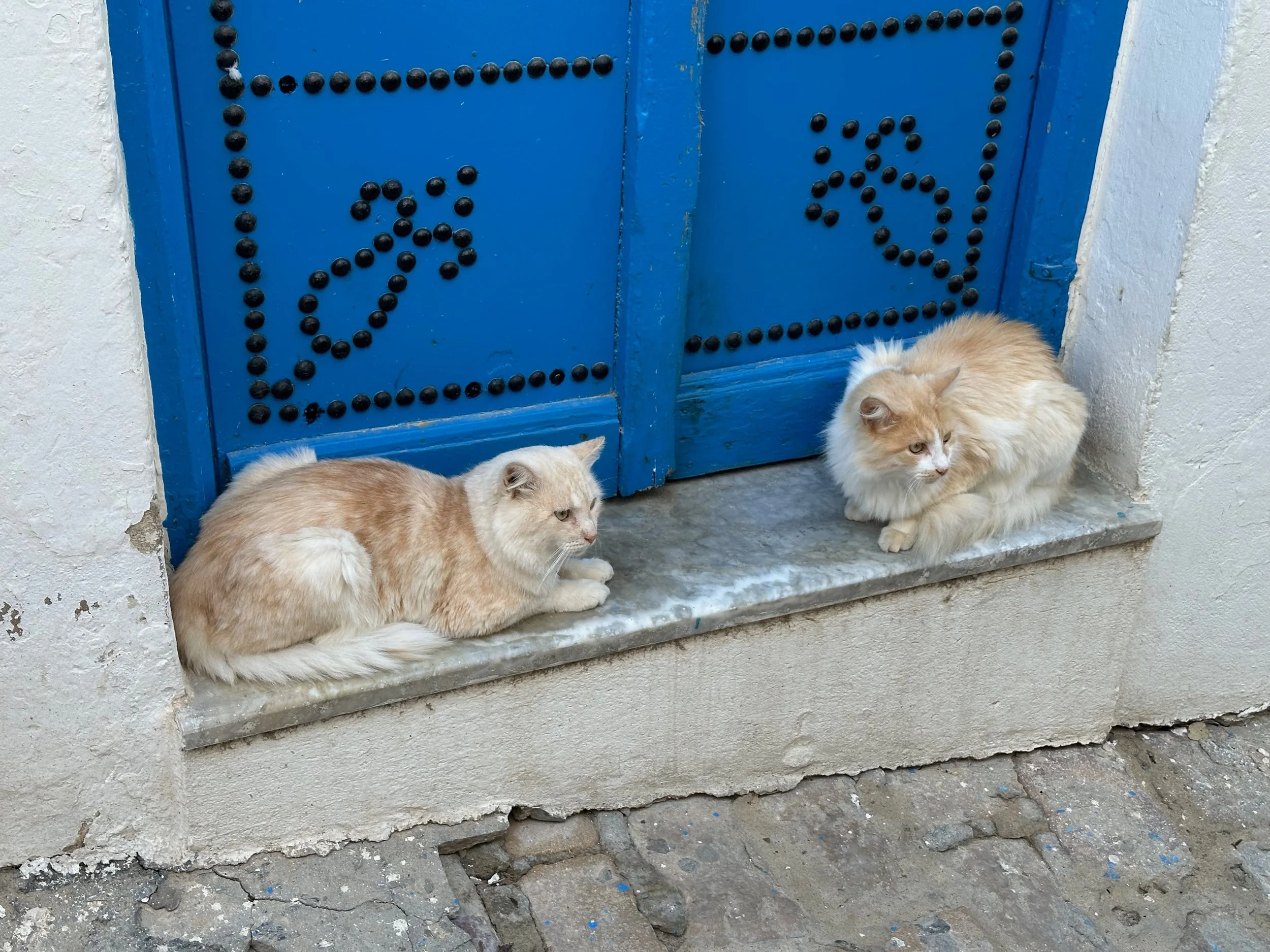
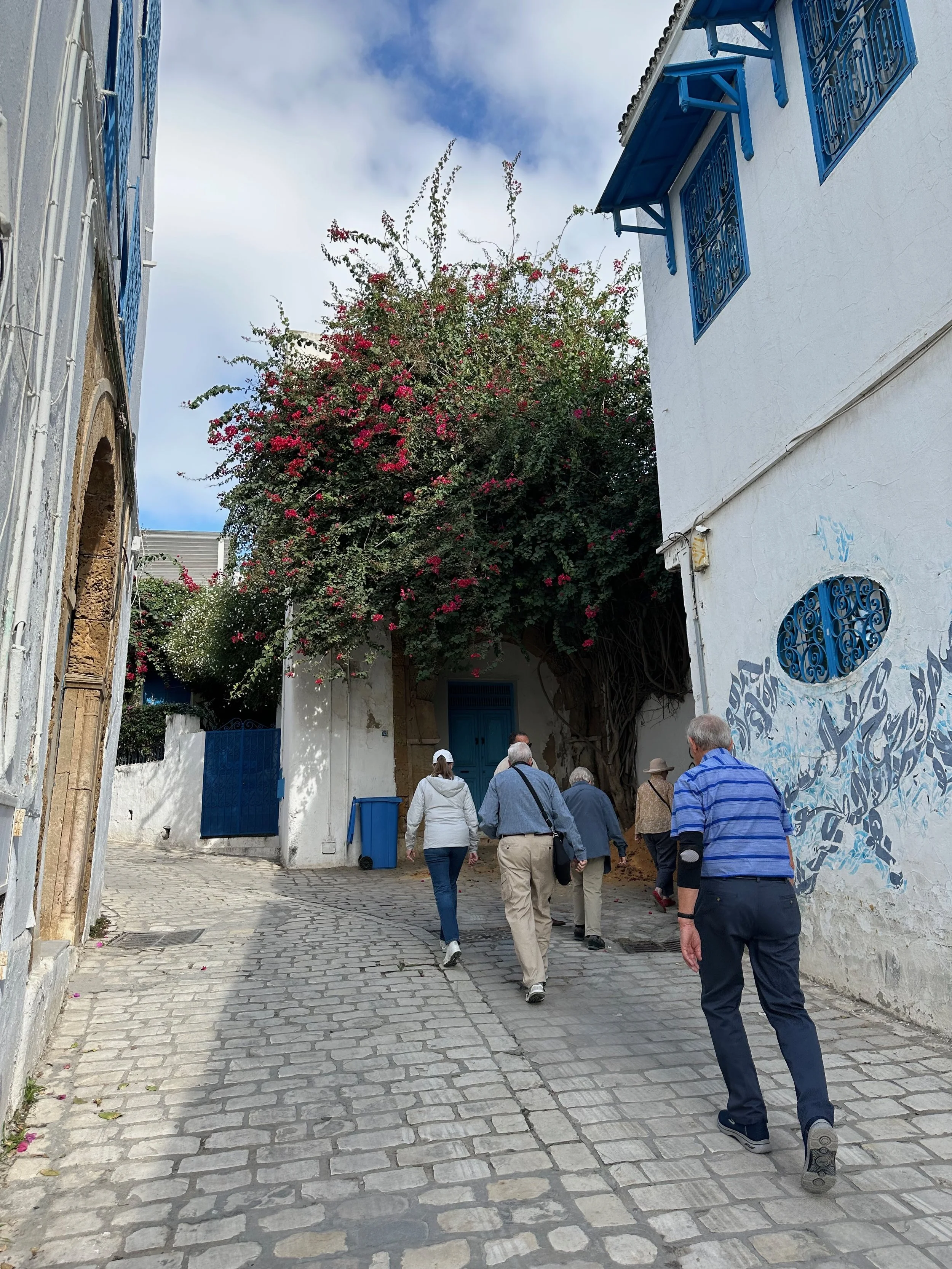
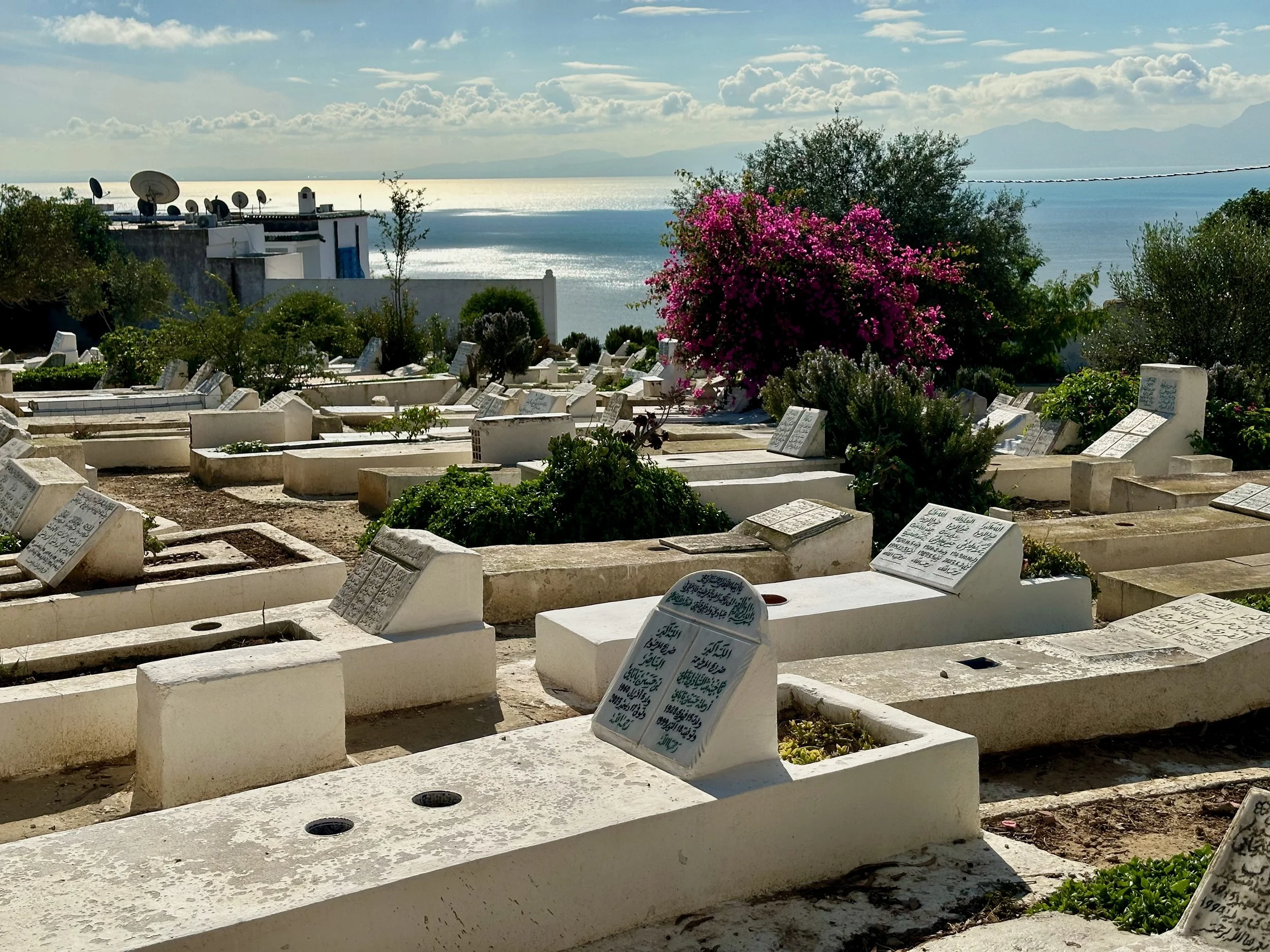
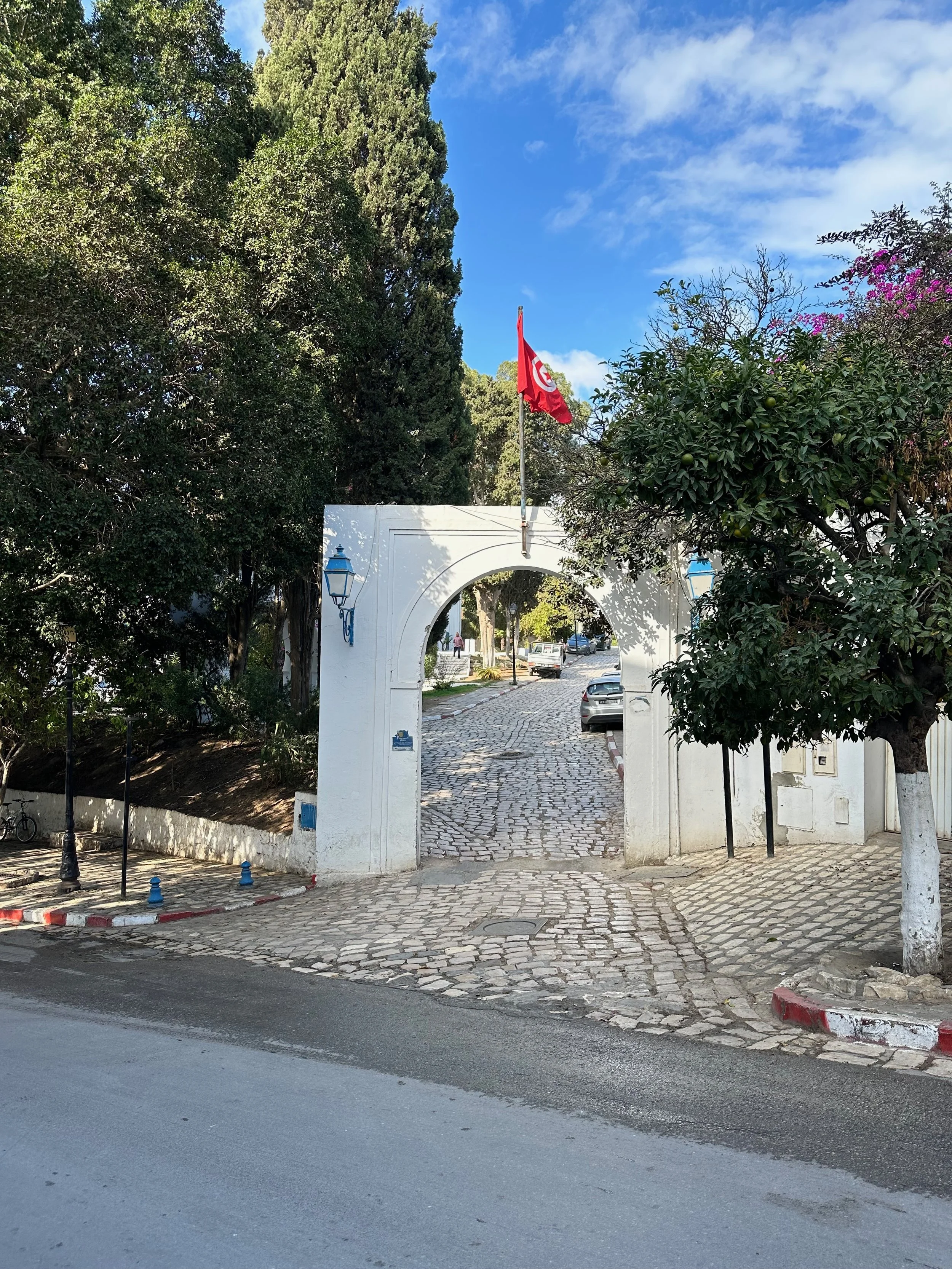
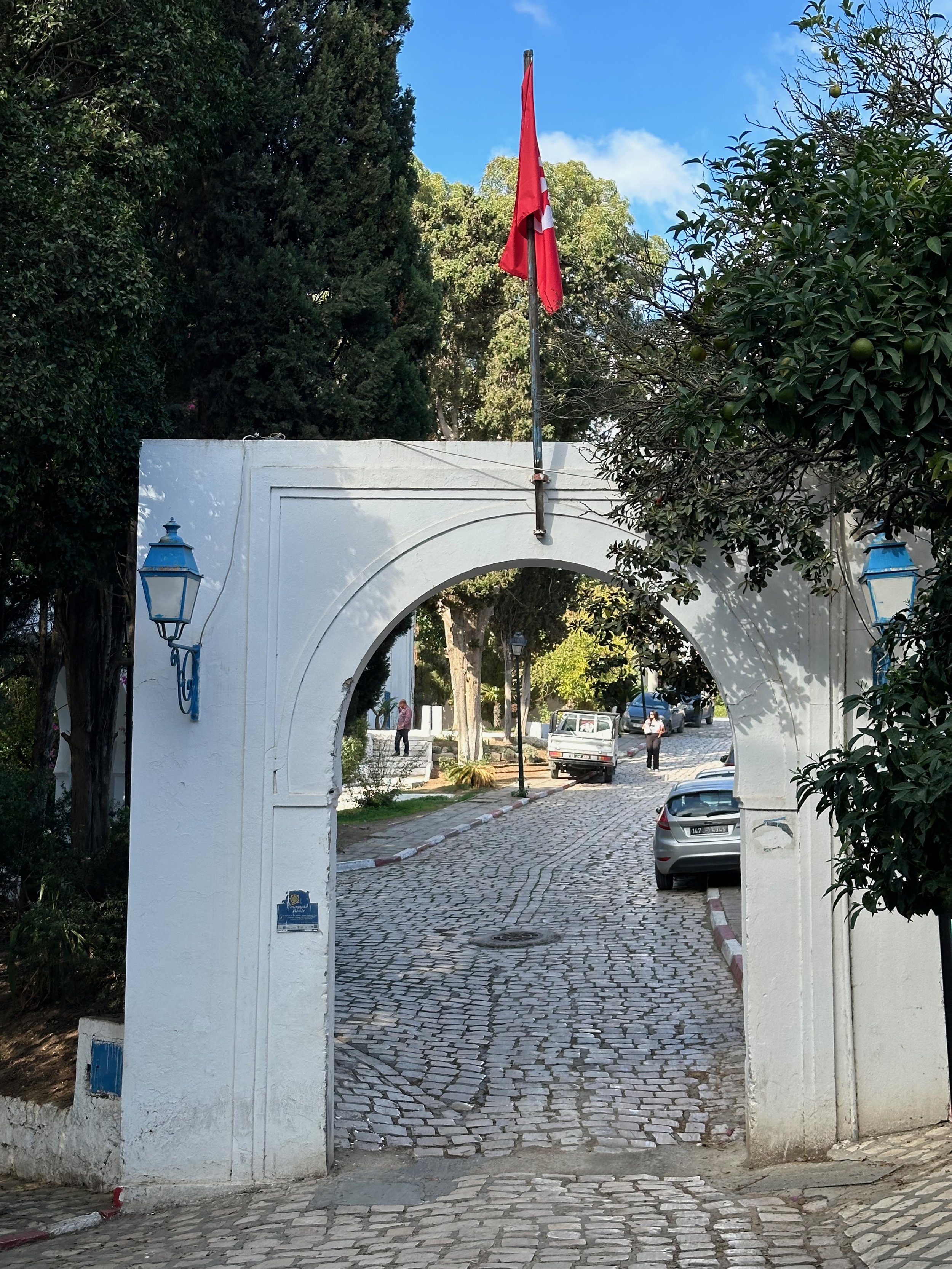
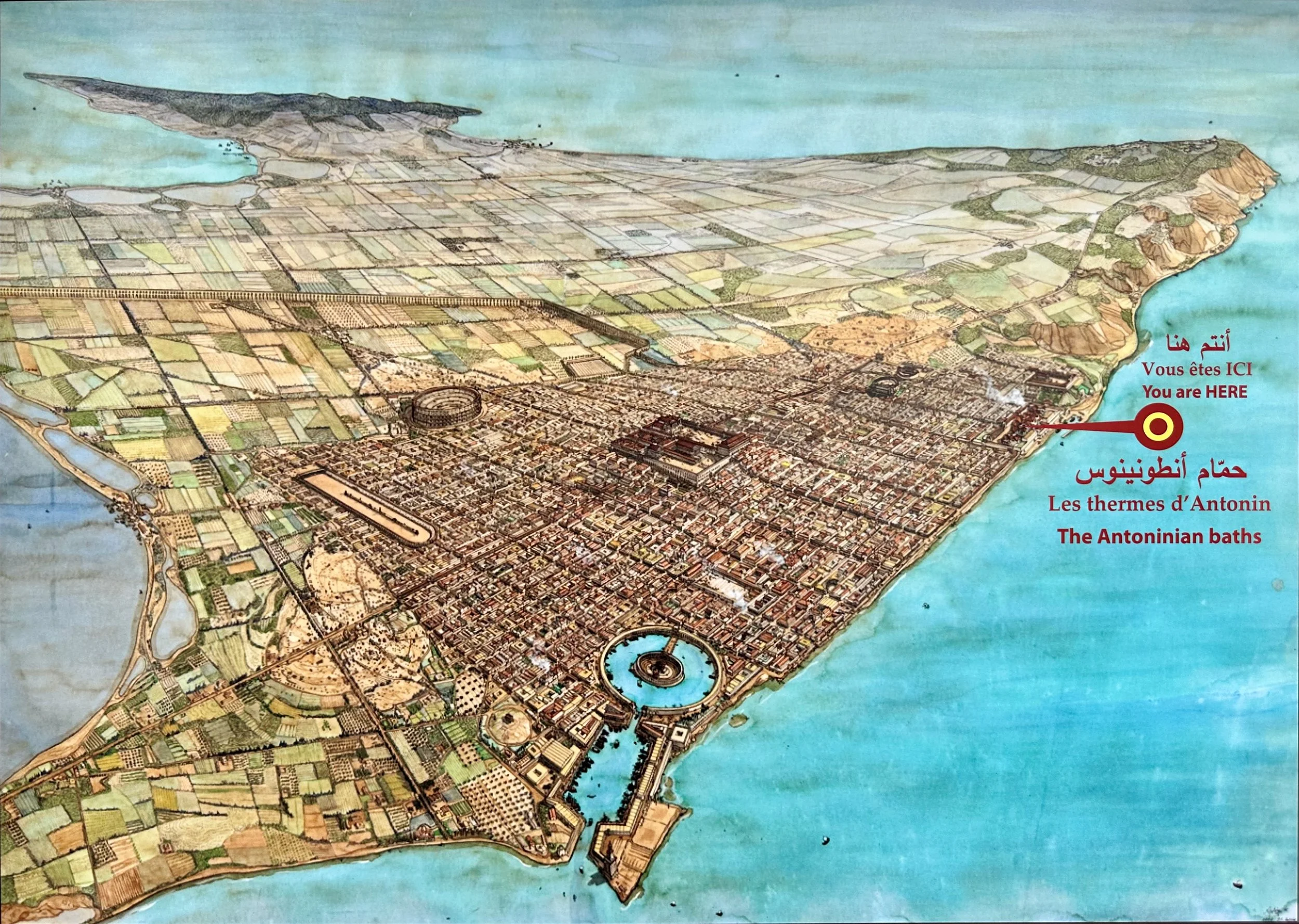
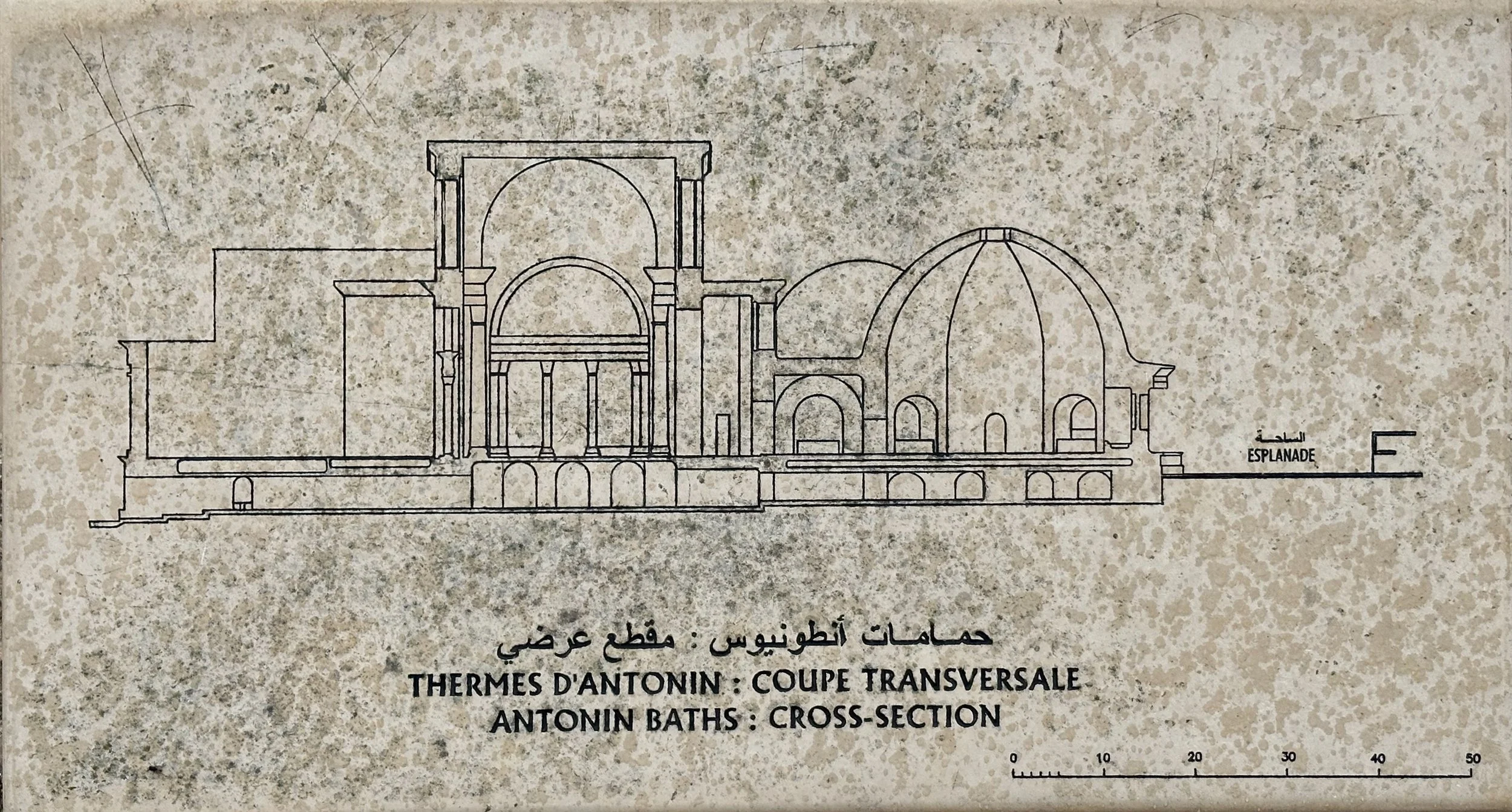
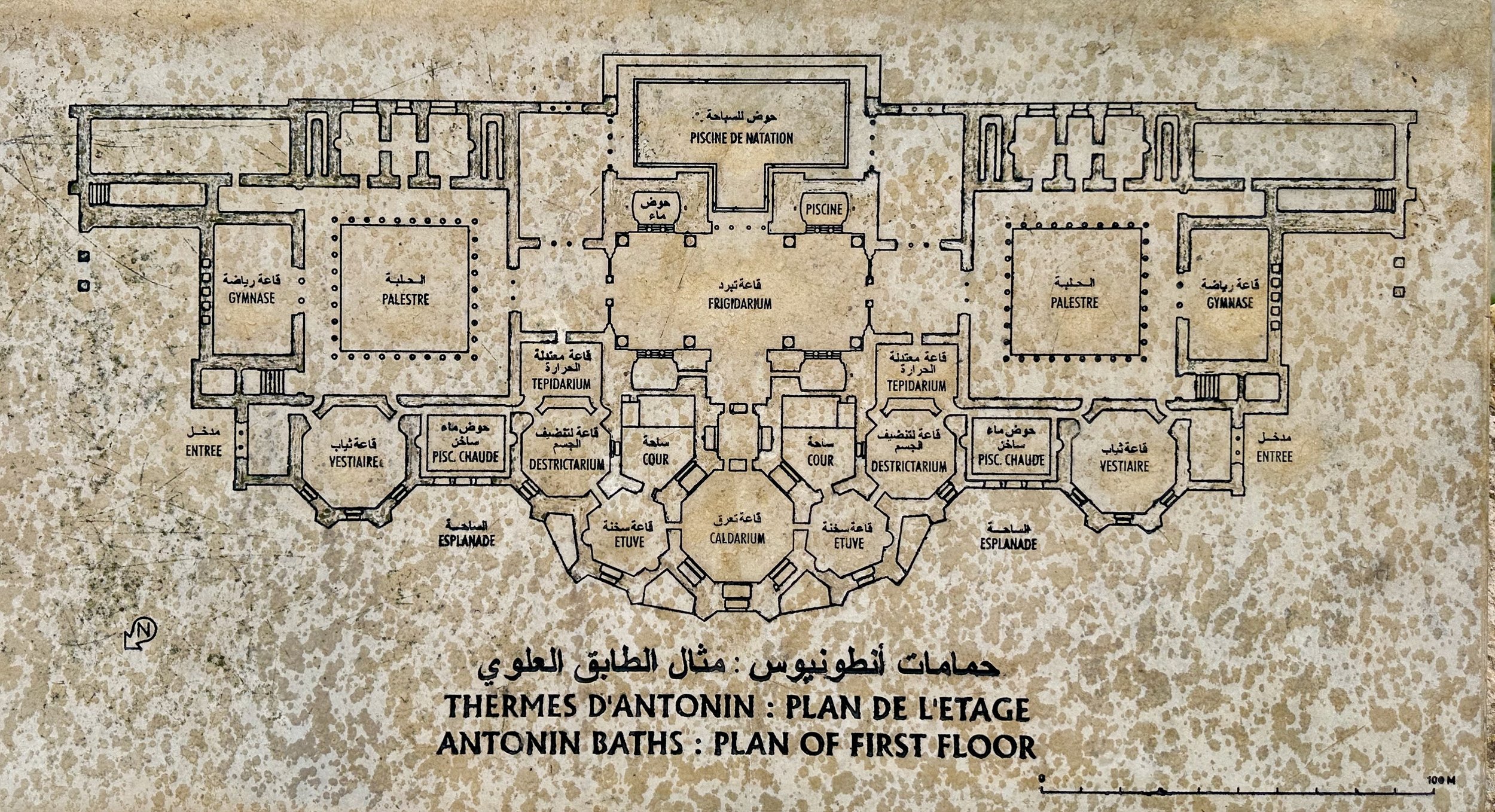
A map and layout of the baths.
The Baths Of Antonin
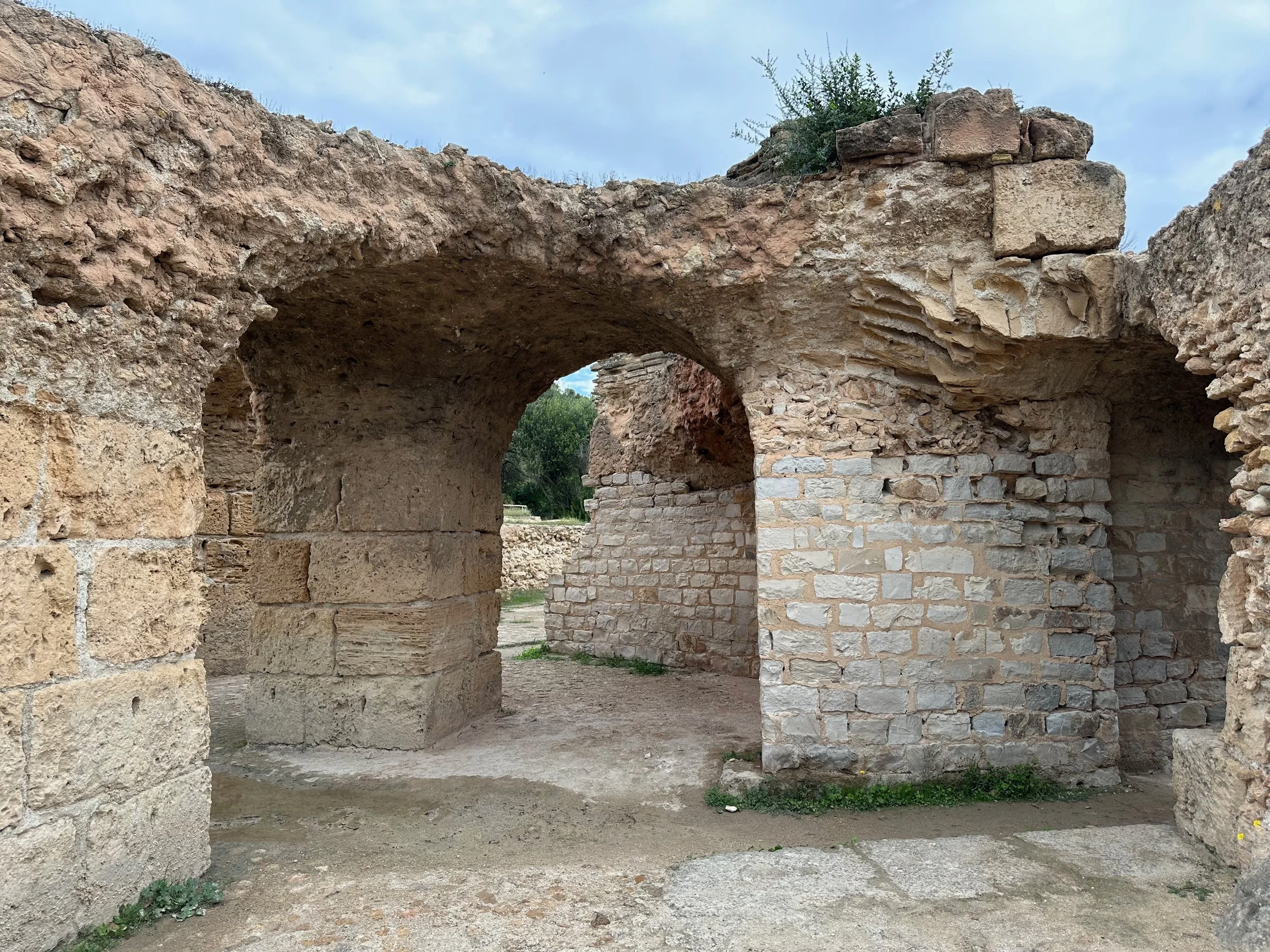
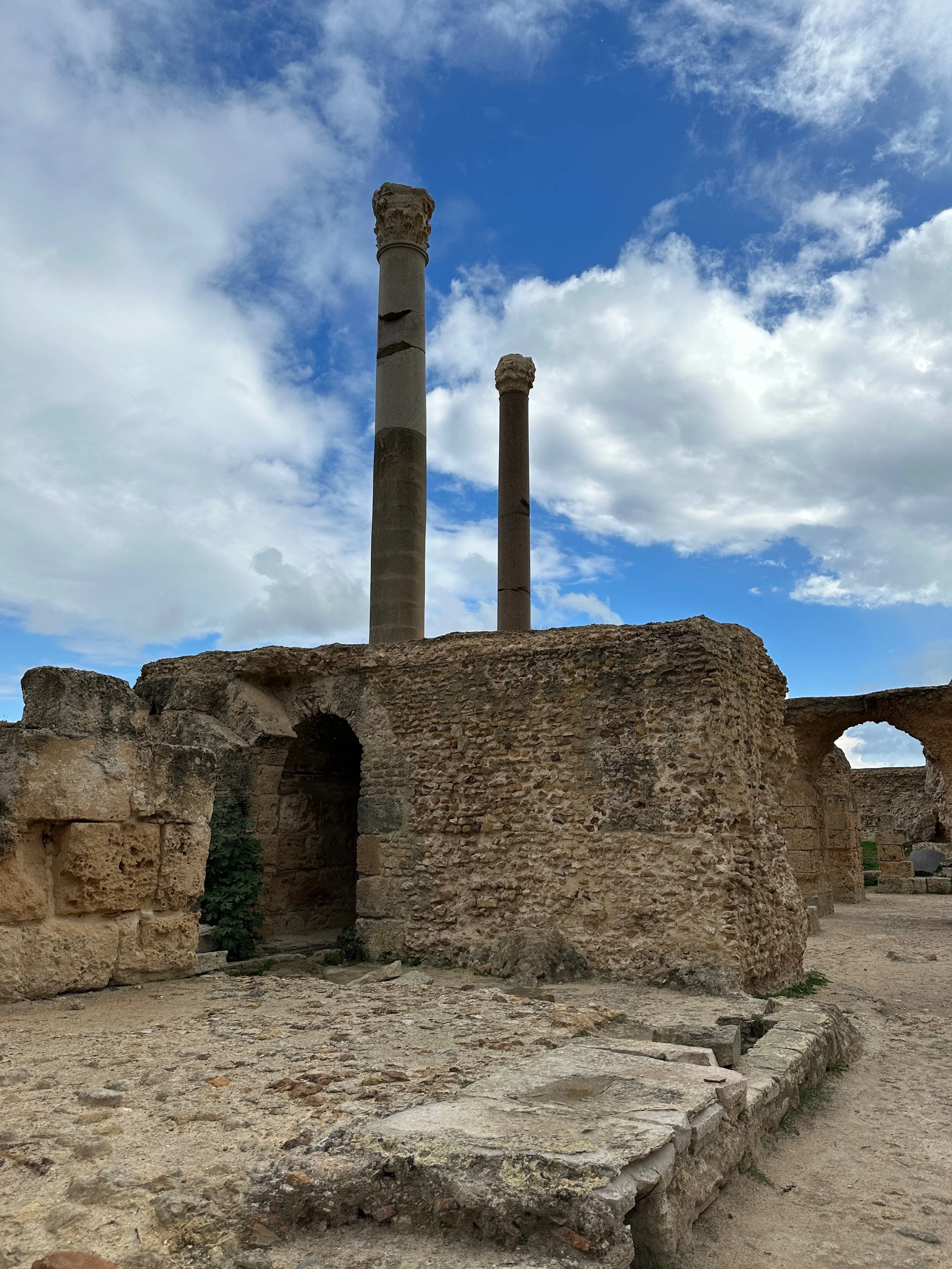
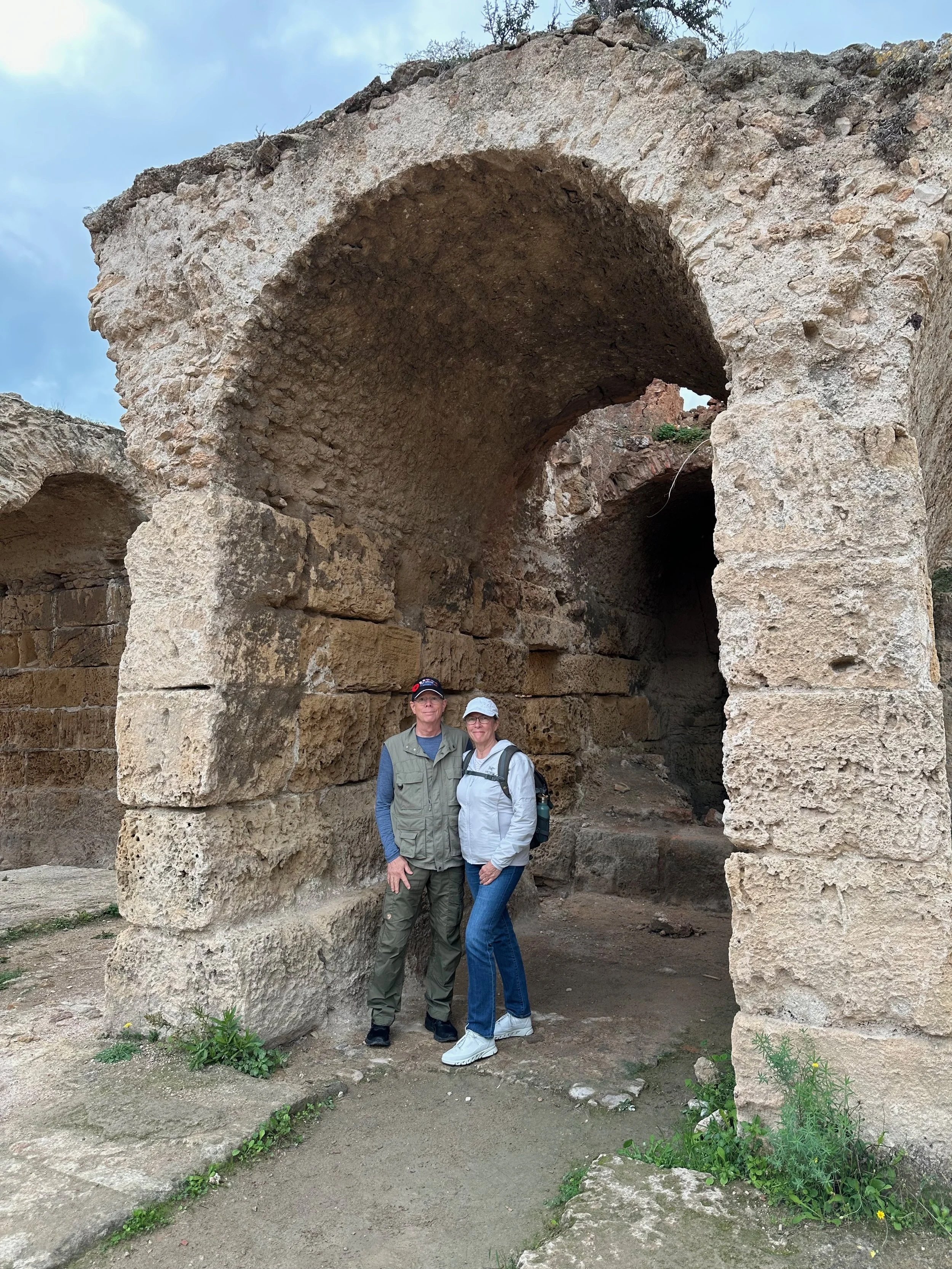
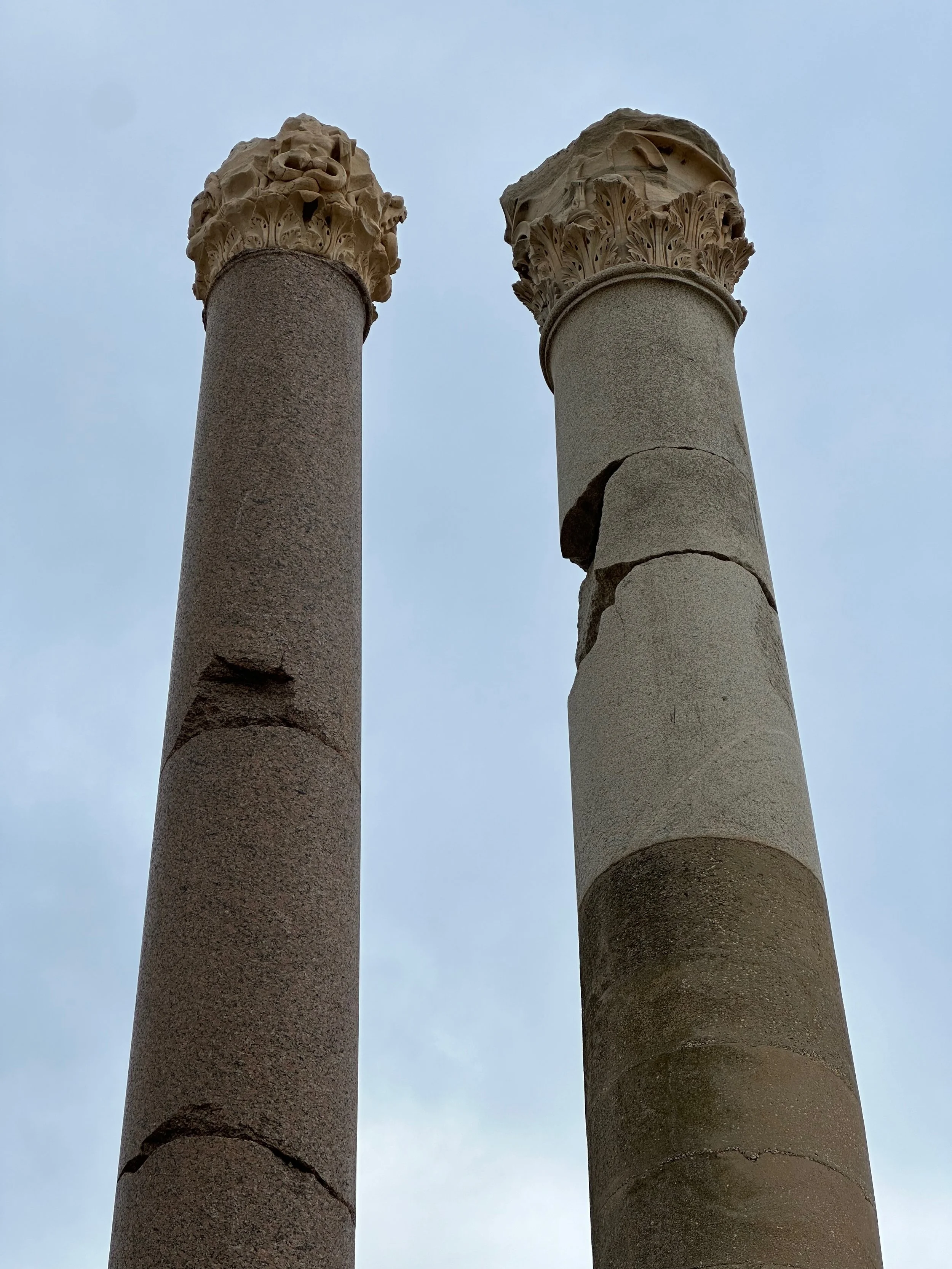
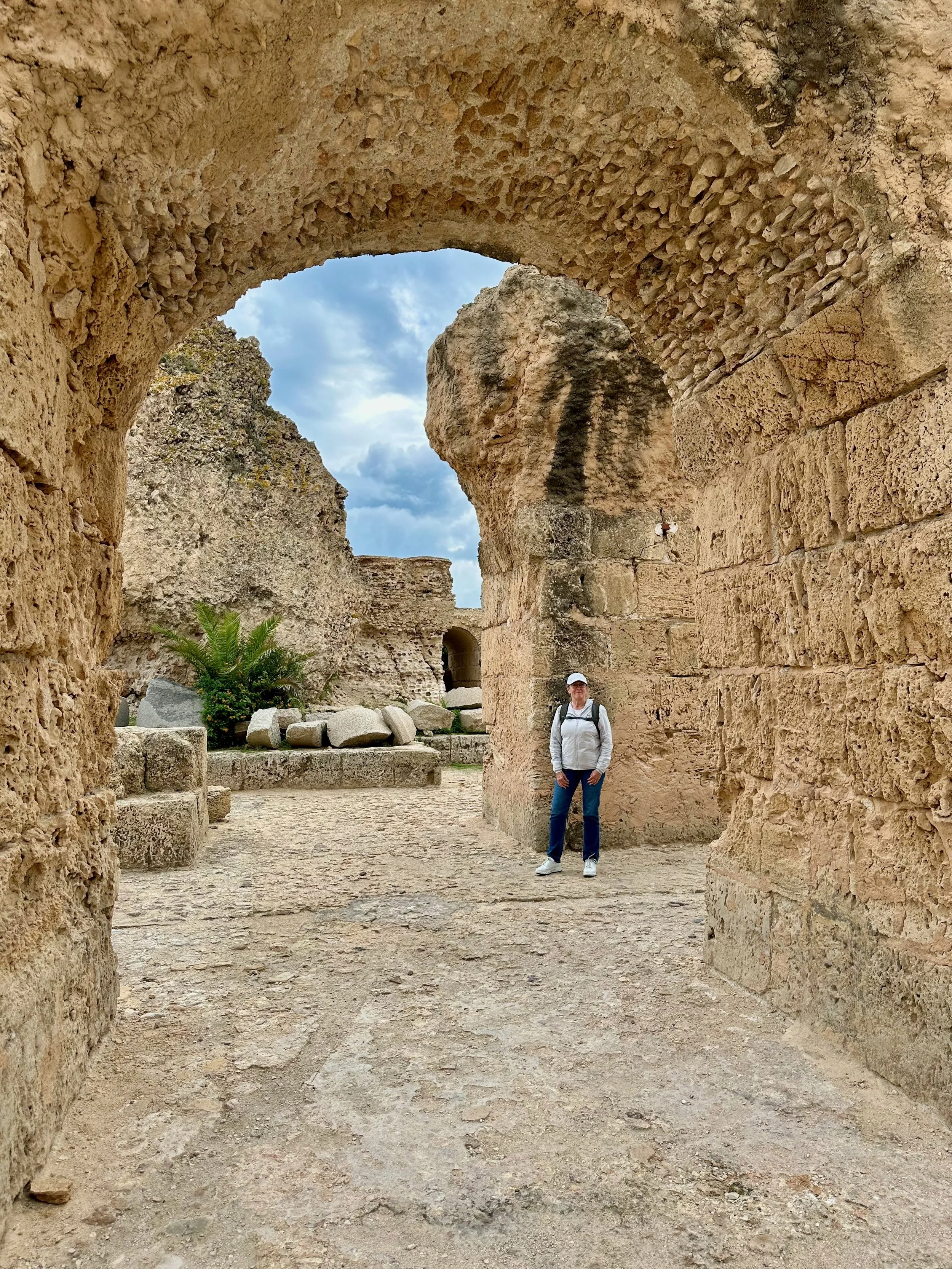
The highlight for us of Carthage/Tunis was the Roman Baths of Antonin. Living up to their designation as a Unesco World Heritage Site, they were truly an amazing structure that must have been magnificent in its glory days. As mentioned above, these particular baths were unique in the Roman Empire because of the challenge of building them on the beach with soft Mediterranean earth. Unfortunately there were far fewer signs than what we would’ve thought for such a historic site, so much of the landscape was impossible to figure out. The two stacks for the furnace certainly didn’t need any explanation.
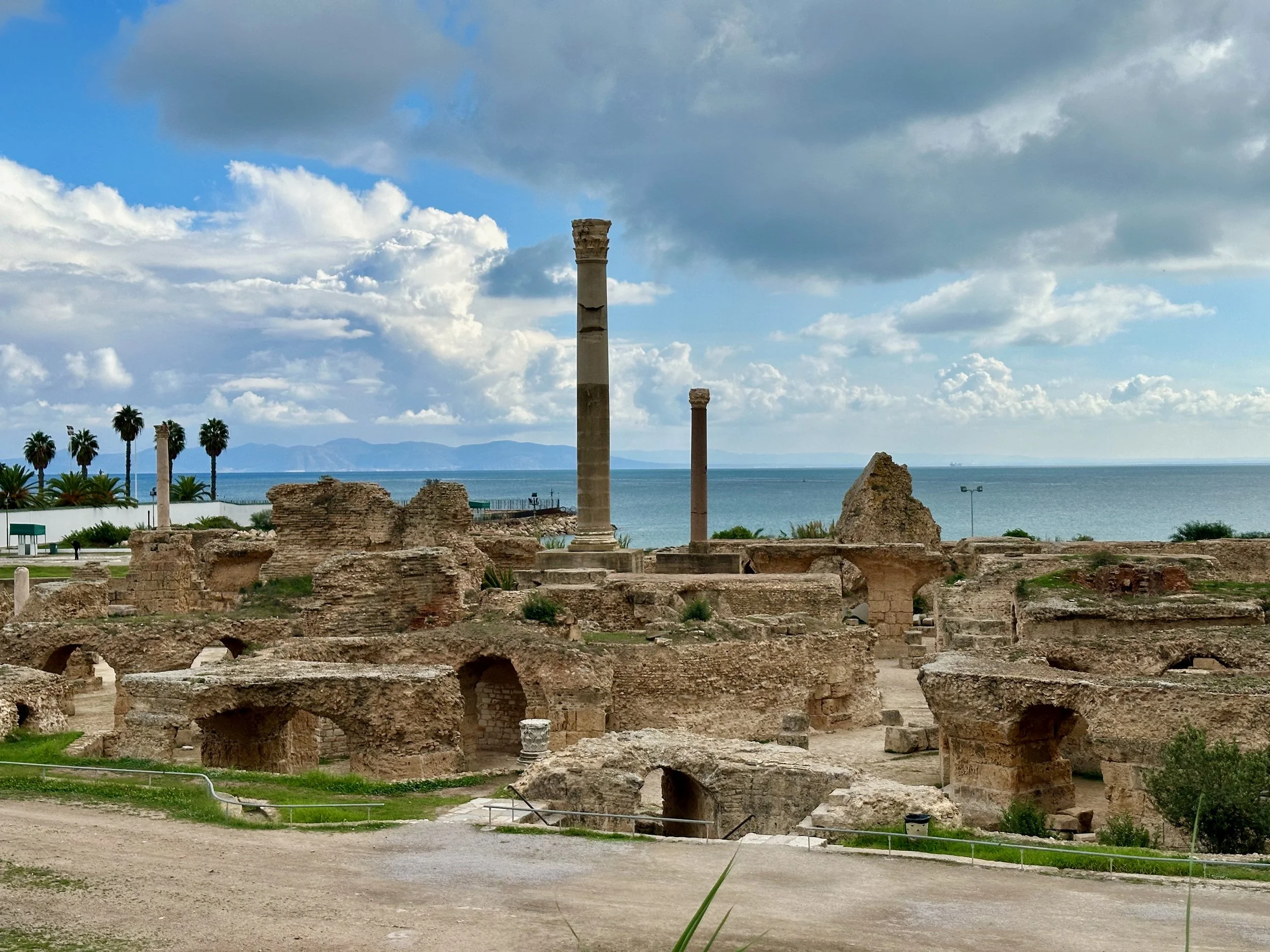
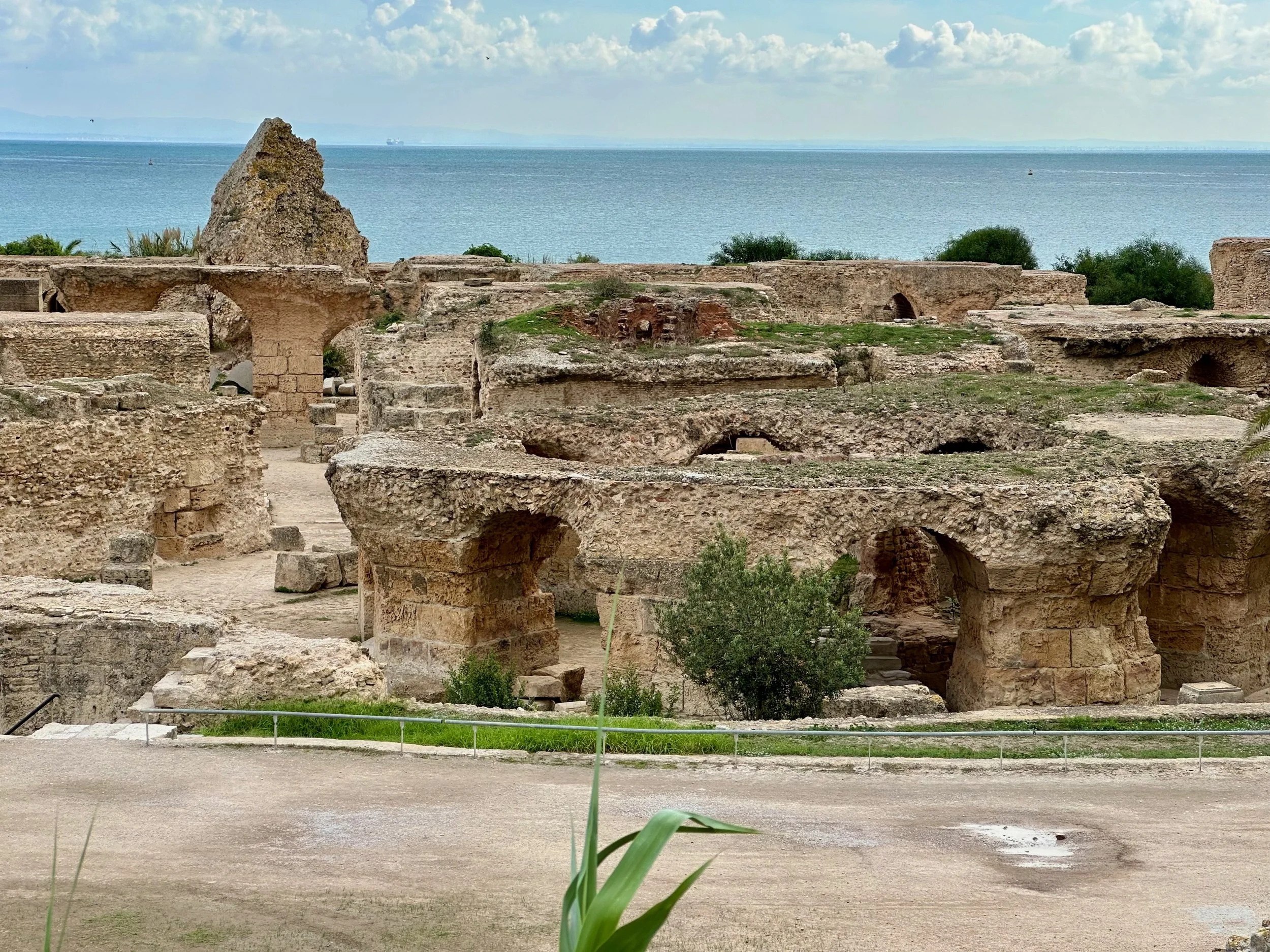
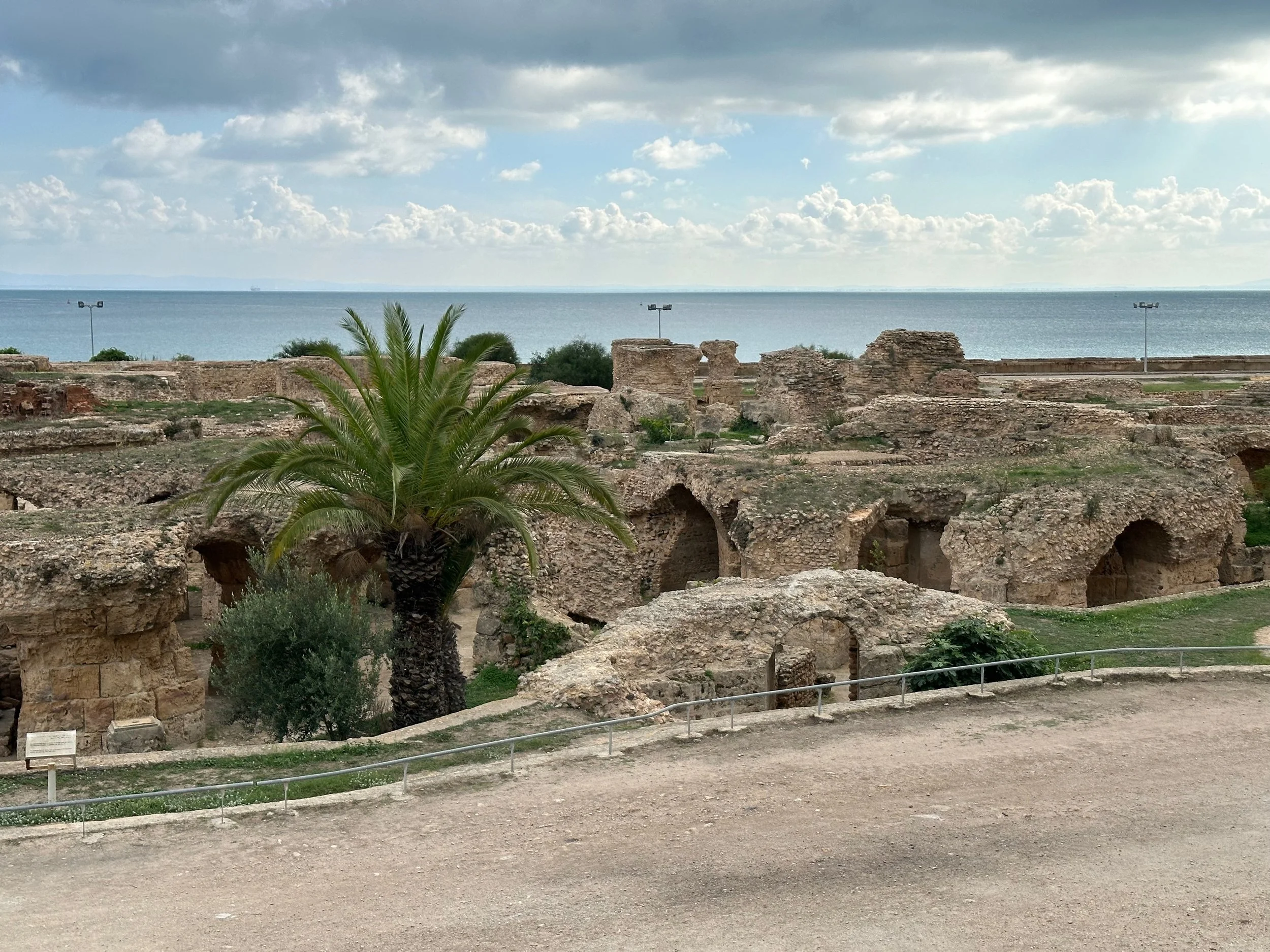
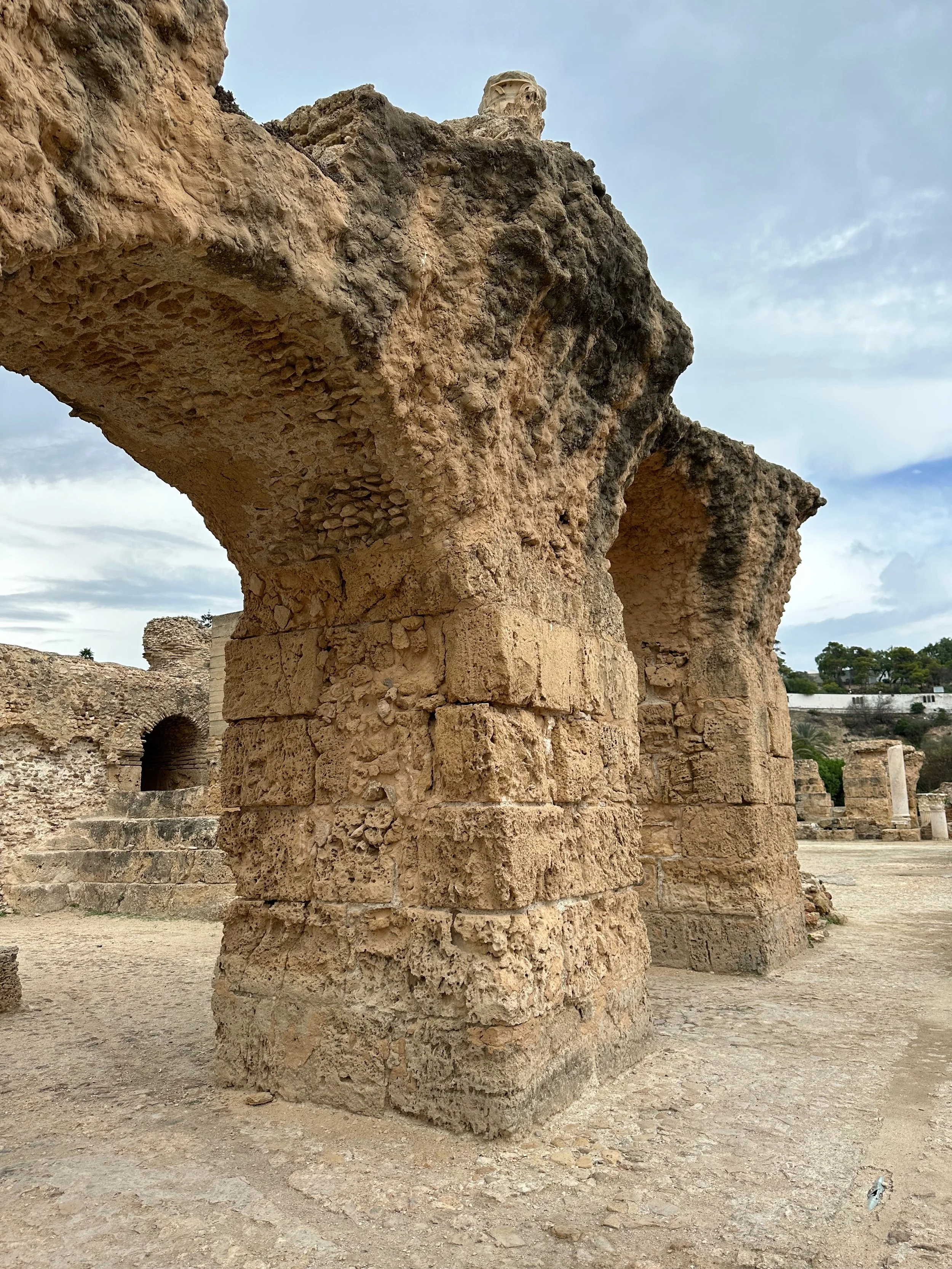
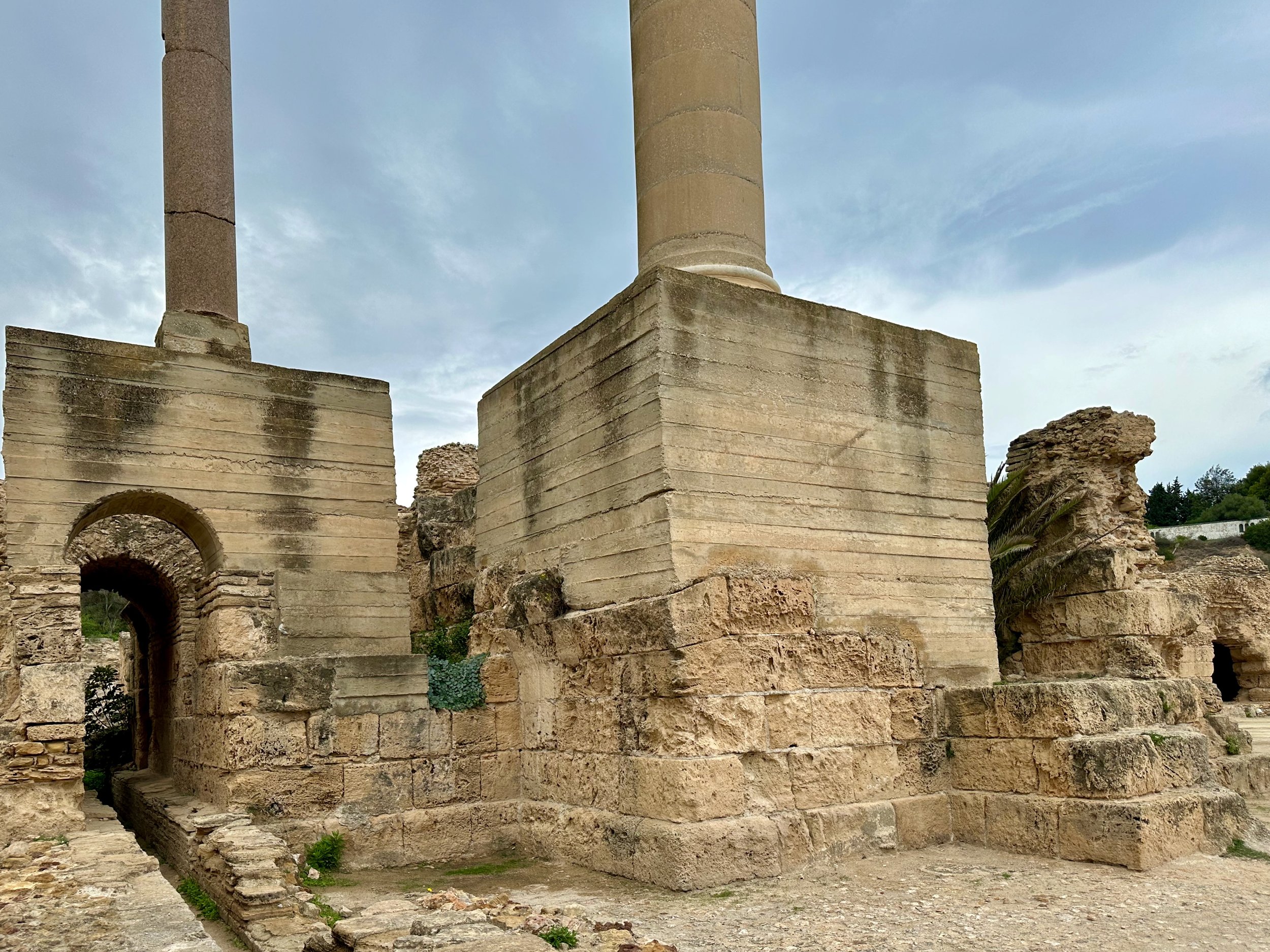
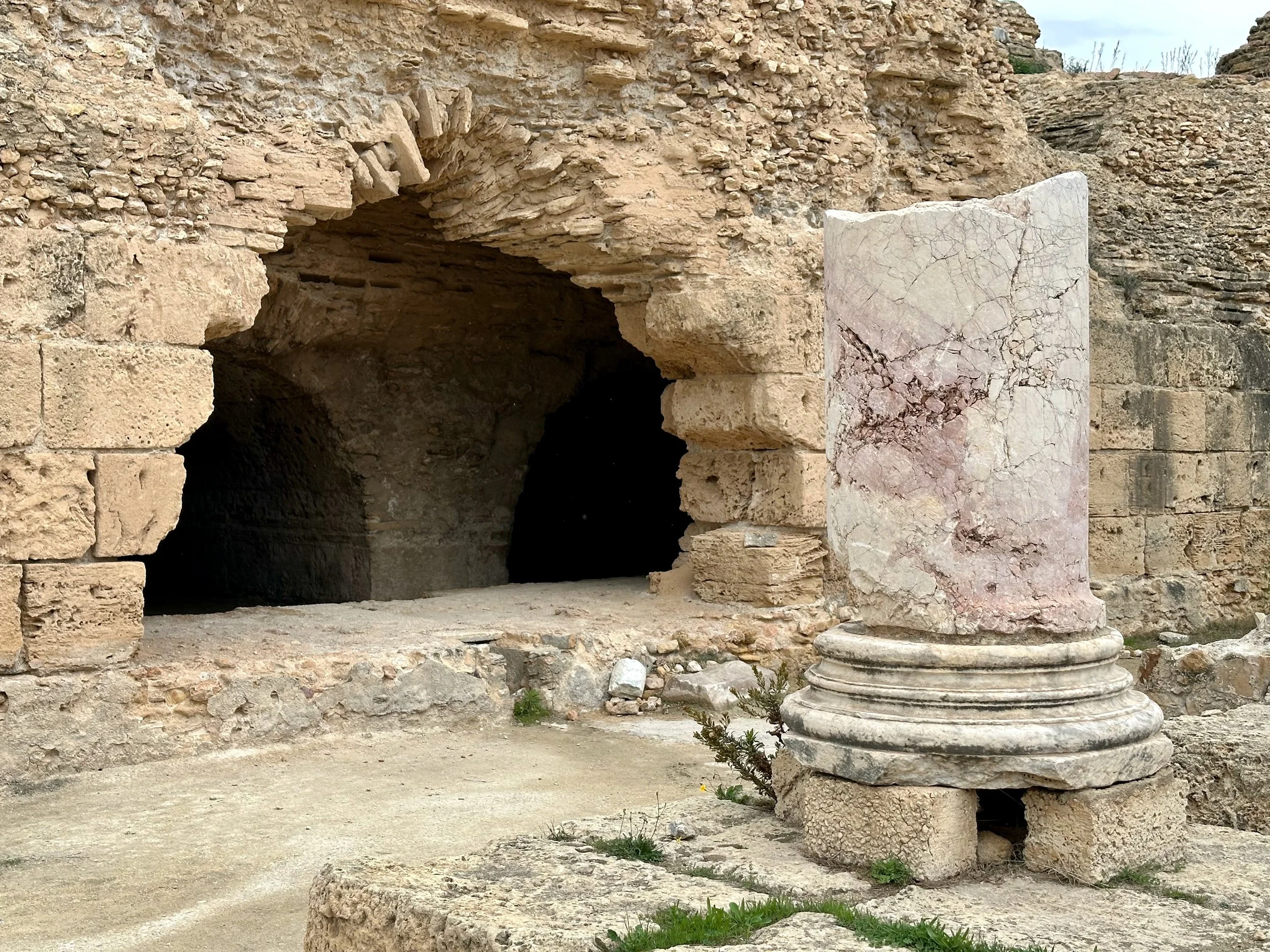
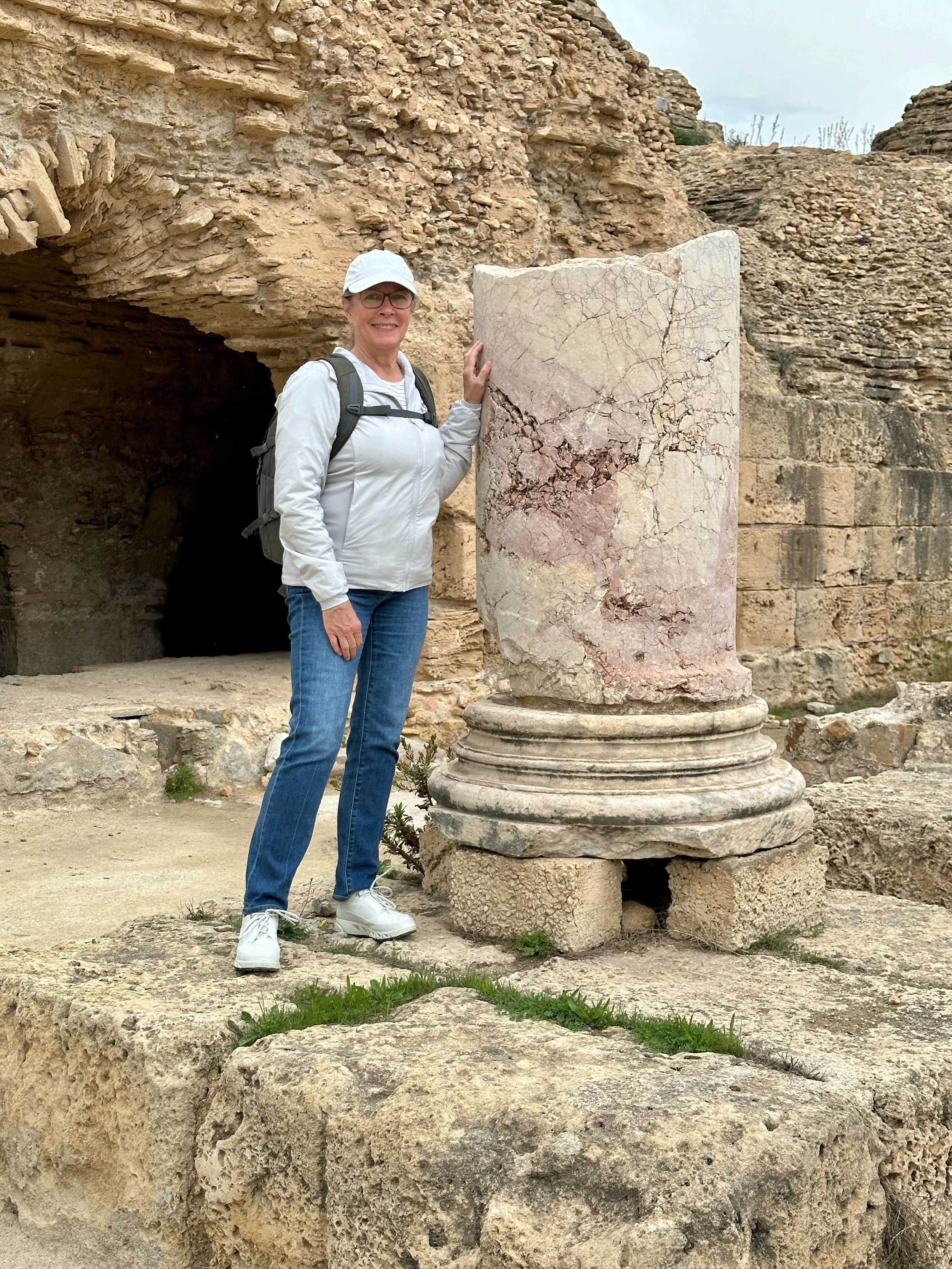
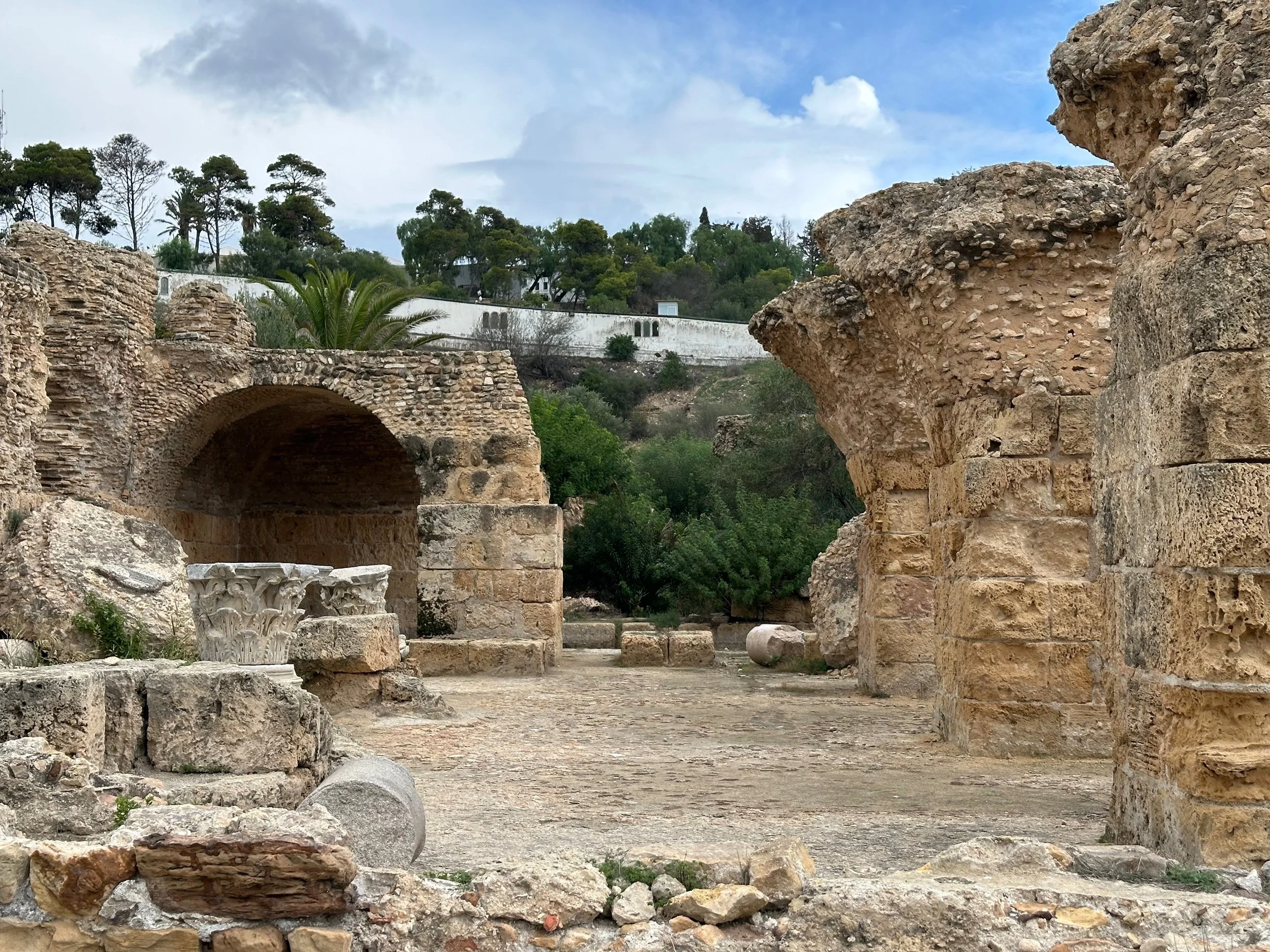
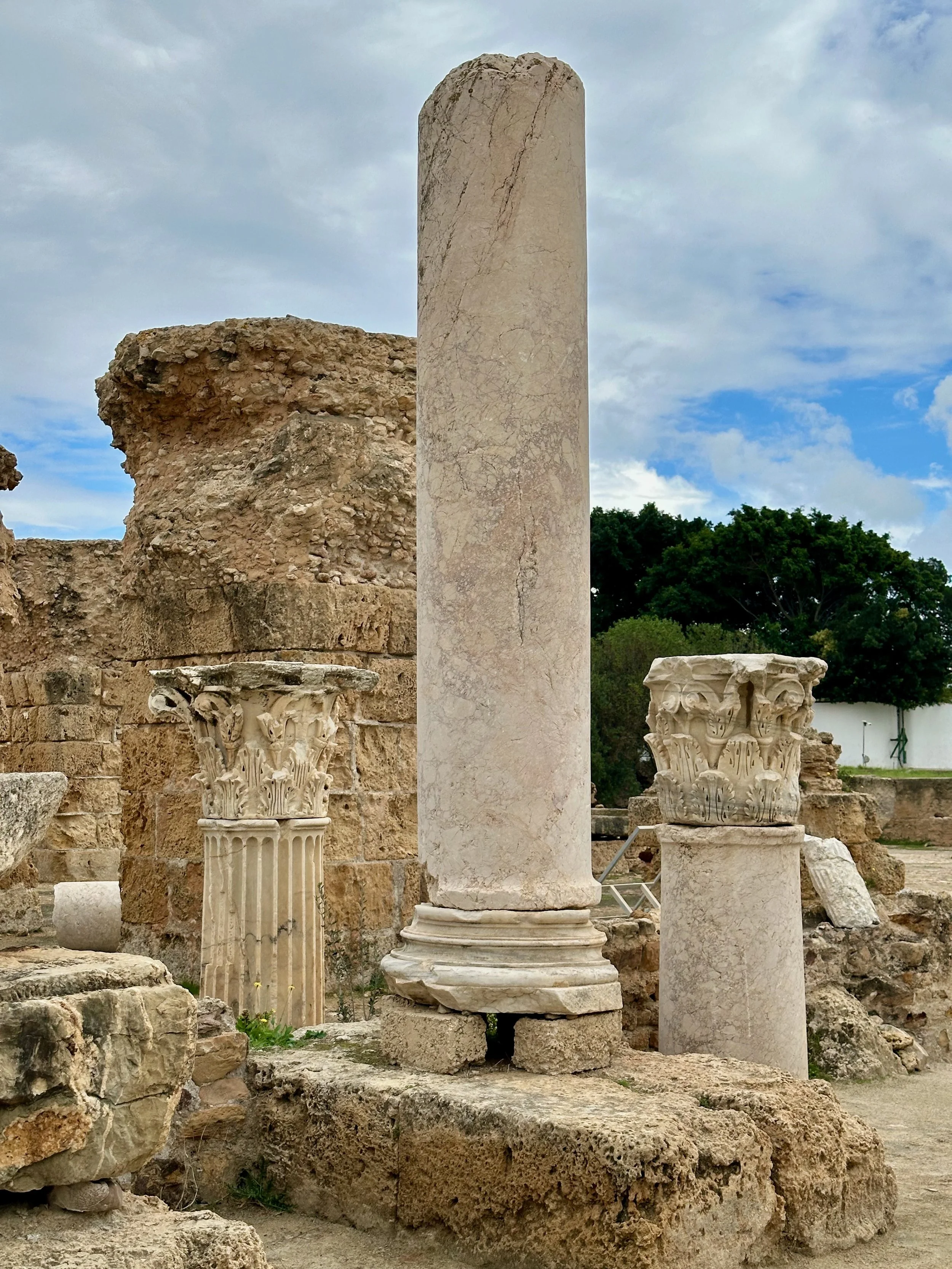
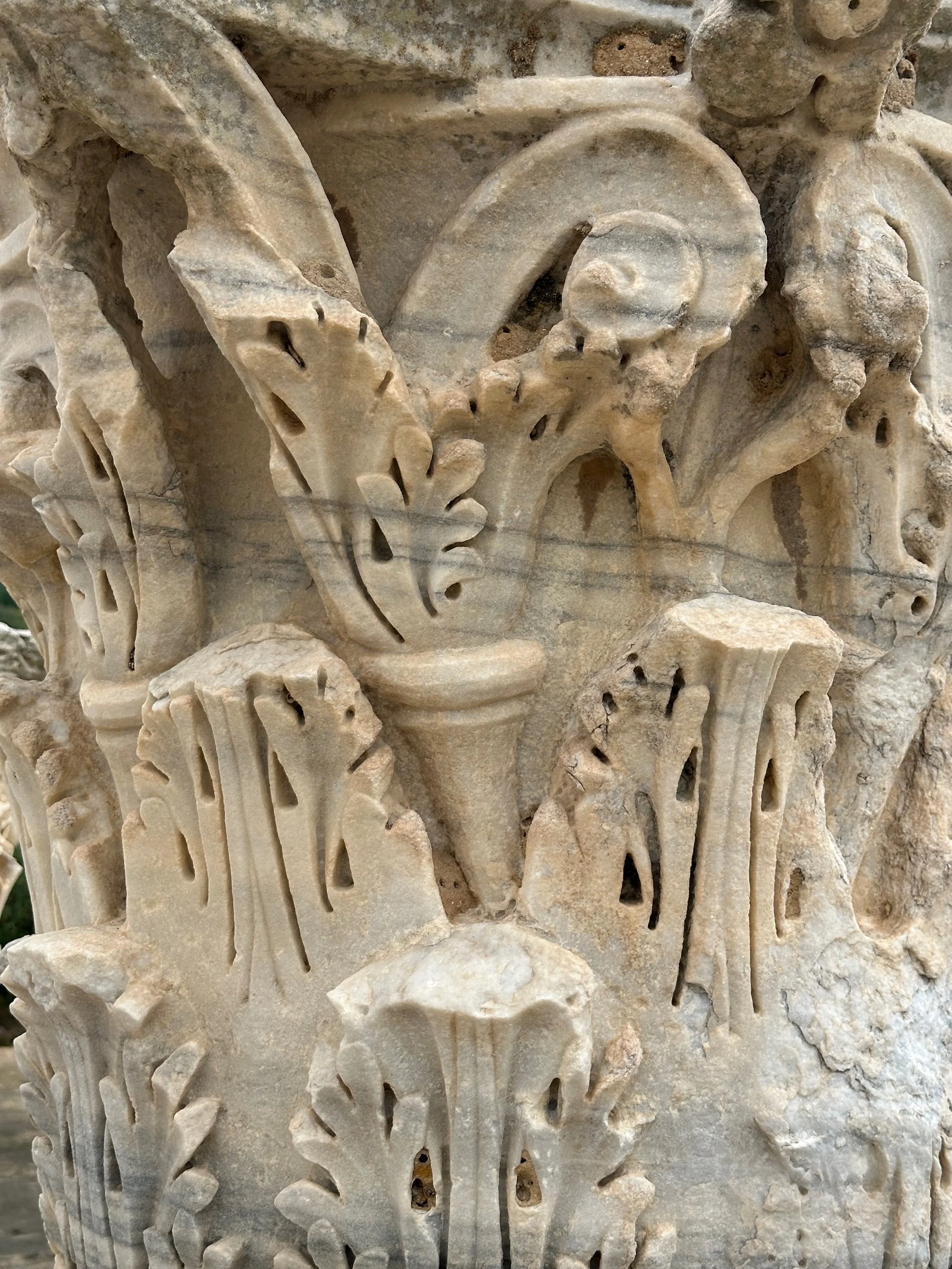
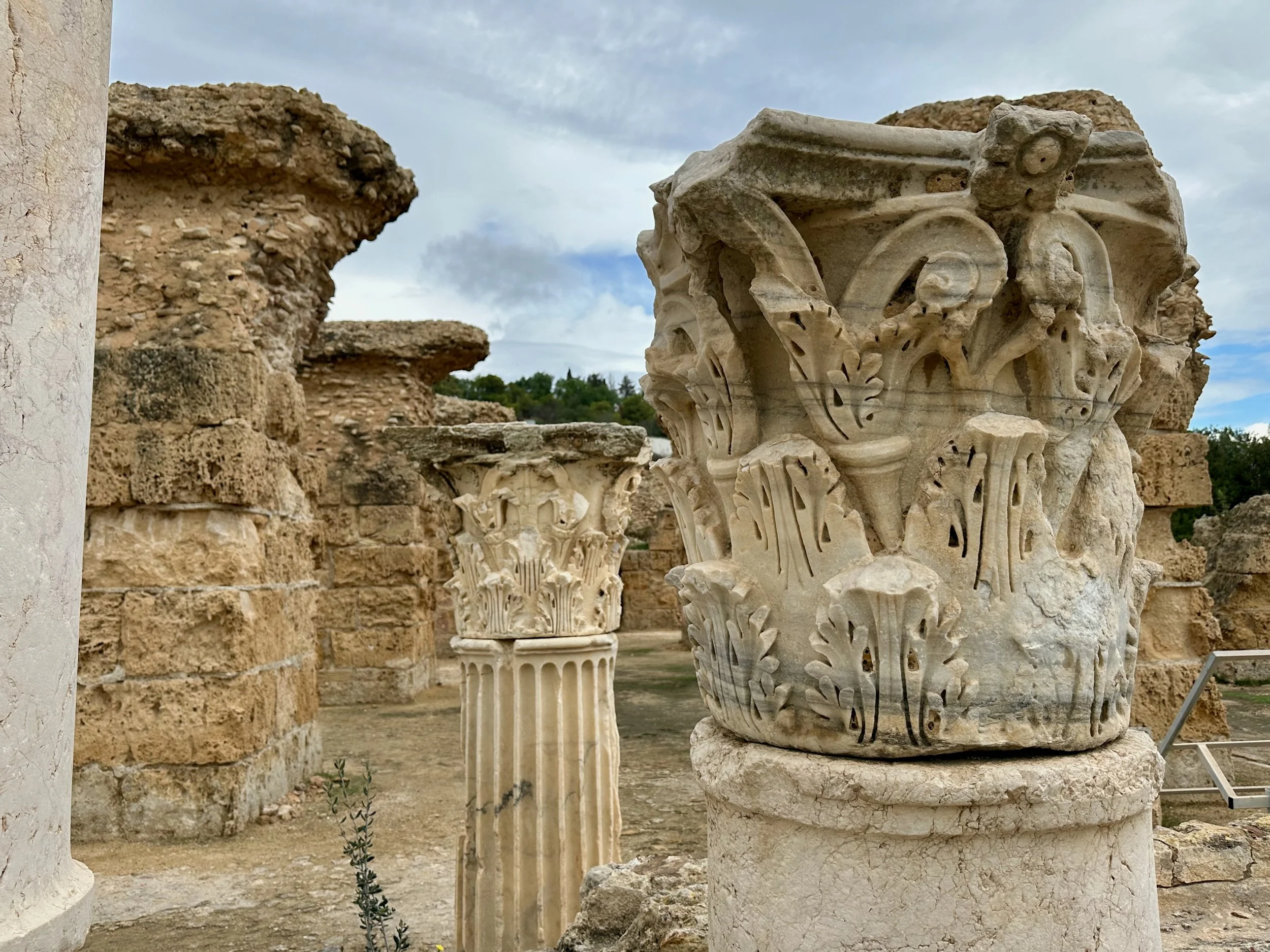
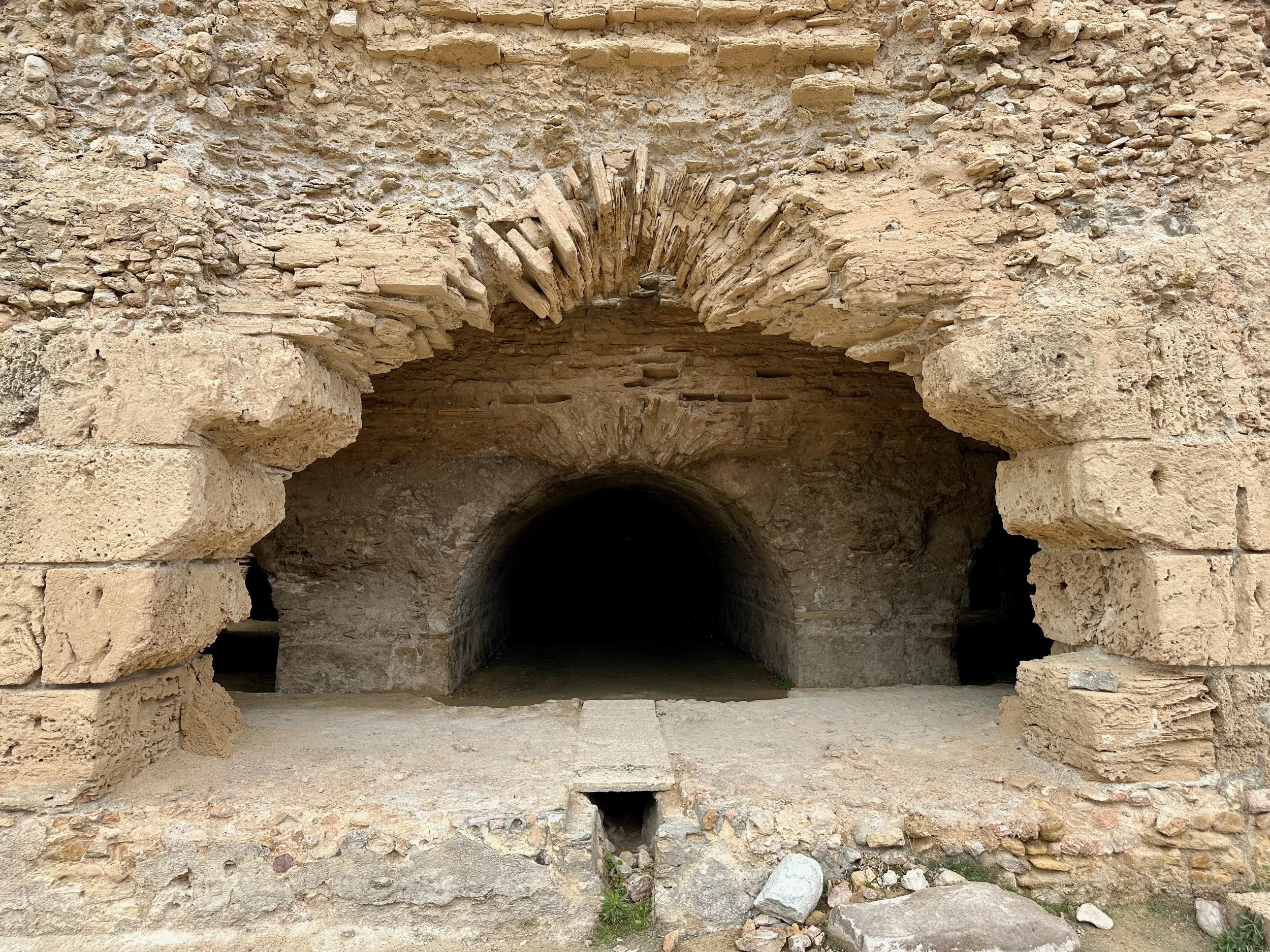
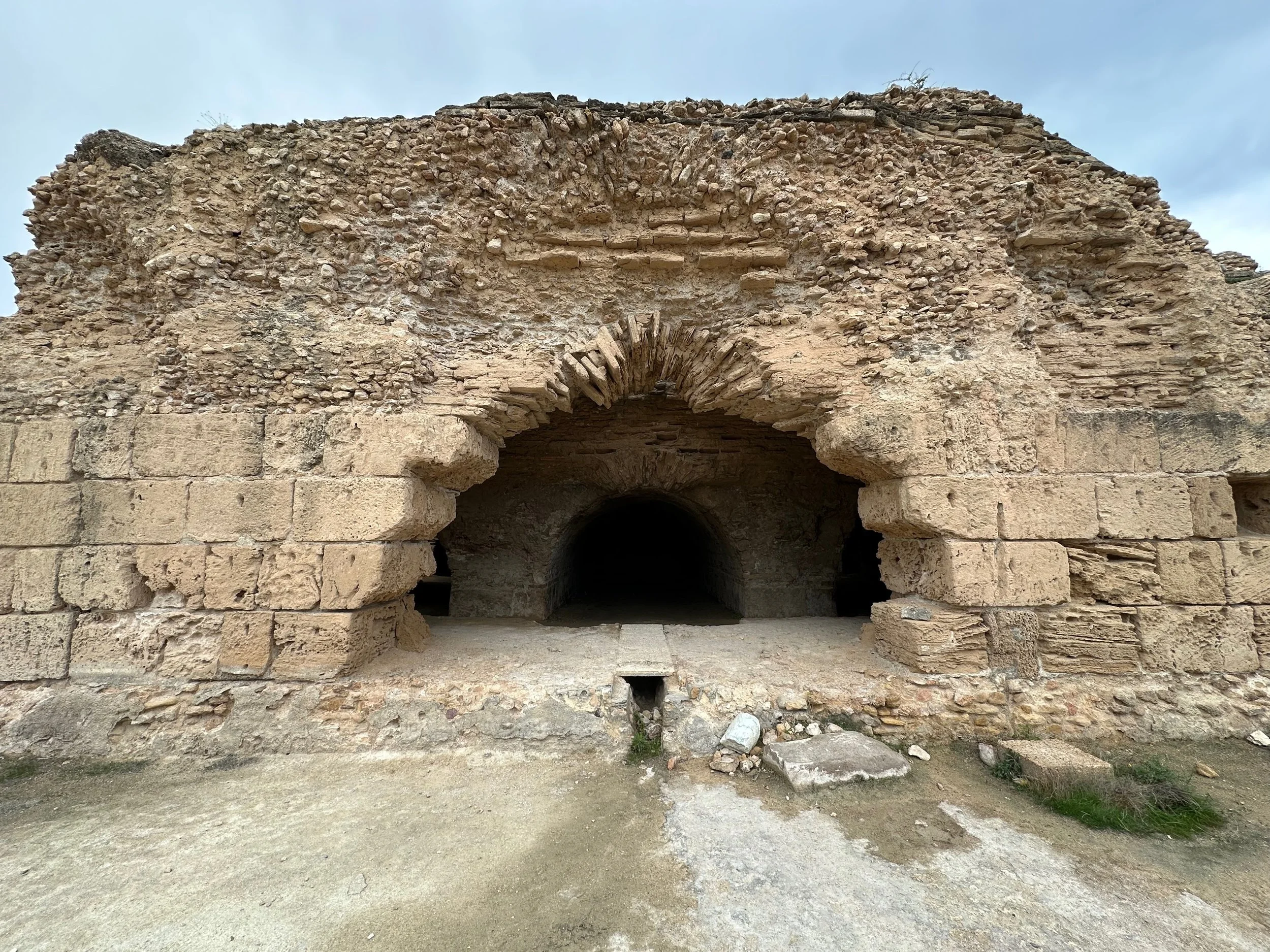
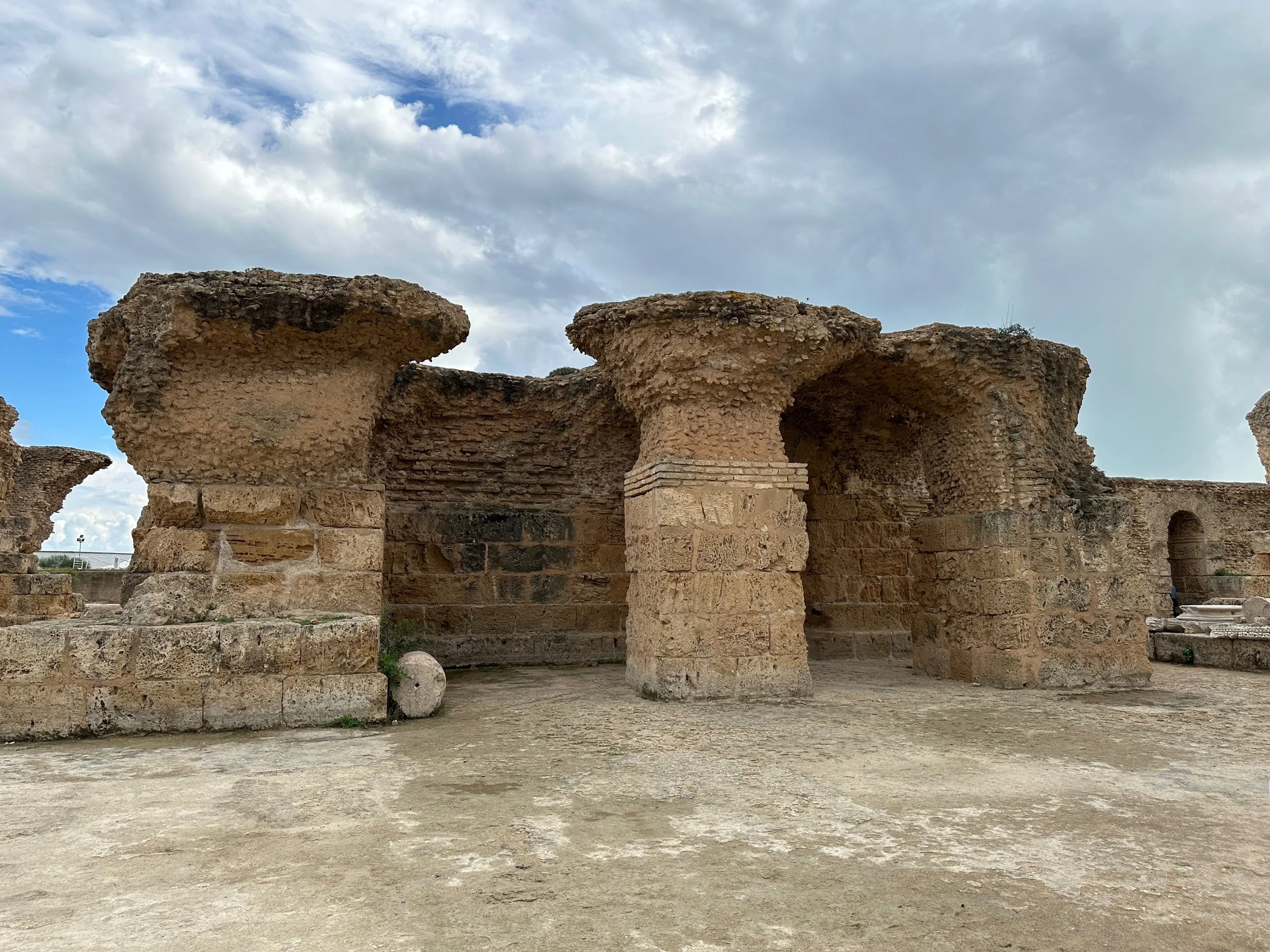
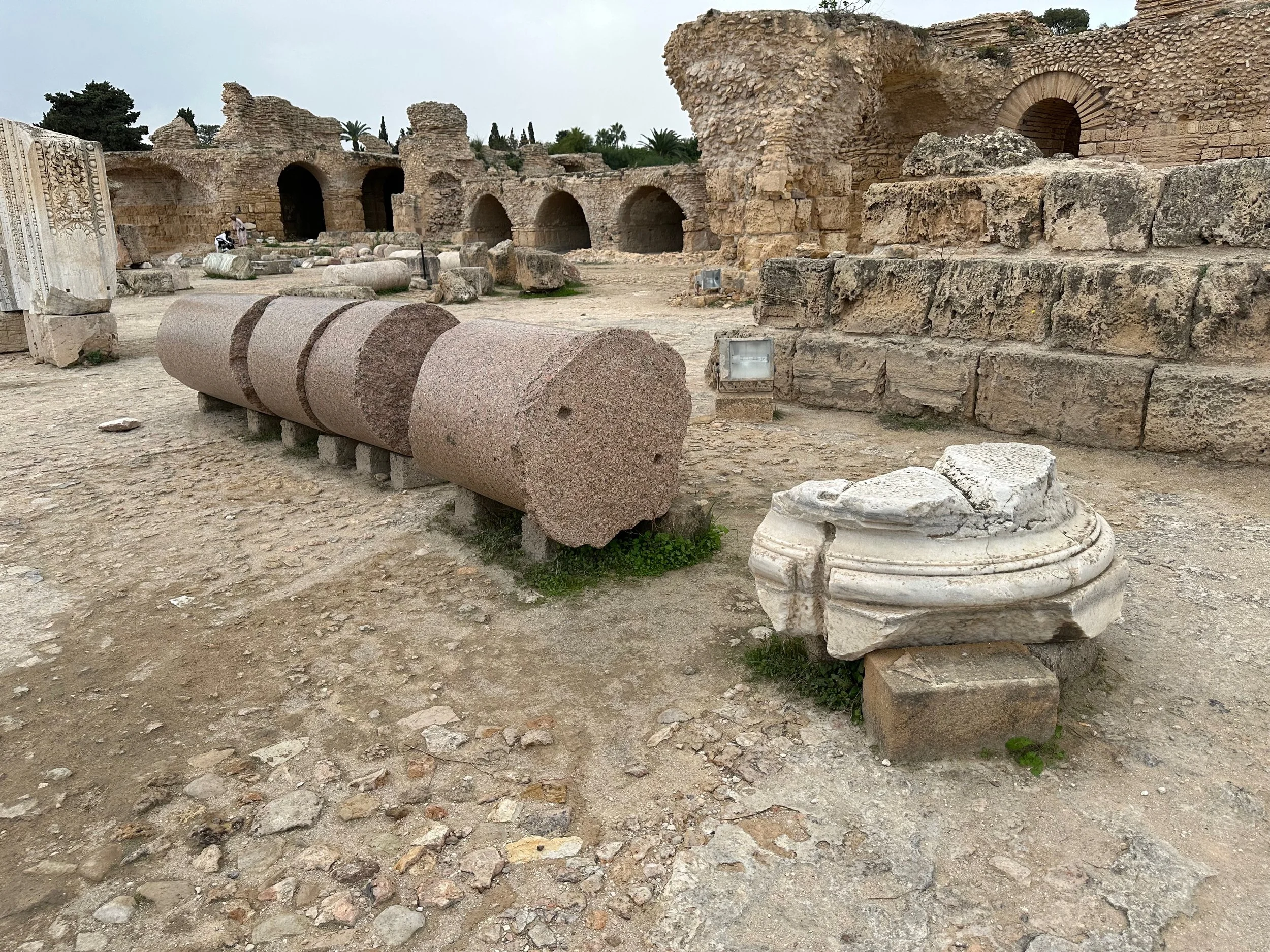
A small island with a long history.
Malta - Island Of Knights
Having completed our final visit to the African continent for this trip, we set sail for the islands of Malta, and the capital port city of Valetta. Home of the Order Of The Knights of St. John.
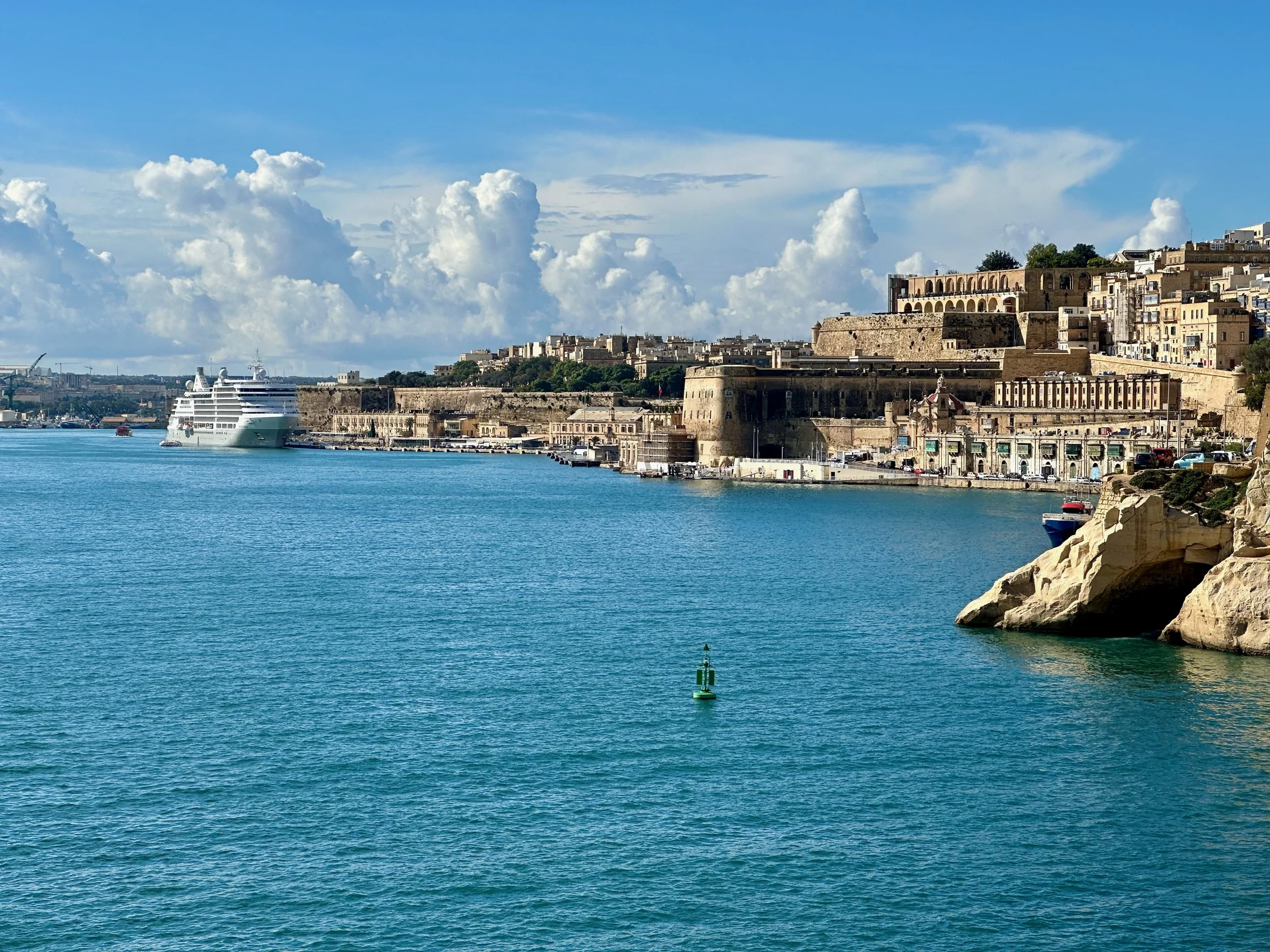
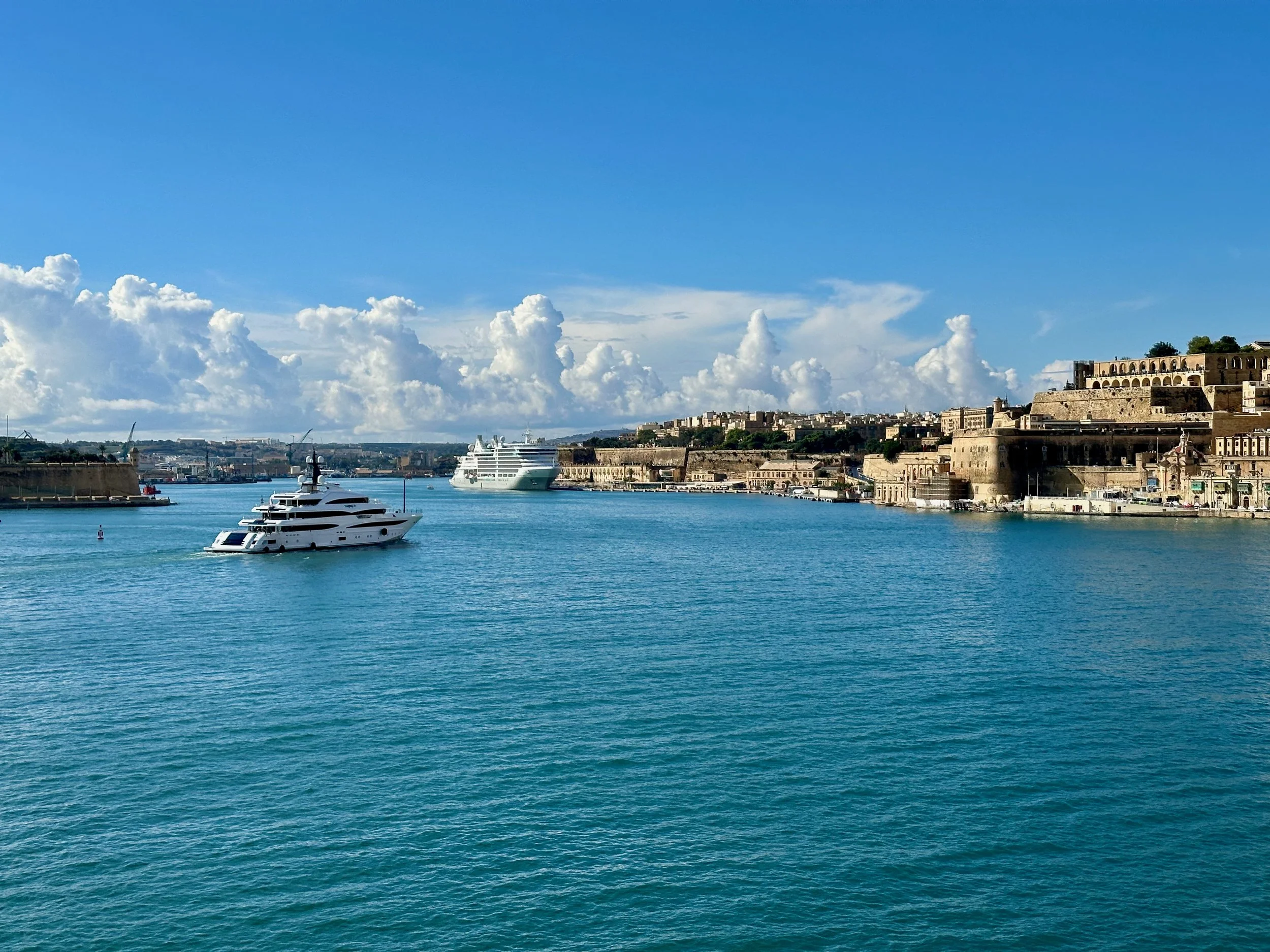
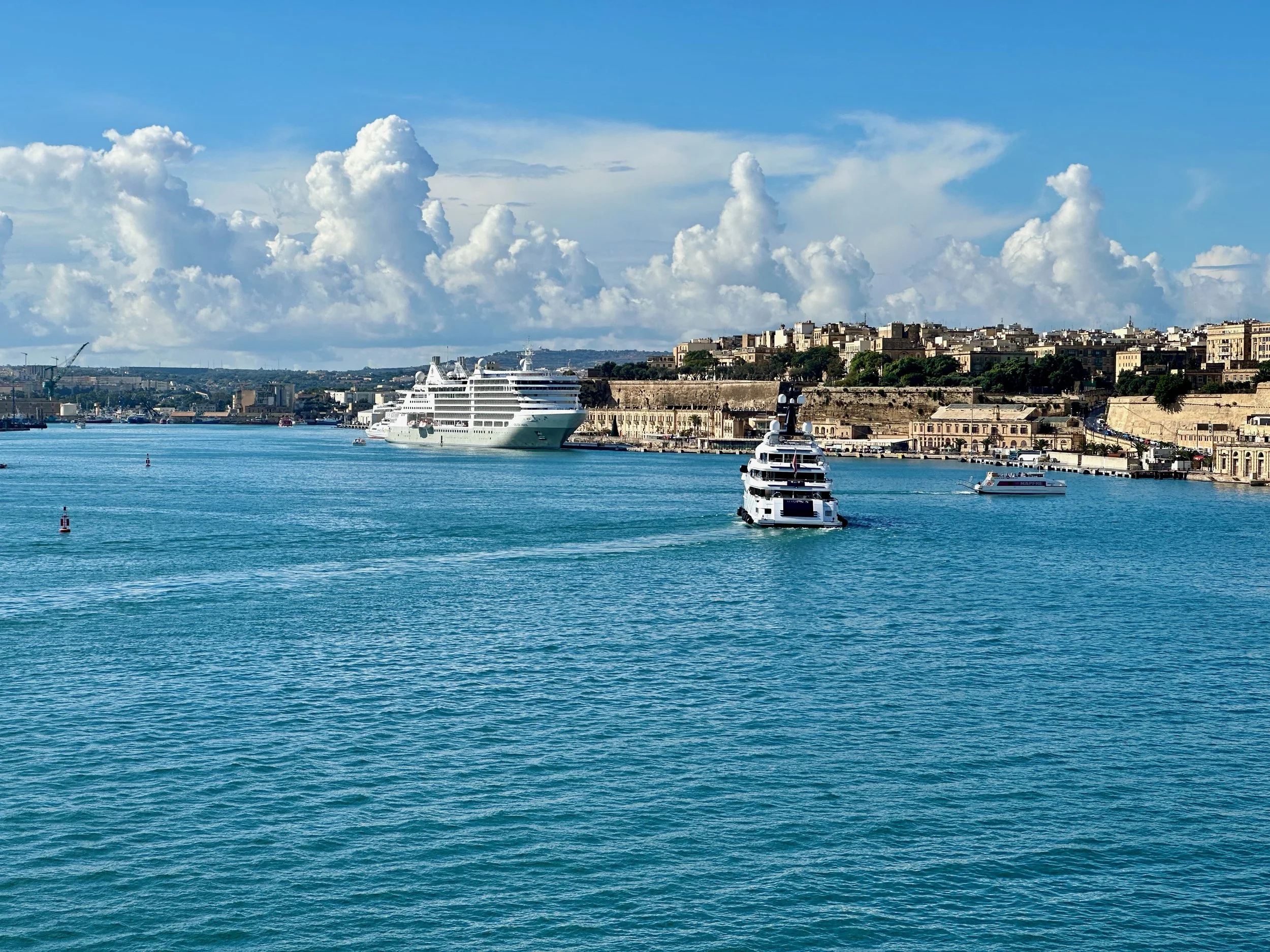
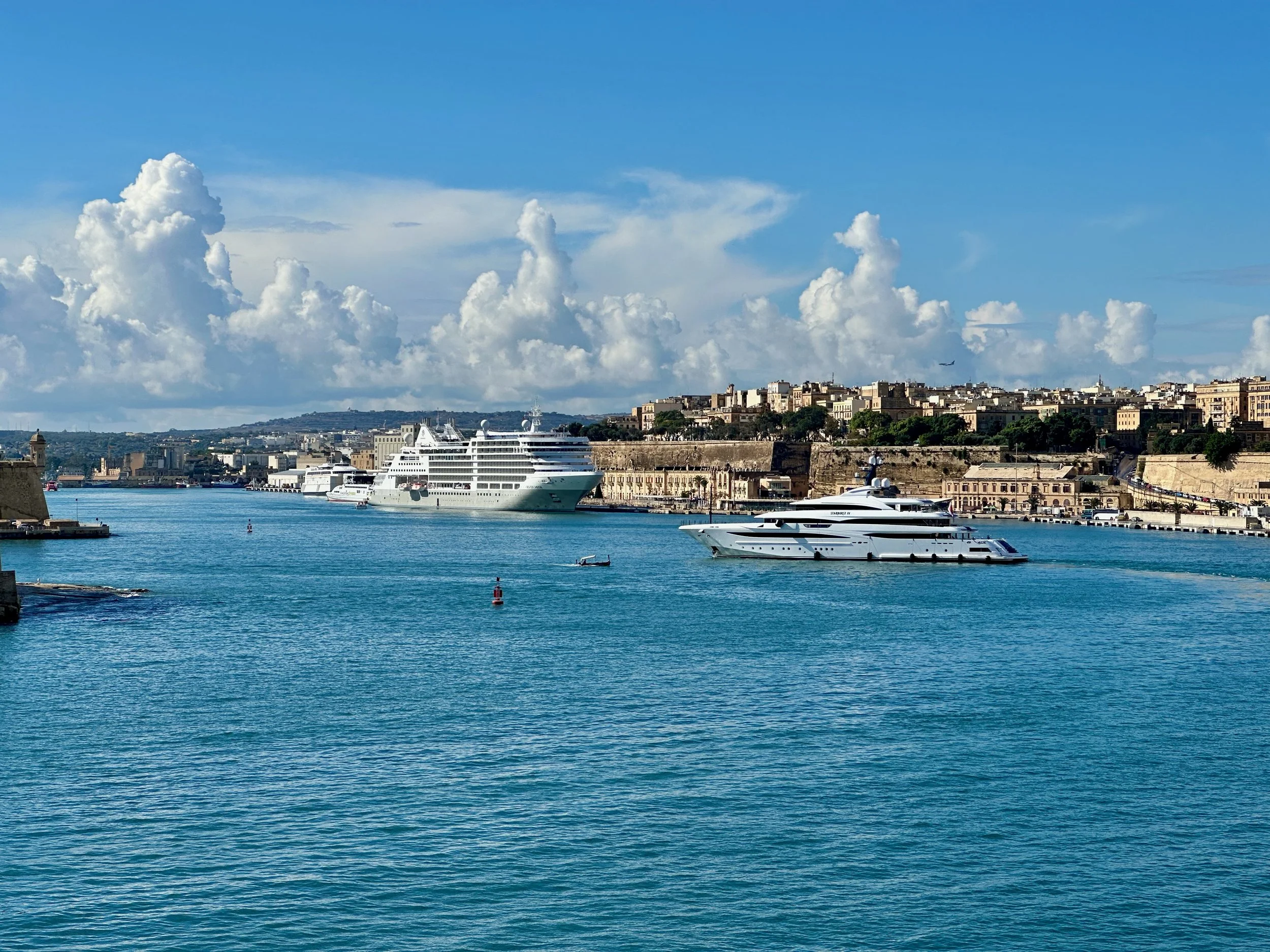
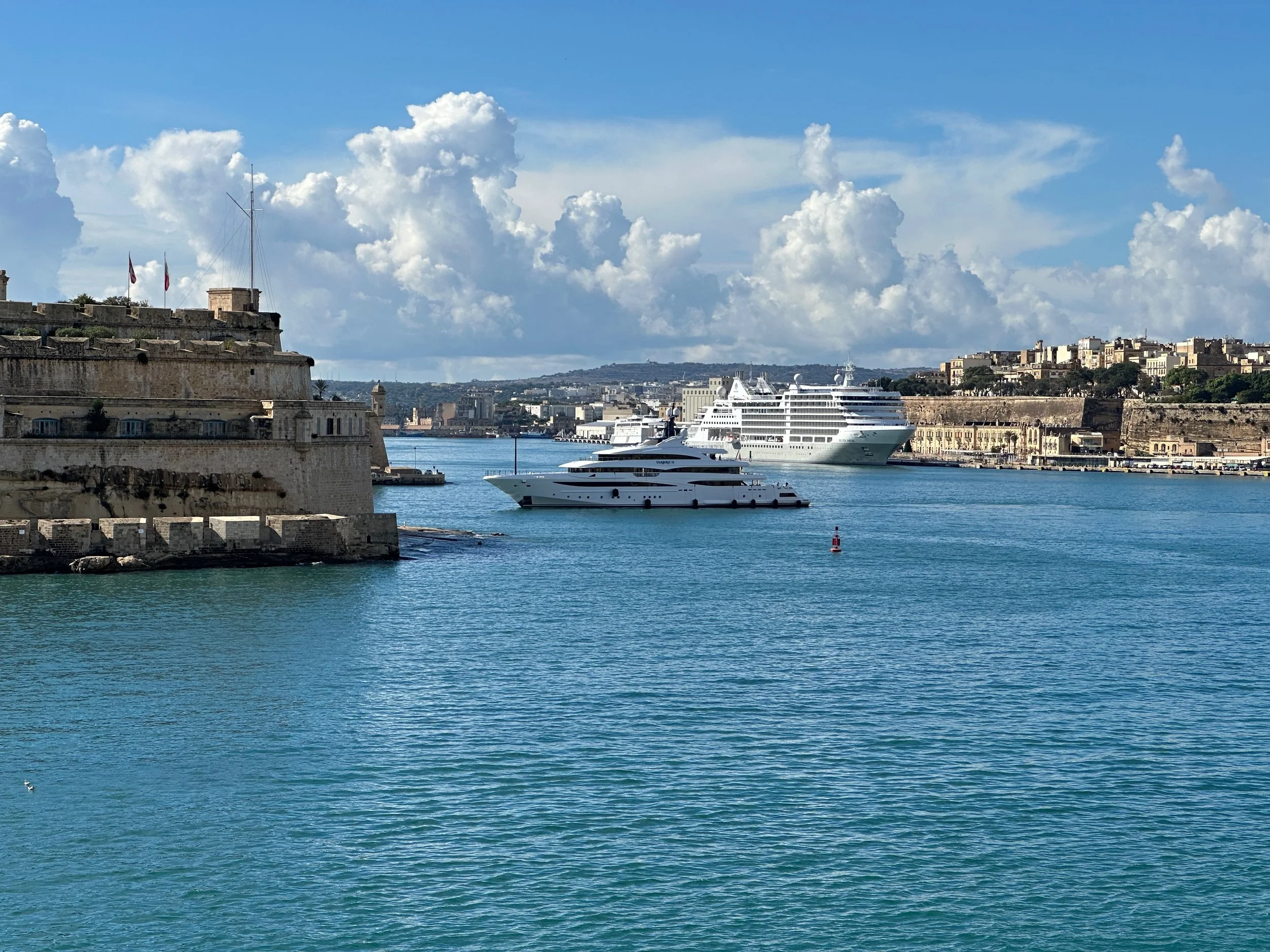
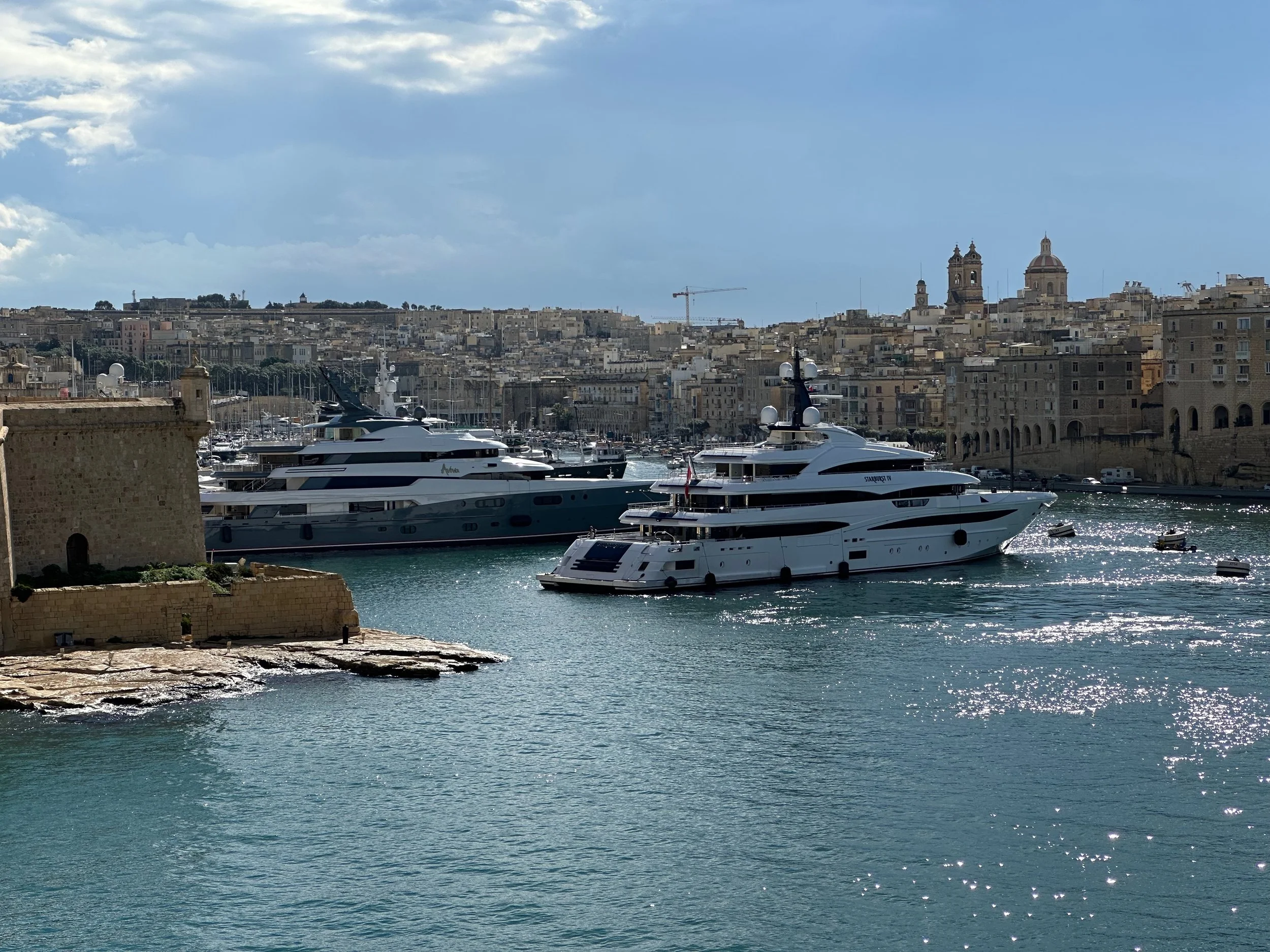
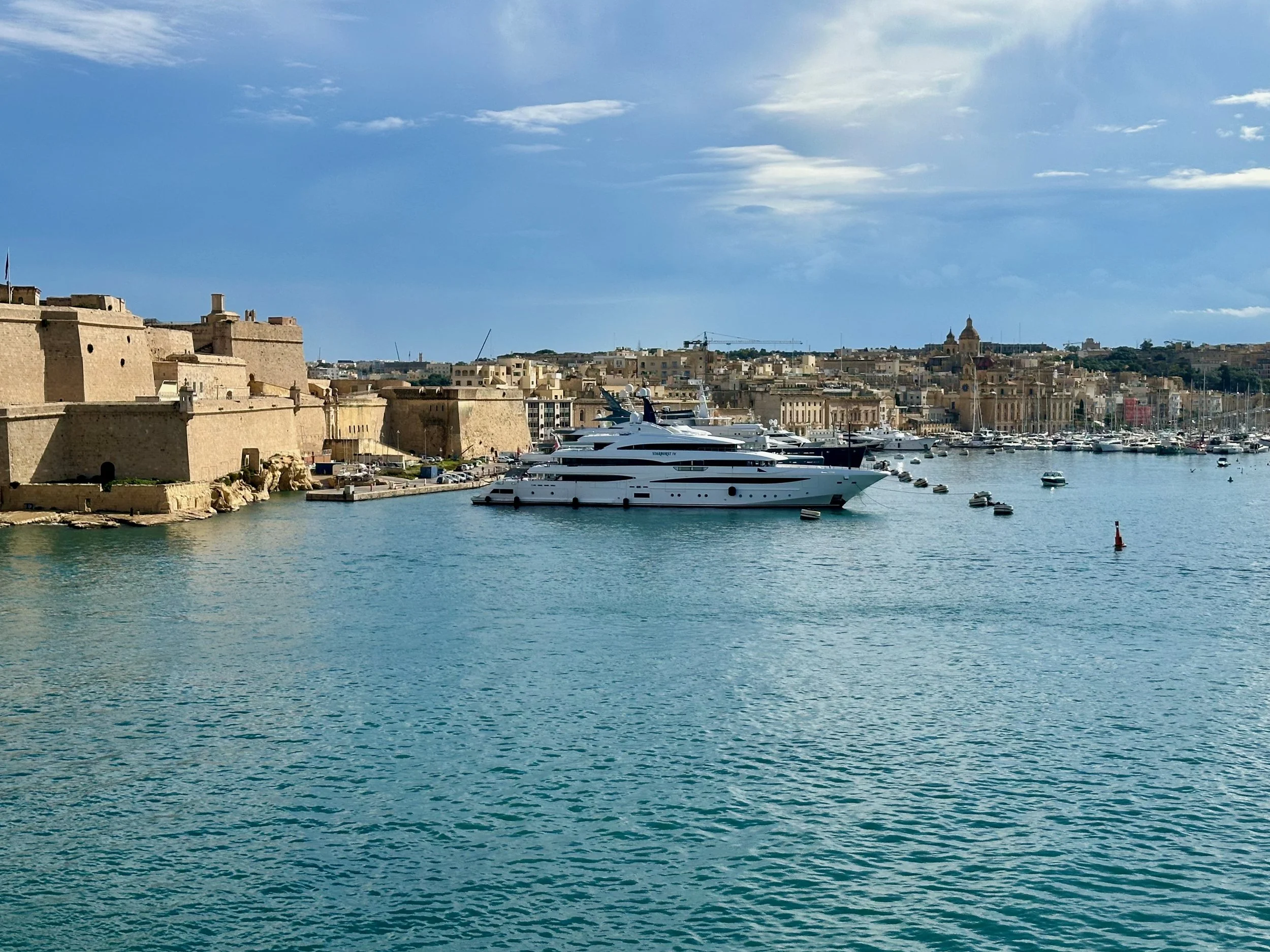
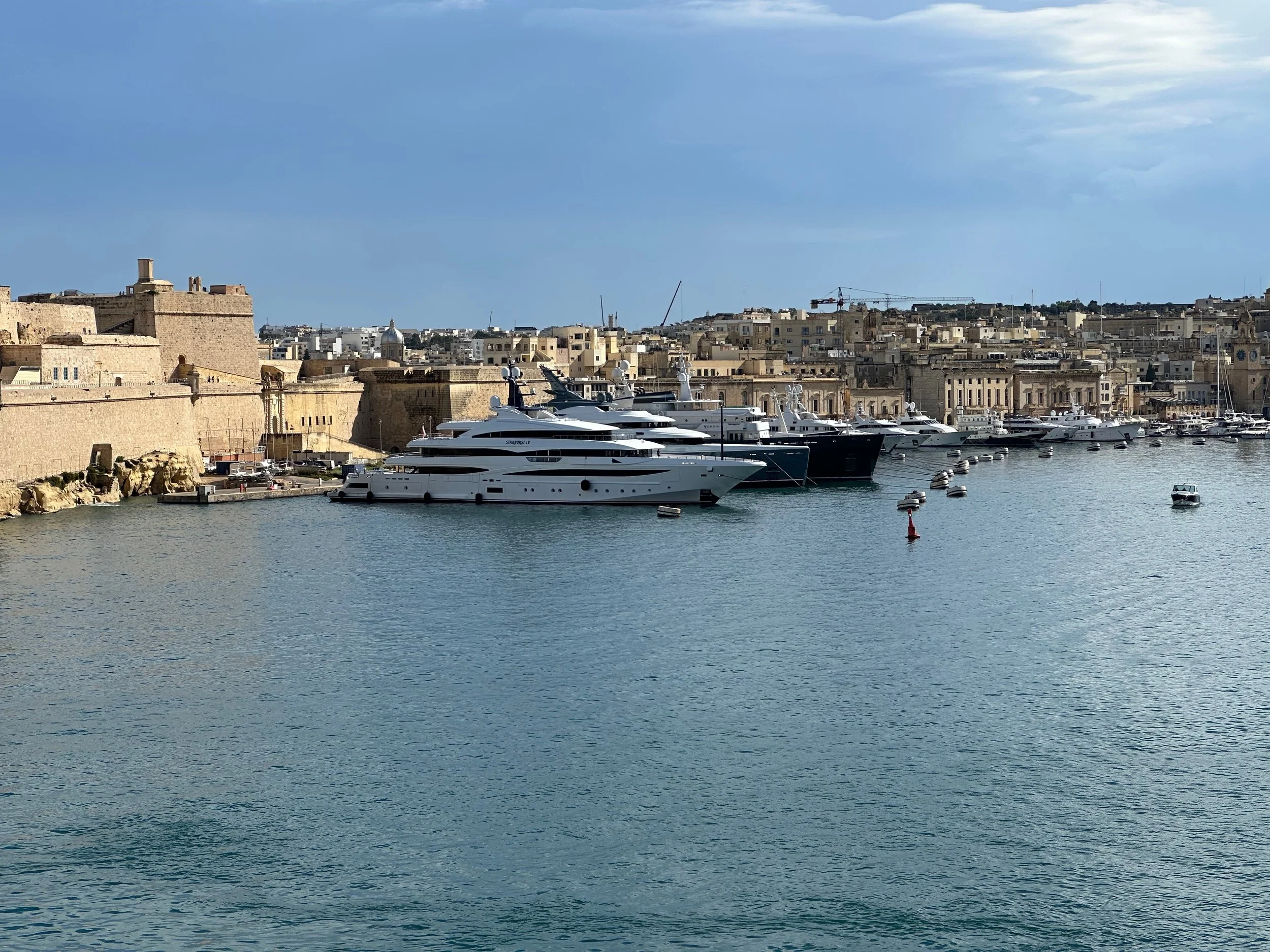
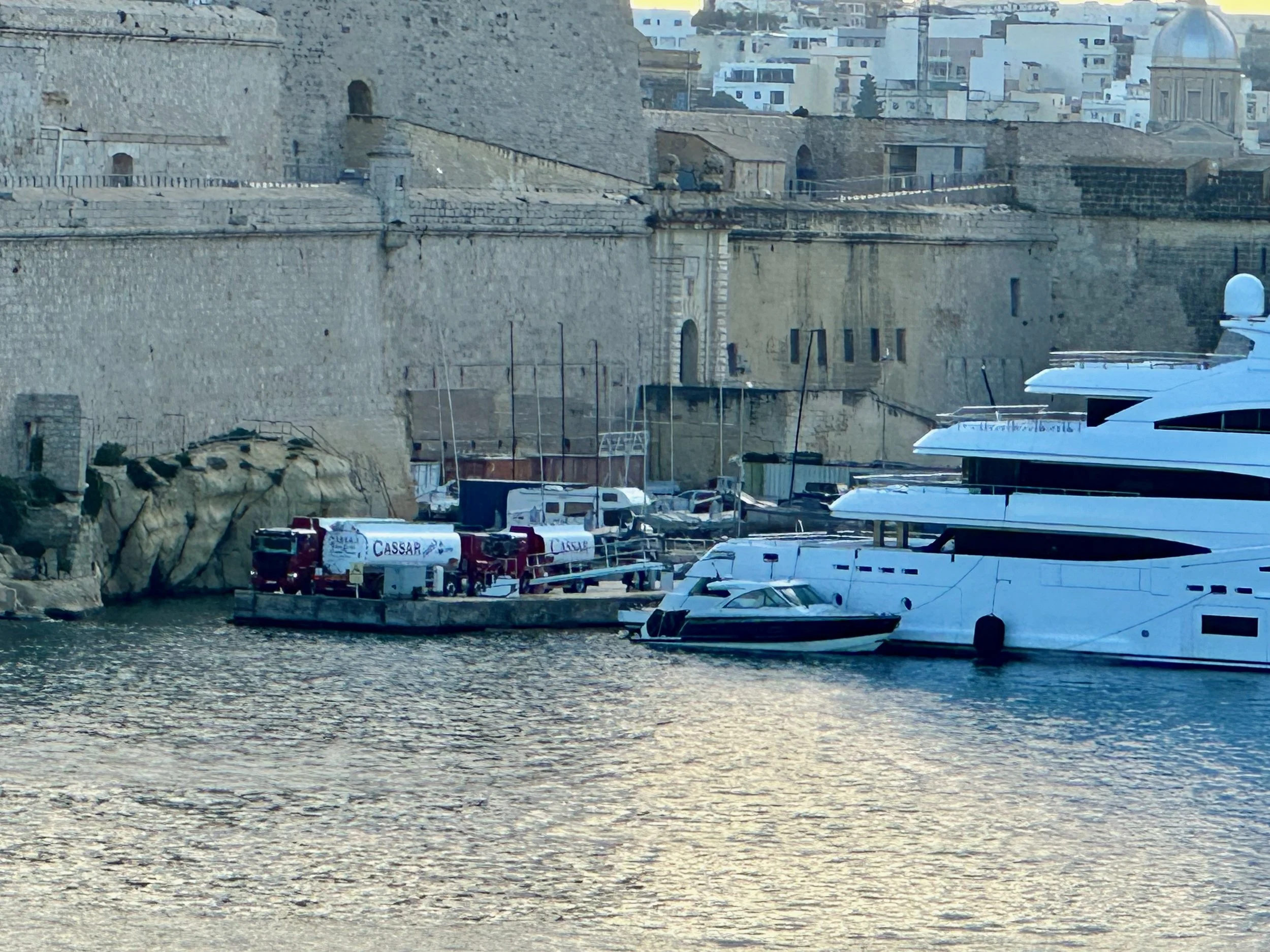
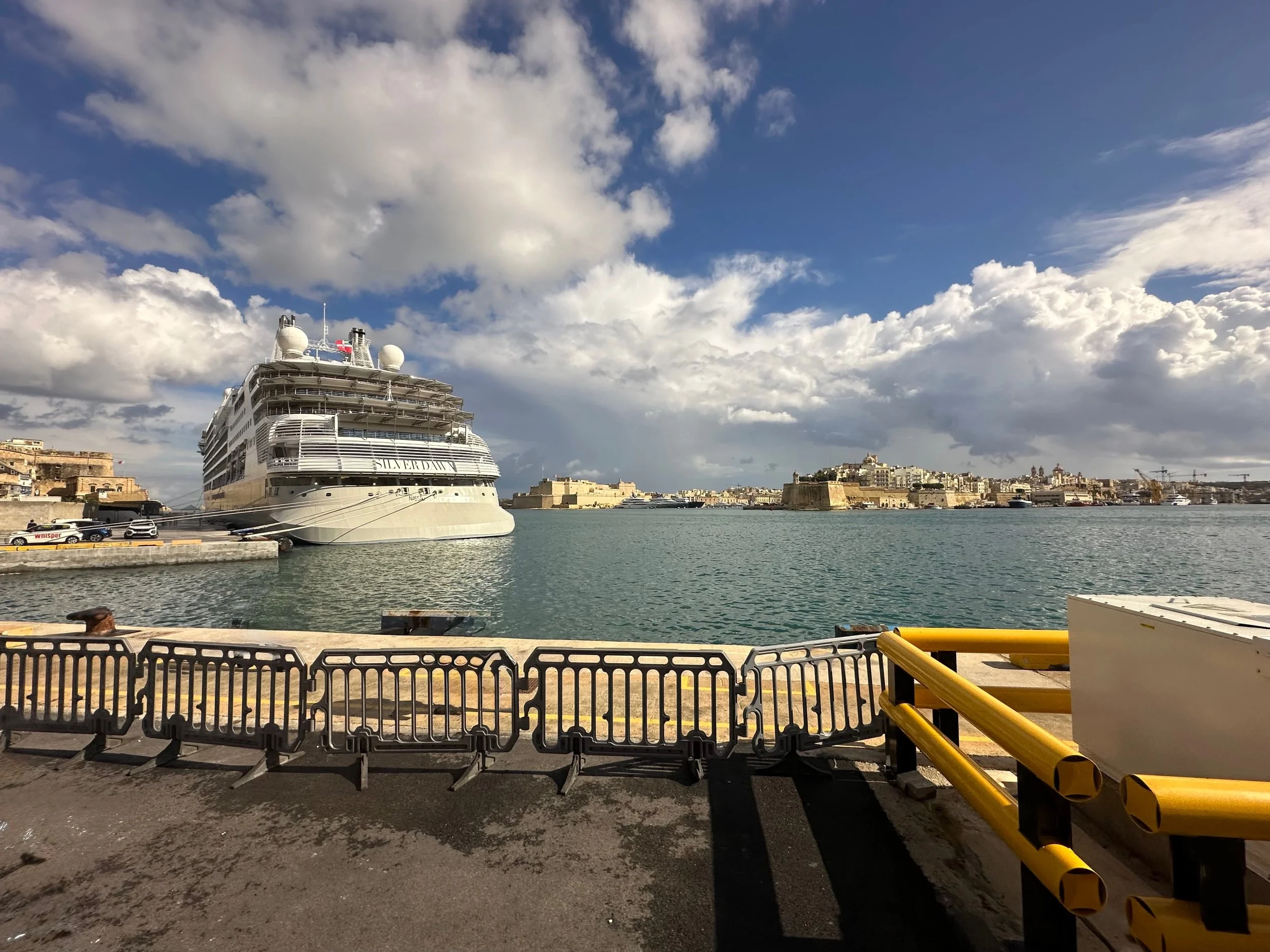
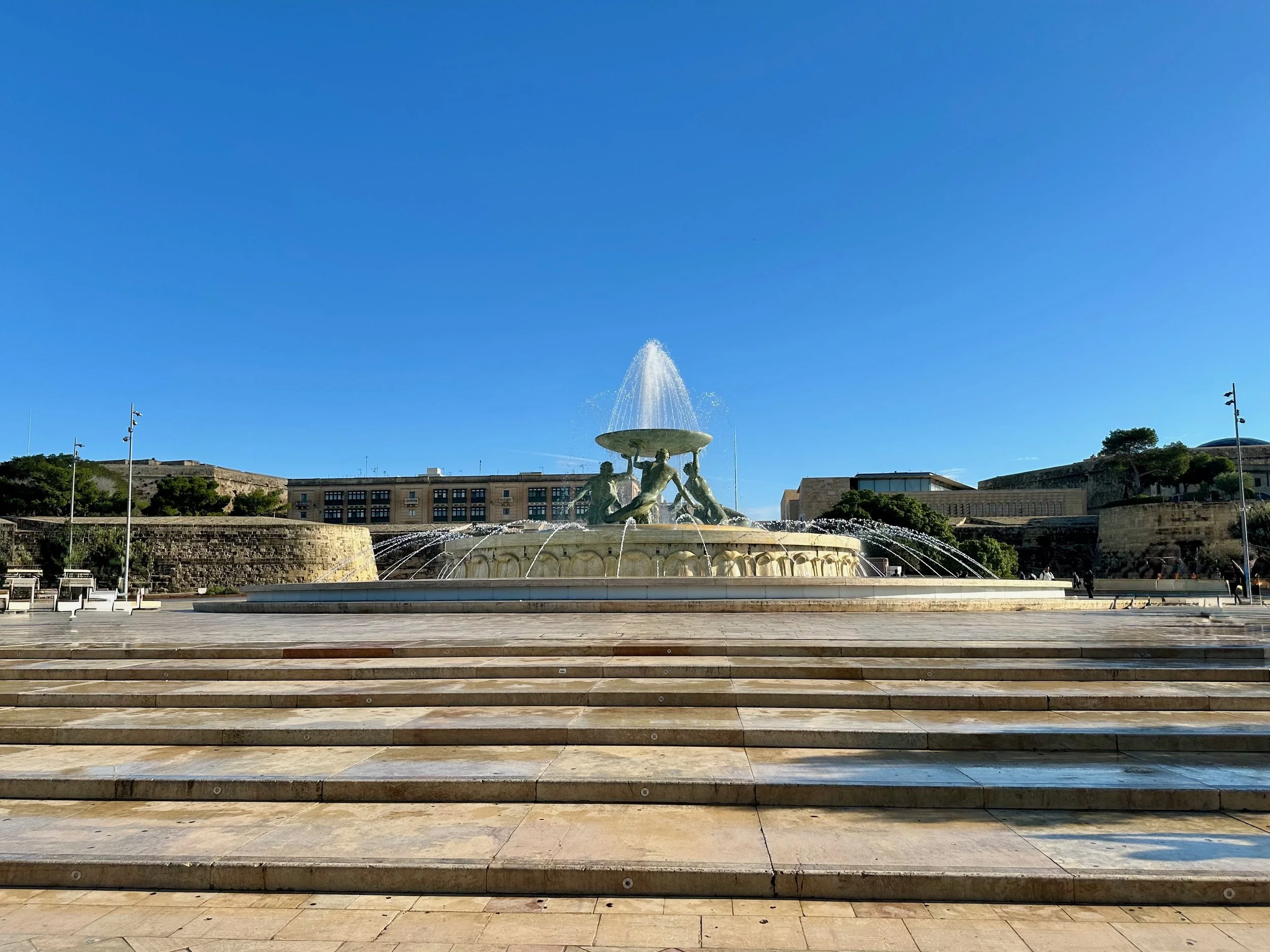
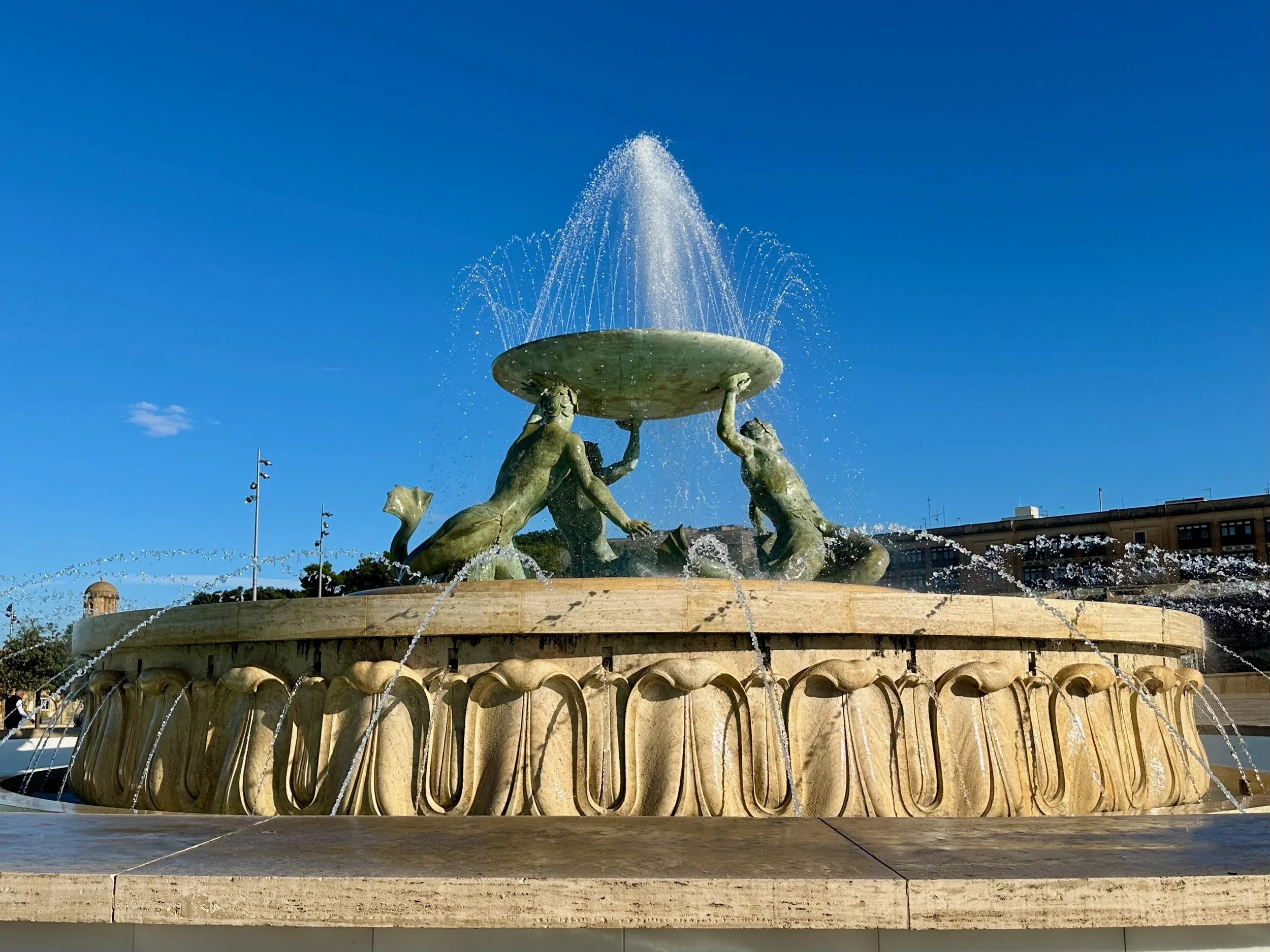
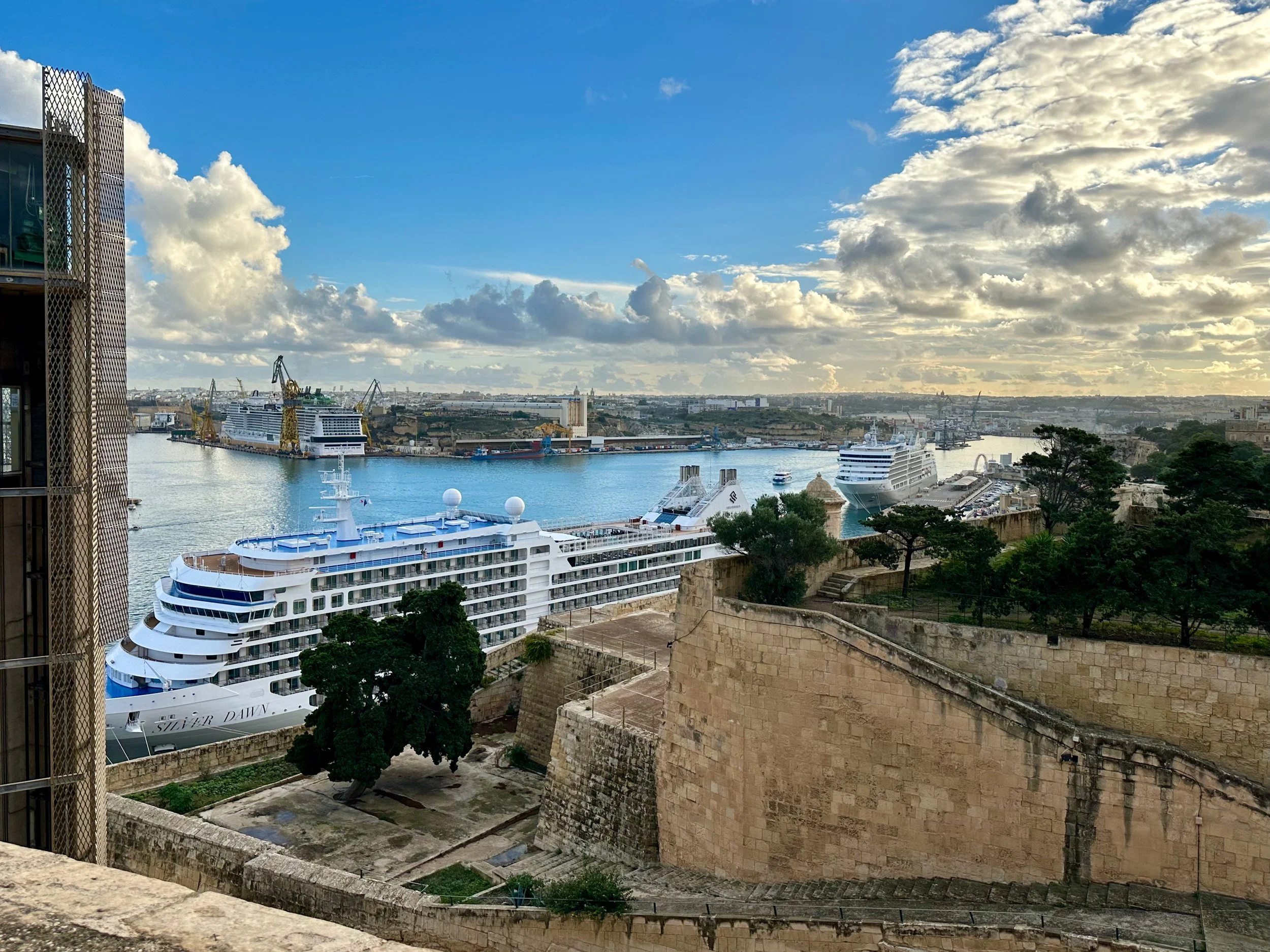
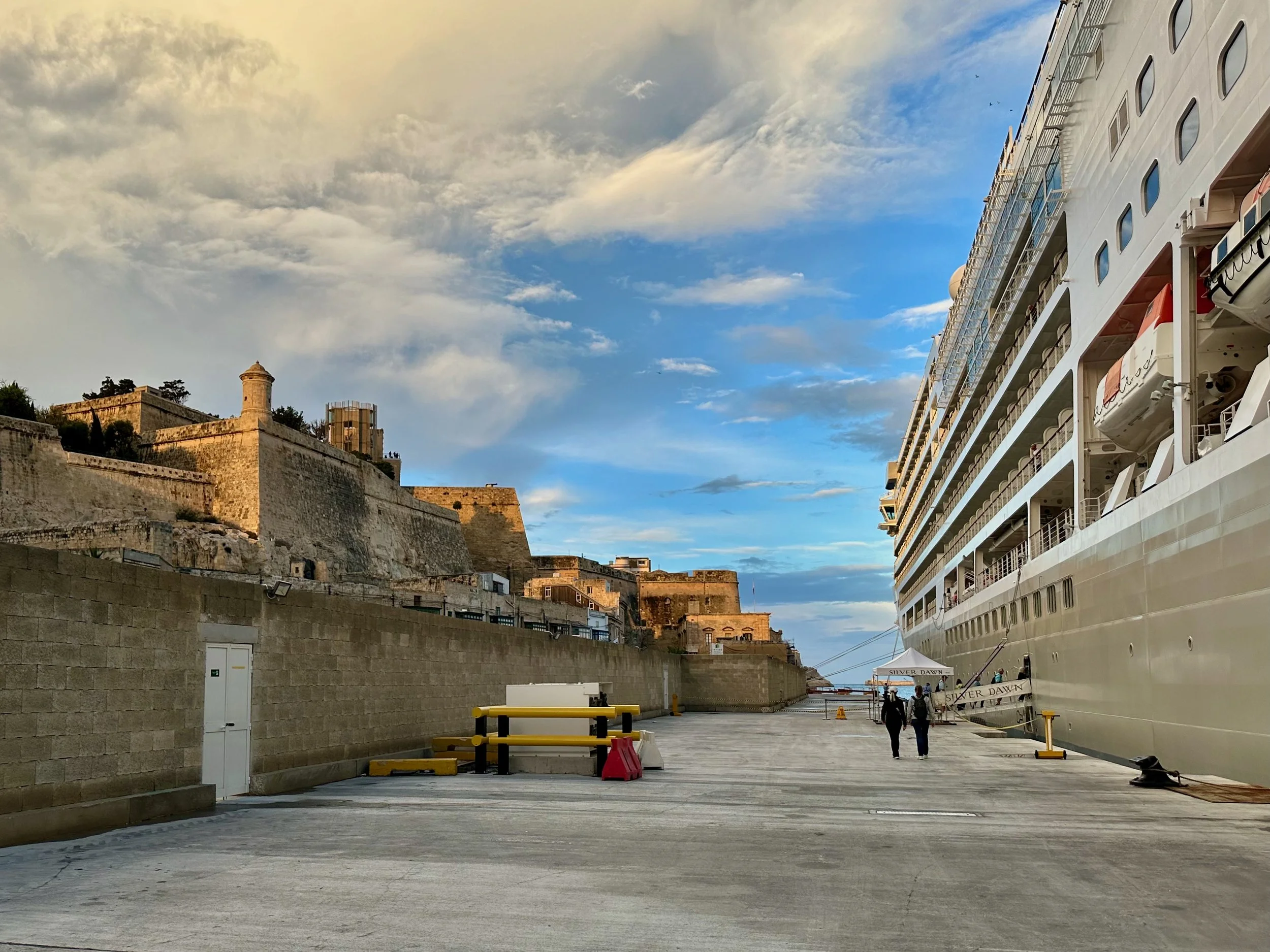
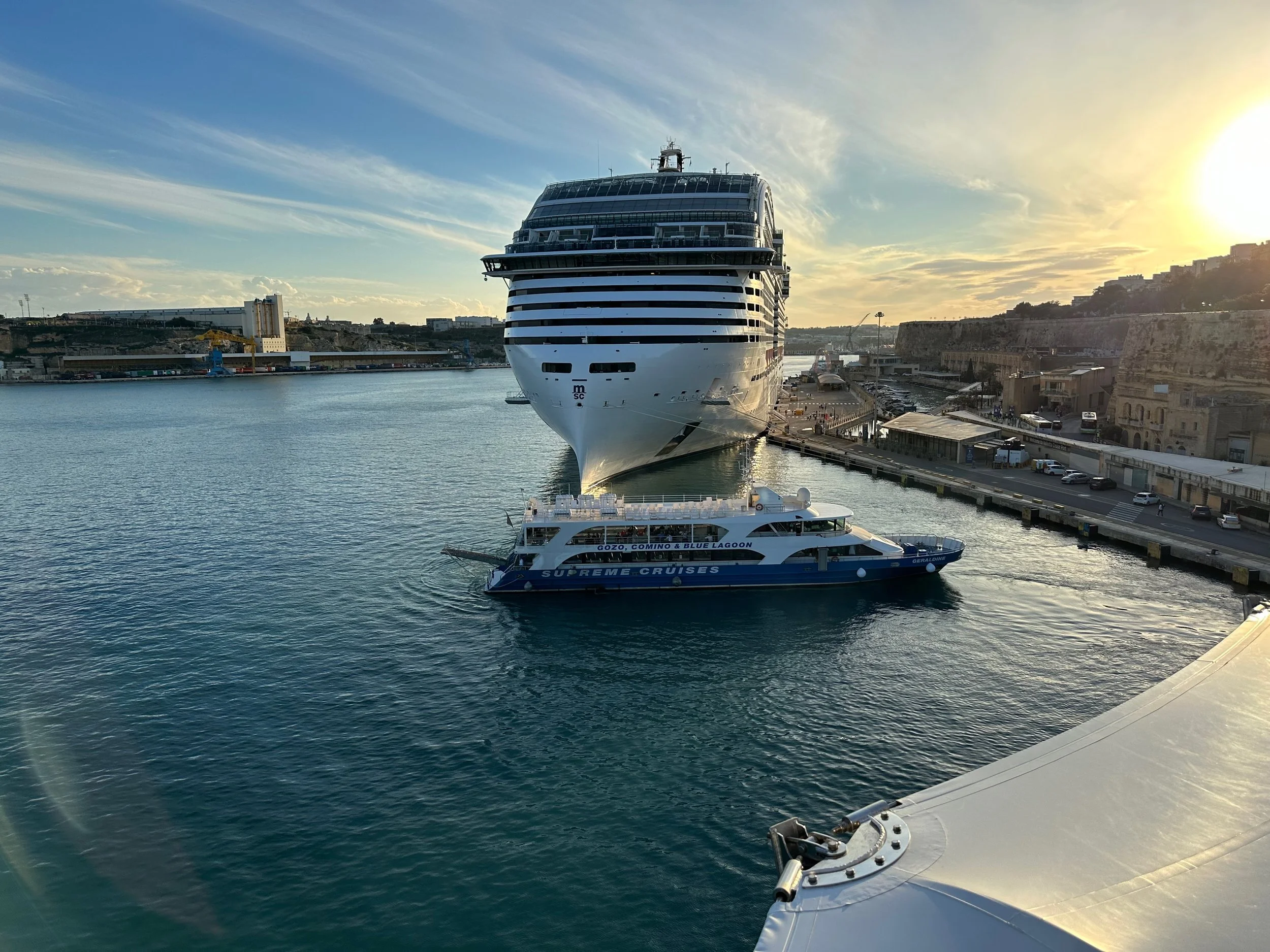
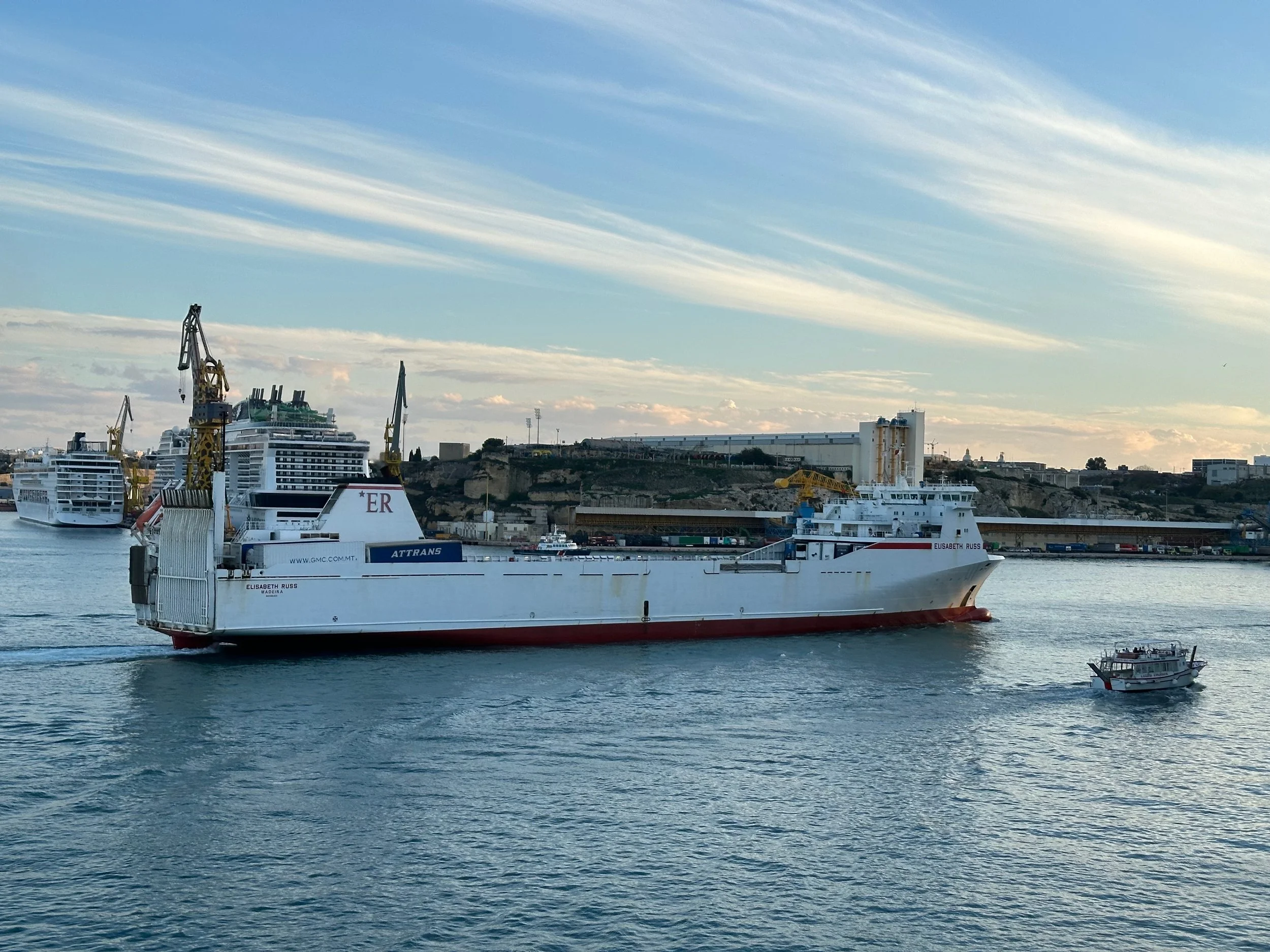
Perhaps one of our favourite stops on this voyage, the capital city of Valetta and its stunning harbour could easily see us returning here for a dedicated visit to really explore and appreciate what this beautiful location has to offer. Like the previous port of Palma, this one also supported a healthy flotilla of super yachts moored just across the harbour from where our ship would tie up. Seeing two large fuel trucks pull up to the stern of the yacht that just docked clearly showed that one does indeed need to be a billionaire to afford such an extravagance.
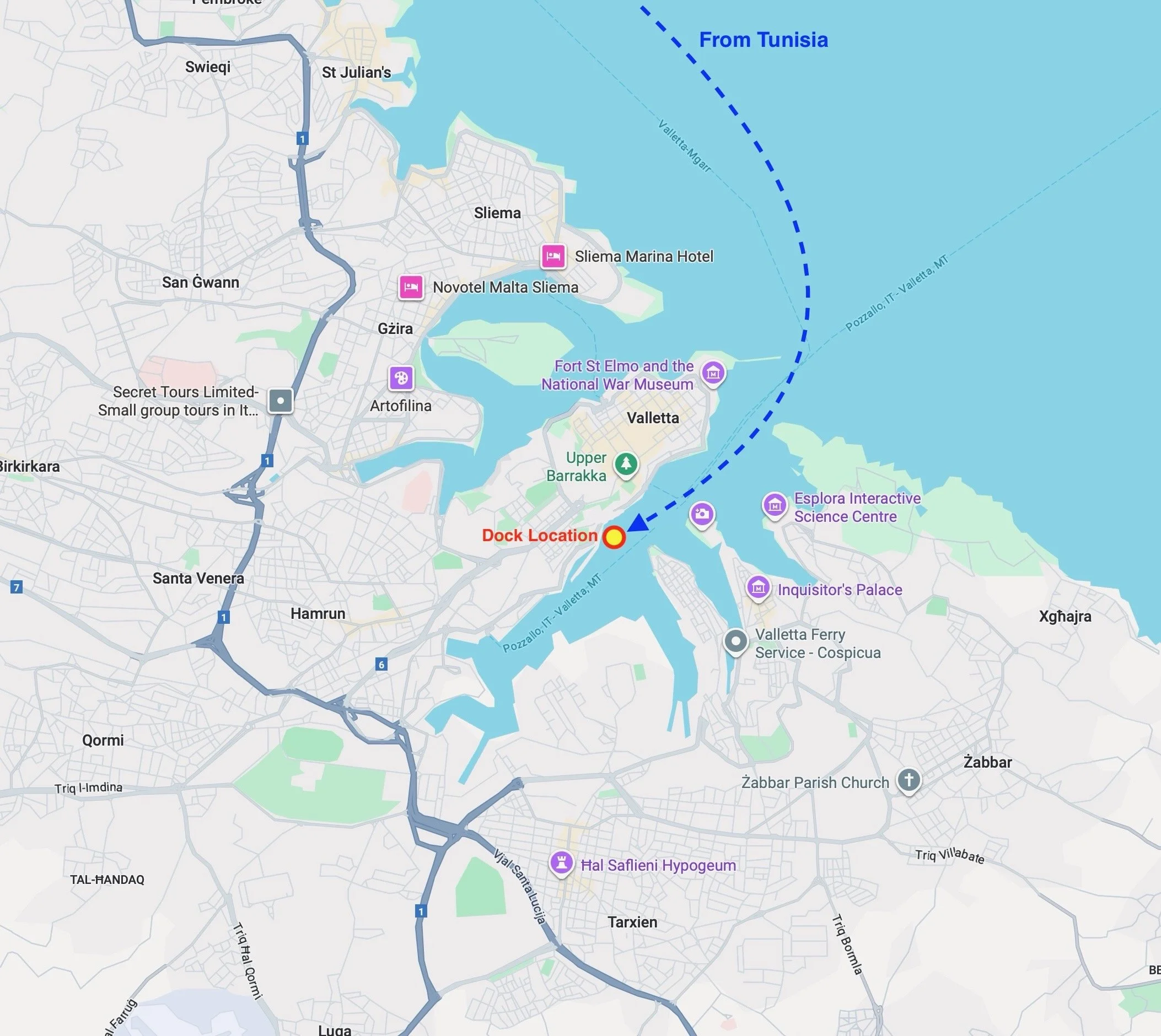
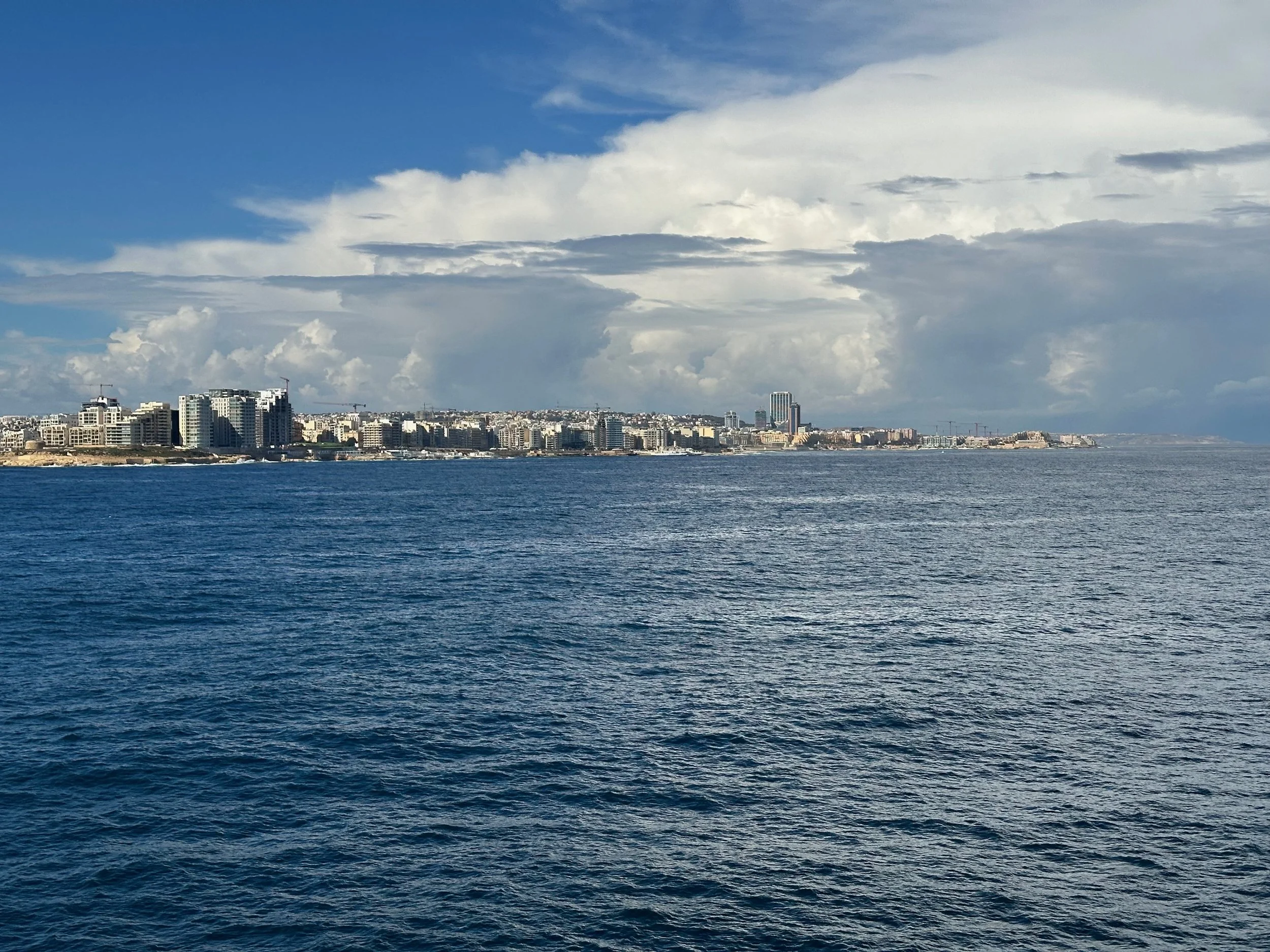
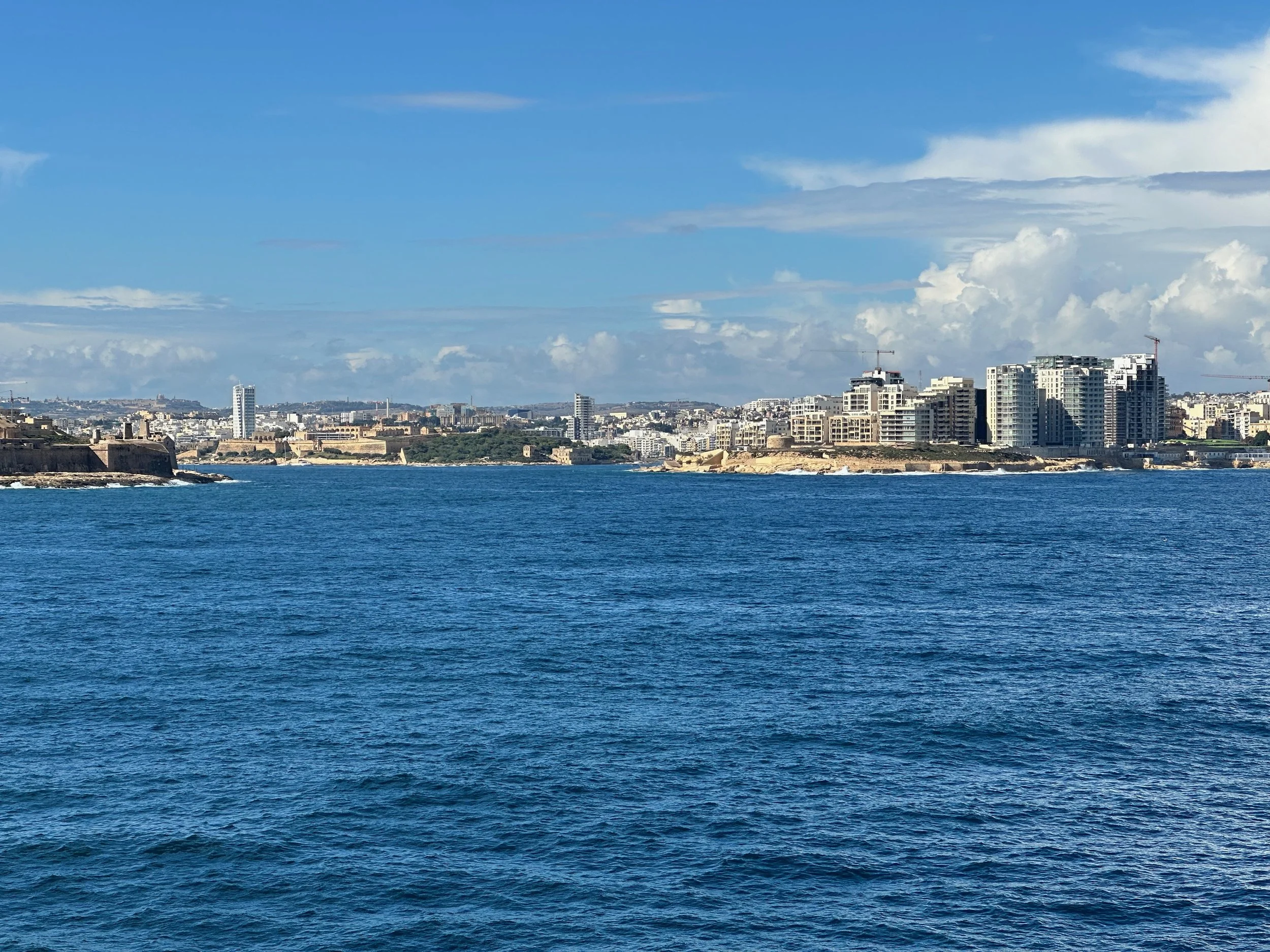
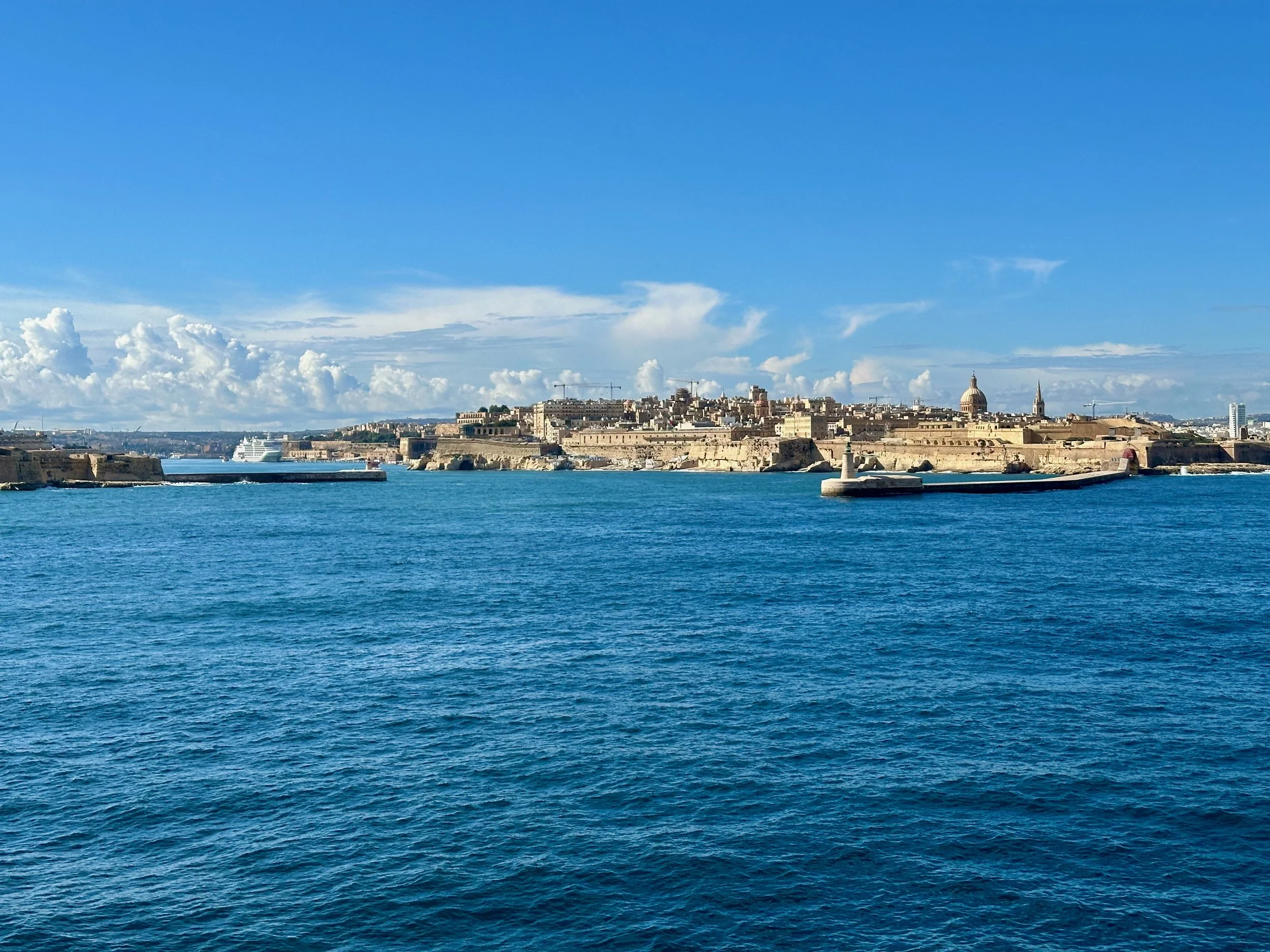
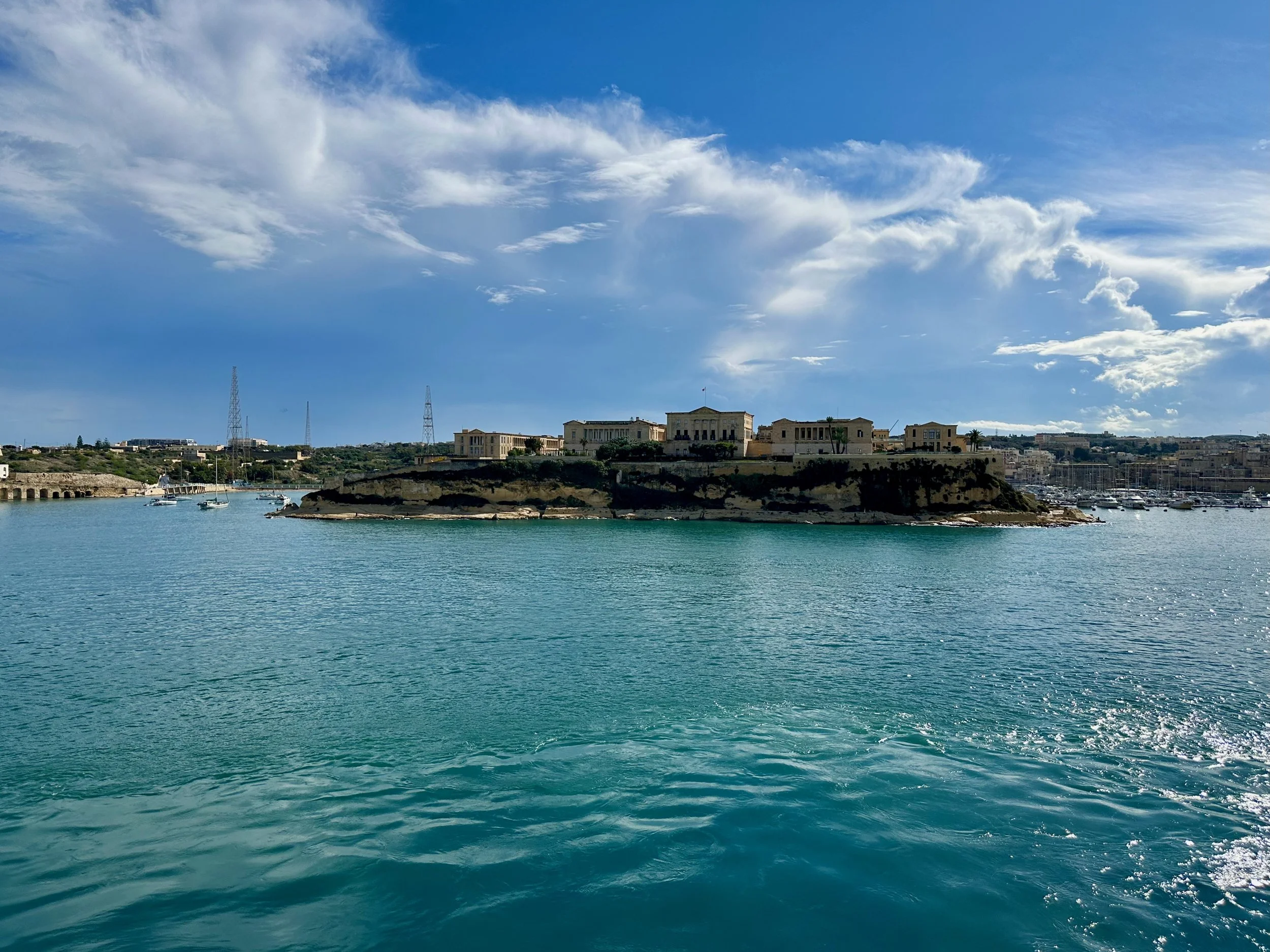
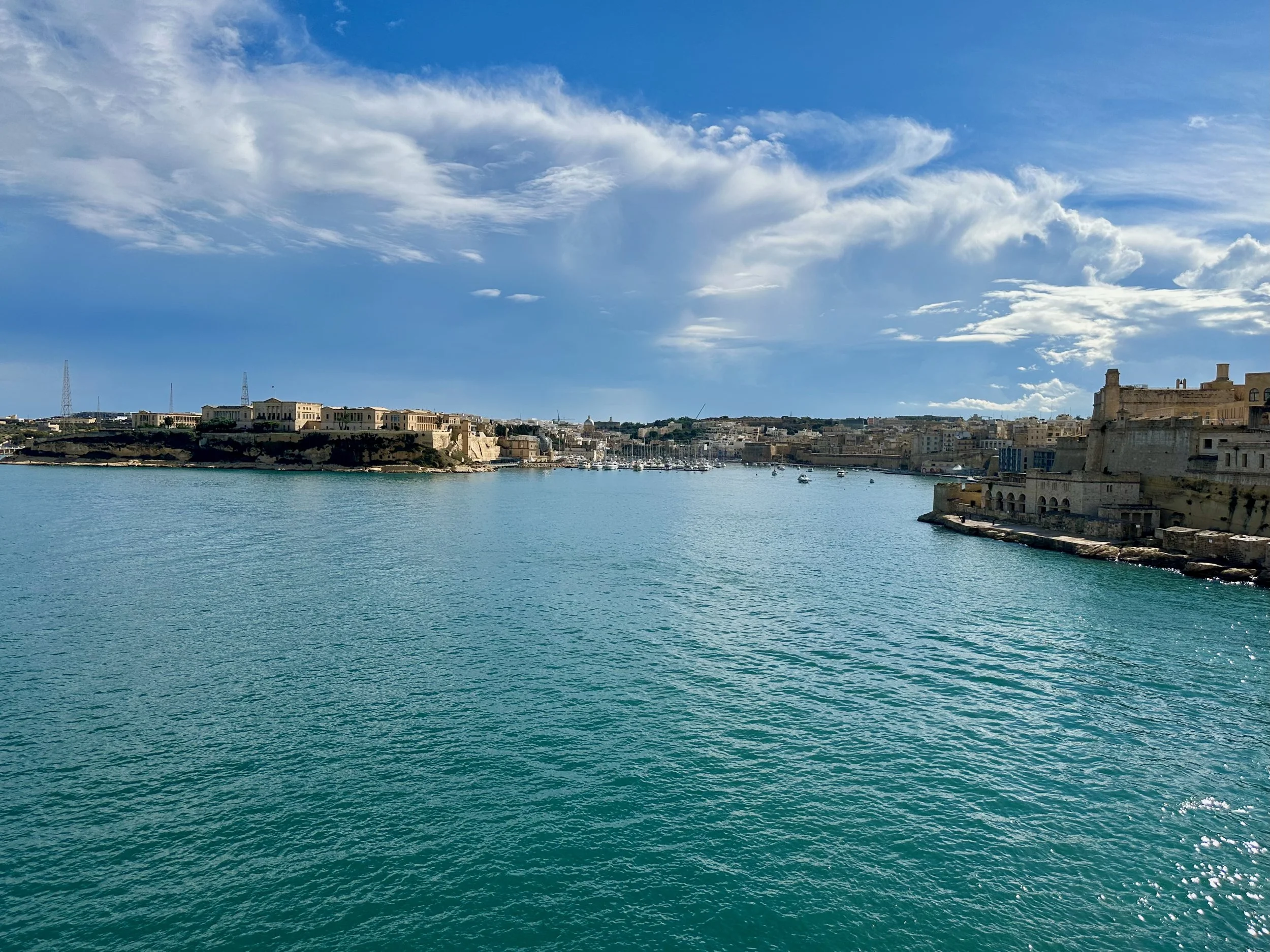
This large charter yacht had to park before our ship could get to its berth.
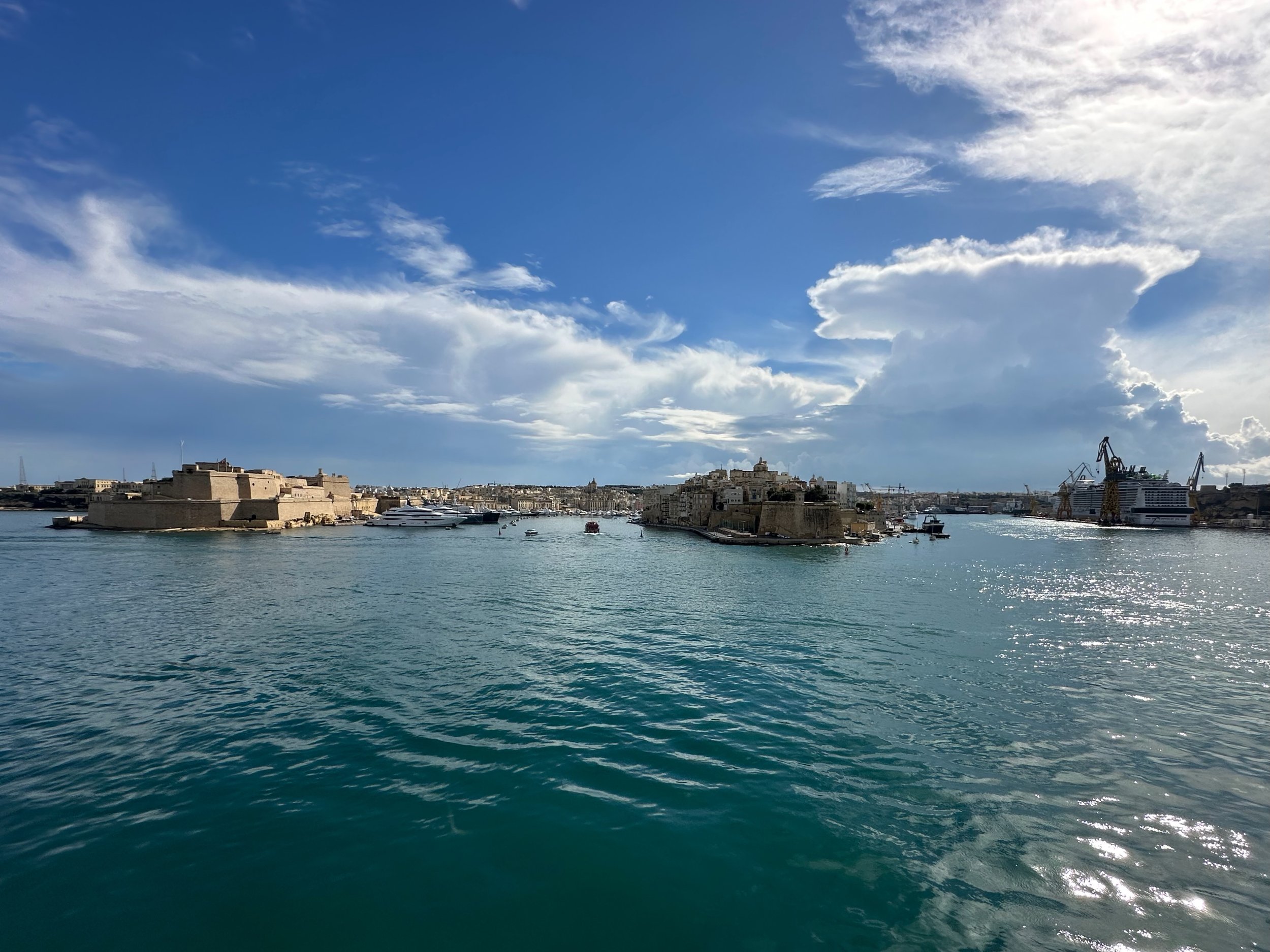
Our ship had to pause slightly as we entered the inner harbour to let the super yacht maneuver into the birth across the harbour from where our ship would dock.
This particular yacht is one set up for charter to those with deep enough pockets to facilitate such a purpose, be it holiday or other necessity.
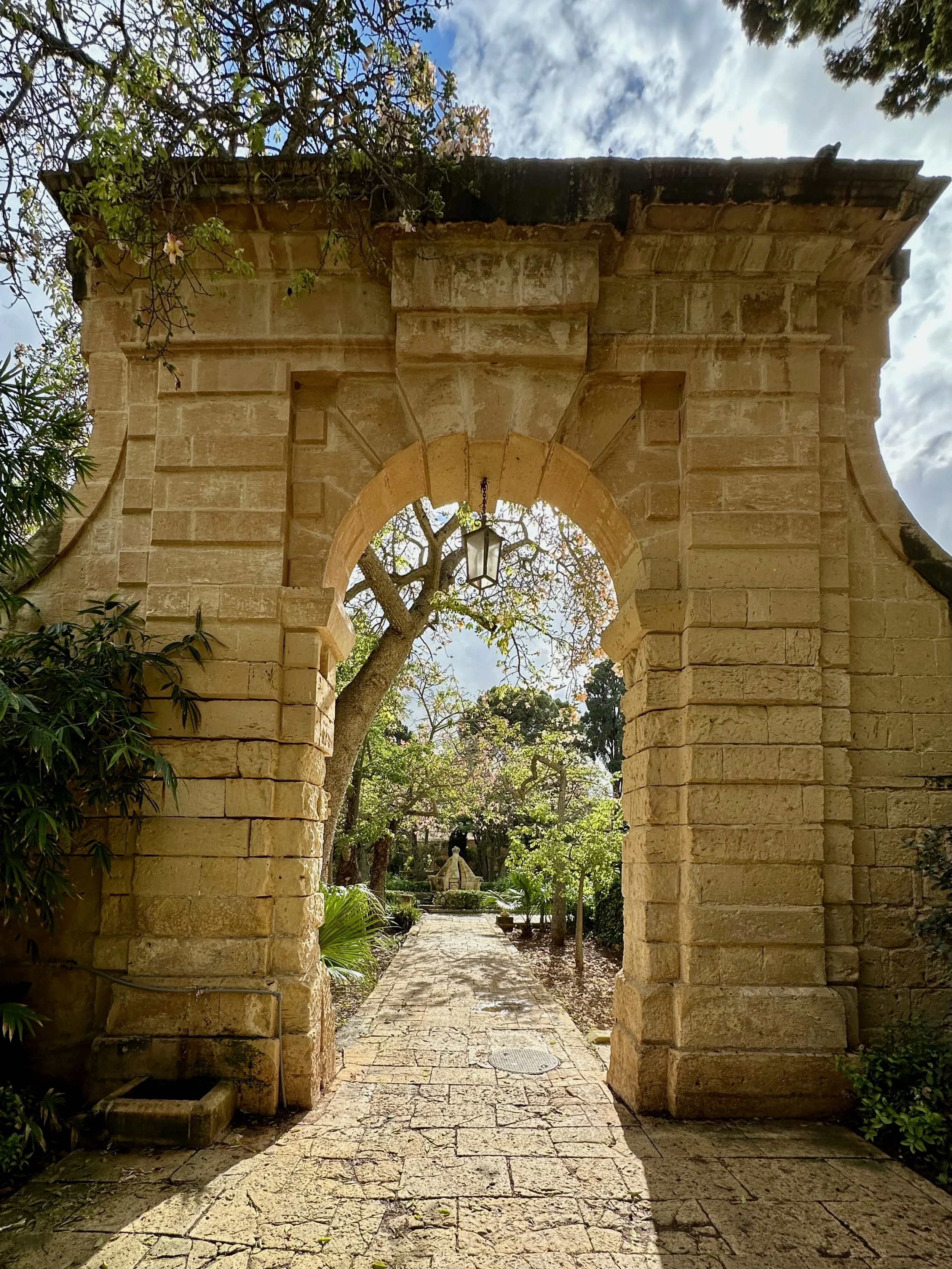
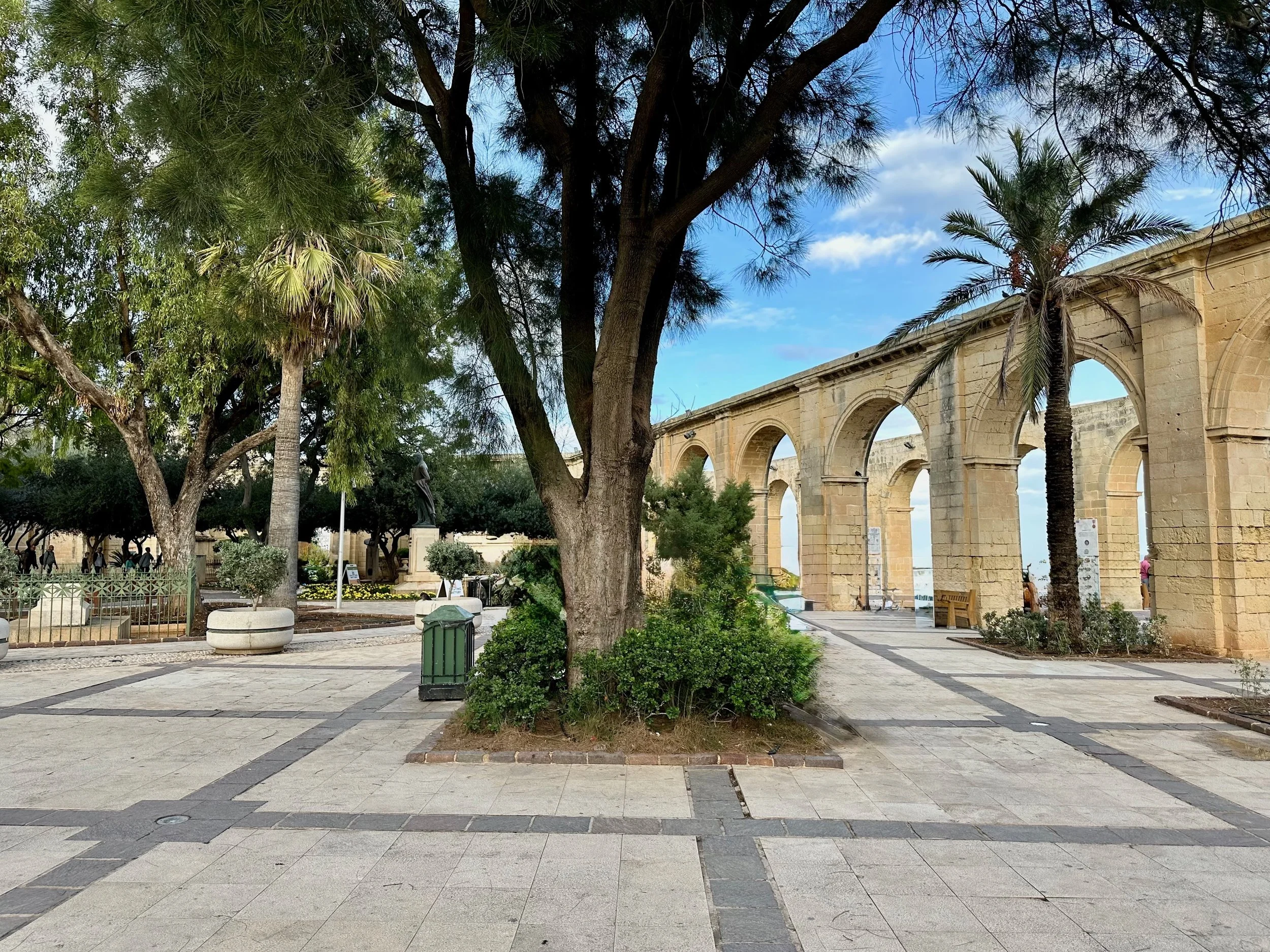
A very pretty series of arches.
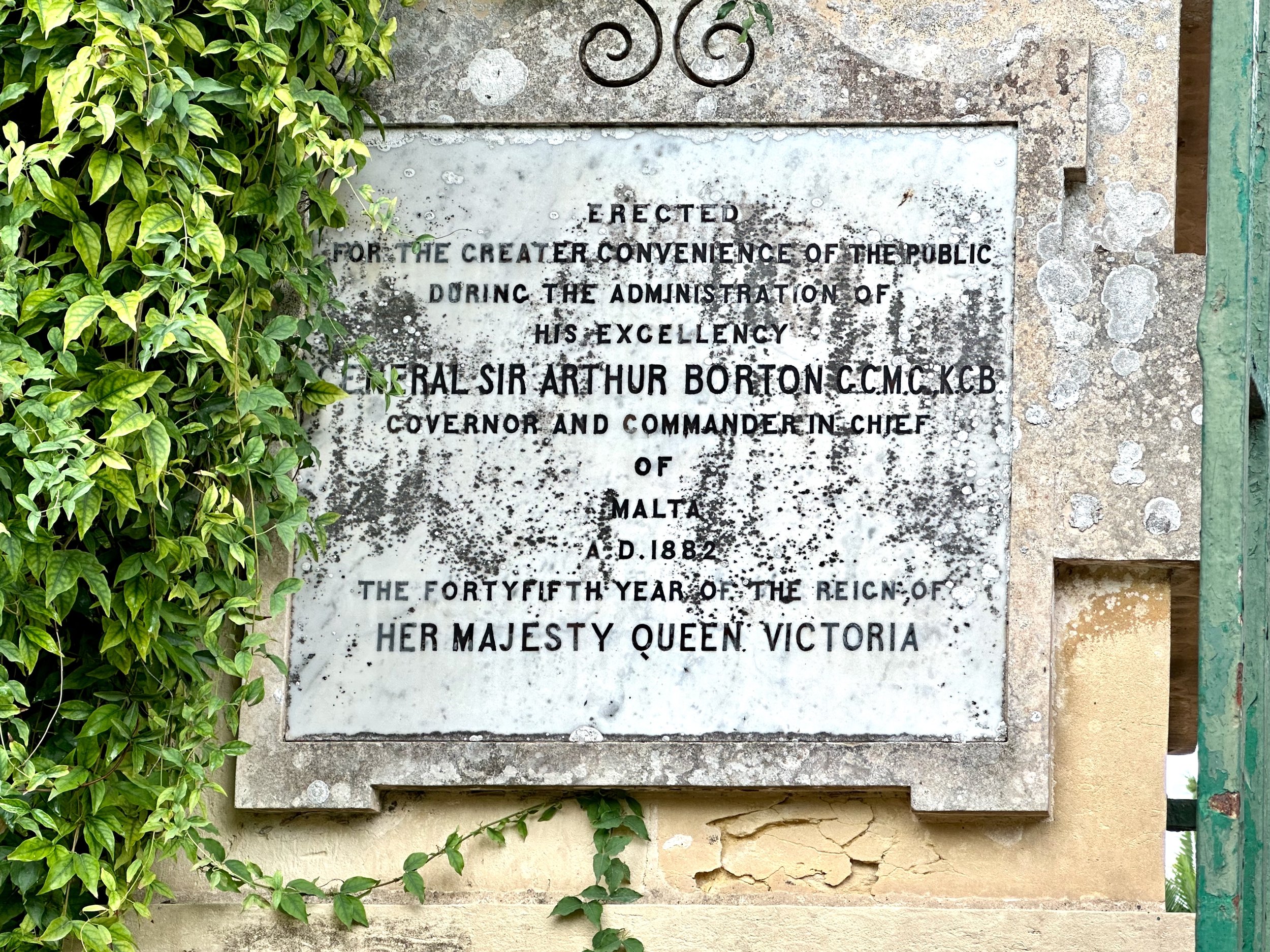
San Anton Garden & Palace
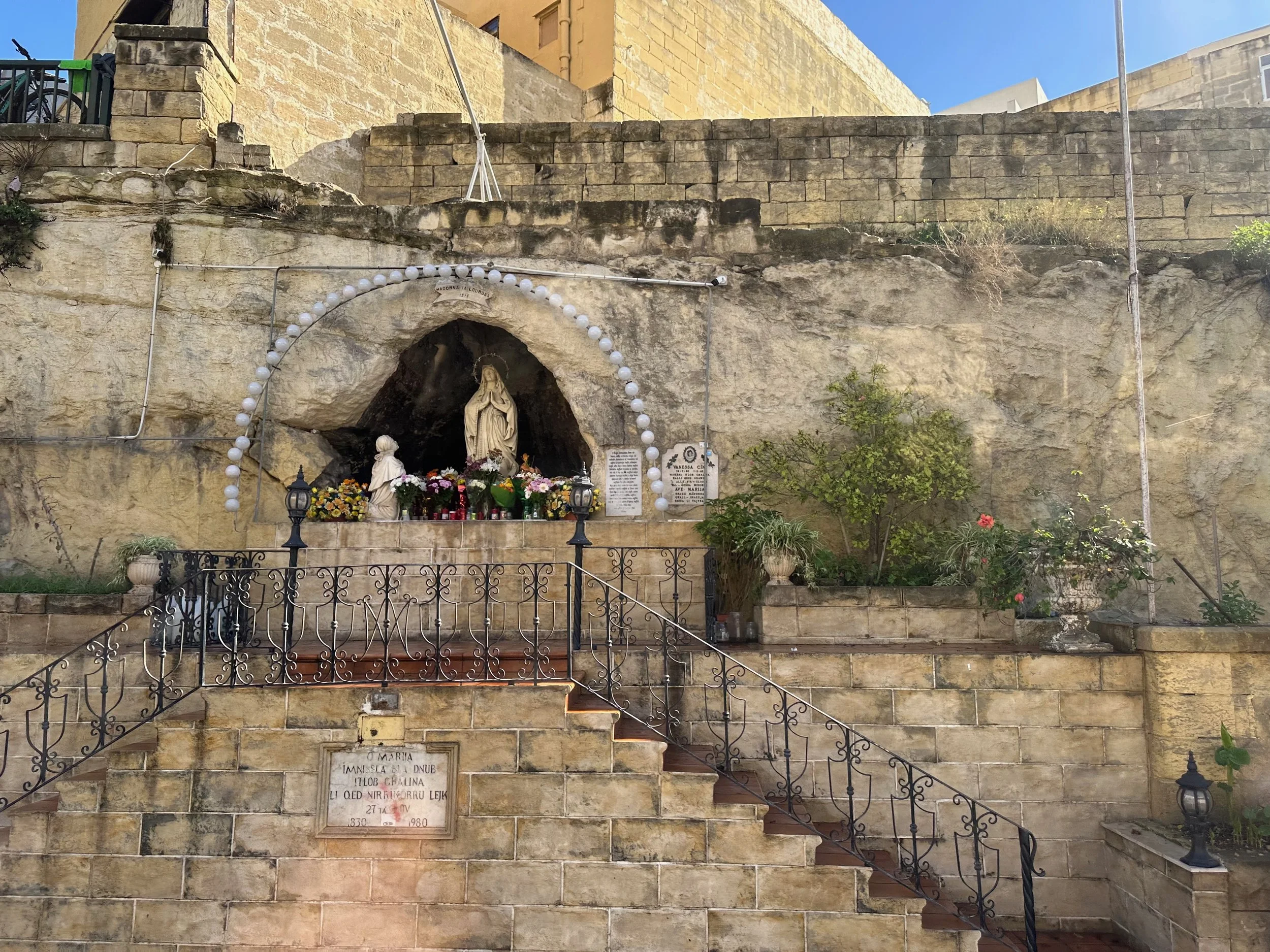
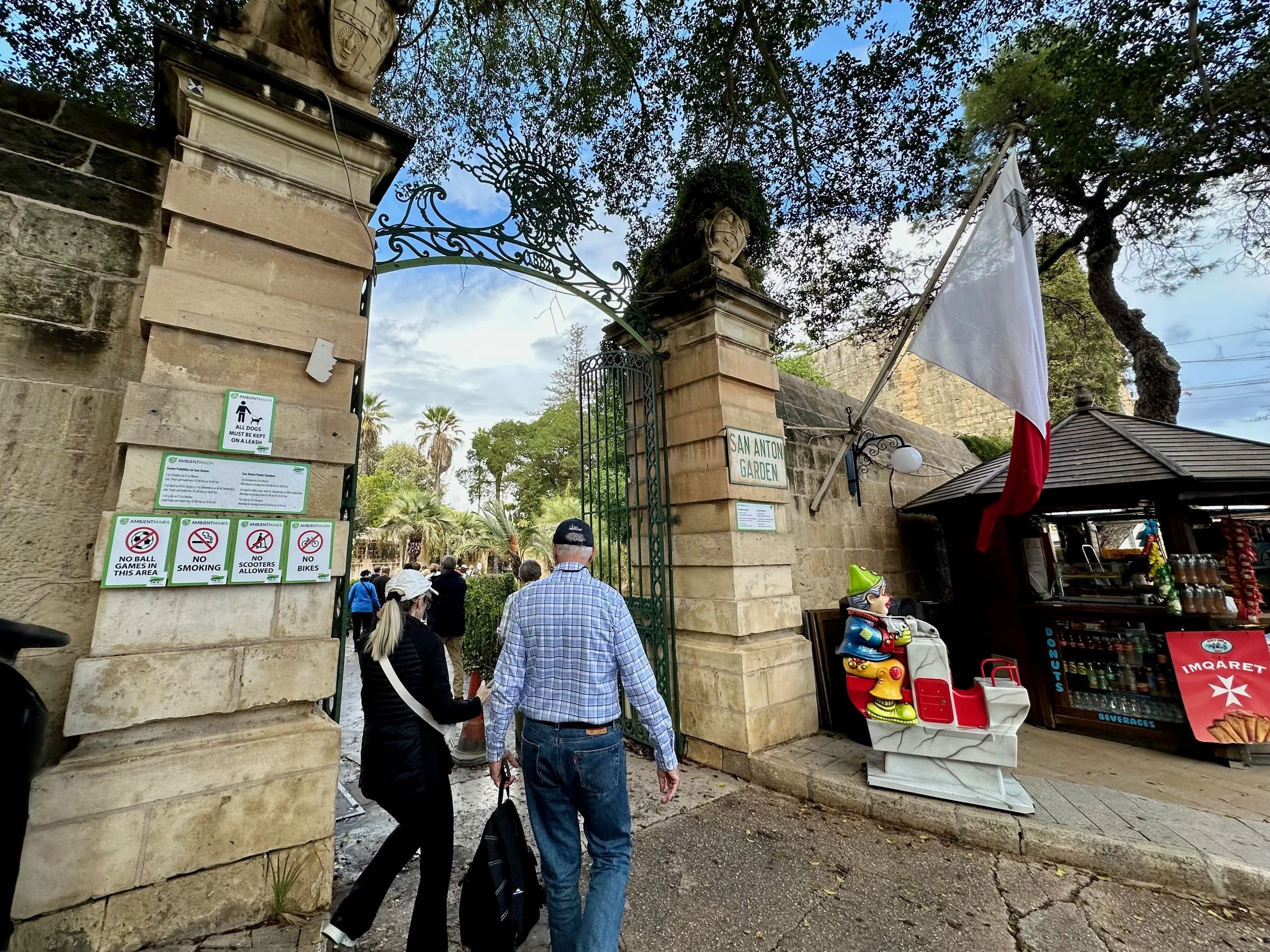
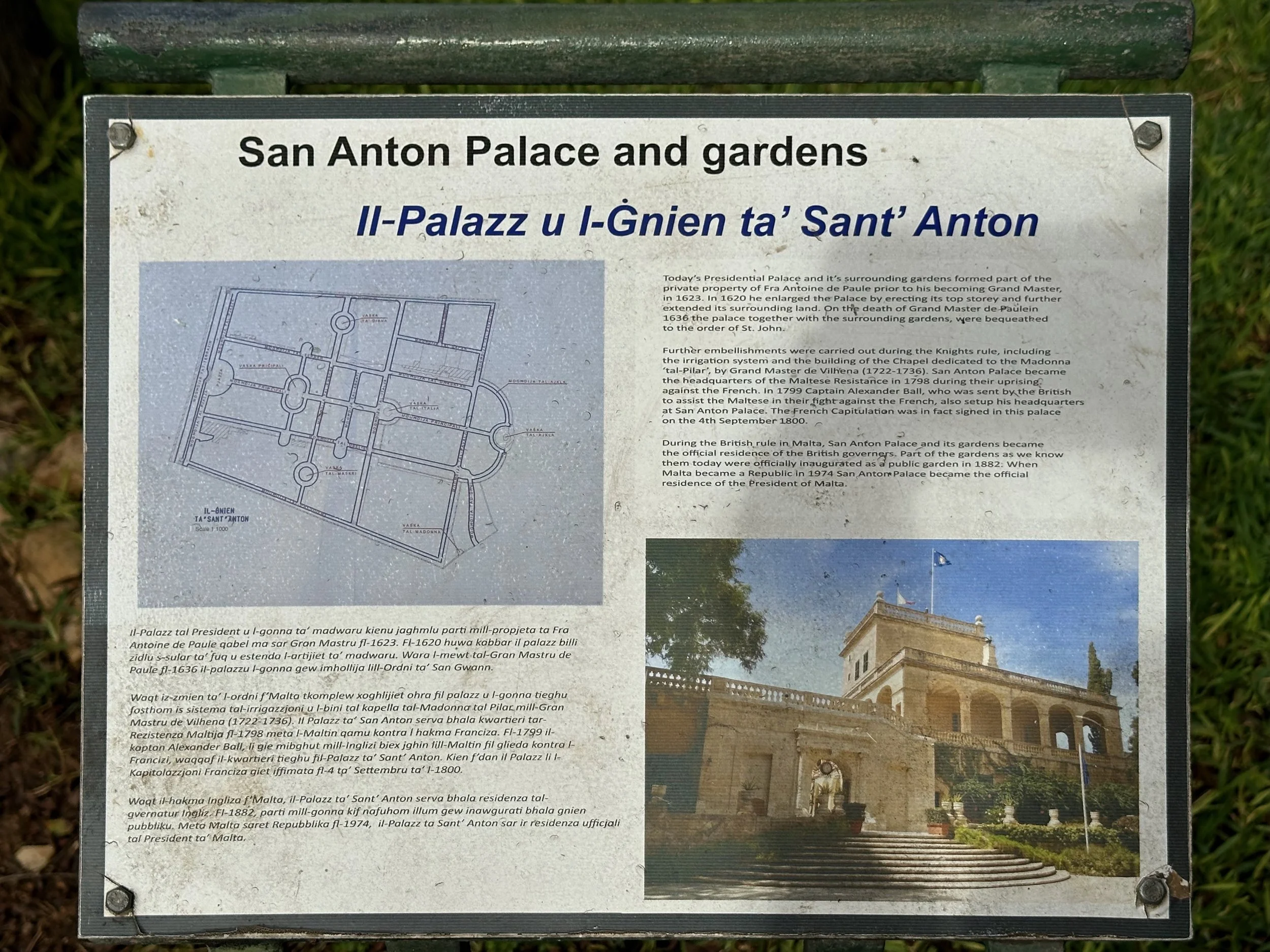
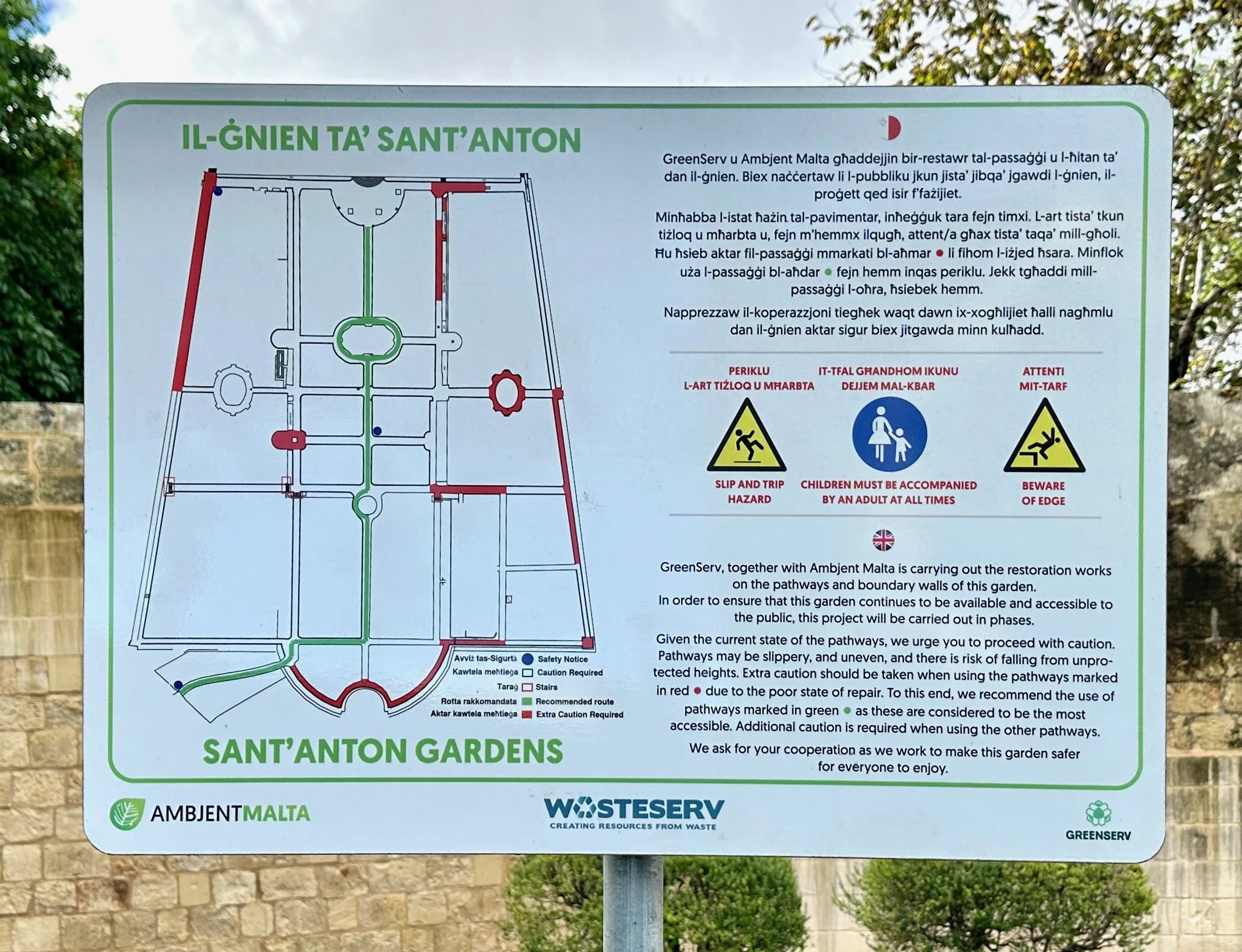
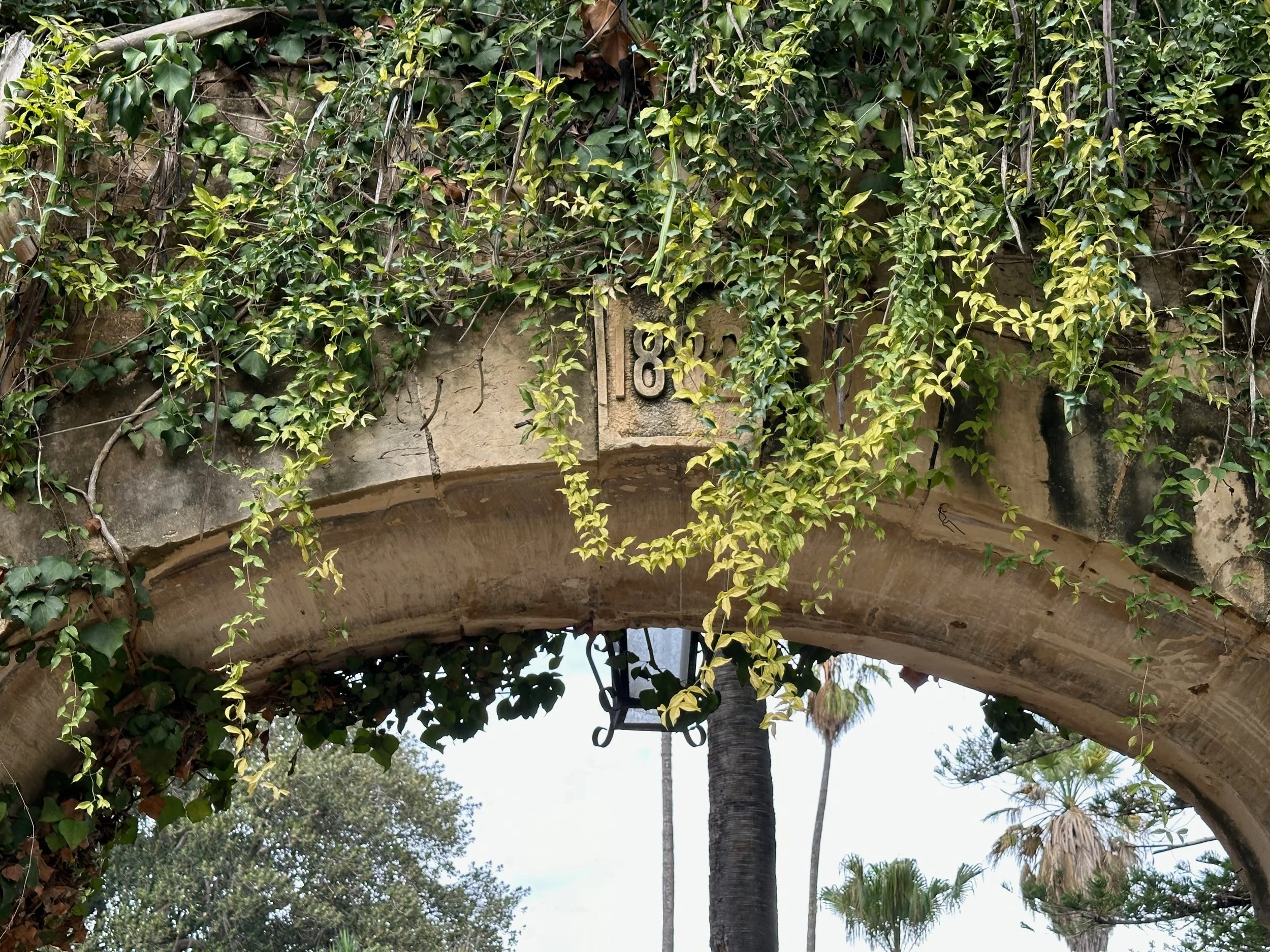
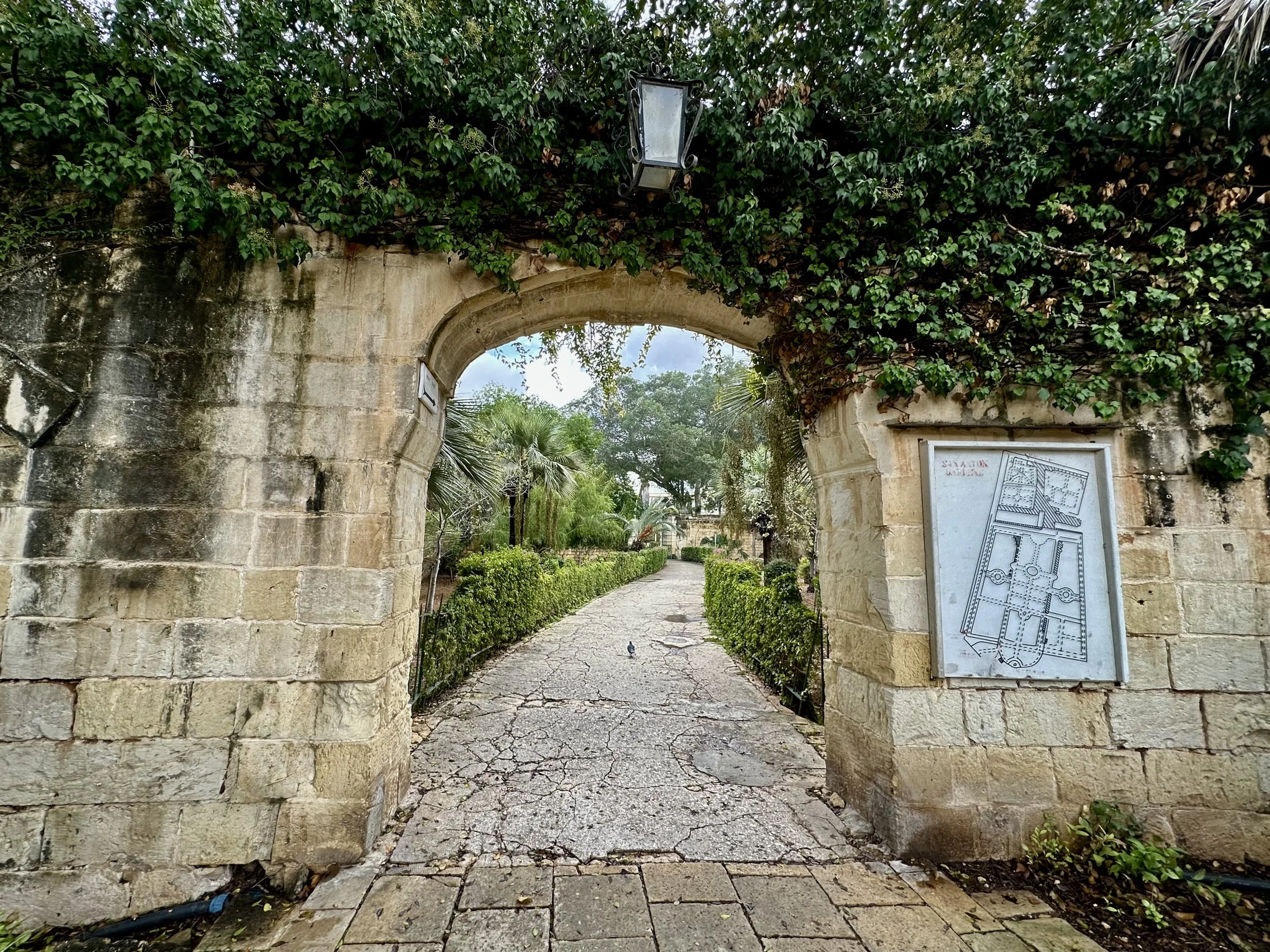
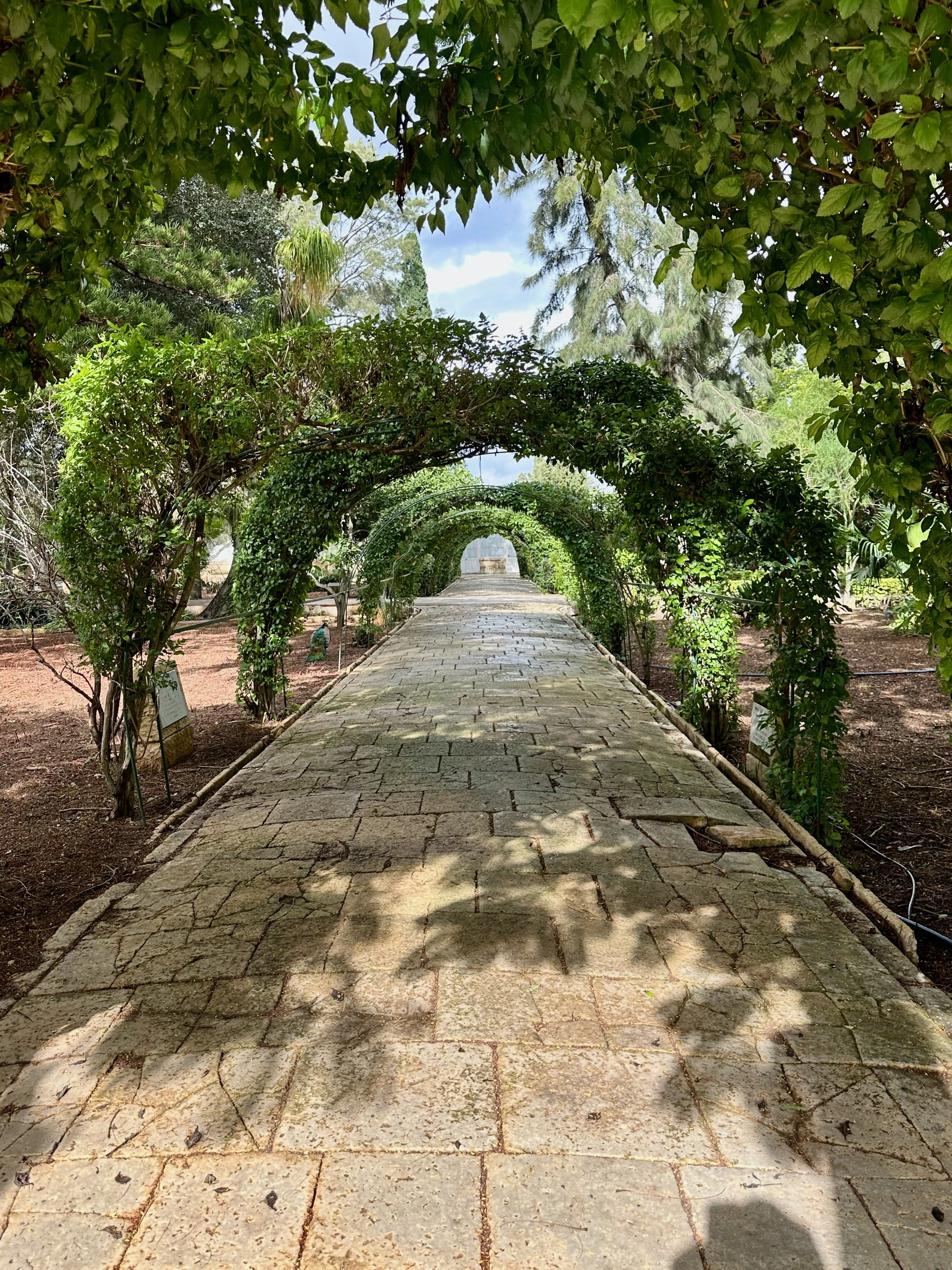
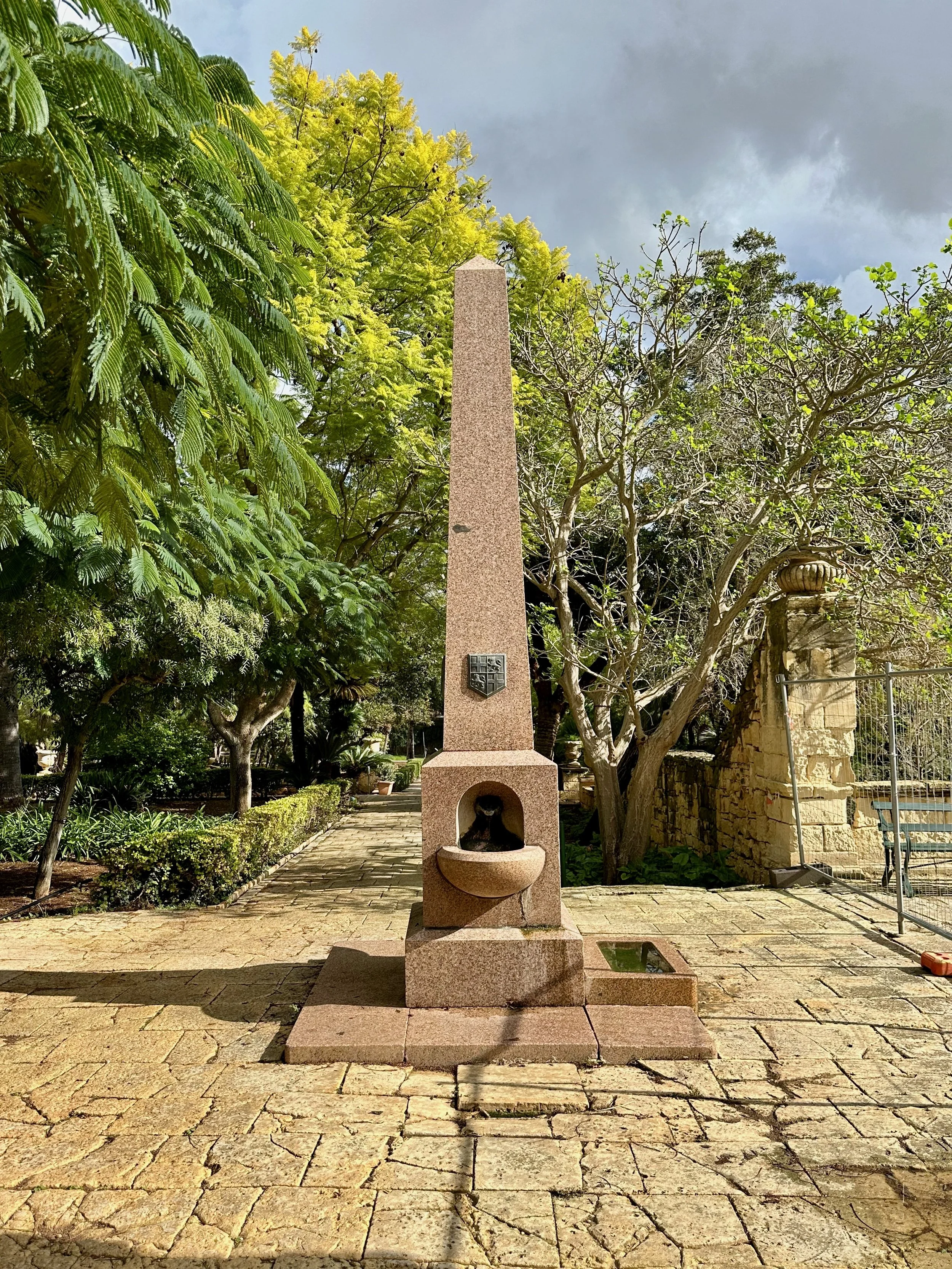
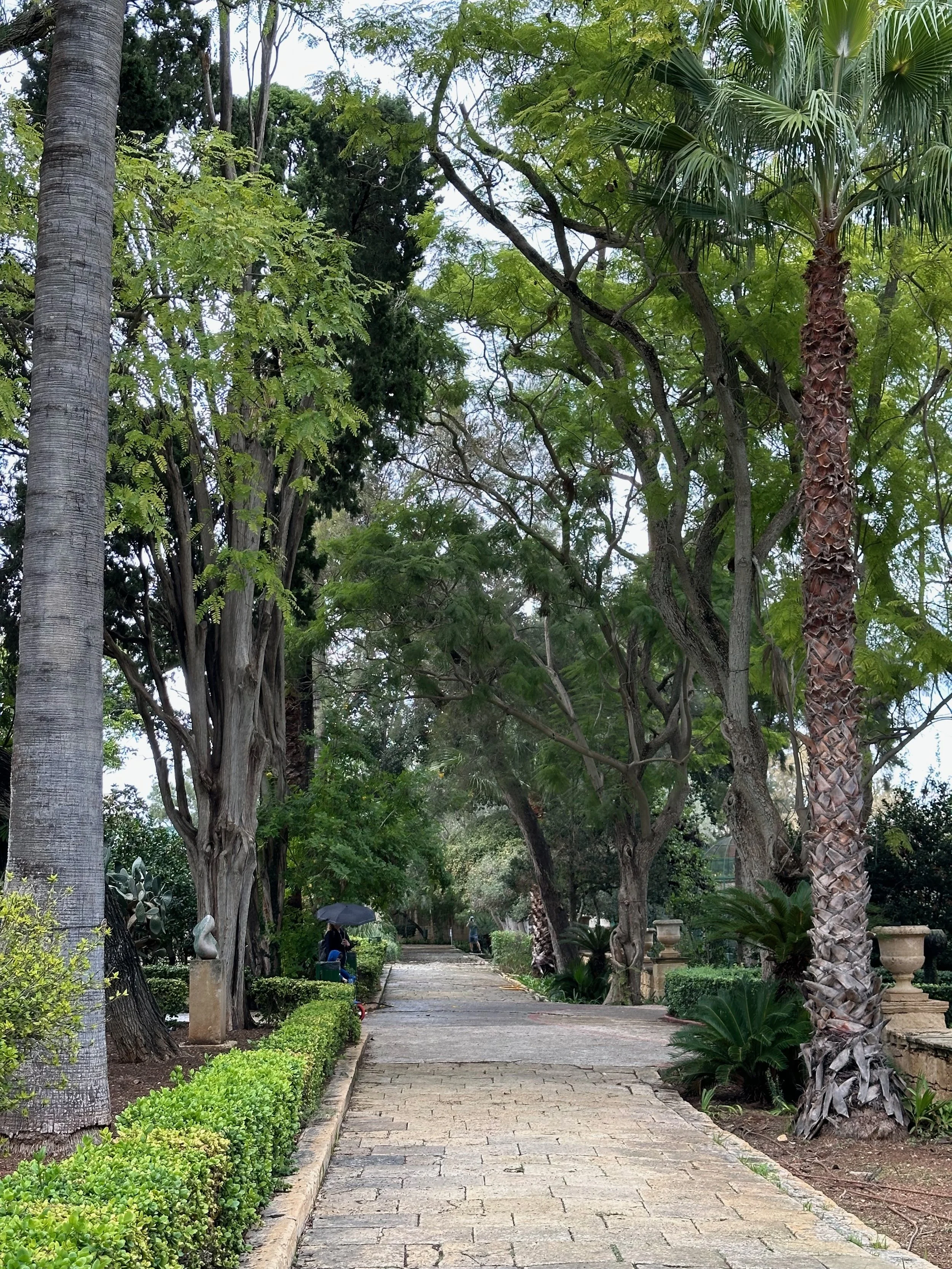
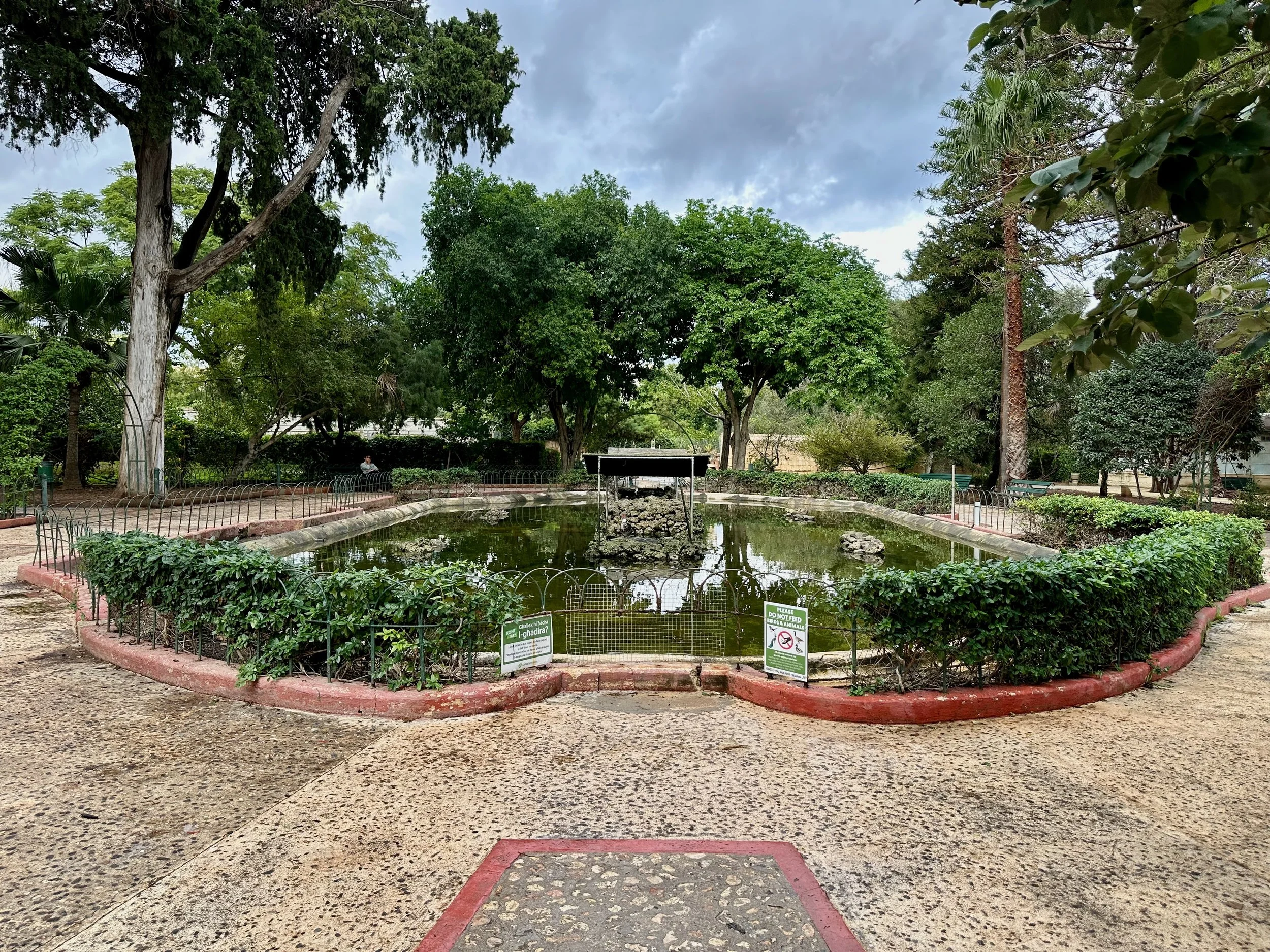
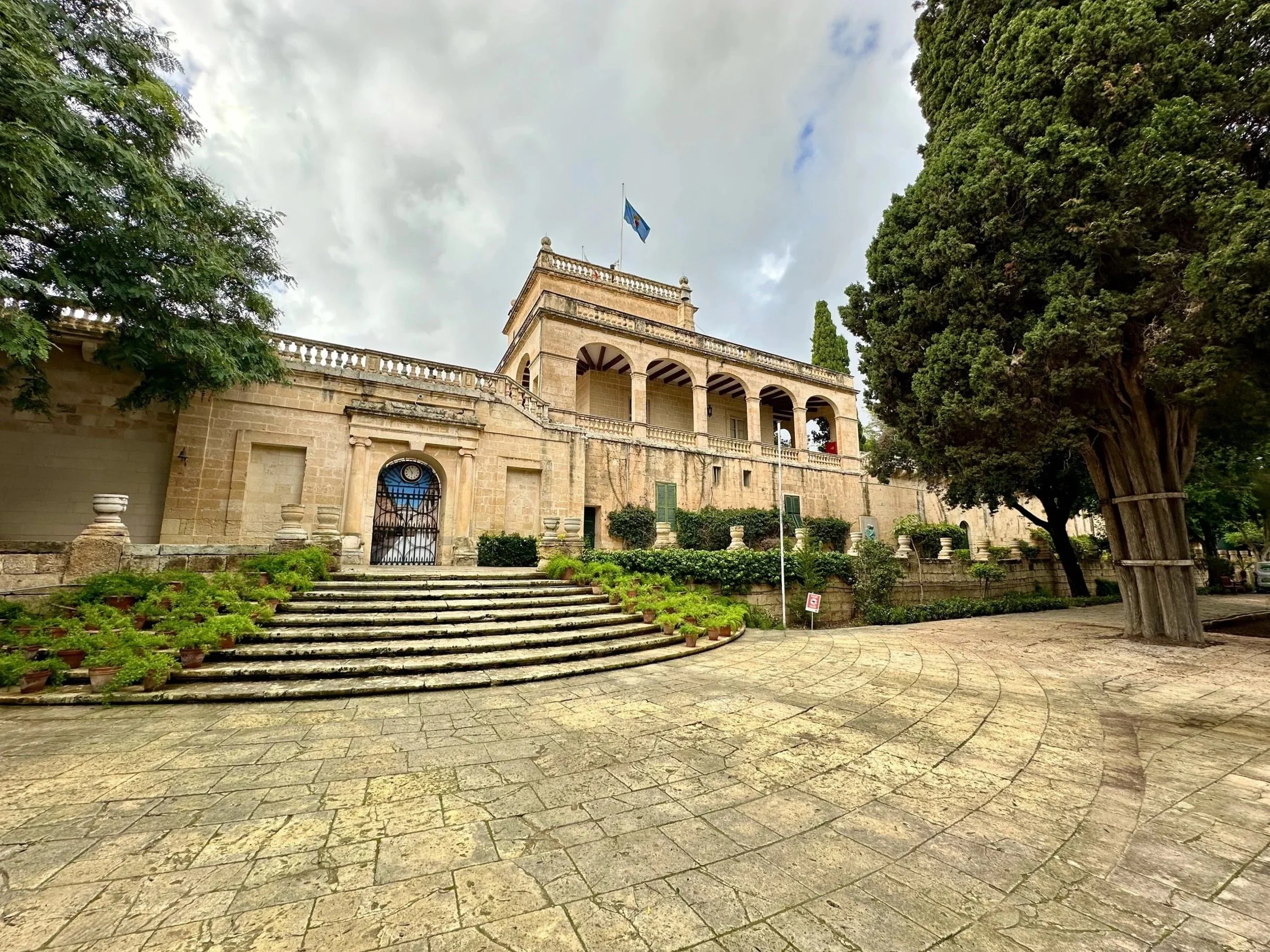
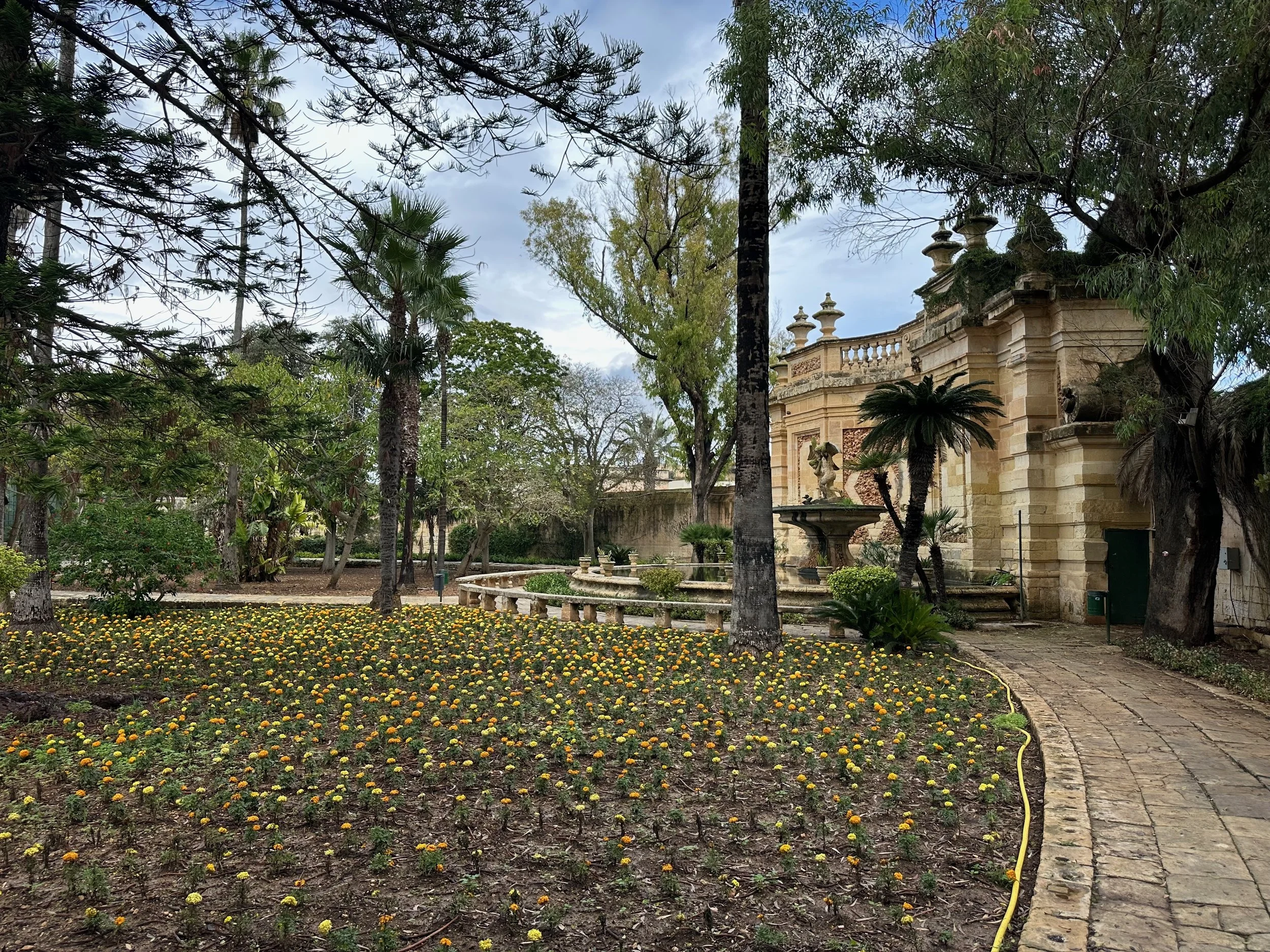
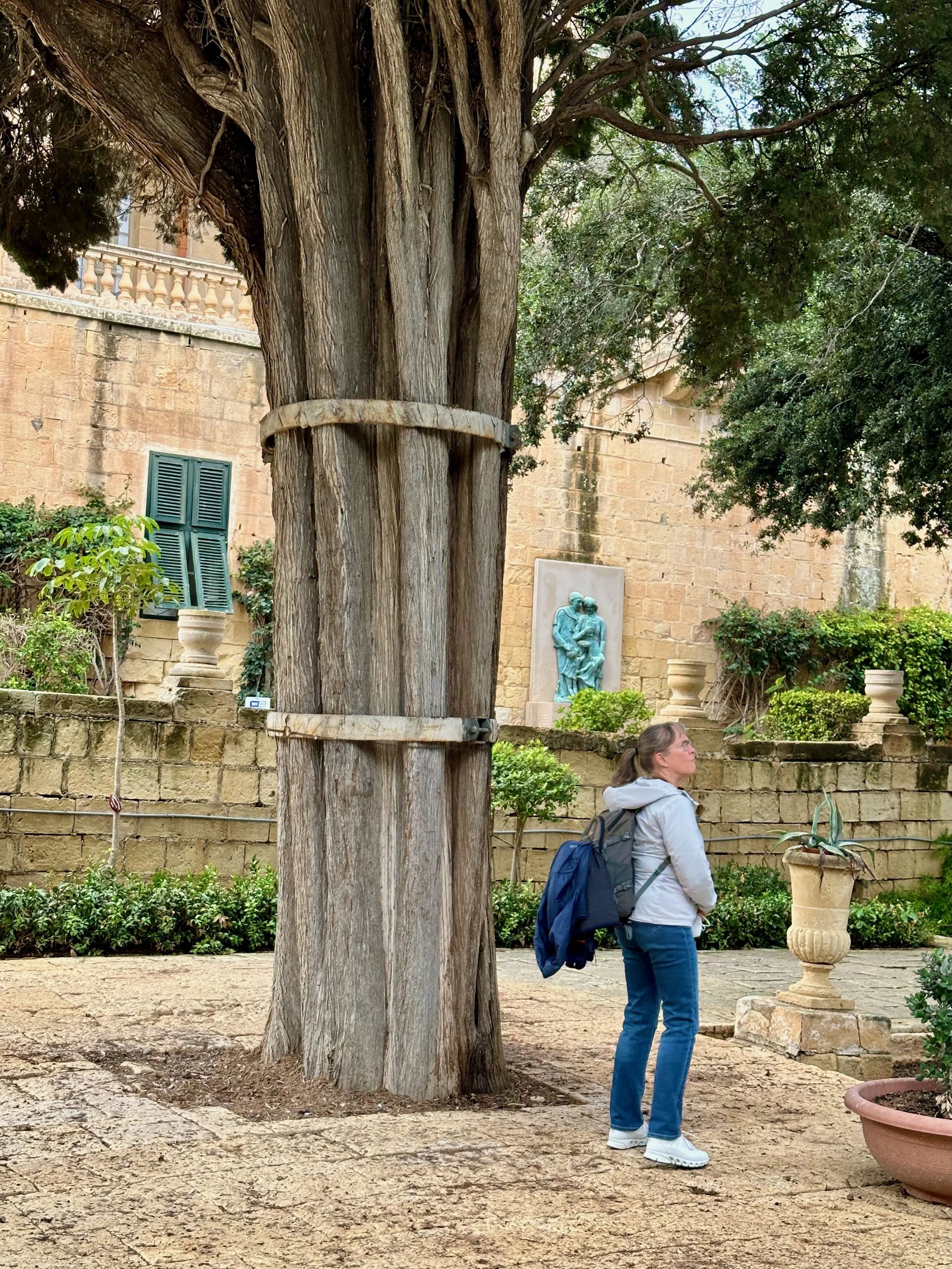
The first stop for our initial Maltese excursion is the San Anton Garden and Palace. Although we didn’t see anything of the palace other than a wall and staircase, the rest of the garden was quite good. Unfortunately, seeing it in November meant that much of the garden was dormant. But the sun peaking in and out from behind clouds made up for that by creating for some interesting plays of light and shadow.
There was some birdlife in the part, but mostly consisted of domestic ducks and geese. Nothing terribly photogenic I’m afraid. Below are images of the garden.
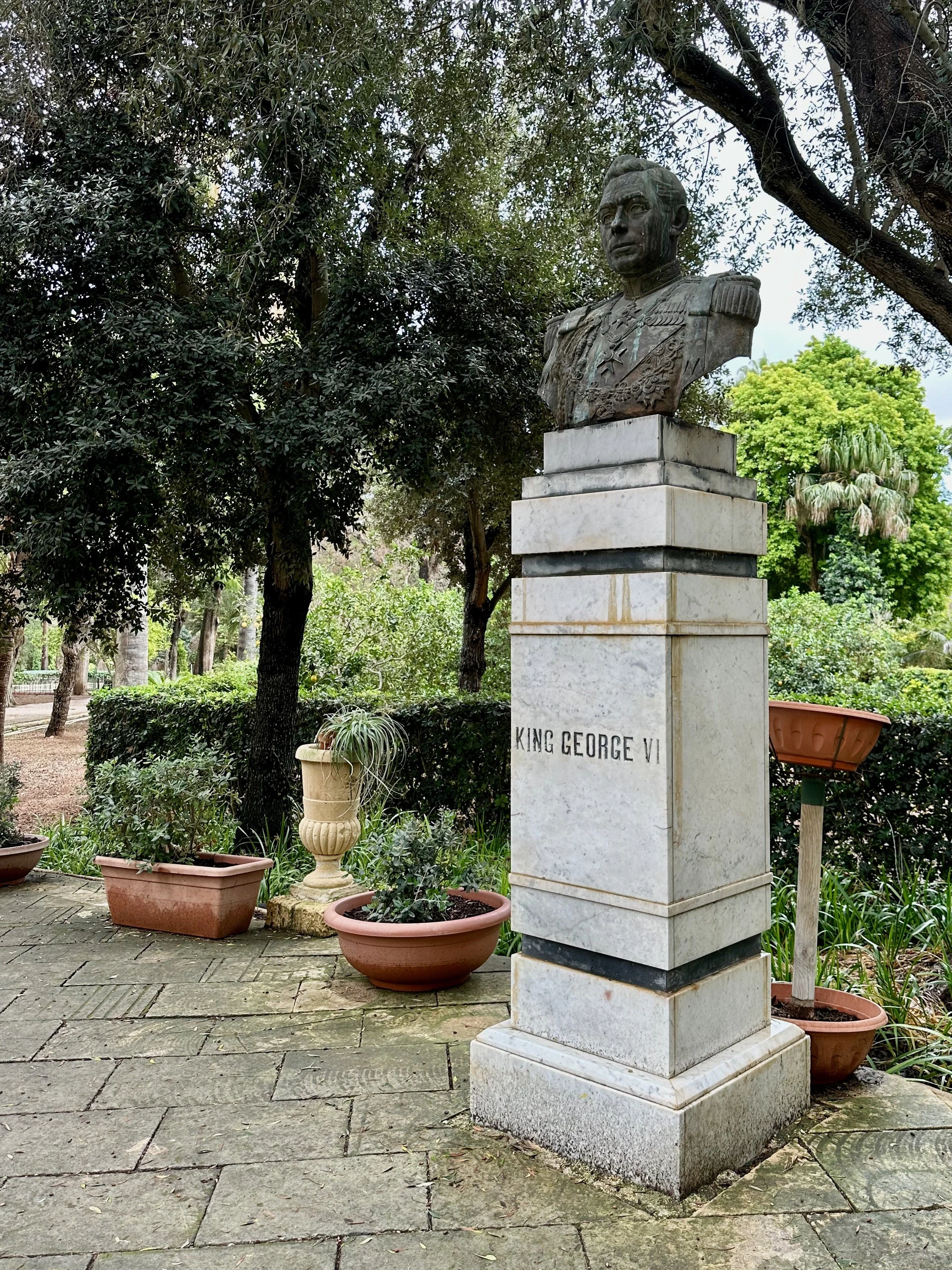
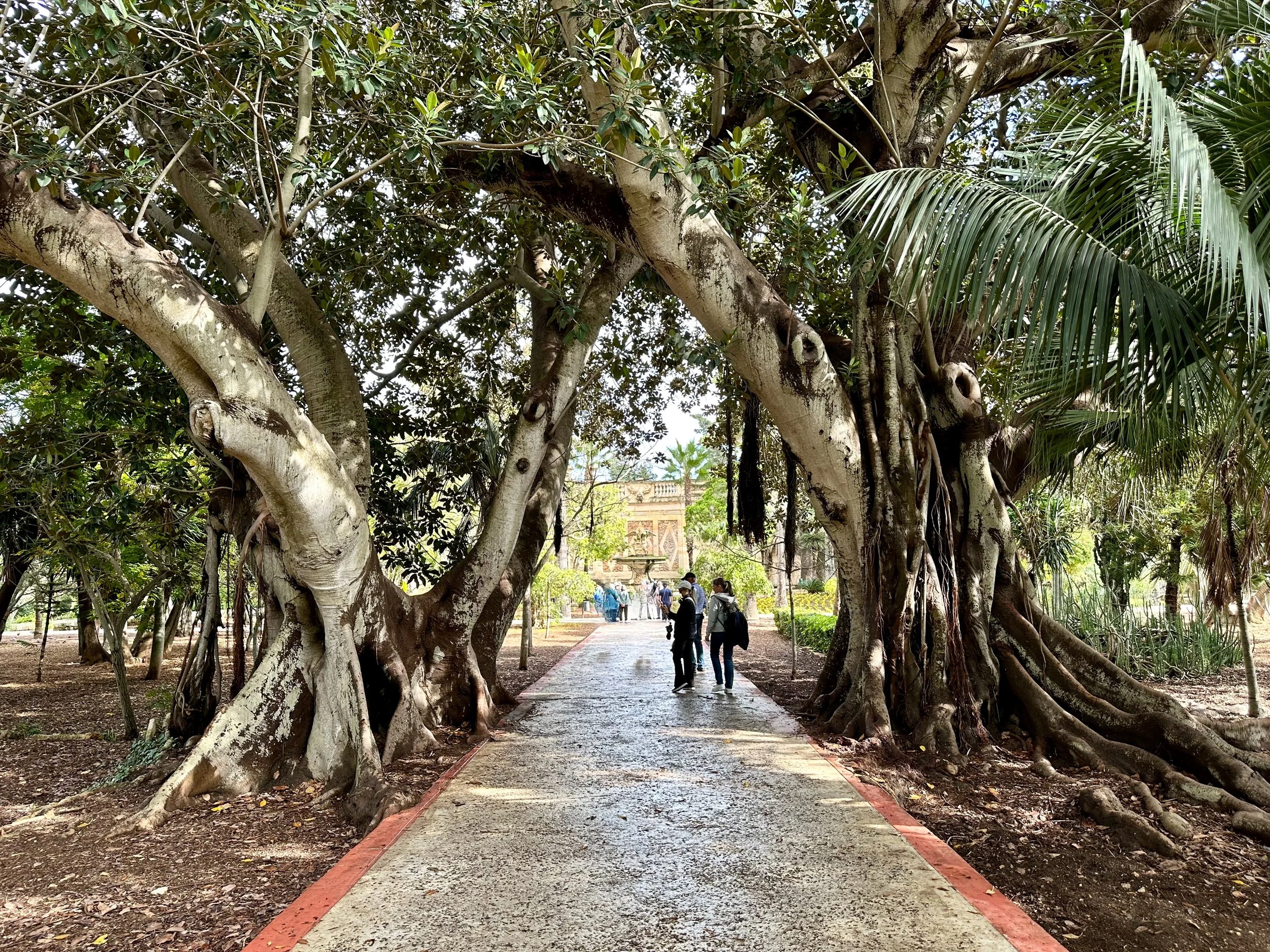
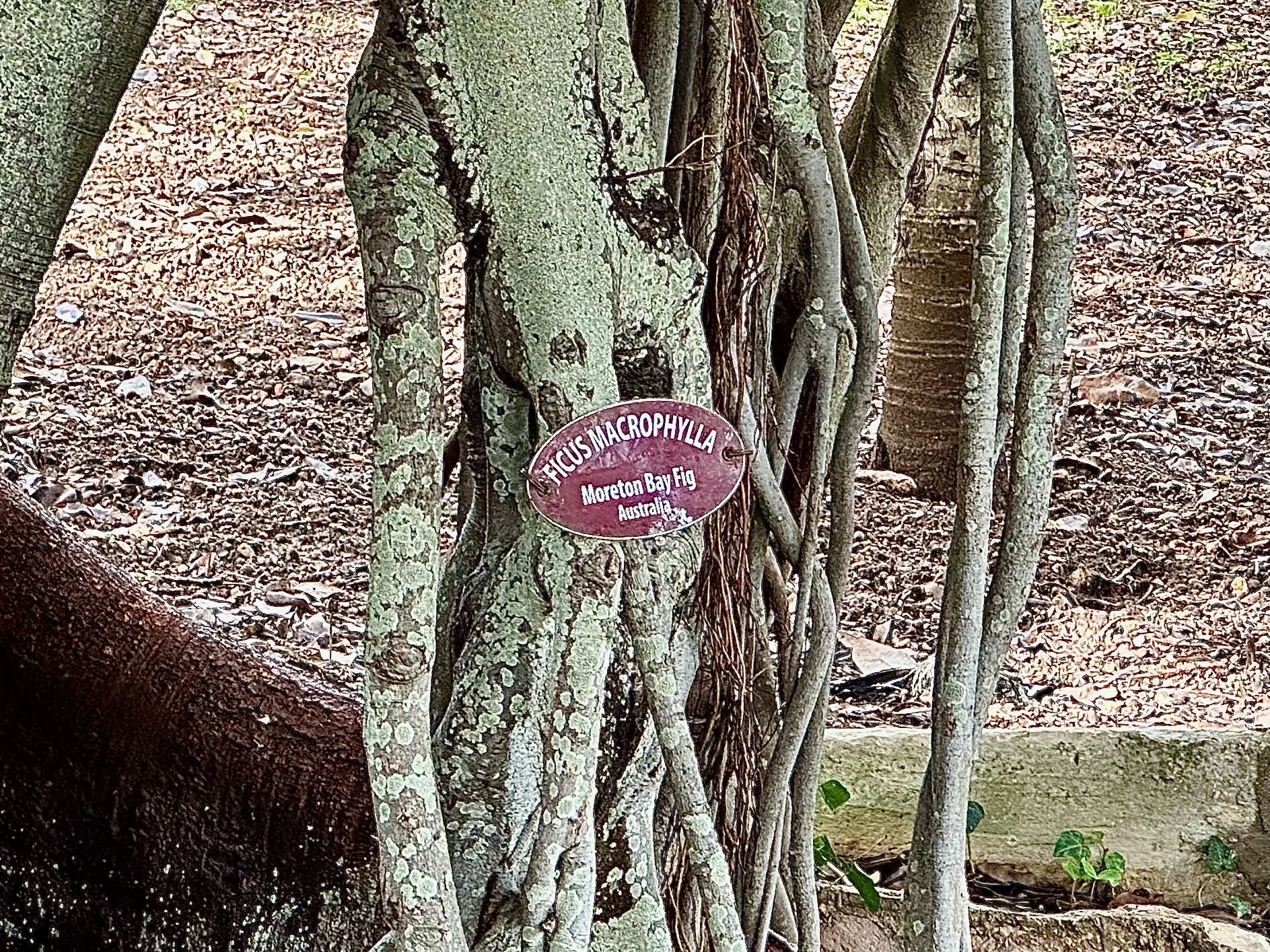
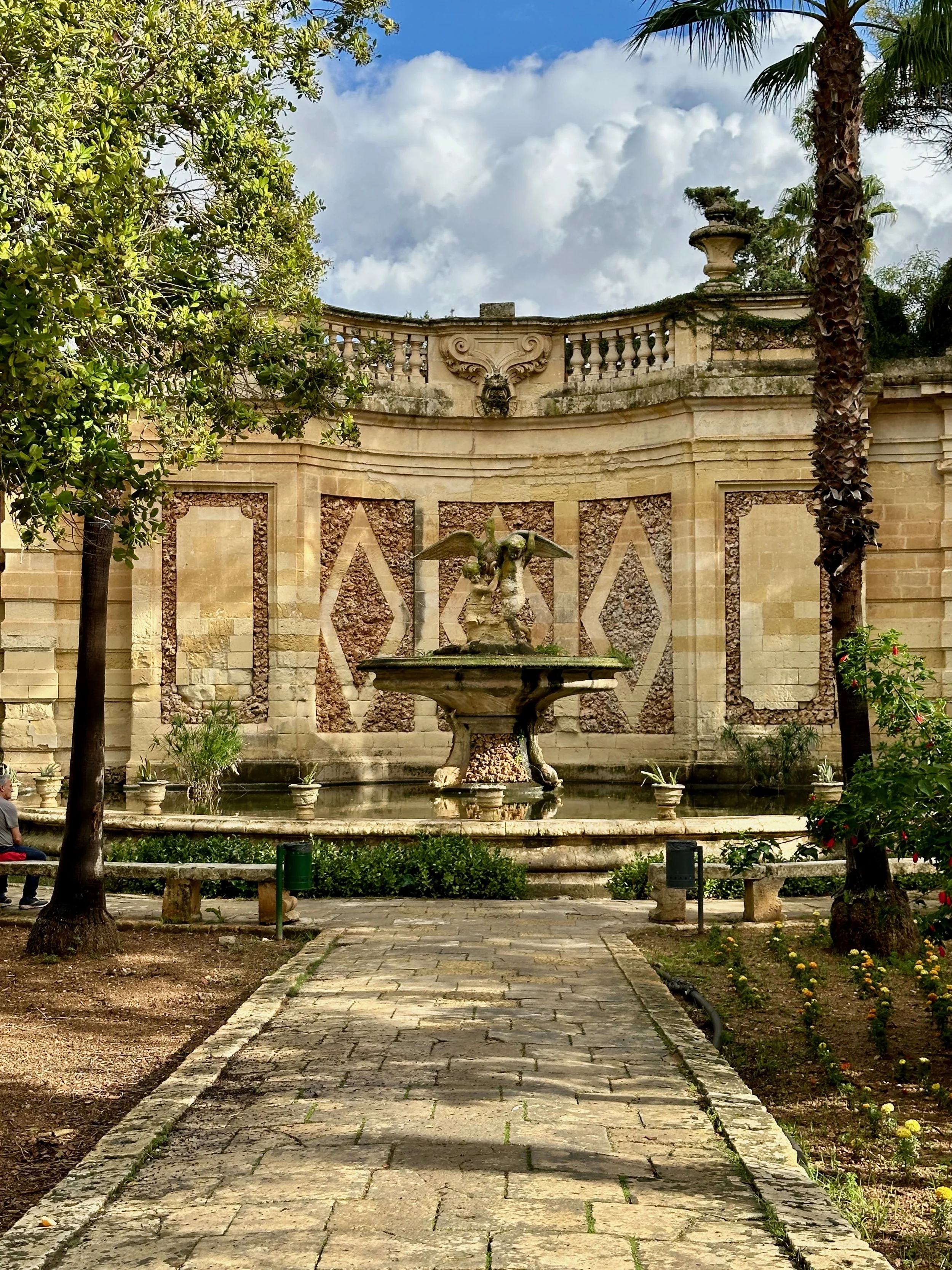
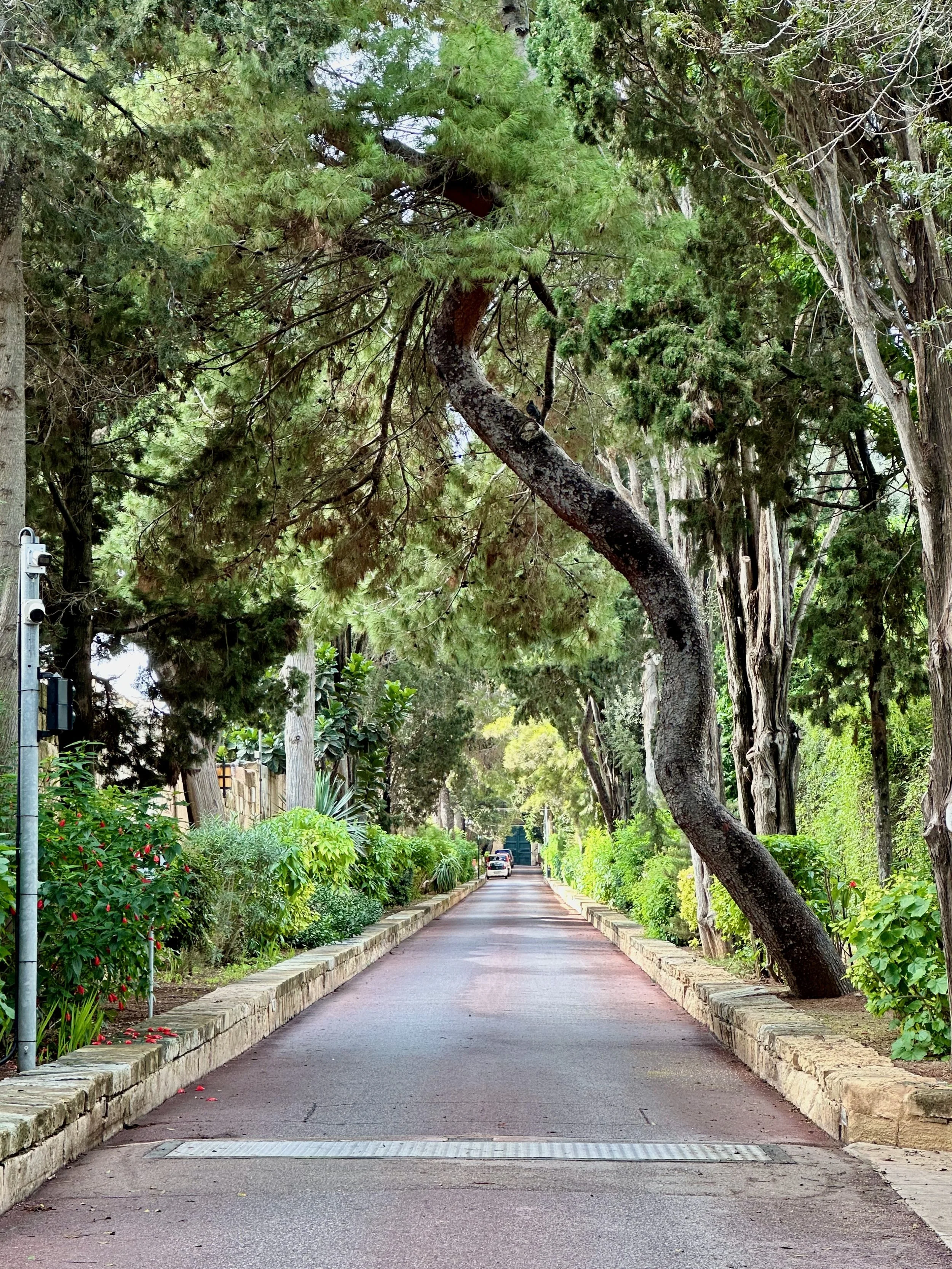
There were two of these masks on display, but without explanation. We had no clue…
Palazzo Parisio & the Parish Church
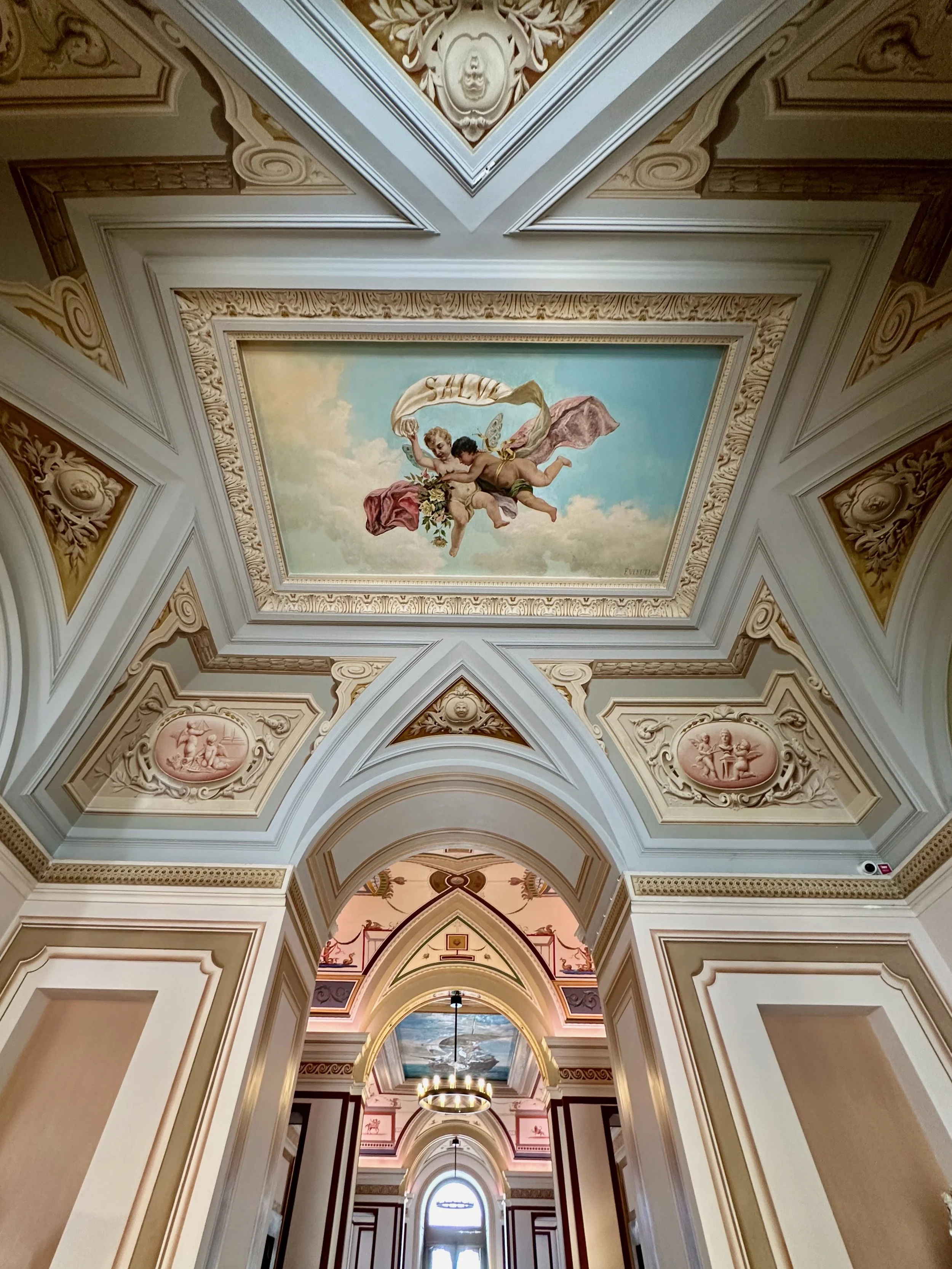
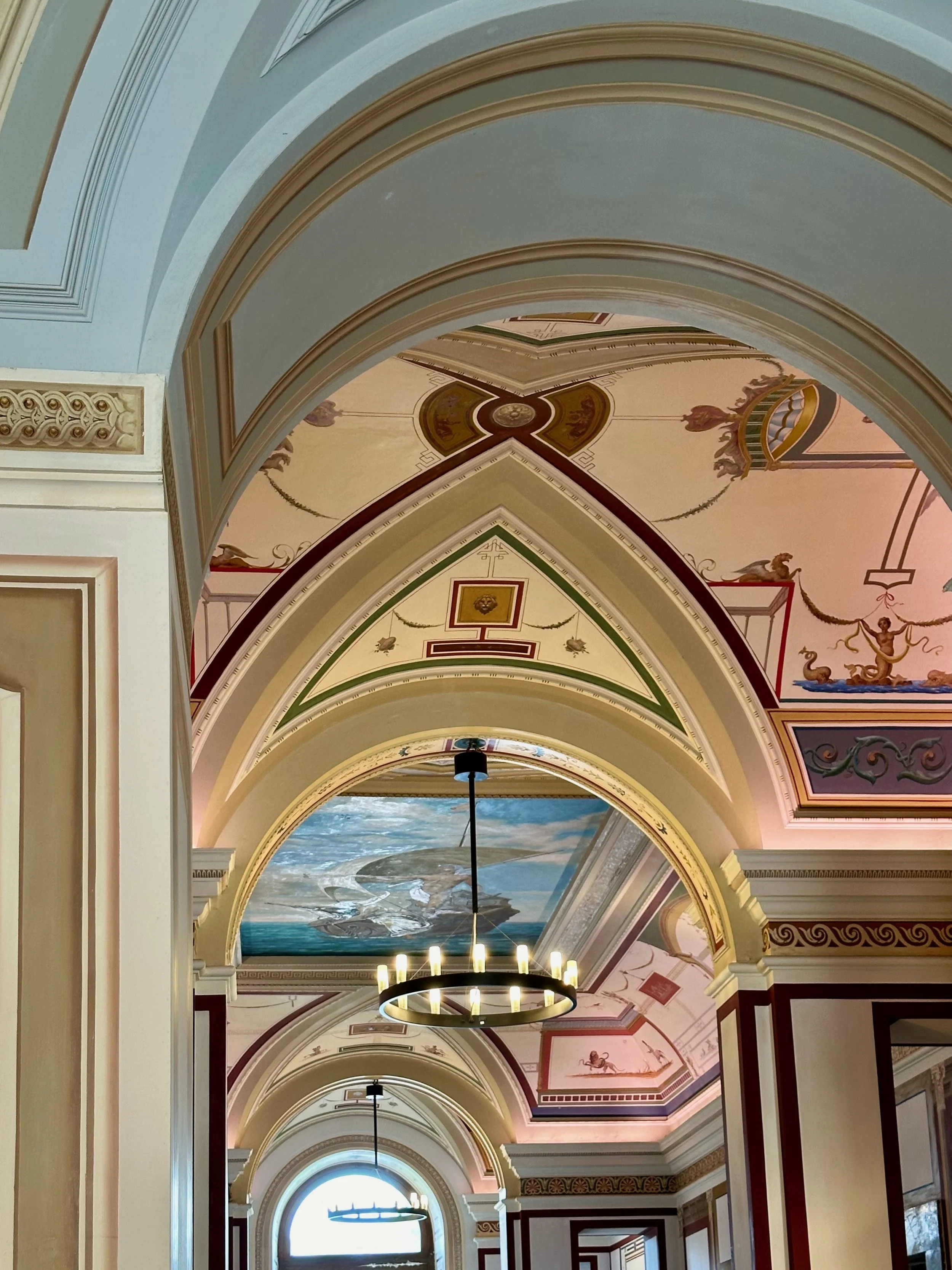
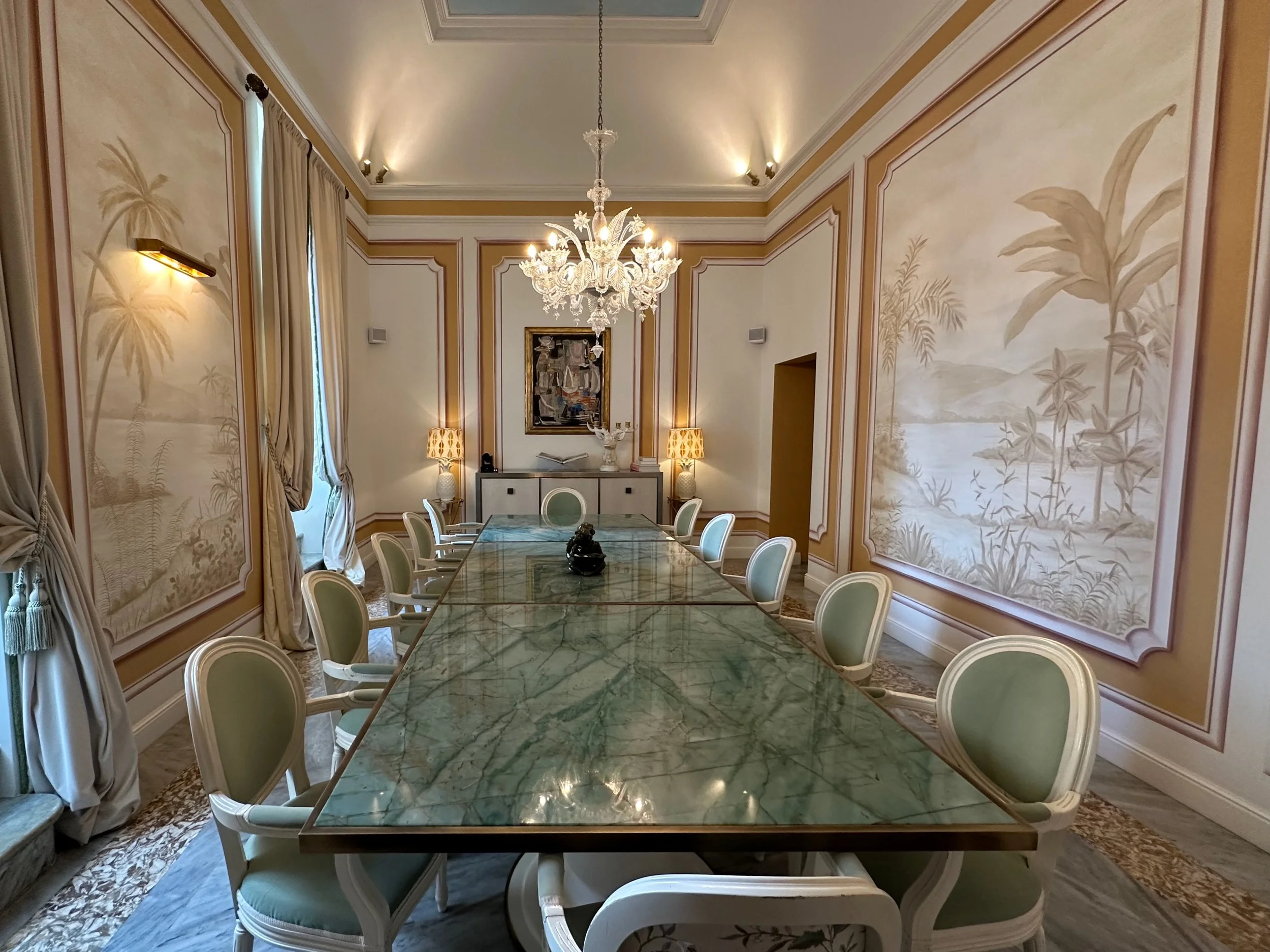
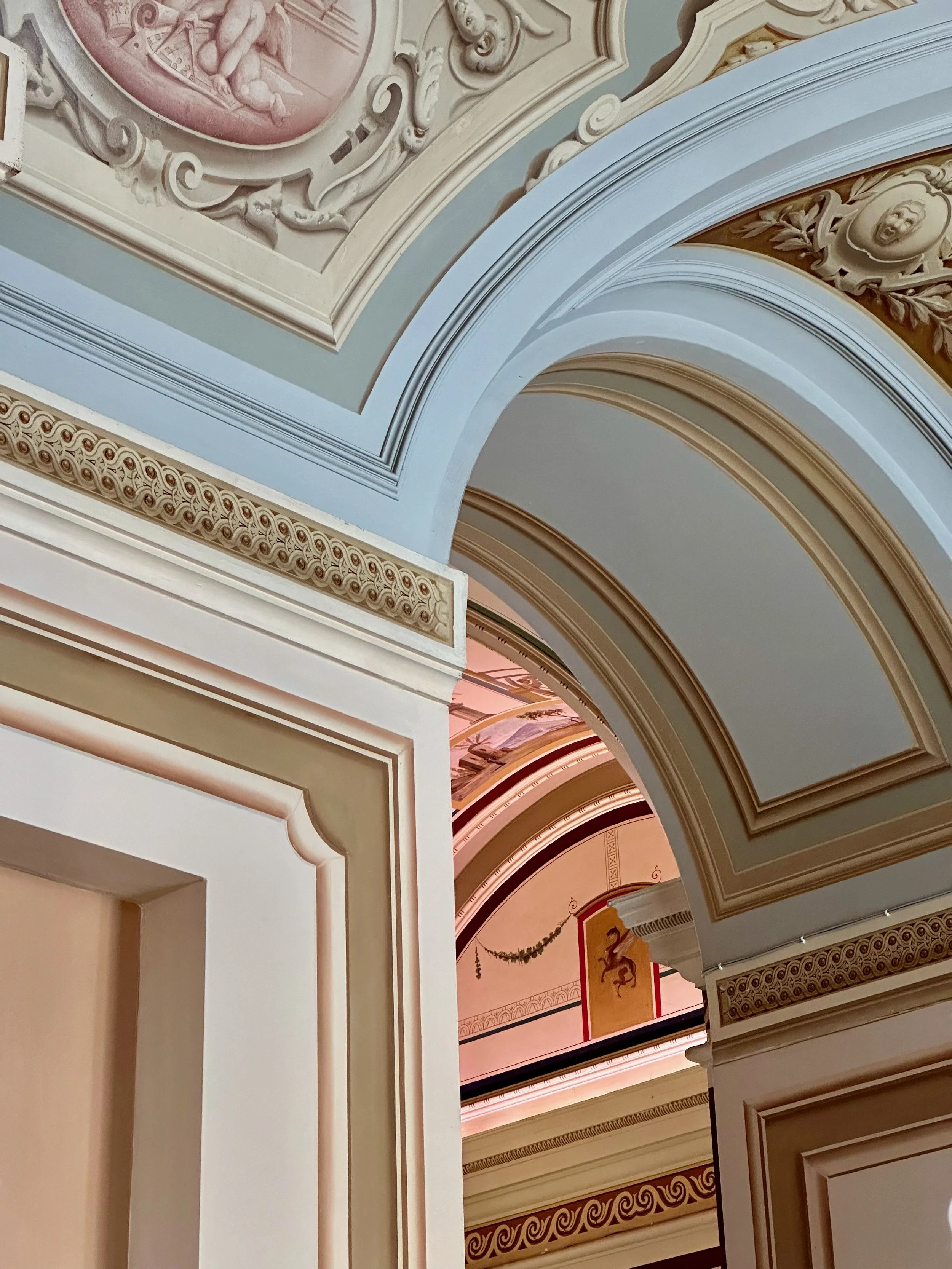
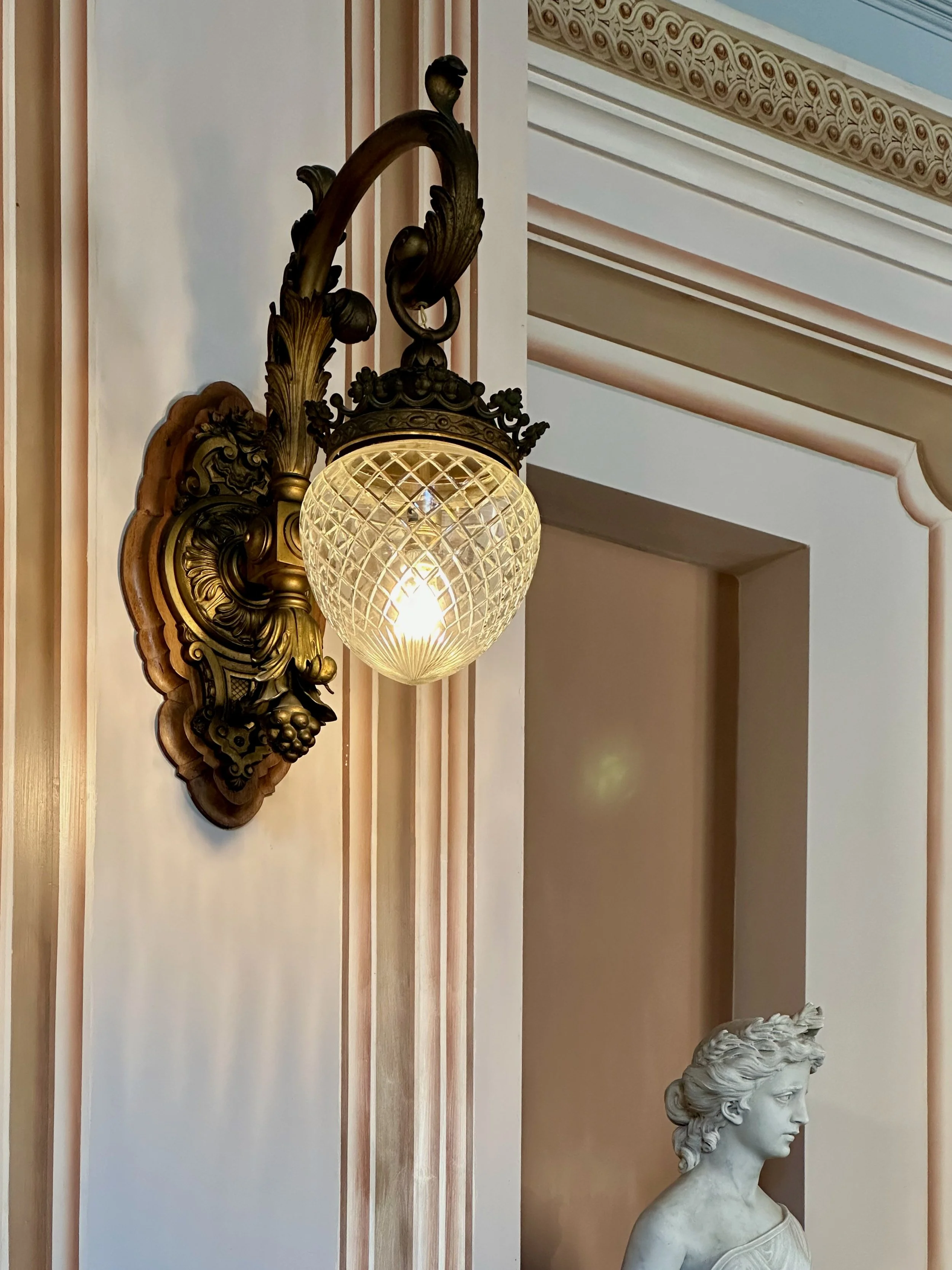
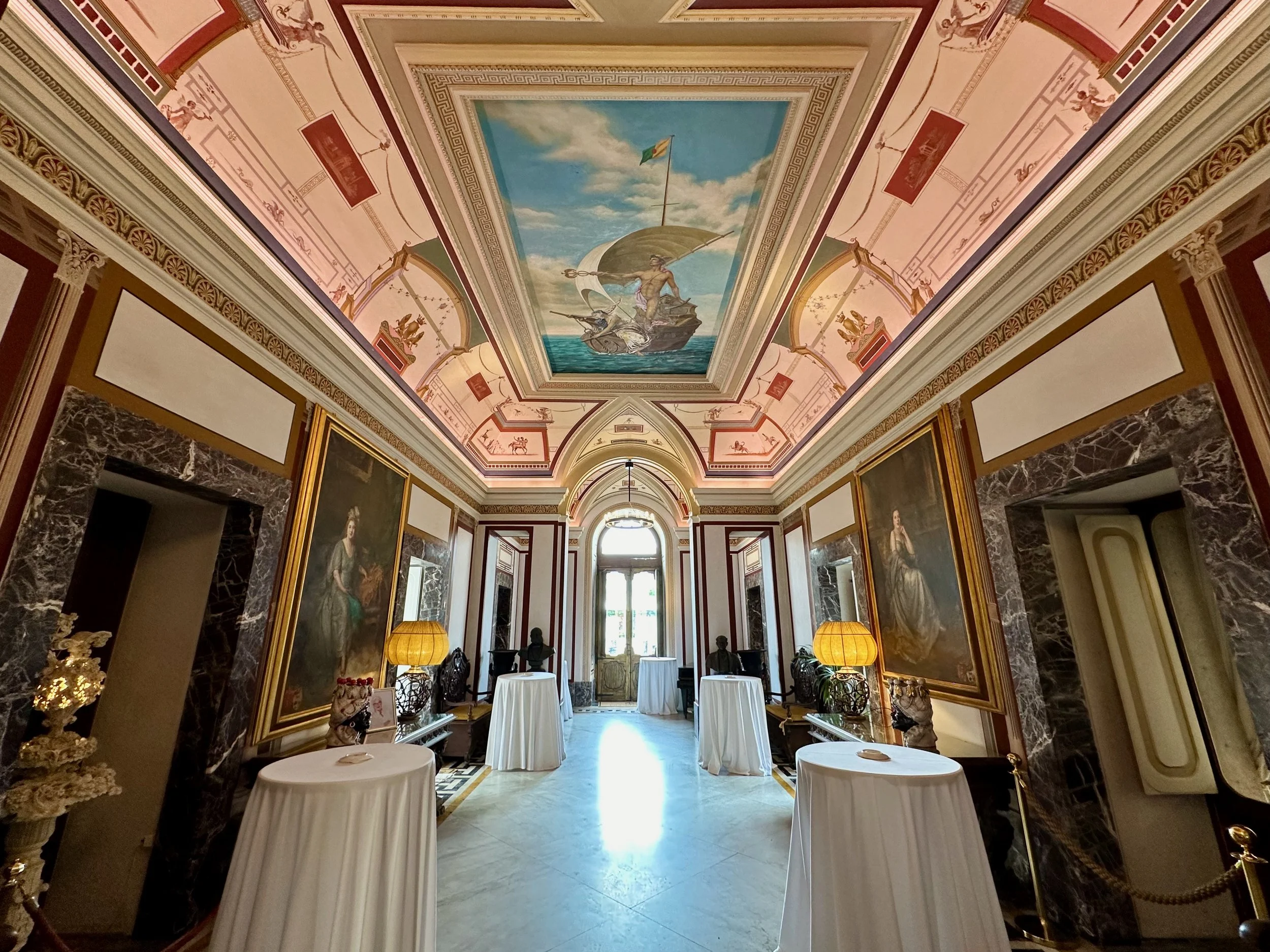
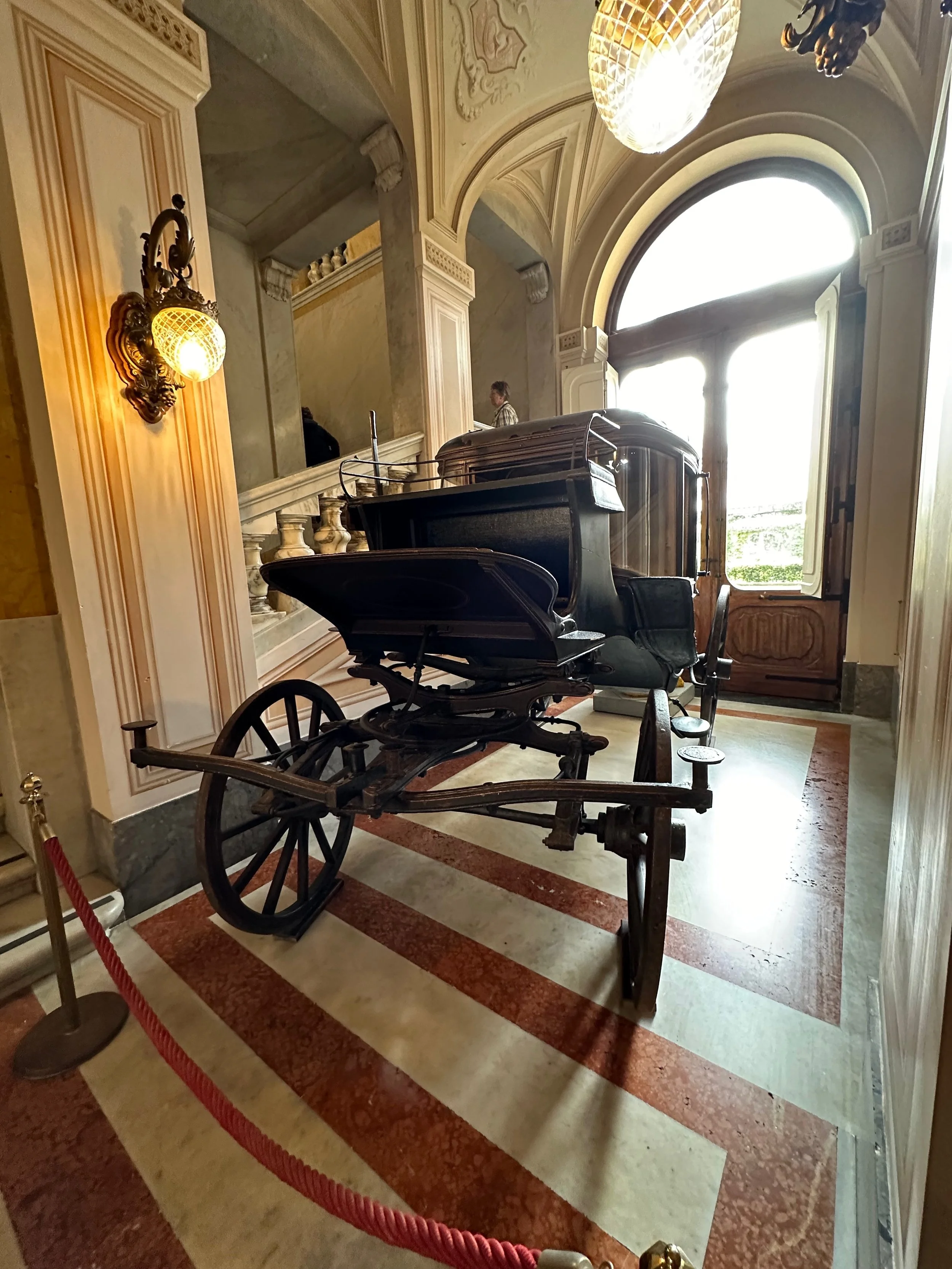
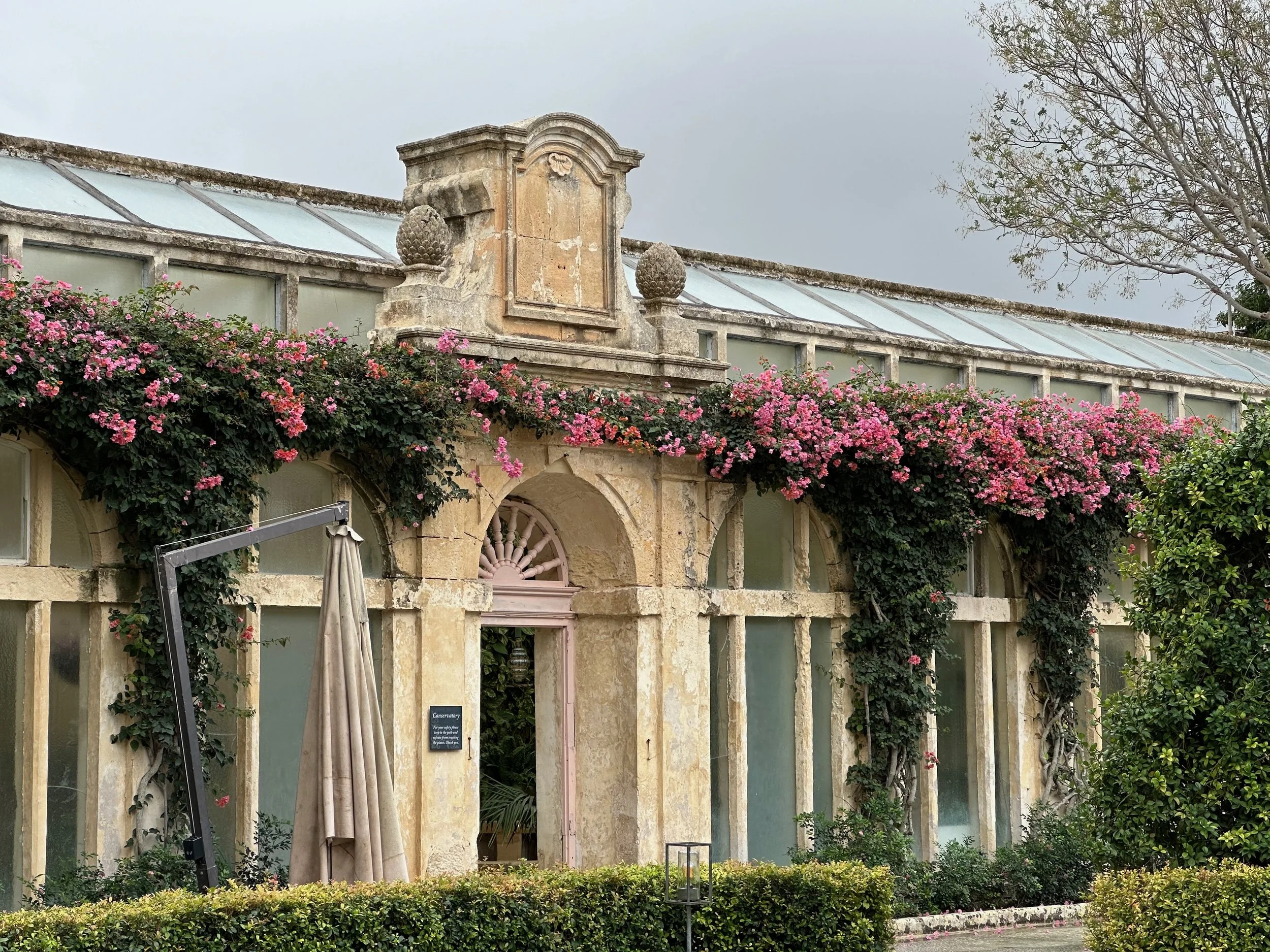
Palazzo Parisio is a stately home dating back to the times of the Knights of St John. It was bought by Marquis Sciclunathe in 1898 and renovated it in the most fashionable Italian style. Still in much the same condition as when it was renovated, it offered an insight into the decadence of Malta’s nobility at the time. The walled gardens, which weren’t really viewable to us, are part of the Grandi Giardini Italiani Collection, the only garden outside of Italy to bear that prestigious honour. Palazzo Parisio is now home to the Luna Restaurant. Guests can partake in breakfast, lunch, afternoon tea or dinner, and the venue cab also be booked for weddings, galas, fashion shows or corporate events. Below are images from the palazzo.
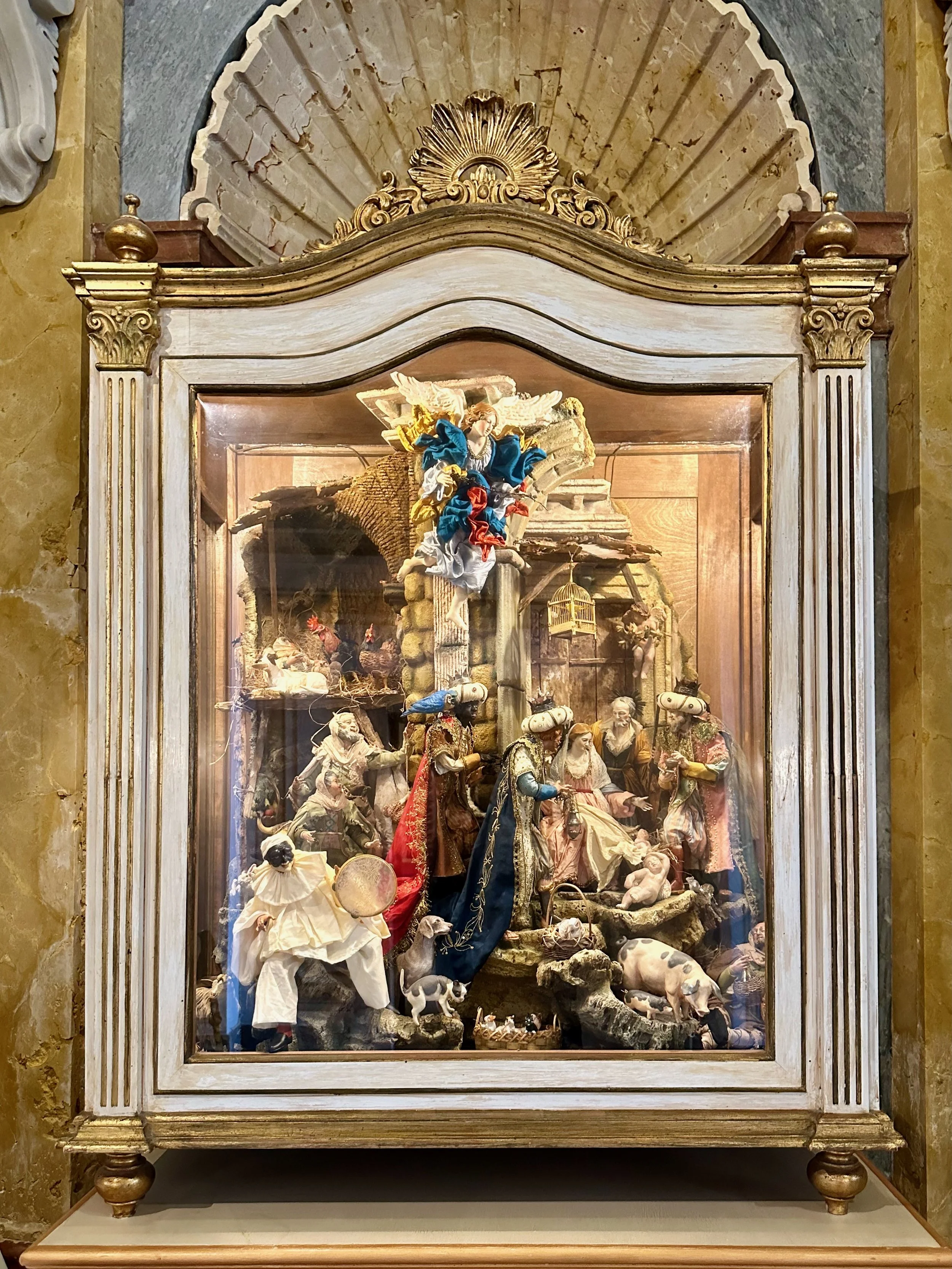
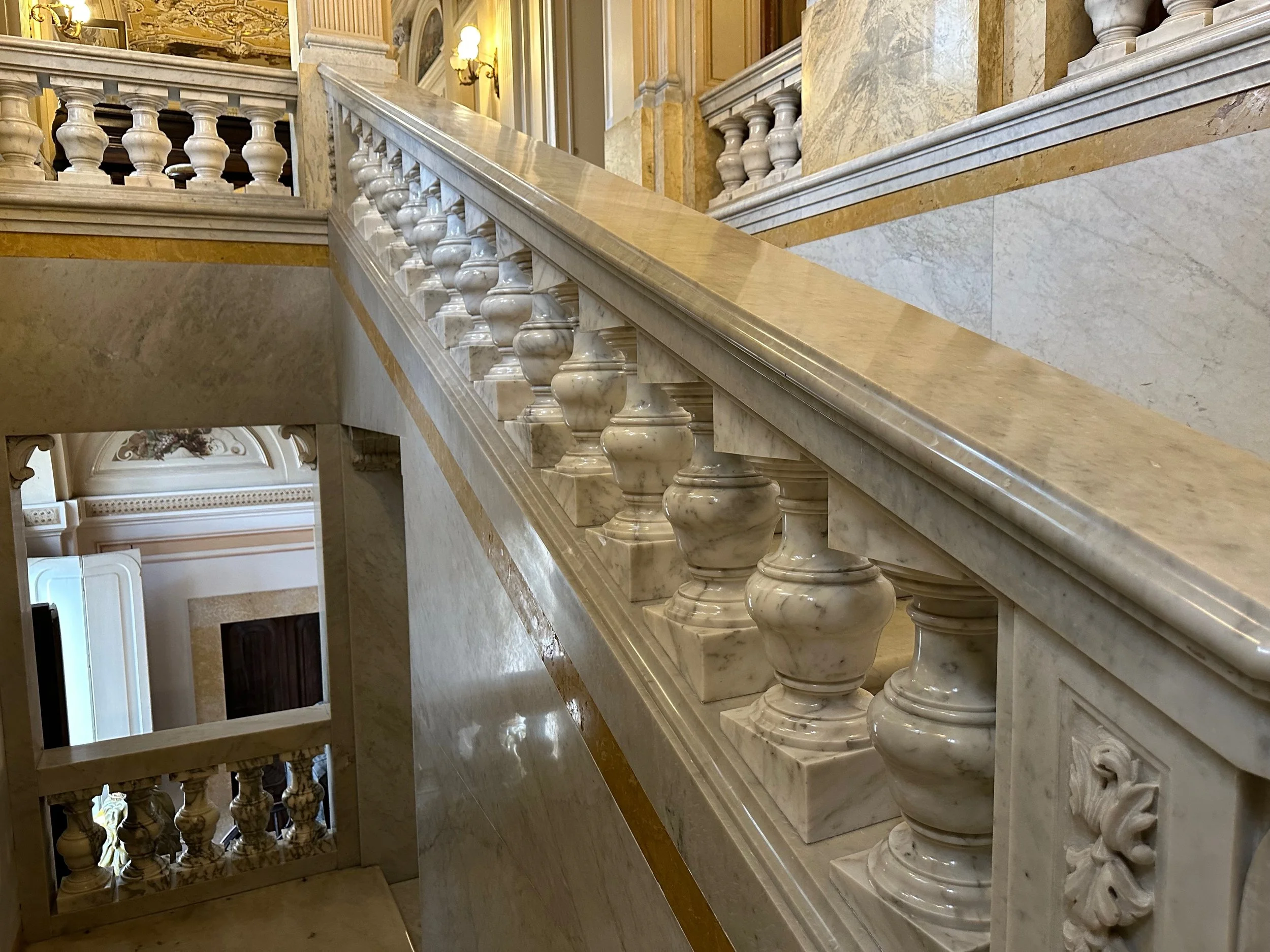
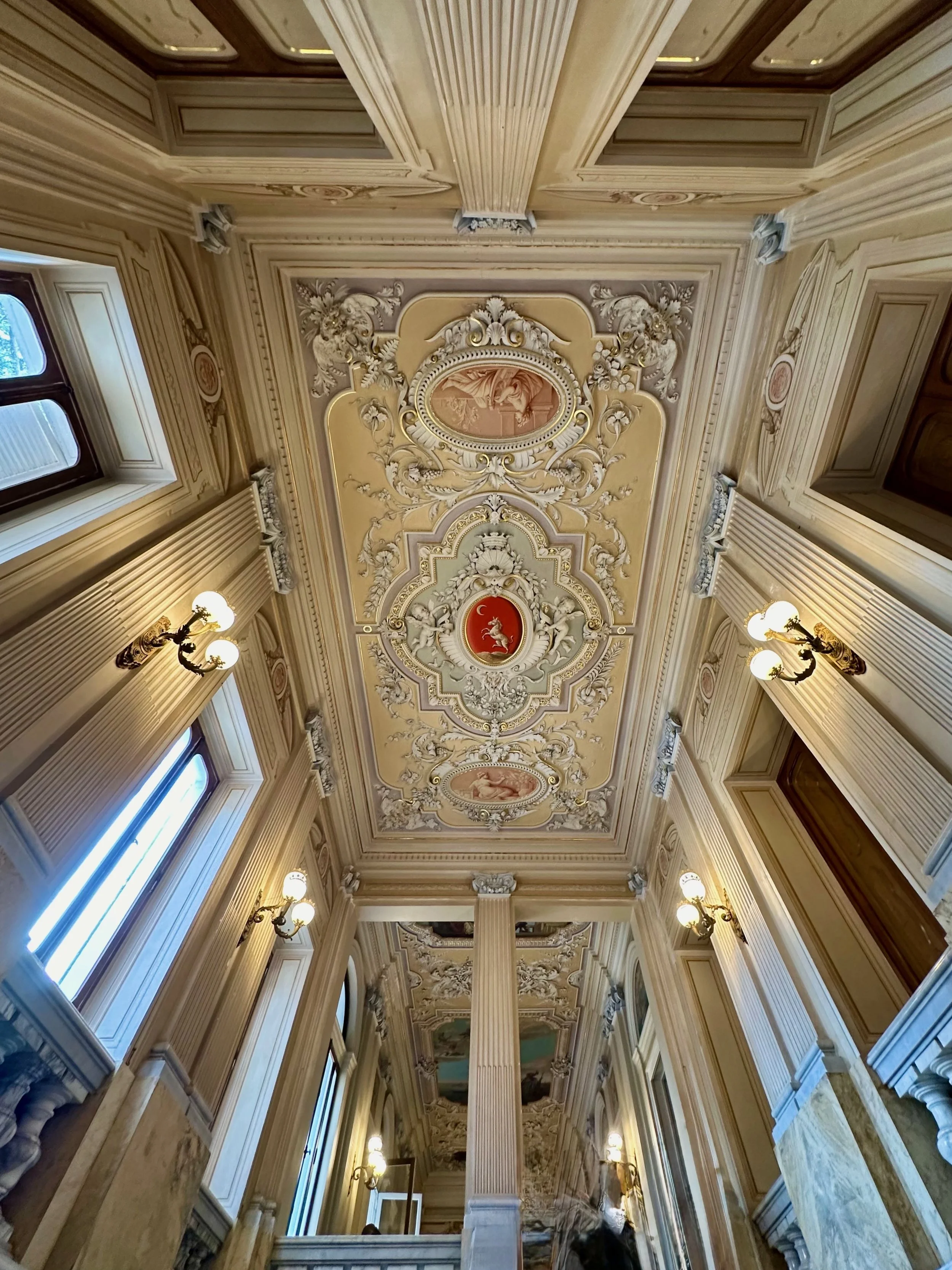
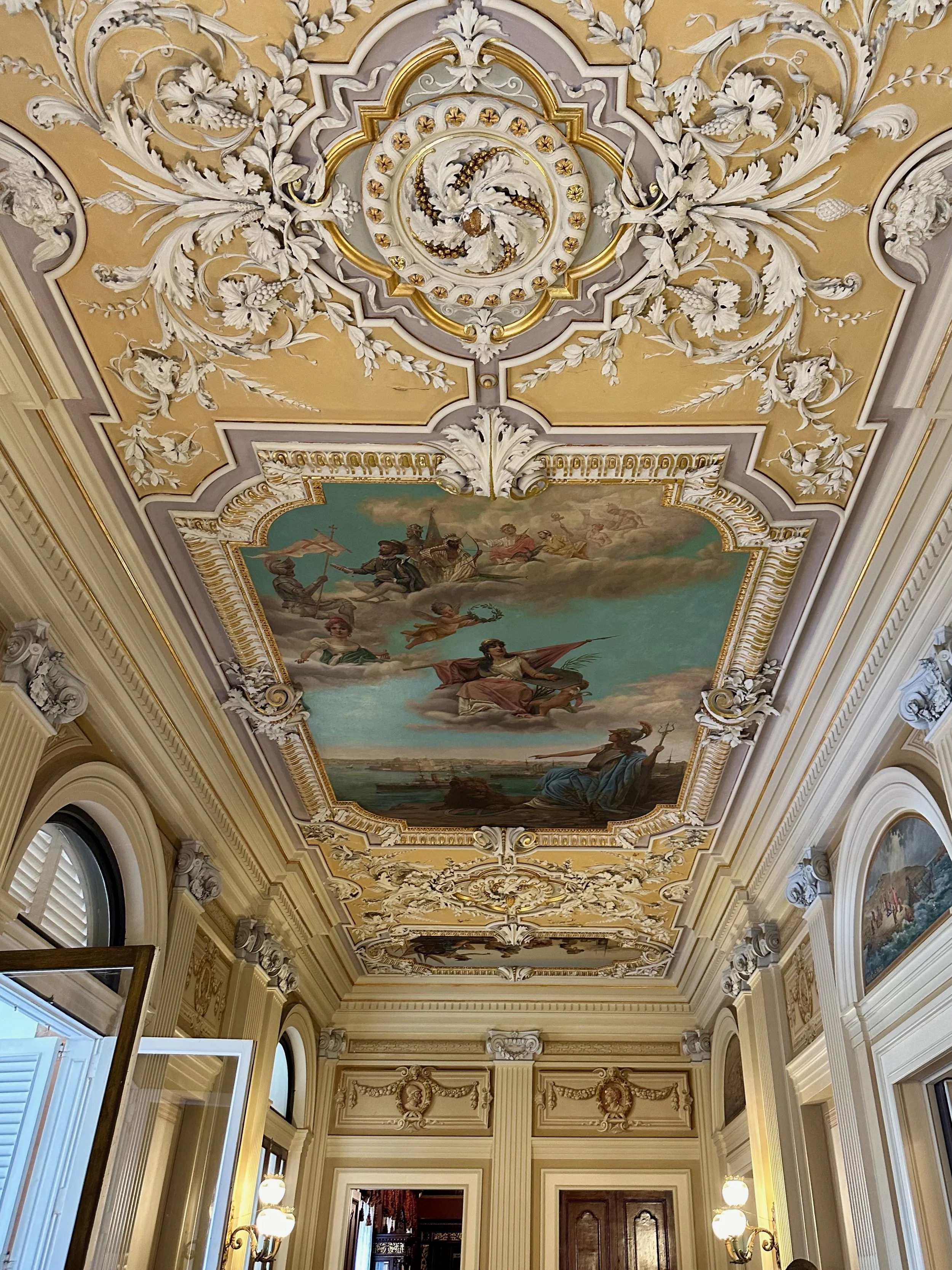
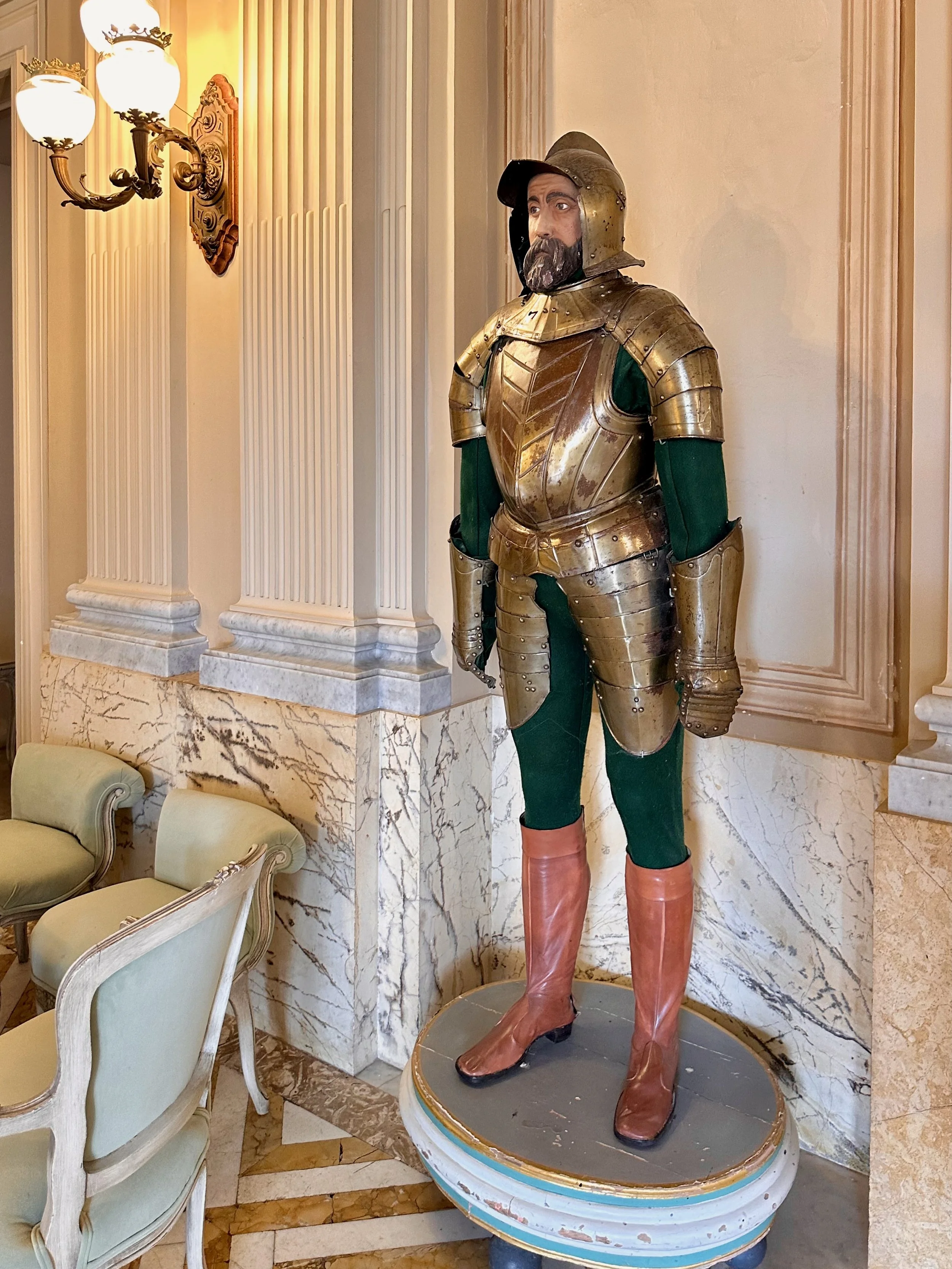
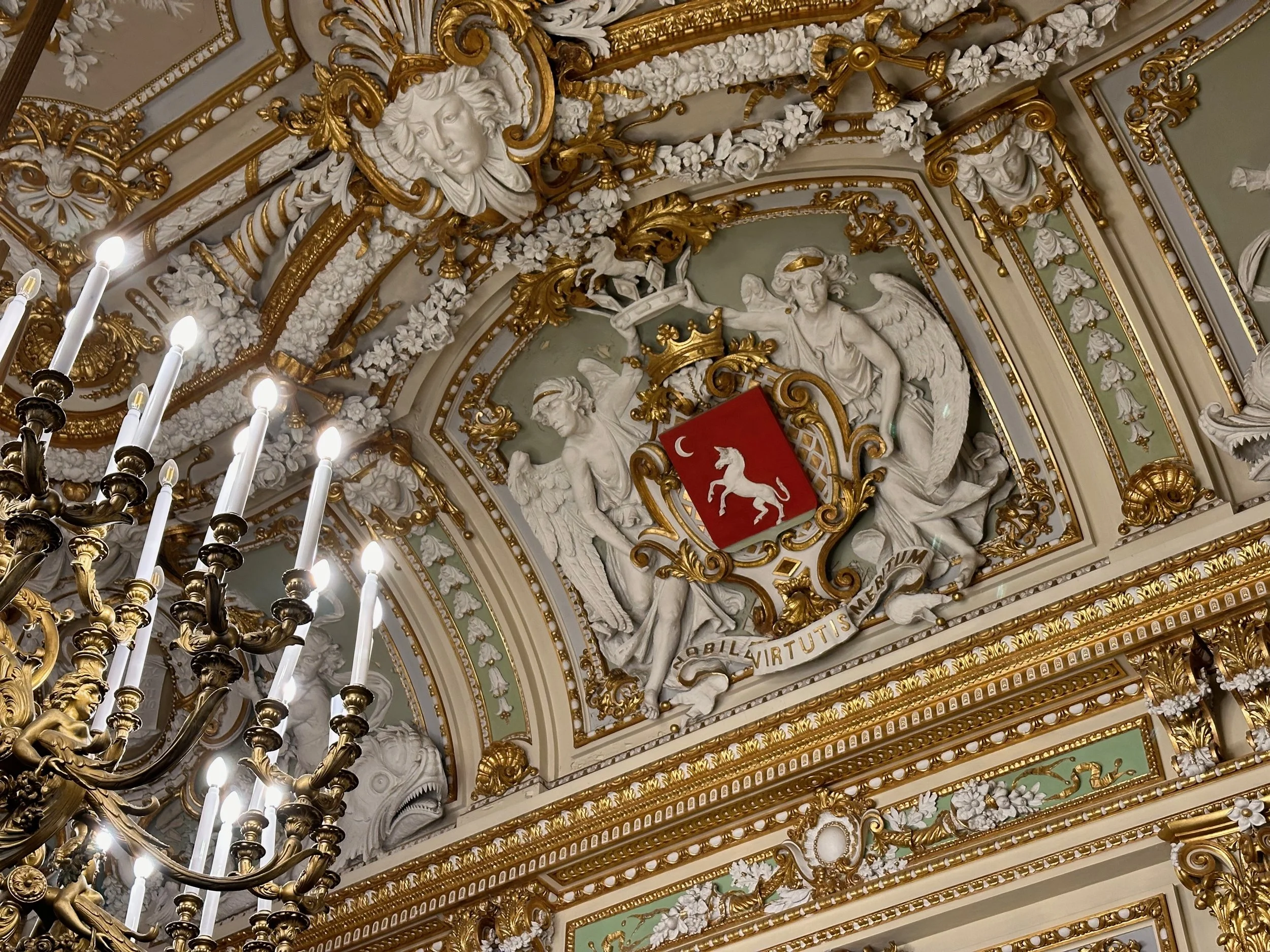
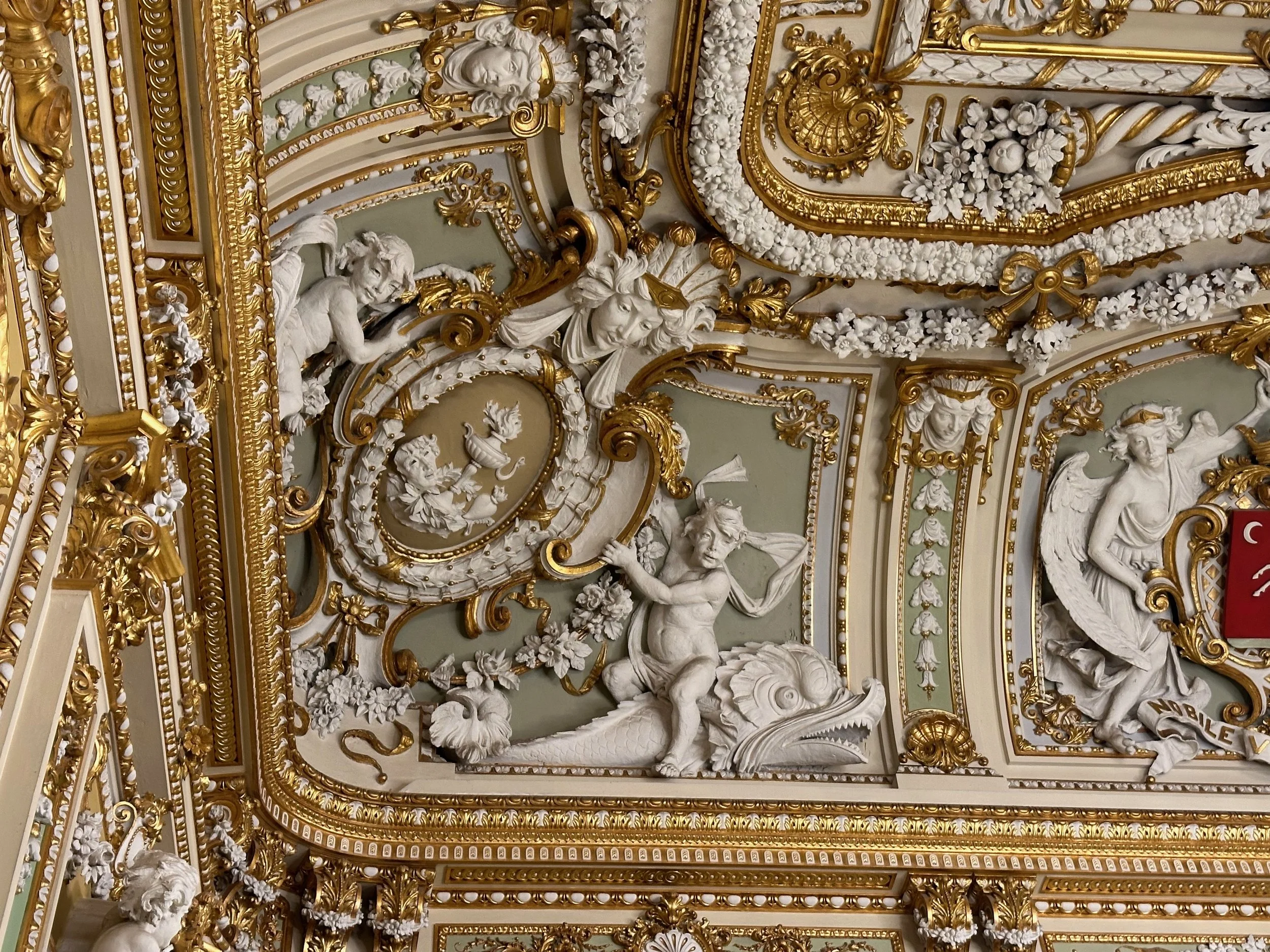
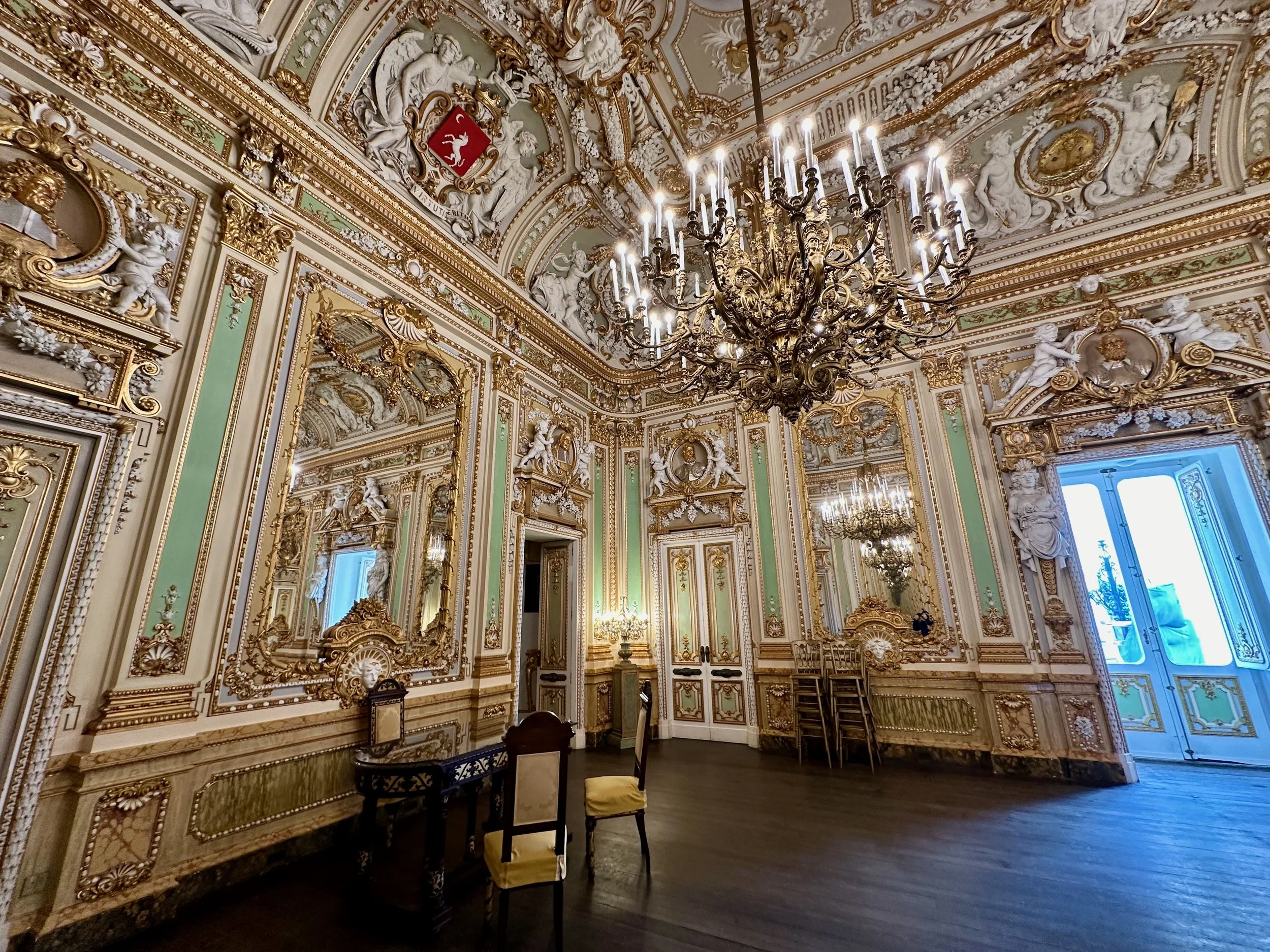
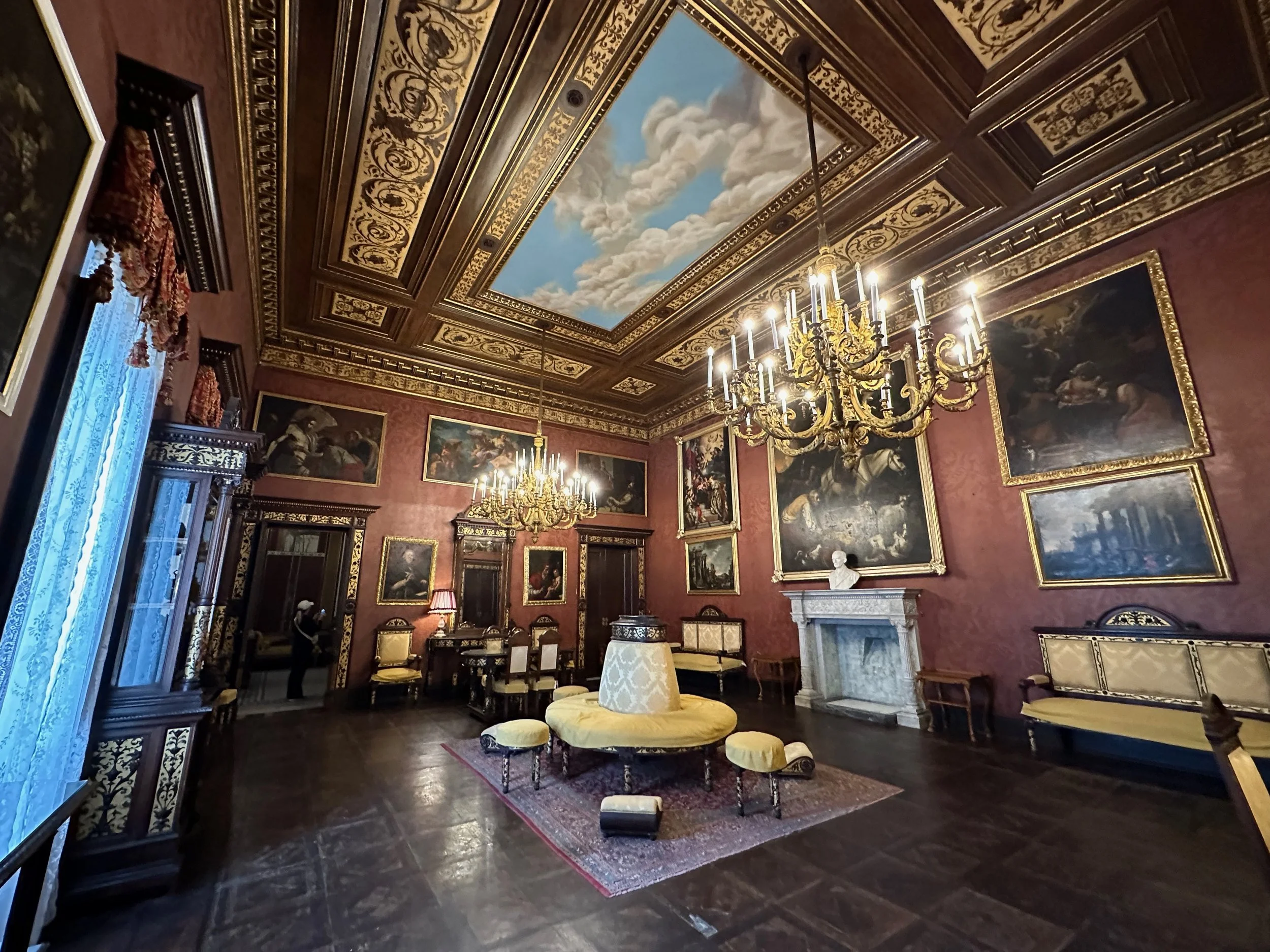
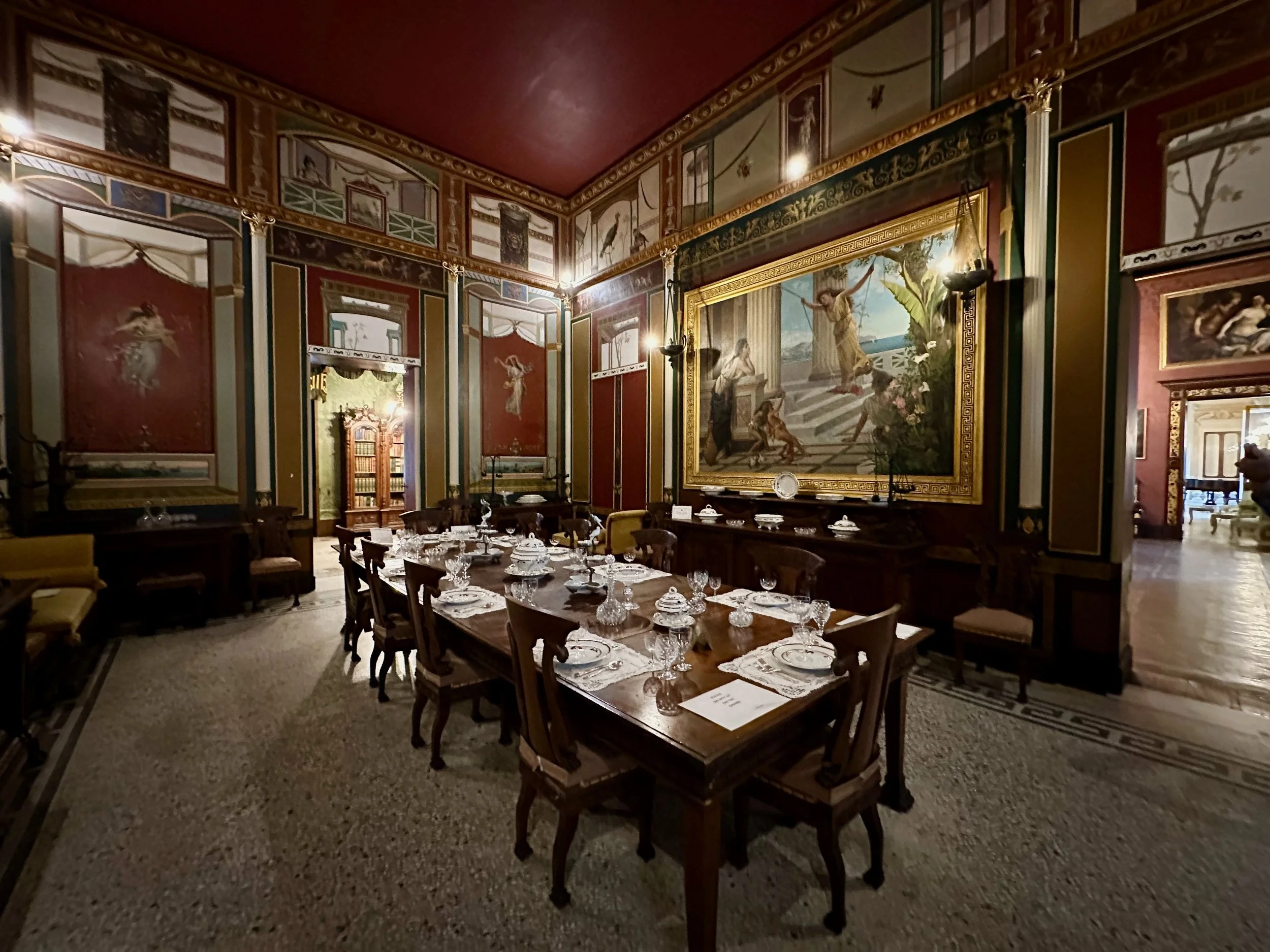
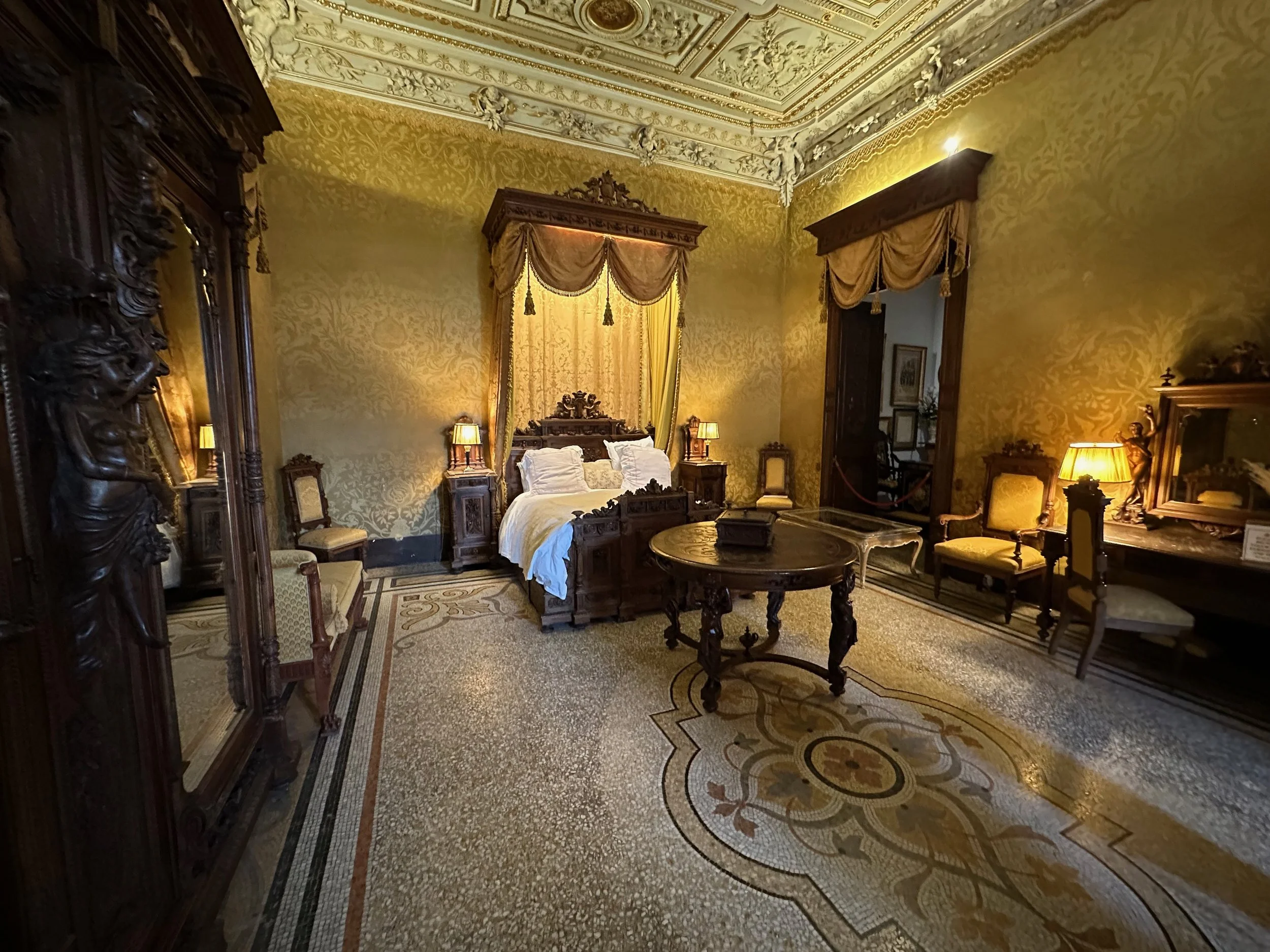
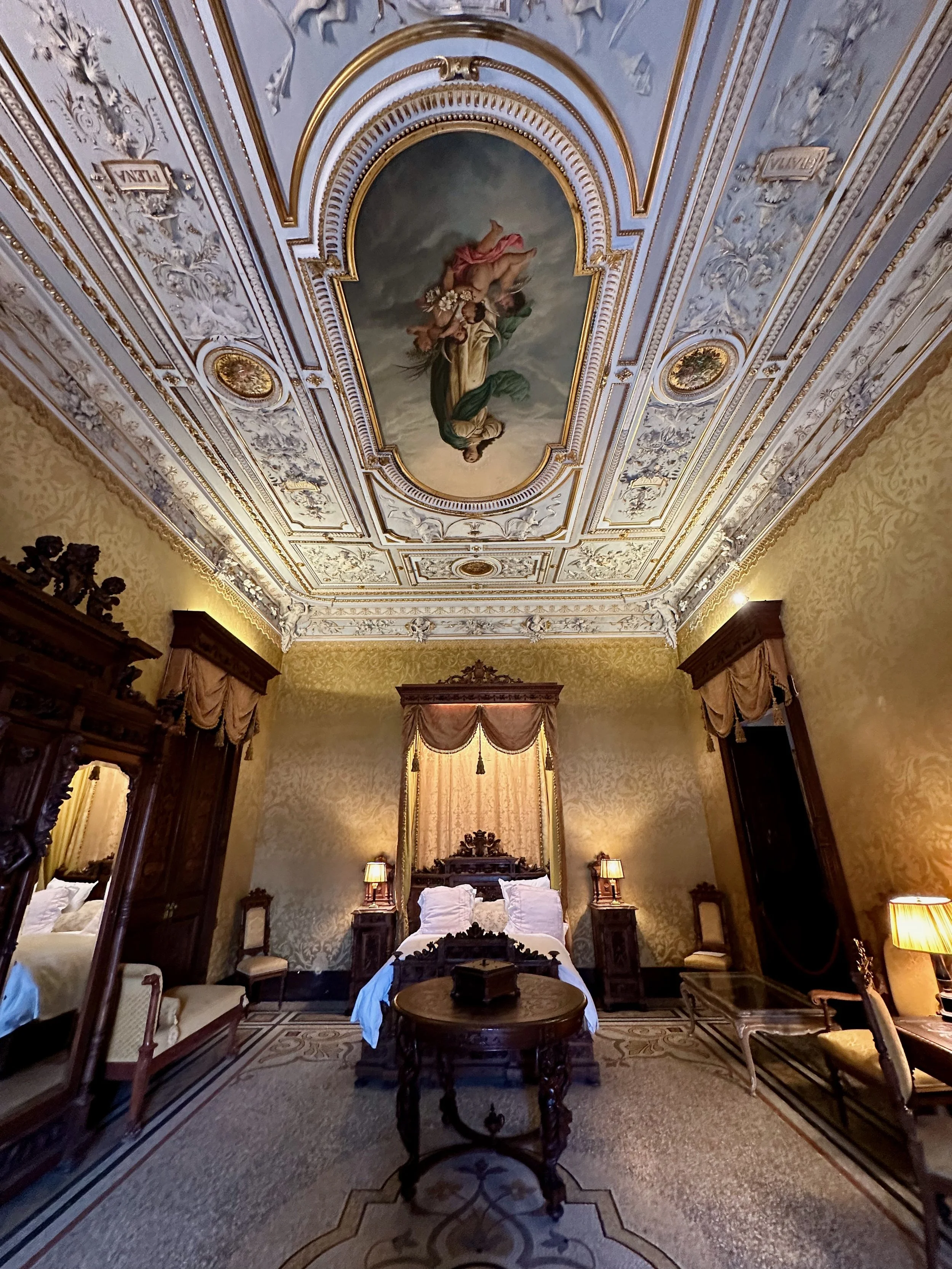
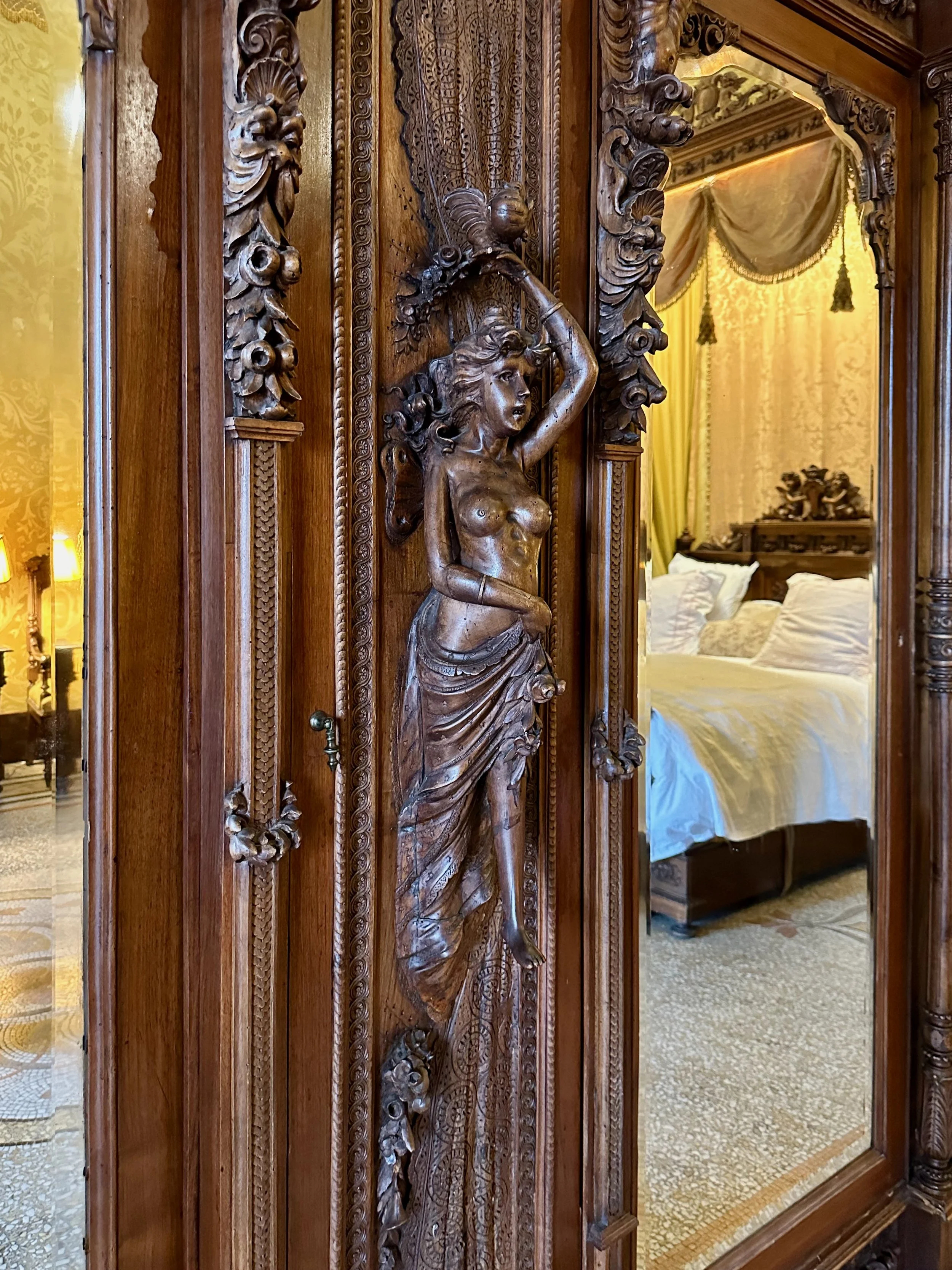
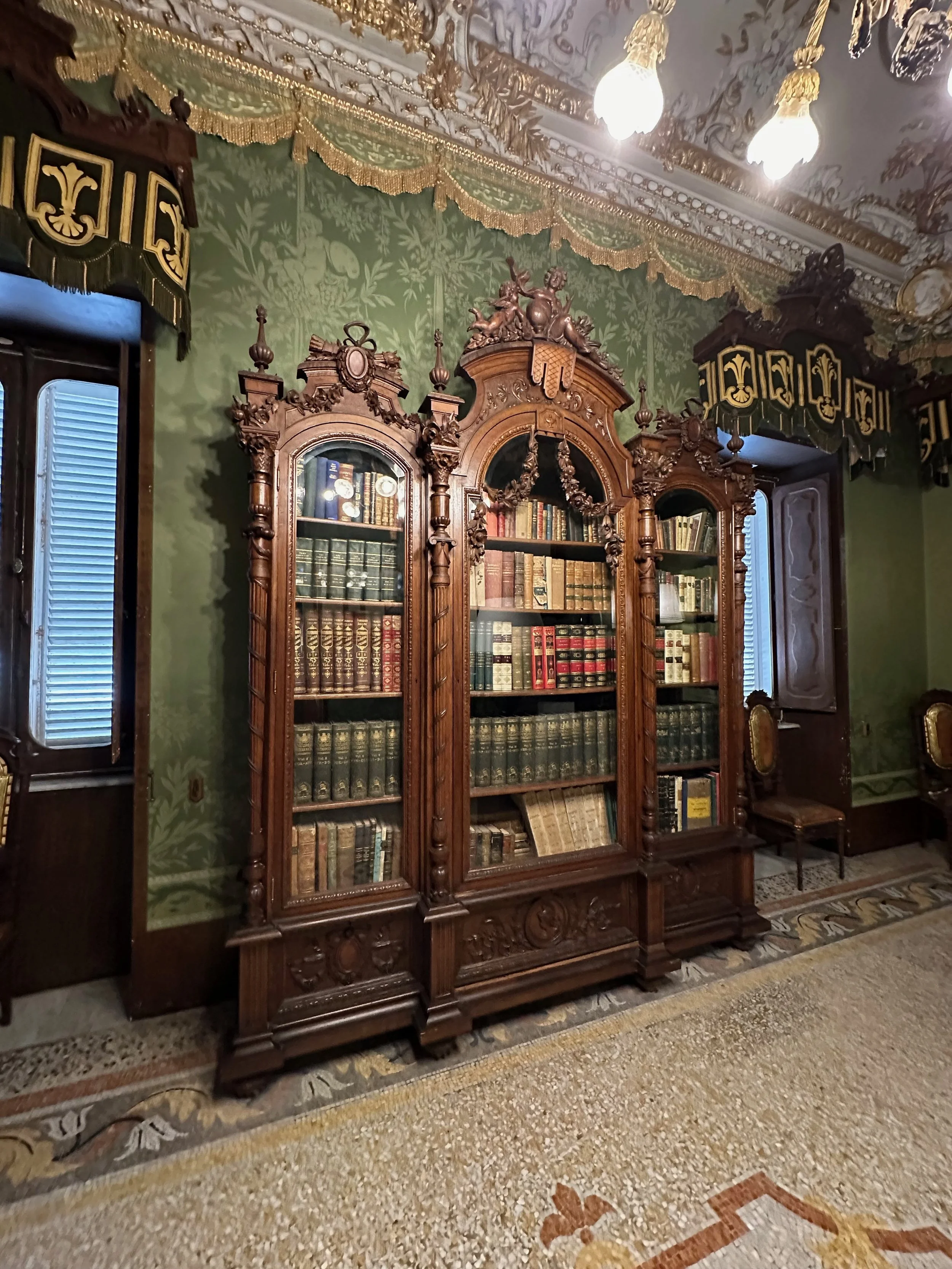
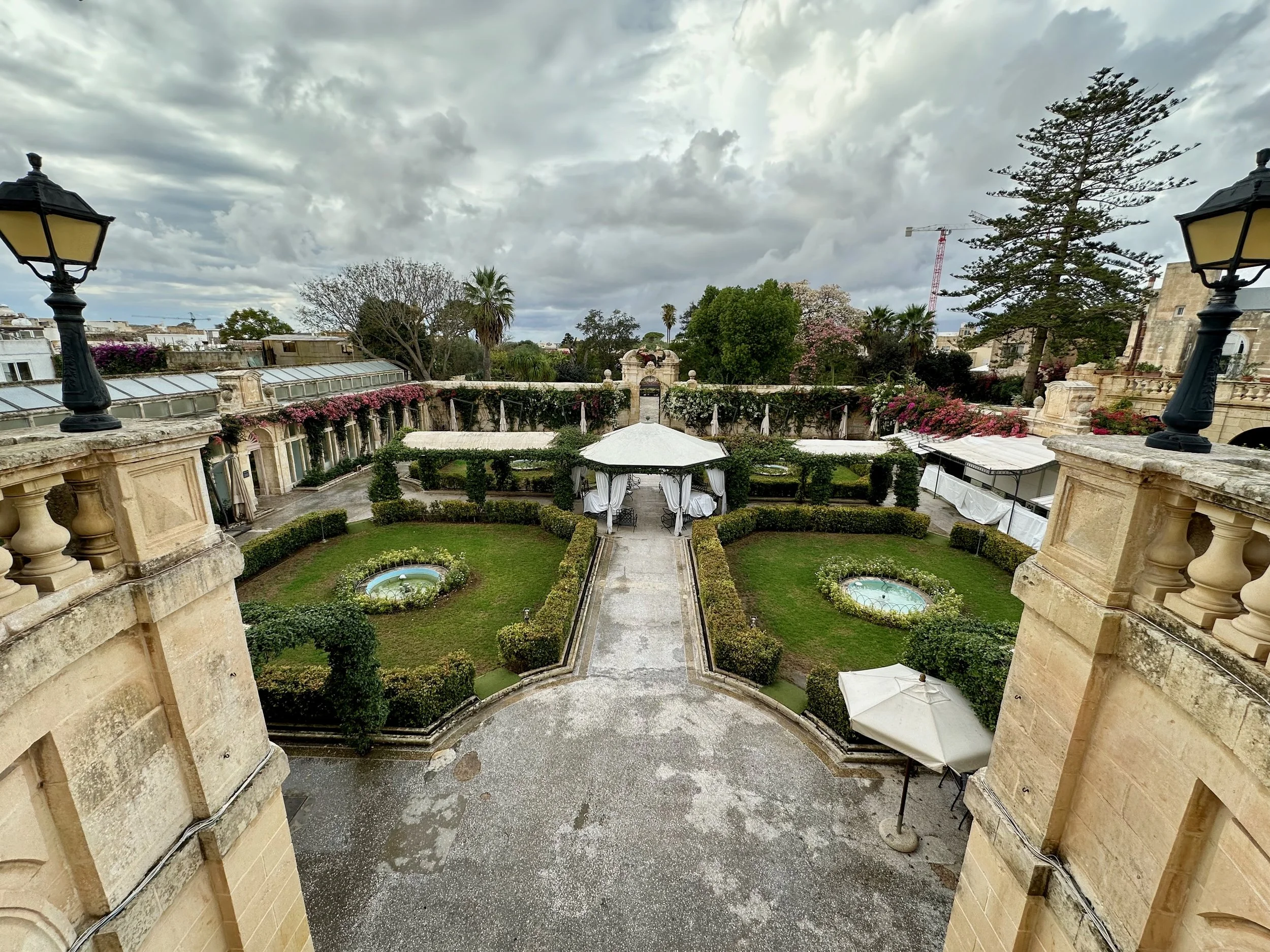
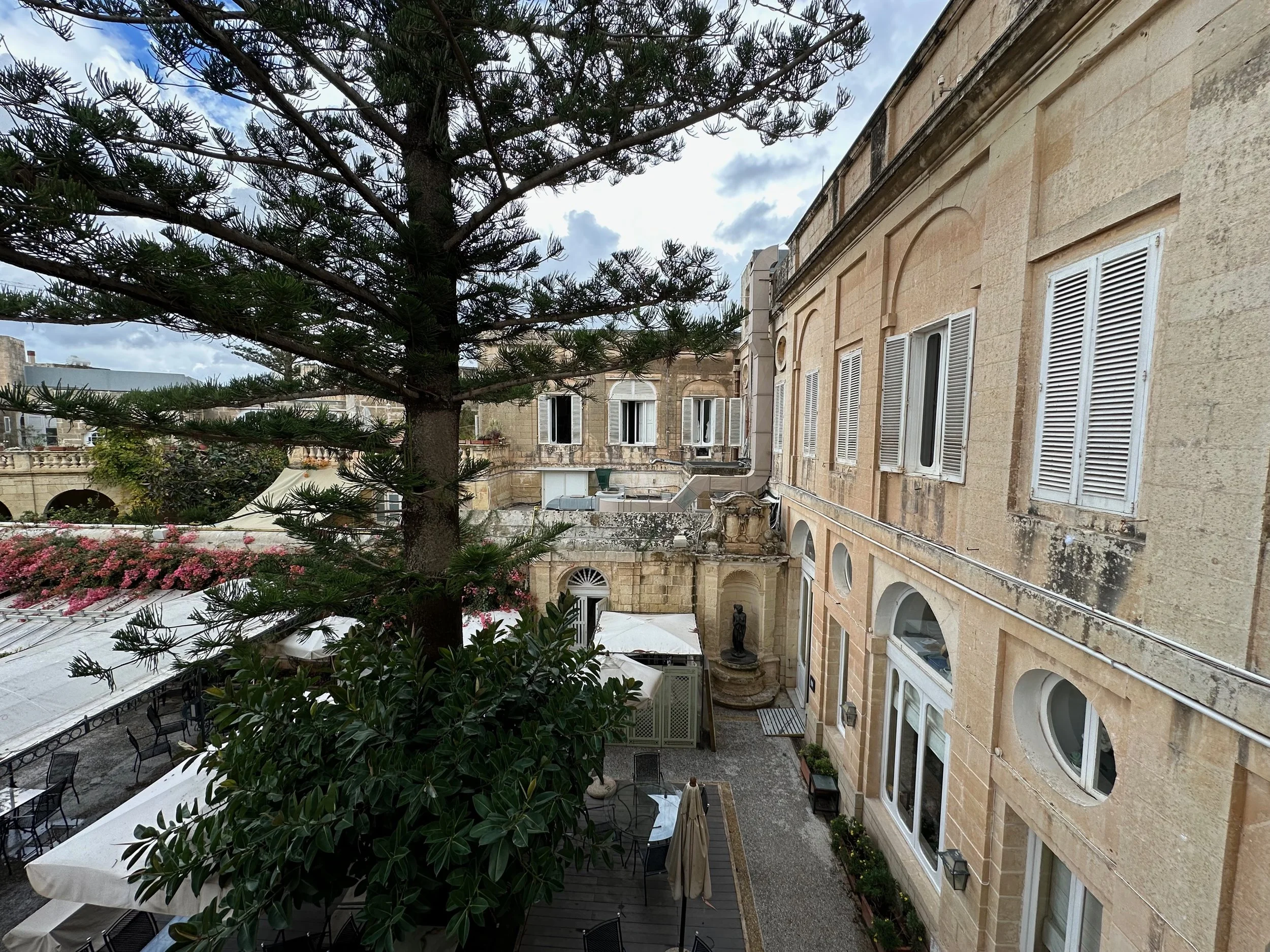
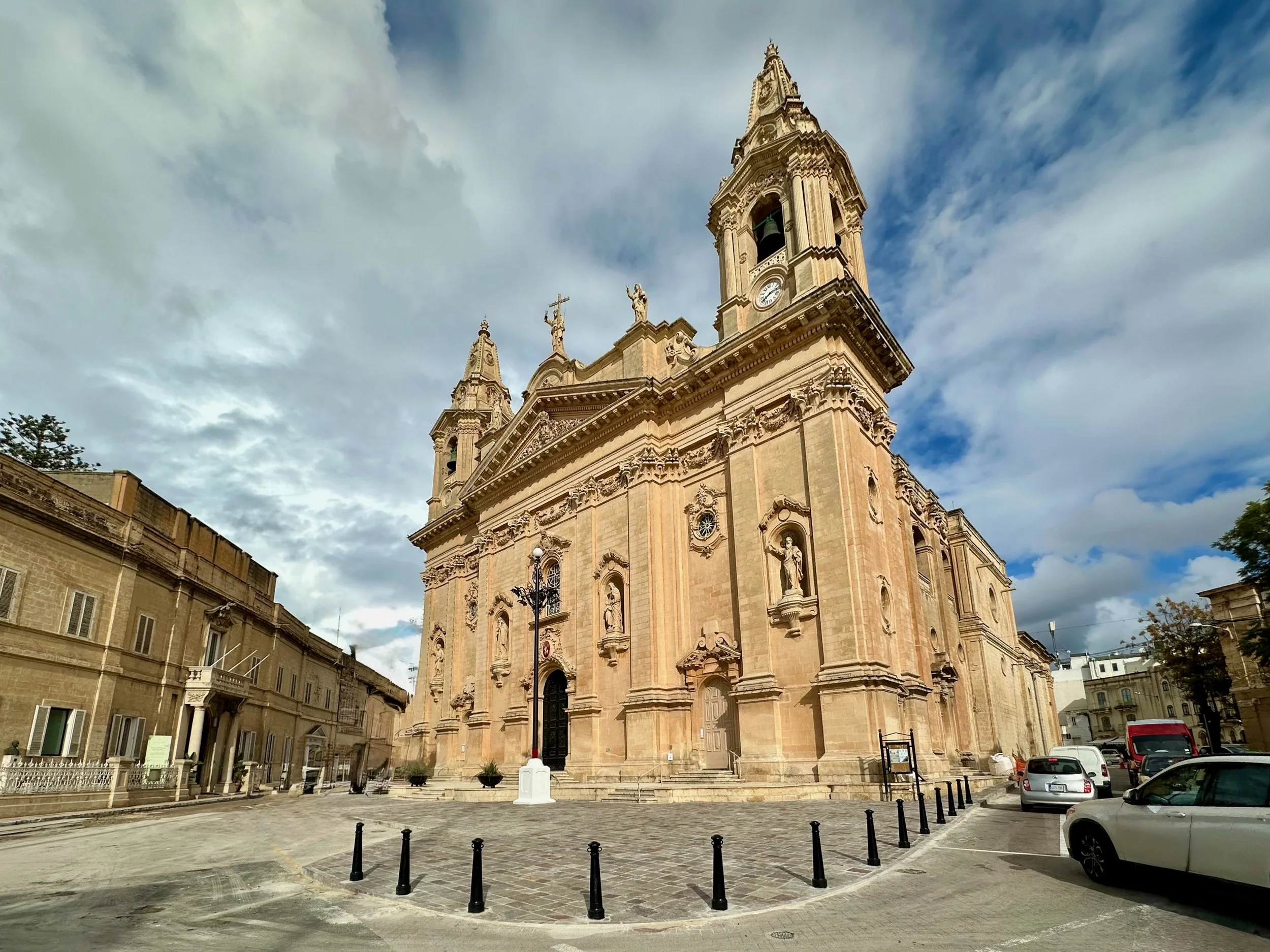
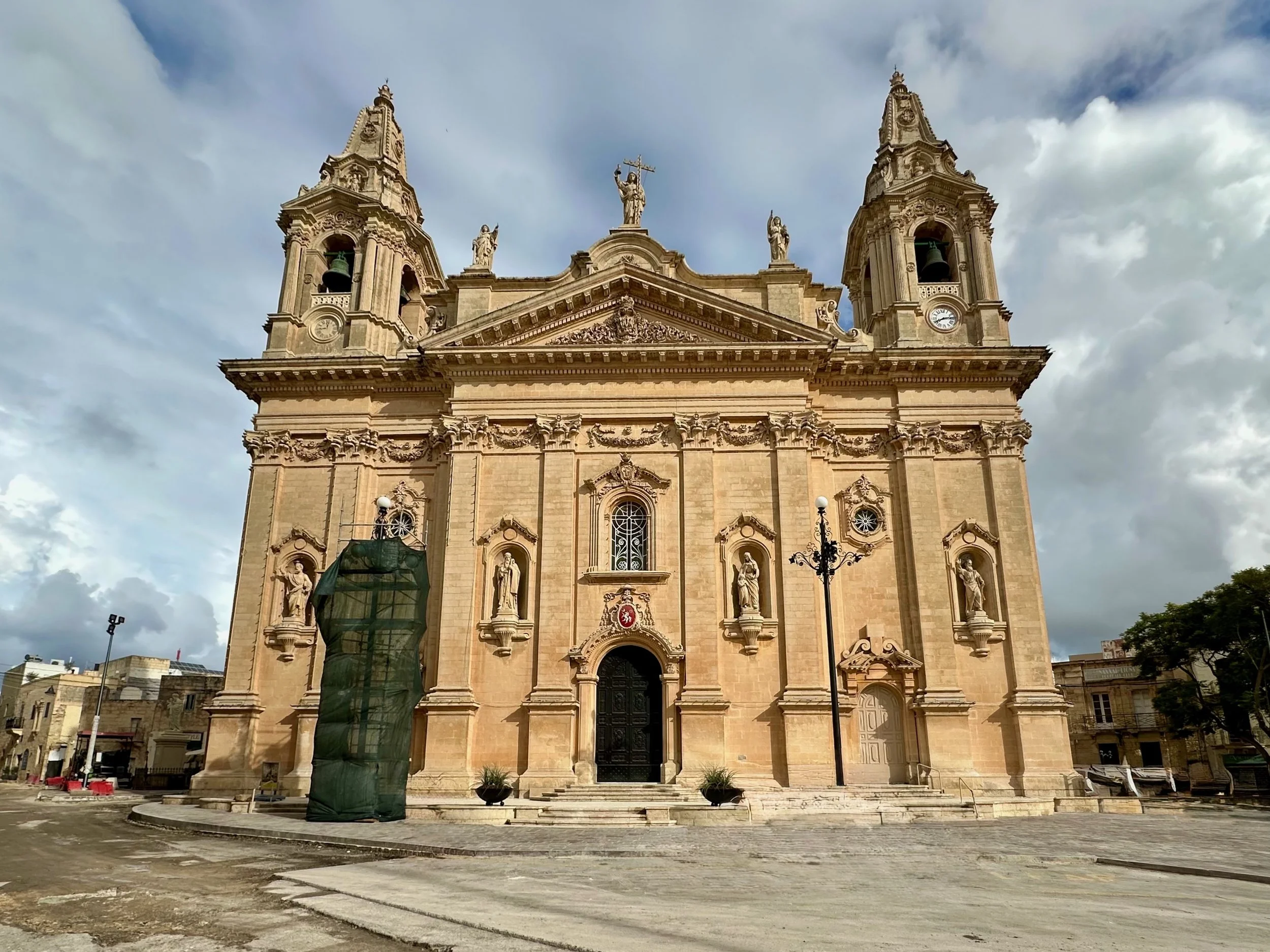
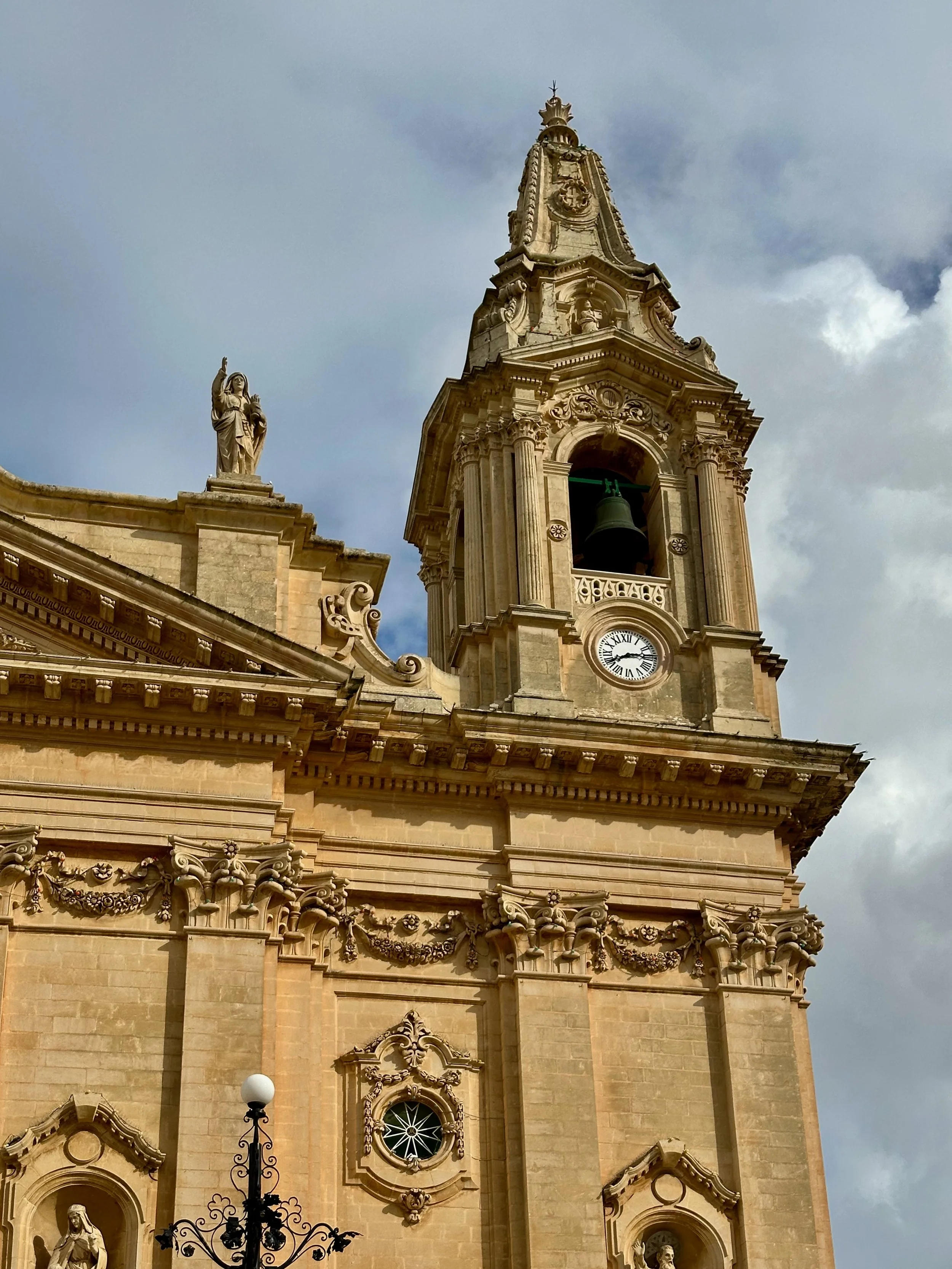
The humble door to the Parrish Church.
Literally across the street from Palazzo Parisio, in this northern village known as Naxxar, is the Parish Church of Our Lady. Locally known in the Maltese language as Knisja Parrokkjali tal-Madonna ta’ Naxxar, it’s listed as being among Malta’s most significant churches, and dedicated to “Our Lady of the Assumption”. It’s the heart of the local Catholic community, with bells ringing throughout the town each Sunday. Unfortunately we were only shown the exterior of the church while getting off the bus and going into the palazzo. A real shame as photos of the interior found online are spectacular.
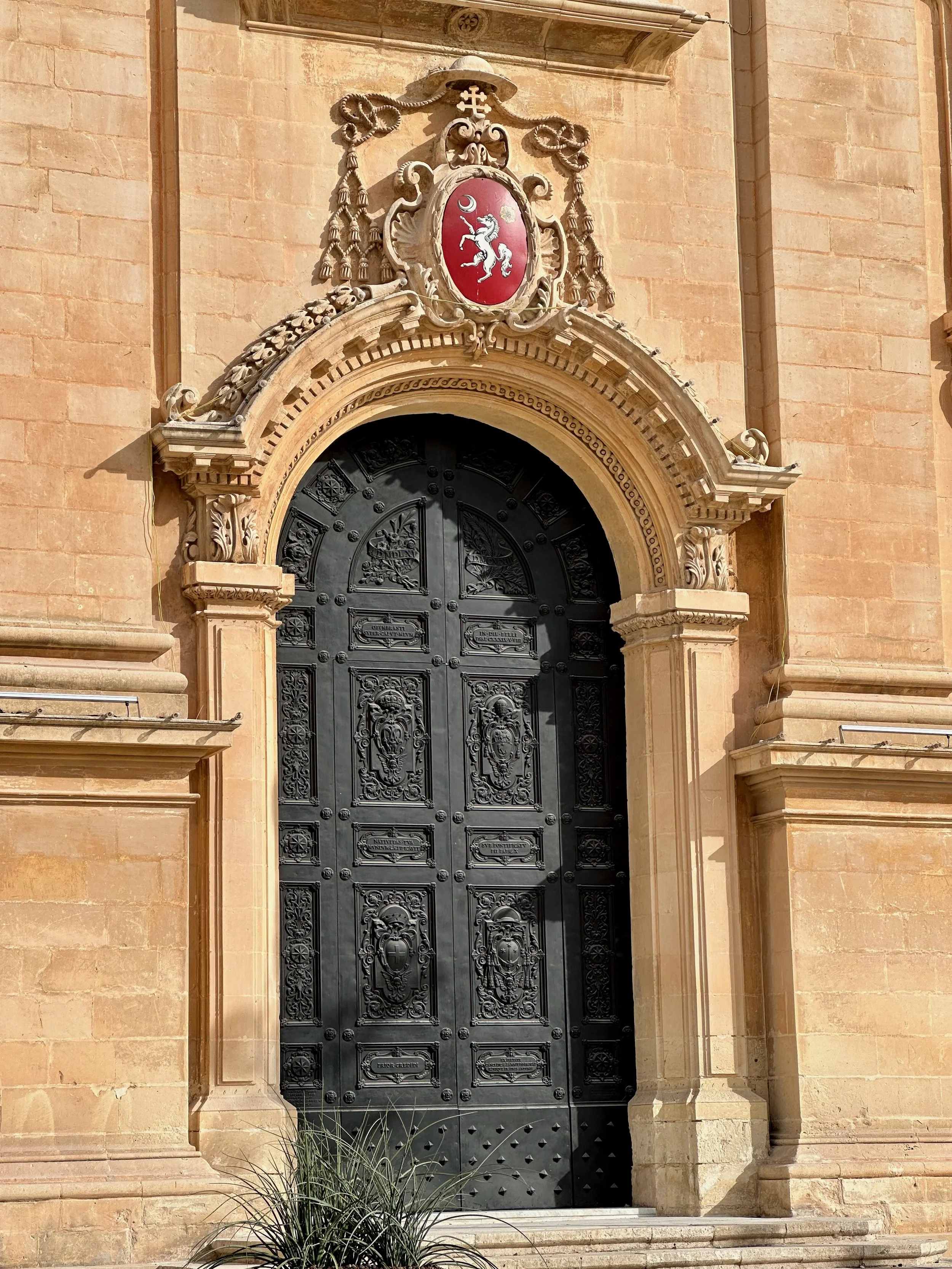
The Fortress City of Valetta
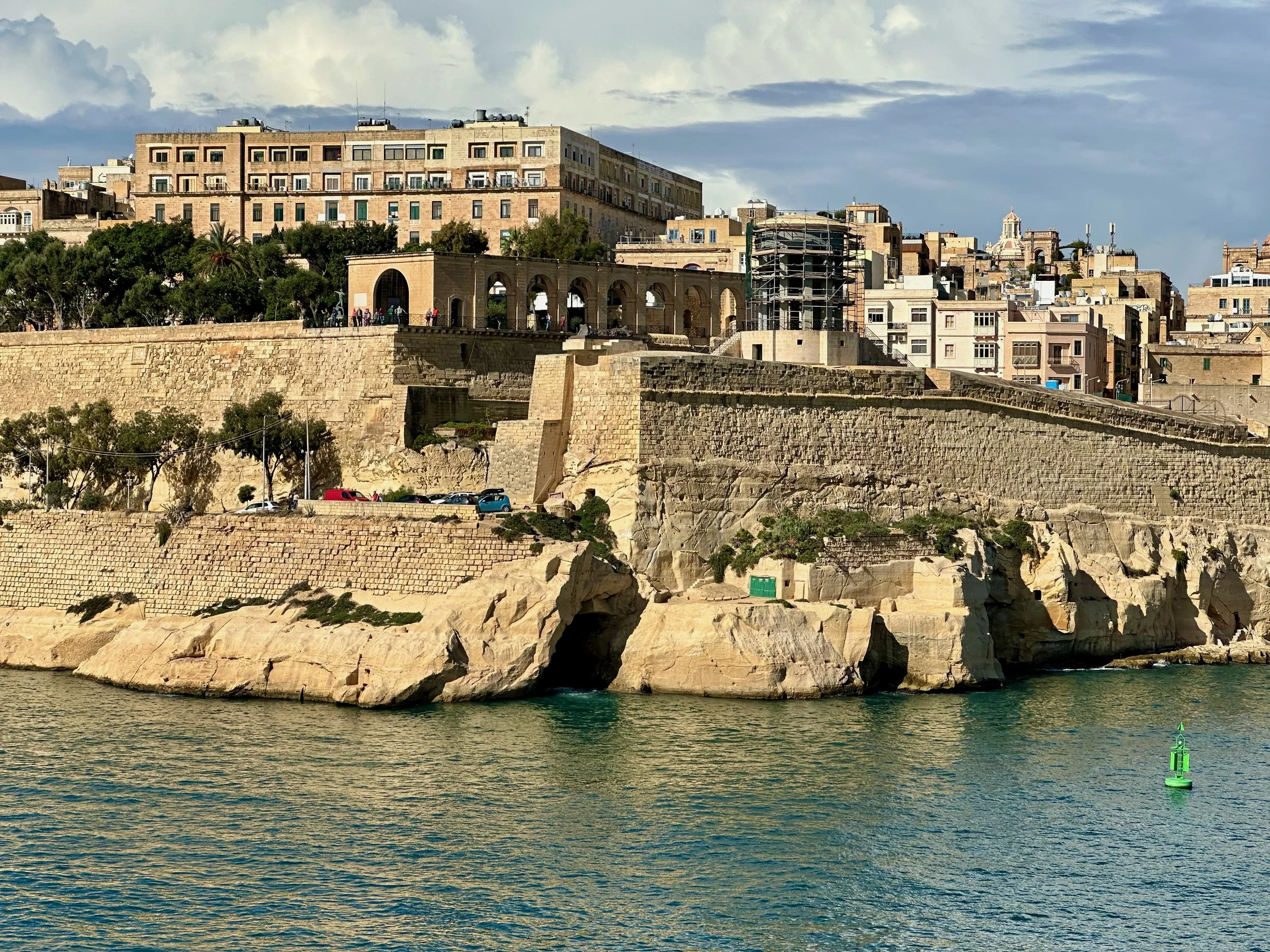
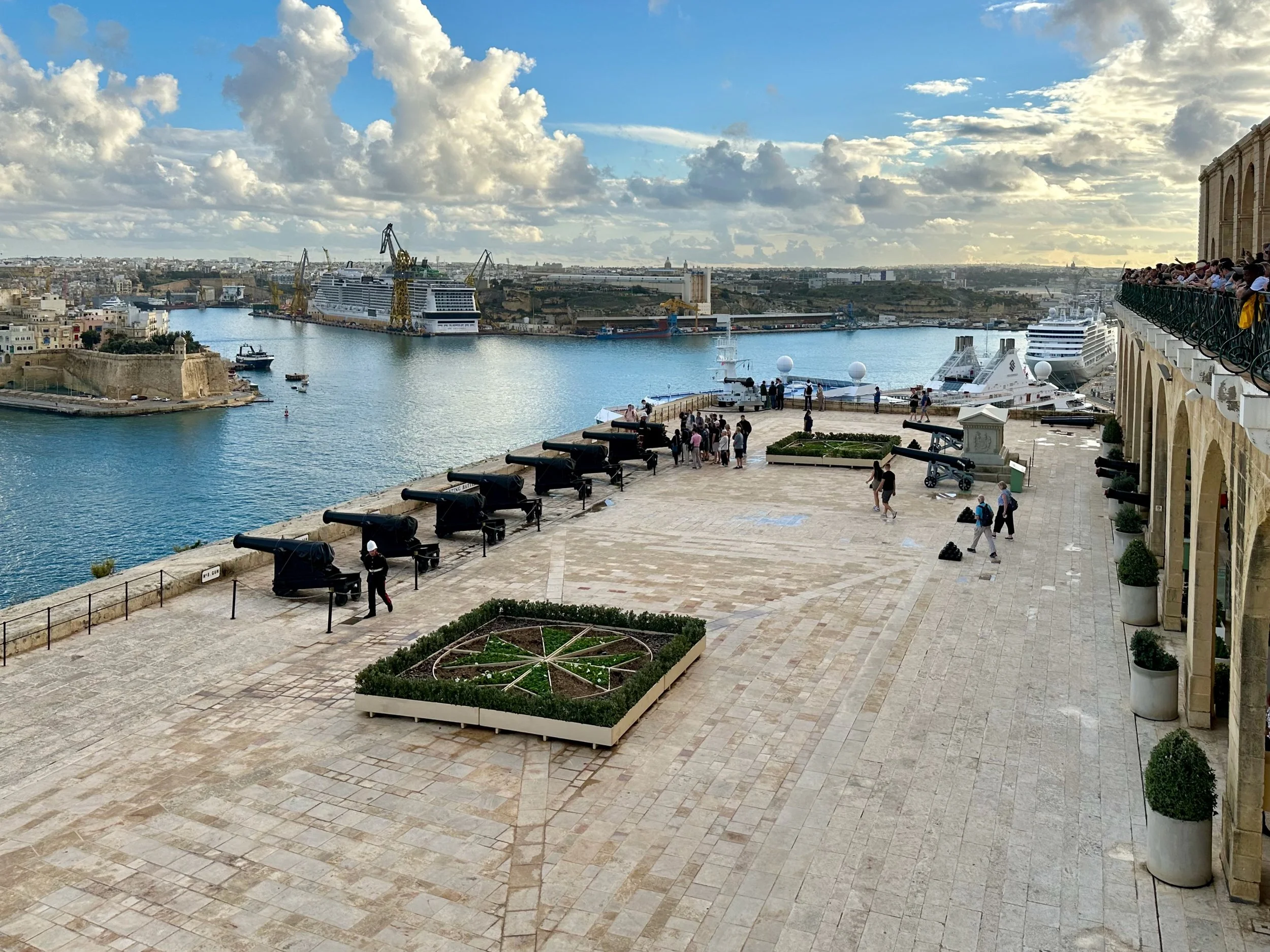
The Valetta battlement from where the 4:00 salute is performed.
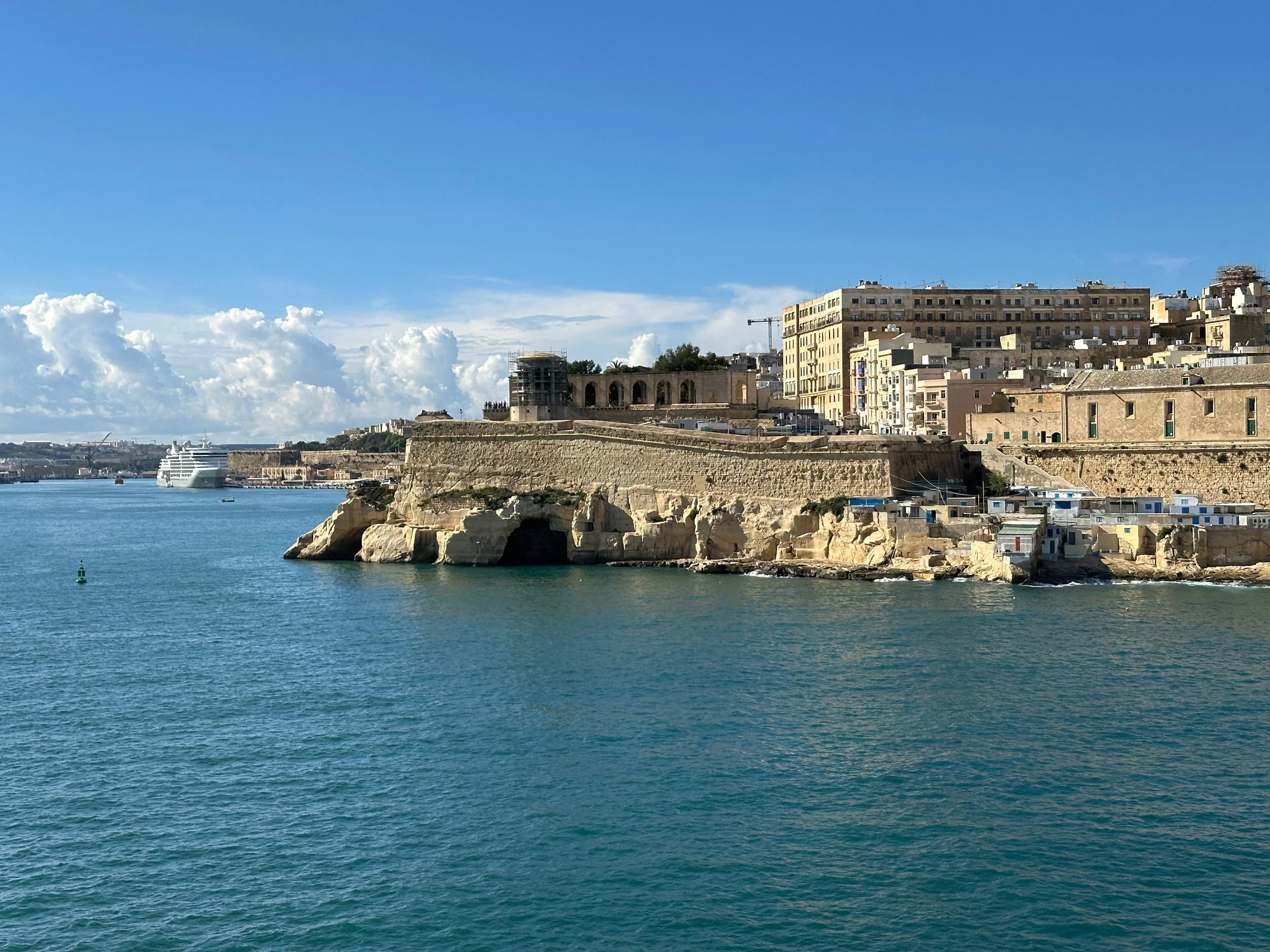
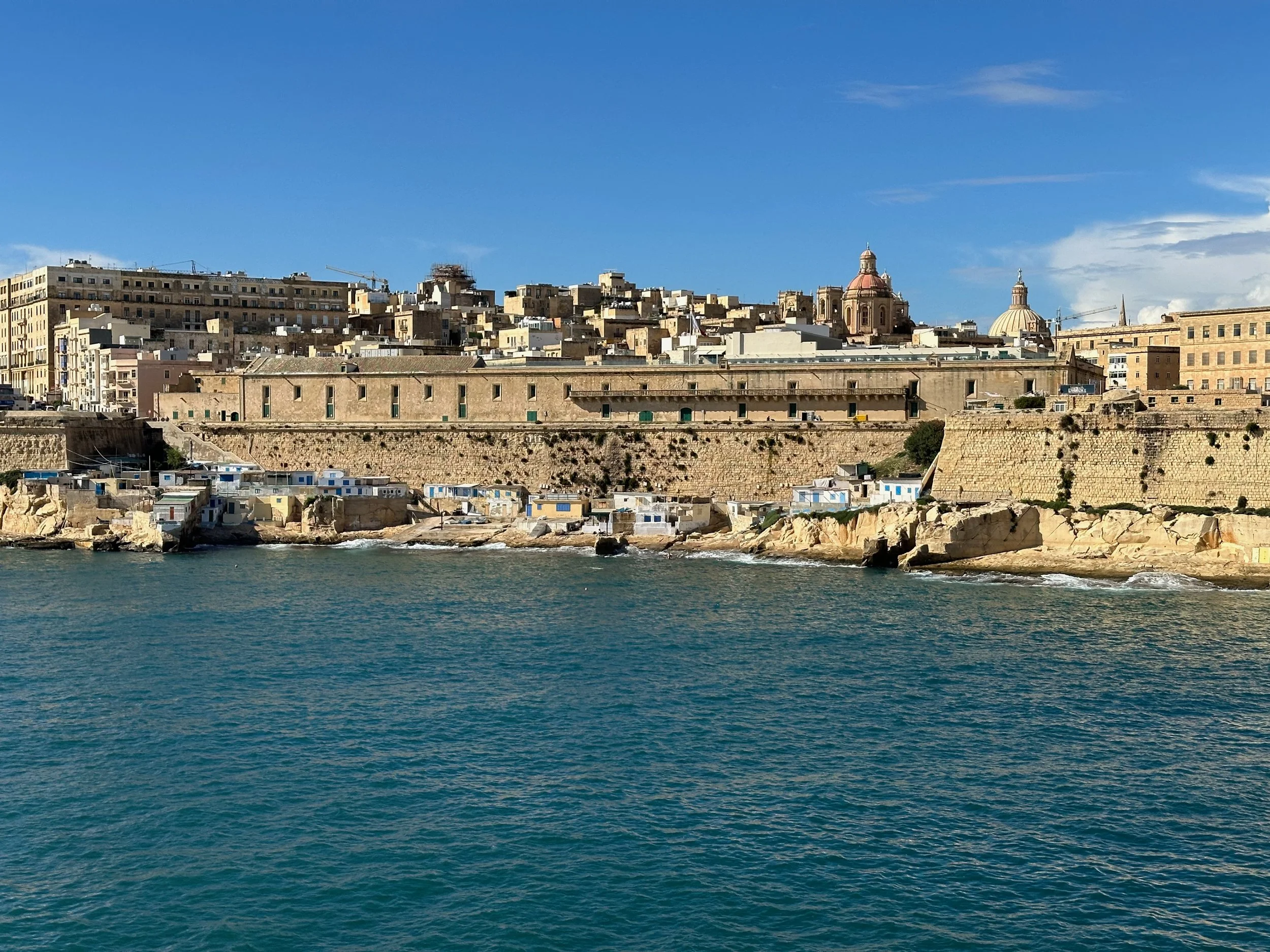
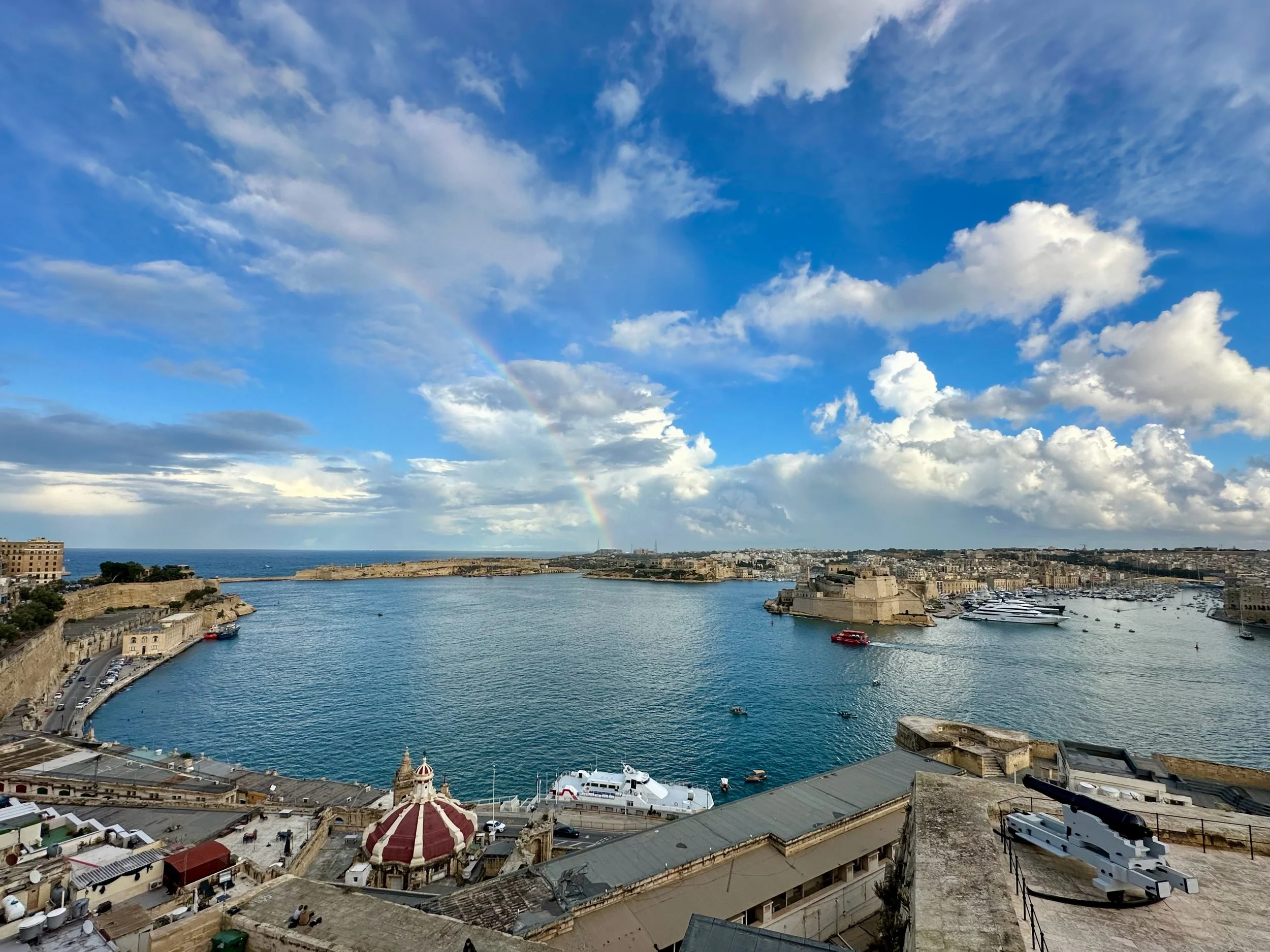
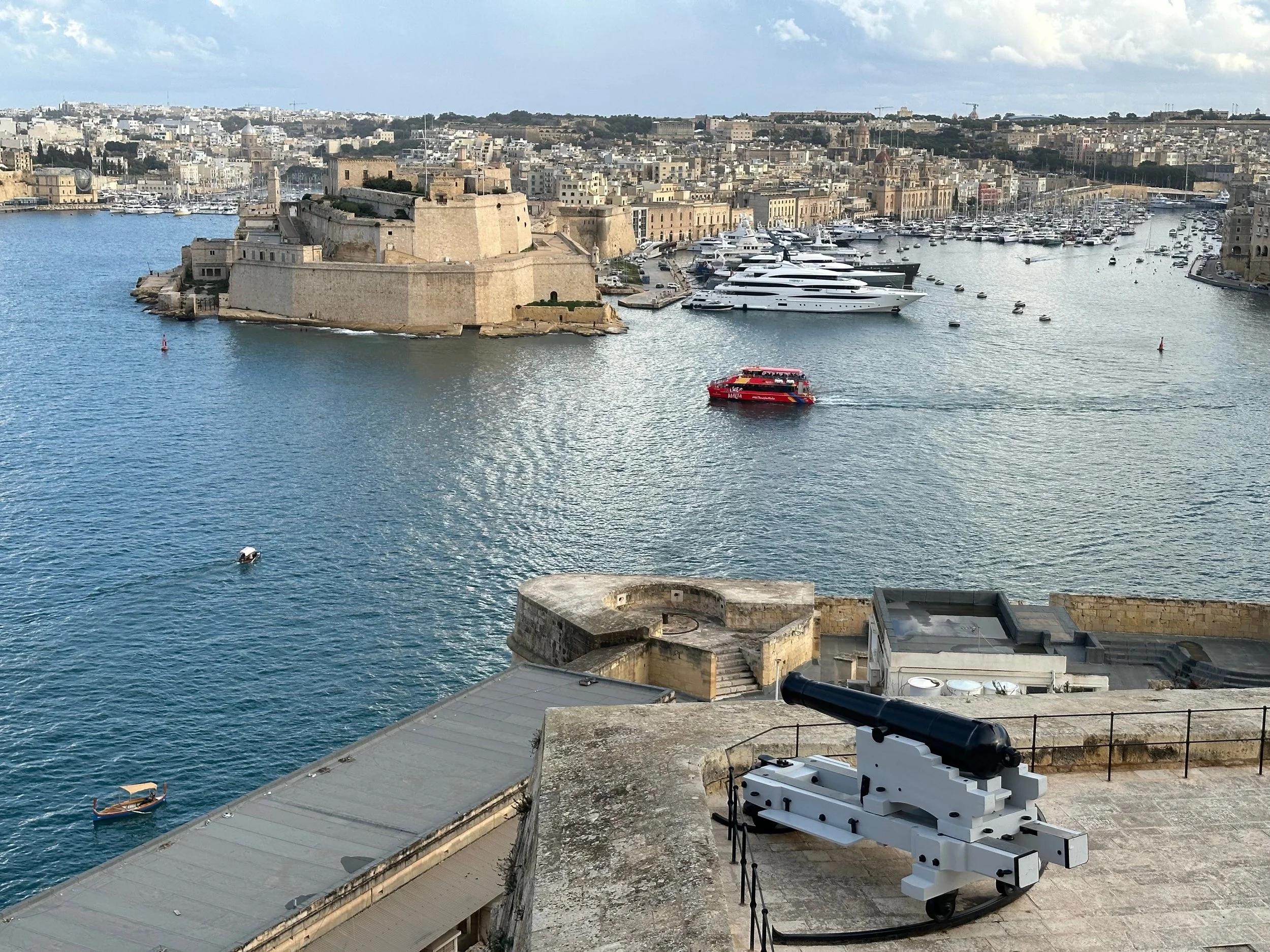
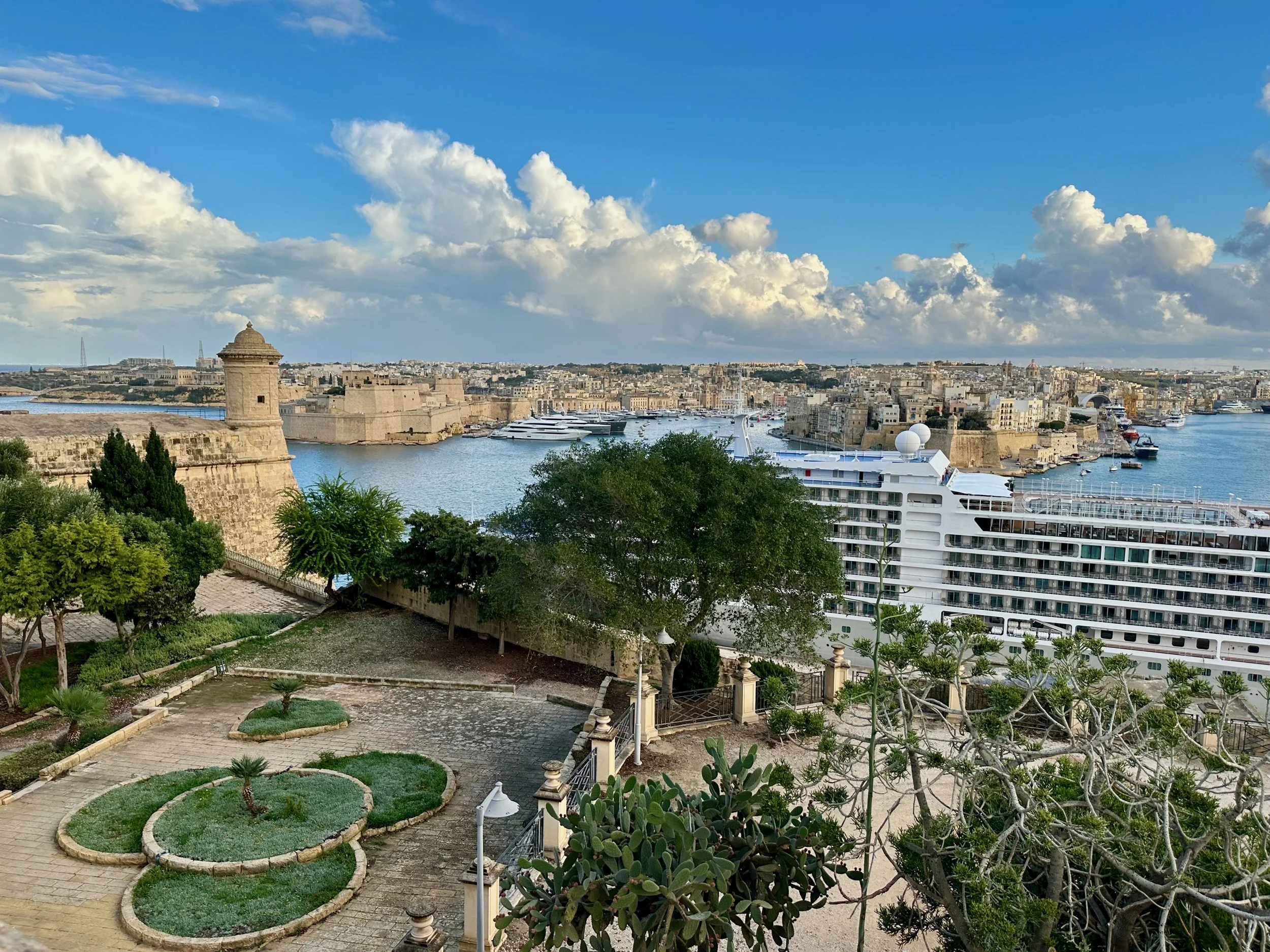
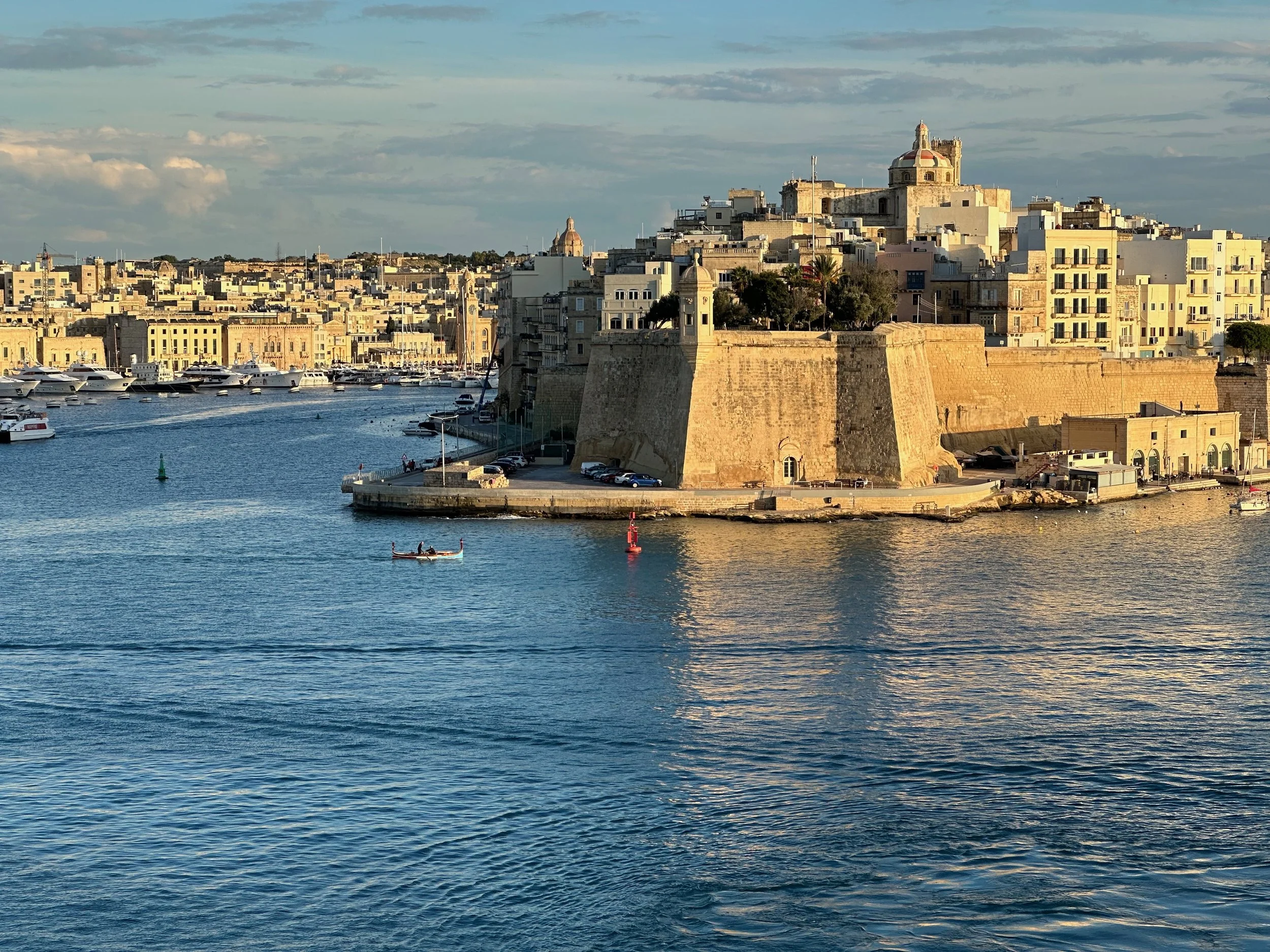
There is much more to consider than just the fortress city of Valetta when looking at this gem off the southern tip of Sicily. One must also be amazed at the entire harbour as a whole. Impressive fortifications not only protect the narrow mouth to the port, they in fact surround much of the multi-bayed interior. Even if a sea assault could make it through the entrance, the attackers wouldn’t stand a chance against the crossfire directed at them from both the battlements of Valetta, and the fortified canon emplacements built above the rock bluffs on the opposite shore. Nature certainly provided the Order of St. John with an exceptional home.
This photo gives us a birds-eye view of the fortification at the end of the peninsula.
Malta has changed rule over the years after if fought off the Ottomans in 1565 with help from Sicilian reinforcements. When the siege was finally won by the Order, the victorious Grand Master Jean de Valette immediately set out to build a new fortified city on the end of the peninsula. The completed city was named after him. Over the subsequent centuries Malta was governed by different jurisdictions, some of which took it by force. Below shows this progression up to modern day.
Historical Affiliations:
Hospitaller Malta 1566–1798
French Republic 1798–1800
Protectorate of Malta 1800–1813
Crown Colony of Malta 1813–1964
State of Malta 1964–1974
Republic of Malta 1974–present
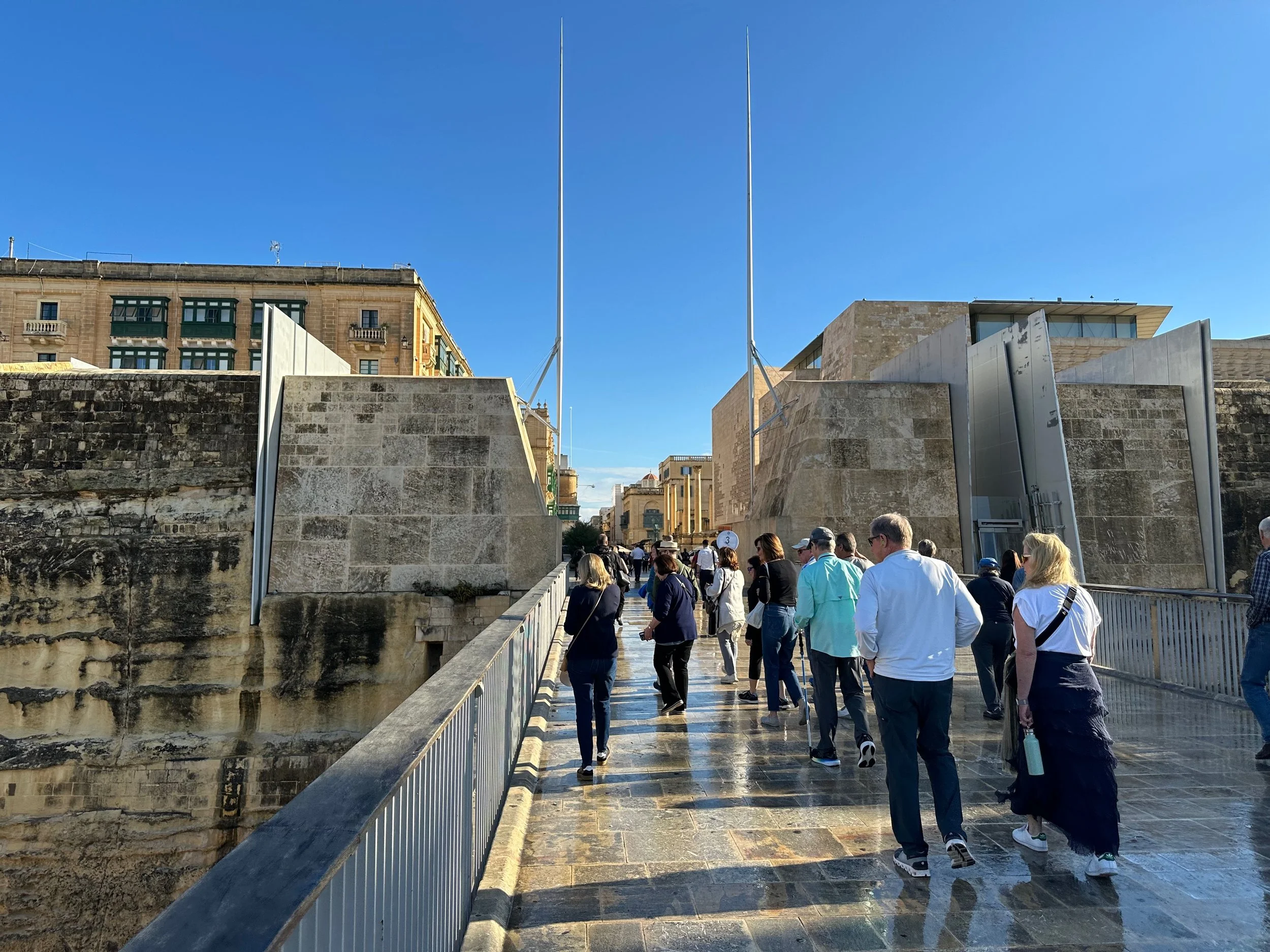
We covered less than 1/4 of the city.
Walking the city of Valetta
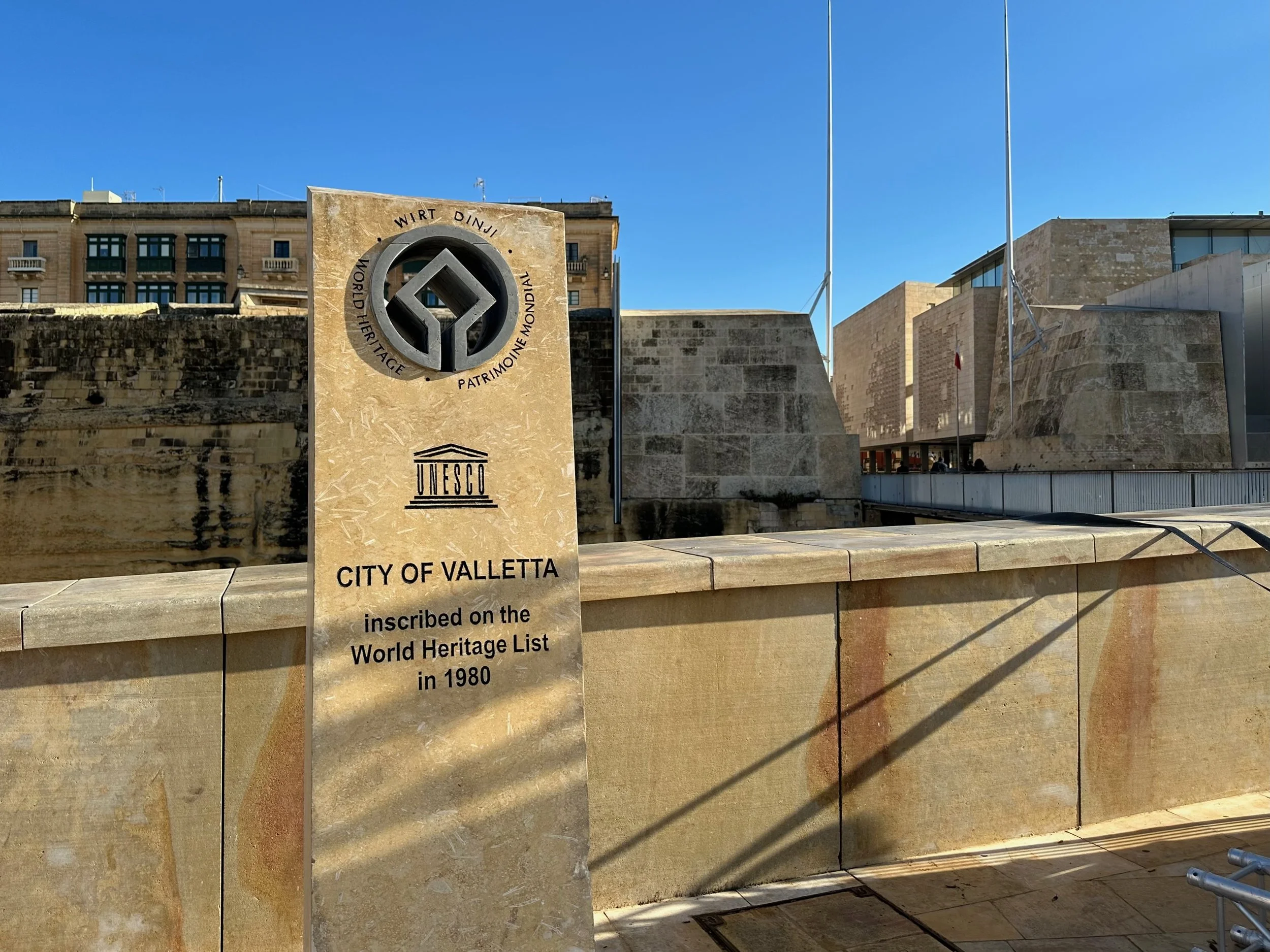
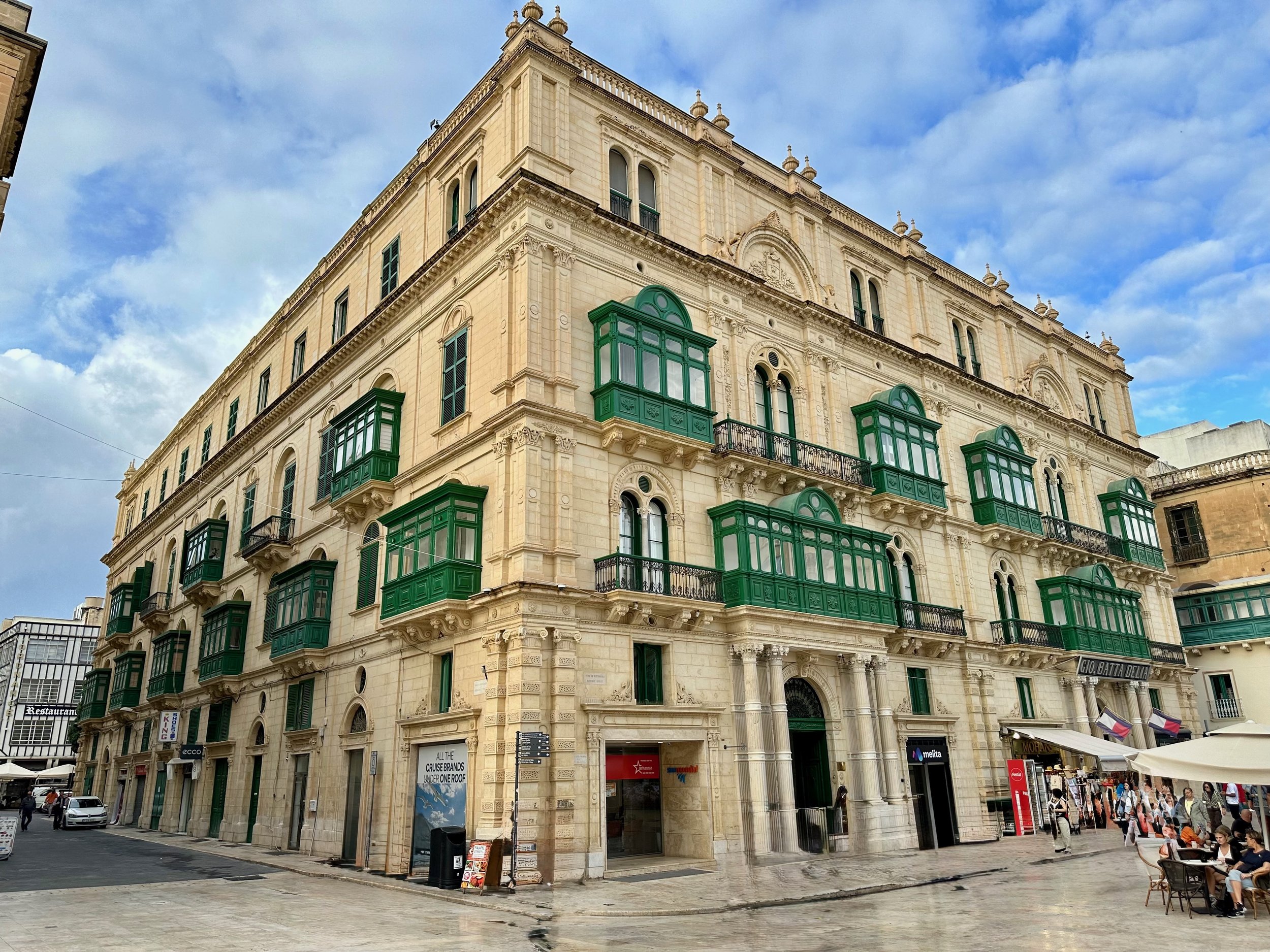
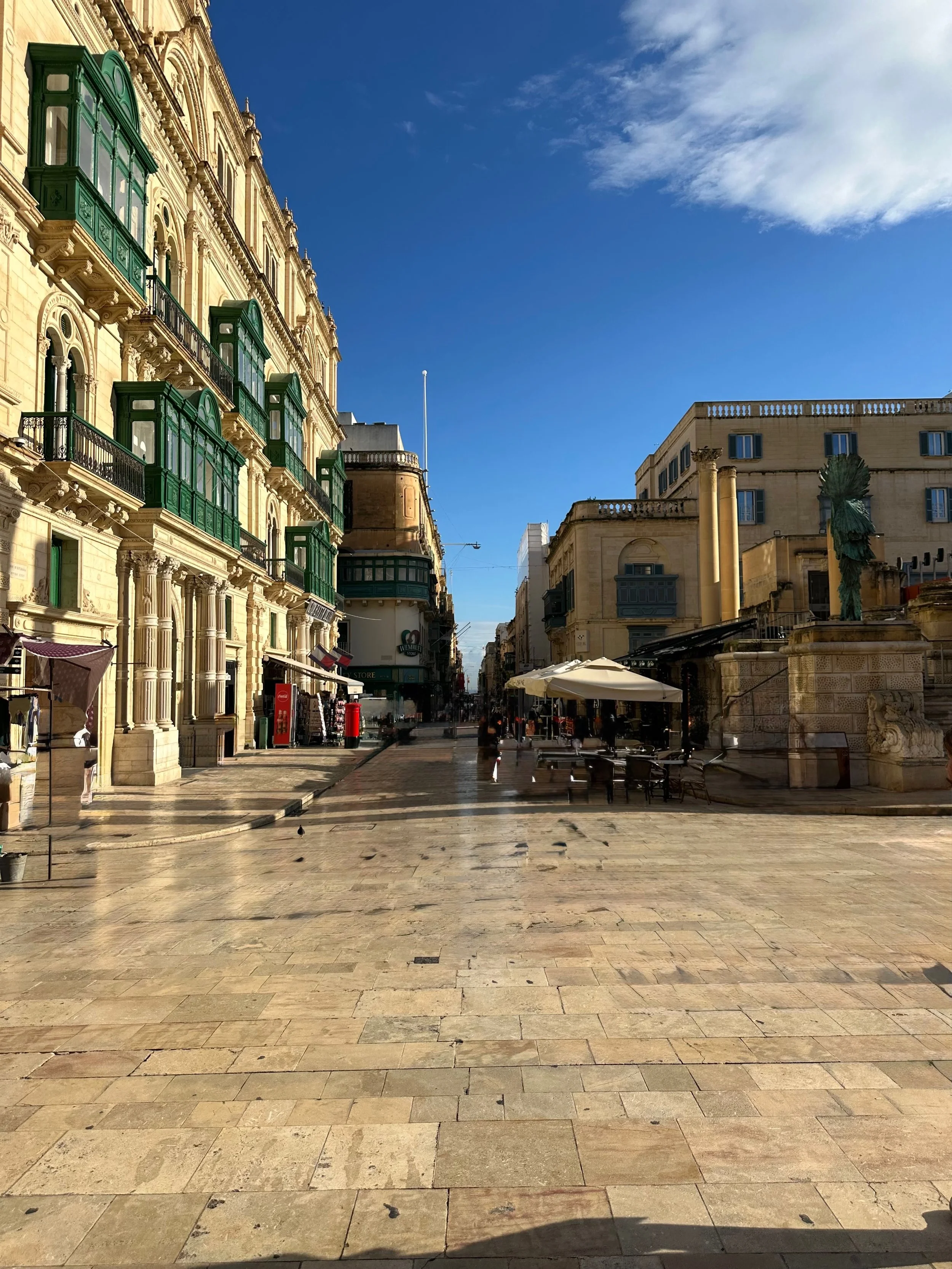
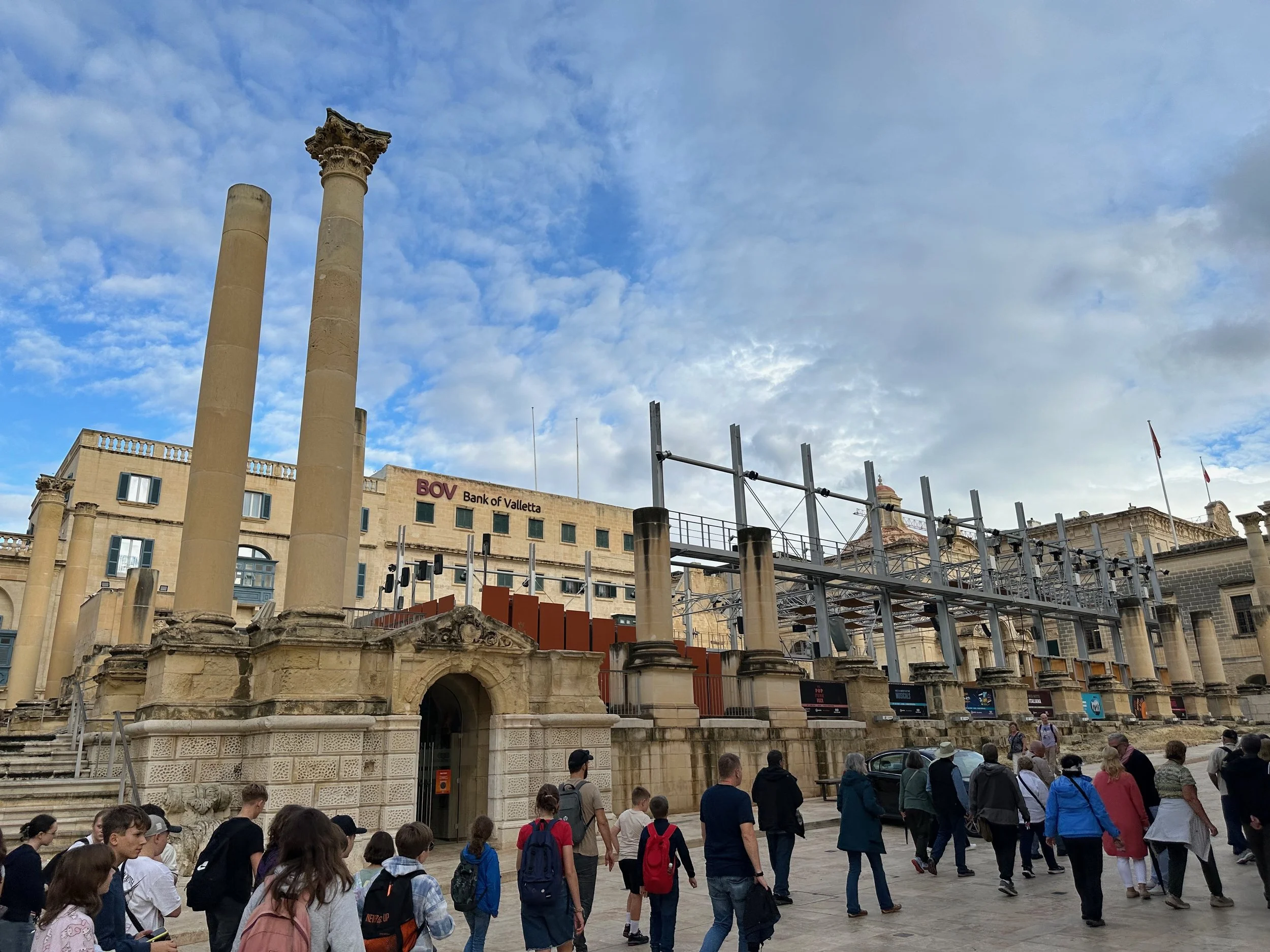
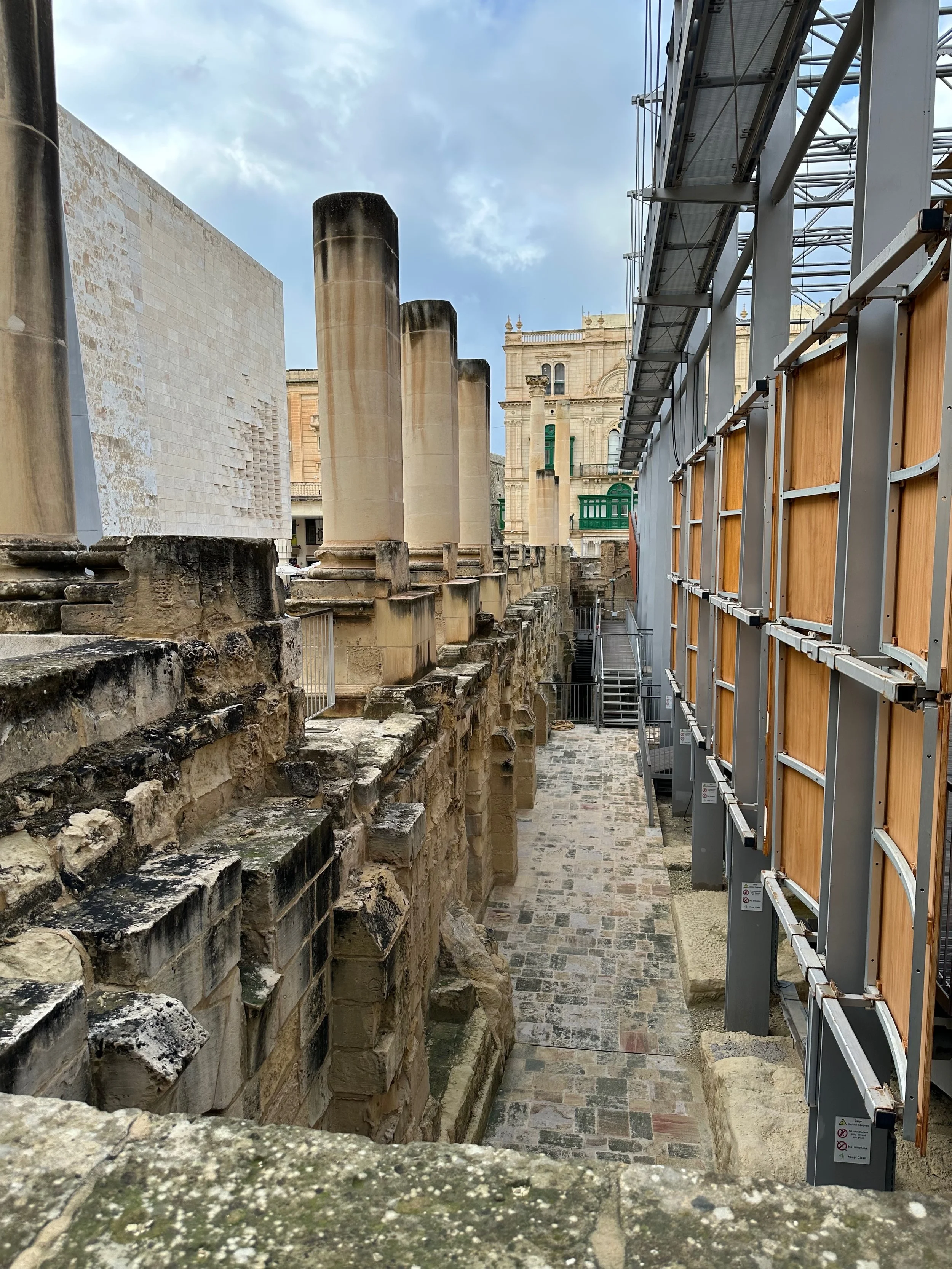
We got to walk through Valetta on both days of our visit to Malta, but because of the way the excursions were run, neither day afforded us the length of time for us to fully enjoy this beautiful city. Valetta is listed as both the southernmost capital and smallest capital city in the European Union. Within the confines of its 0.64 square kilometre area, Valetta houses roughly 6,000 of Malta’s 553,000 residents.
Although we didn’t get the opportunity, every street in Valetta could be walked in a day. We definitely need to come back here when we are not restricted by someone else’s agenda.
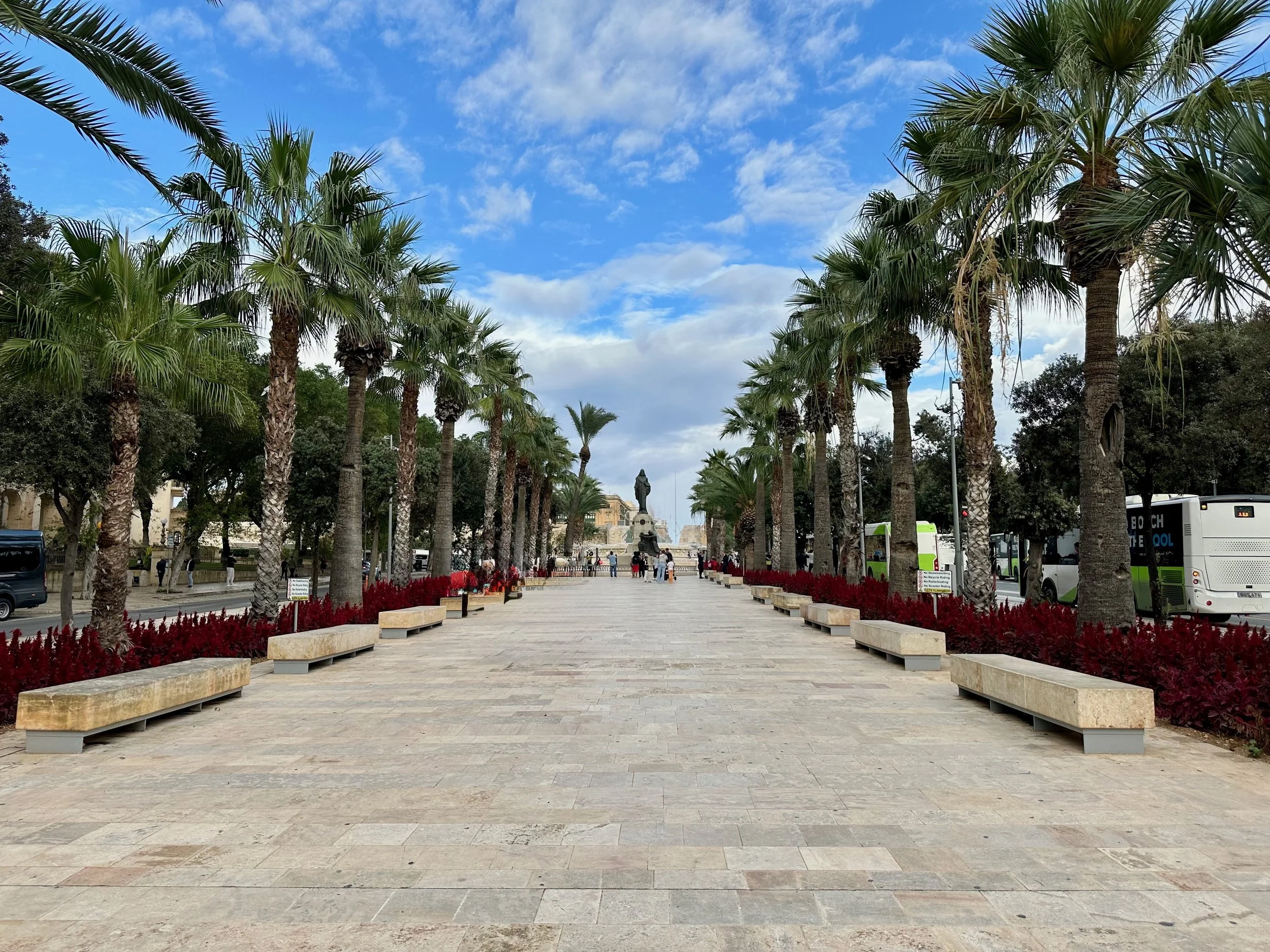
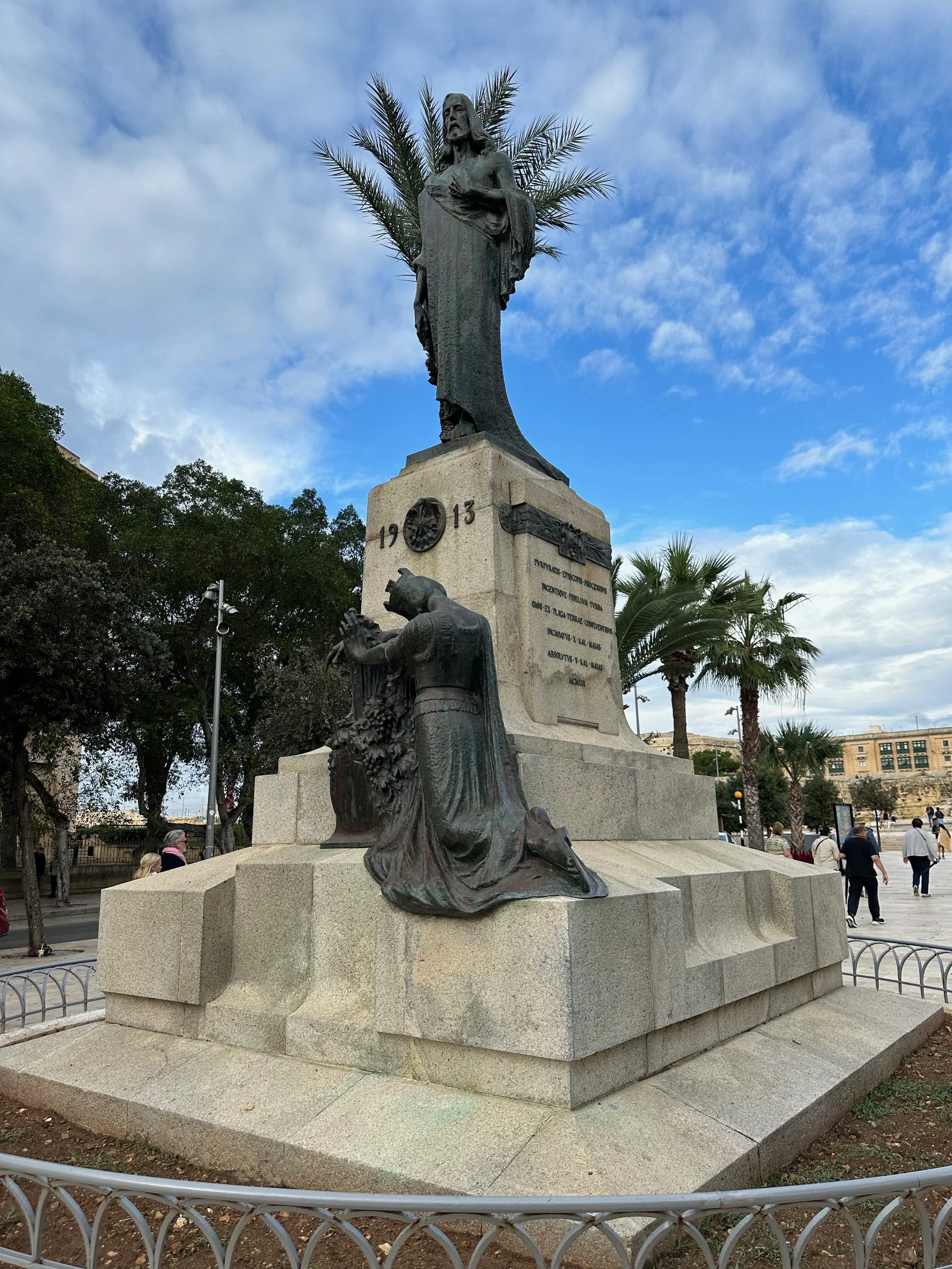
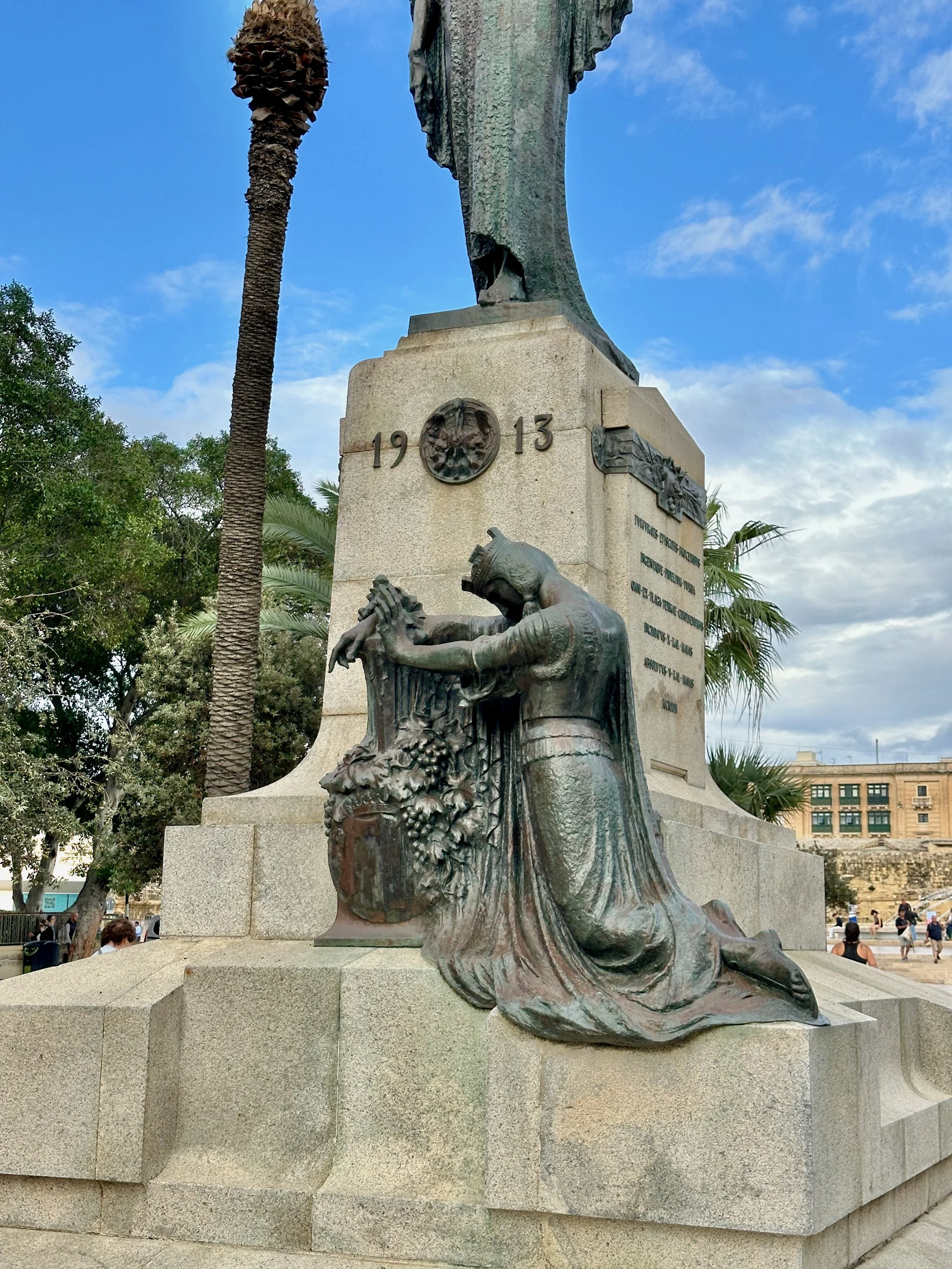
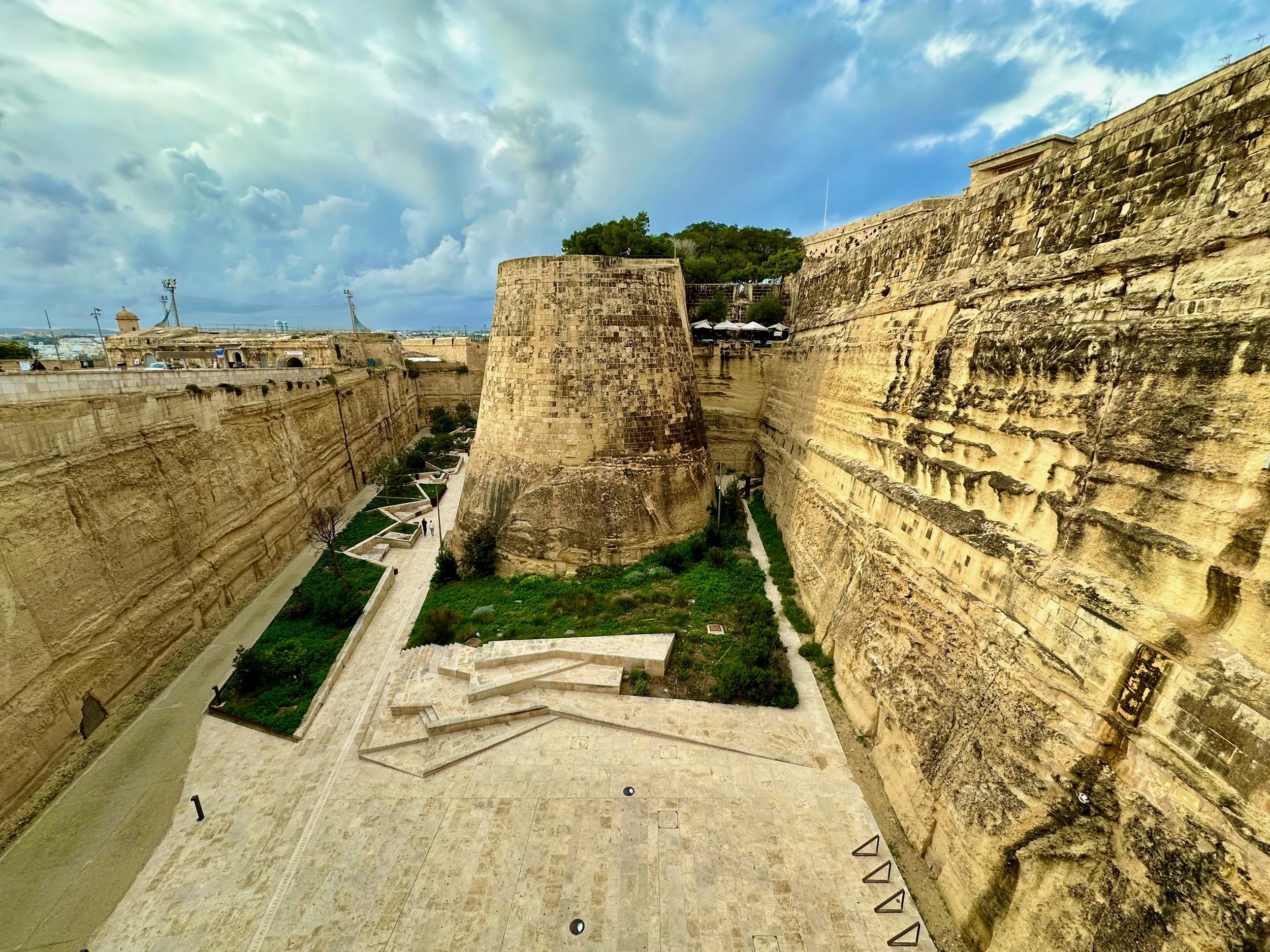
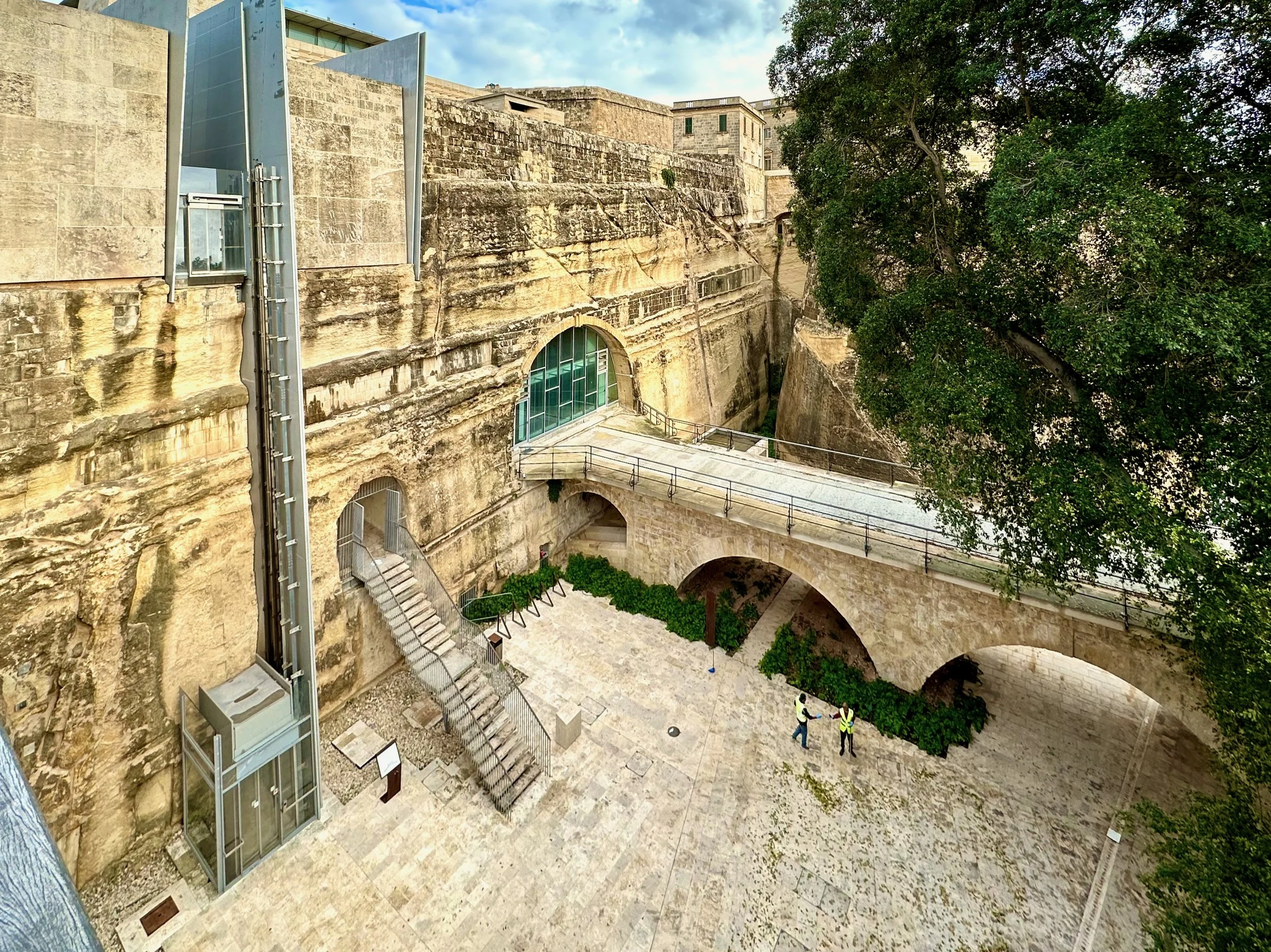
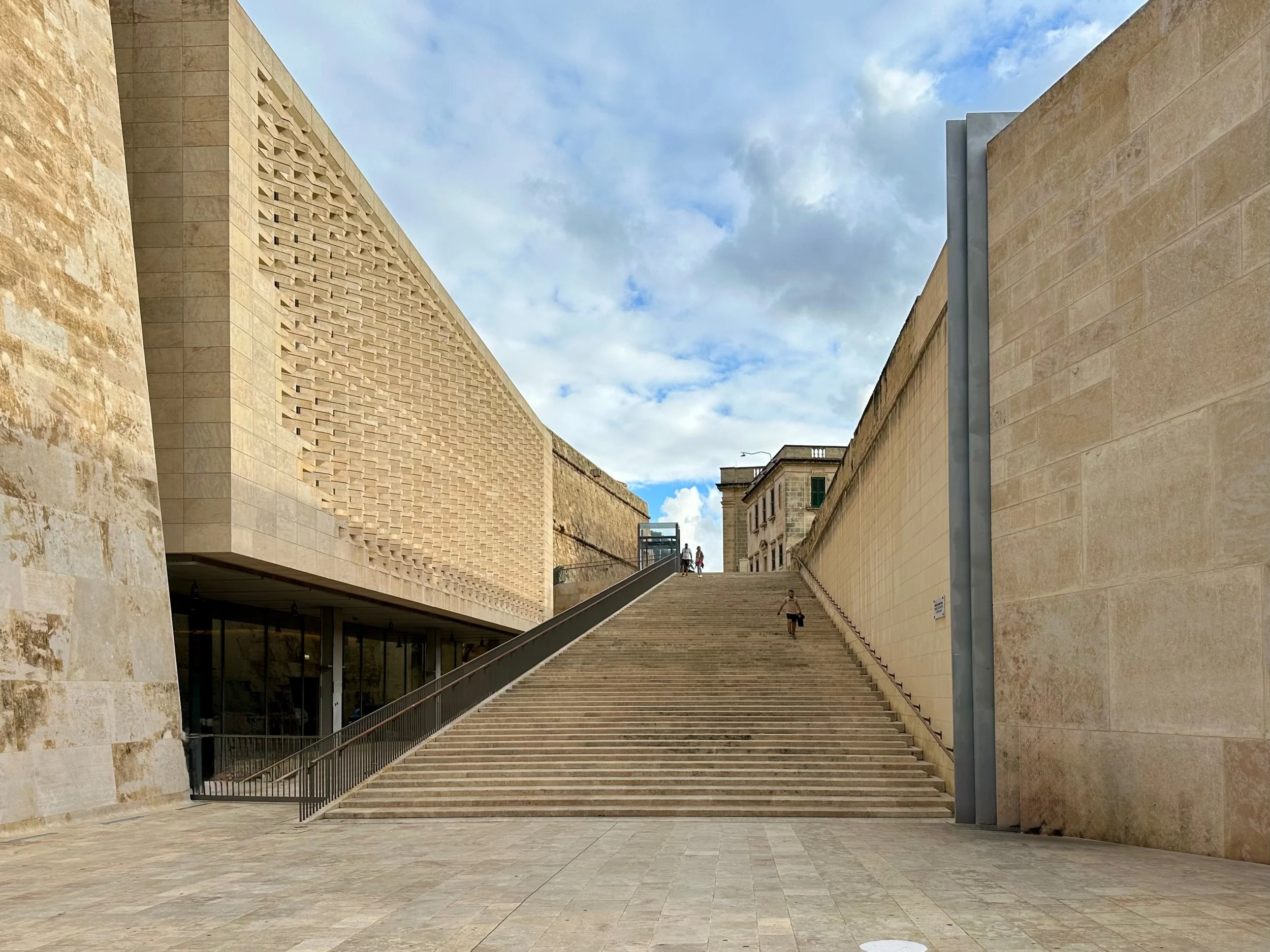
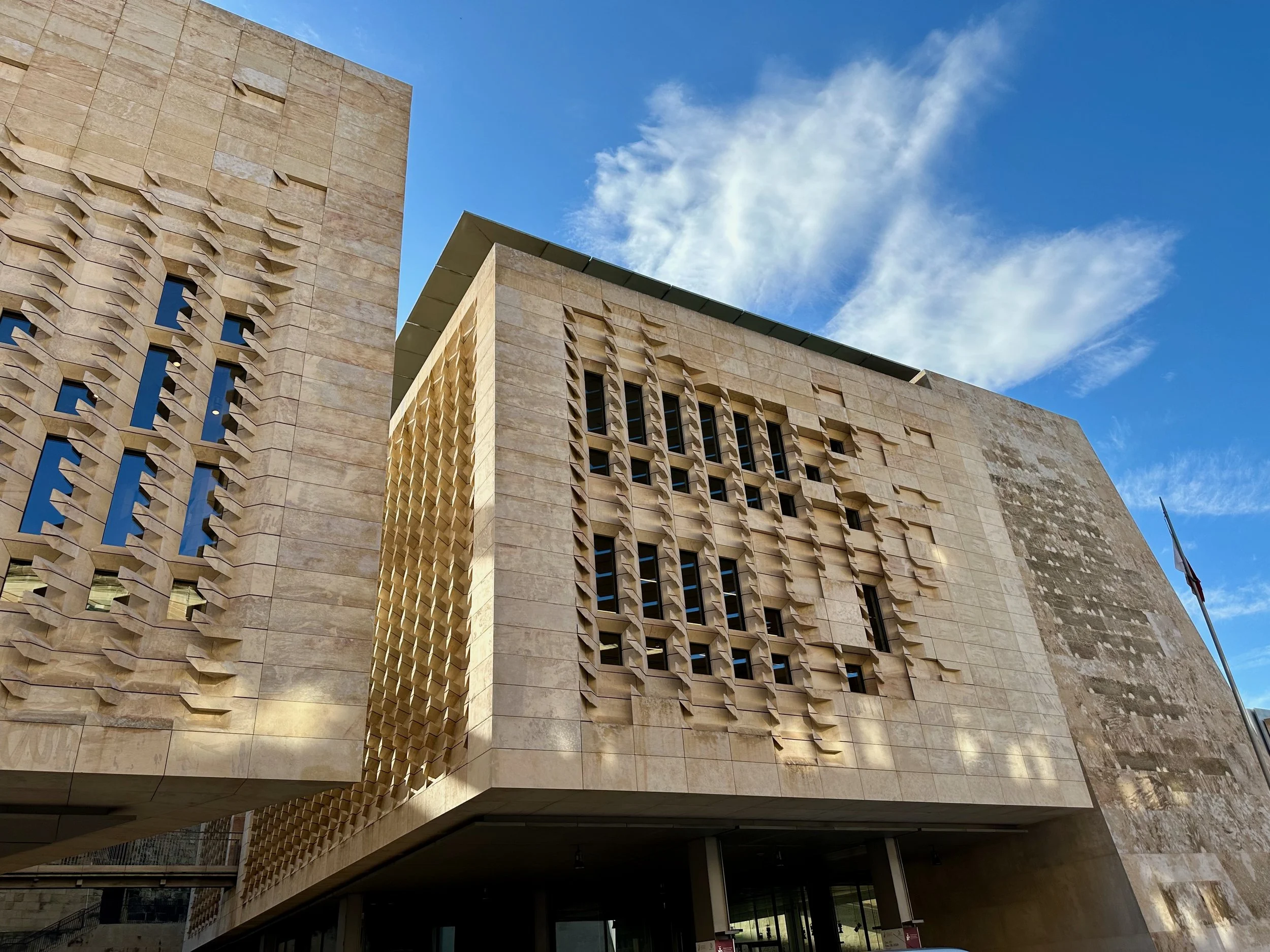
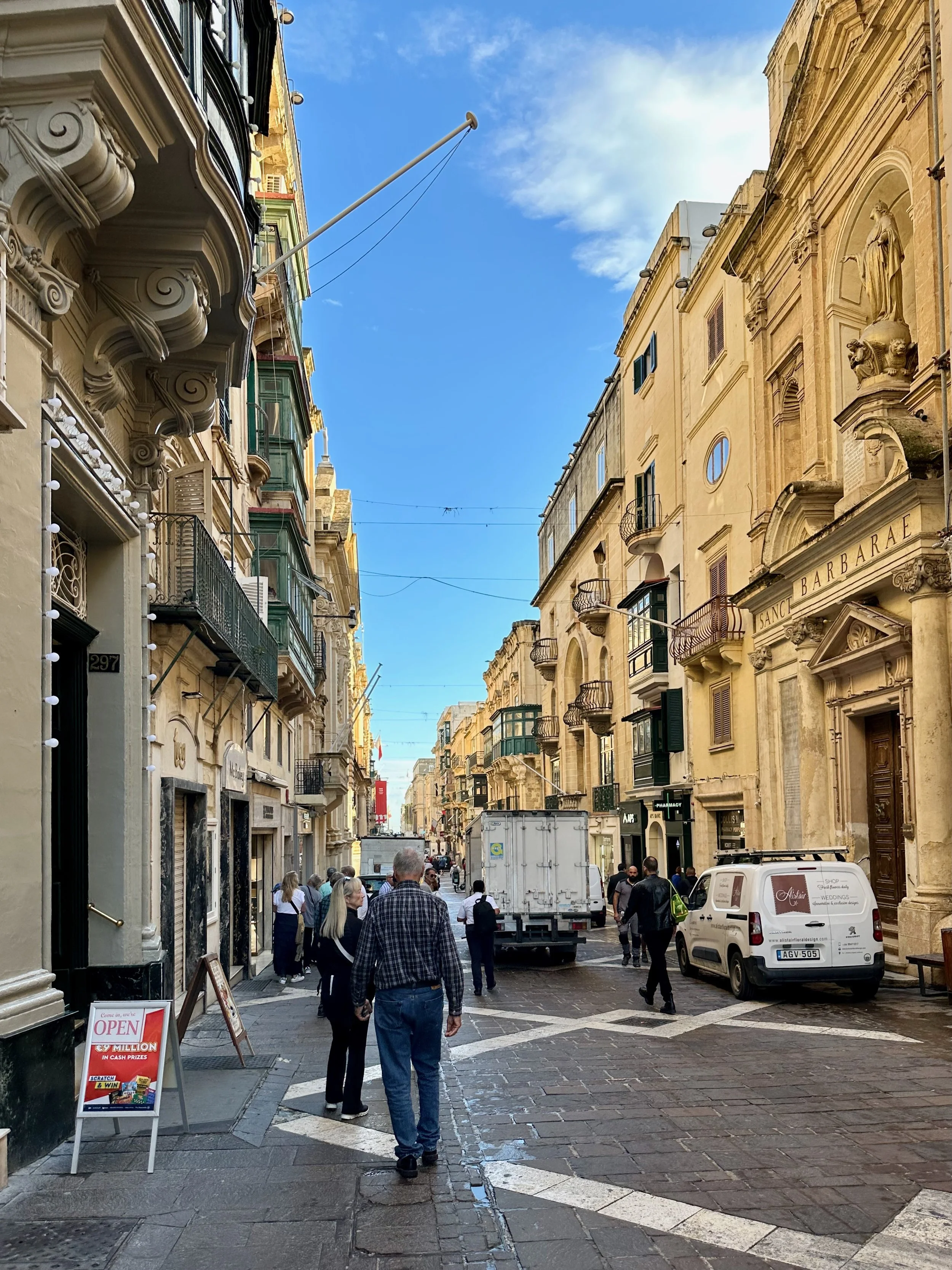
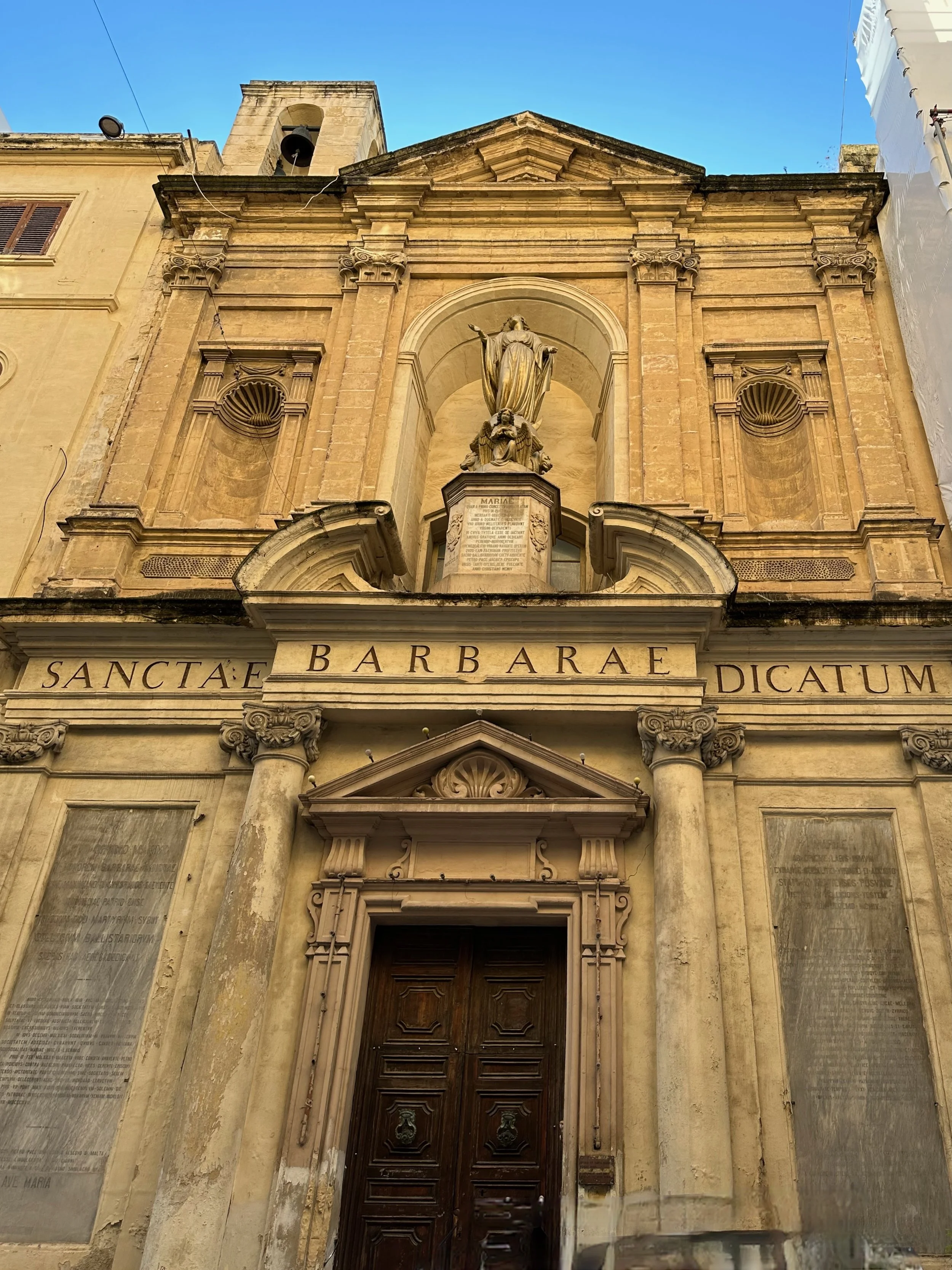
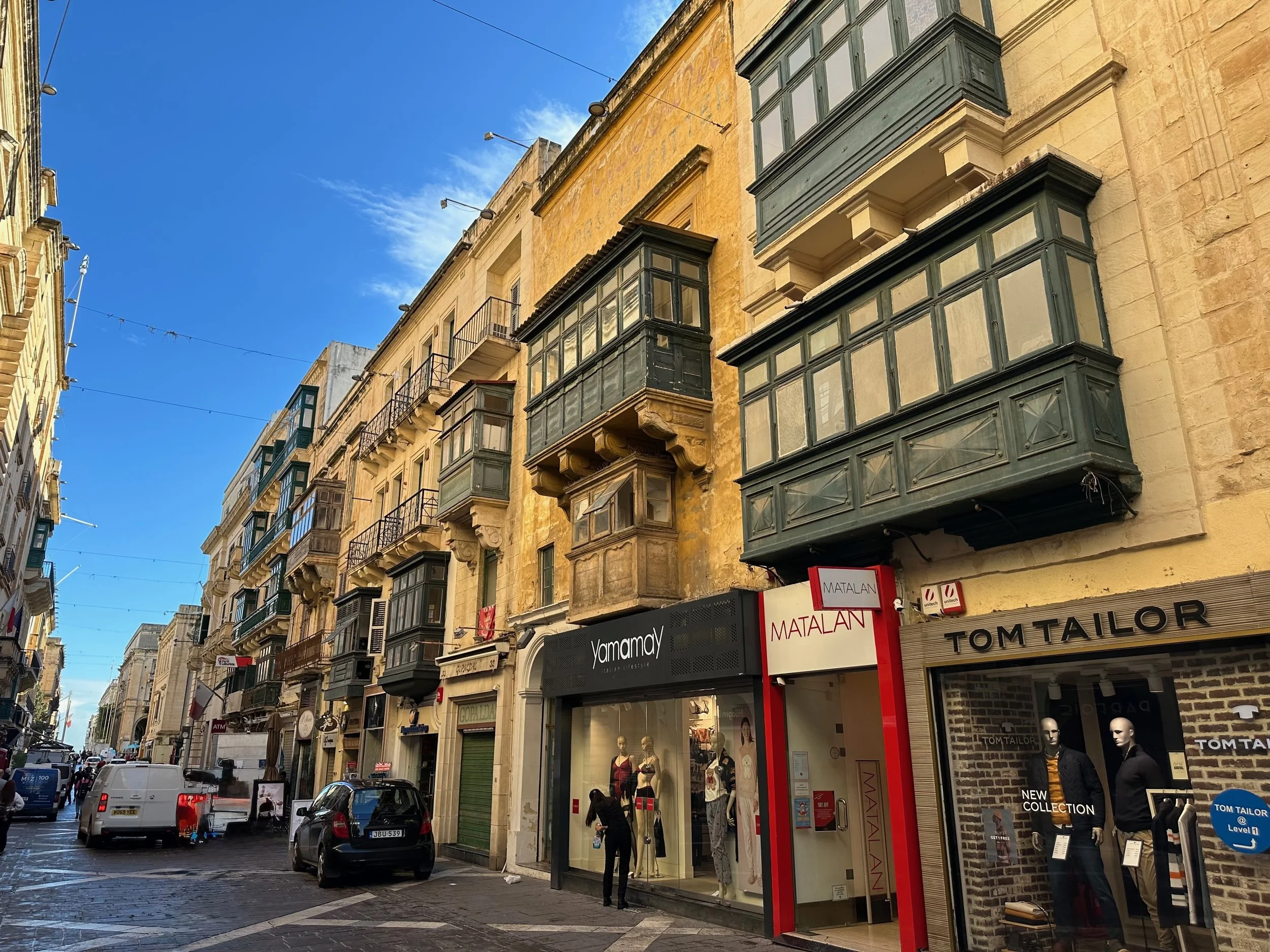
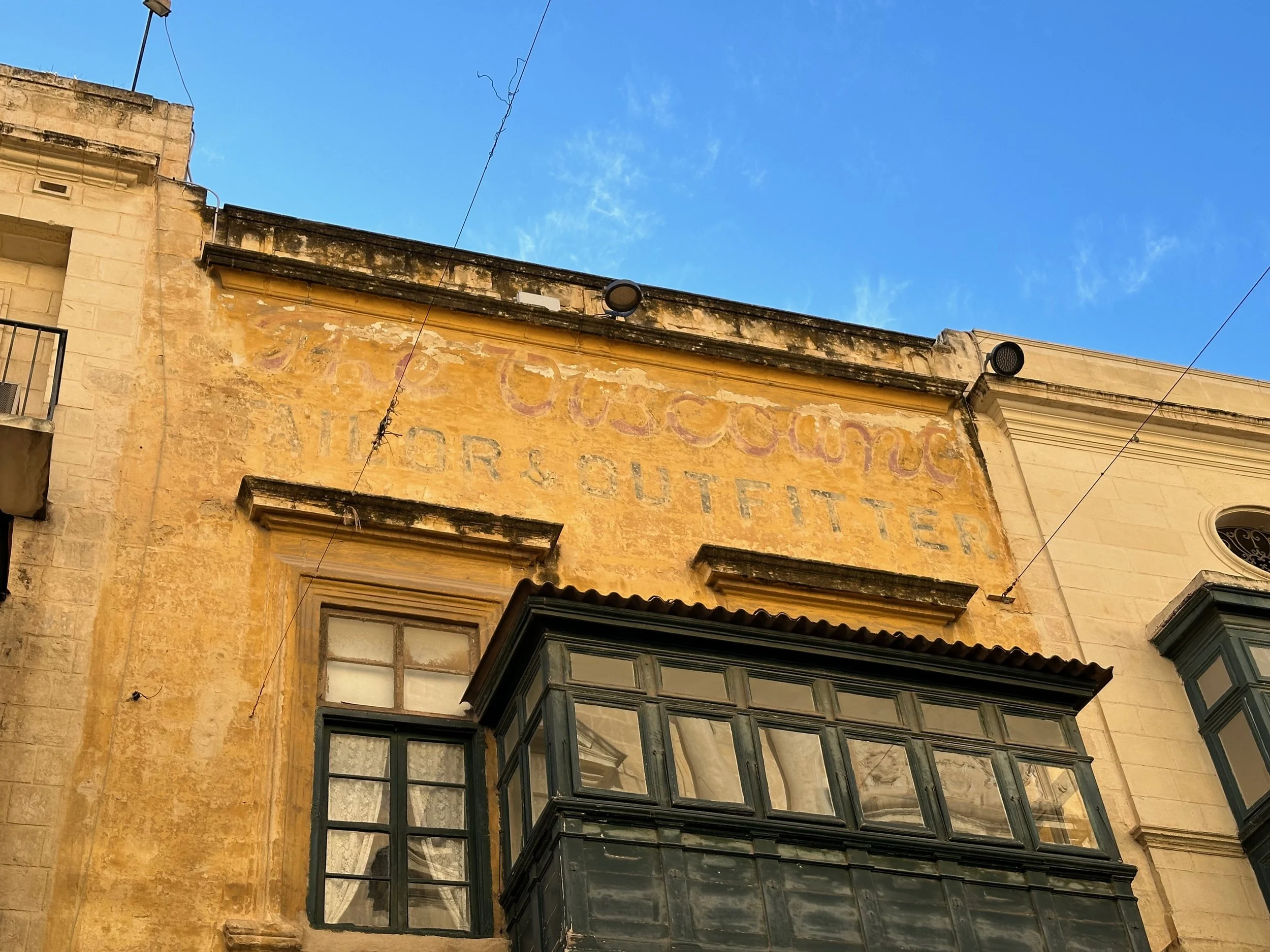
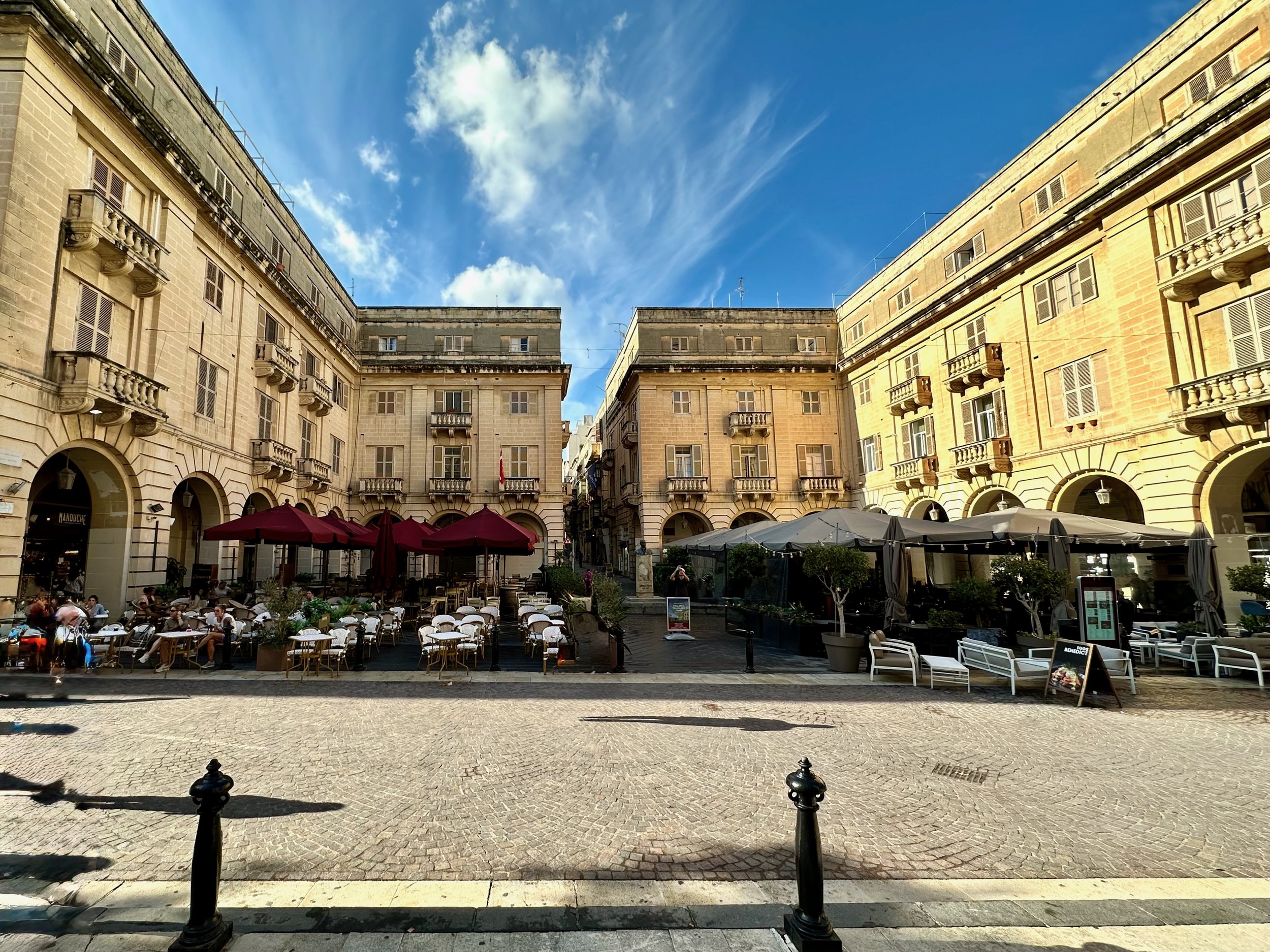
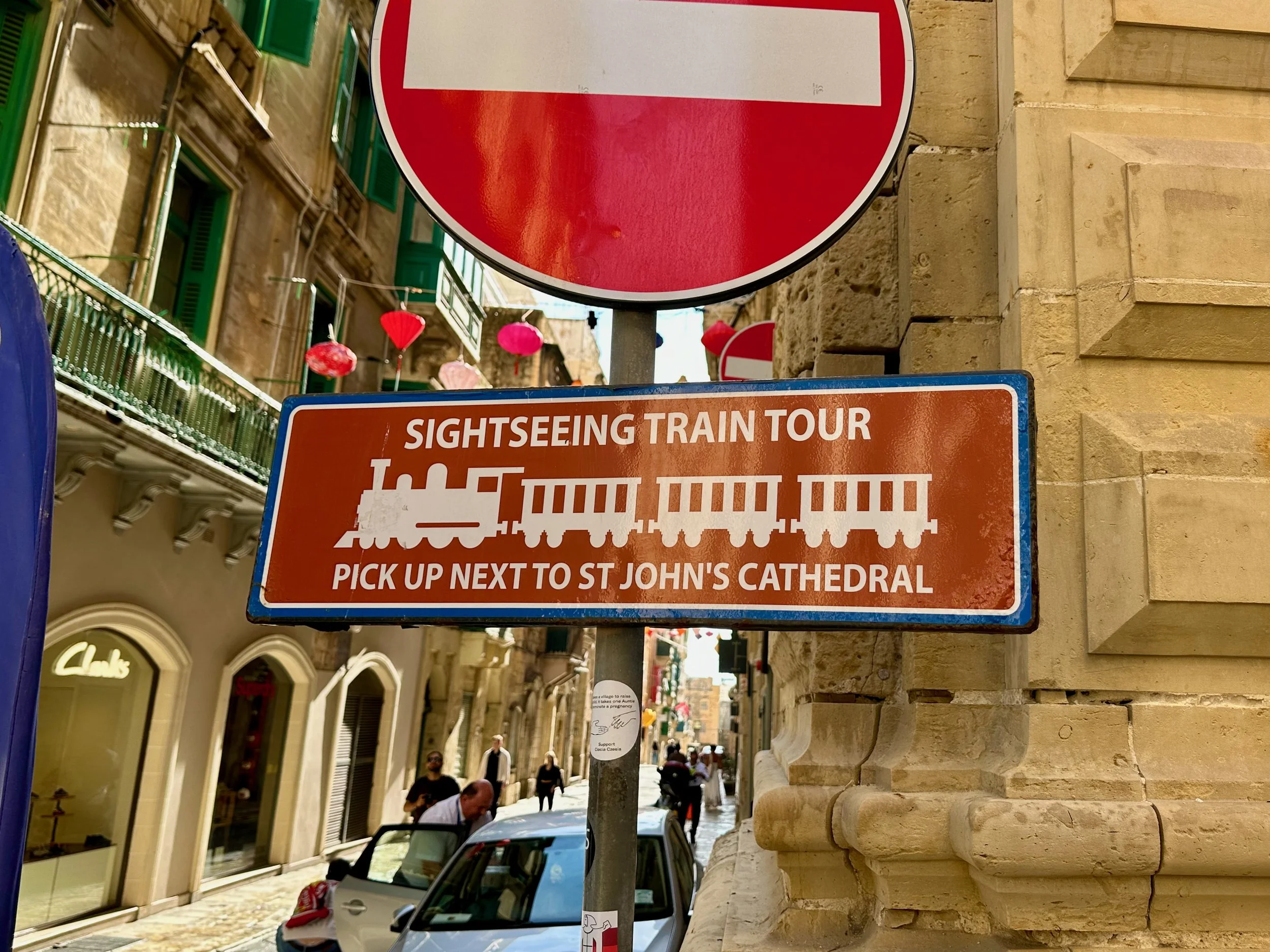
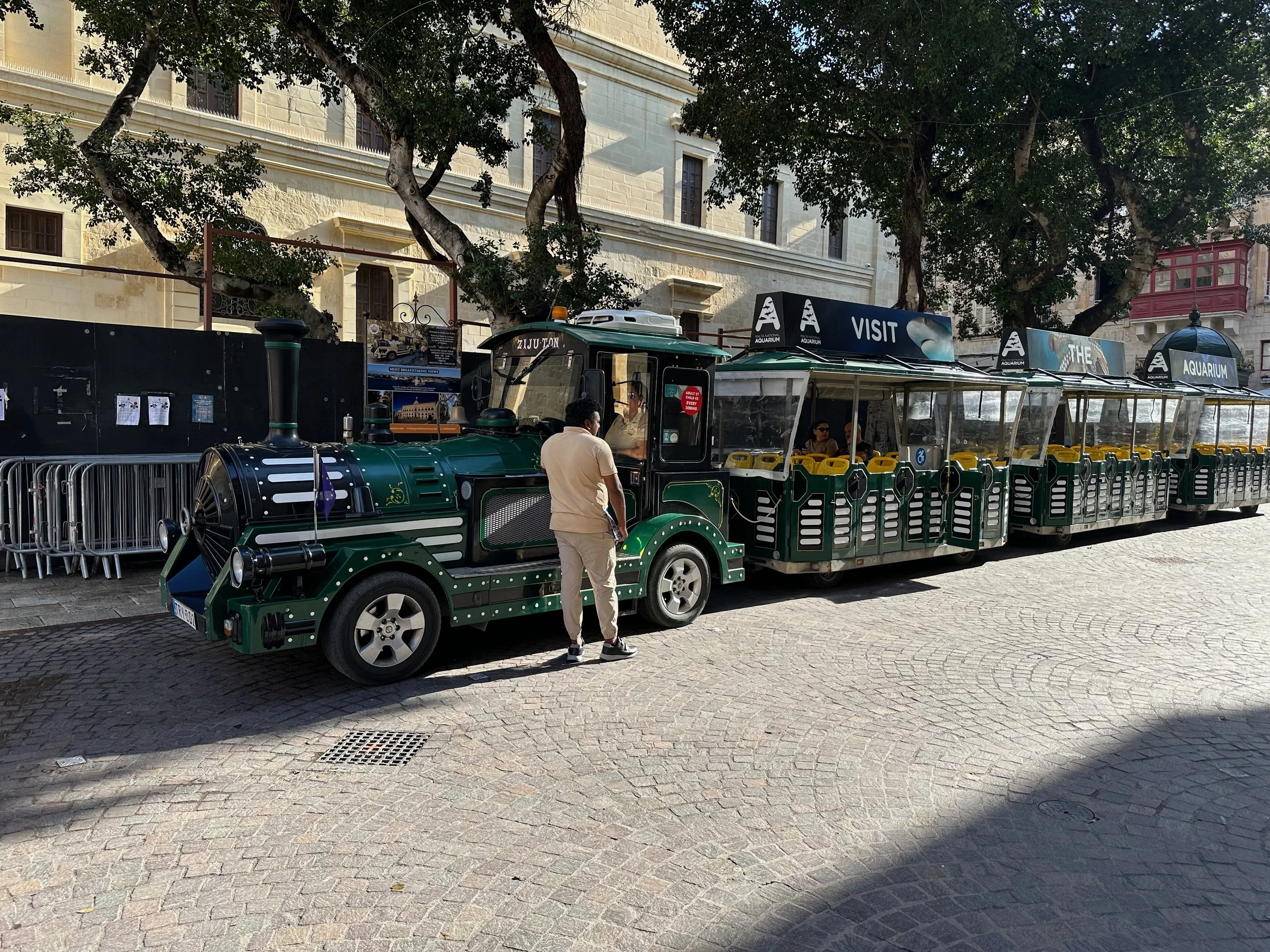
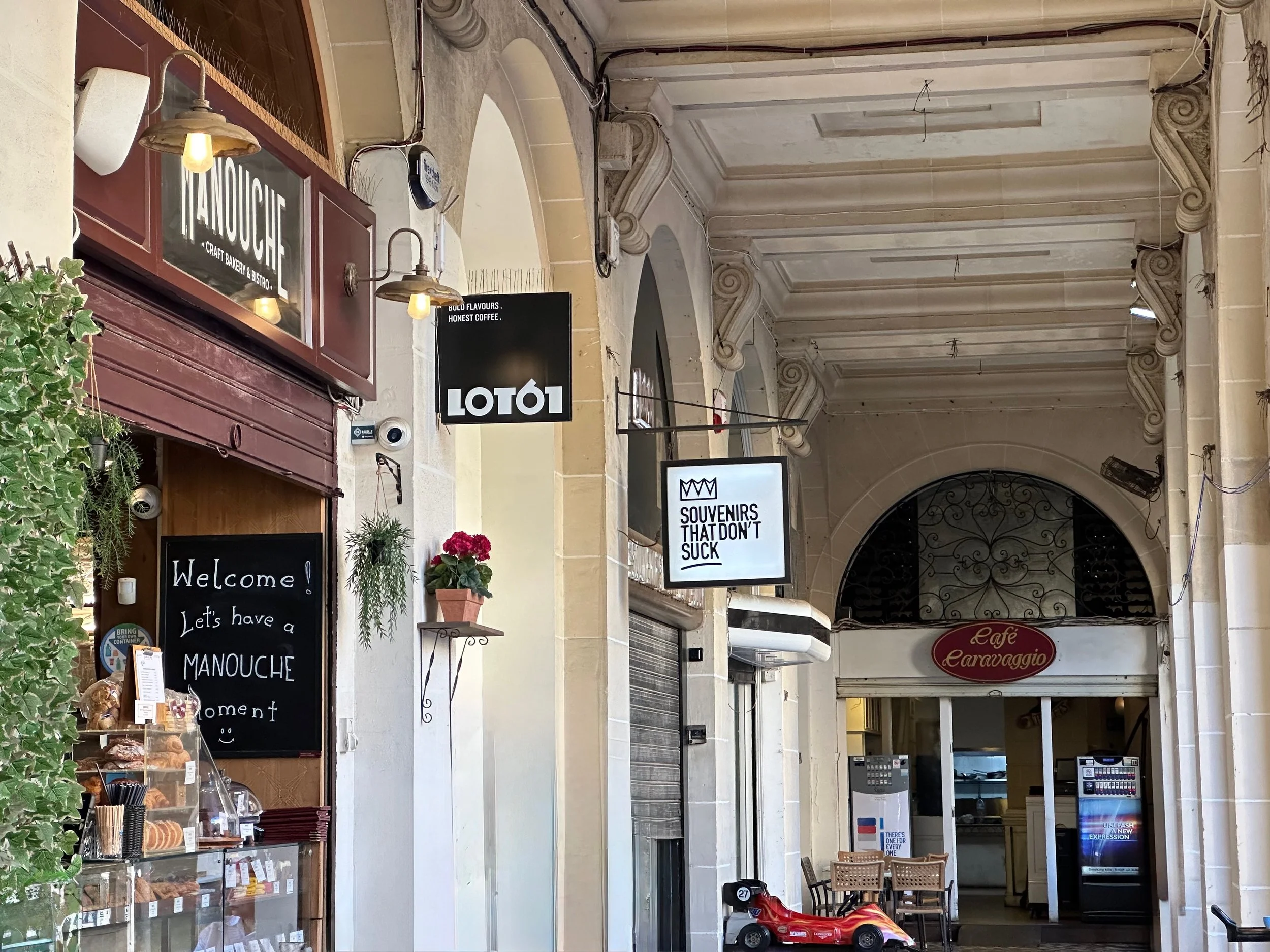
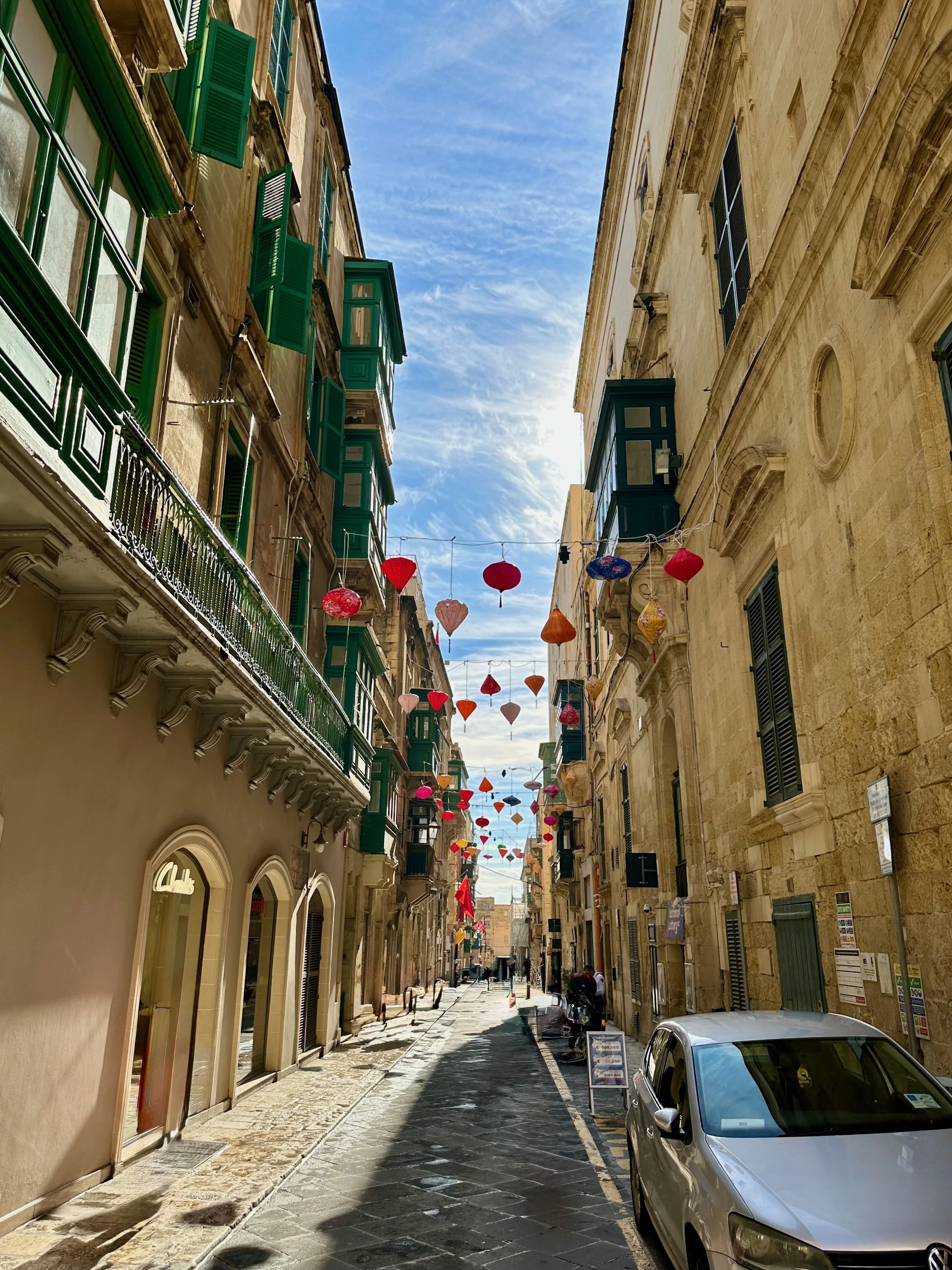
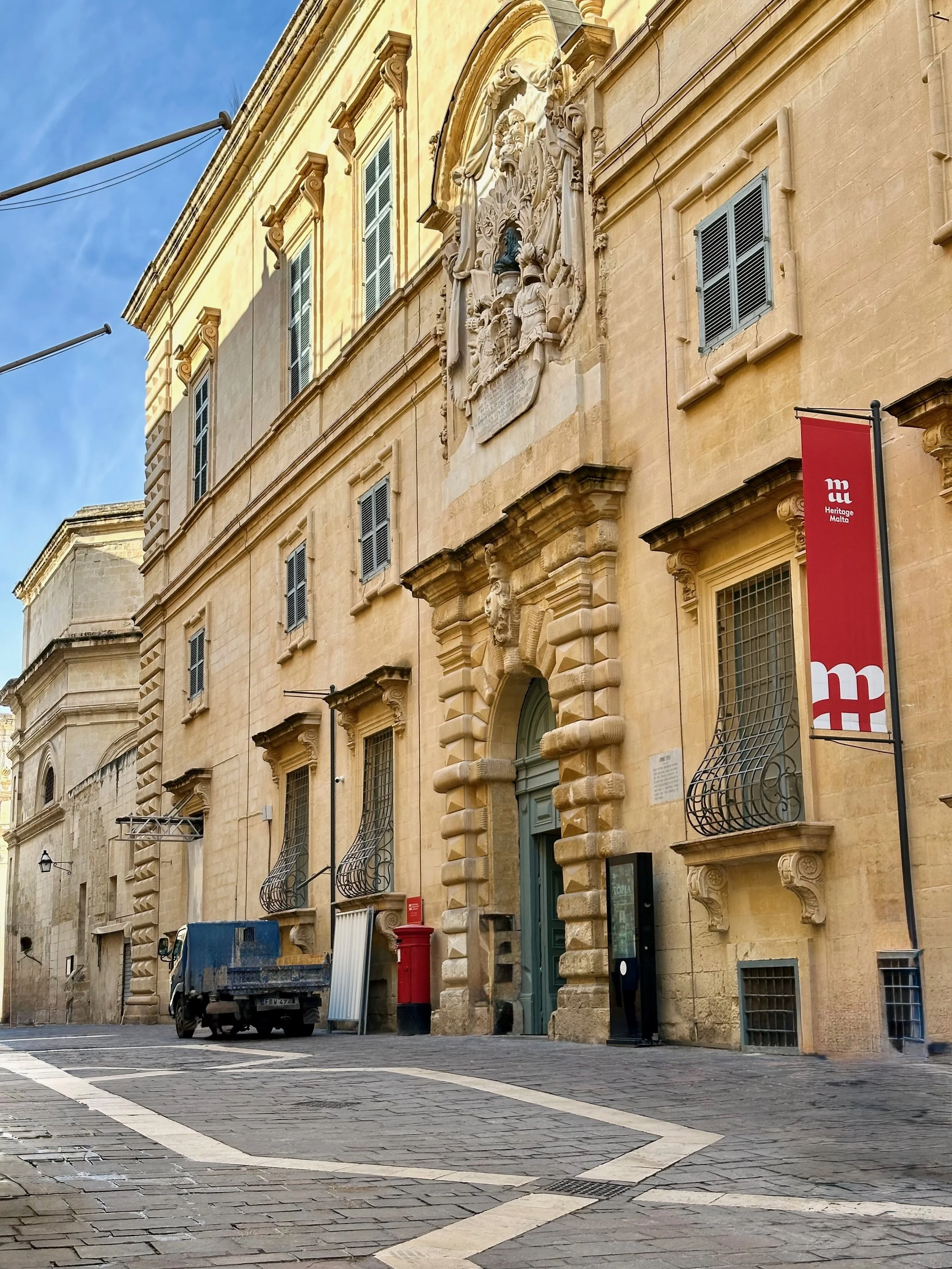
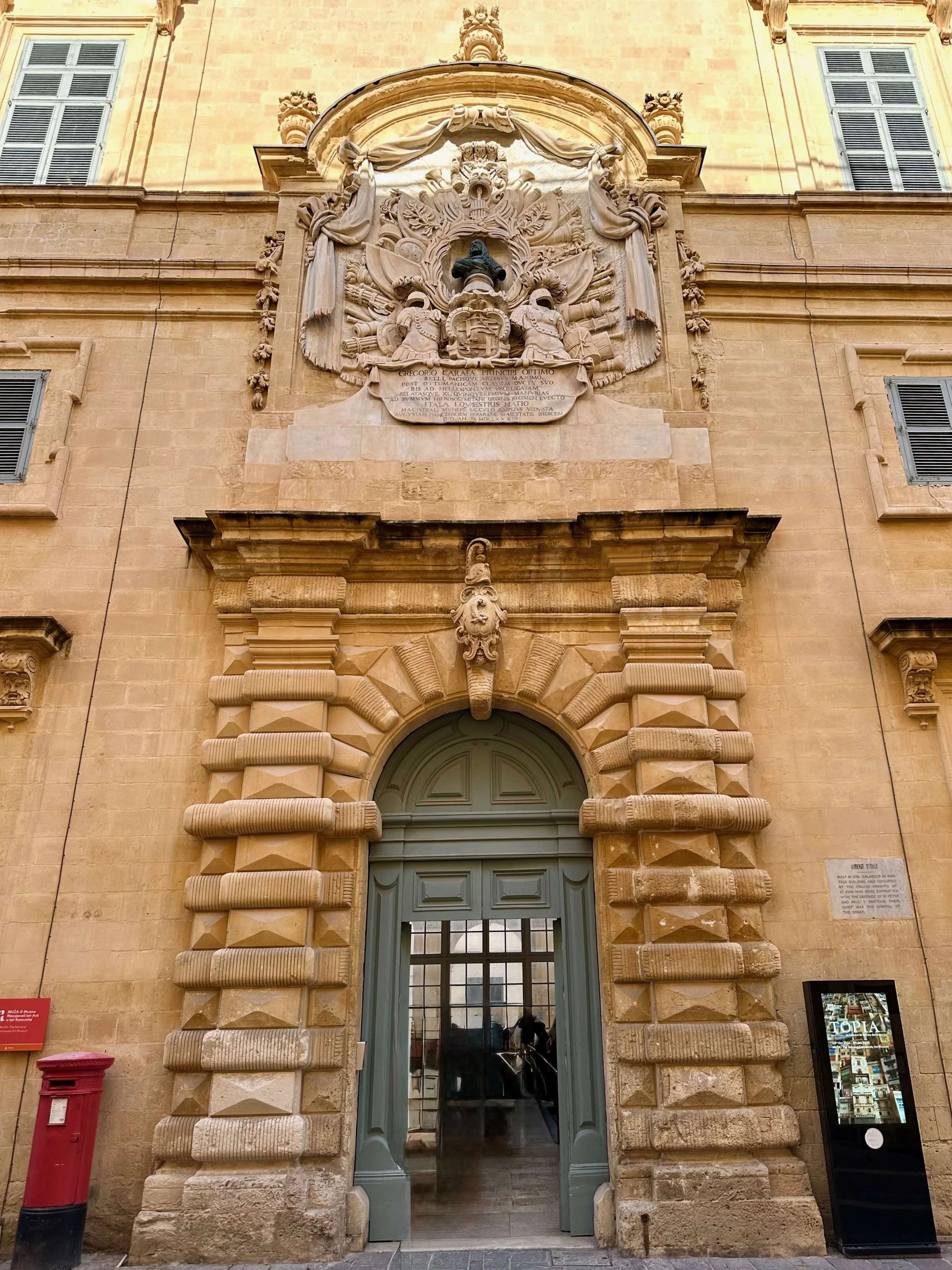
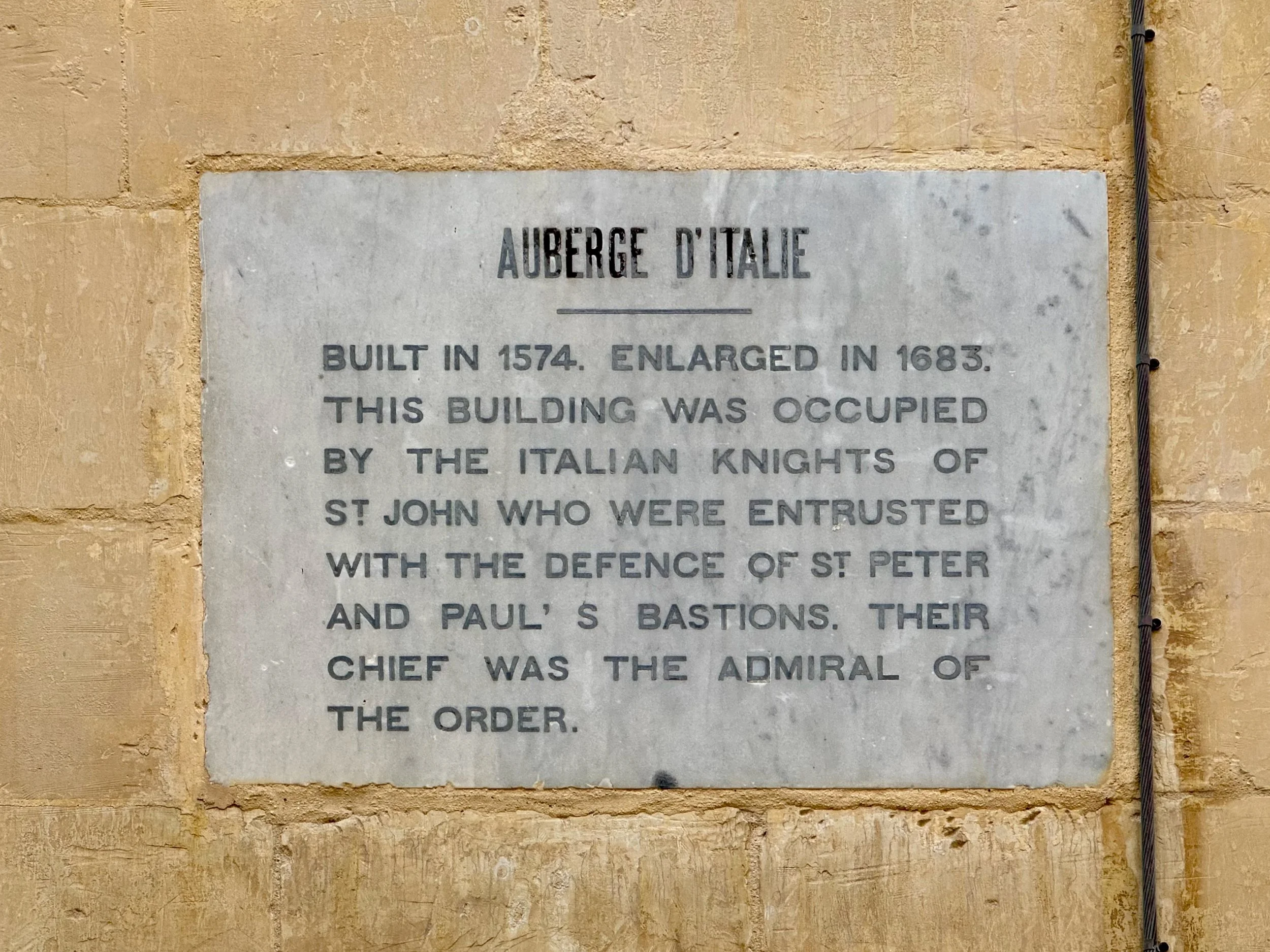
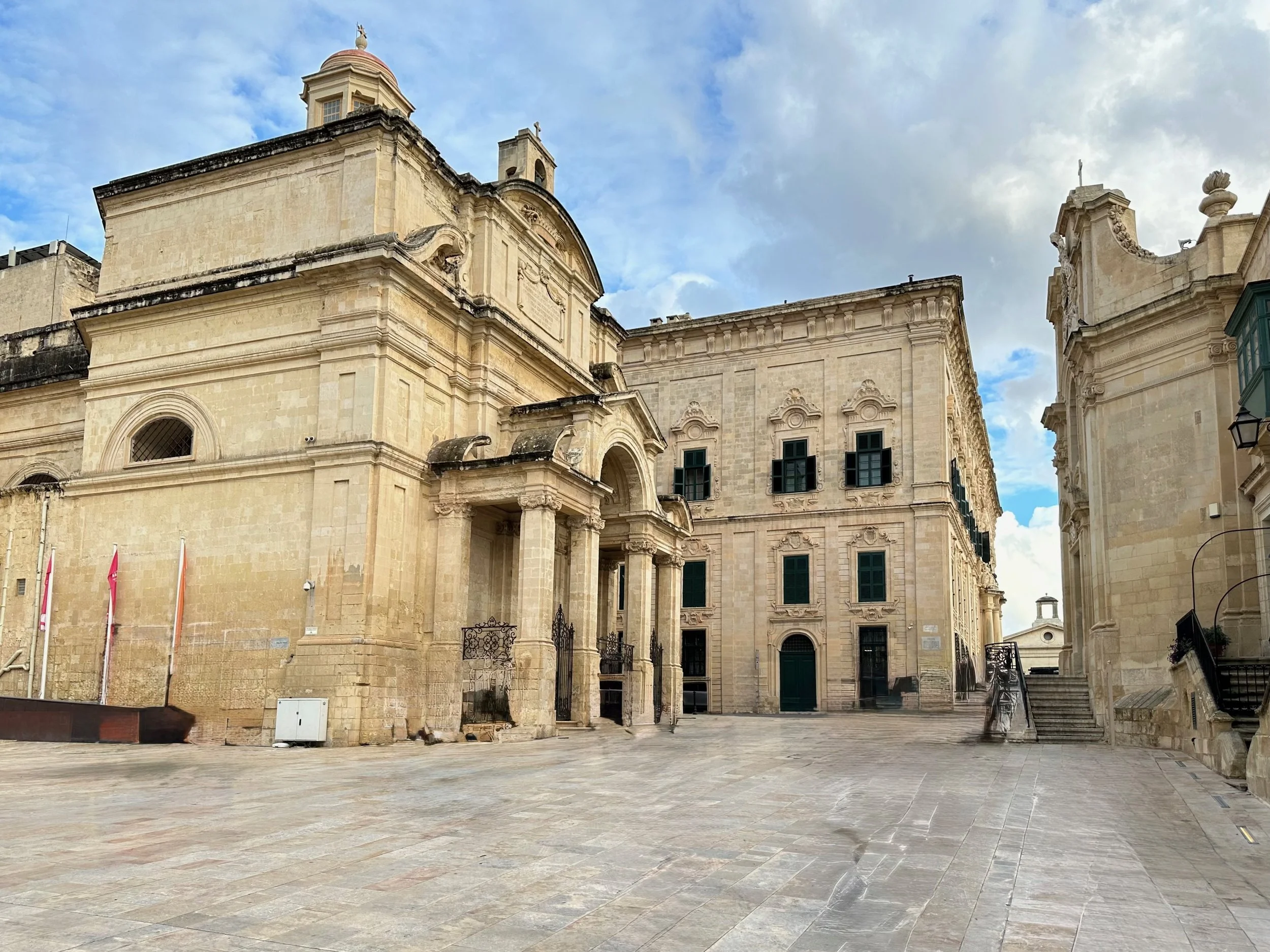
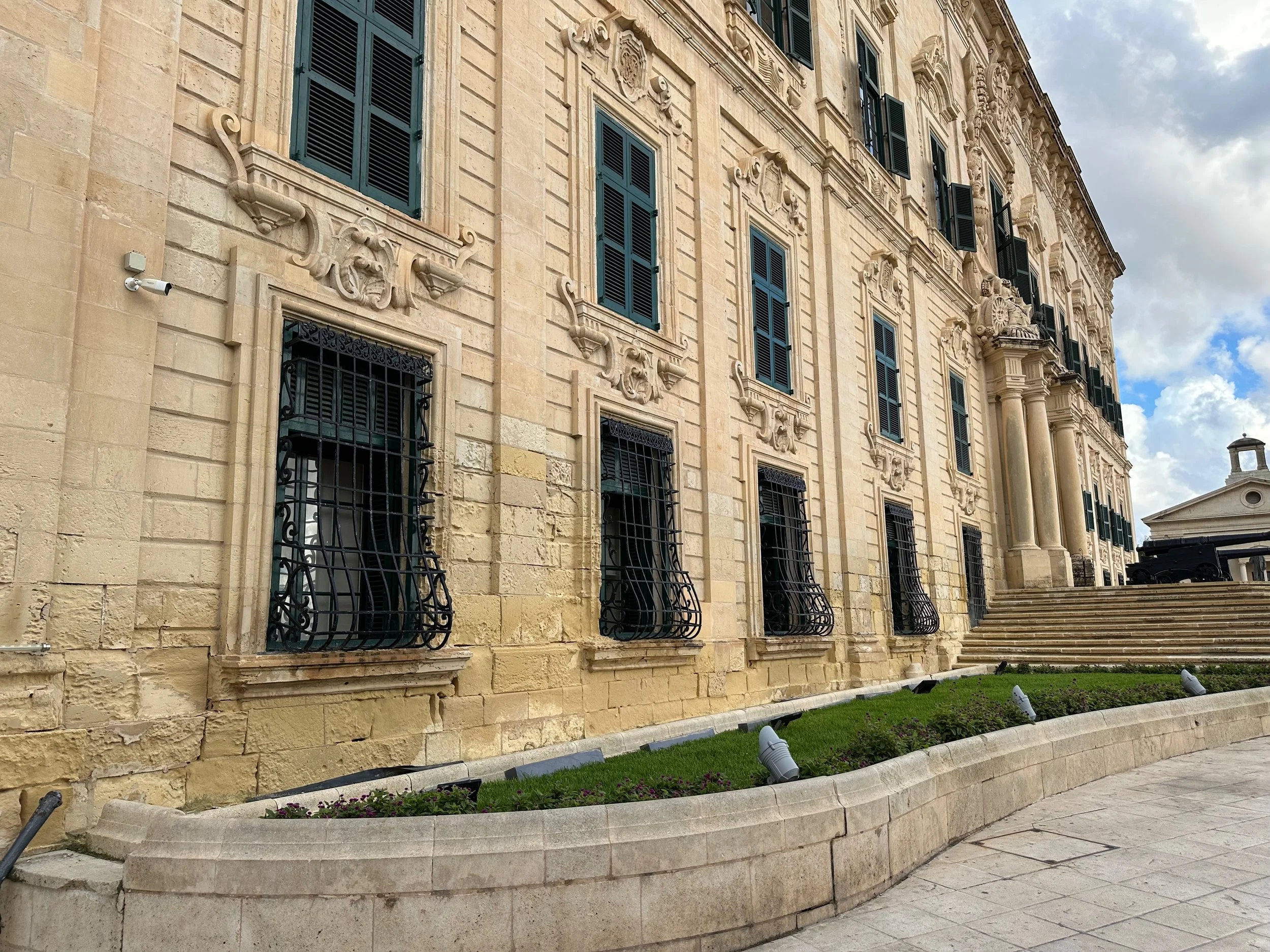
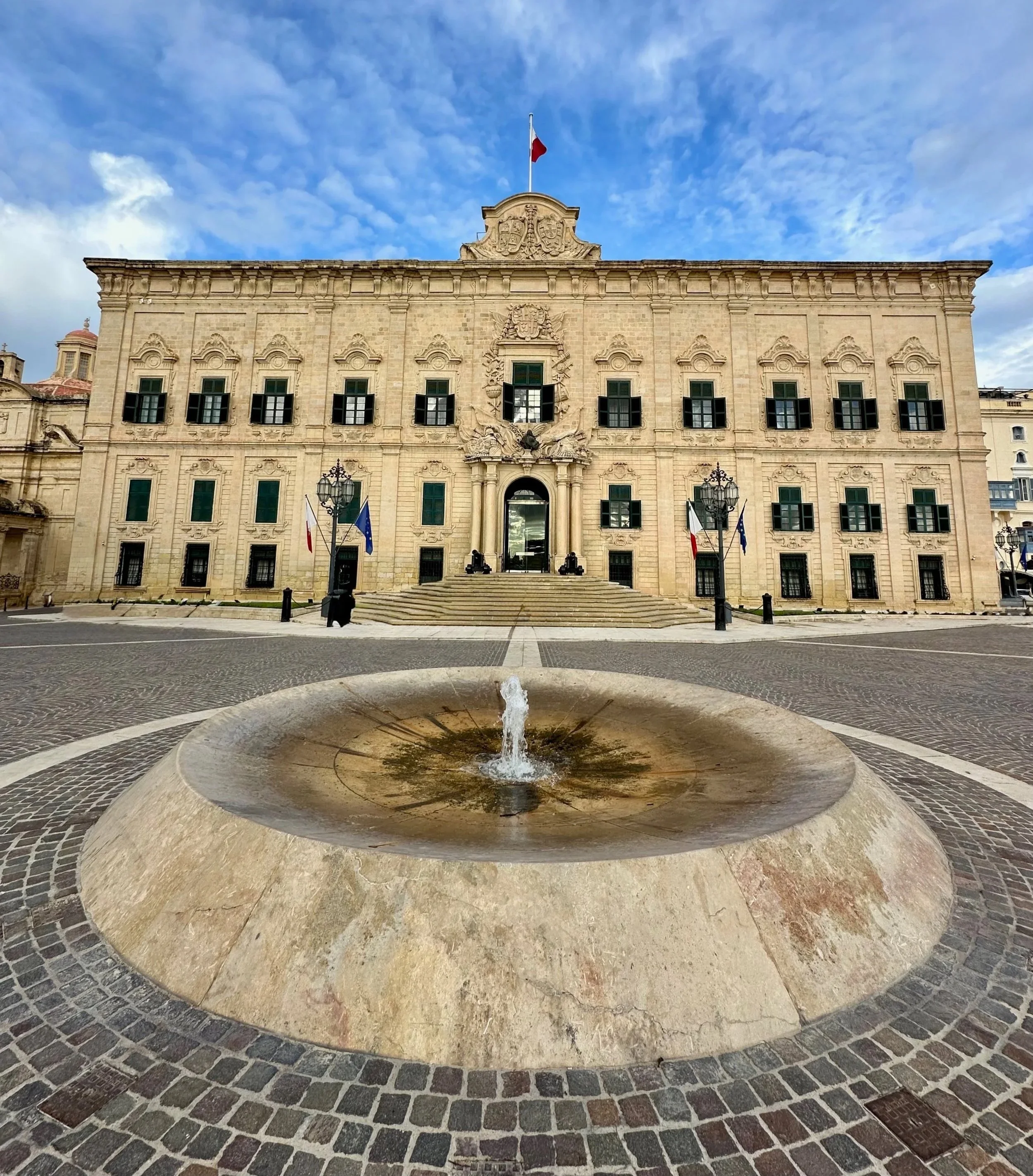
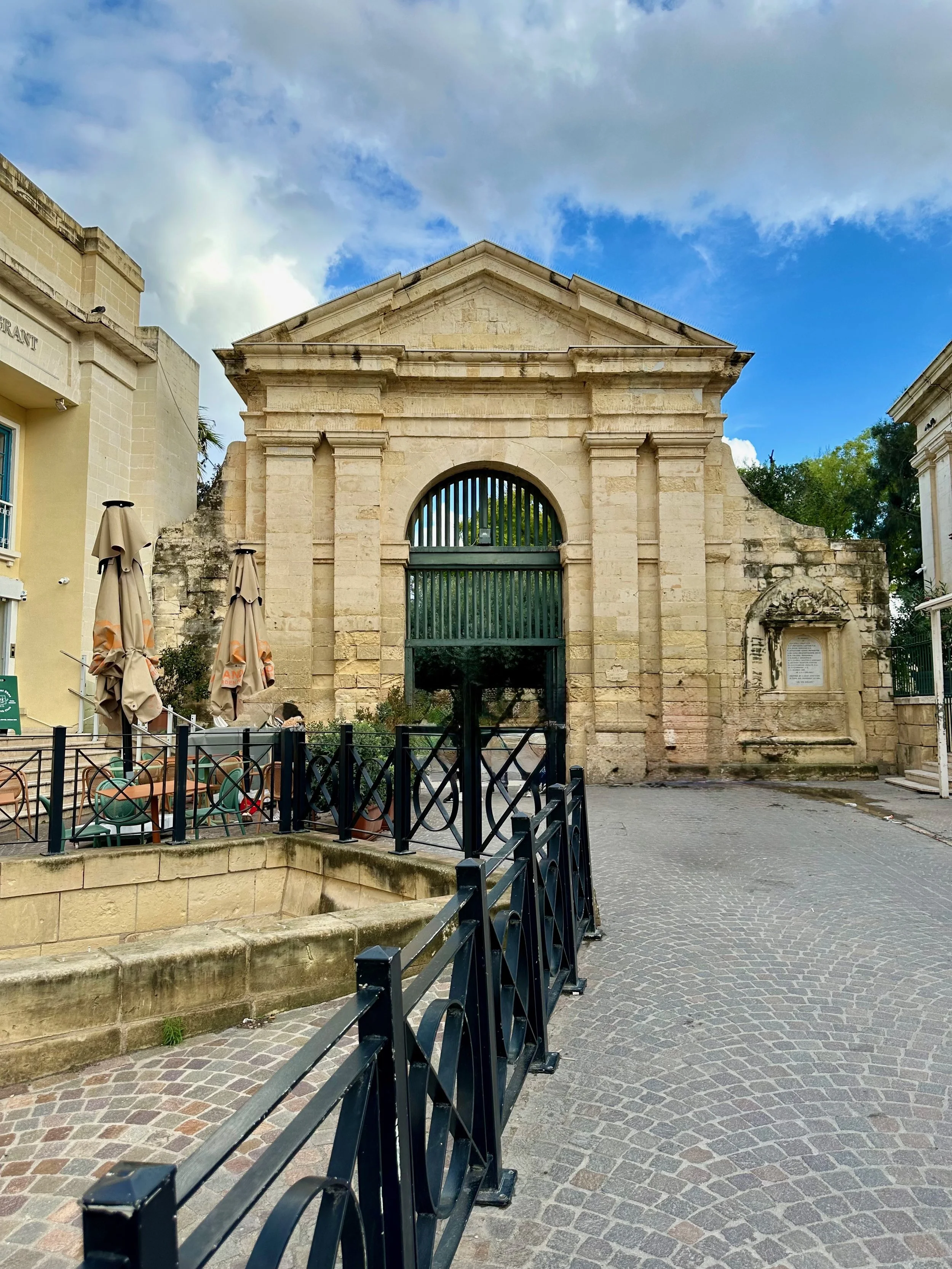
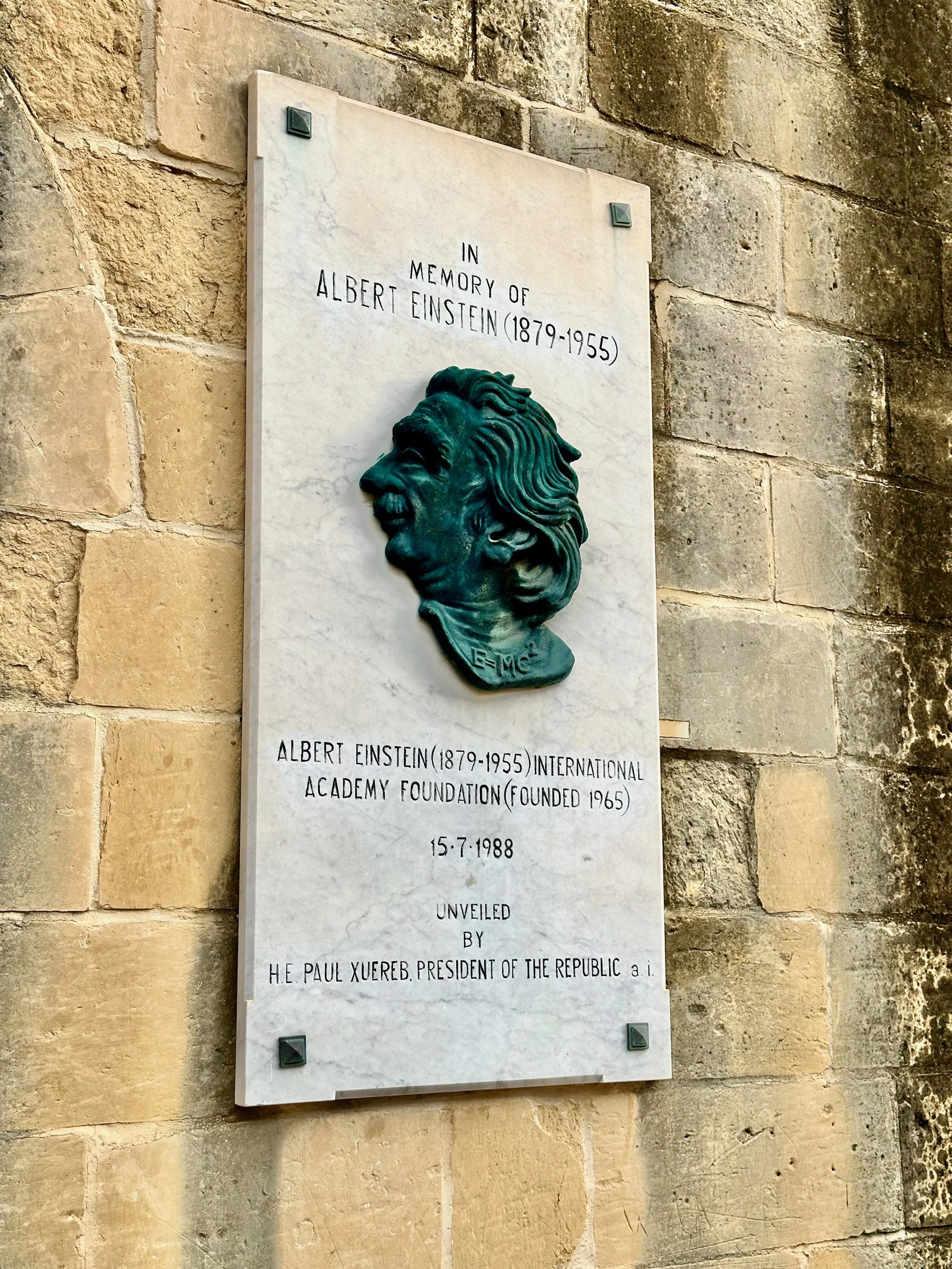
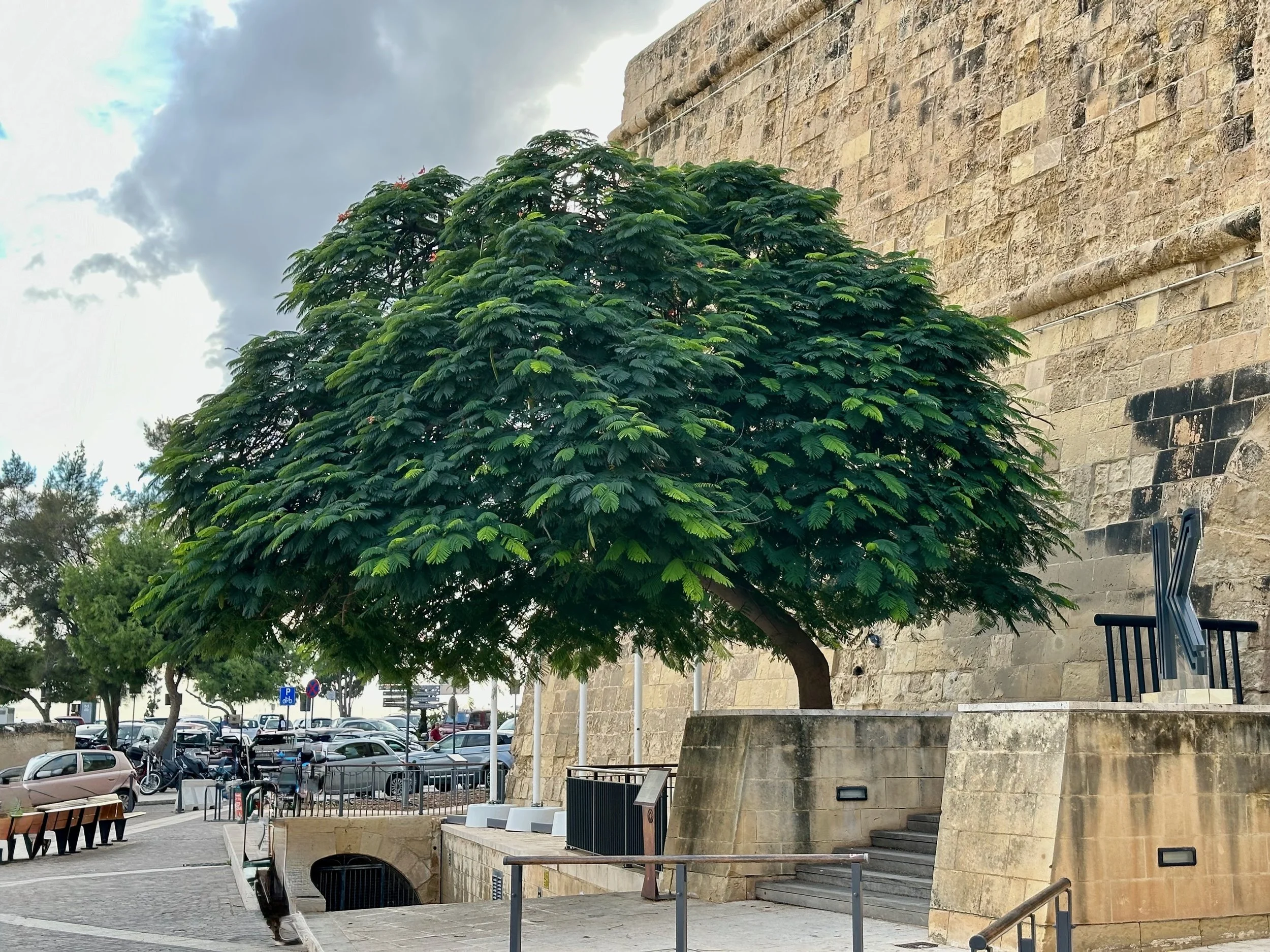
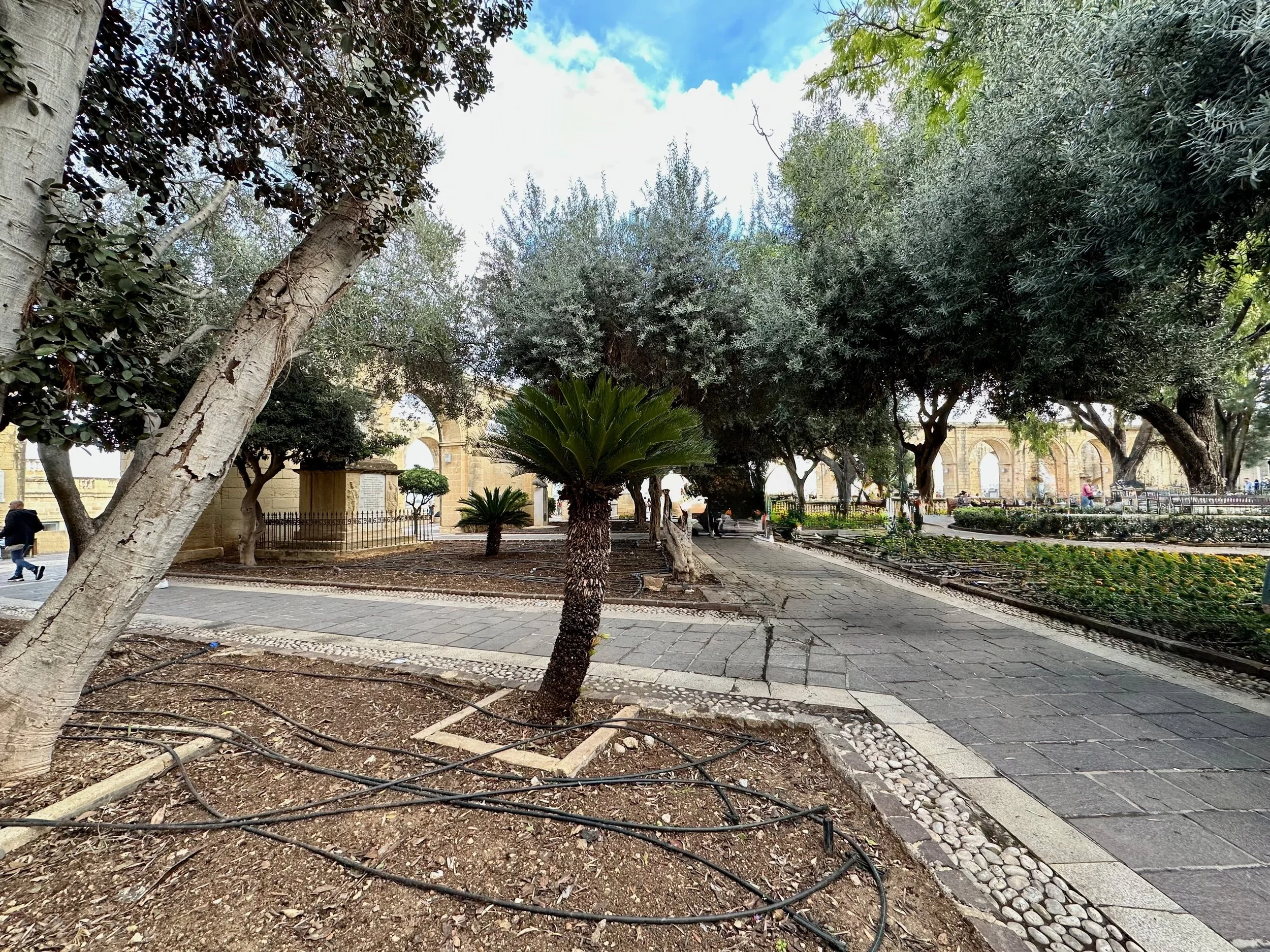
The detailed gold is overwhelming.
St. John’s Co-Cathedral, Valetta
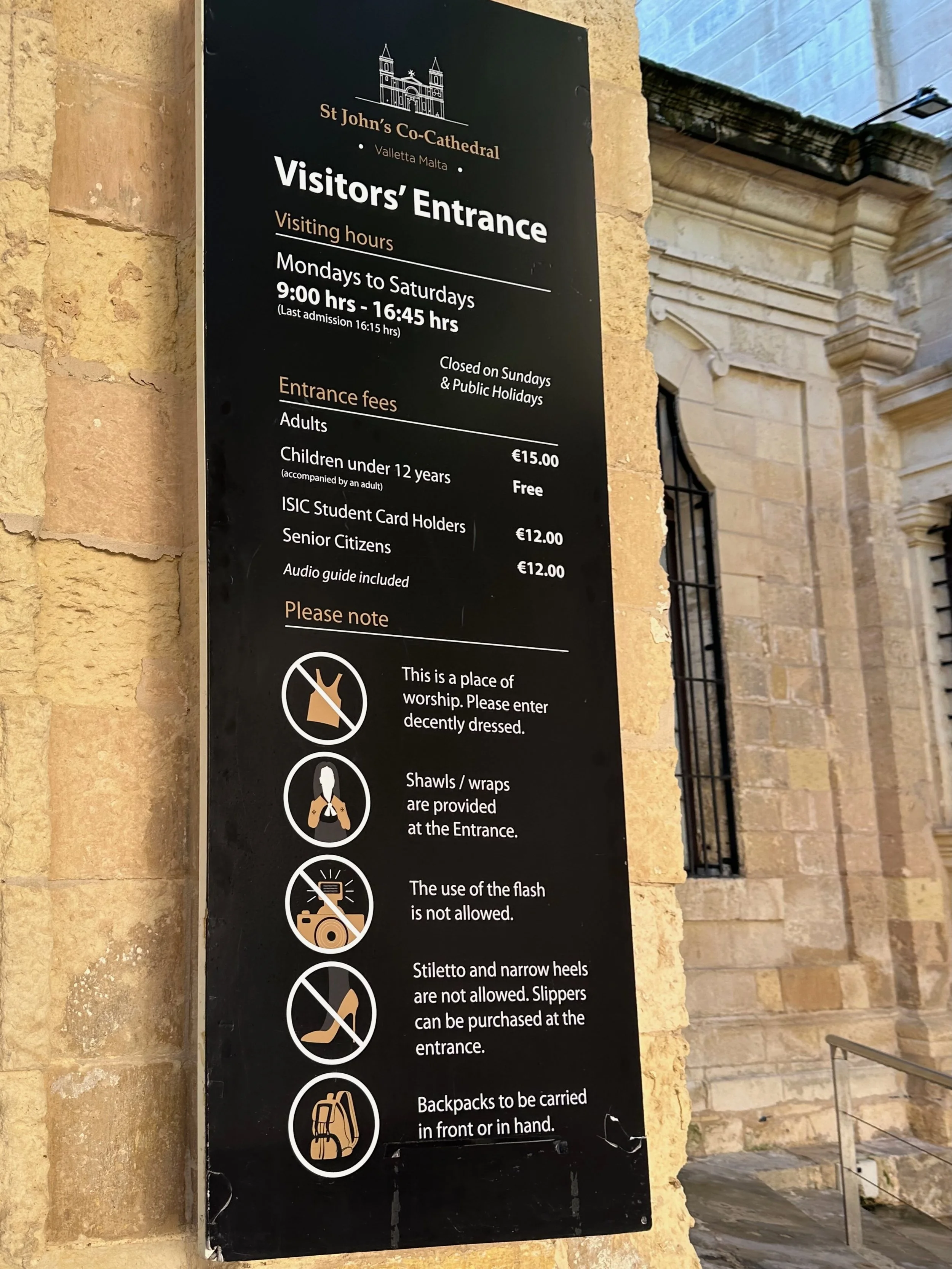
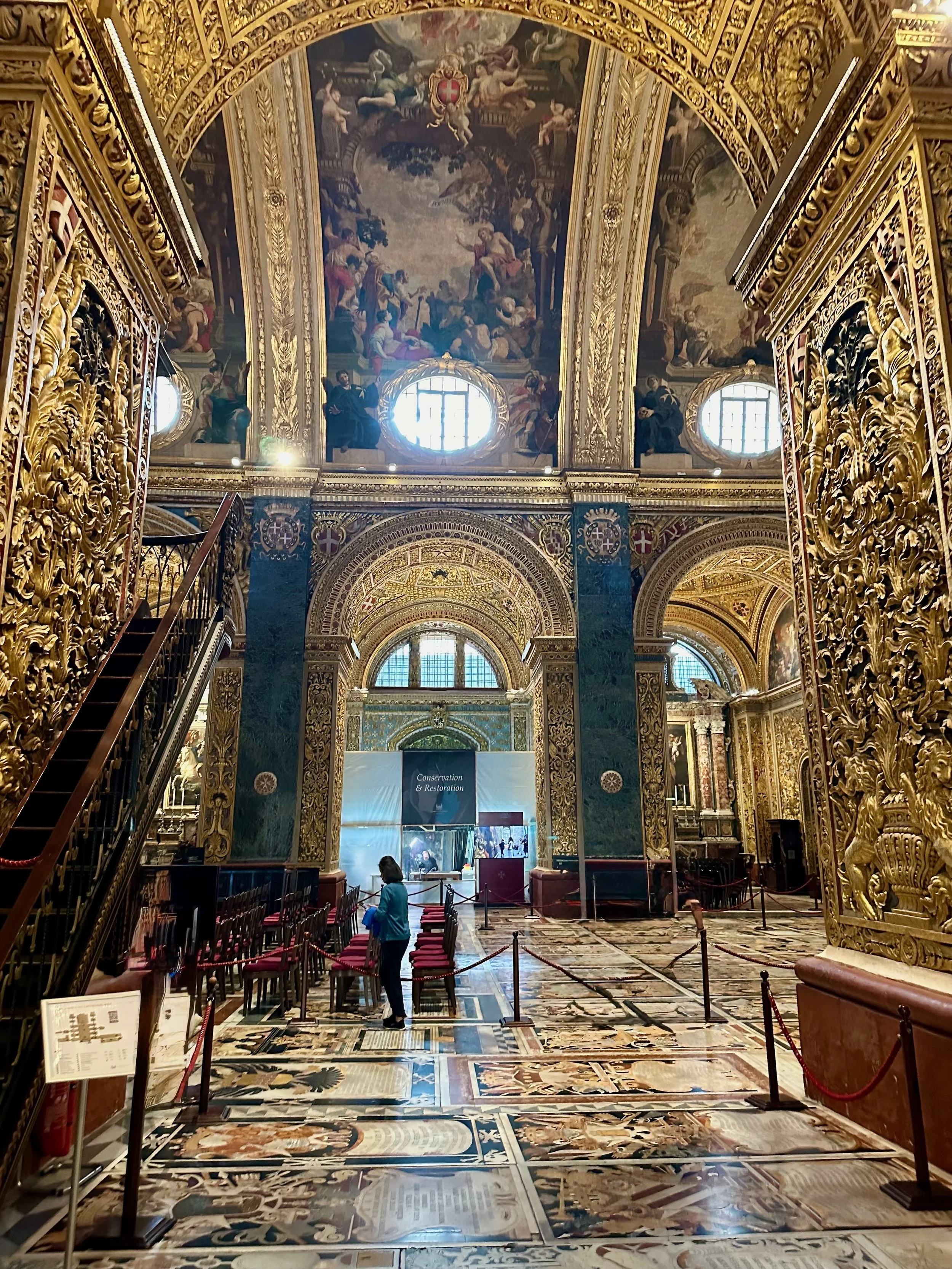
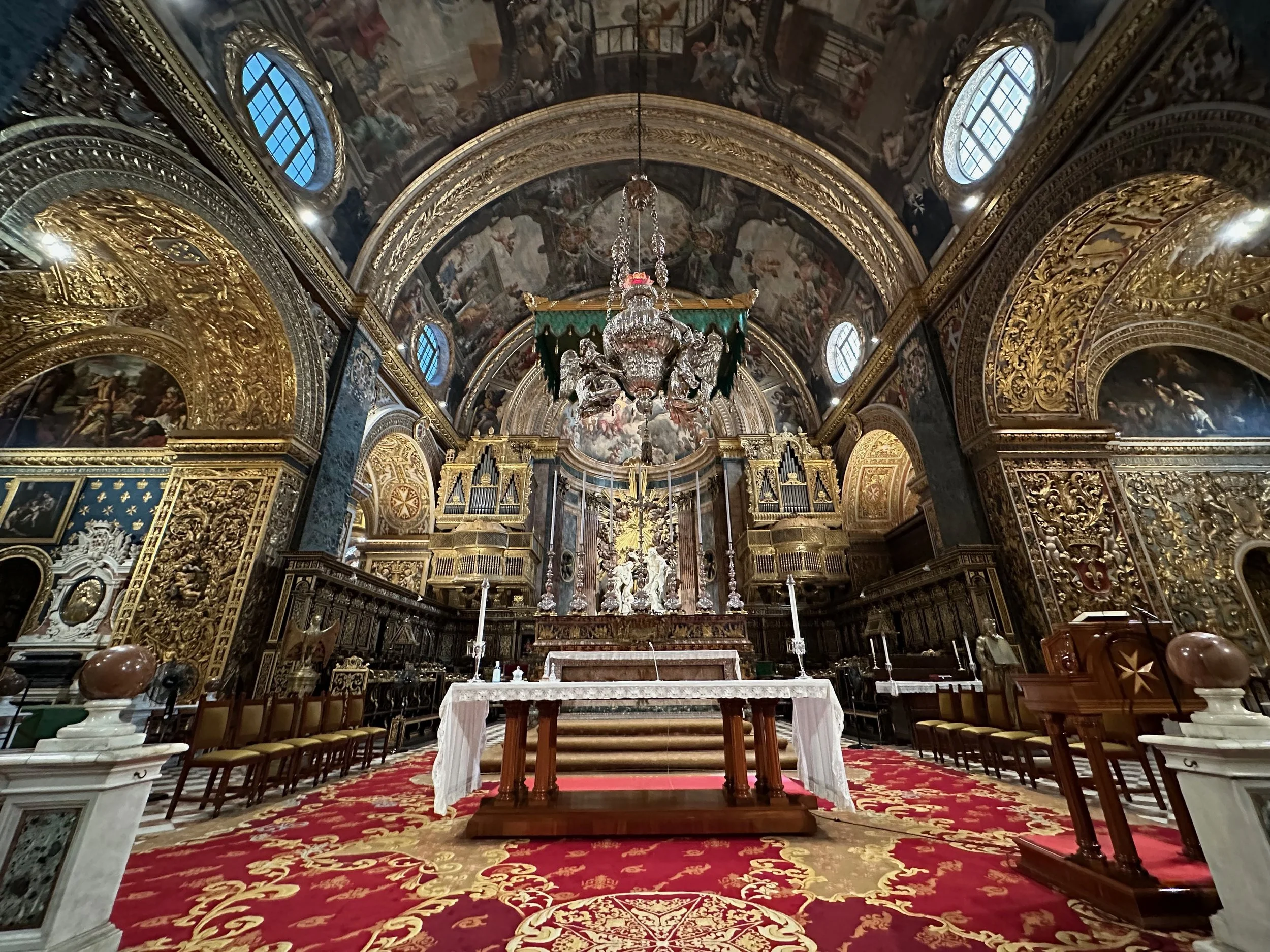
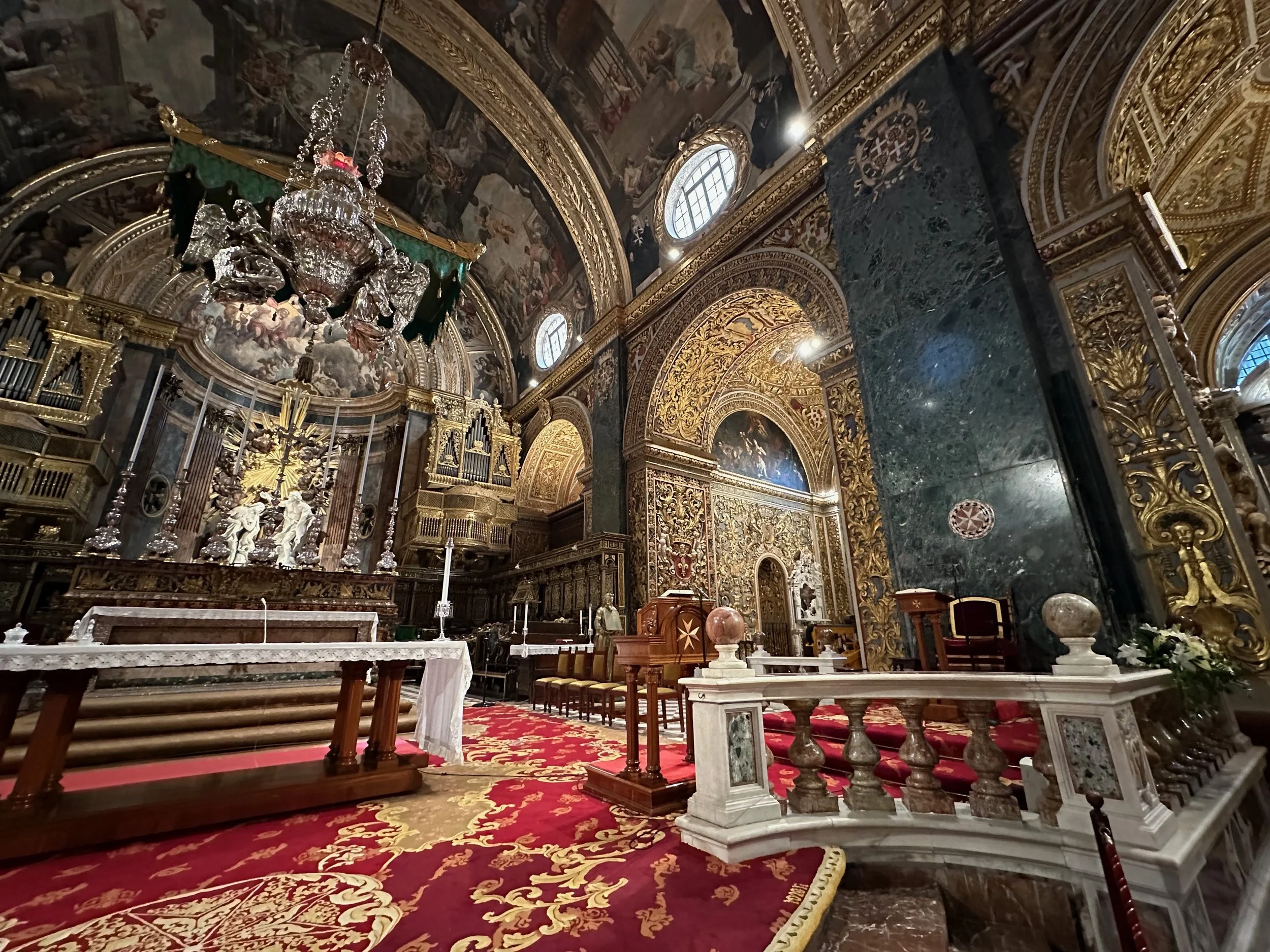
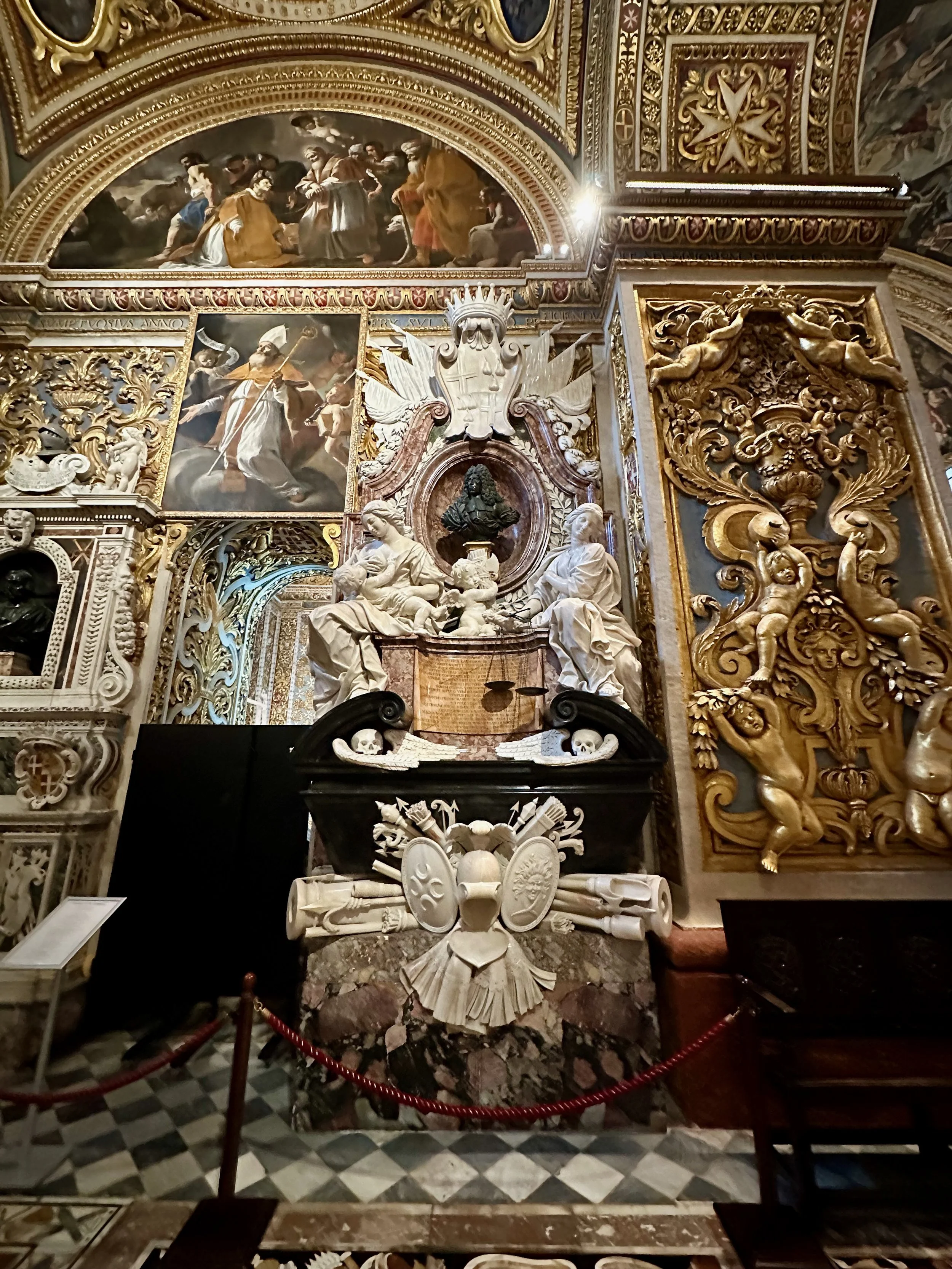
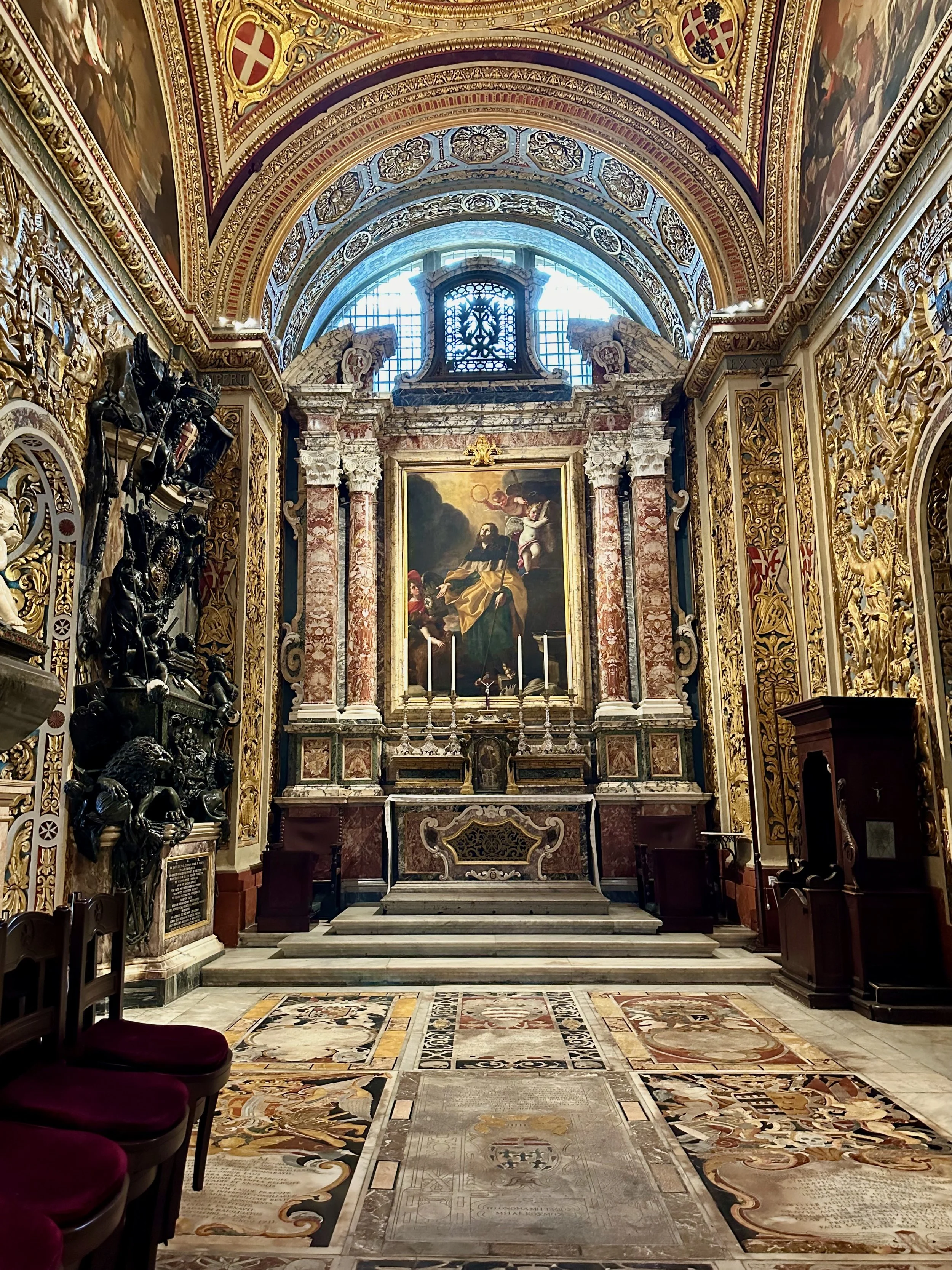
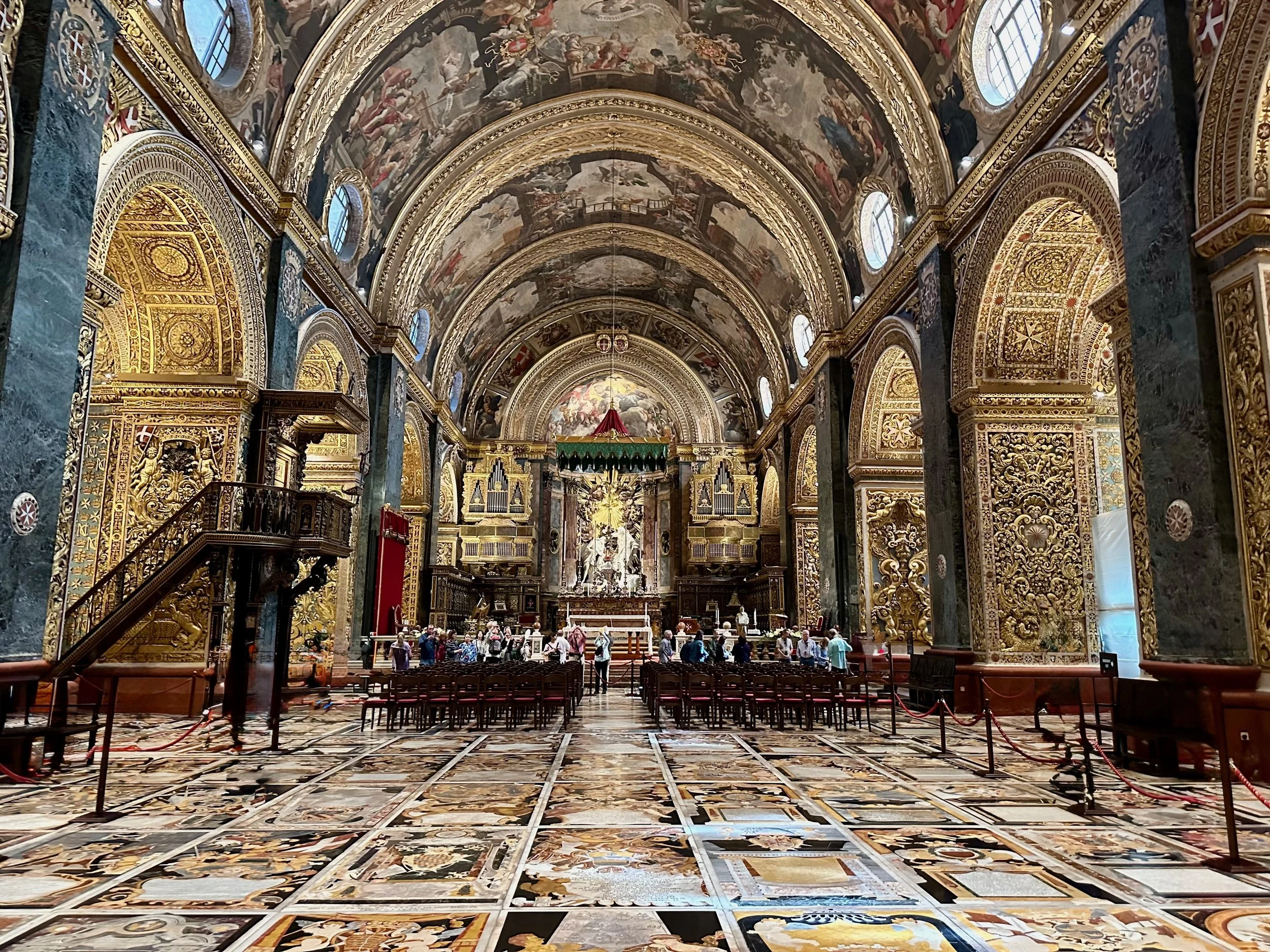
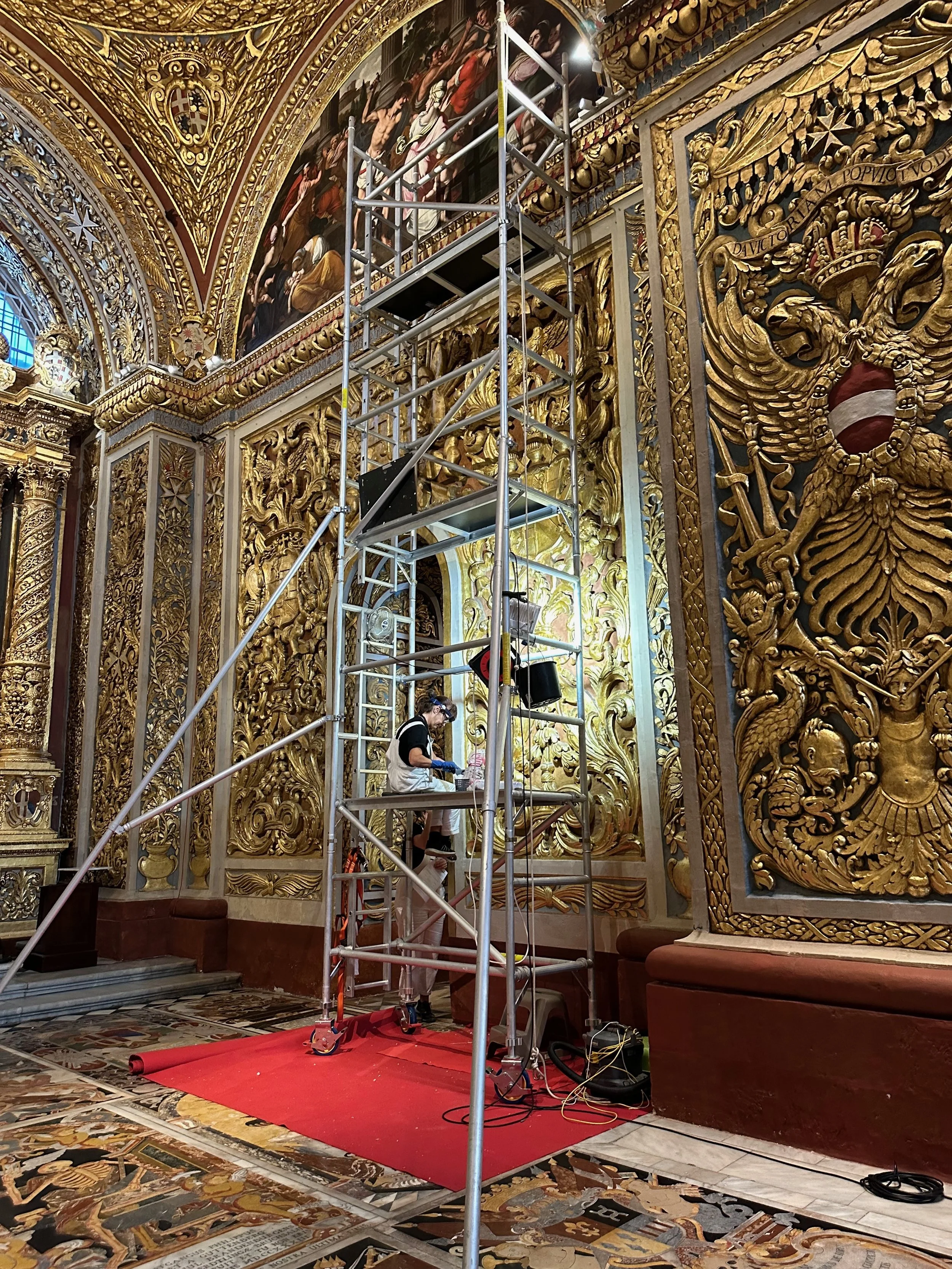
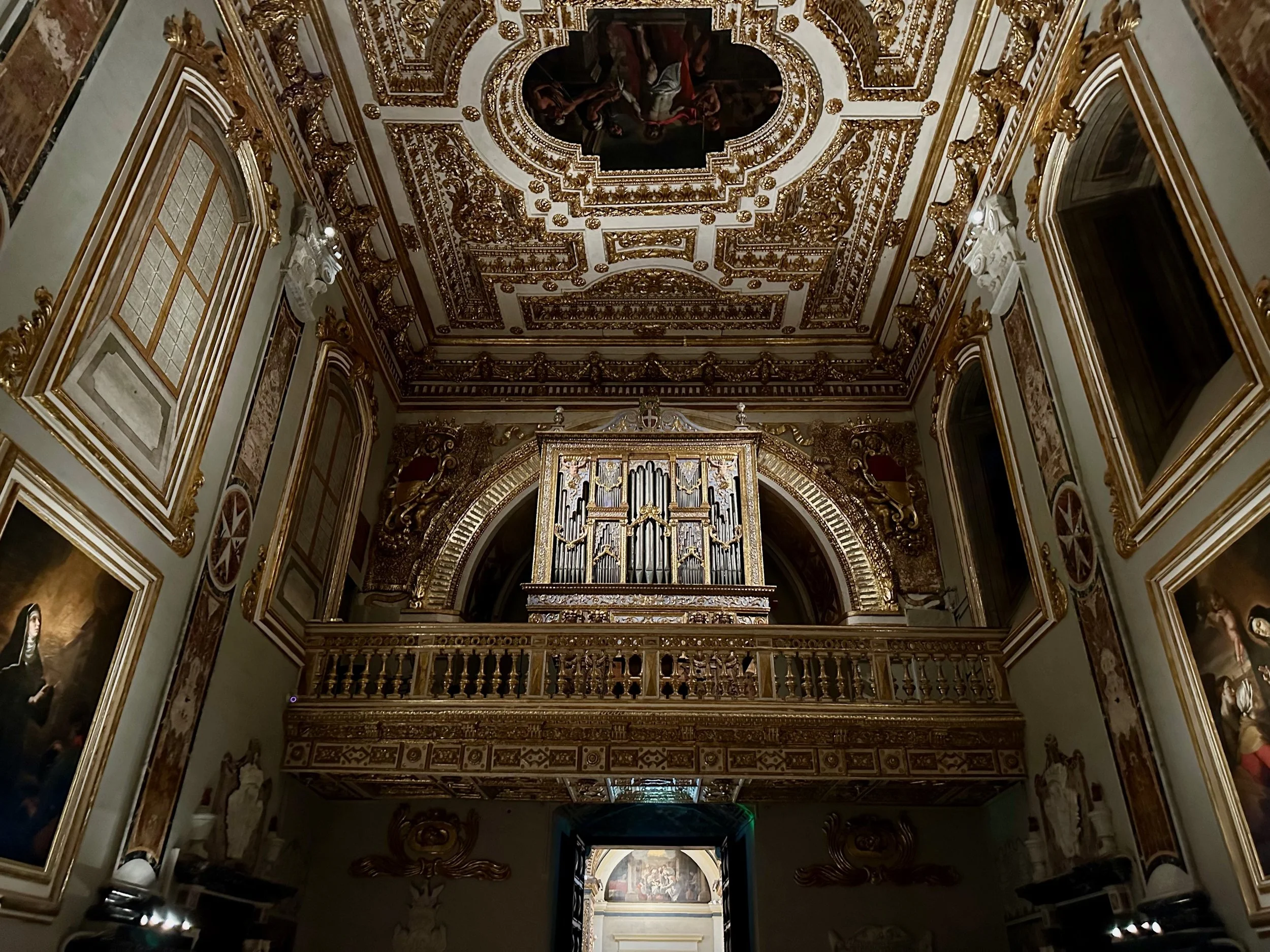
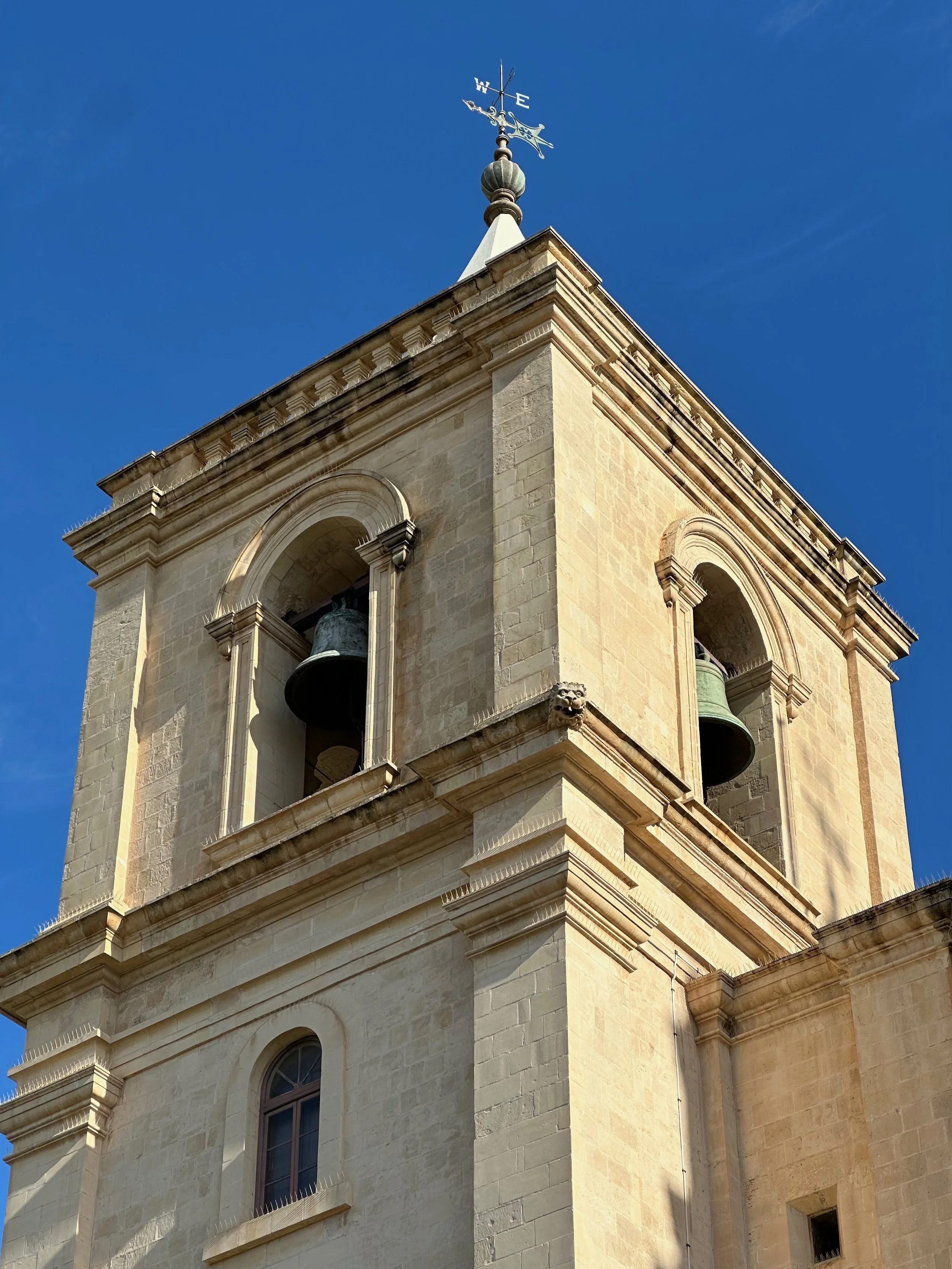
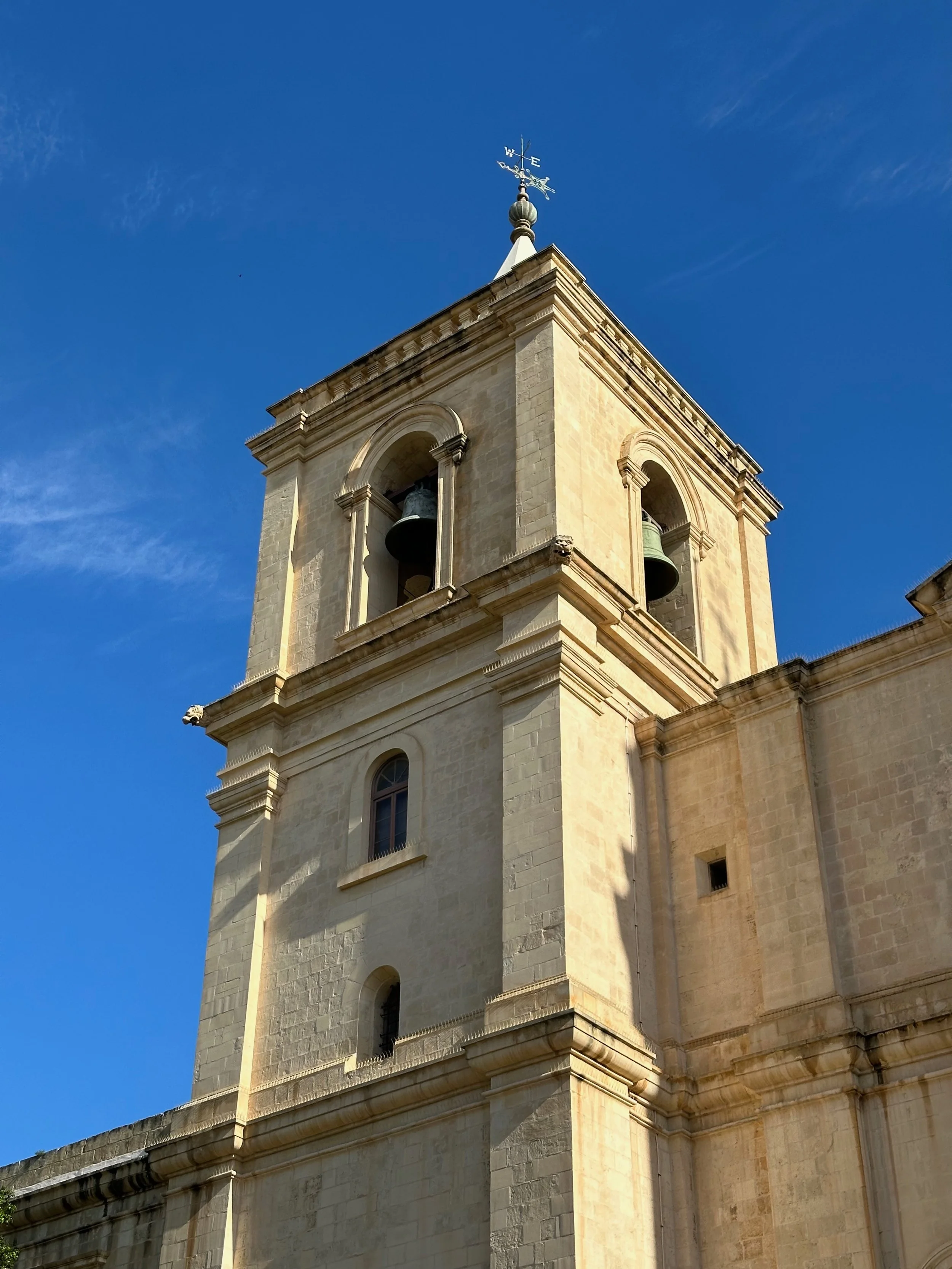
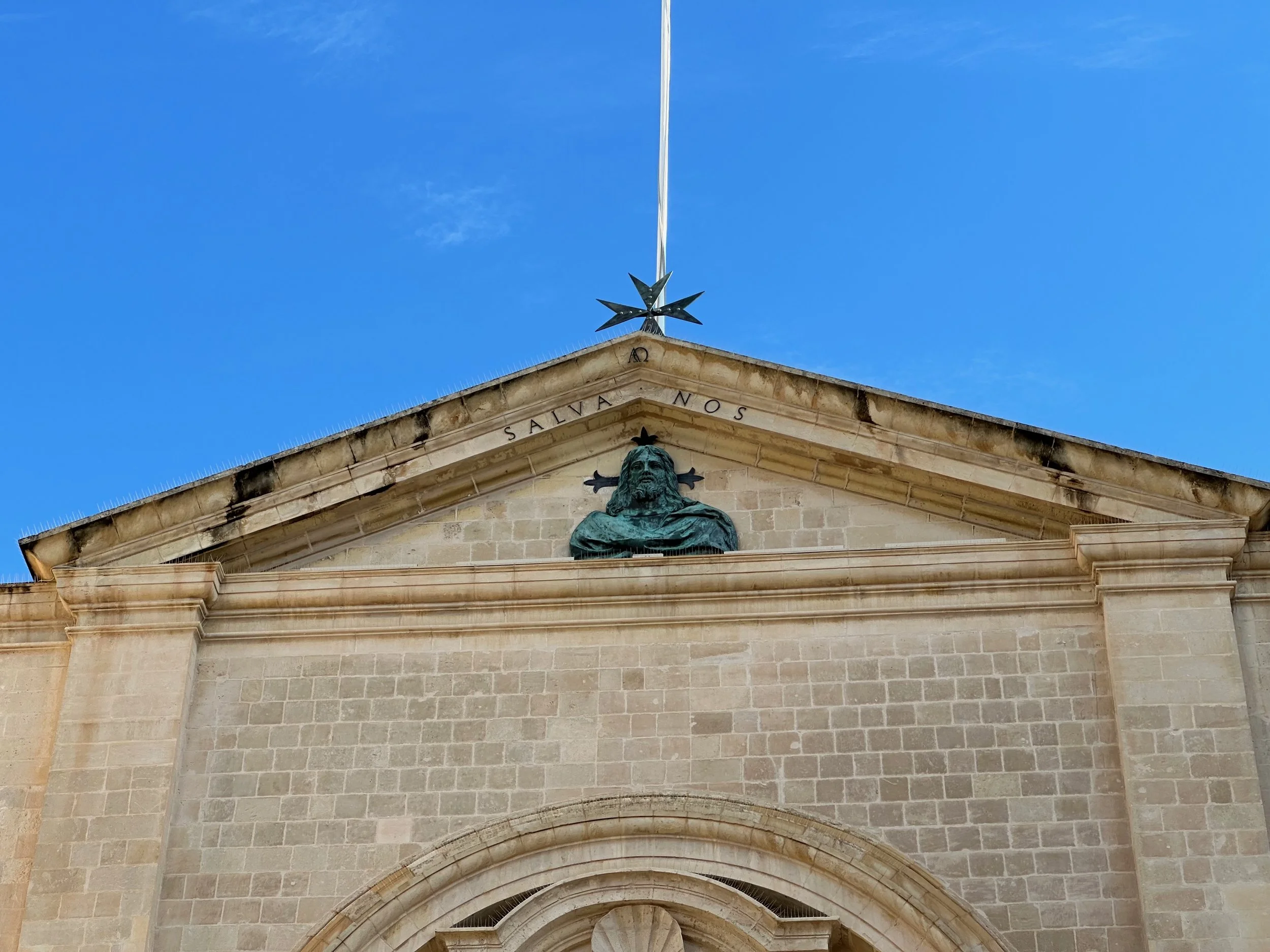
Although we have seen numerous cathedrals, mosques, shrines and temples in our travels about the globe, none could compete with the one we saw in Valetta when it comes to the amount of gold worked into the walls and ceilings of St. John’s Co-Cathedral. Some have easily been as intricate as this one, but they didn’t cover that intricacy with gold nearly to the extent seen here. Entering this cathedral for the first time causes one to experience a feeling of shear awe when confronted with the spectacle. Even the floors are spectacular with every inch covered with detailed works of art that identify the resting place of highly venerated individuals. Art that’s not painted, you understand, but carved and fitted coloured stone creating incredible graphics.
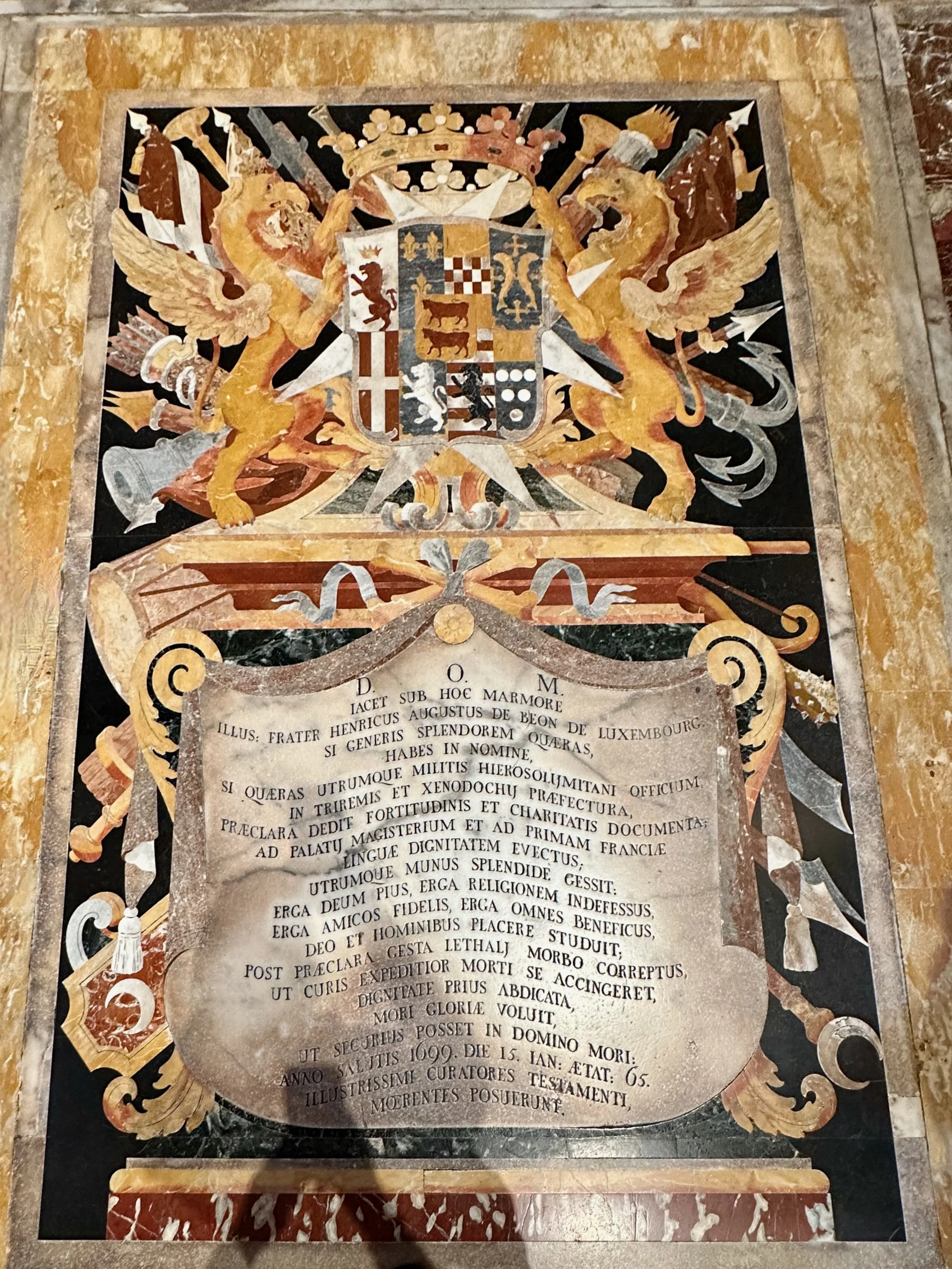
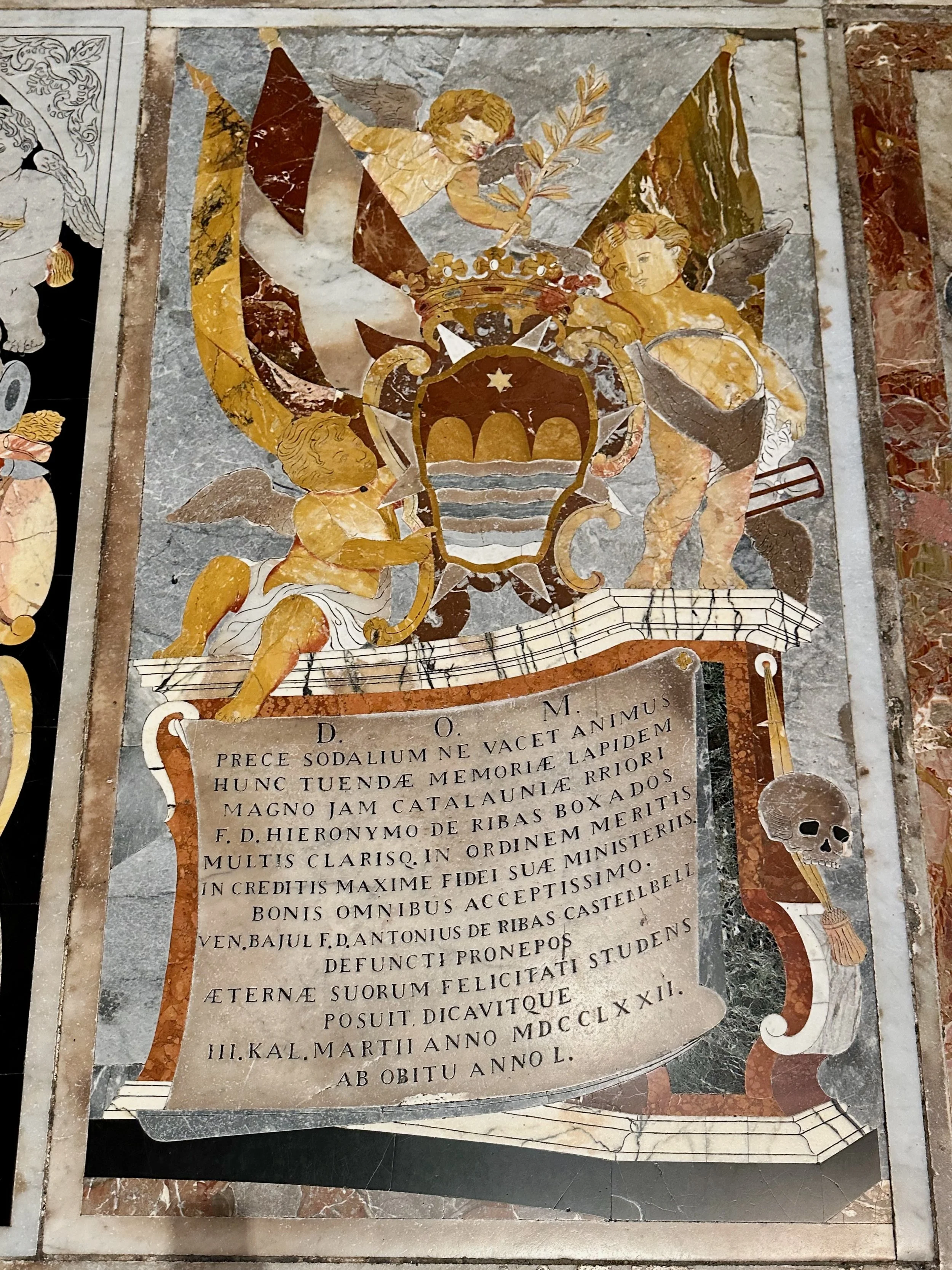
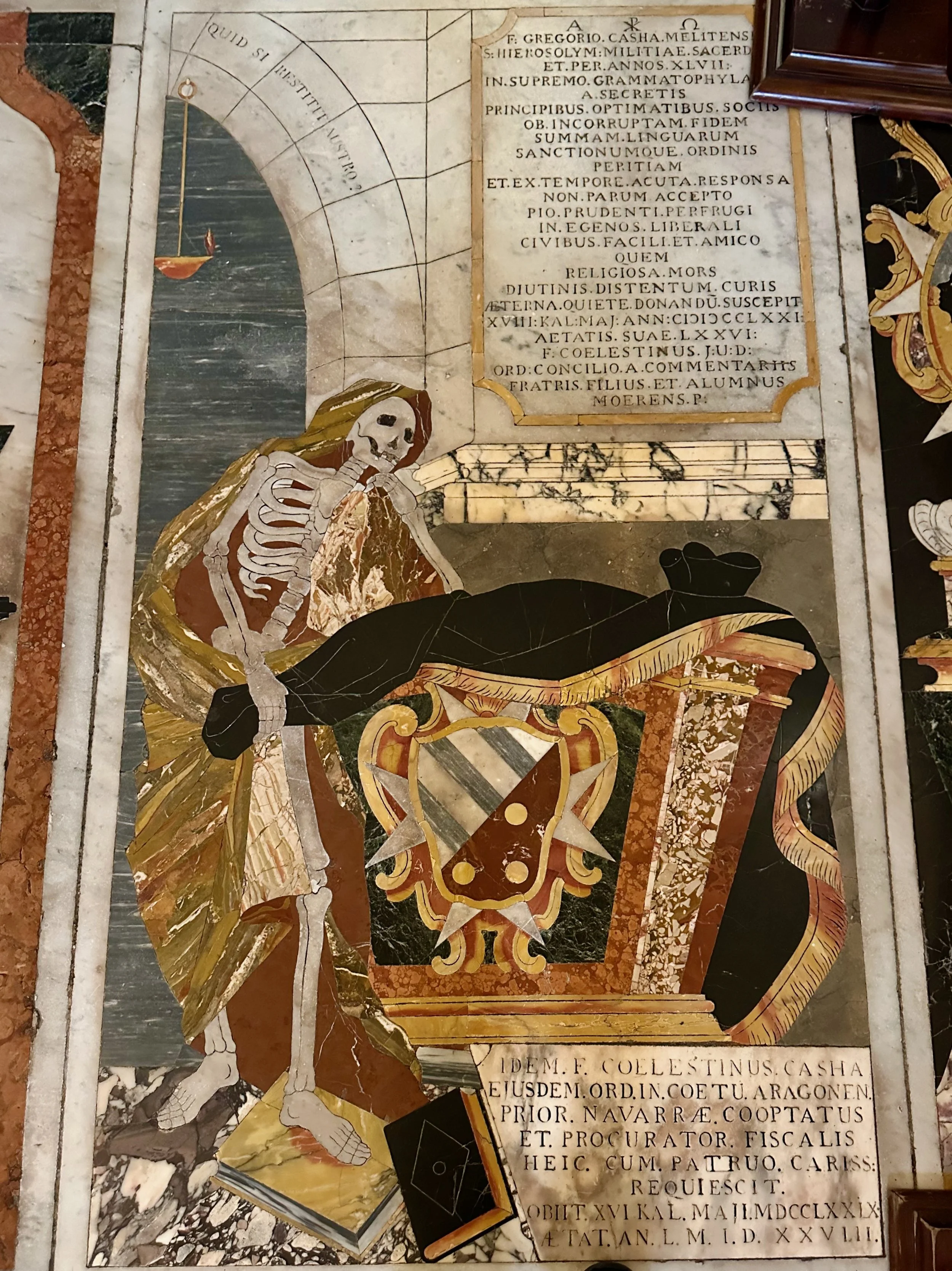
The interior of the cathedral doesn’t have a single unadorned surface. Not the walls, floors or ceiling. If they aren’t covered with intricate carvings gilded in gold, then they are smooth marble or painted with incredible frescos depicting all manner of historical or divine scenes. Even floor space where tomb covers are possible is covered with exquisite hand woven carpet. Certainly the Order of St. John was immensely profitable to be able to afford such a landmark.
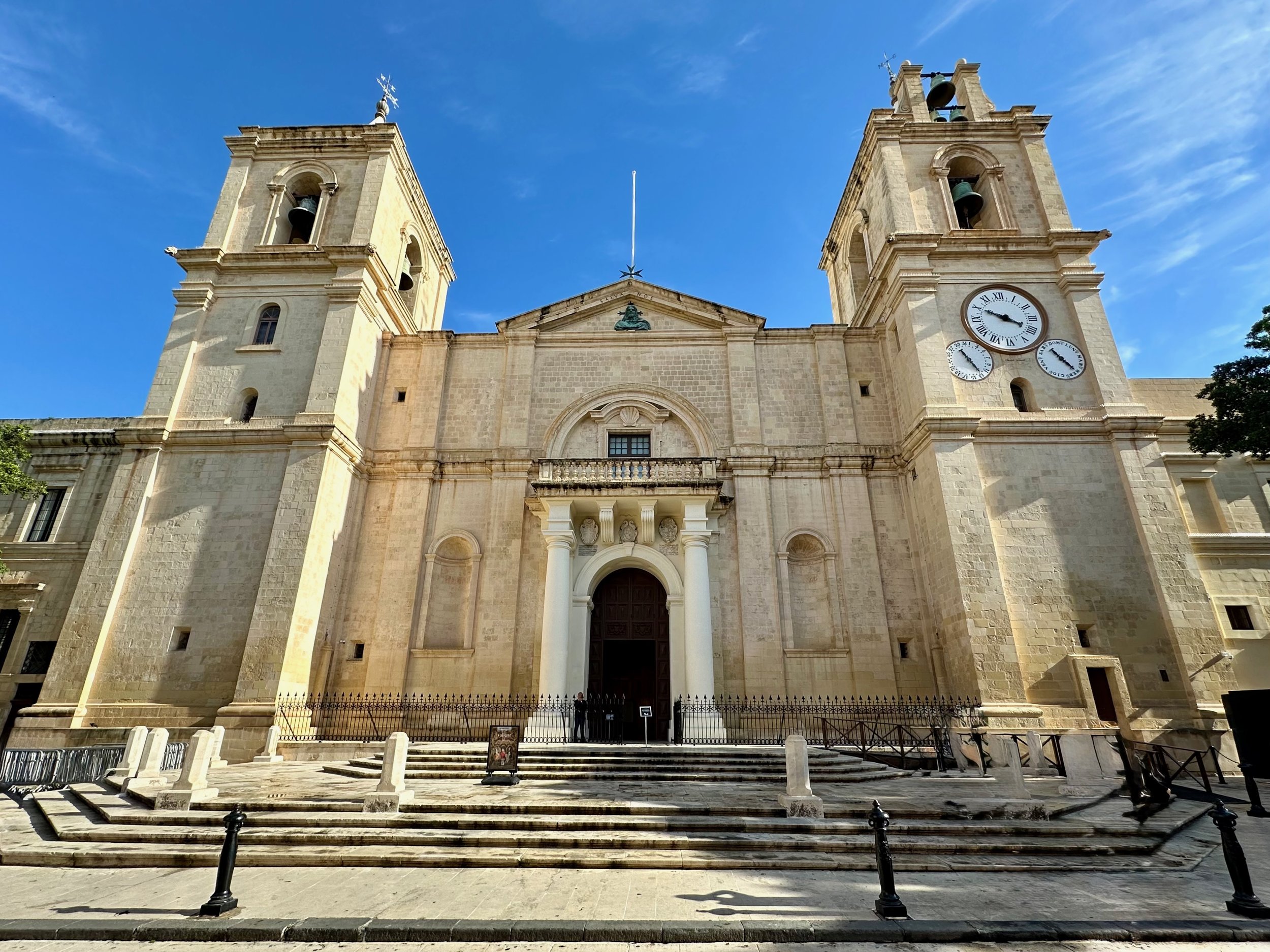
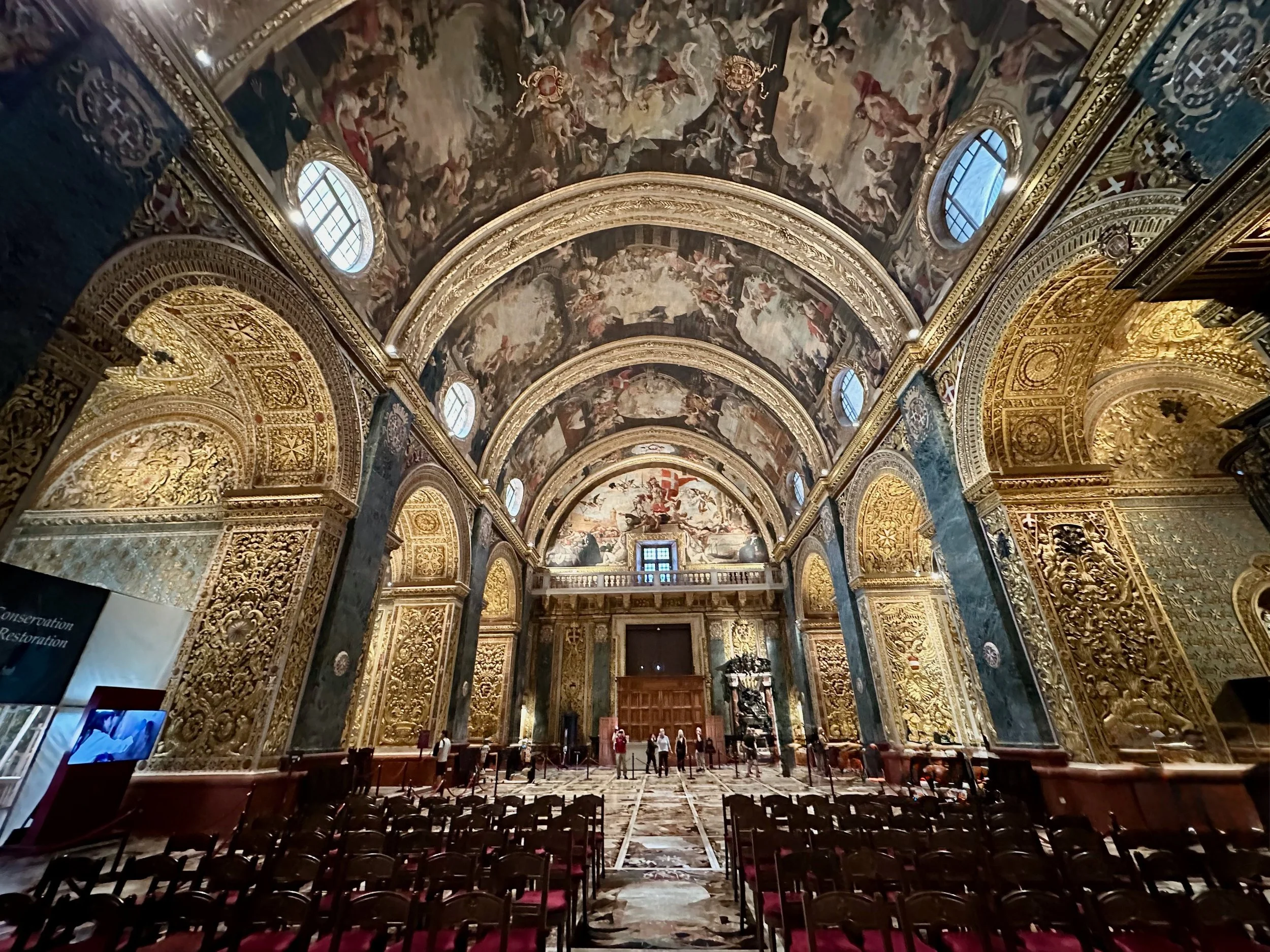
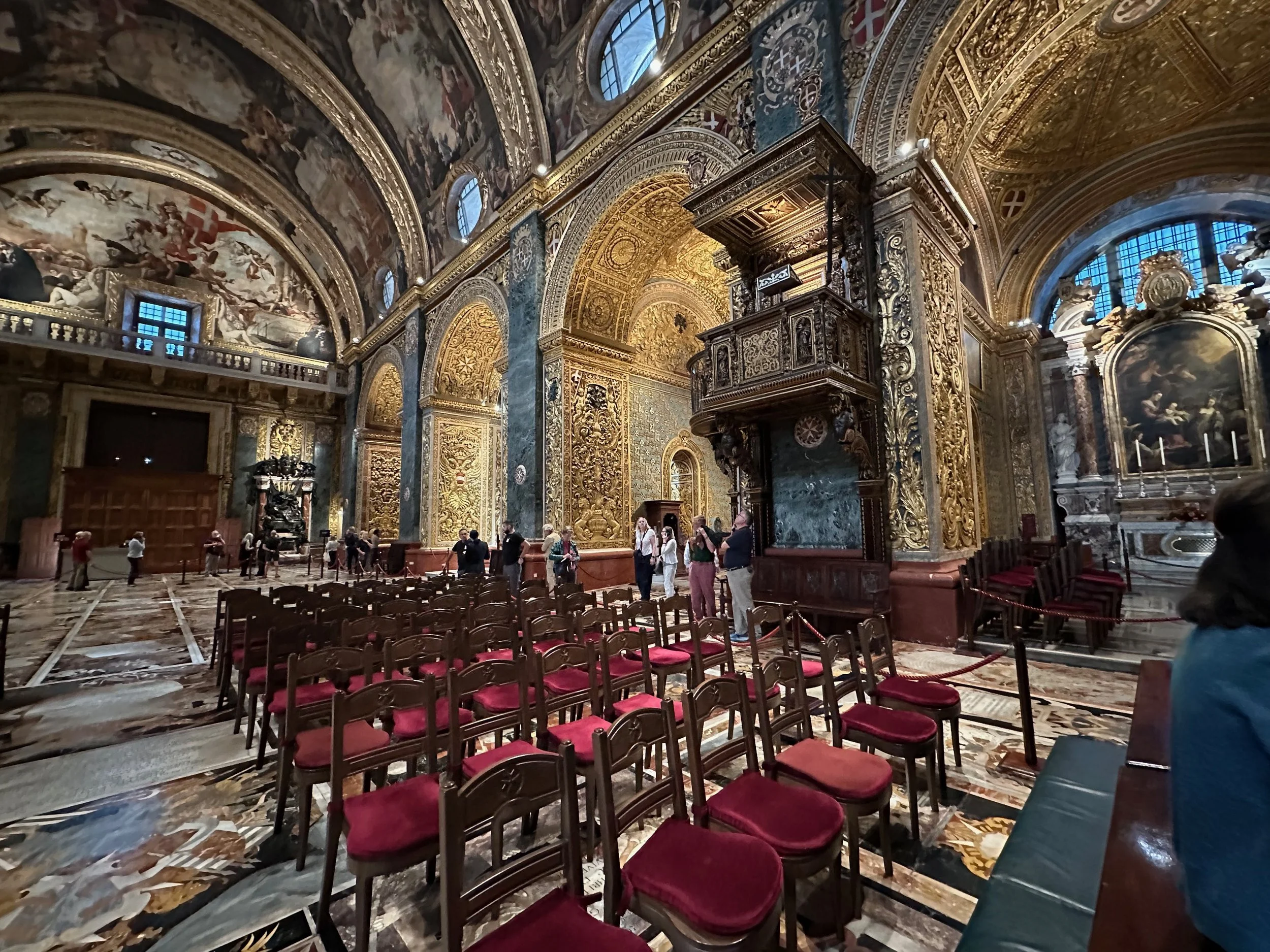
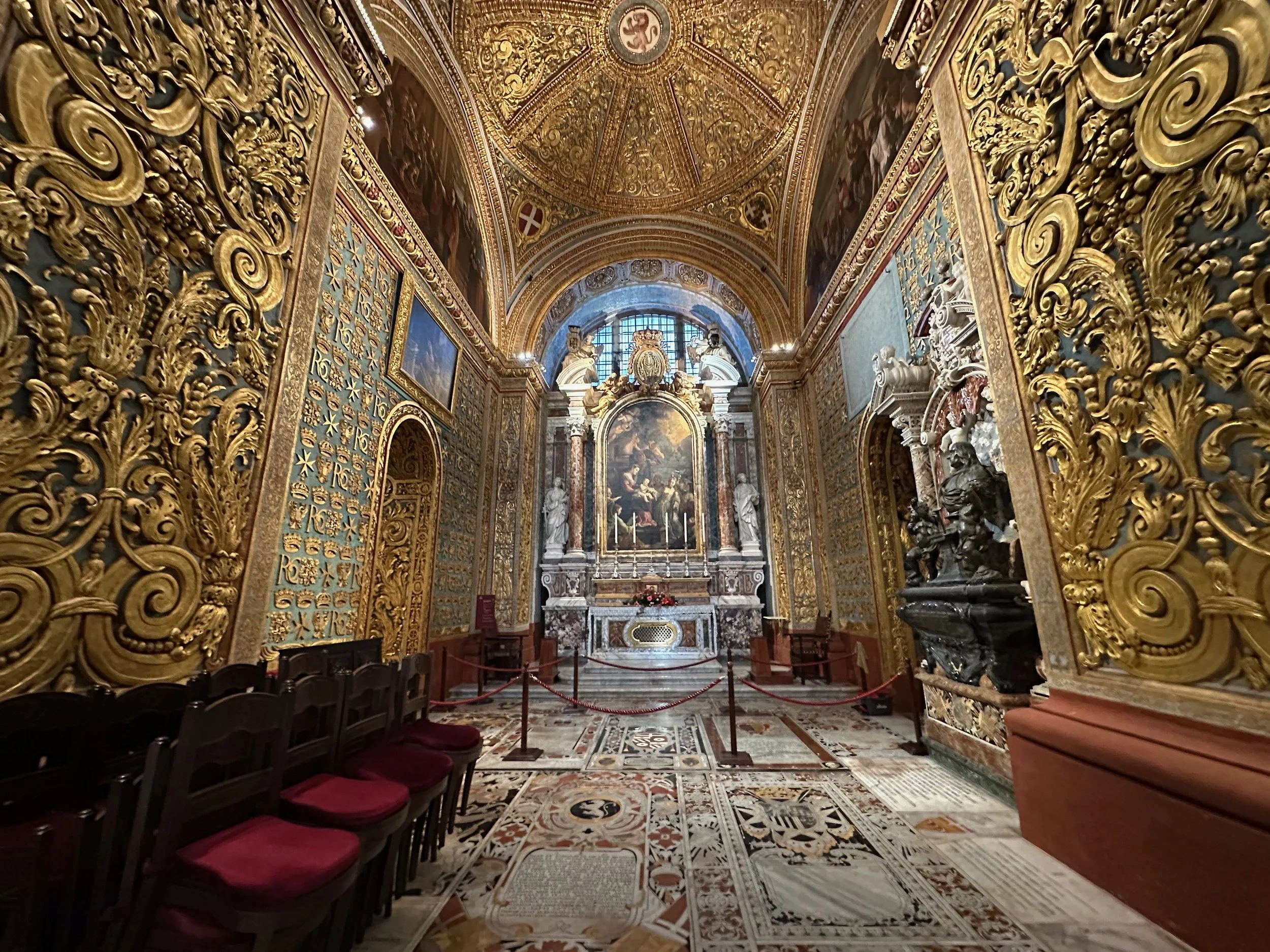
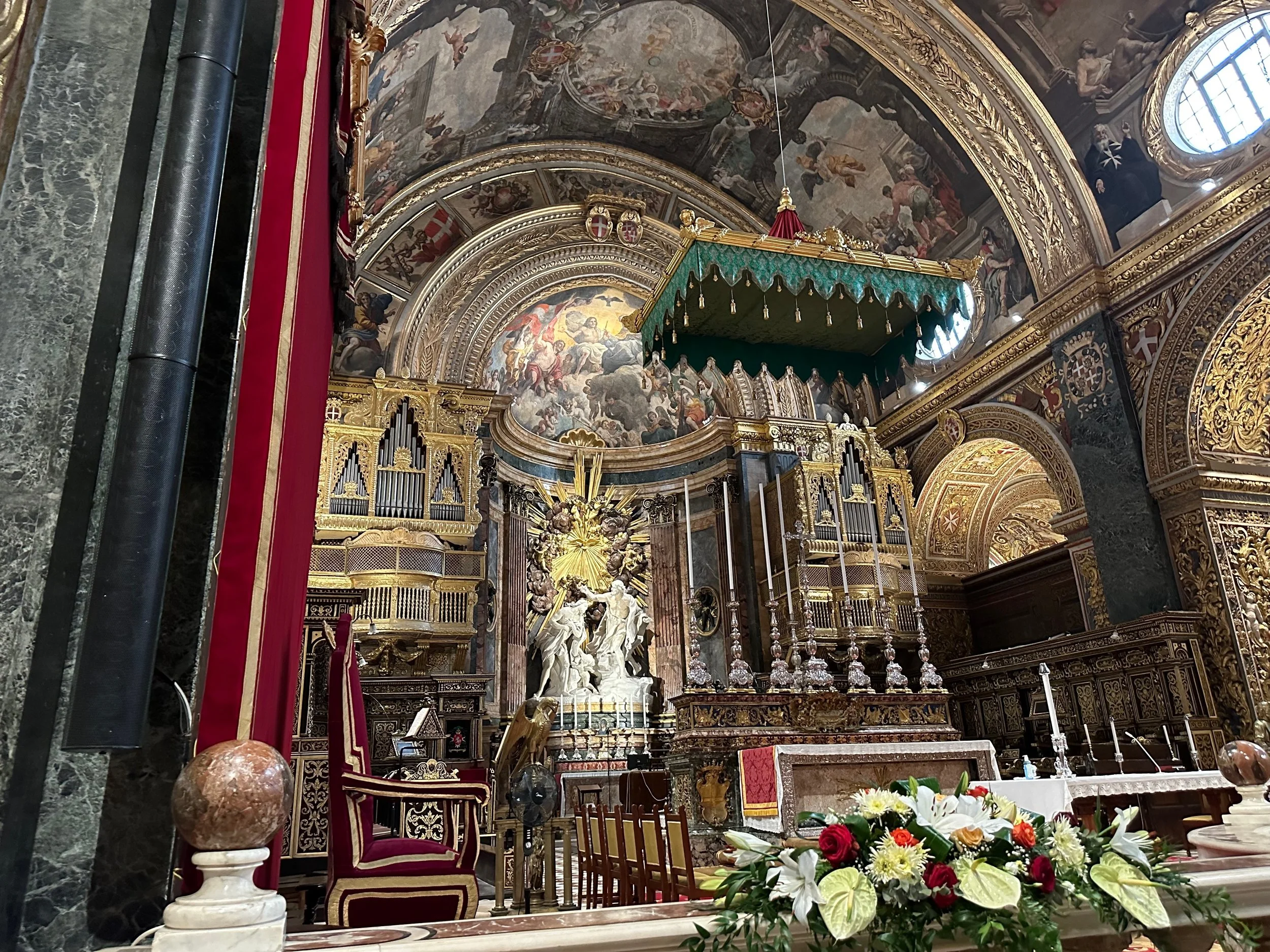
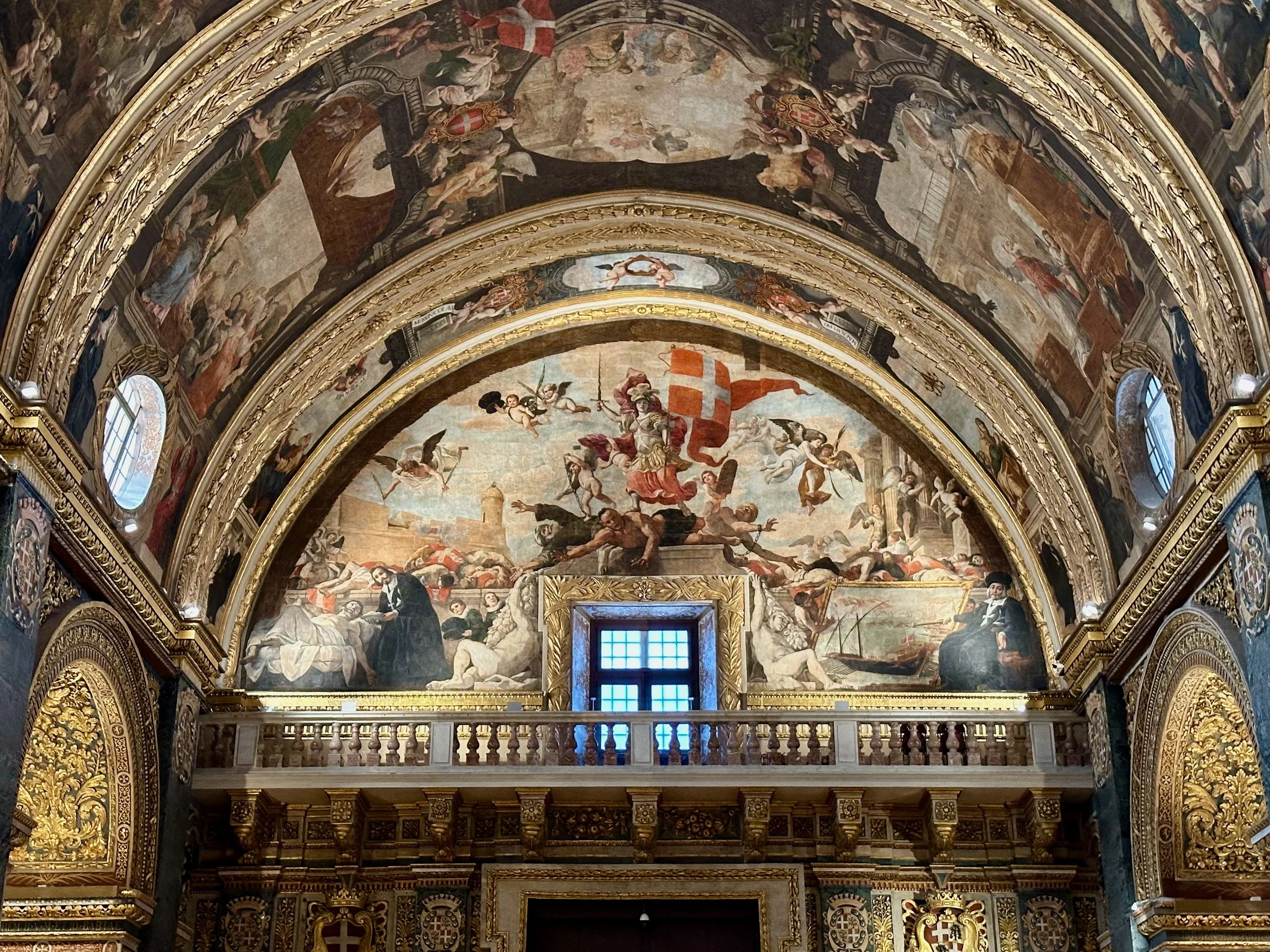
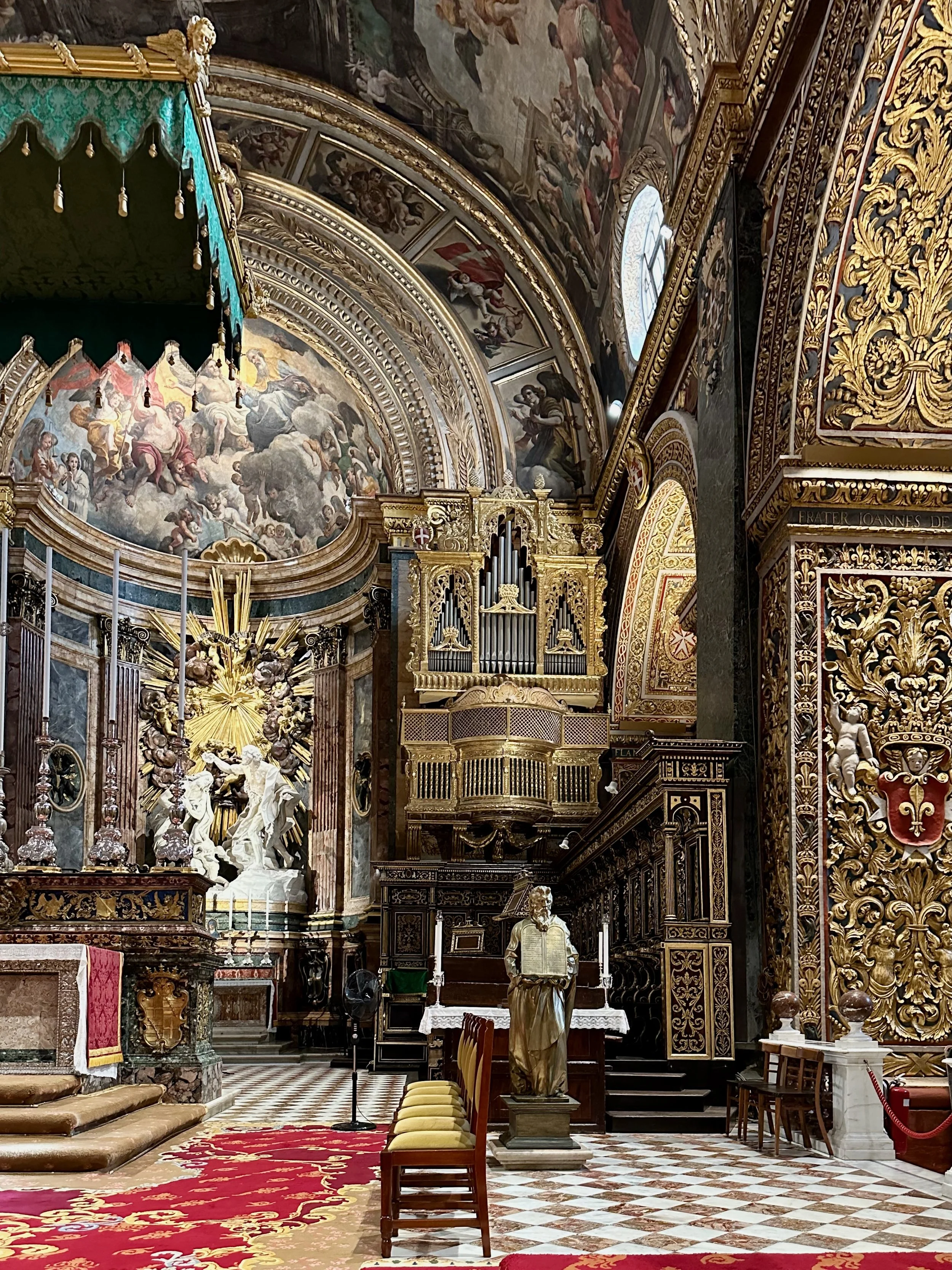
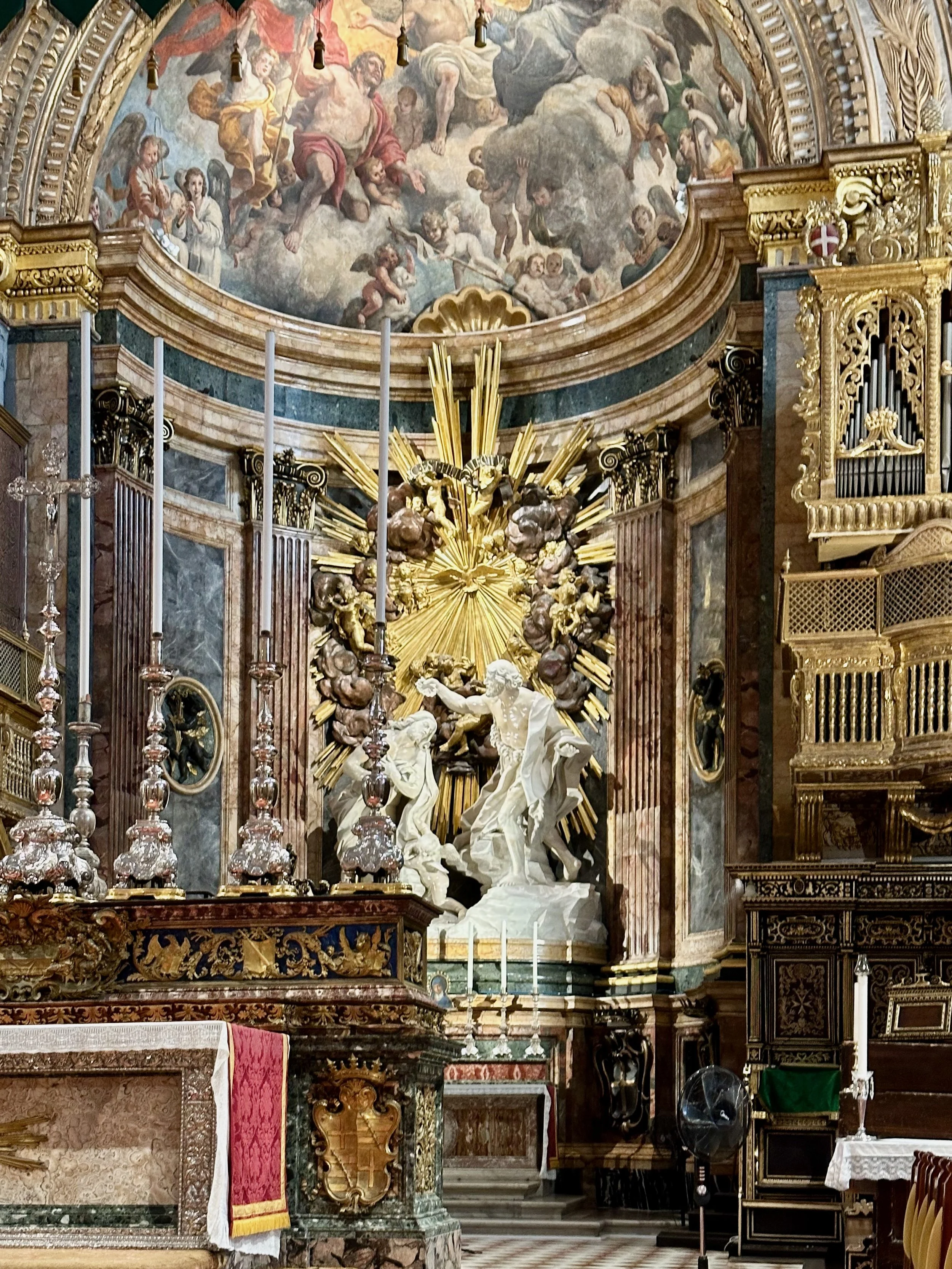
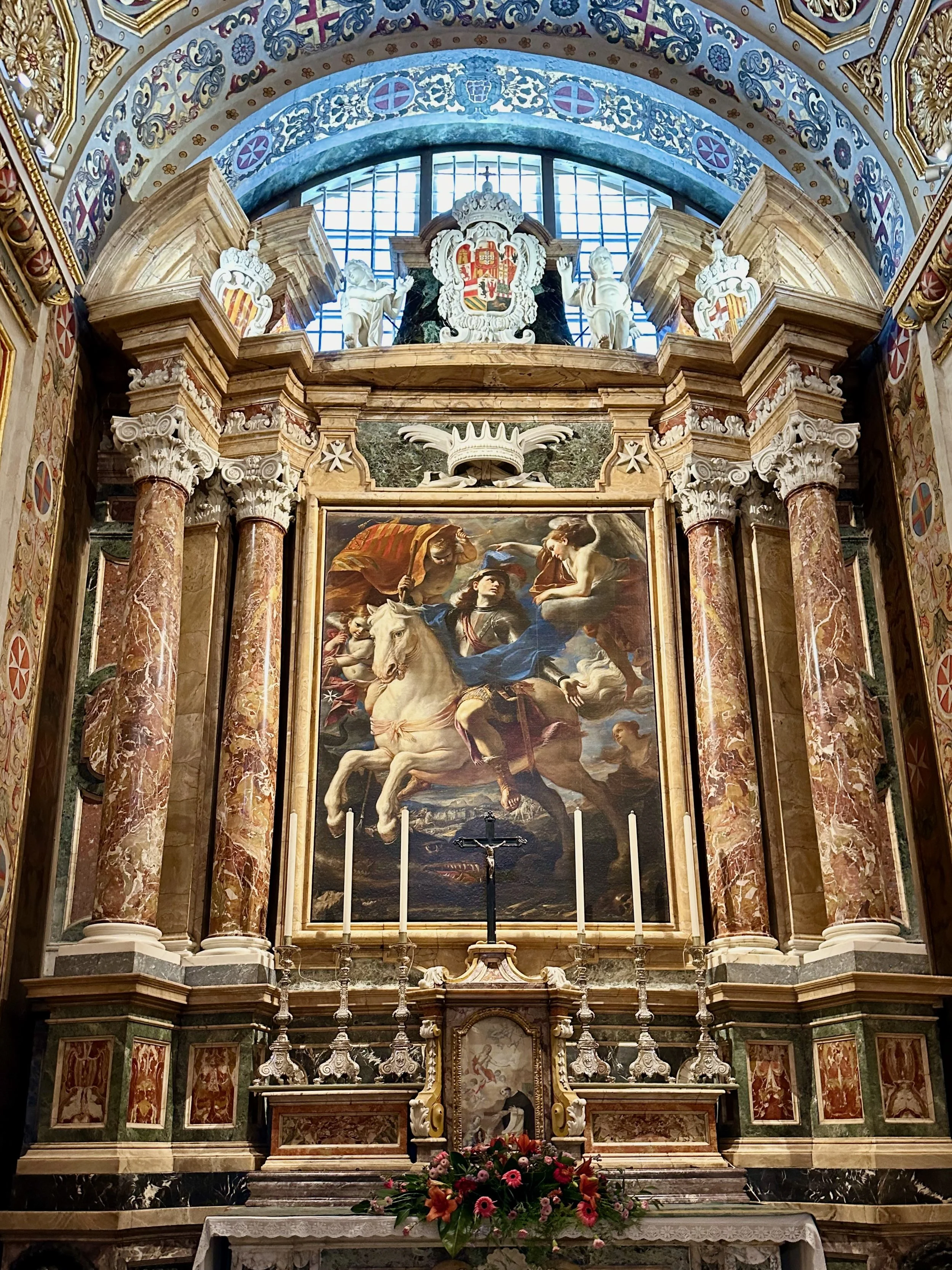
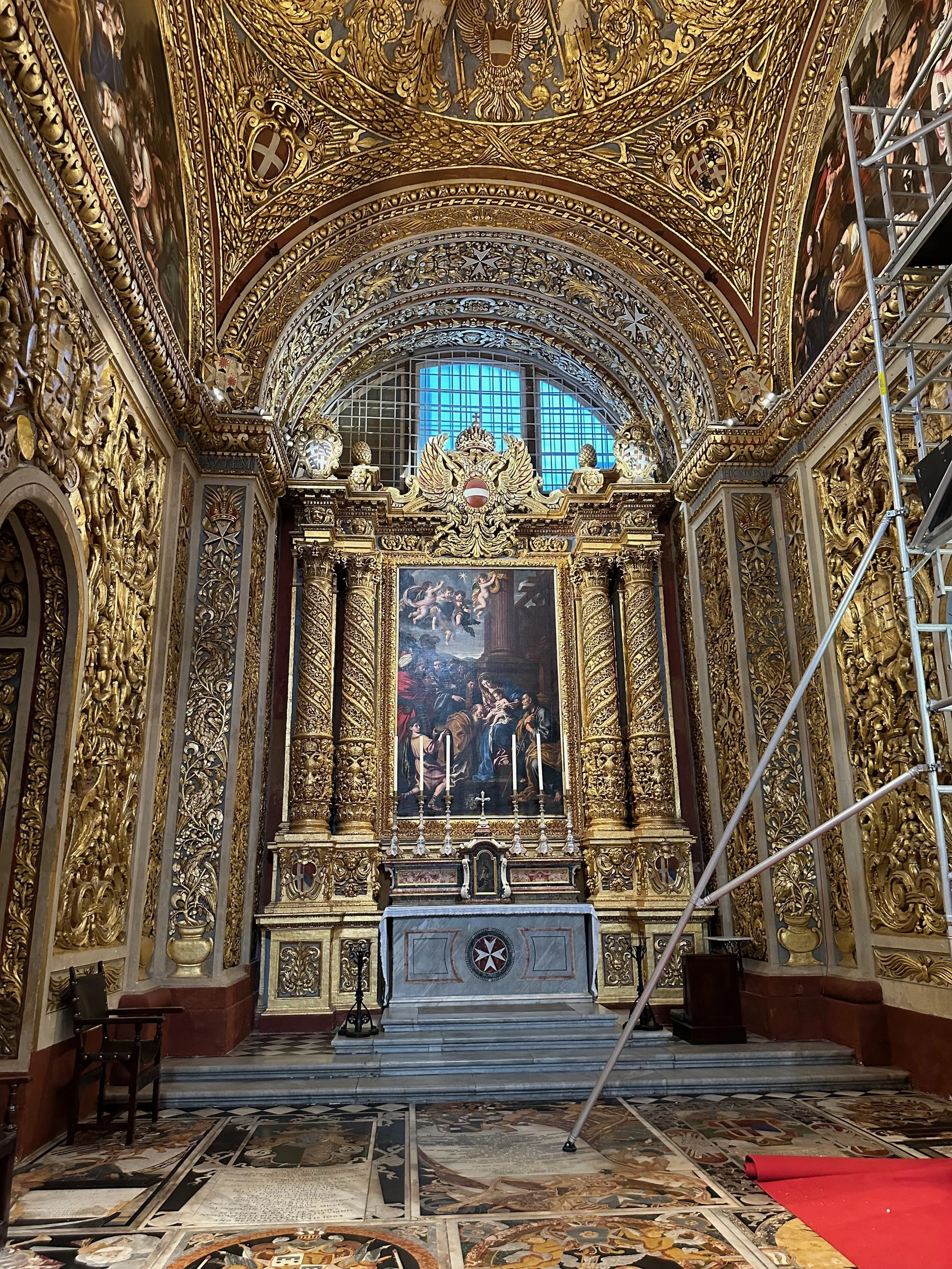
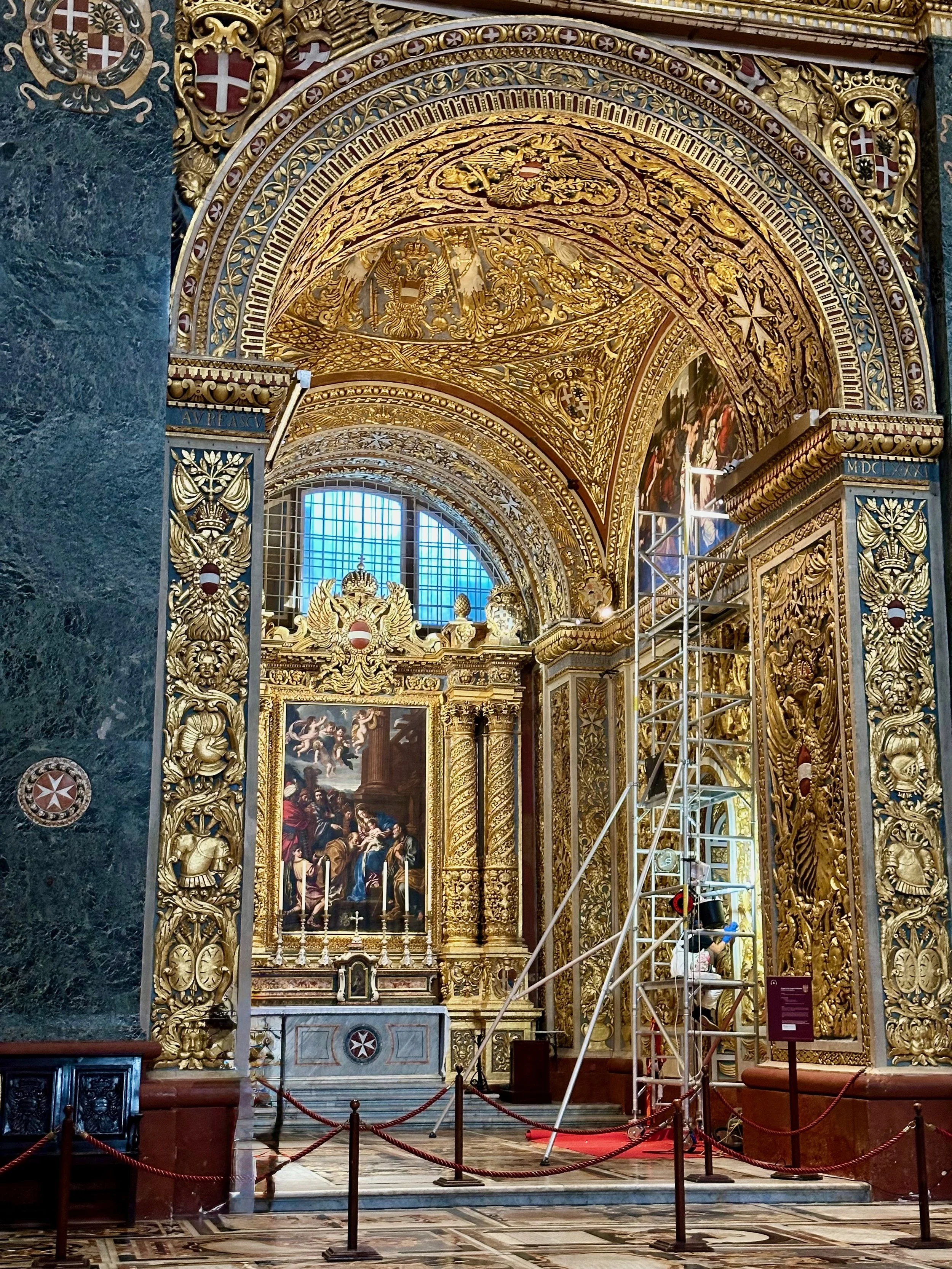
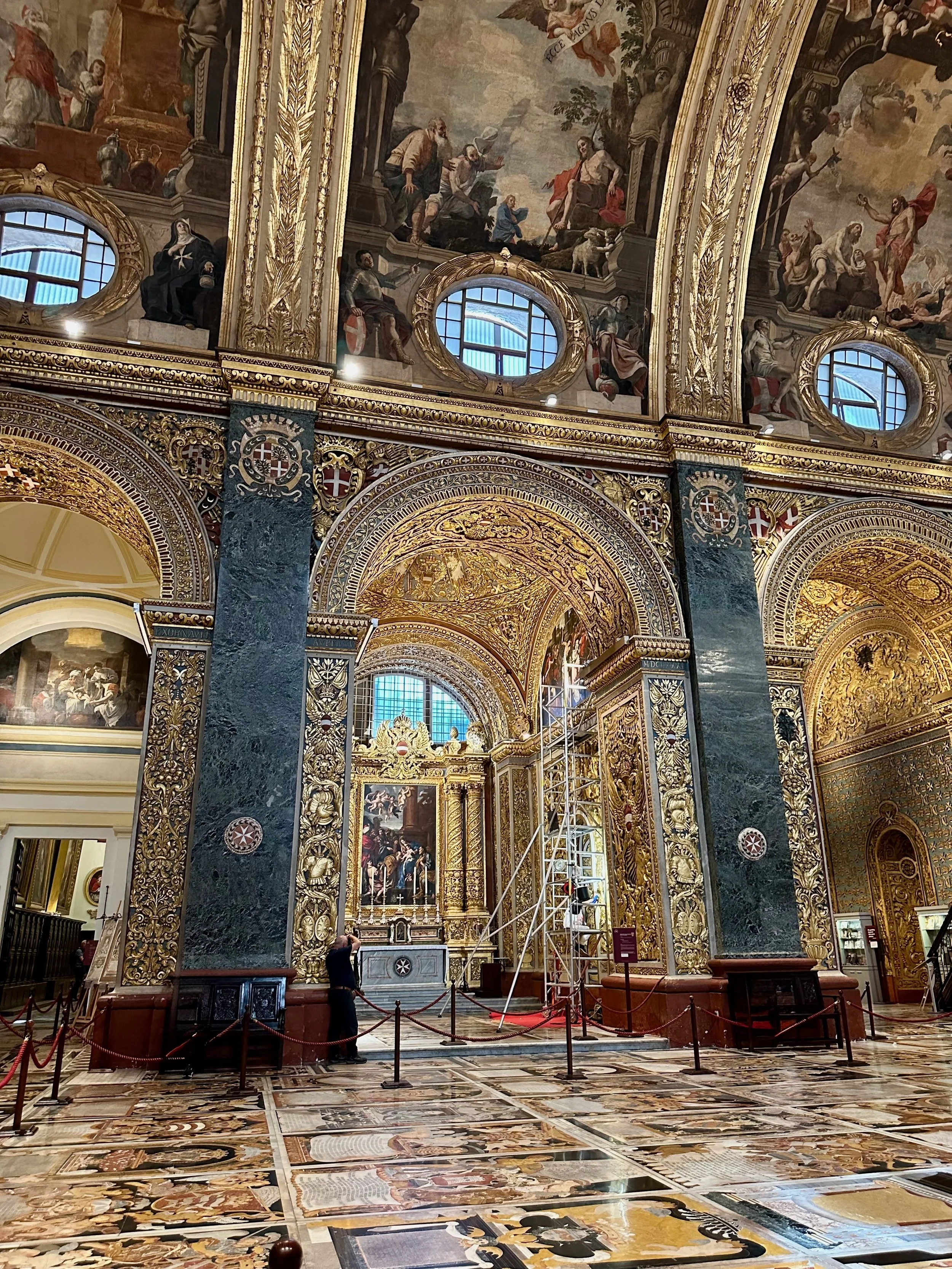
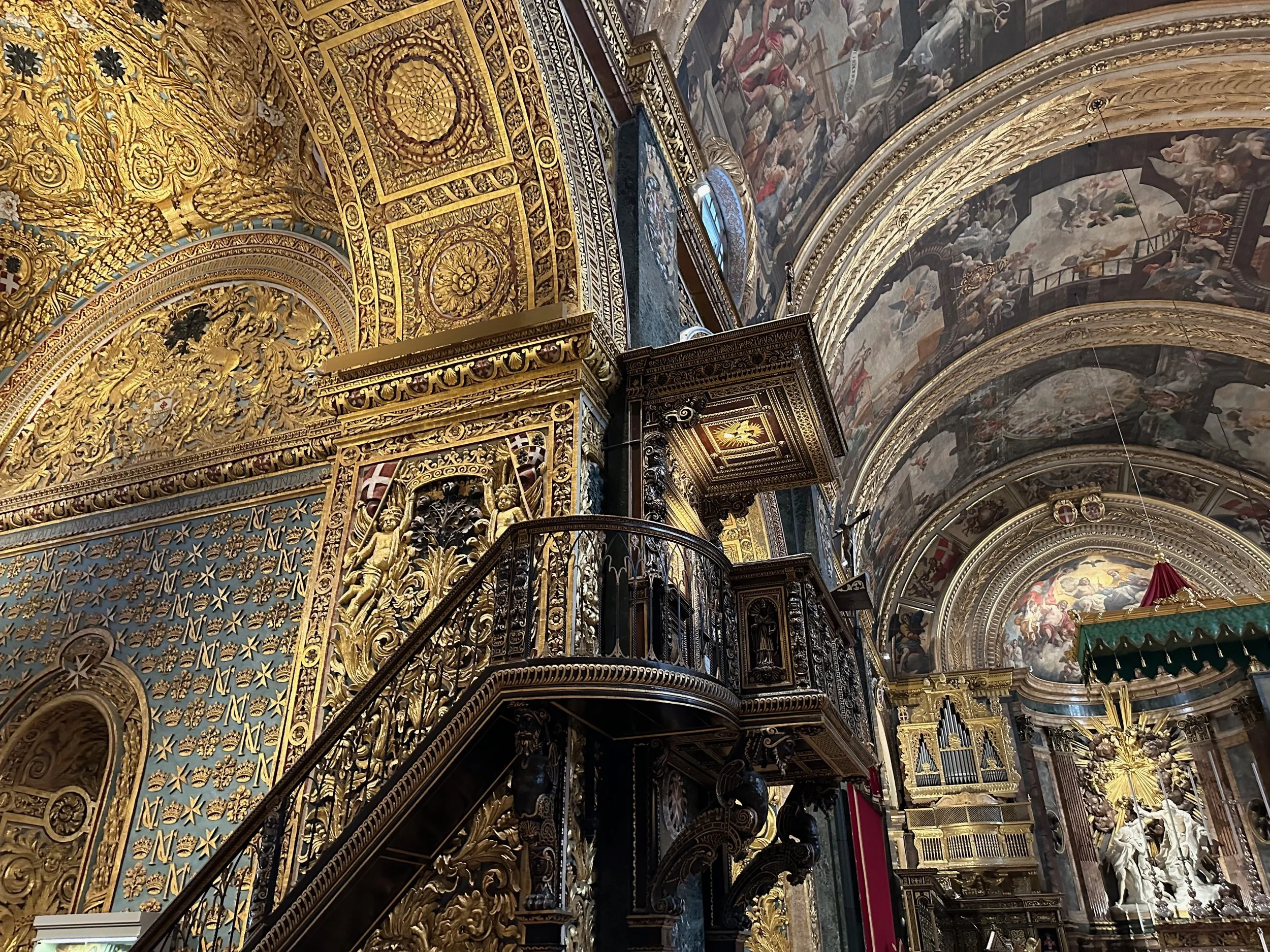
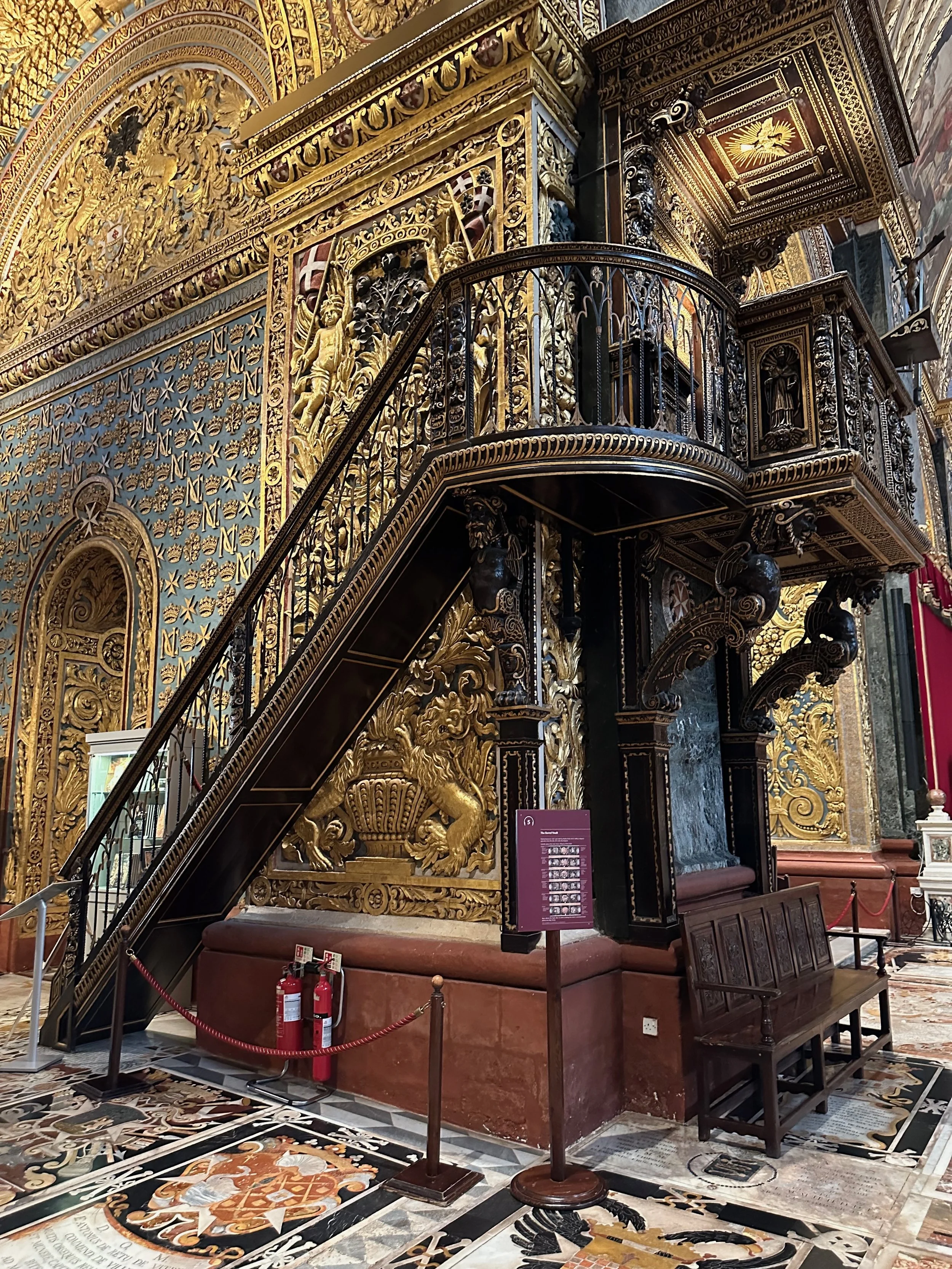
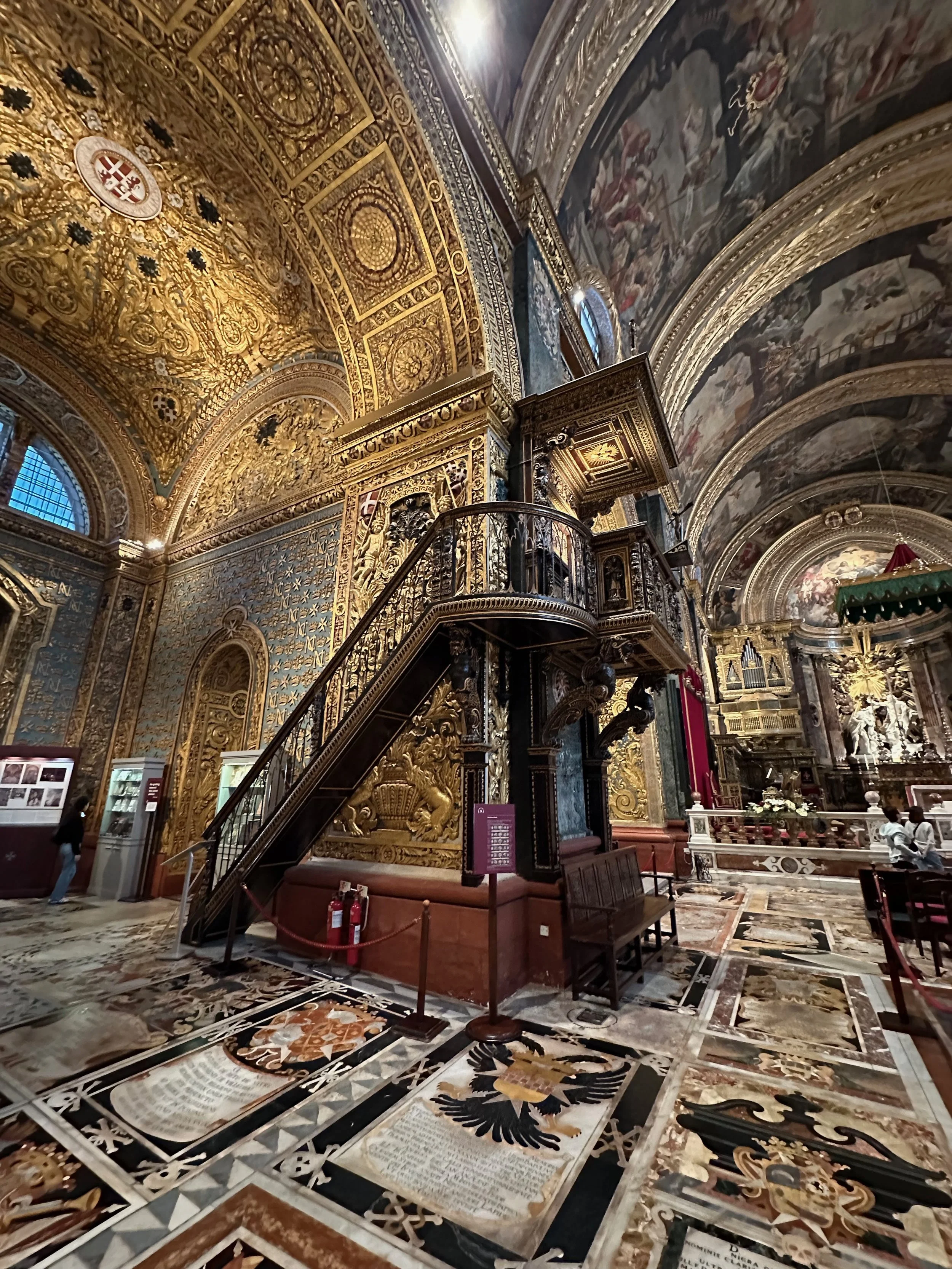
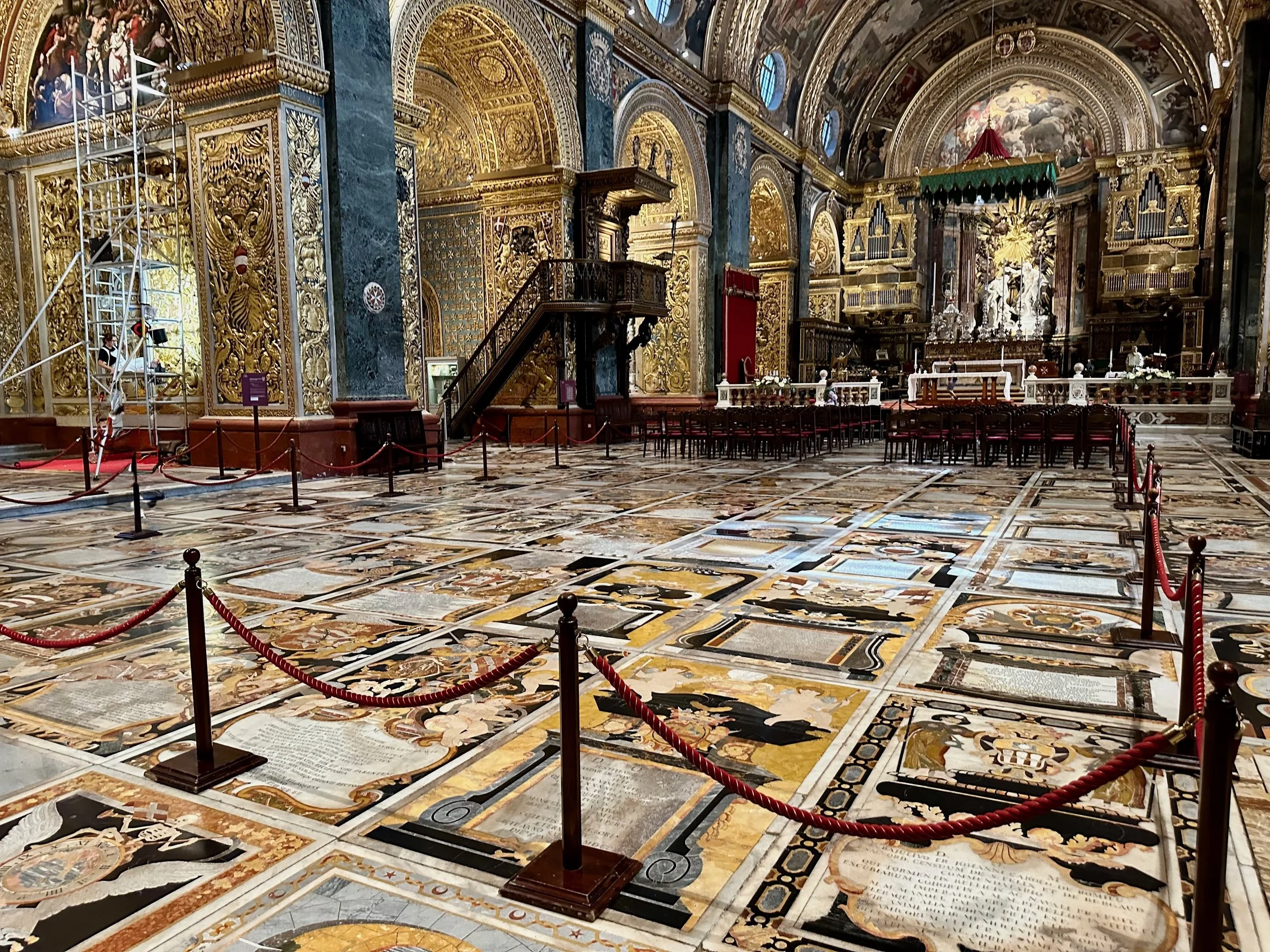
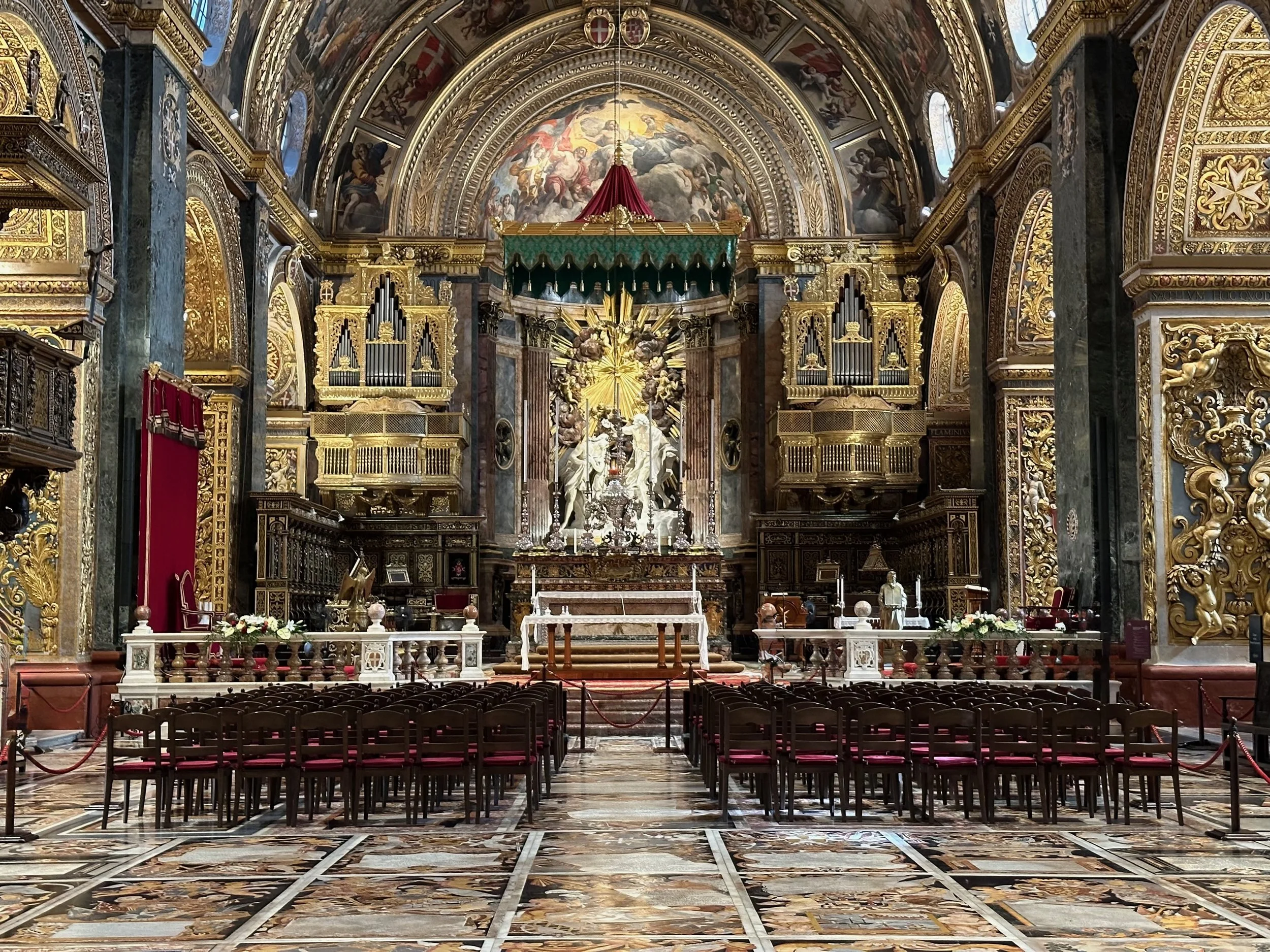
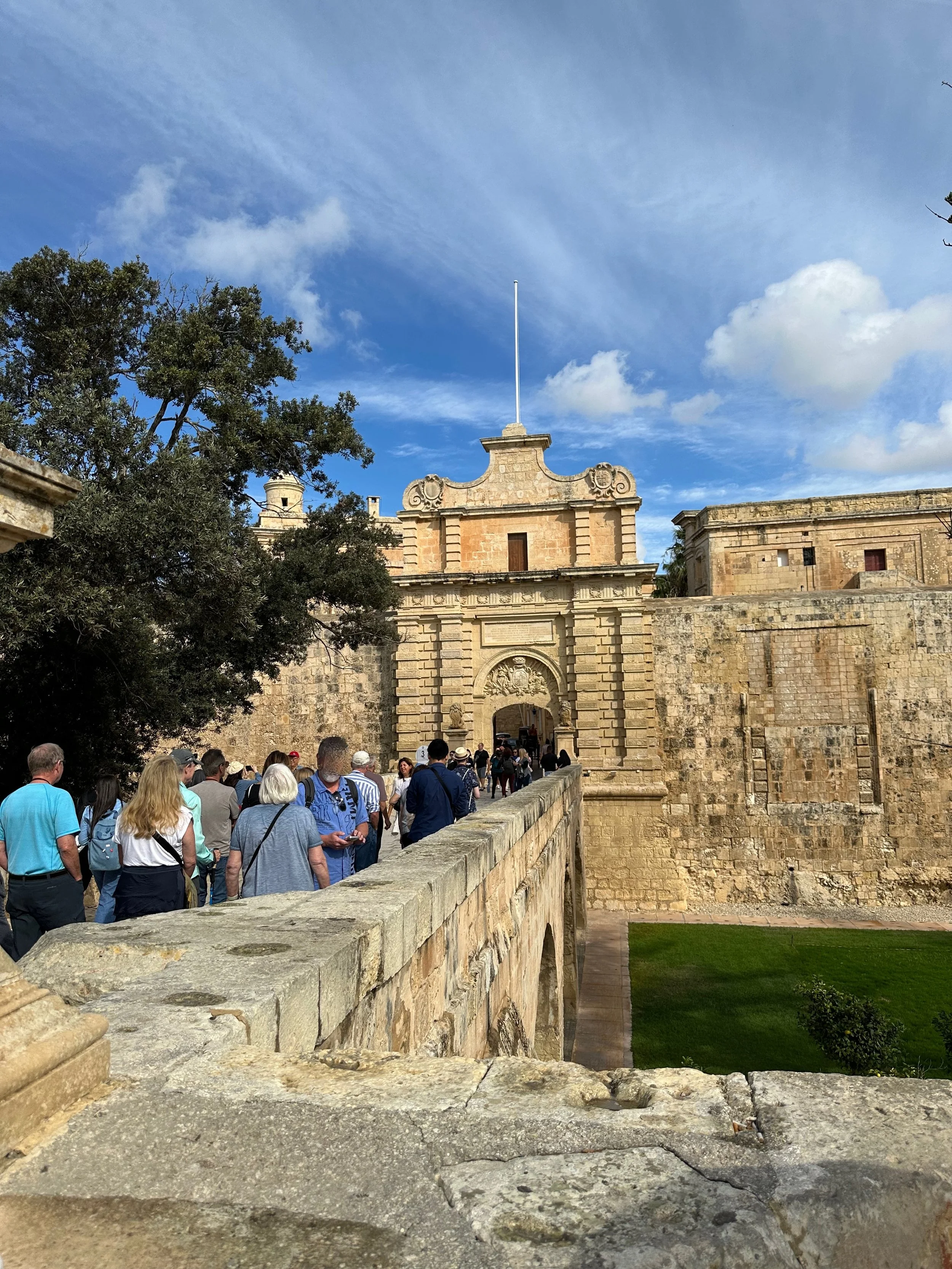
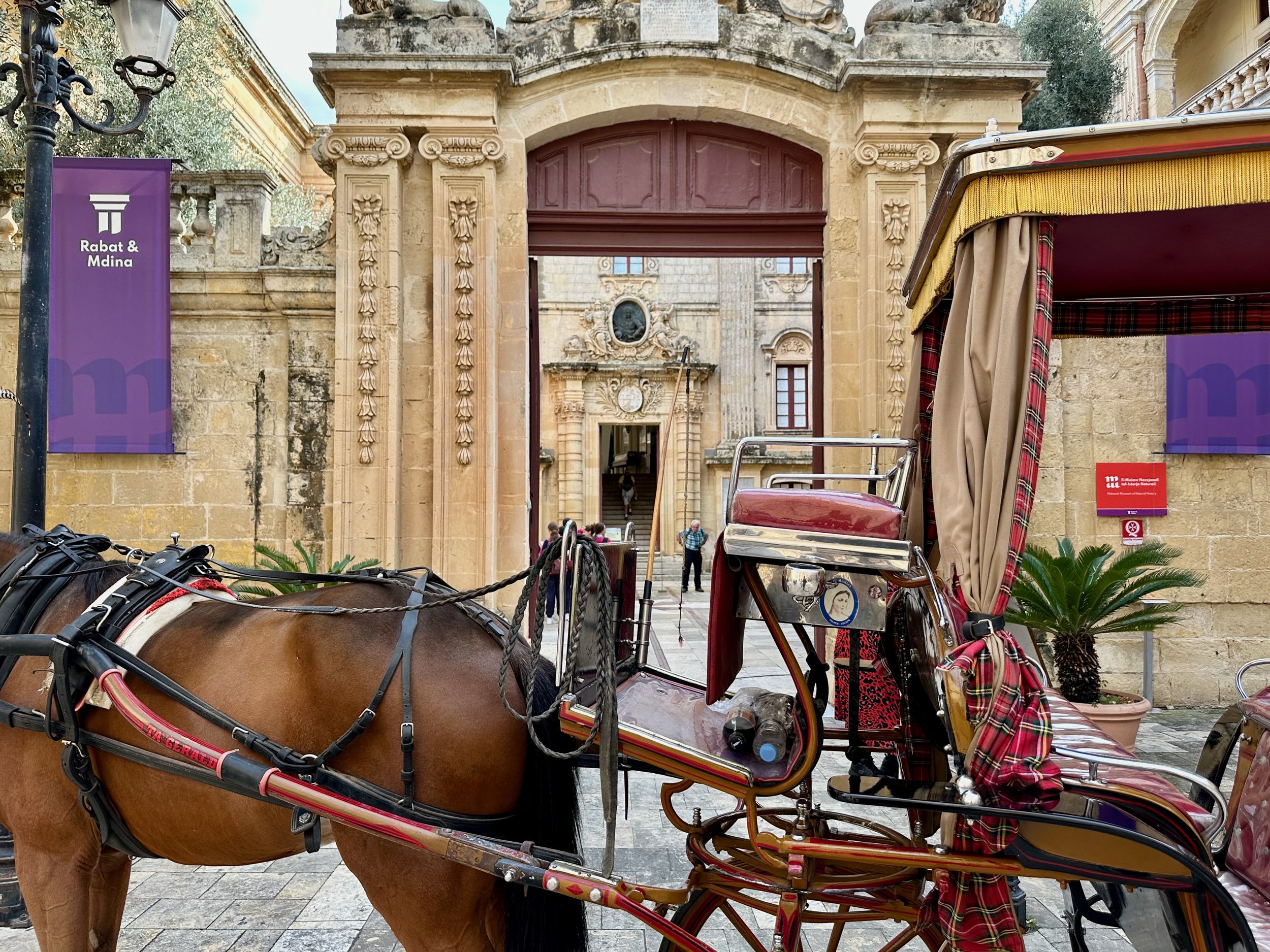
Entering the walled city of Mdina.
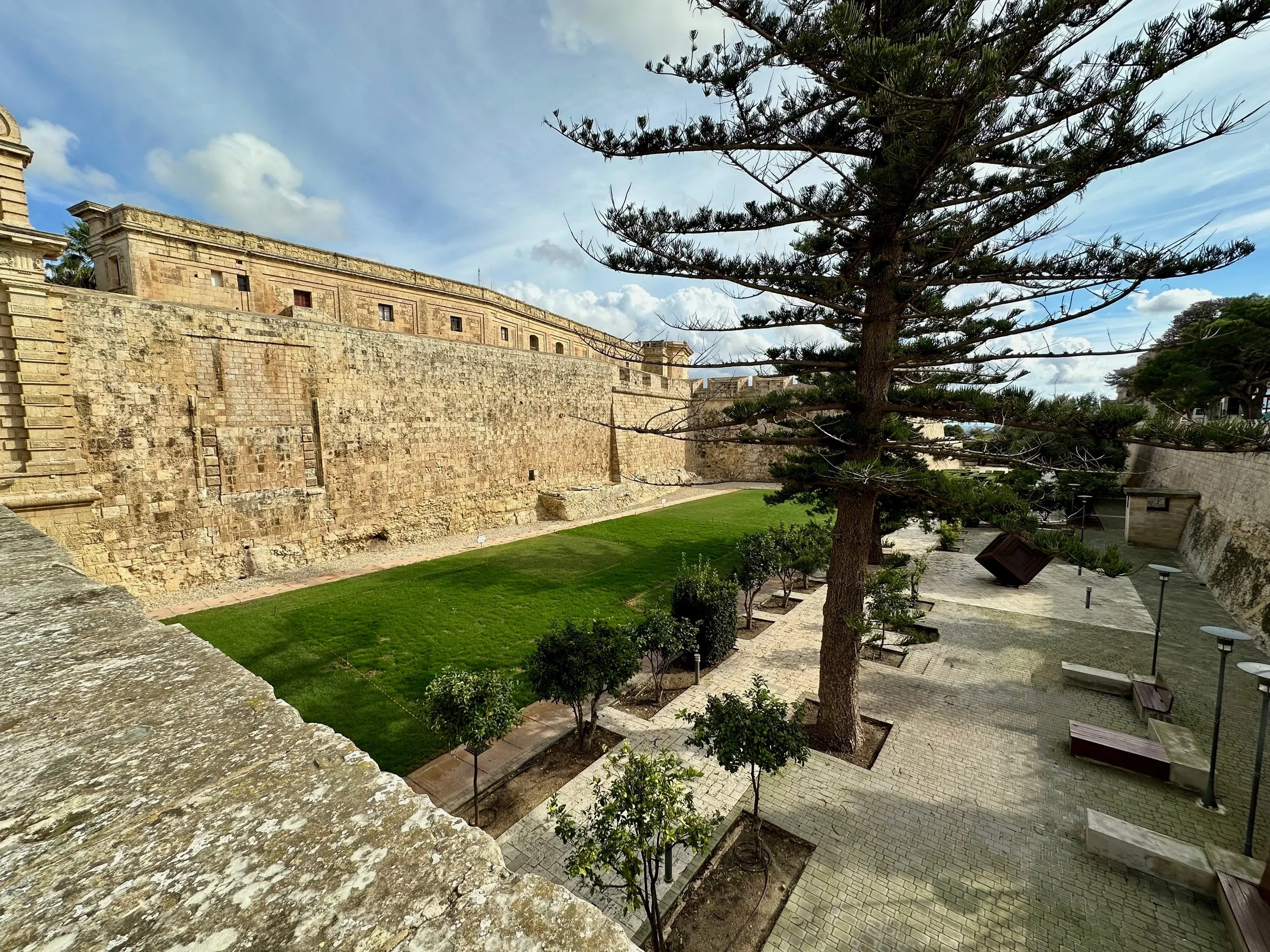
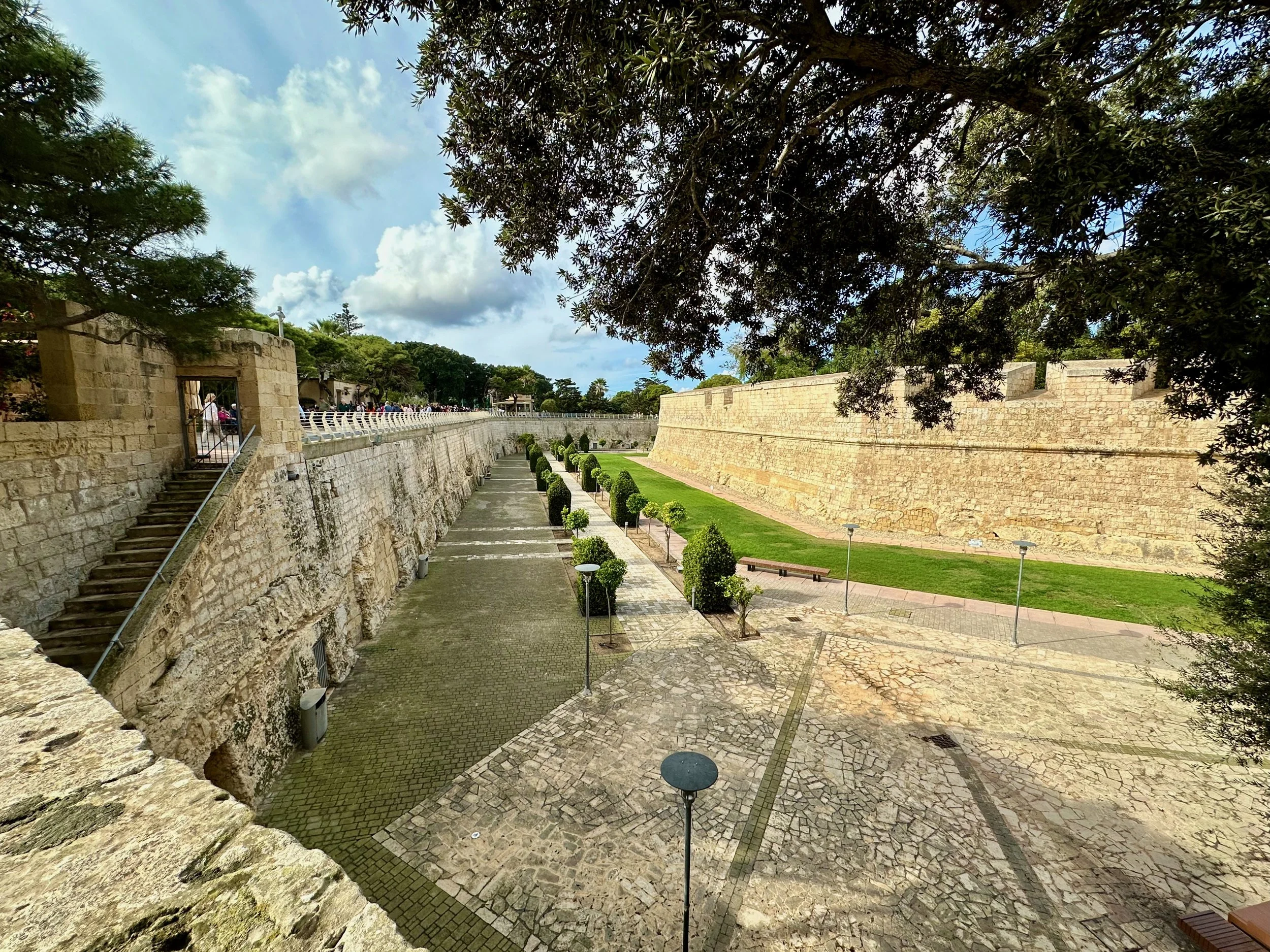
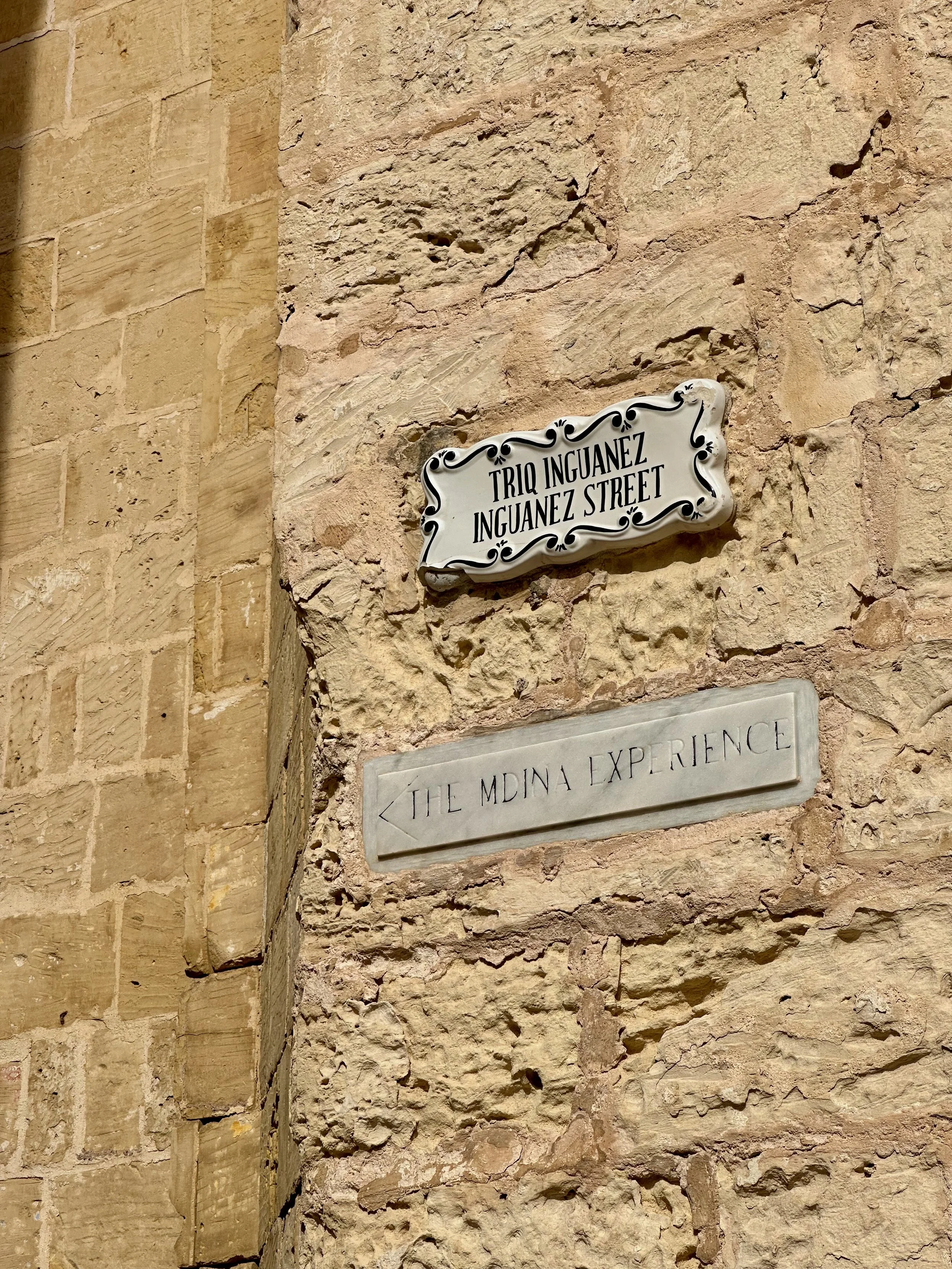
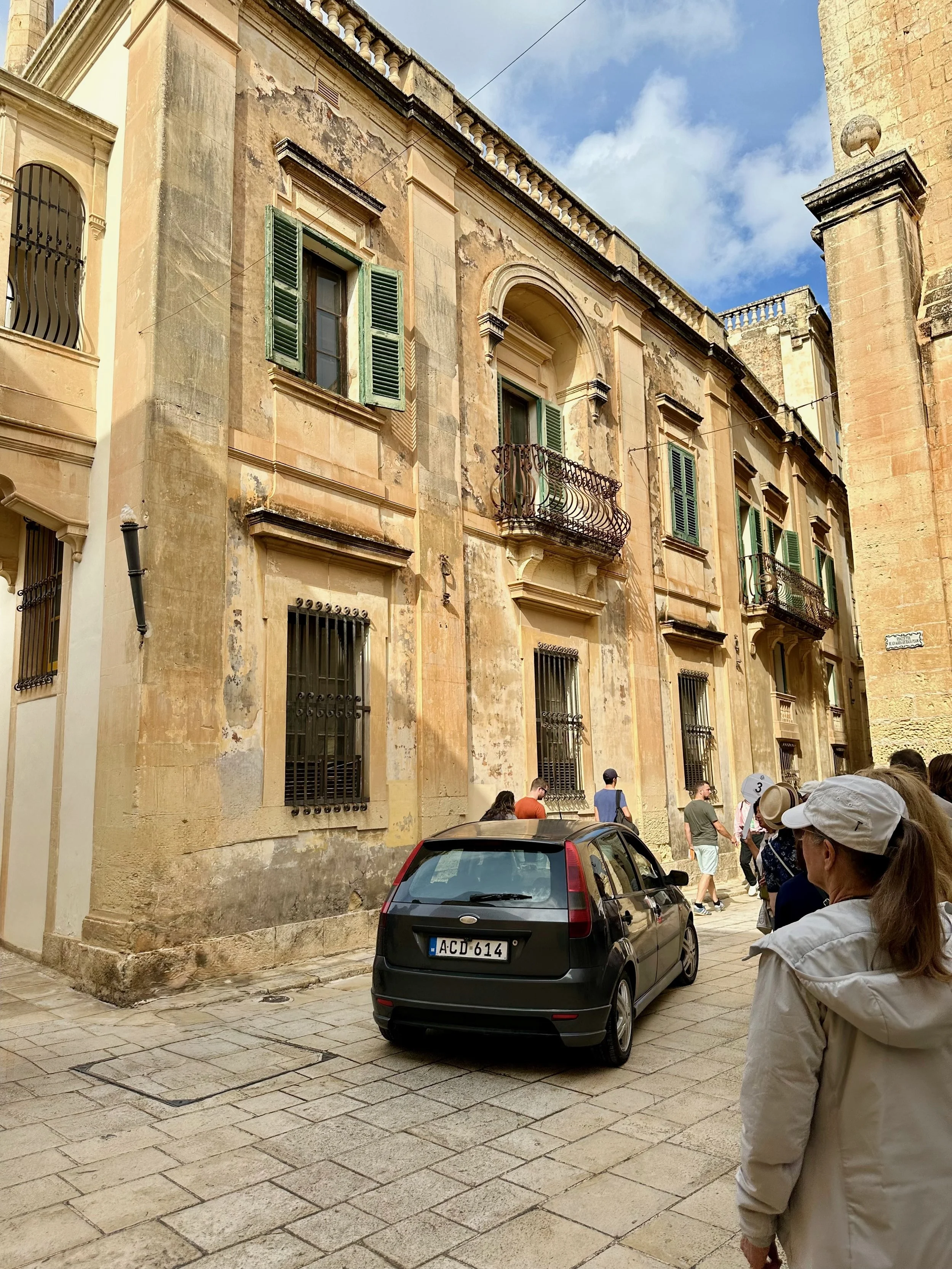
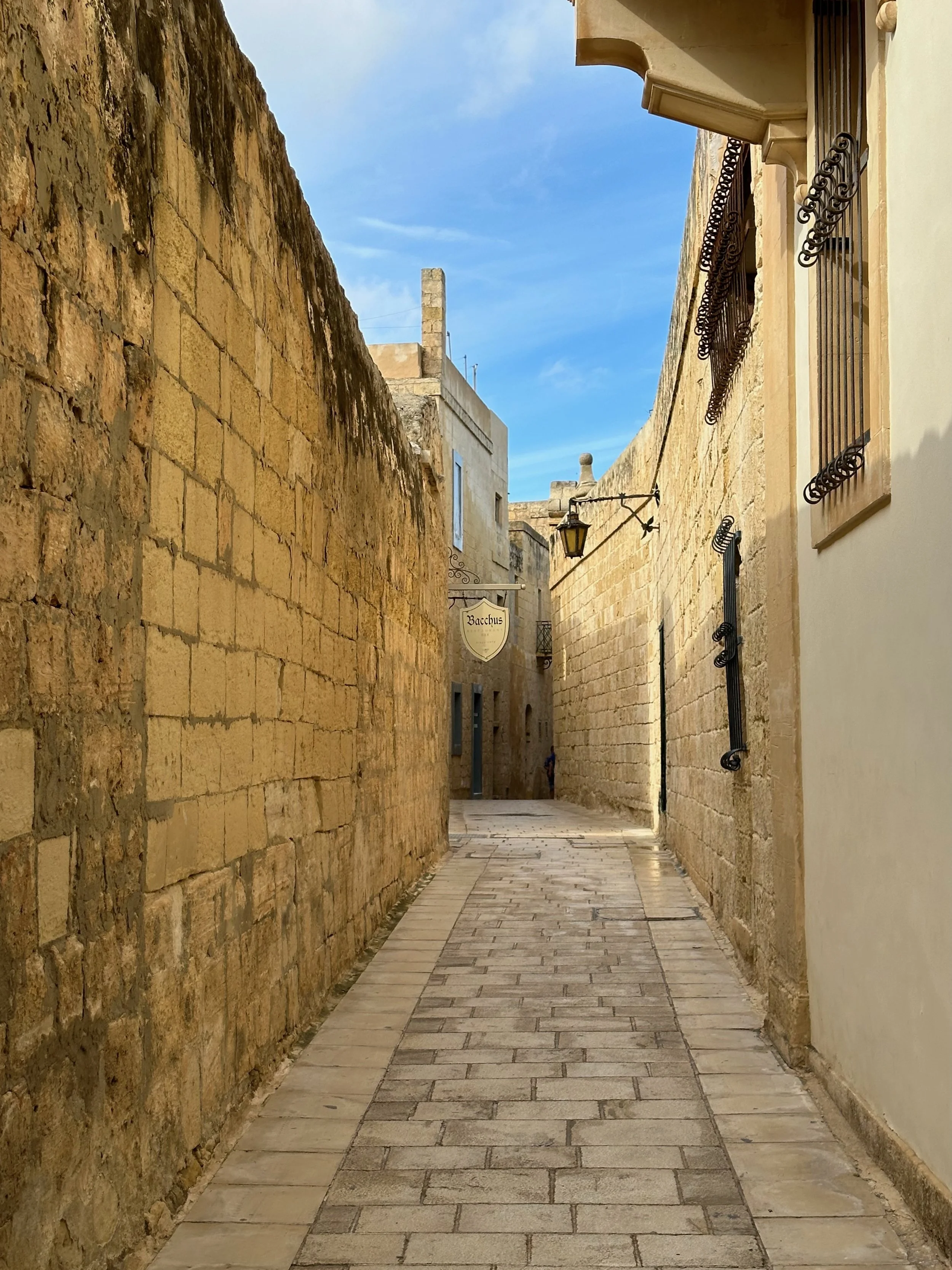
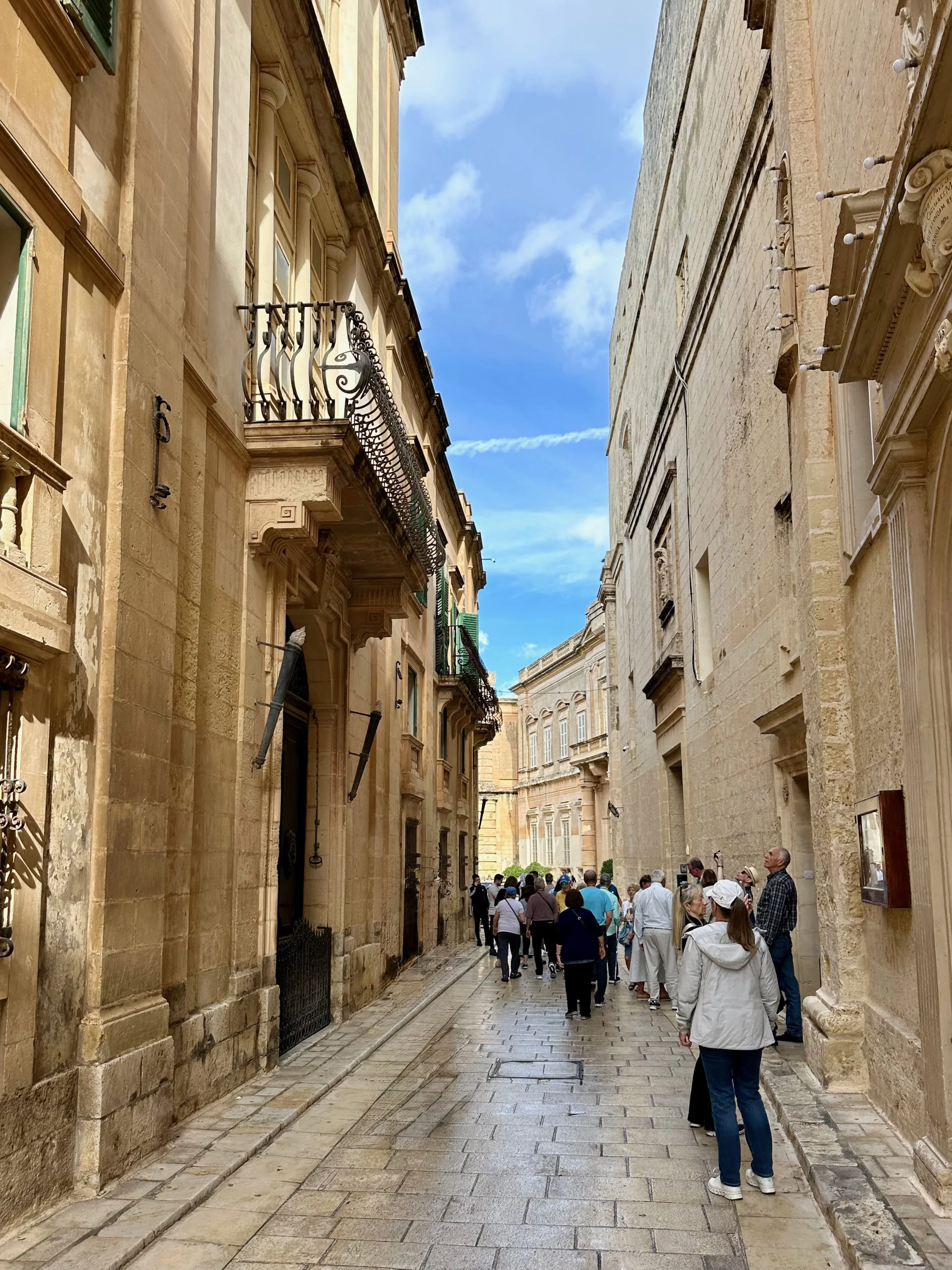
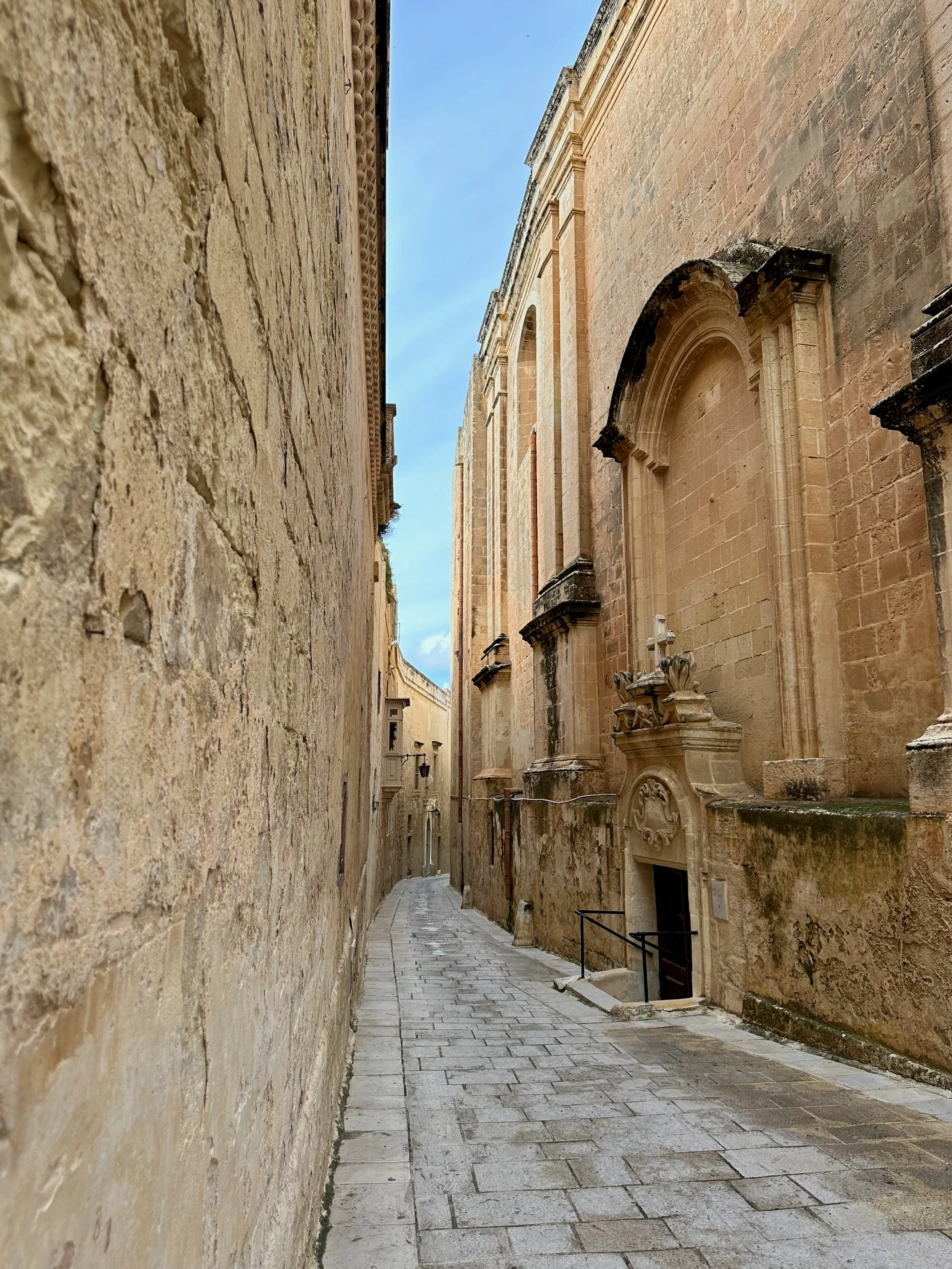
Mdina, another fortress city
Establish in the eighth century, Mdina is a walled city that presumably served as the island’s capital until the medieval times. It’s a natural redoubt that was originally named Ann, and then remamed by the Romans when they seized control during the Punic wars.
Today the city has a very small full time population of less than 300, and is now mainly devoted to tourism. We were bussed there and then spent a few hours being led through the streets by the guide to see various attractions. Eventually we ended up at a restaurant for a very good luncheon before heading back to the ship.
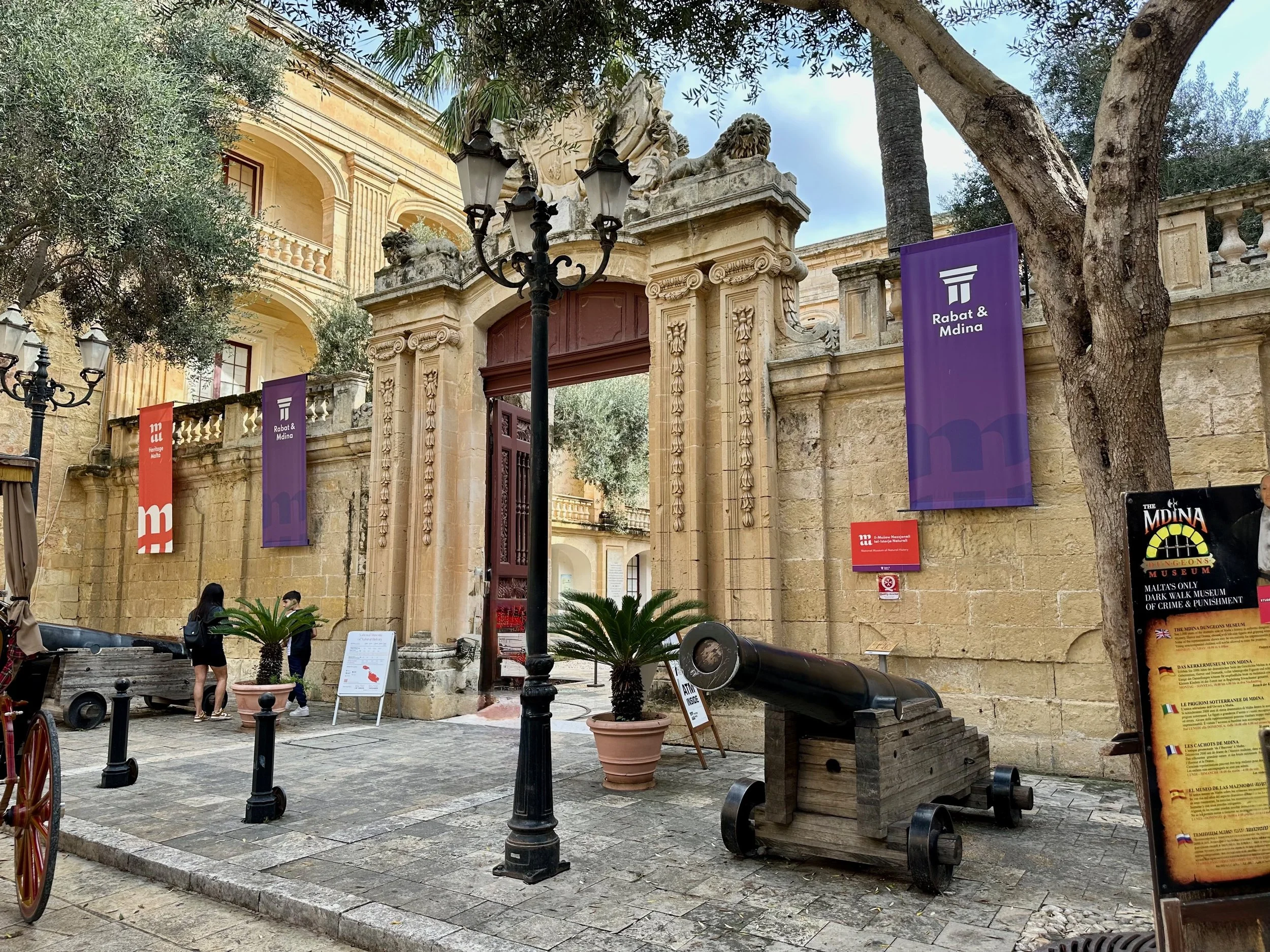
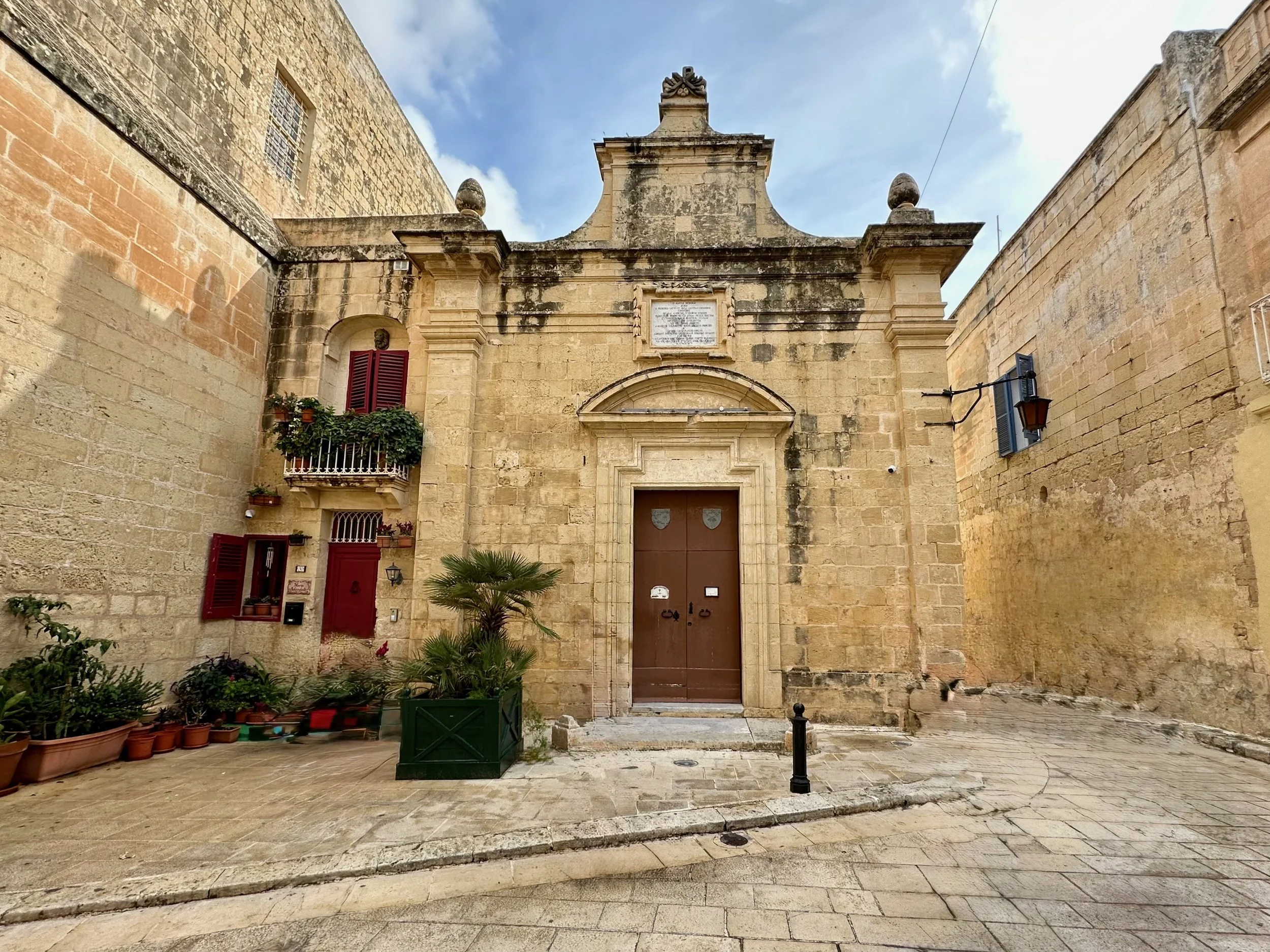
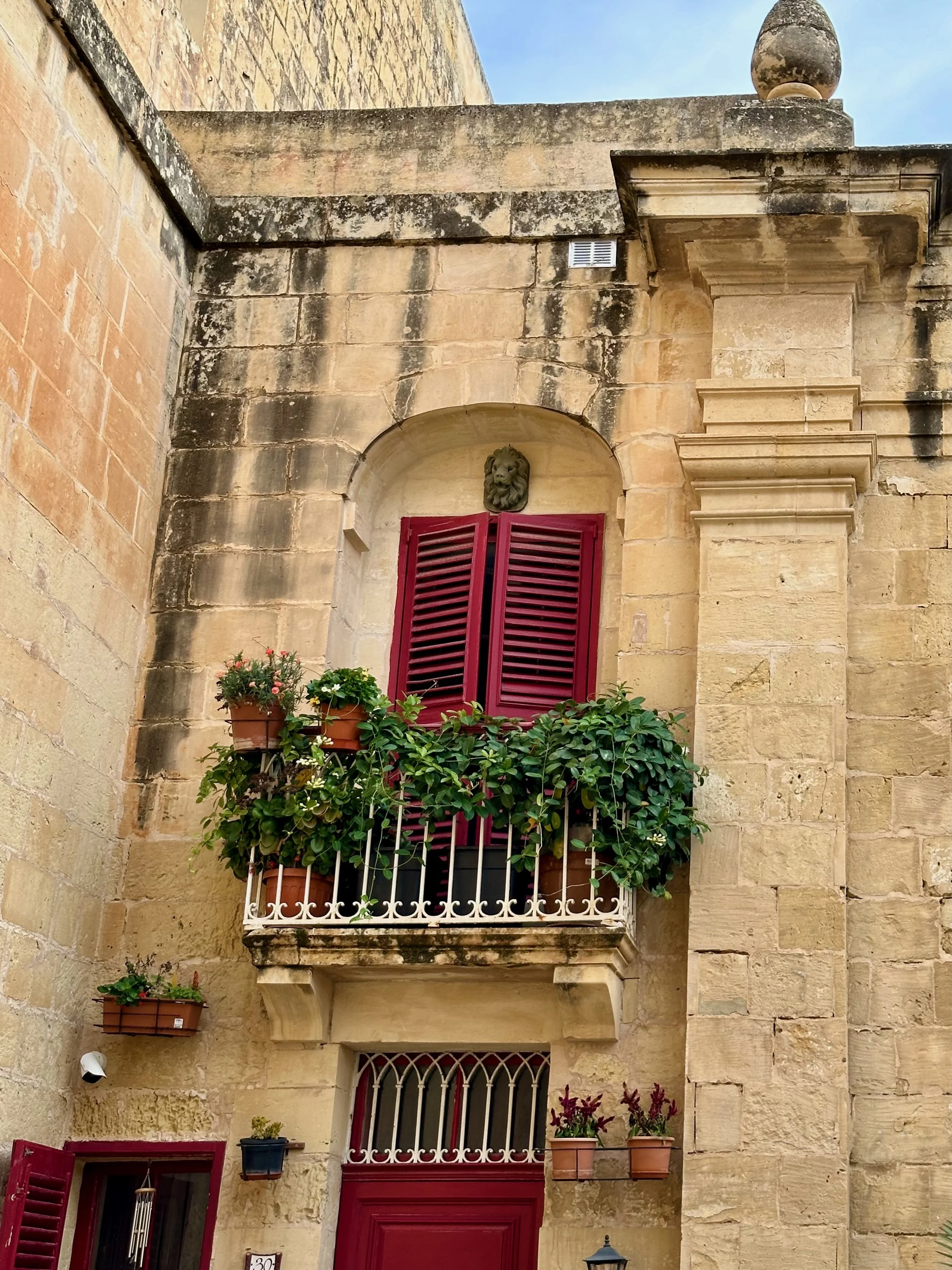
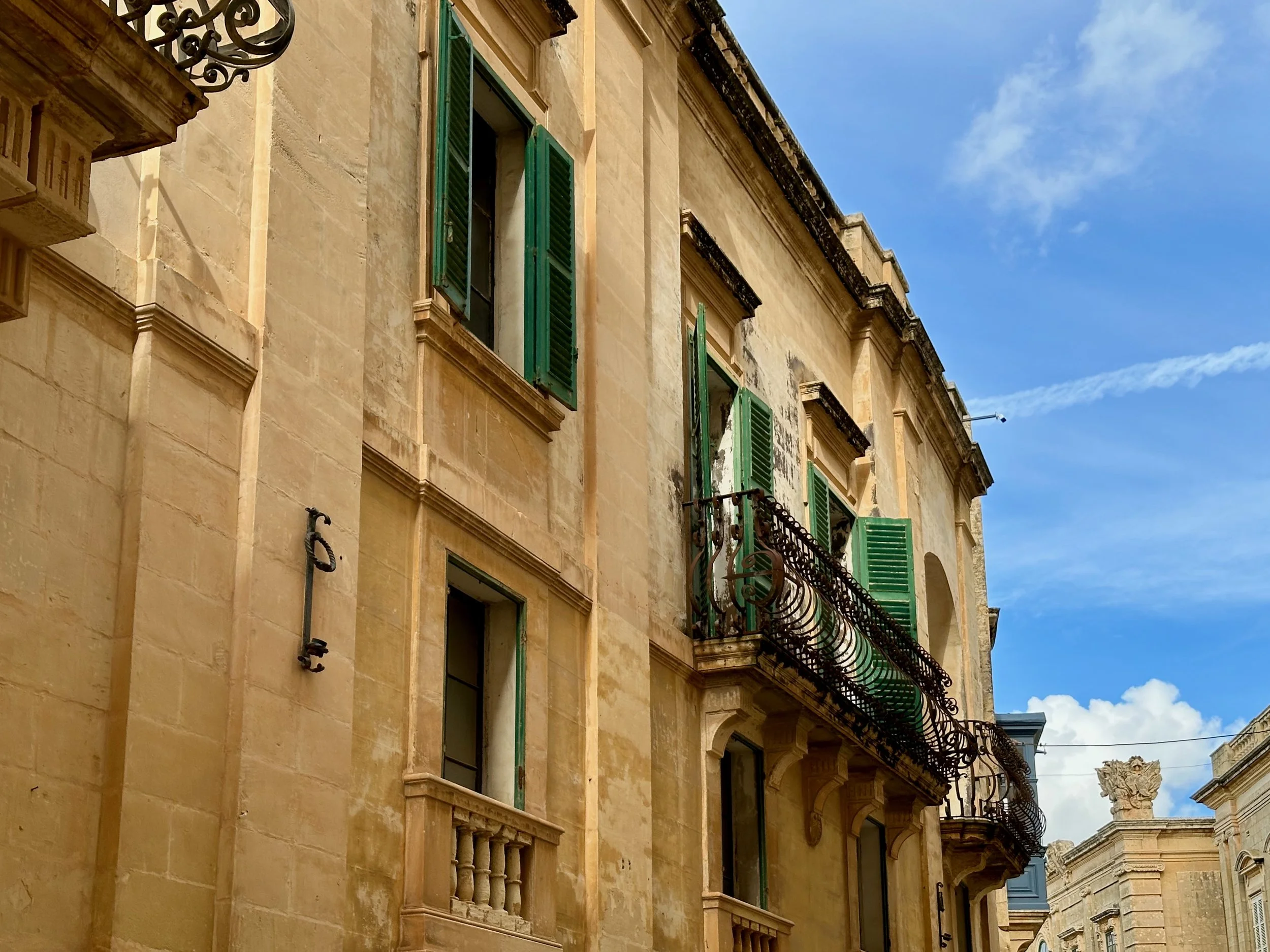
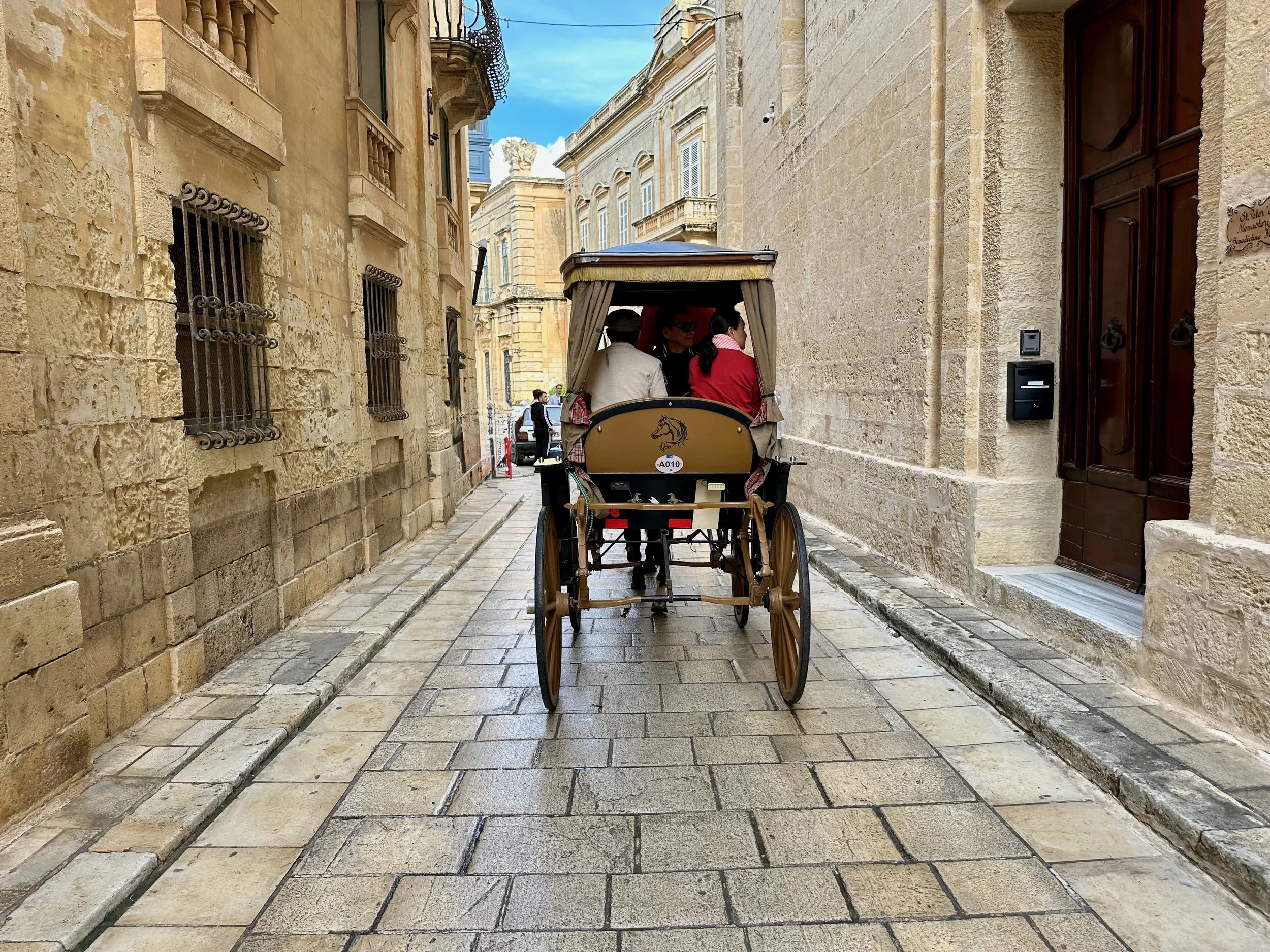
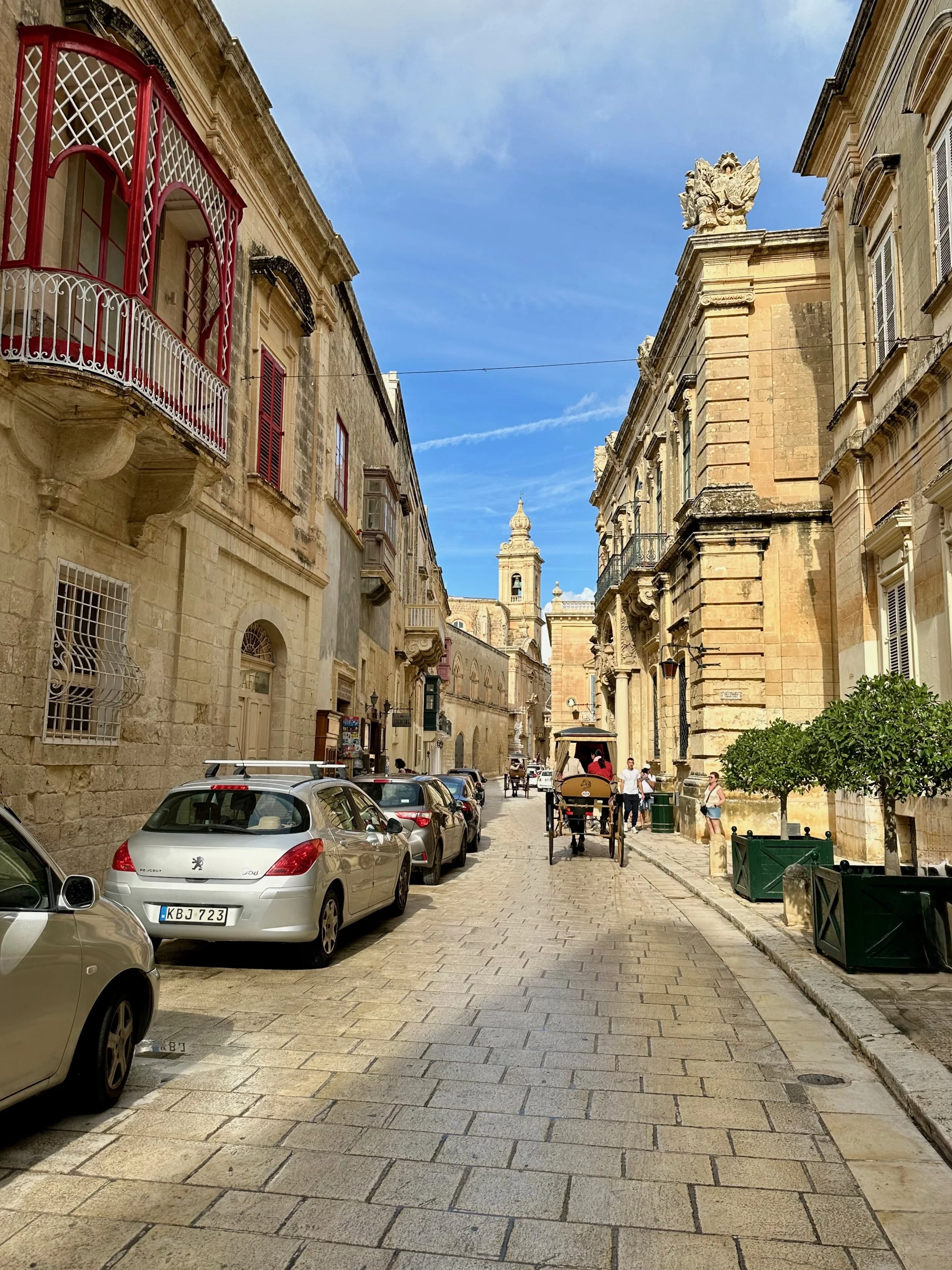
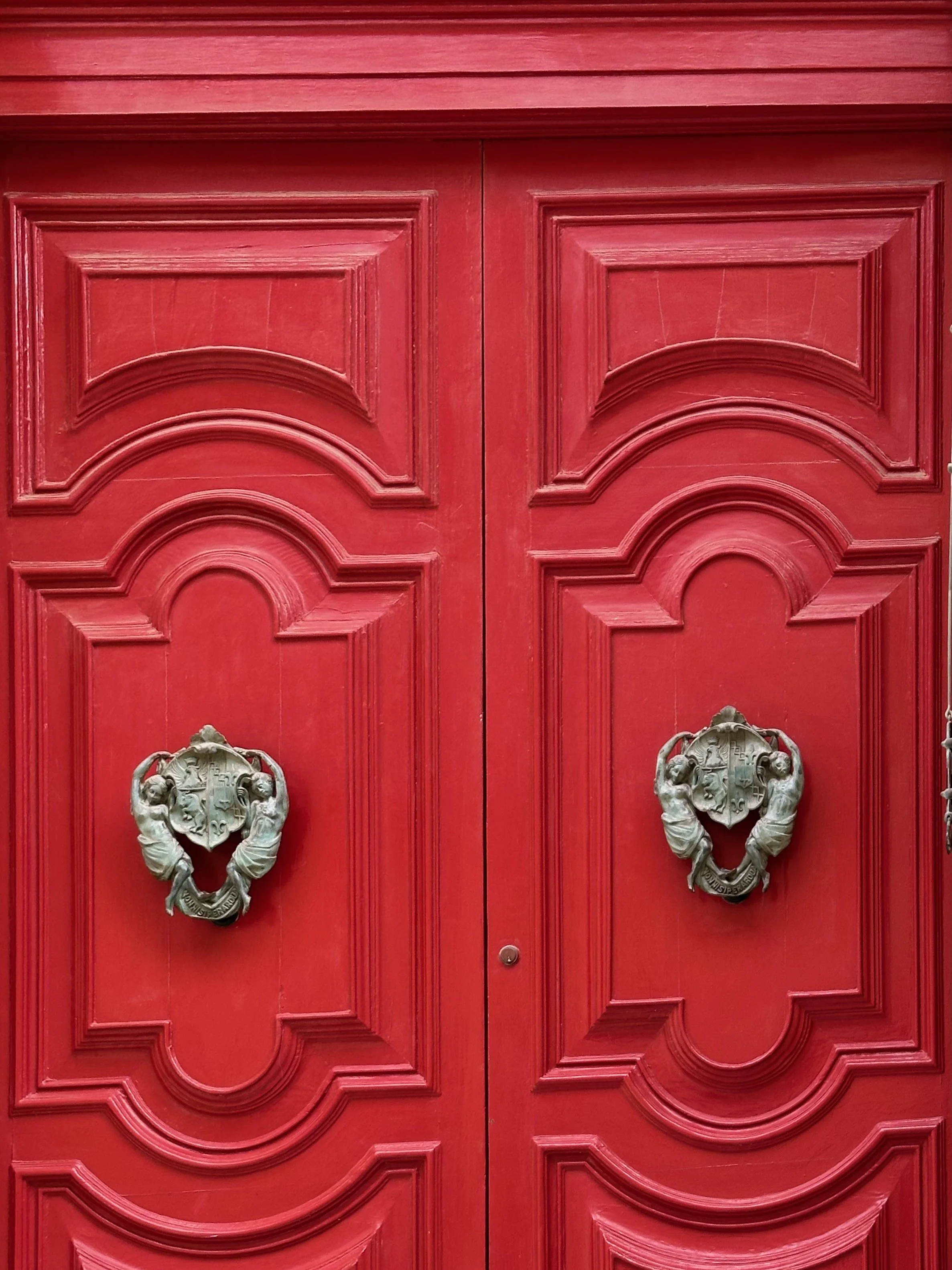
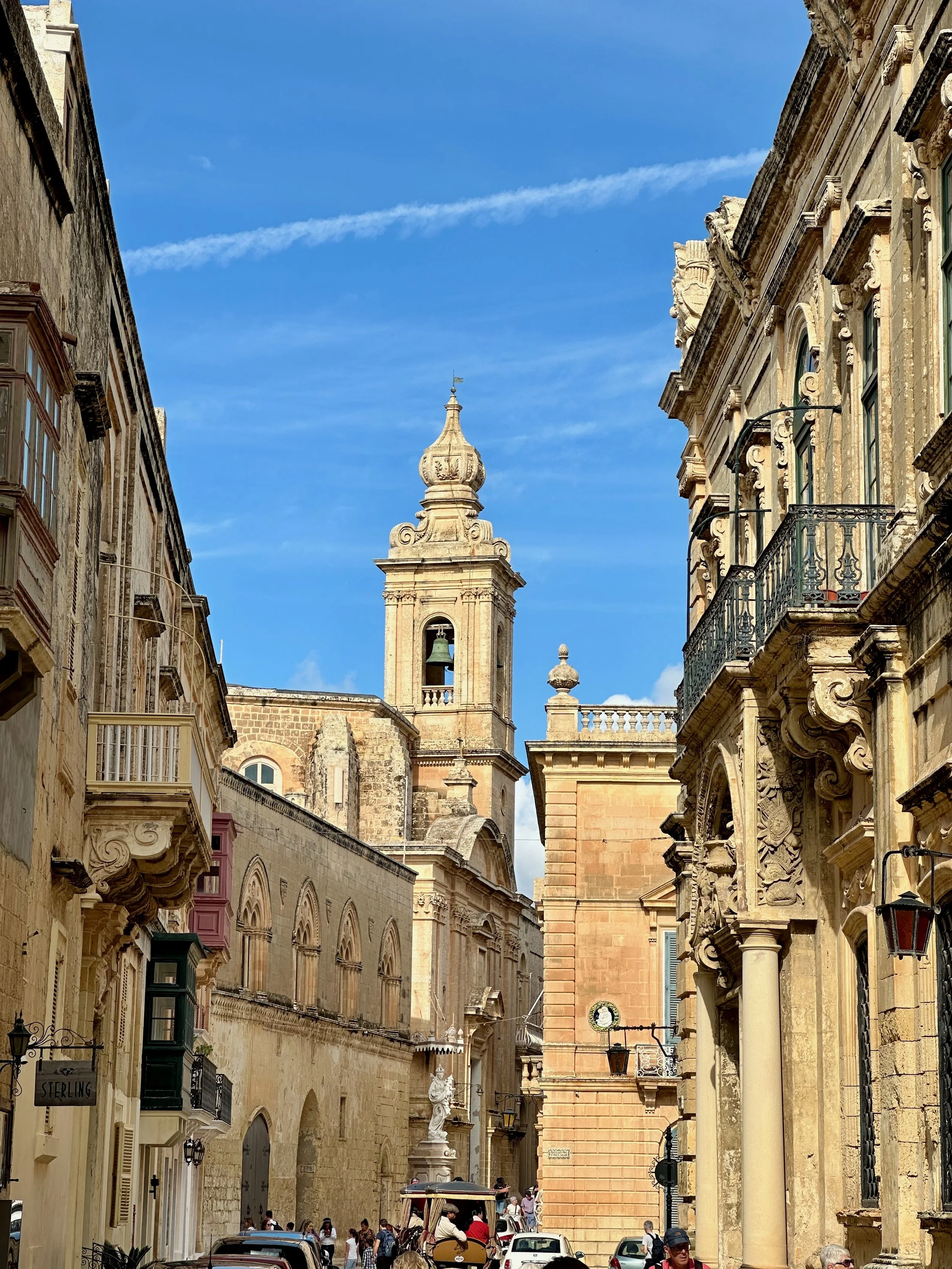
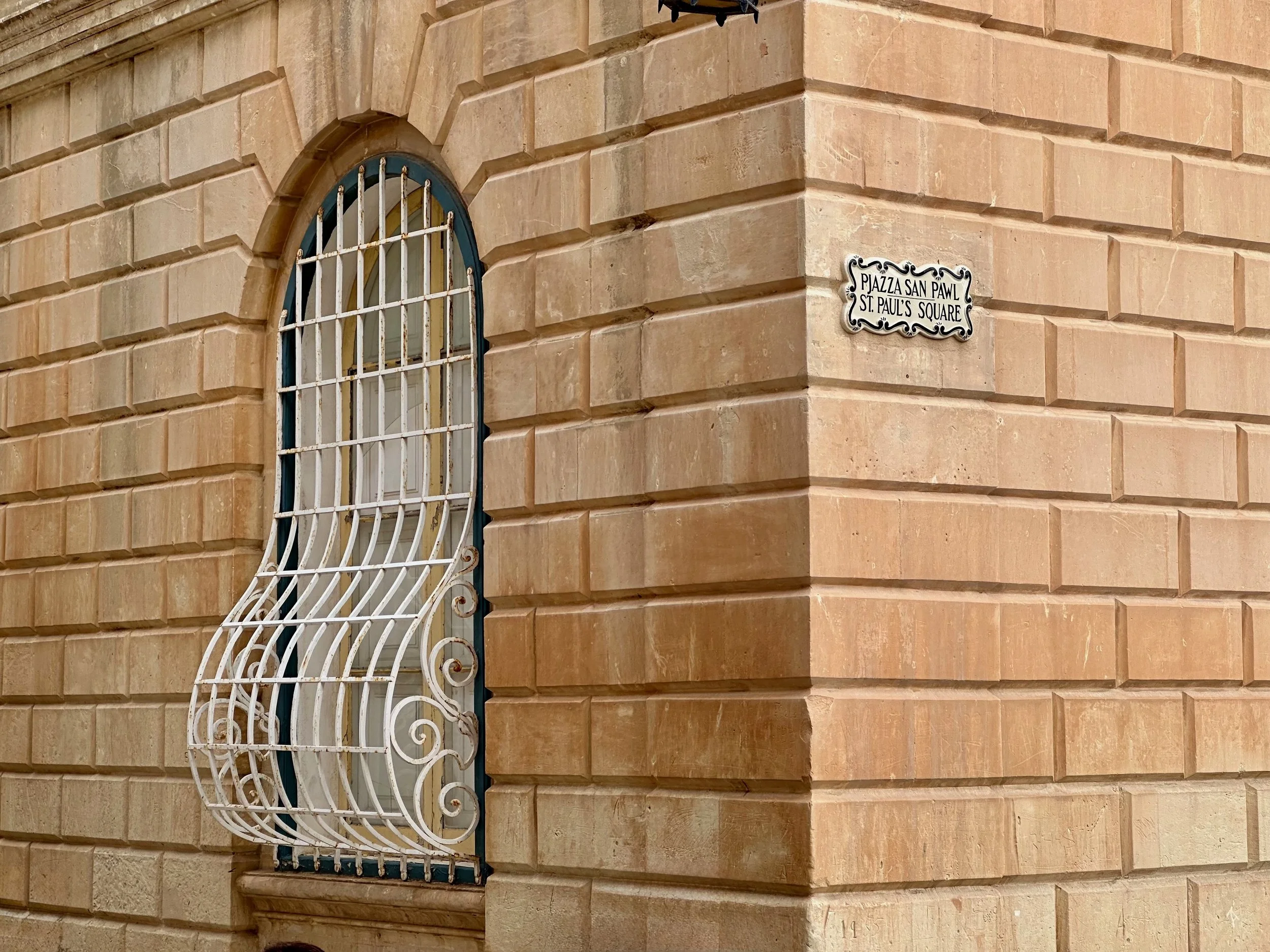
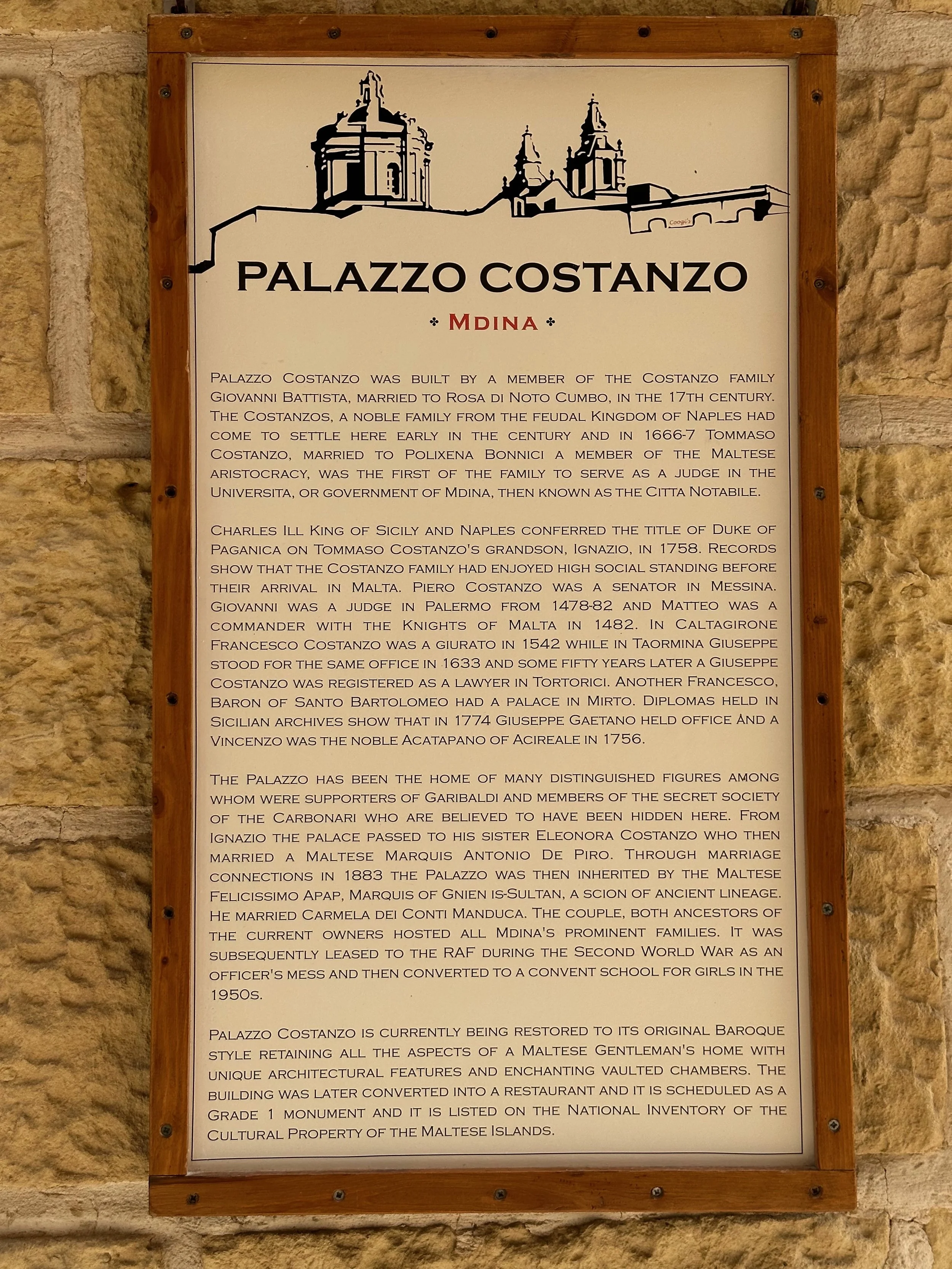
Palazzo Costanzo, Mdina
Built by a member of the Costanzo family from Italy in the 17th century. The Costanzos were a noble family from the Kingdom of Naples who moved to settle in Malta. Marrying into Maltese aristocracy, Tommaso Costanzo became the first in the family to serve as a judge.
In current times the well maintained building has been converted into a restaurant and museum for the Medieval Times Show which provides insight into life in the 14th and 15th centuries.
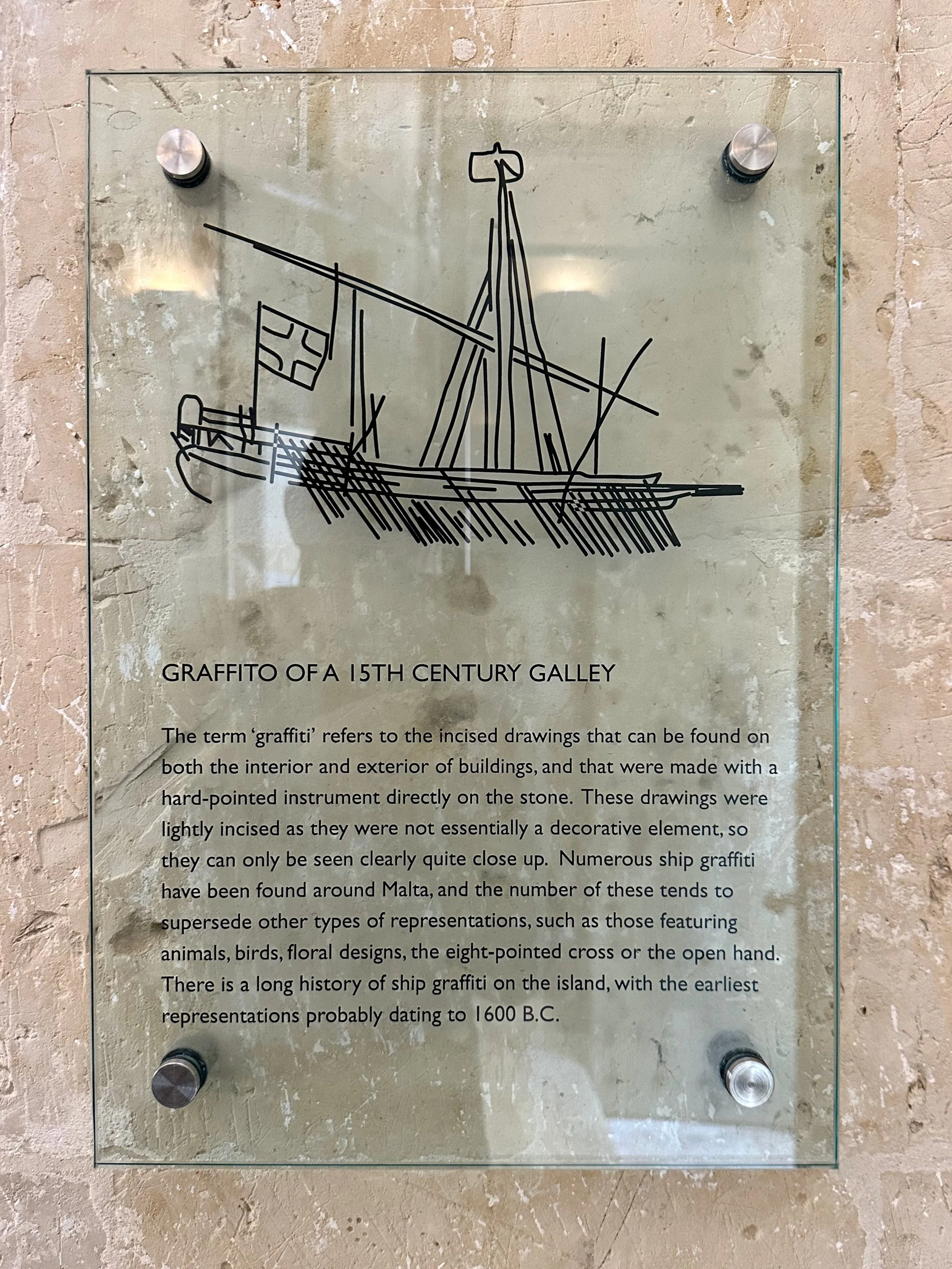
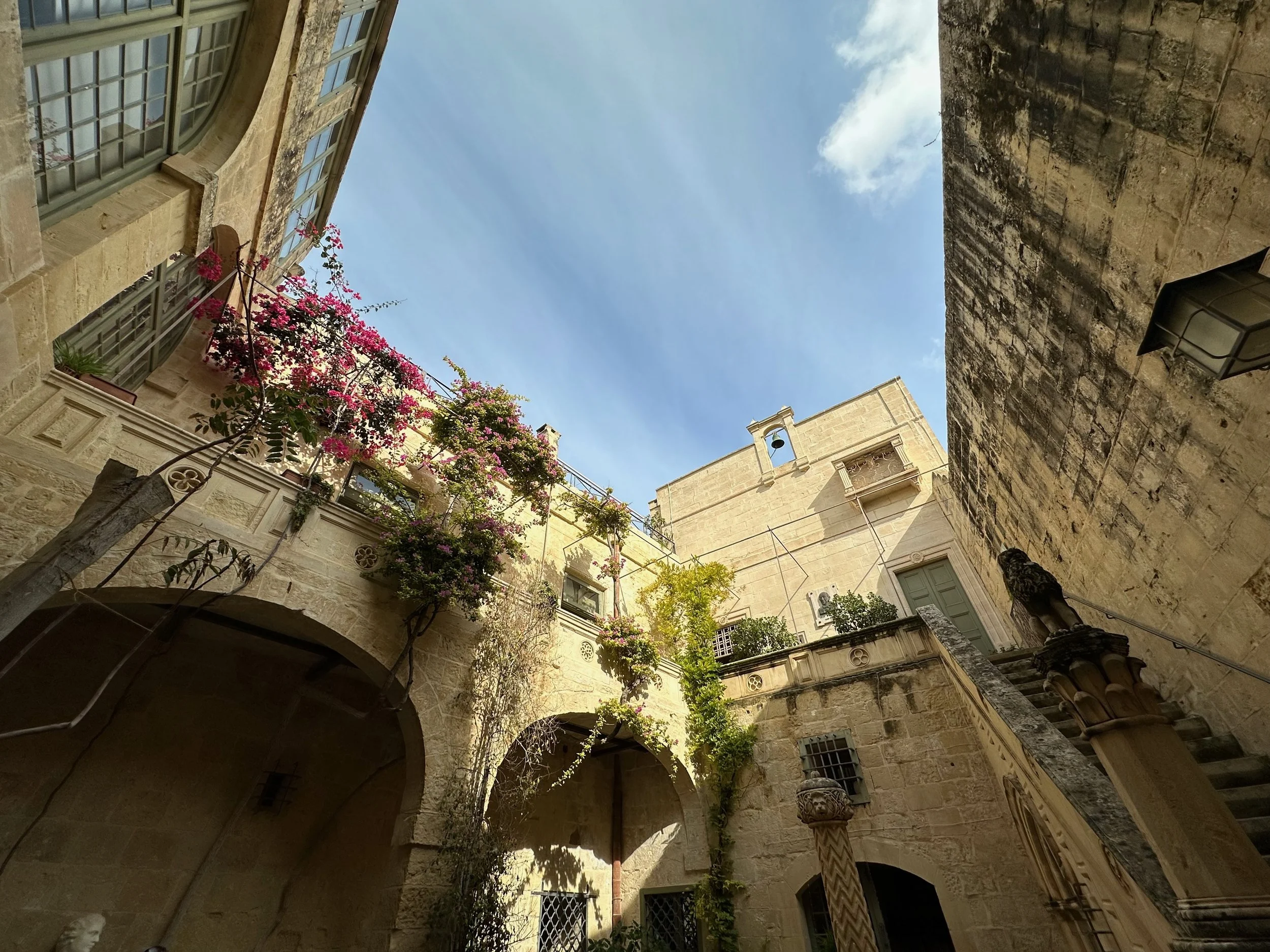
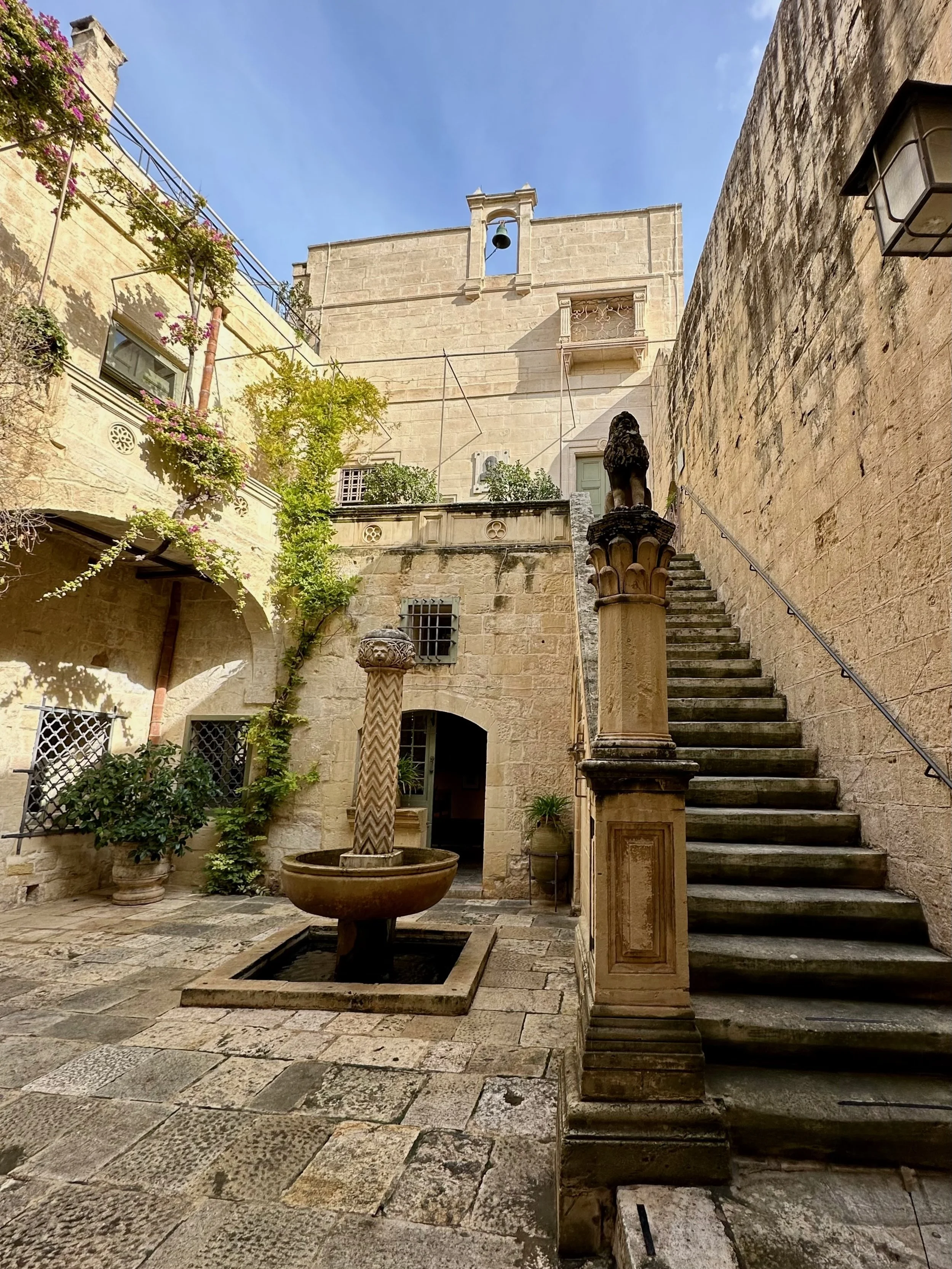
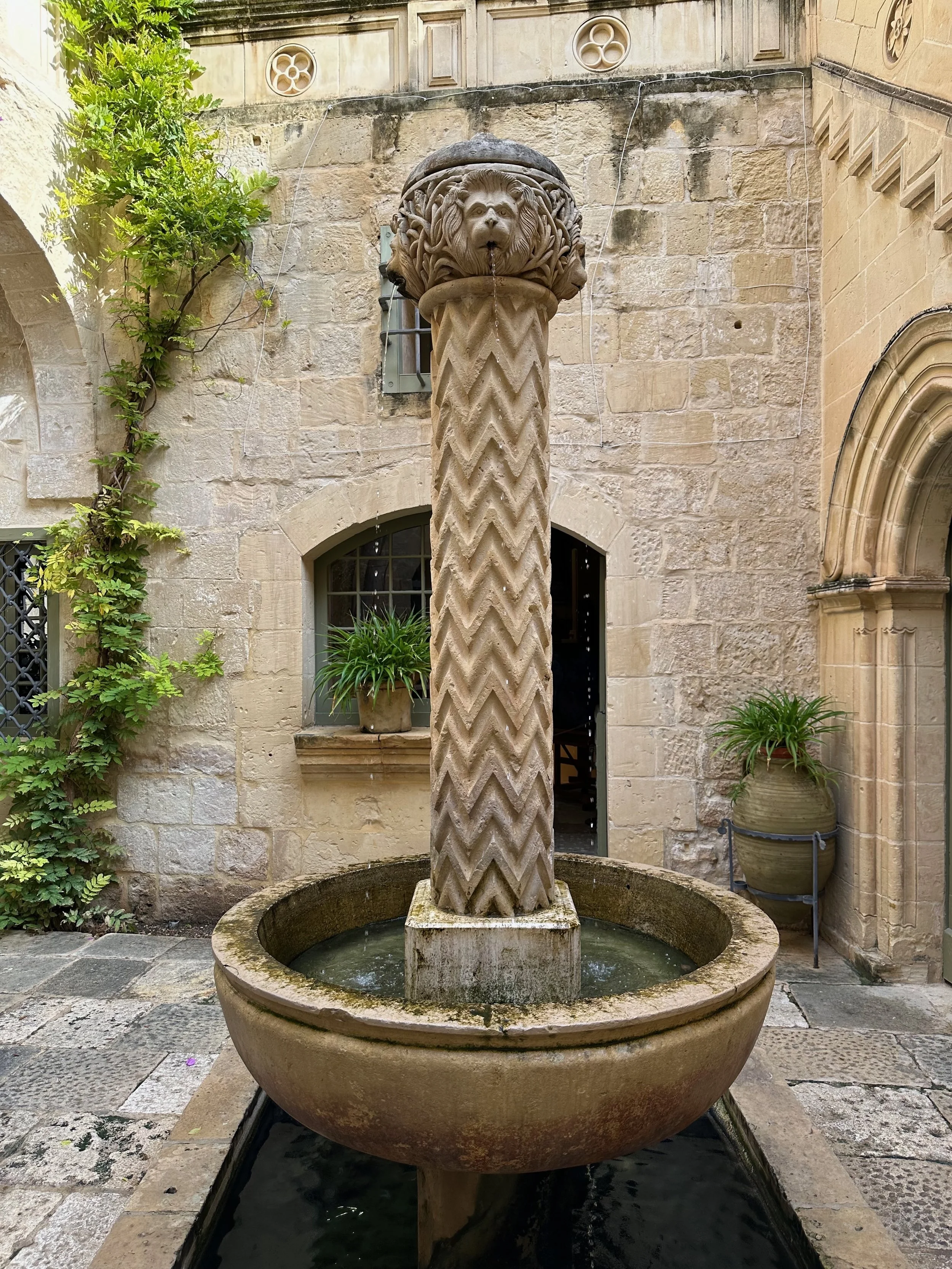
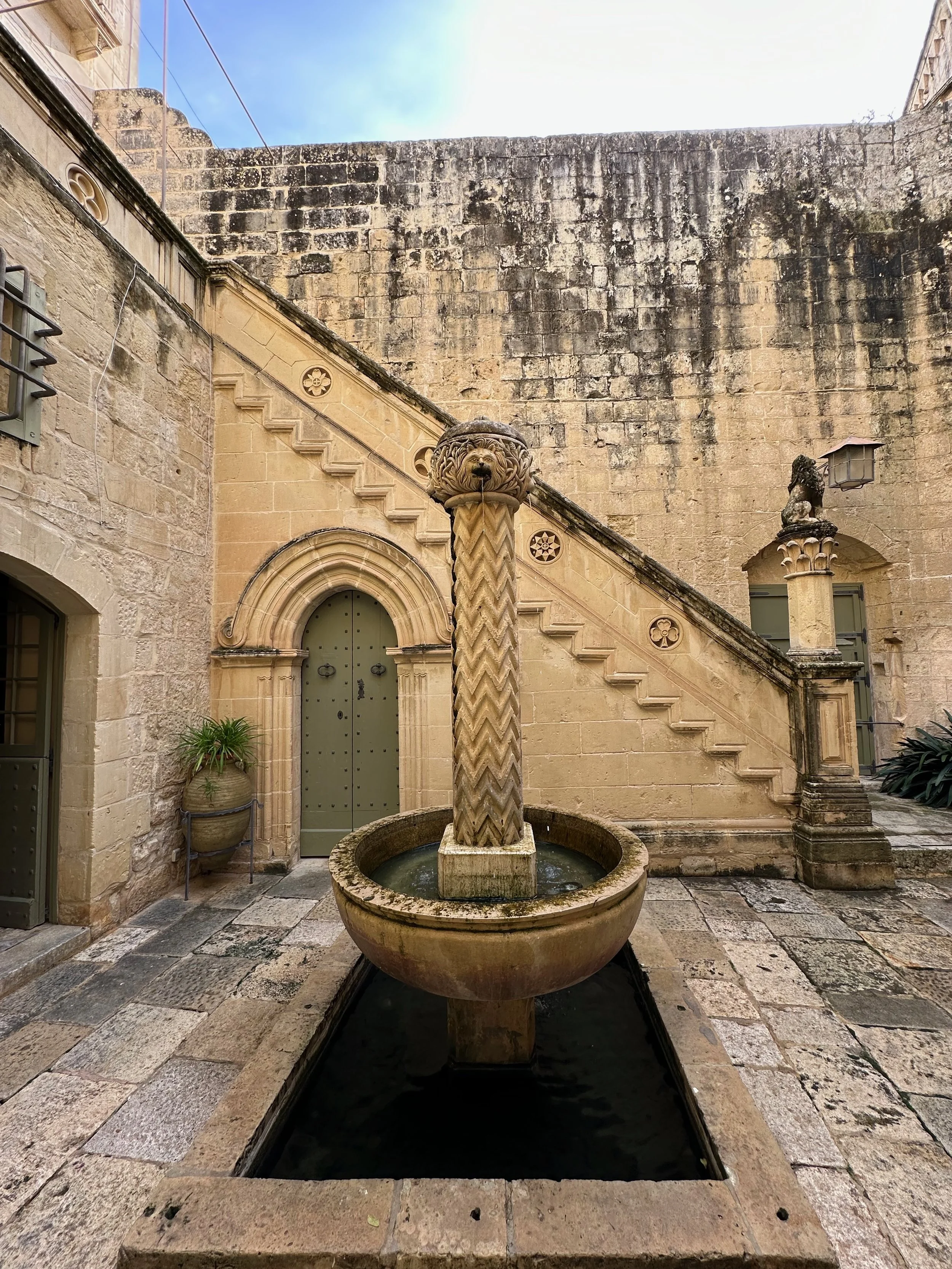
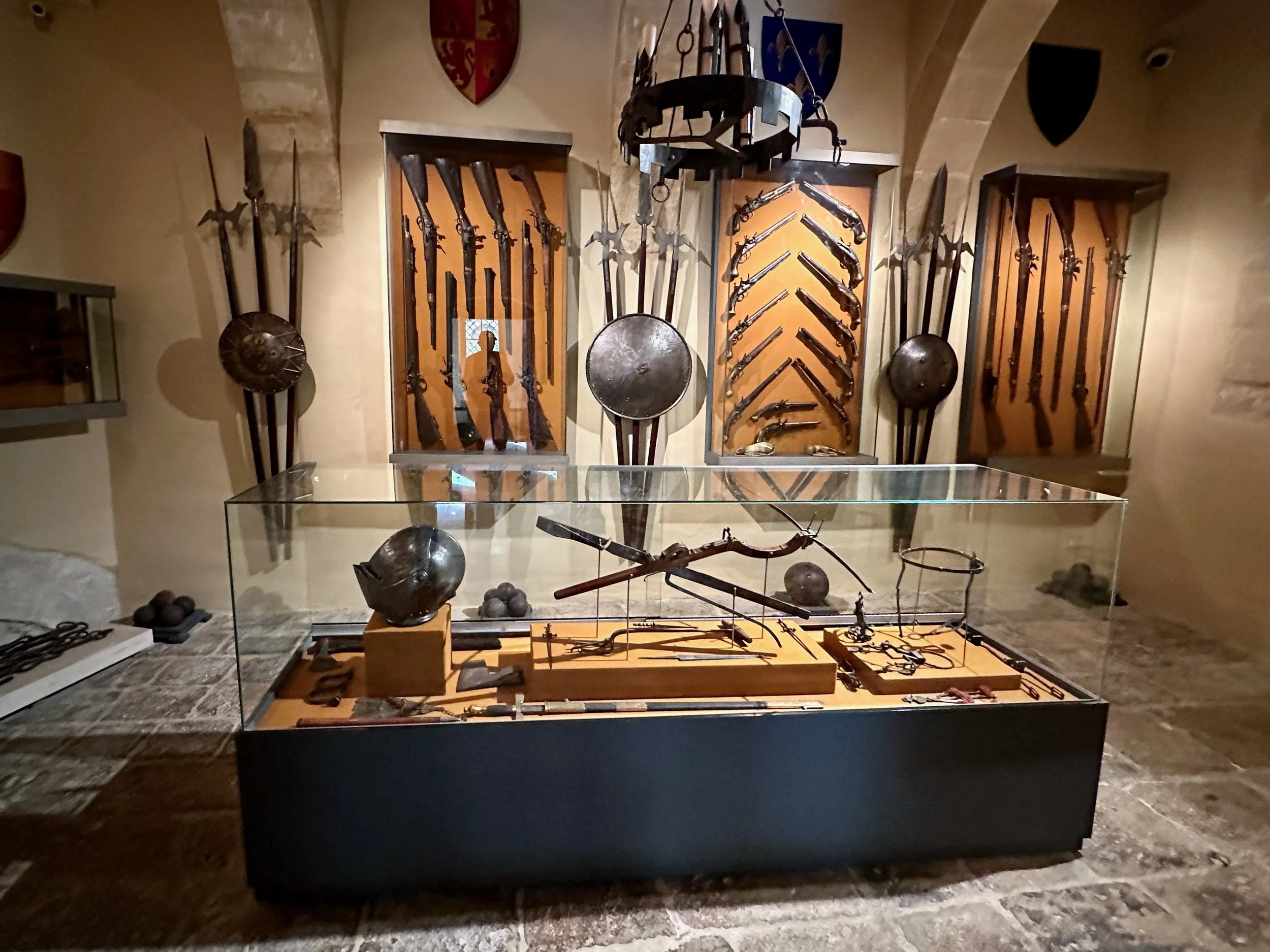
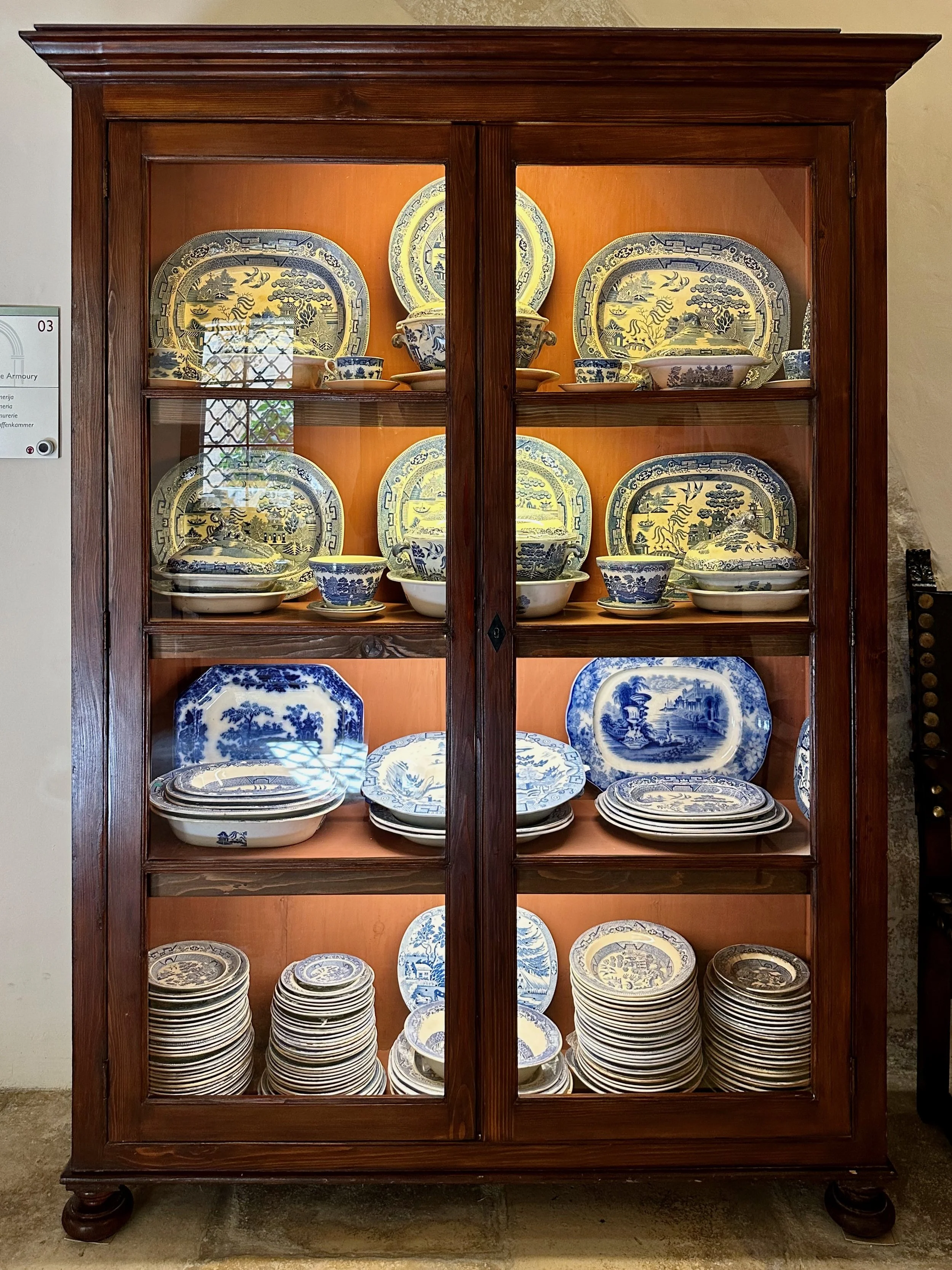
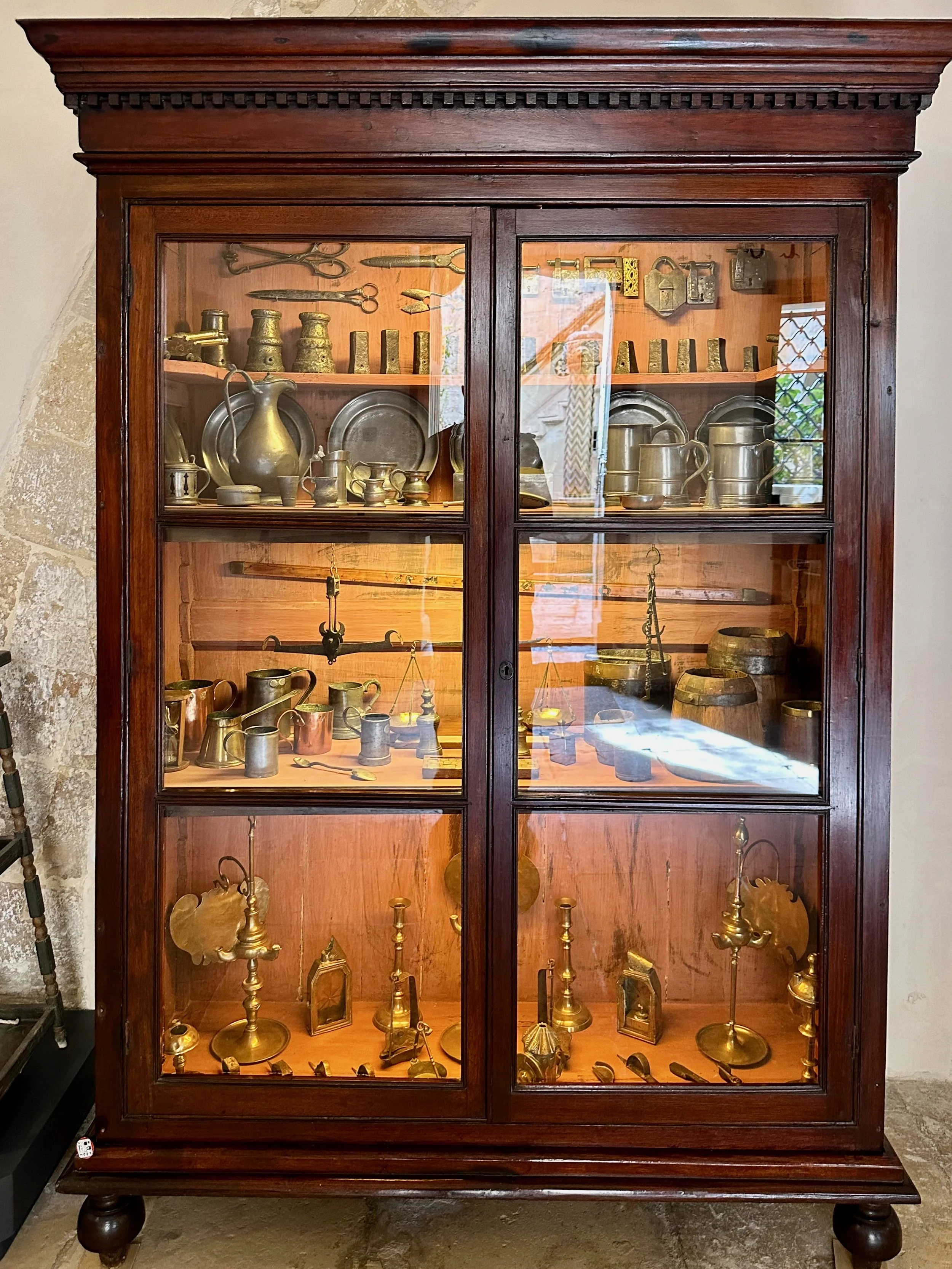
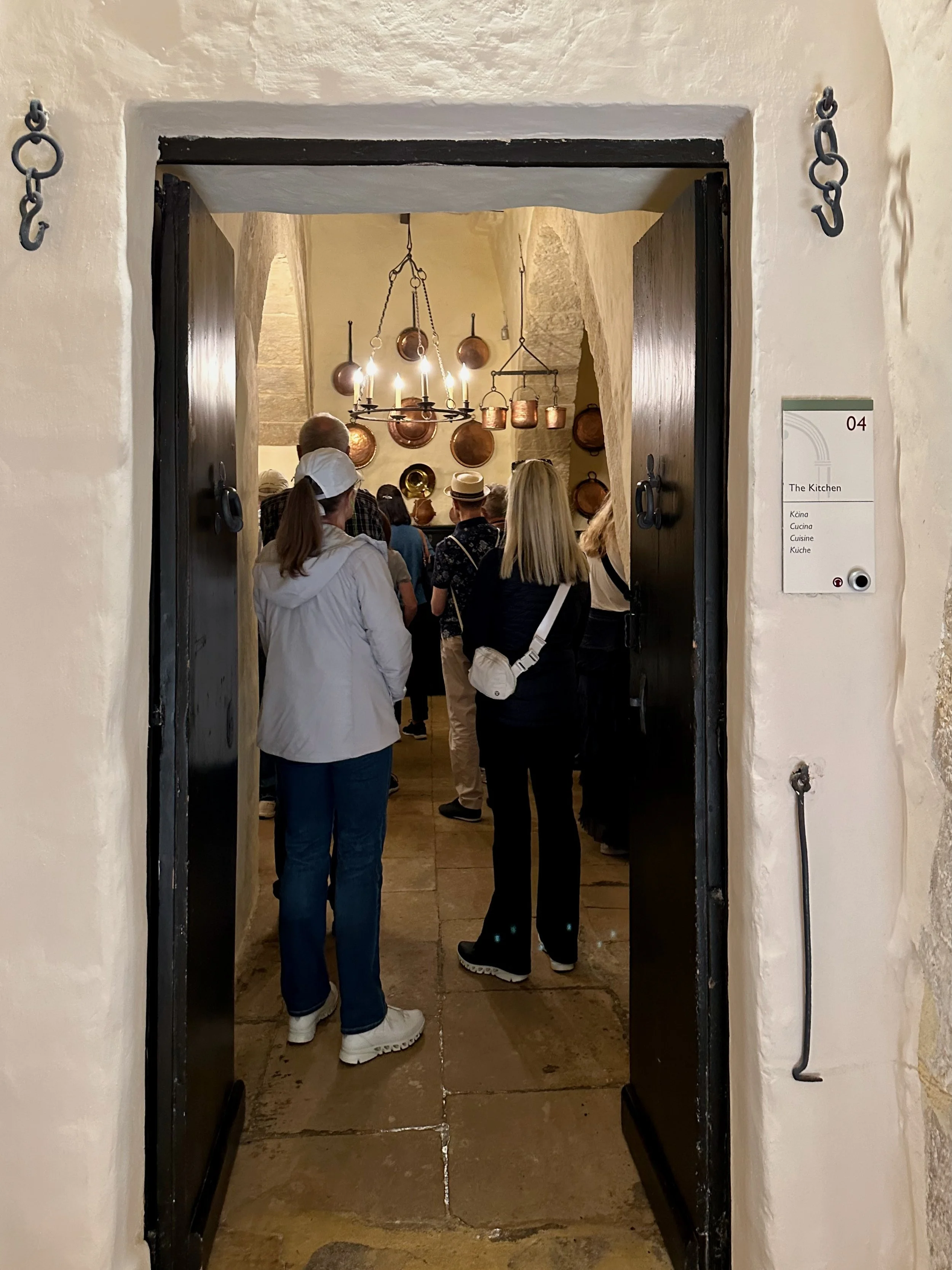
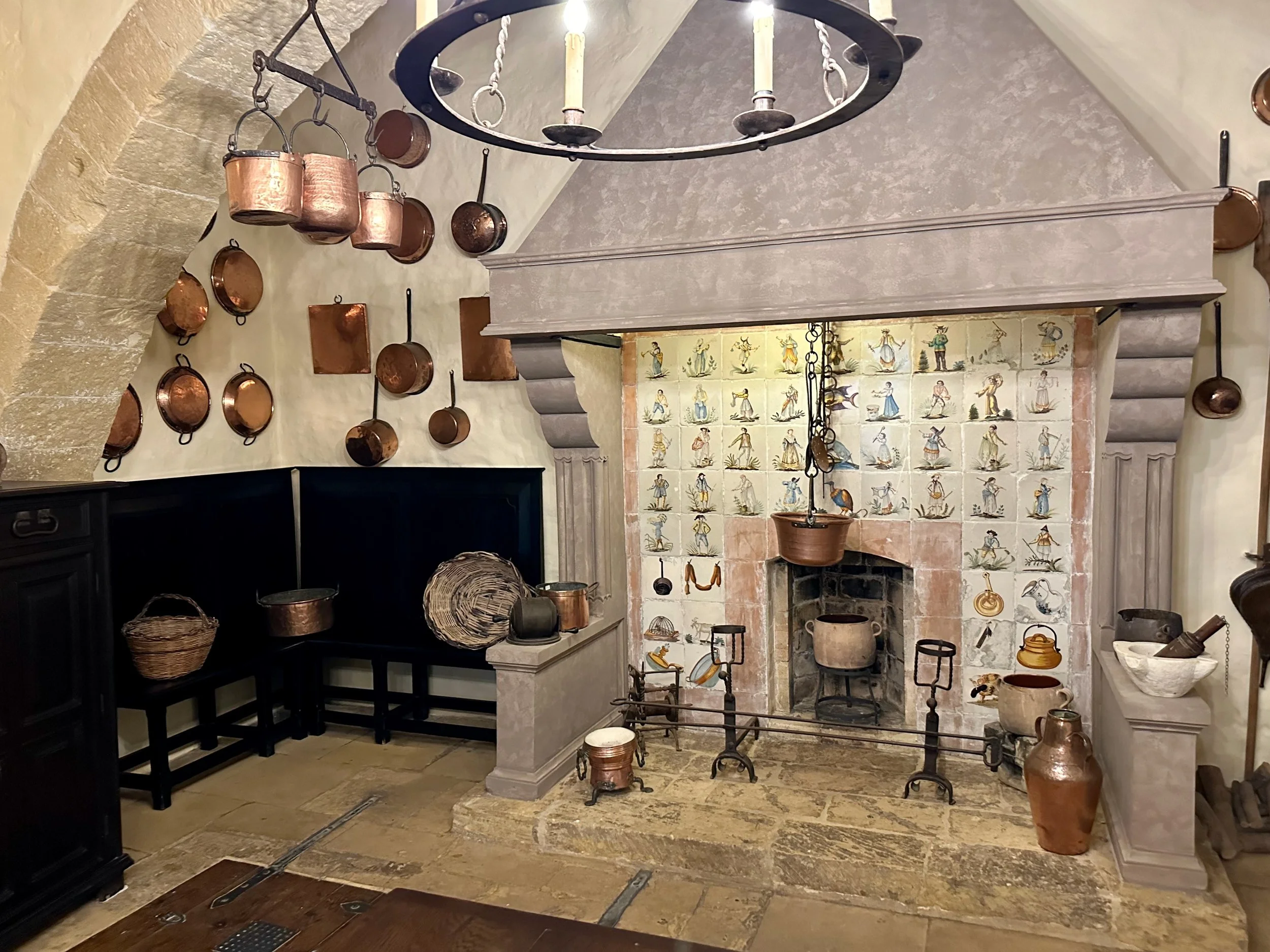
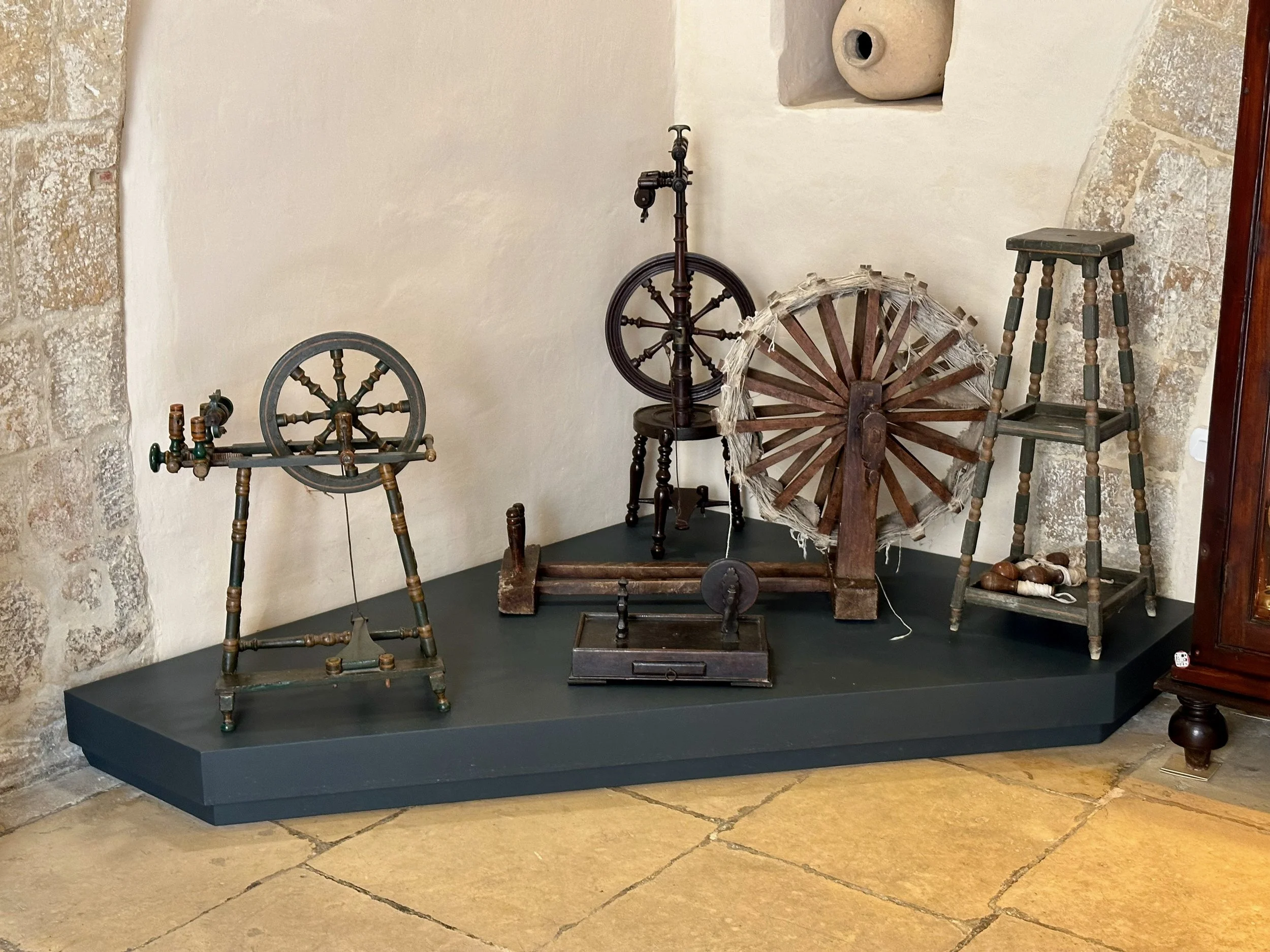
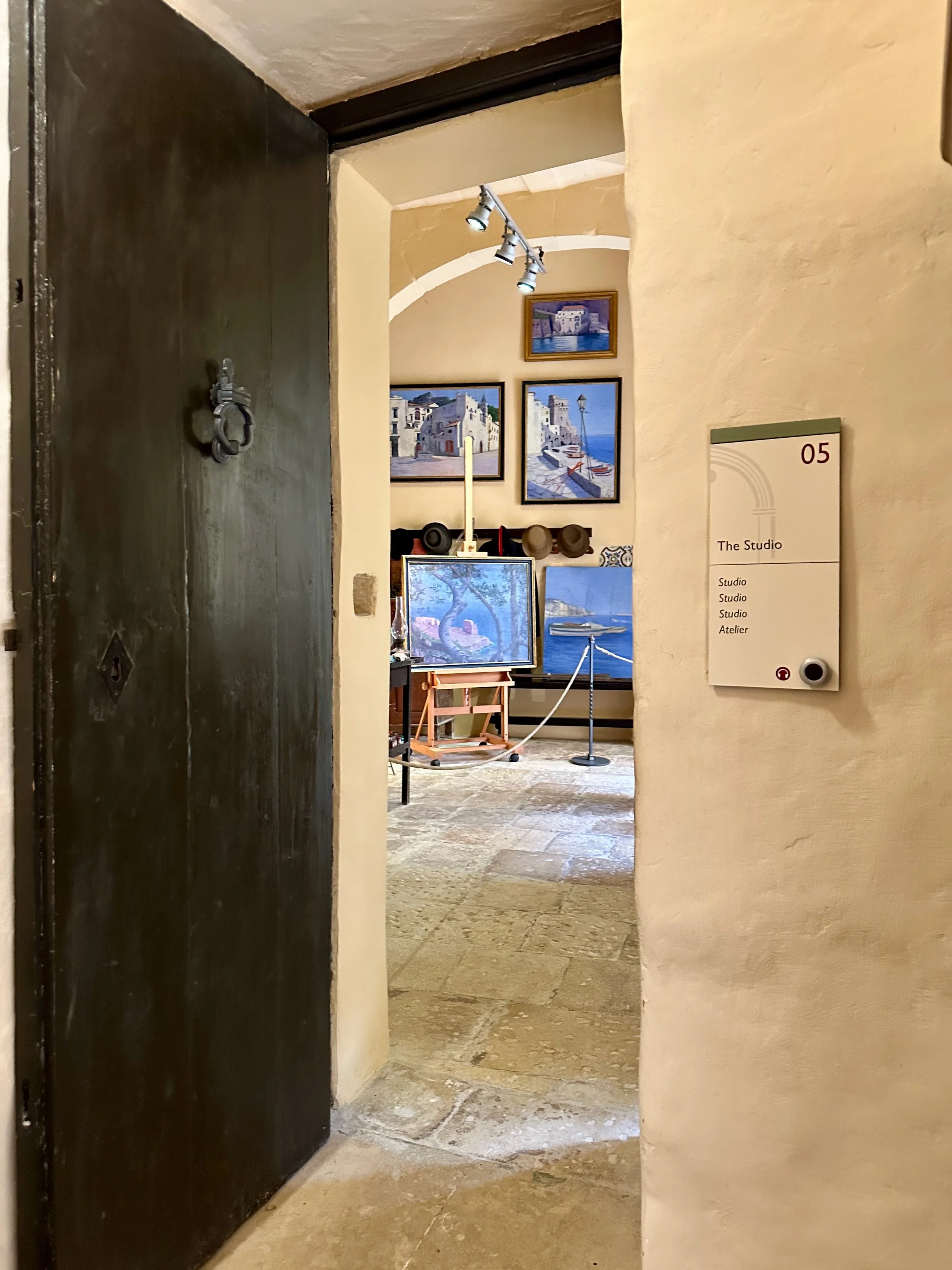
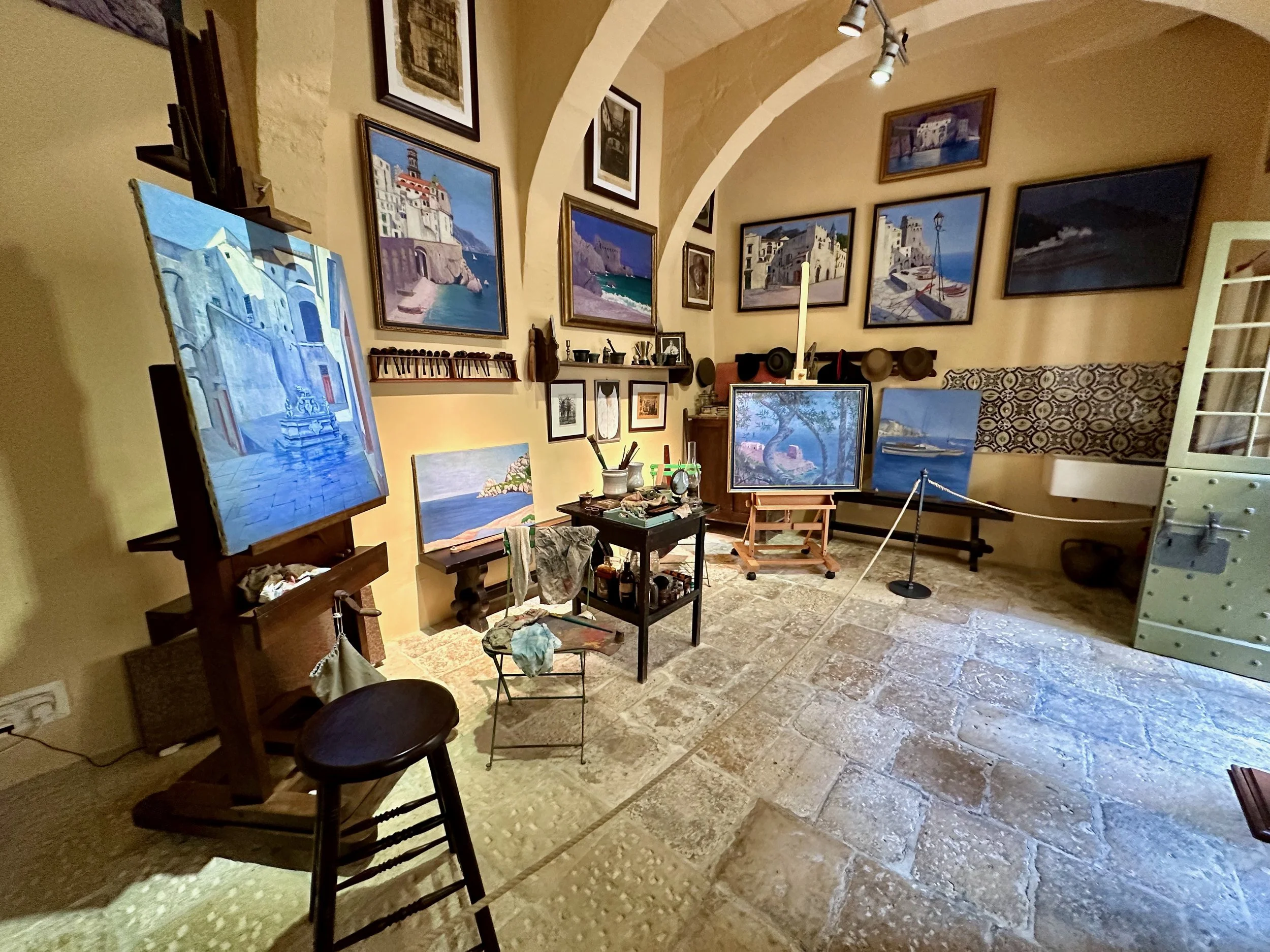
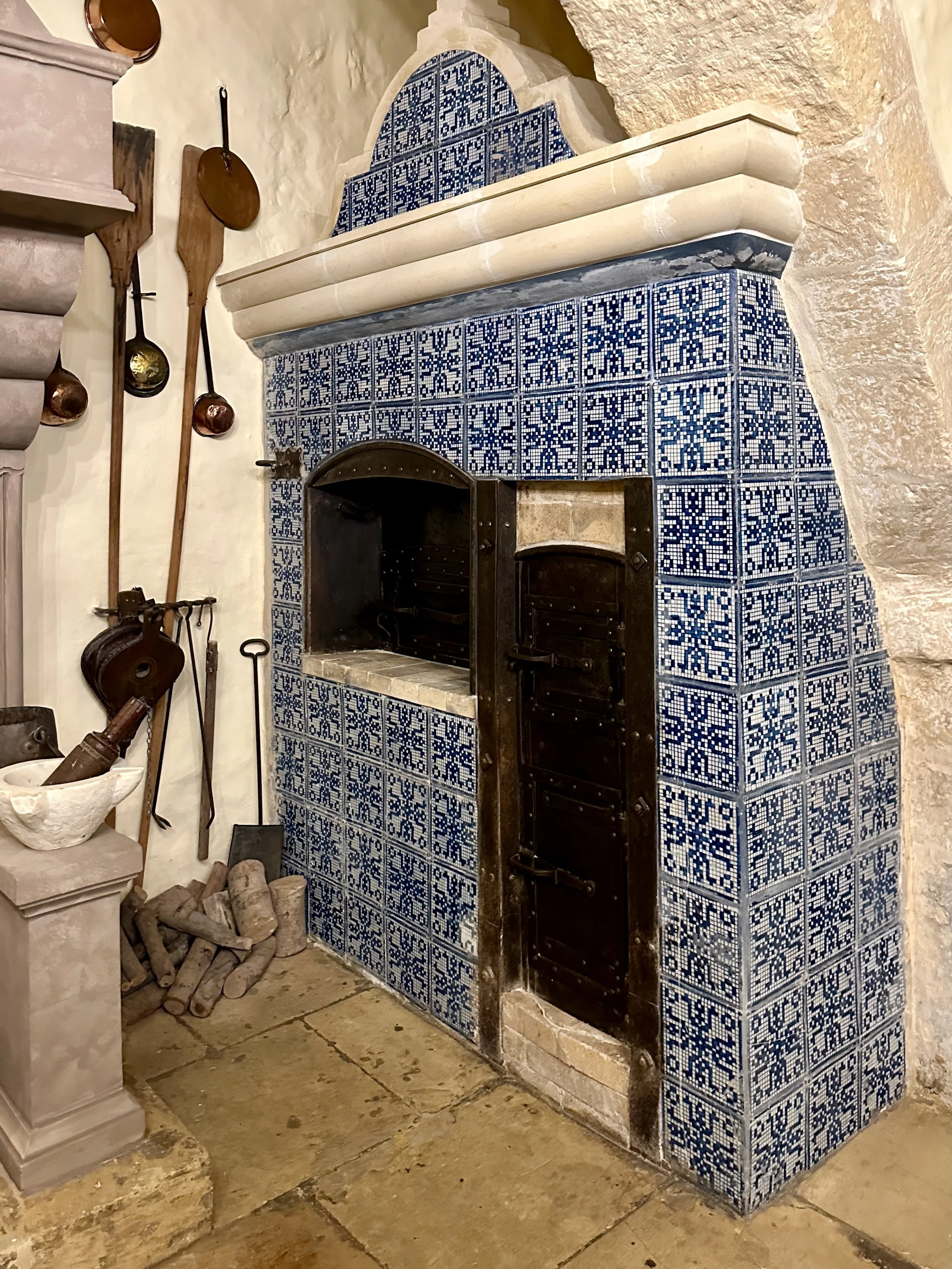
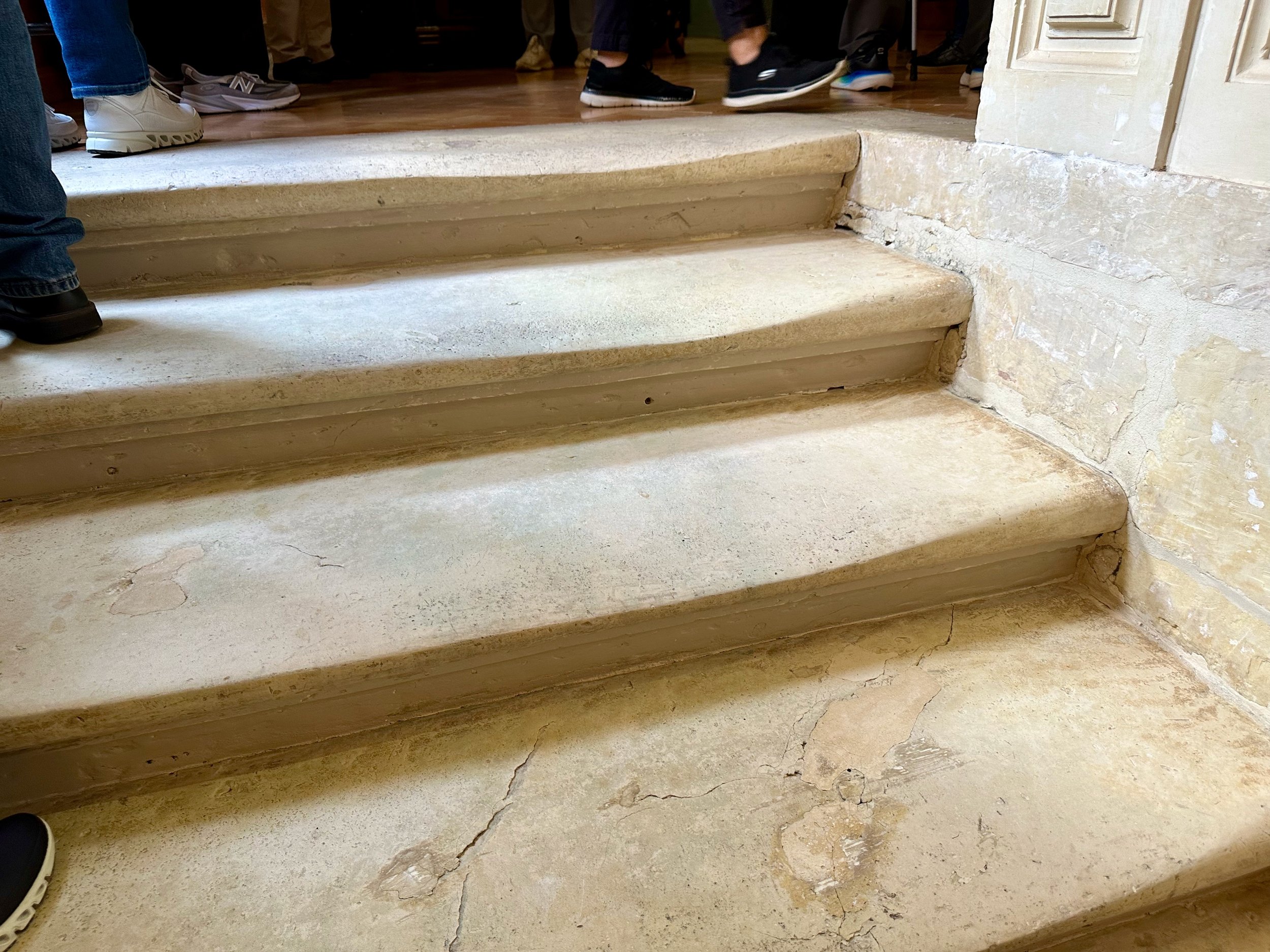
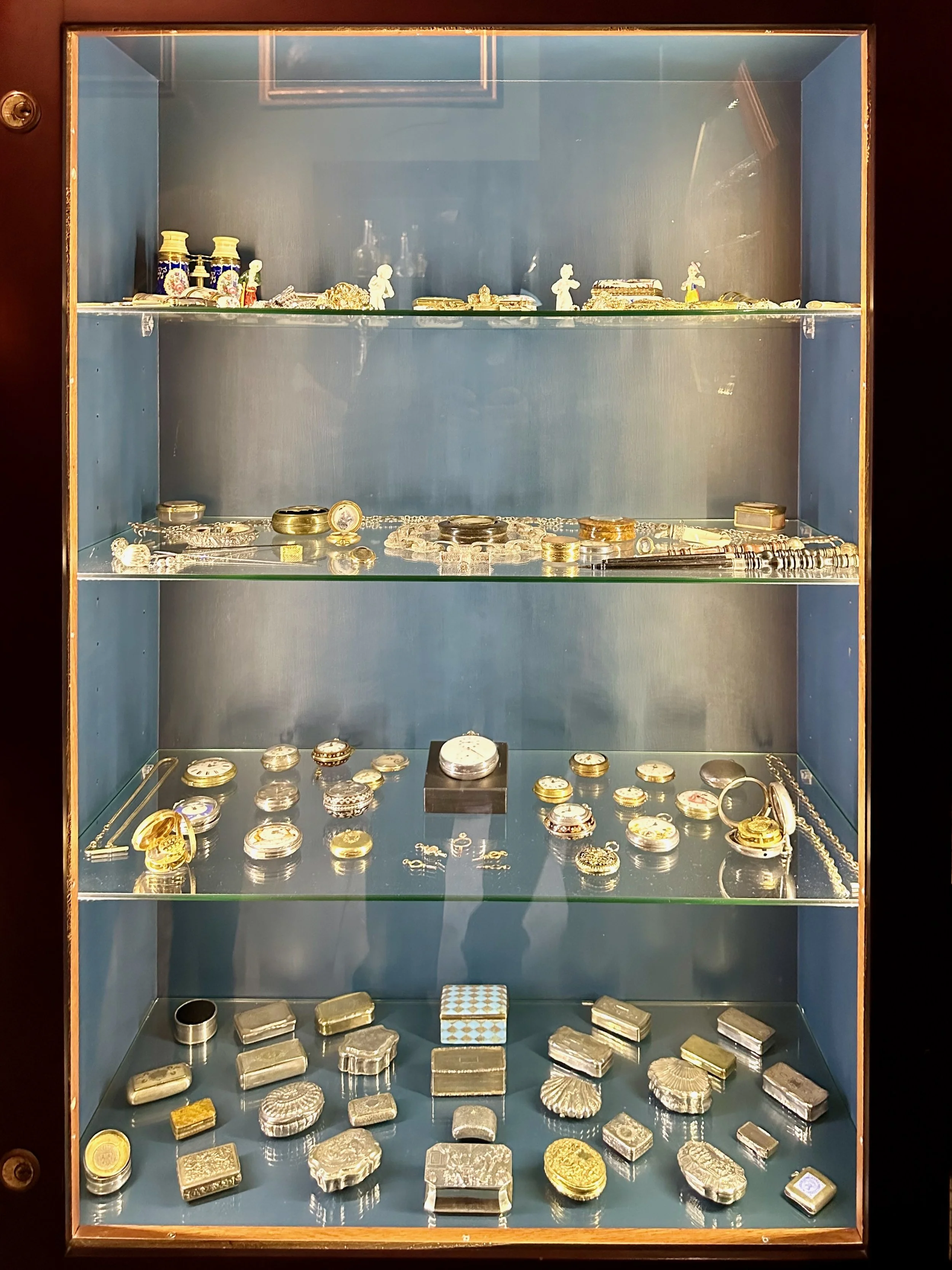
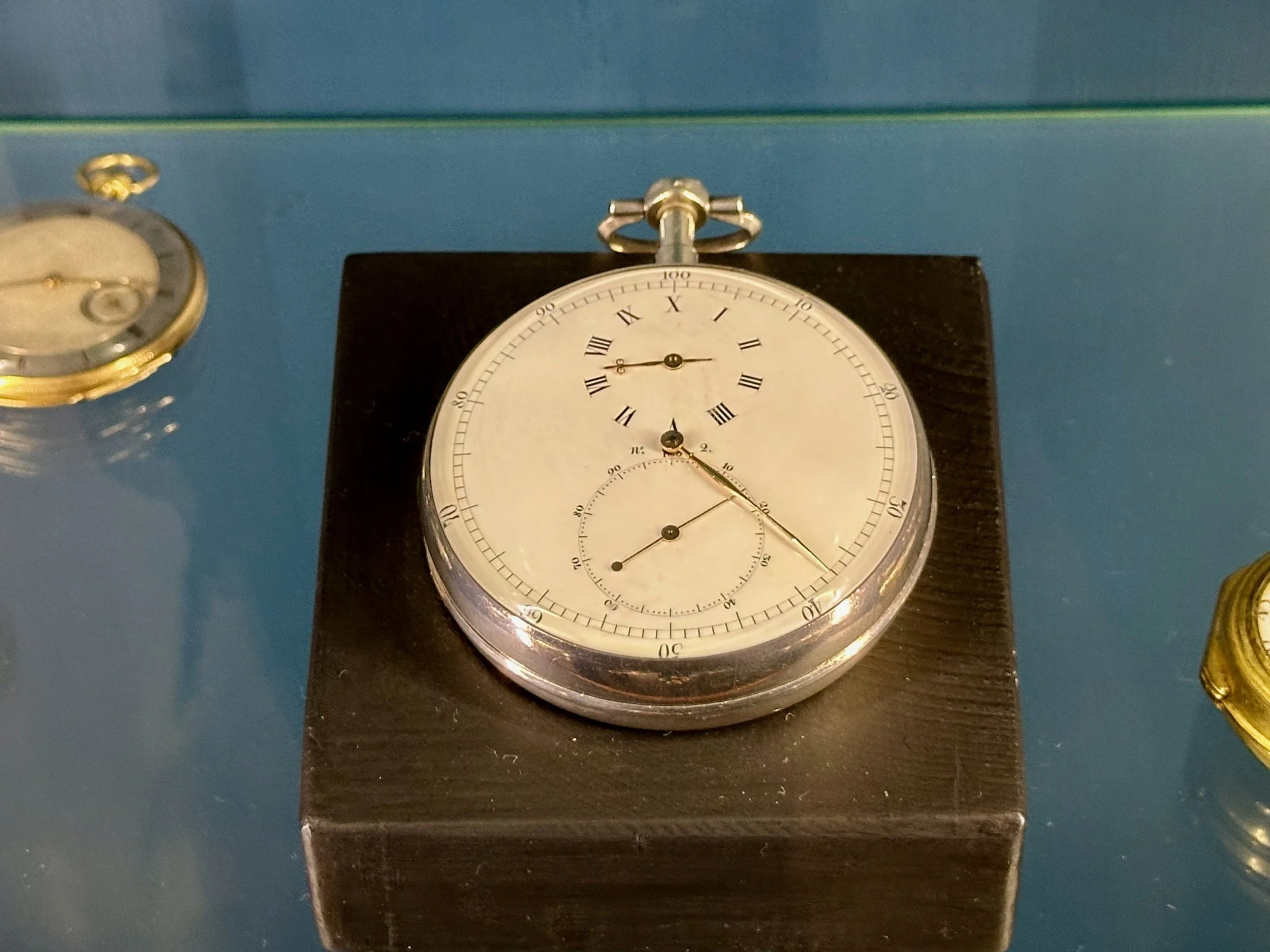
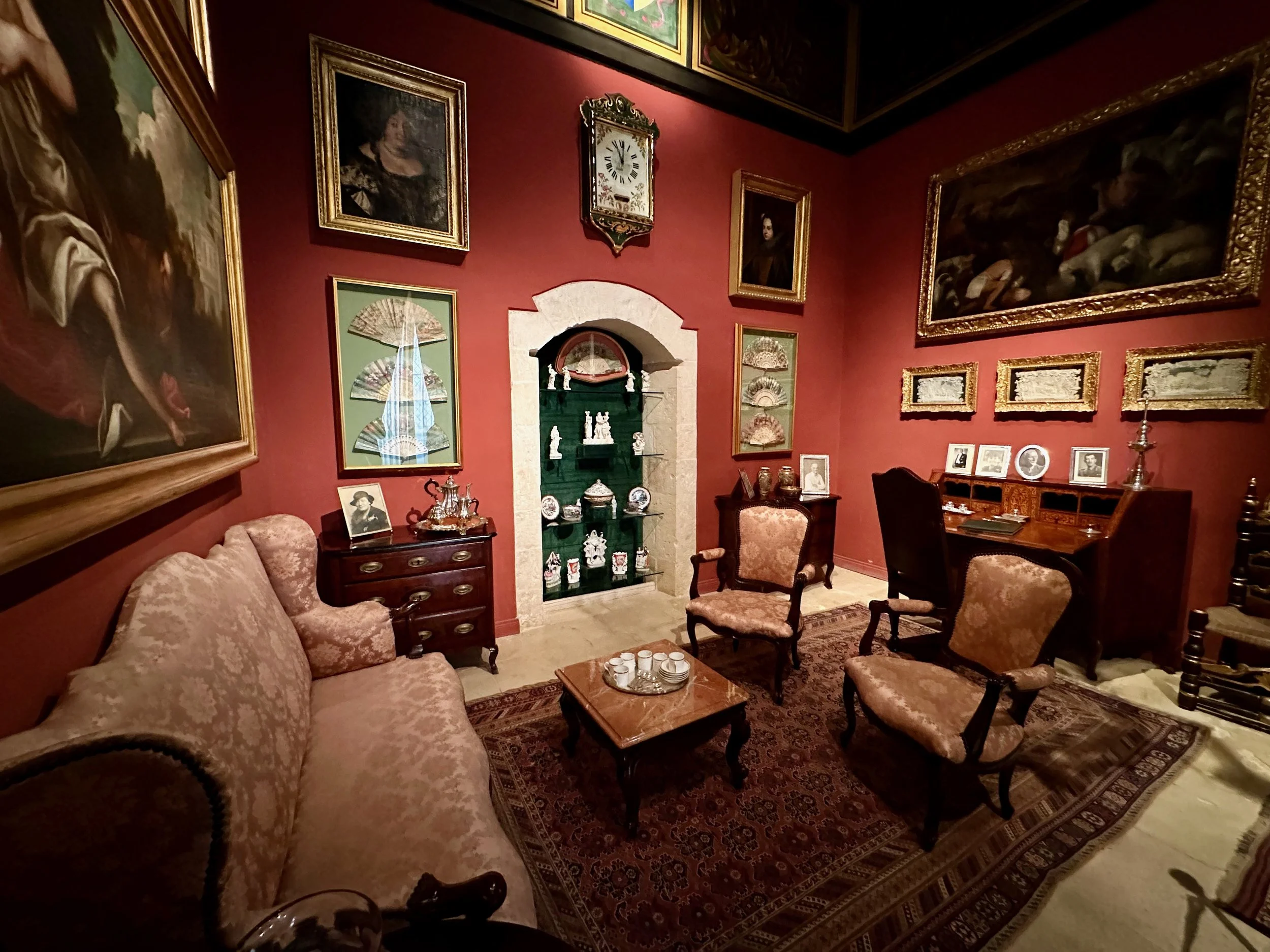
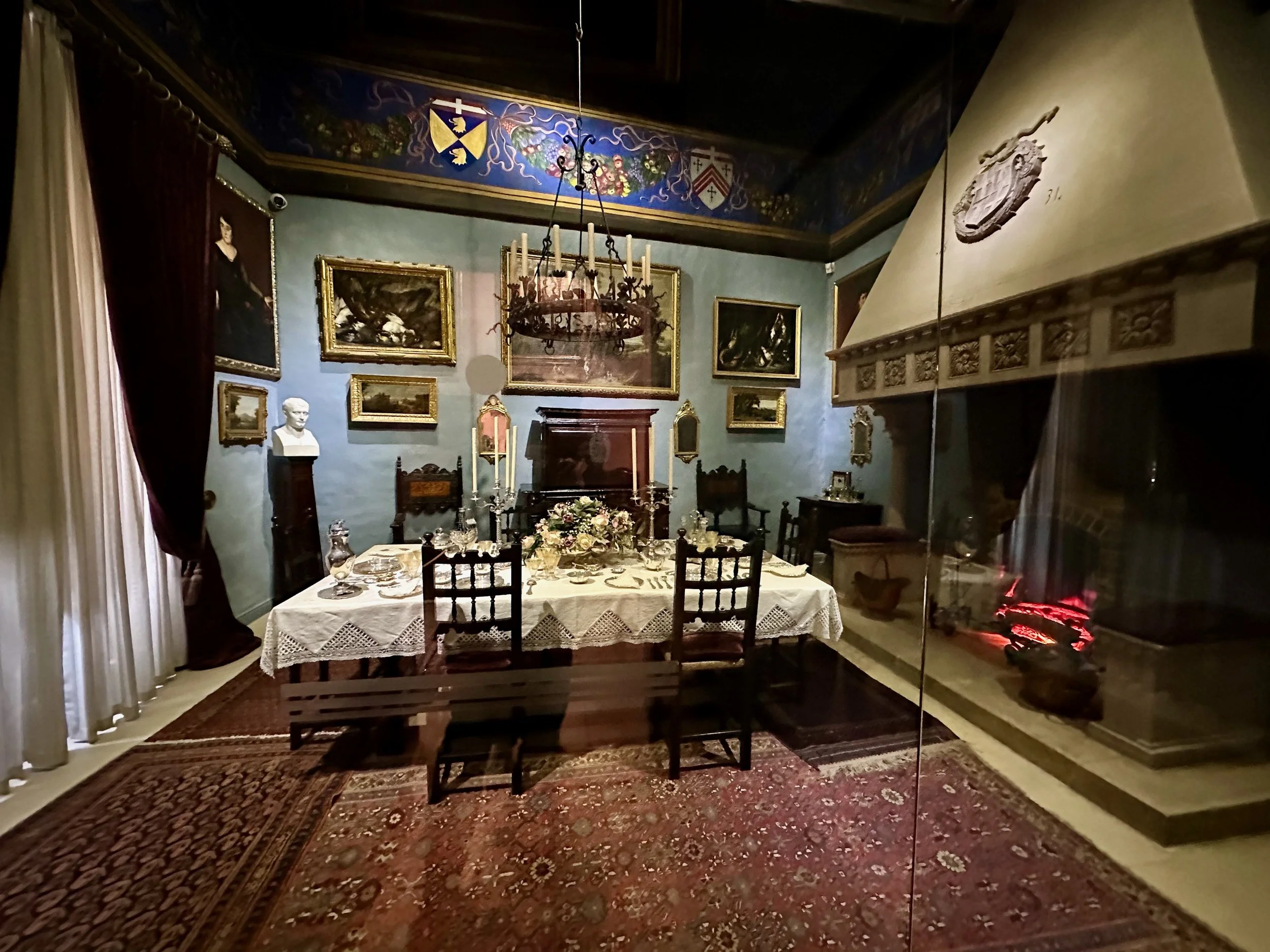
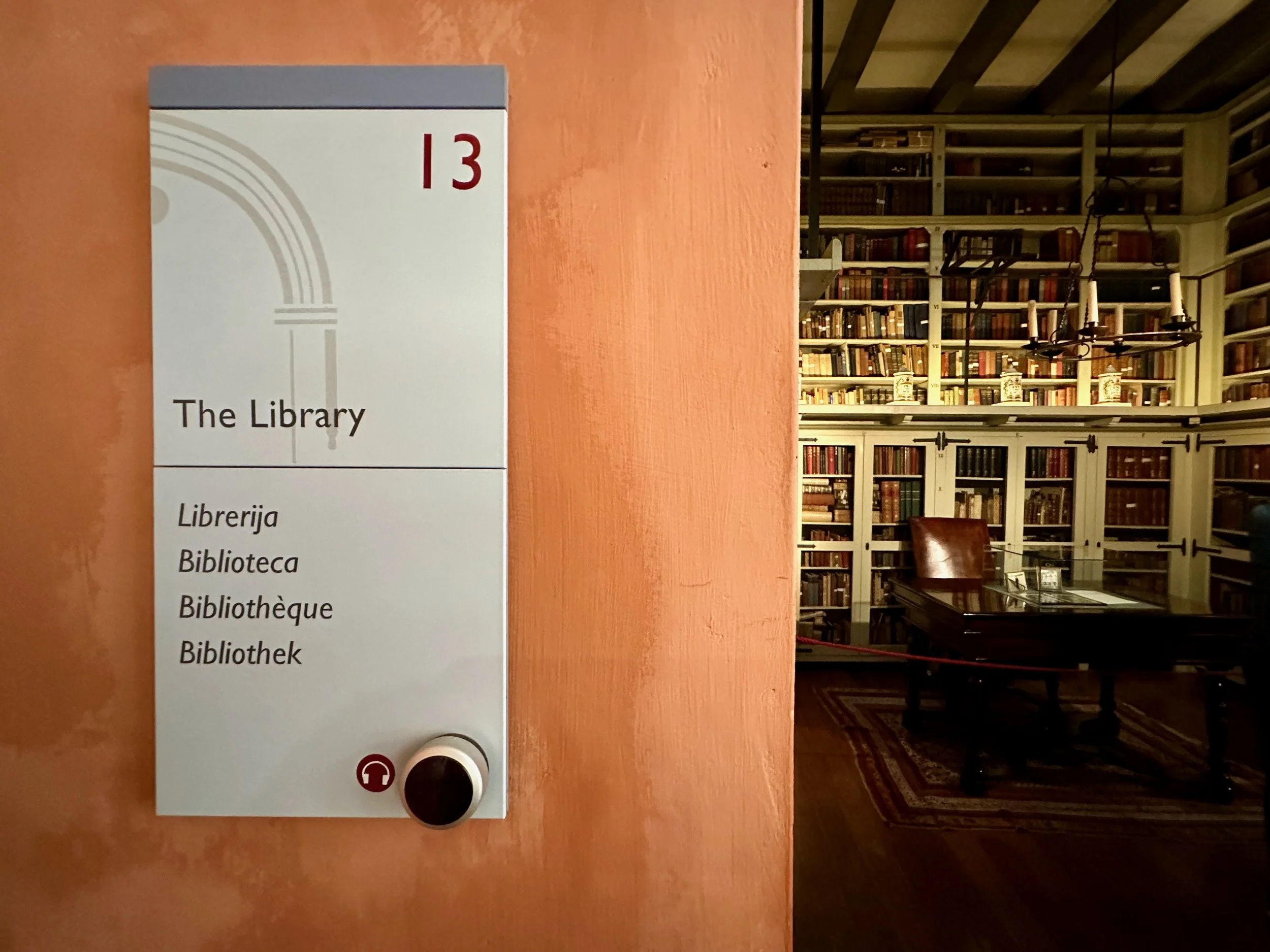
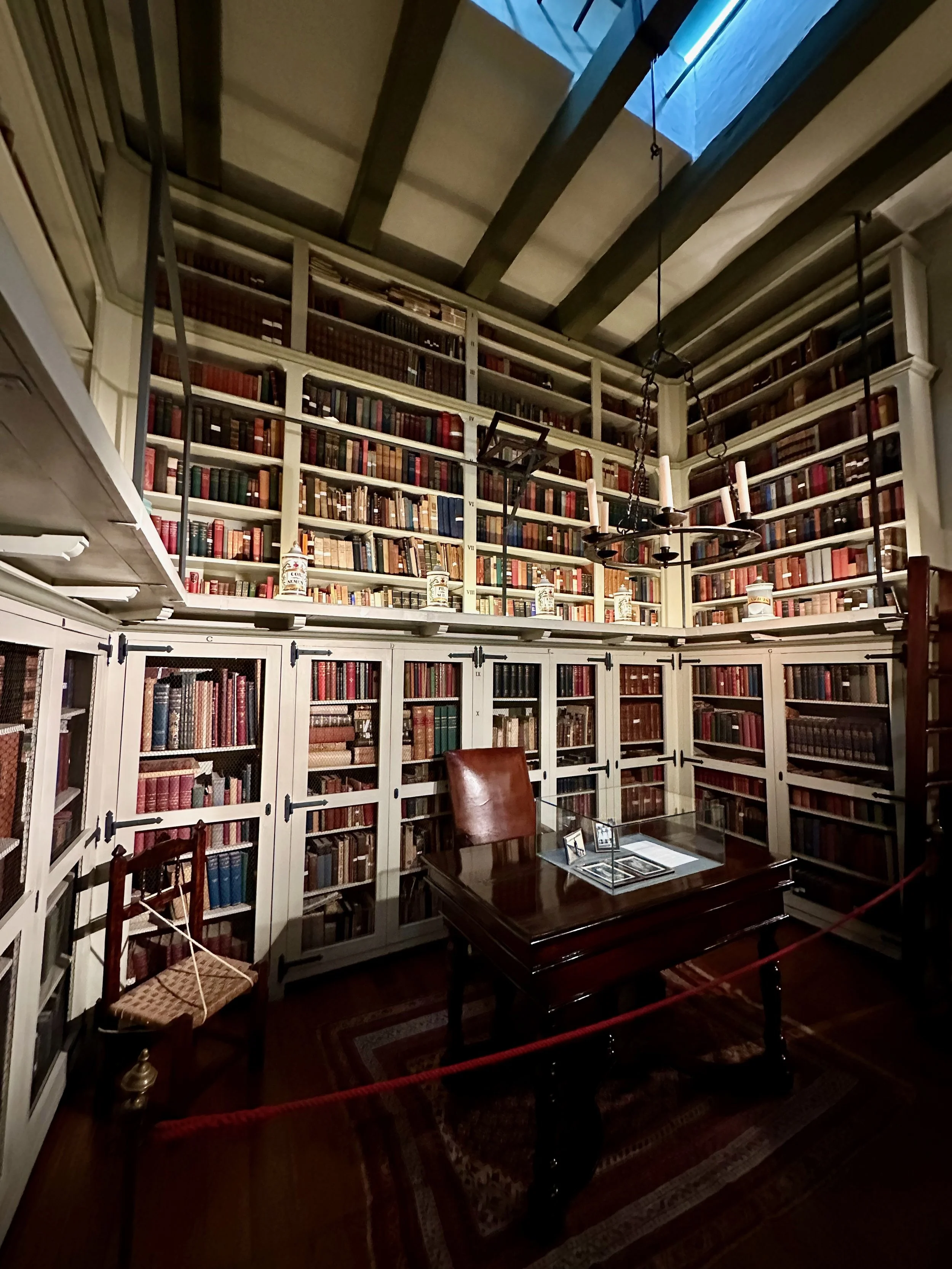
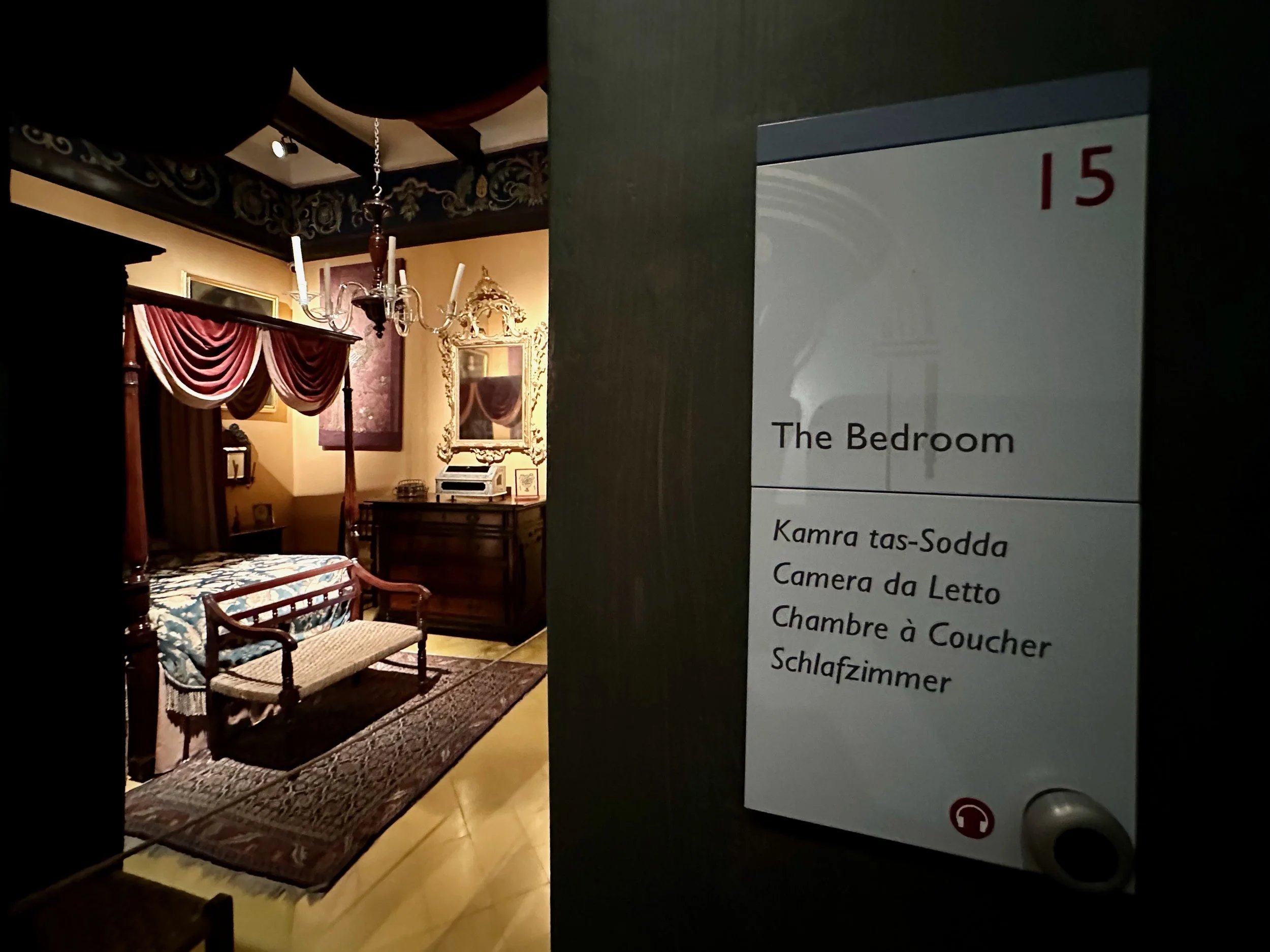
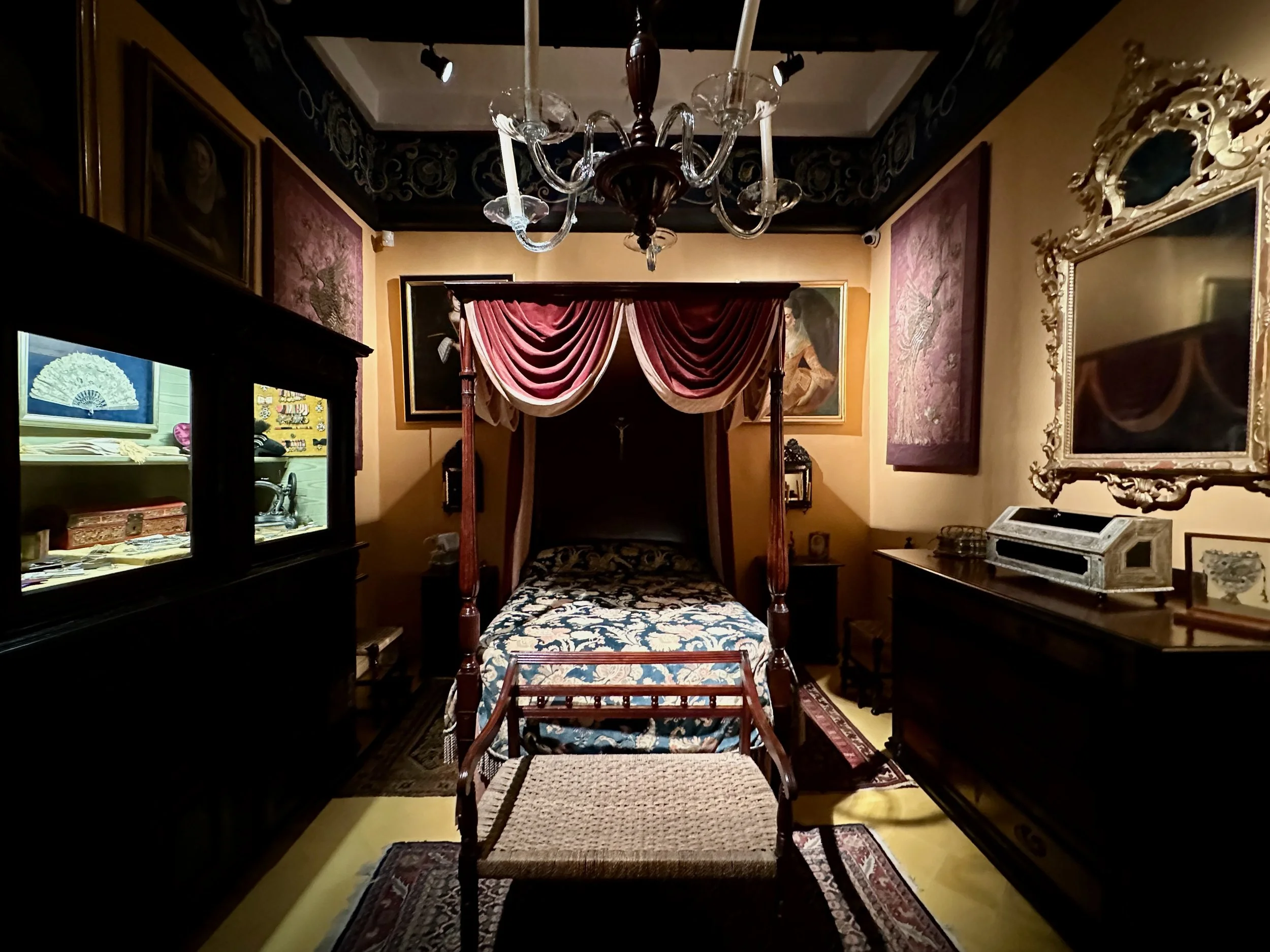
St. Paul’s Metropolitan Cathedral.
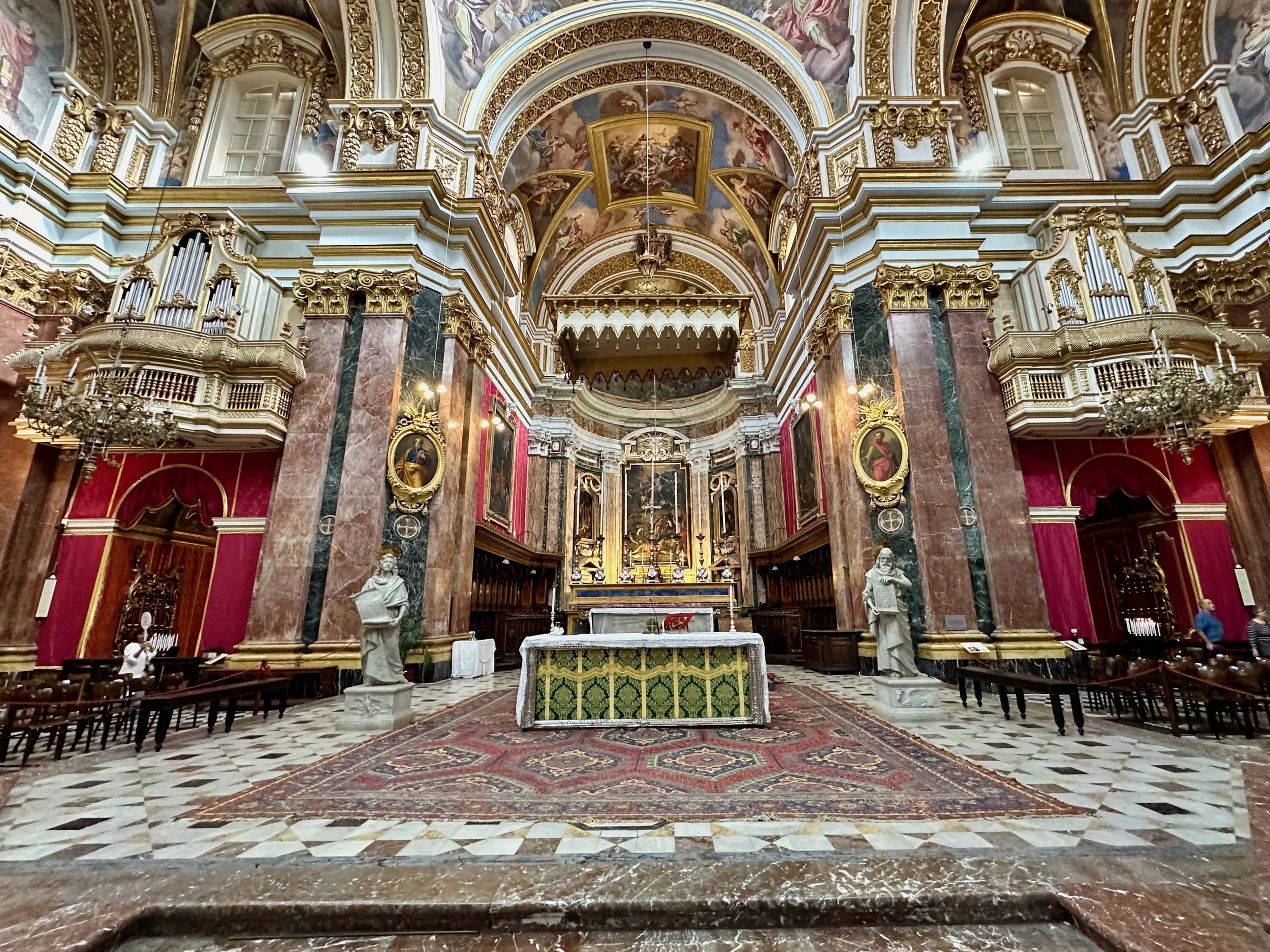
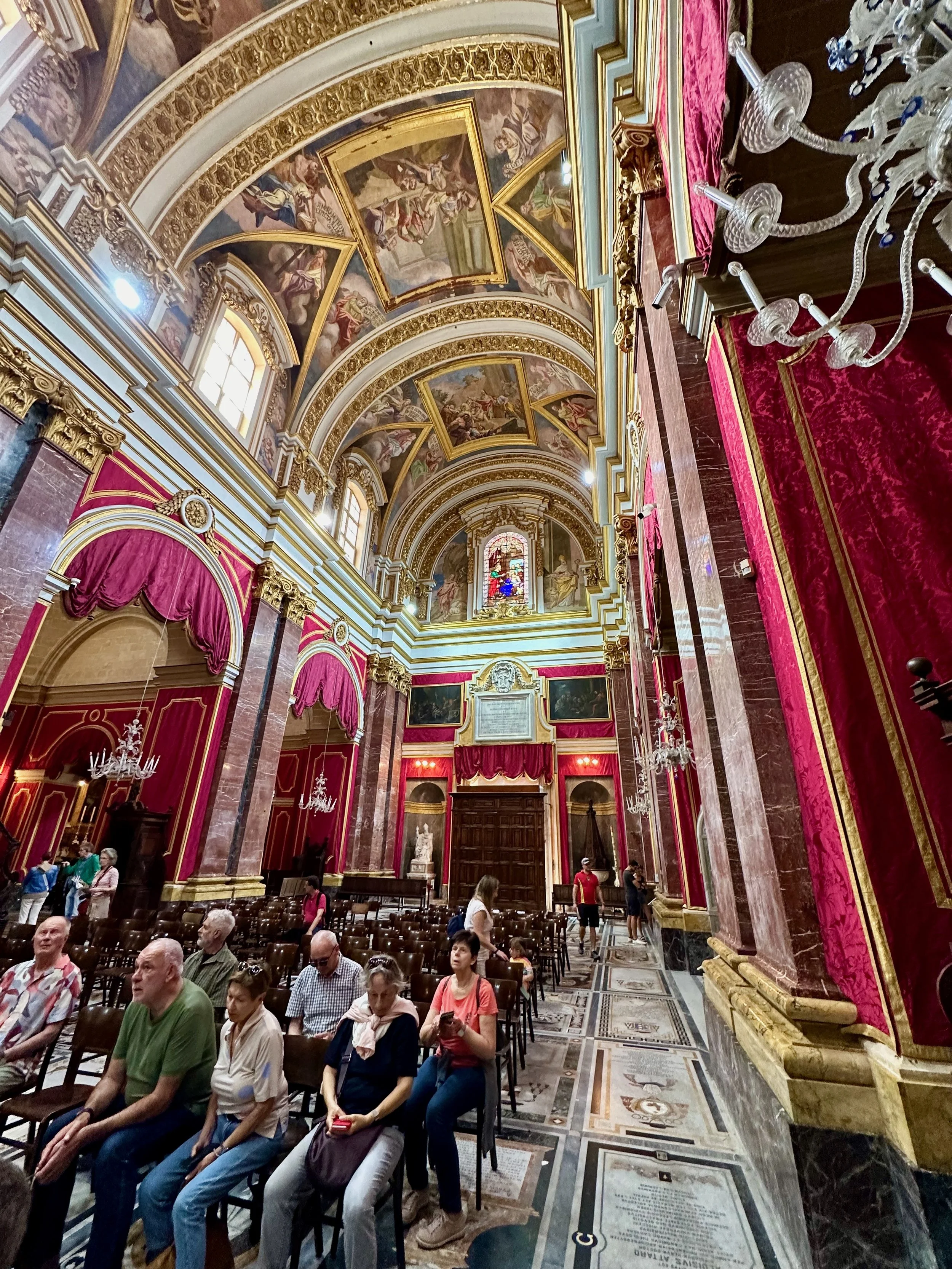
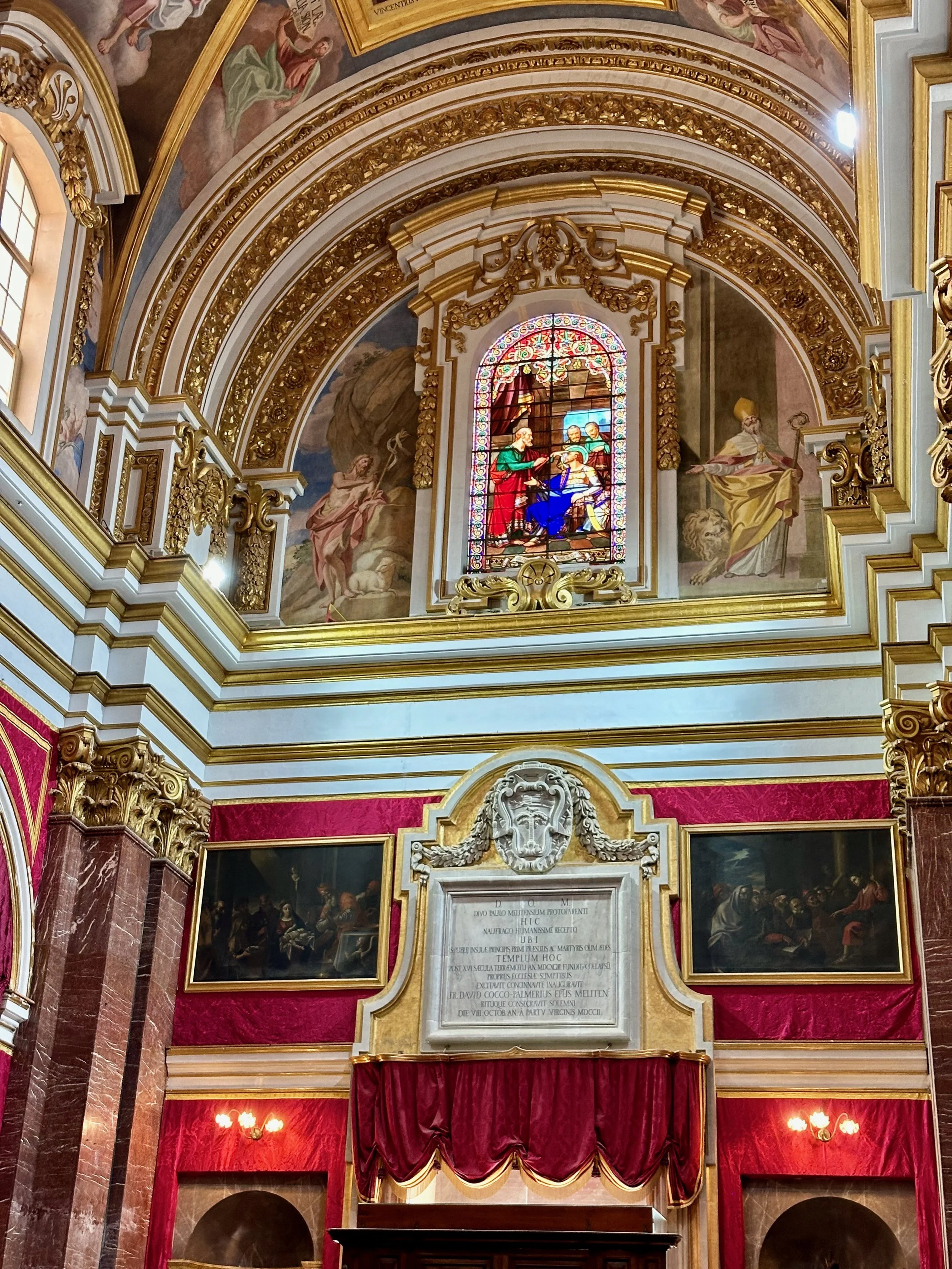
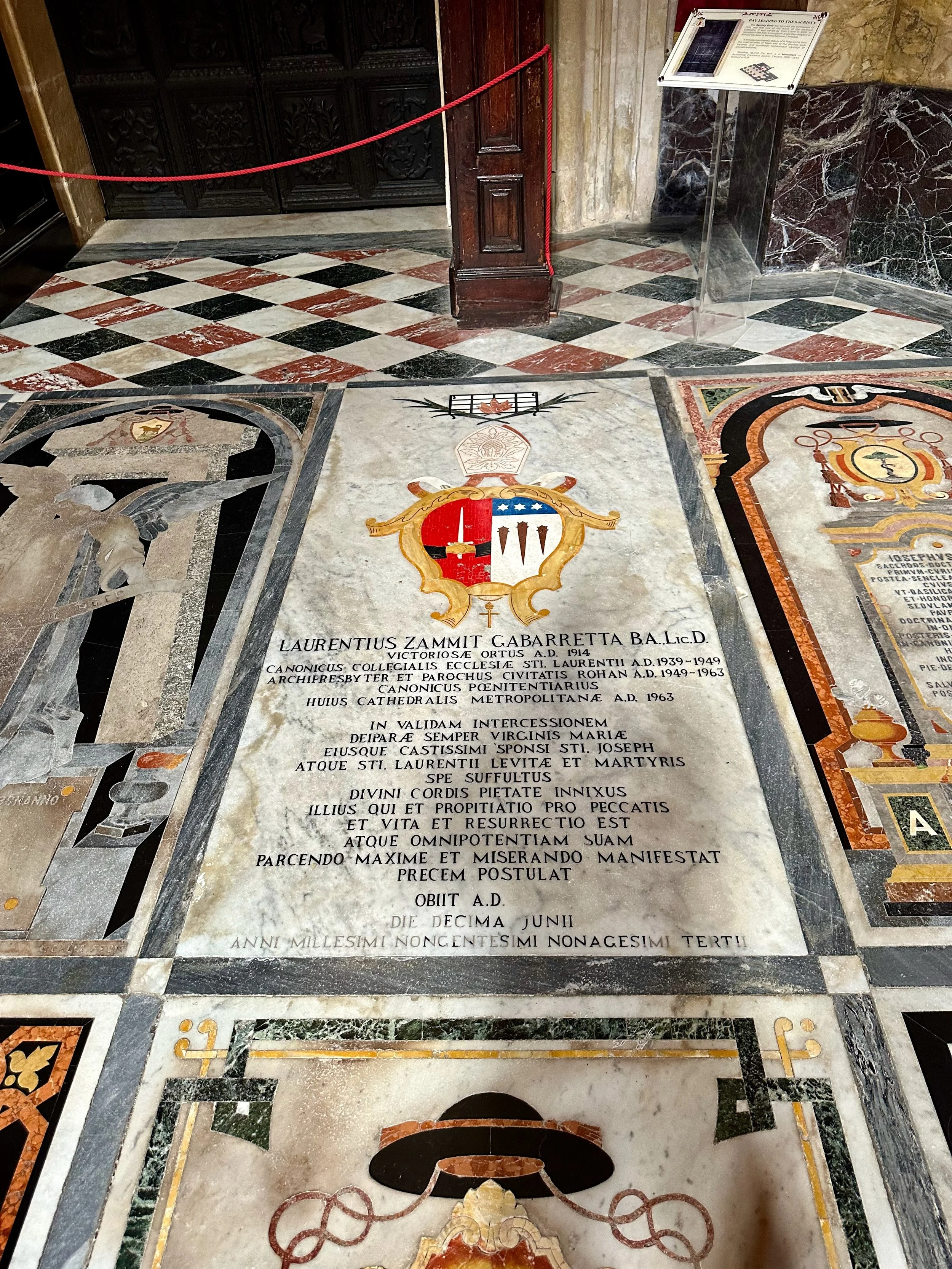
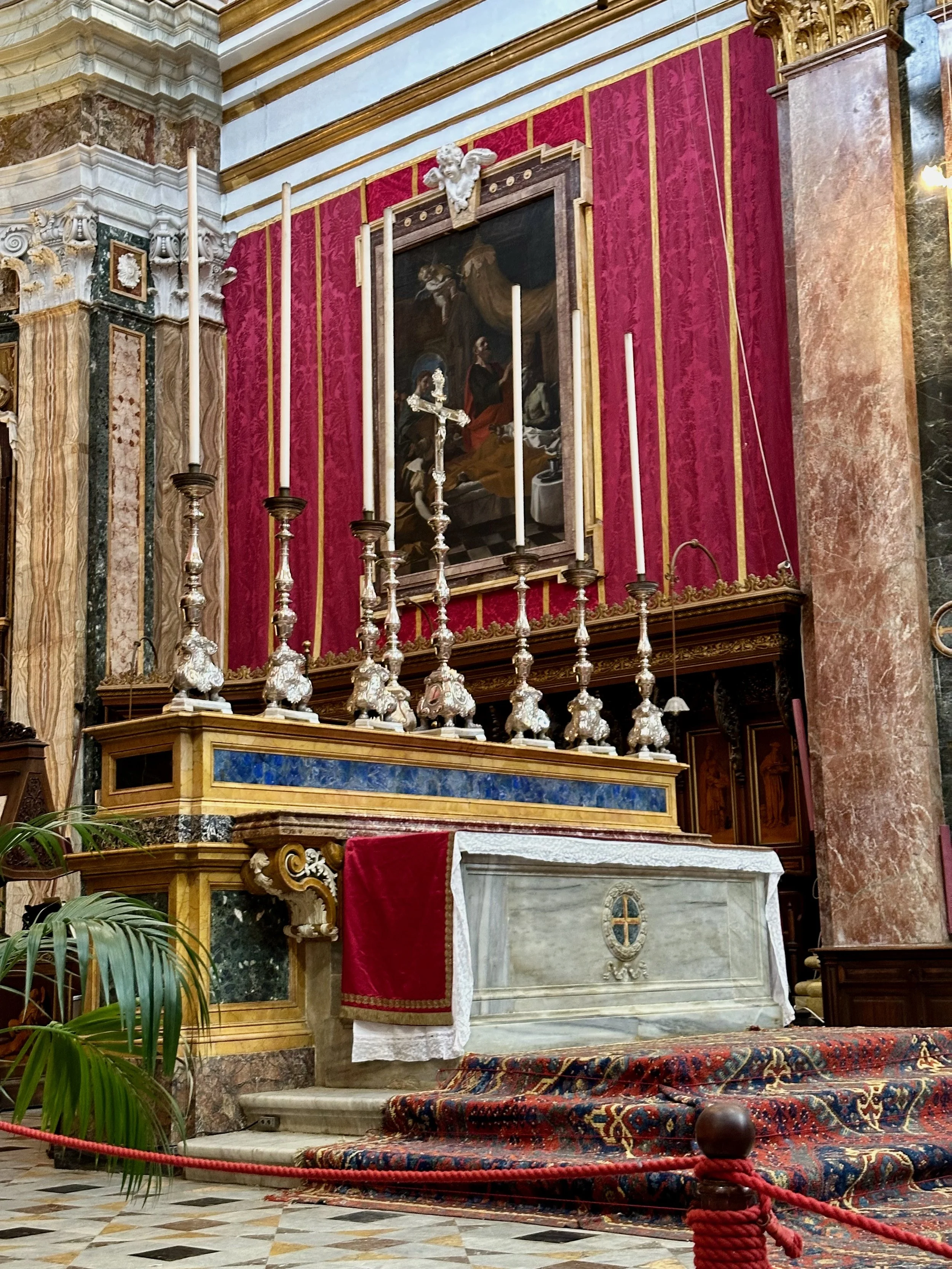
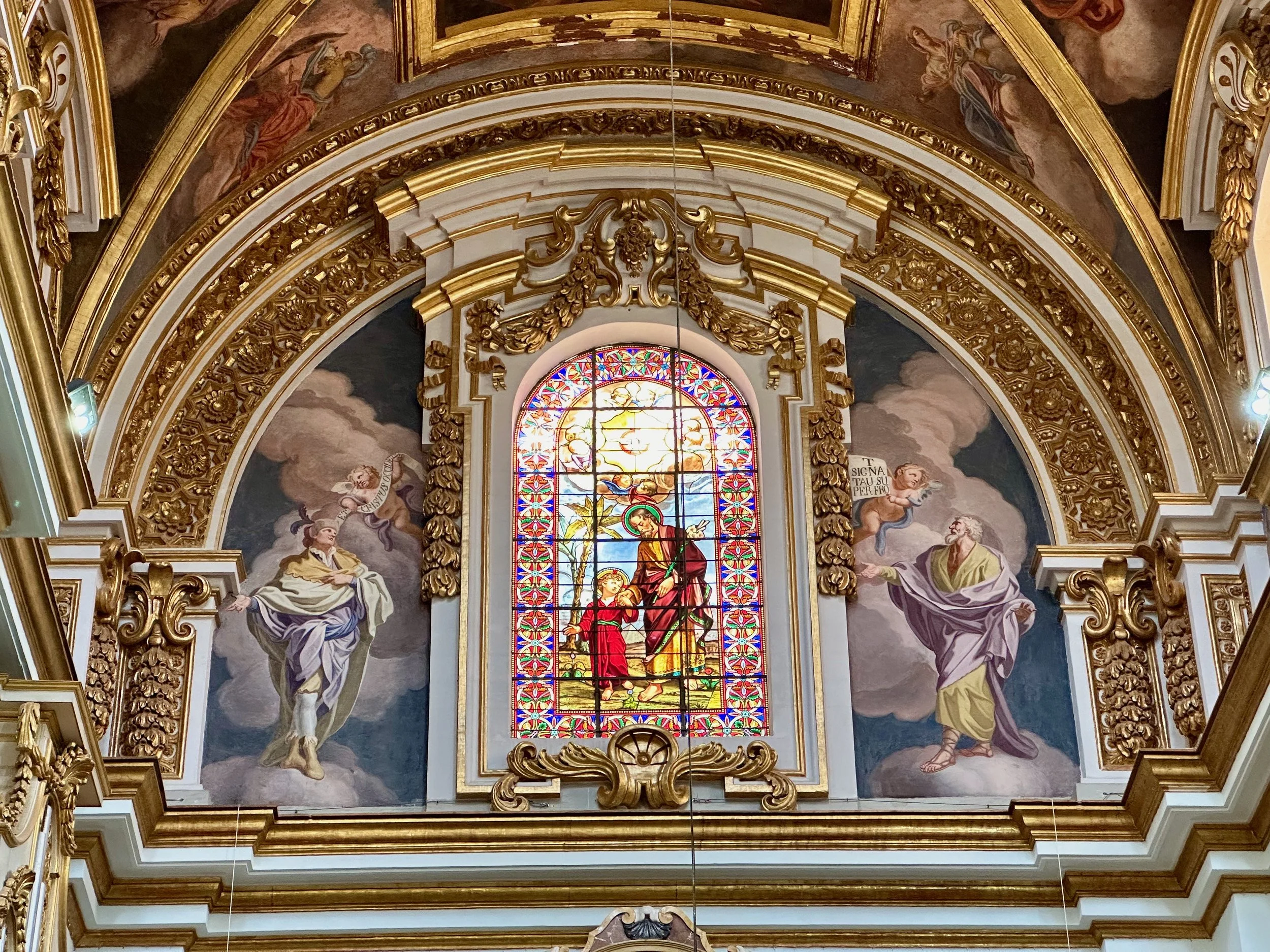
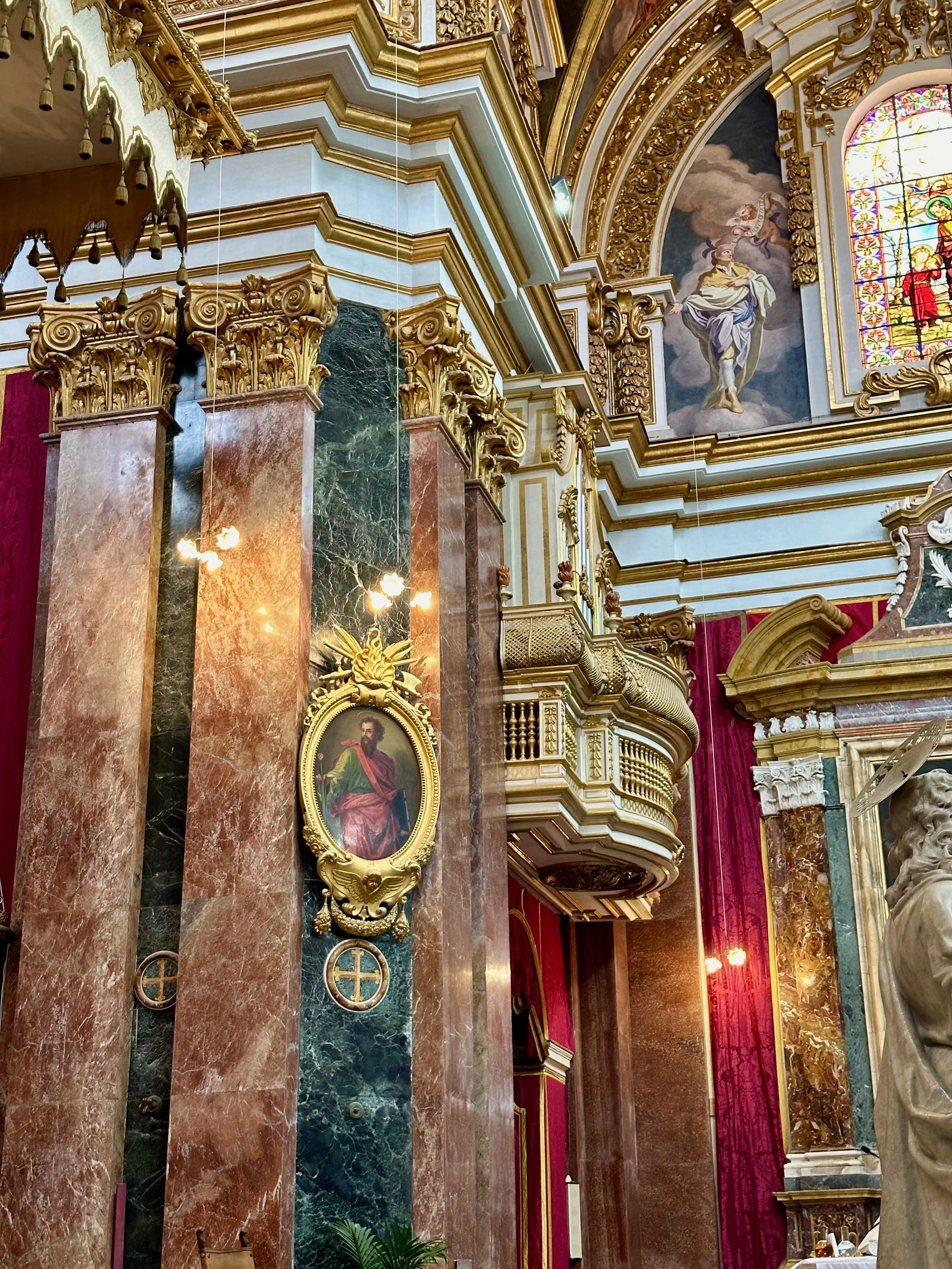
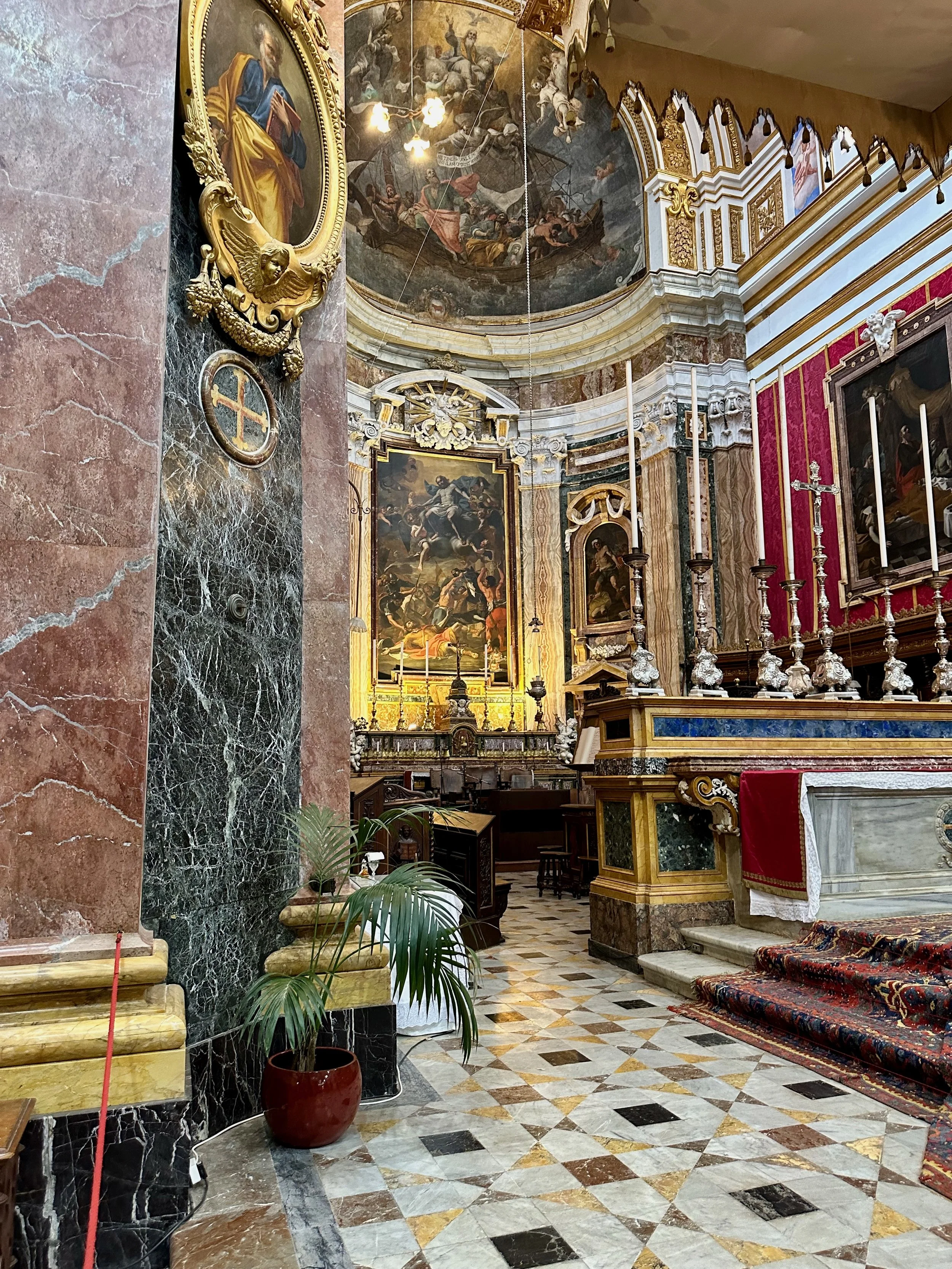
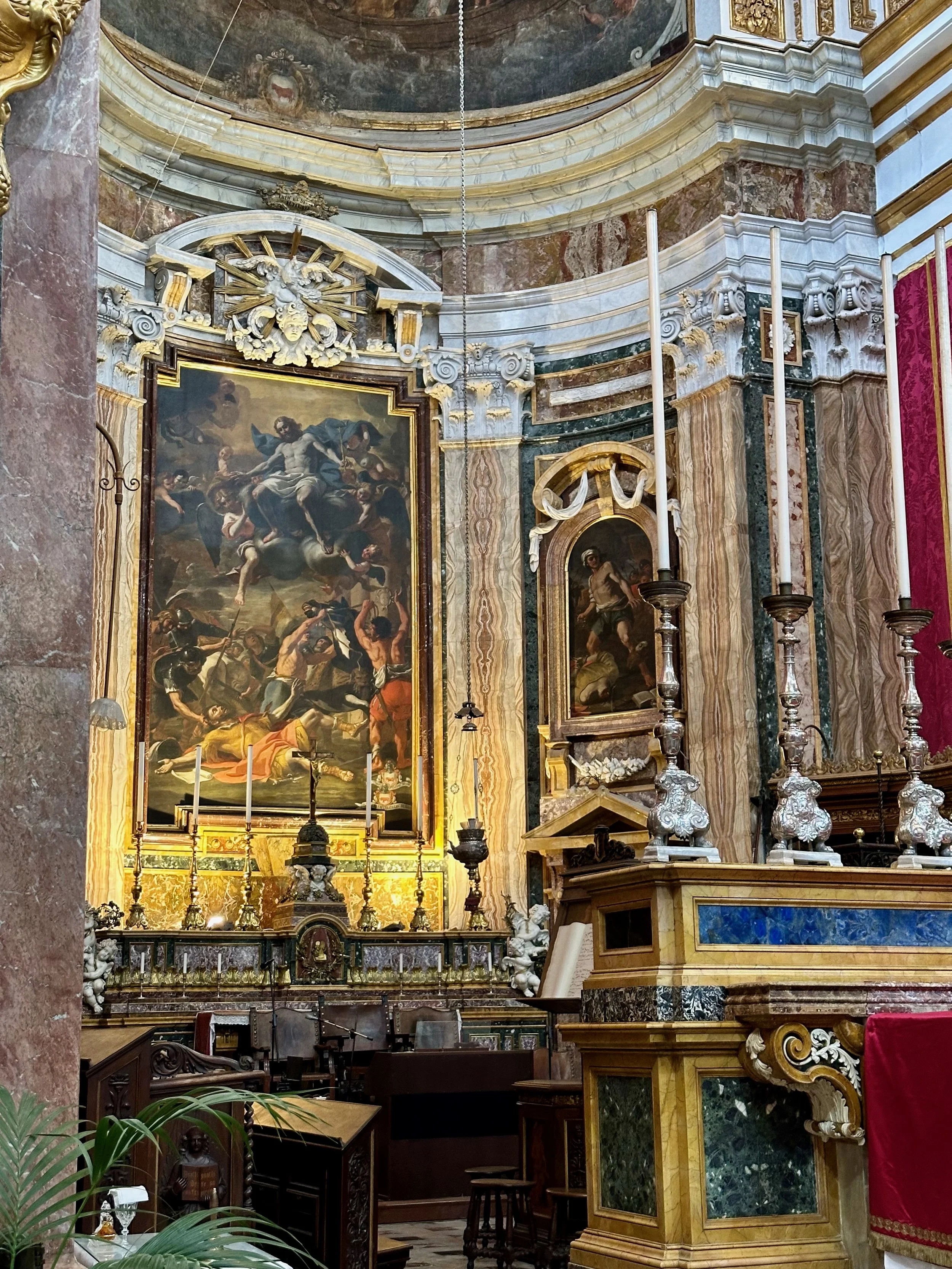
St. Paul’s Metropolitan Cathedral
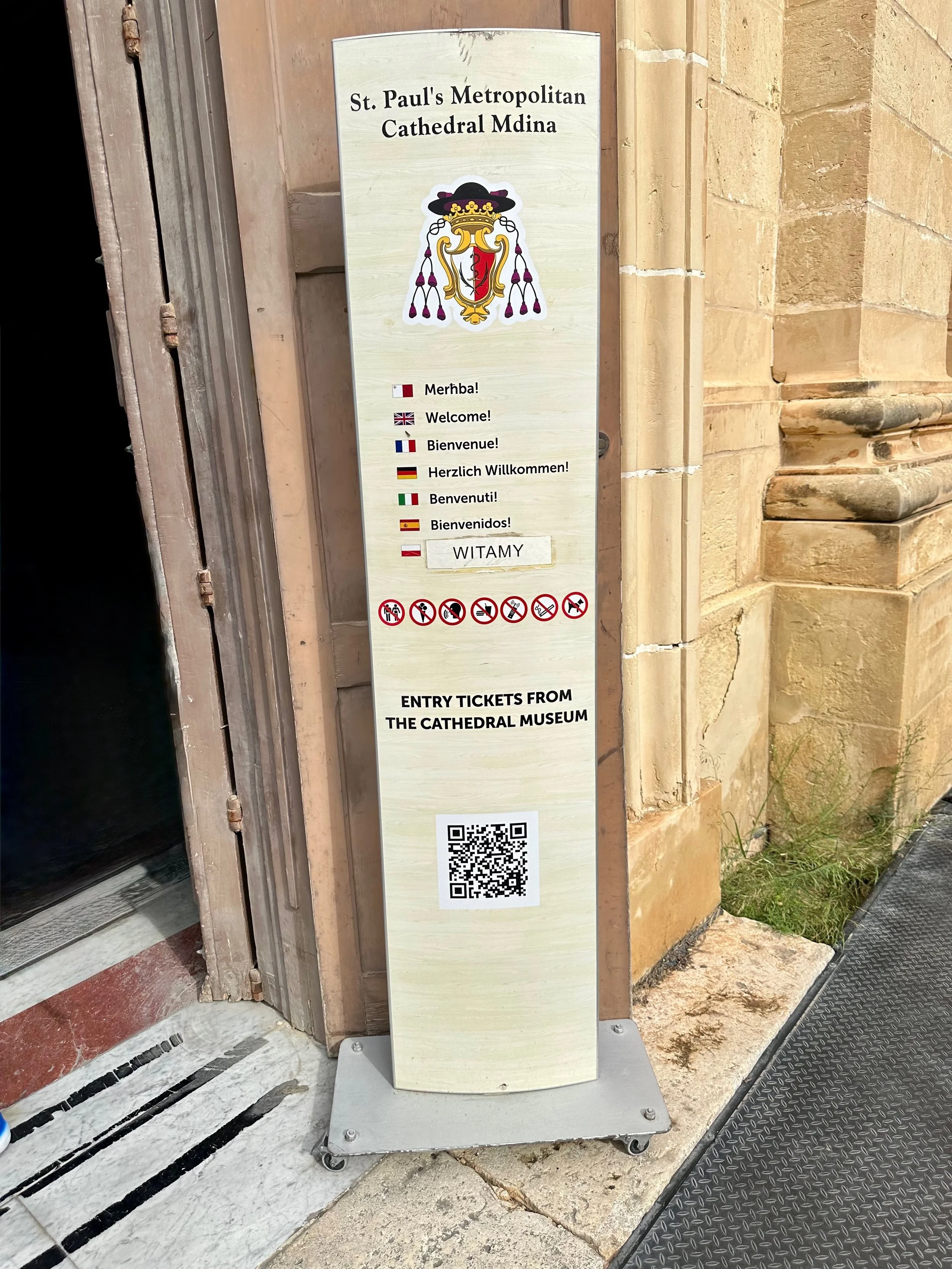
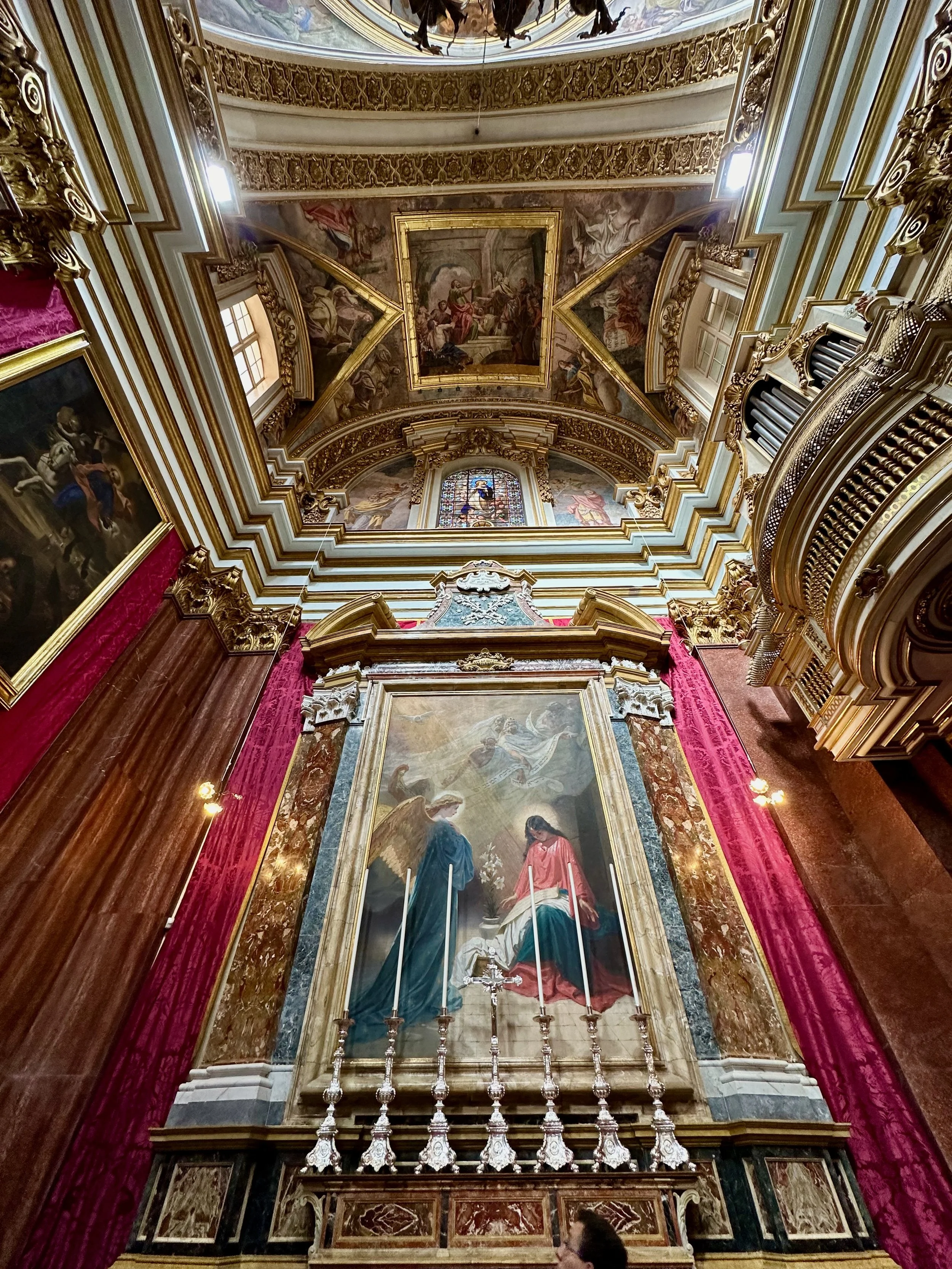
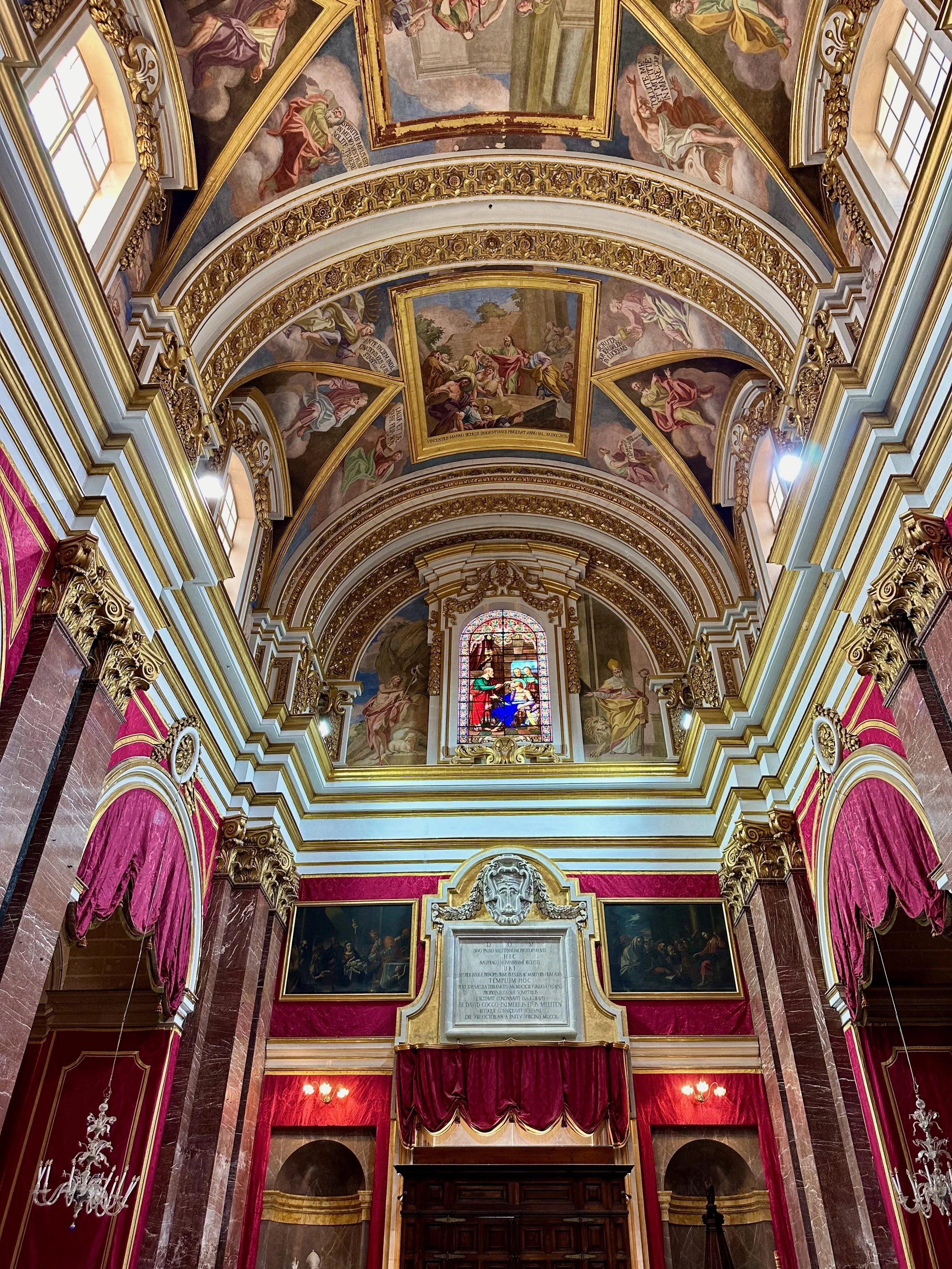
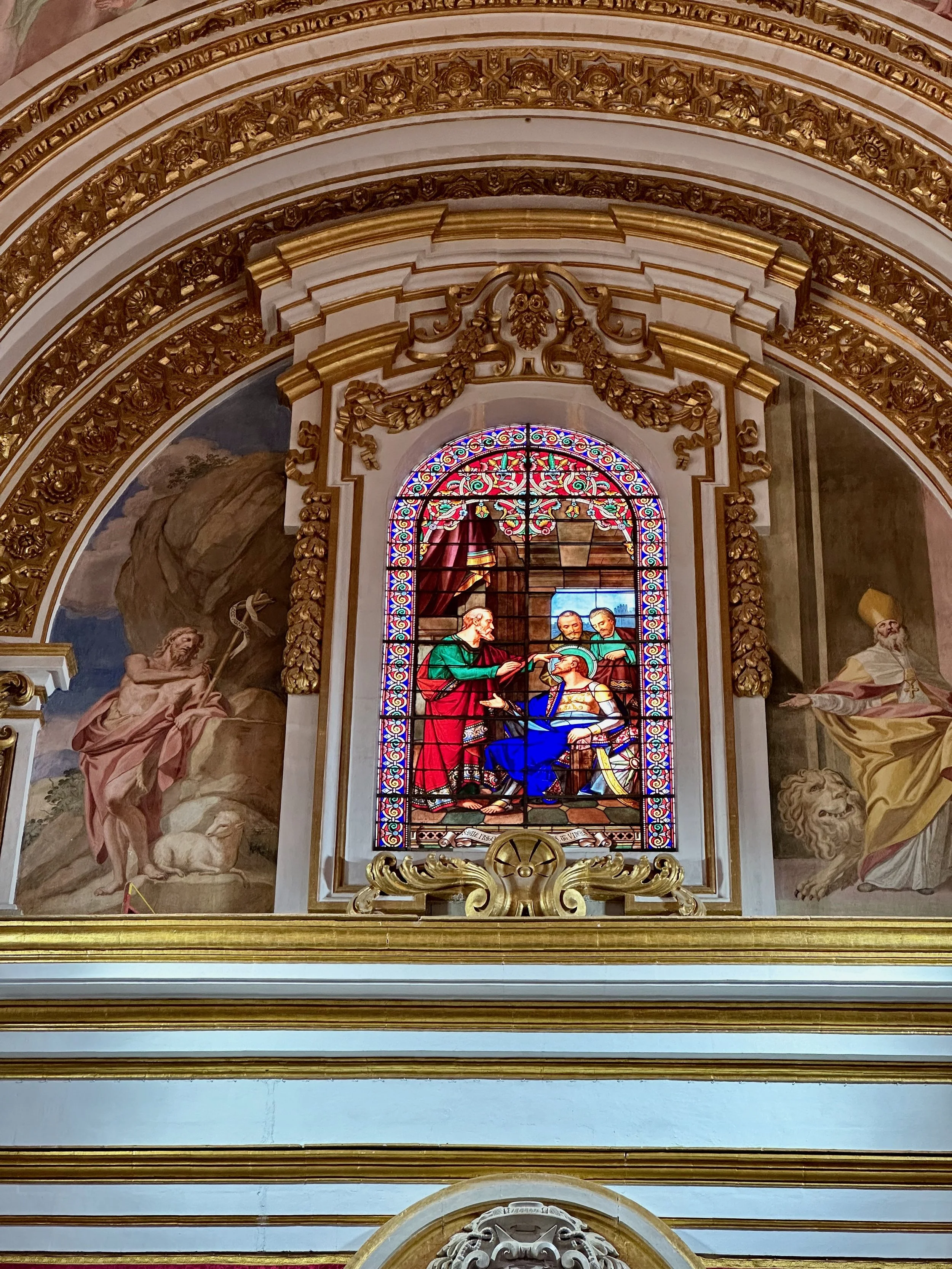
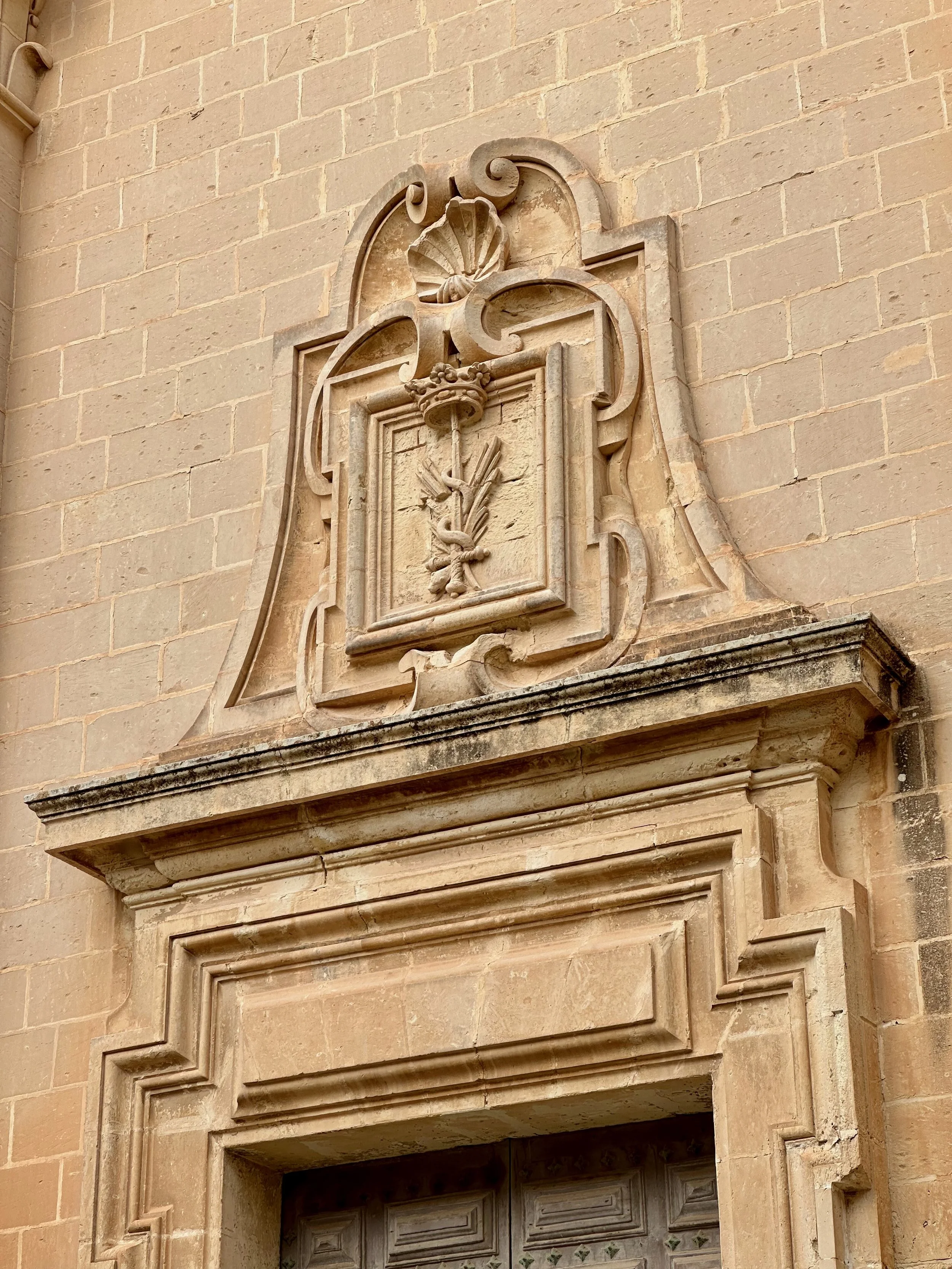
As a very devout society, there are a multitude of churches of all sizes in every community. The one here in Mdina is a mid-sized version with enough grandeur to impress, but not enough to make one have depressing thoughts about mis-spent wealth. Our visit was short, since it was at the end of our Mdina time limit. But it was enough for the requisite photos and genuine contemplation.
Tarxiem Temples, Malta
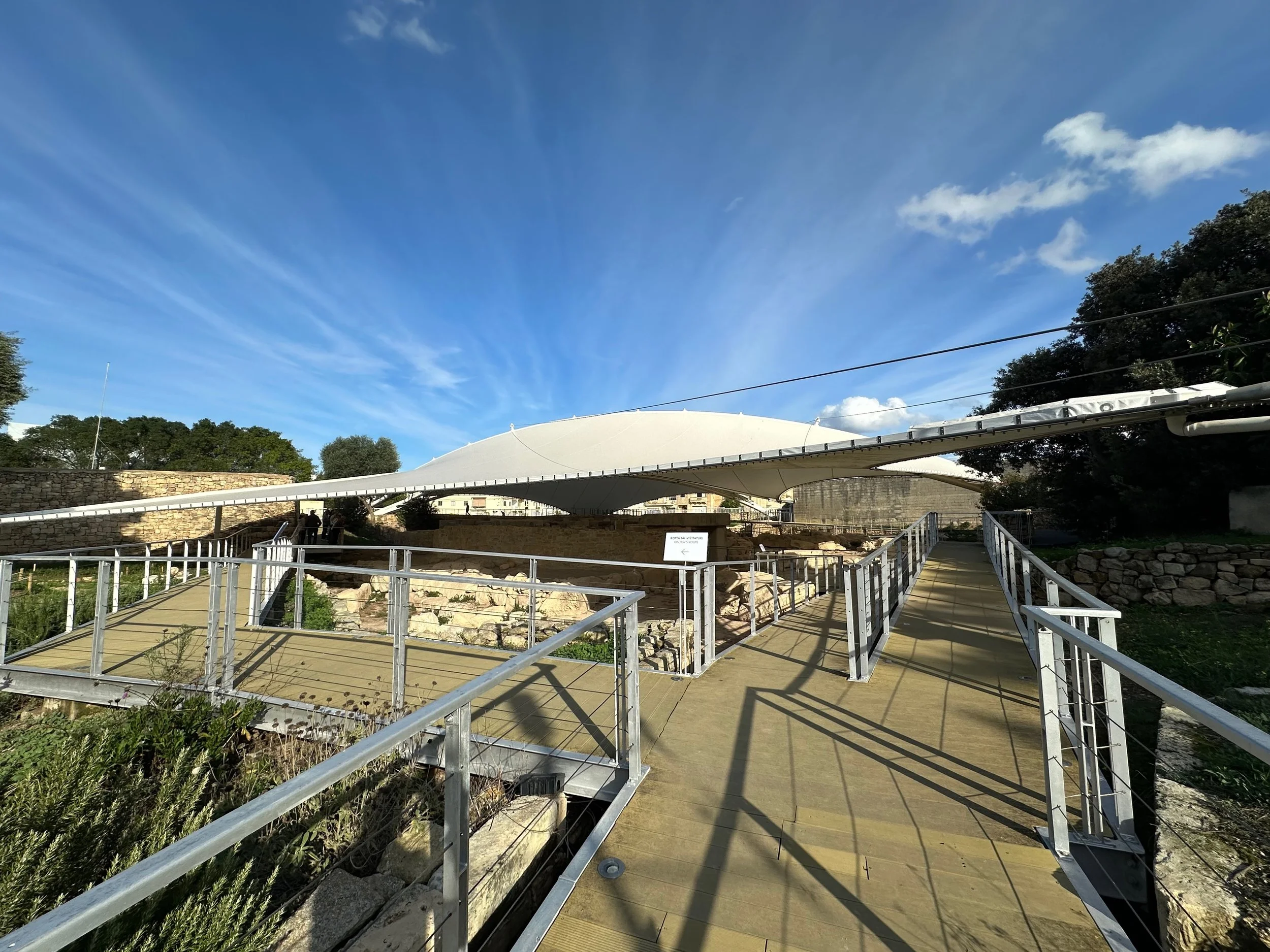
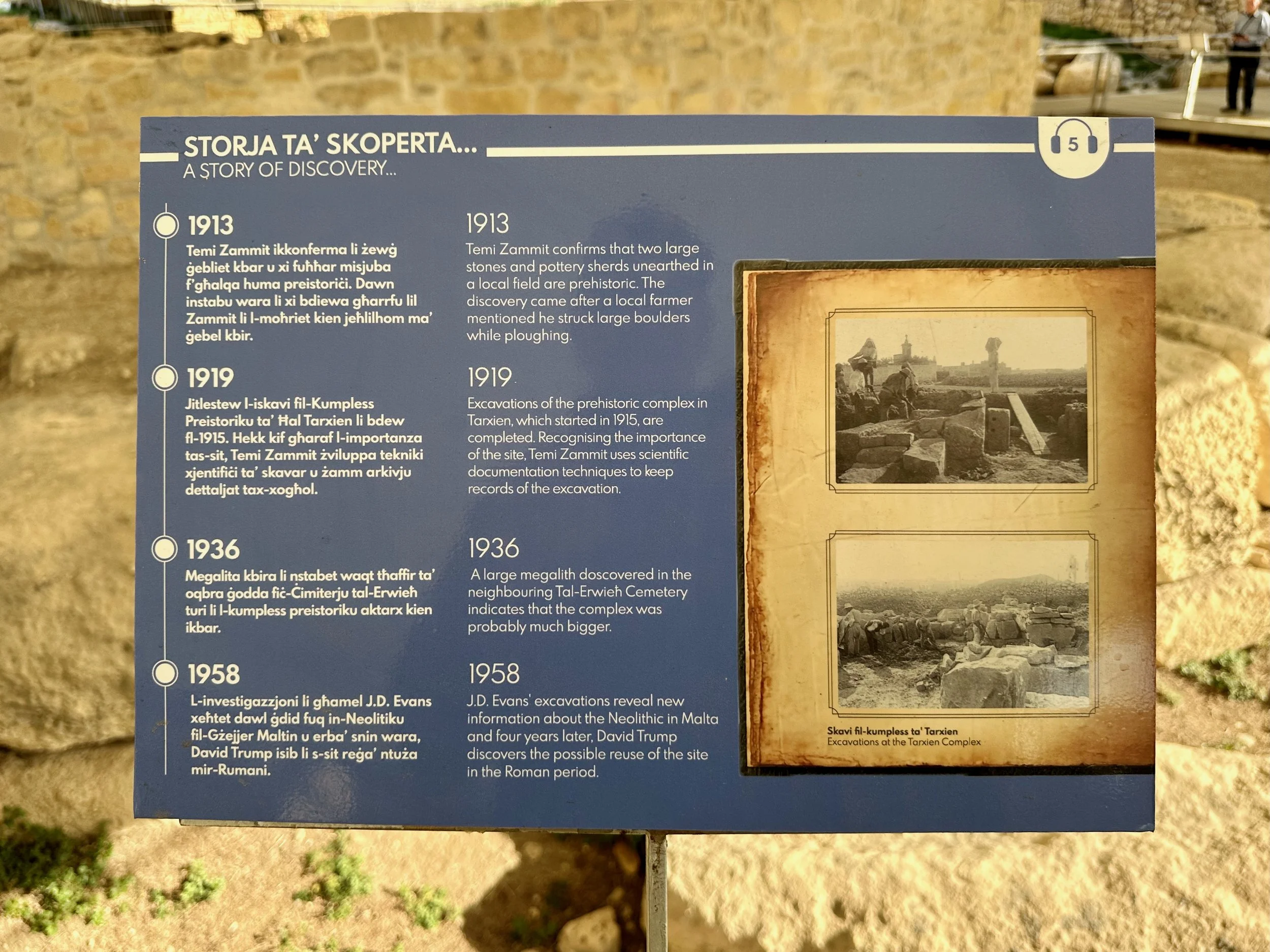
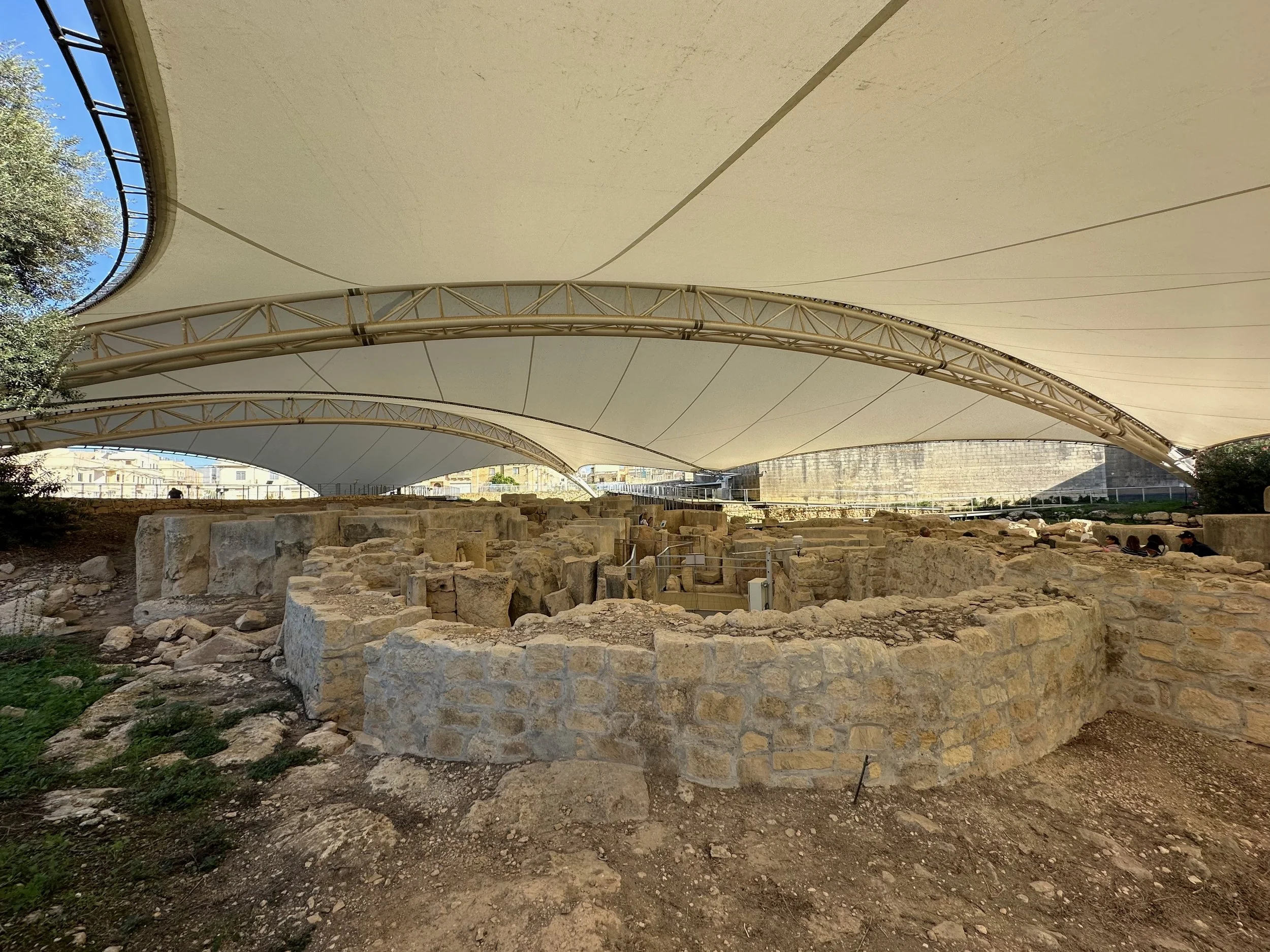
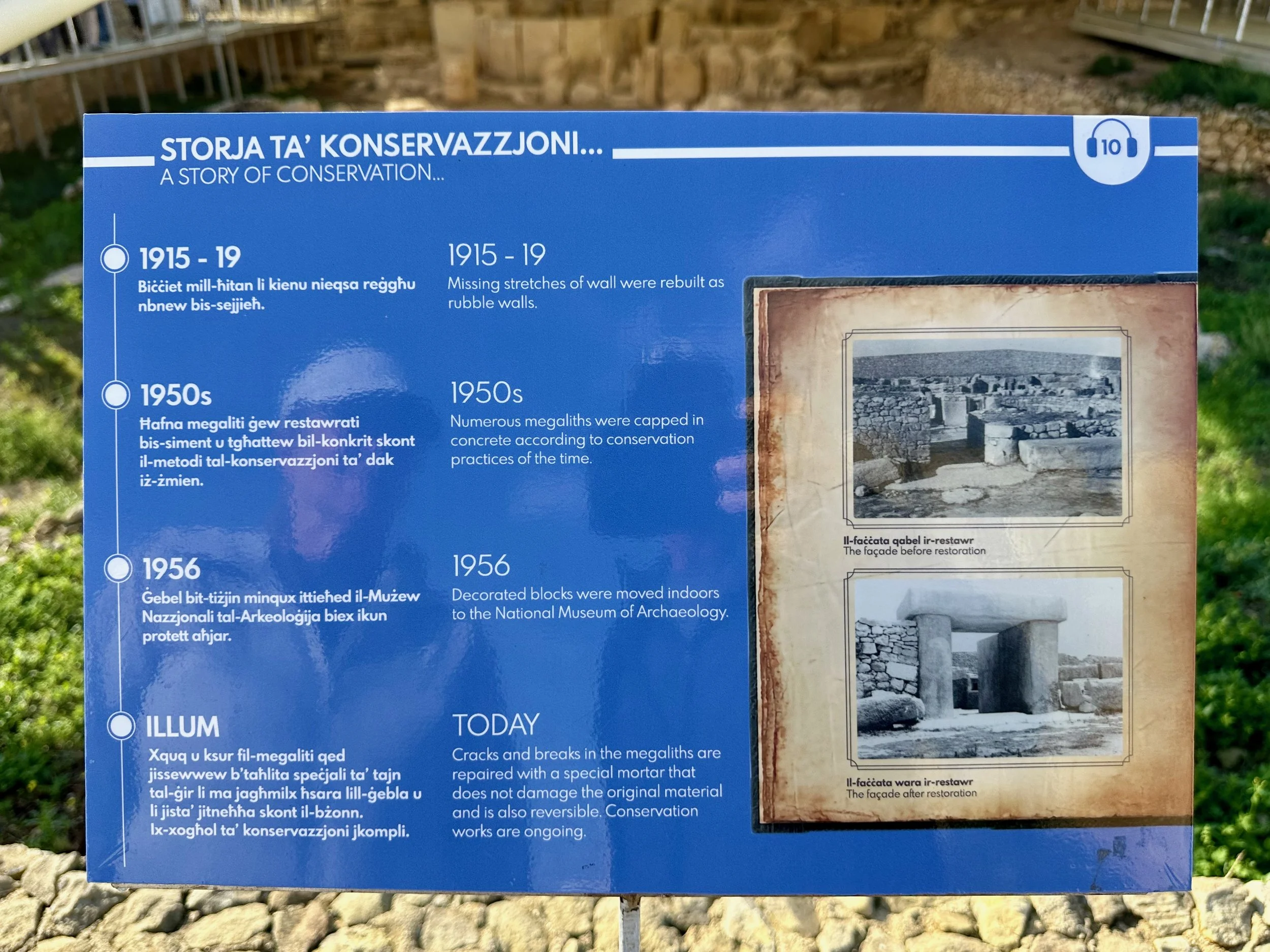
First discovered in 1913 when a farmer ran his plough into a large boulder in his field, and chards of pottery were discovered. Further investigation which started in 1915 saw the unearthing of the temple complex completed by 1919. From there work continued to where it is today. Considered a discovery of prehistoric significance, substantial funds have been expended to protect the site and make it available for the public to view. At one point in the work, a decision was made to try and rebuilt the temple with modern materials to create a more viewer friendly experience, but a strong rebuke from the World Heritage Comity threatened to see its status revoke from the World Heritage List. So that work was reversed and the site sits in its originally restored state.
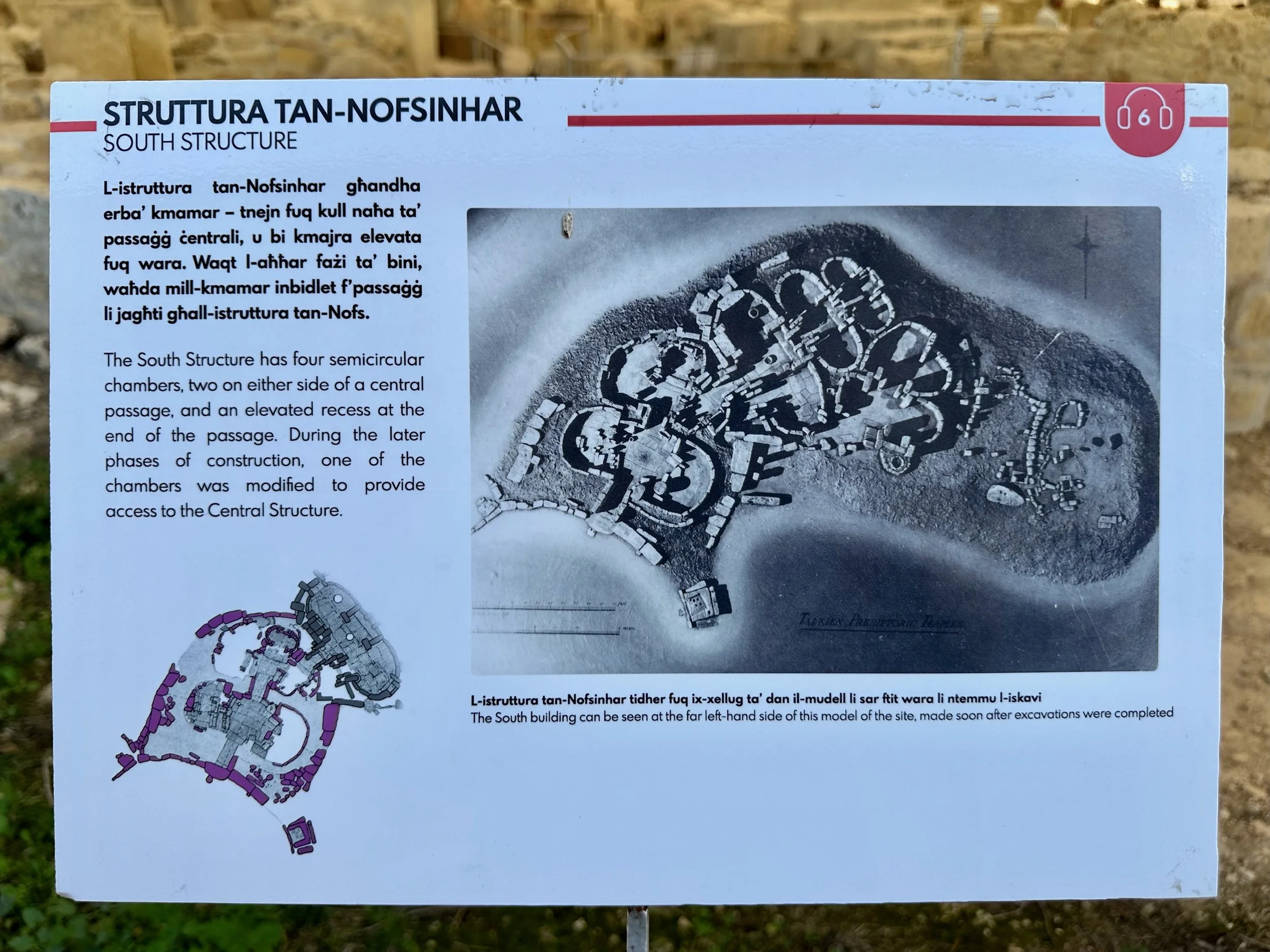
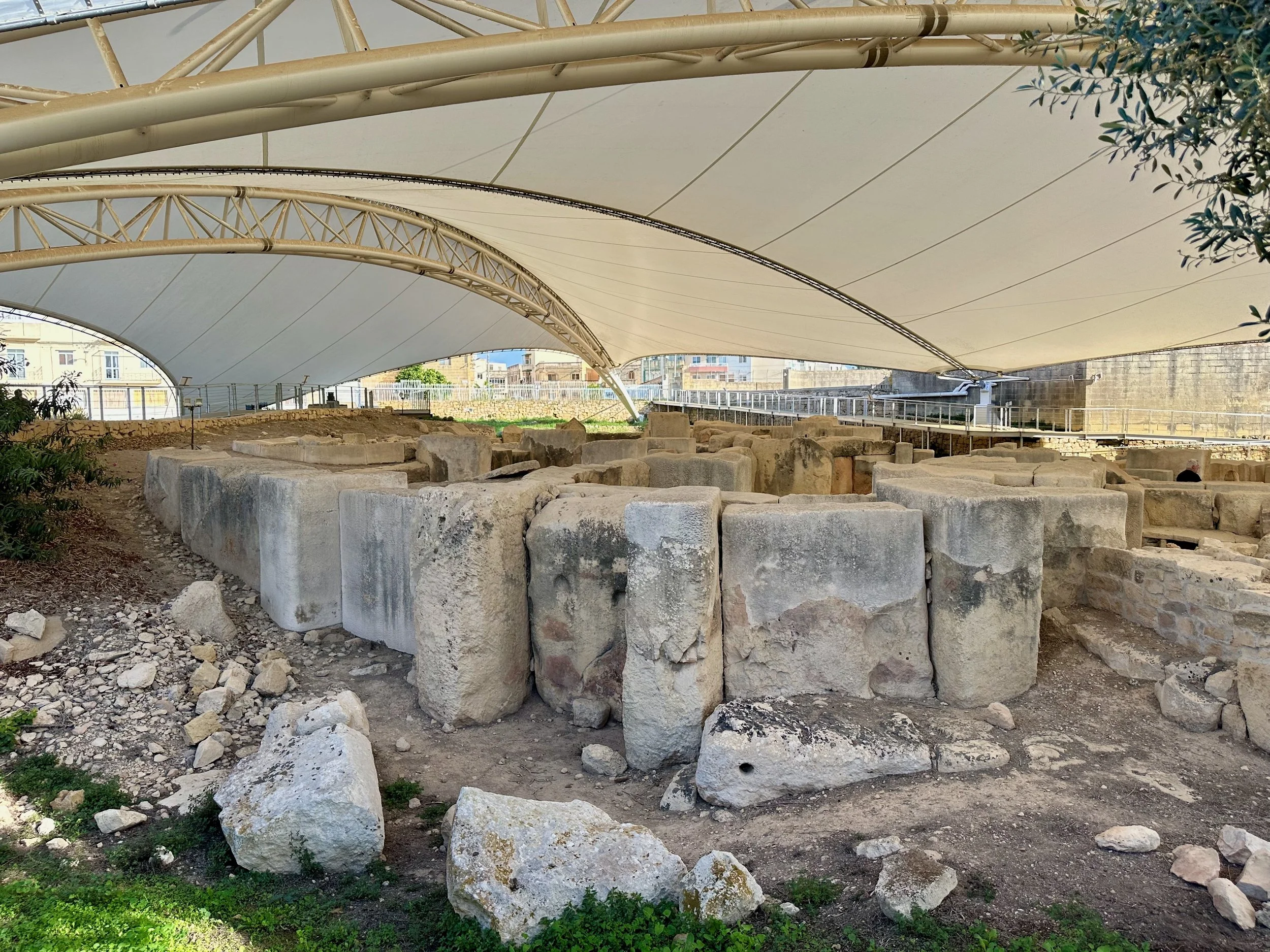
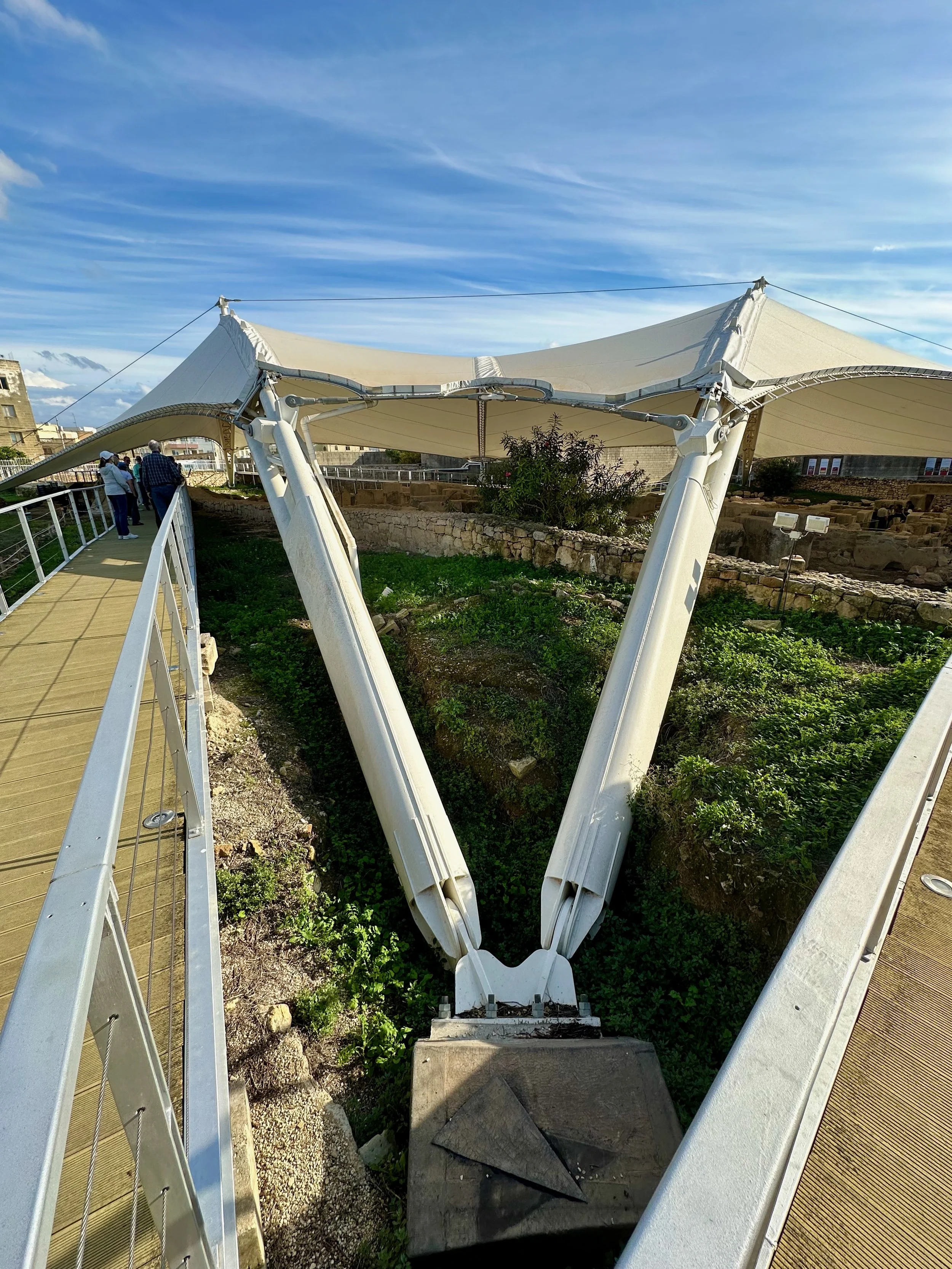
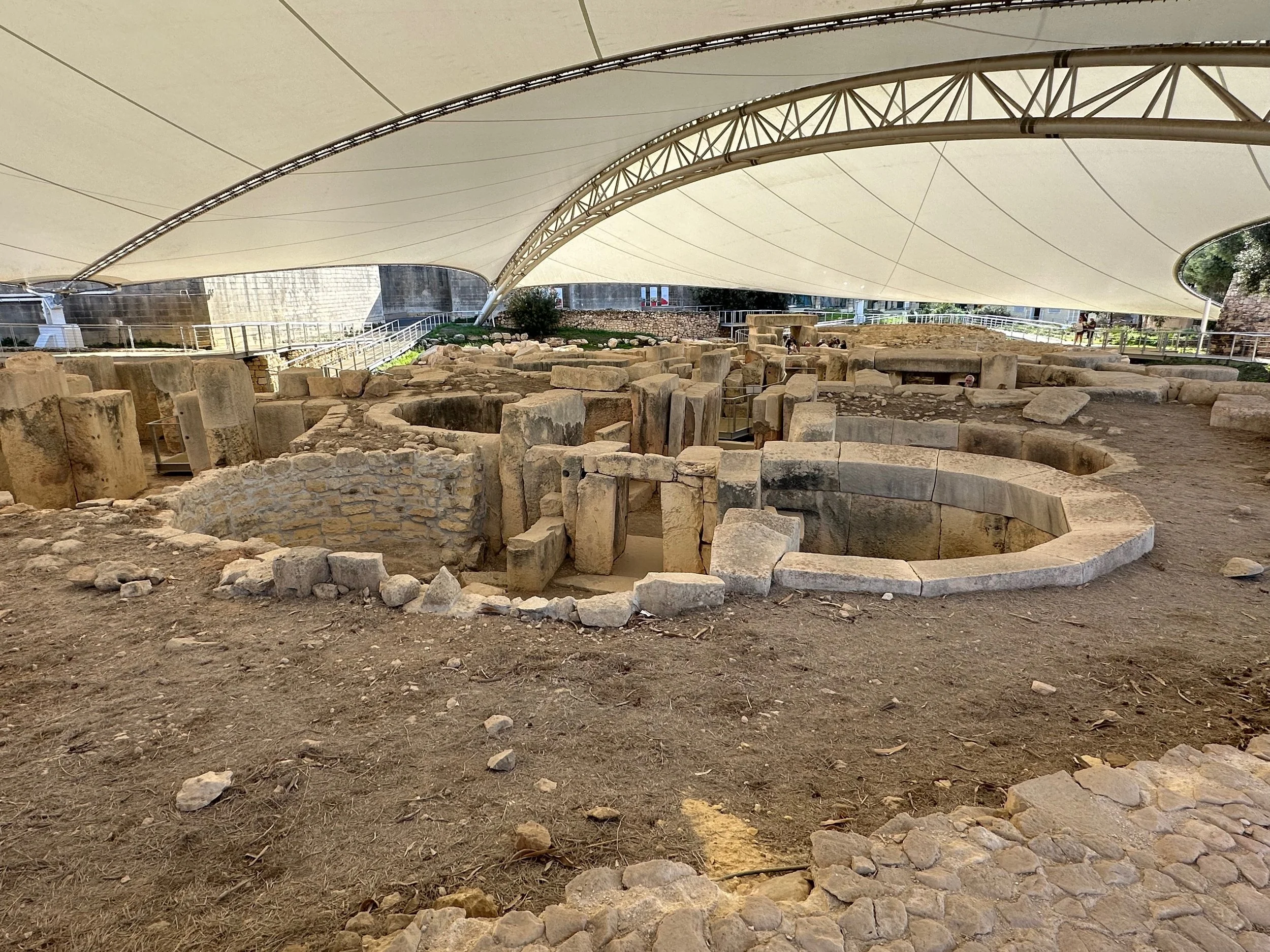
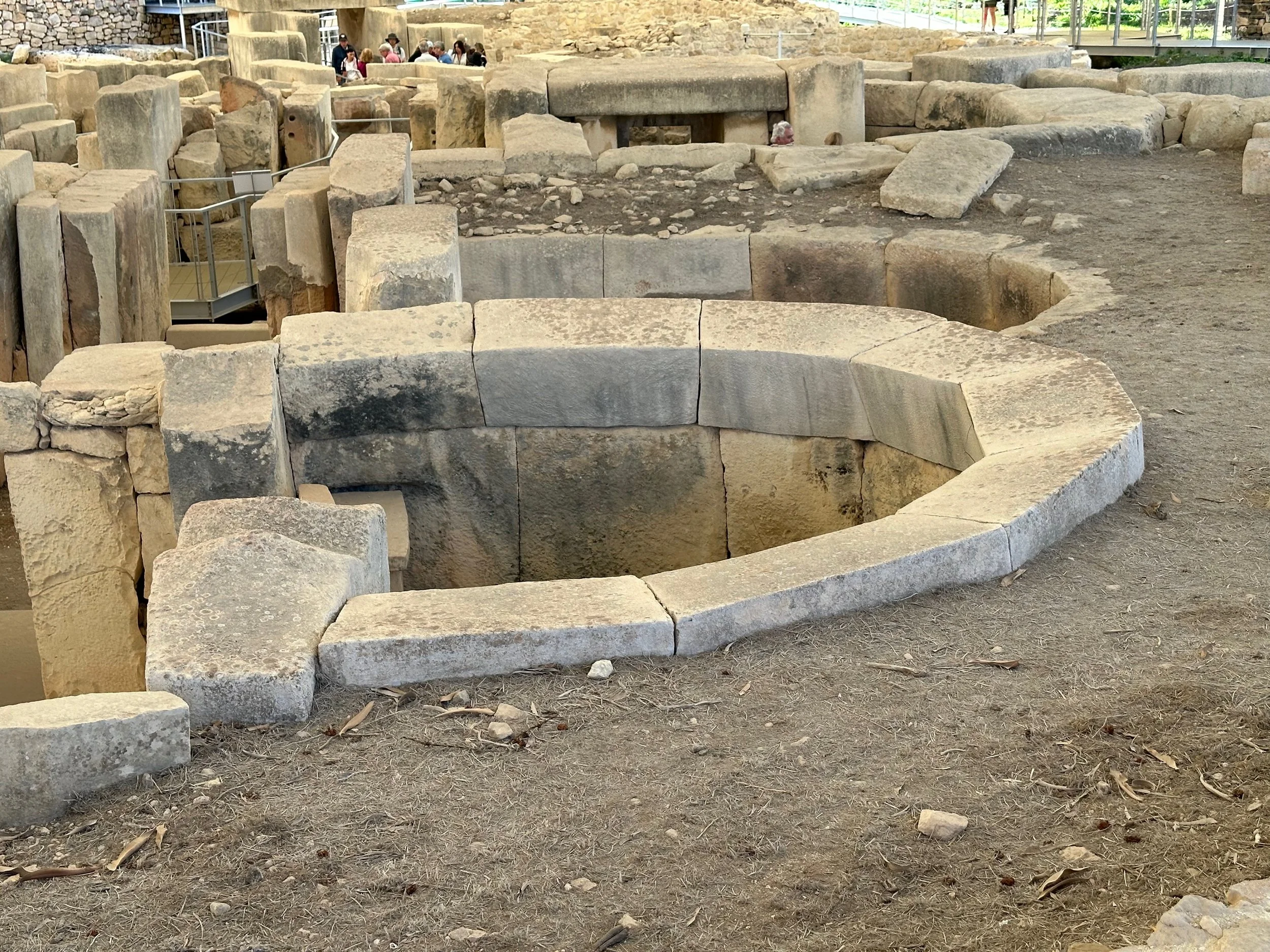
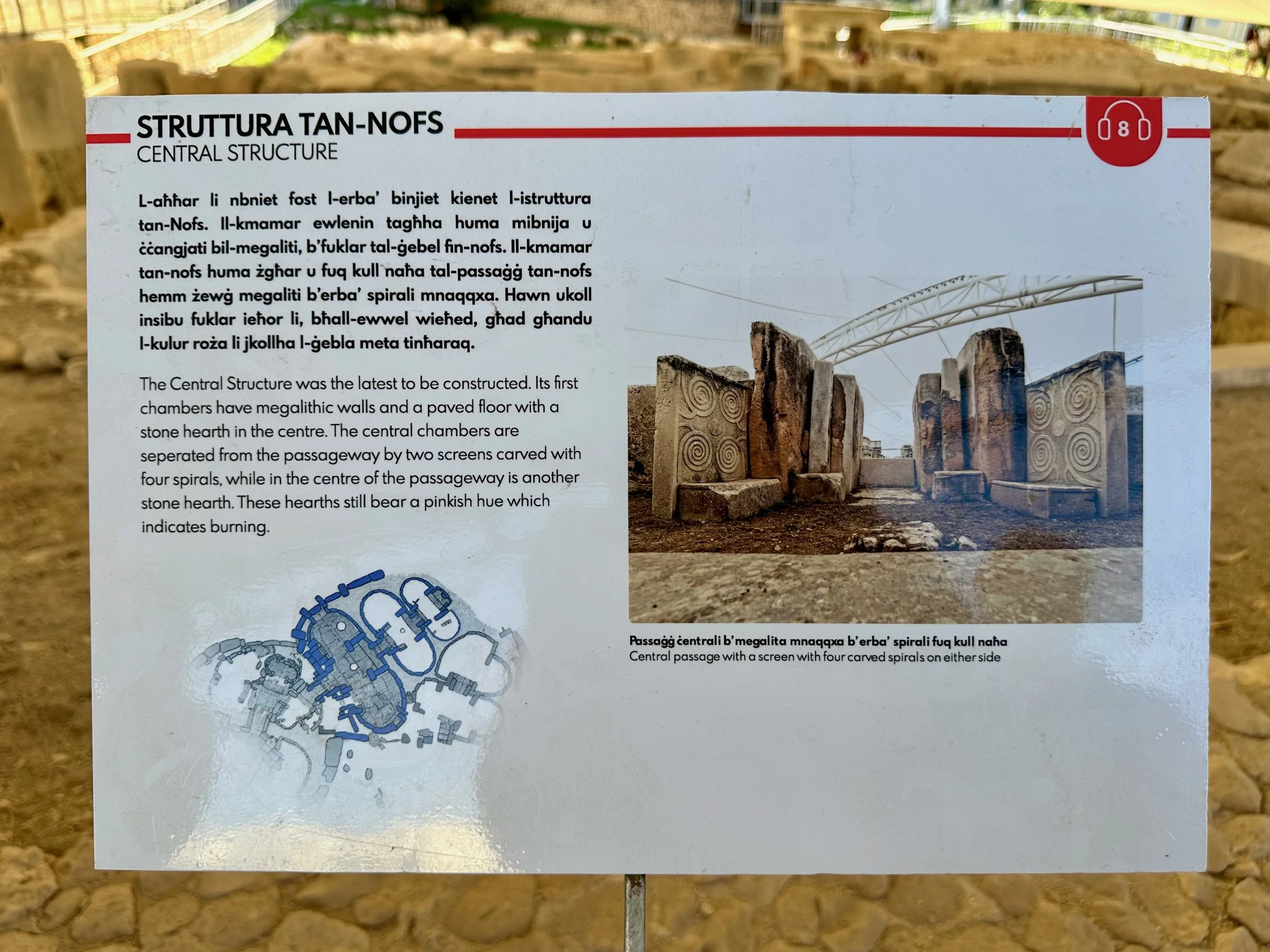
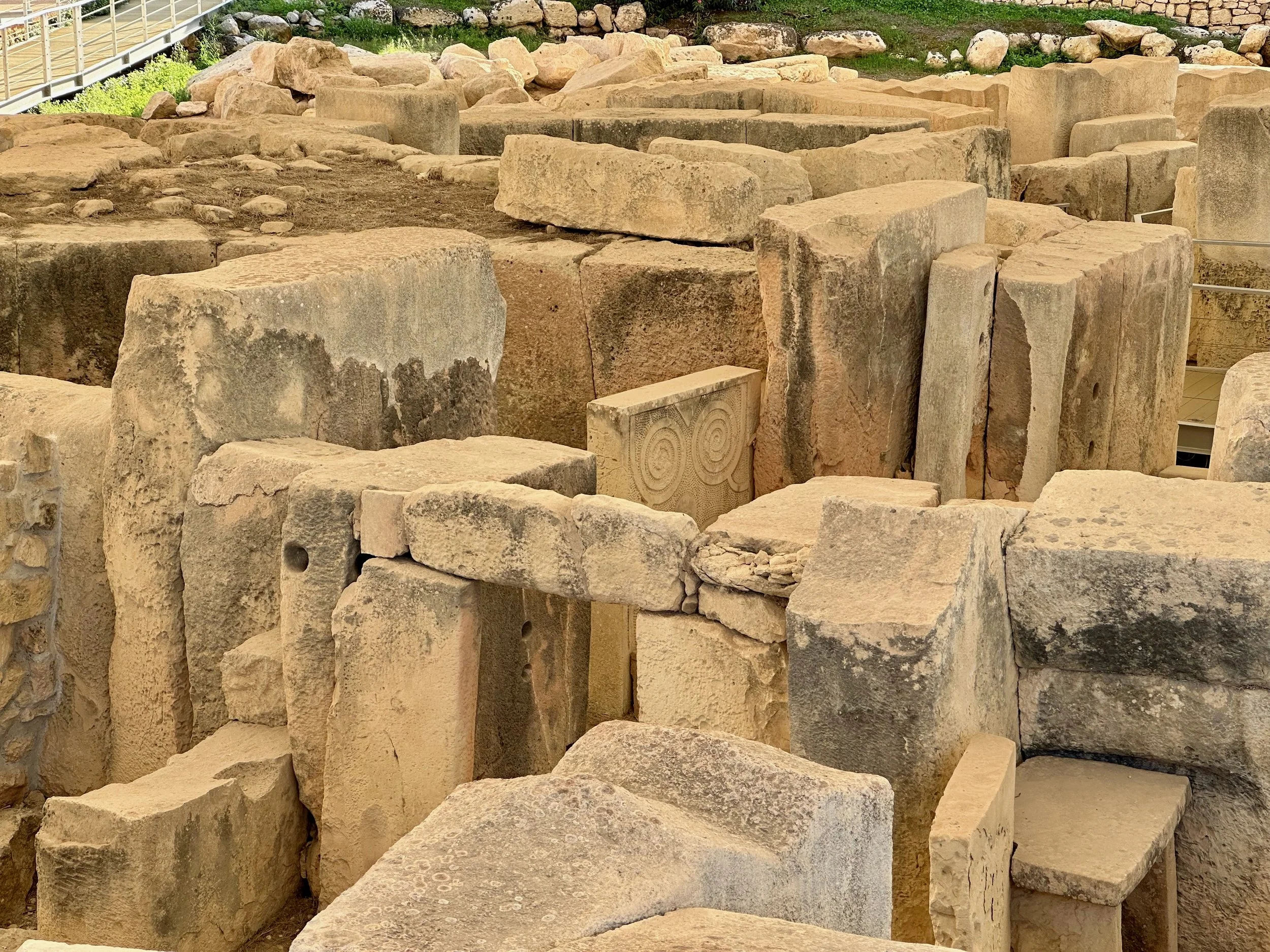
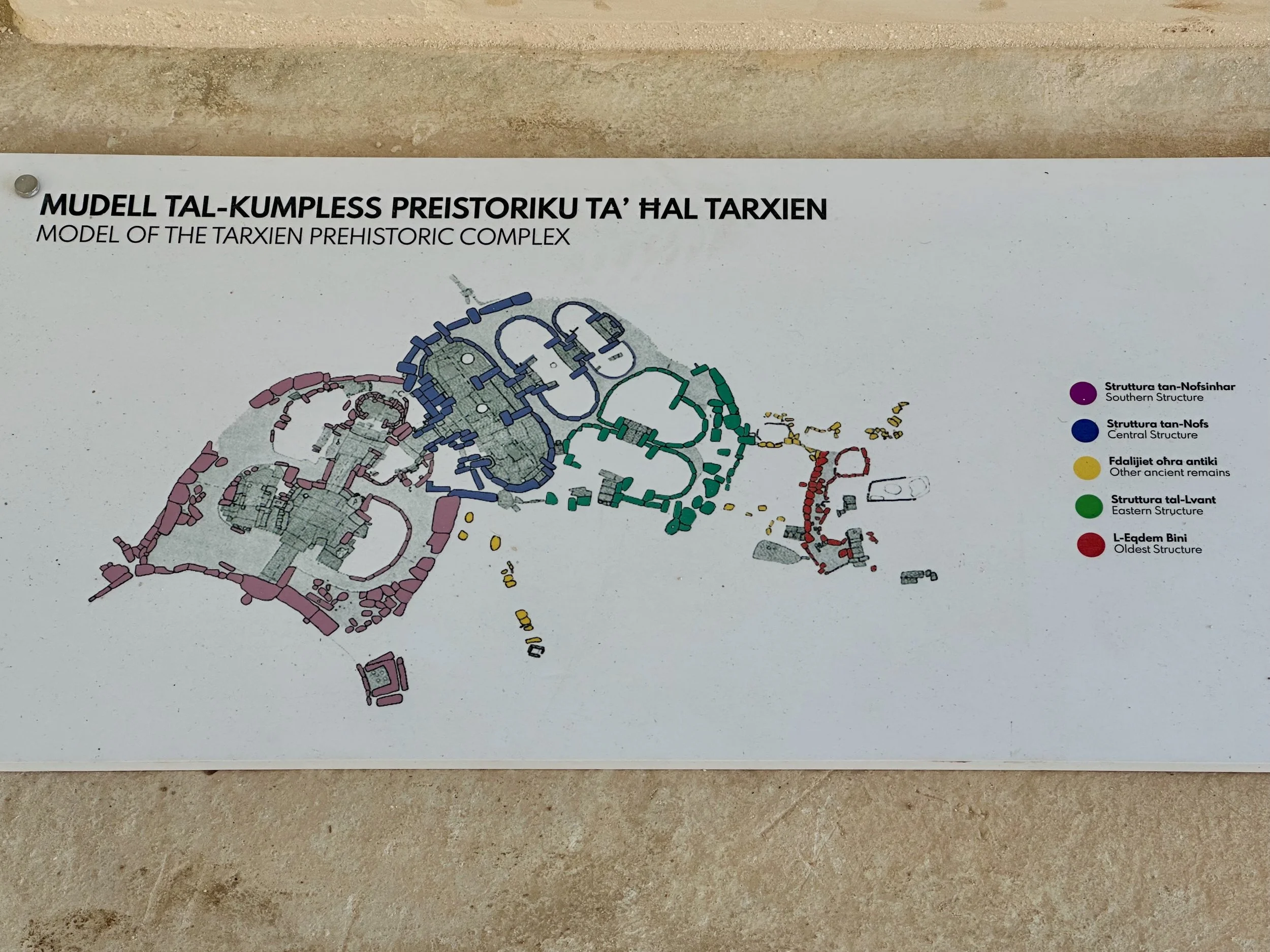
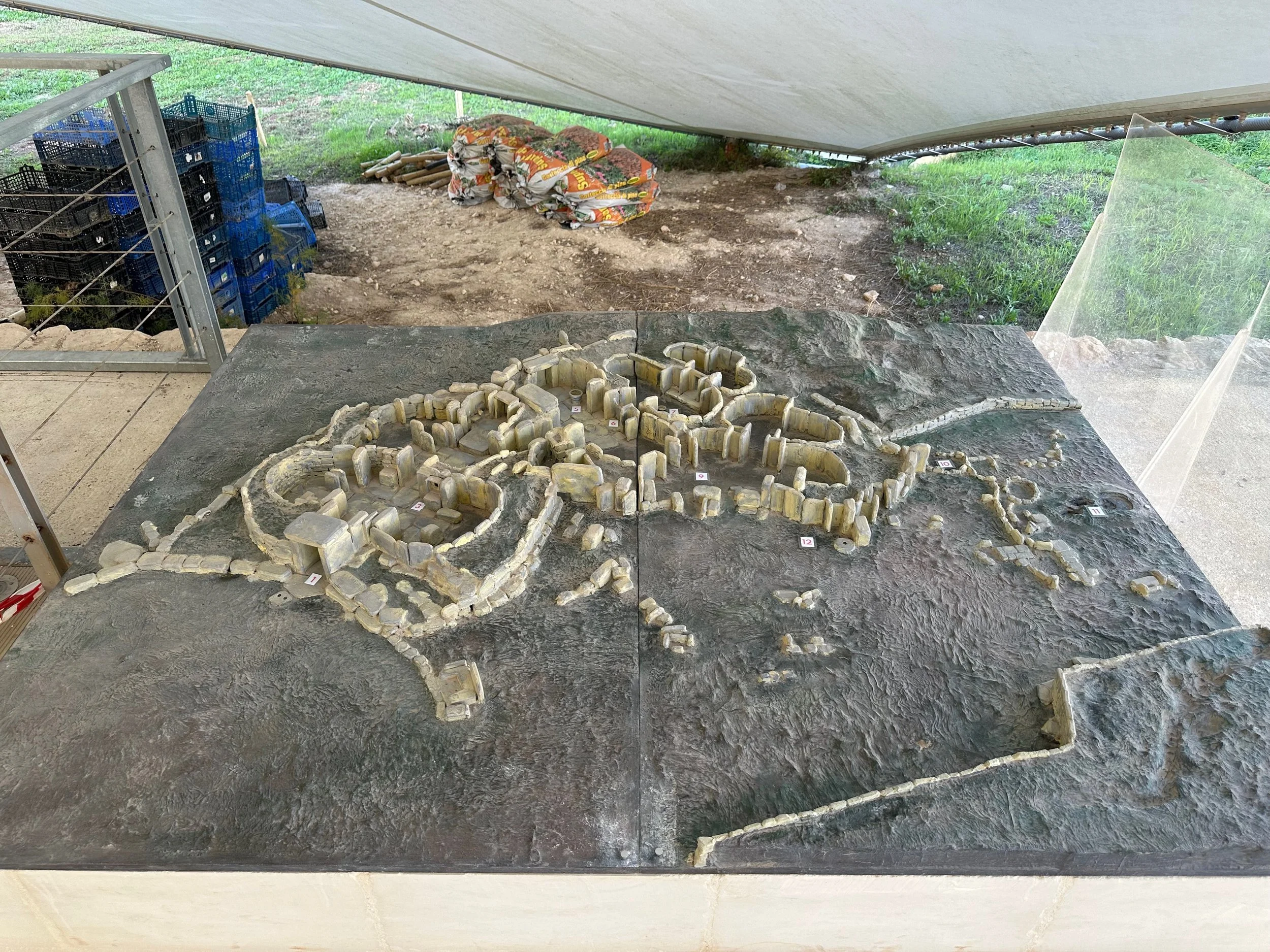
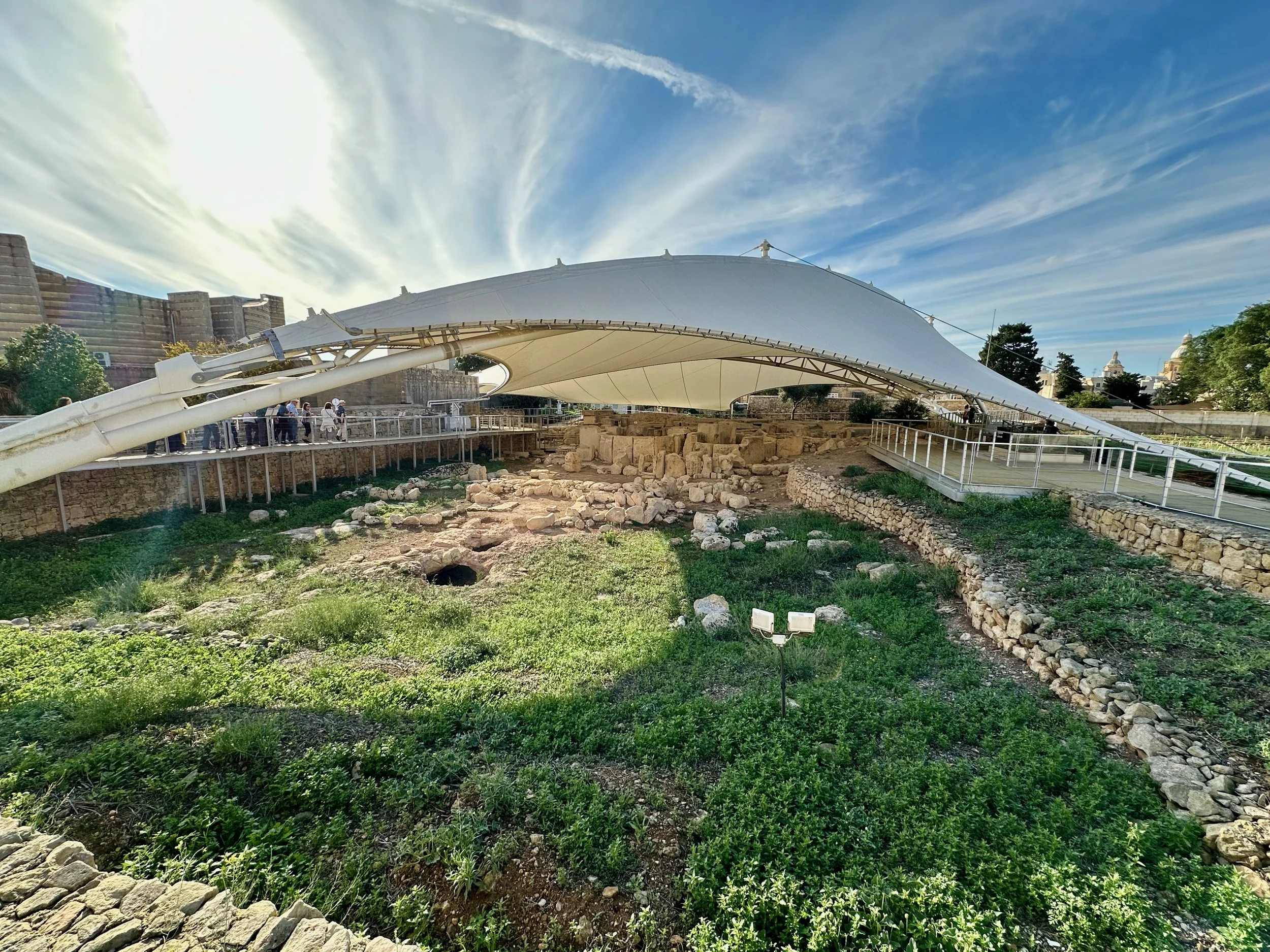
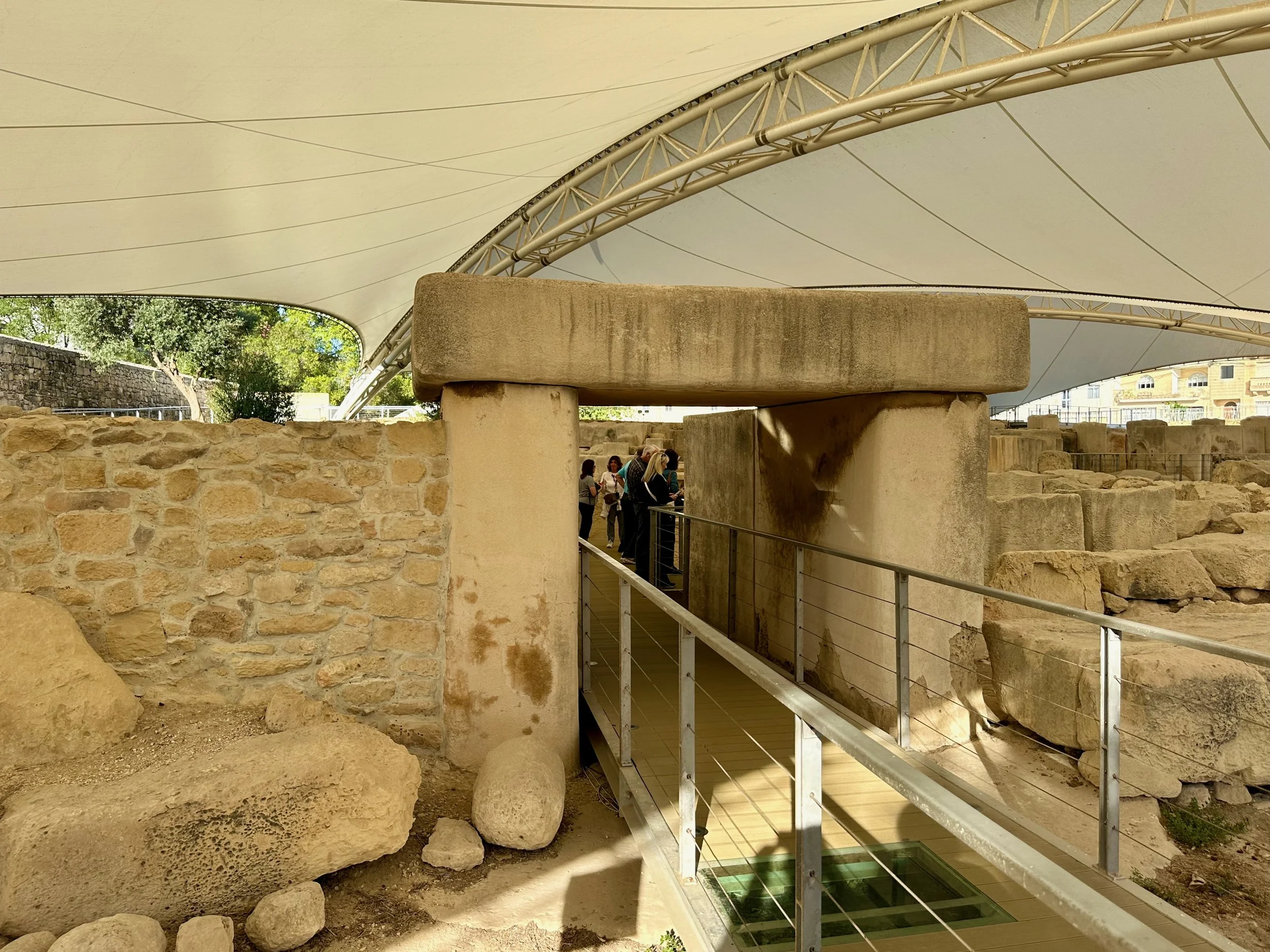
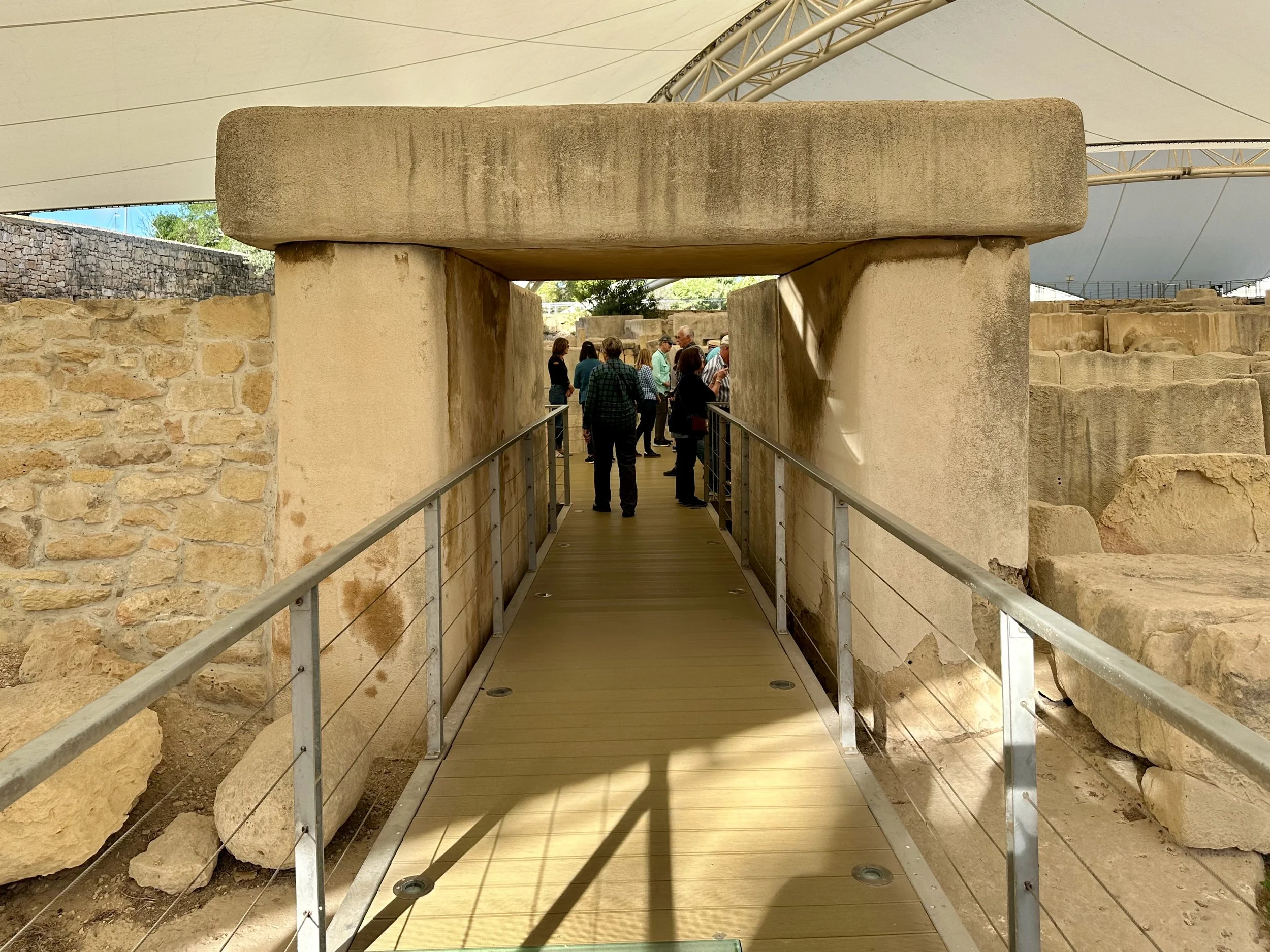
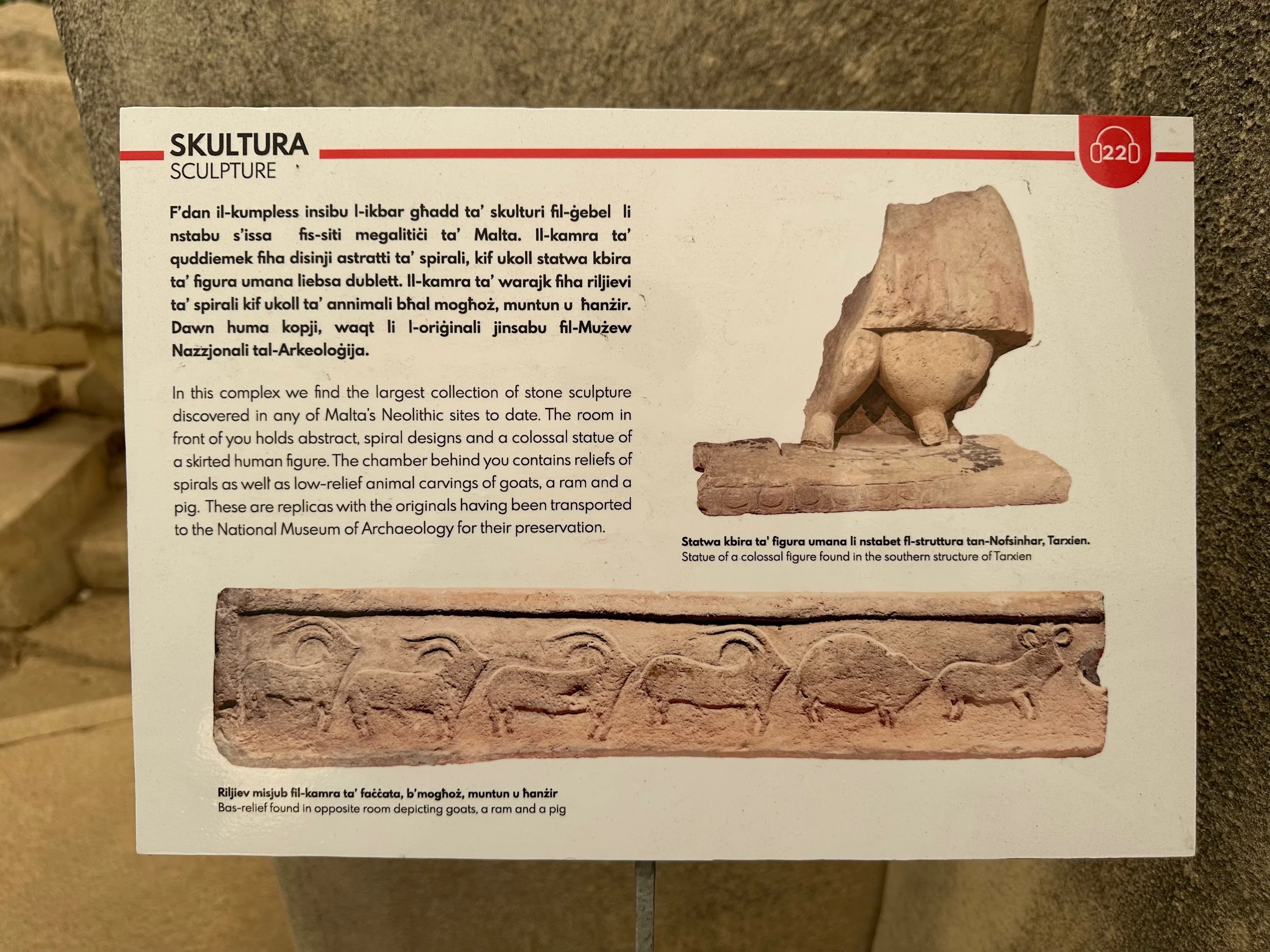
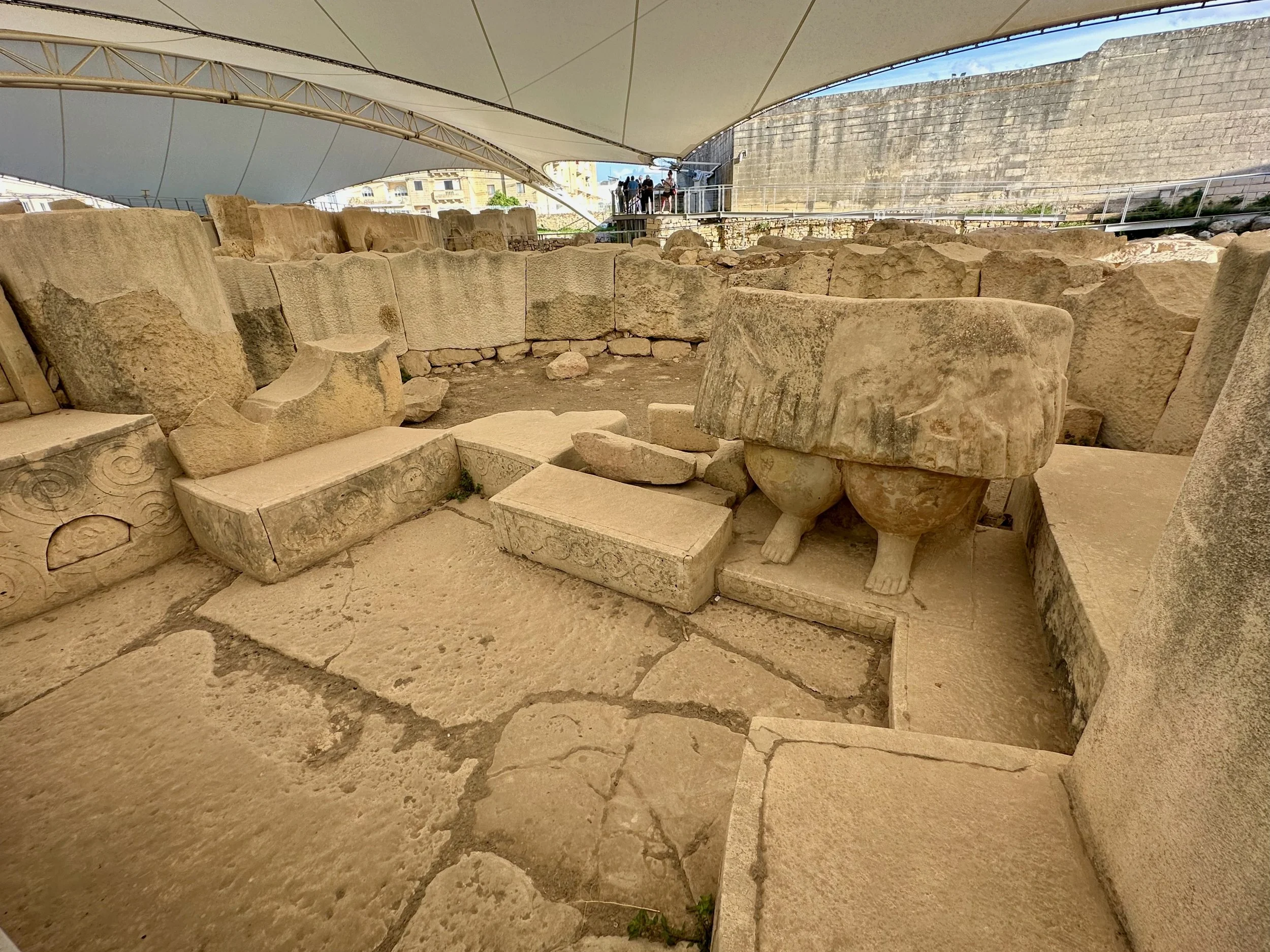
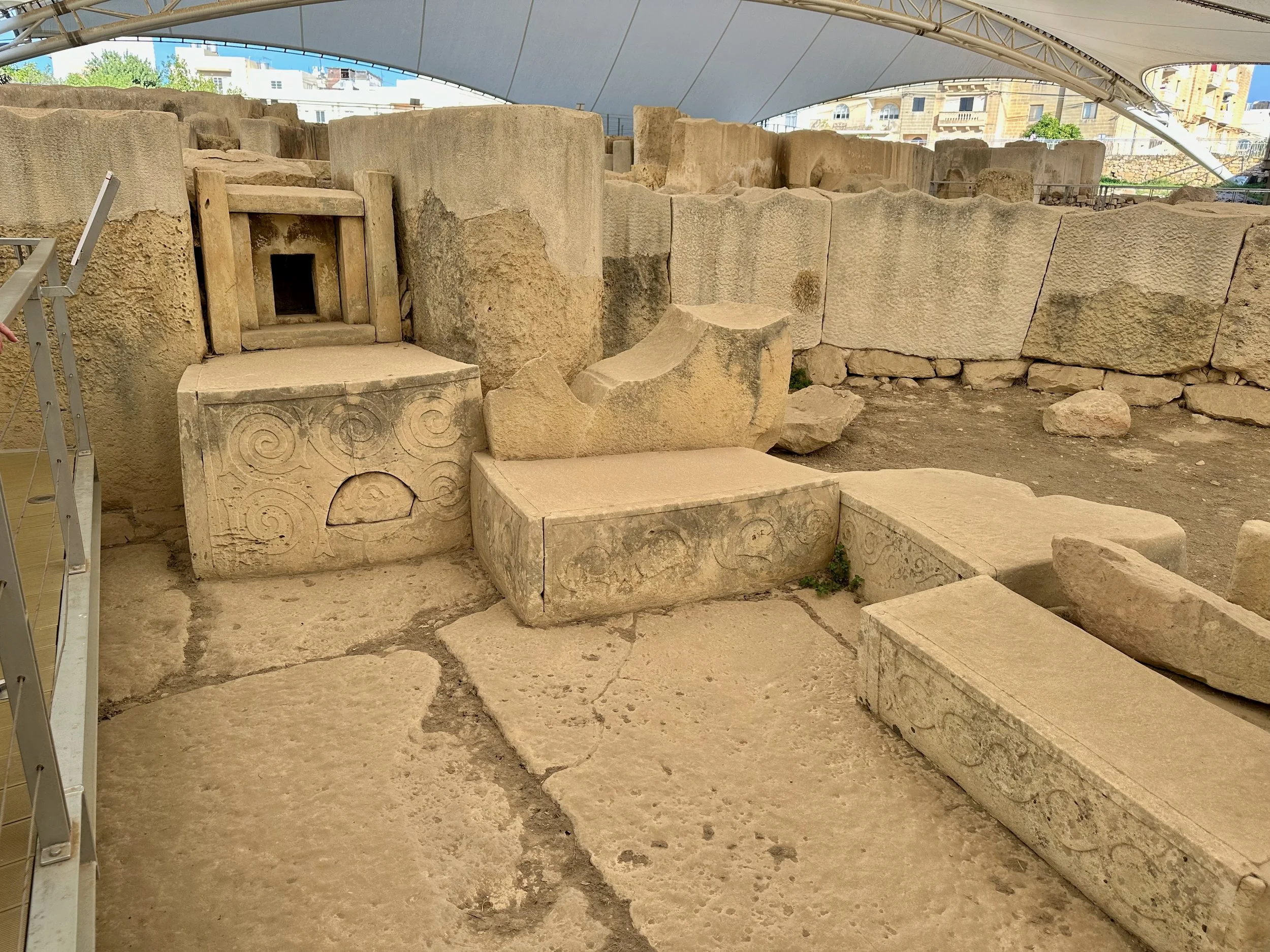
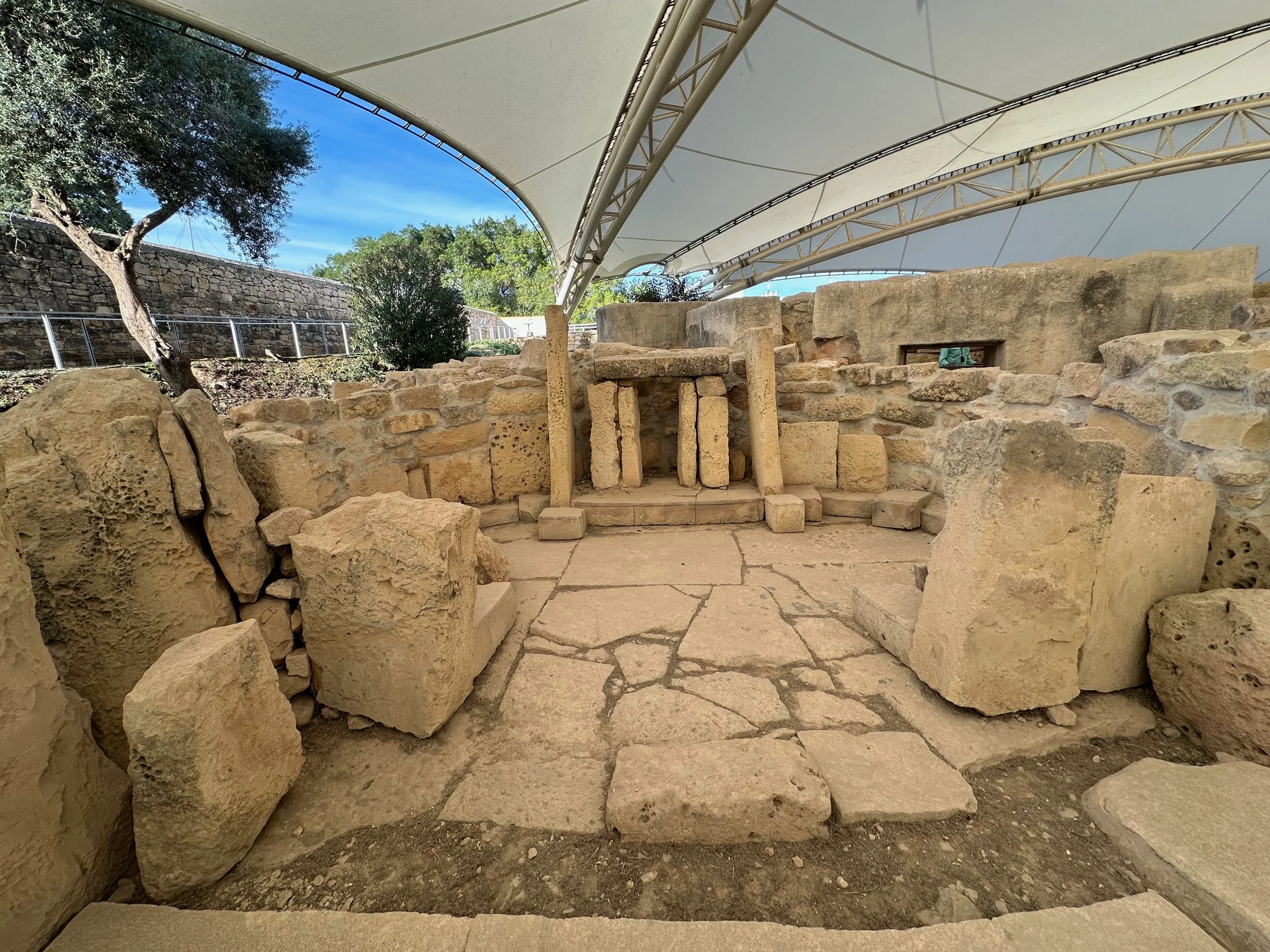
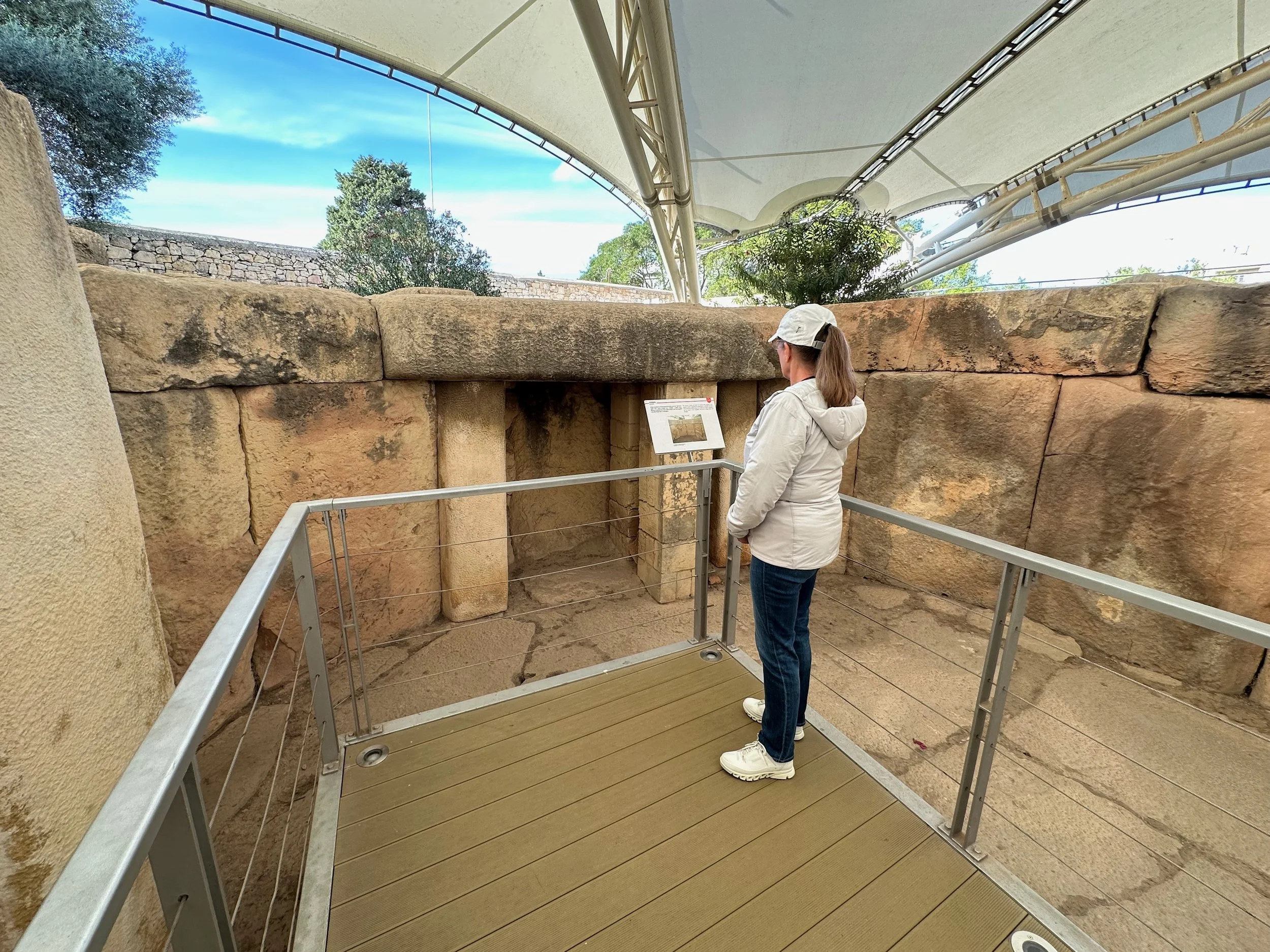
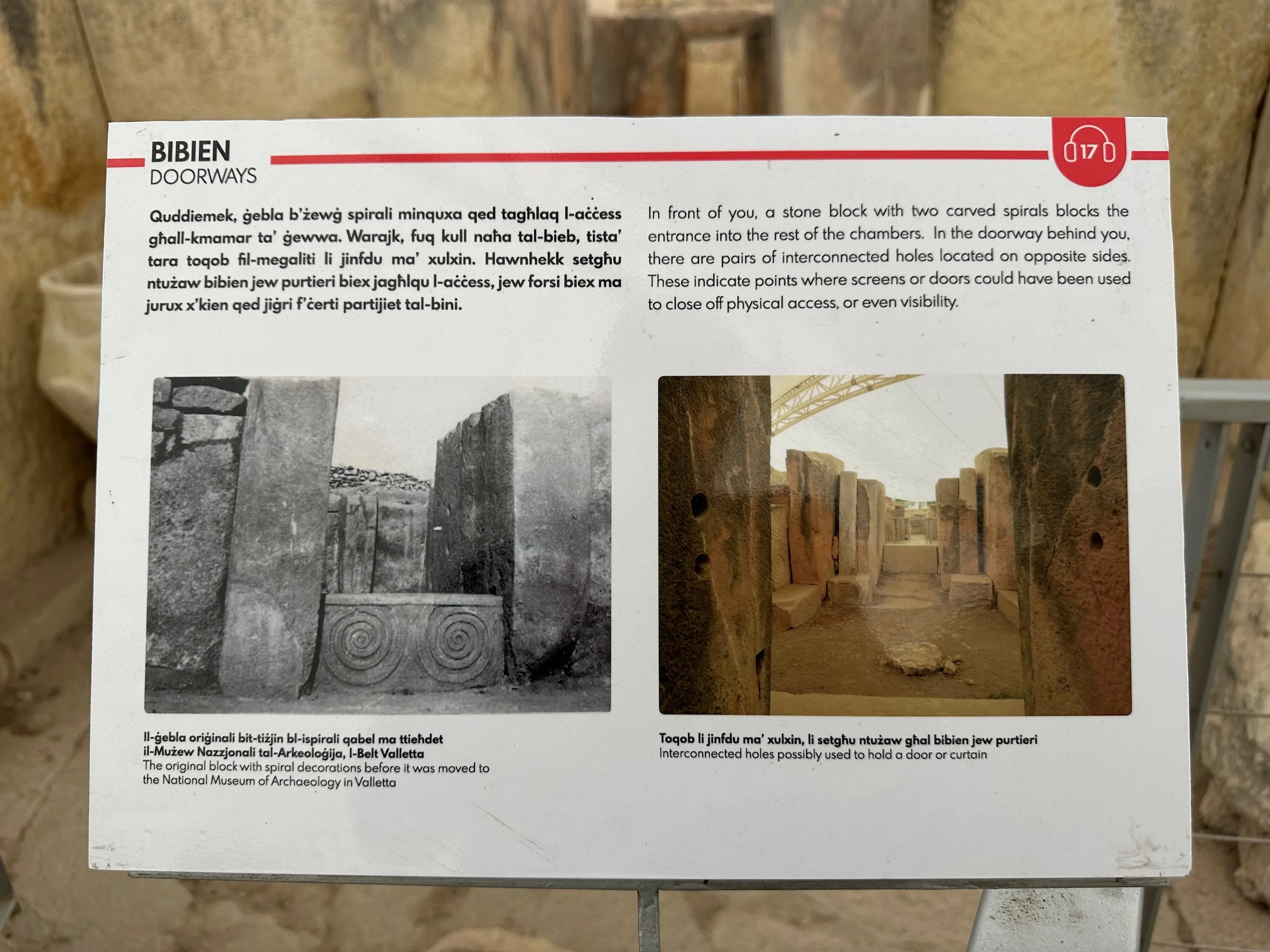
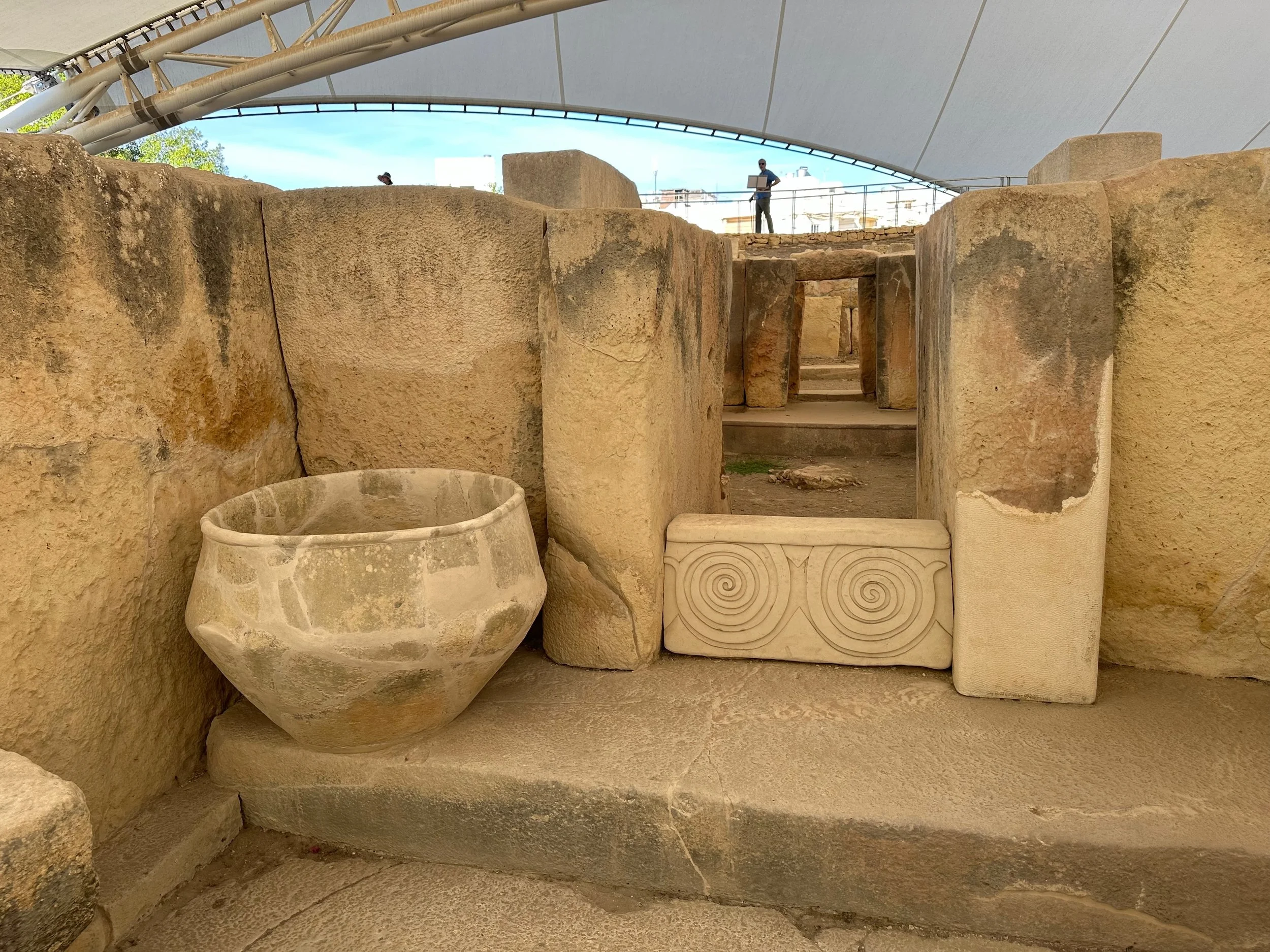
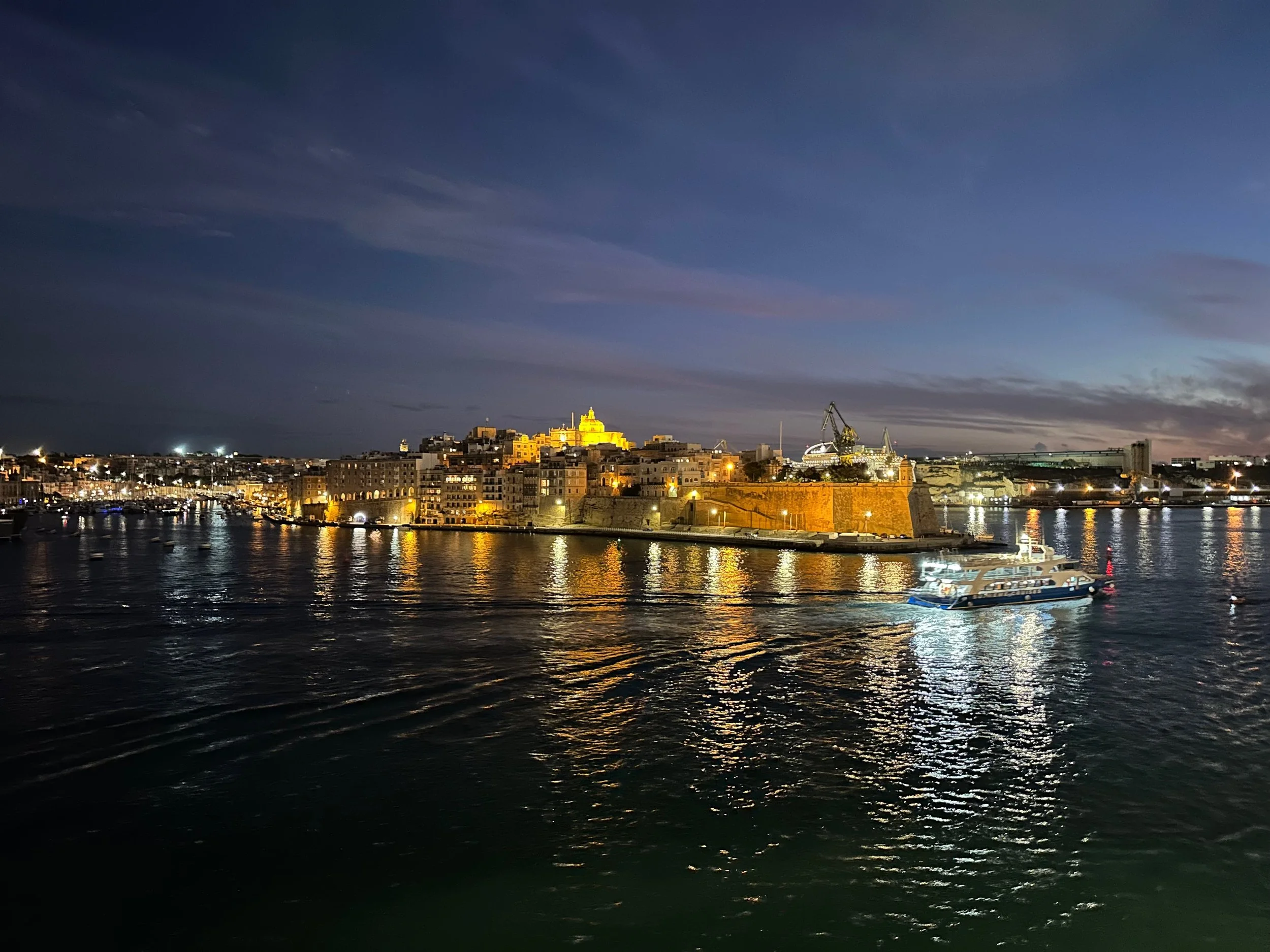
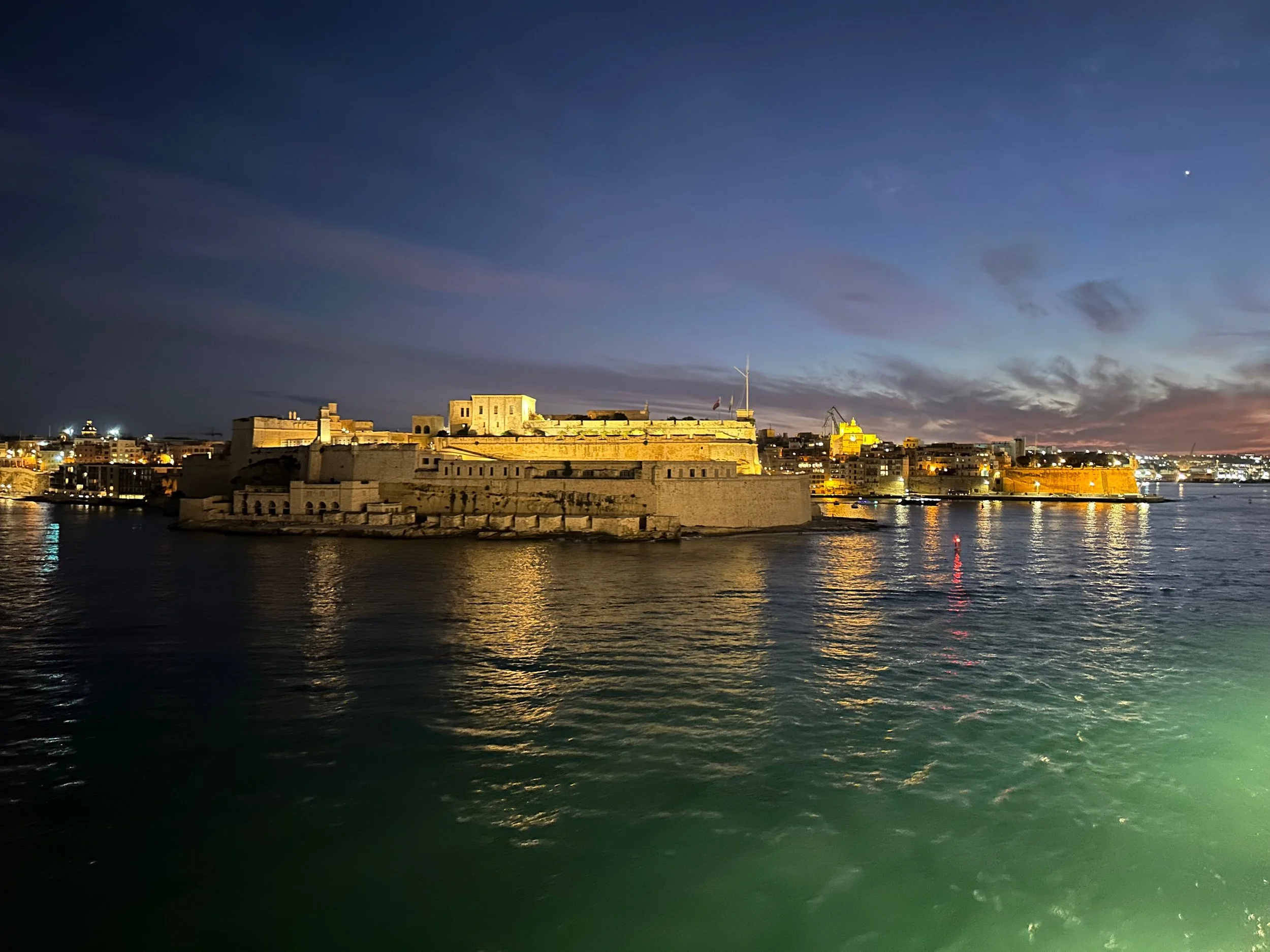
Fort St. Angelo across the harbour.
Leaving Malta
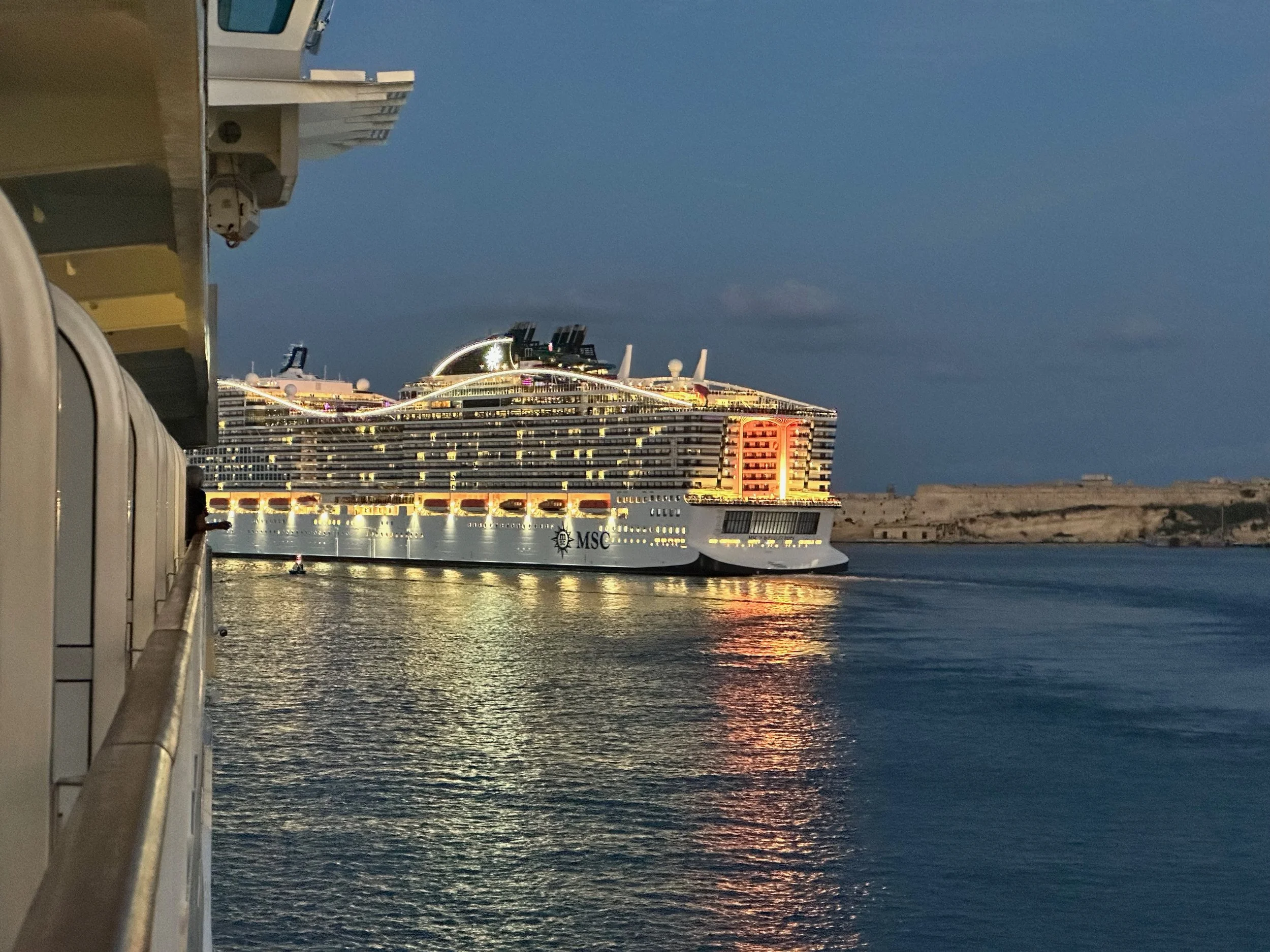
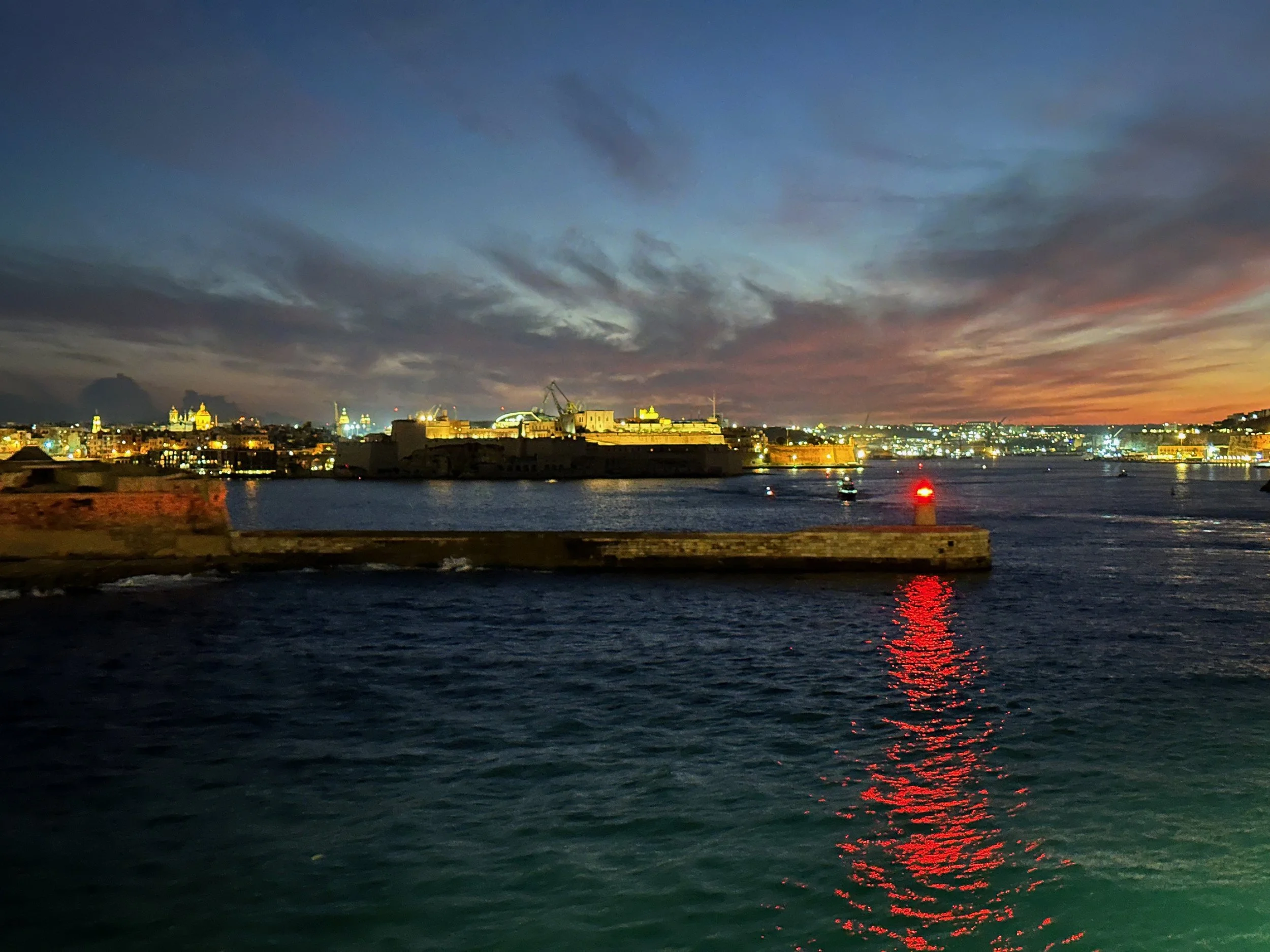
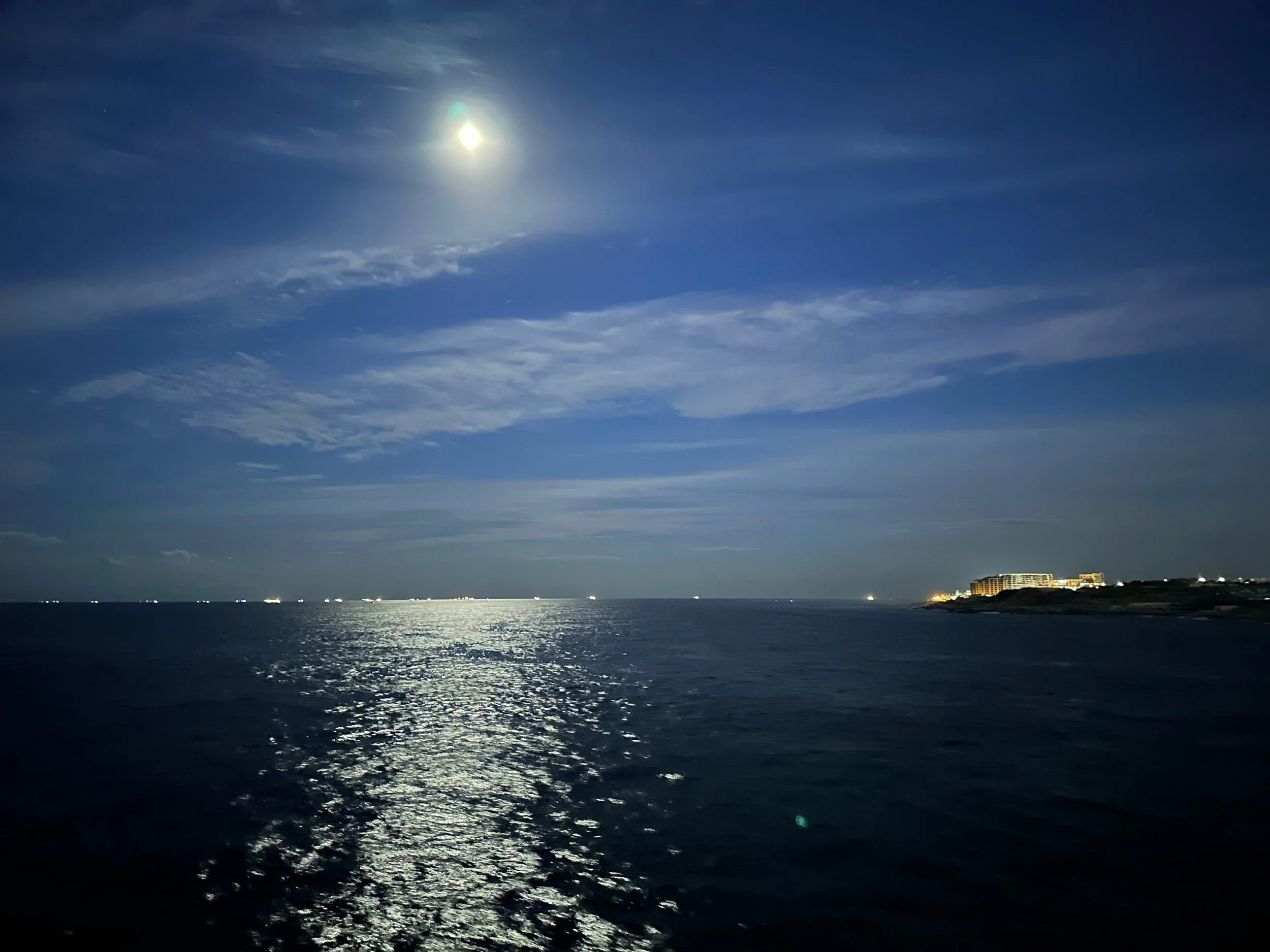
Despite spending only 48 hours on Malta, it was without a doubt one of the highlights of the cruise. The old world charm dripping out of every stone, in every building, was something that worked itself into our hearts in the short time we were on the island. We easily could have spent several more days exploring not just the physical attributes of the island, but the cultural ones as well. A return trip is definitely needed.
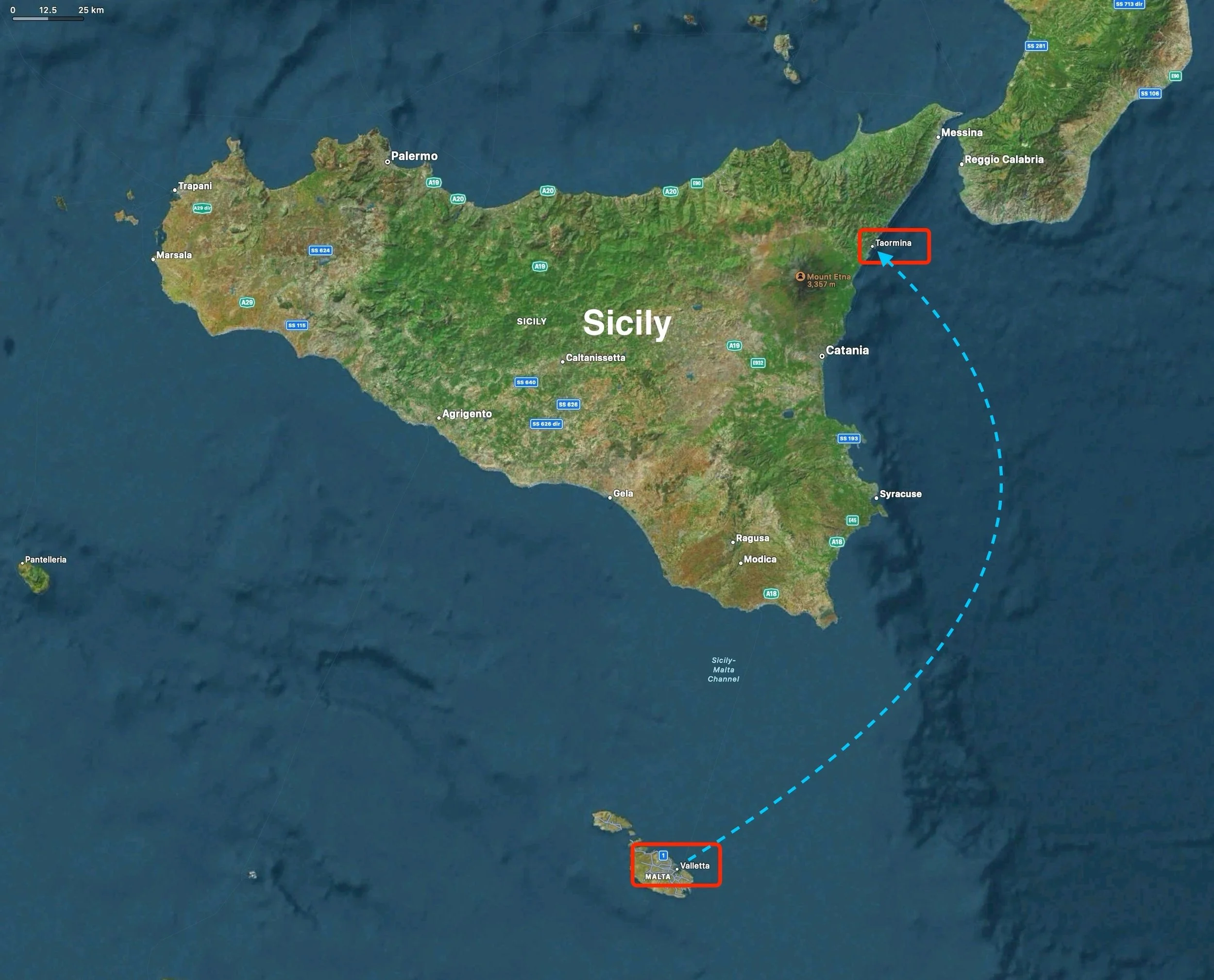
Taormina, Sicily
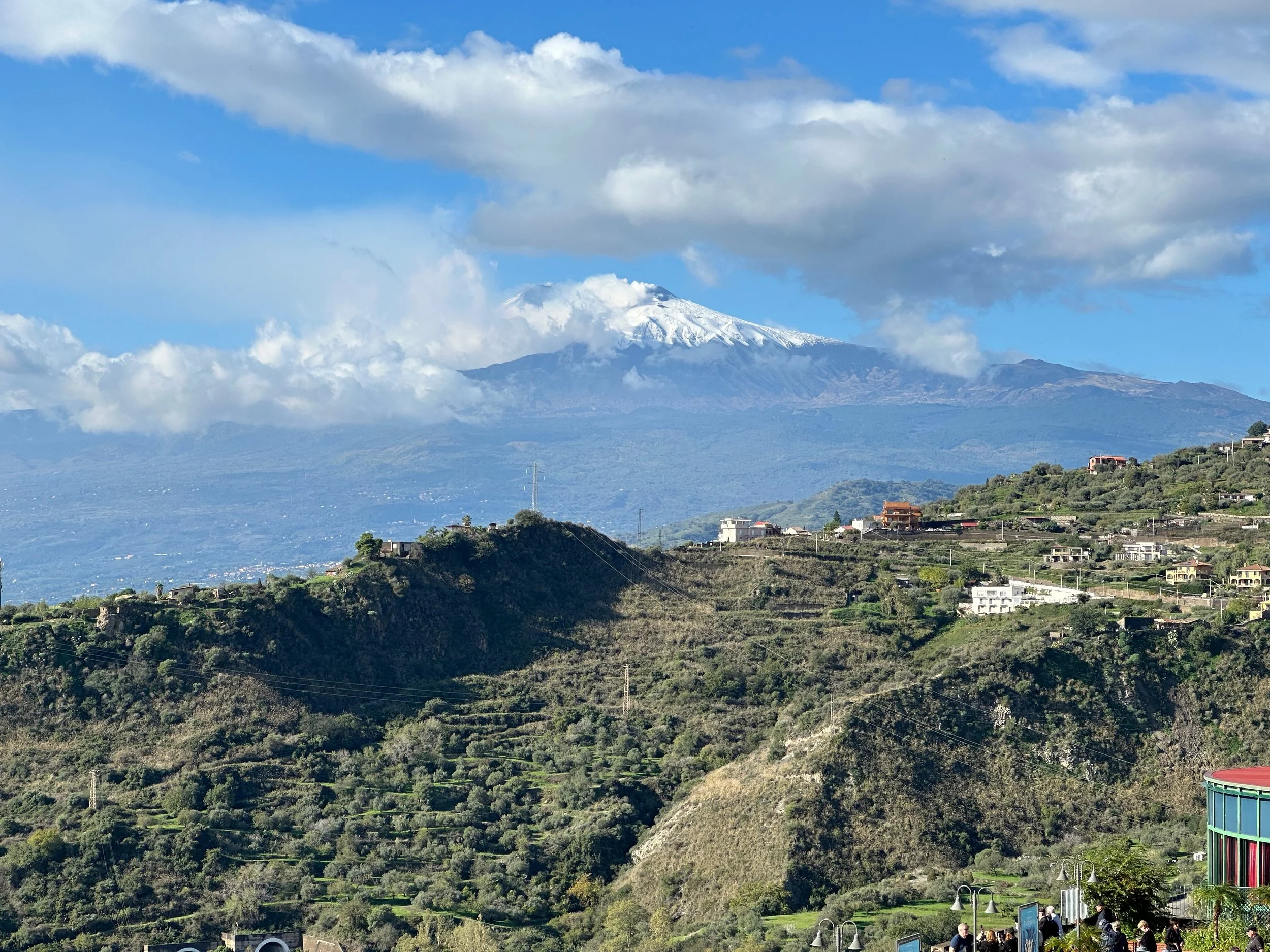
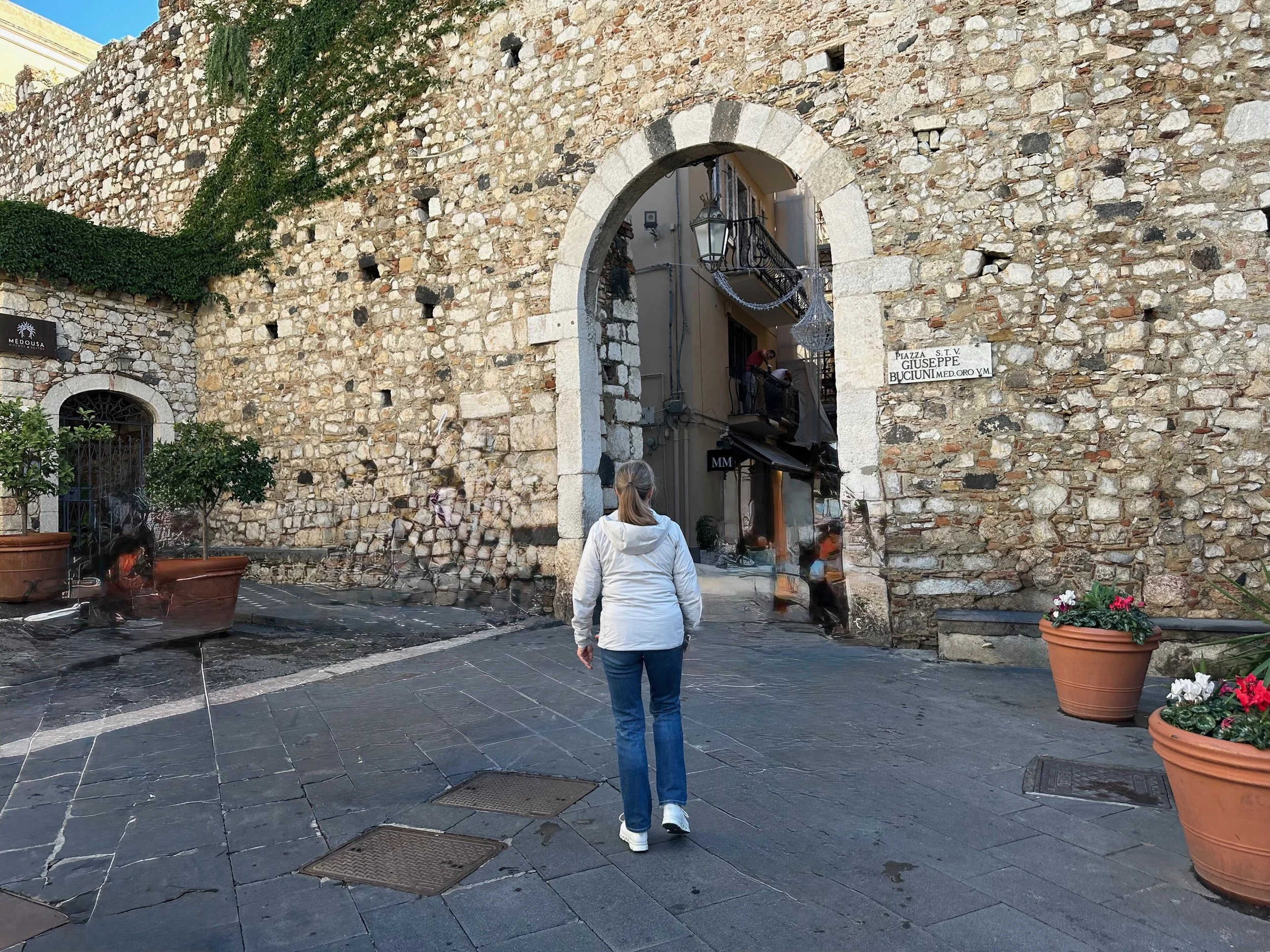
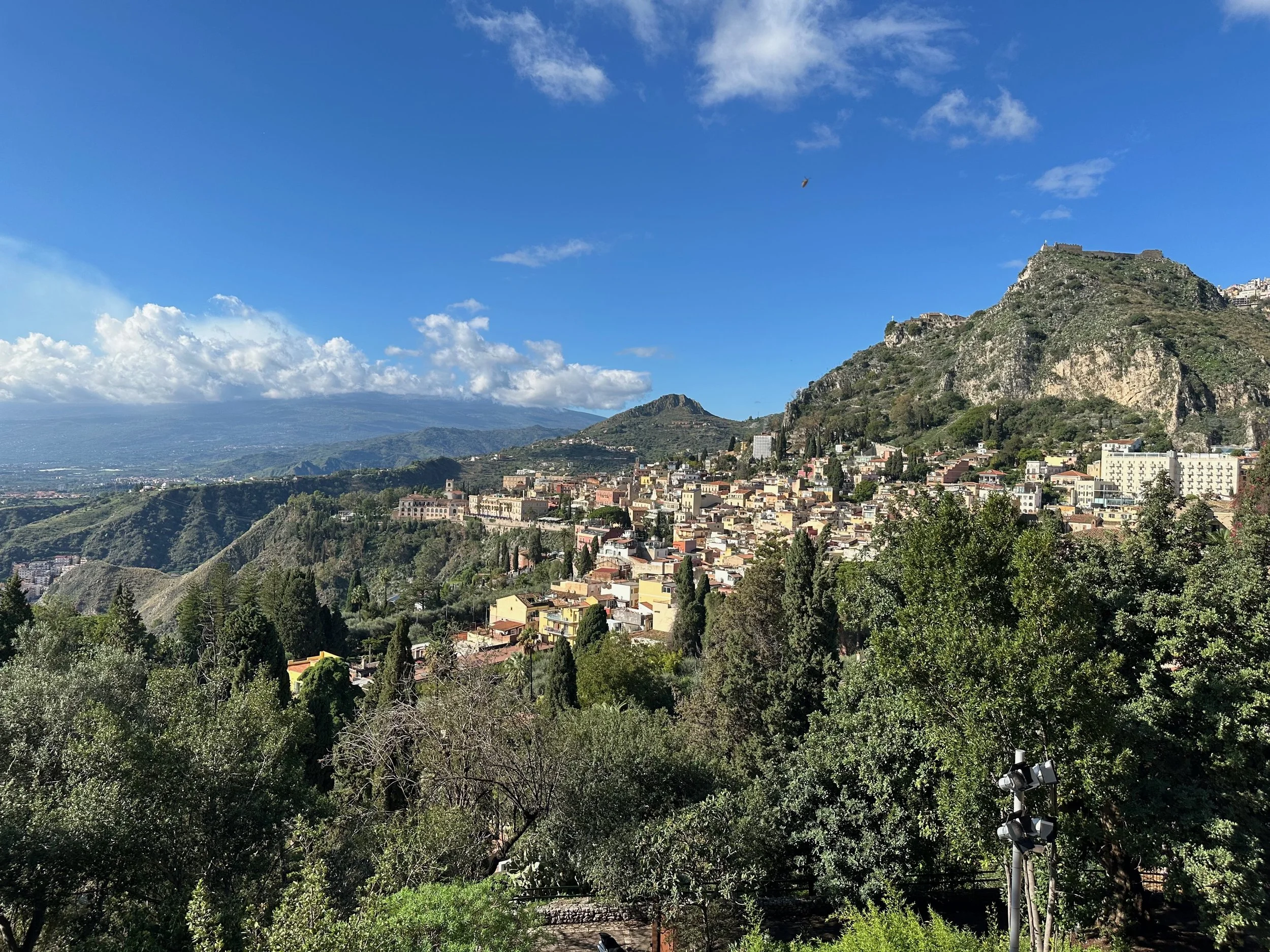
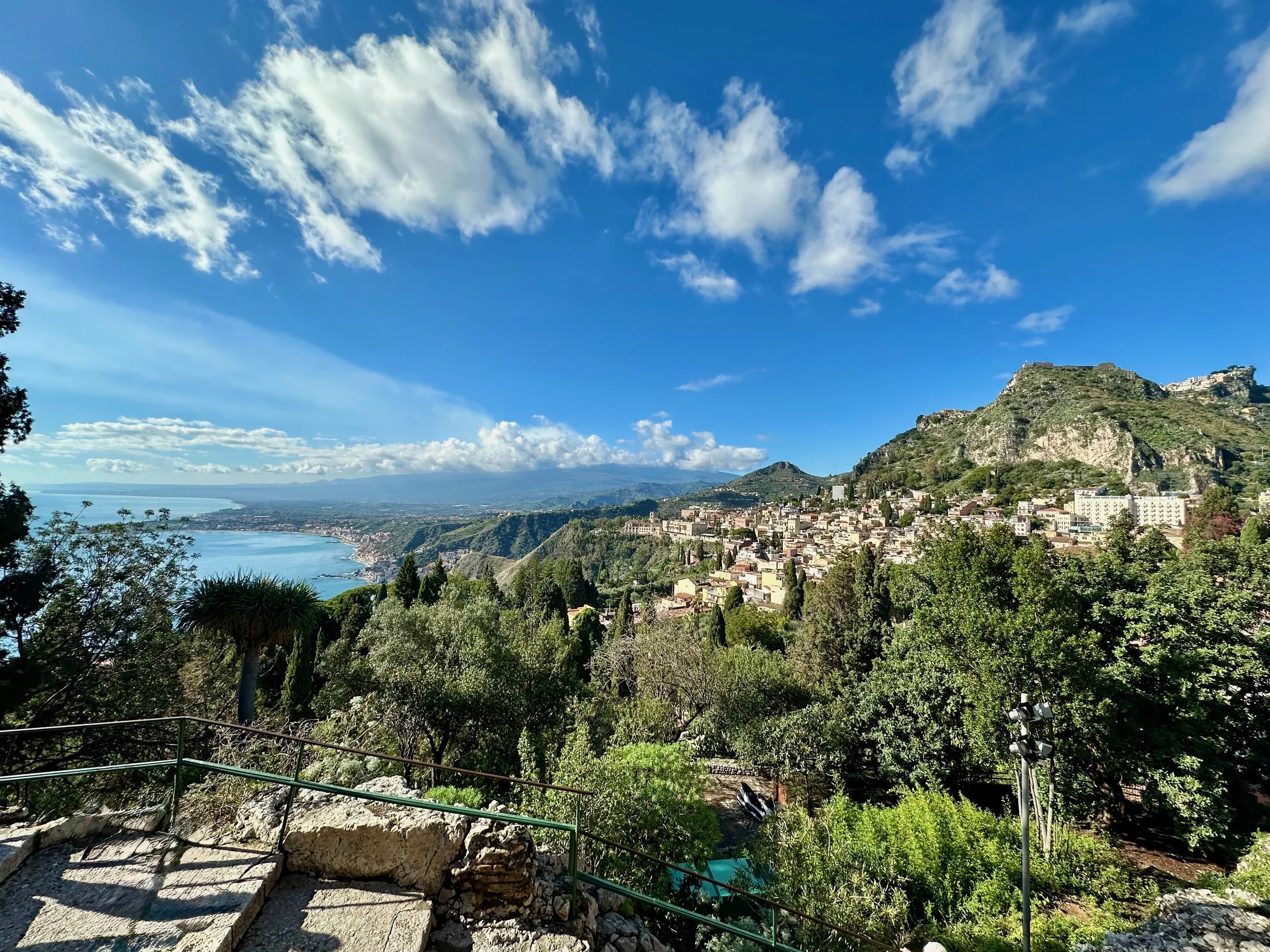
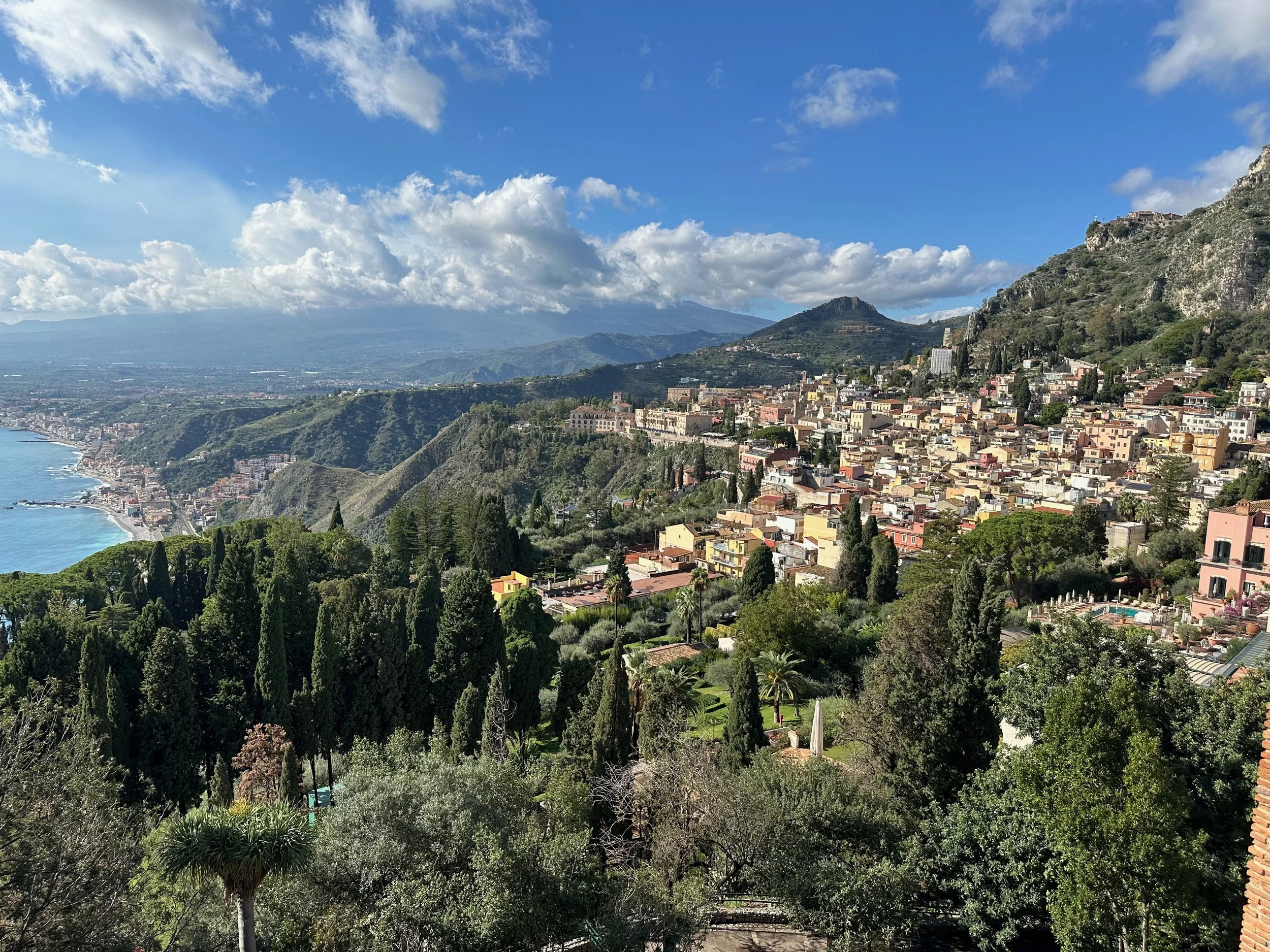
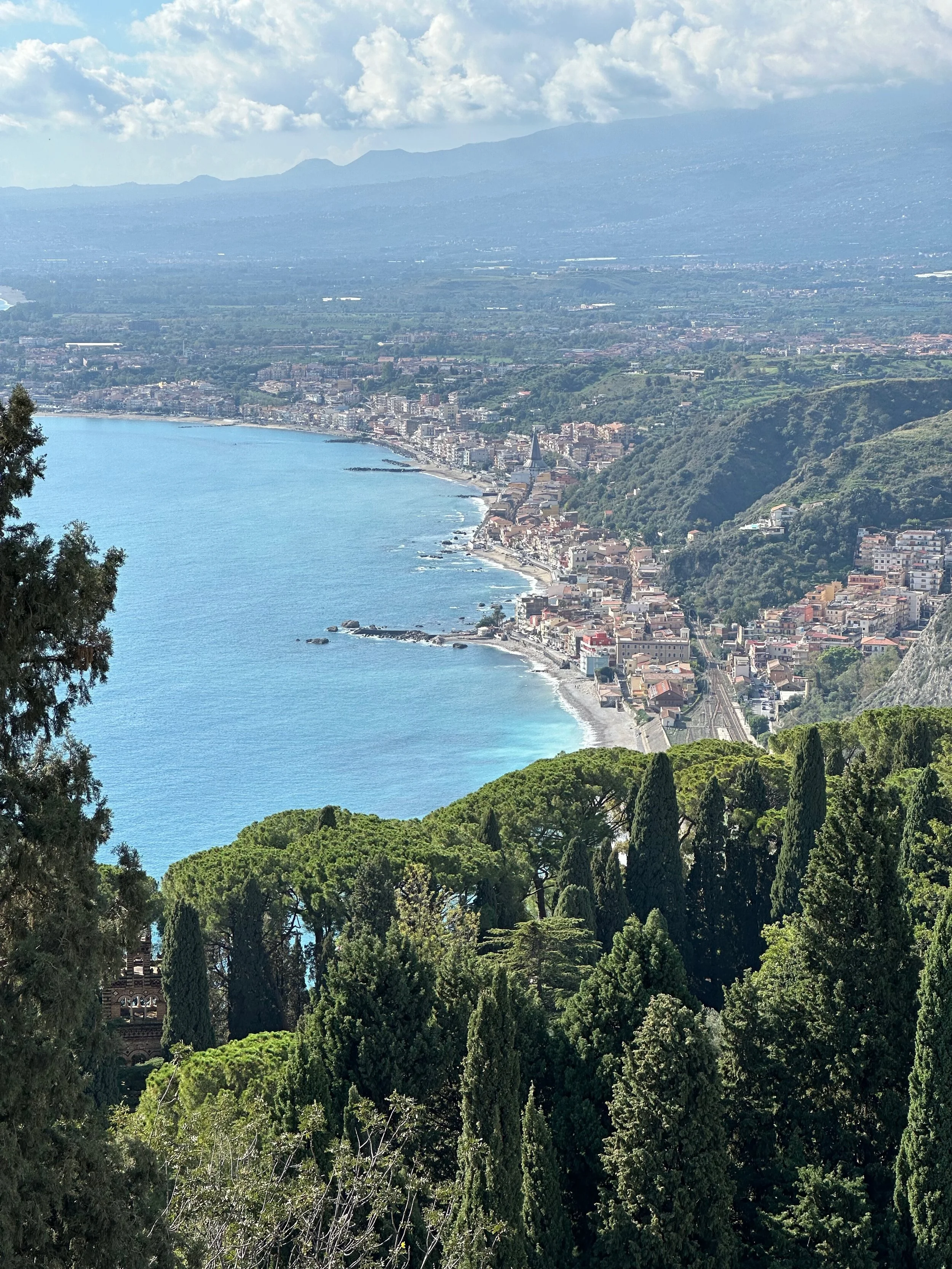
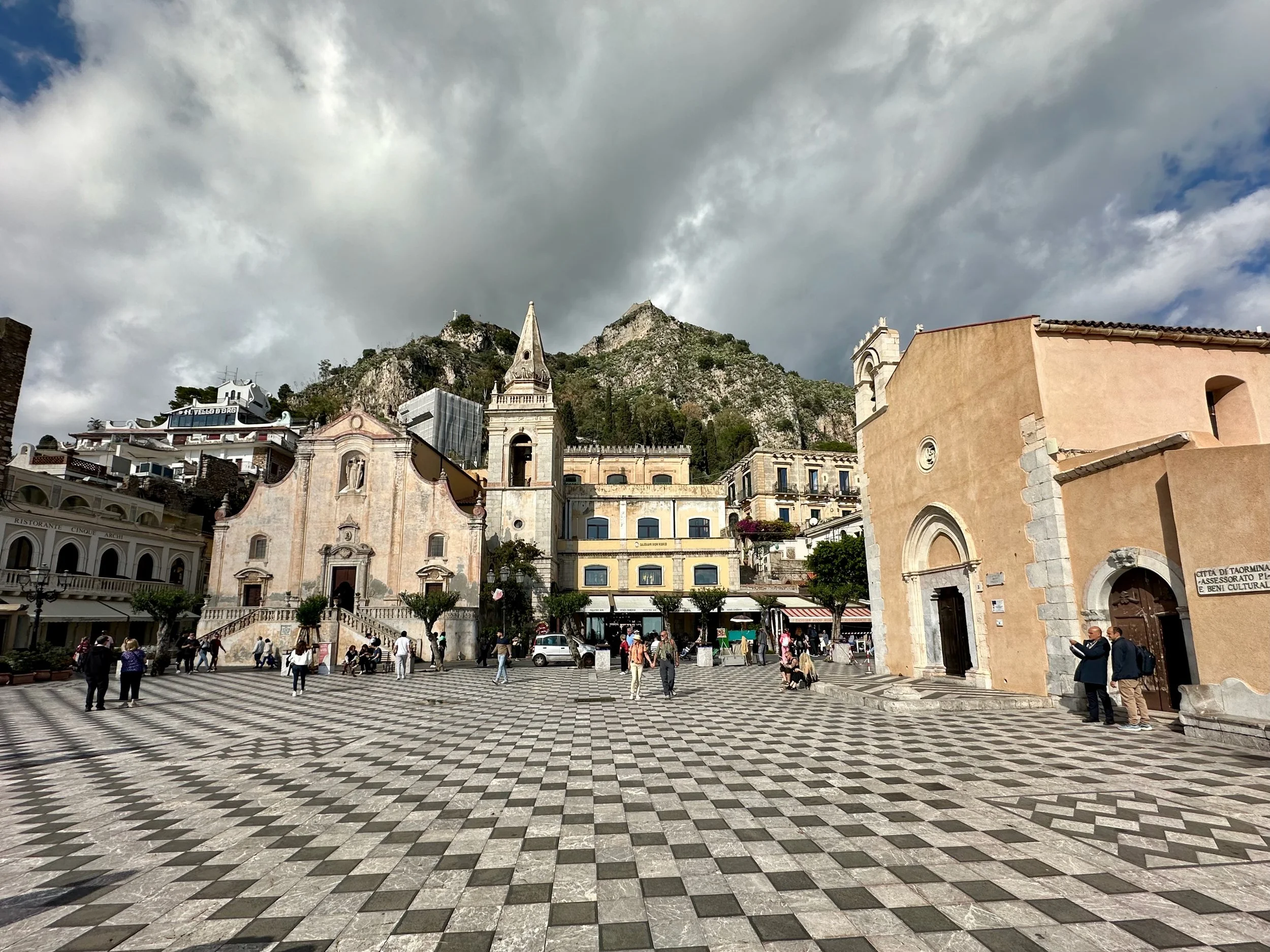
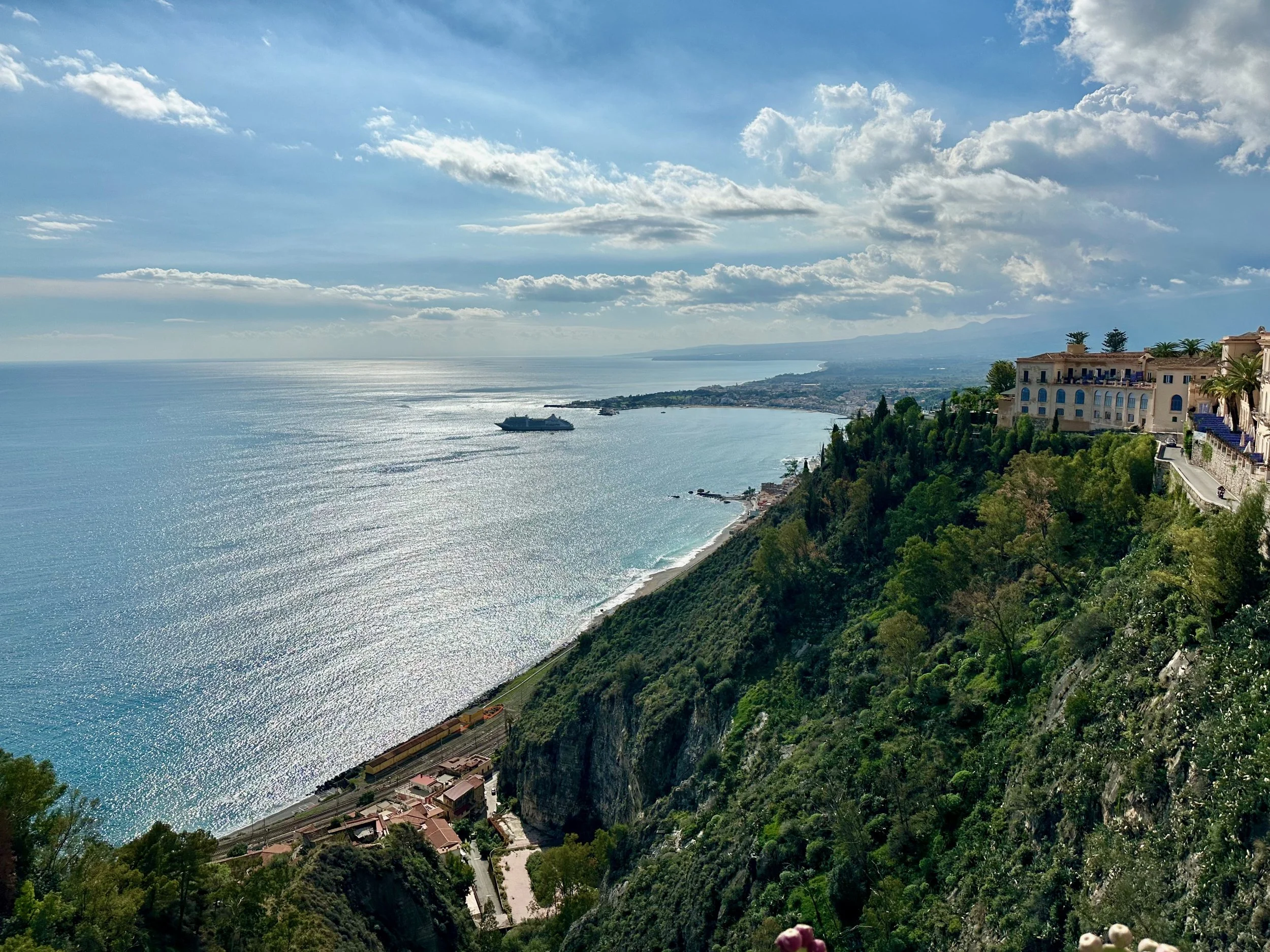
Our first visit to Sicily, and indeed Italy as a whole, would see us land not far from Mt. Etna. Our target town, Taormina, was up on the hill with a view that stretched for miles in all directions. It turned out to be an incredible location, with ancient beauty radiating from every building.
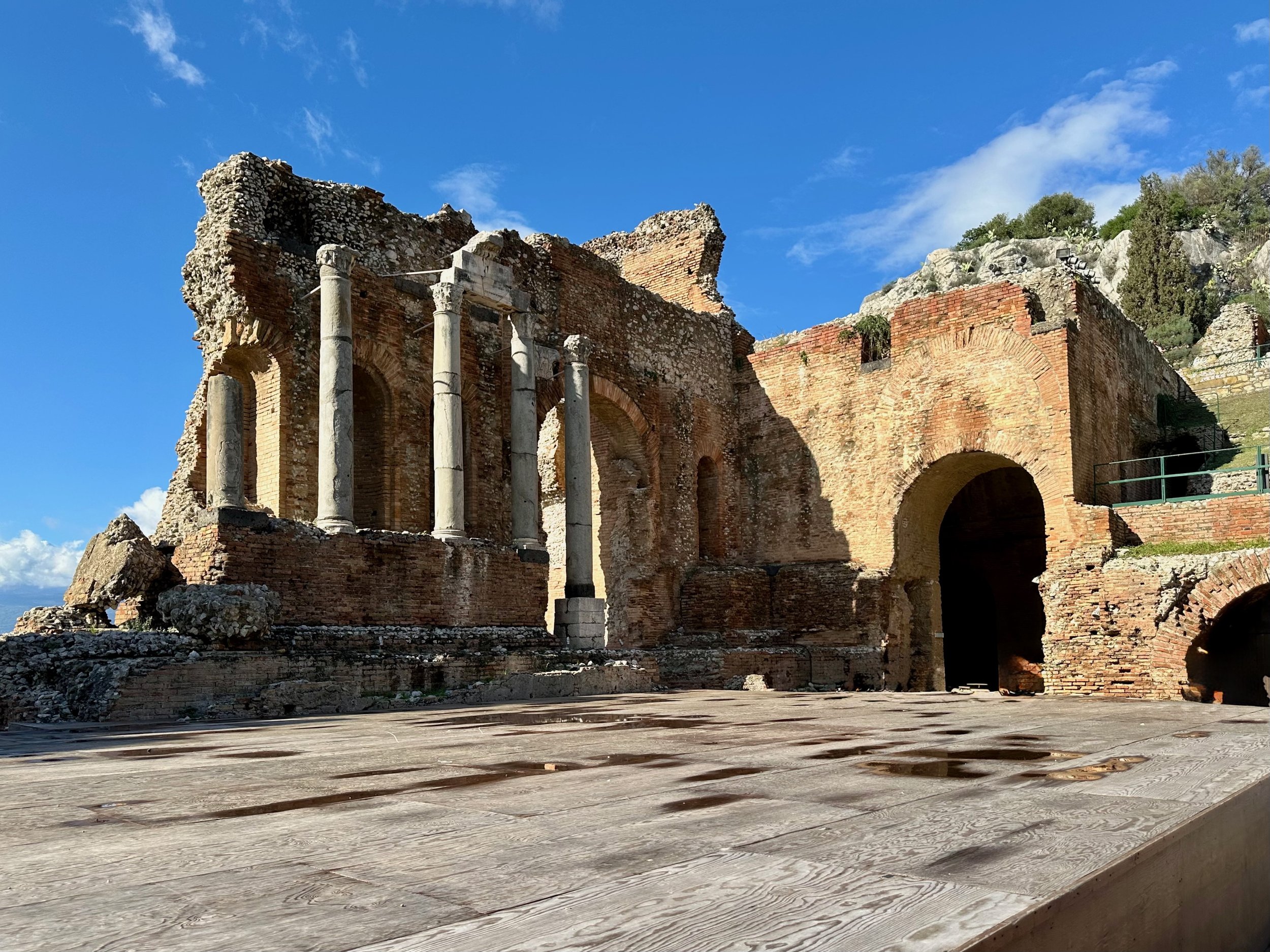
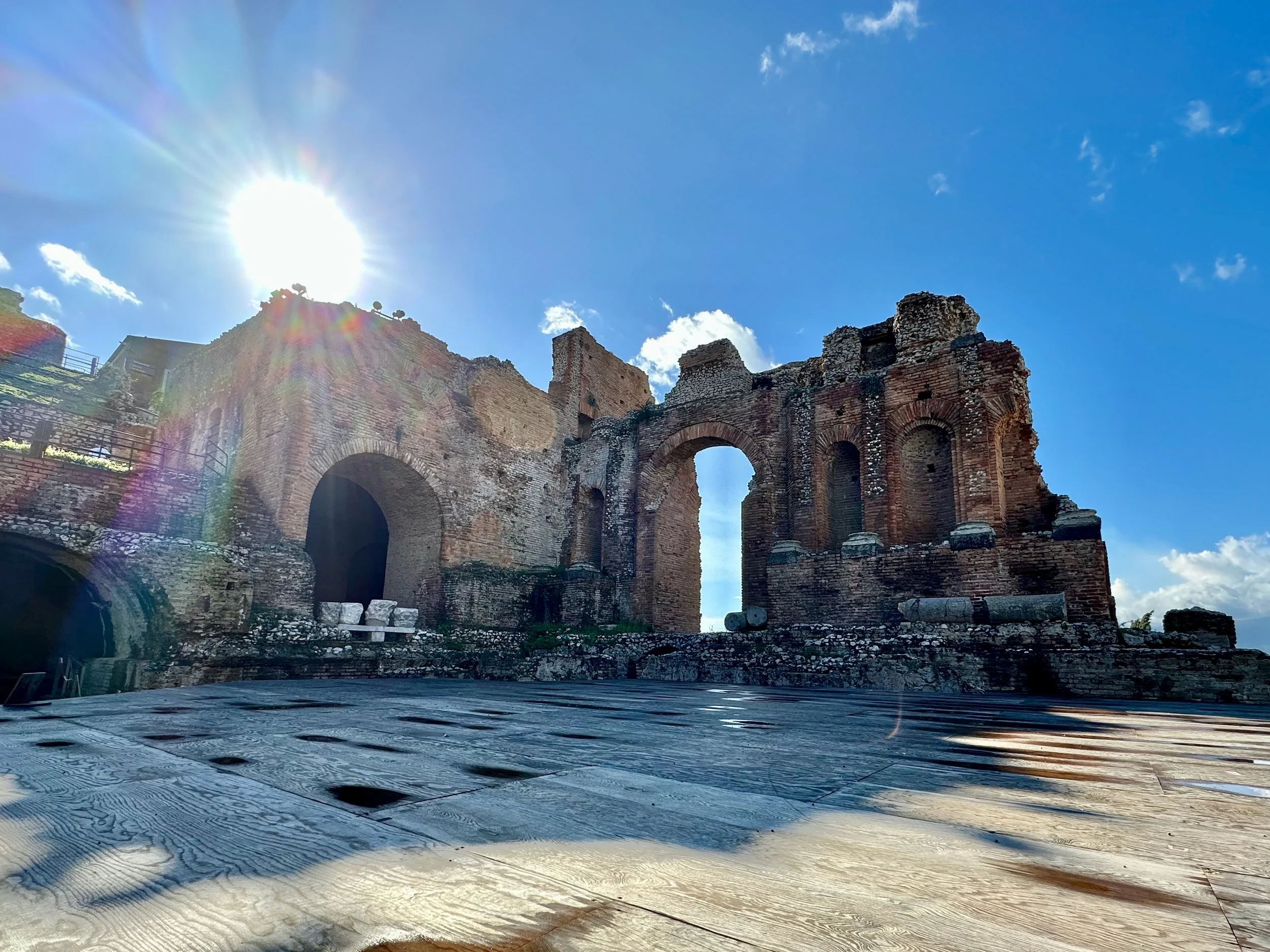
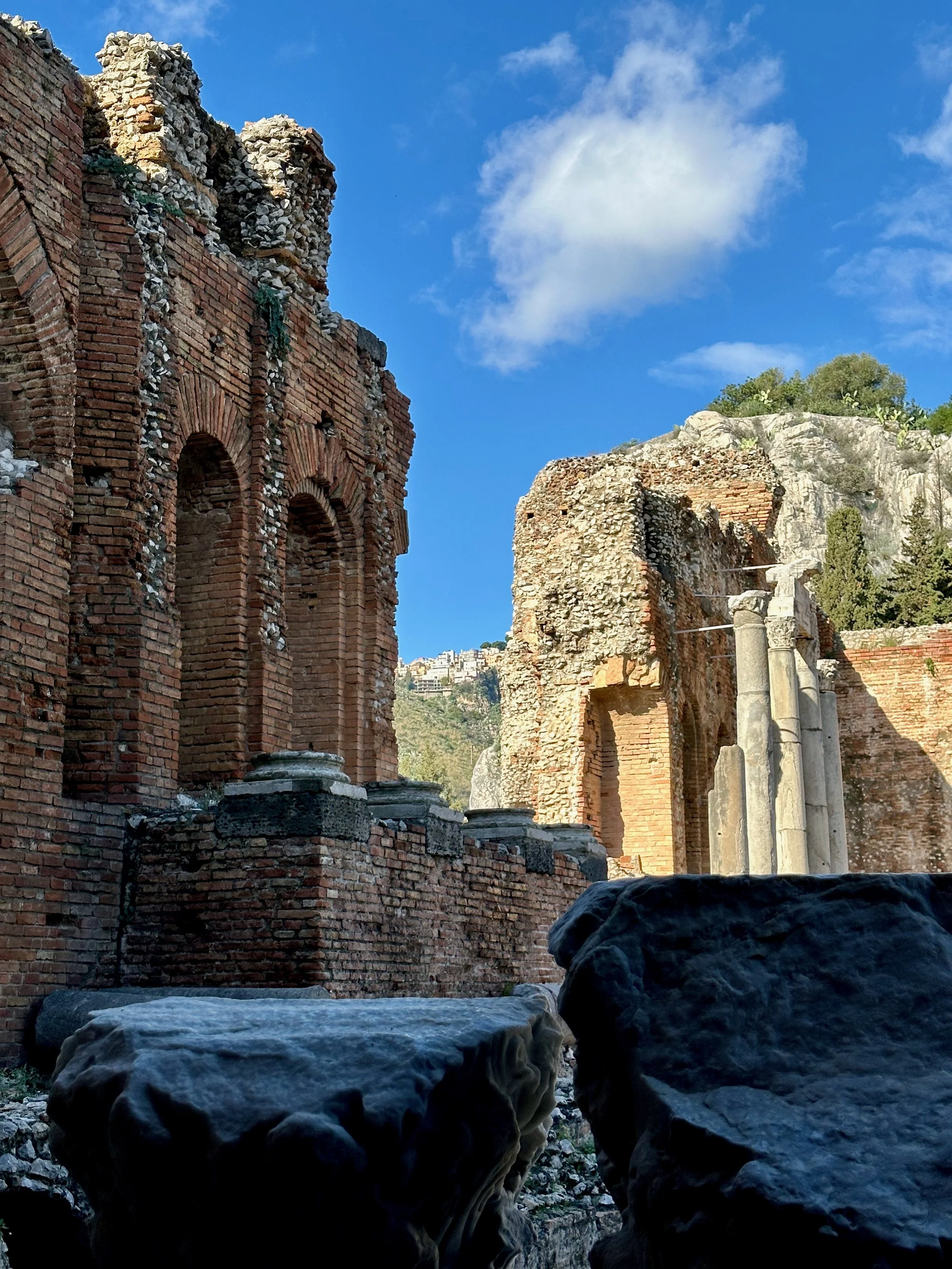
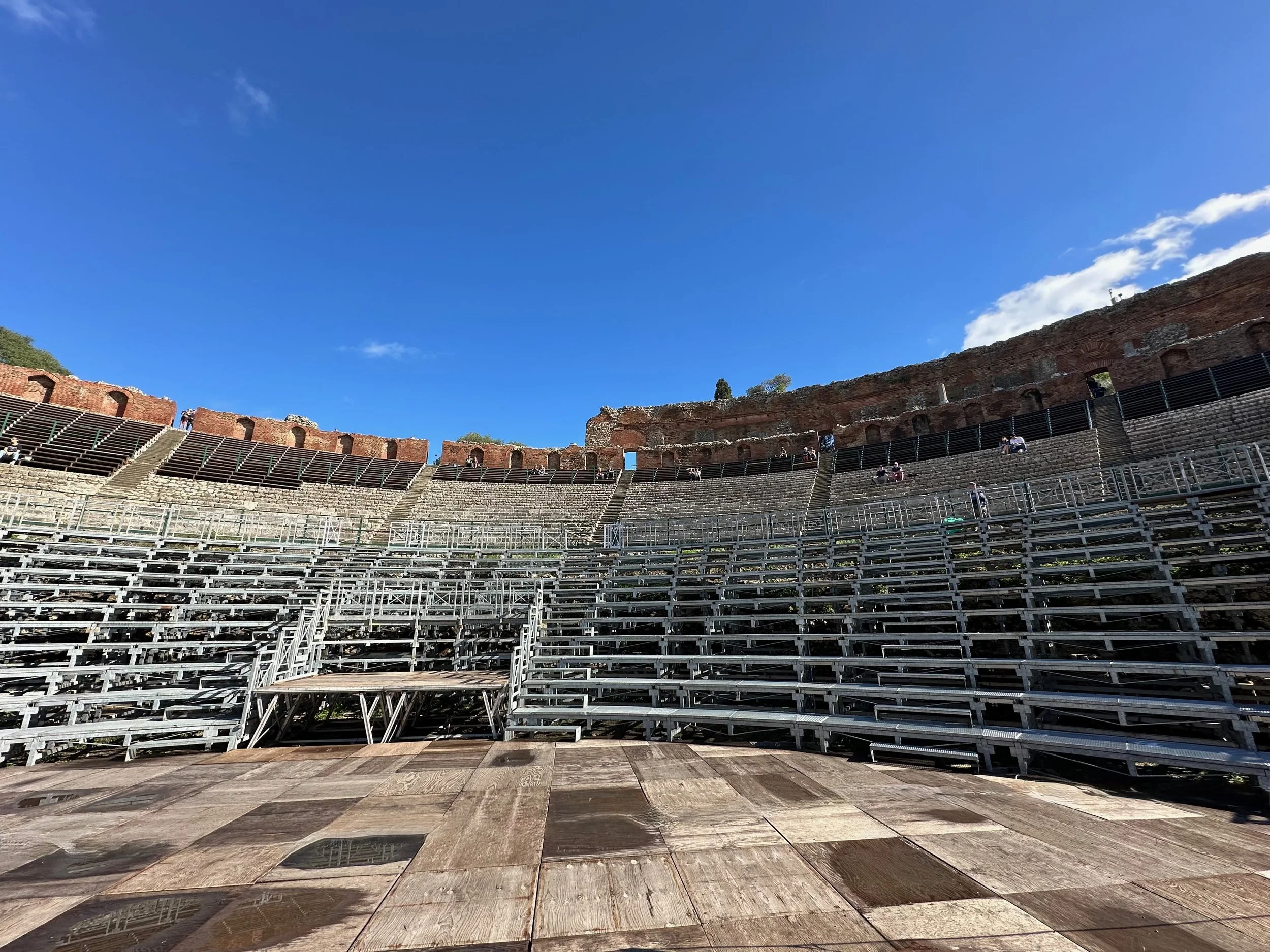
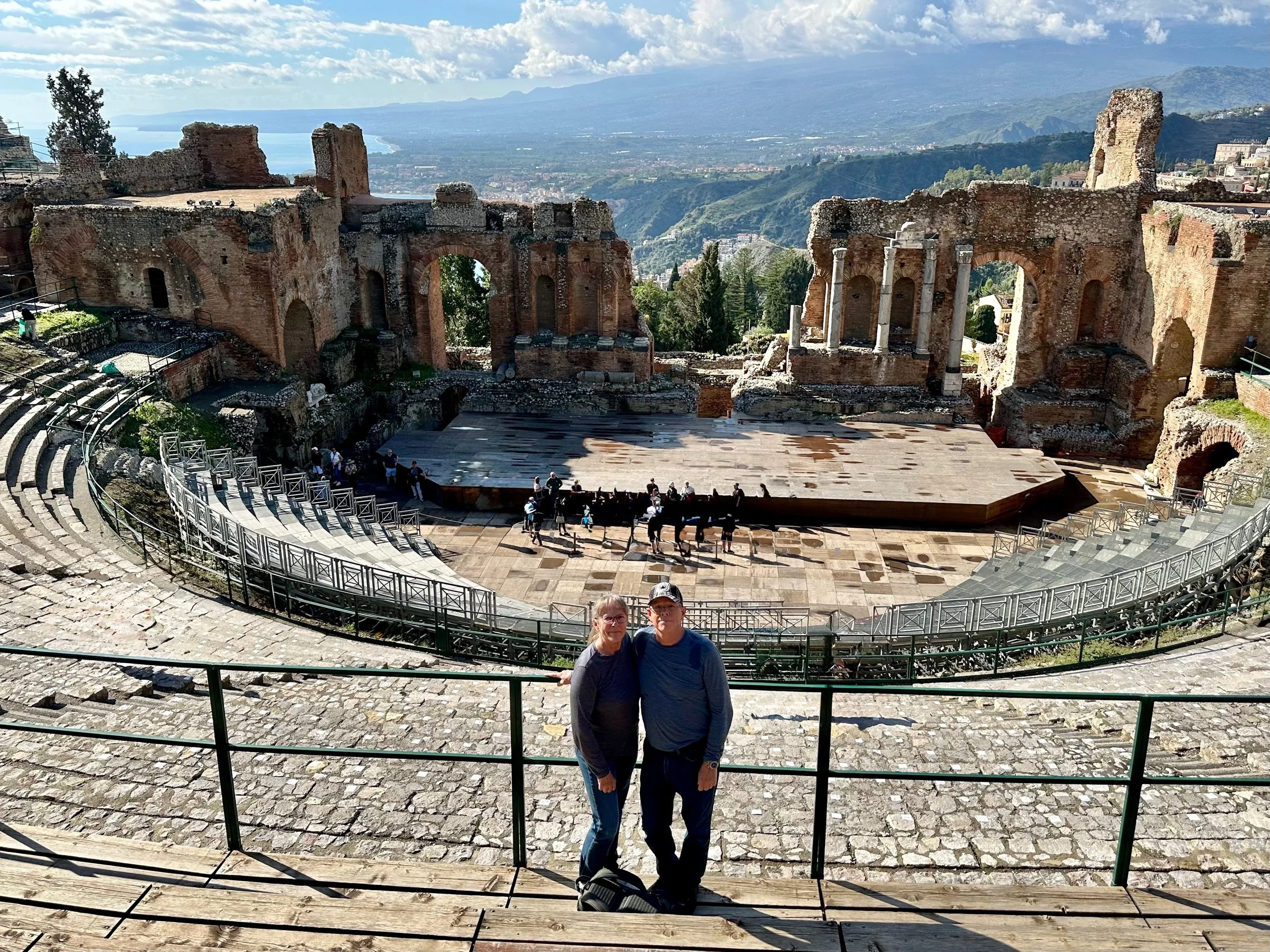
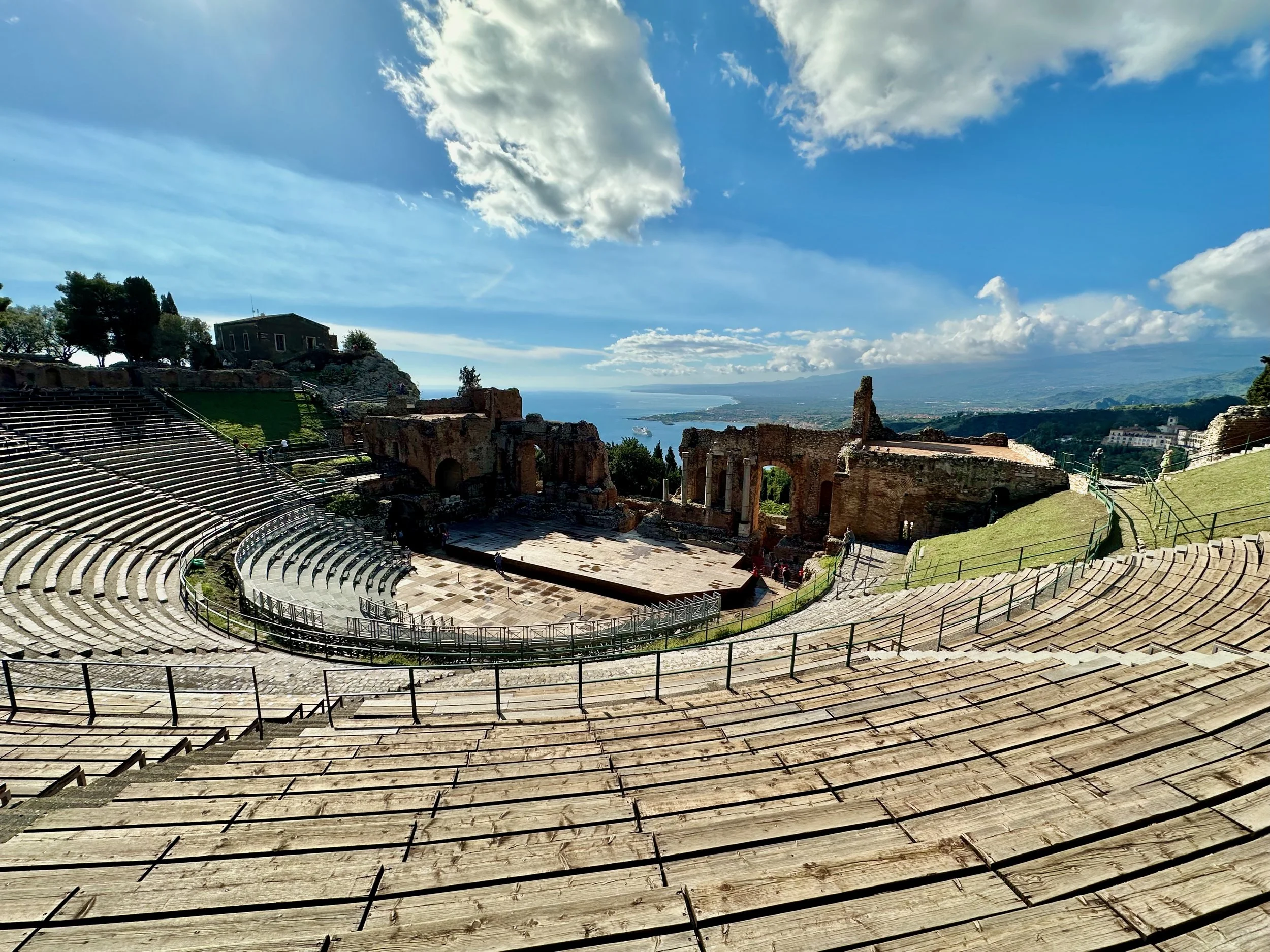
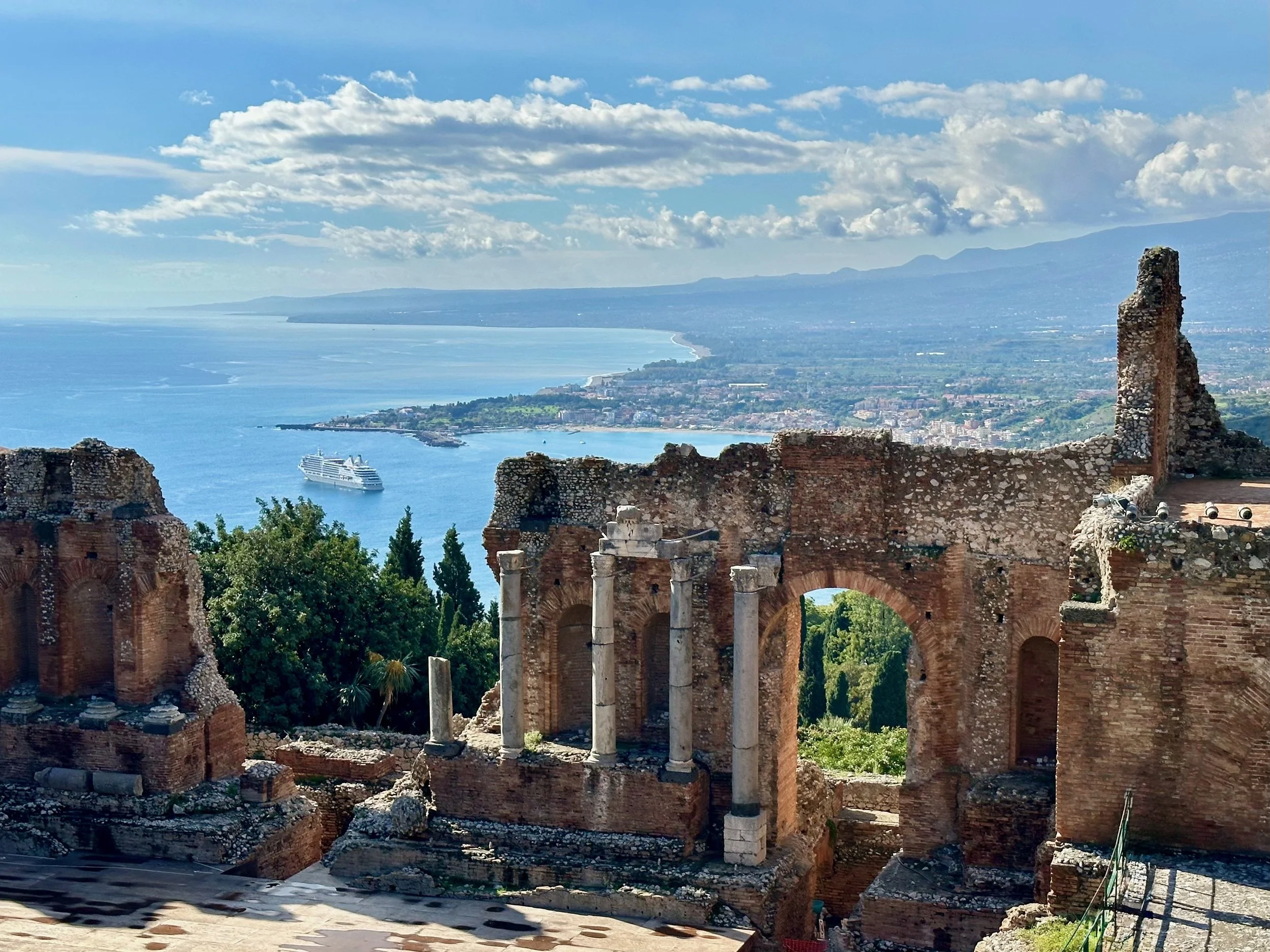
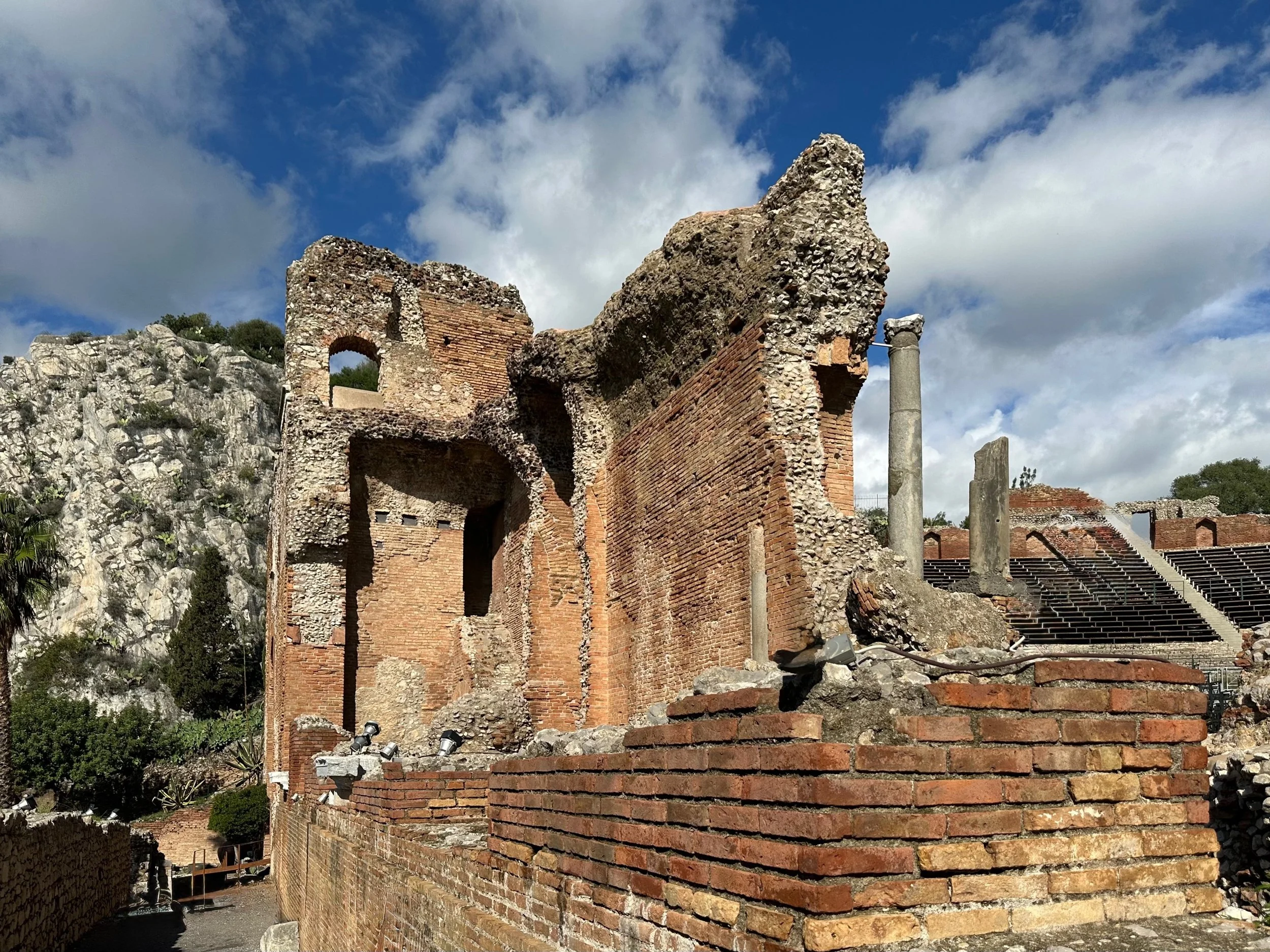
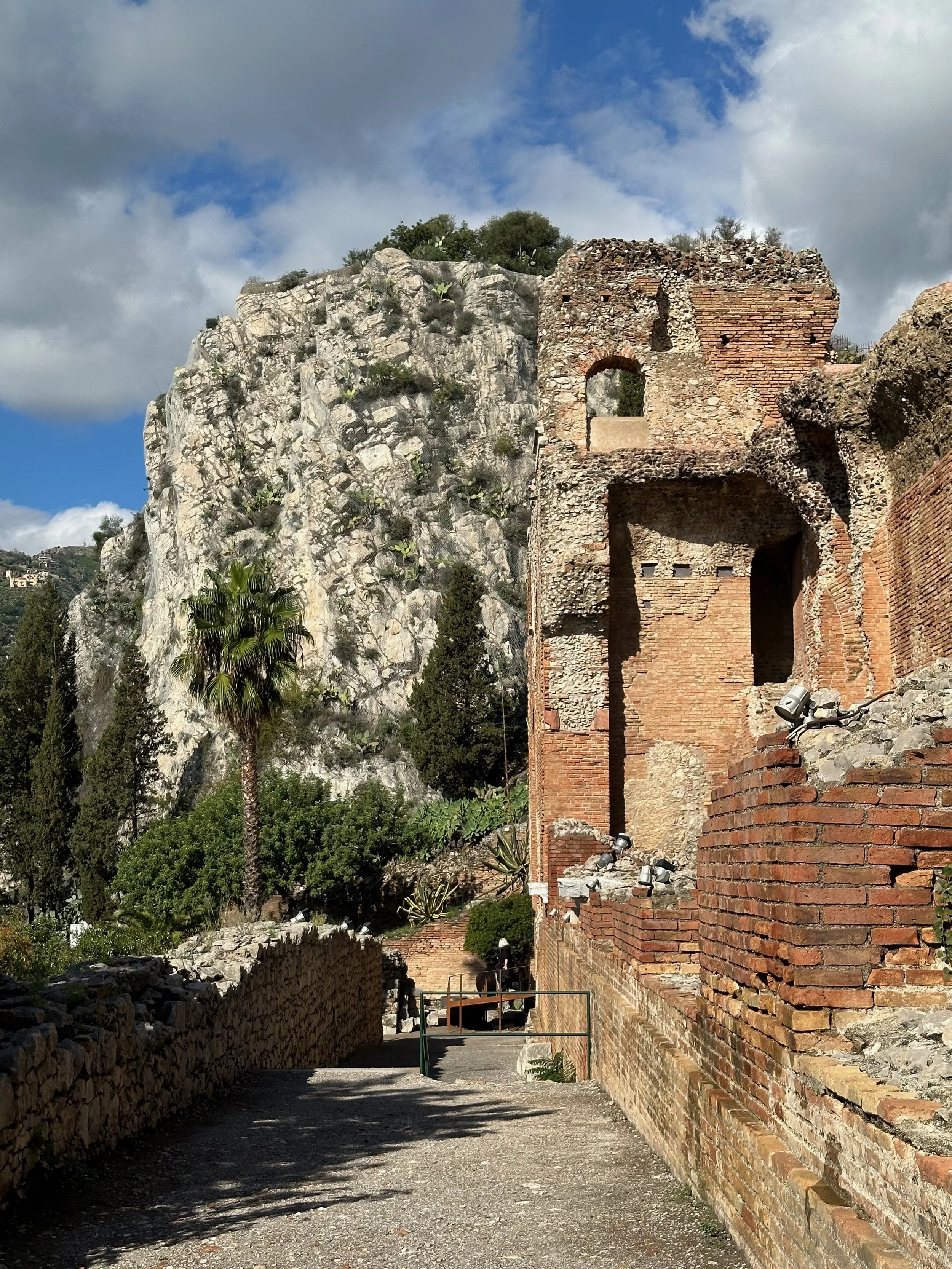
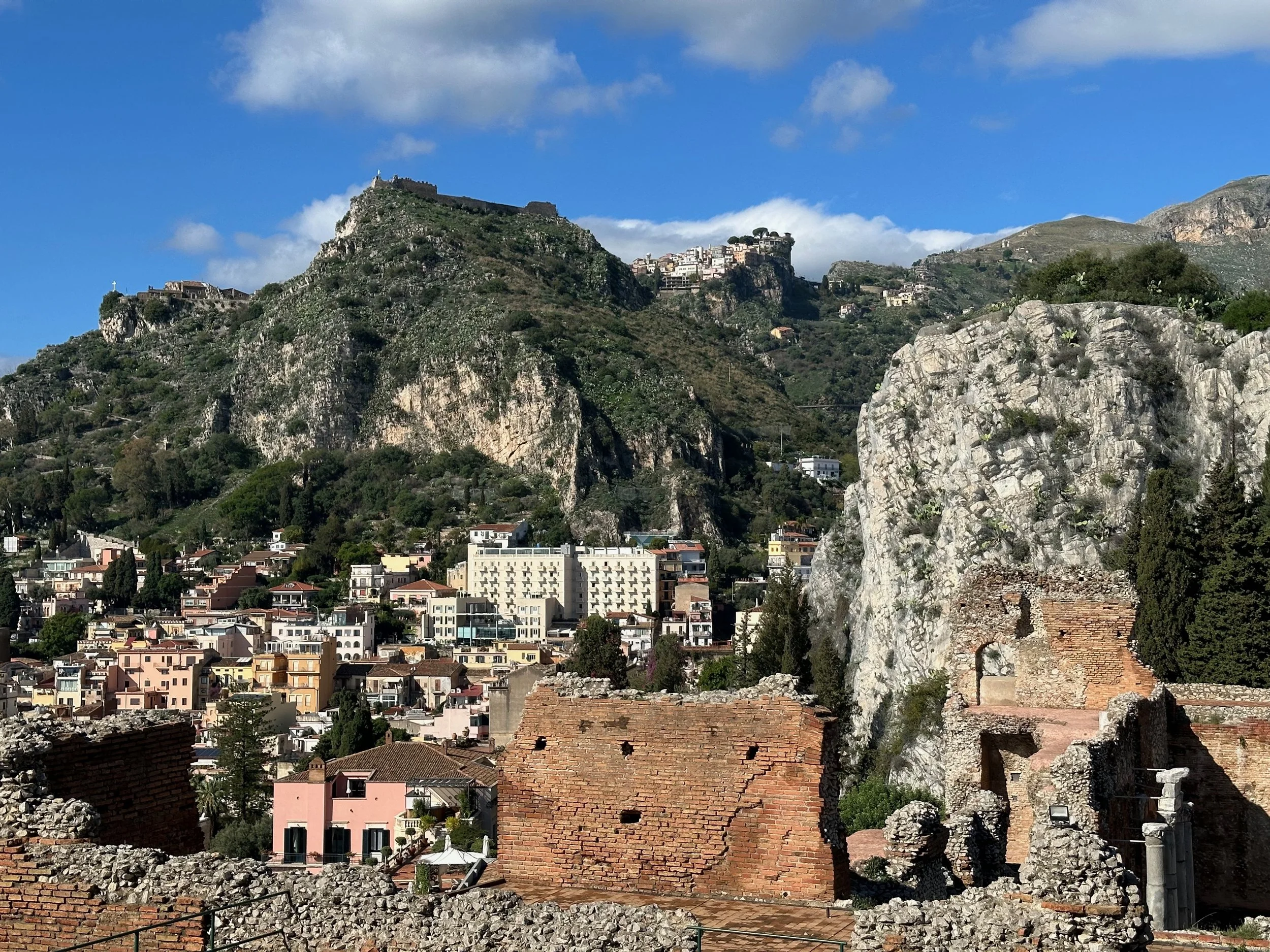
One of the draws for this location is the ancient Greek amphitheatre that is at the highest point in the town. Not exactly in pristine condition, it nonetheless was a wonder to look at and explore.
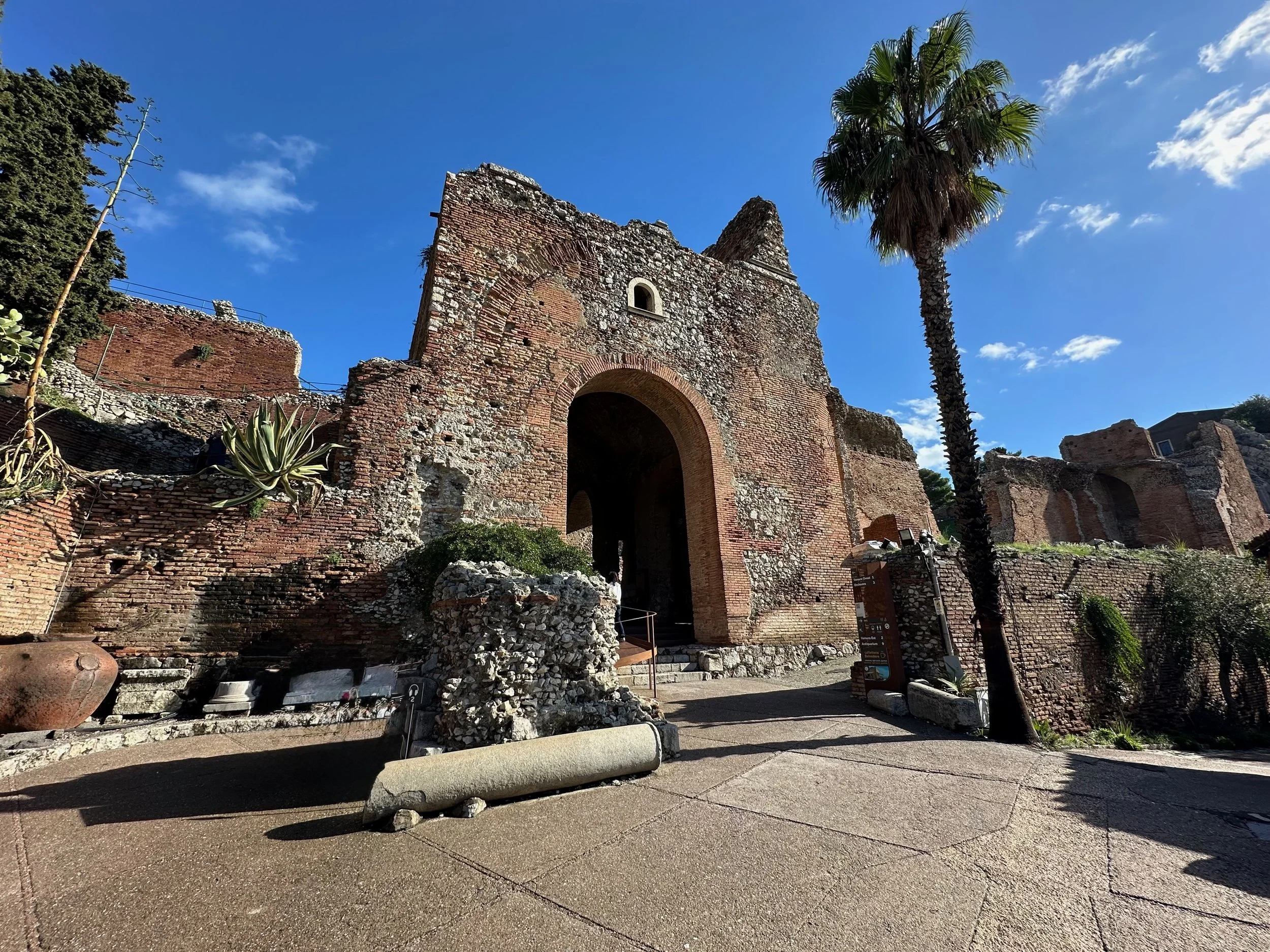
Ancient Theatre of Taormina. Built in the 3rd century BC by the Greeks, then rebuilt by the Romans. It’s still in use today and holds about 10,000 spectators.
A clear view of Mt. Etna.
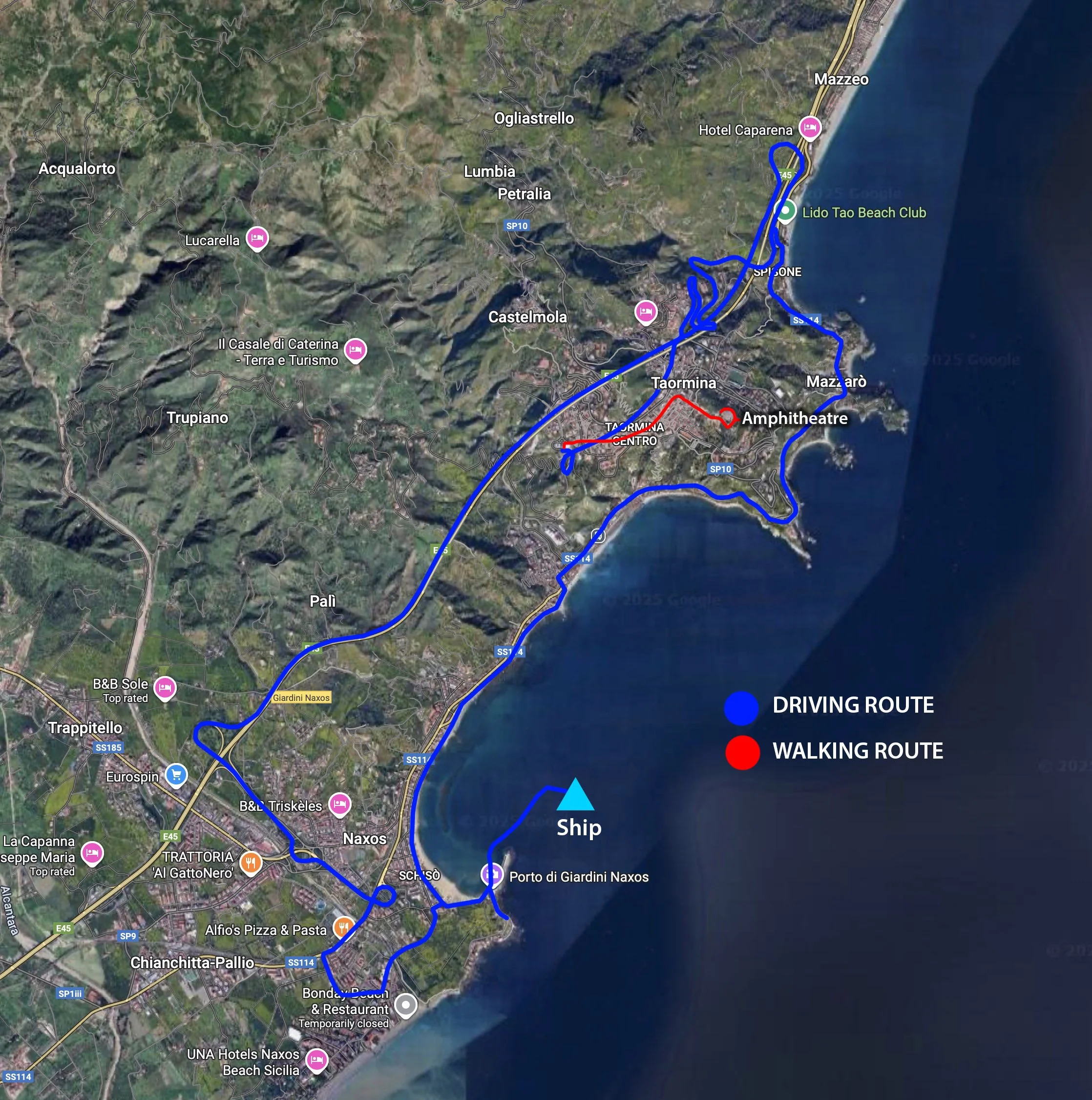
Arrival At Naxos, Sicily
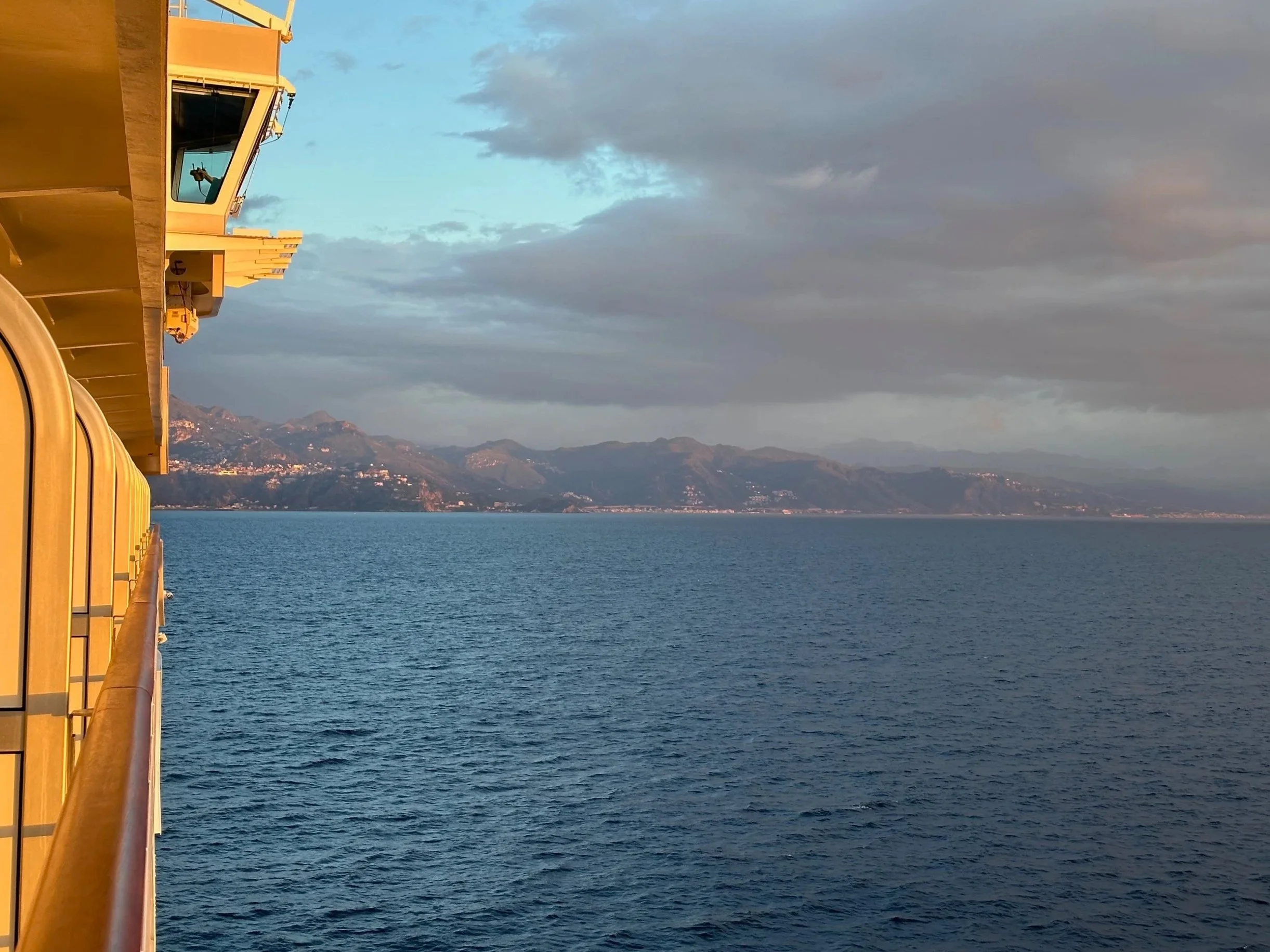
Our arrival on Sicily was at Naxos, the seaside town where we could disembark from the ship. But here, unfortunately, there was no facilities for the ship to dock at. So the the ship had to anchor out in the bay and then transport everyone to shop using the ship’s lifeboats as tenders. Once on shore, we could board the bus for the trip up the mountain to Taormina. Of course the striking thing about this location from the sea was the presence of Mt. Etna, and the steam coming out of its top. At first glance you think it’s clouds, but after magnification one can see the “clouds” coming out of the summit.
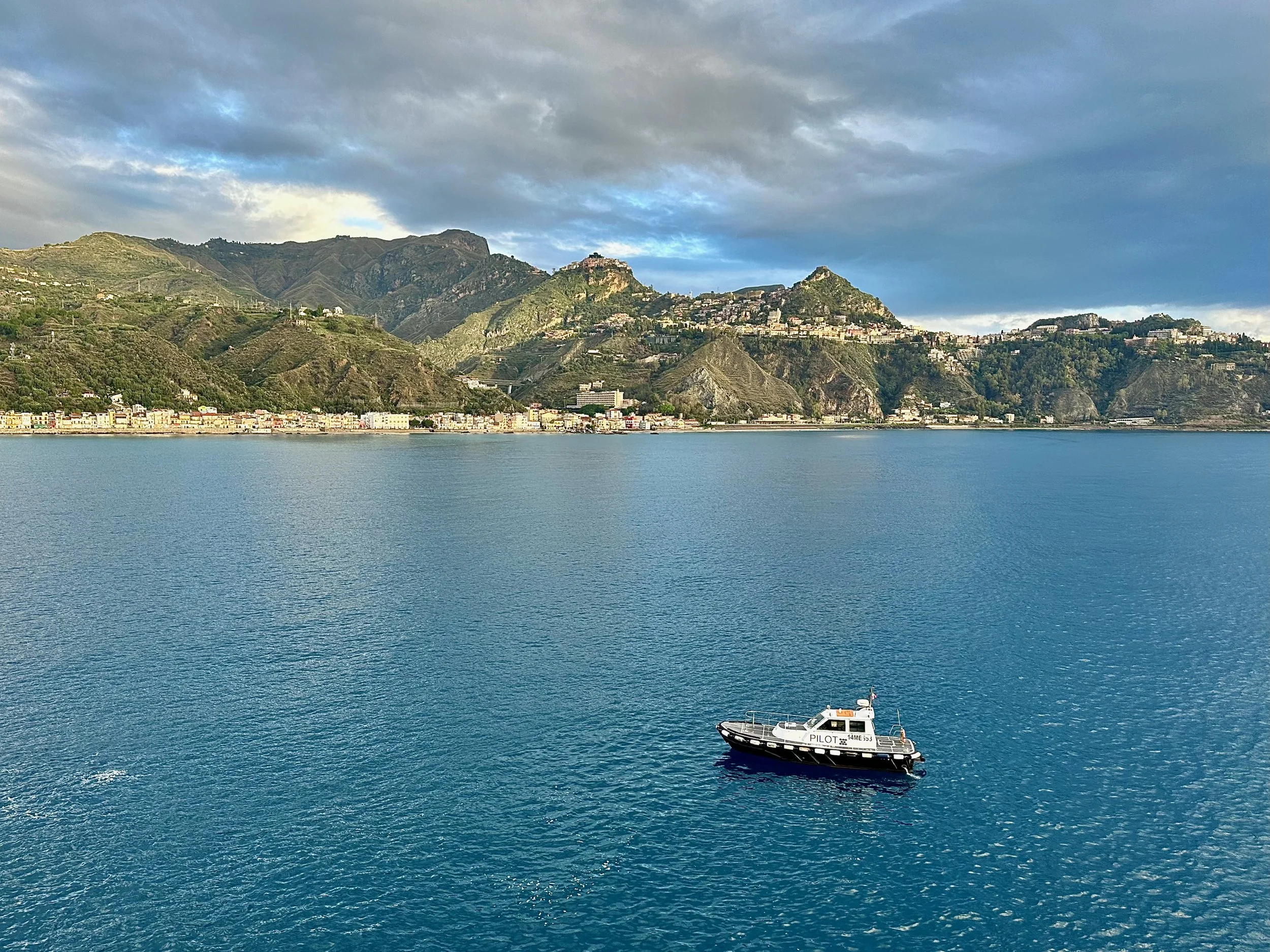
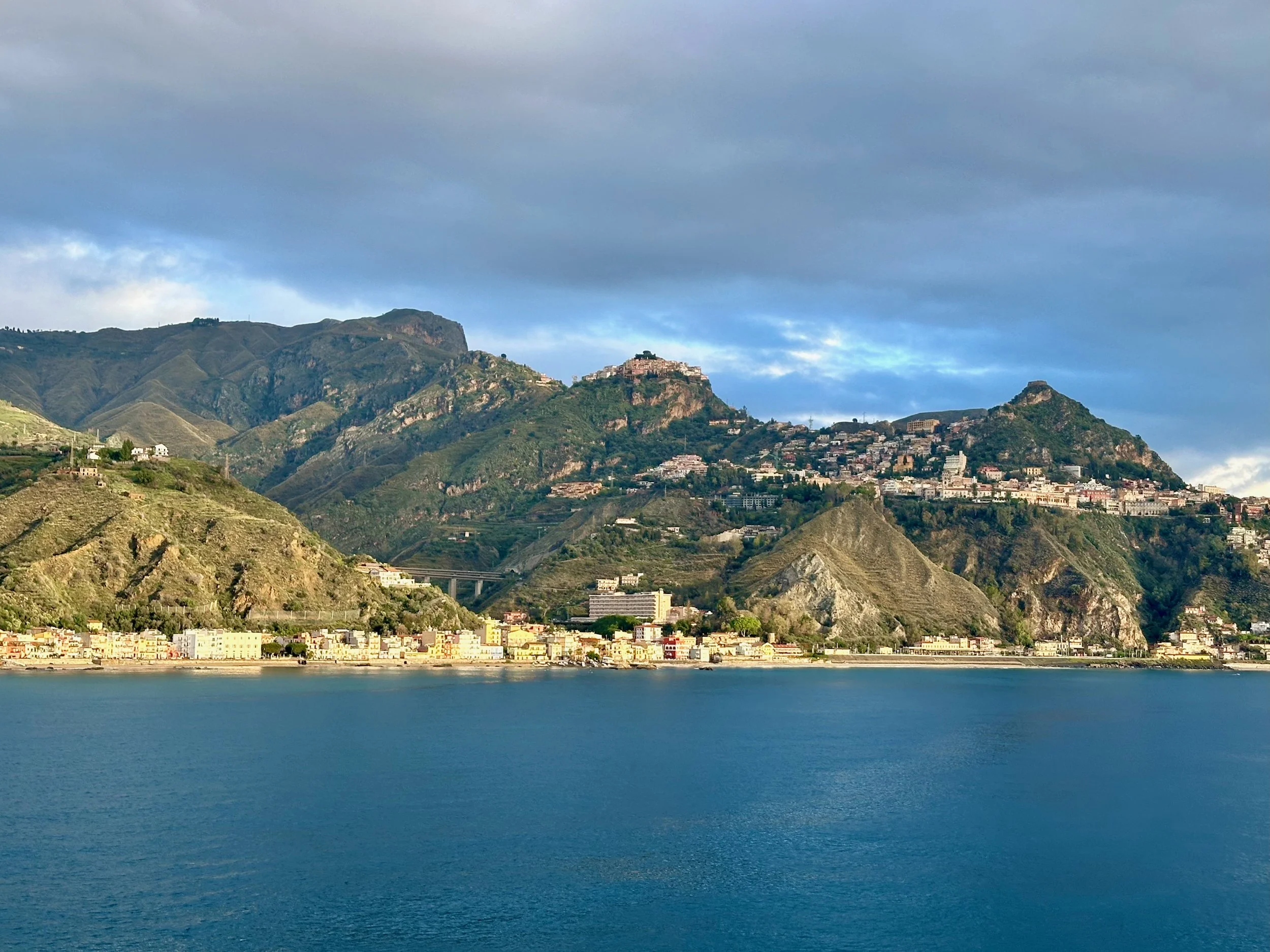
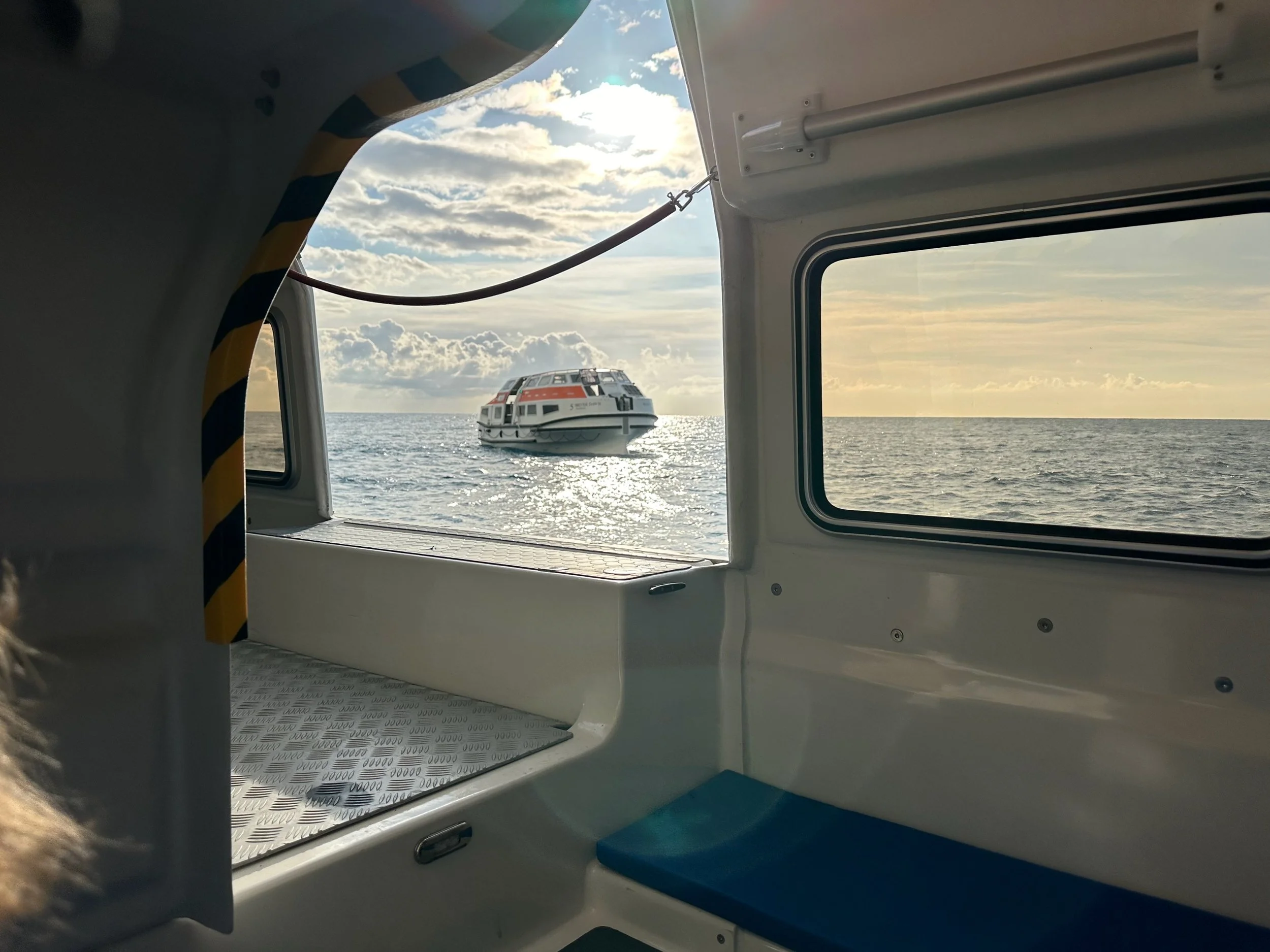
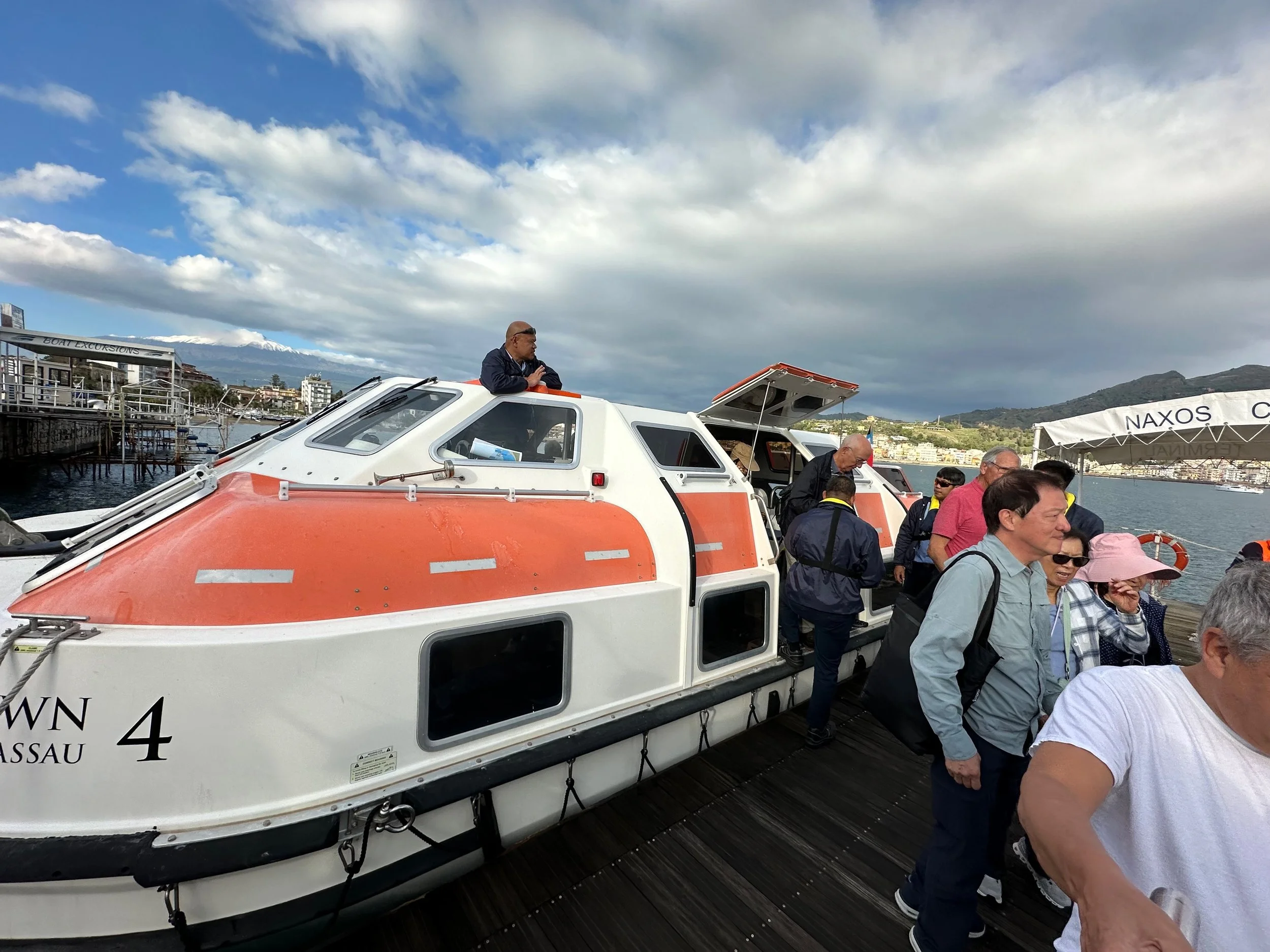
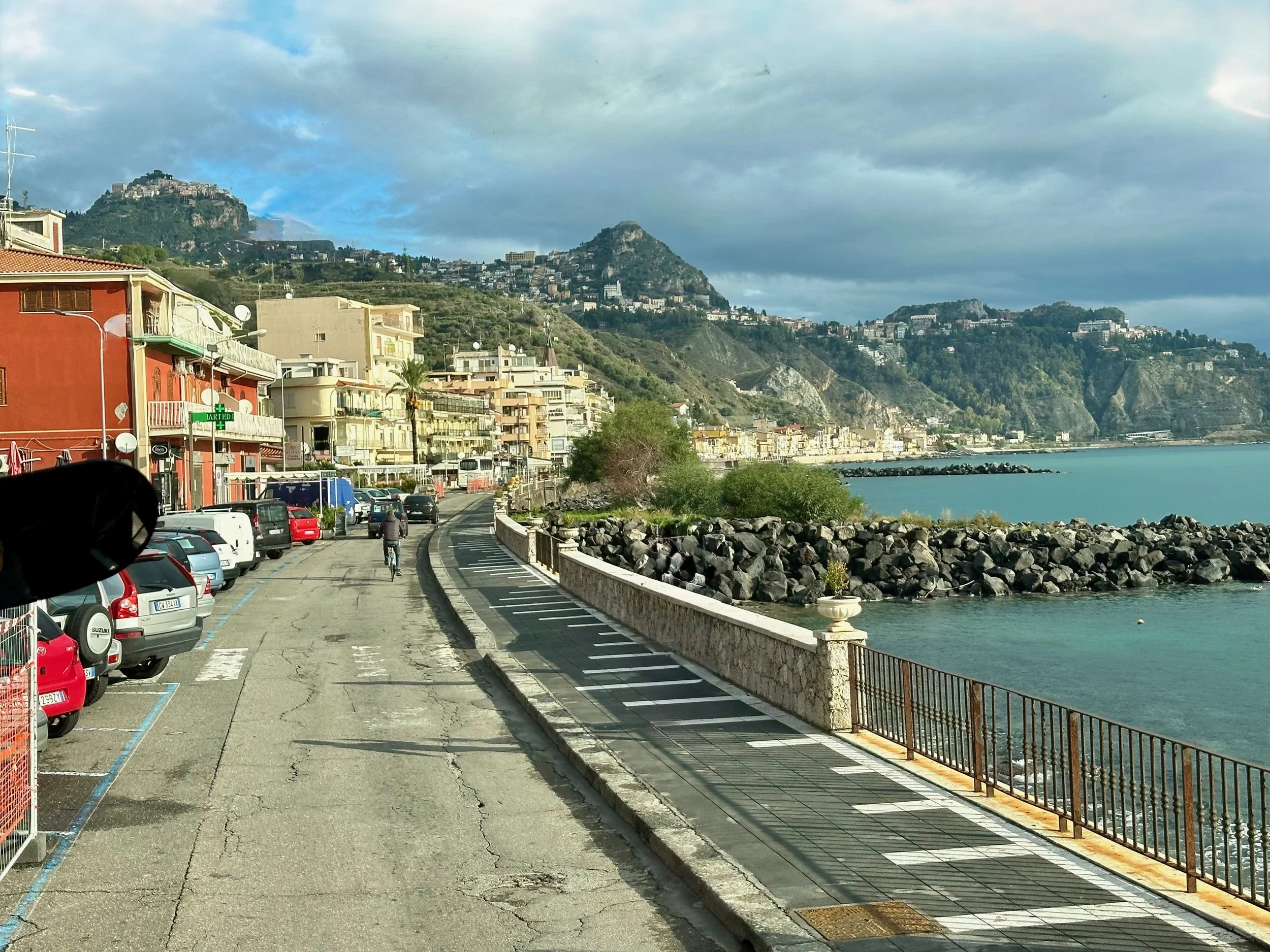
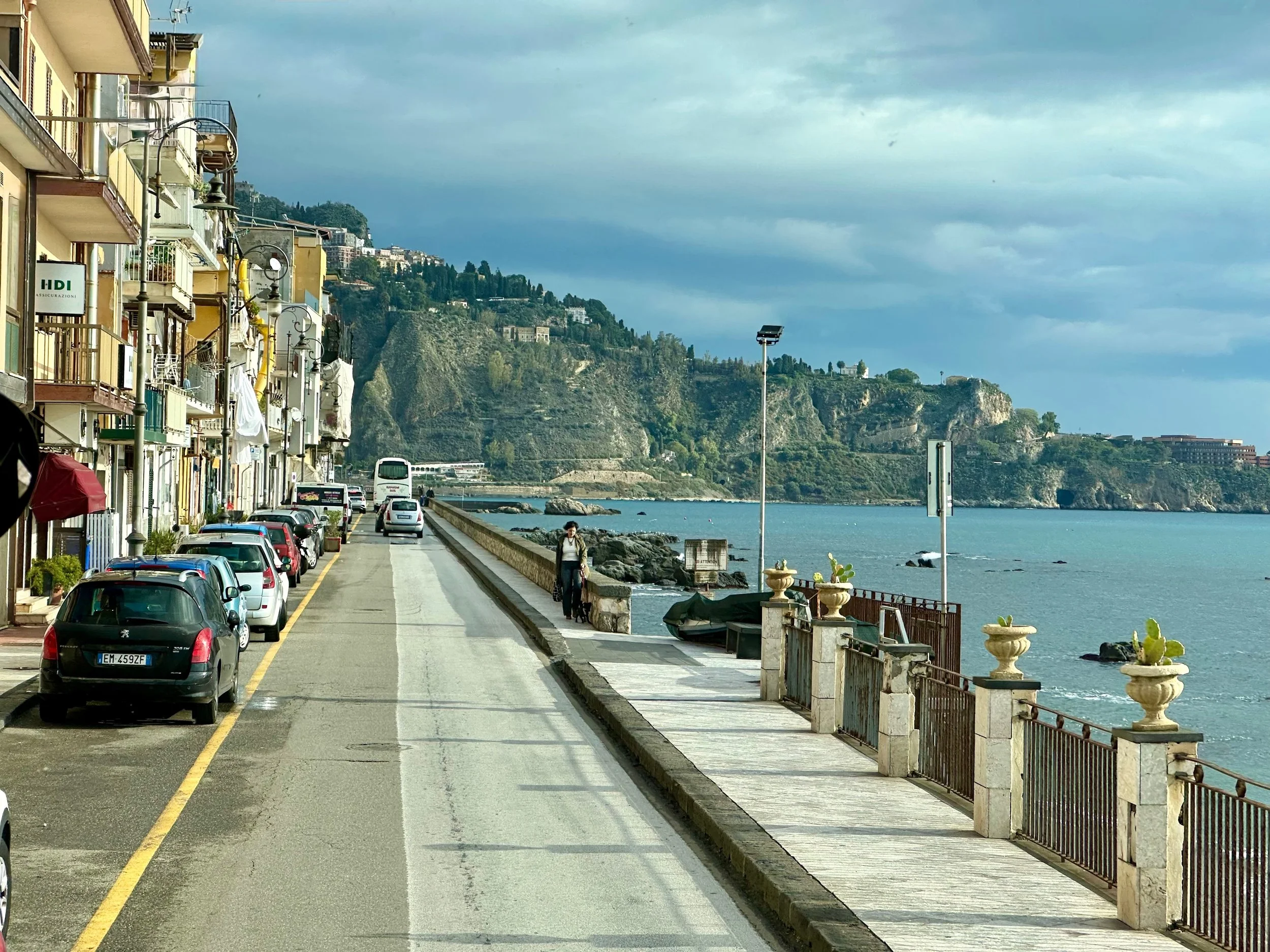
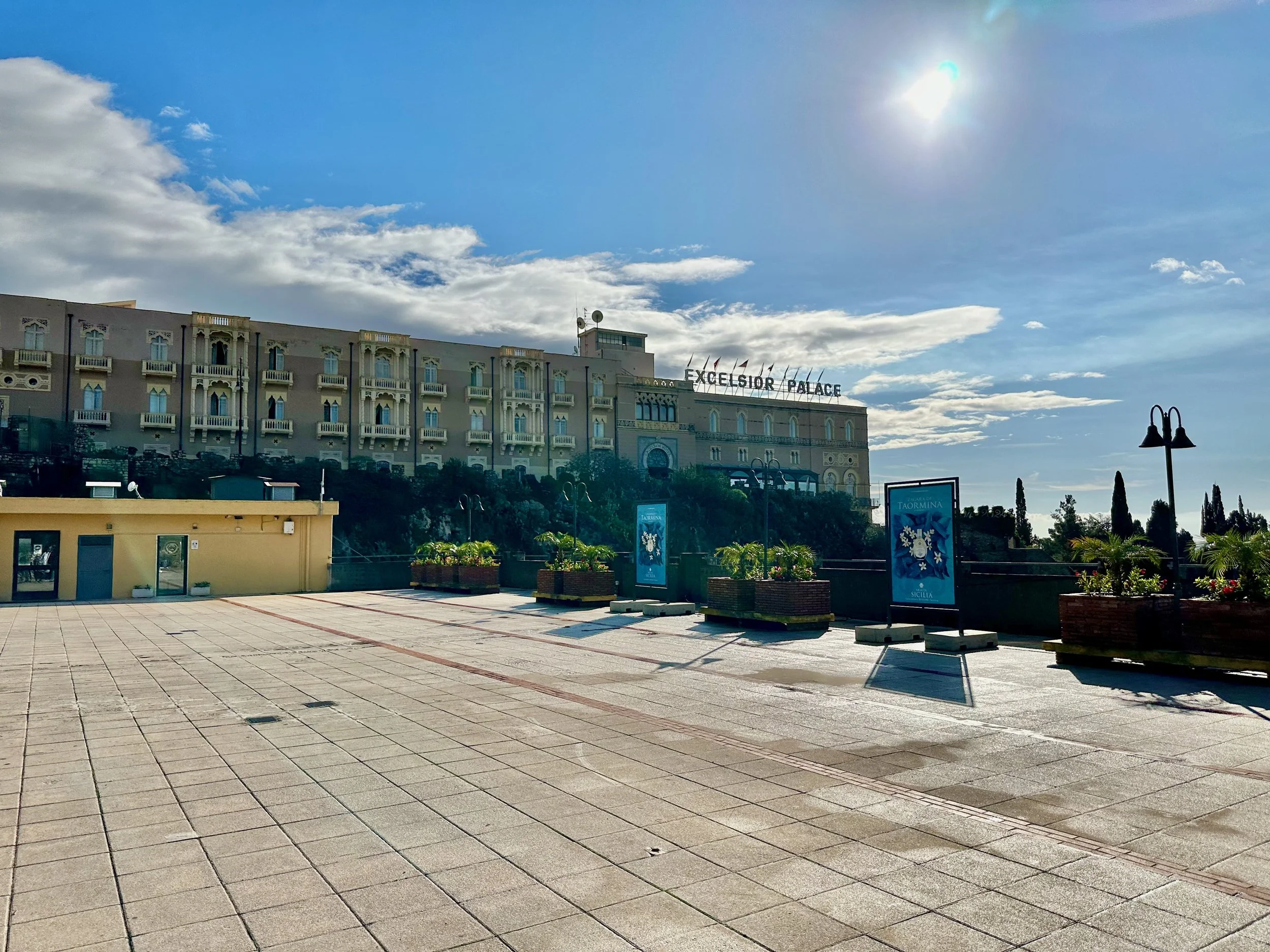
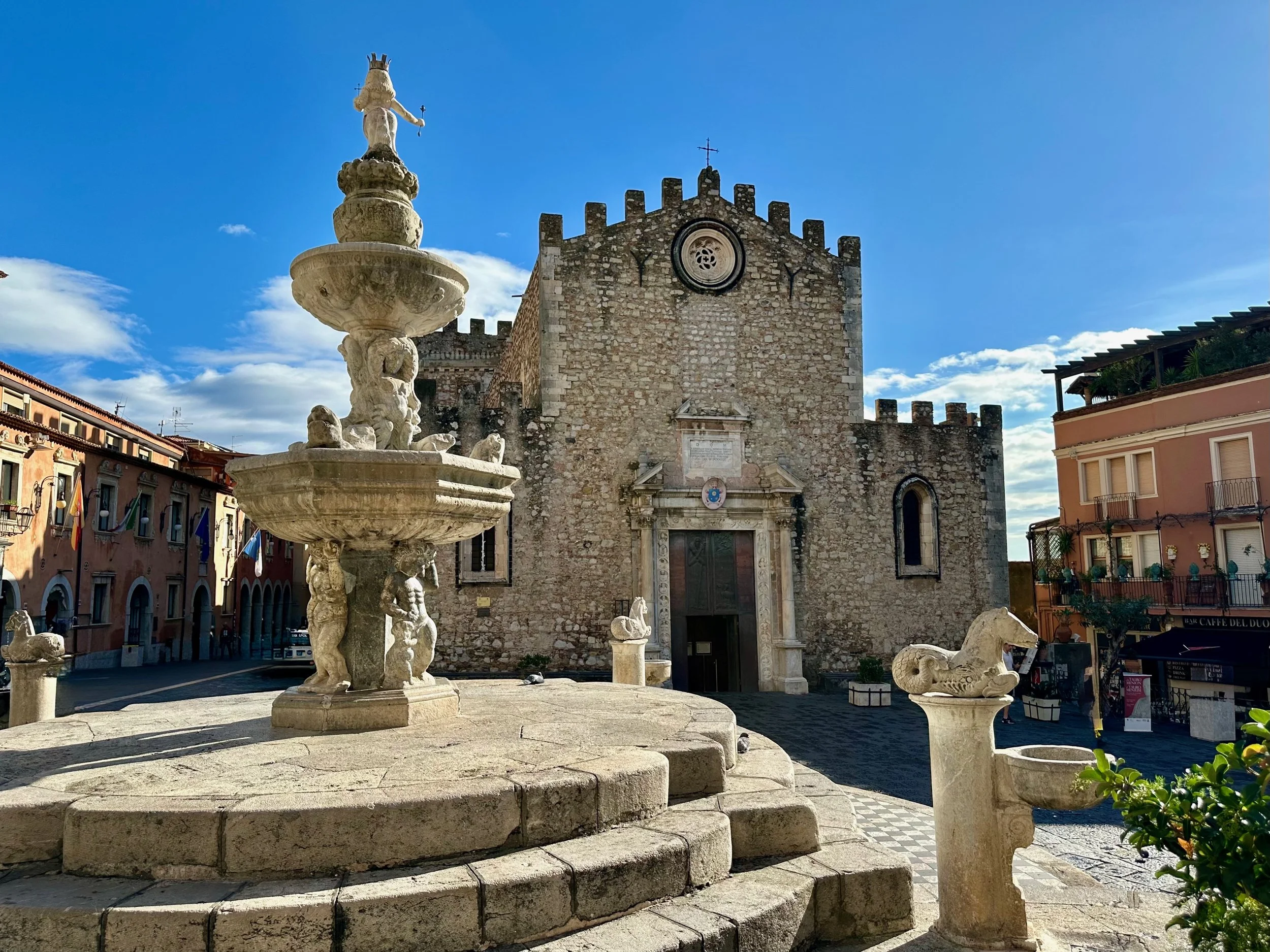
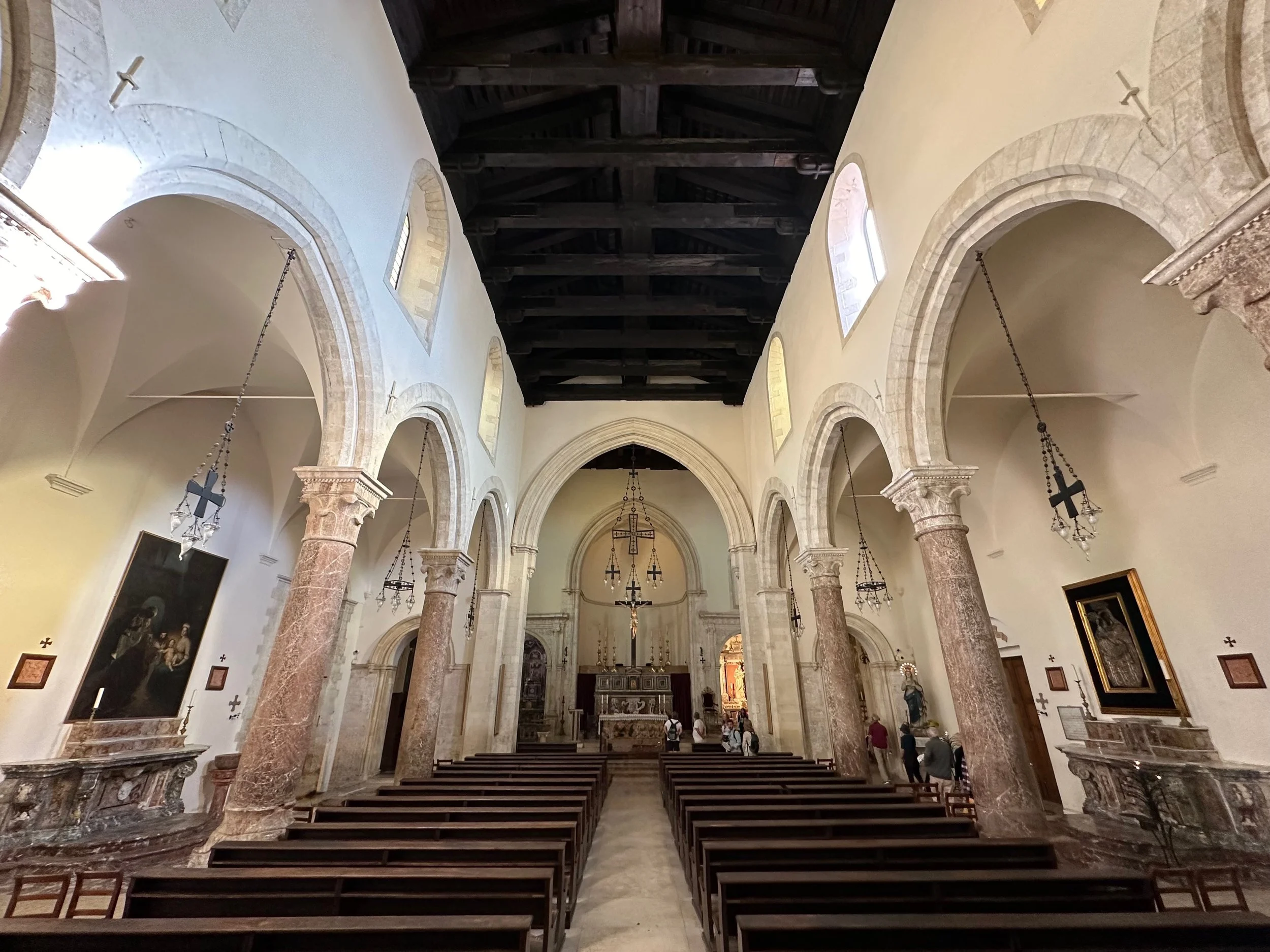
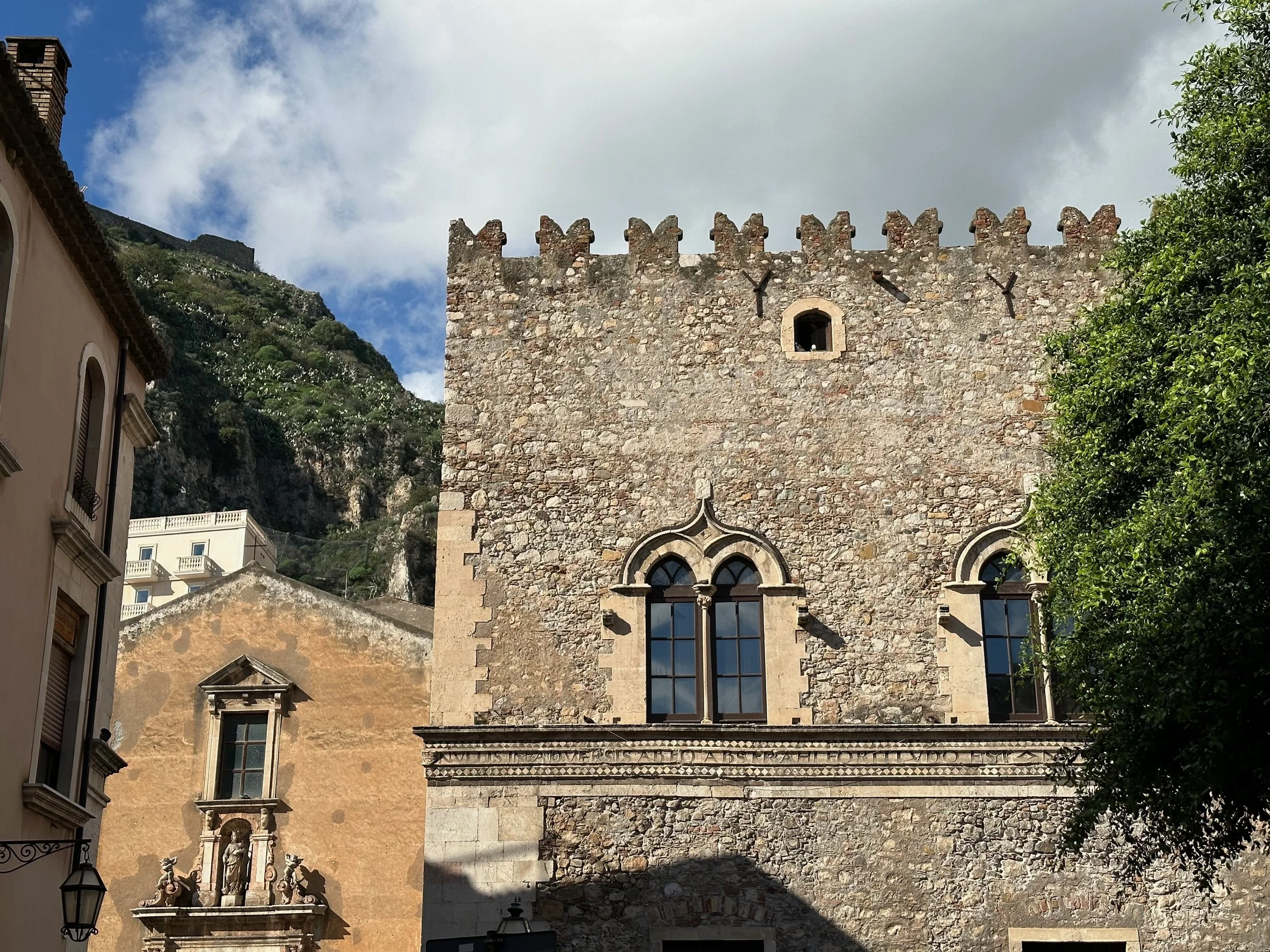
A dominant feature that’s front and centre when entering Taormina is this humble church, the Duomo di Taormina, also know as Cattedrale di San Nicolo di Bari.
Taormina, on Mt. Taurus
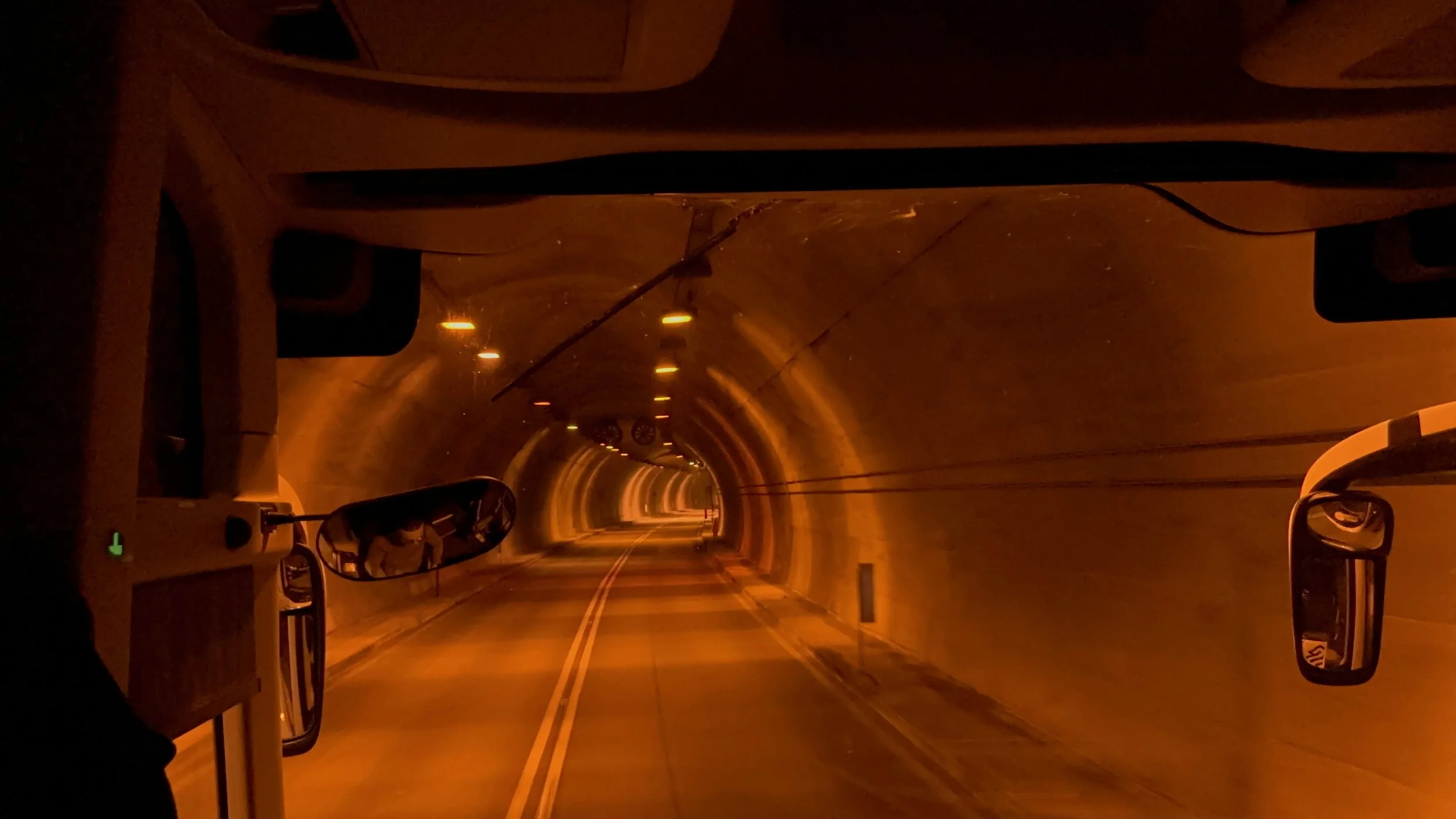
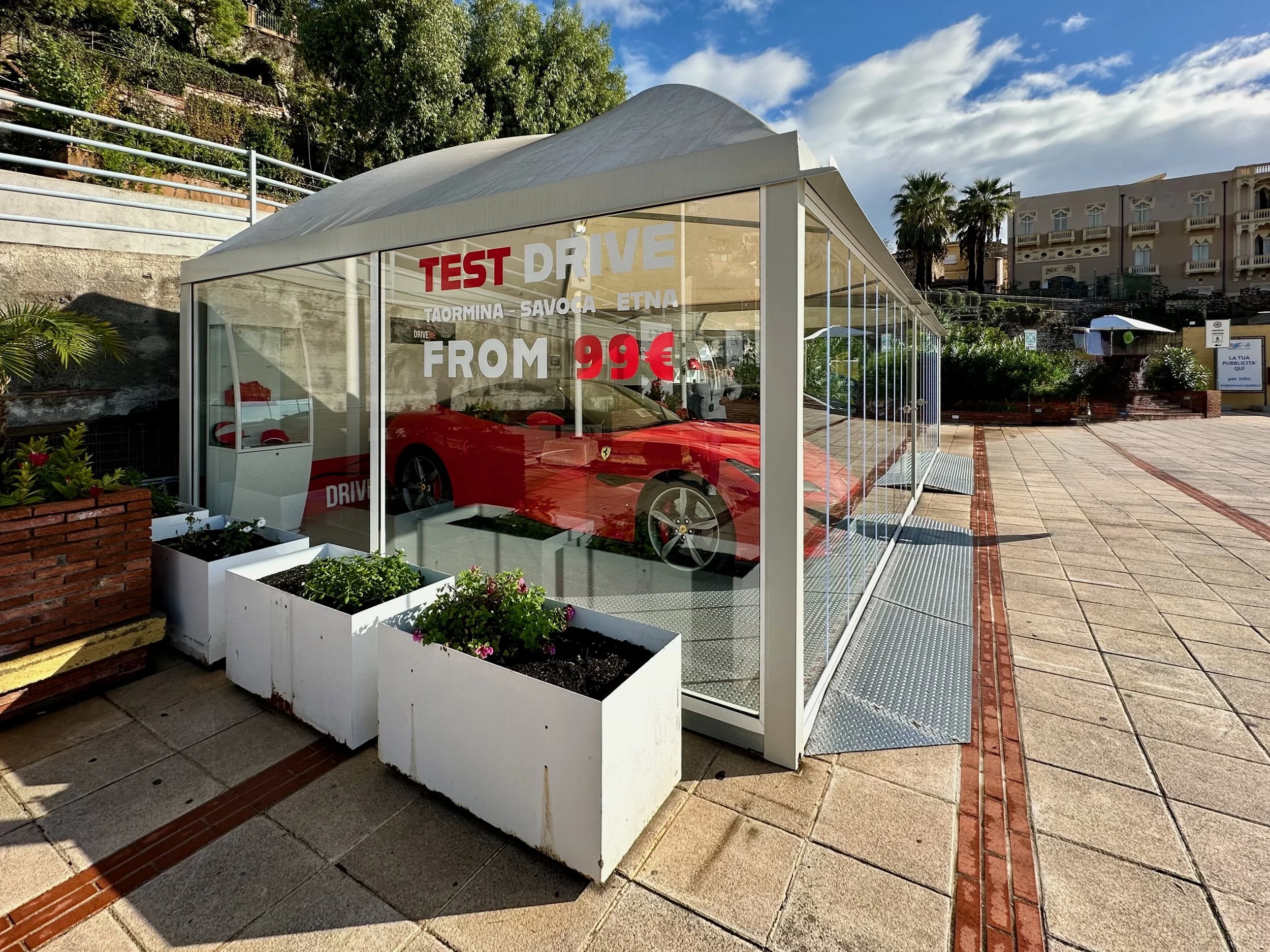
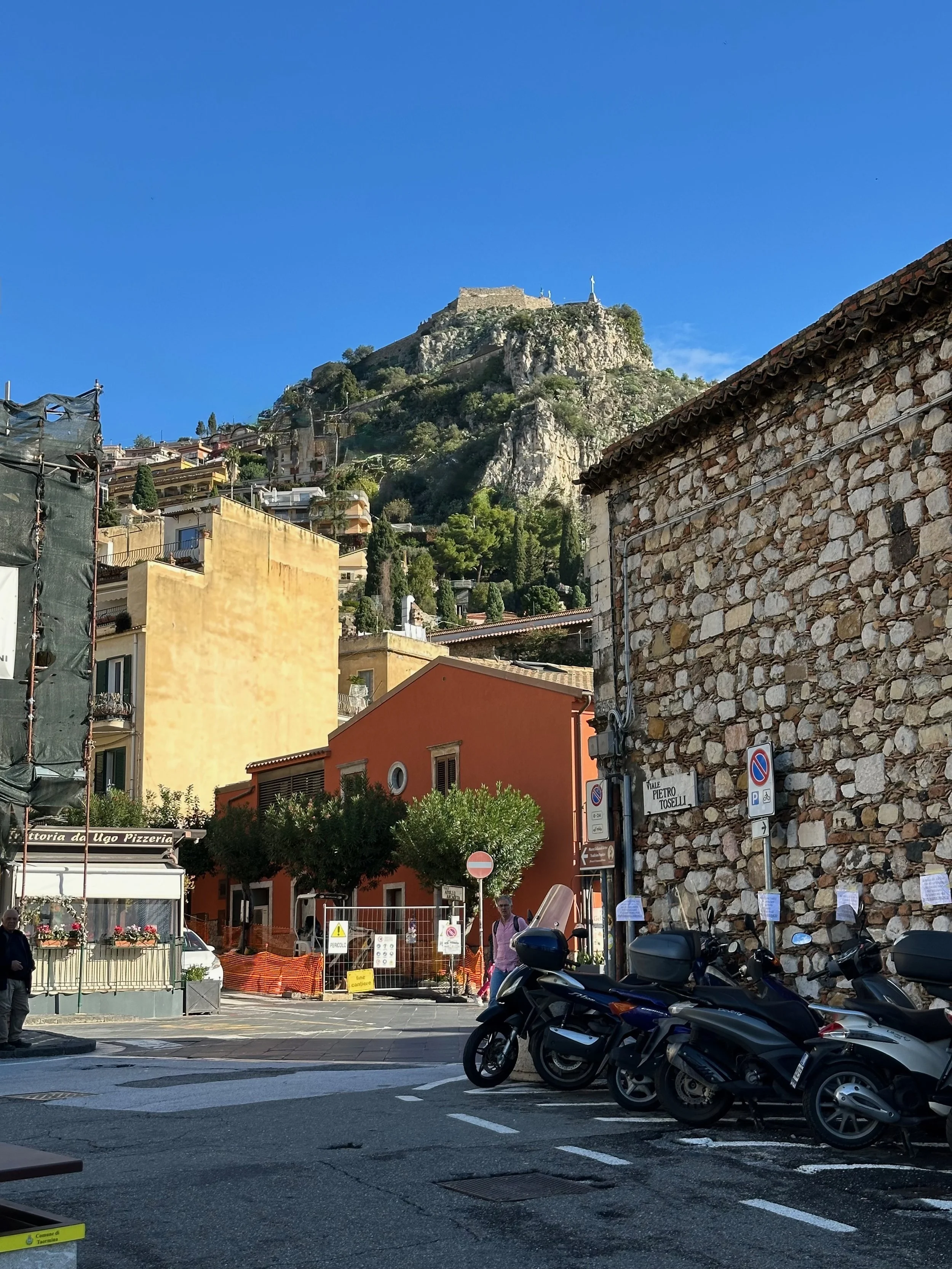
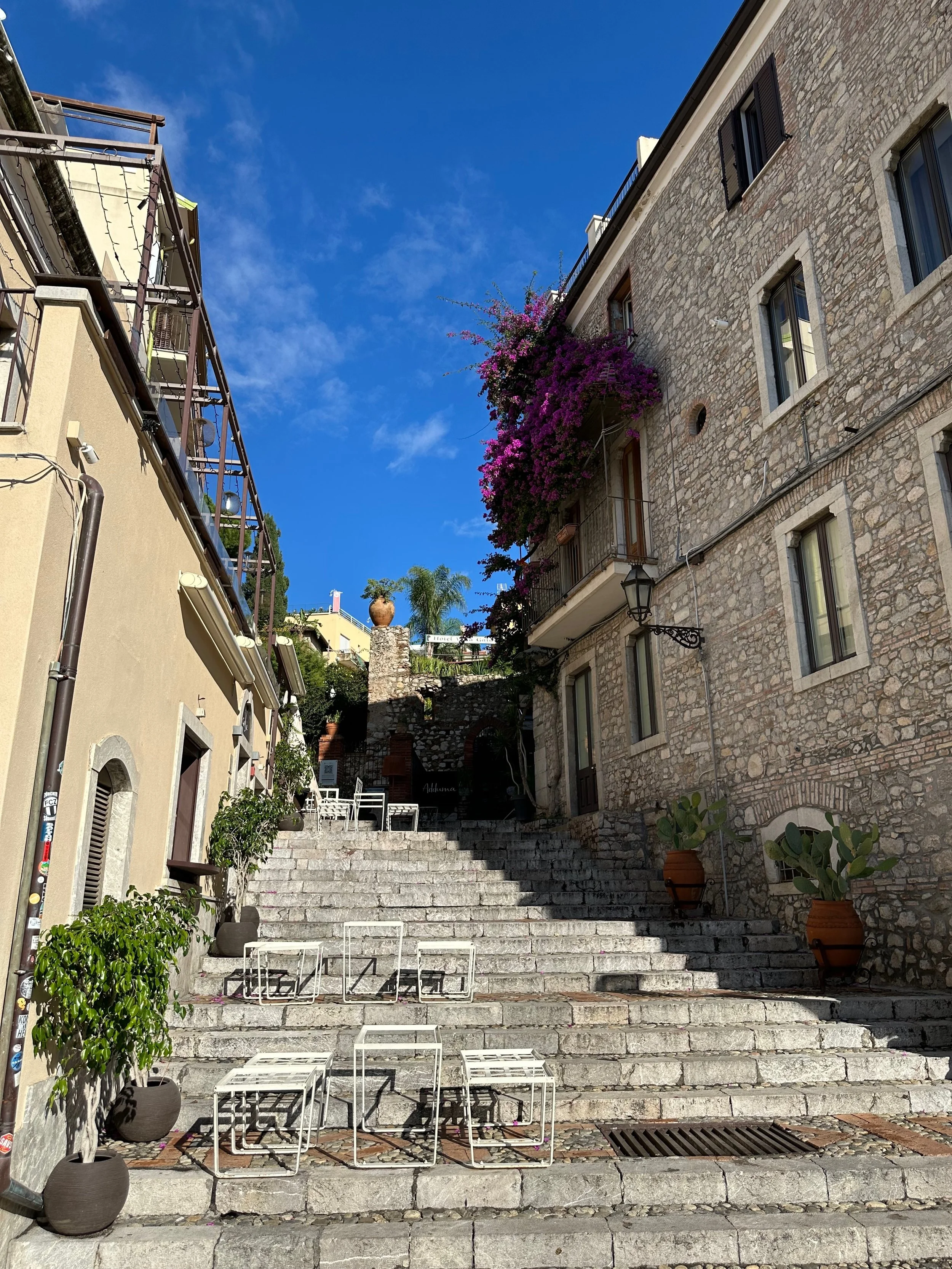
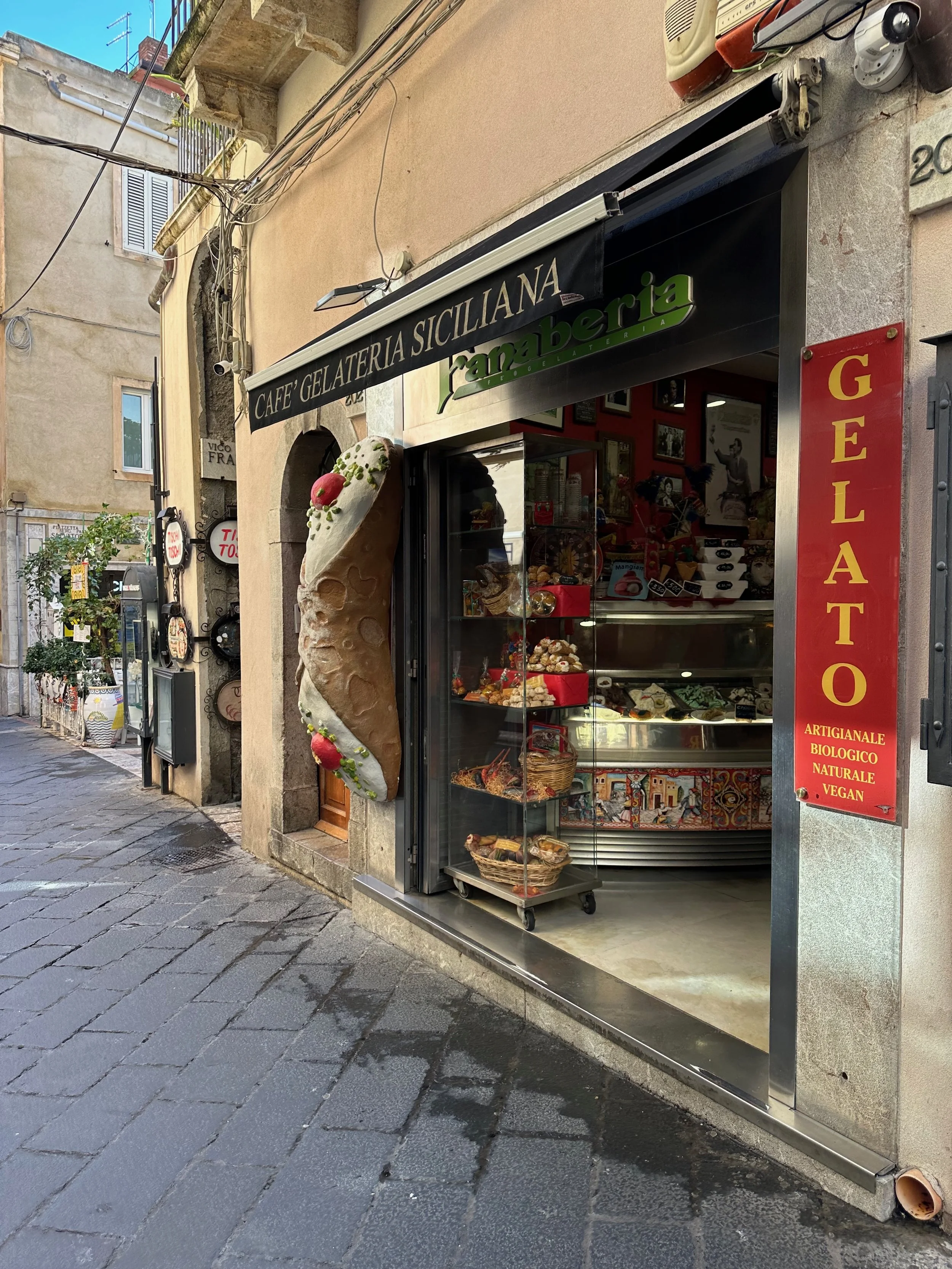
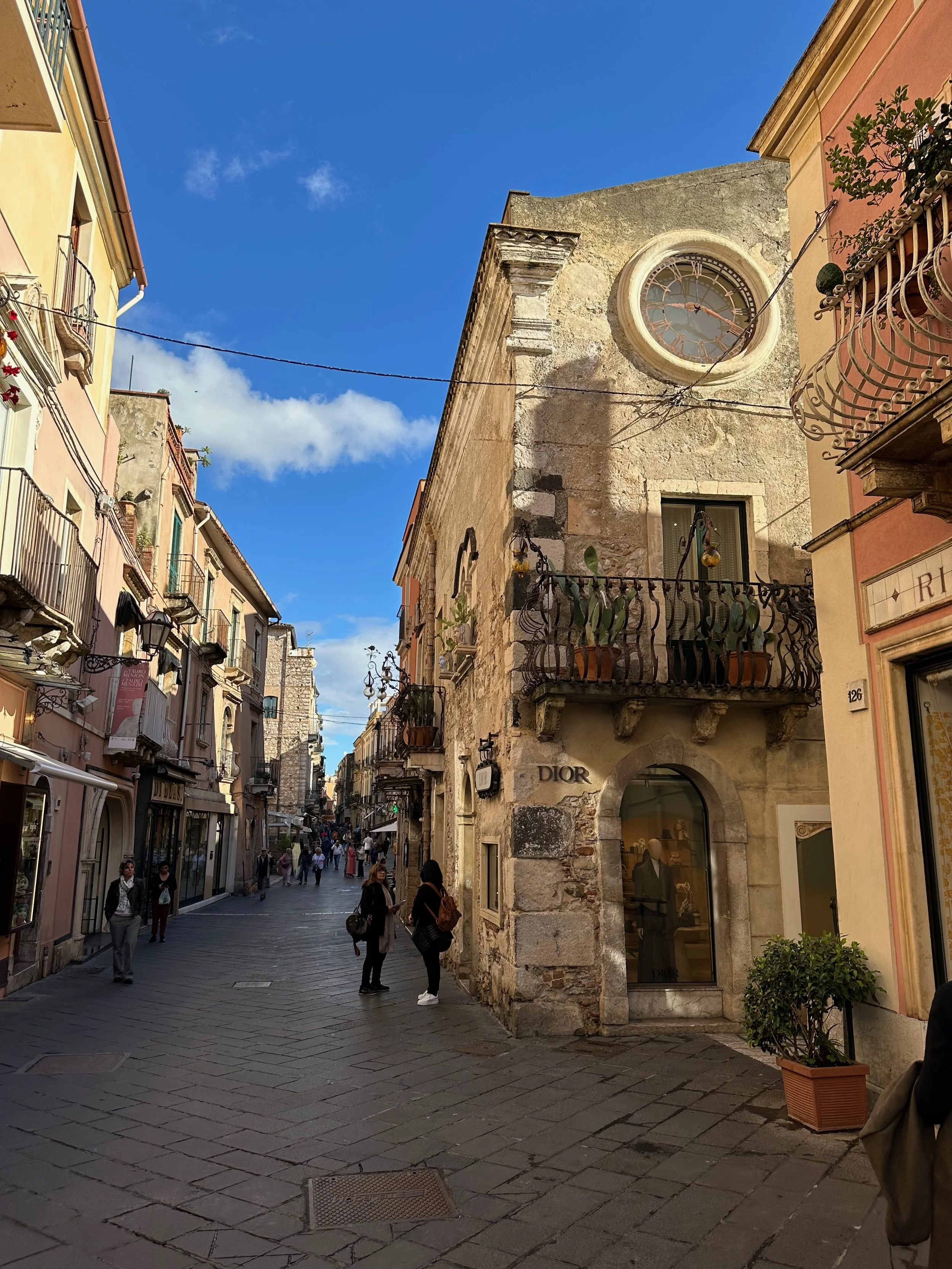
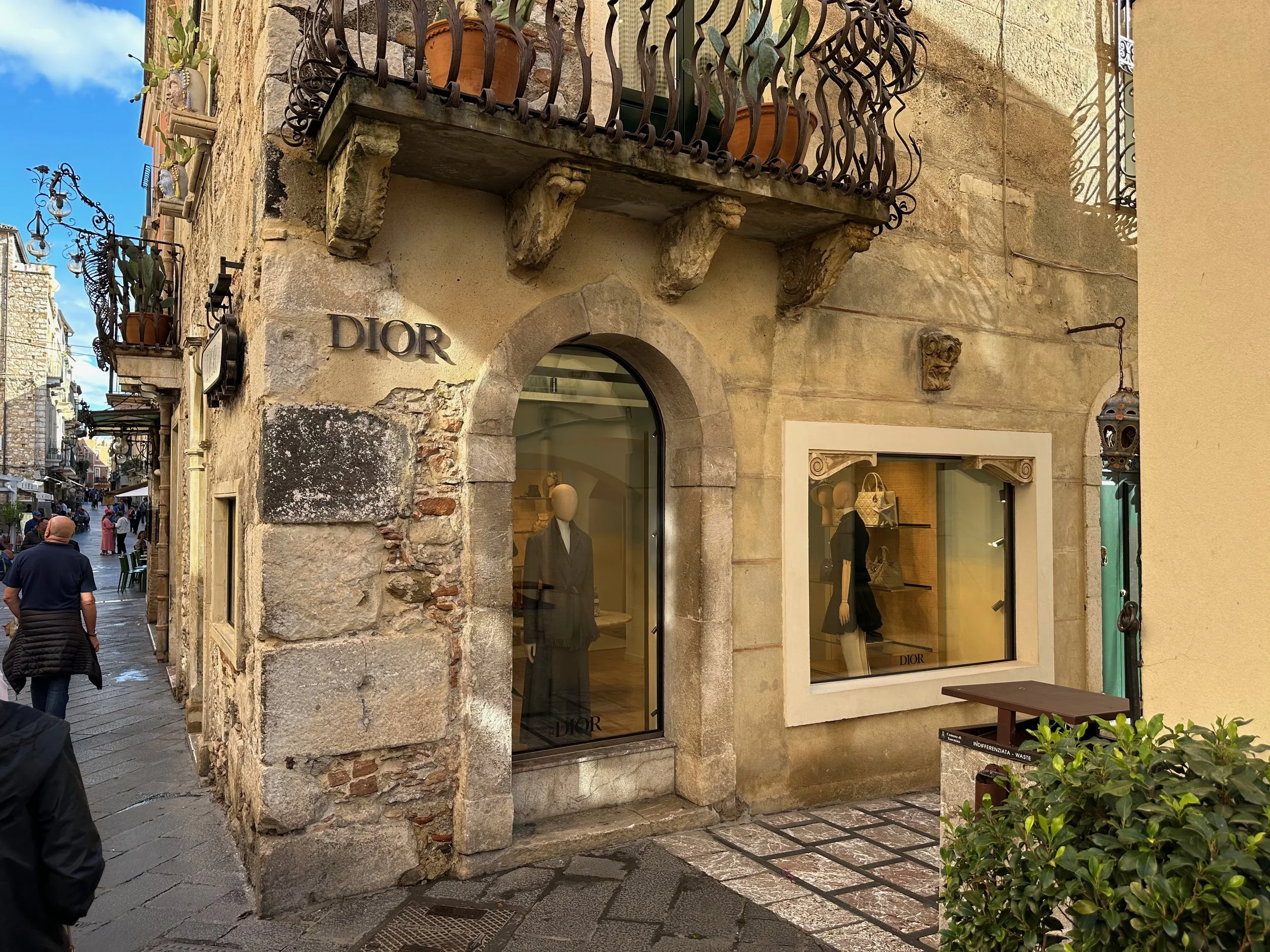
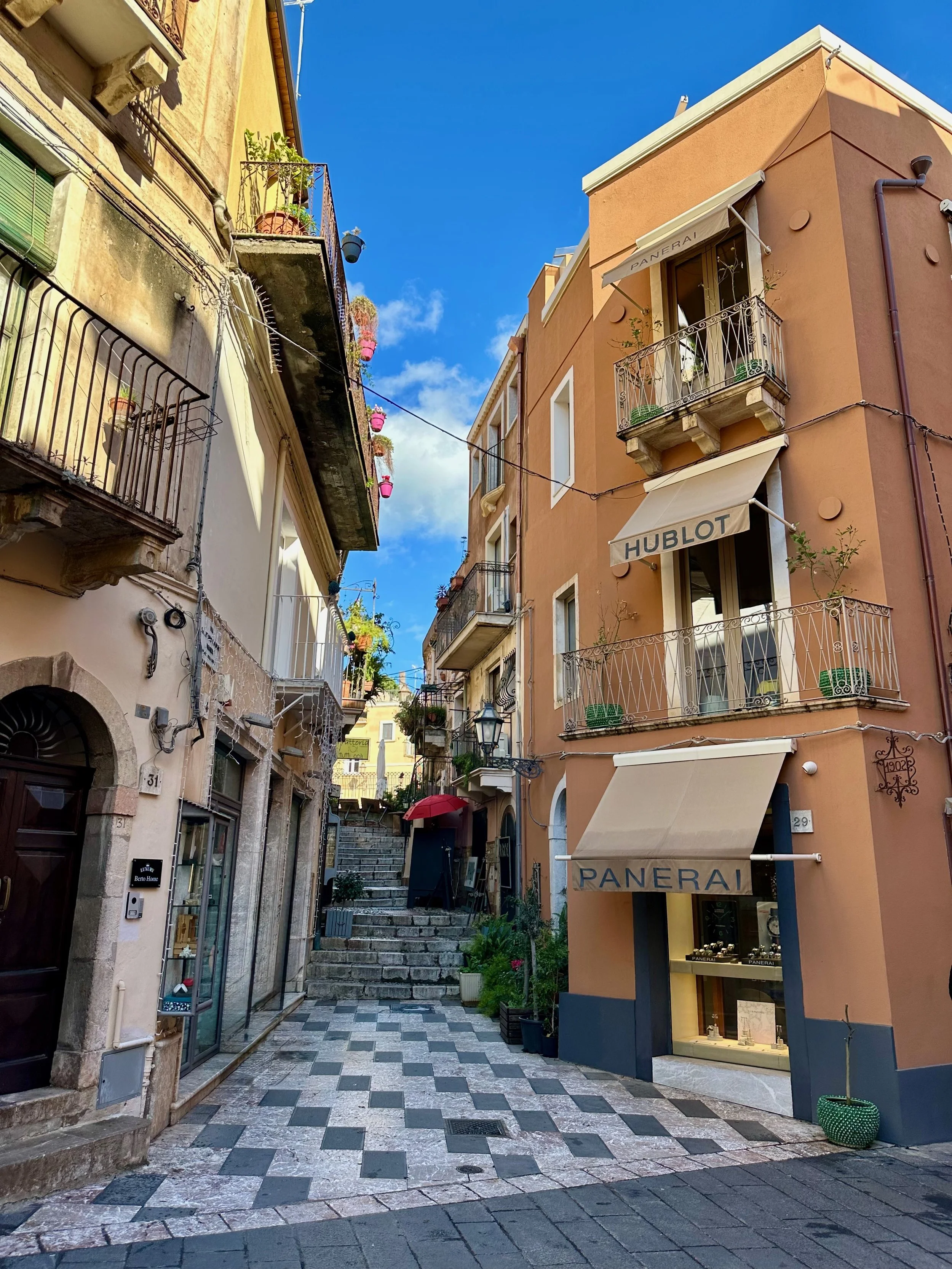
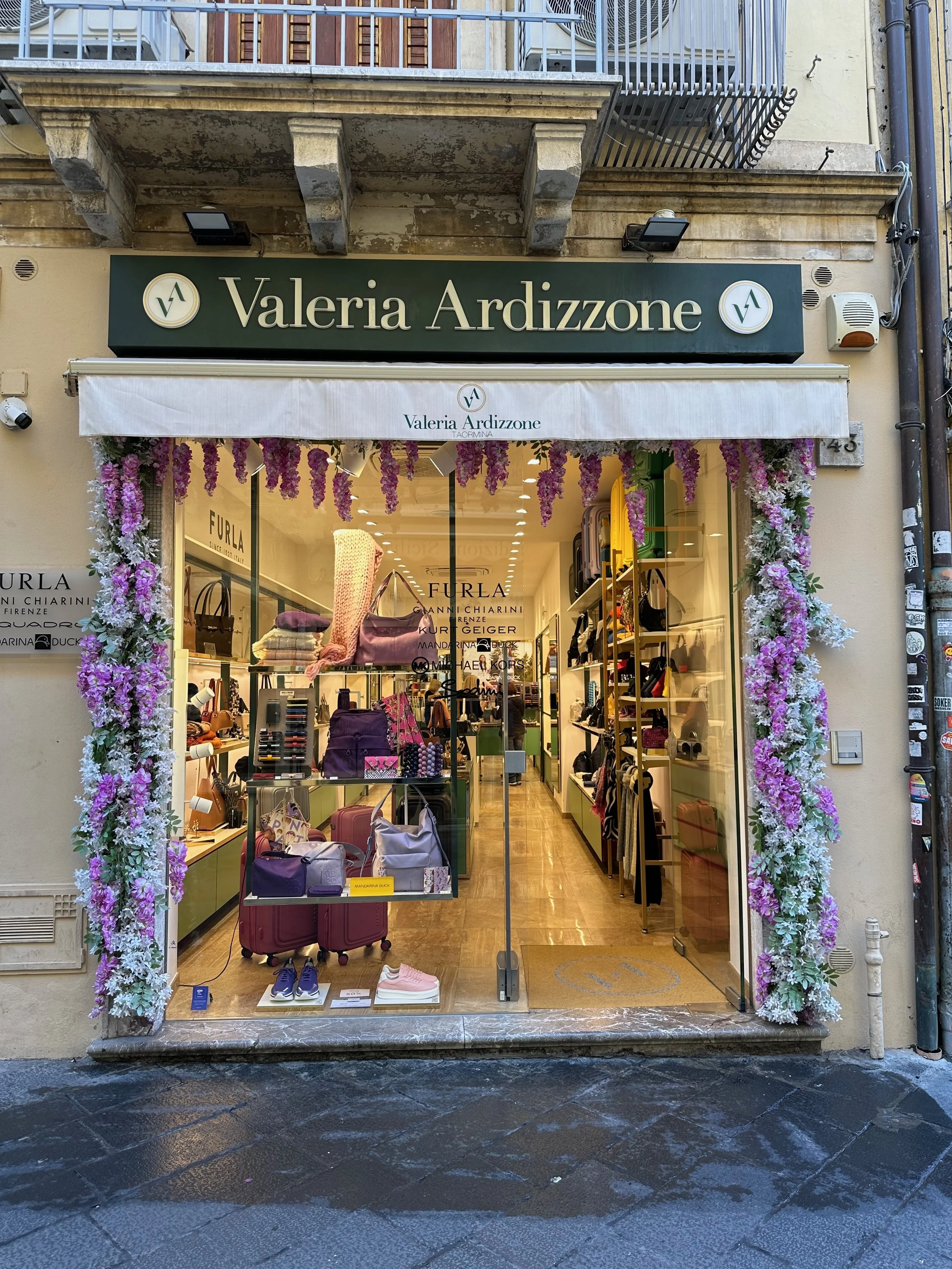
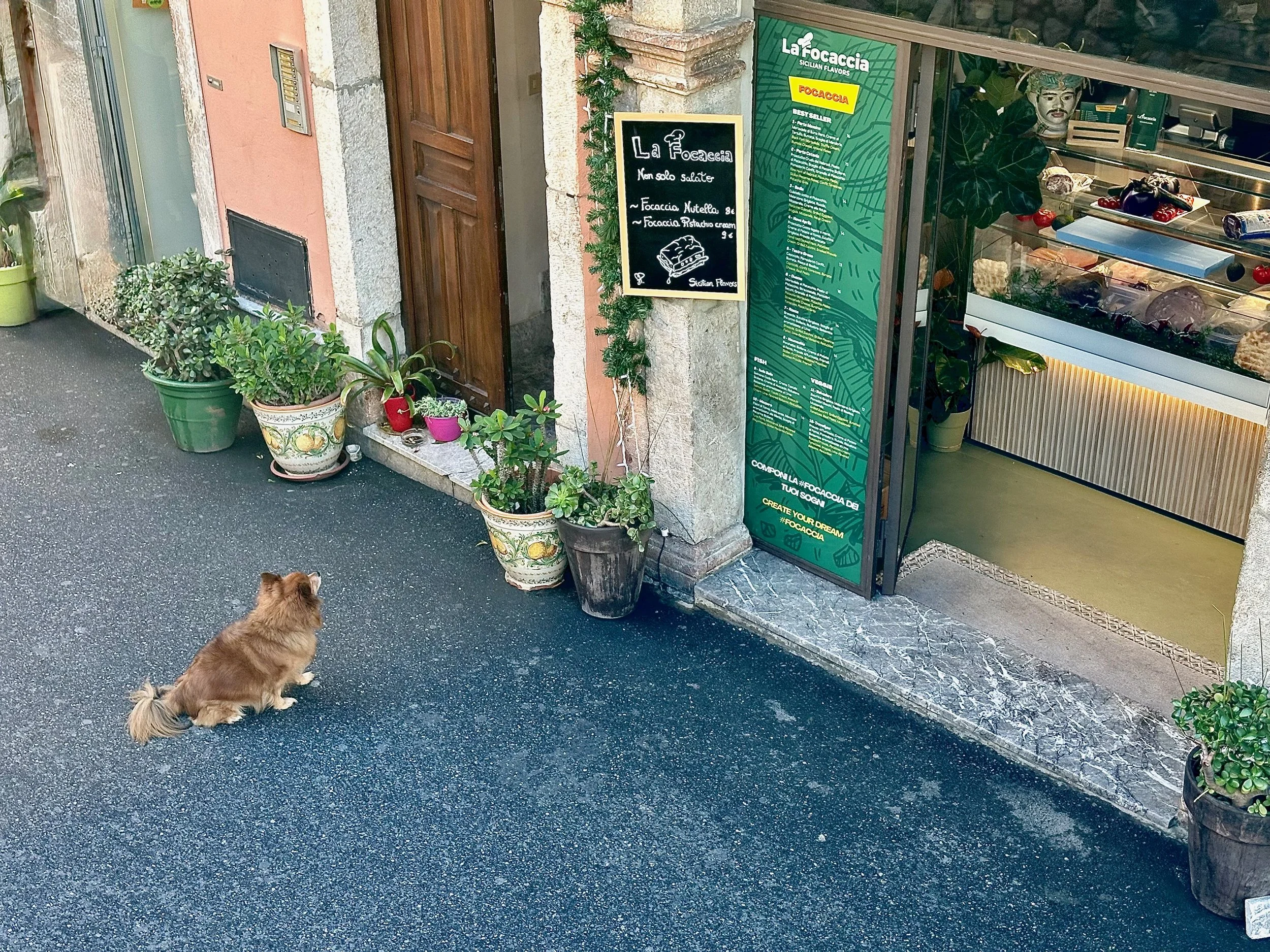
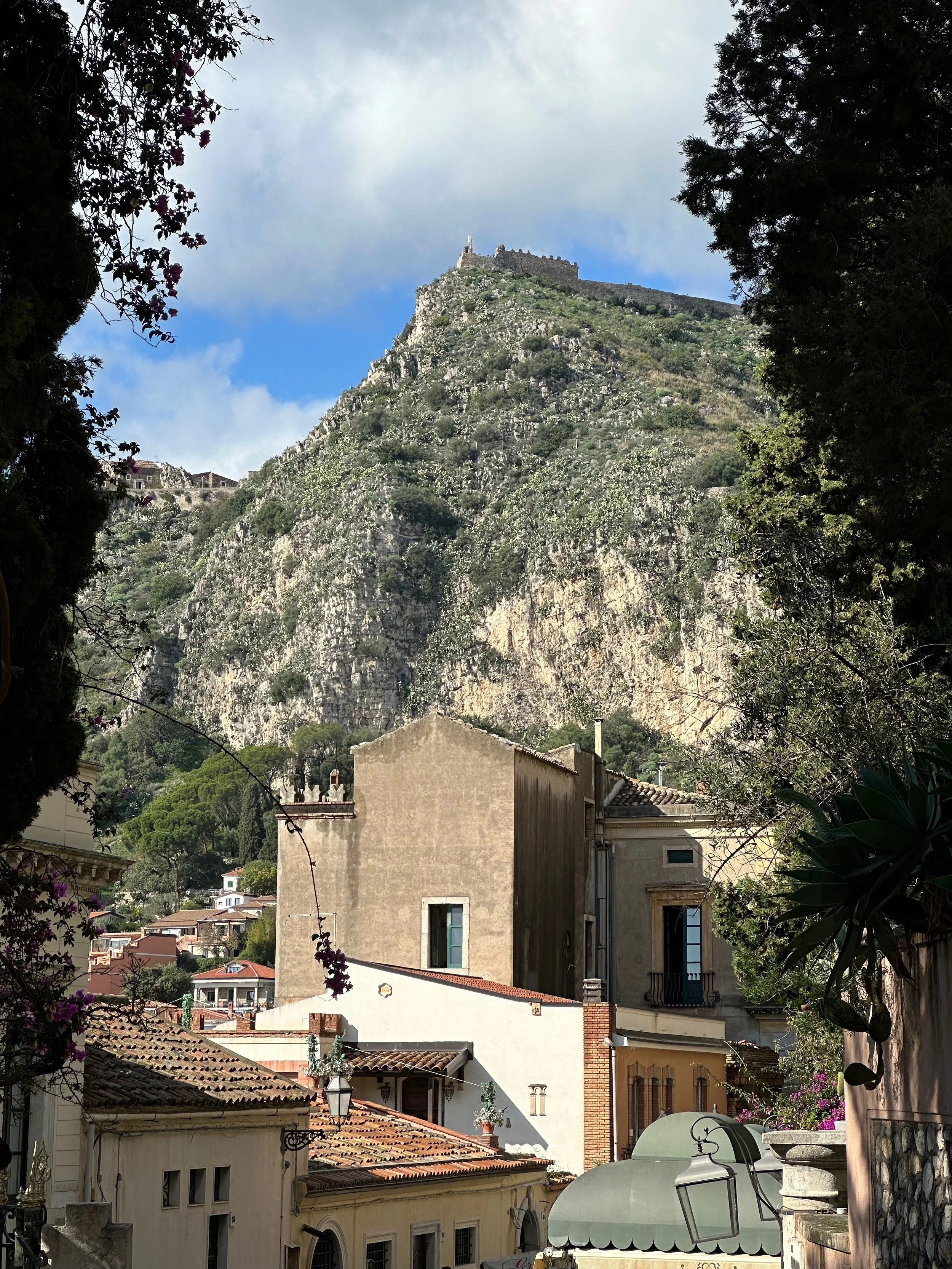
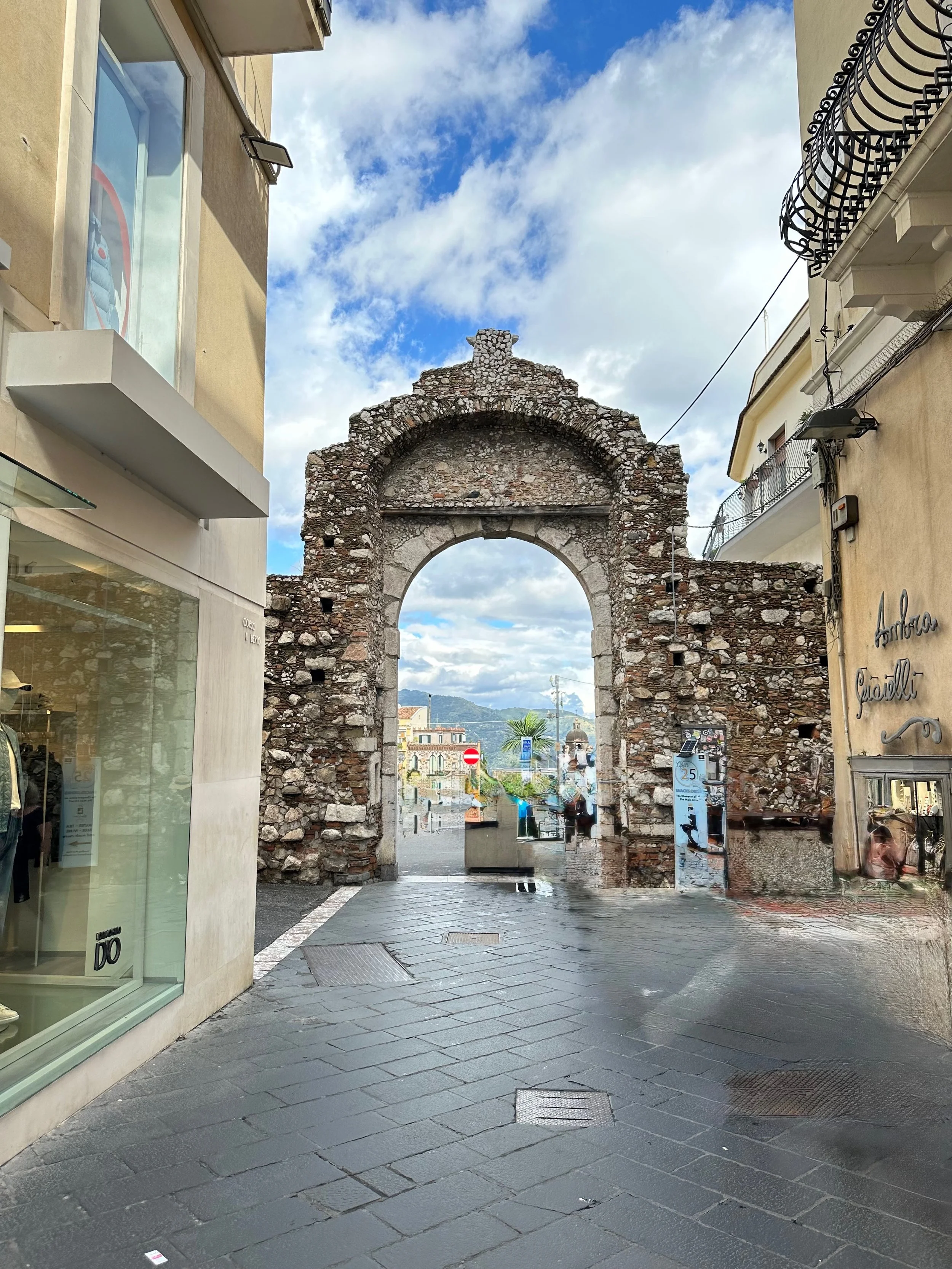
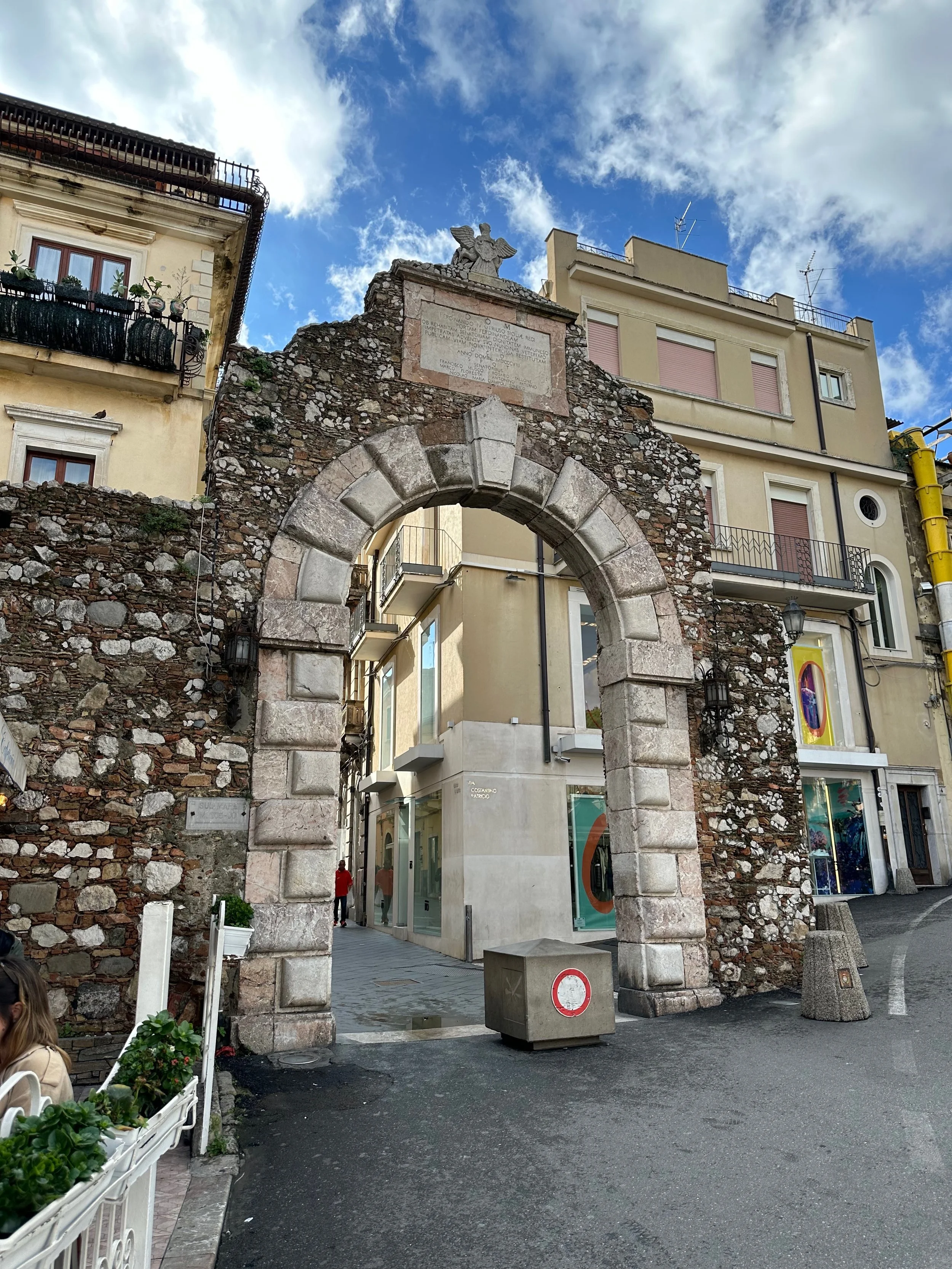
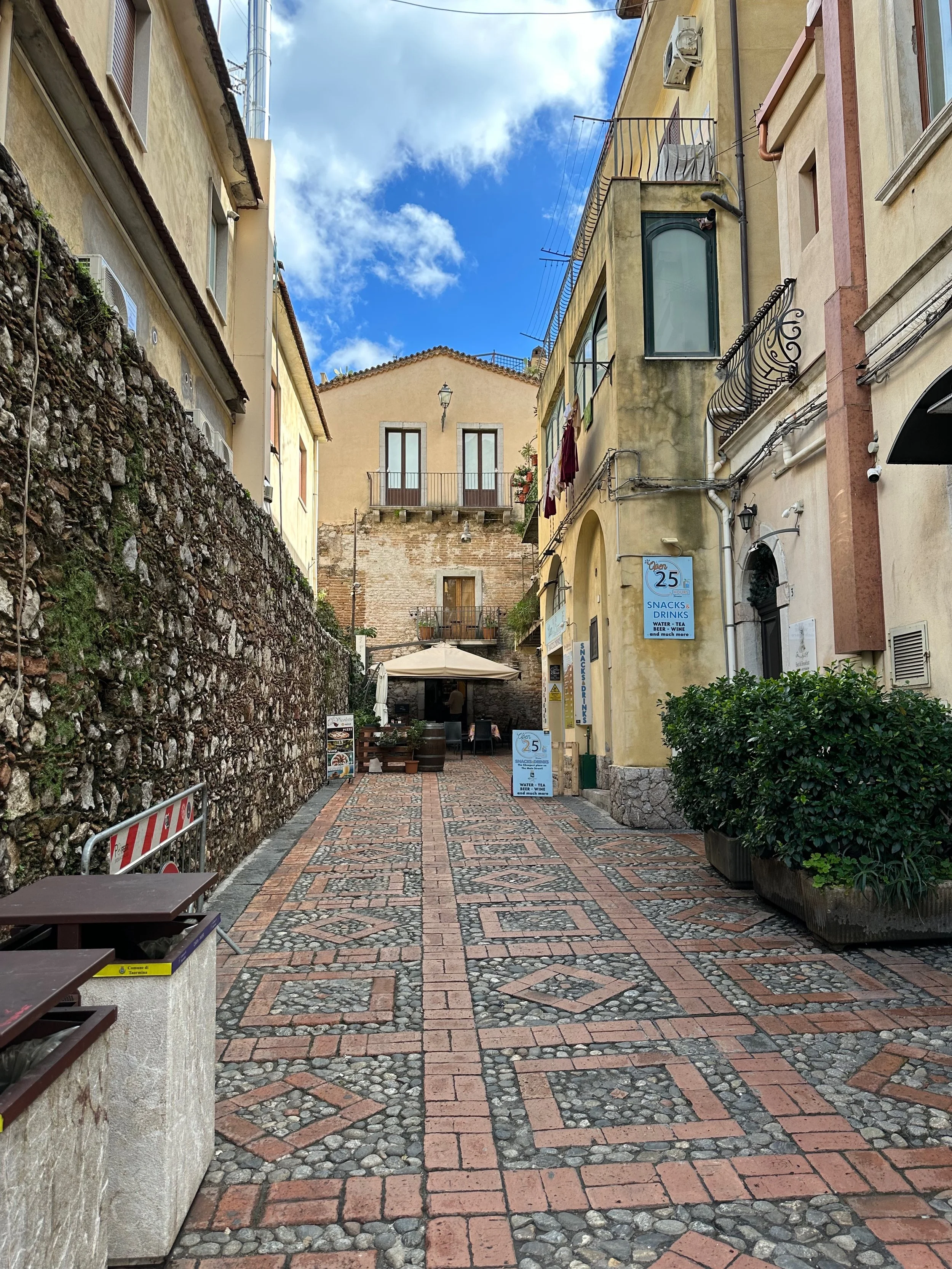
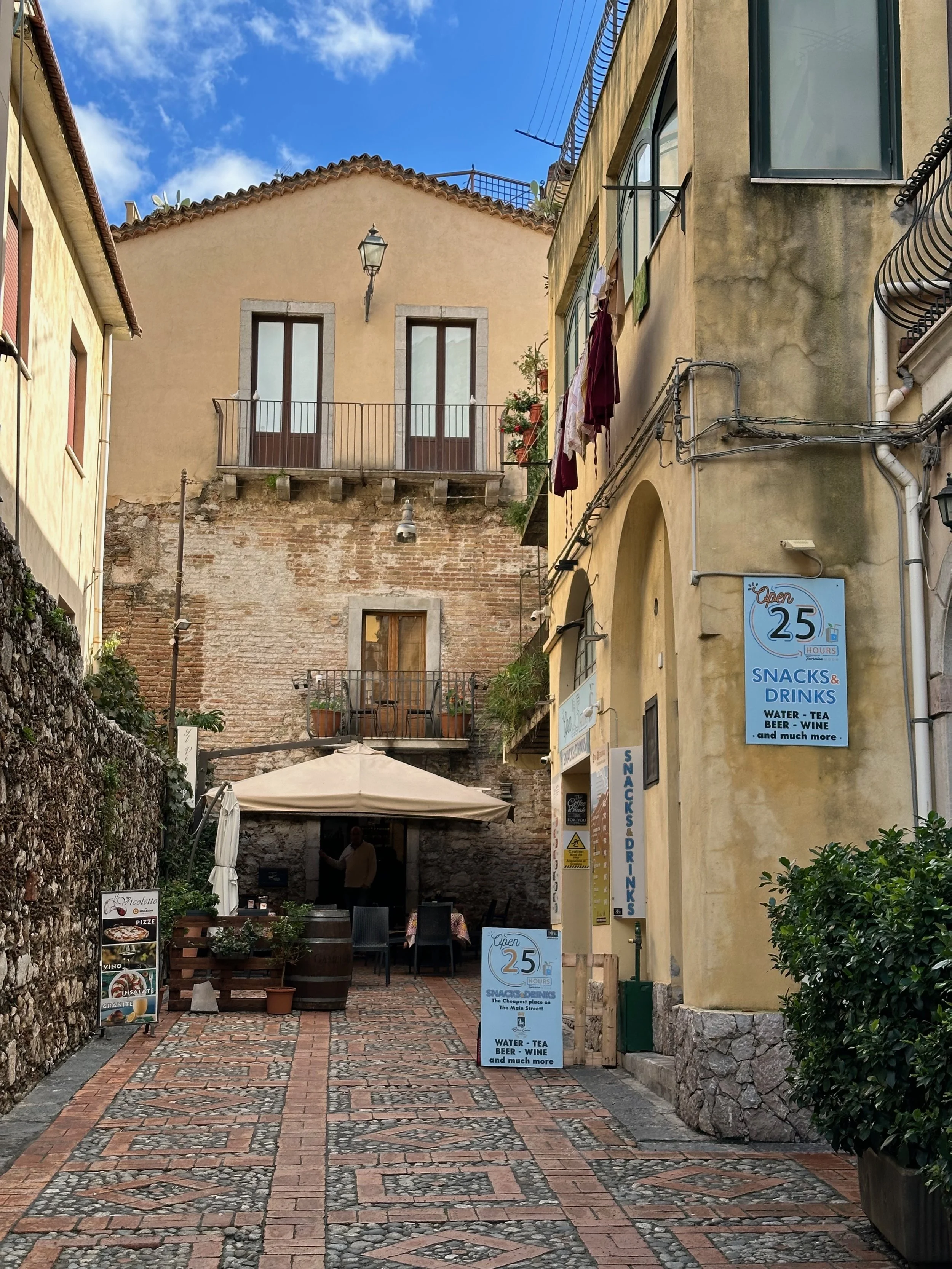
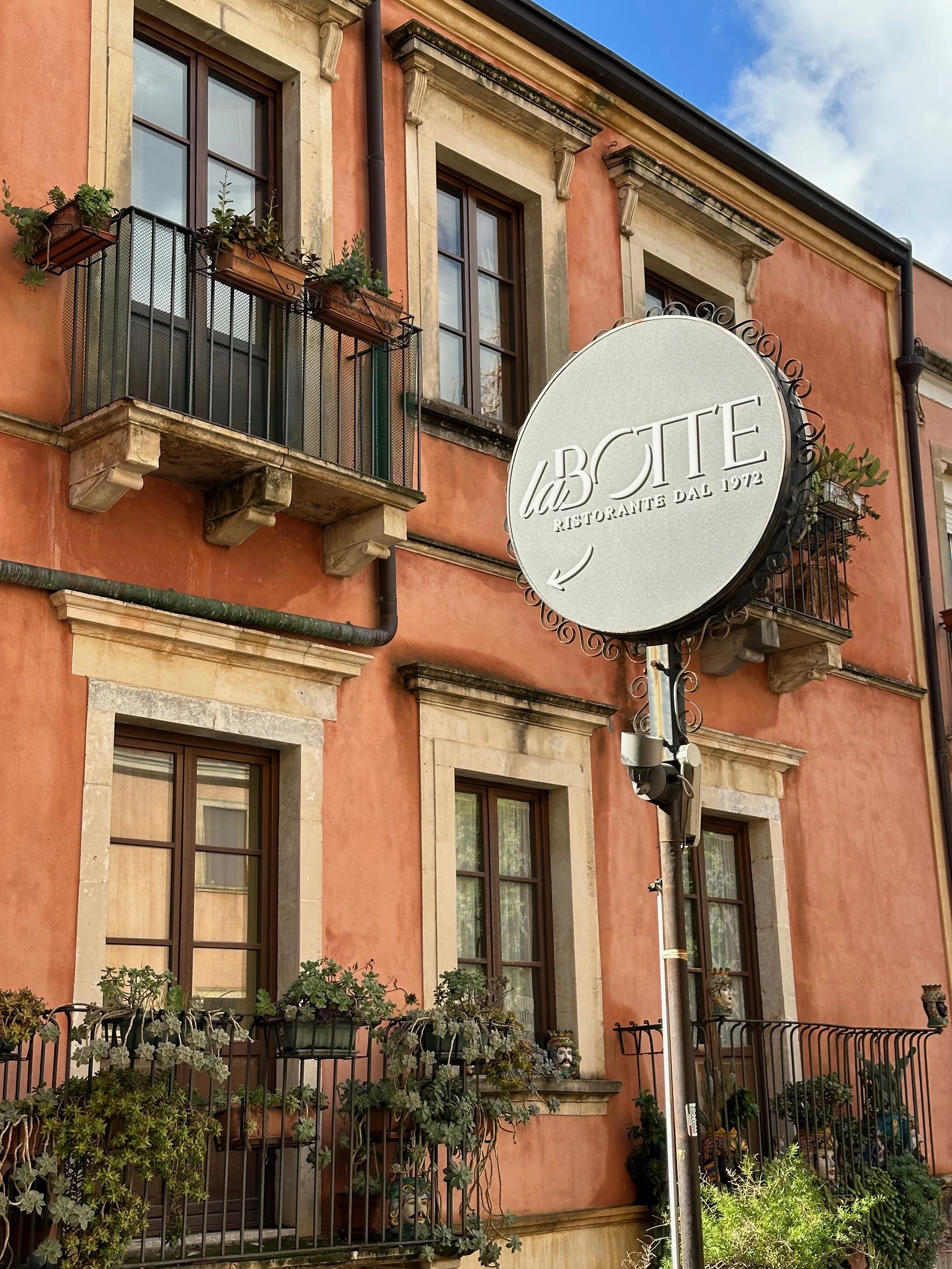
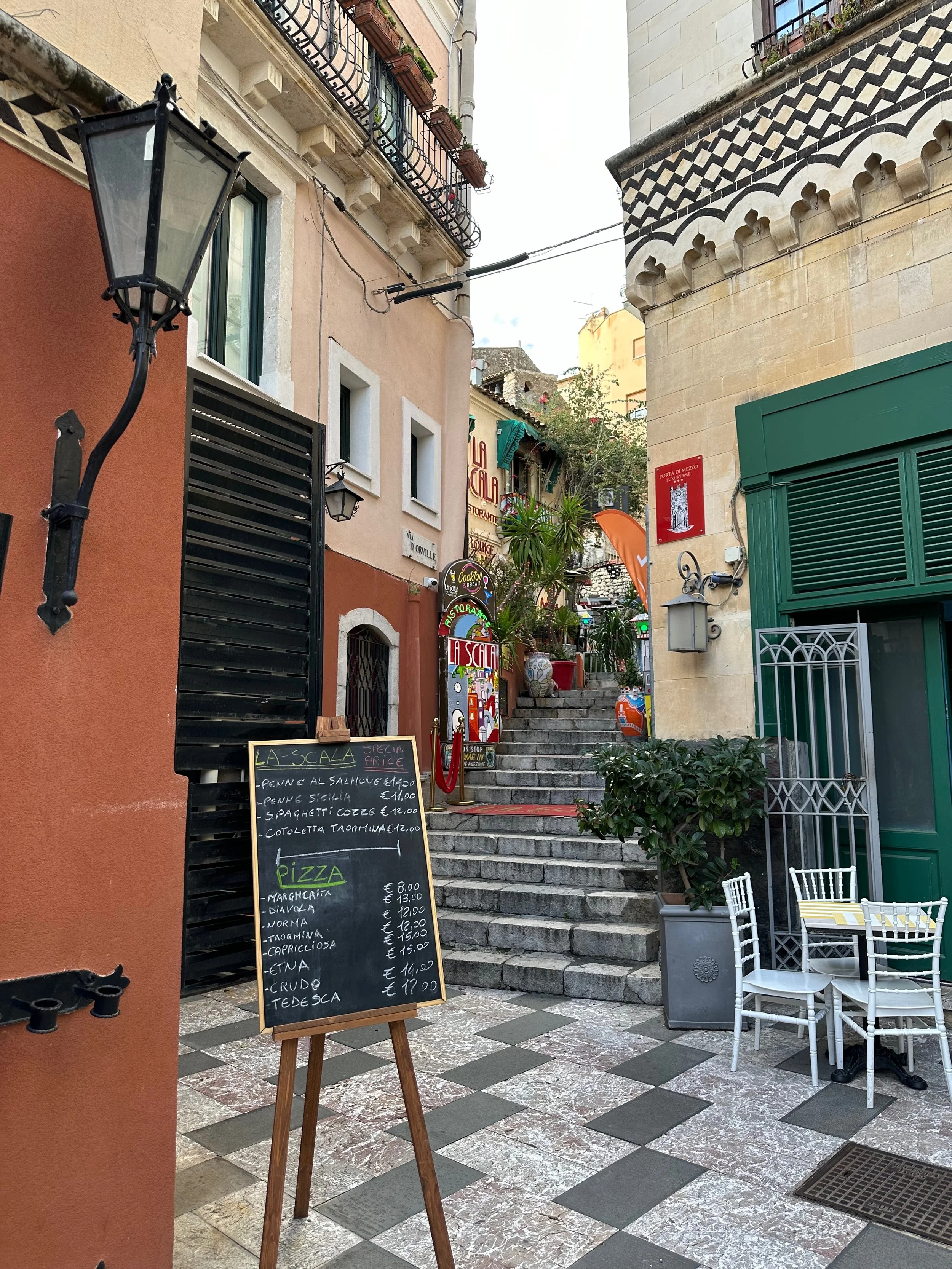
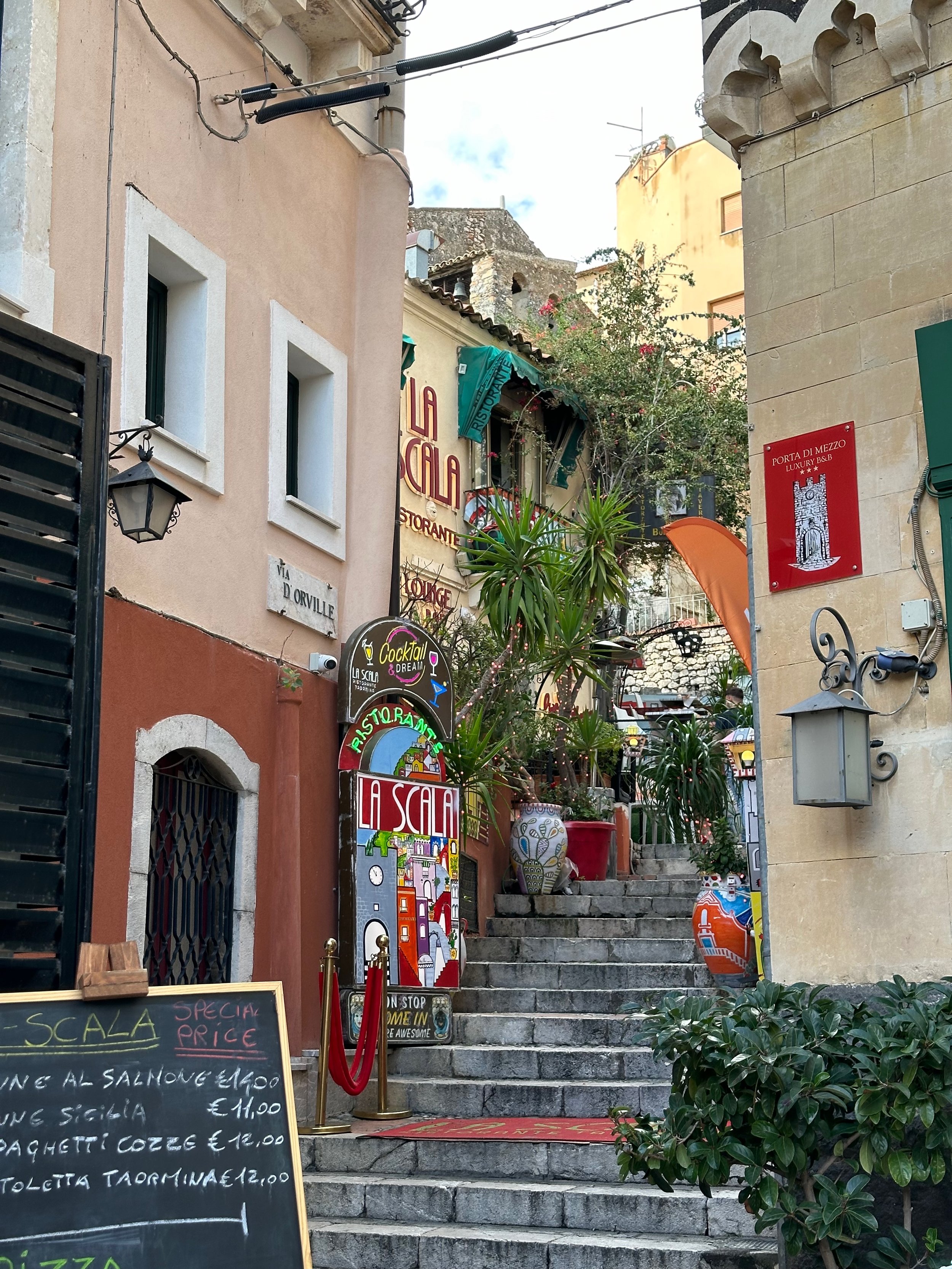
It took about 45 minutes for the bus to wind its way up the mountain through several tunnels to reach the drop off point at a giant parkade. From there we took an elevator up to the street level of Taormina. Once there it was a matter of walking…everywhere. Aside from the amphitheatre at the opposite end of the town, the principal activity here was eating and shopping at the many wonderful independent shops and restaurants. What made these two activities different than elsewhere, was the age and charm of the town. Most, if not all of the buildings are hundreds of years old, with some being very much older than that.
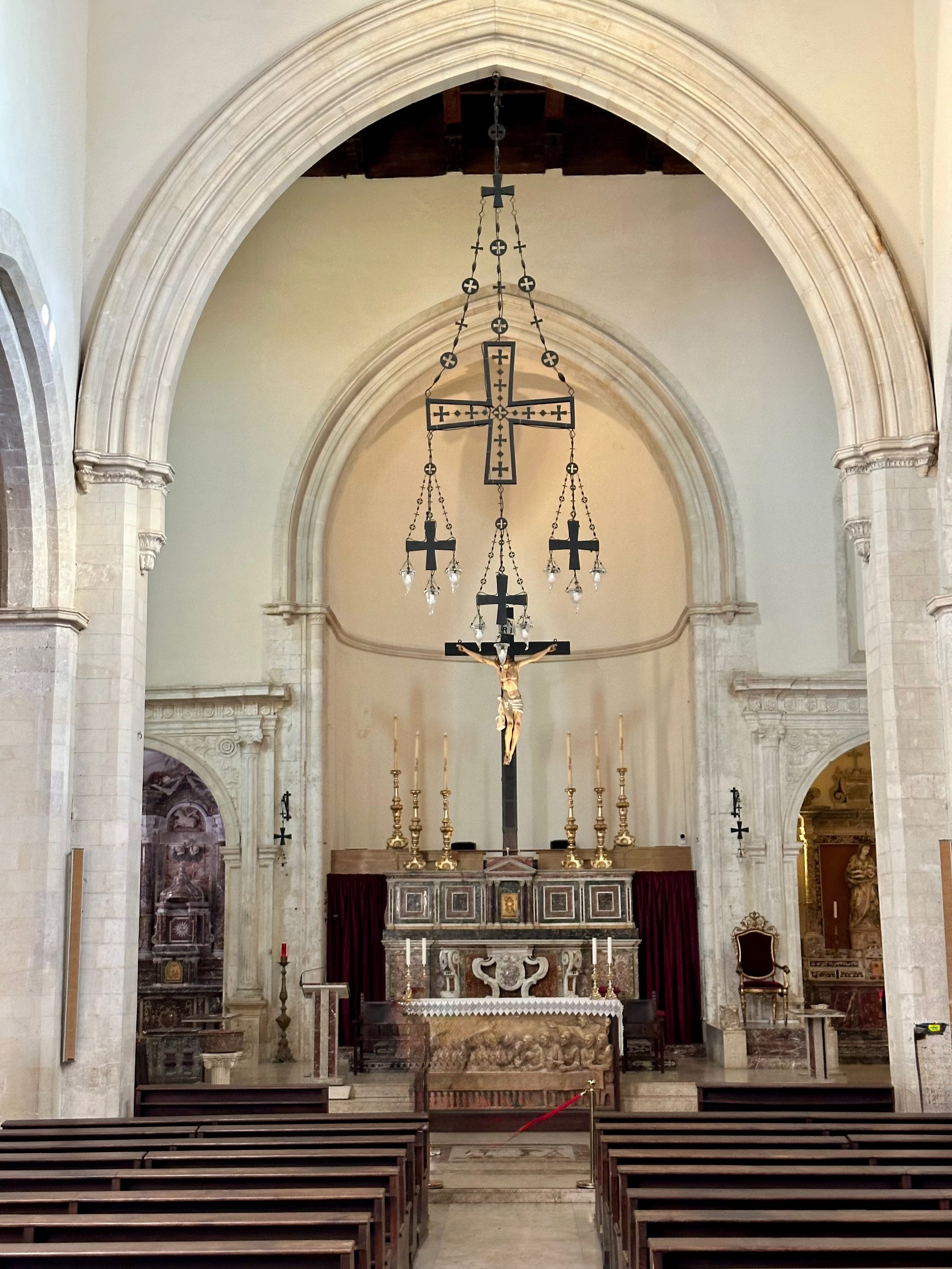
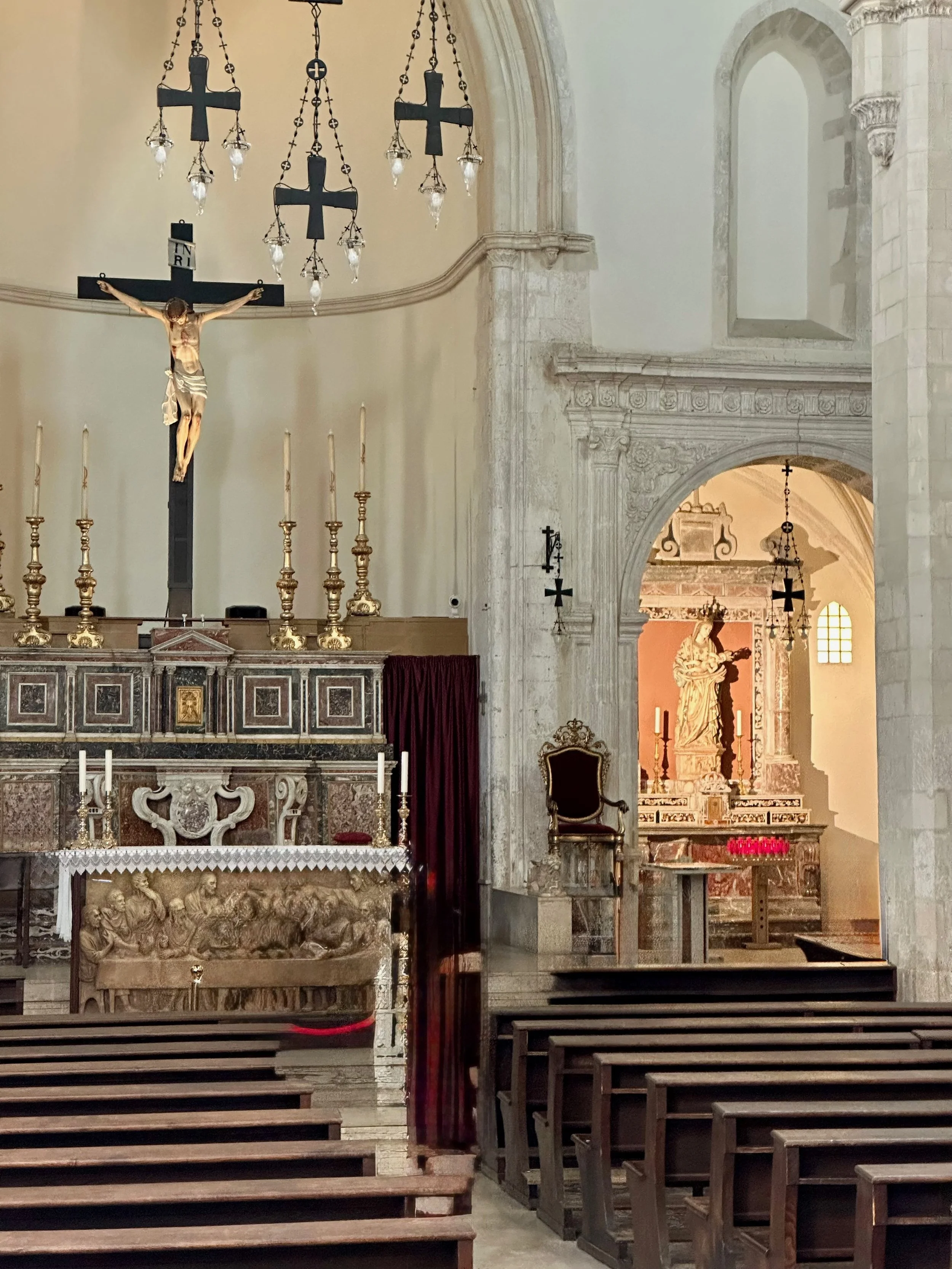
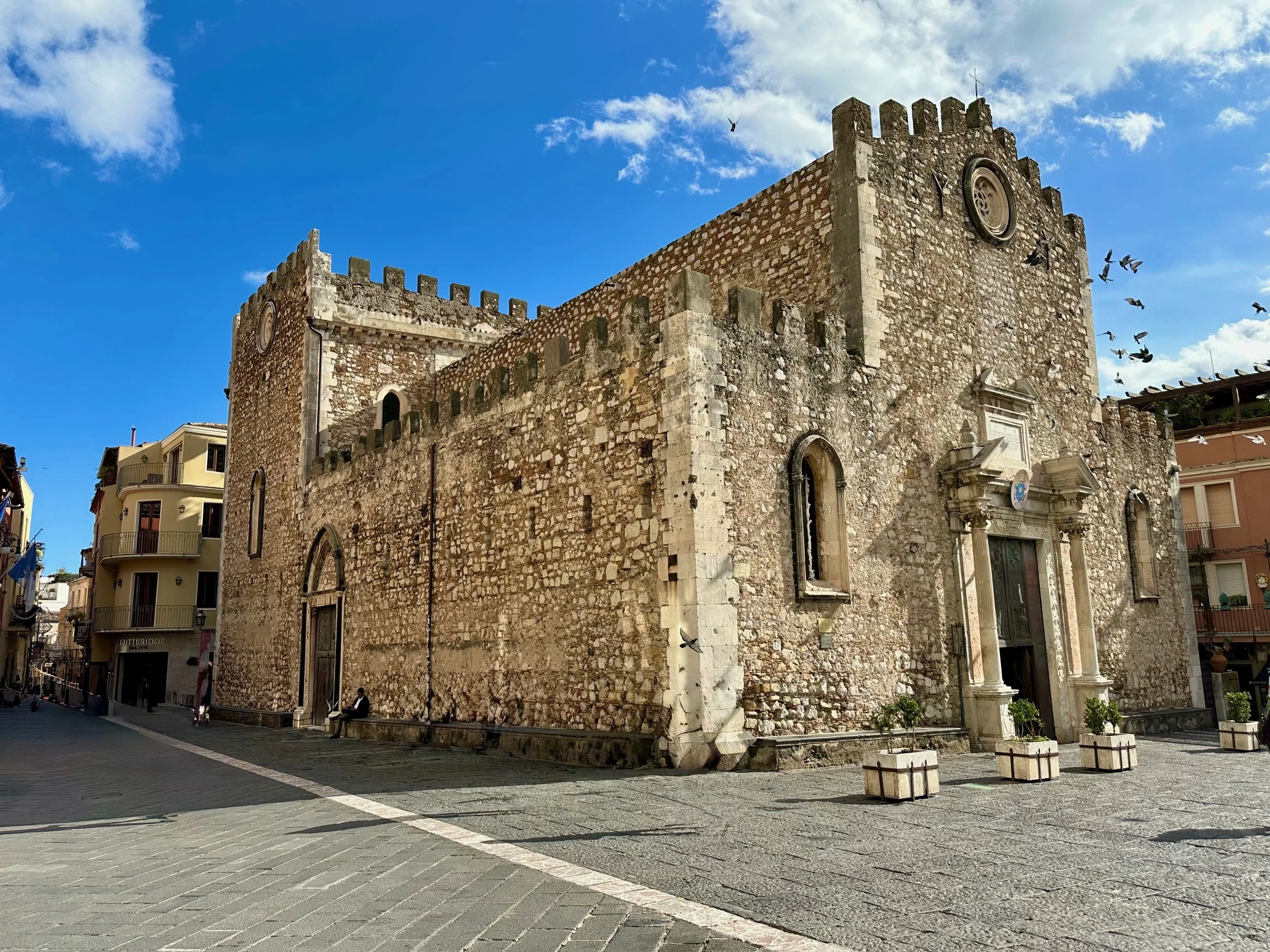
This extraordinarily cute car was on display in one of the small plazas.
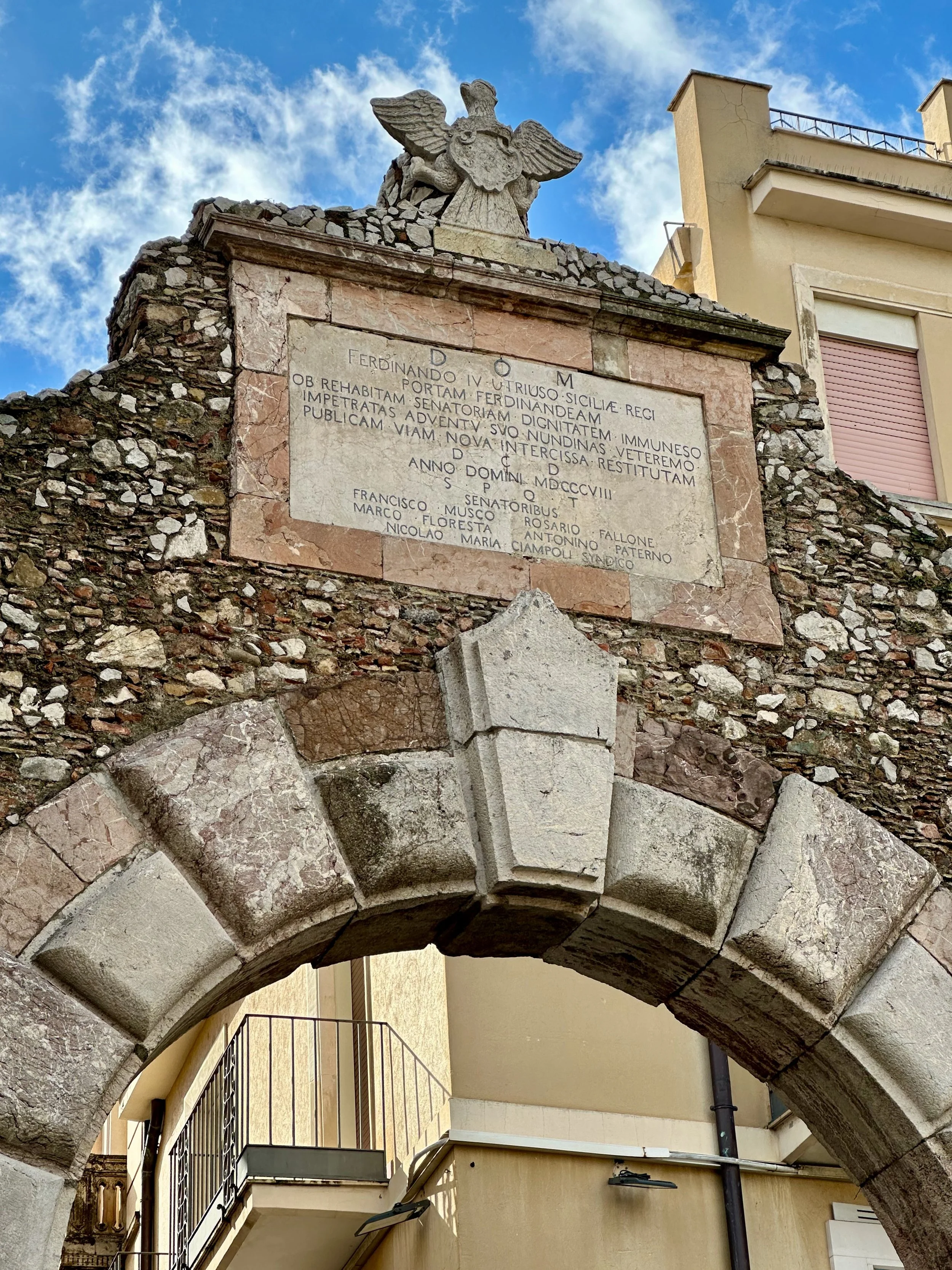
Taormina dates back to its founding in 396 BC on Mt. Taurus after the coastal town of Naxos was destroyed. The Greek amphitheatre was constructed in the 3rd century BC, and then rebuild five centuries later by the Romans in the 2nd century AD. But before we could see the theatre, we had to walk the length of the town past all those temping shops.
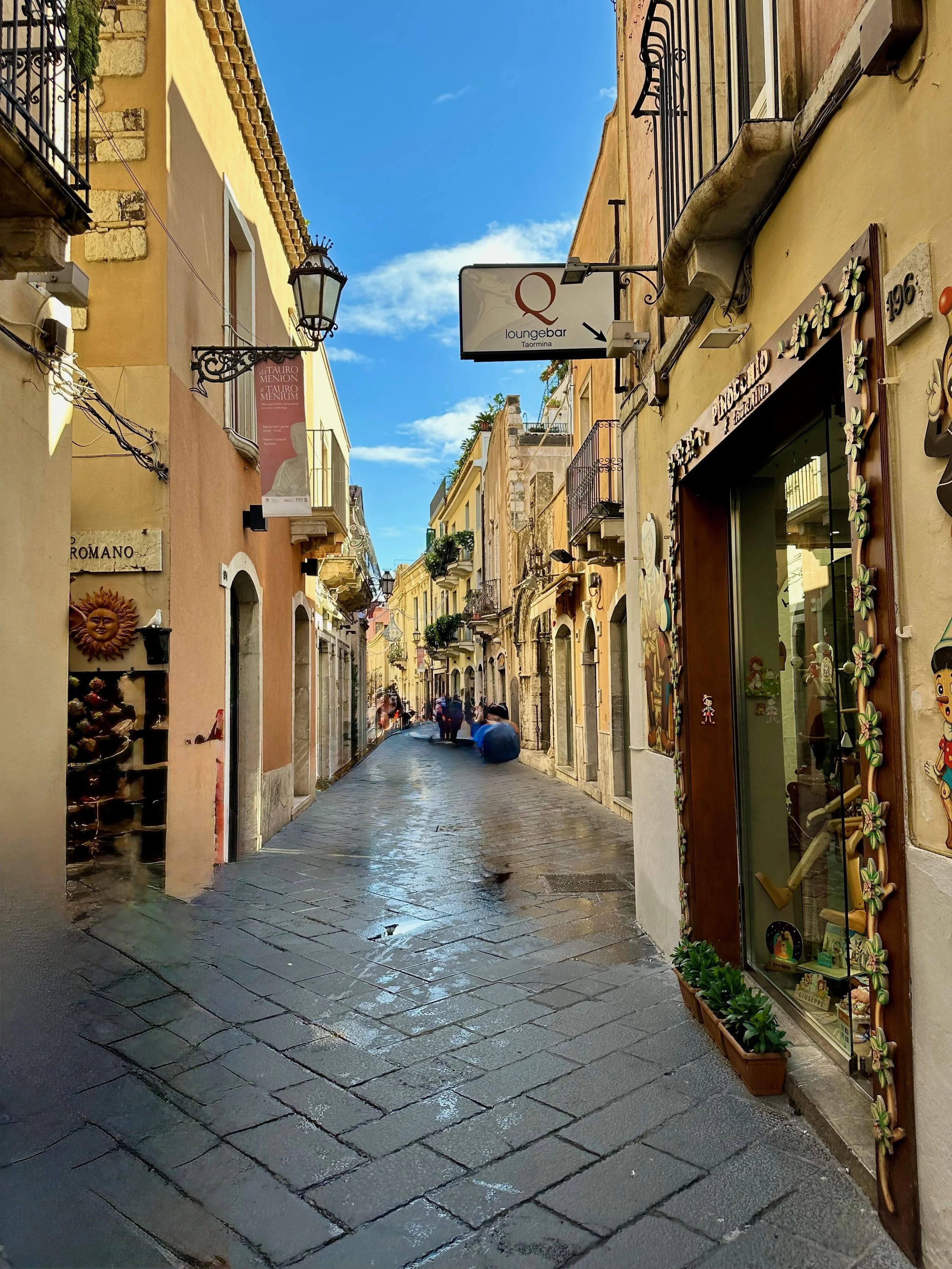
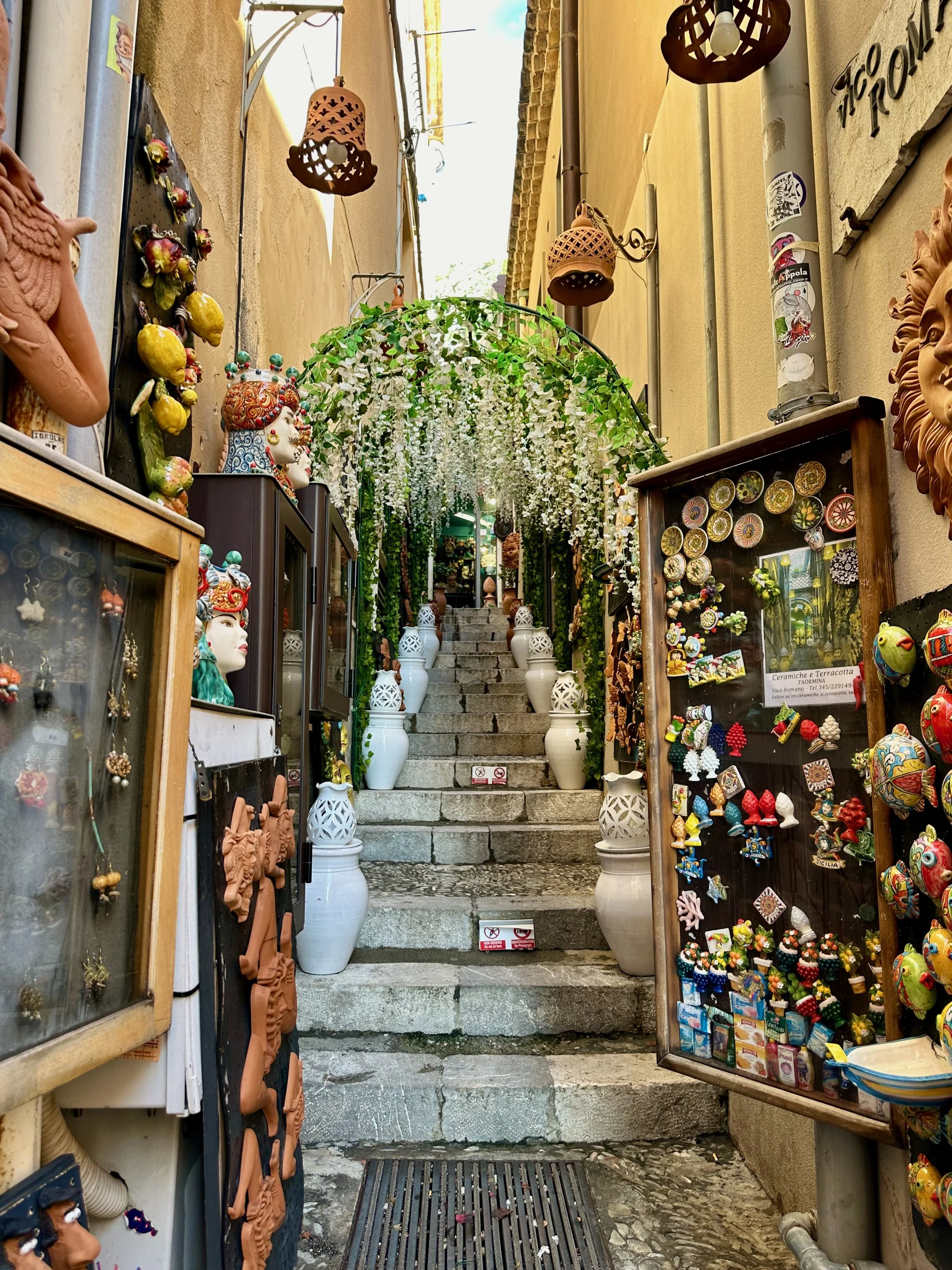
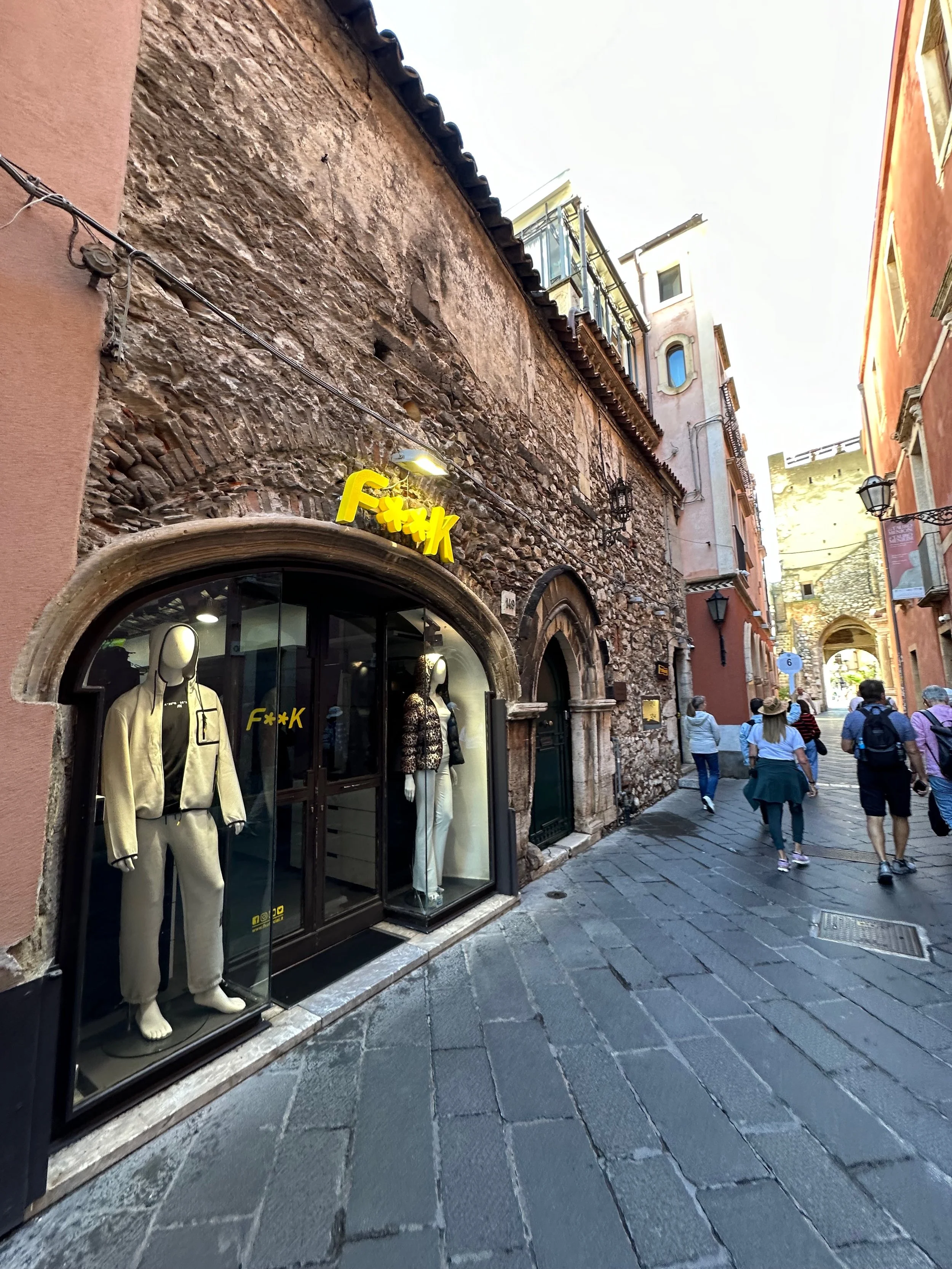
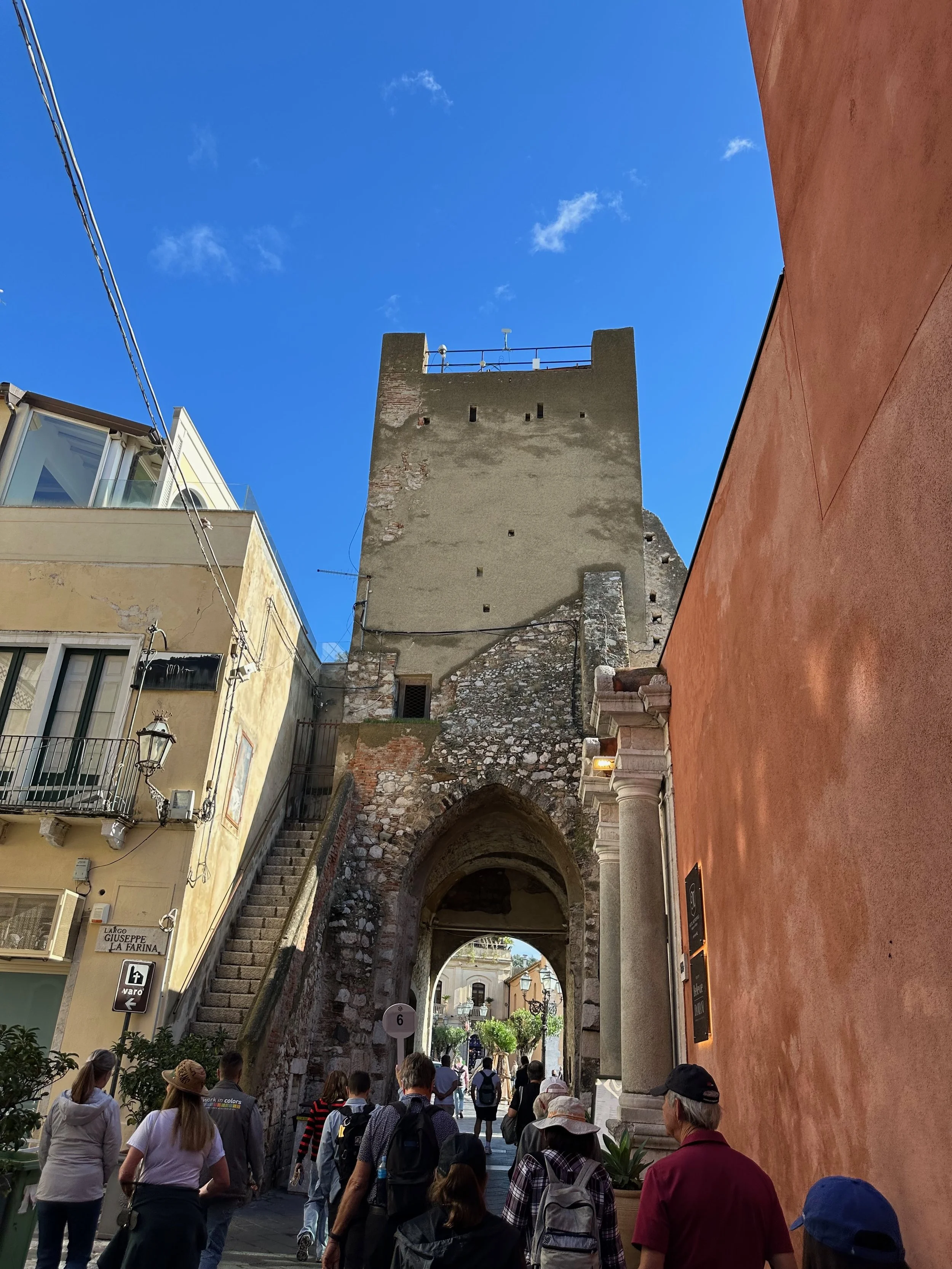
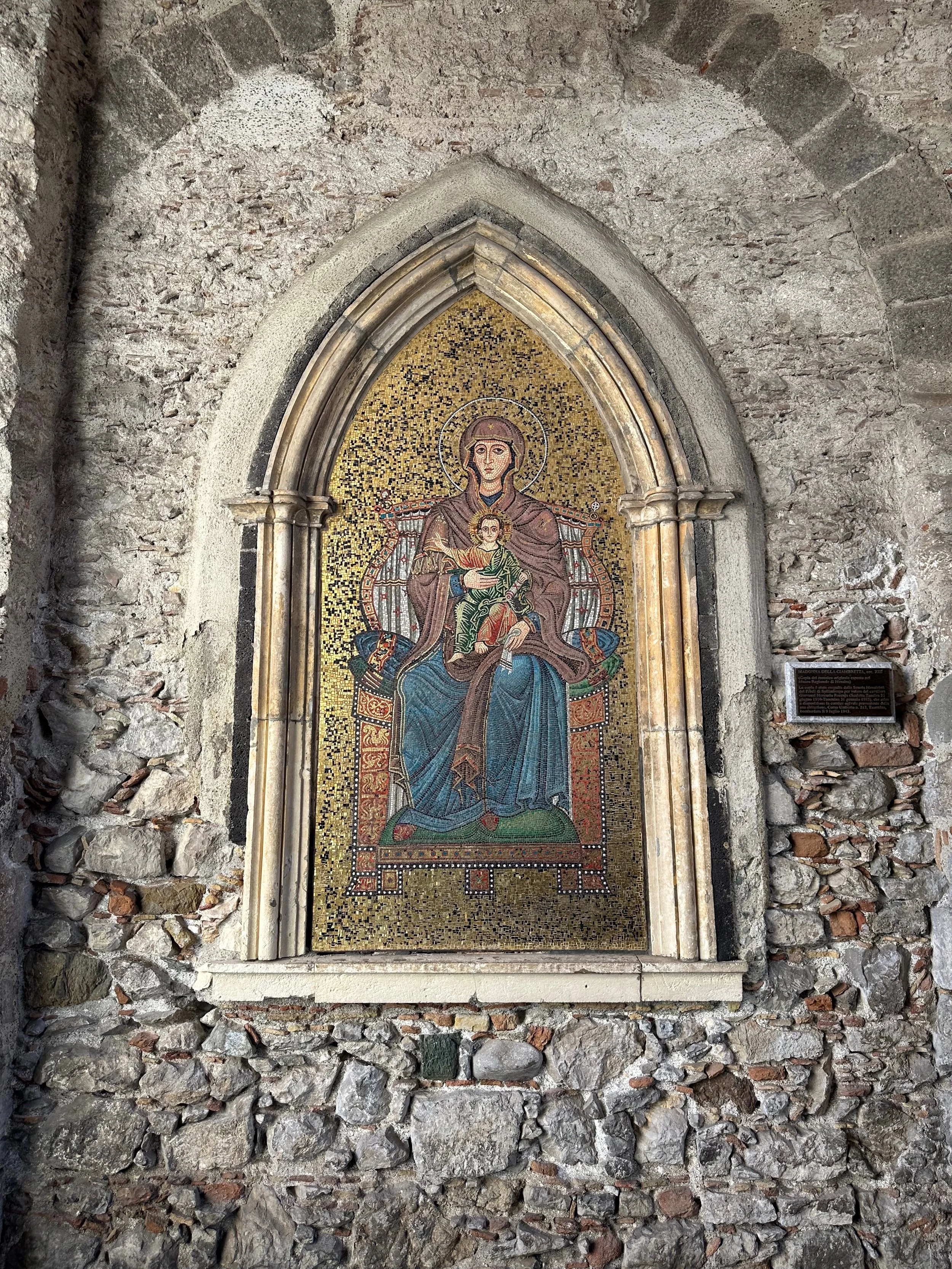
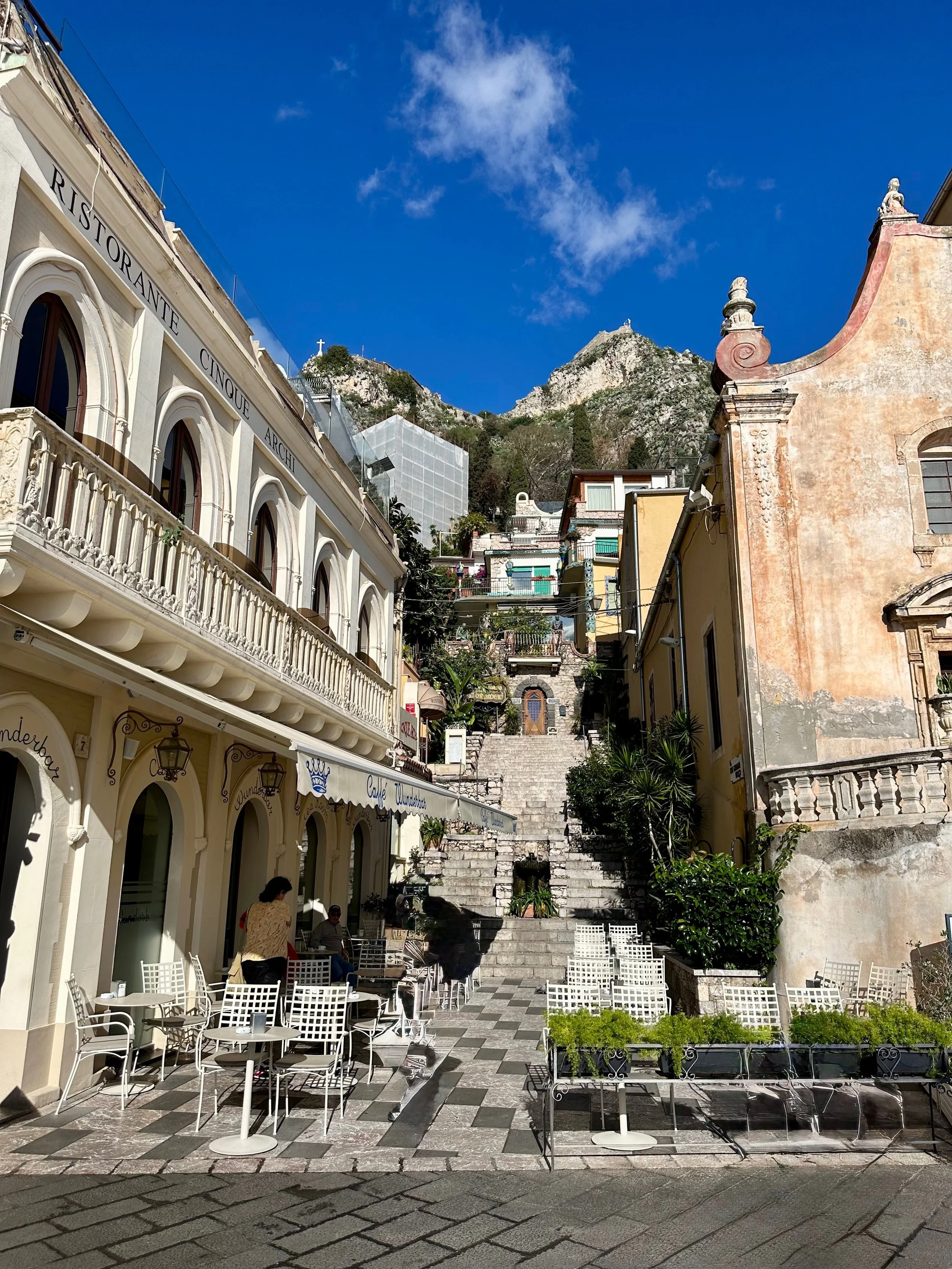
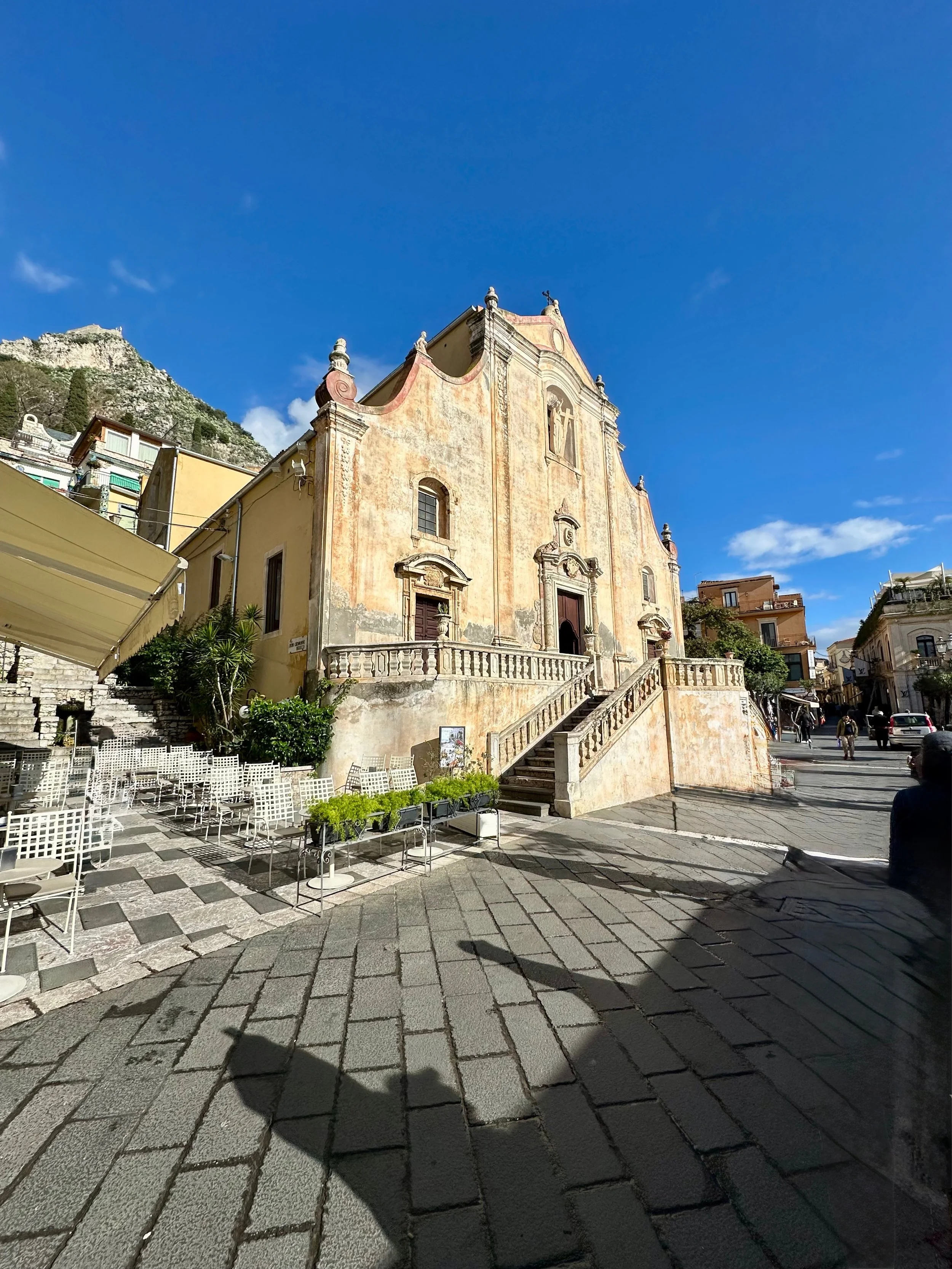
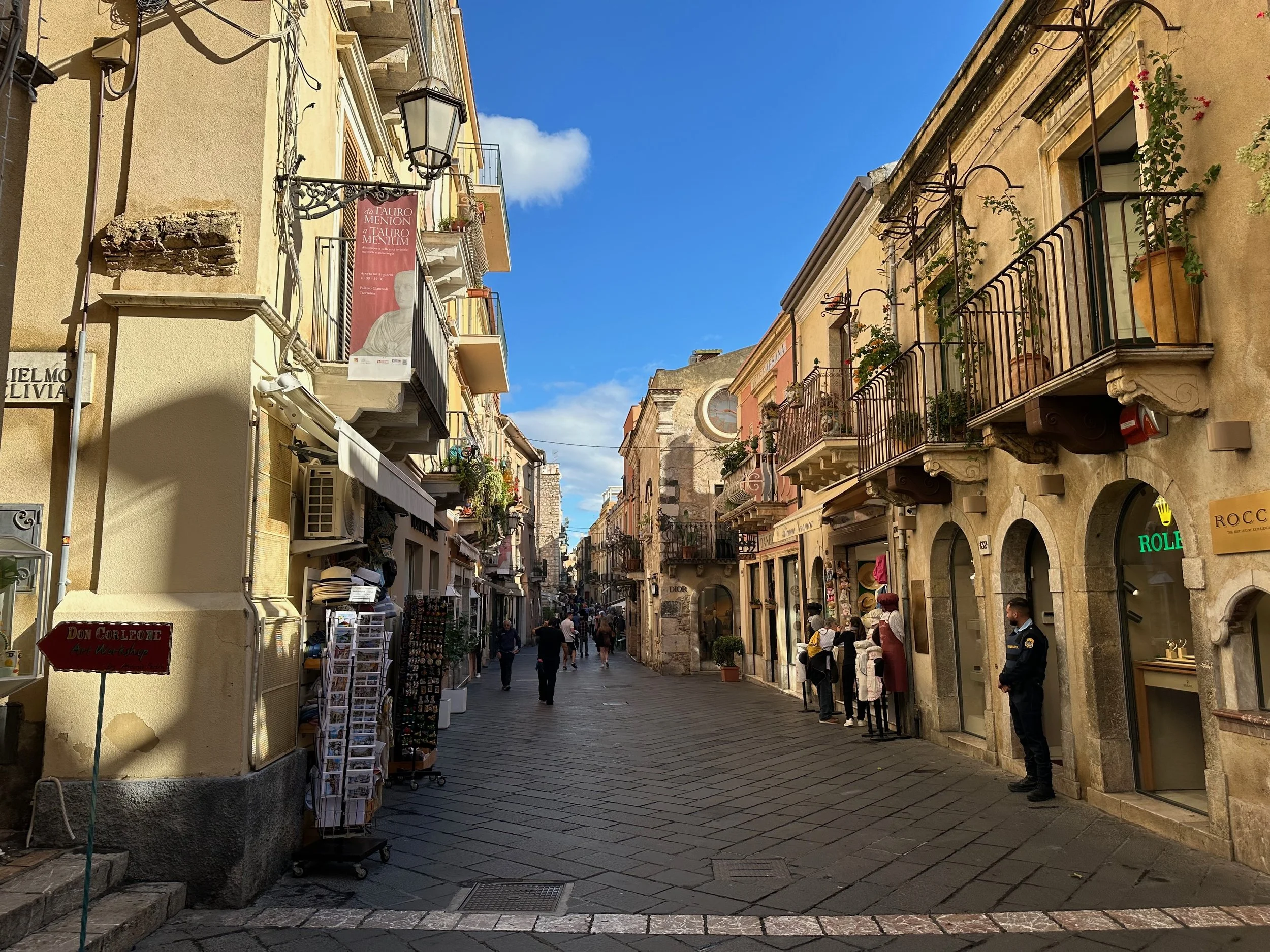
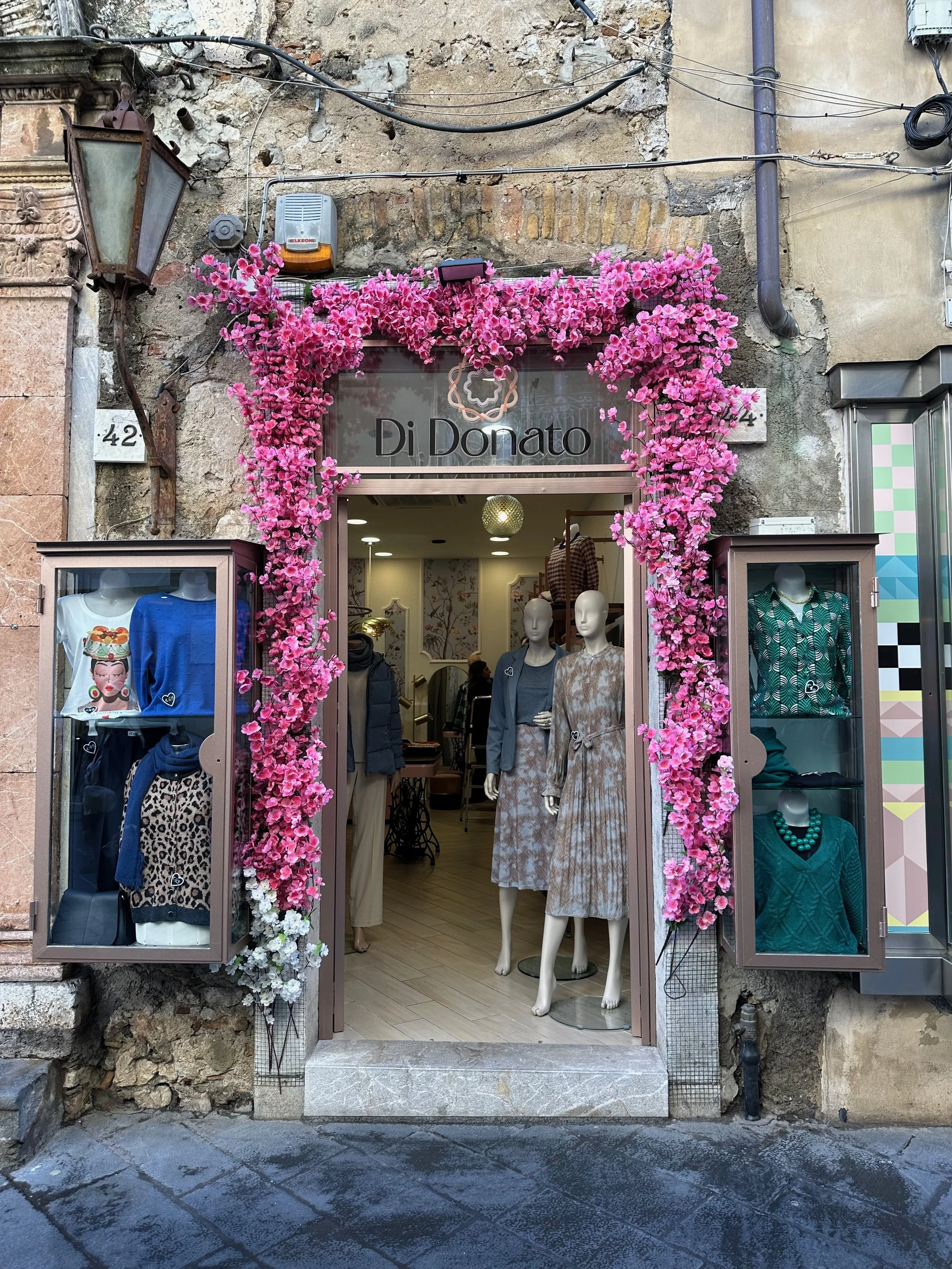
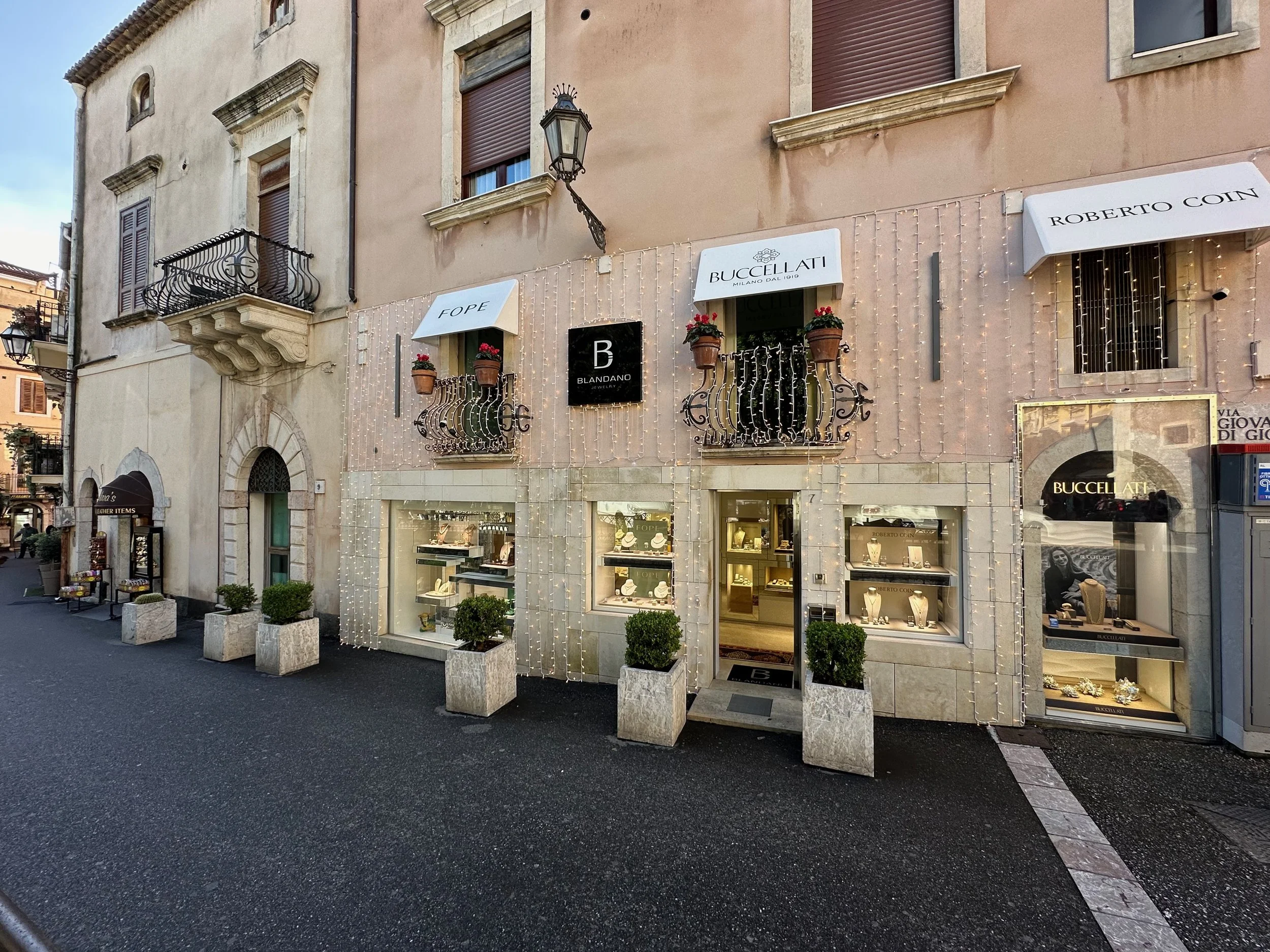
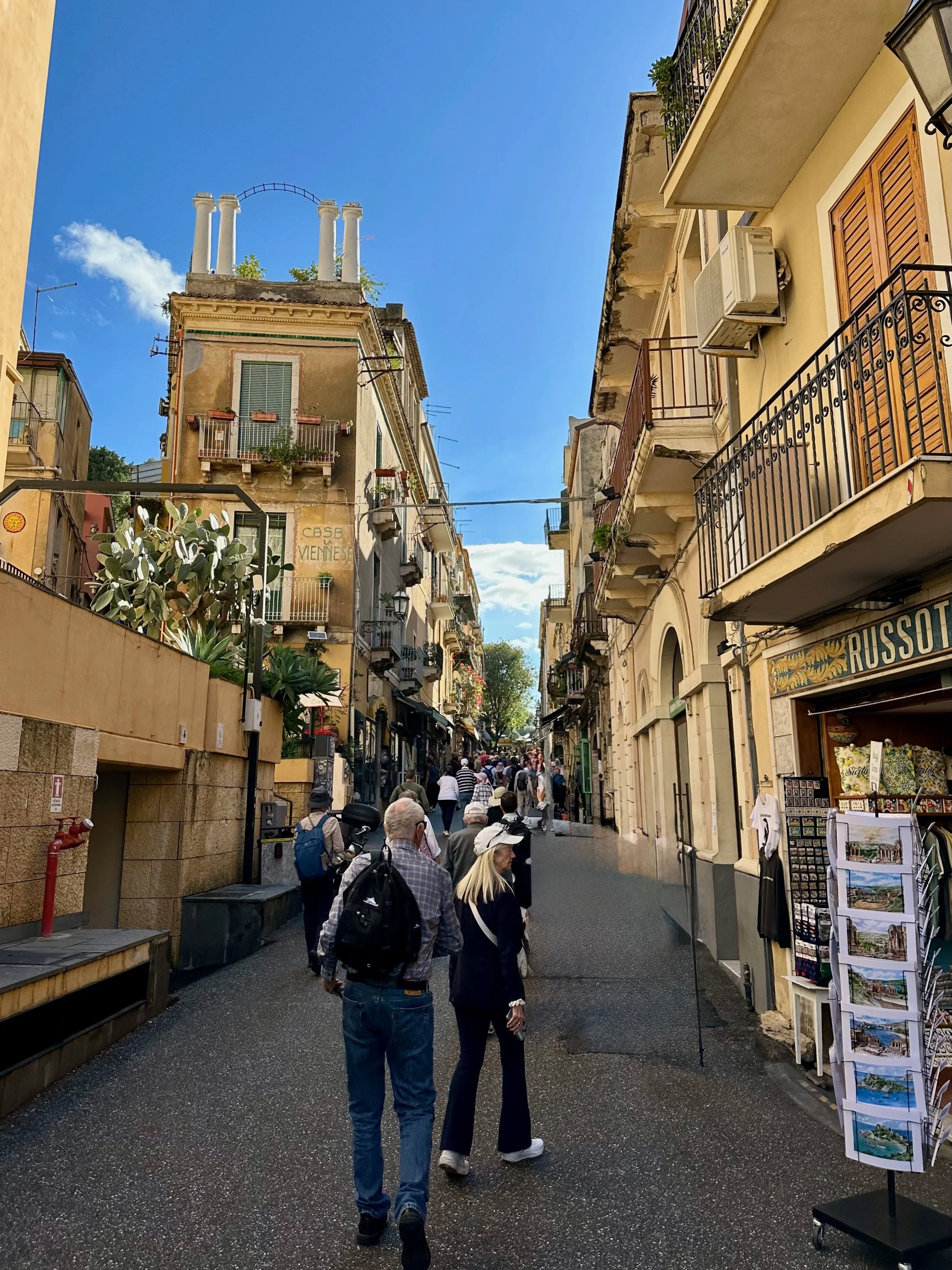
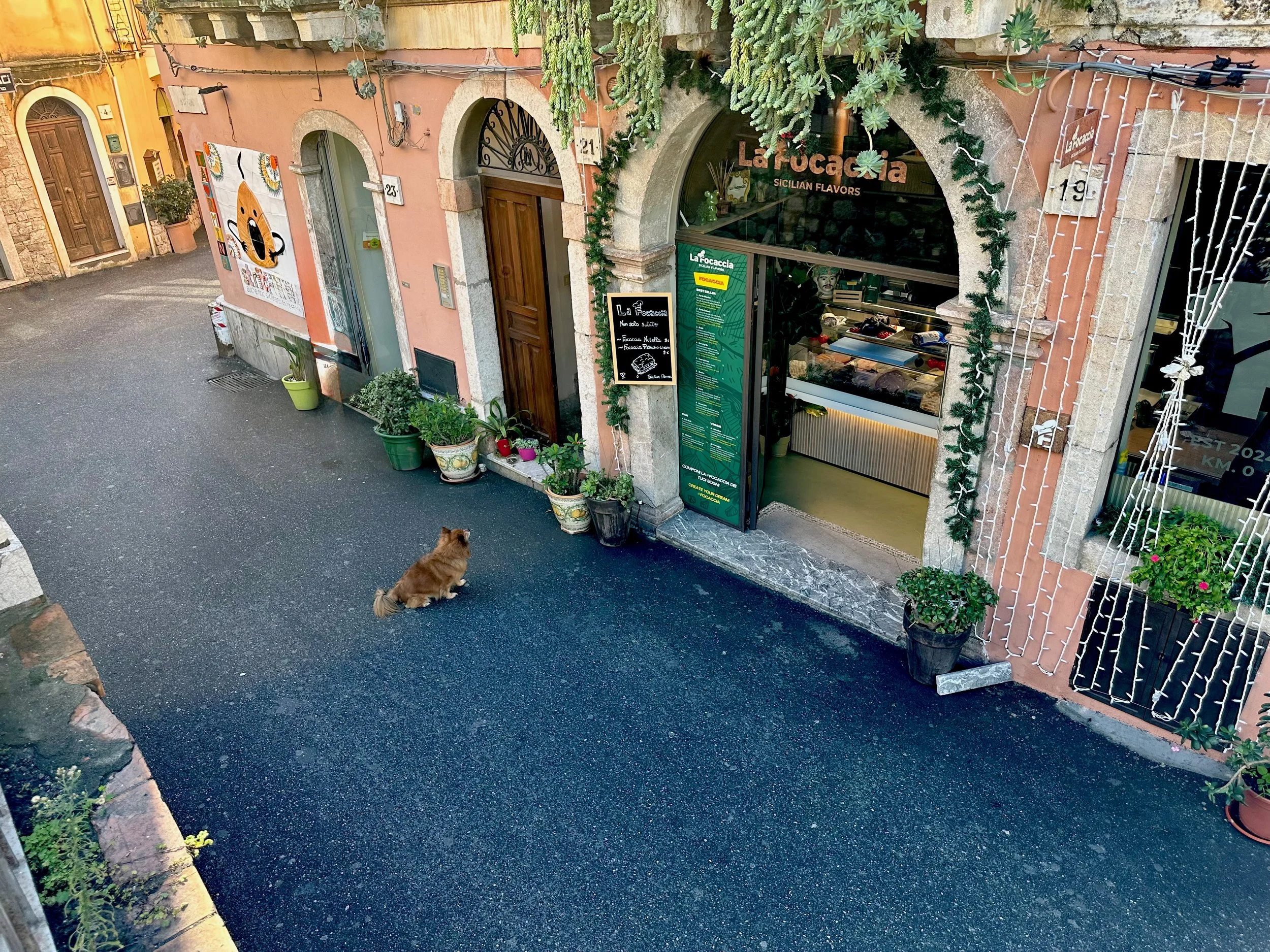
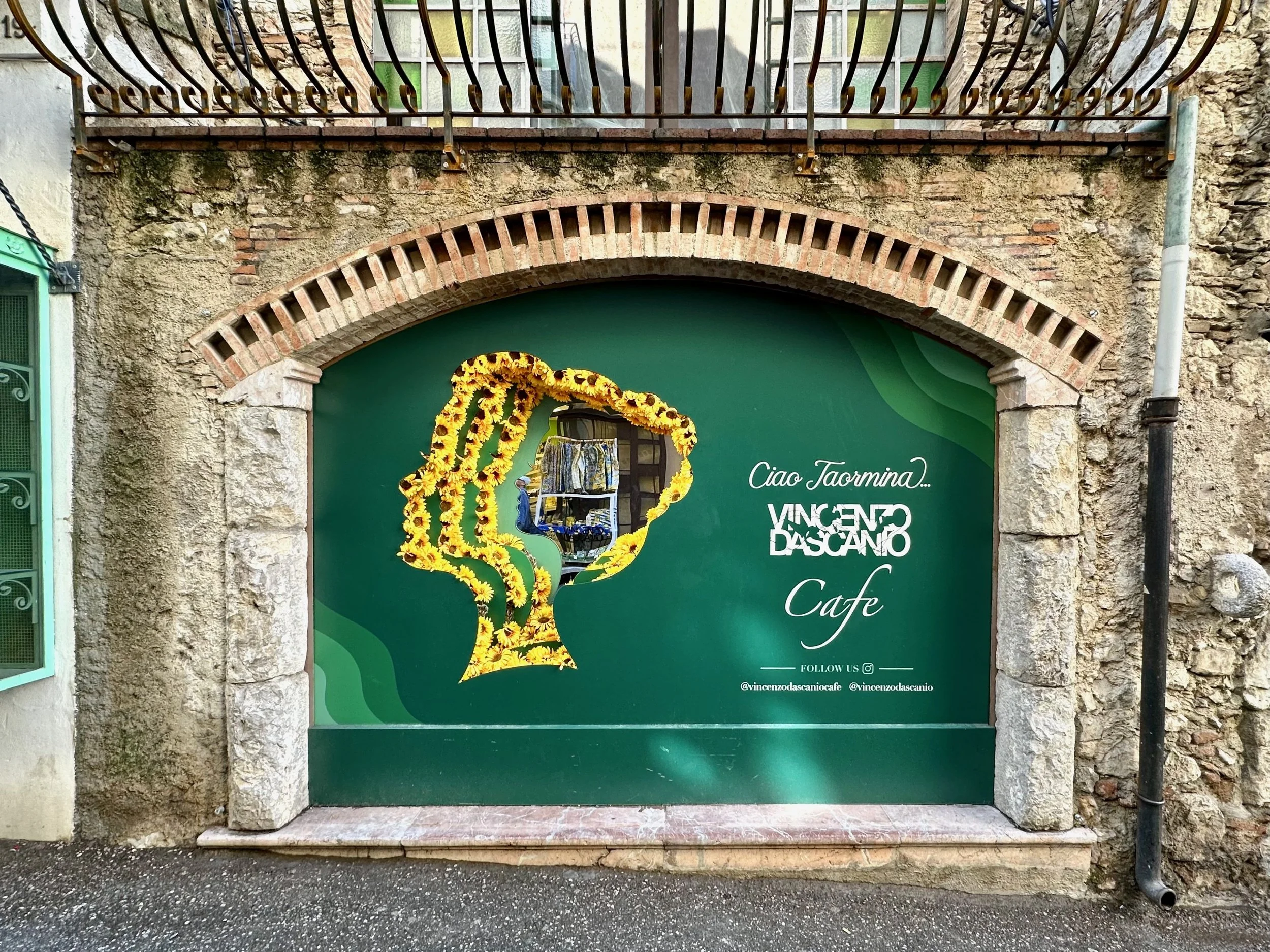
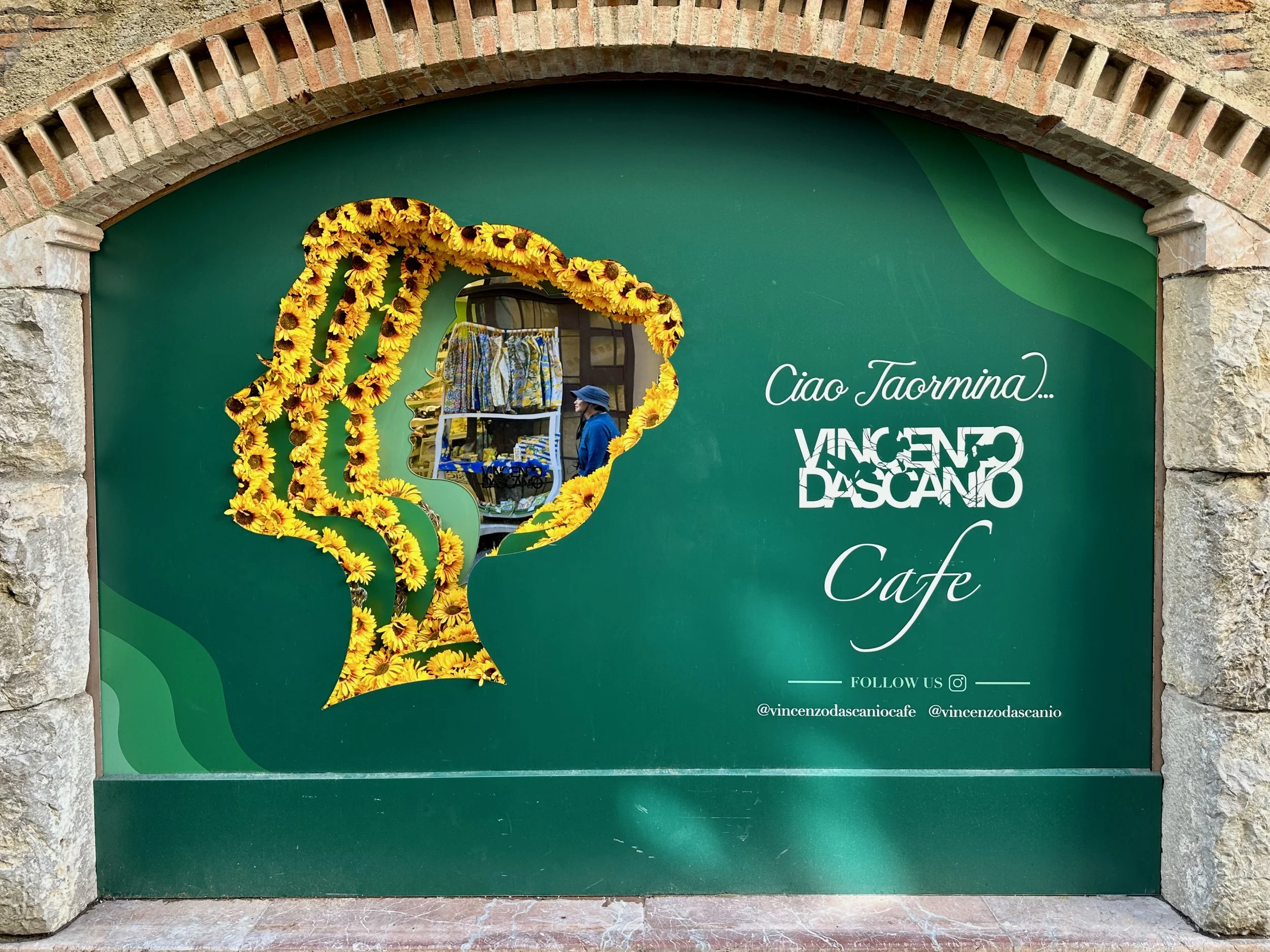
The Silver Dawn at anchor in Naxxos.
Ancient Theatre of Taormina
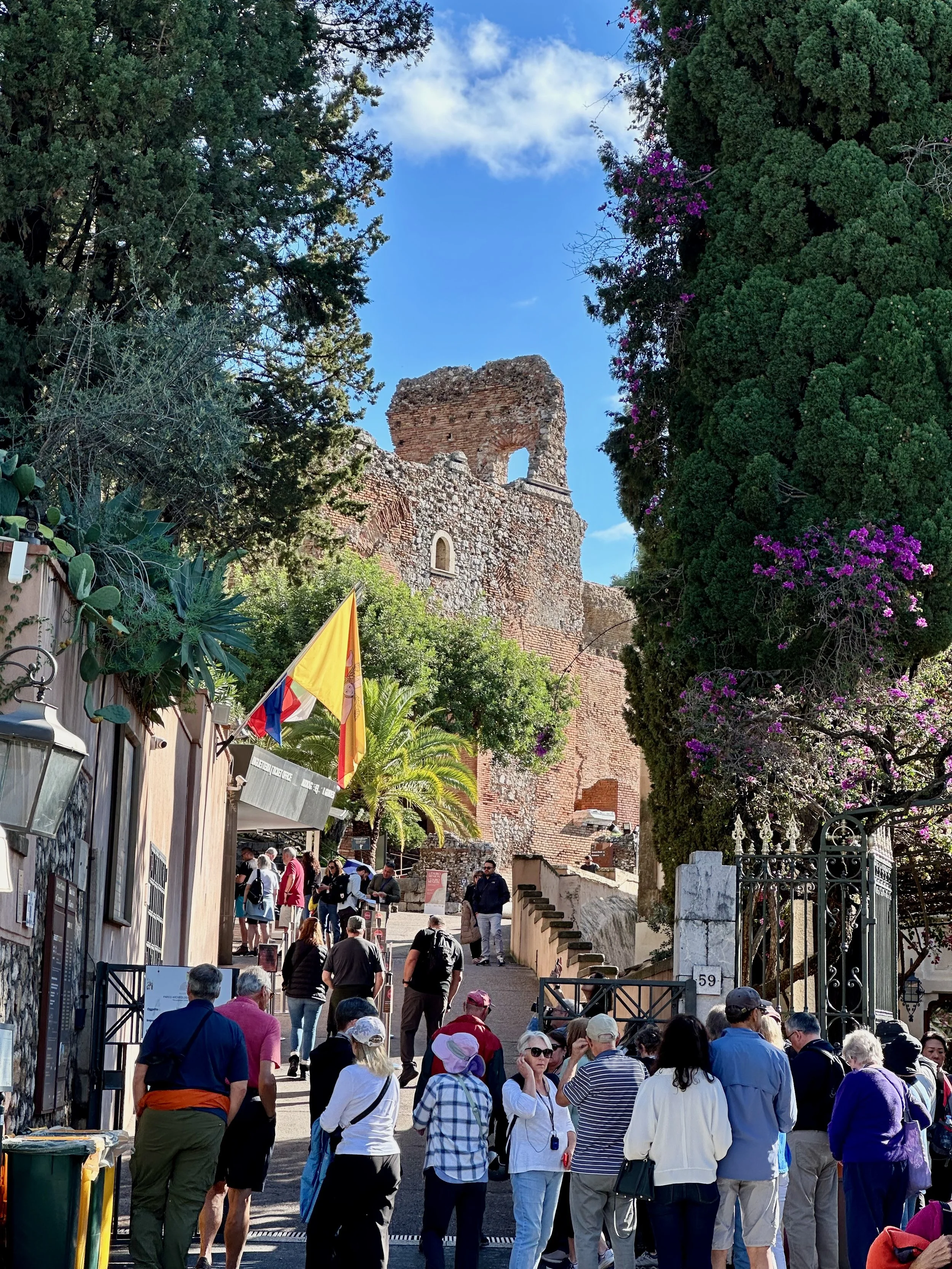
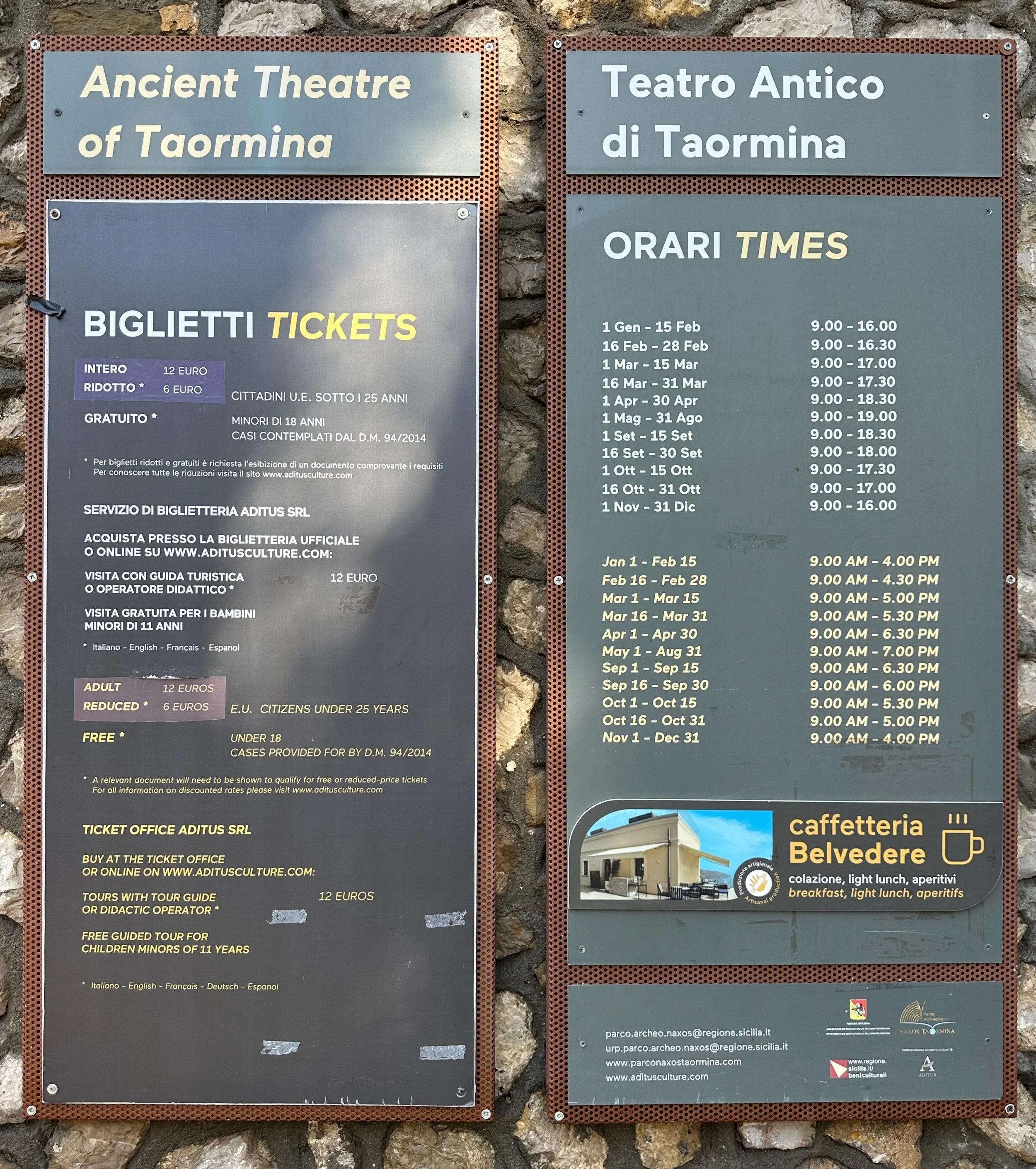
The theatre was literally at the end of the road, and at the highest point of the town. Upon arriving, the guide bought tickets for all of us in his group. Once inside, there was a short video about the theatre construction, and then we had time to explore the heritage site before heading back through the town to the shuttle bus.
This From A Plaque On Site
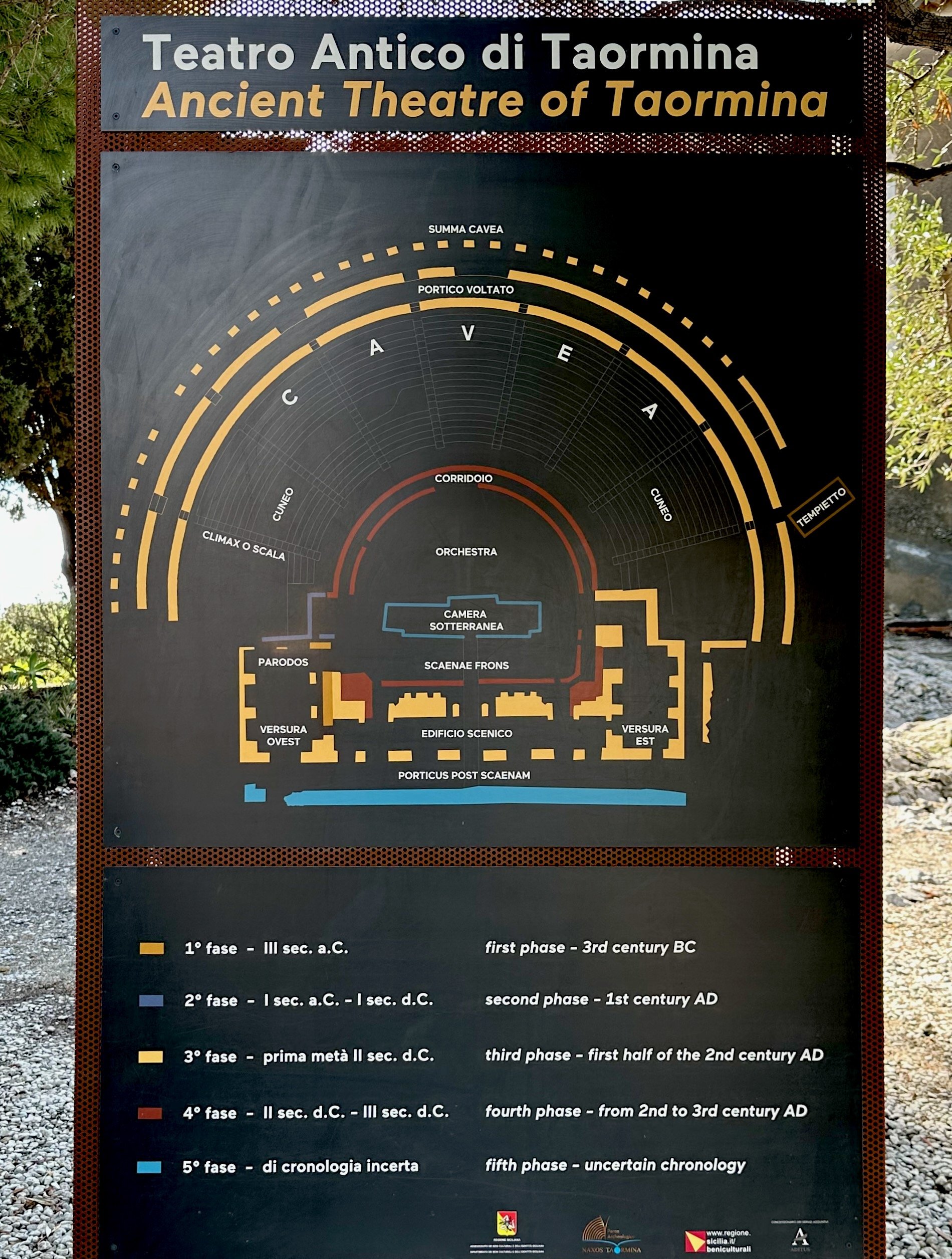
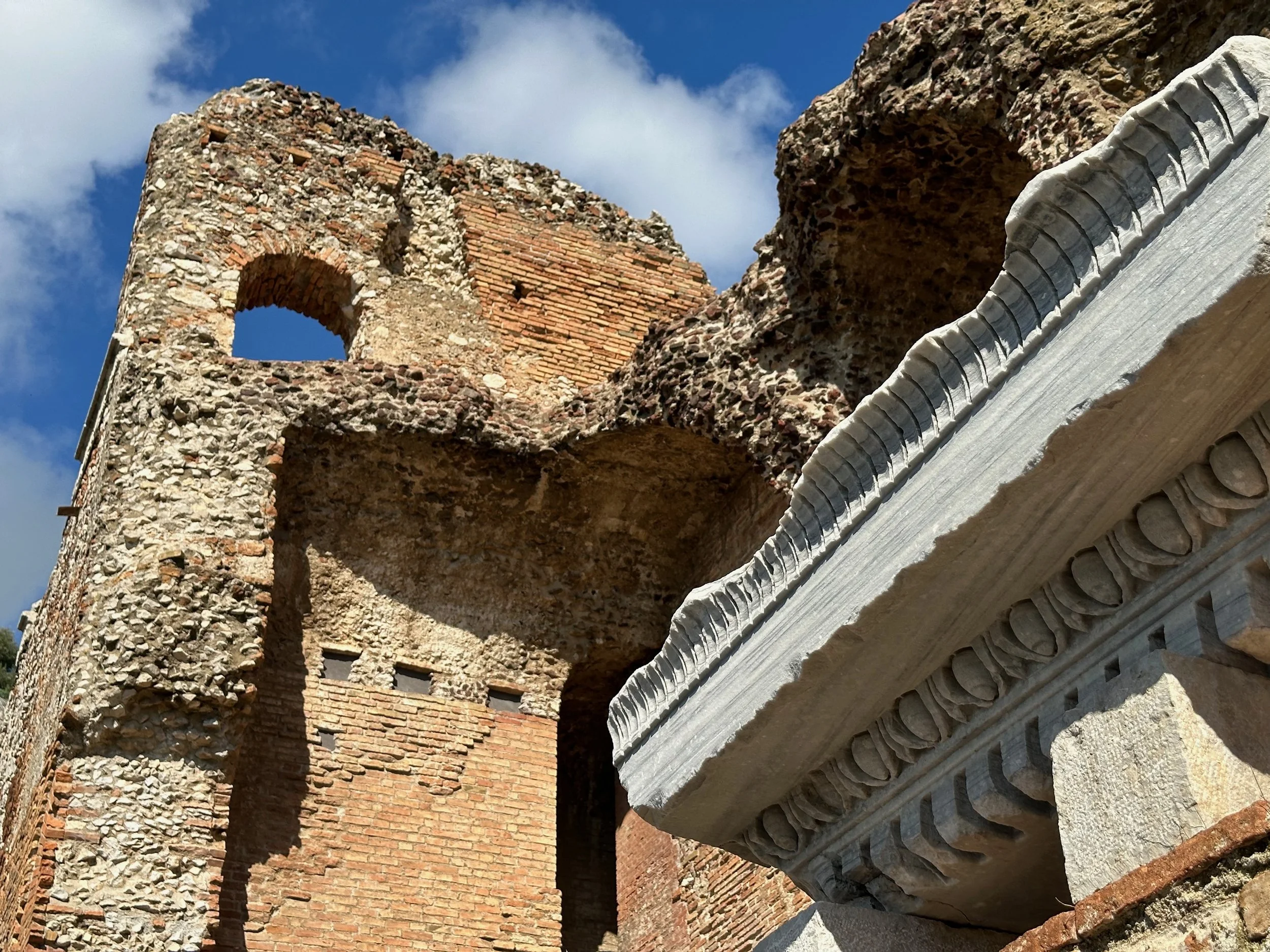
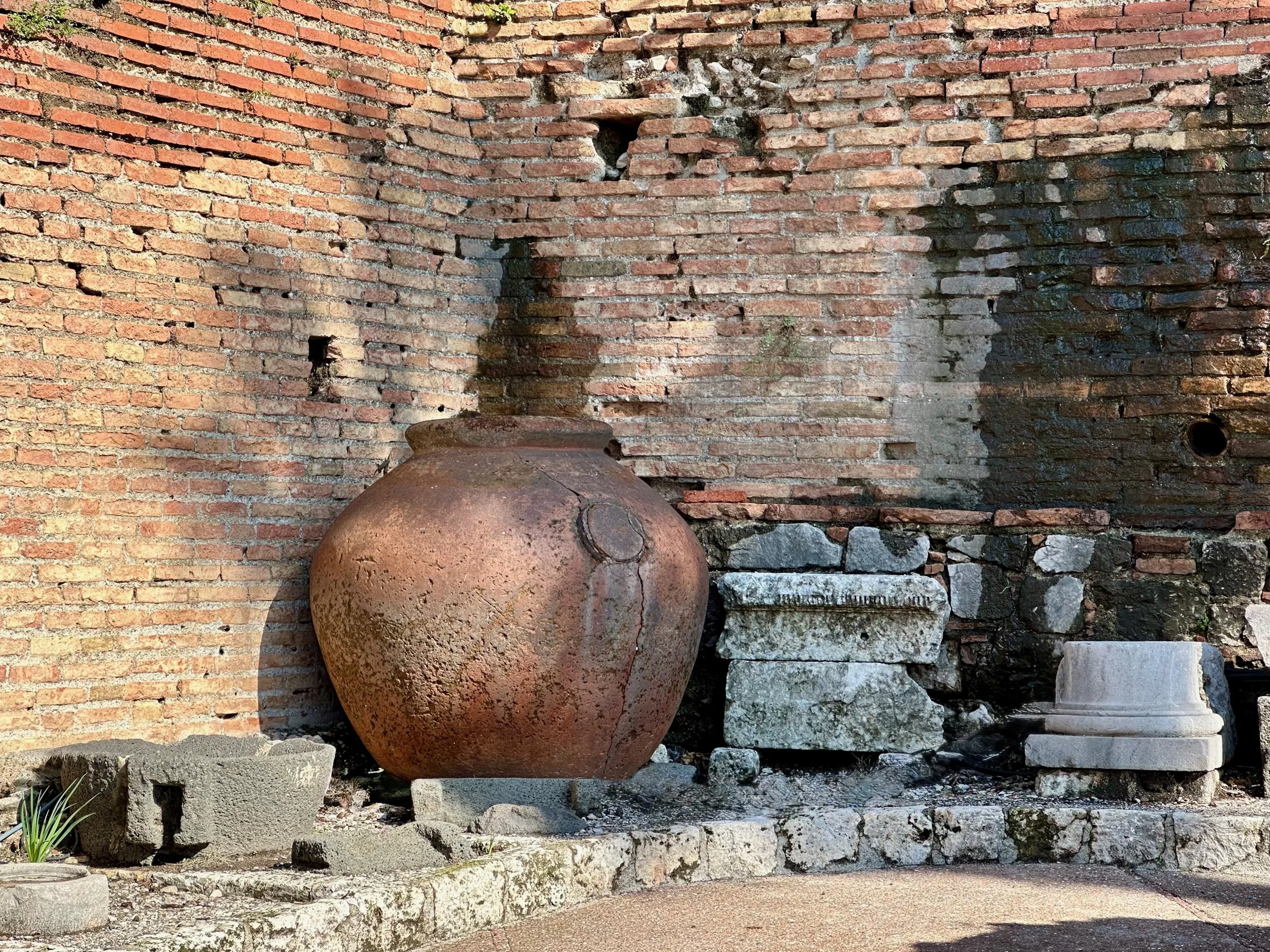
“Built in a dominating position overlooking the town, its cavea (semicircular tiered seating) has a diameter of 109 metres. With the exception of that of Syracuse, it’s the largest ancient theatre not only in Sicily, but in the Italian peninsula and North Africa. Its original plan is thought to date back to the 3rd century BC. This earliest phase is documented by the remains of a wall built of isodomic blocks, incorporated into the scaena and by stone seats with inscriptions from the cavea. What is visible of the theatre today belongs entirely to the Roman reconstruction, more particularly that completed under Trajan or Hadrian in the first half of the 2nd century AD.”
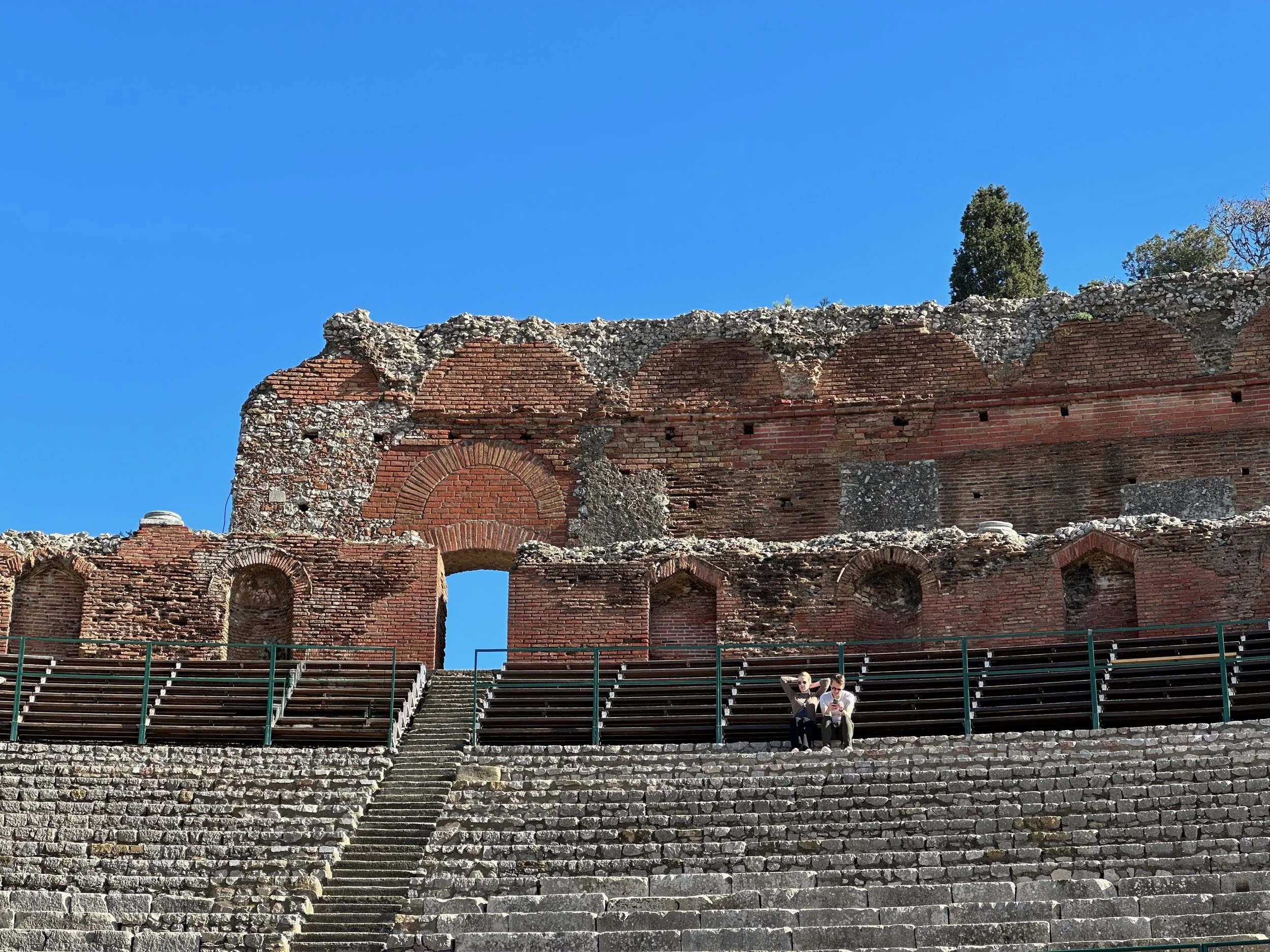
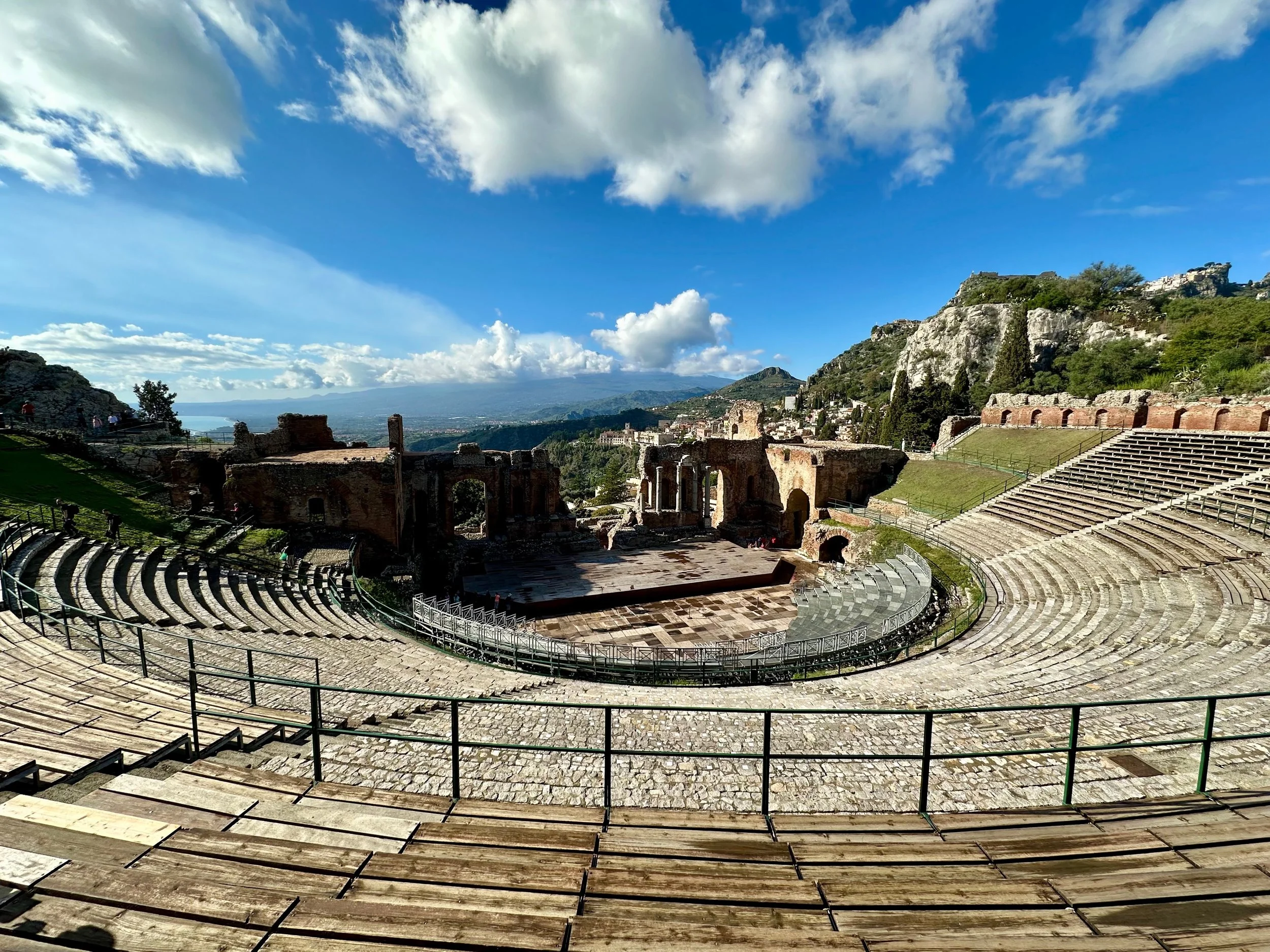
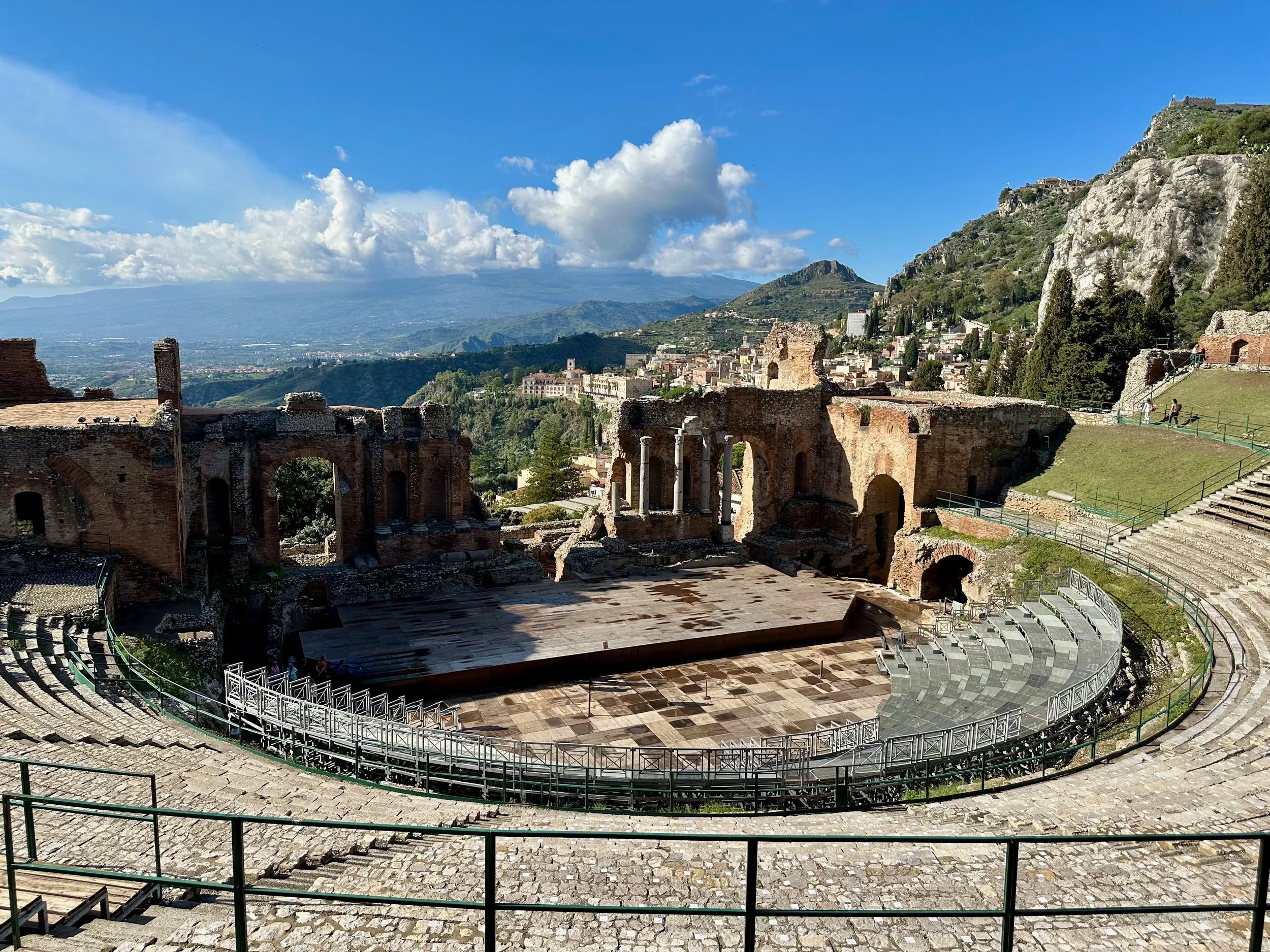
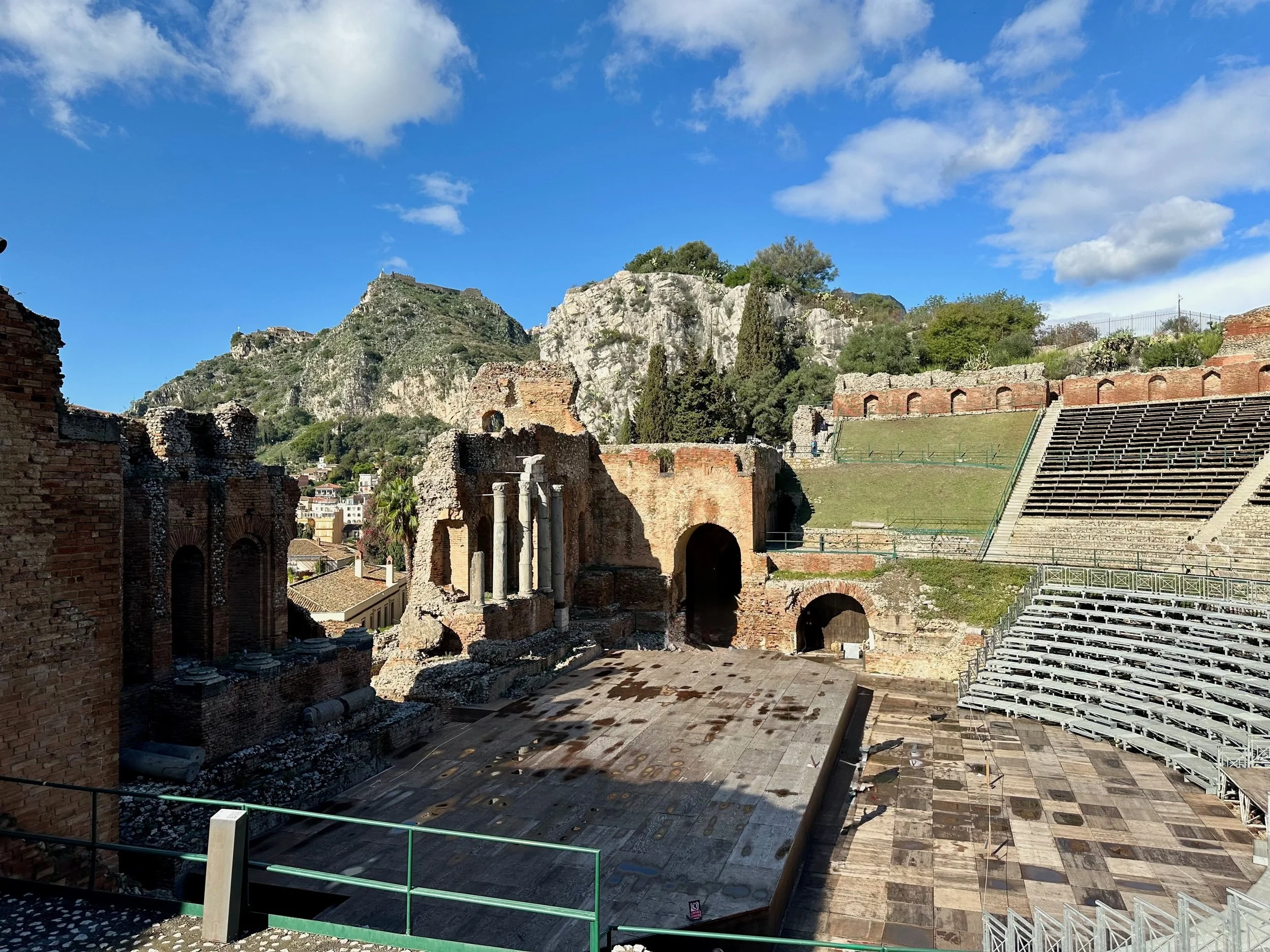
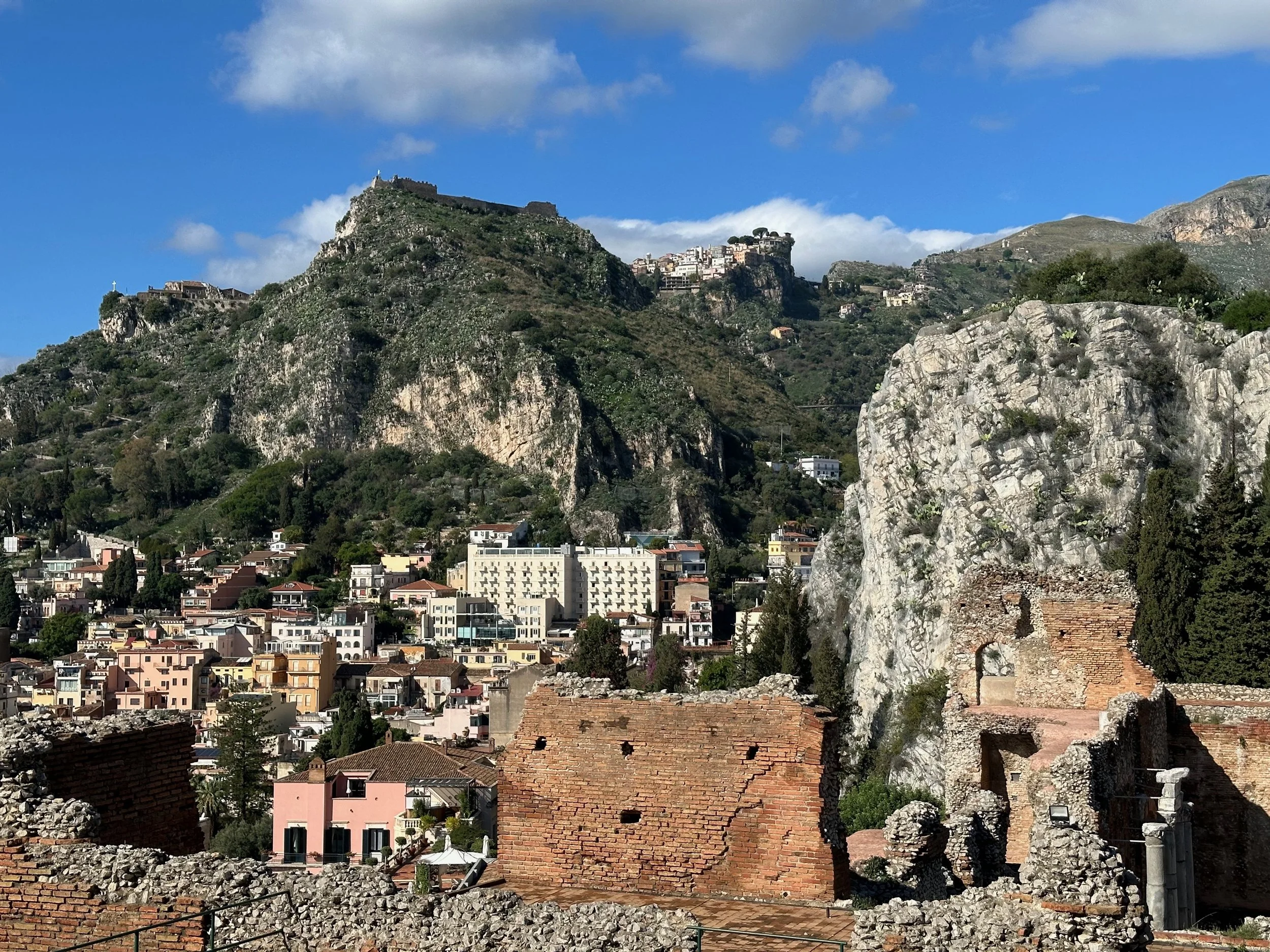
Looking north to the town of Mazzeo.
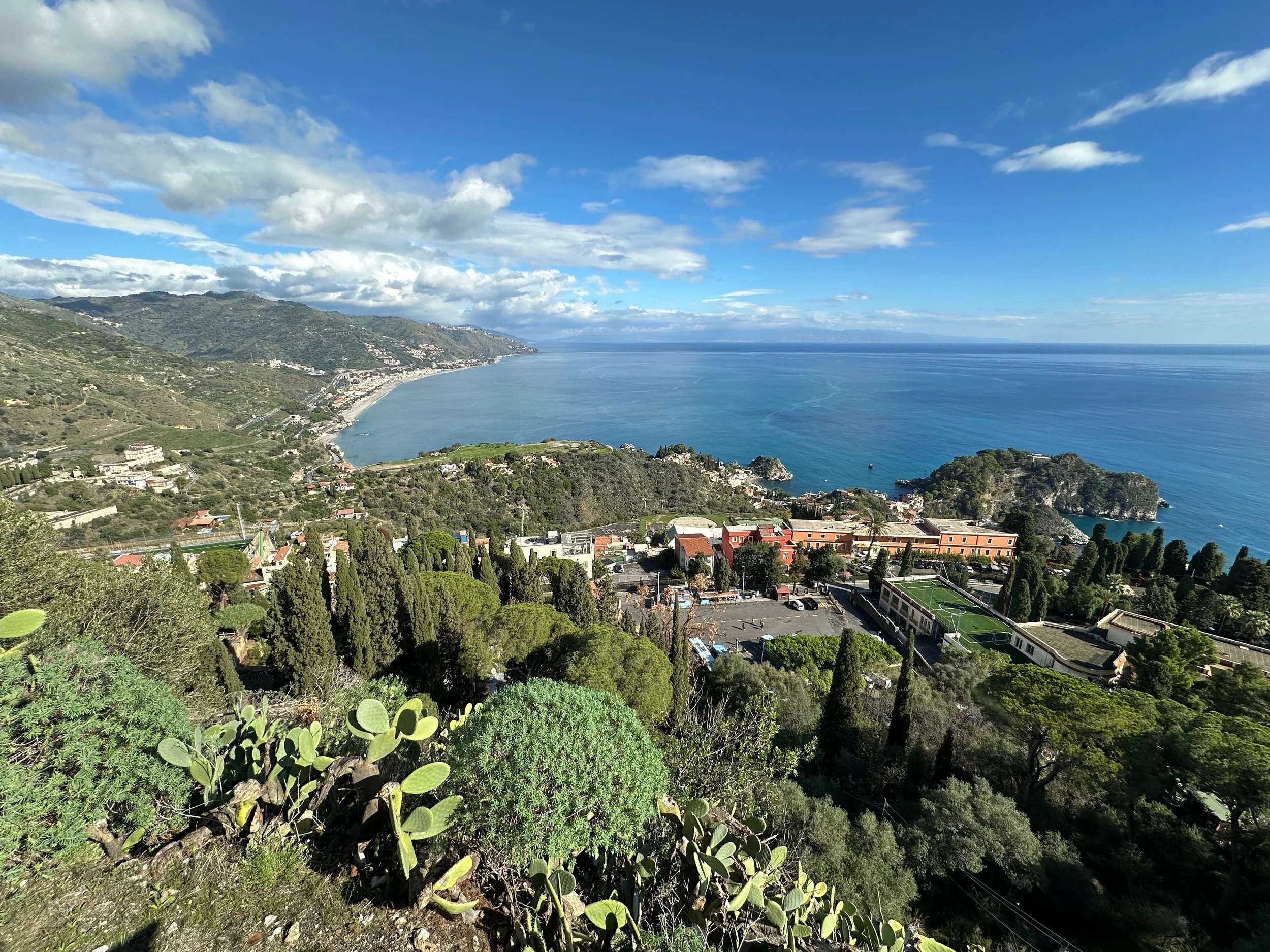
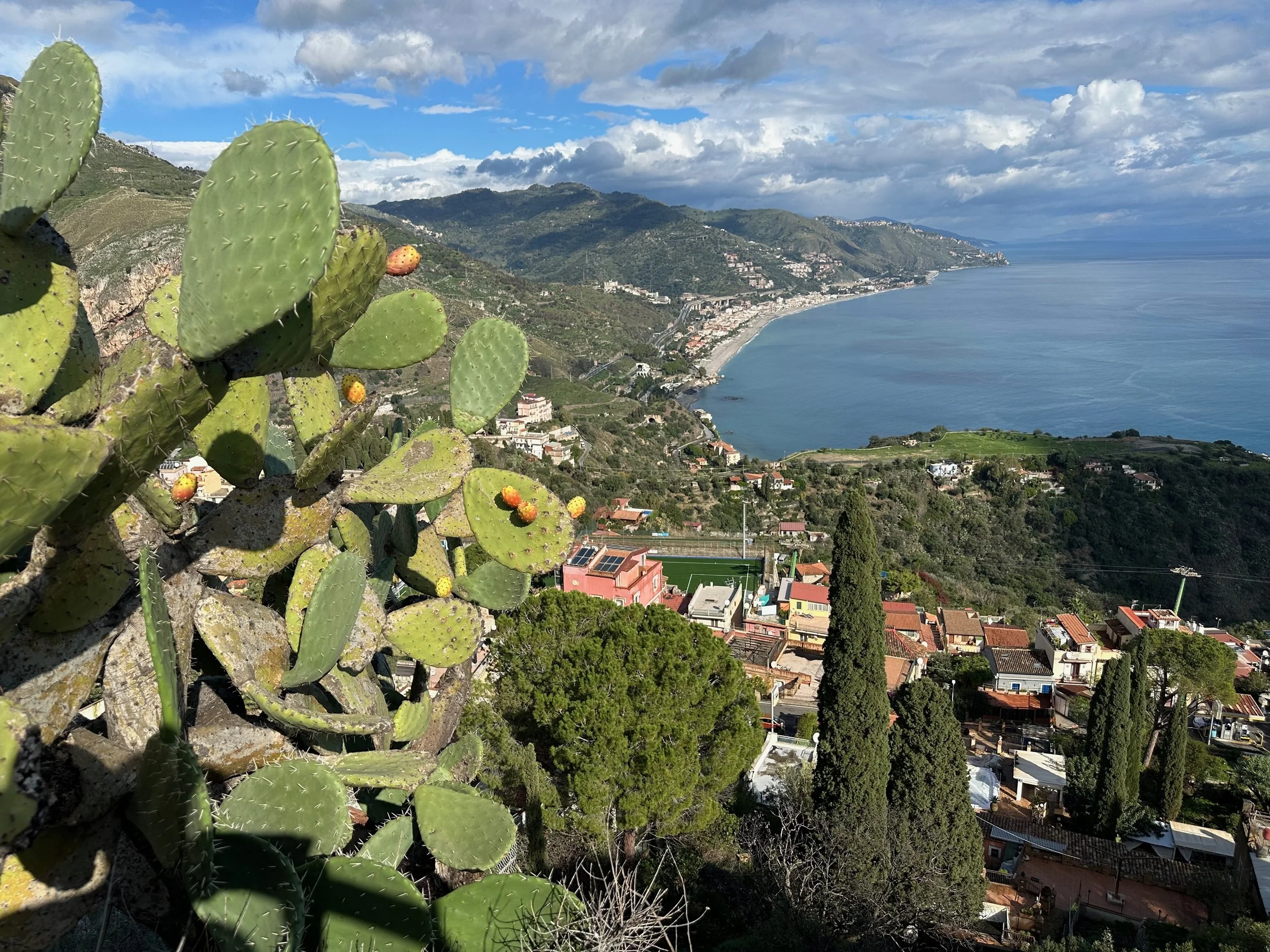
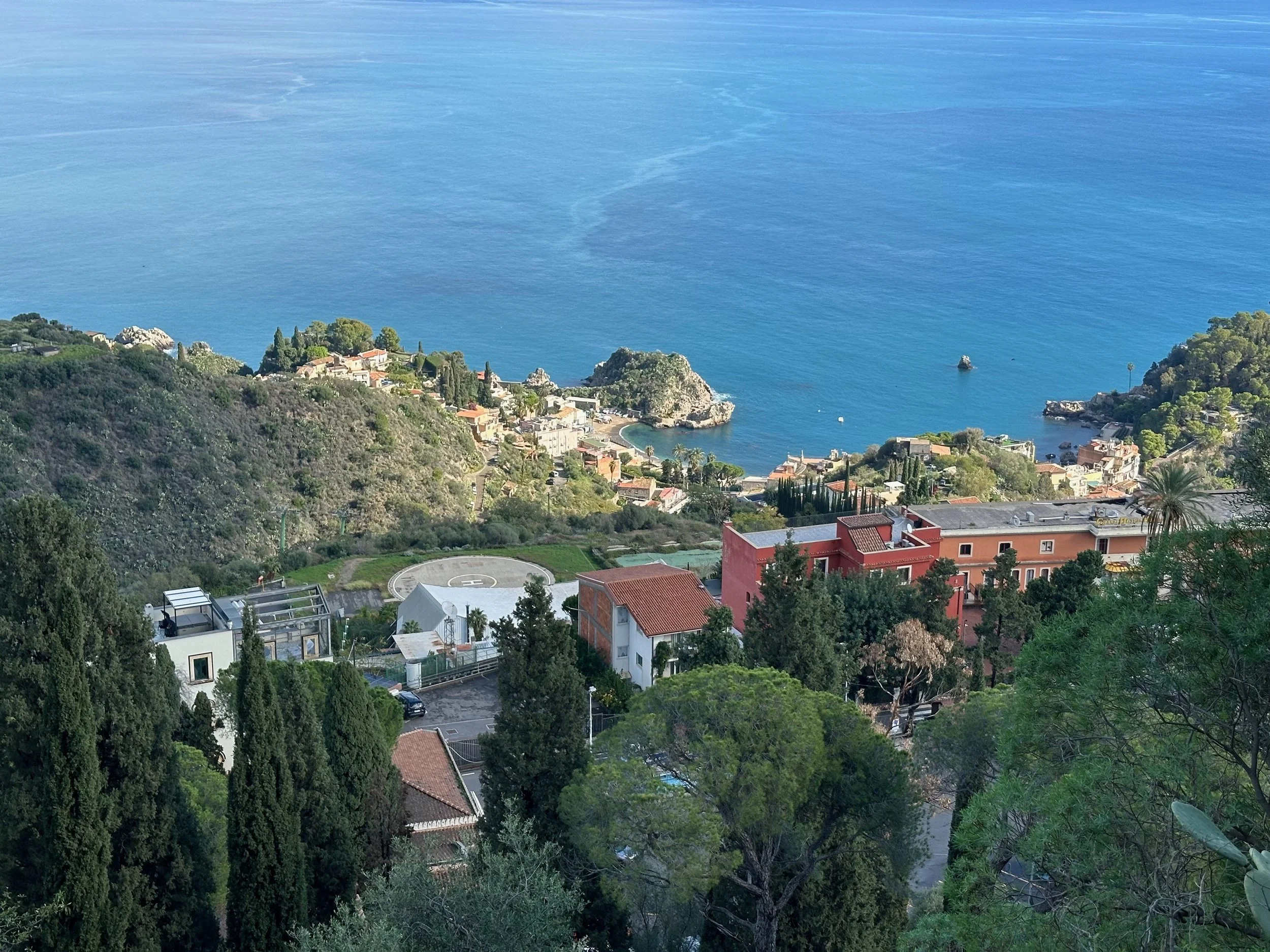
From the top of the theatre we could see in all directions, and the view was beautiful. From the bay at Naxos, to Mazzeo on the coastline north of the mountain, everything was basking in the warmth of the Sicilian sun.
Also located at the top of the amphitheatre was a restaurant/cafe, a bar, and some modest tourist services. But for us we just wanted to finish our tour of the heritage site and then fight our way past all those shops on the way back to the ship. Unfortunately, our pocketbooks were a bit lighter by the time we got there.
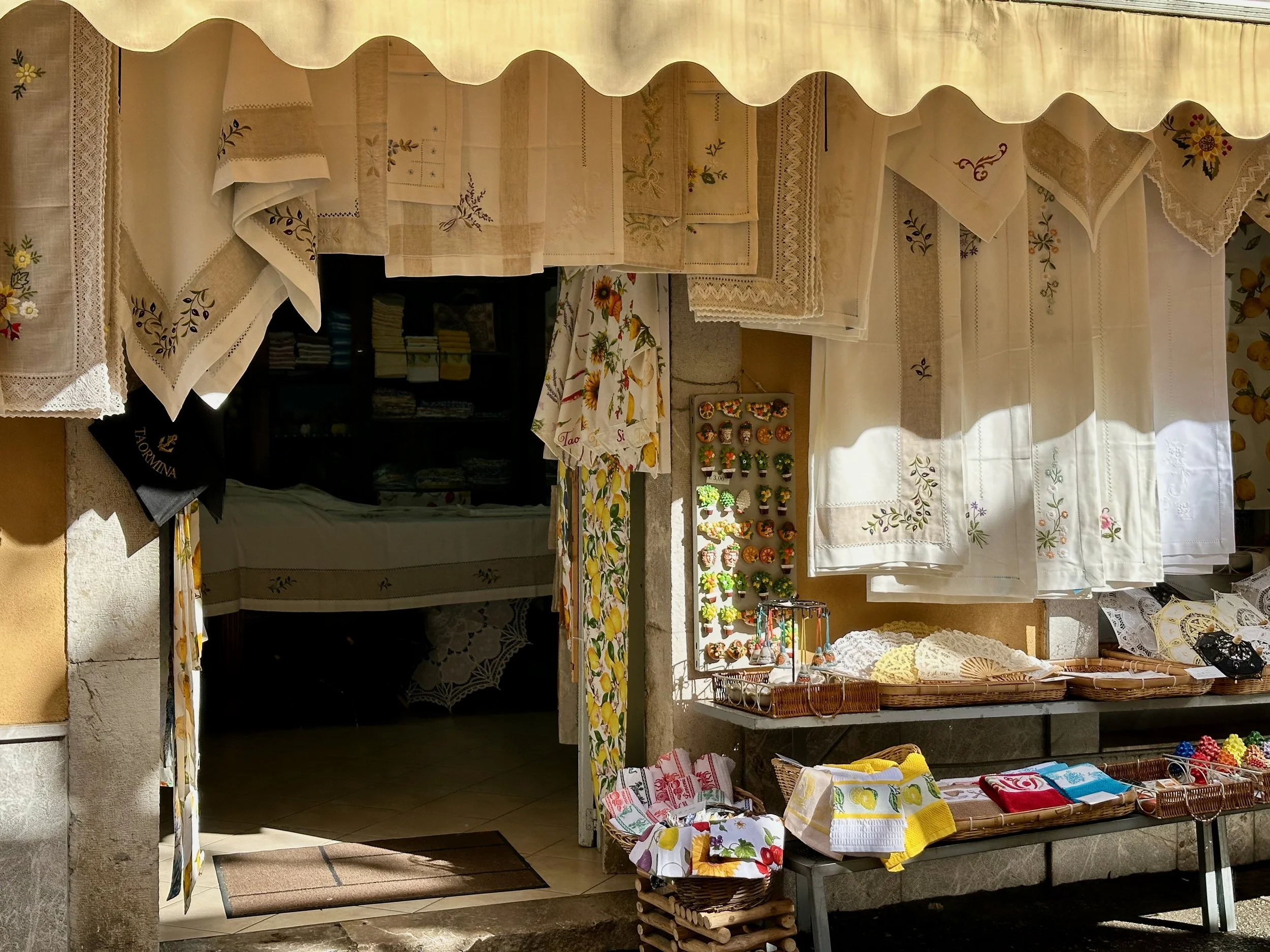
The linen shop selling made in Sicily product.
Heading Back To The Ship
Once we had our fill at the amphitheatre, we made the long walk back towards the ship. By this time the earlier deserted streets were now bustling with locals and tourists alike. So a different experience from what we had when making our way to the amphitheatre. Many of the shops were oriented strictly toward tourists, but the ones worth spending time in were full of high end products ranging from clothing to tableware. One such shop specialized in table linen, and it was here that we bought our big purchase from this town. A lovely set of tablecloth and napkins, hand made in Sicily. Perfect.
Heraklion, Greece
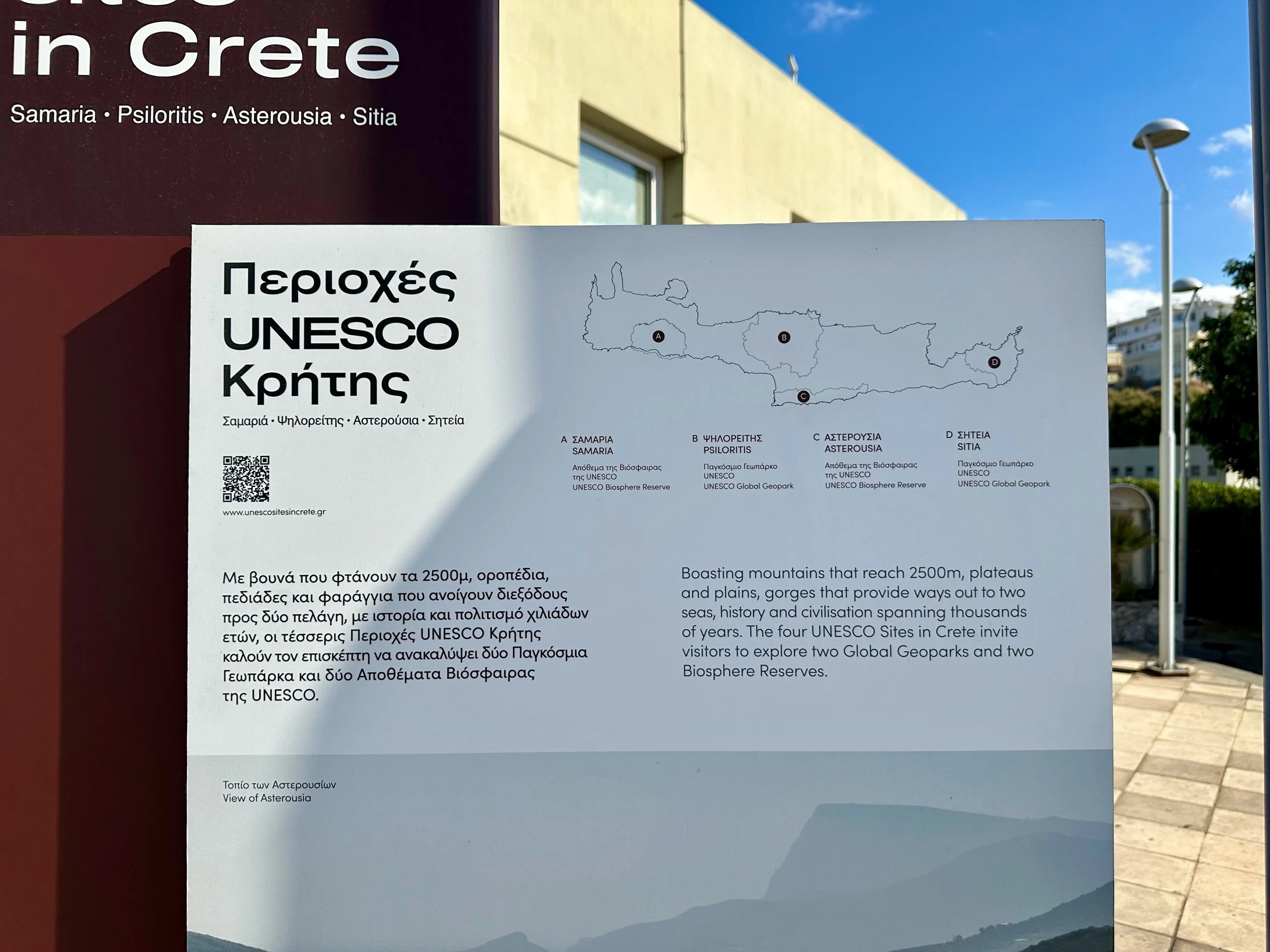
Our last port of the cruise, if you don’t count flying home from Athens, was Heraklion on the island of Crete. The morning of our arrival was heavy overcast, with off and on rain. Not a great way to start our first visit to Greece.
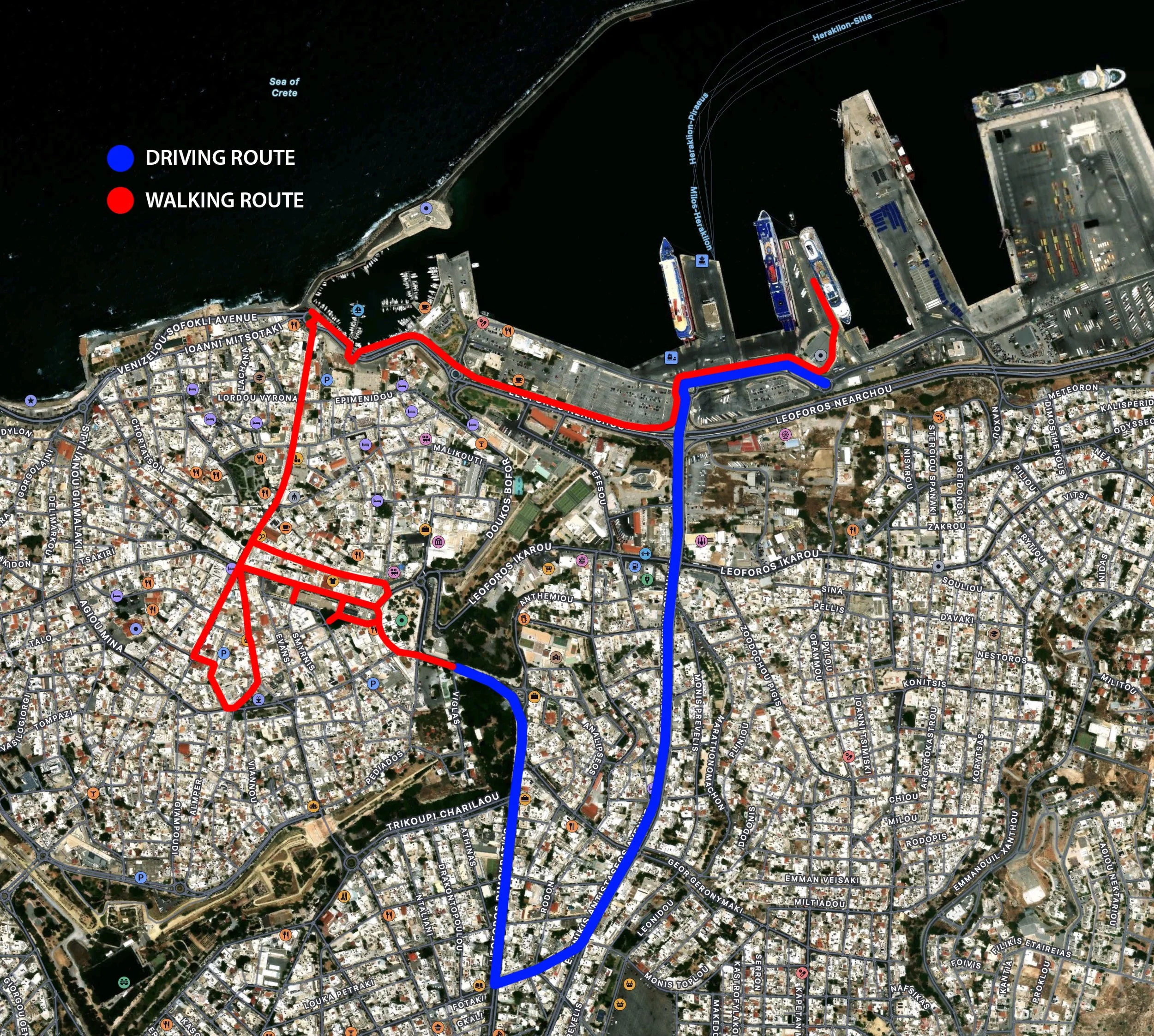
We had planned a formal excursion for this port, but because of the dreadful weather we decided to just stay back and catch the shuttle into the city. From there we could wander about on our own and then, if needed, abort the visit and return to the ship.
Fortunately for us, not long after catching the shuttle bus into the centre of town, the clouds started to part and within an hour sun broke through for the rest of our stay. Missing the formal excursion never really bothered us as by this time we were getting weary. A relaxed stroll through the town, and a nice walk back to the ship via the harbour road was a perfect way to spend time in Heraklion. Being from a harbour city ourselves, we felt right at home here.
The small boat harbour with its fortification in the distance.
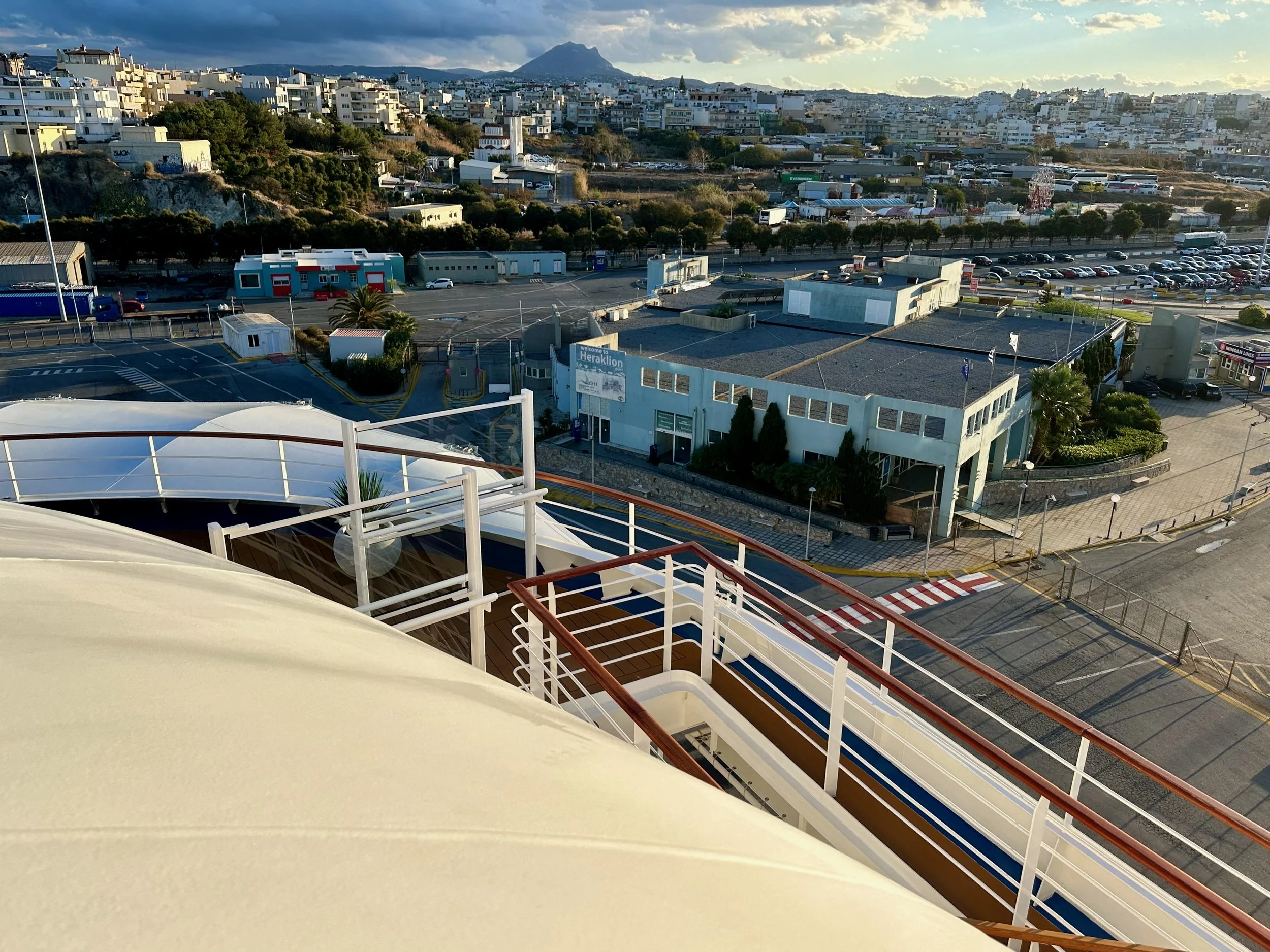
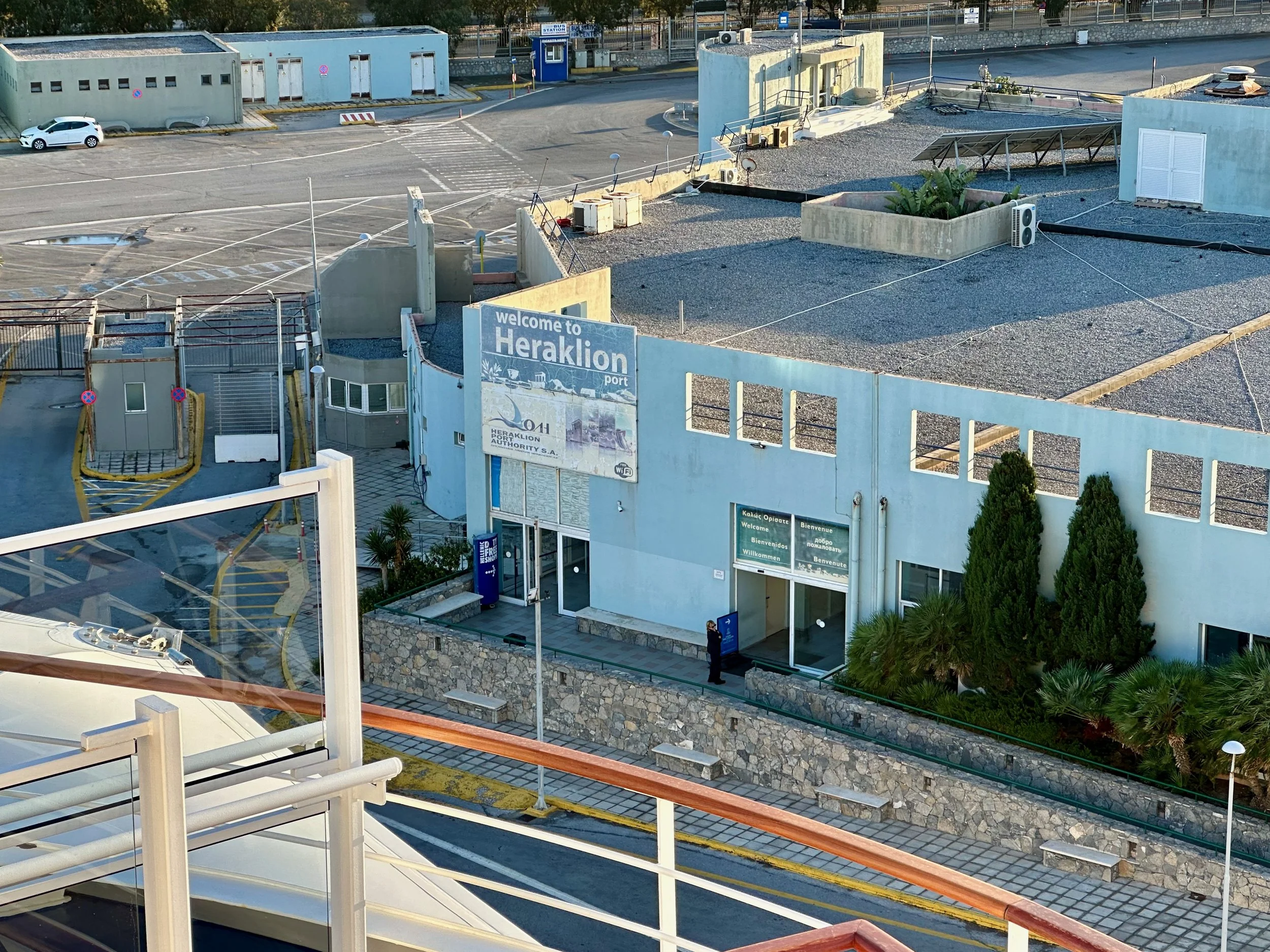
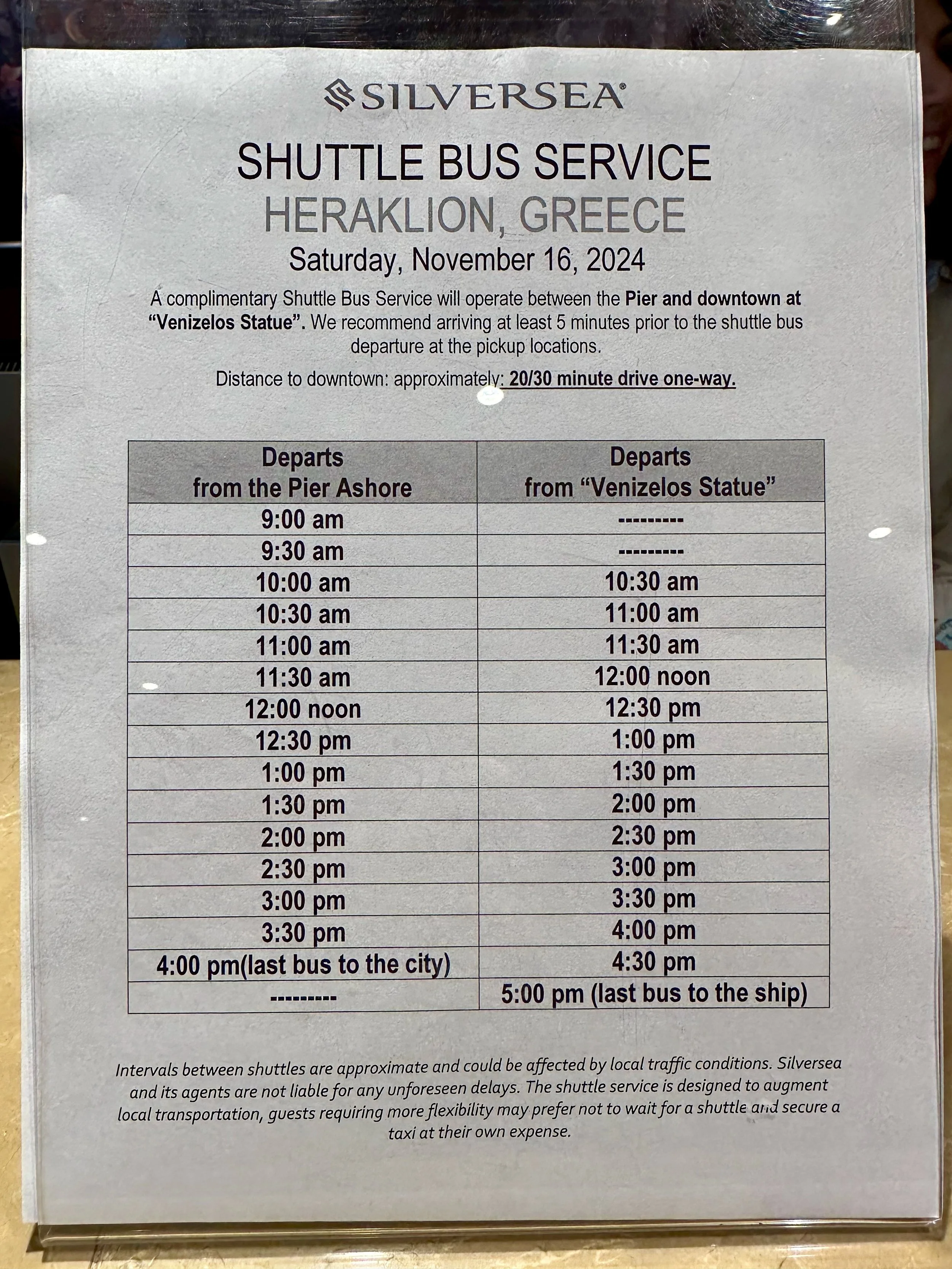
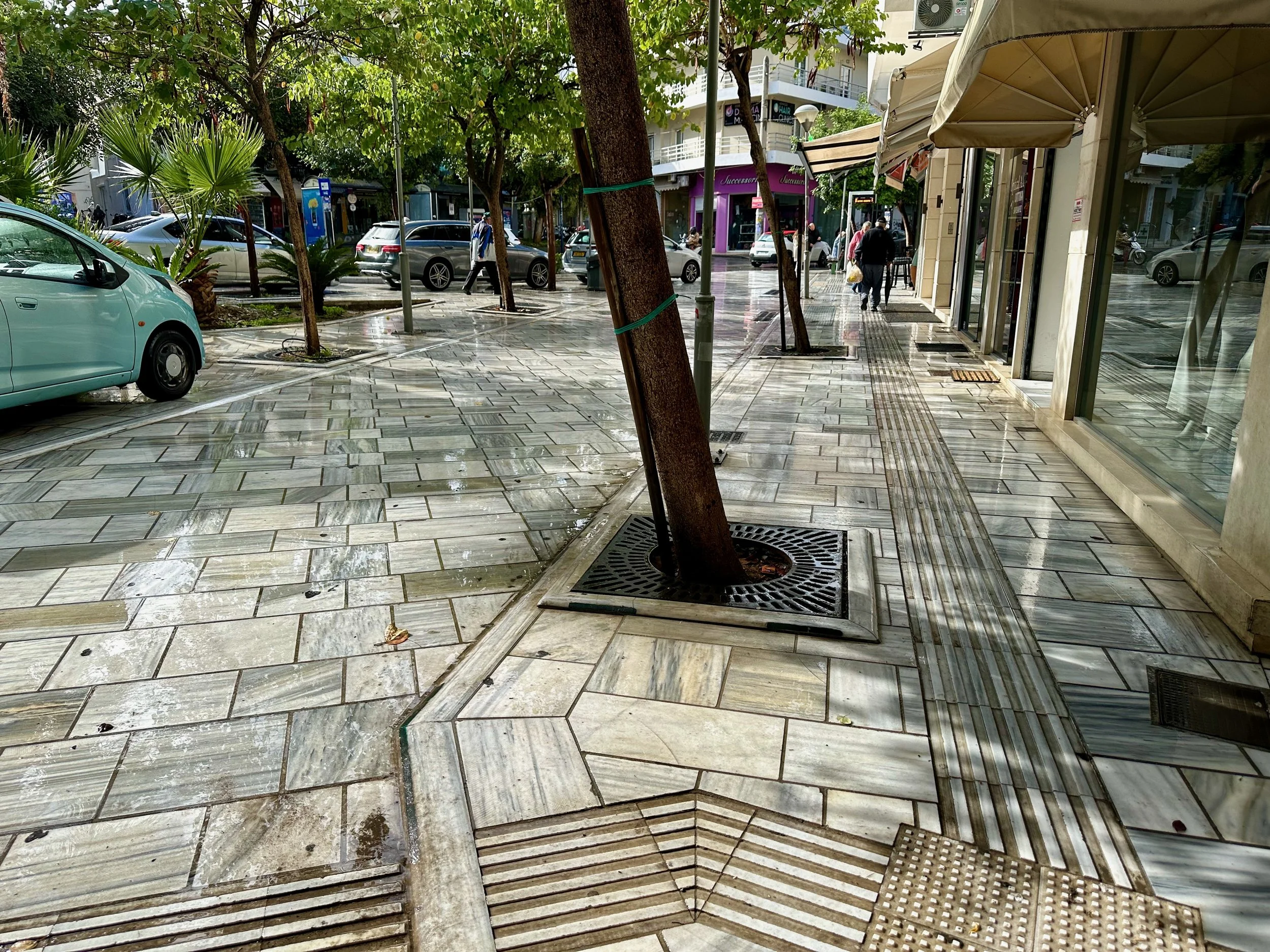
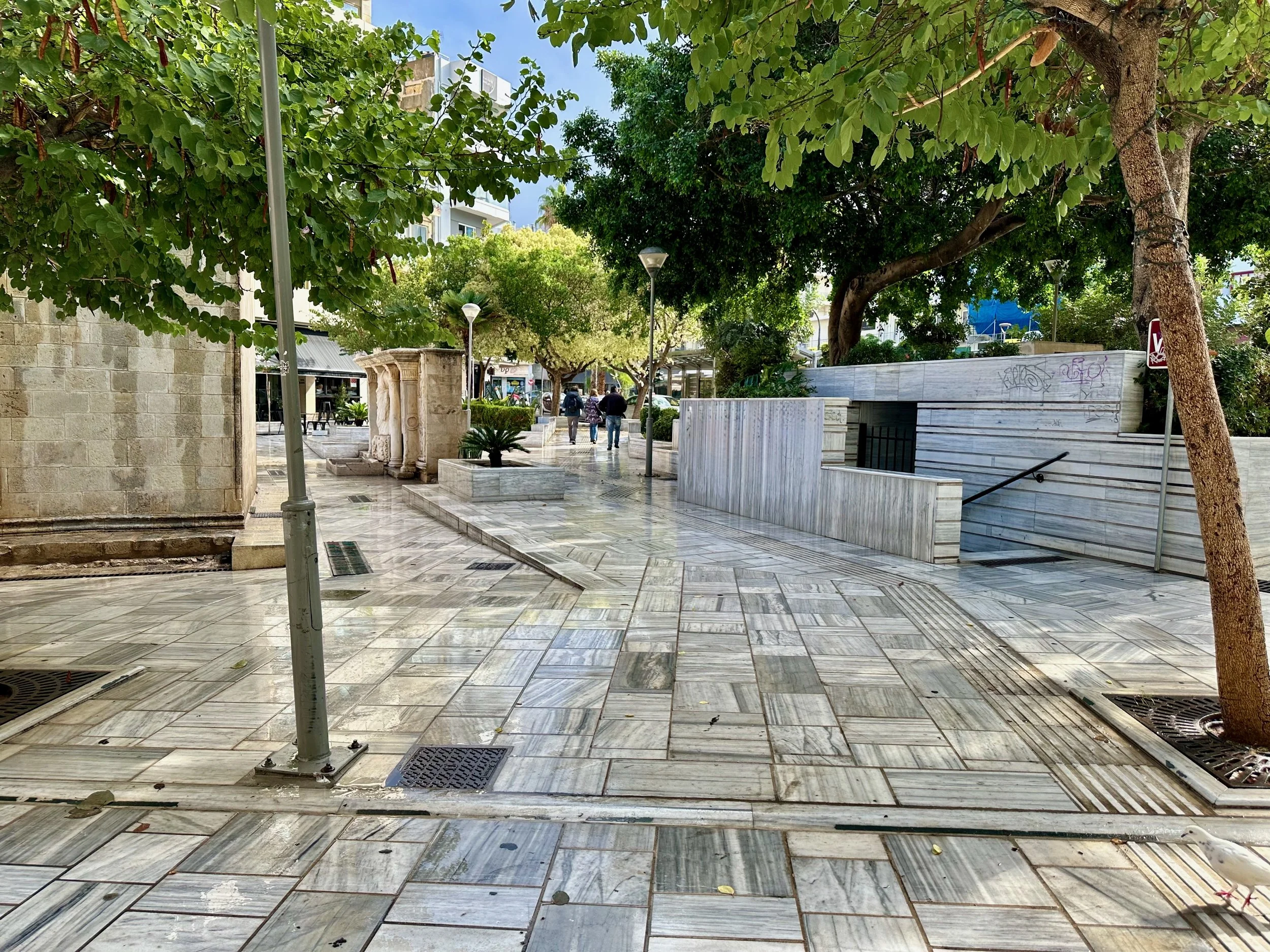
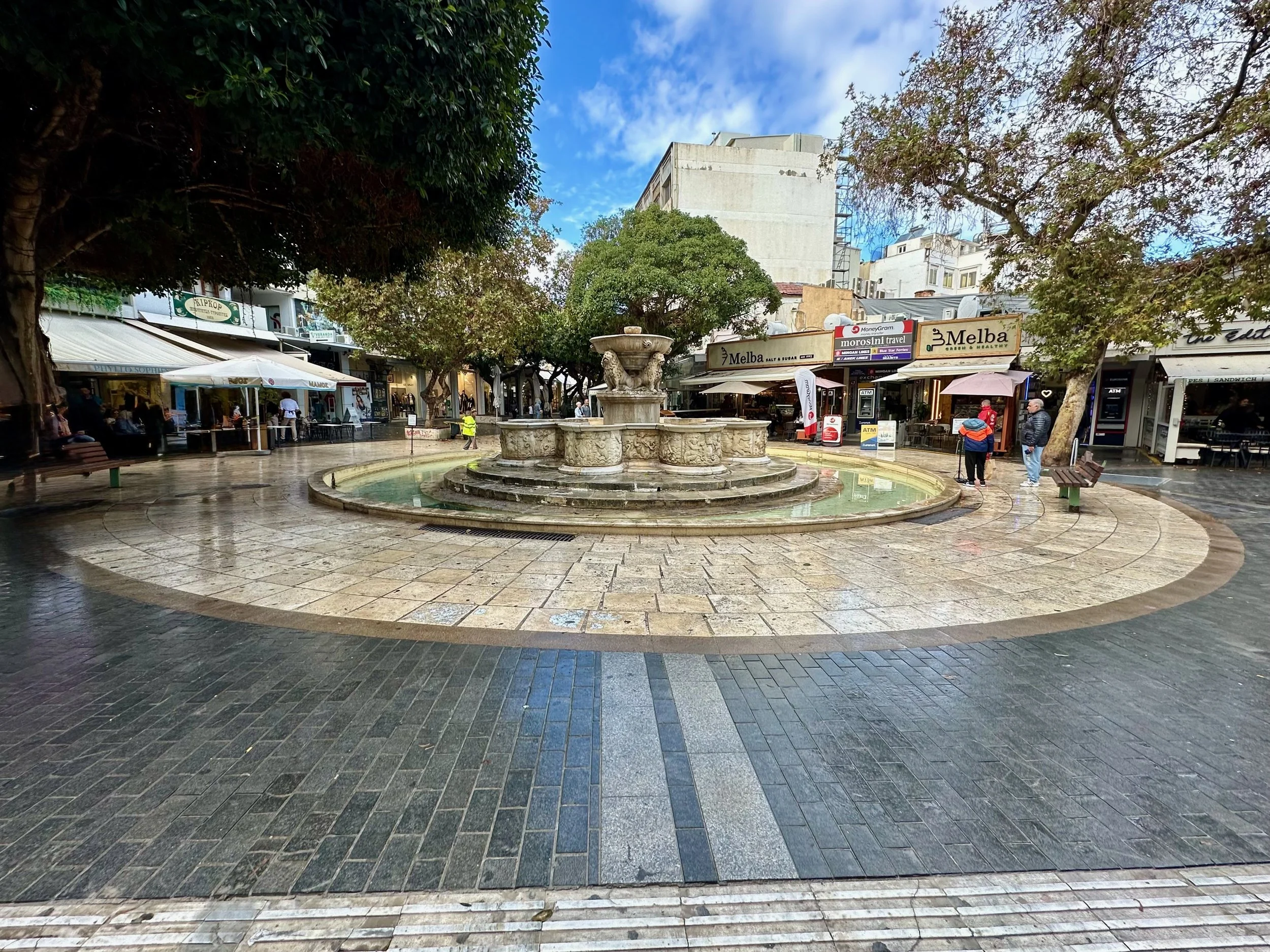
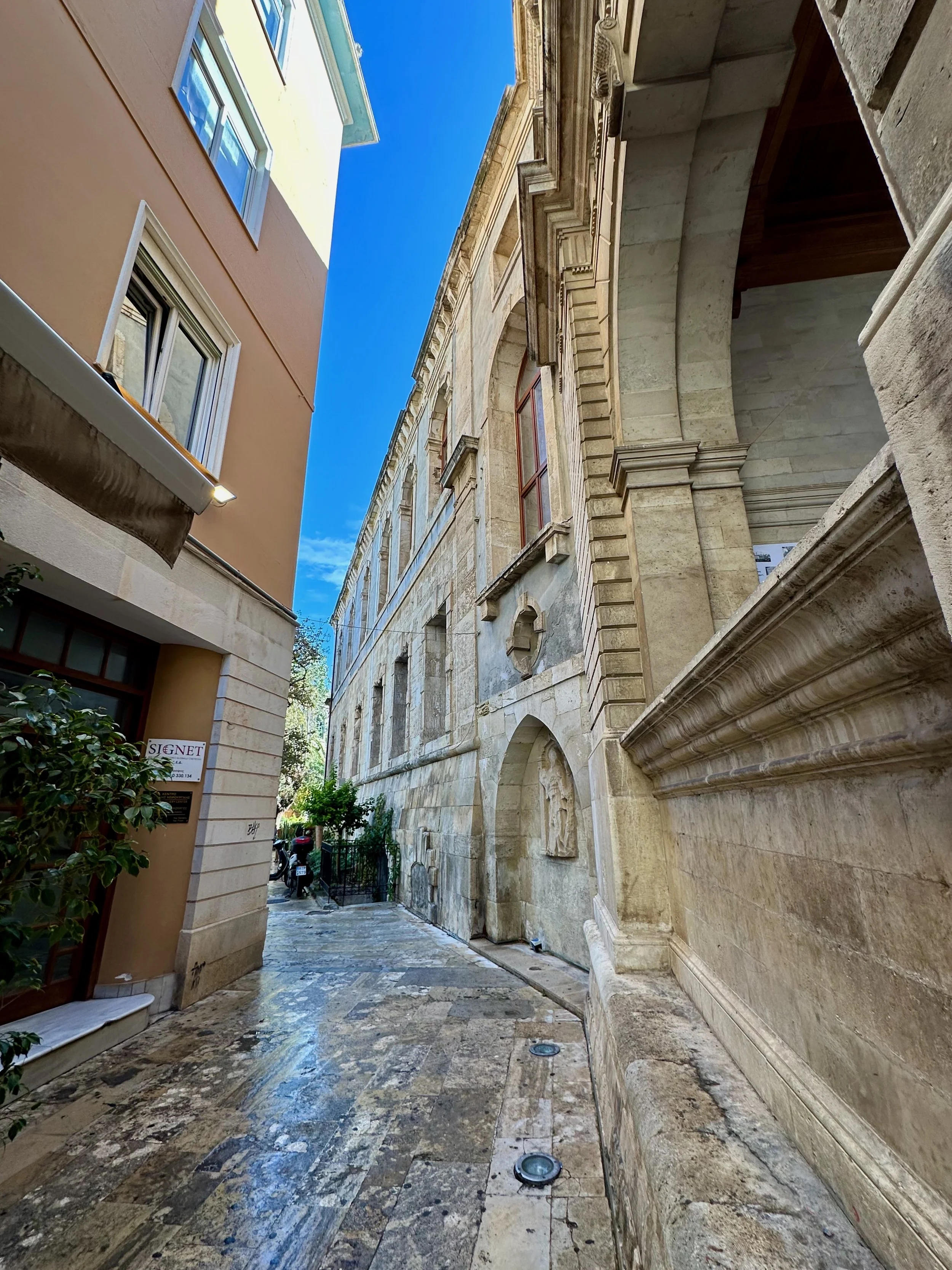
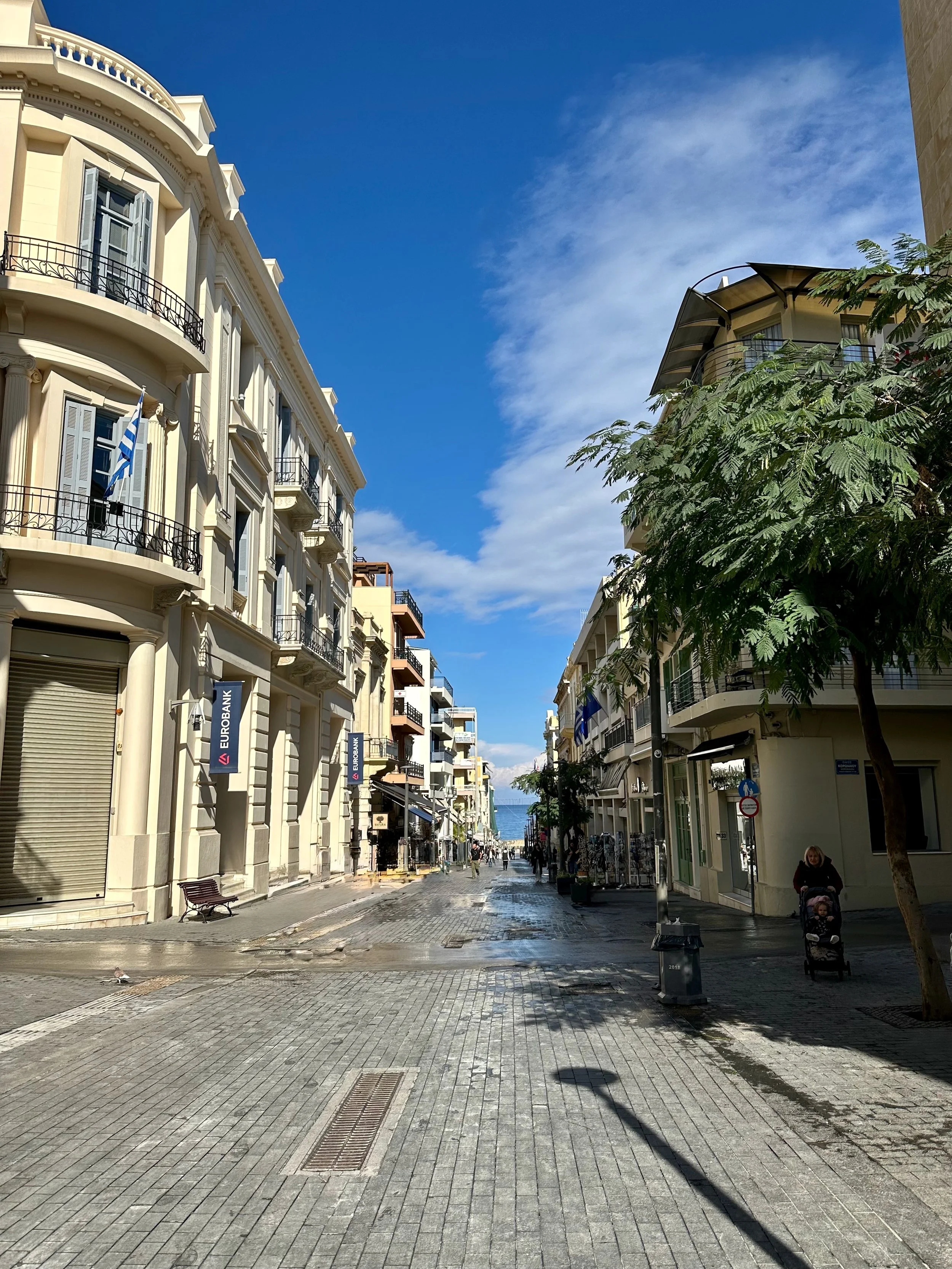
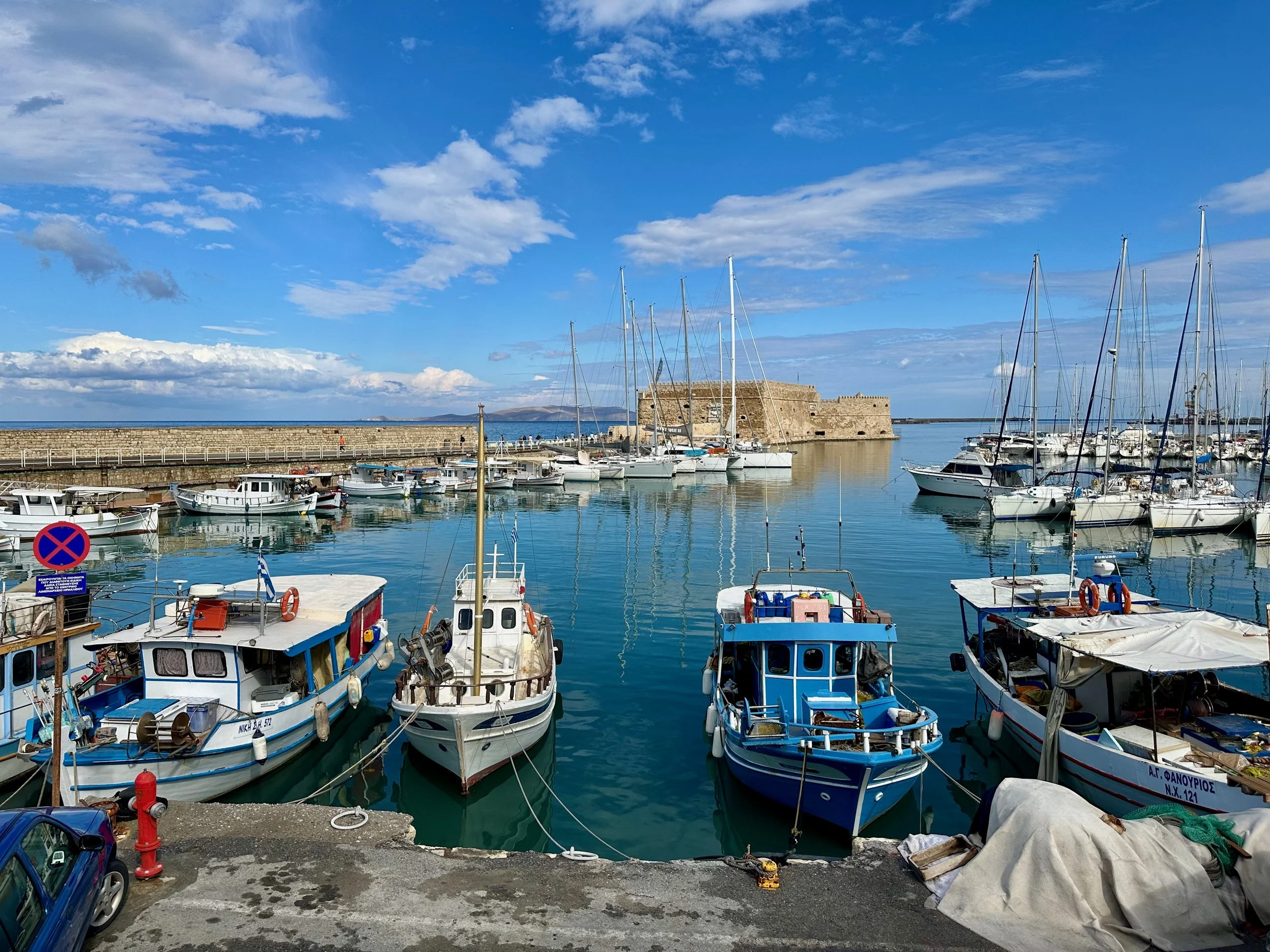
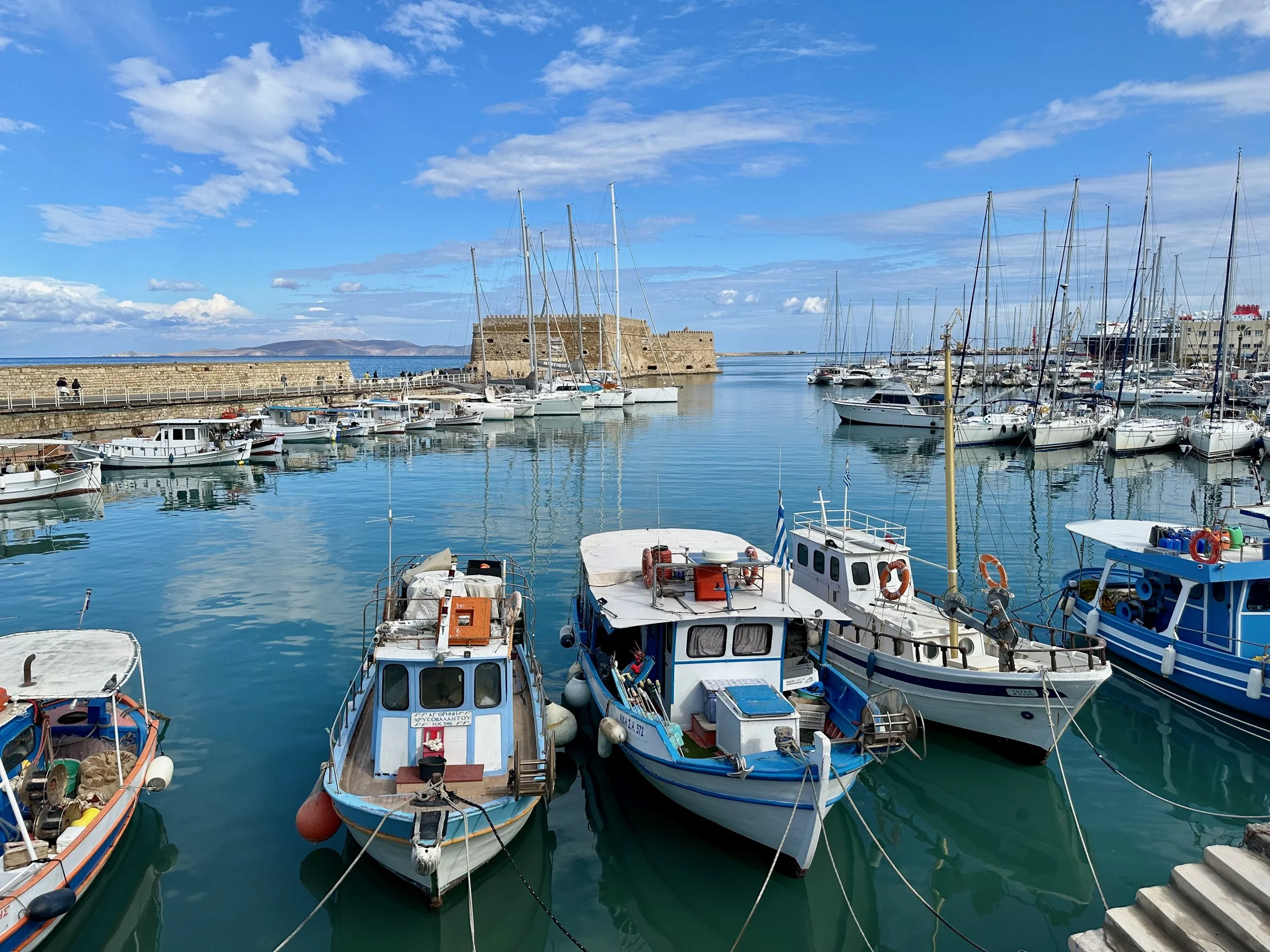
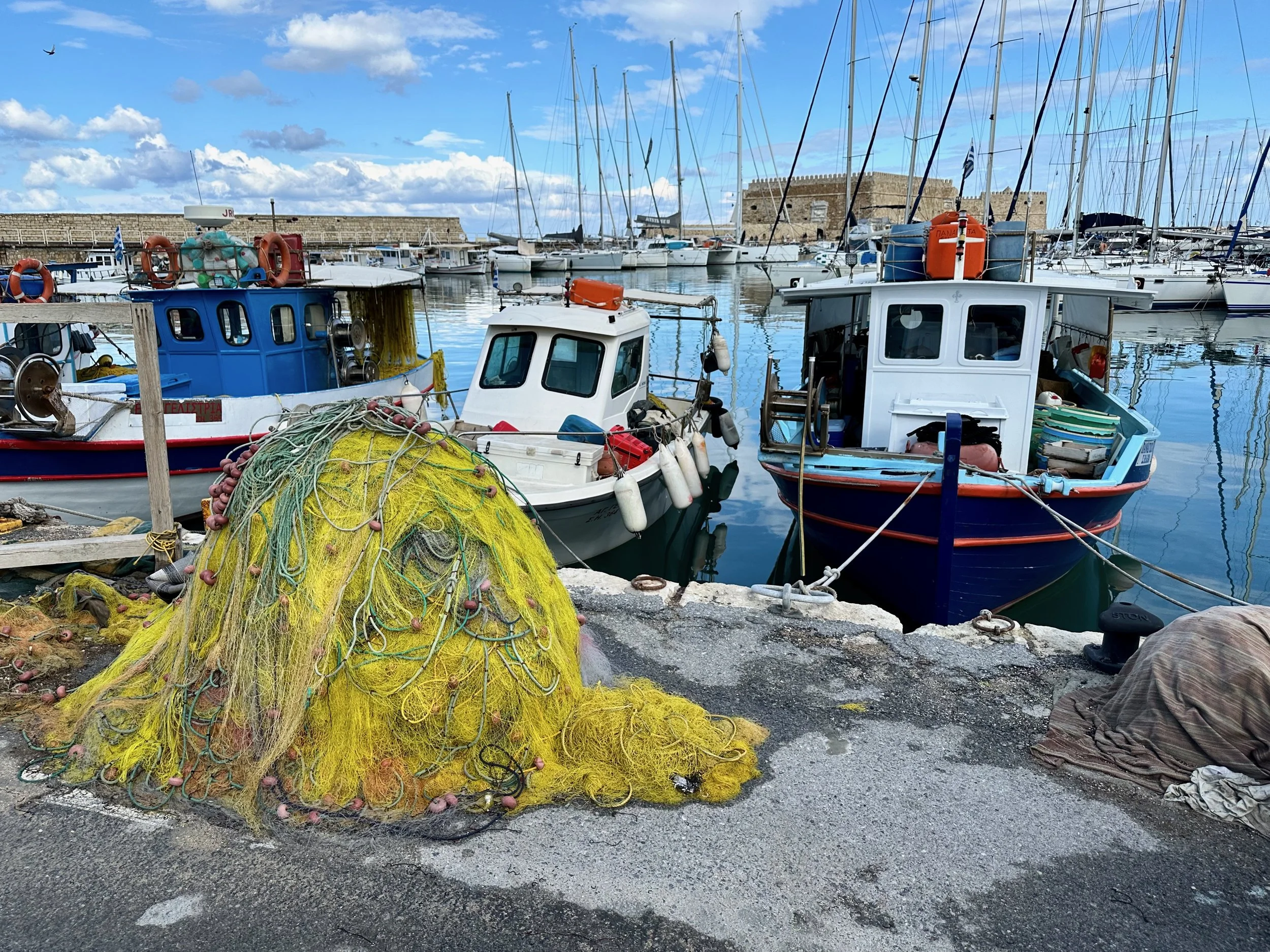
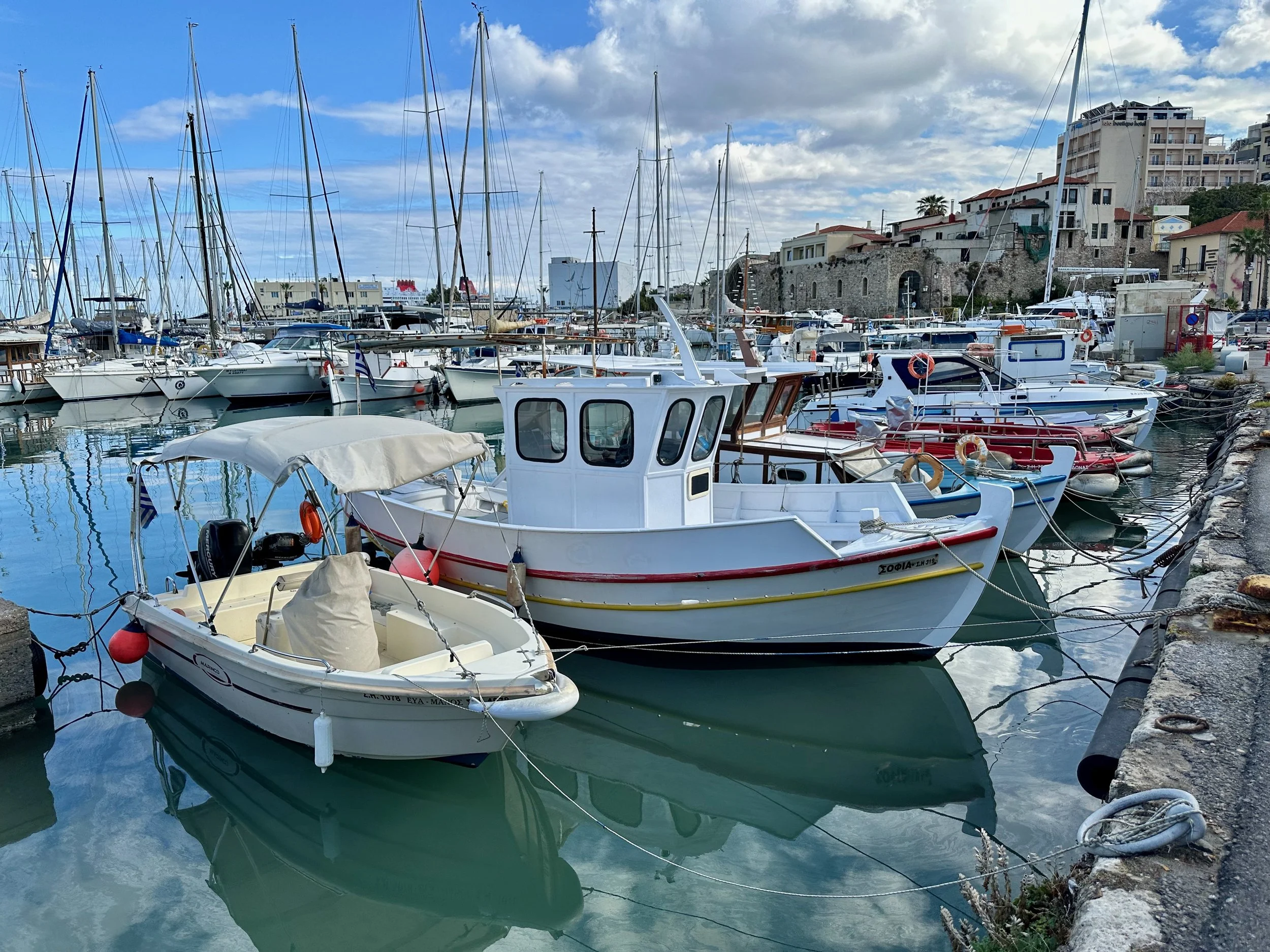
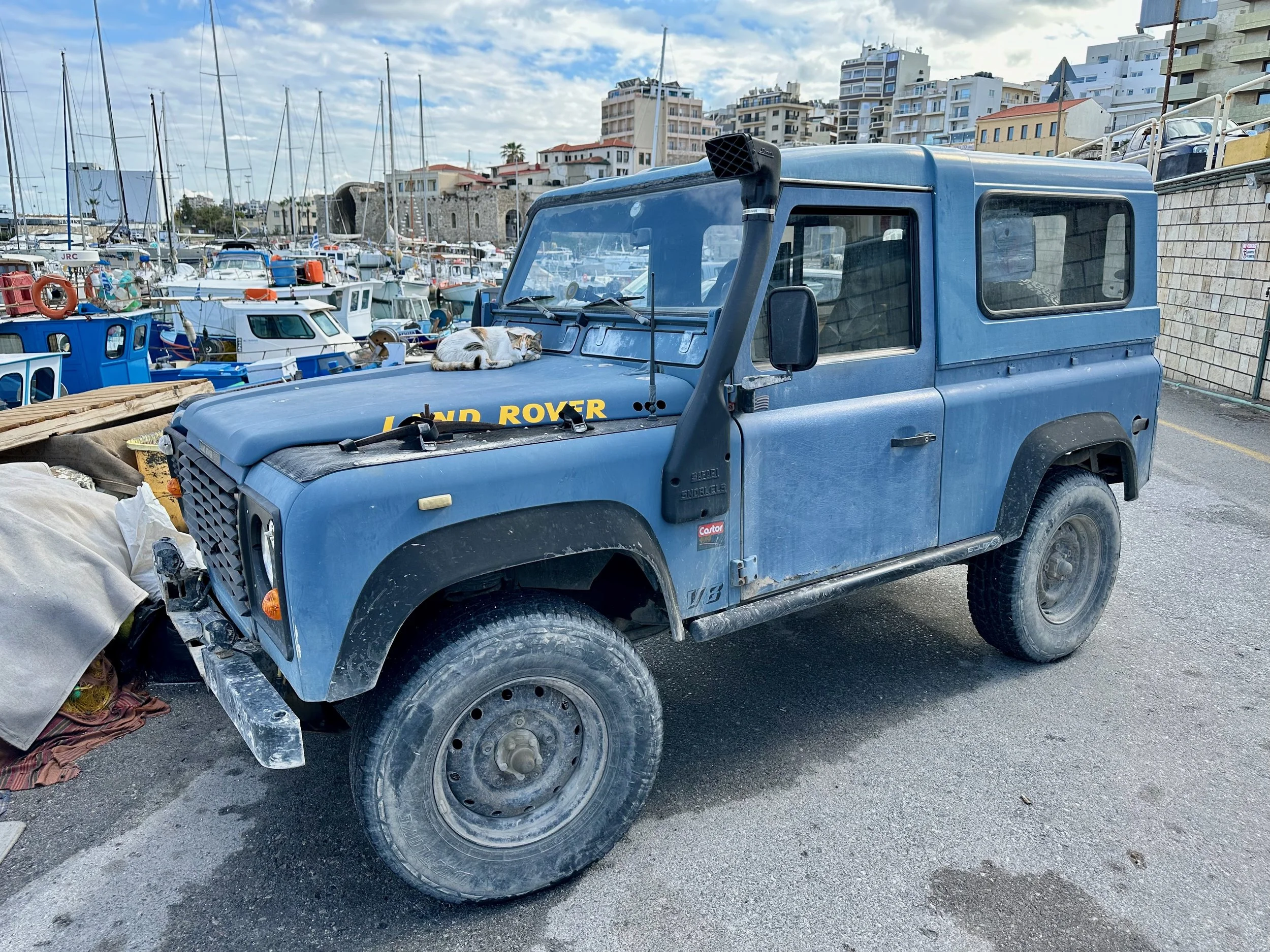
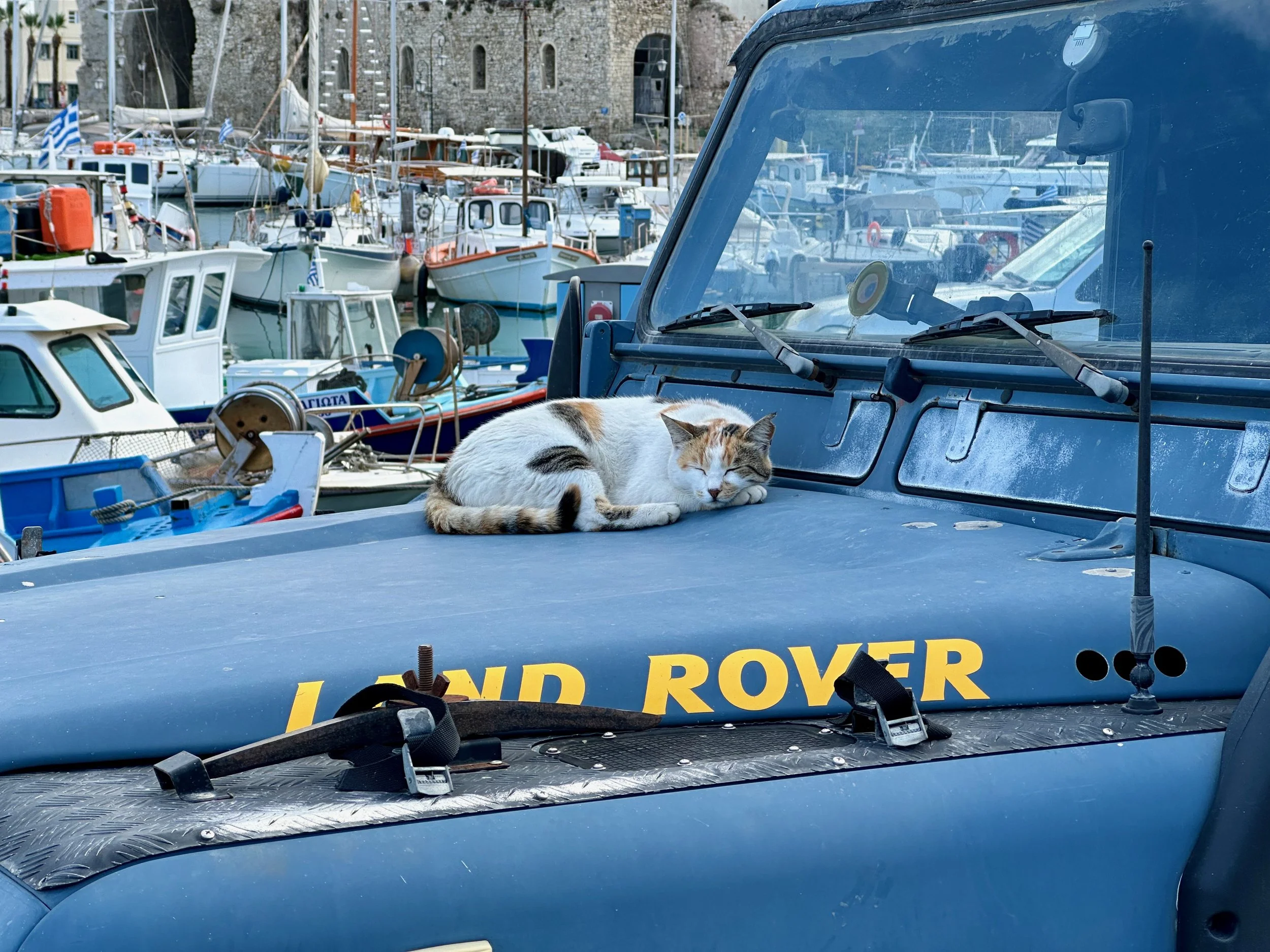
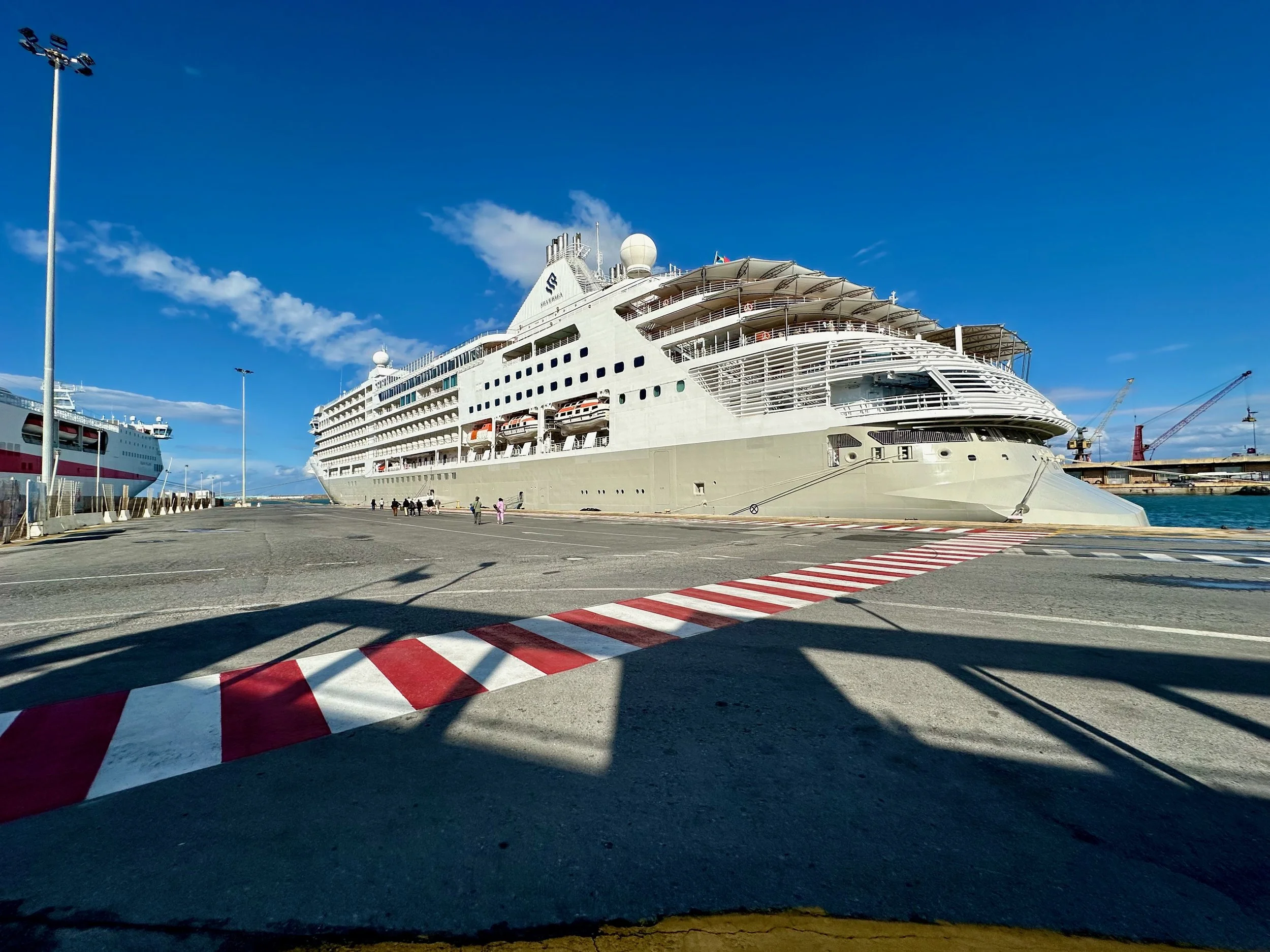
Since the industrial port where our ship was docked was only a few kilometres away, we decided it was closer to walk to the ship than it was to walk back to the bus drop off point. The route was less crowded than the city streets since daily commerce was now in full swing.
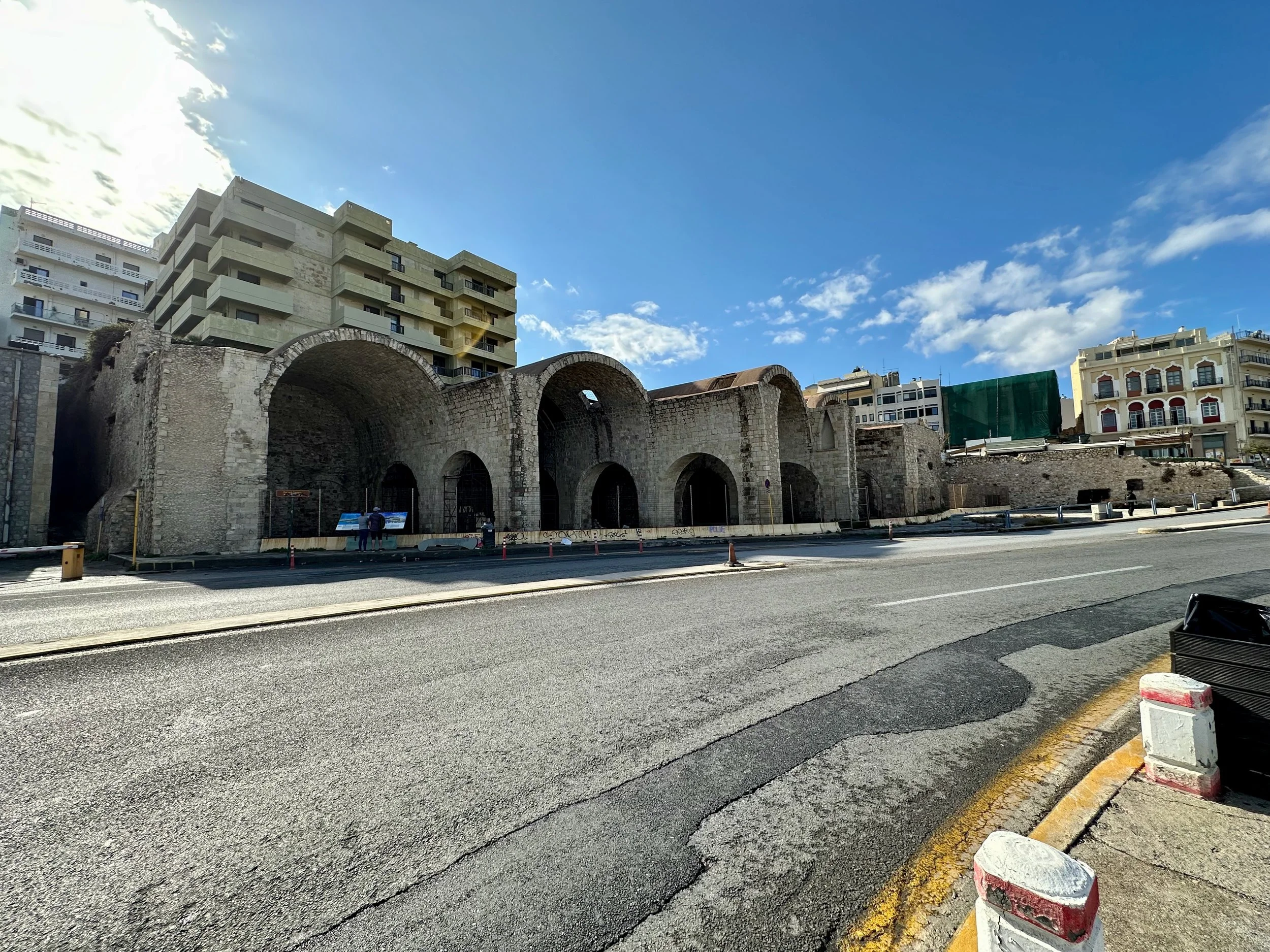
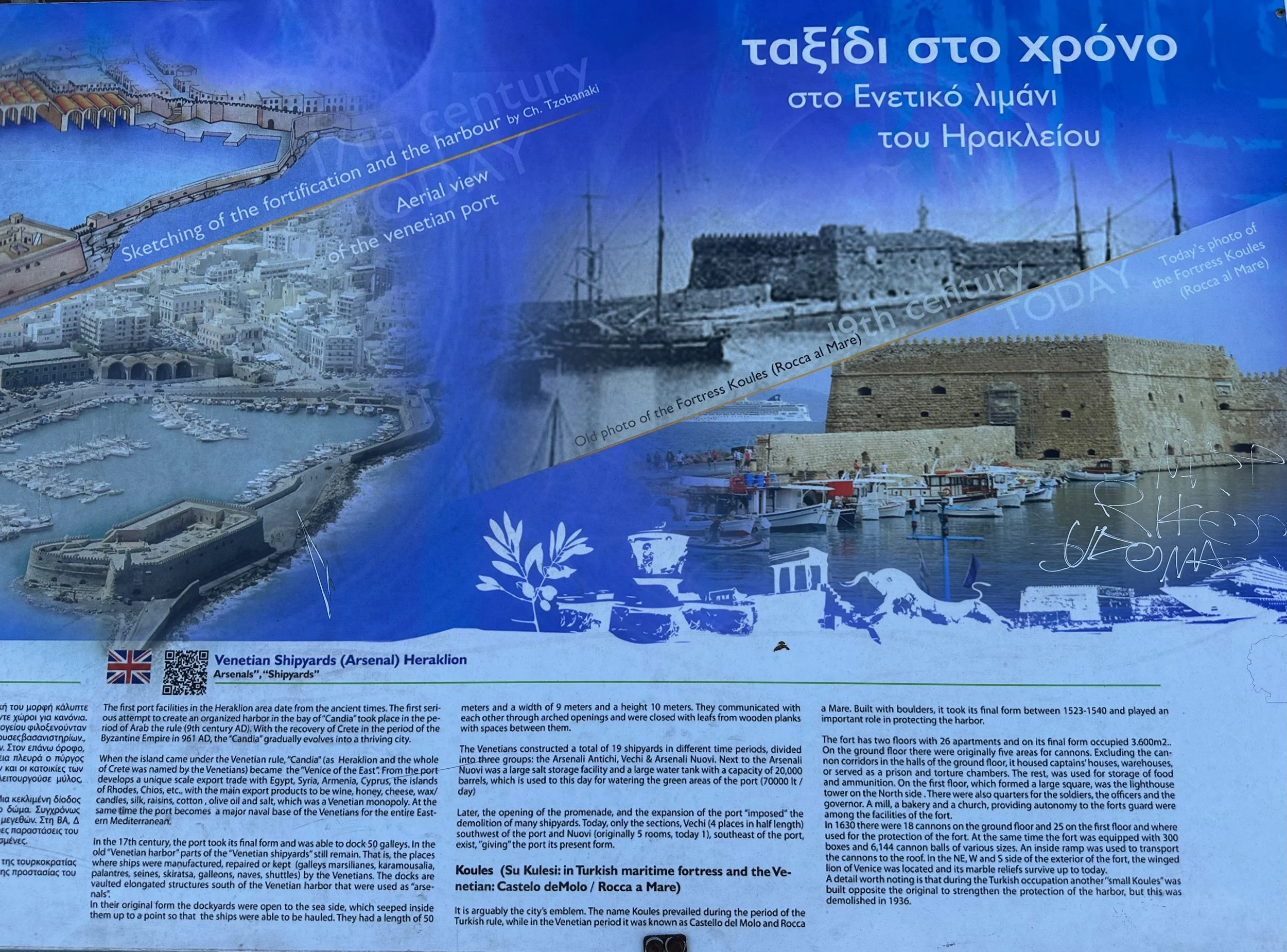
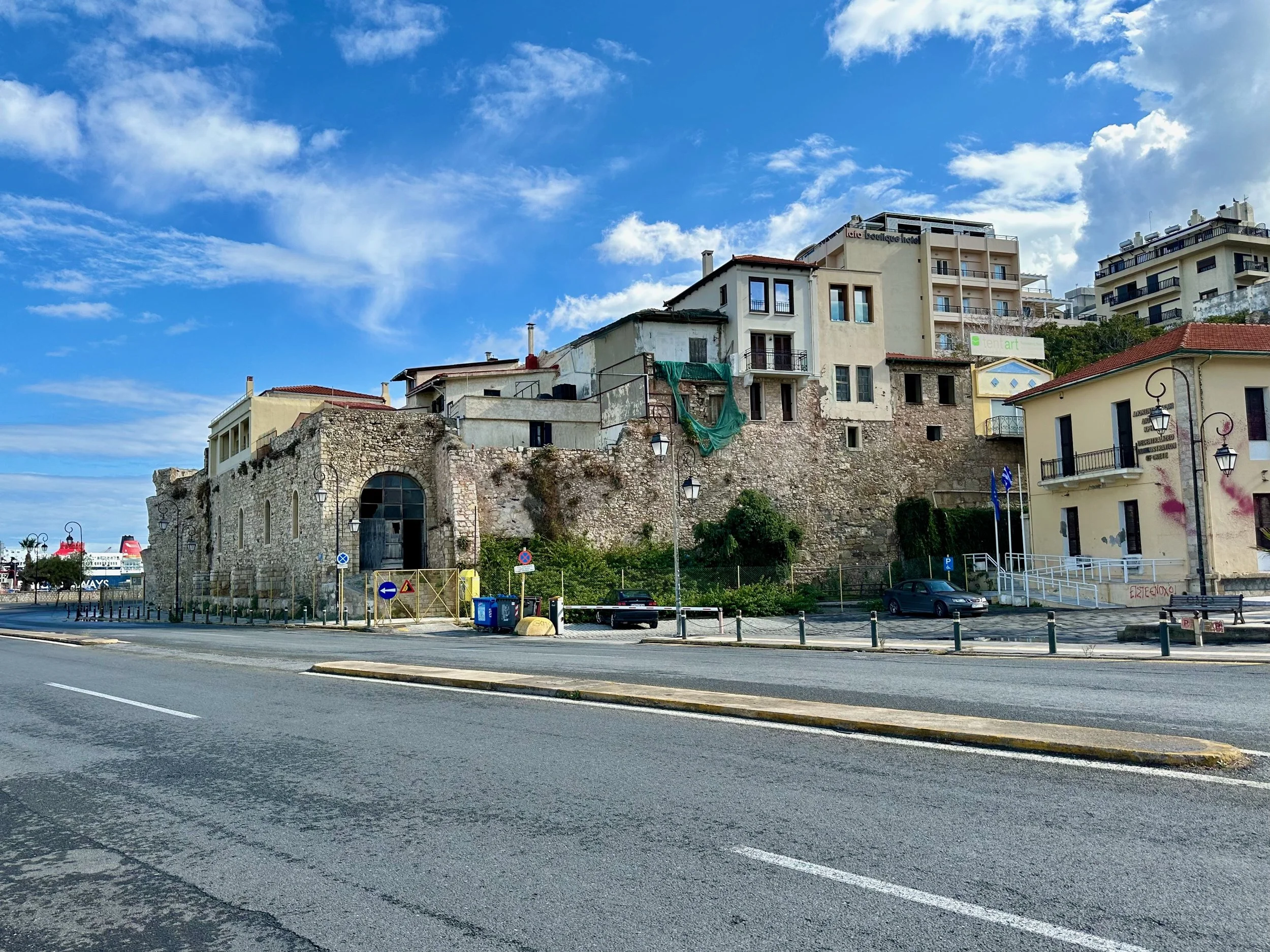
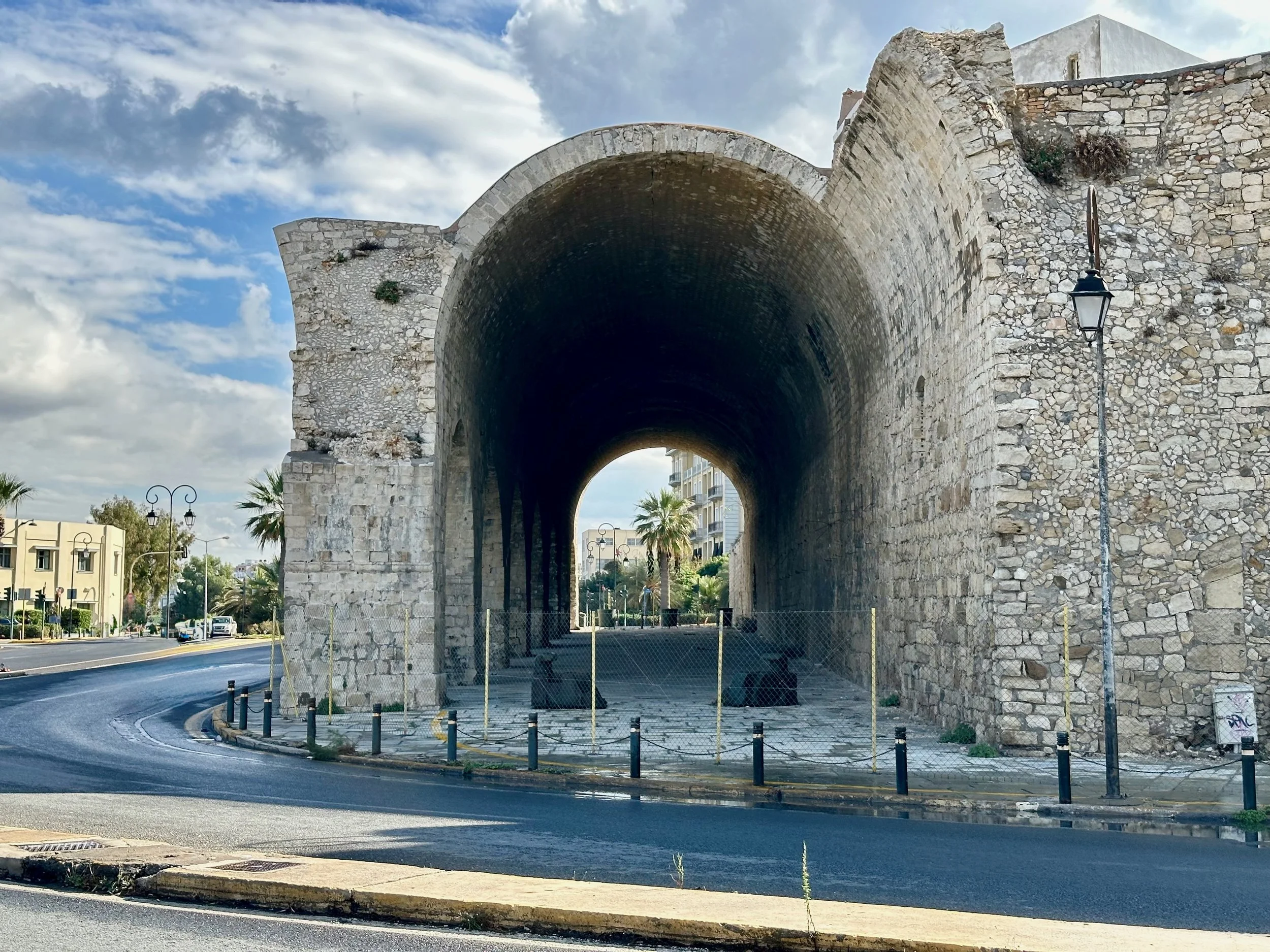
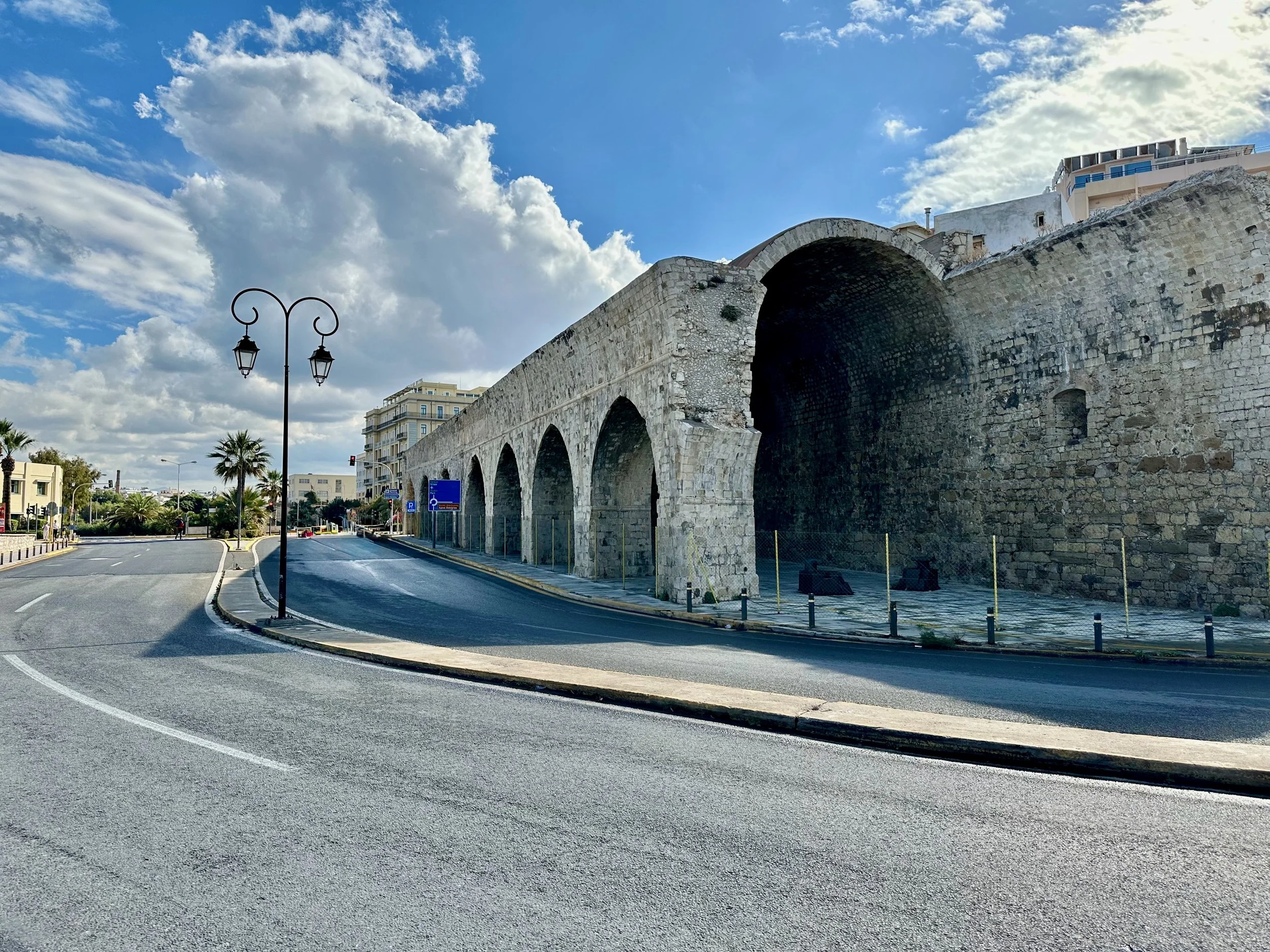
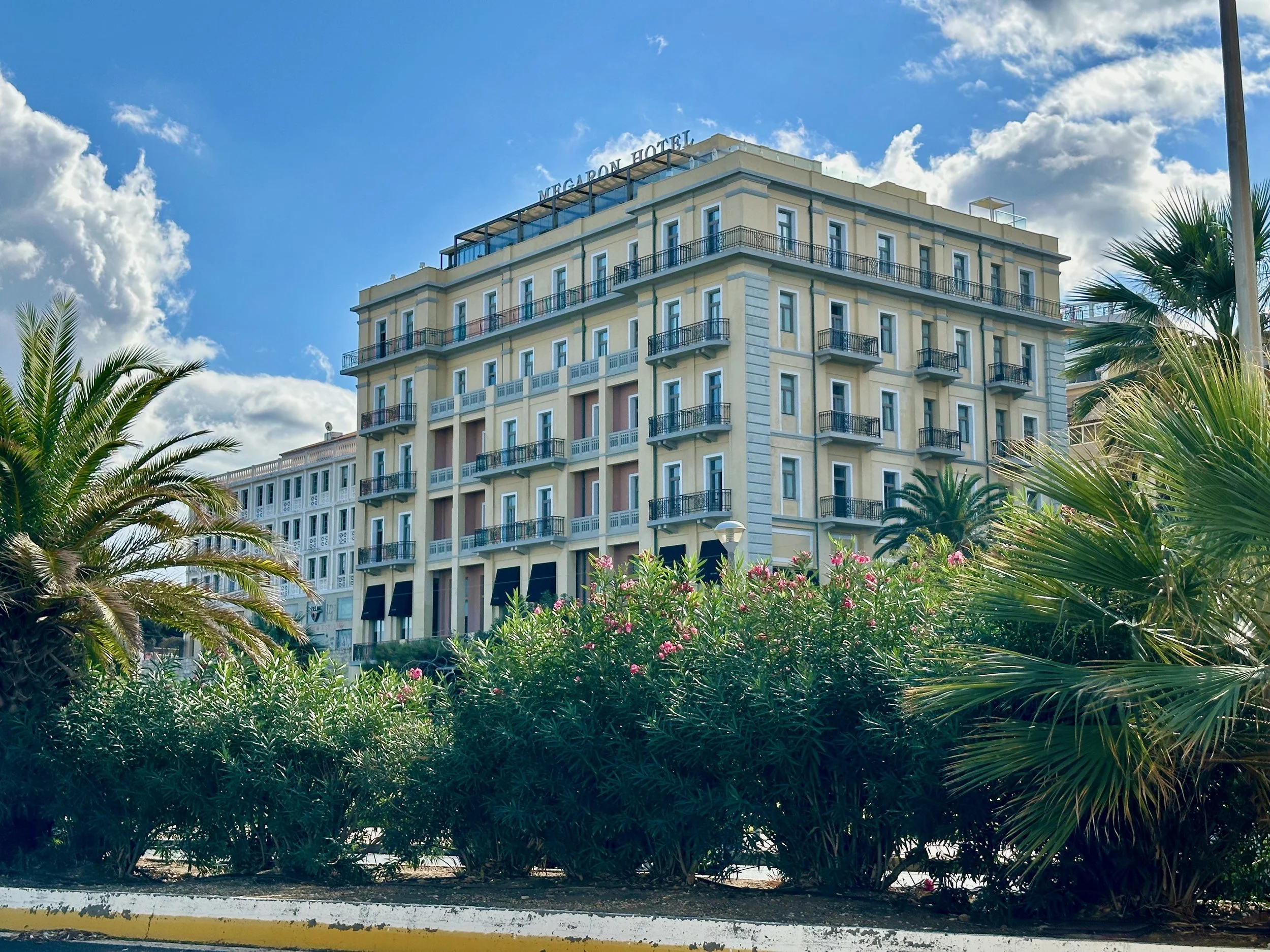
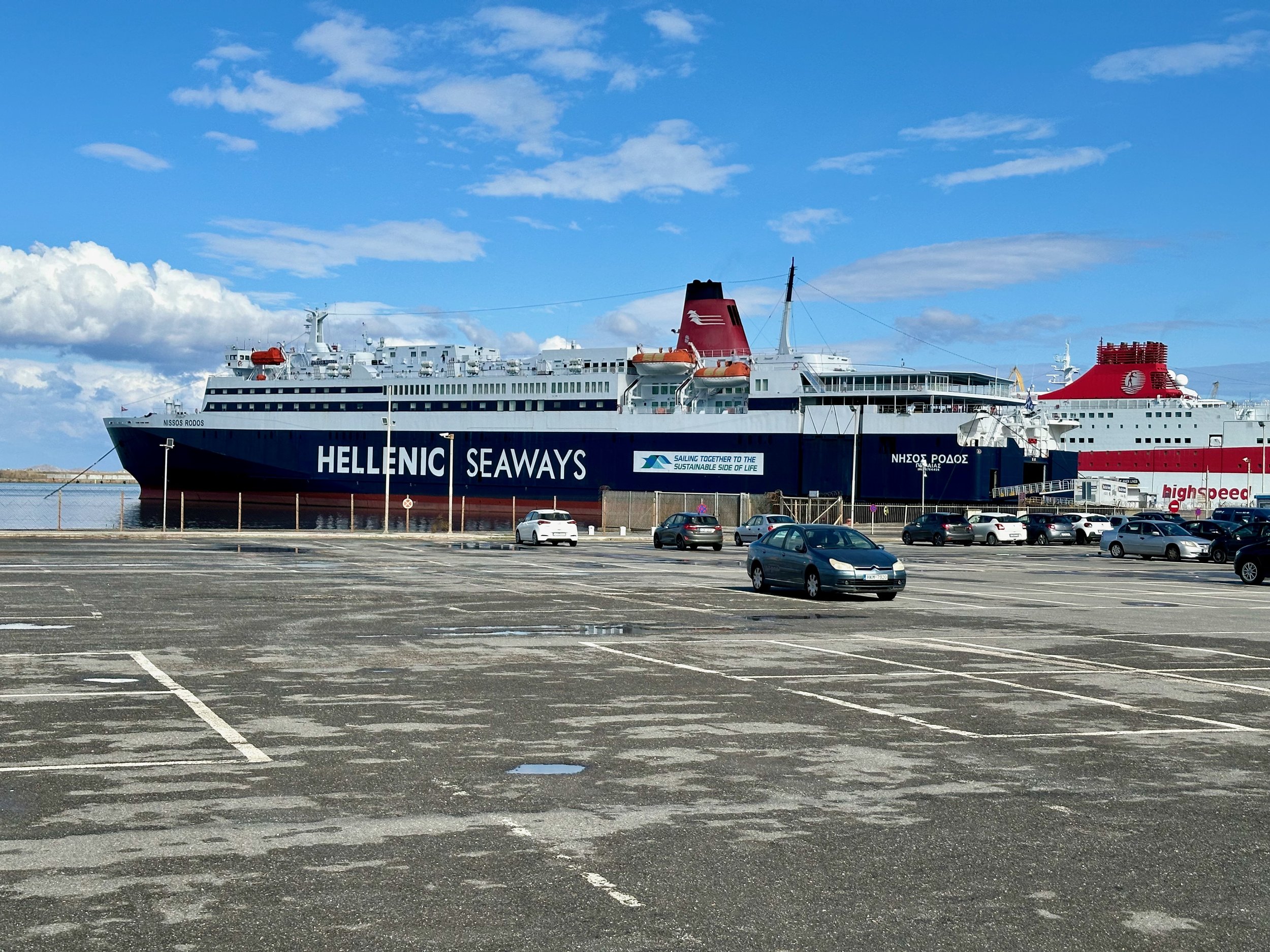
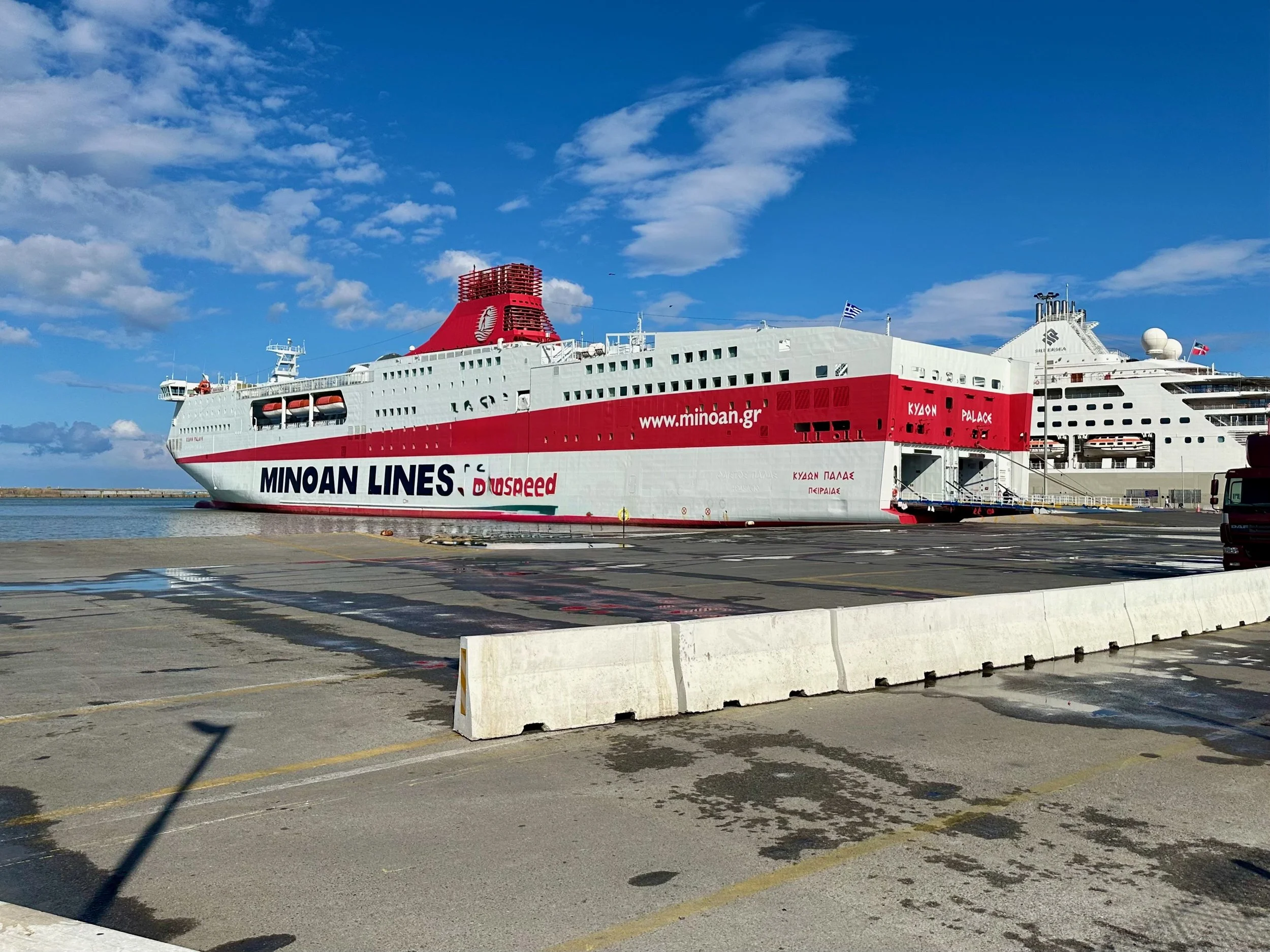
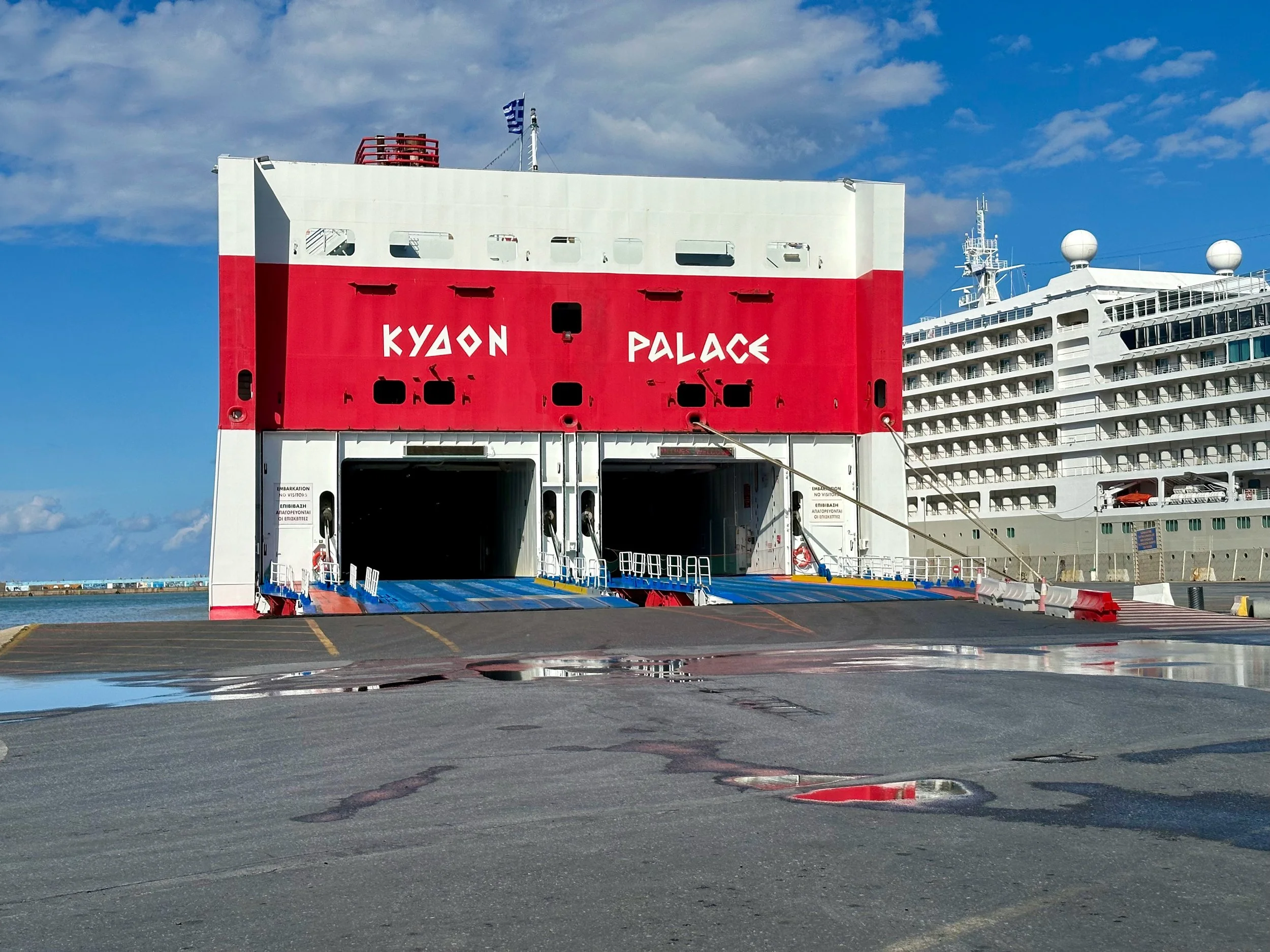
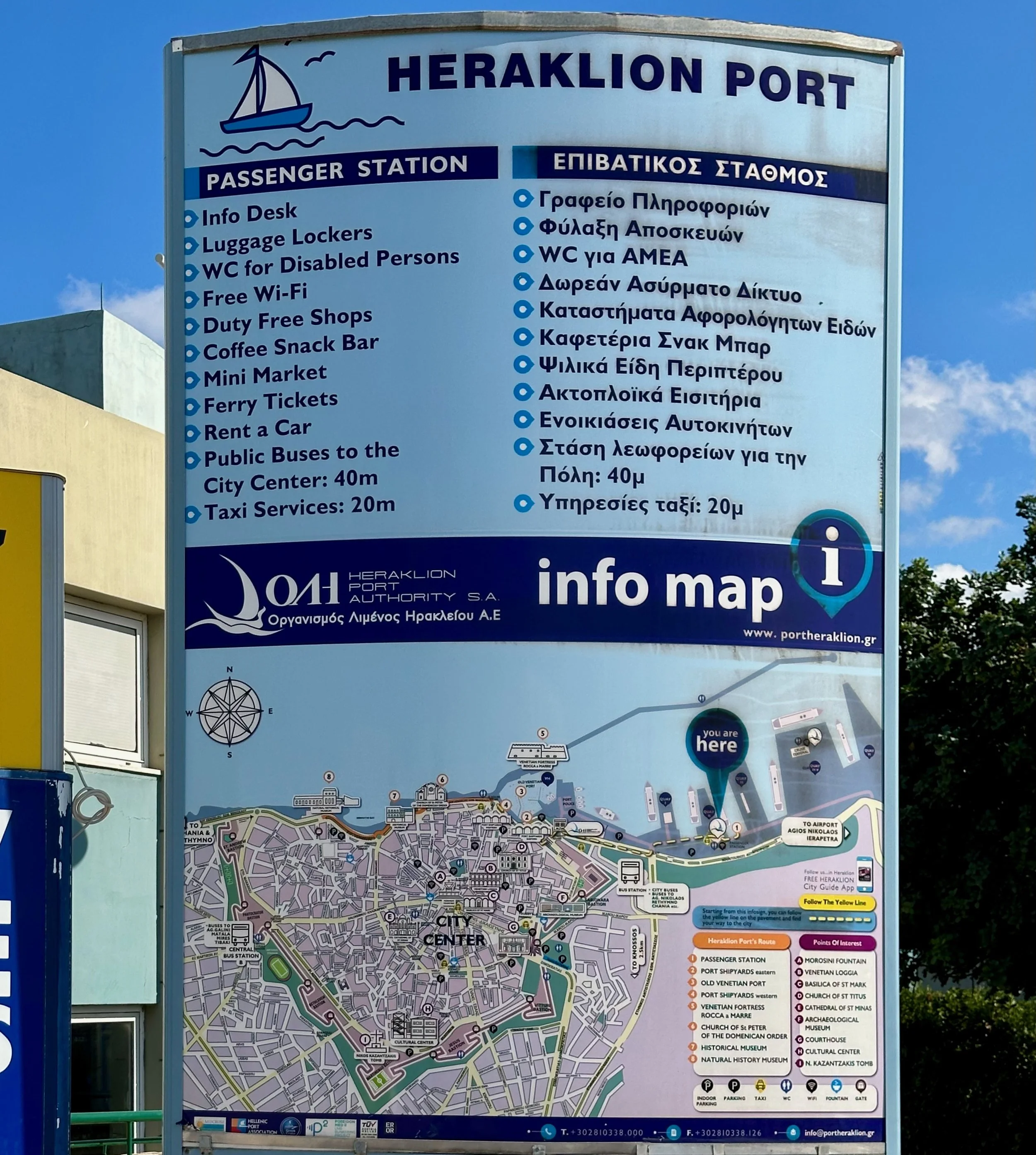
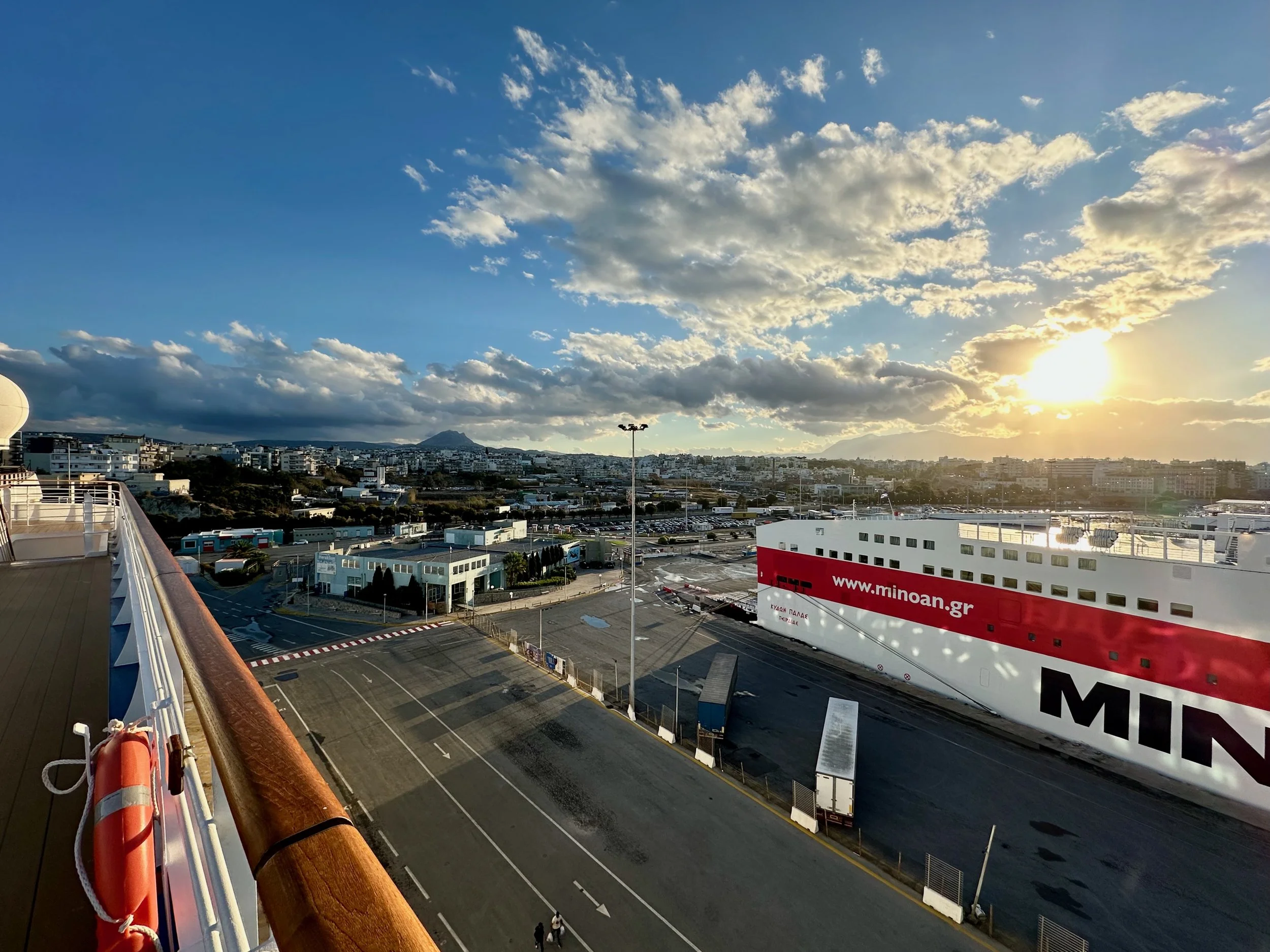
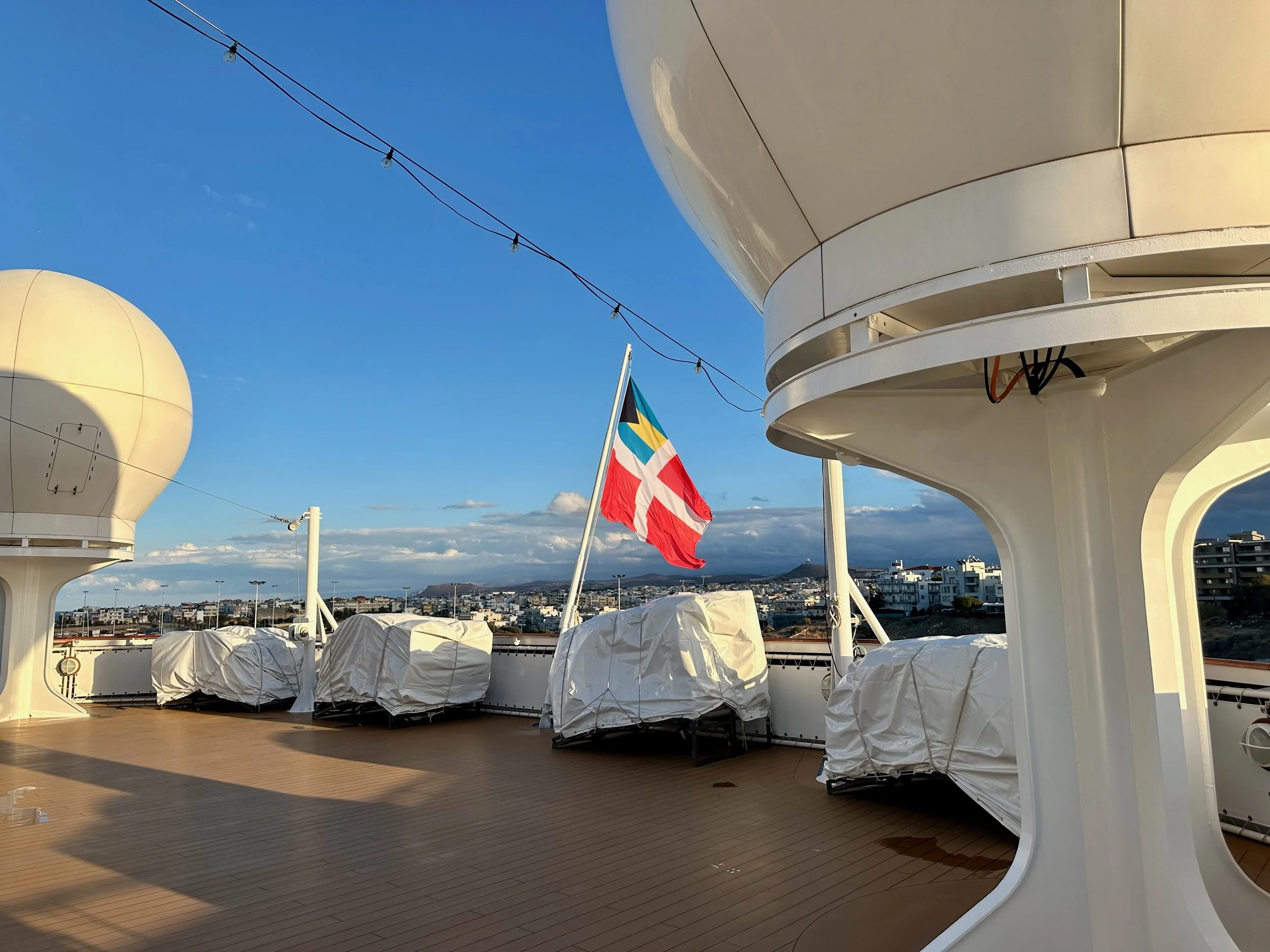
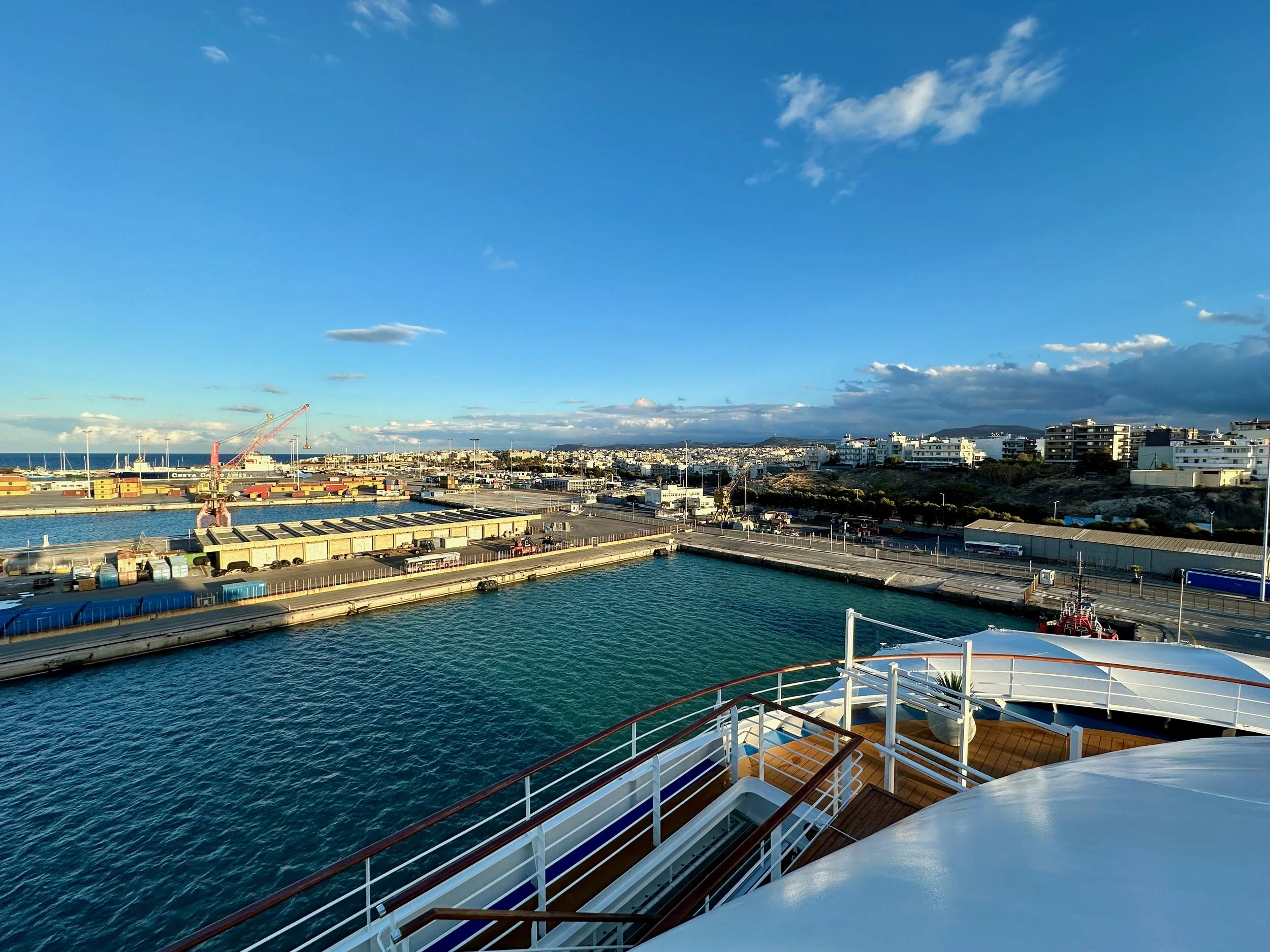
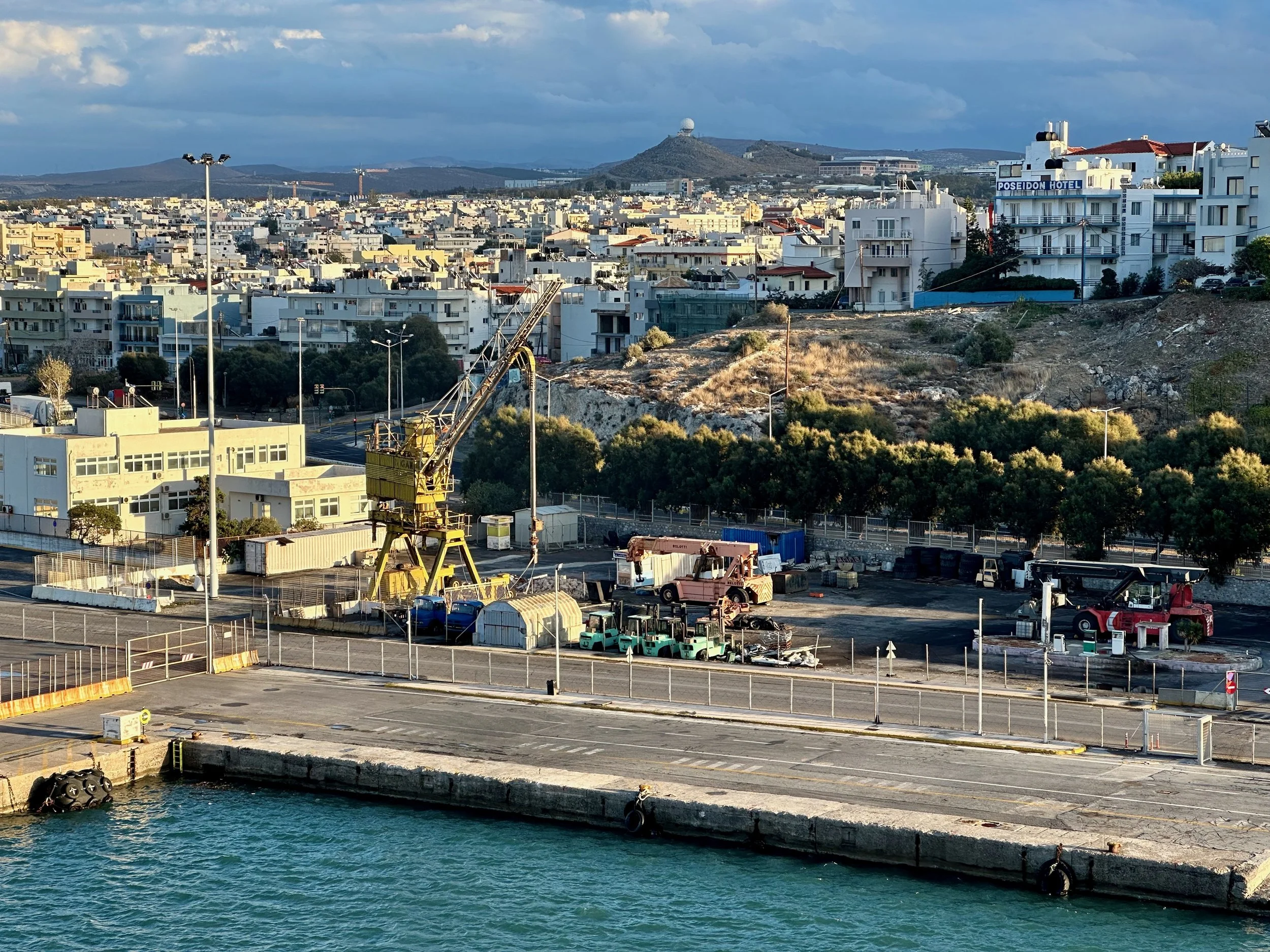
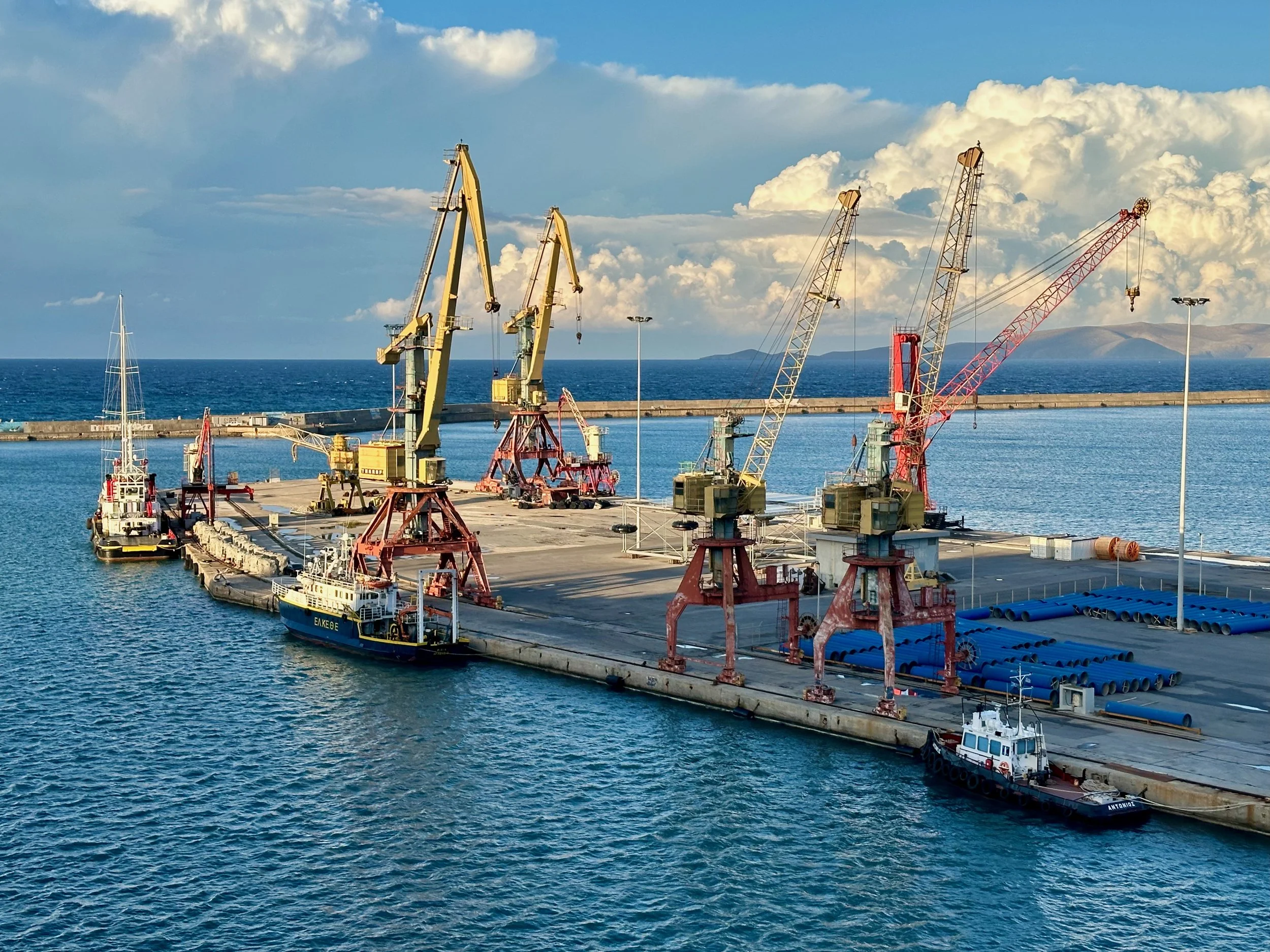
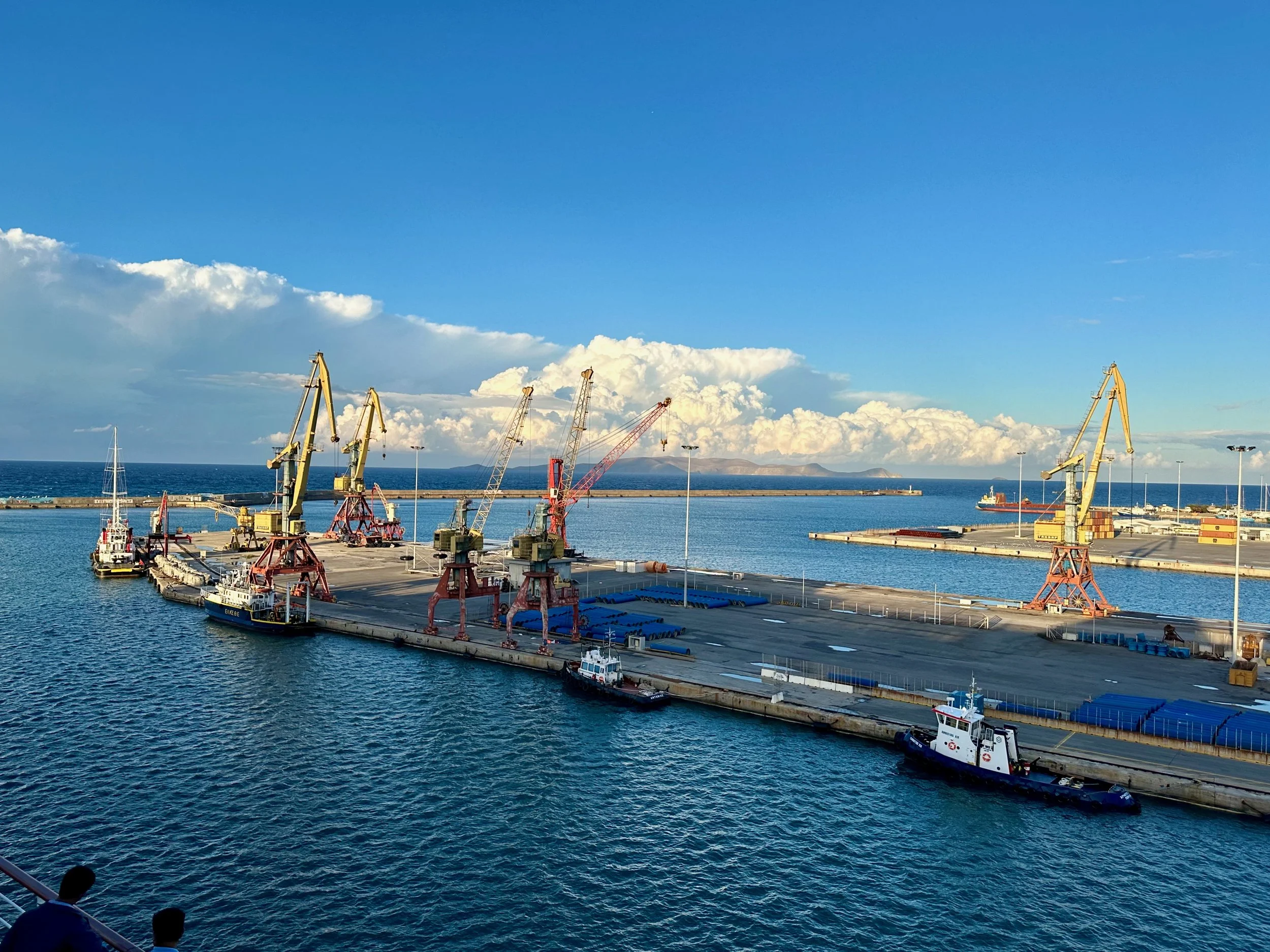
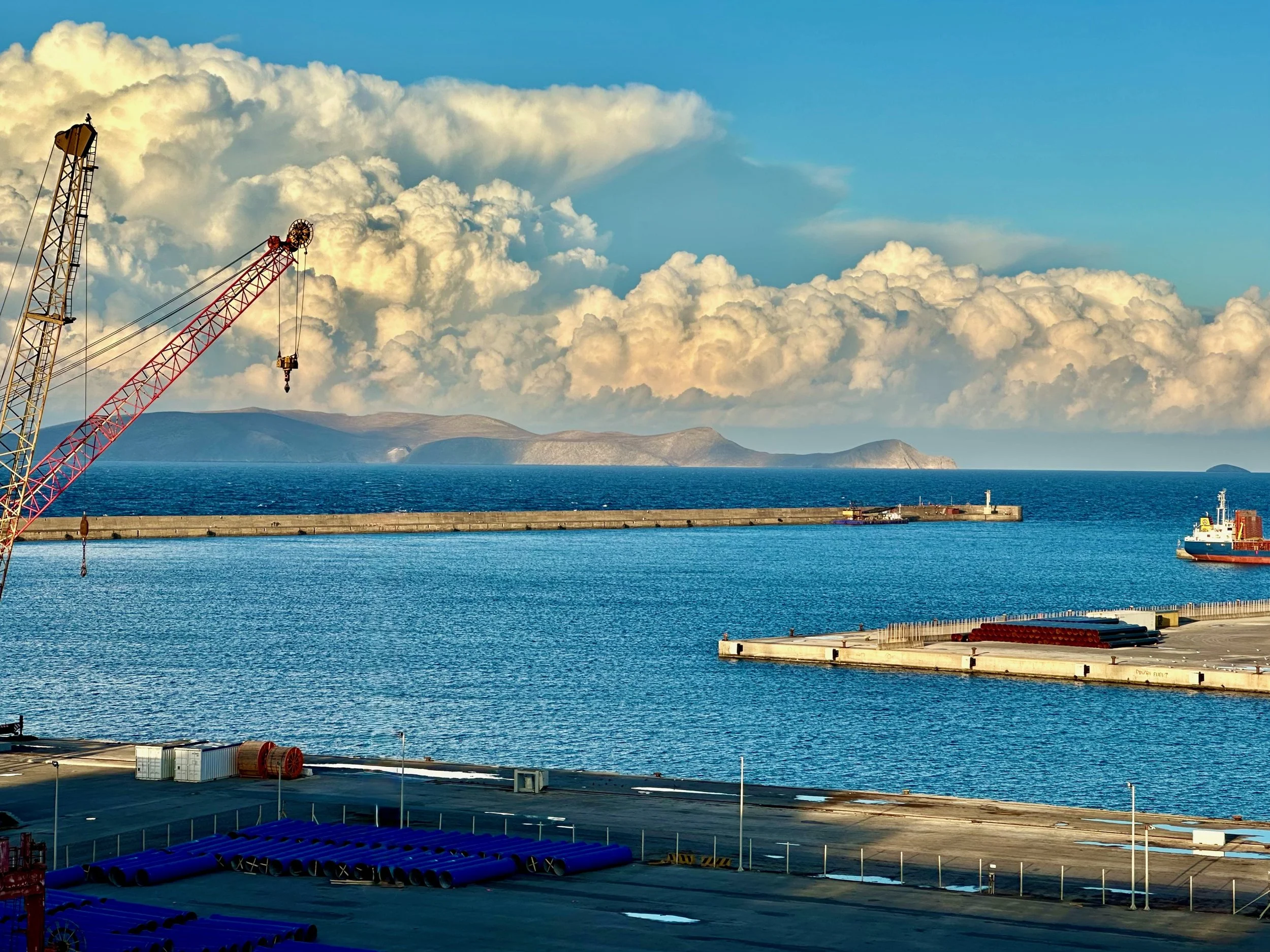
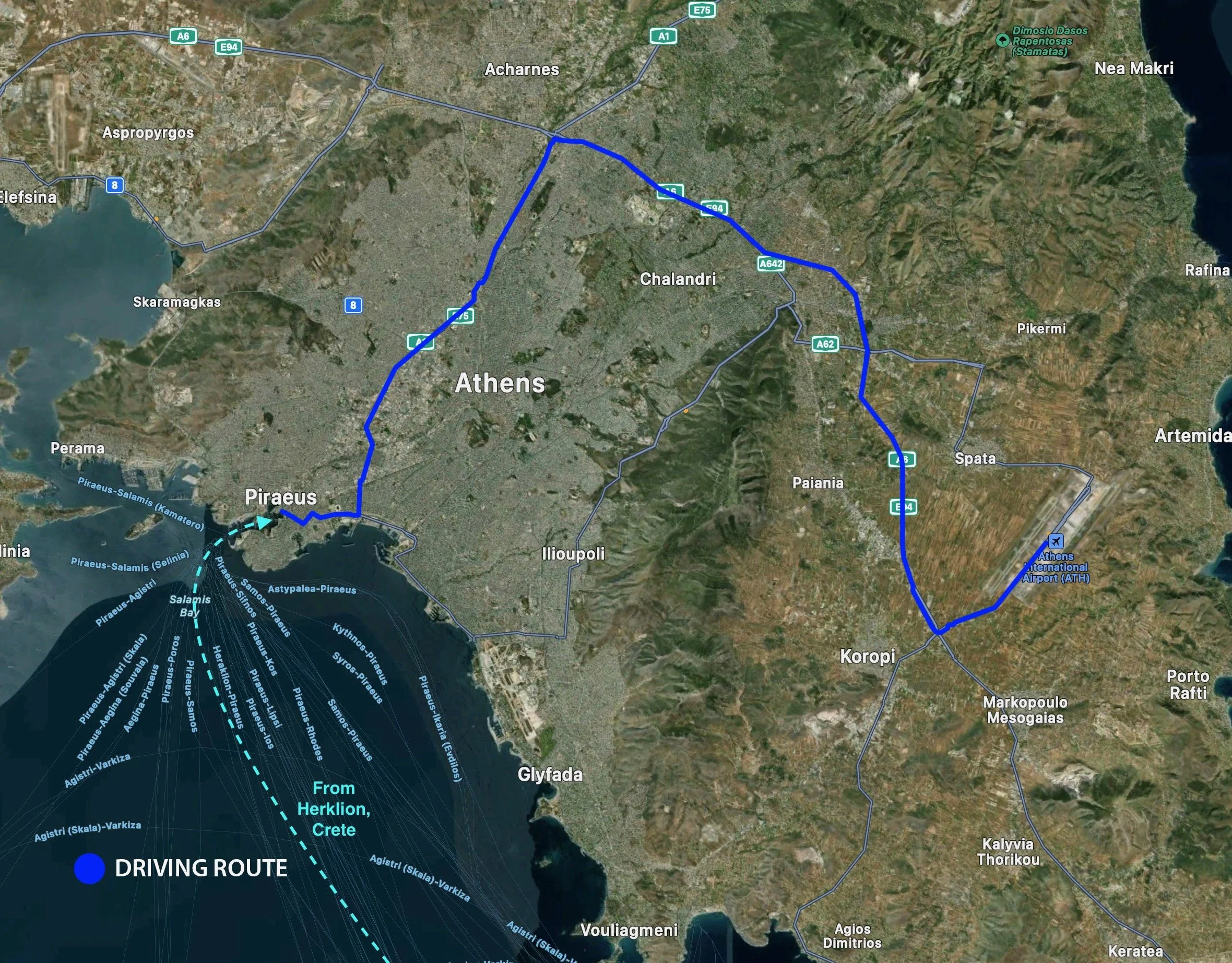
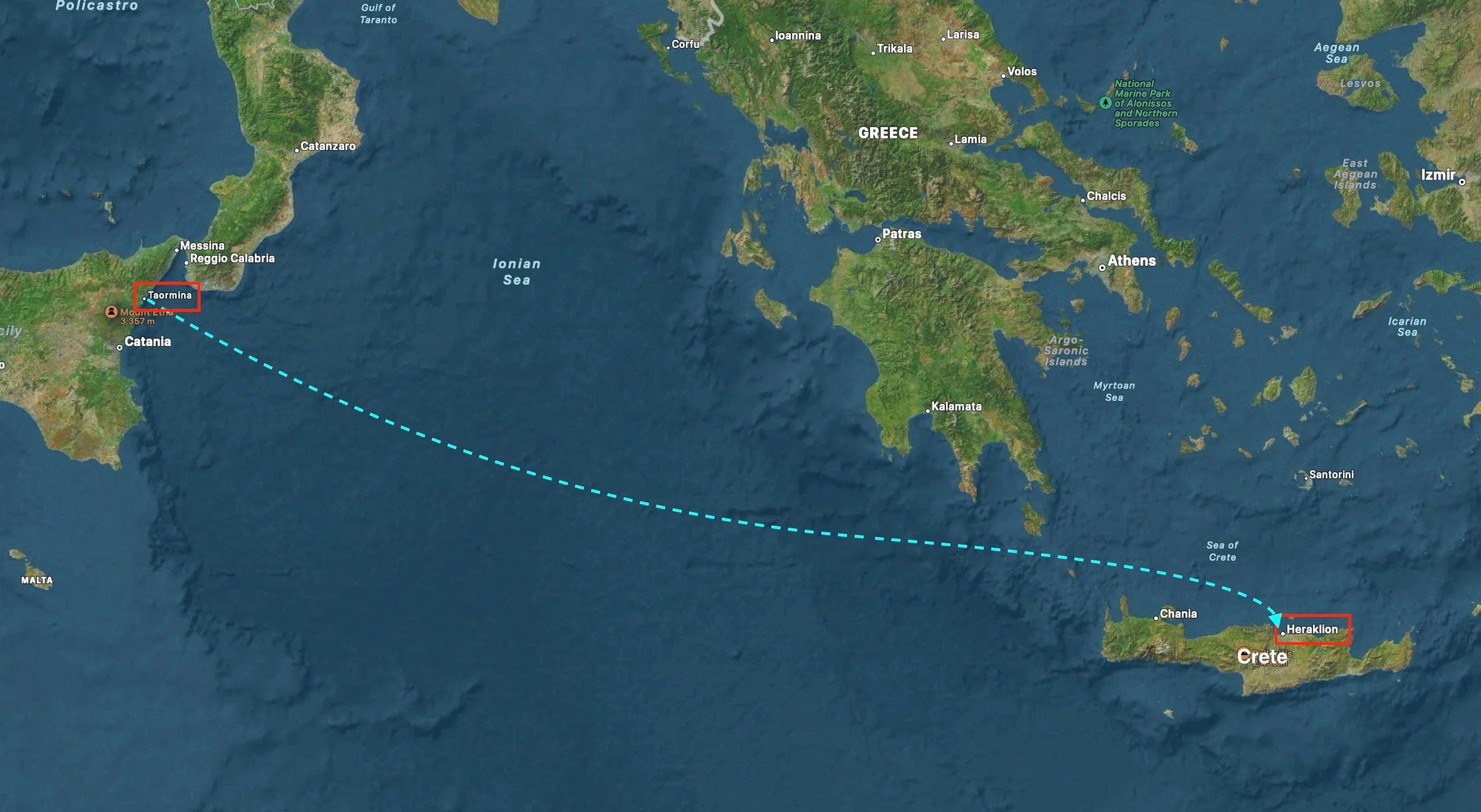
Our route from Crete to Athens.
Ending at Piraeus/Athens
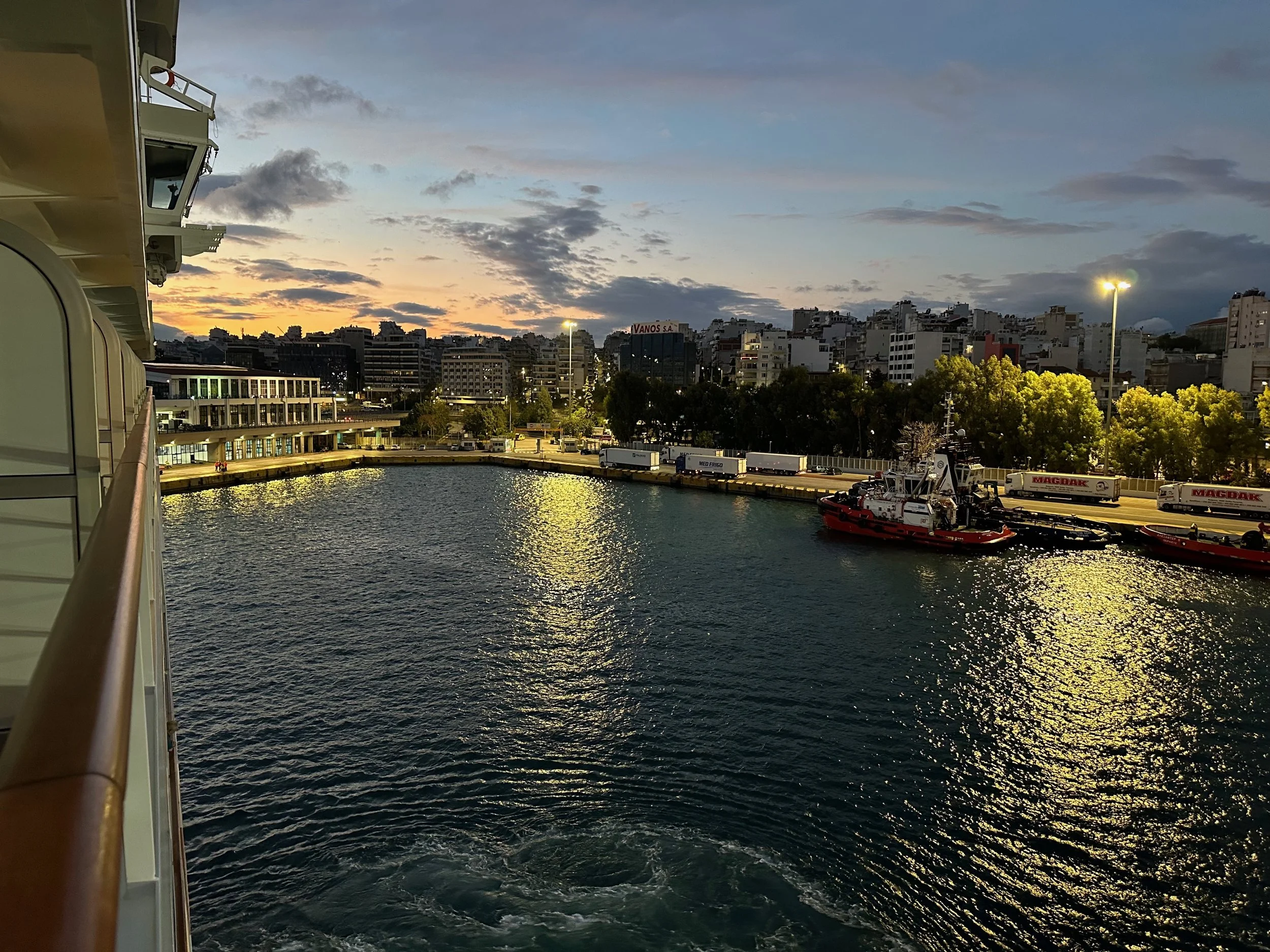
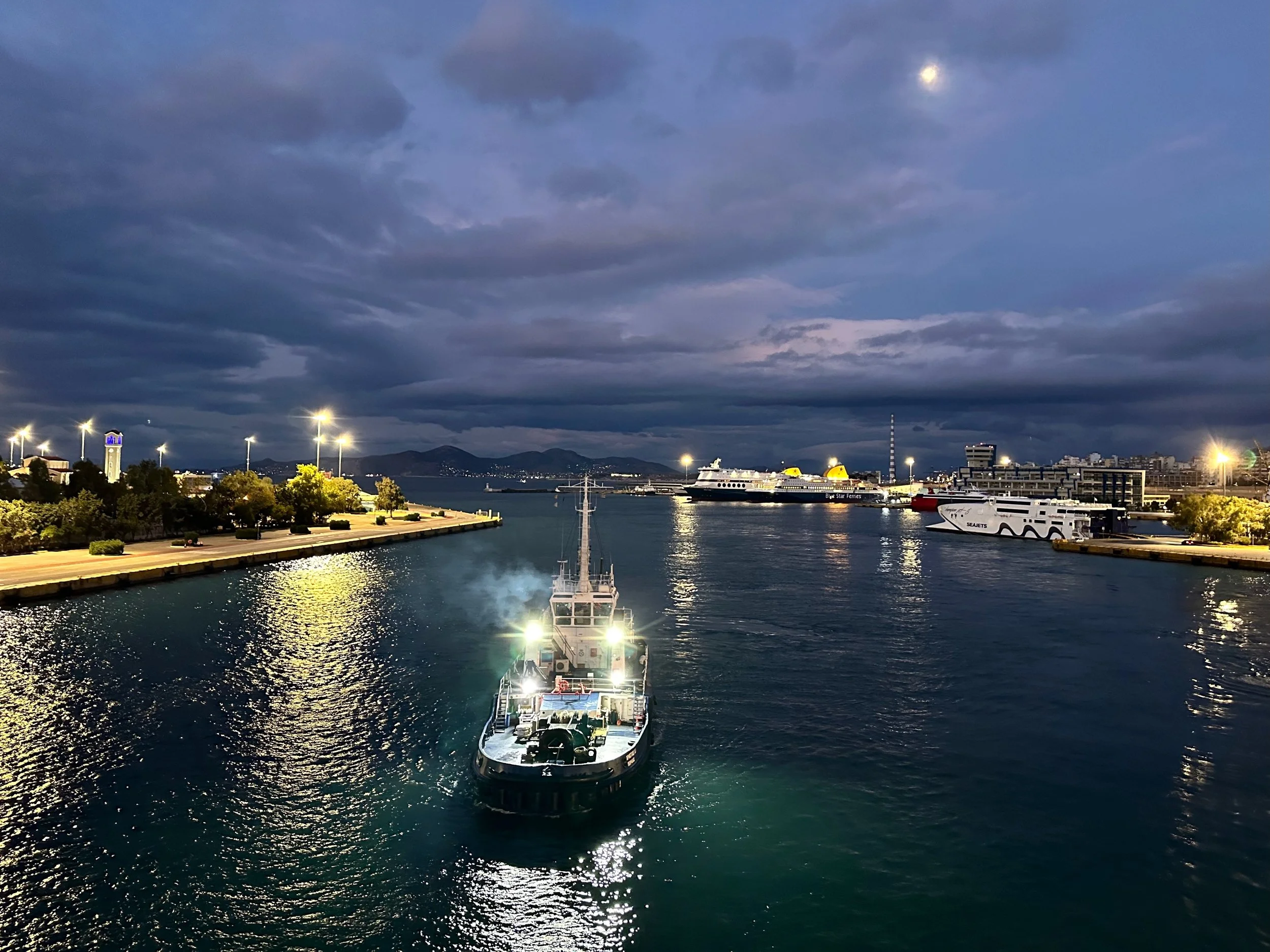
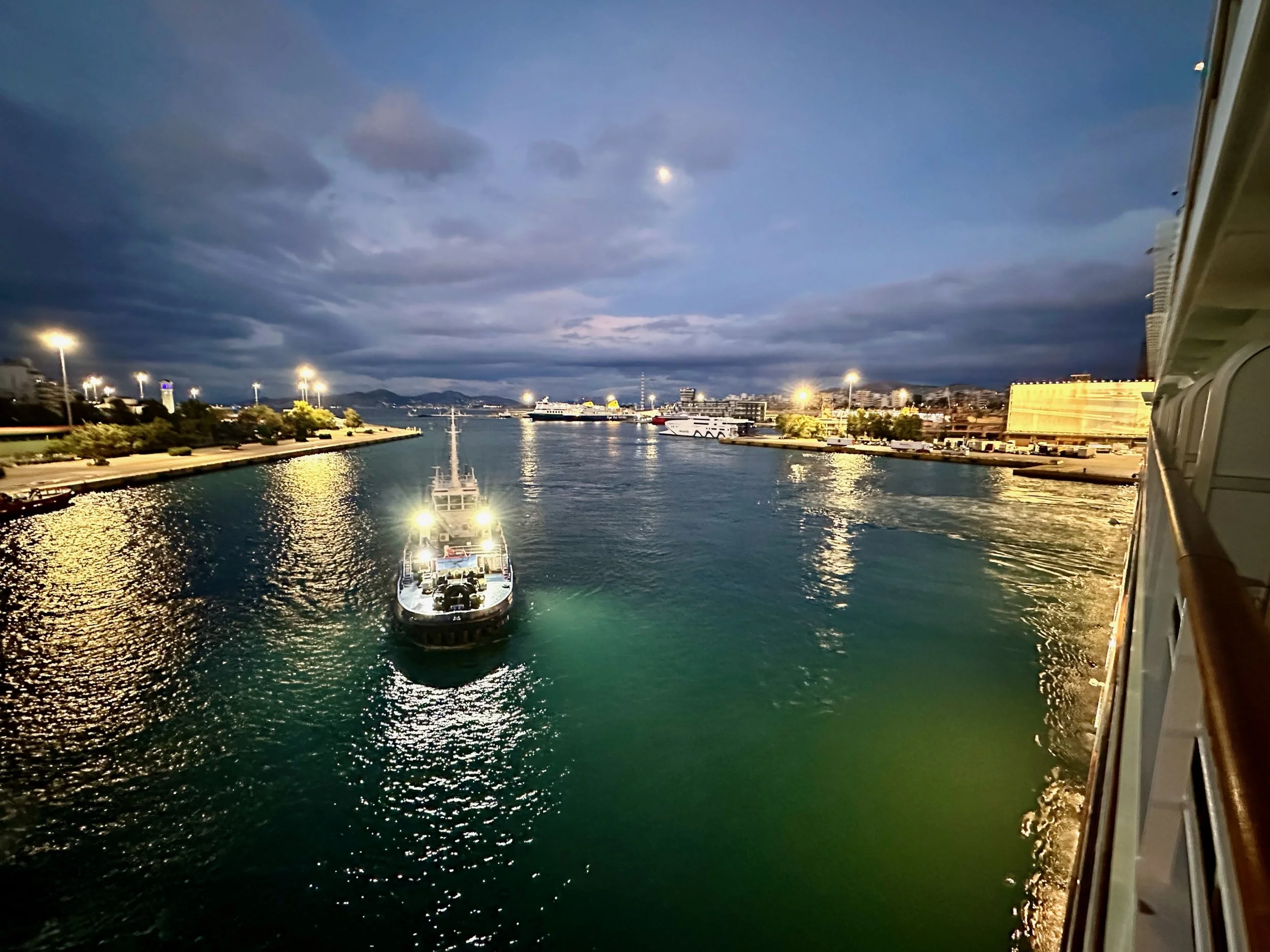
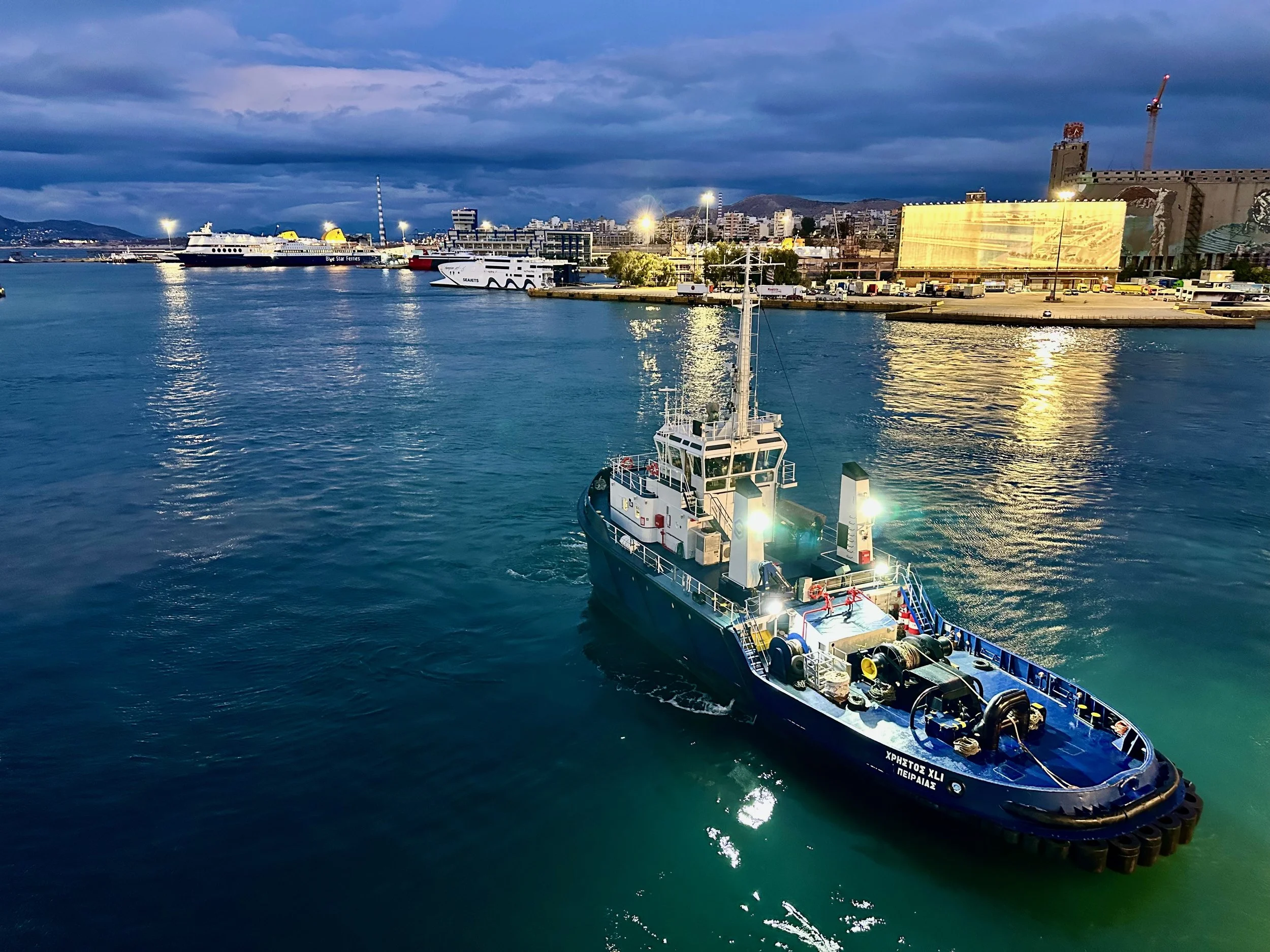
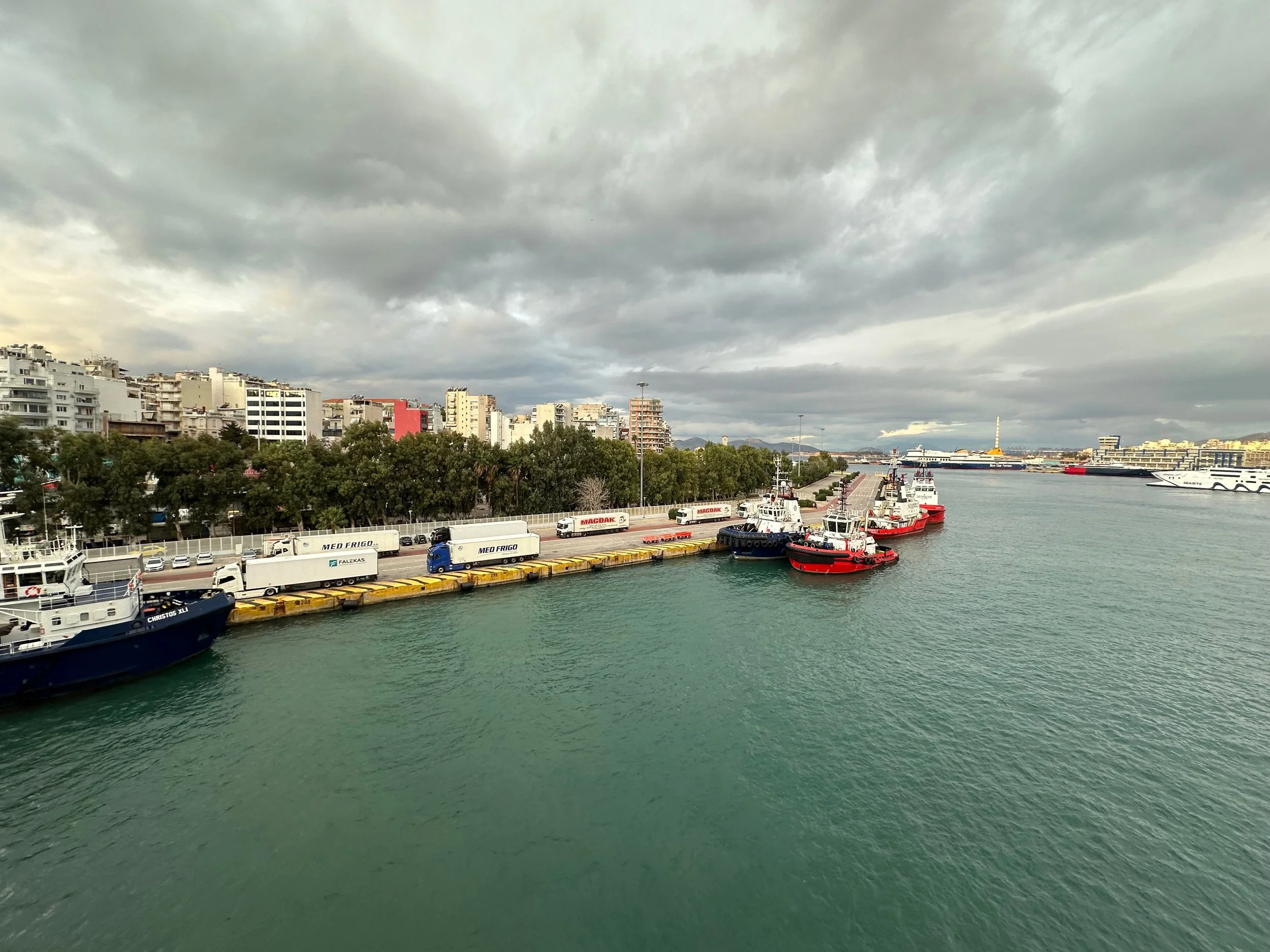
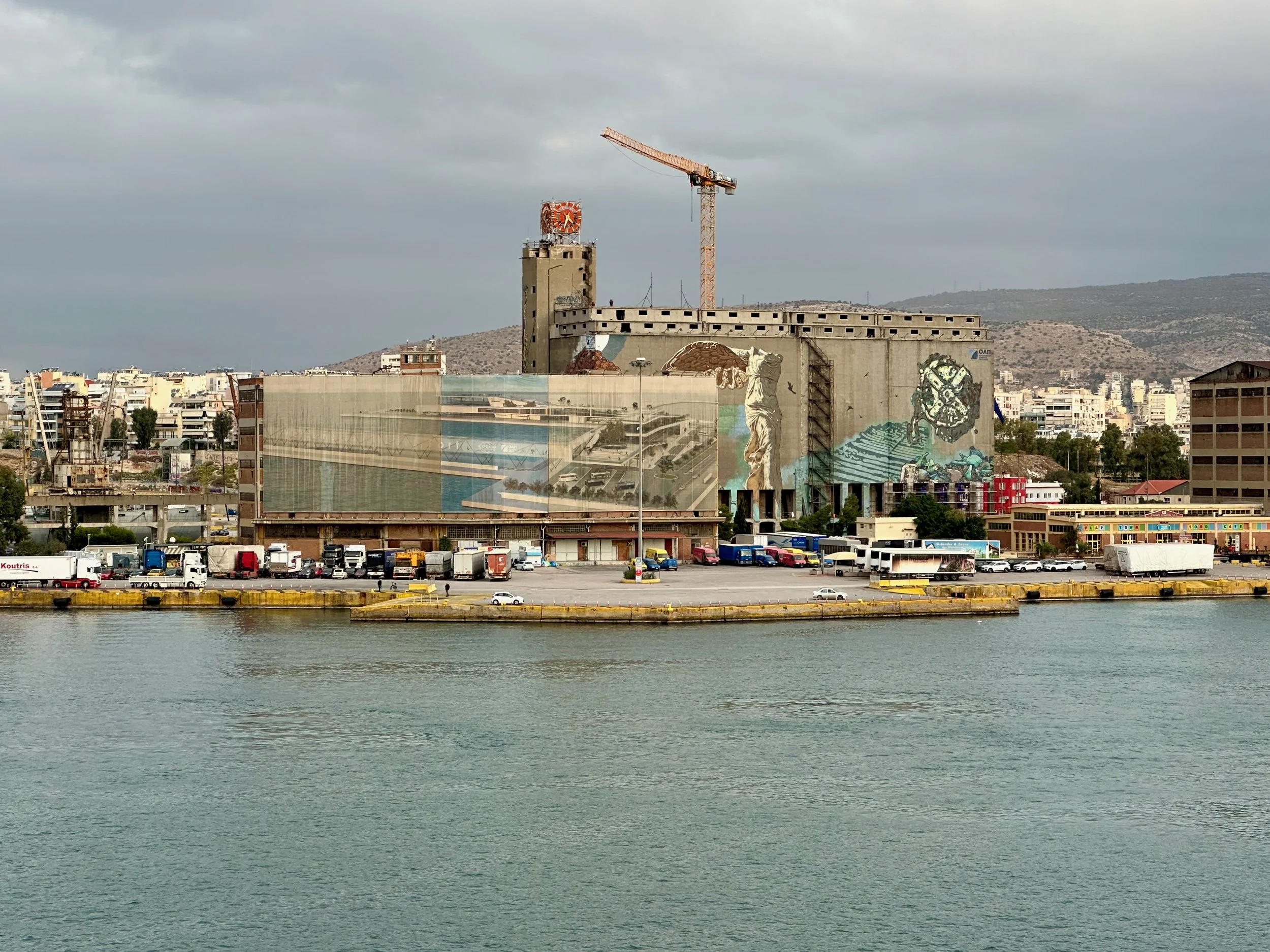
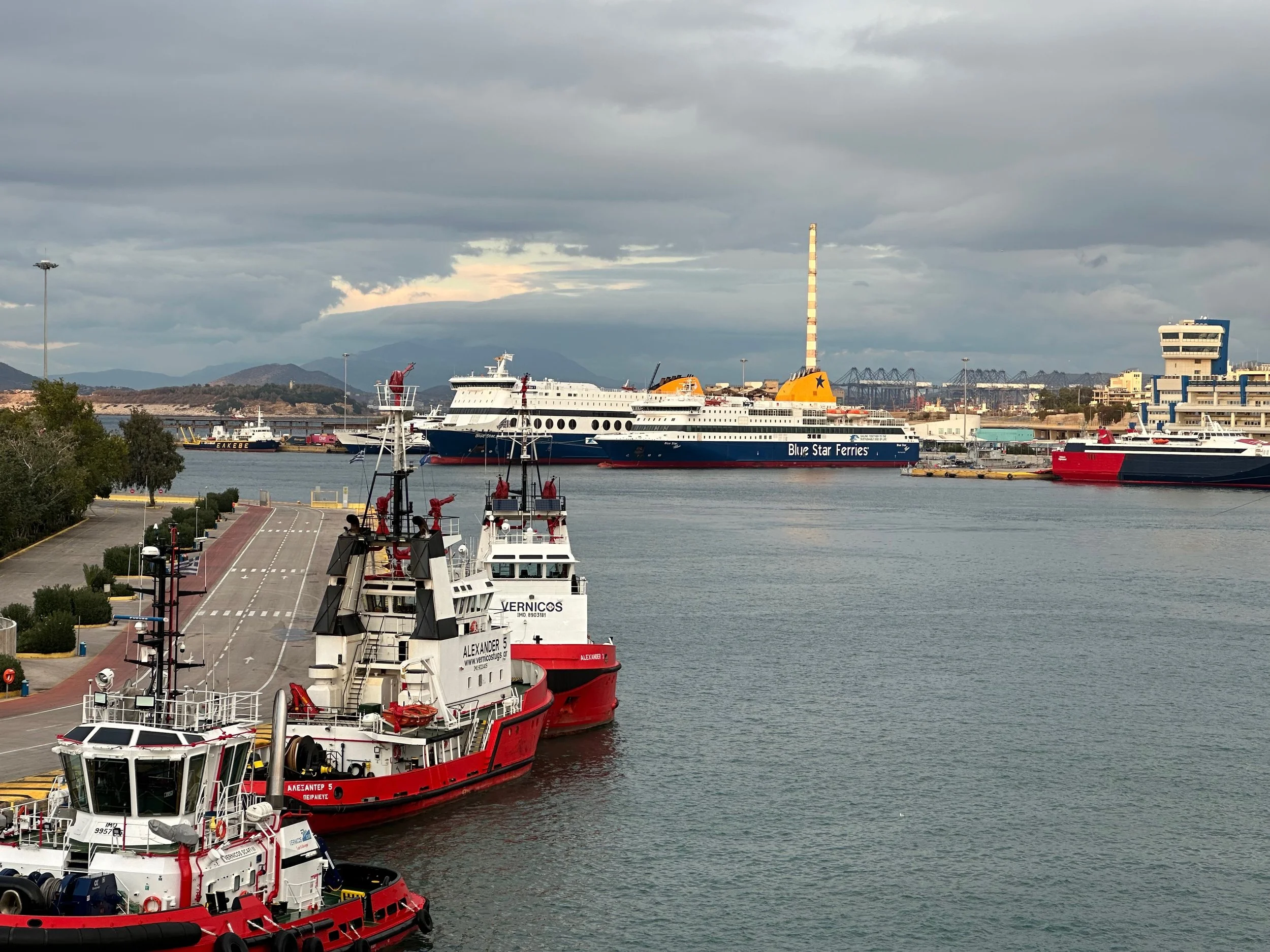
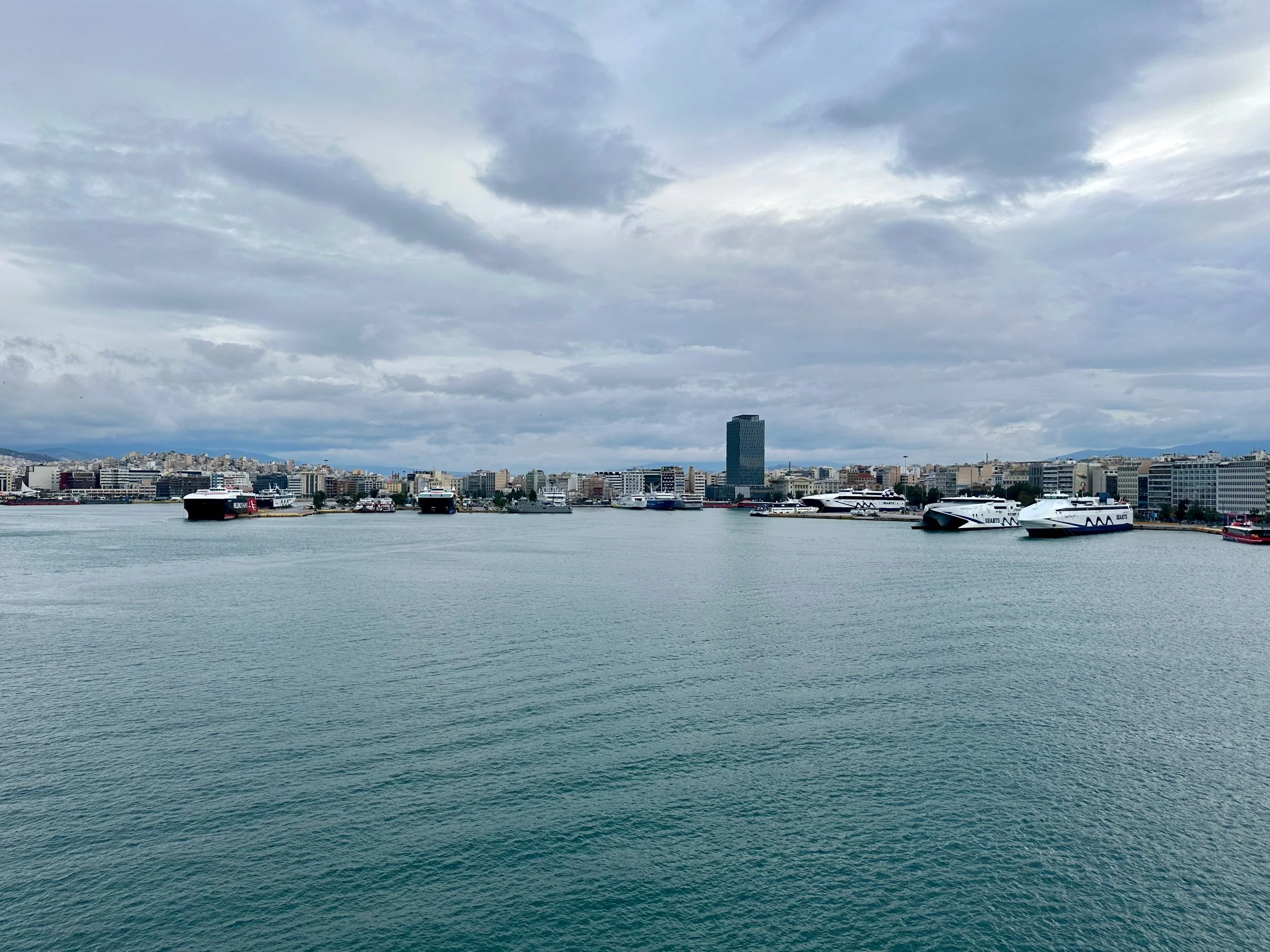
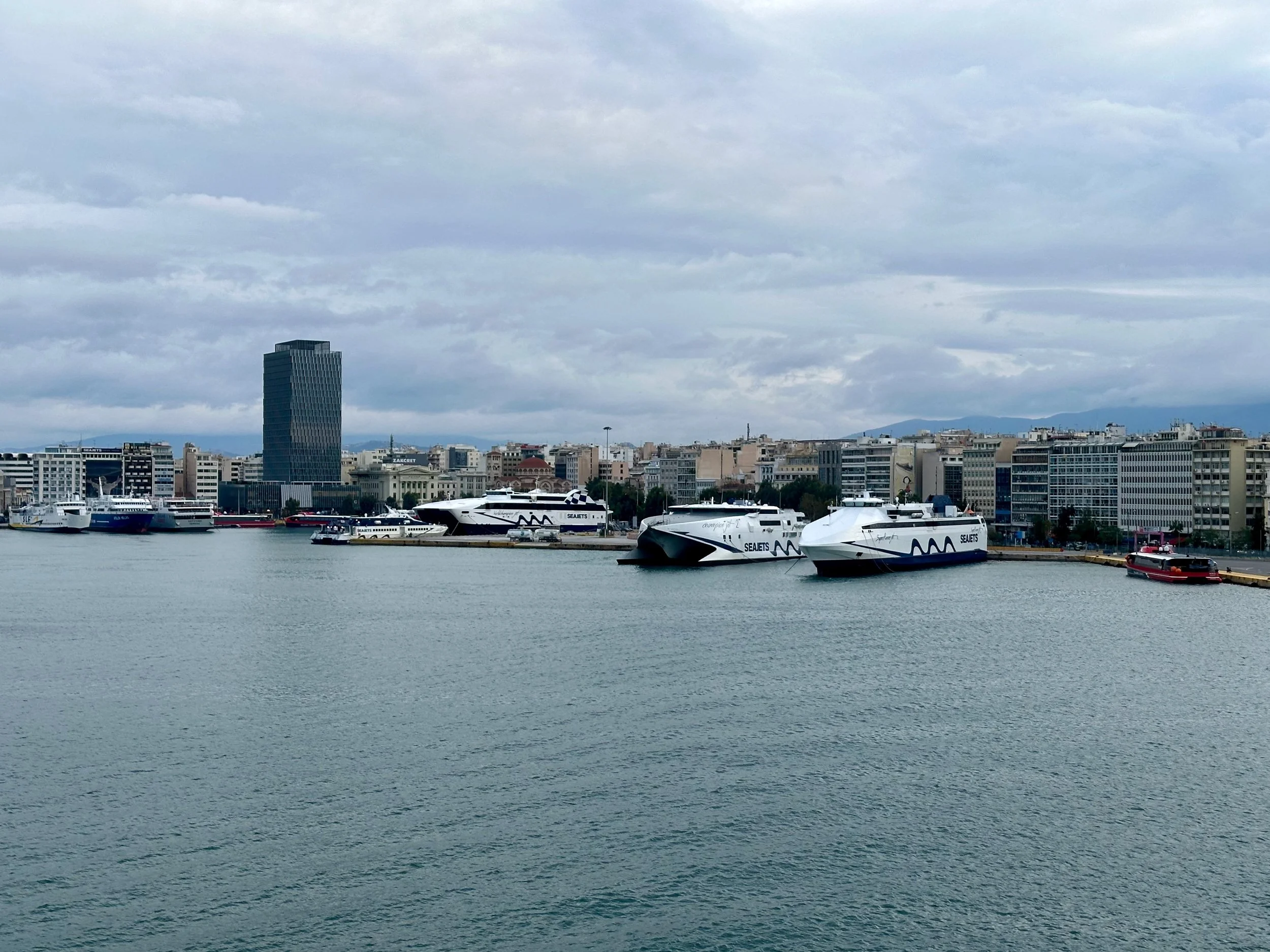
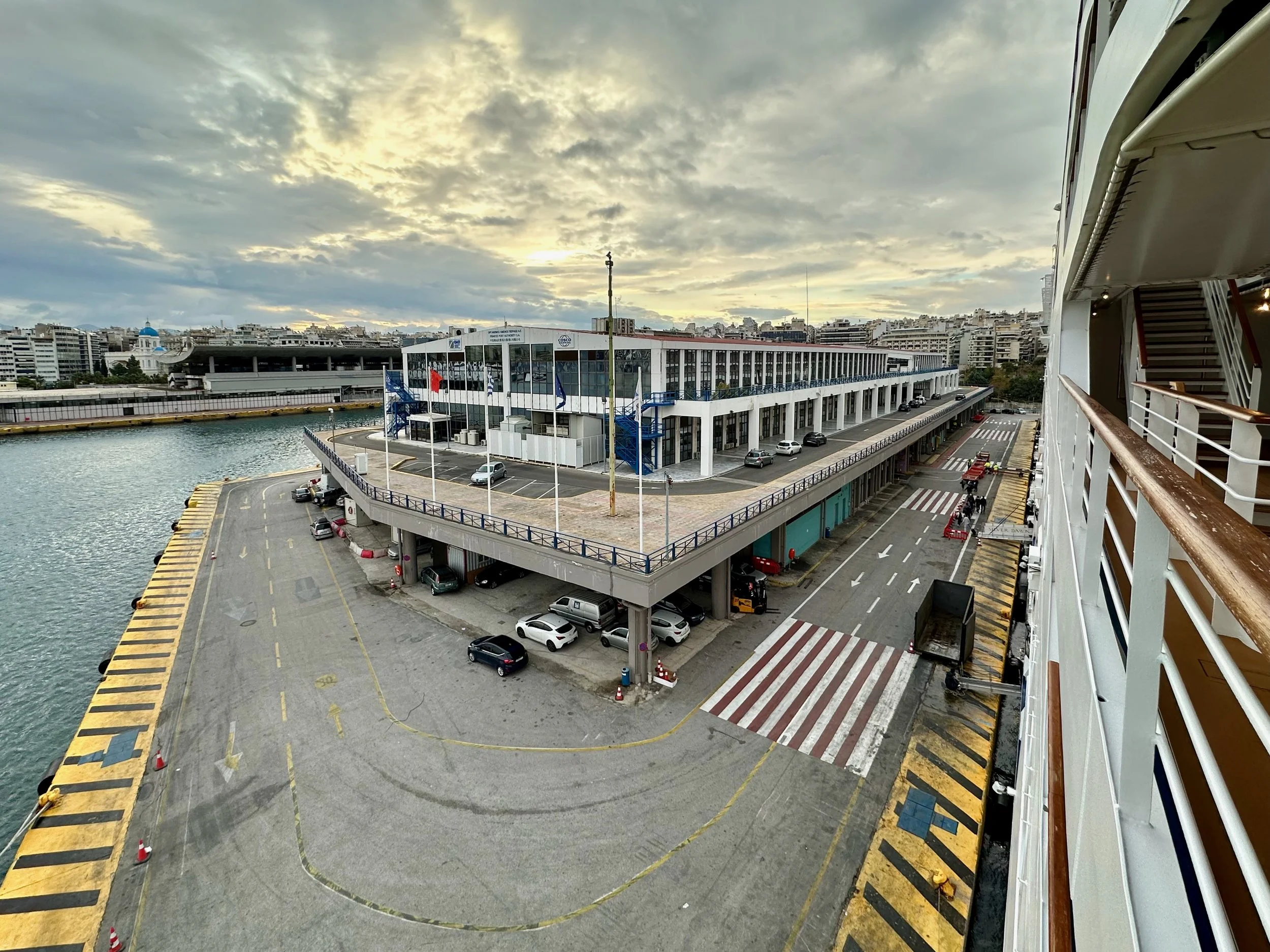
Reaching our port of disembarkation took an overnight sail from Crete. We arrived while still dark, and were being pushed into the dock by a large tug just as dawn was breaking. We got up early because of the motion of the ship, and got some early morning photos from our balcony. Unfortunately it wasn’t going to be a warm and sunny day. I guess it was getting us prepared for what we would experience when we got back to Vancouver.